
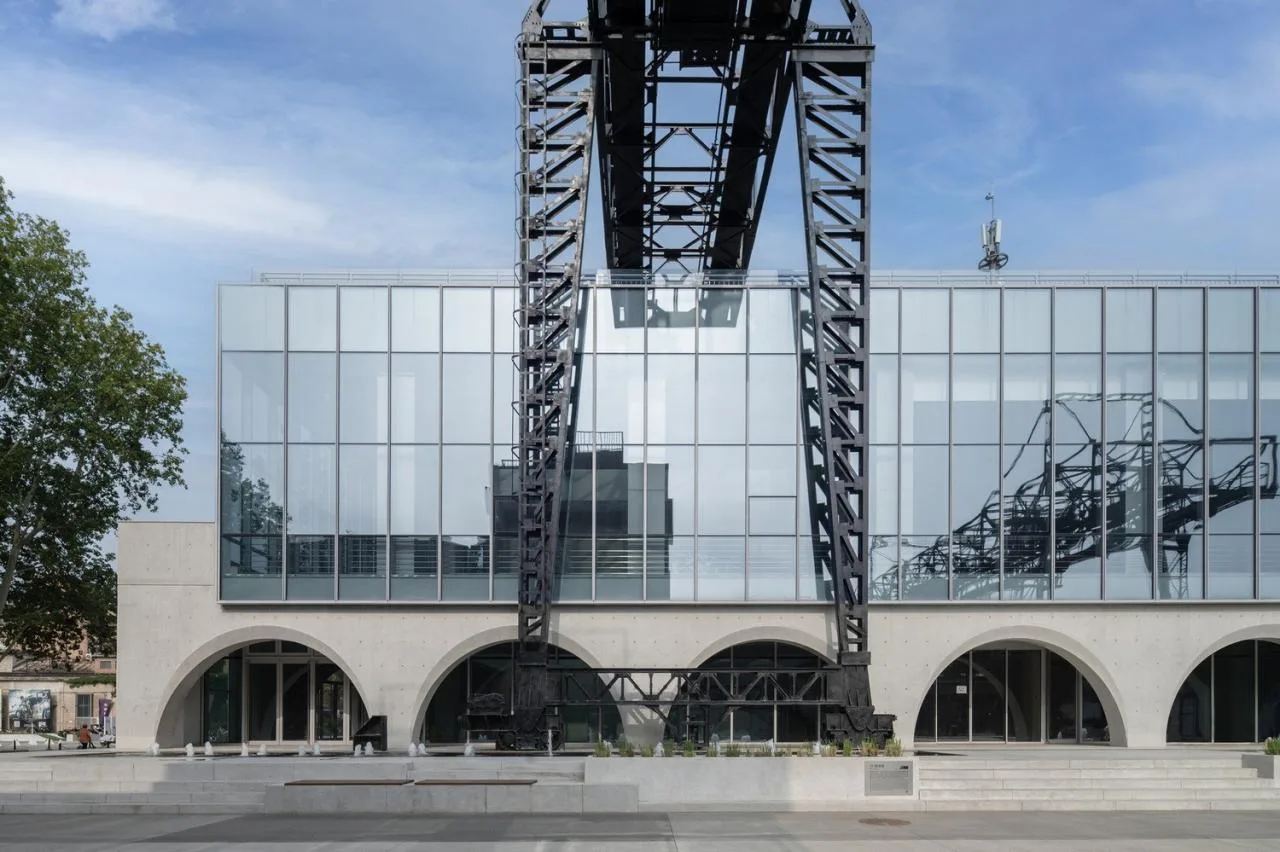
The 751-798 Art District is the largest art district in China and serves as the main venue for Beijing Fashion Week and Design Week. Originally built in the 1950s as a large-scale electronic component joint factory with support from East Germany, the district has transformed into a vibrant cultural hub.
The newly constructed 751 Library is situated at the end of the main road, 798 Street, facing Huojiaotou Square. The site was once an ash washing pool used by the factory, with a crane installed above for lifting and transporting coal ash. After 2010, both the washbasin and crane were decommissioned, and the area was closed off, interrupting the otherwise continuous 300-meter commercial frontage along 798 Street leading to Huojiaotou Square.
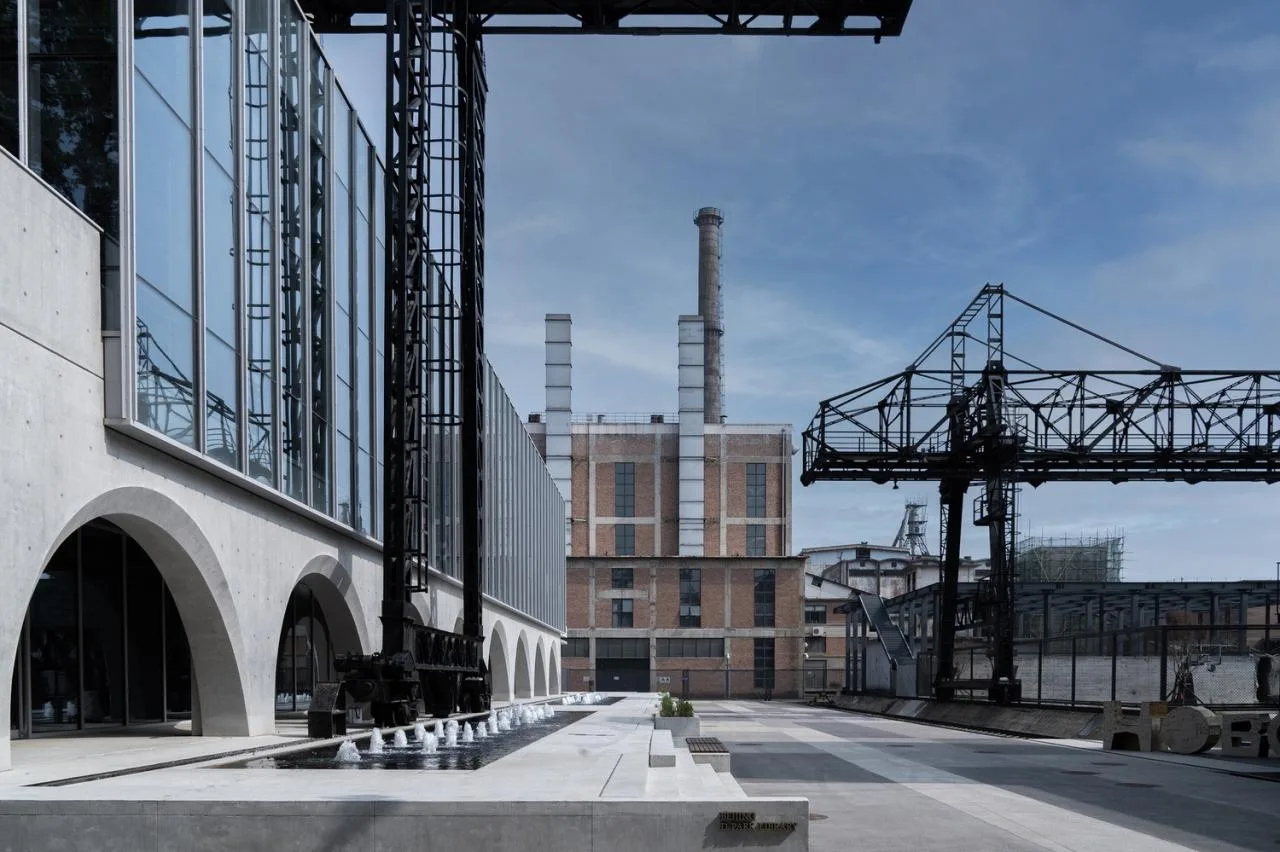
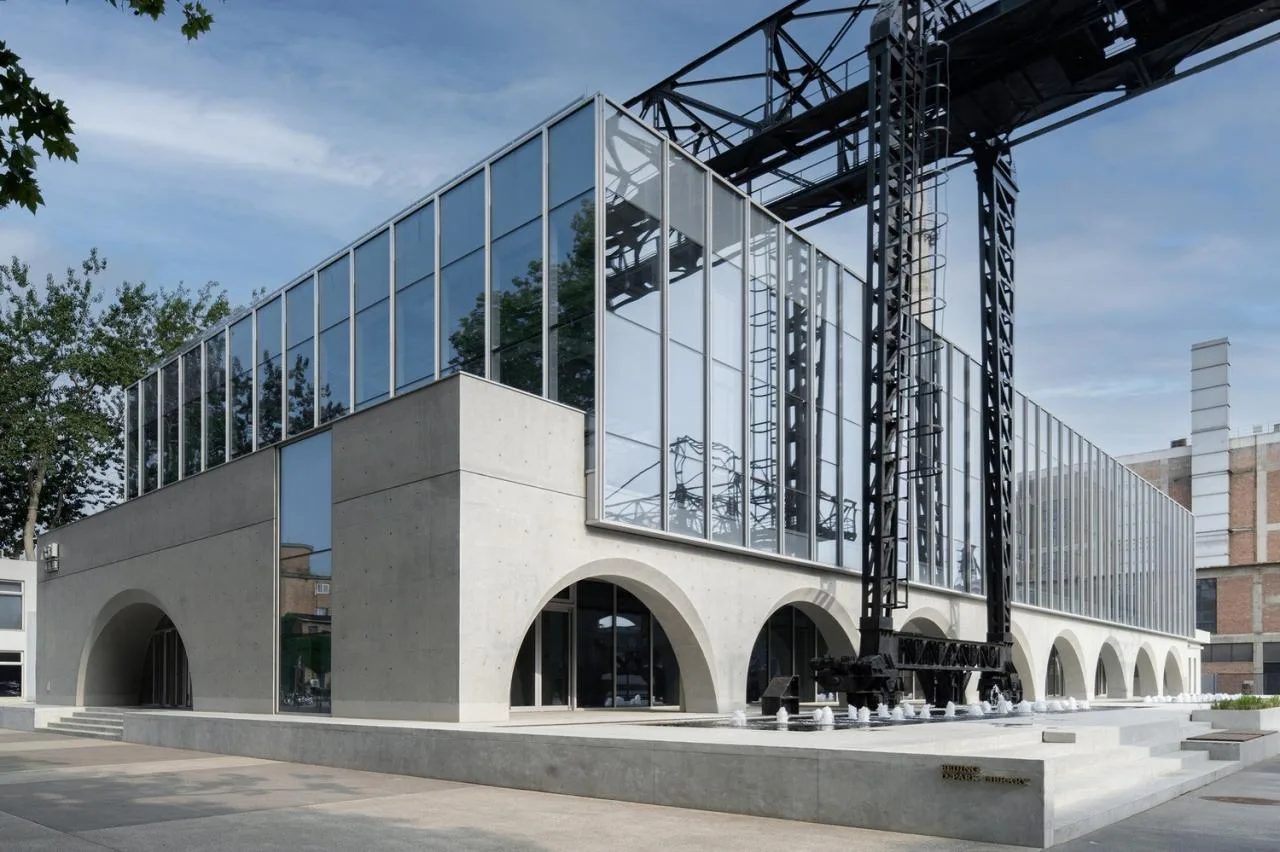
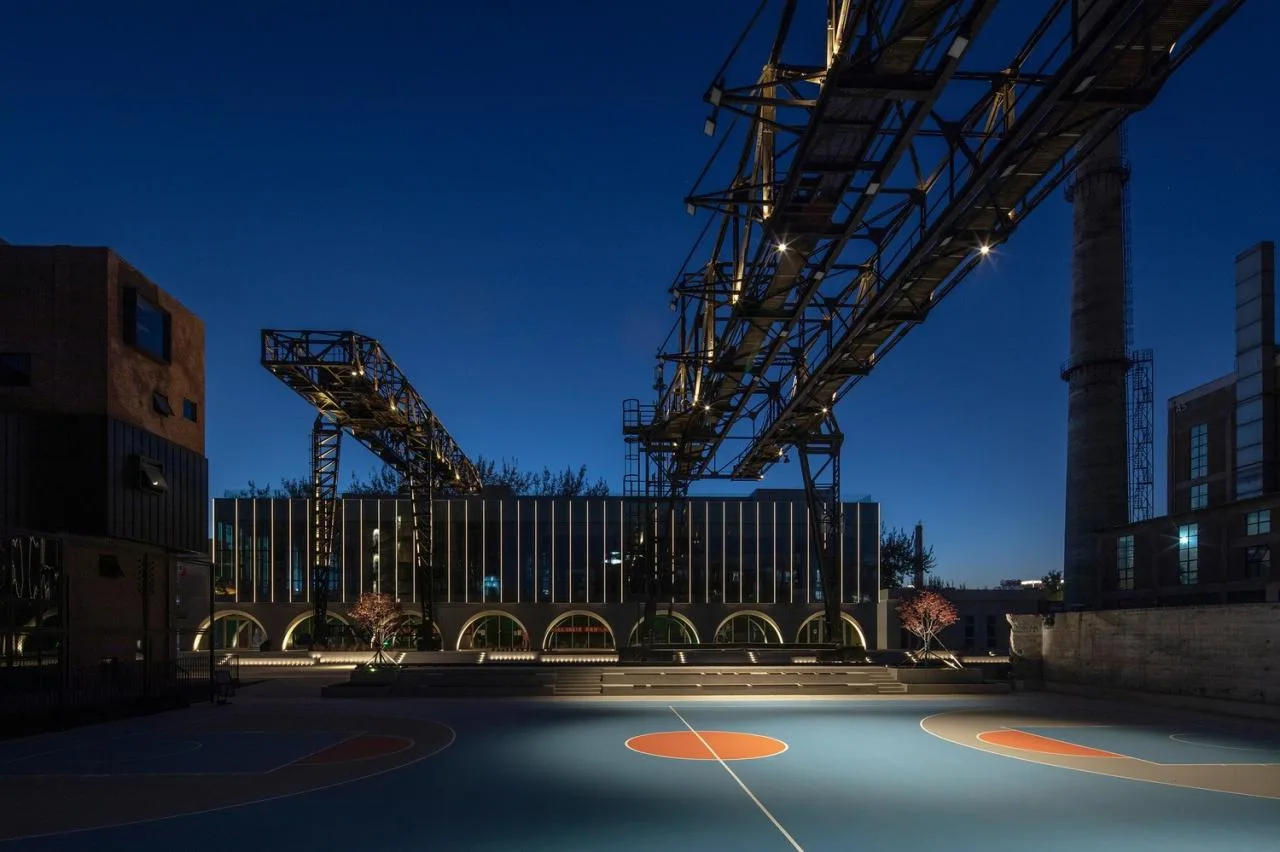
The new library is a key part of revitalizing Huojiaotou Square. It aims to create a focal point for the entire park by integrating new buildings, diverse functions, and fully open public spaces within the context of the area’s industrial heritage.
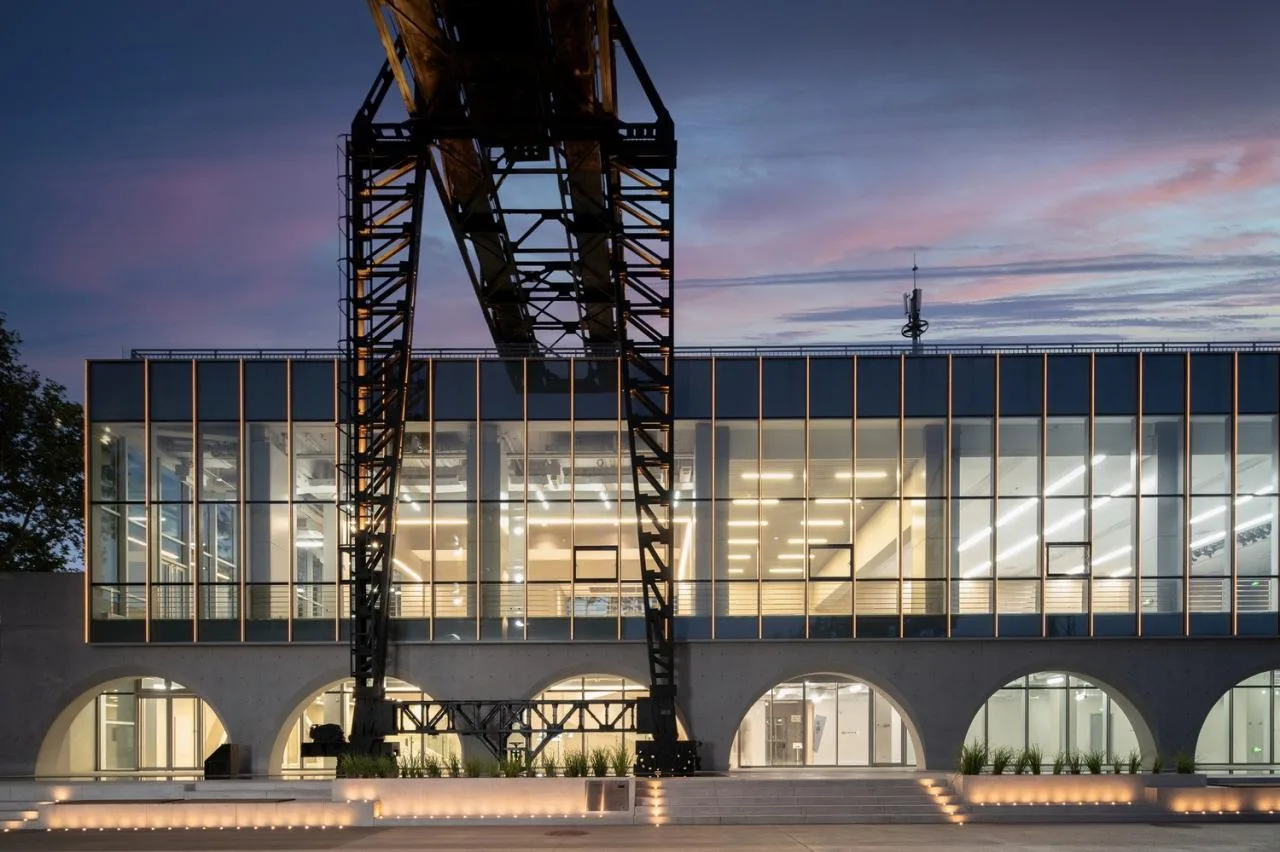
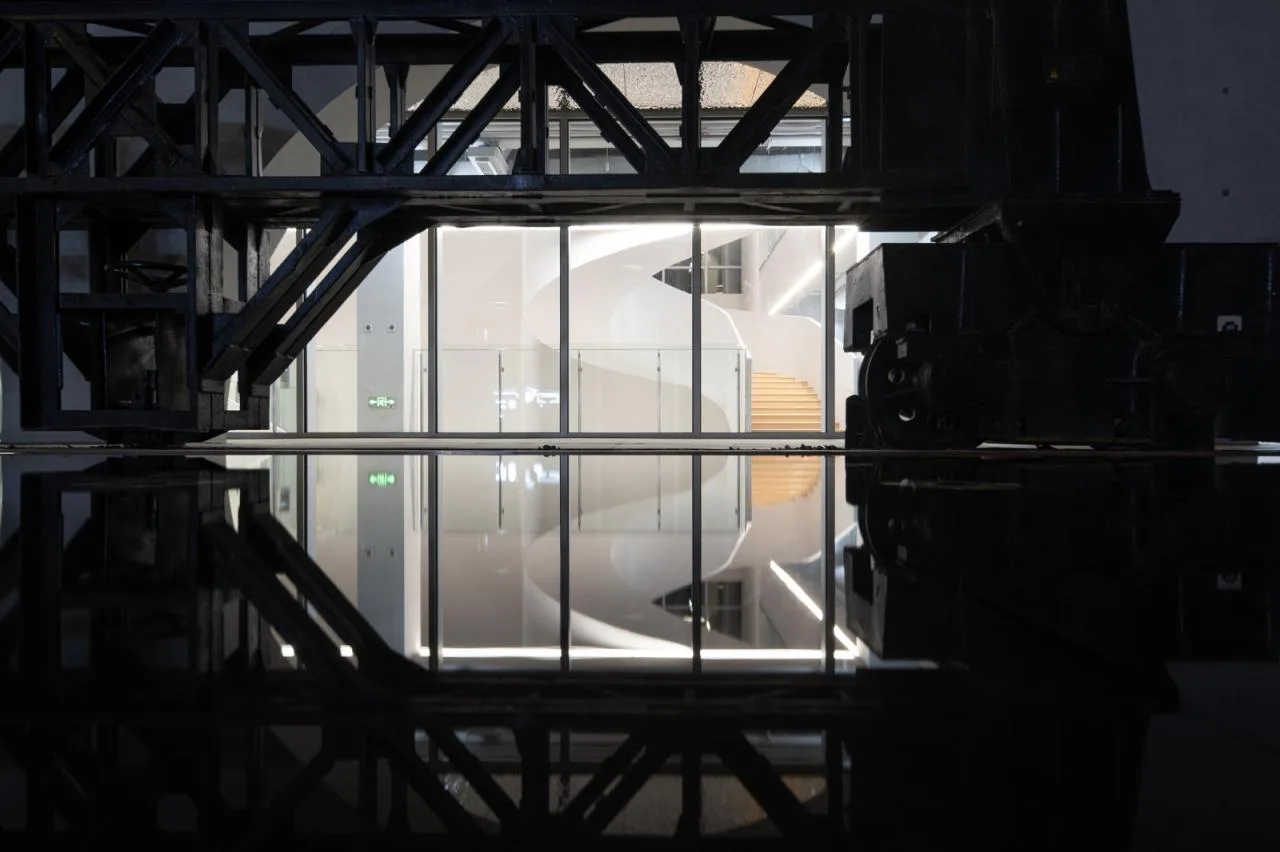
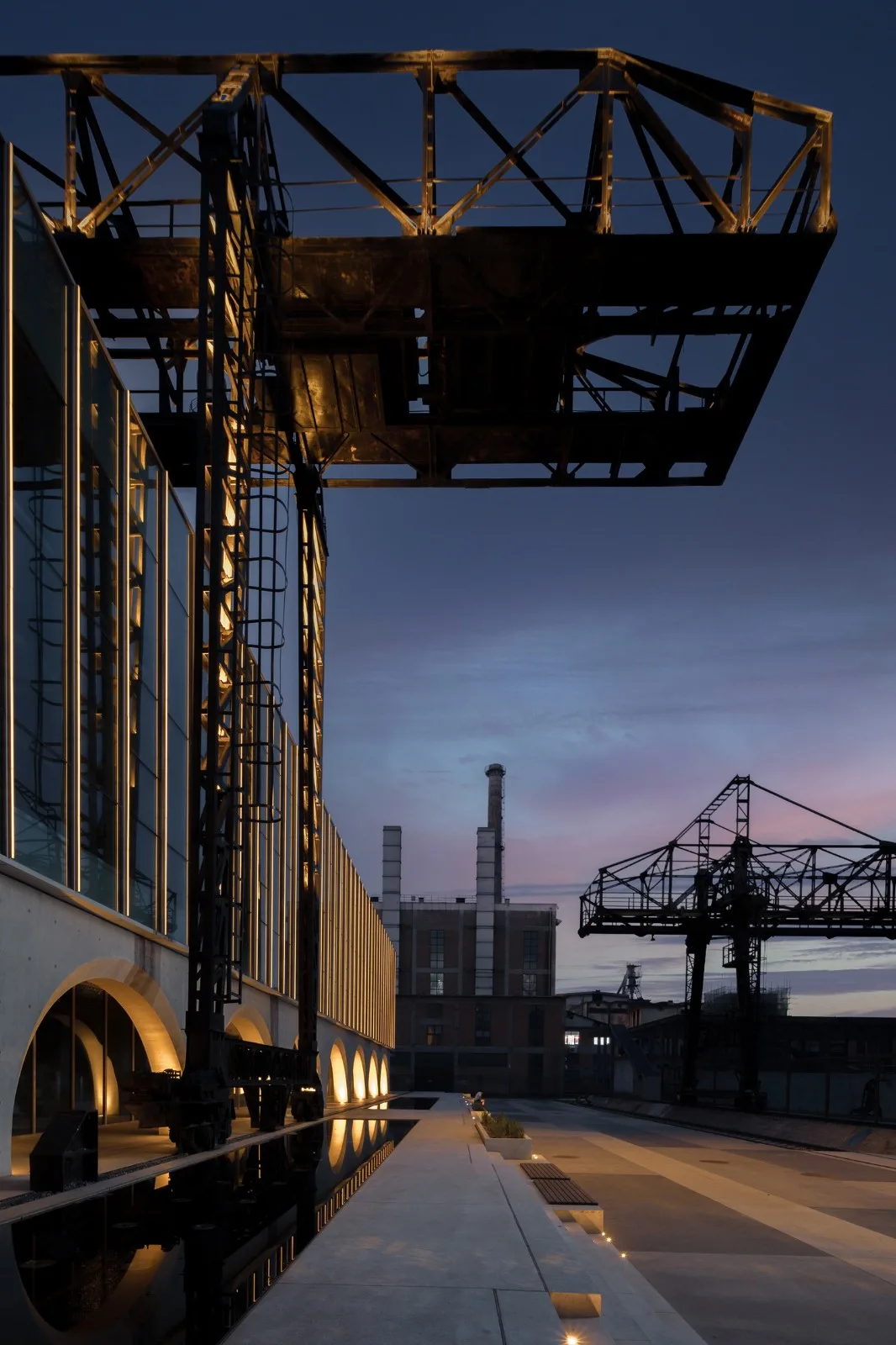
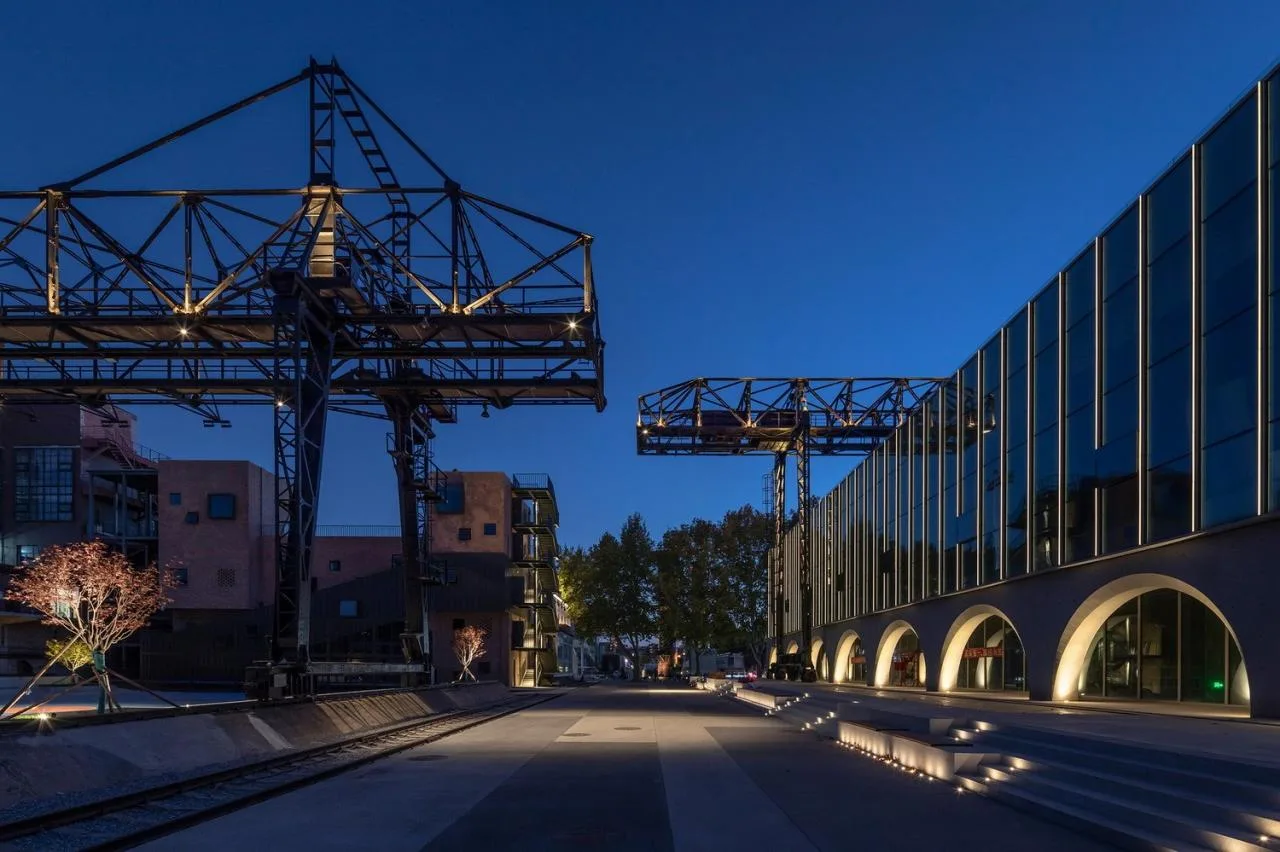
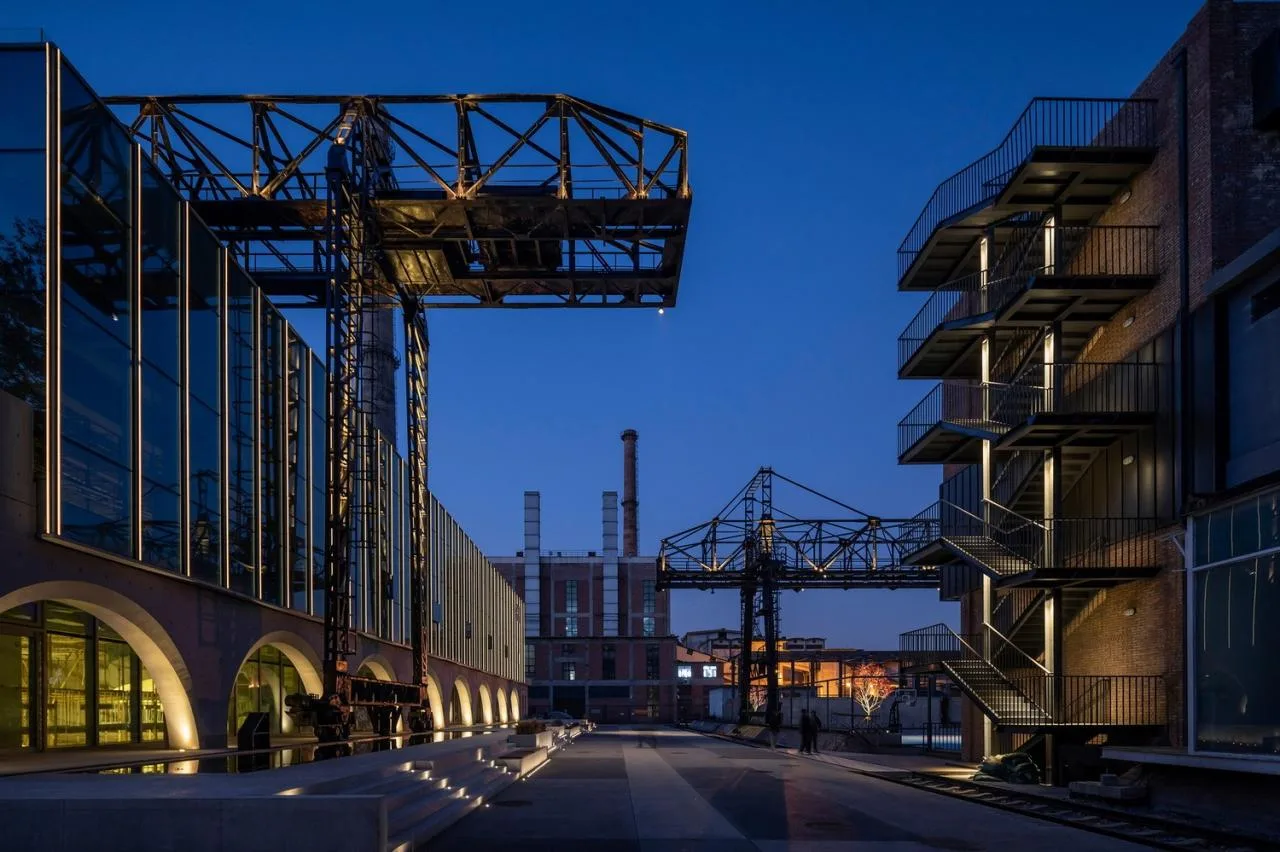
The library’s footprint aligns with the original coal washing pool, with open sides that complement the surrounding industrial relics, including coal galleries, boilers, railway tracks, sky cranes, and fire cranes.
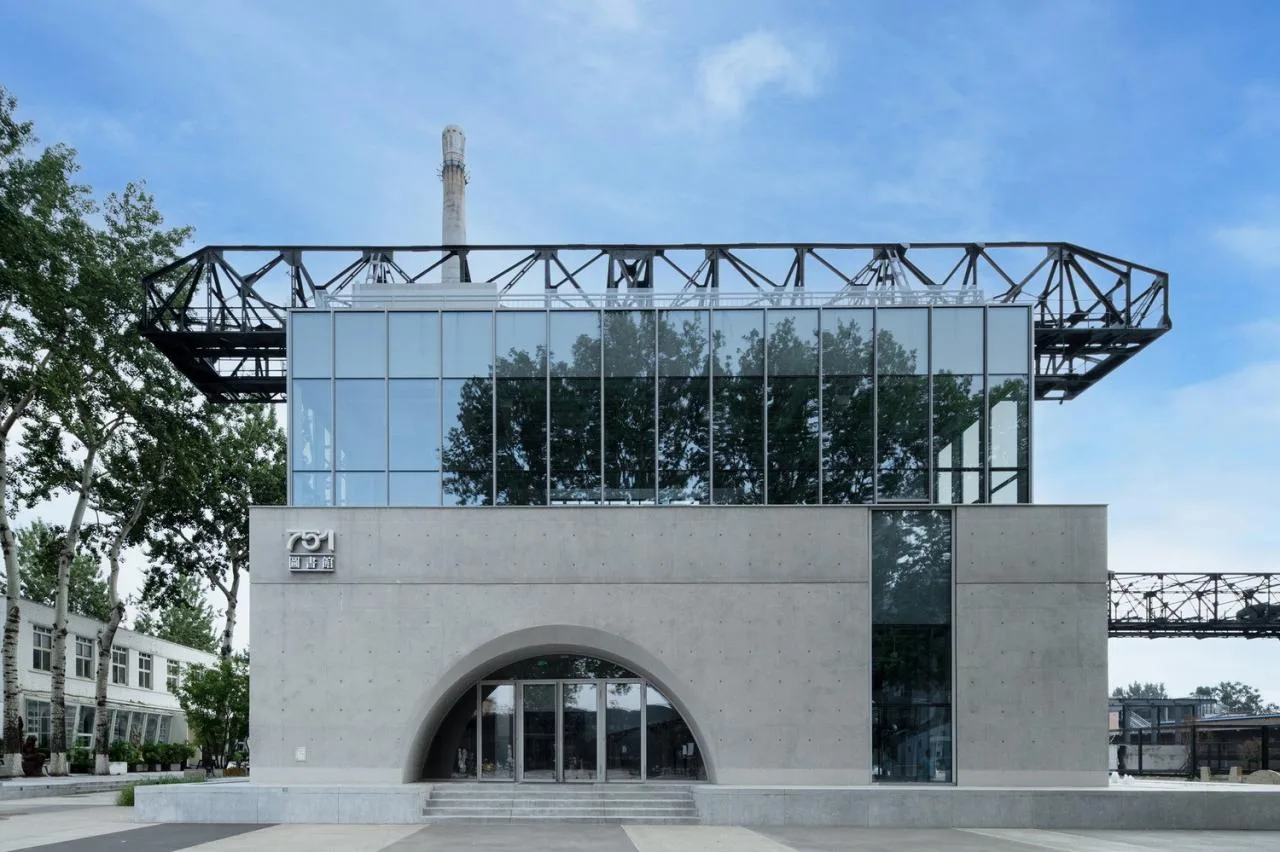
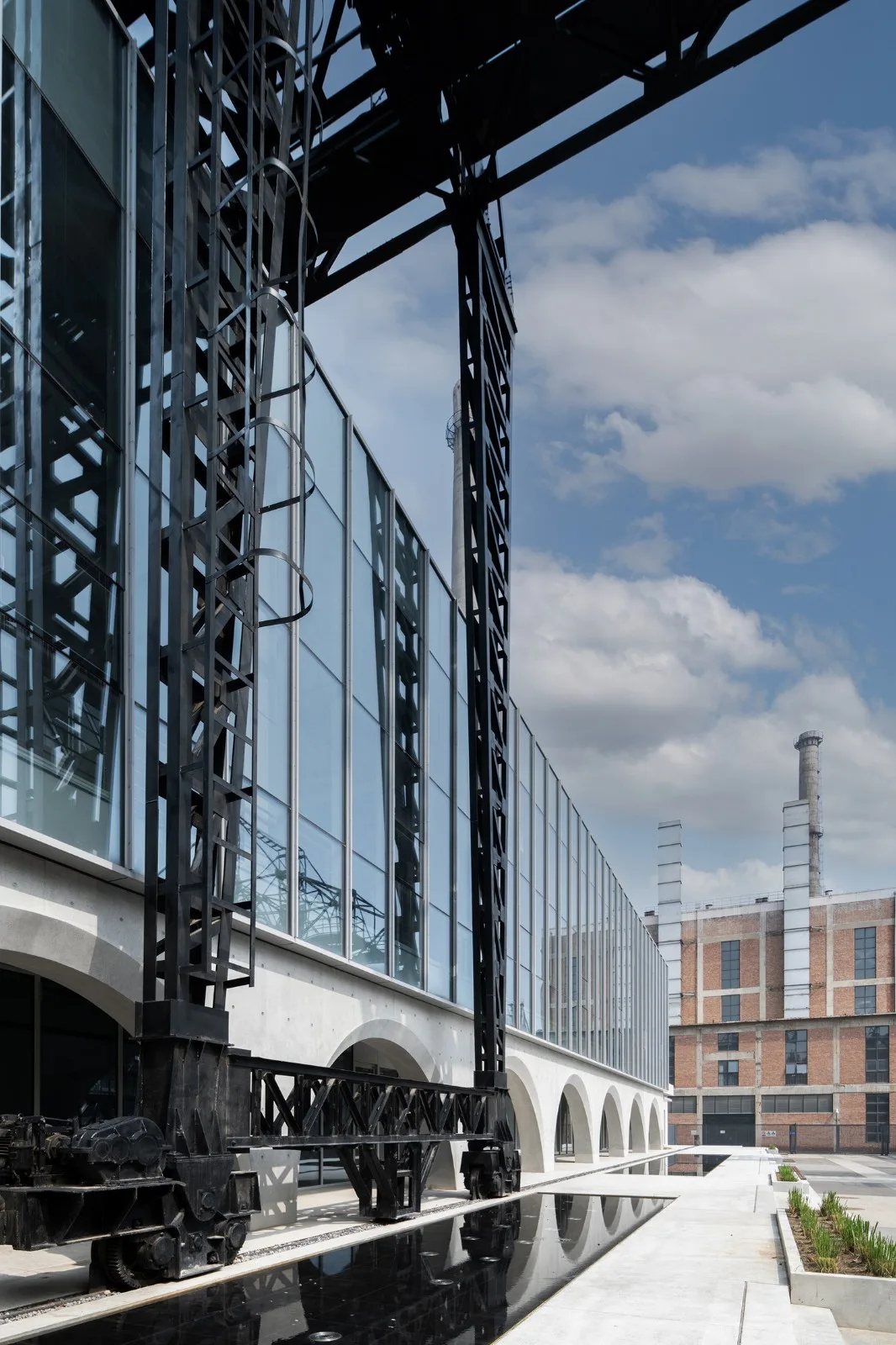
The landscape design integrates seamlessly with Huojiaotou Square, extending north and south into the factory’s hinterland, forming a dynamic “cross” block. By blending new and old elements, the scattered industrial structures are preserved and enhanced, recreating the industrial texture while transforming the process-oriented layout into a lively urban living environment. This approach expresses the organic continuation of industrial culture with a humanistic touch.
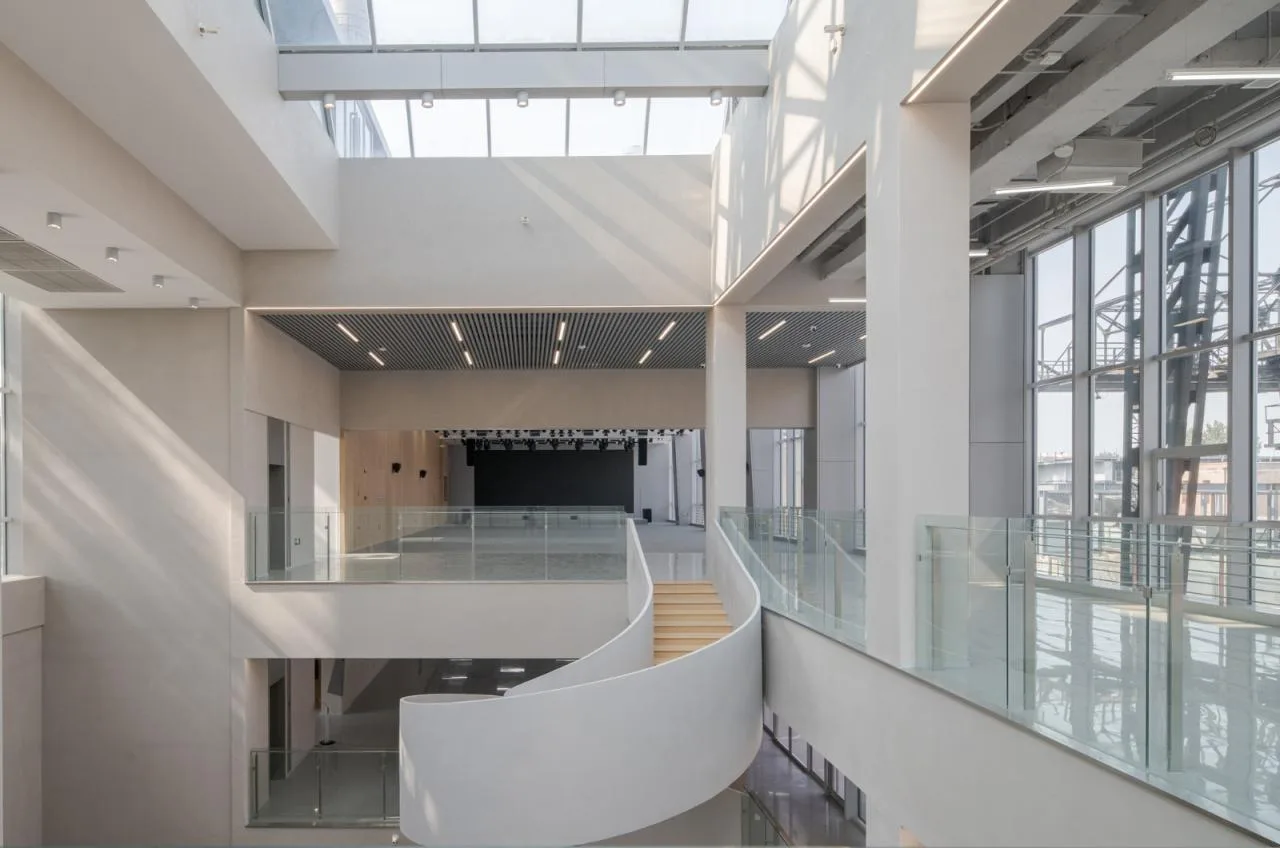
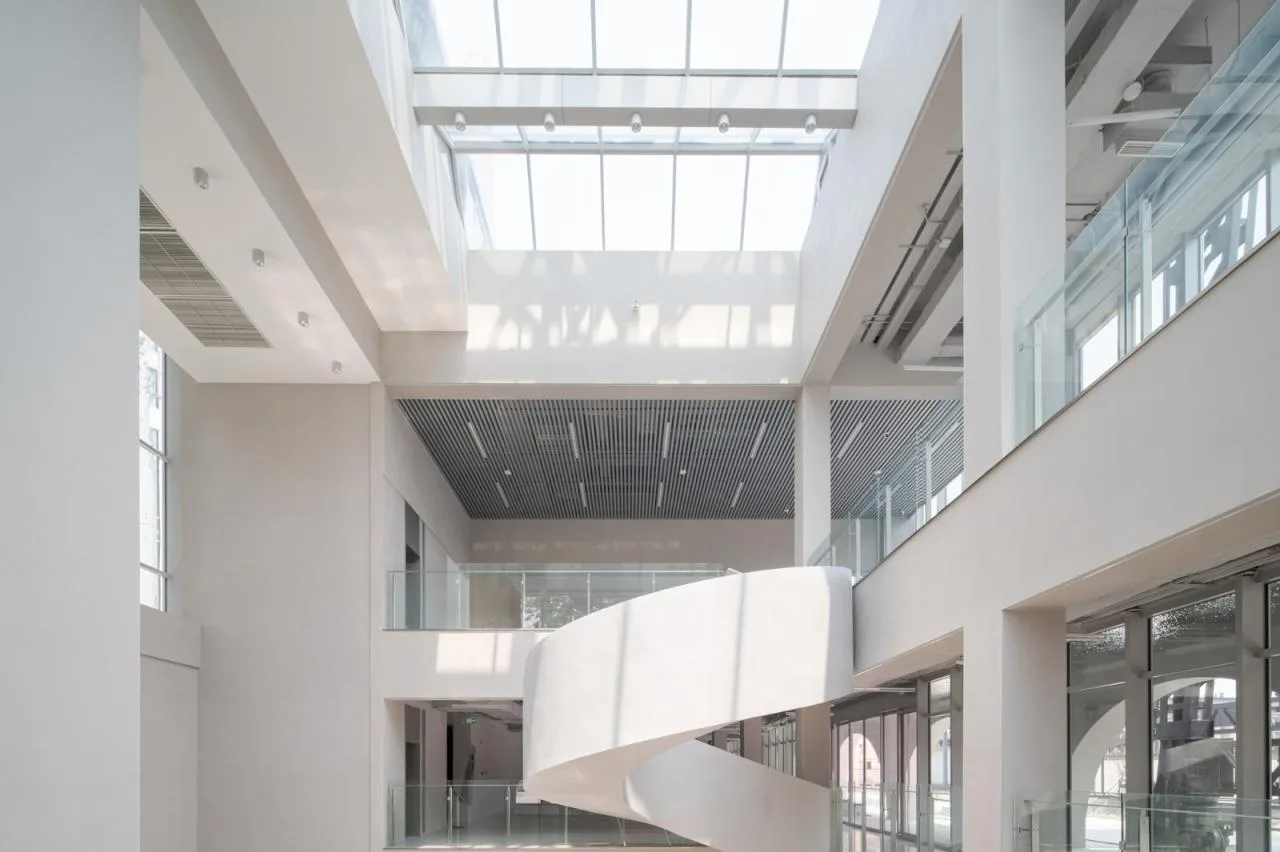
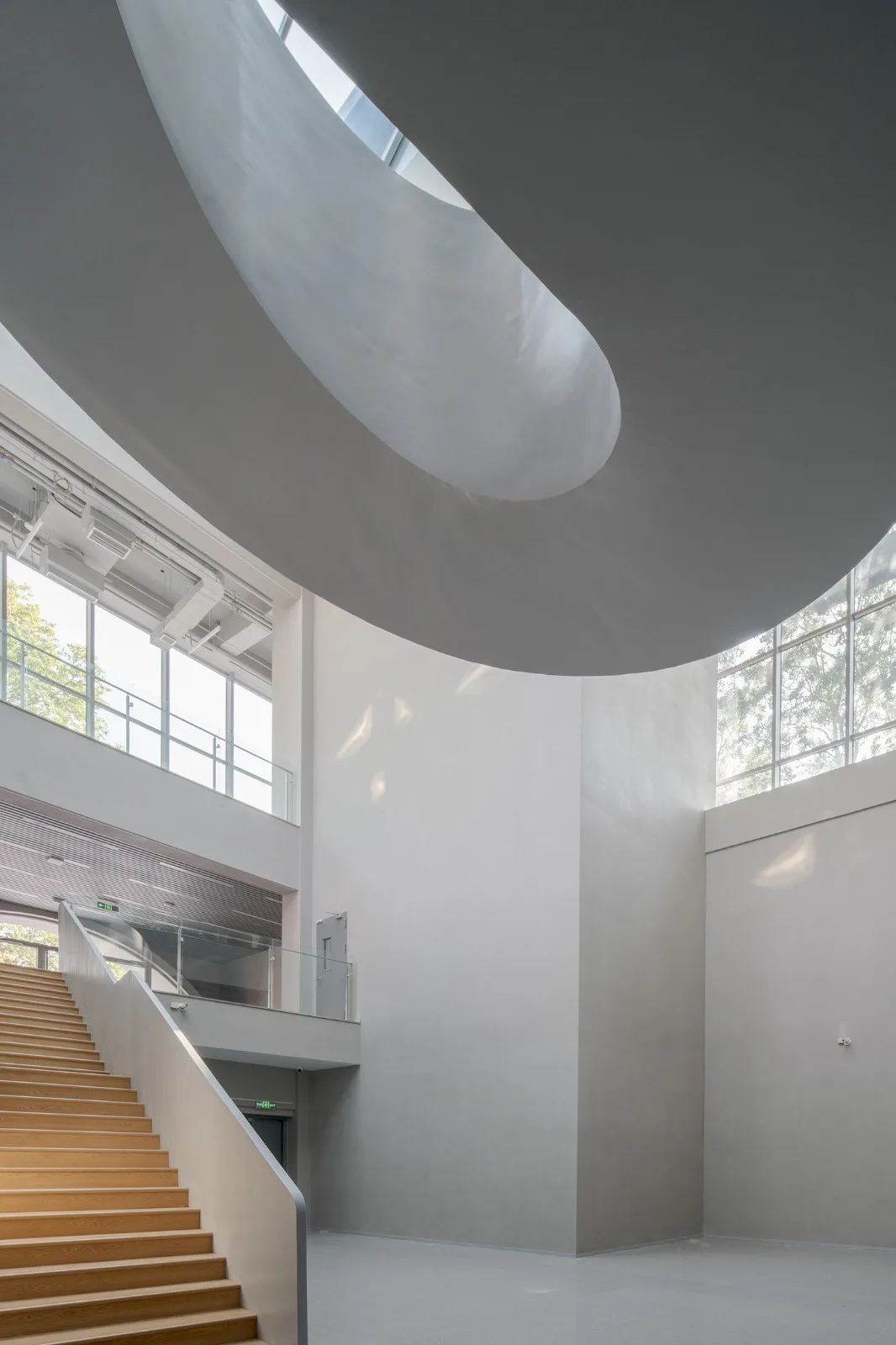
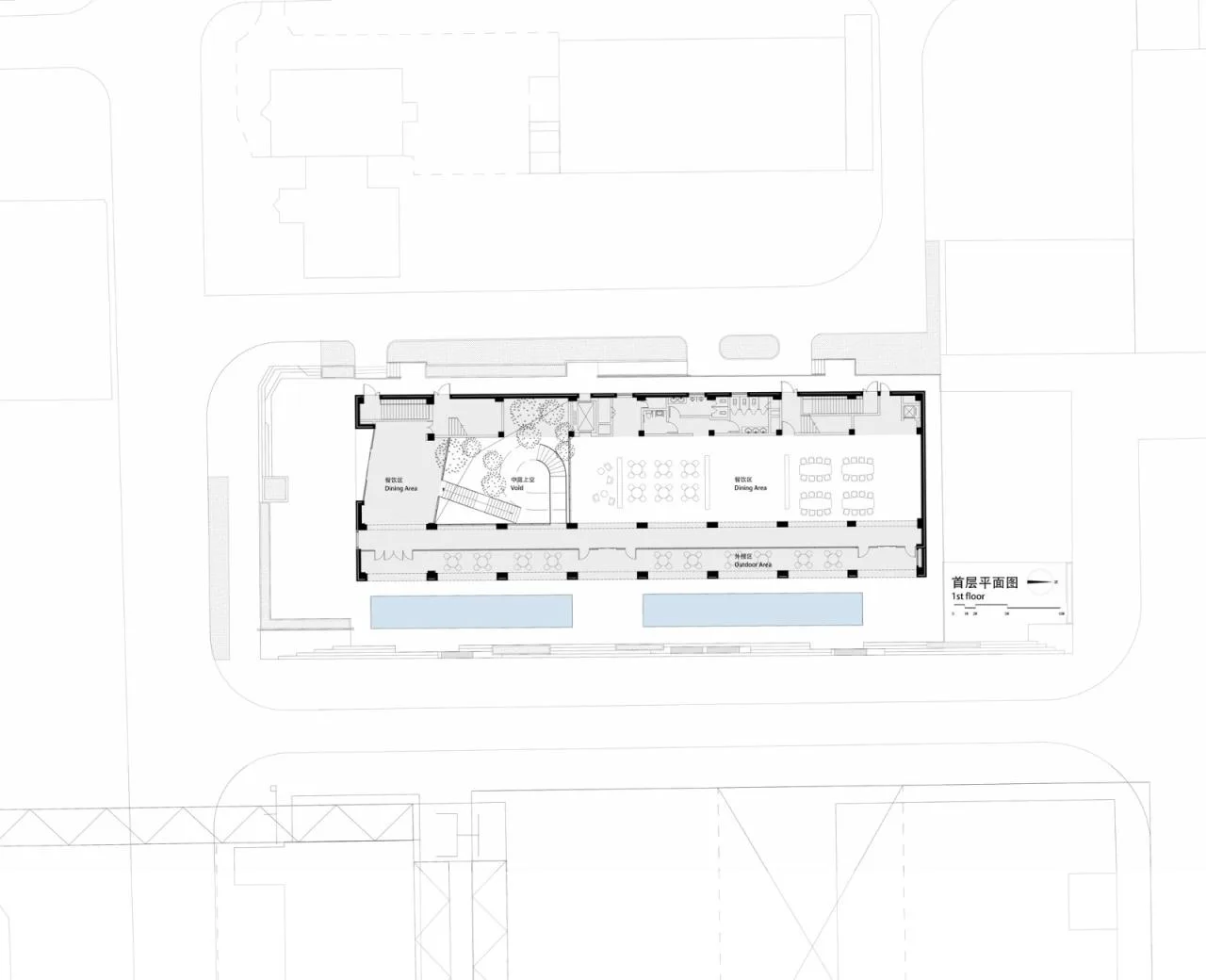
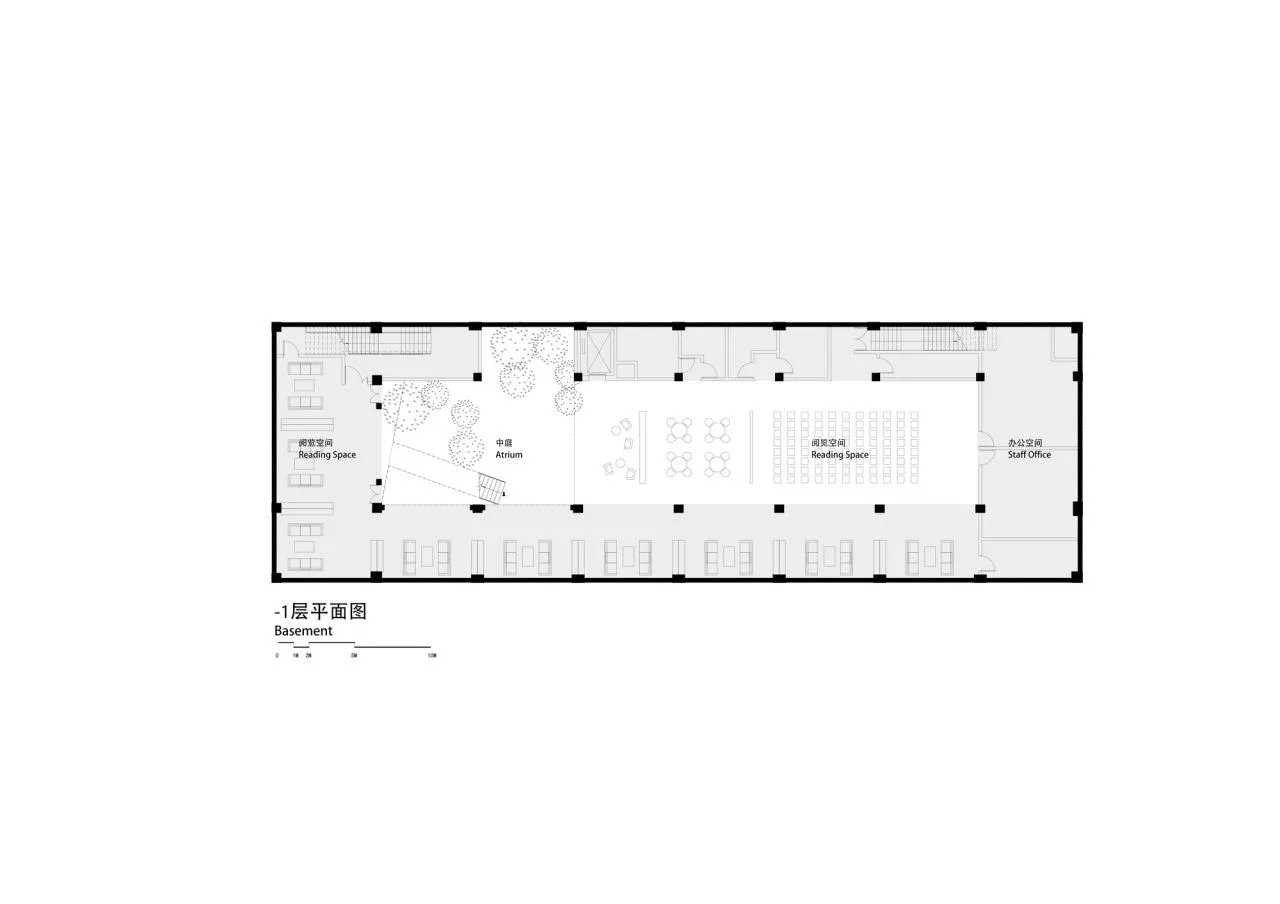
The building serves primarily as a library but functions as a cultural complex, hosting cultural forums, conferences, as well as coffee and dining spaces. It consists of three floors above ground and one underground level.
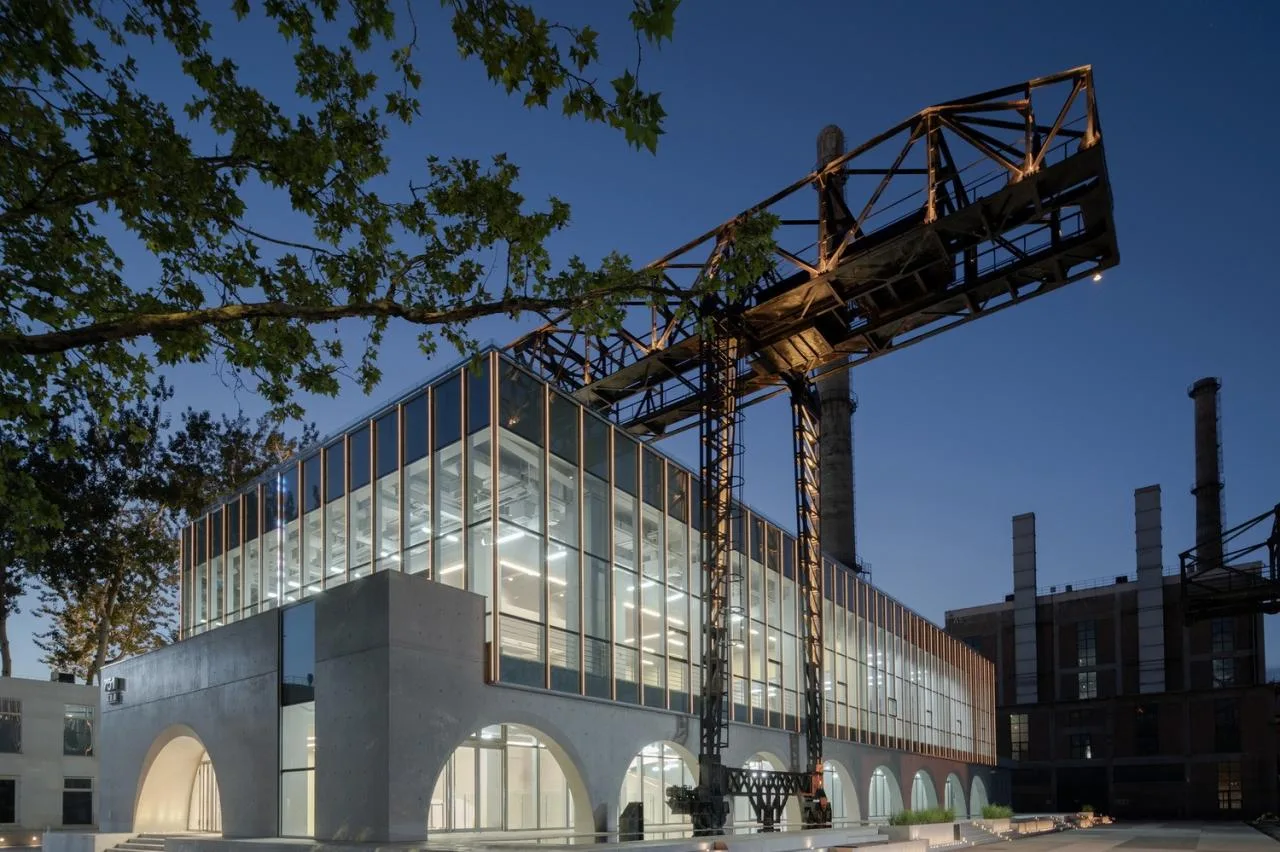
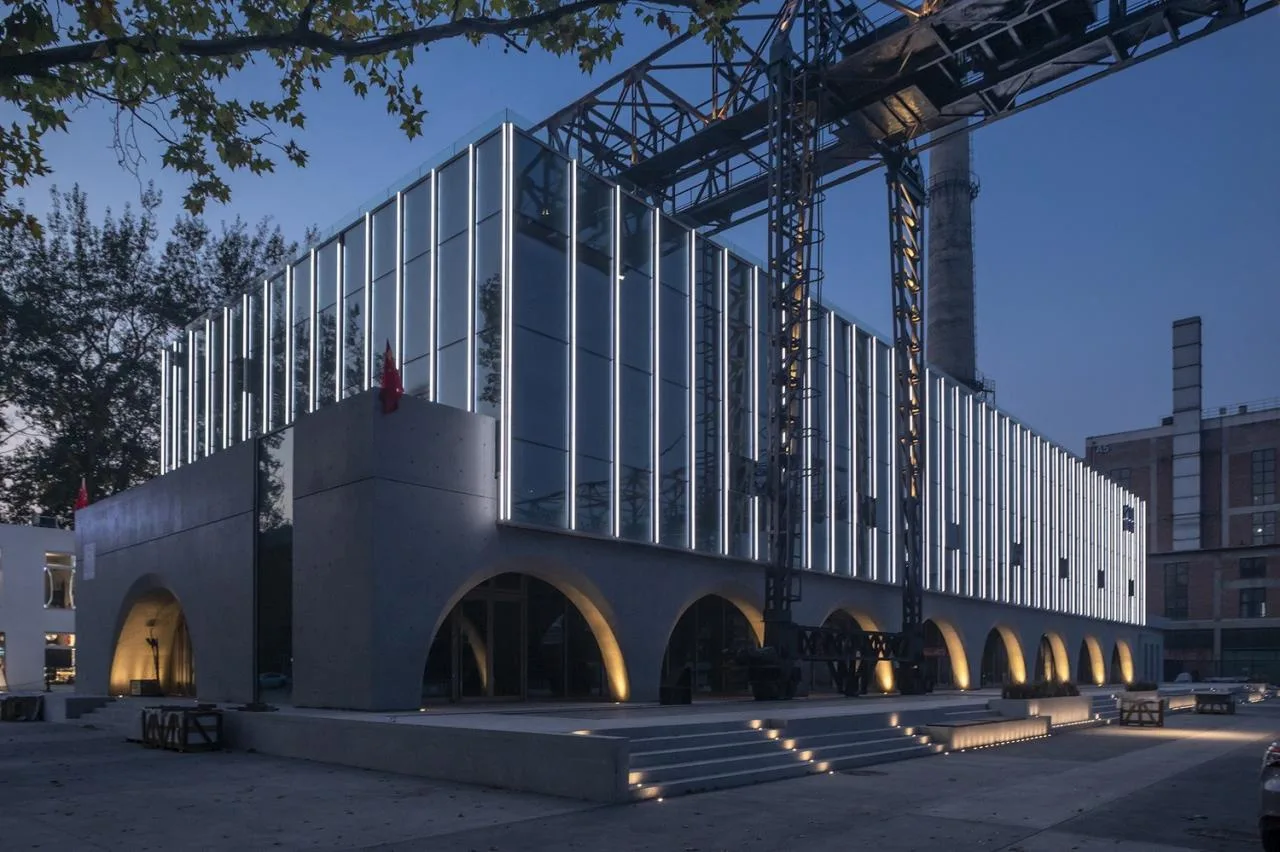
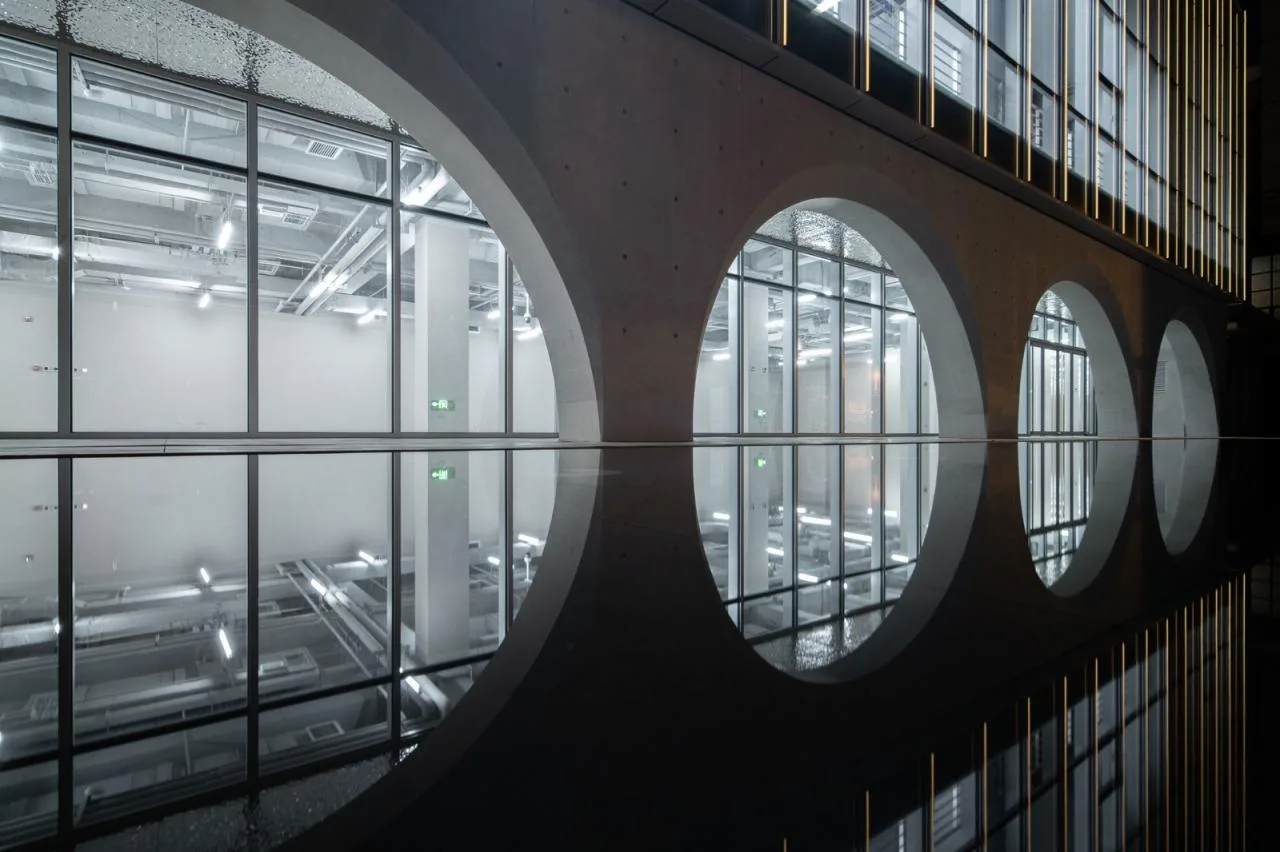
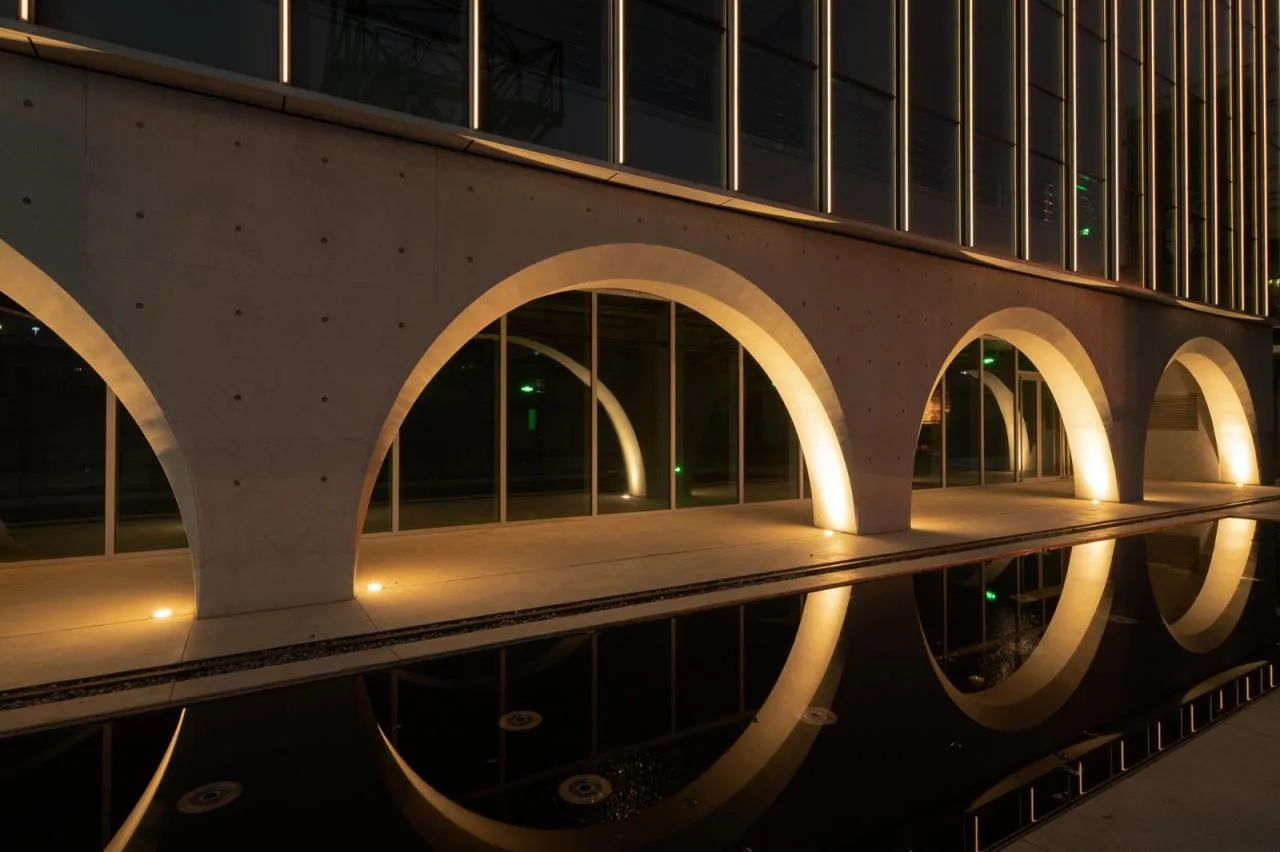
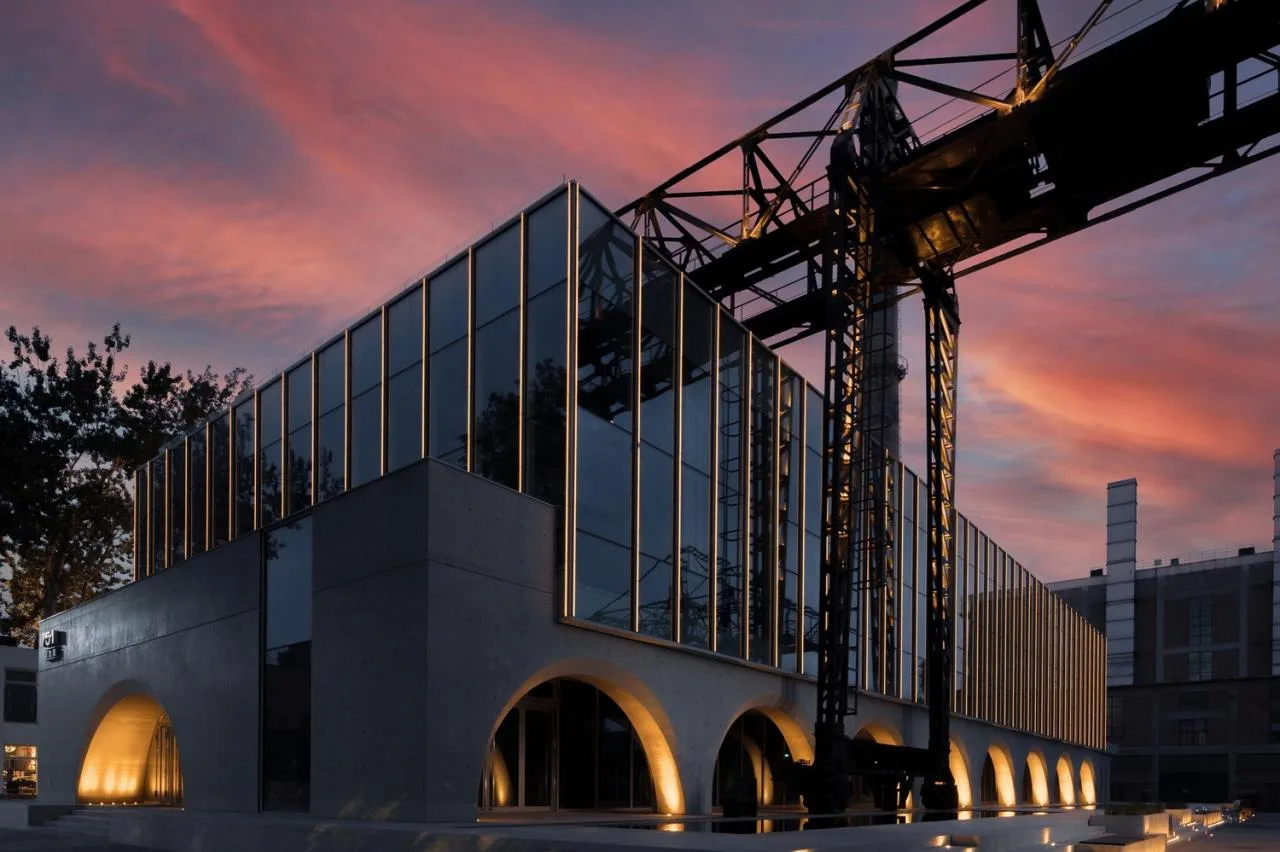
The facade features a continuous plain concrete arch design that contrasts with the surrounding rugged industrial relics. It incorporates preserved sky arches into the building, creating a distinctive architectural image. These movable arches interact with the roof space, adding a dynamic element.
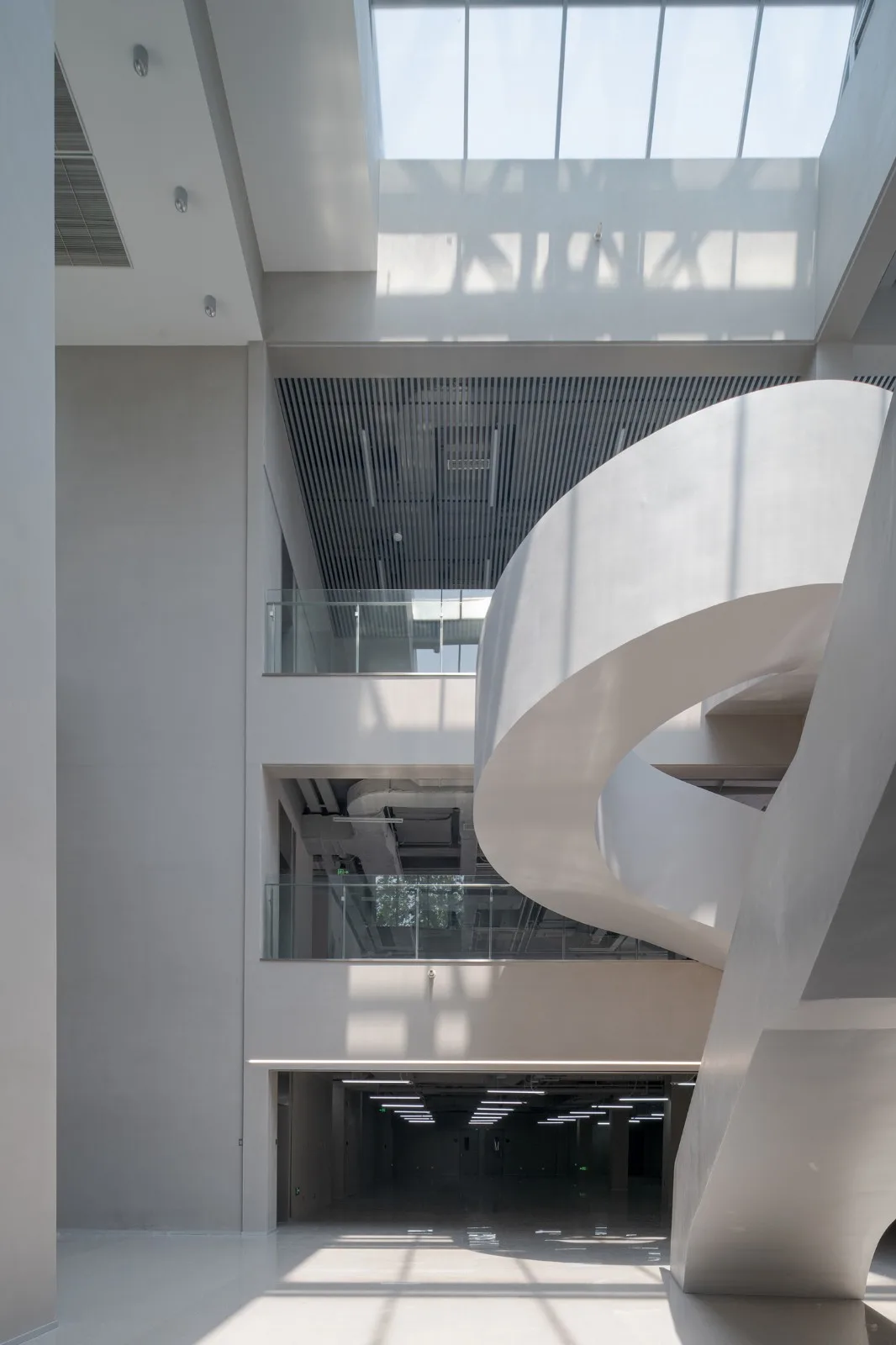
Glass curtain walls and large skylights bring the impressive industrial landscape inside, while also reflecting it on the building’s exterior to create a compelling spatial dialogue. The interior design emphasizes maximum spatial openness by opening up half of the underground space, resulting in a nearly fully transparent area spanning three floors.
This design allows the rich industrial scenery outside to penetrate the interior as much as possible and be reinterpreted within a compact space, creating unexpected drama.
Project Drawings
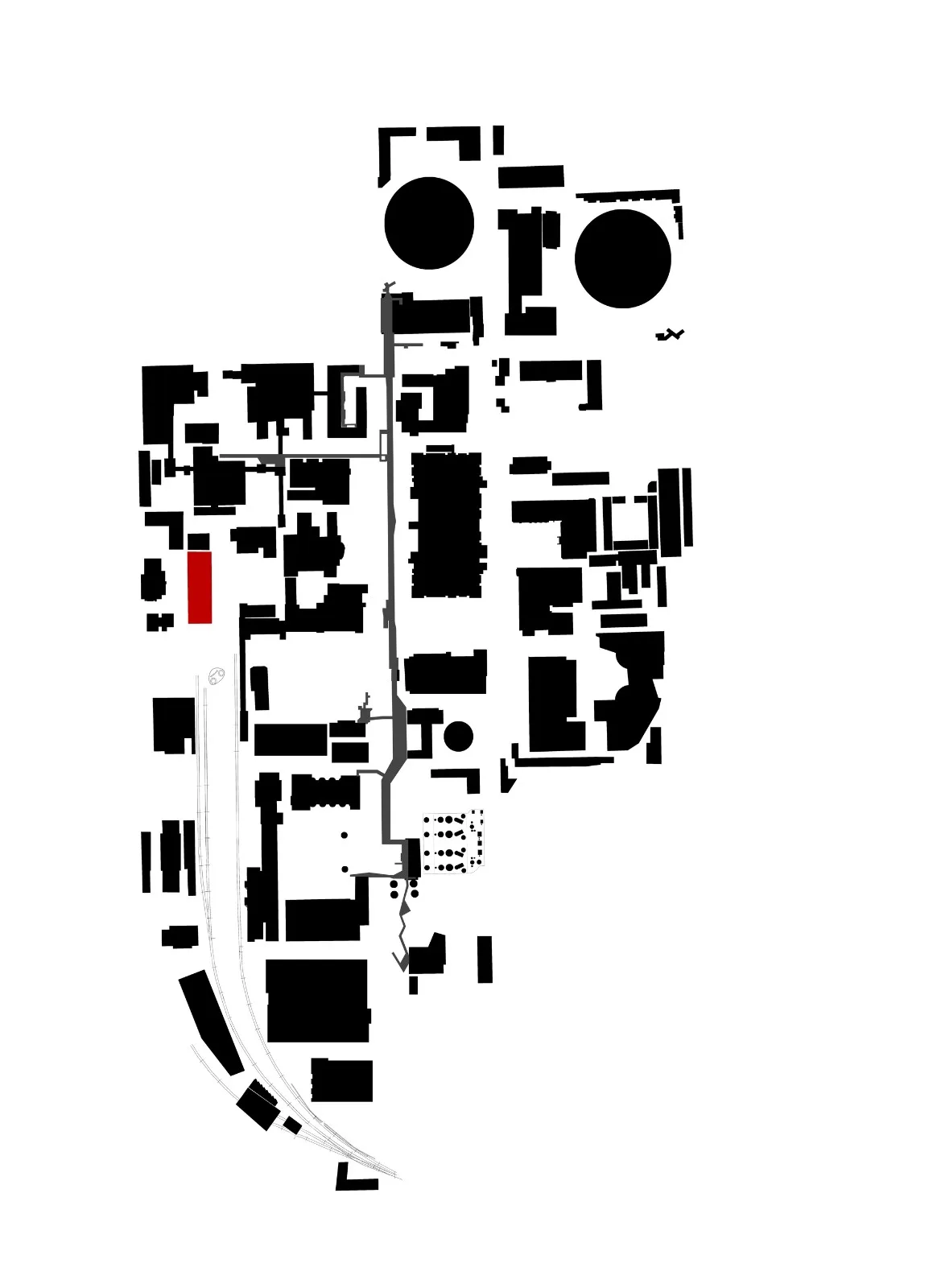
△ Location Diagram
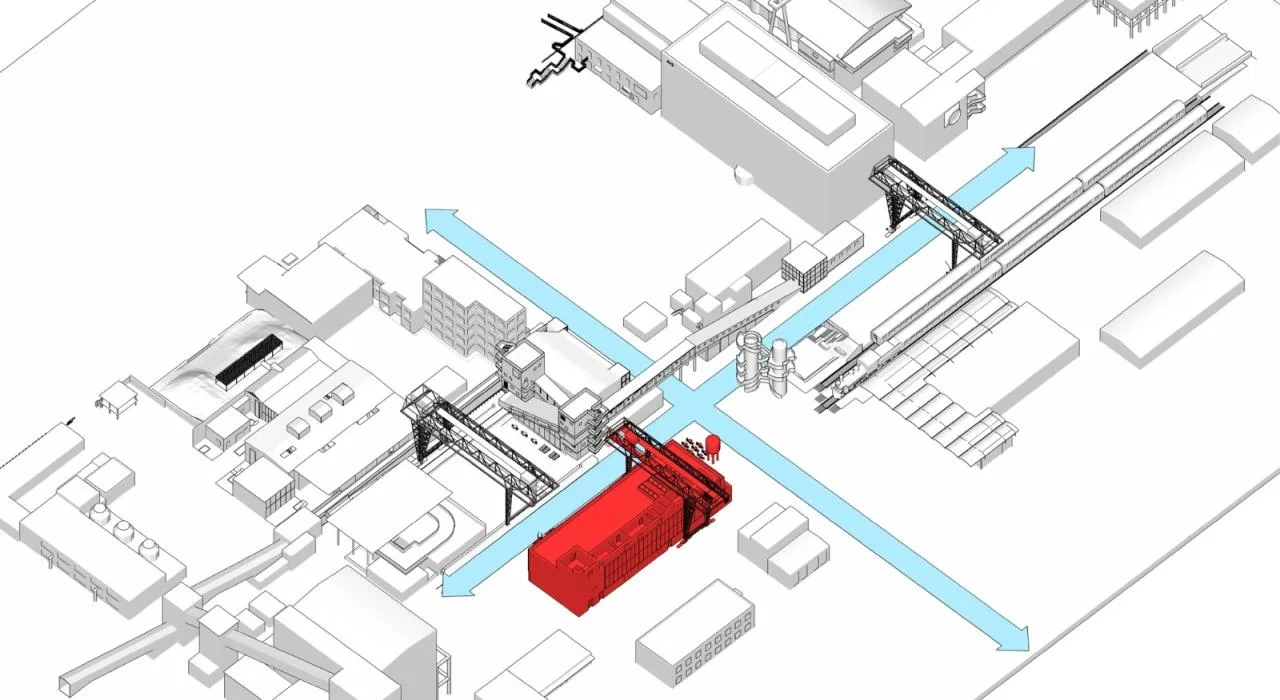
△ Axonometric Diagram
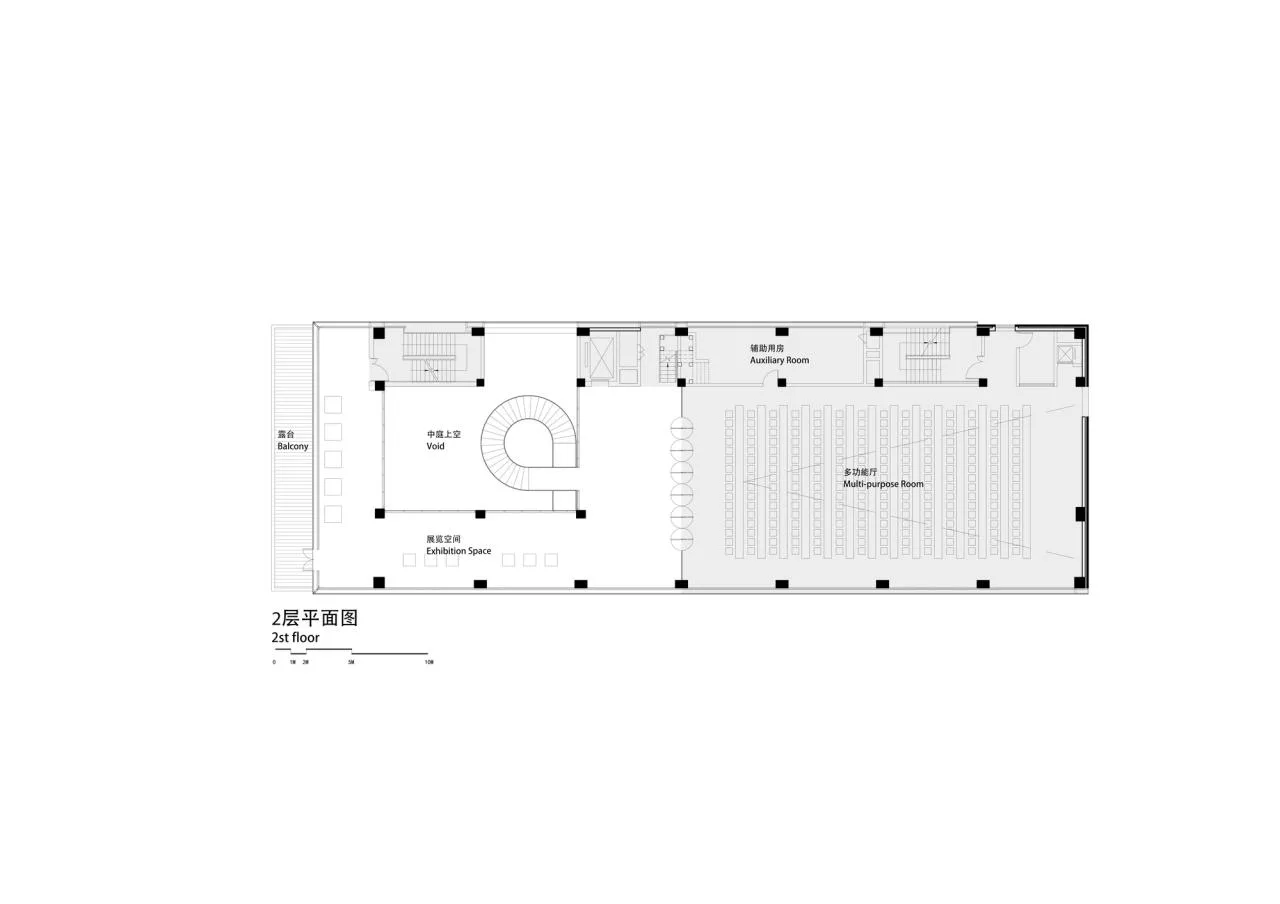
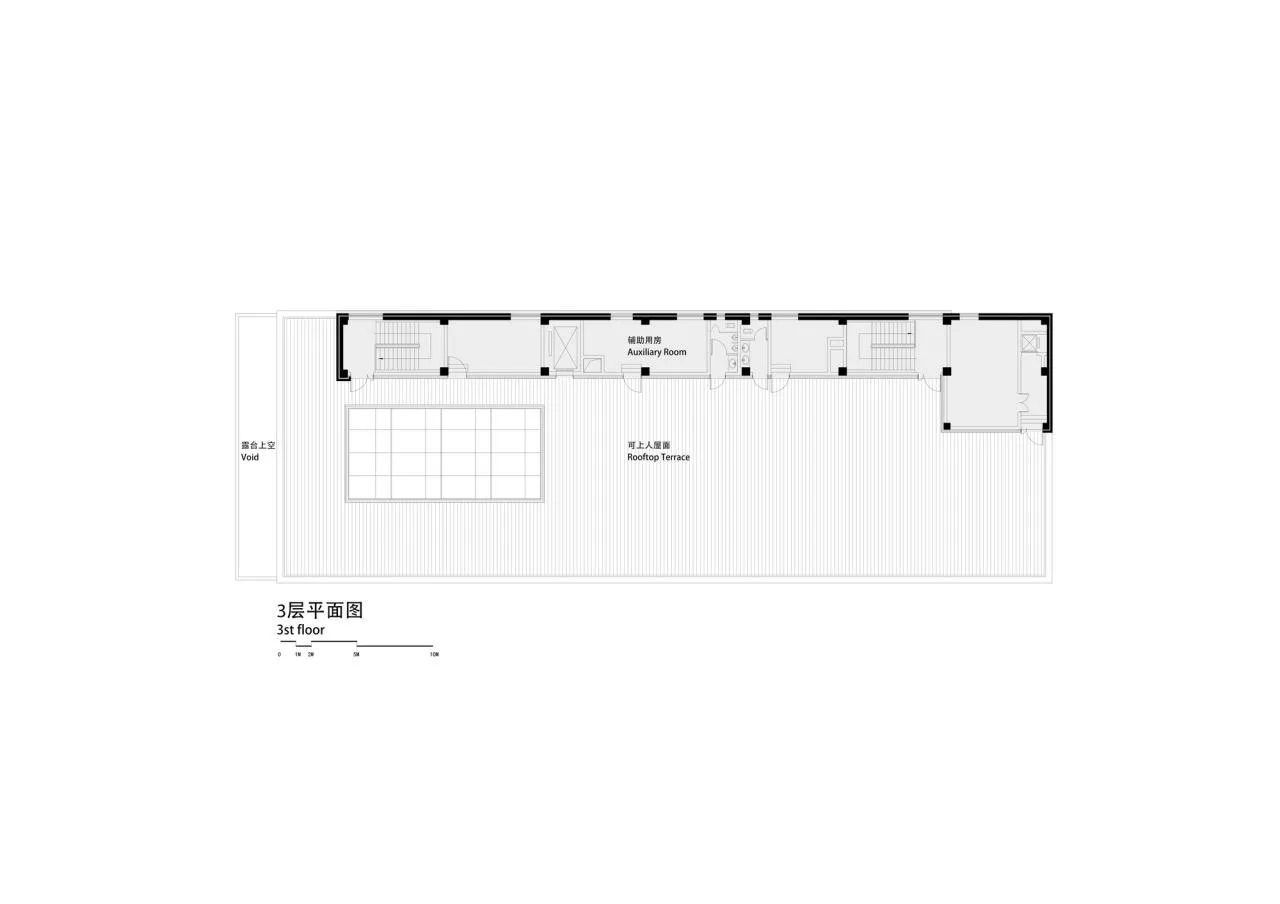
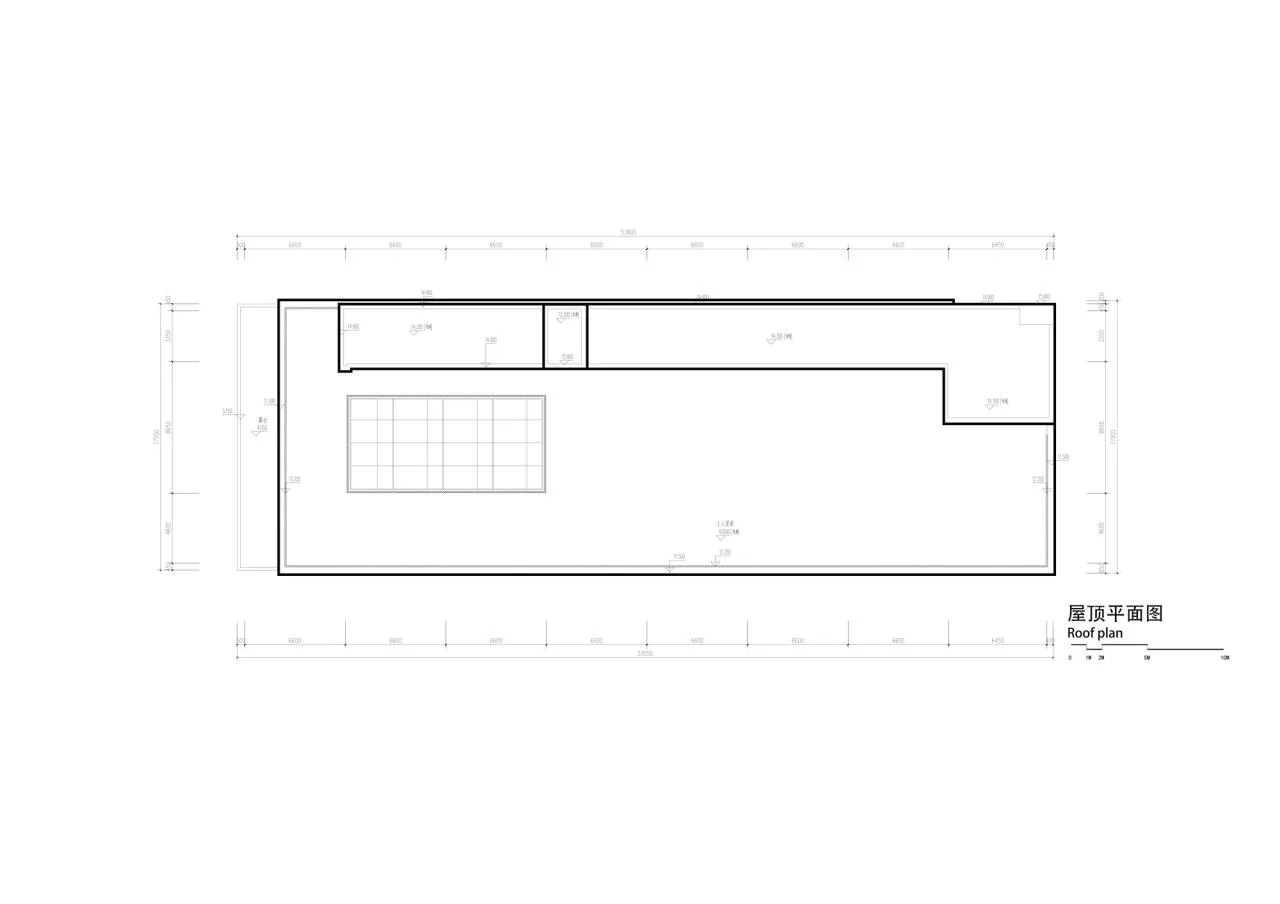
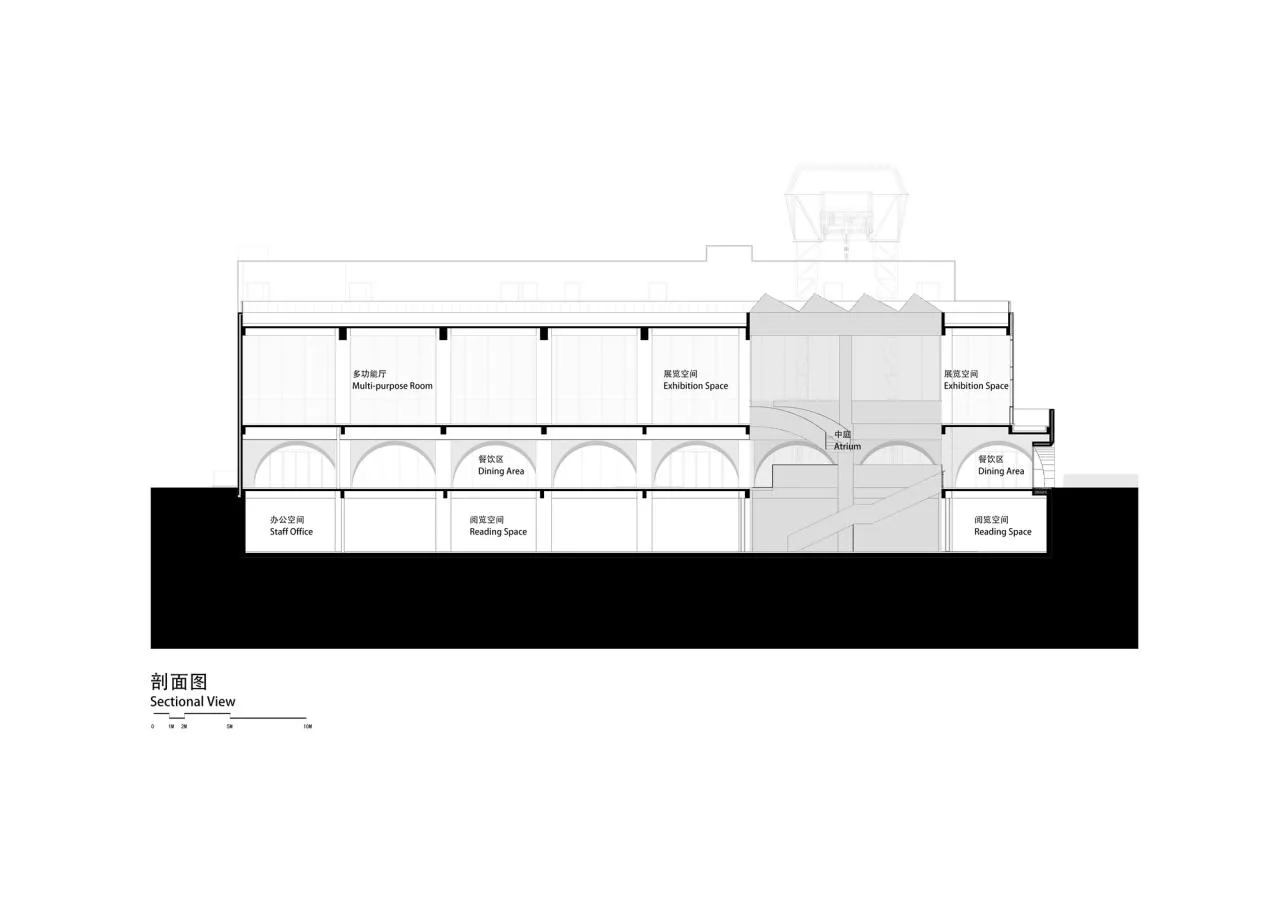
Project Information
Architect: Du Union
Area: 2700 m²
Project Year: 2024
Photographers: Tian Xuanang, Zhou Li
Manufacturers: Forster, Hormann, Orangestone
Architect: Dapeng Cheng
Design Team: Kai Liu, Zayu Wang, Chenxi Wang
Design Consultant: Wenyi Wu
Collaborative Design Institute: Bentu Architecture Design Co
Lighting Design: TORYO International Lighting Design Center (Hongjiang An, Denghua Shao, Chen Li, Yanmeng Wei)
Principal: Beijing Zhengdong Electronic Power Group Co., Ltd
Location: Beijing














Must log in before commenting!
Sign Up