
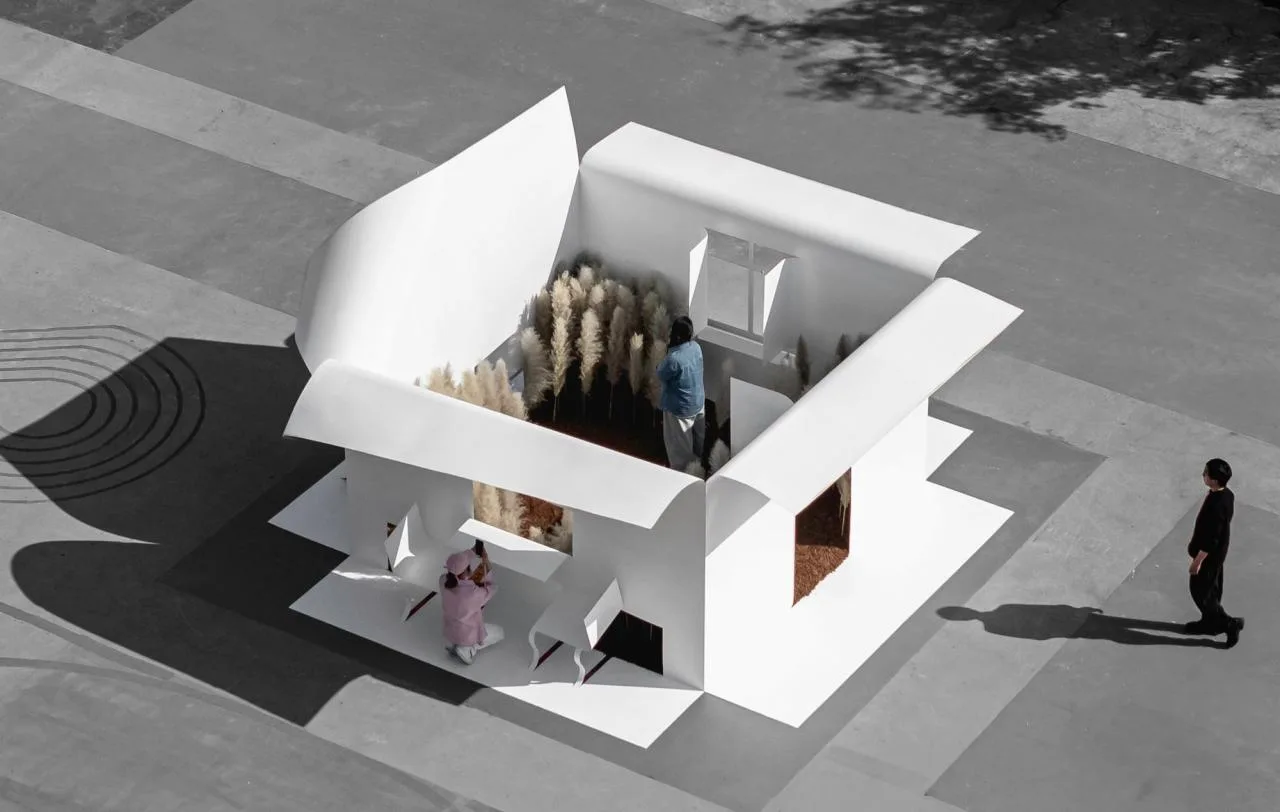
Paper Room is one of the spatial installation works featured at the Origin Earth Art Festival · 2024 Xi’an Contemporary Design Week, and it was also exhibited during the Foshan Meitaowan Urban Public Art Season in July. This project draws inspiration from the designer’s recent travels to cities such as Taipei, Shanghai, and Beijing, which sparked a reflection on the concept of “hometown.” Here, “hometown” does not specifically refer to rural areas but rather highlights a common spiritual void experienced by modern urban dwellers.
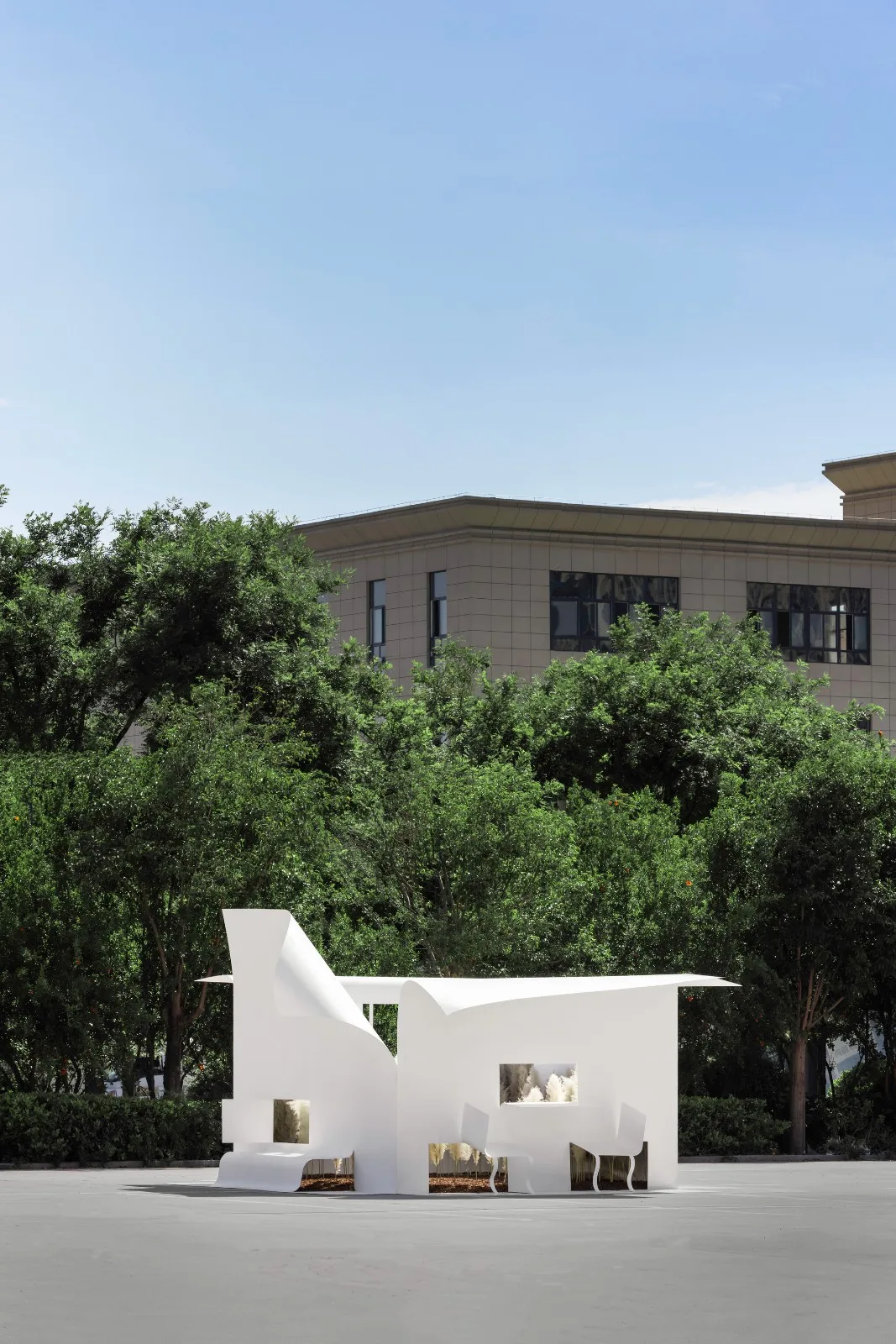
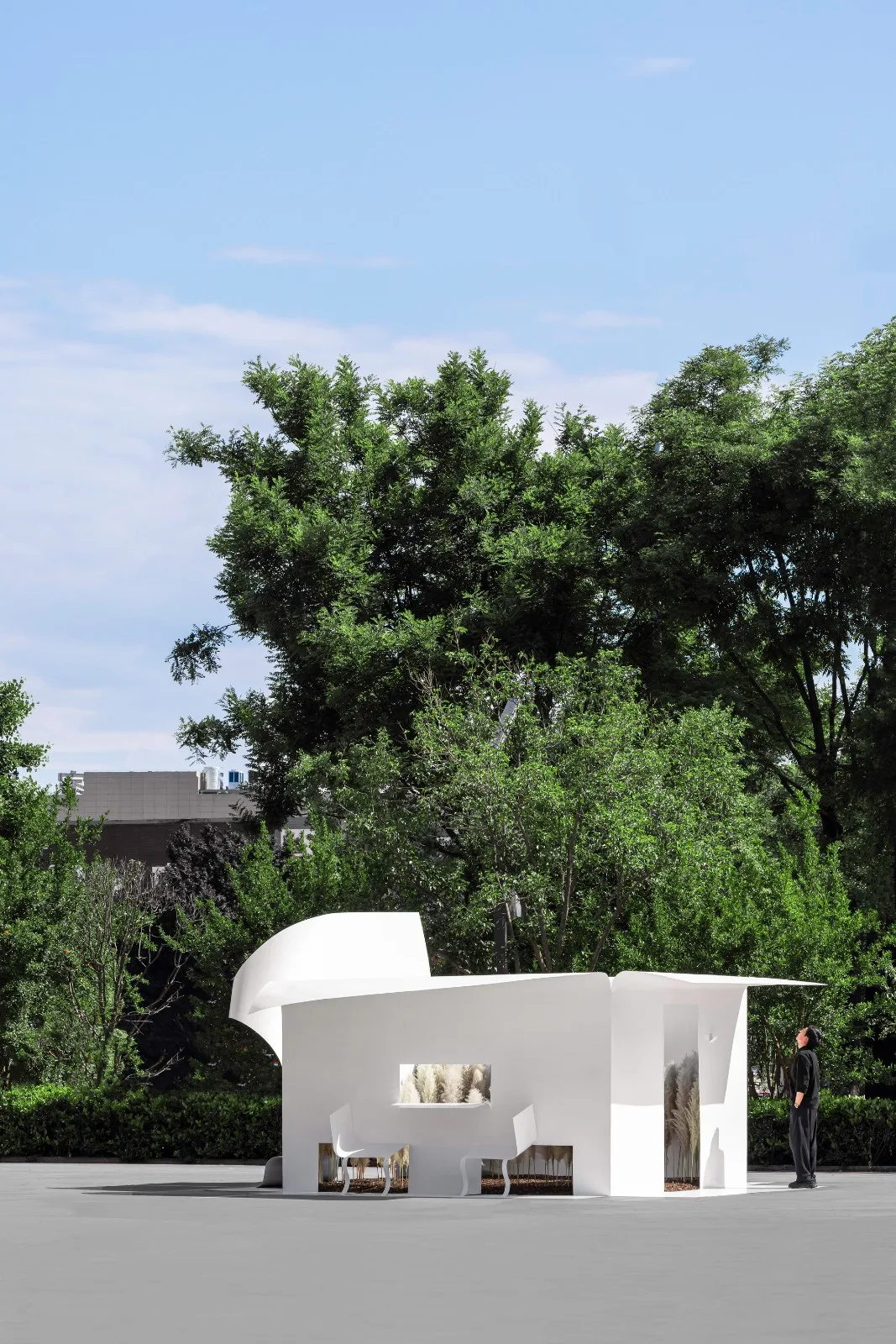
The world seems to be caught between an increasingly sparse “hometown” and an overly dense “city.” In the conclusion of the novel The Three-Body Problem, the Singer civilization releases a two-dimensional foil at the edge of the solar system, causing the entire solar system to collapse into a two-dimensional giant painting. This installation begins from that concept—starting from the end, beginning with a simple piece of paper.
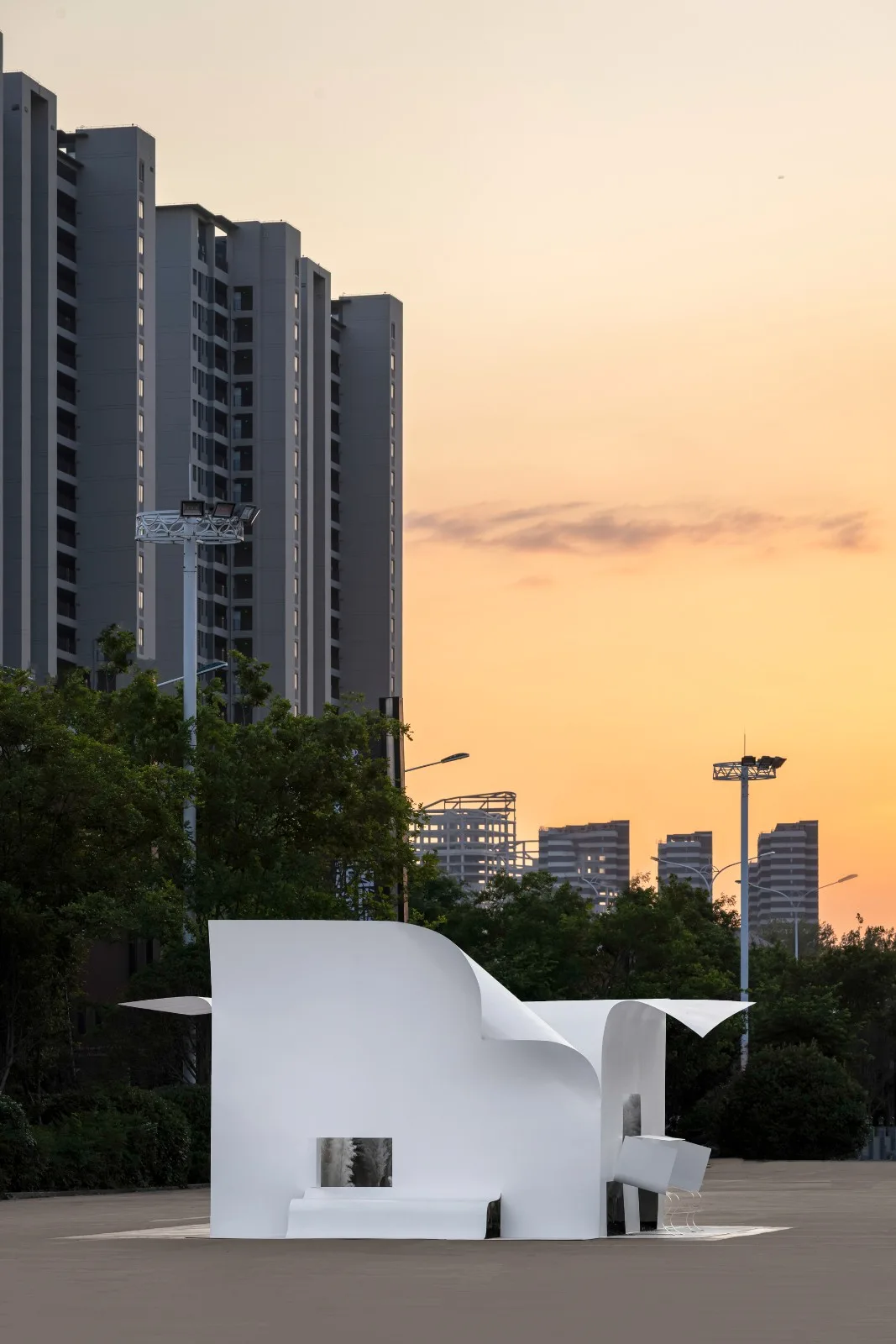
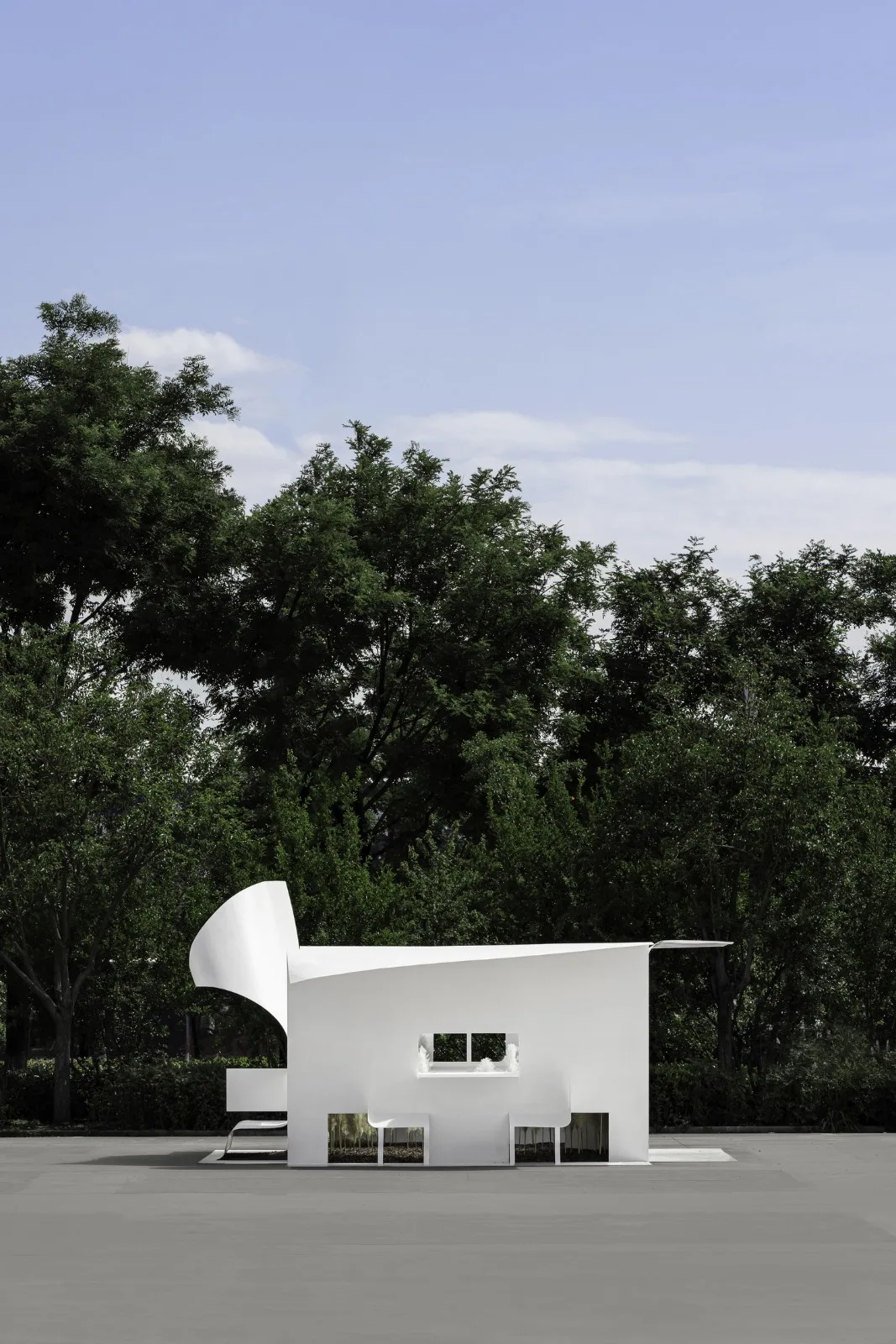
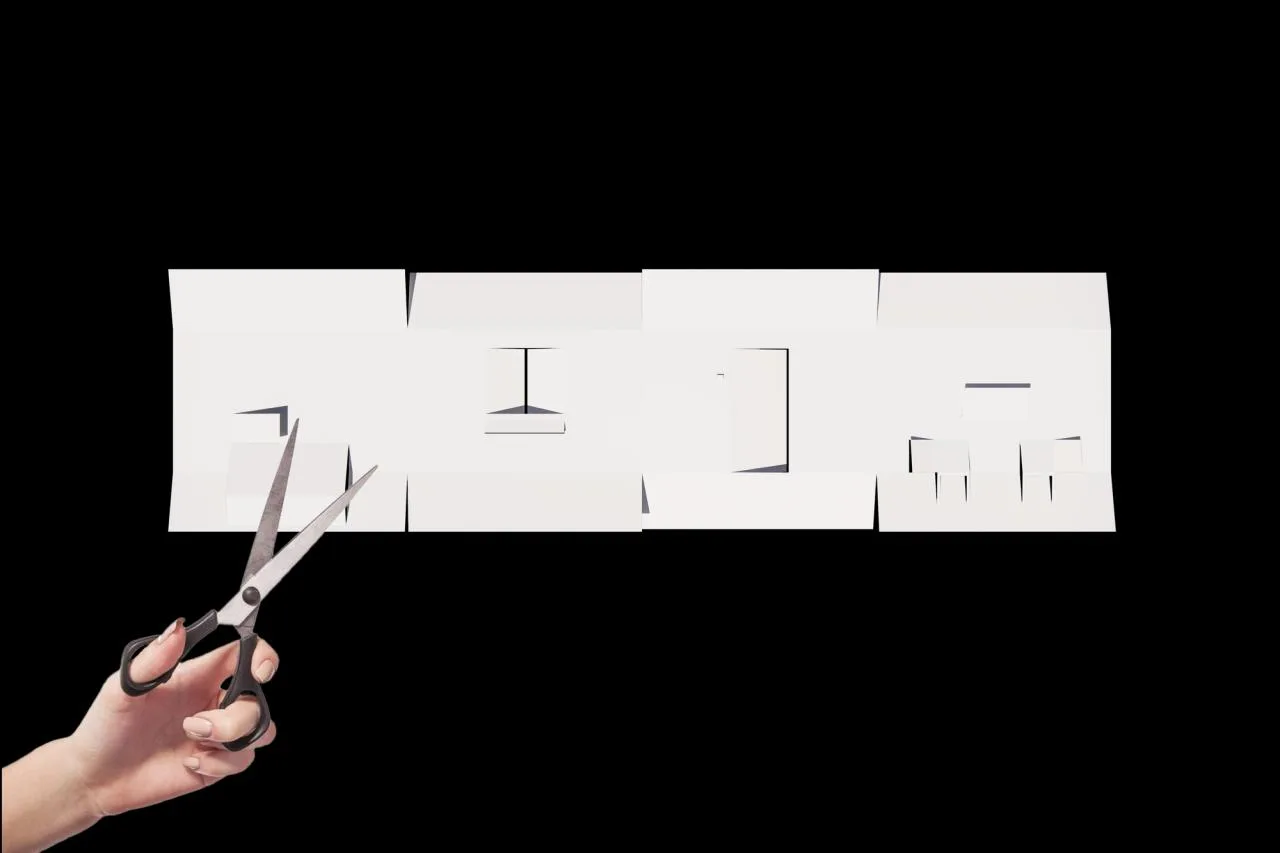
The design uses “paper” as its primary medium, transforming a flat, two-dimensional surface into a three-dimensional space through precise cutting and folding. Its abstract form sharply contrasts with the surrounding urban environment, aiming to offer visitors a spatial experience beyond everyday life. The scale of the installation draws inspiration from Le Cabanon, a small wooden cabin where Le Corbusier spent his later years. Measuring 3.66 m by 3.66 m by 2.26 m, this intimate structure serves as a key reference for exploring minimal living spaces.
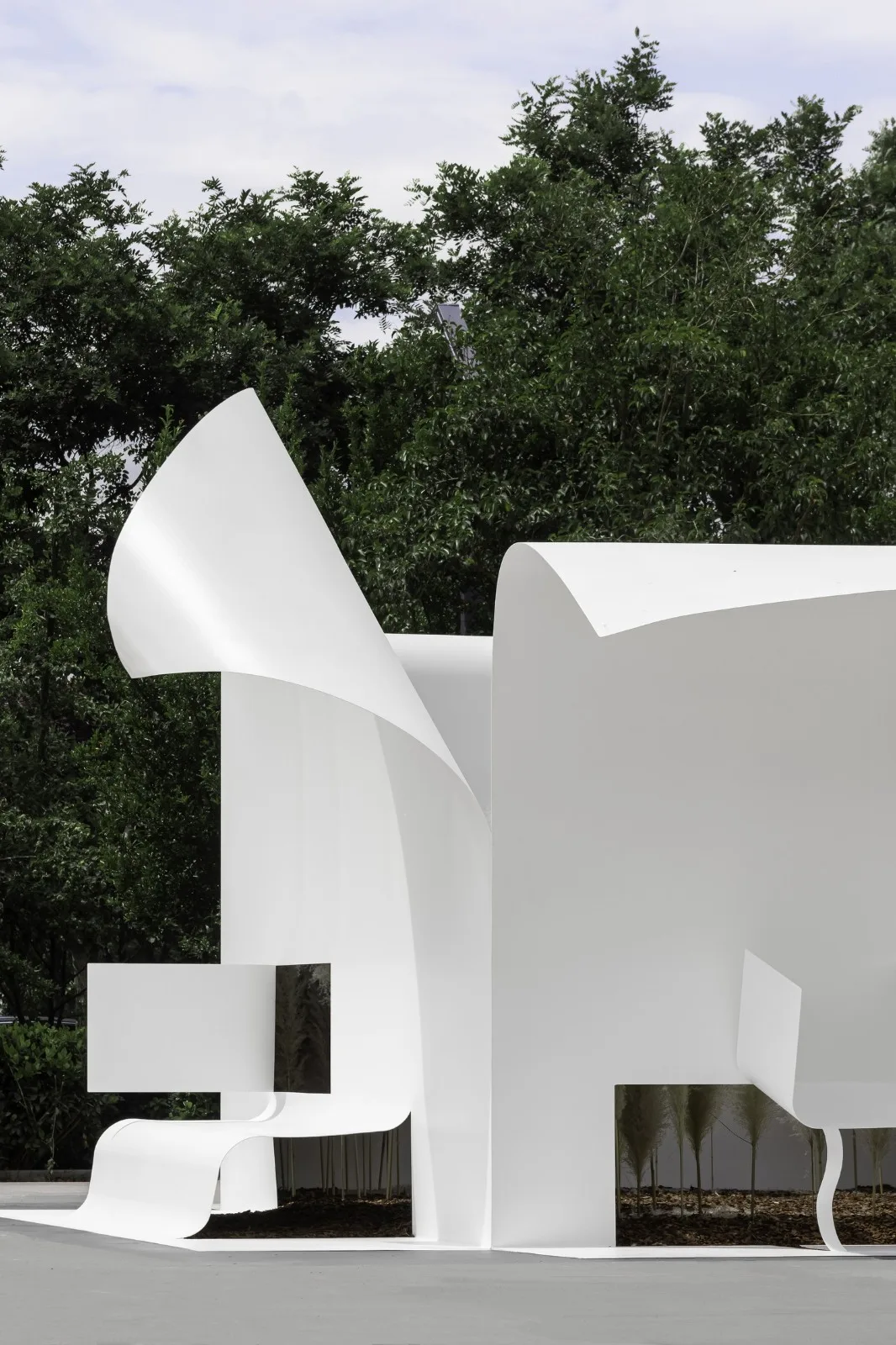
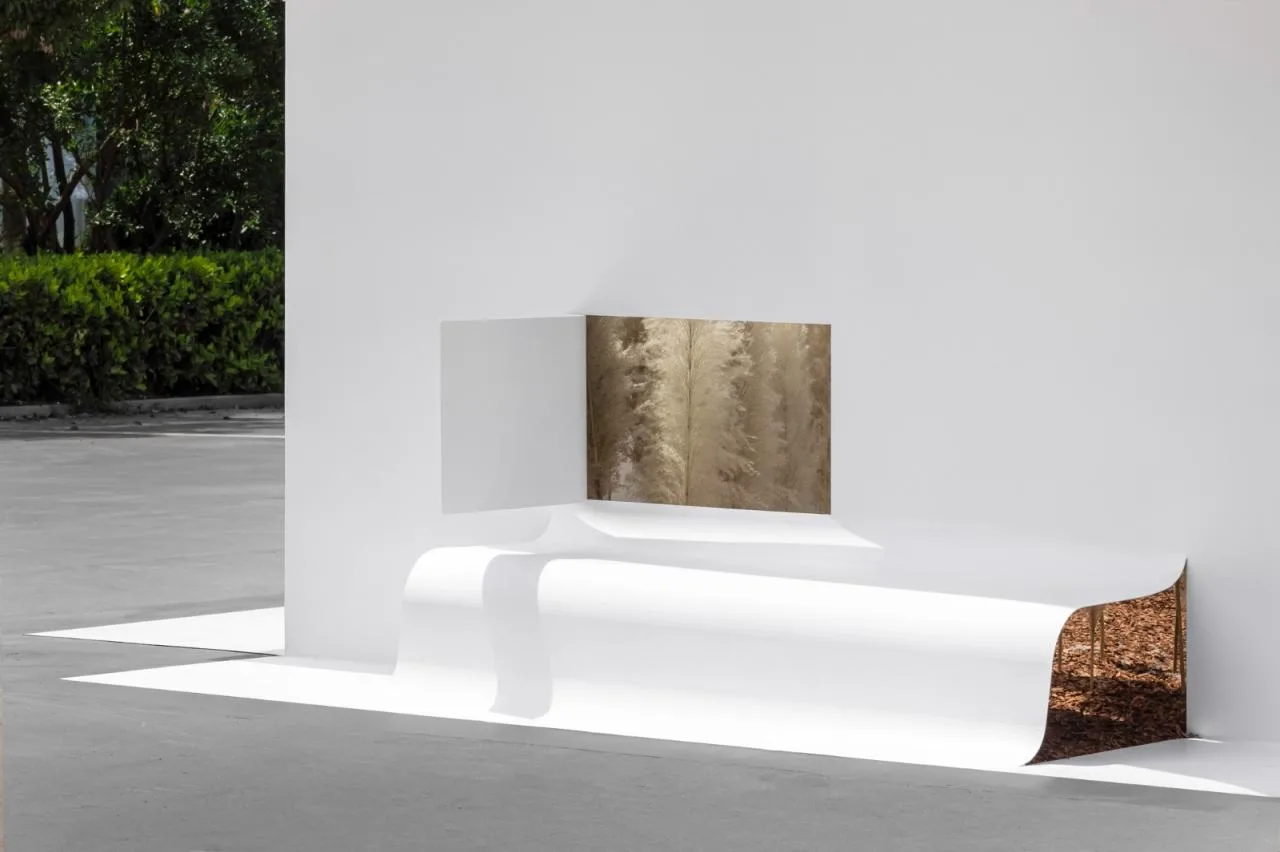
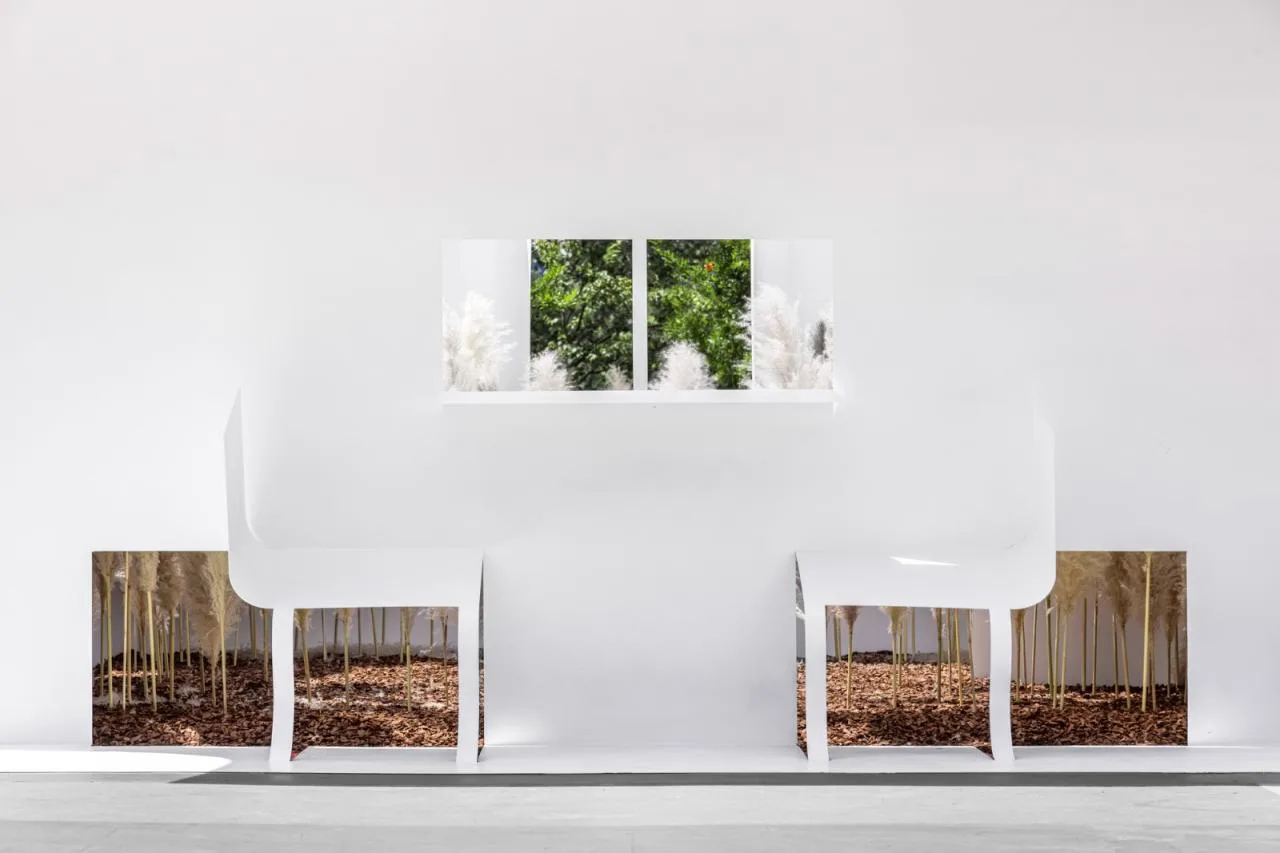
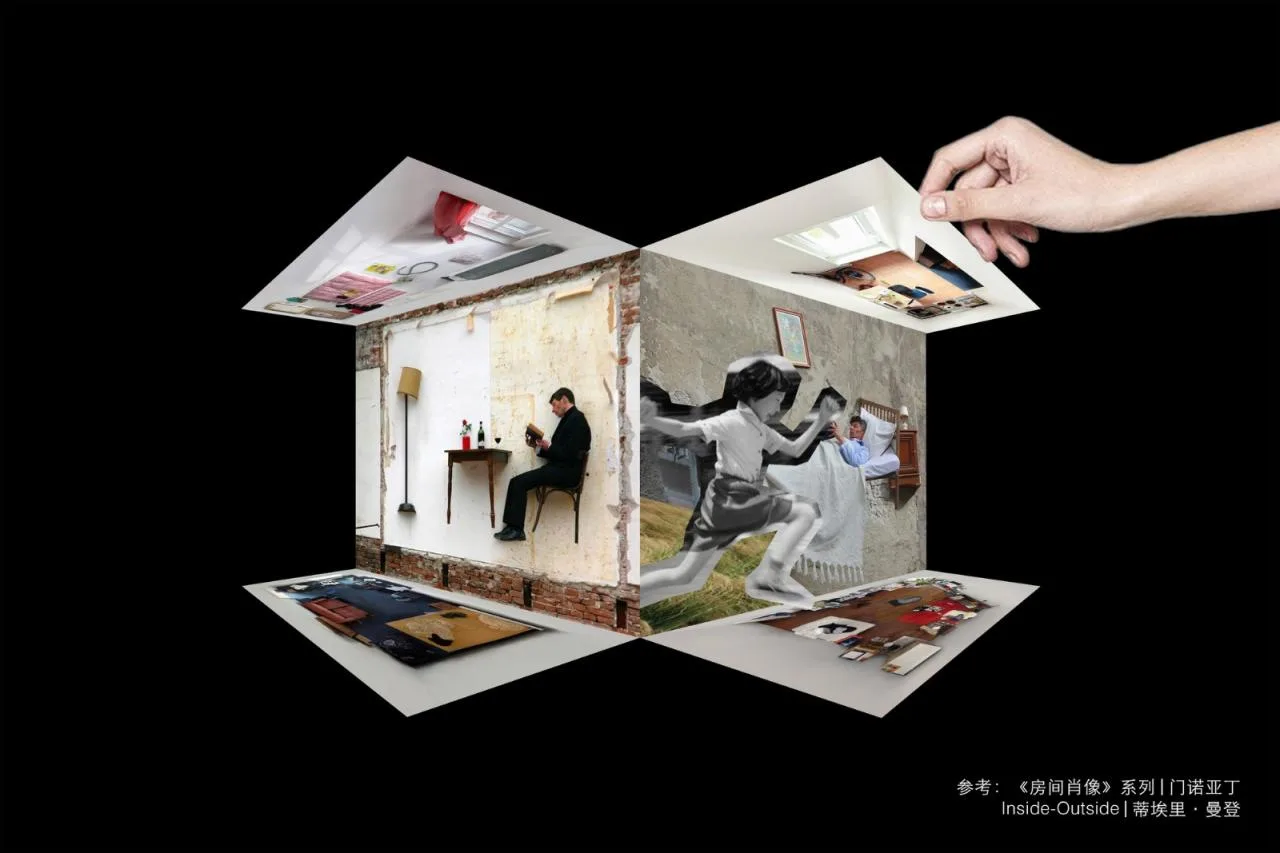
Throughout the folding process, the concepts of interior and exterior are continuously examined. When folded inward, the space becomes a microcosm of urban living, featuring doors, windows, tables, chairs, and beds that represent some of the most private residential spaces in a city. When unfolded outward, this secluded dwelling multiplies and fragments into a collection of thousands of urban residences. The compressed “indoor” space that emerges symbolizes a small homeland, continuously increasing in entropy.
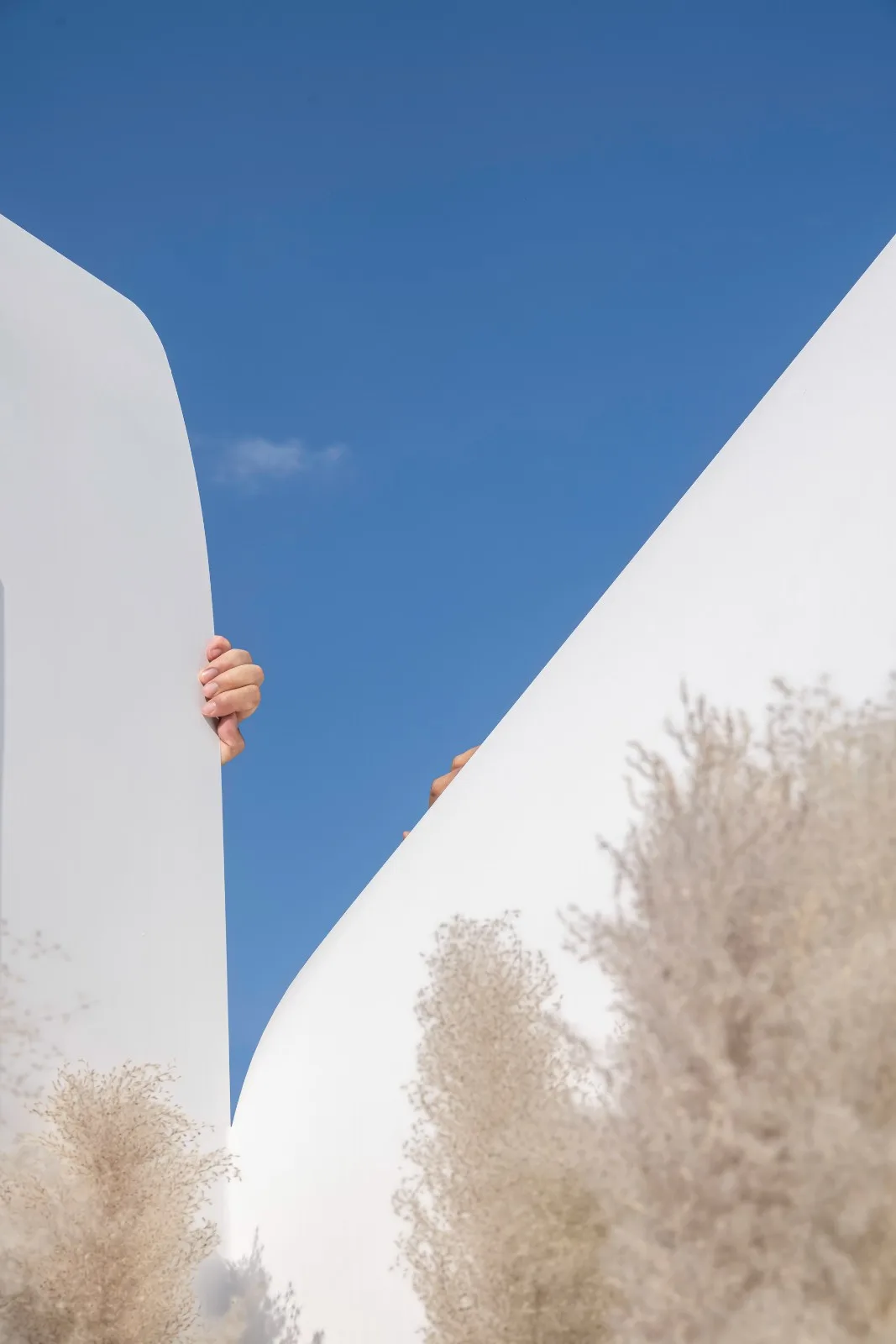
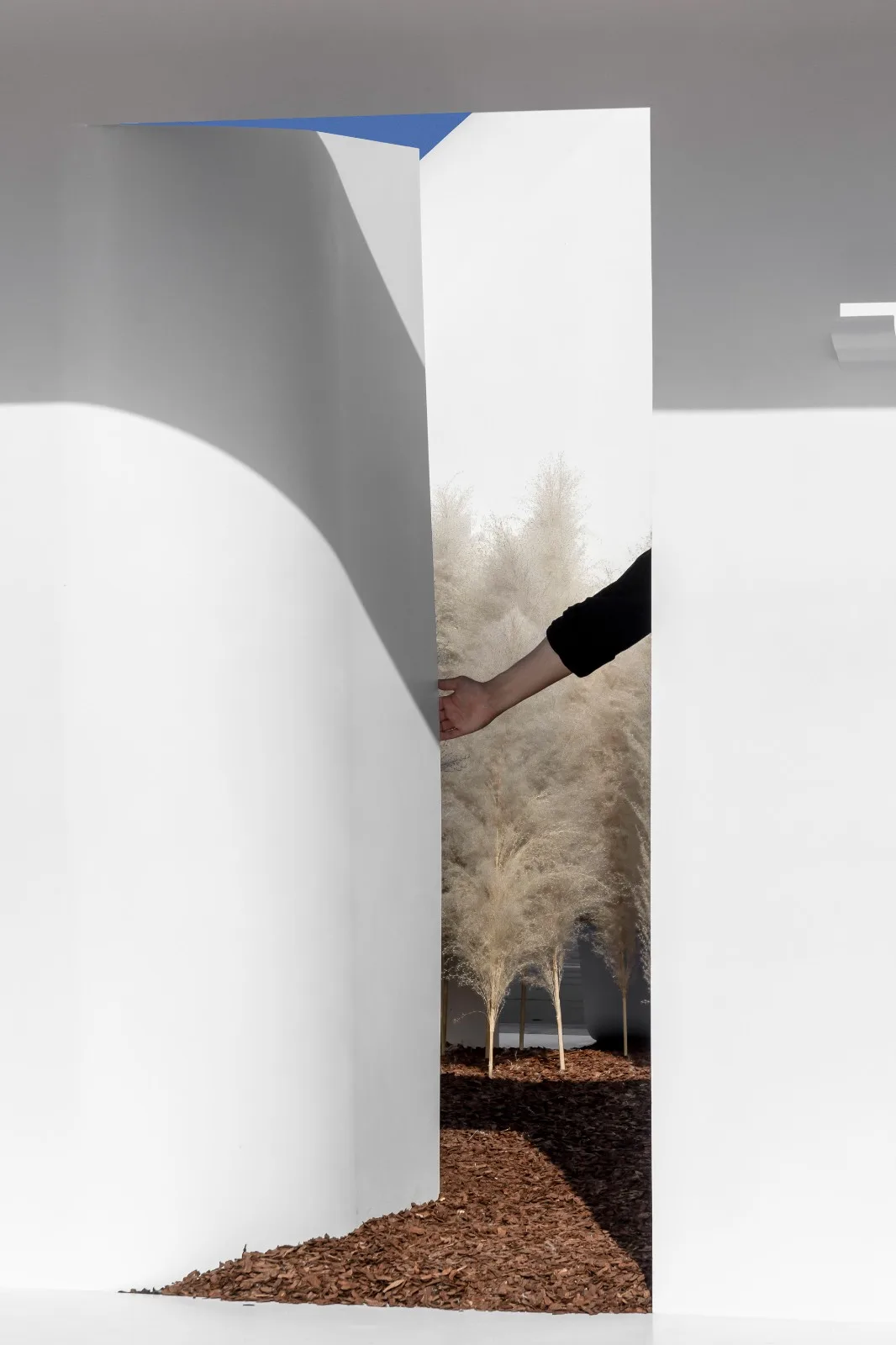
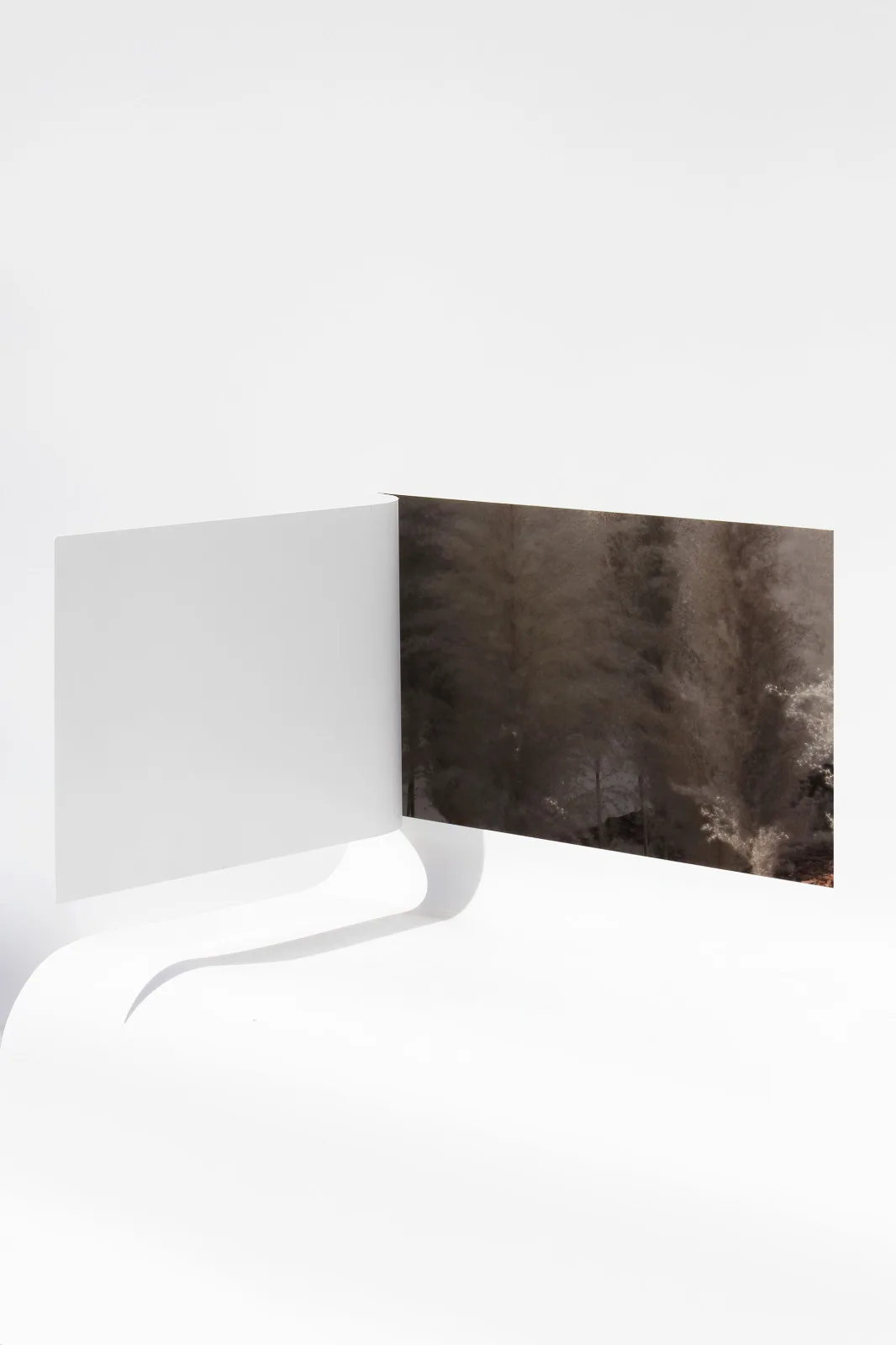
The distinction between interior and exterior is primarily shaped through spatial design. The outward-facing ceiling and floor enclose the “indoor” space, while external tables, chairs, and beds define its scale. The relationship between doors and windows is emphasized through familiar indoor elements like window sills and coat hooks. The built-in landscape, featuring reeds and pine bark, contrasts with the surreal external environment by offering a delicate natural scene. Visitors stepping inside experience soft footsteps, sunlight, gentle breezes, and bird songs—an immersive refuge from the urban hustle and bustle.
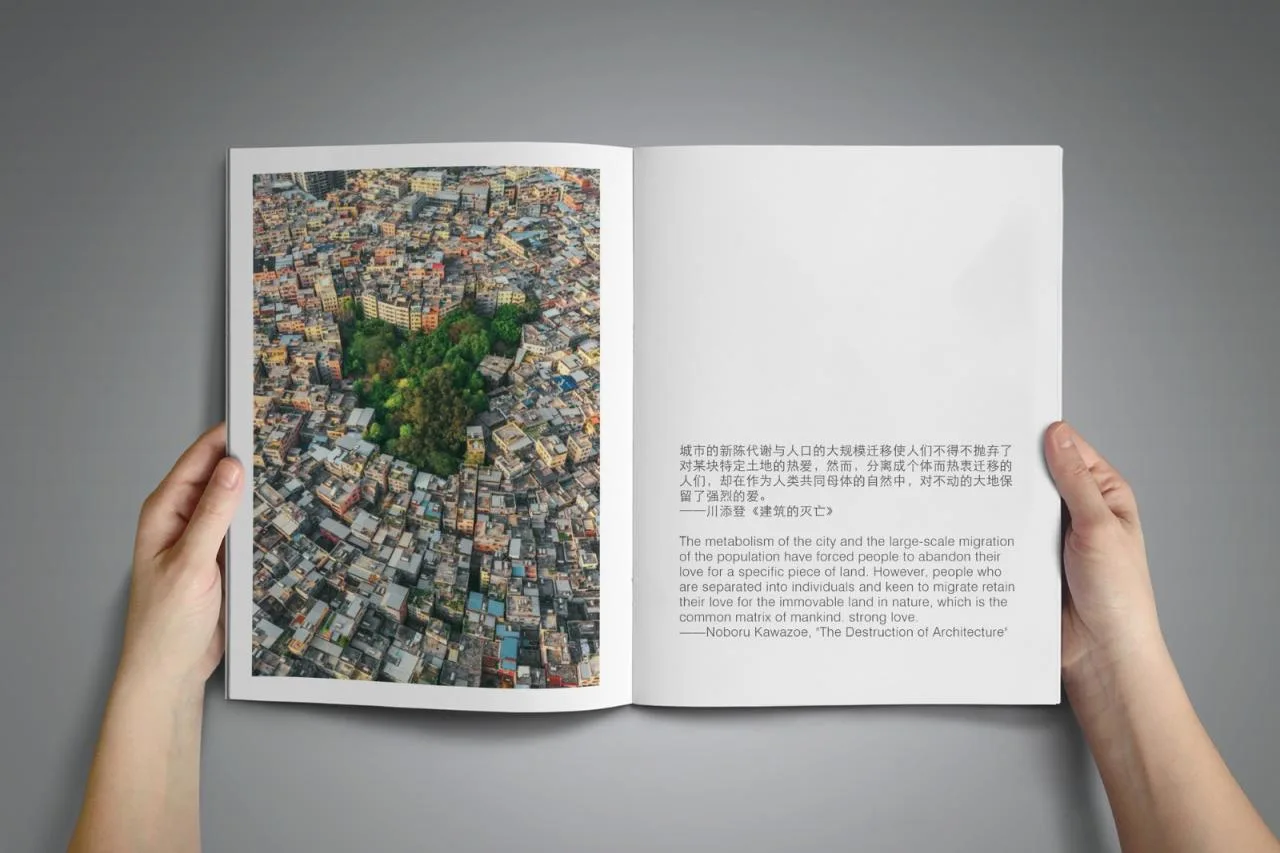
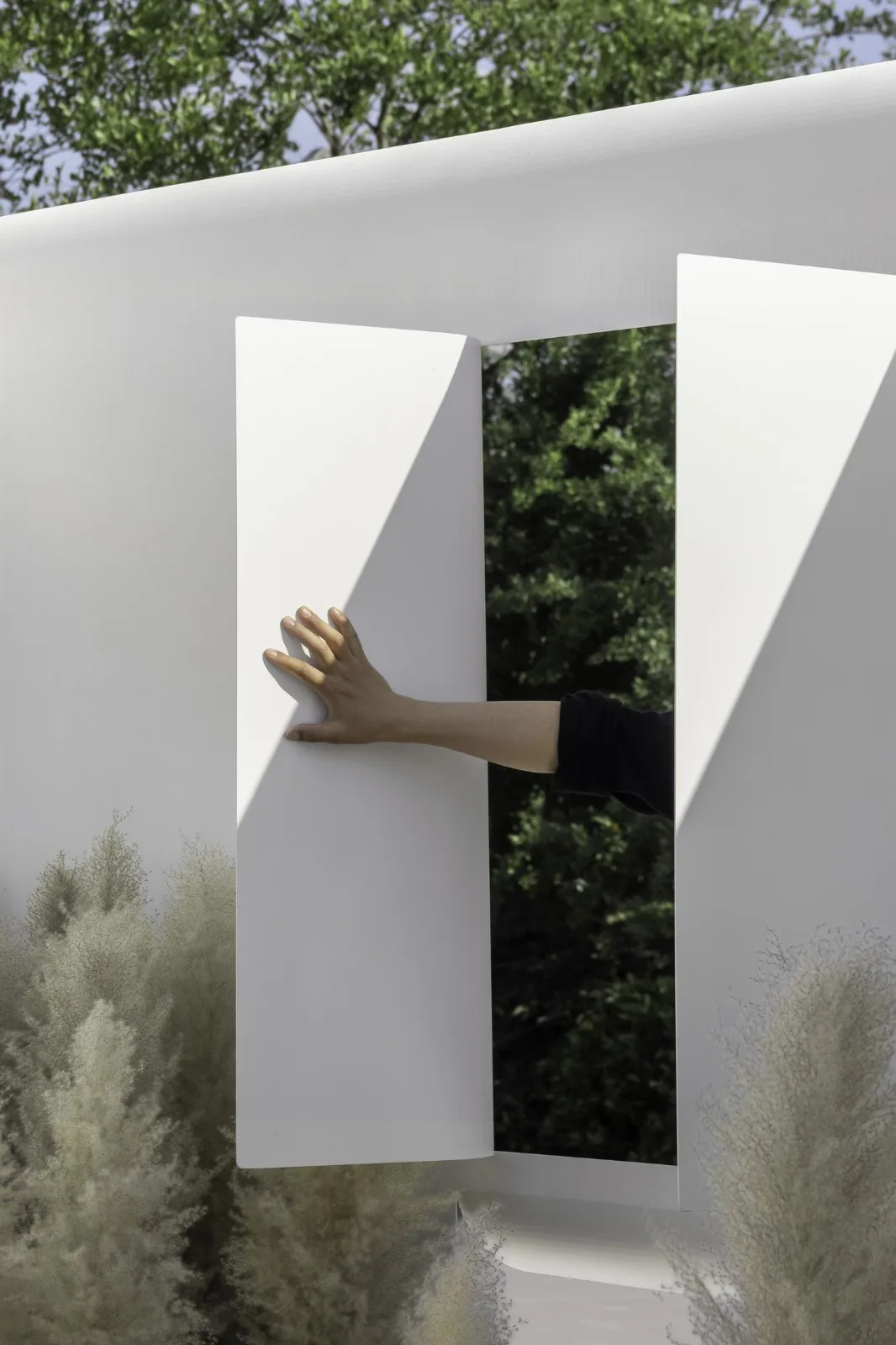
The design features multiple cutouts of varying sizes, heights, and shapes, creating diverse interior perspectives. From the ground up, earth, reeds, trees, and sky form a series of dreamlike frames that enrich the spatial experience.
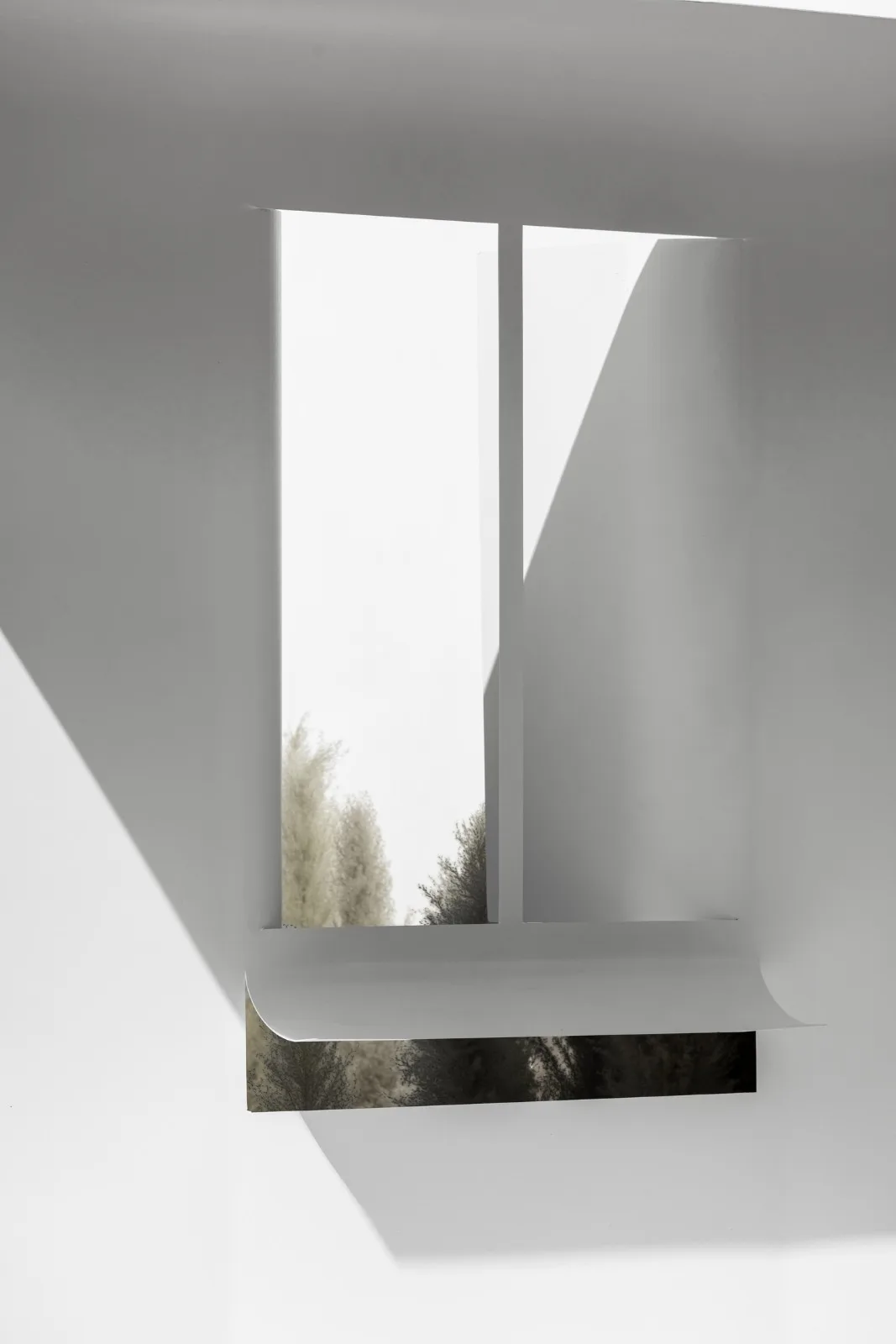
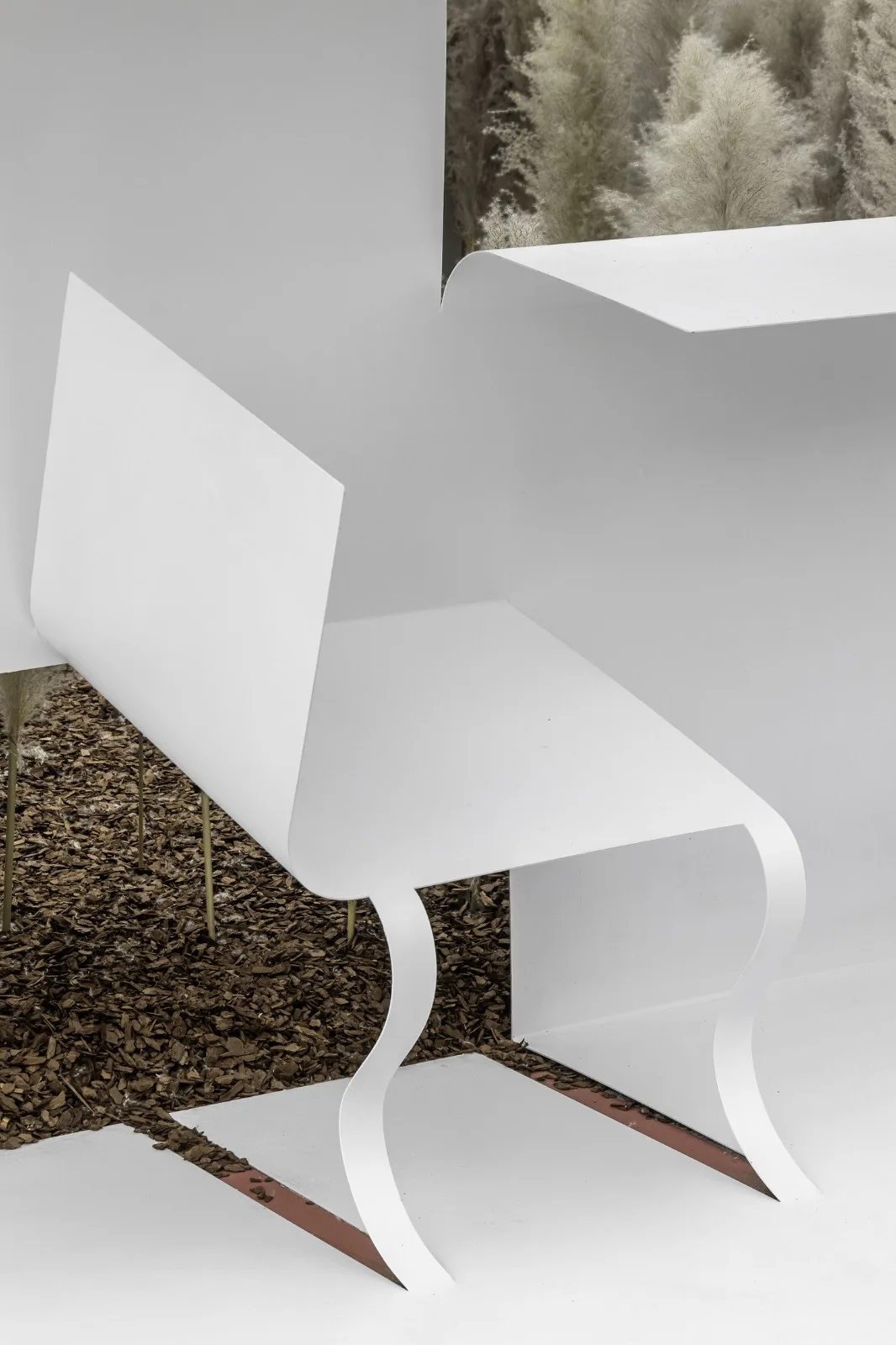
The construction process combines factory prefabrication with on-site assembly, using 2mm-thick steel plates to form the main structure. These thin steel plates blur the device’s framework and conceal all joints and construction details, achieving a paper-like thinness. Despite its delicate appearance, structural calculations ensure that the external bed, tables, and chairs can support up to 150 kg, enabling interactive engagement with visitors.
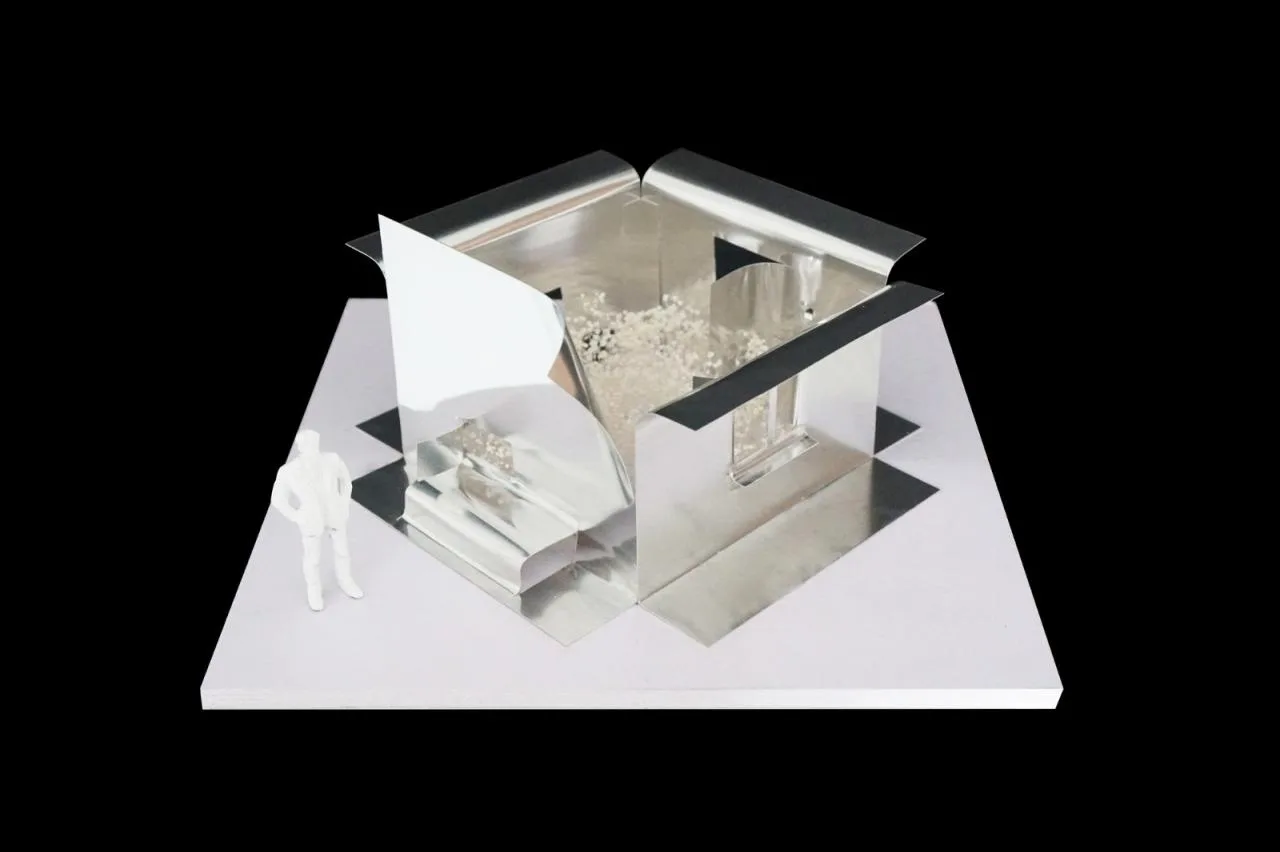
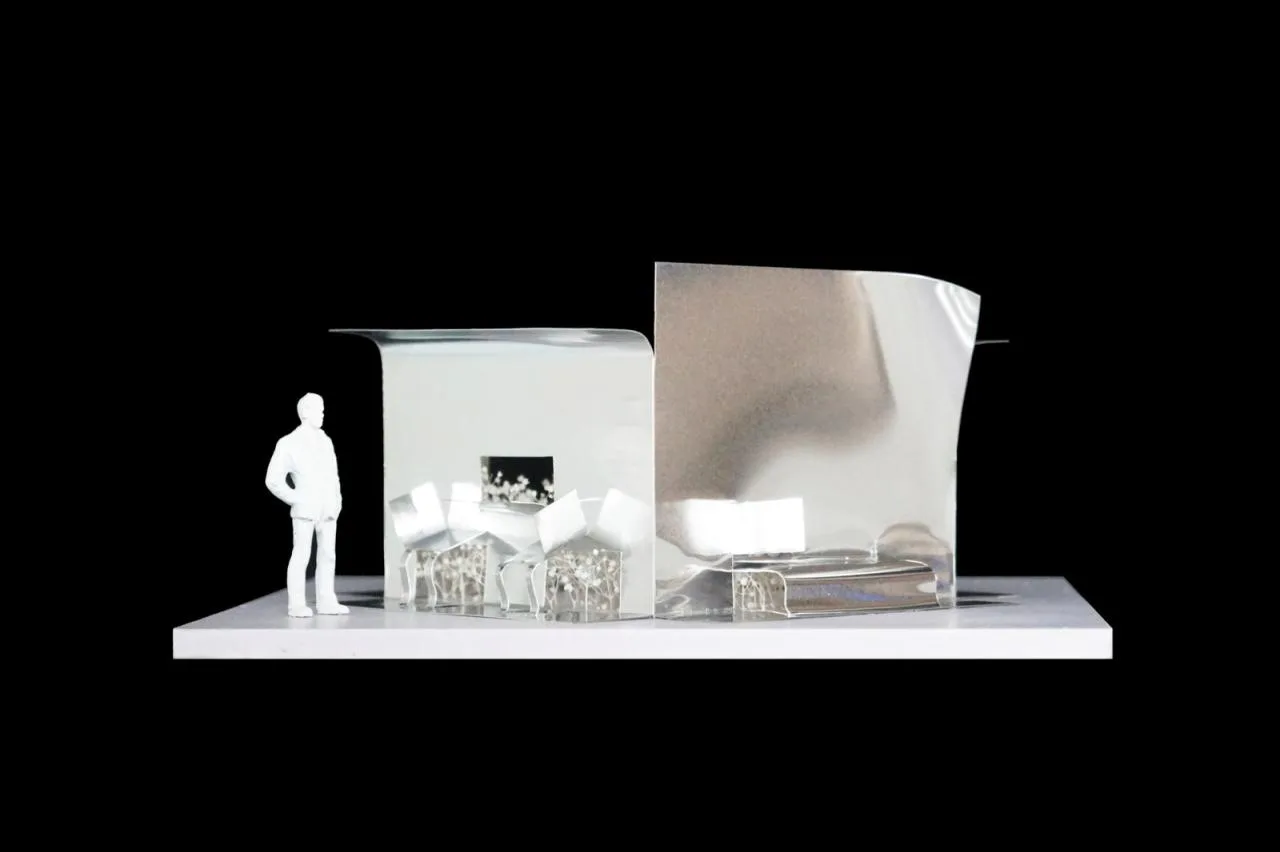
Between 1990 and 2023, China’s urbanization rate rose from 26.23% to 66.16%, with many young people leaving their hometowns to become “exiles” in the city. This project envisions an ideal public space as a new home for these urban exiles. Public spaces should move beyond being mere “places of rights” and instead reconnect with everyday life. They should draw inspiration from collective behaviors, fostering bonds among fragmented communities, neighborhoods, and streets. Through engaging public life and collective memory, the project aims to transform the “city” into a true “home,” helping people overcome feelings of inner exile.
Project Drawings
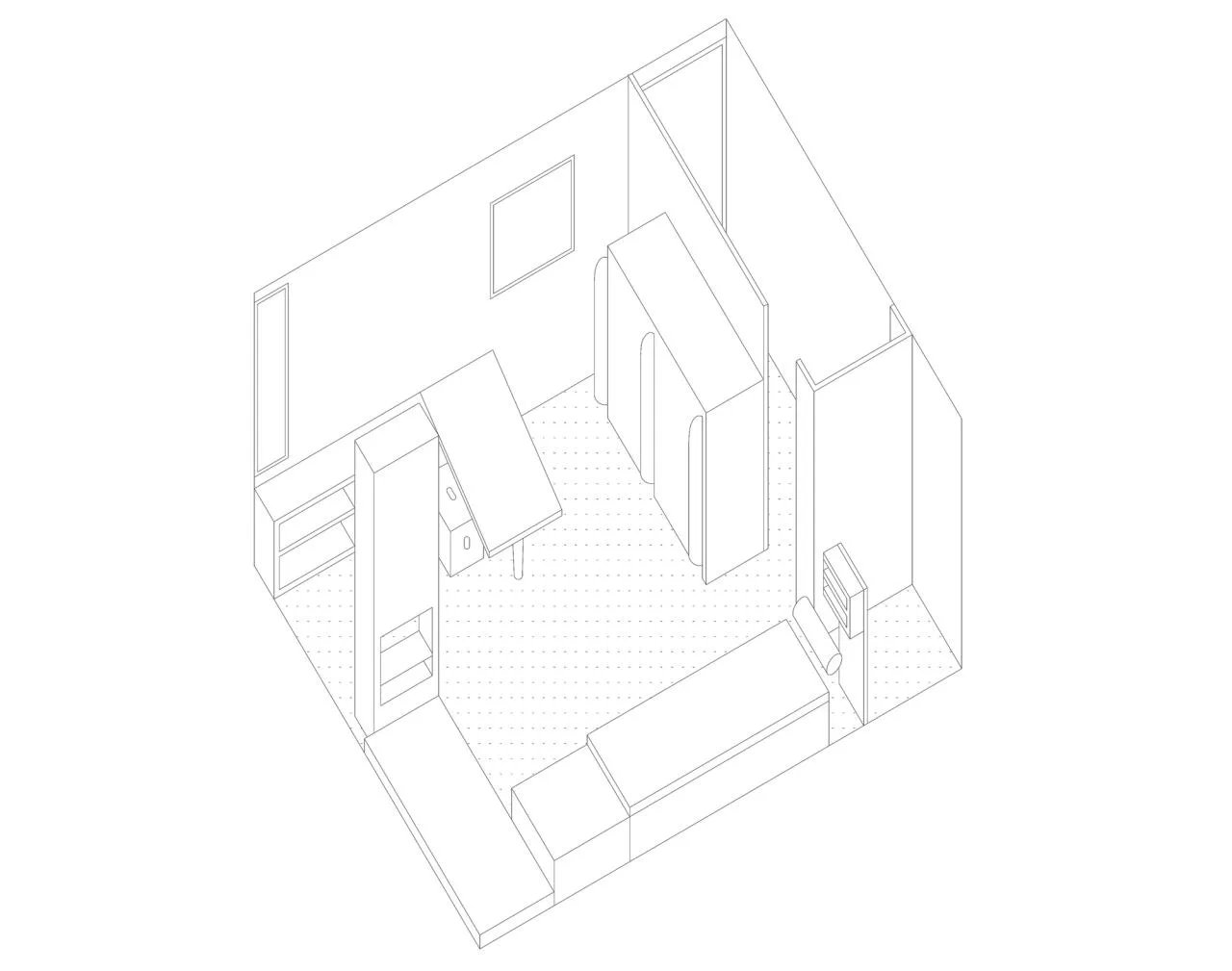
△ Indoor Space
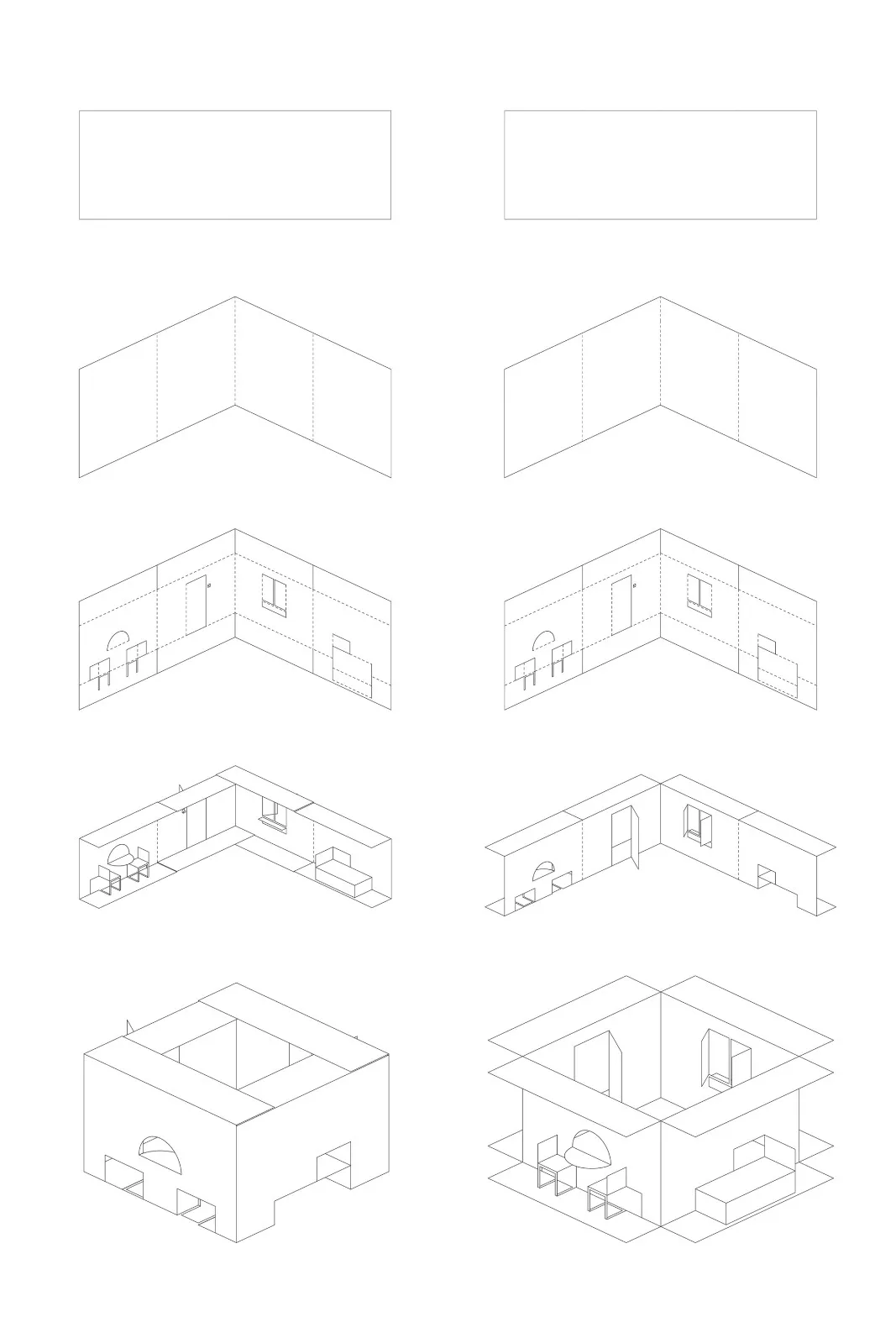
△ Folding Analysis
Project Information
Architect: Instant Design Institute
Area: 29 m²
Year: 2024
Photographer: Kevin
Lead Architect: Zhou Xiaofu
Artistic Director: Fu Shuai
Team Members: Hou Runhua, Dong Rubin, He Qinghao
Construction: Shijia Sculpture
Location: Xi’an















Must log in before commenting!
Sign Up