
△ © Architectural Arch Exest exists
From Products to Architecture
△ © Zhu Xiaojun Violin Bunny
△ © Architectural Arch Exest exists
△ © Architectural Arch Exest exists
Nobilia entered the Chinese market in 1997 as the first imported brand to bring German-made cabinets into China. Raumplus, a family business founded by Mr. Jürgen Guddas in Bremen, Germany in 1986, derives its name from the German words “raum” (space) and “plus” (expansion, integration, and enhancement). As a leading European custom home brand, Raumplus serves over 70 countries and regions with more than 1,000 showrooms worldwide.
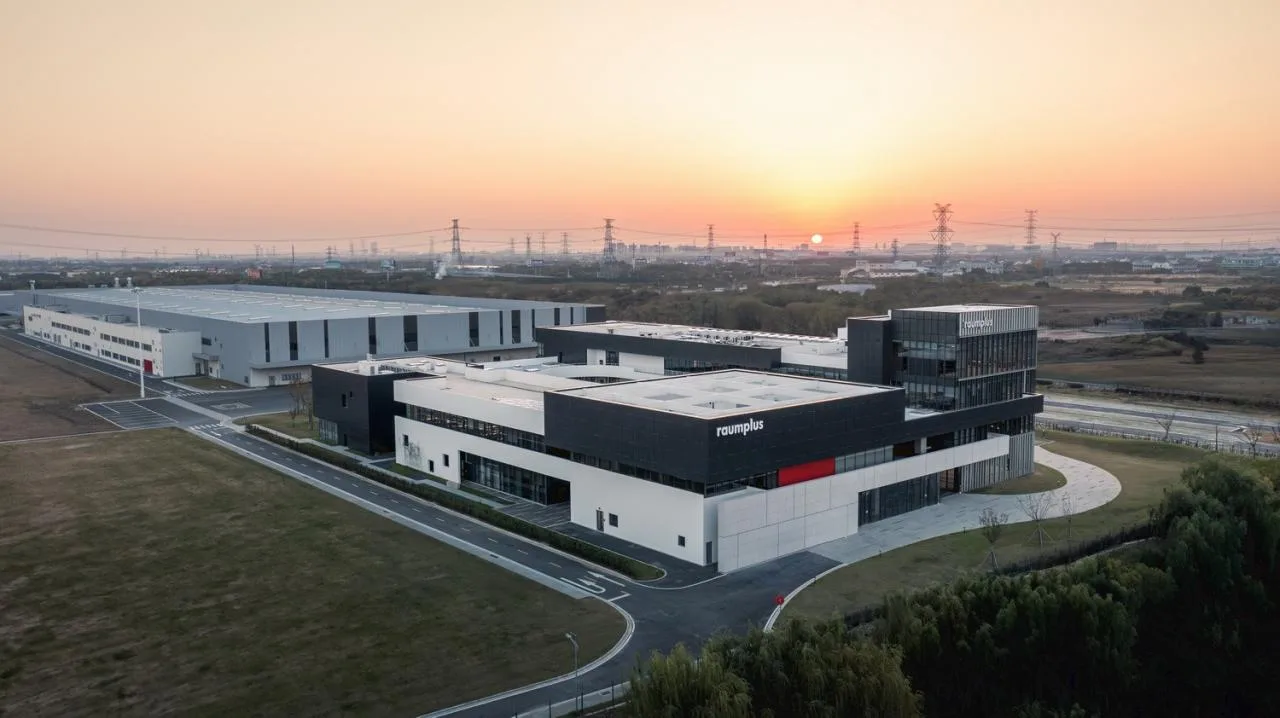
In 2018, Nobilia and Raumplus formed a joint venture in China. The following year, they invested in building the first high-end wardrobe and sliding door production and R&D base in China, established by two major German home industry leaders. This Asia Pacific headquarters project, embodying Industry 4.0 standards, is located in Wuxi, Jiangsu Province, spanning 300 acres.
The project incorporates organic and sustainable new technology materials, seamlessly blending design with environmental responsibility. Committed to carbon neutrality and social responsibility in sustainable development, the facility received LEED Gold certification for international green building upon its completion in early 2024.
△ © Architectural Arch Exest exists
△ © Architectural Arch Exest exists
△ © Architectural Arch Exest exists
△ © Architectural Arch Exest exists
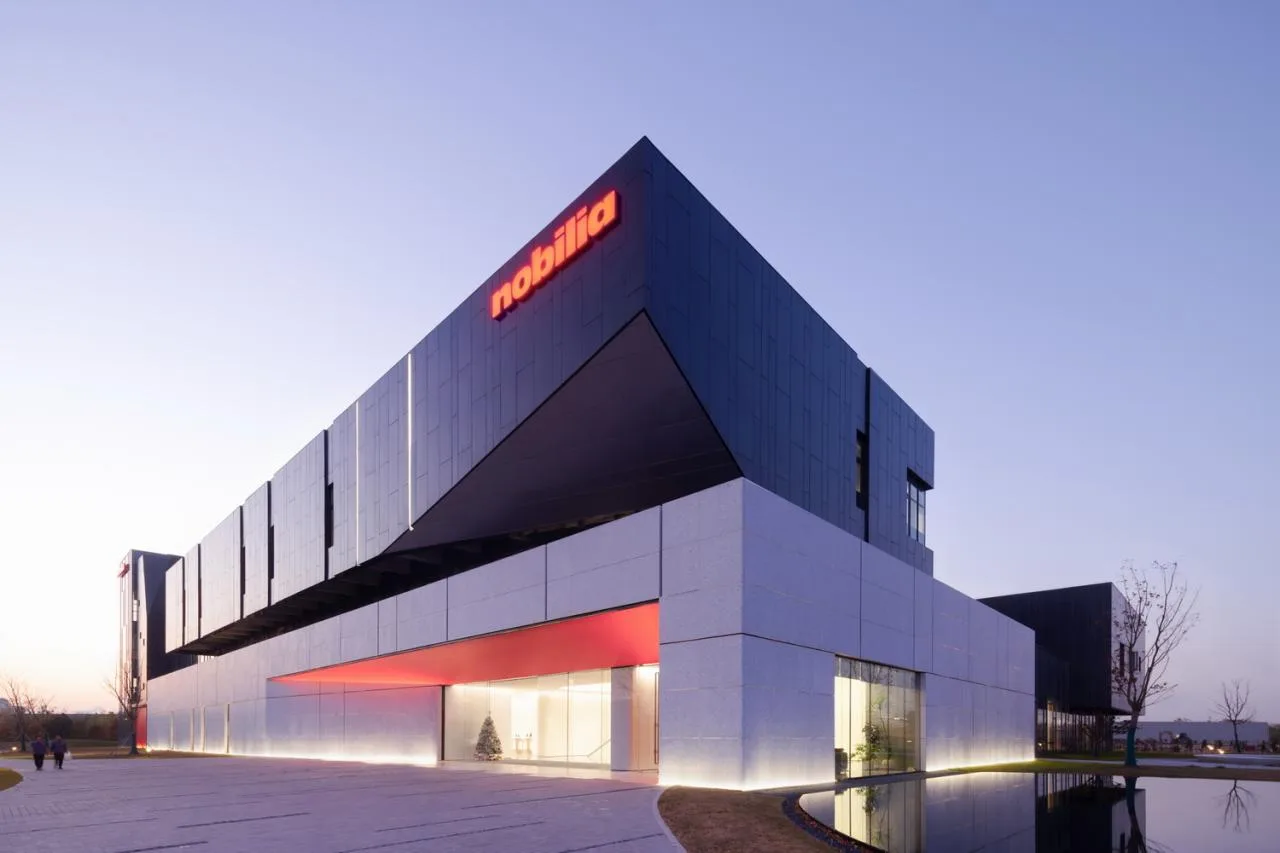
Design bridges the gap from products to architecture by transforming human scale through rhythmic proportions that create a perceivable sense of beauty. The designs of Belle and Delu products not only meet stringent quality and aesthetic standards but also fulfill specific functional requirements.
△ © Architectural Arch Exest exists
△ © Architectural Arch Exest exists
The commitment to environmental protection and green health embodied in the Belle and Delu brands inspired the use of organic and sustainable new technology materials for this project. The brand is dedicated to developing a contemporary, eco-friendly, and natural international design factory and headquarters. This dedication earned the project LEED Gold certification for international green building upon its completion in 2024.
Sustainability from the Outside In
△ © Architectural Arch Exest exists
△ © Architectural Arch Exest exists
△ © Architectural Arch Exest exists
△ © Architectural Arch Exest exists
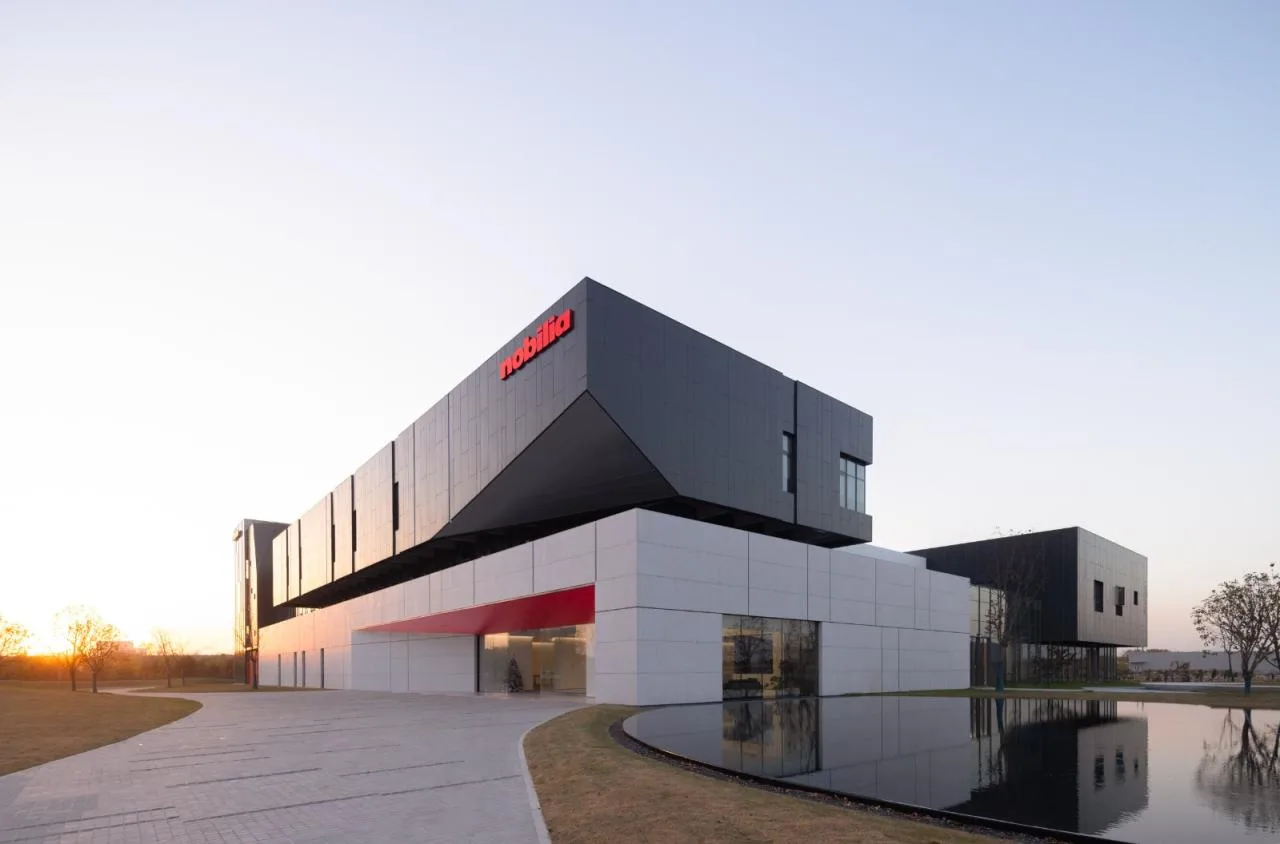
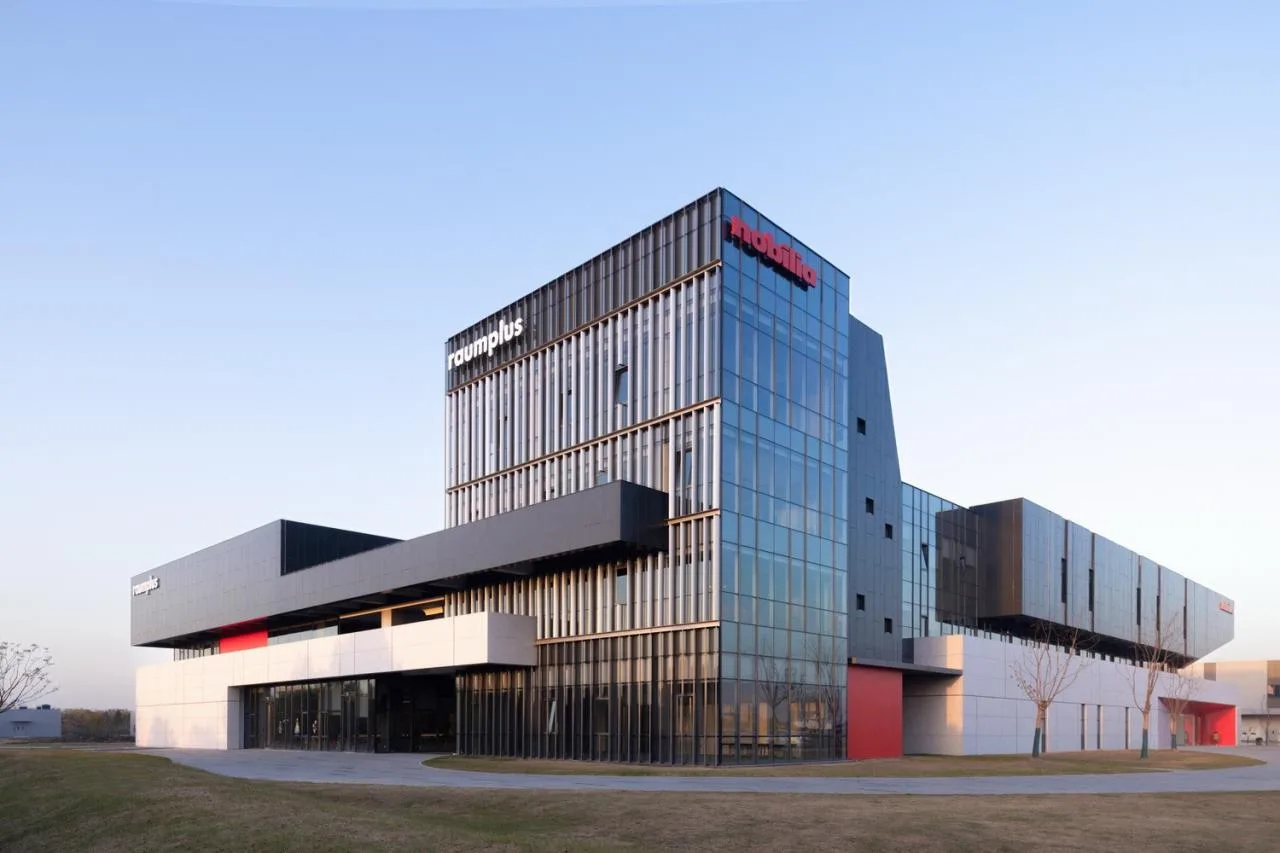
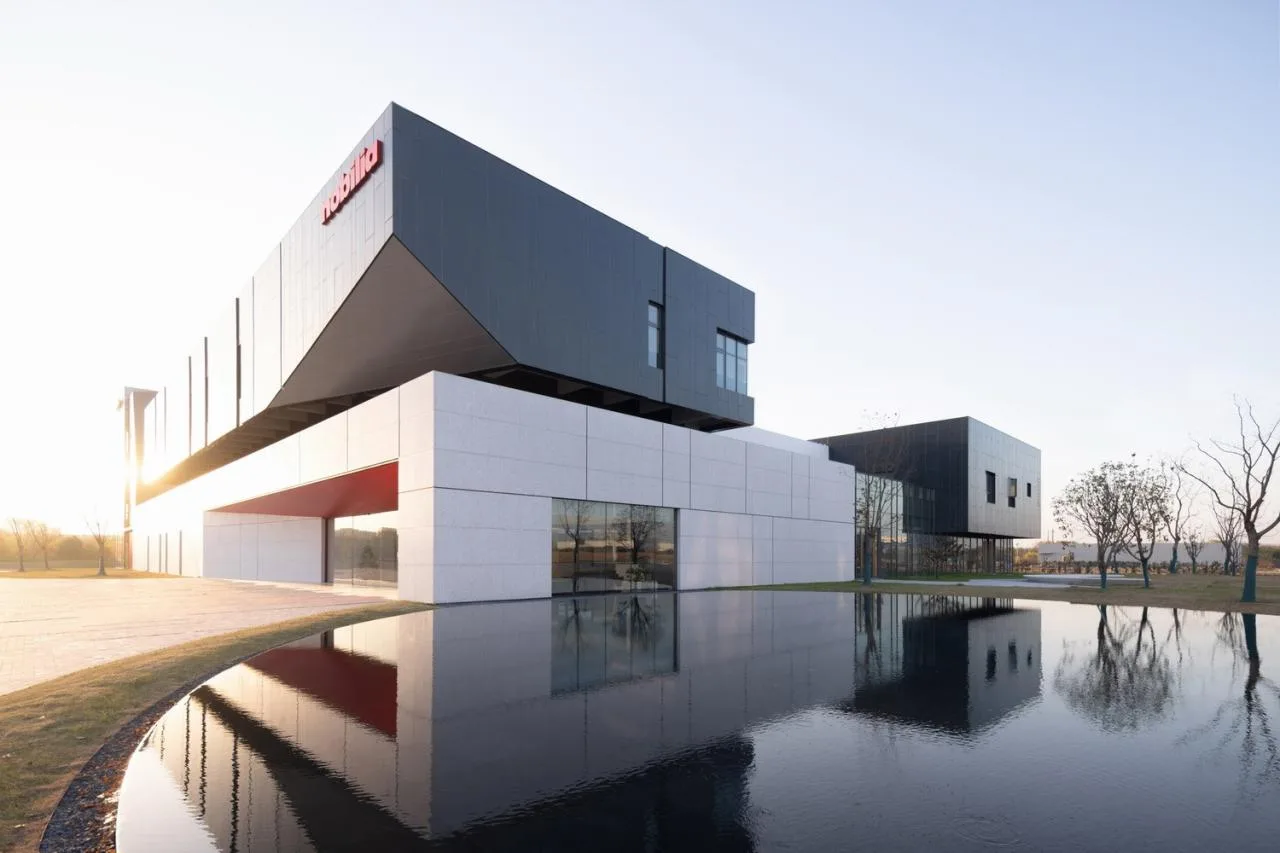
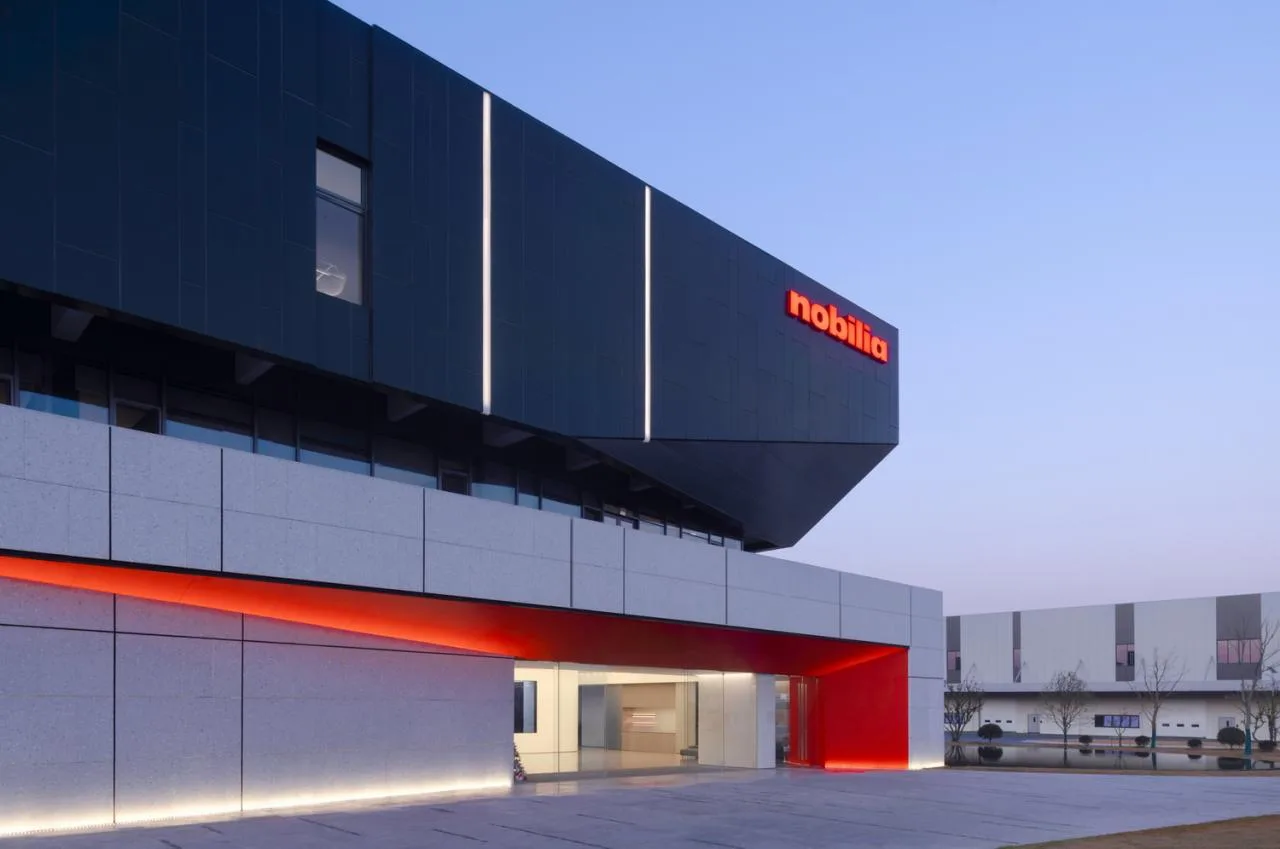
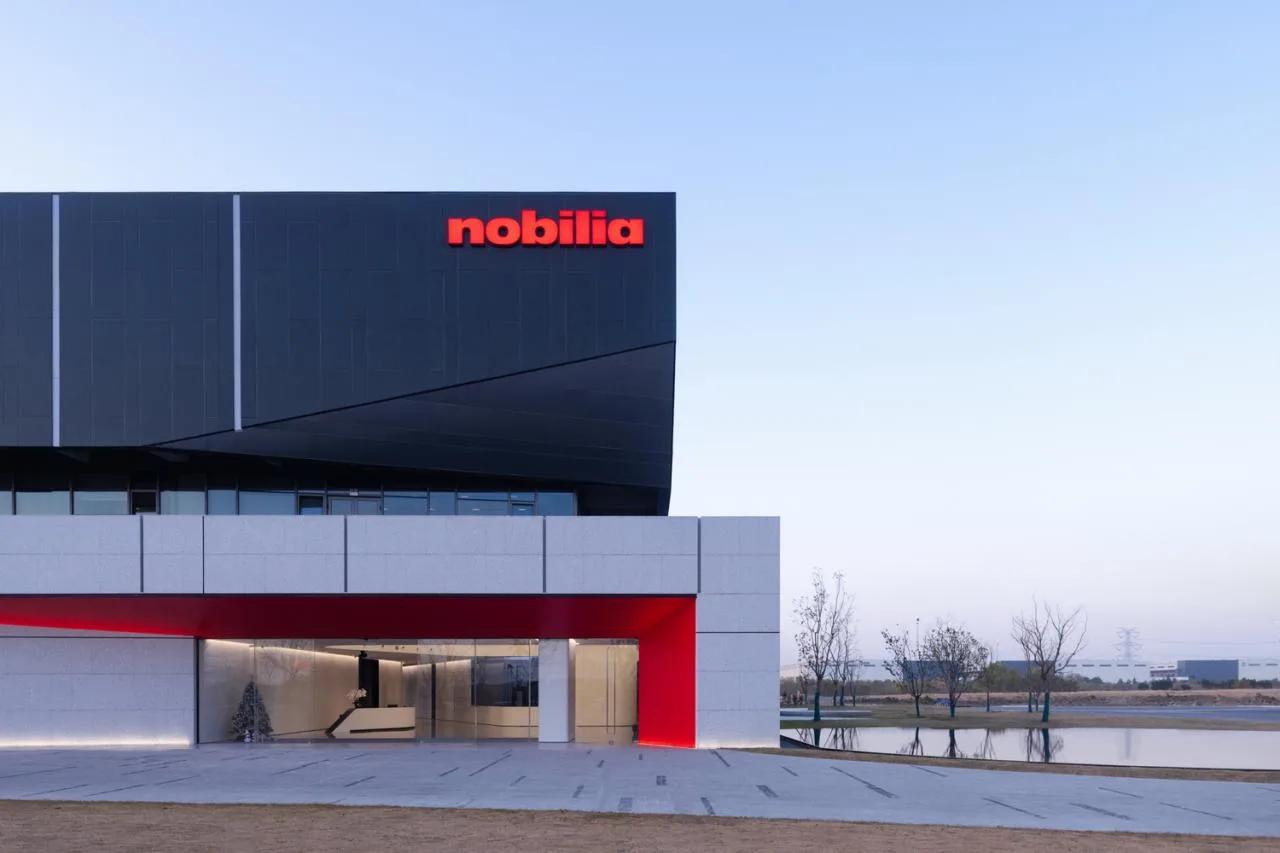
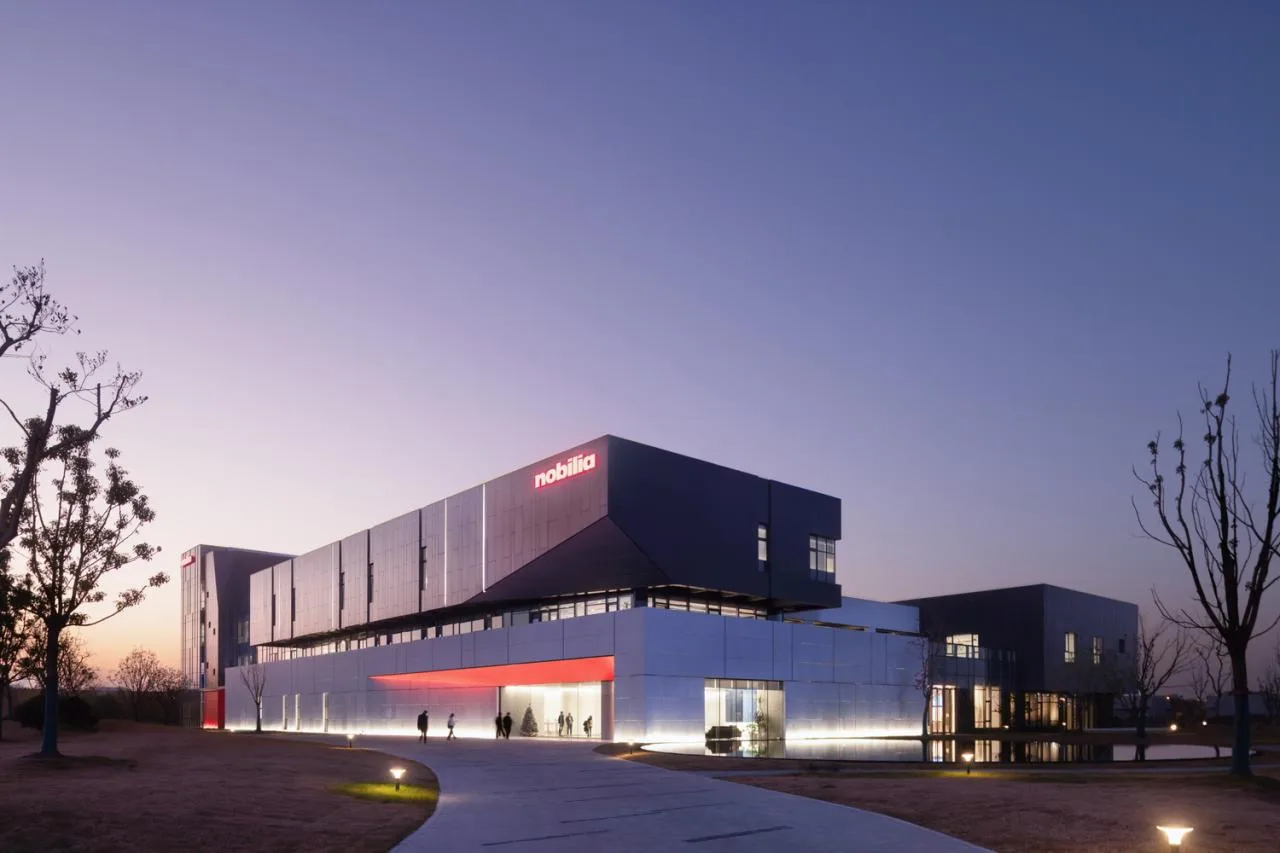
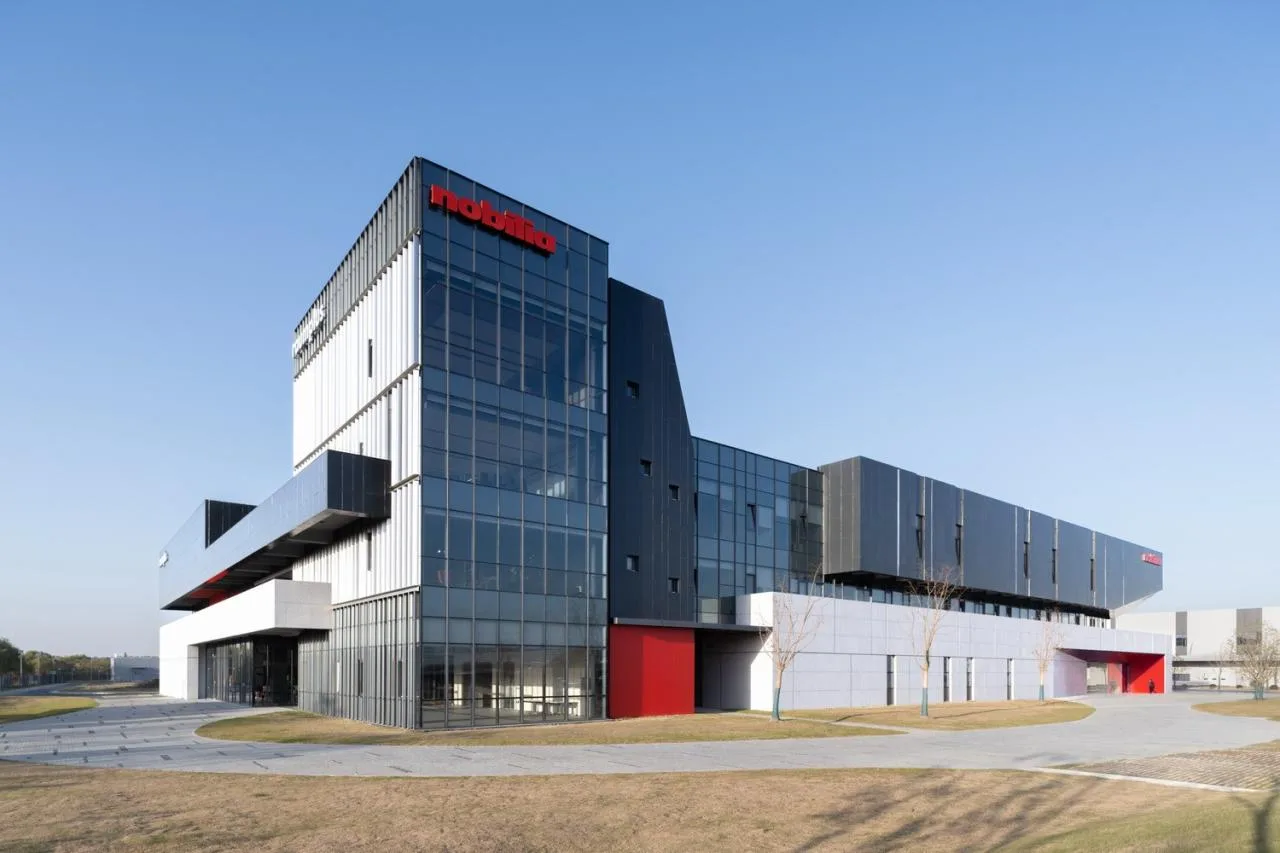
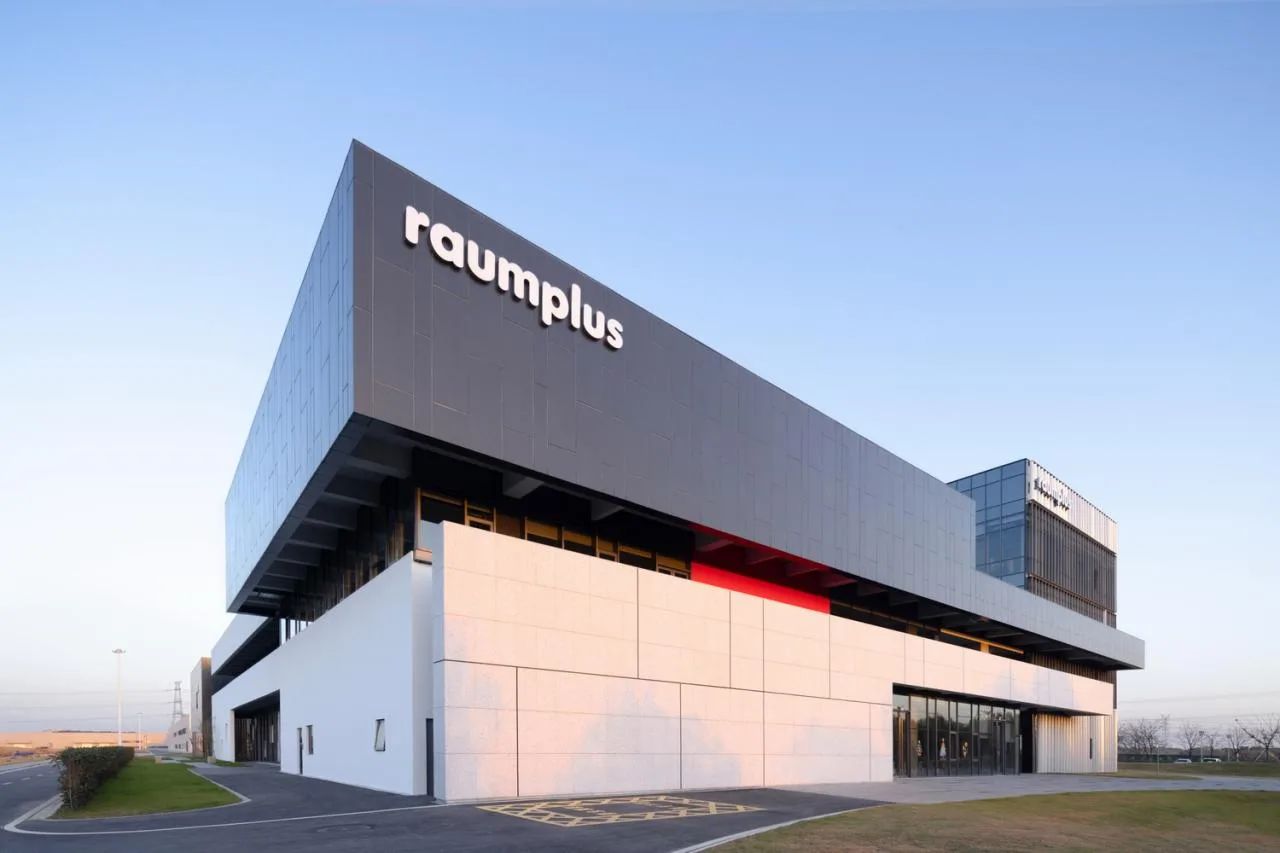
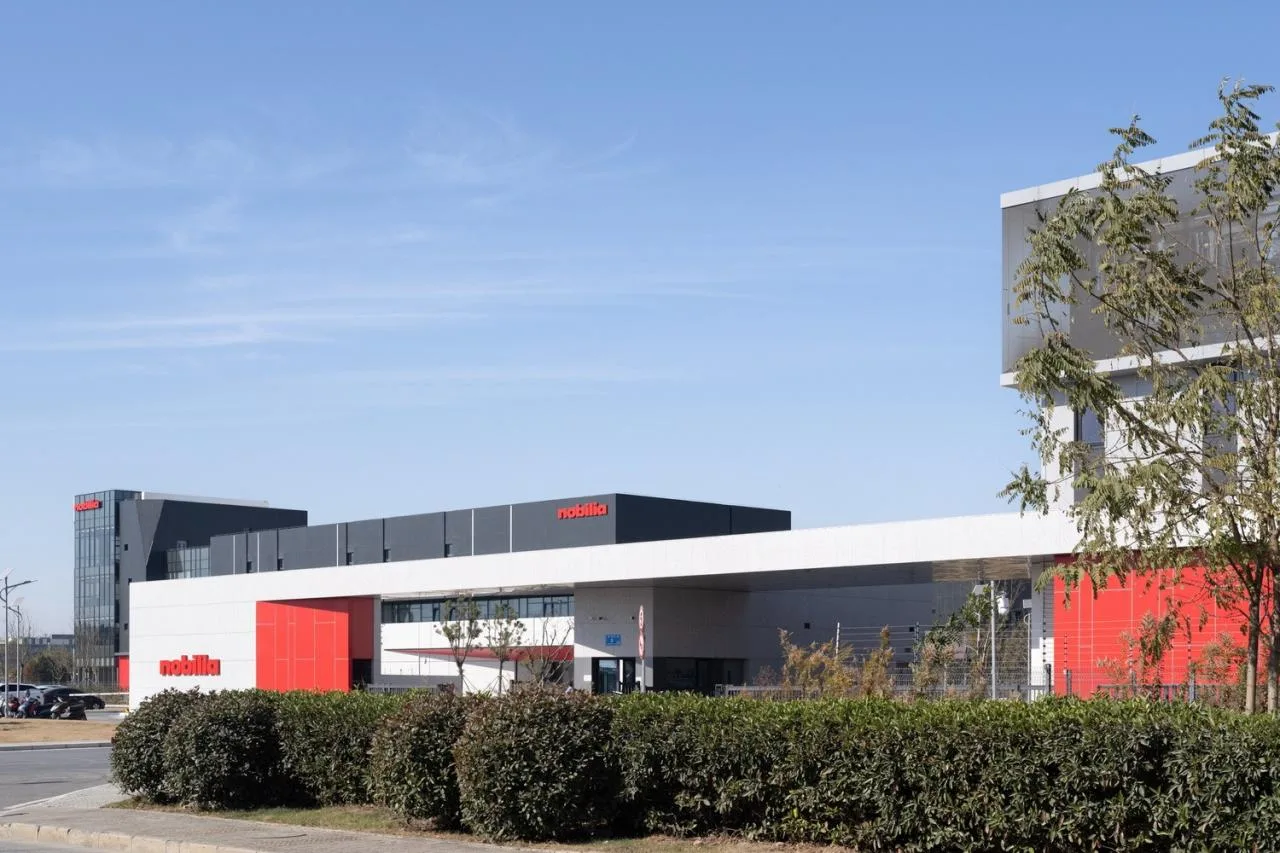
A concise and impactful volume is key to building brand recognition. This project emphasizes the visual tension of the building itself, leveraging contrasts between reality and illusion to create multi-layered spatial relationships. The facade features rhythmic architectural elements using the brand’s corporate colors, establishing a clear and effective brand identity.
△ © Architectural Arch Exest exists
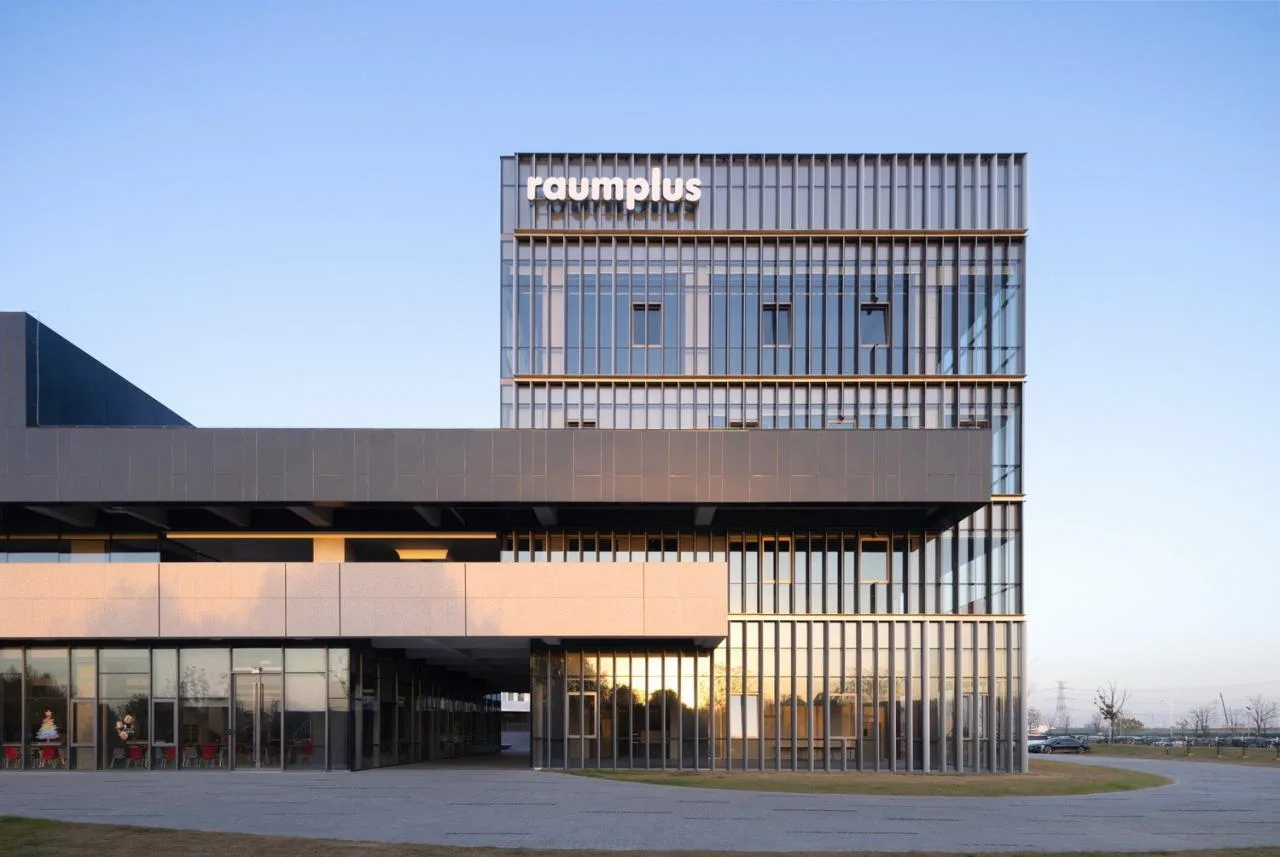
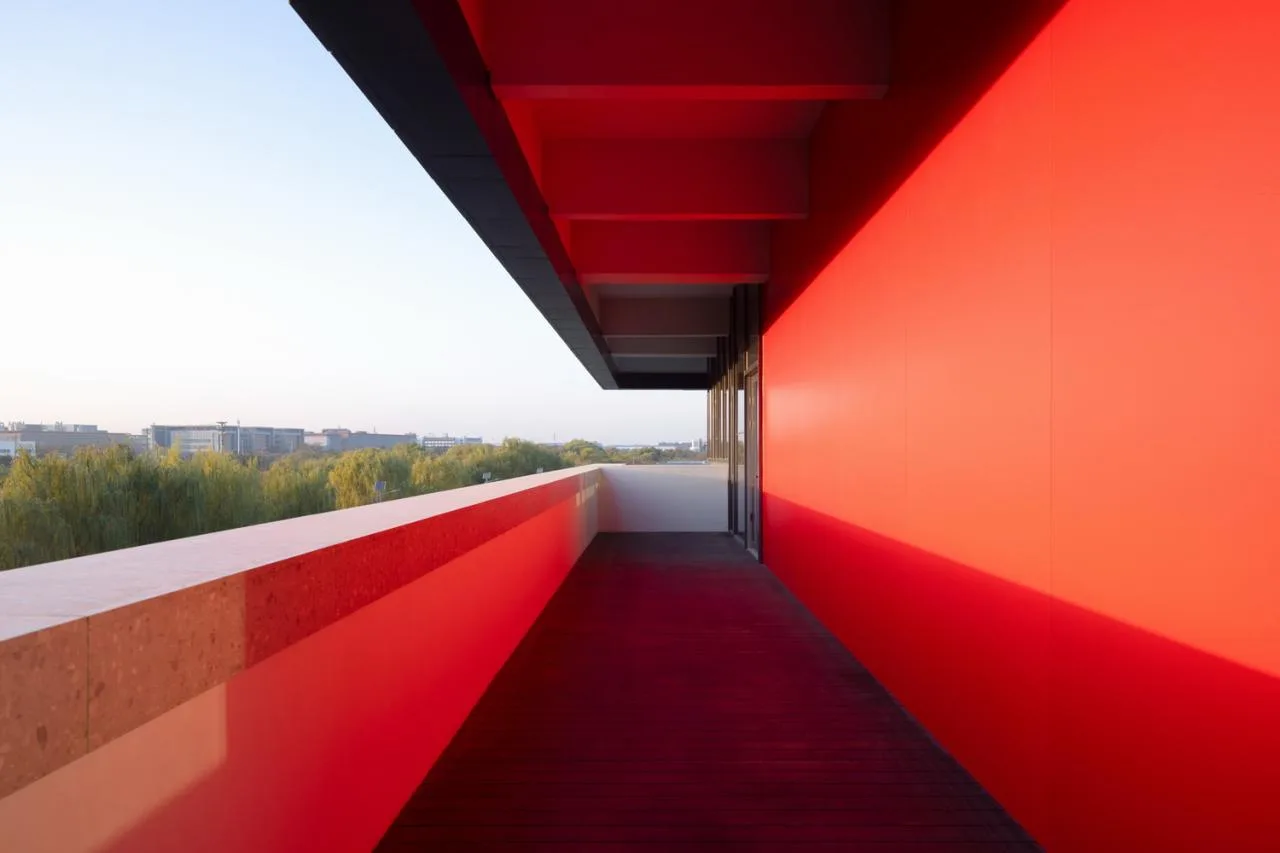
Inspired by the imagery of a forest, the design creates a rhythm akin to musical notation, alleviating the imposing nature of large buildings and forming a sequence of showcases where production itself becomes a visual theme. This approach evokes a modern industrial film, signaling the dawn of a revolutionary way of life.
△ © Architectural Arch Exest exists
△ © Architectural Arch Exest exists
△ © Architectural Arch Exest exists
△ © Architectural Arch Exest exists
△ © Architectural Arch Exest exists
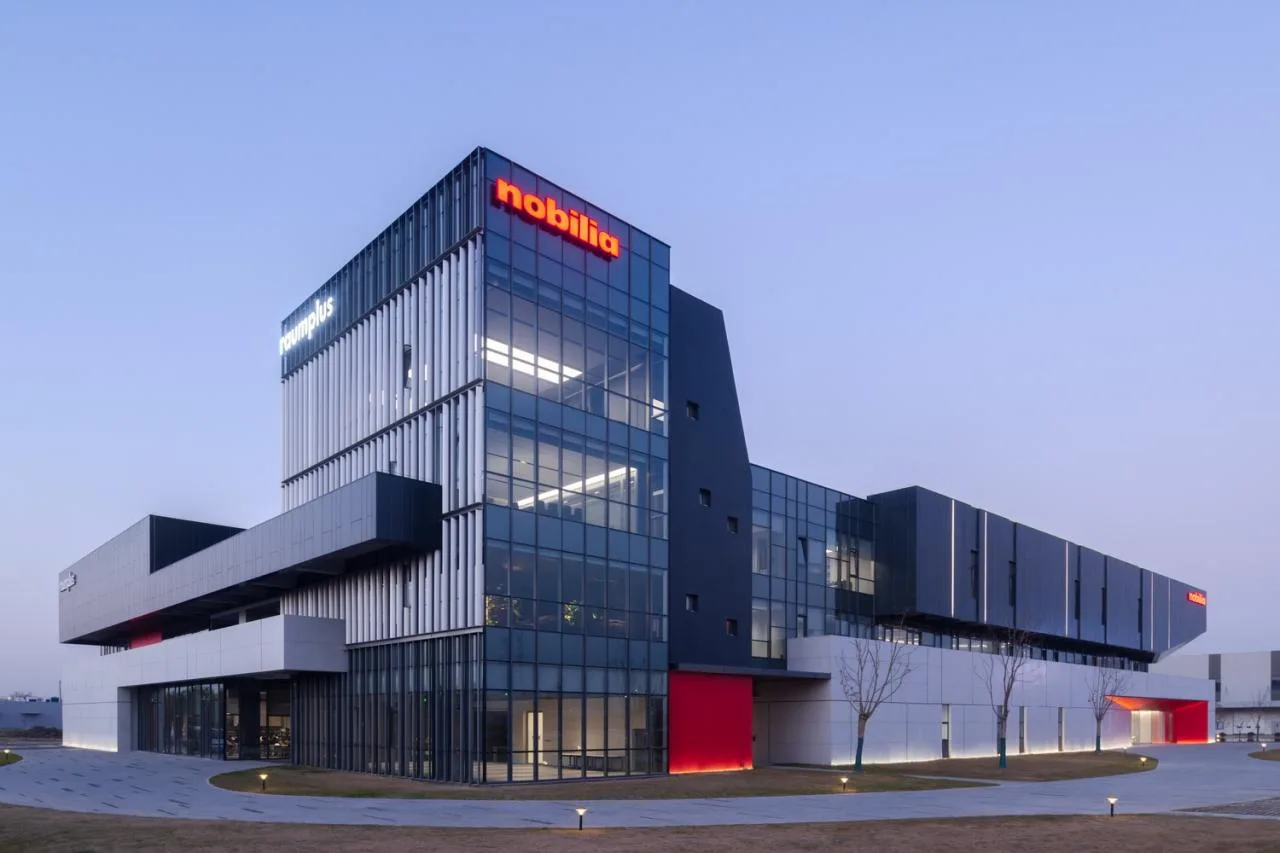
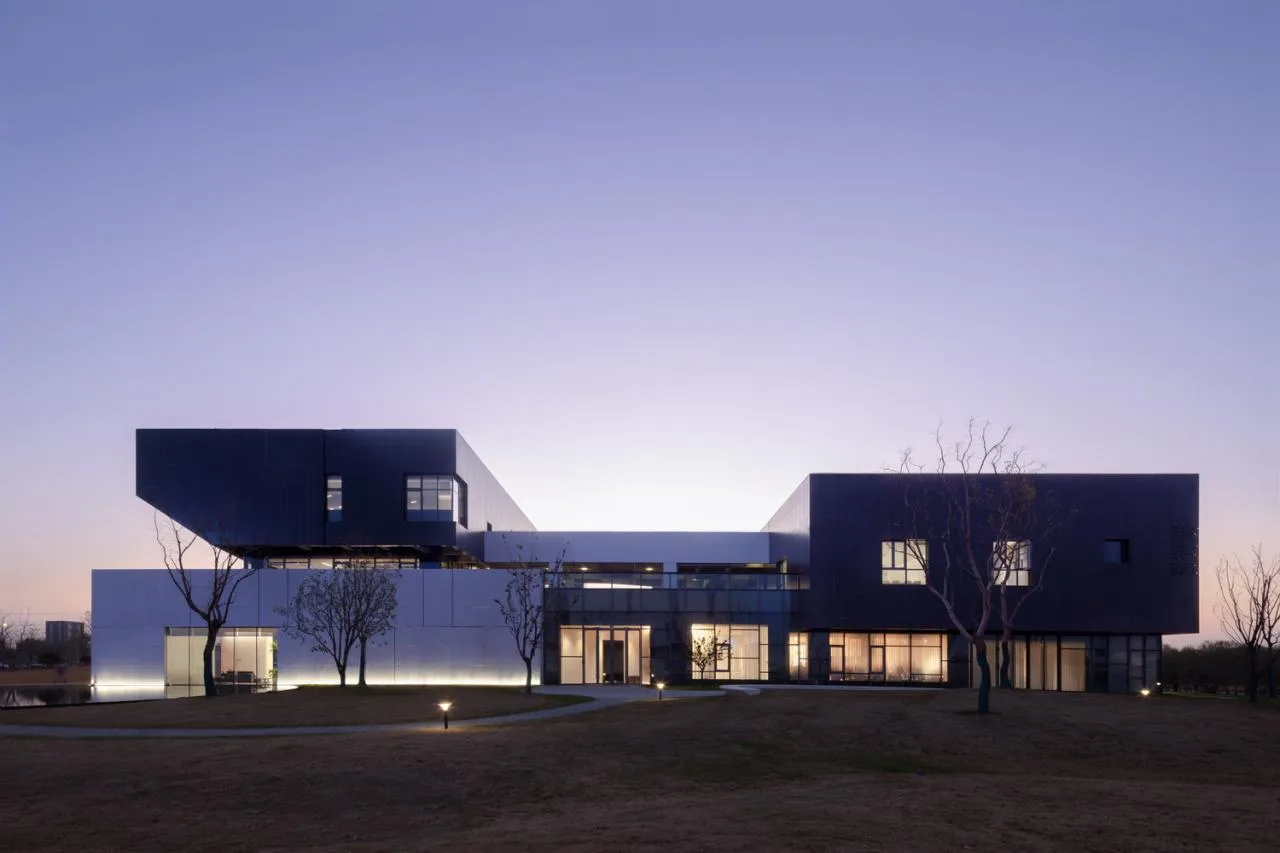
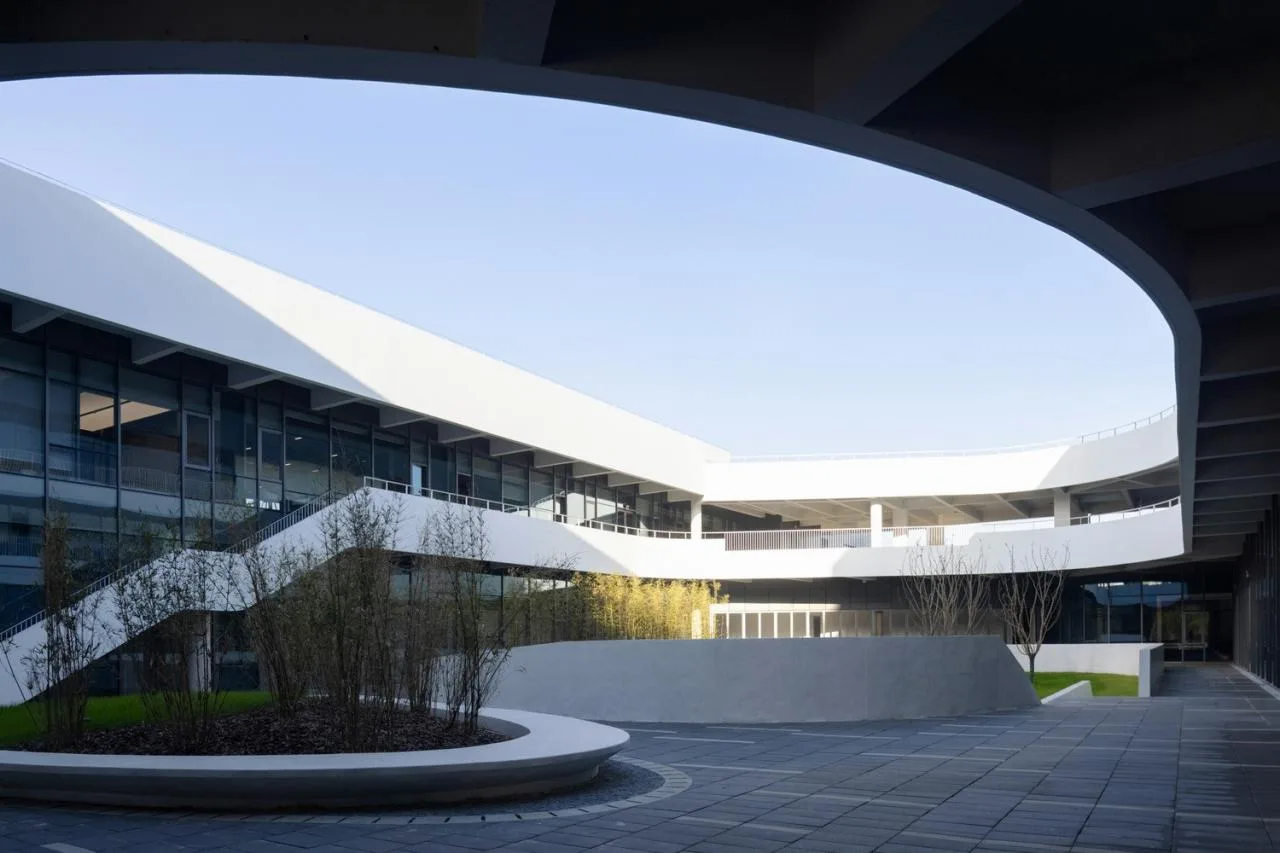
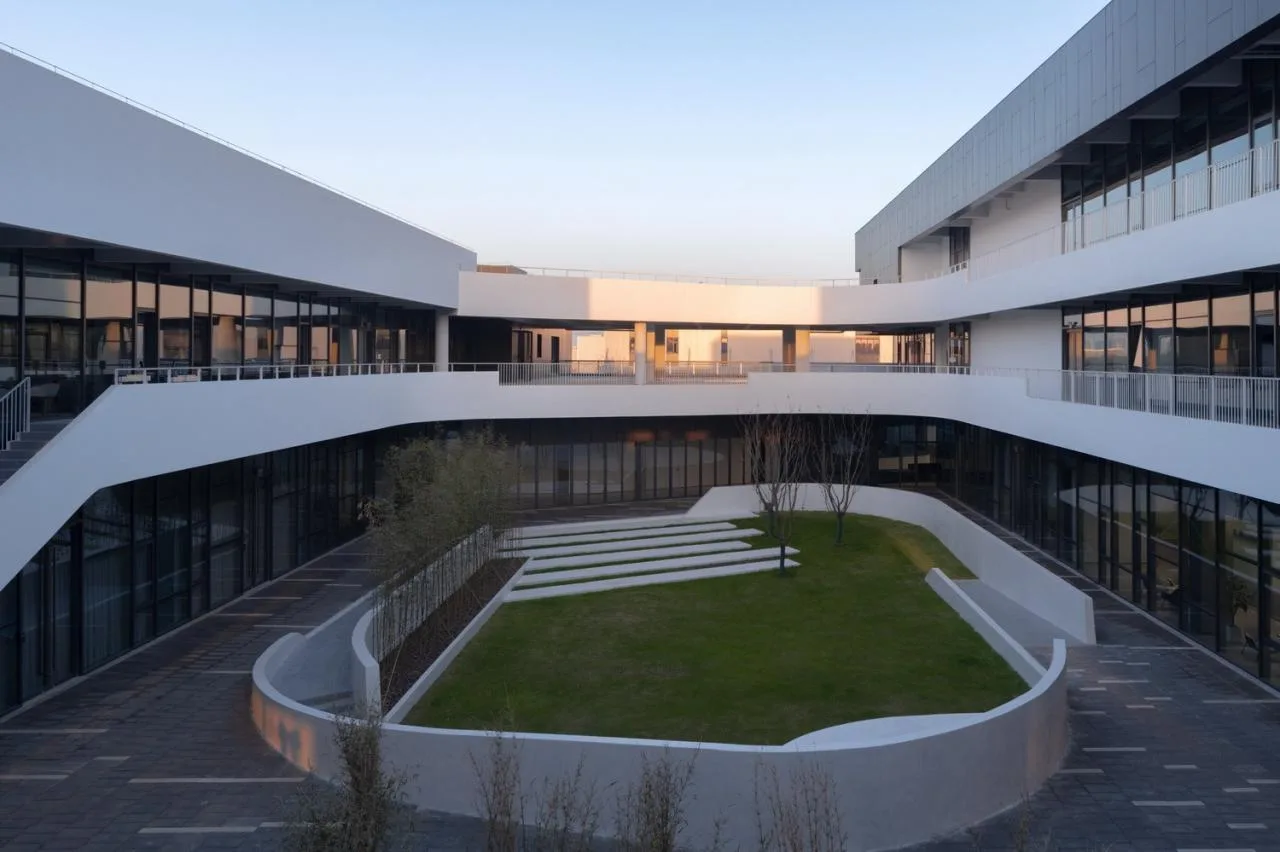
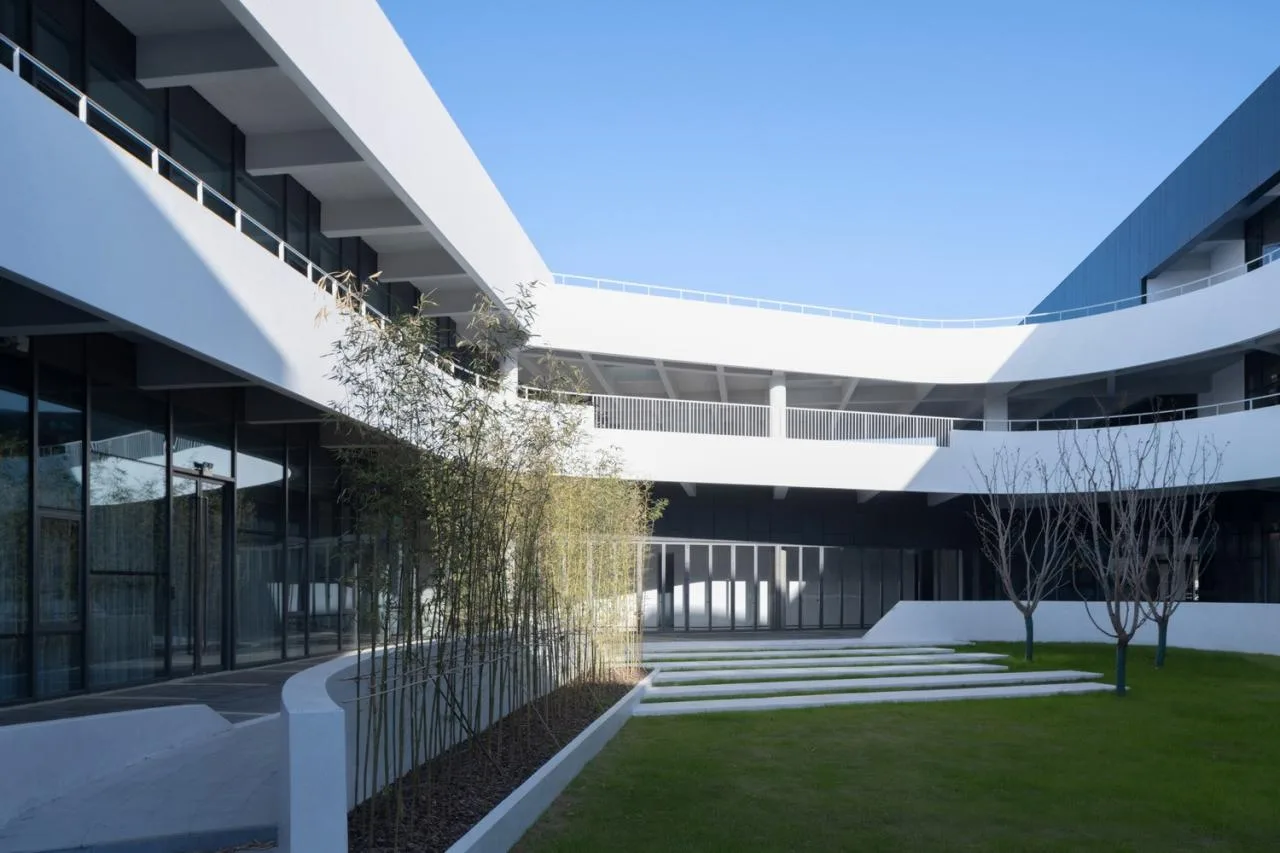
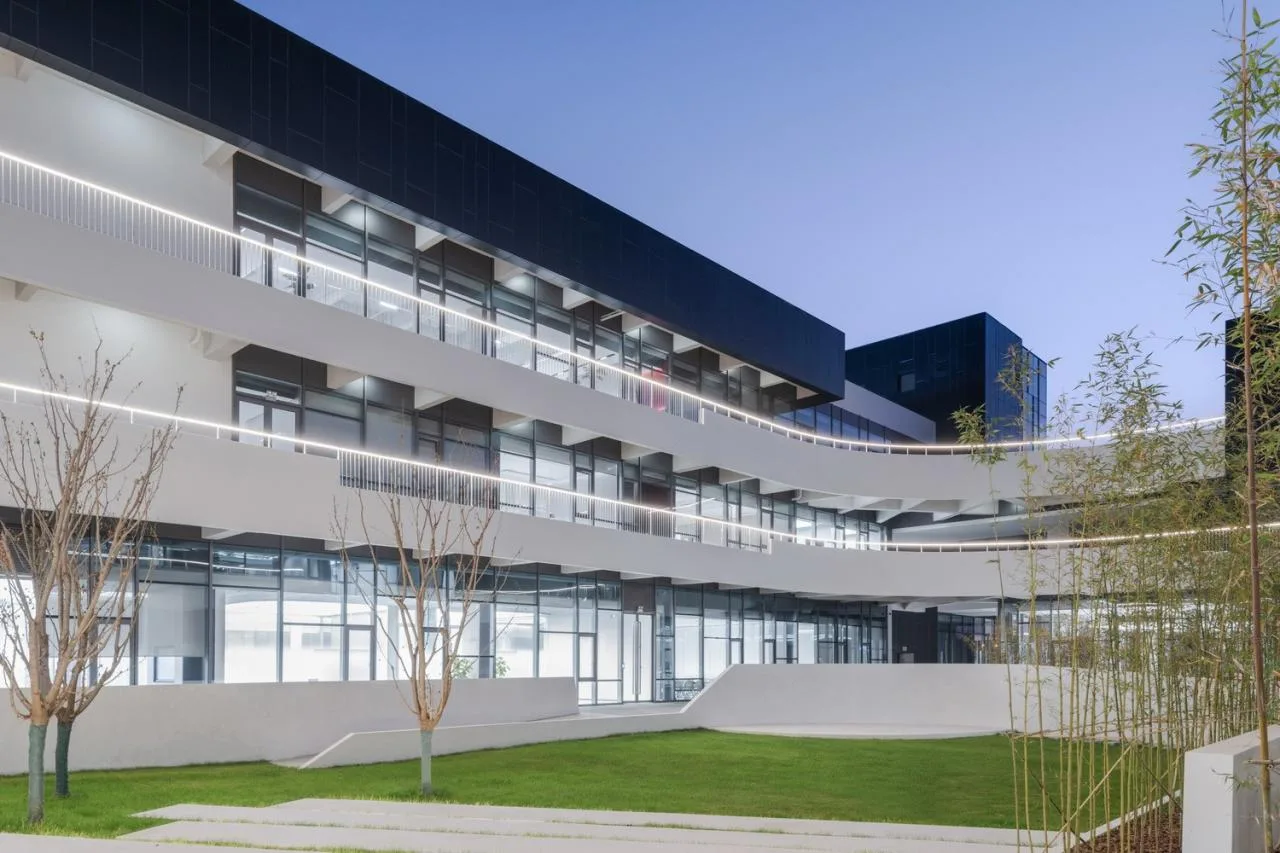
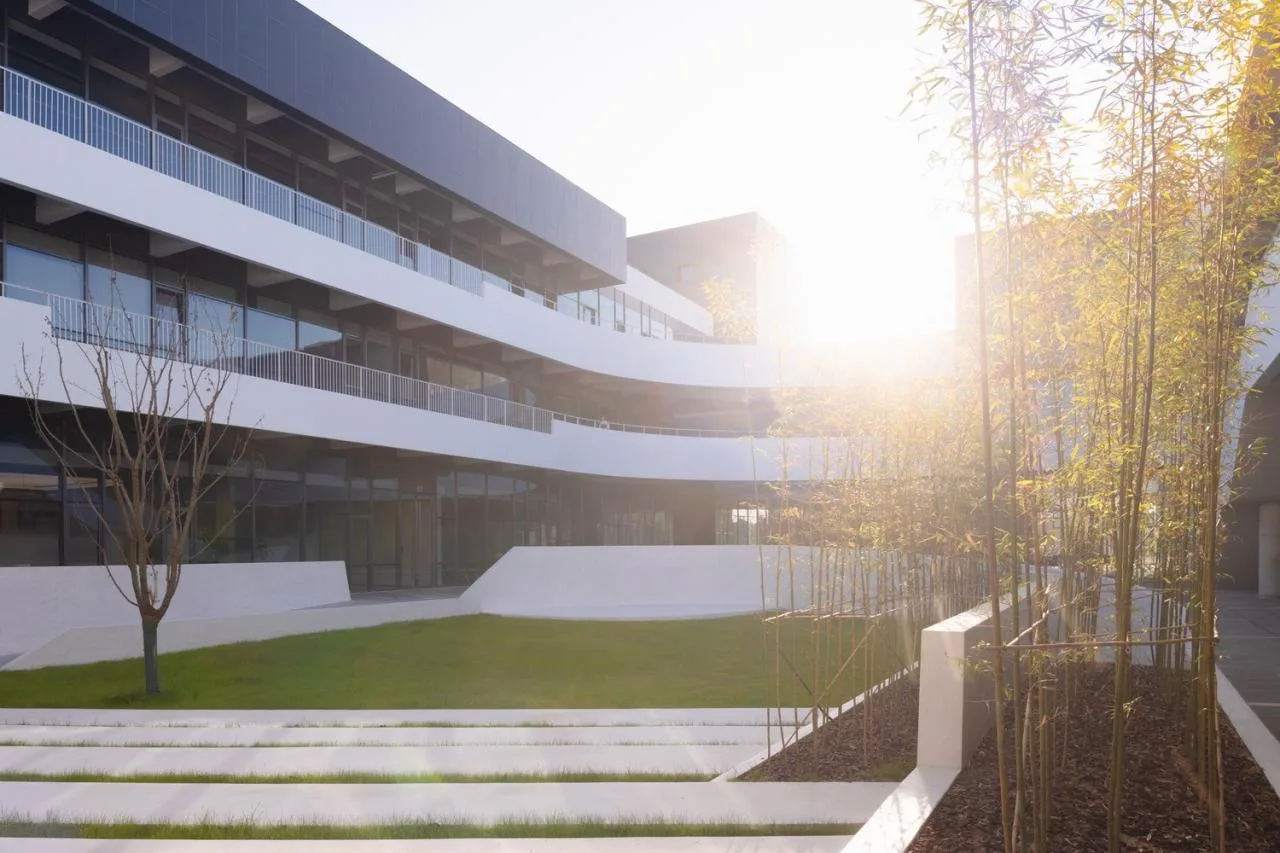
The Polydor Asia Pacific Production and R&D Headquarters is designed as a compact micro-environment supporting research, experimentation, management, exhibitions, and product launches. The layout features four intersecting rectangular volumes enclosing a long rectangular courtyard.
From the cross-section, the lower volume is framed by artificial stone, while the upper glass curtain-walled volume is a sculptural form clad in zinc plating. The building’s exterior draws inspiration from the sharp, dynamic lines of German sports cars like the BMW M1.
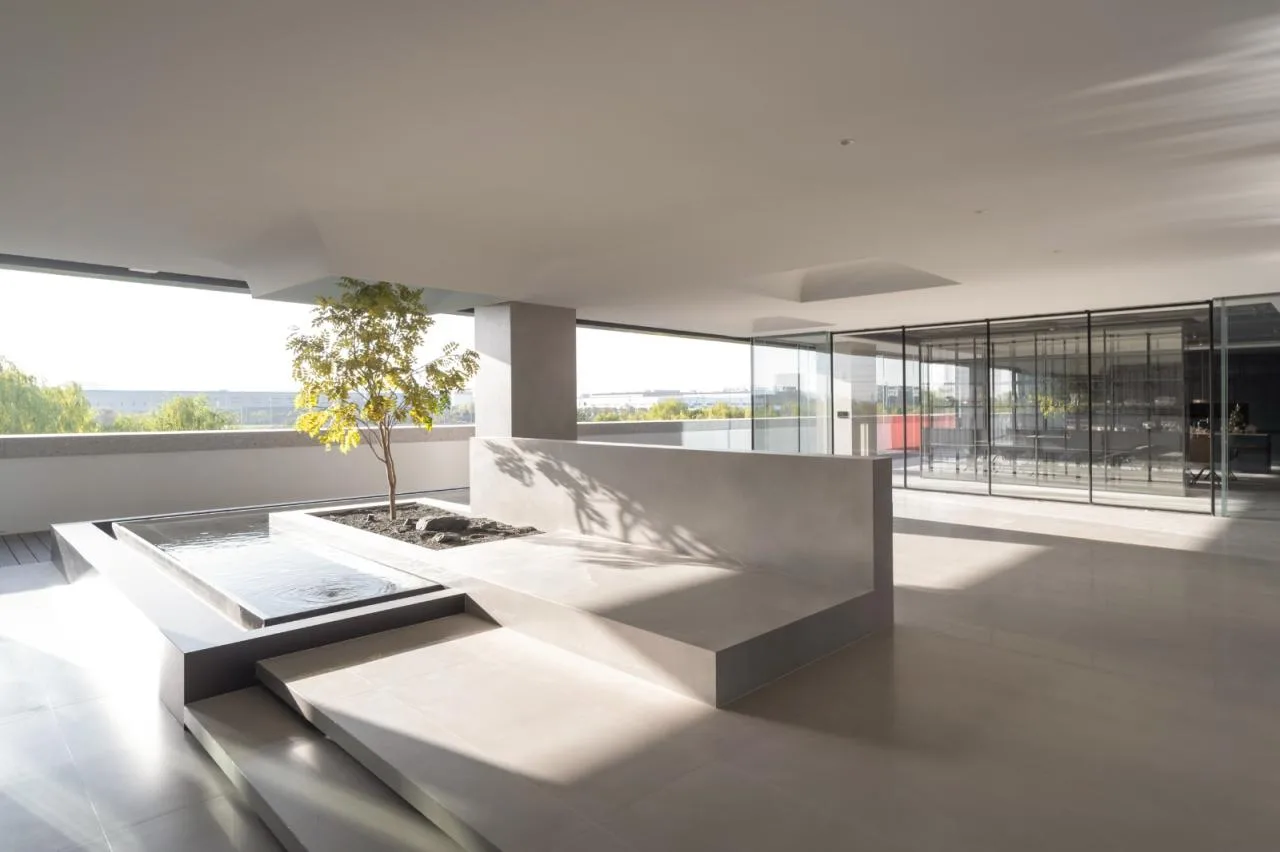
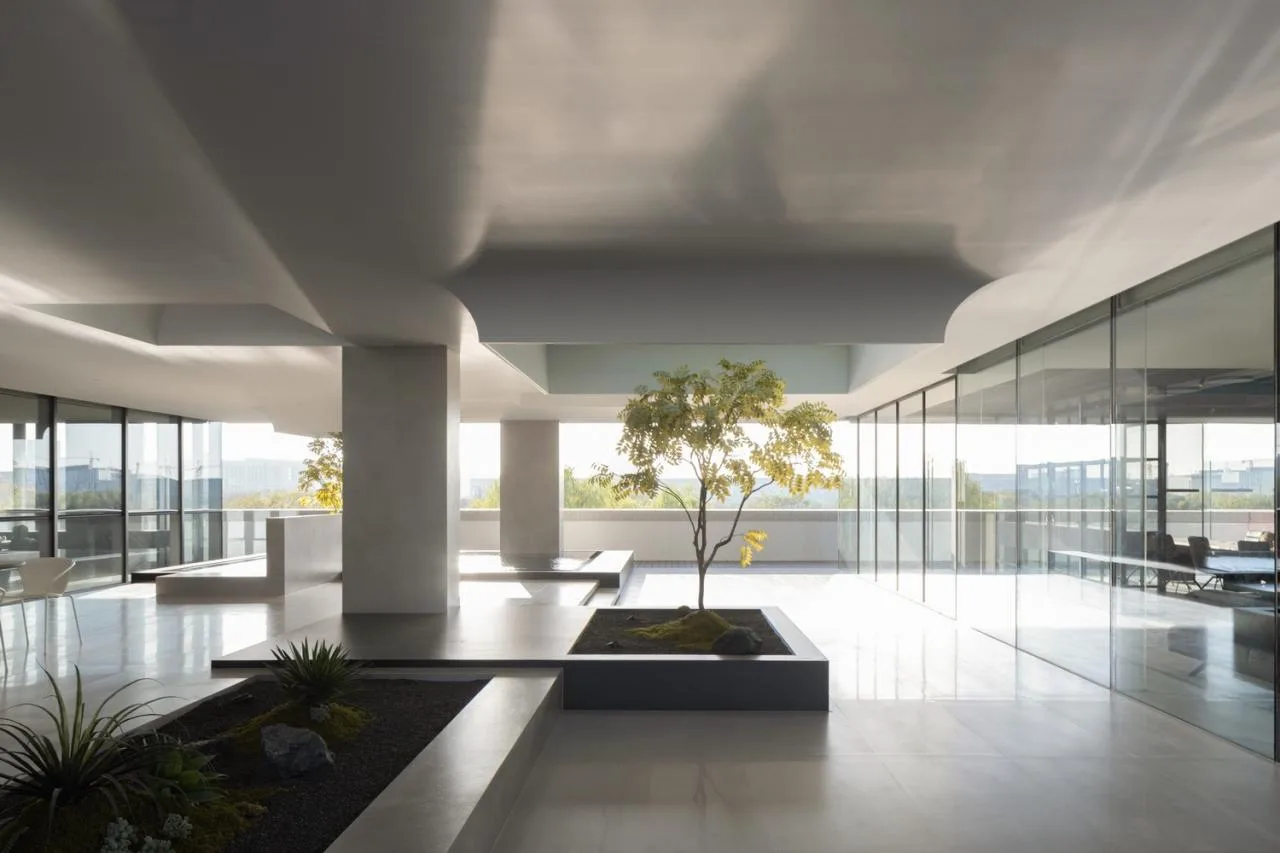
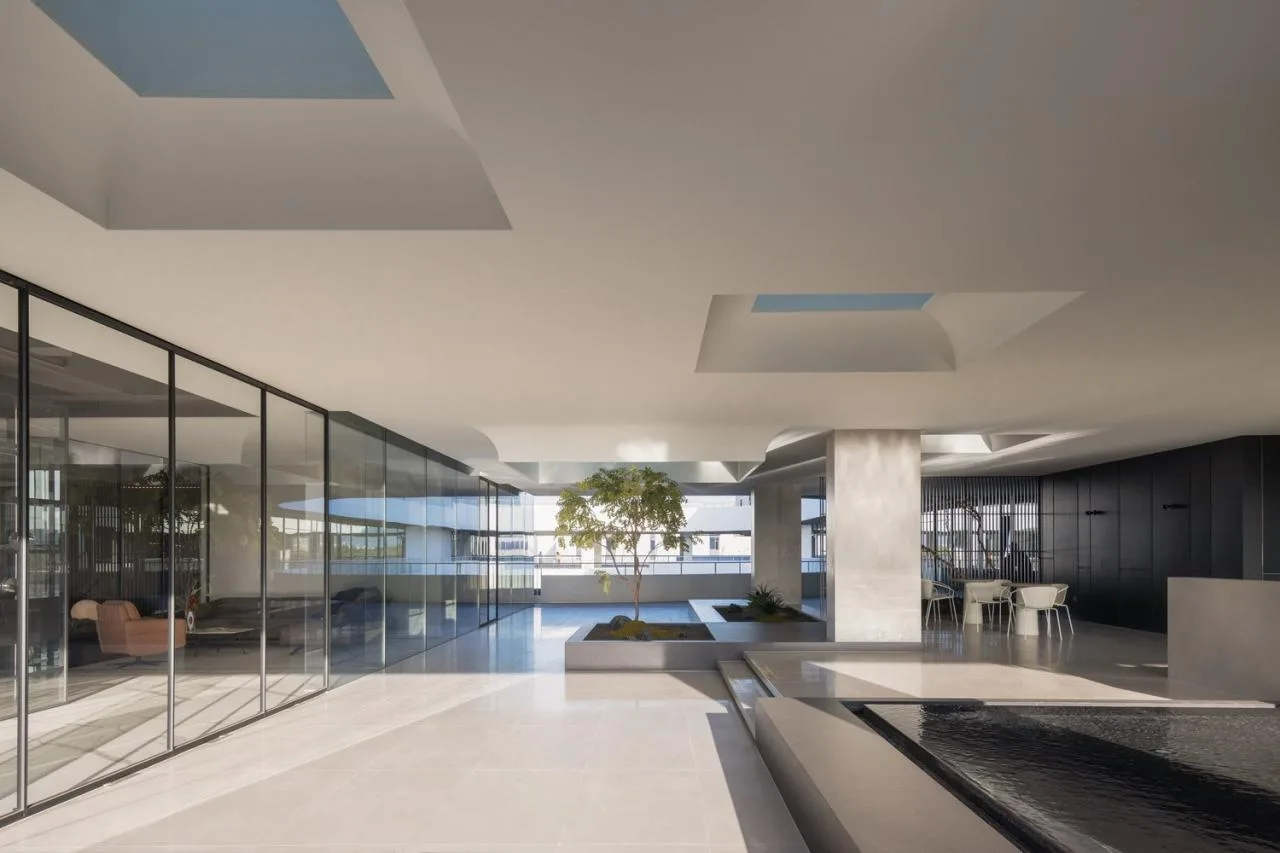
The internal garden serves as the central gathering space for all departments, doubling as an informal outdoor stage with tiered seating and a central platform. All three office levels open onto this garden, providing natural light and access via balconies and terraces. The slender courtyard design evokes the timeless Fiat factory in Turin, Italy.
△ © Architectural Arch Exest exists
△ © Architectural Arch Exest exists
△ © Architectural Arch Exest exists
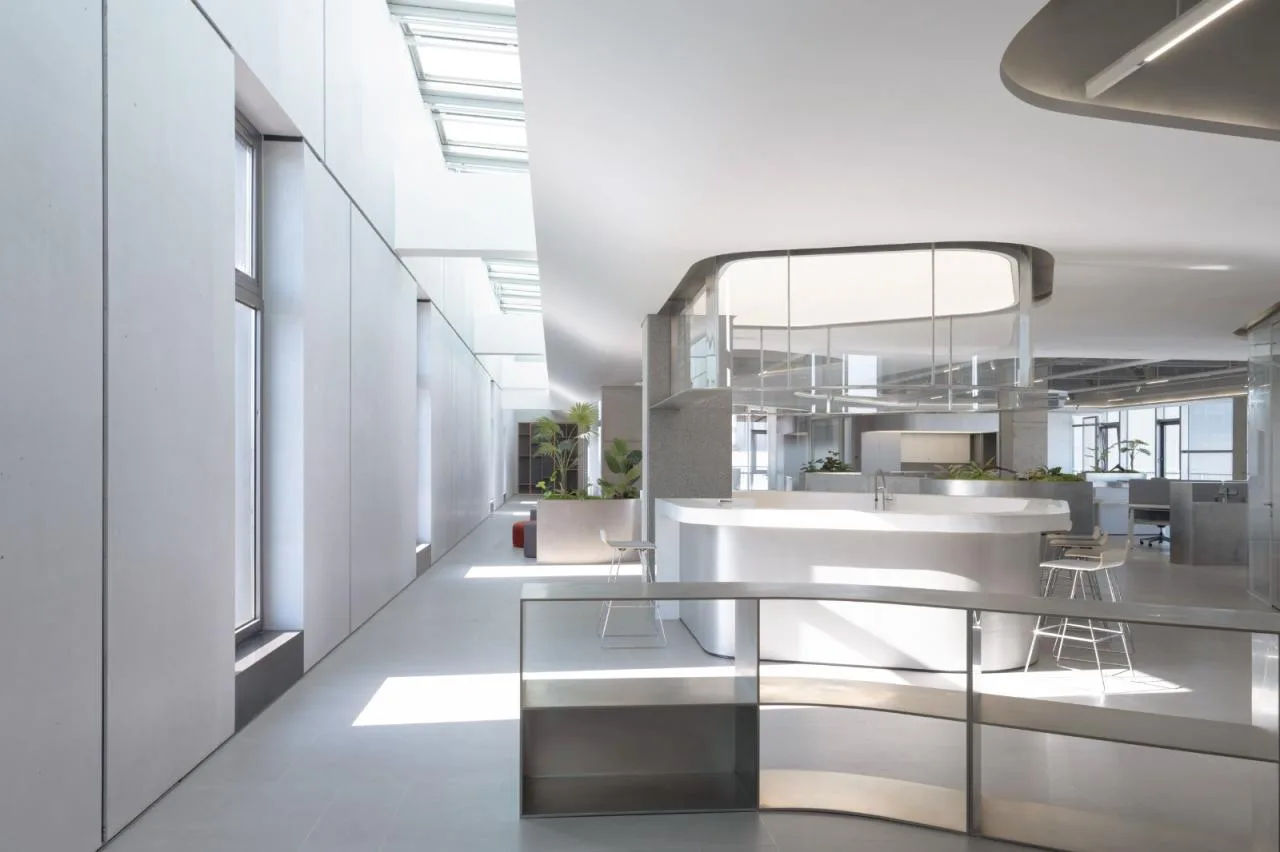
Employees share most spaces with scenic views and terrace access, including the restaurant, staff lounge, and multipurpose hall, designed to inspire pride, relaxation, and creativity. The southwest corner features a vertical tower serving as a public gathering area, with a ground-floor restaurant and open public spaces on the upper floors, all overlooking a westward-flowing stream.
△ © Architectural Arch Exest exists
△ © Architectural Arch Exest exists
△ © Architectural Arch Exest exists
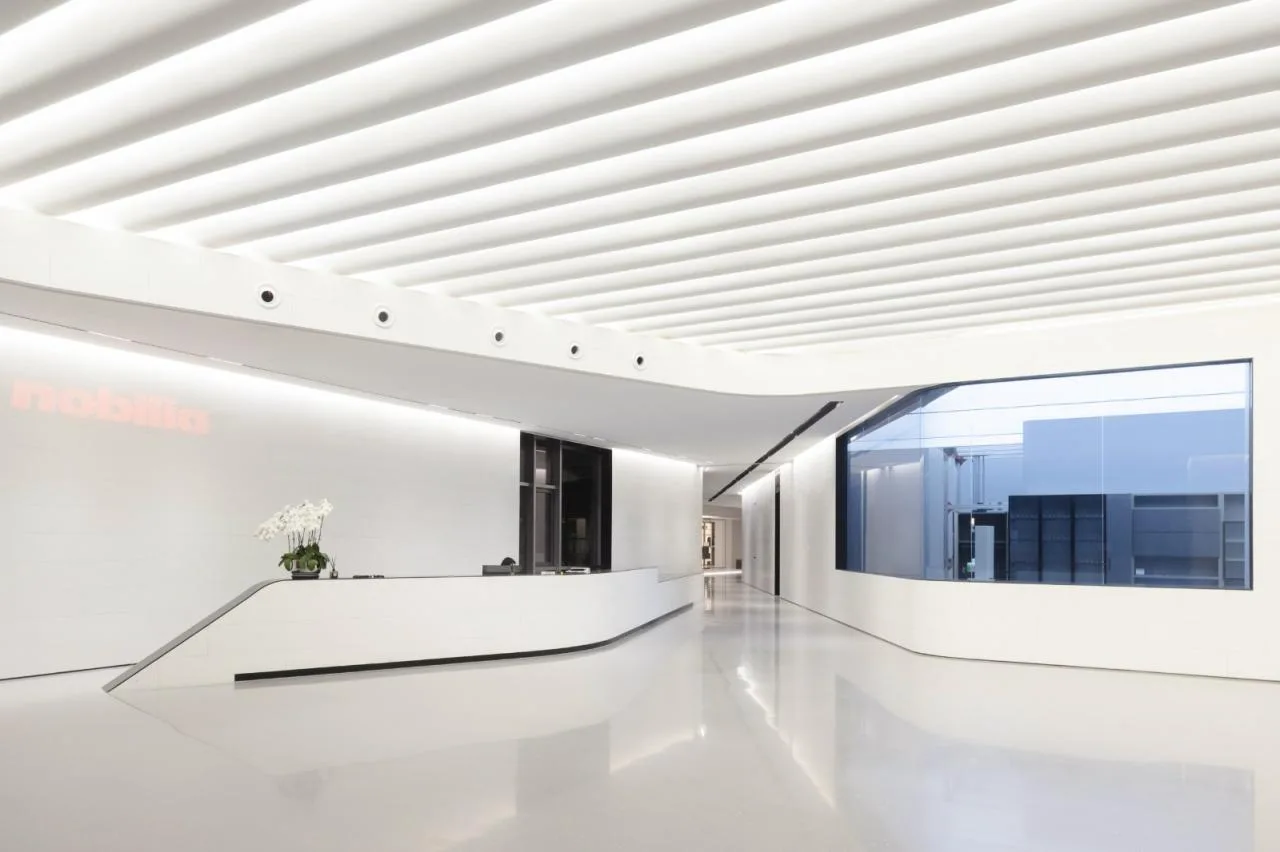
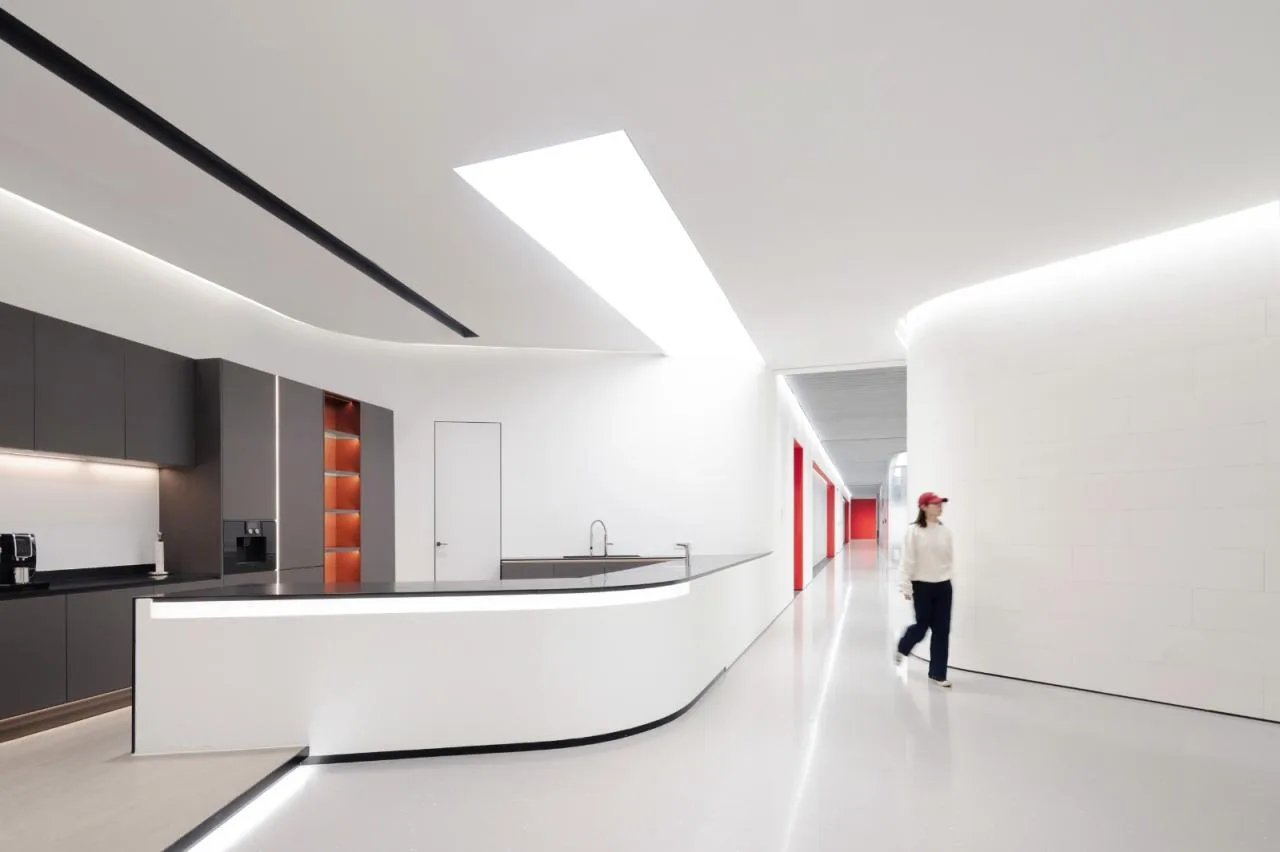
The interior uses simple materials: artificial stone flooring in public areas and carpets in offices and R&D spaces to allow flexible future use. Vertical surfaces are mainly metal, stone, and glass, with exposed ceilings to enhance height and spatial flexibility. All partitions, sliding doors, and built-in cabinets are Belle and Delu products, reflecting the idea that the workspace doubles as an on-site showroom where employees engage directly with the products they design and produce.
Integration from Office to Factory
△ © Architectural Arch Exest exists
△ © Architectural Arch Exest exists
△ © Architectural Arch Exest exists
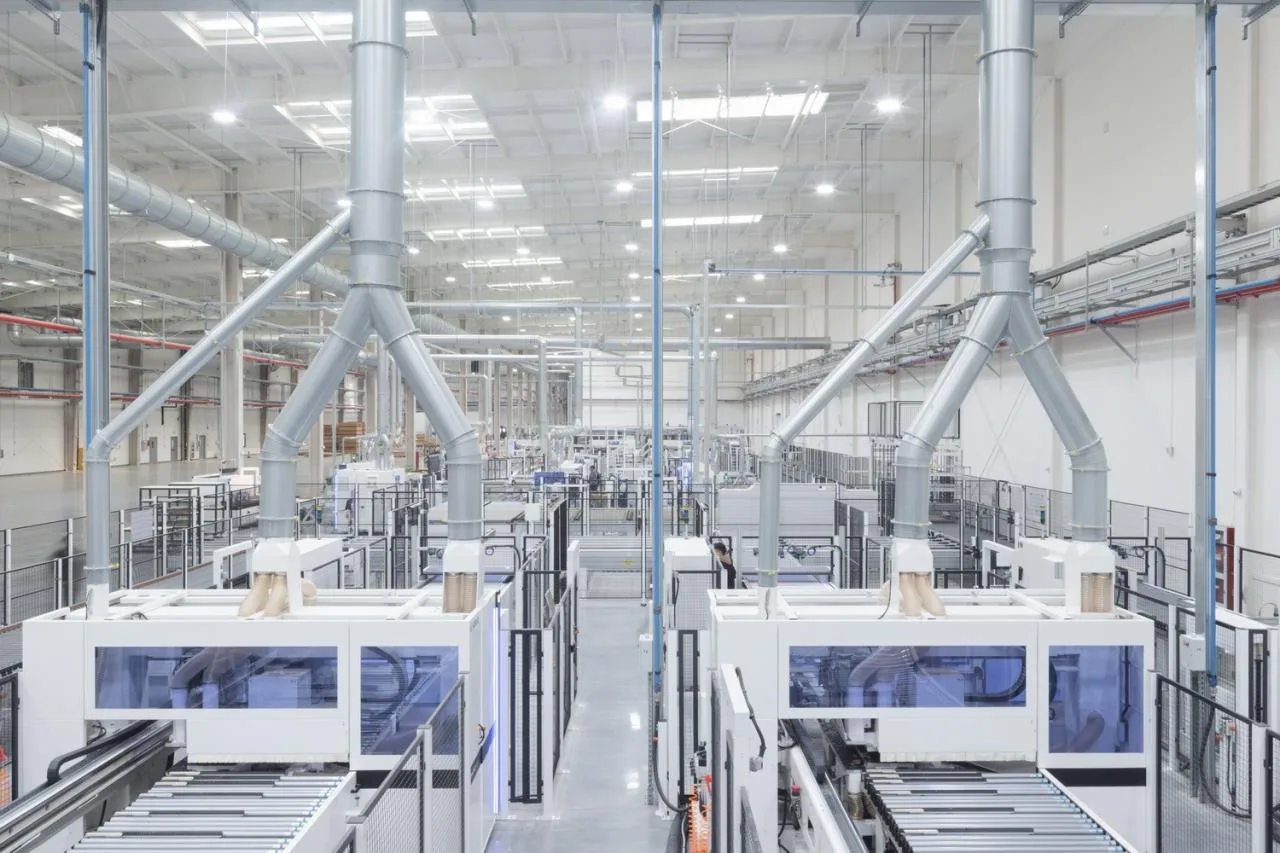
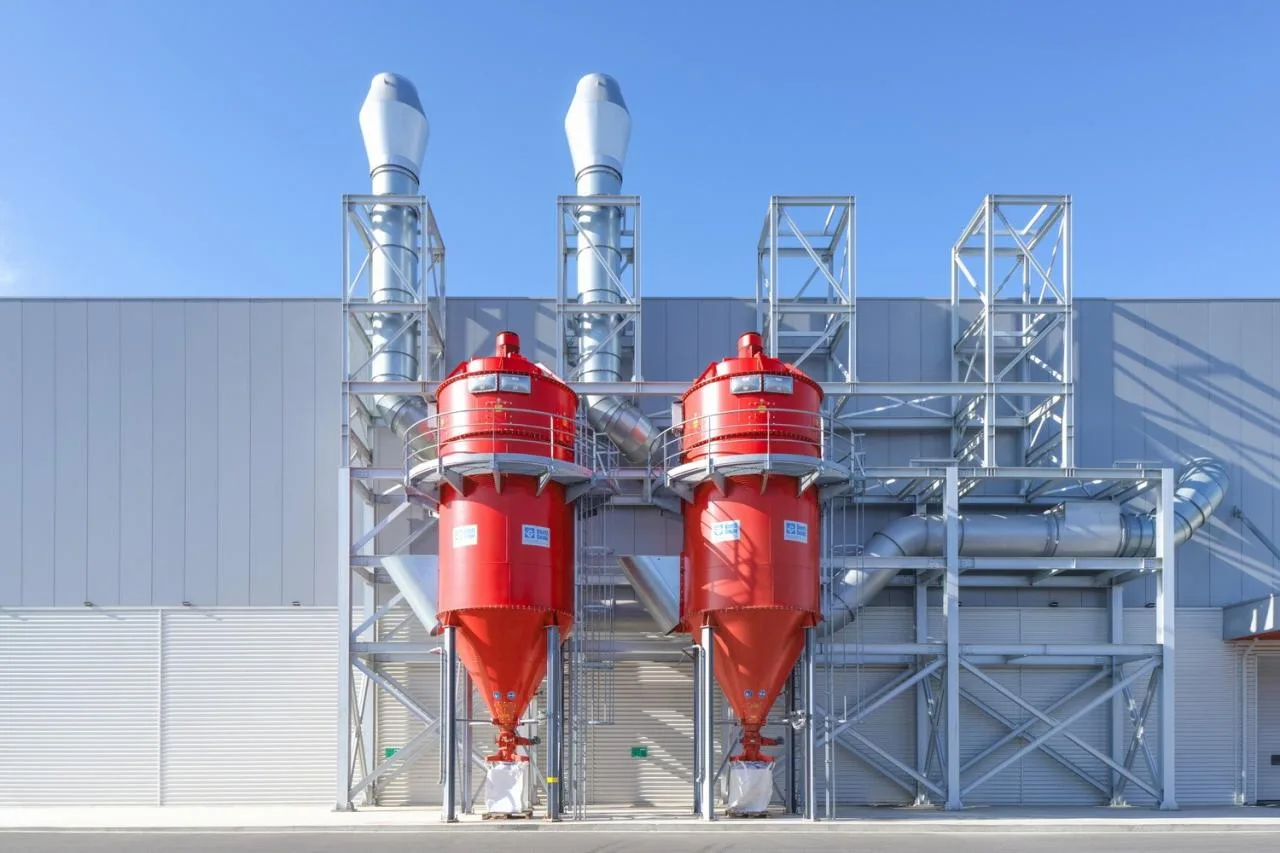
Dust Removal System
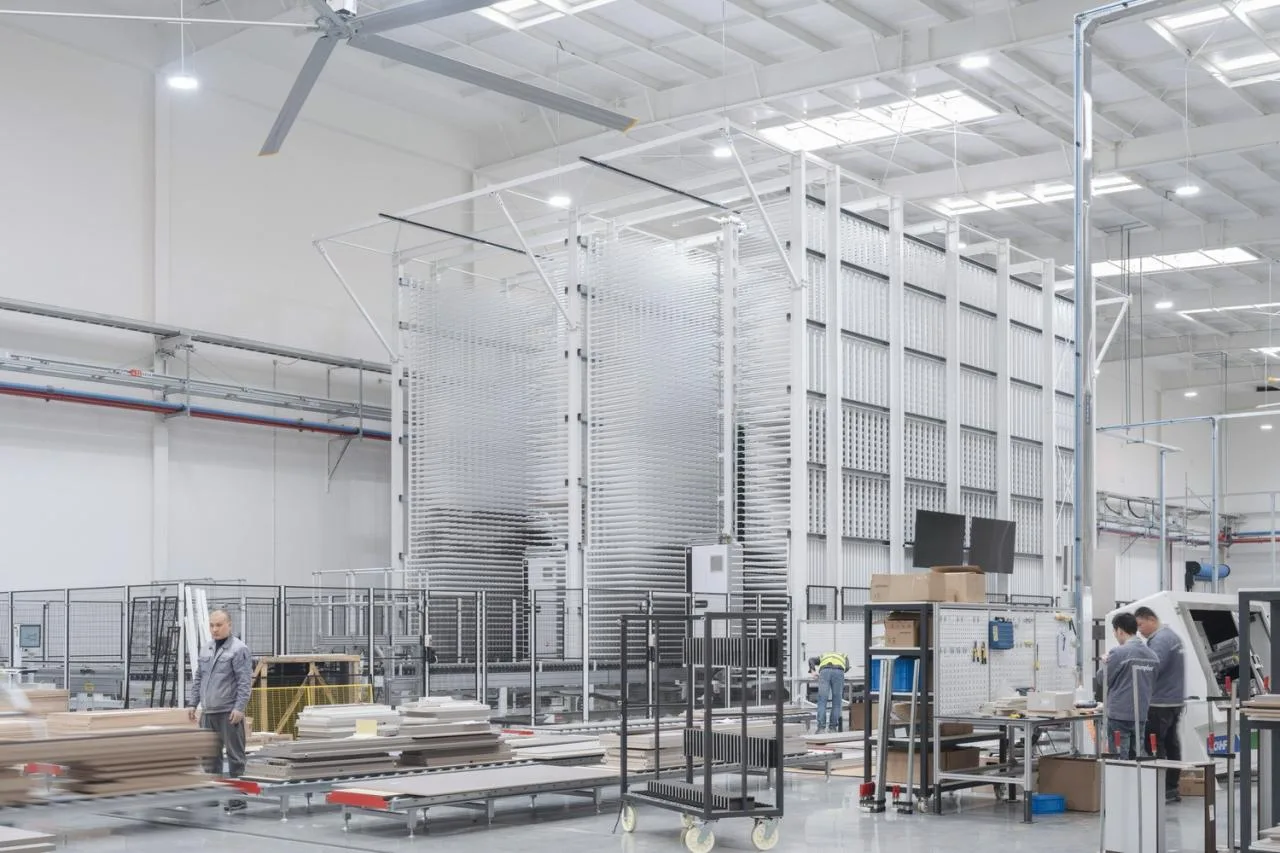
The color palette of the outdoor materials continues onto the production plant’s exterior walls. Vertical gradients add visual rhythm to the horizontal volumes and complement the window designs. Numerous skylights provide natural lighting inside the factory, which operates in an almost dust-free environment.
The landscape design embraces the sponge city concept, promoting underground infiltration of natural rainwater. Large water features and undulating terrain break the monotony of the site. Extensive tree planting on the southern side will gradually create shade for the parking area and provide visual buffering for the main facade of the R&D center.
Project Drawings
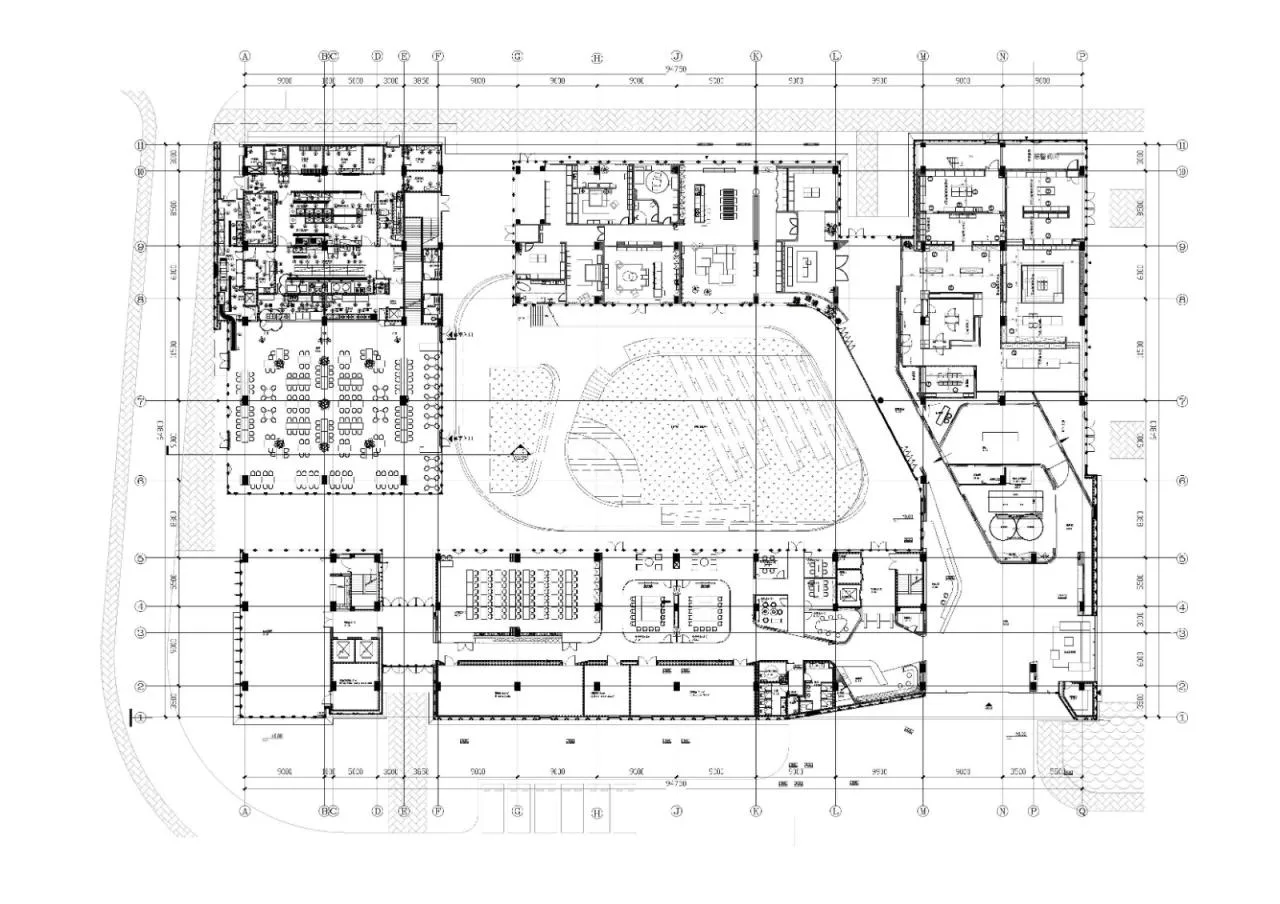
△ First Floor Plan
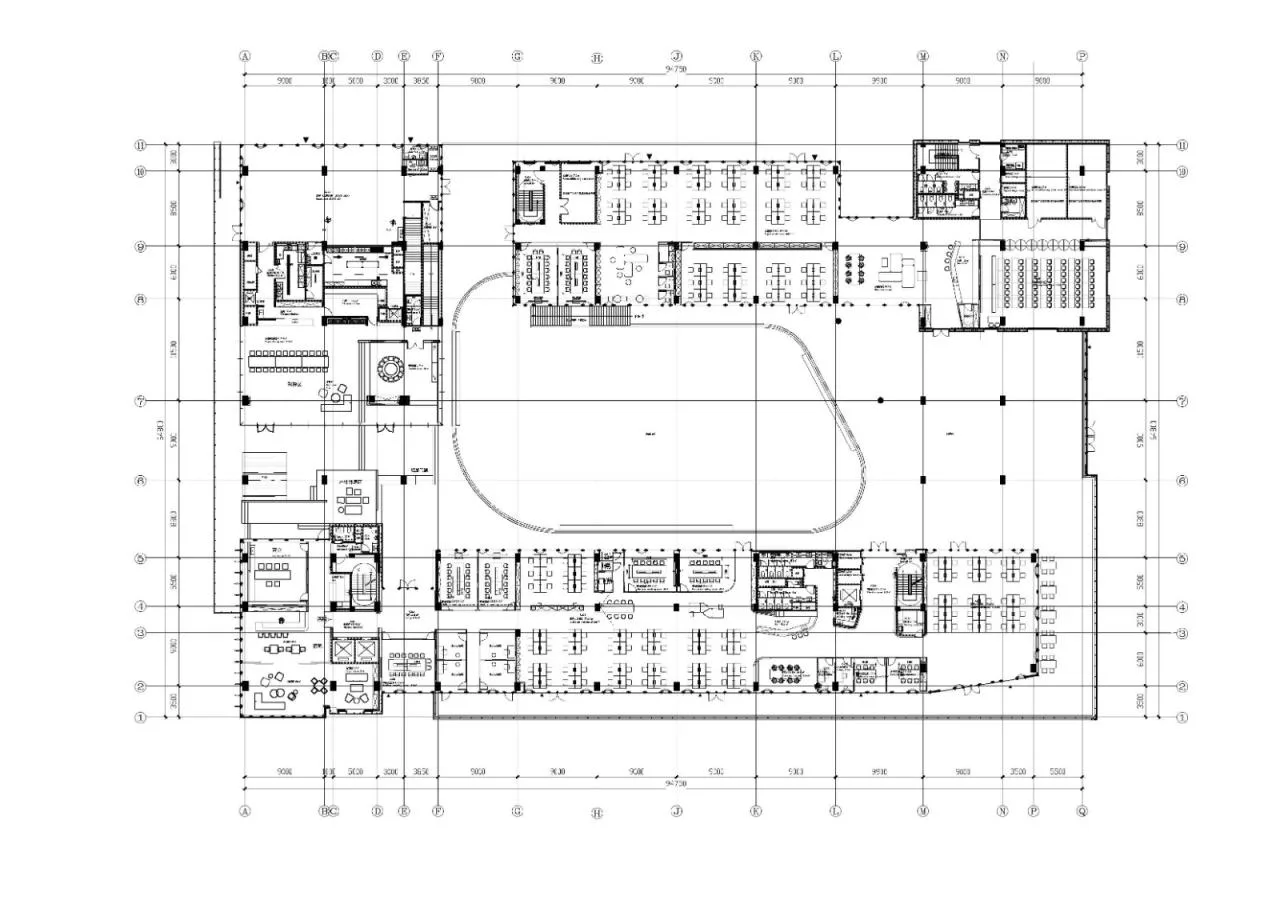
△ Second Floor Plan
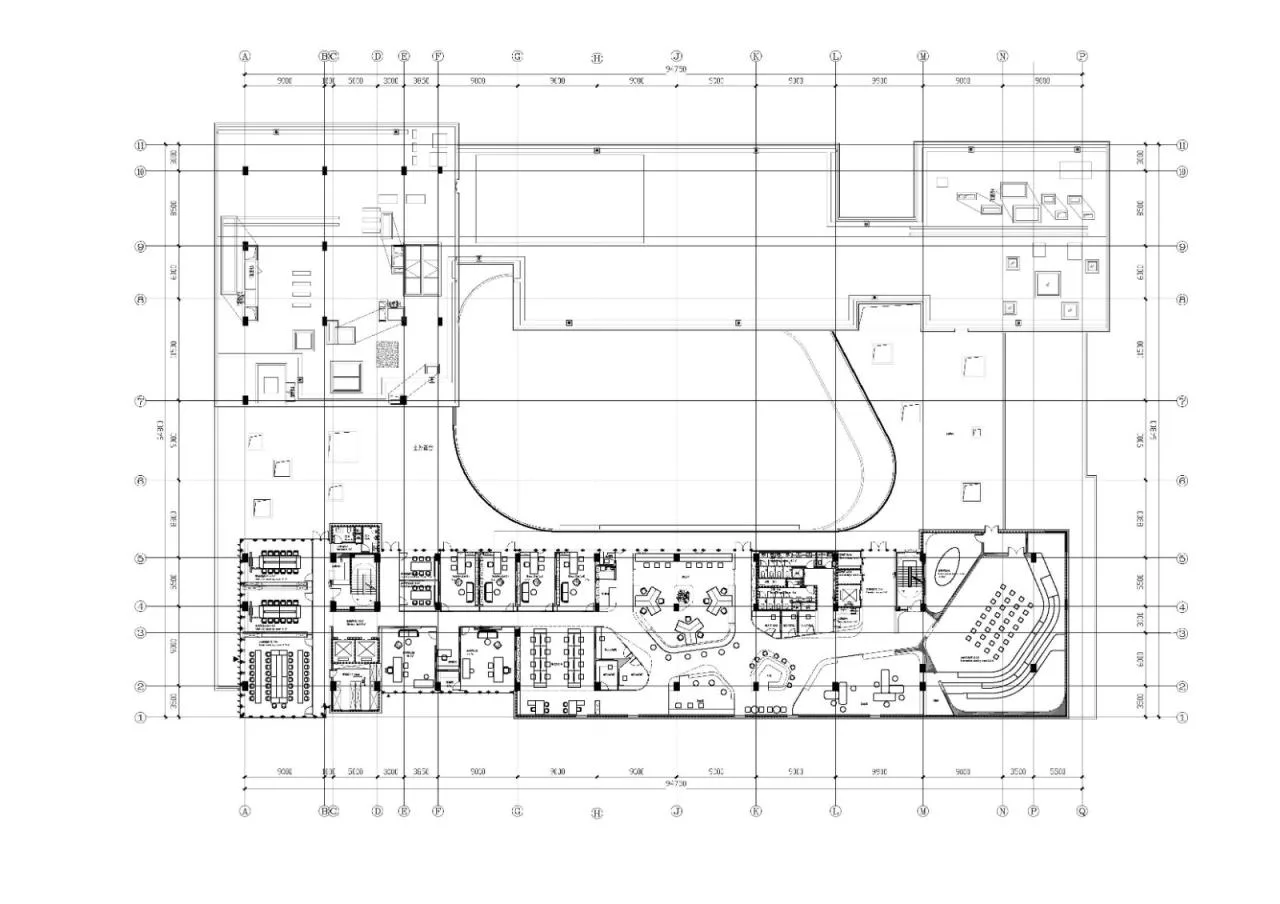
△ Third Floor Plan
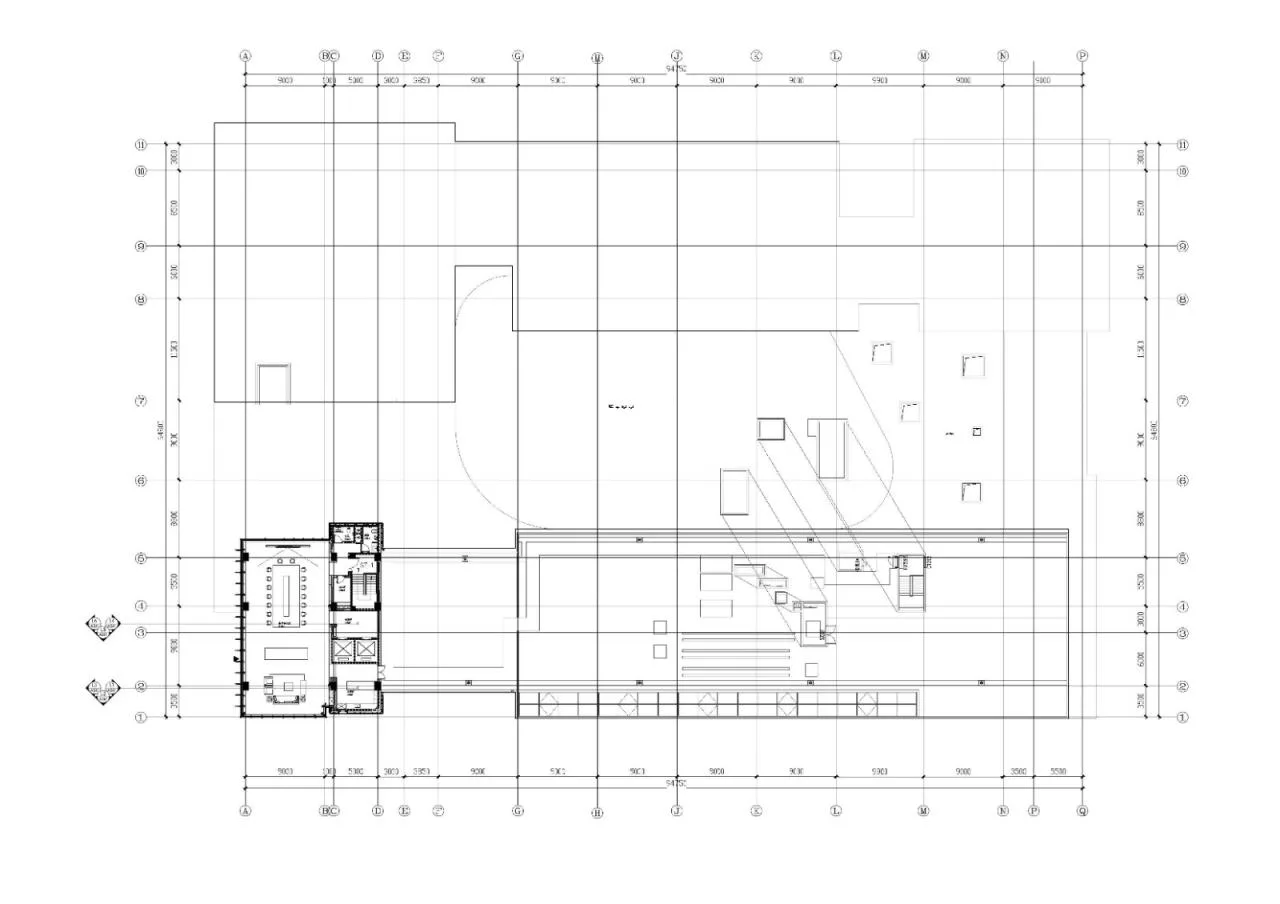
△ Fourth Floor Plan
Project Details
Project Name: Deluboli Asia Pacific Production and R&D Headquarters
Client Company: Ruibo Wuxi Home Technology Co., Ltd.
Design Company: Chiasmus
Lead Architect: Ke Wei
Design Team: Bu Xiangkun, Yin Fengkun, Sun Zhi, Cheng Chen, Wei Lei, Han Shangwei, Xu Yuting, Fan Yuxuan
Project Management: Beijing CBRE Property Management Services Co., Ltd. Shanghai Branch
Interior Design: Chiasmus Architecture Firm
Construction Drawing Designer: Information Industry Electronics Eleventh Design and Research Institute Technology Engineering Co., Ltd.
LEED Certification: Shanghai Jiahua Construction Engineering Consulting Co., Ltd.
Construction Contractor: China 20th Metallurgical Group Corporation General Contracting Company
Project Location: Wuxi City, Jiangsu Province
Photography Credits: Architectural Arch Exest, Zhu Xiaojun, Violin Bunny














Must log in before commenting!
Sign Up