
Implementation of the New Education System
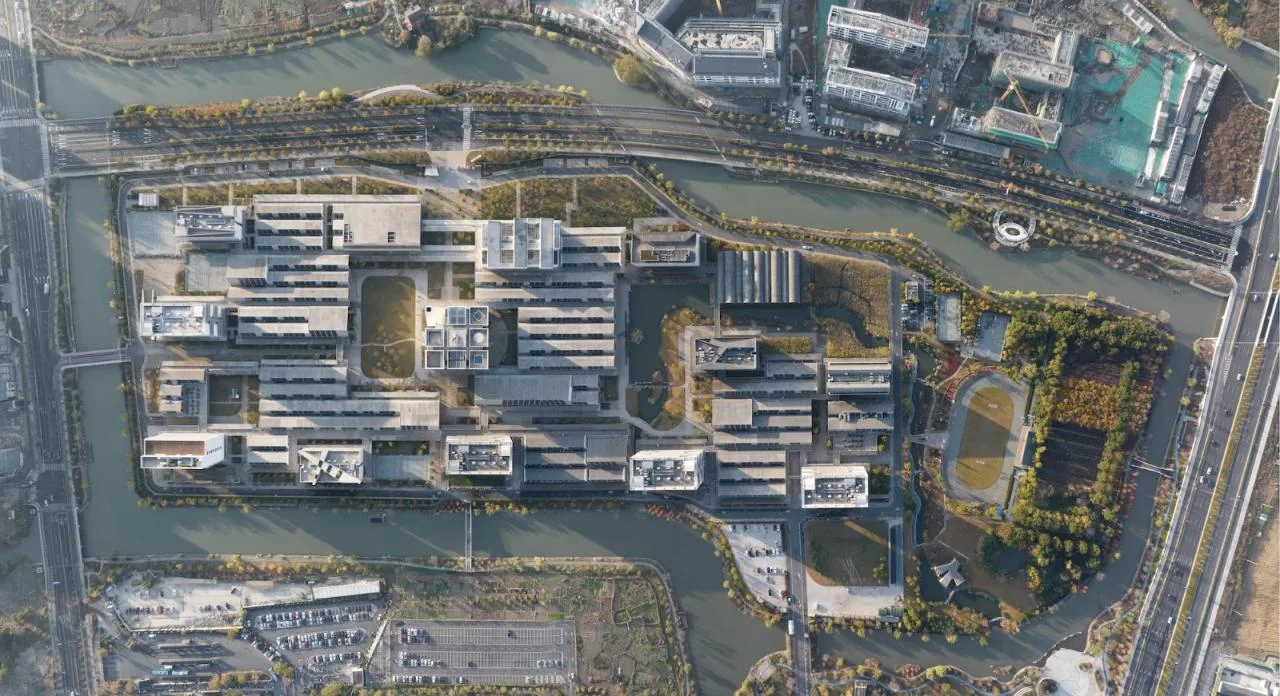
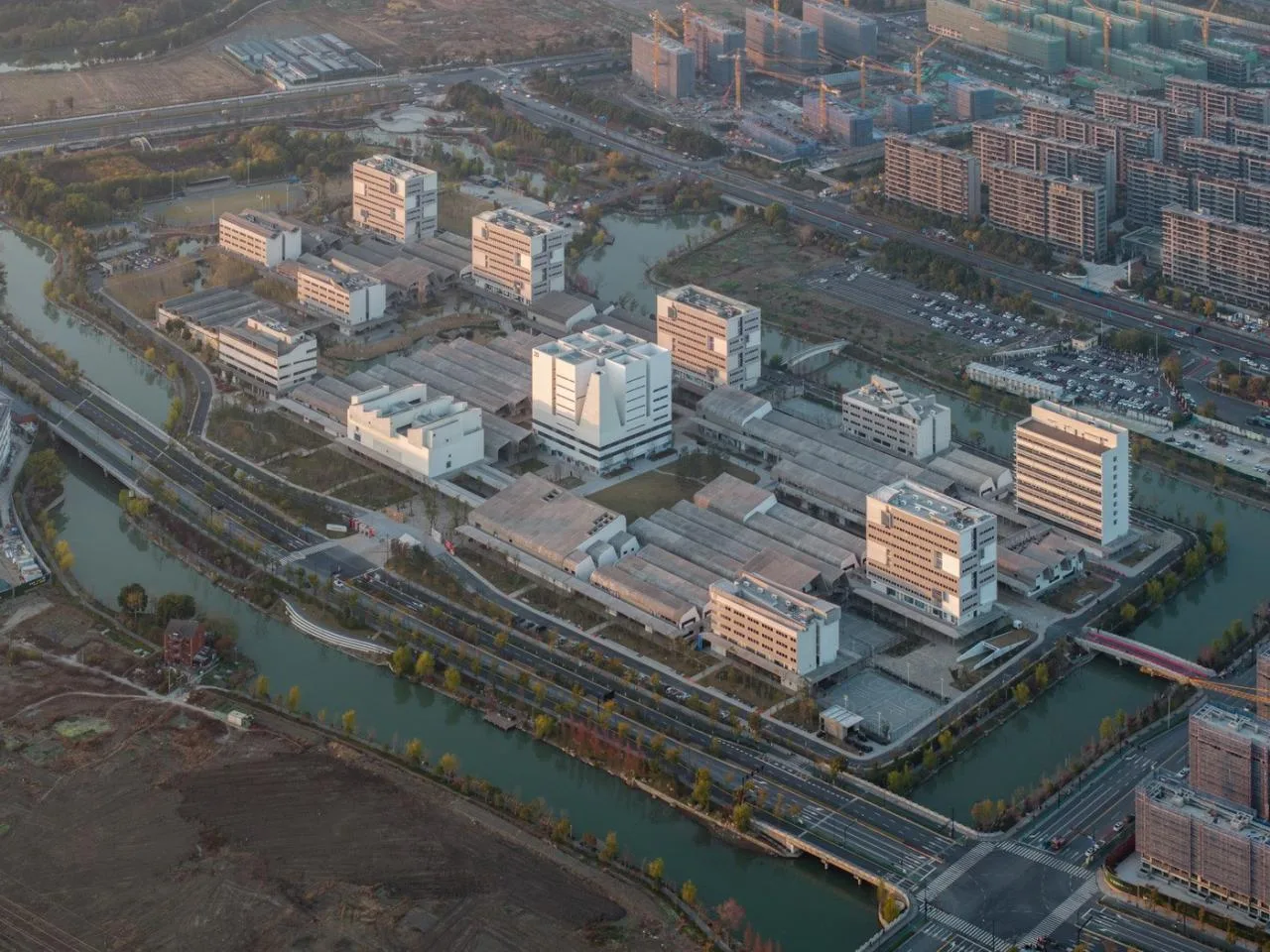
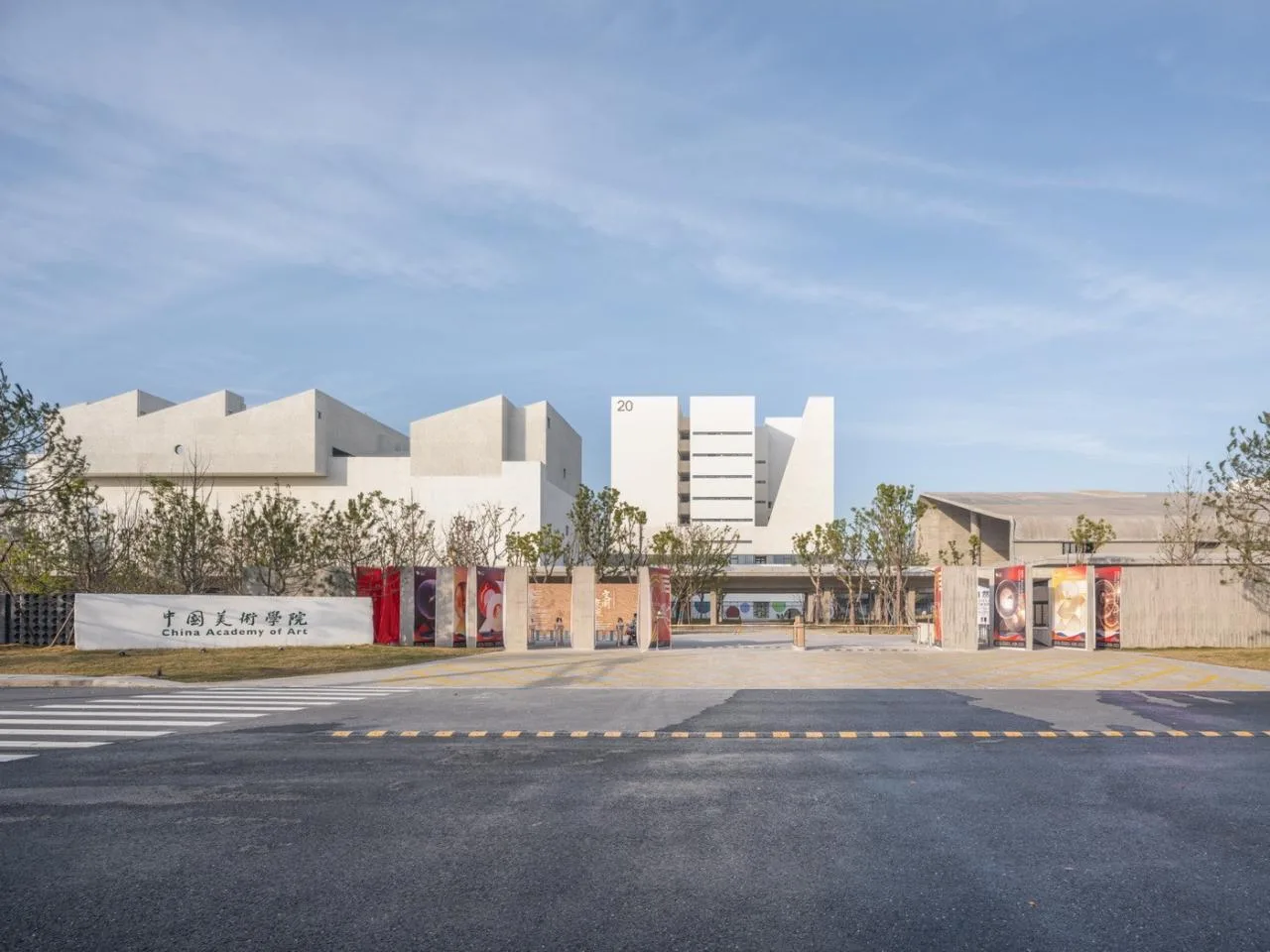
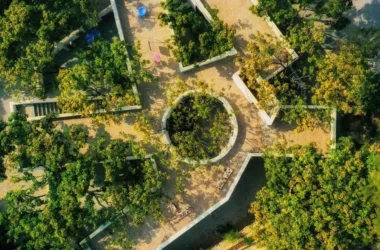
The first section of the initial phase of the China Academy of Art’s Liangzhu Campus in Hangzhou was completed in 2022. The second section followed in August 2023, bringing the total construction area to 180,000 square meters. The entire campus is now fully operational.
At the start of the Liangzhu Campus design competition, Gome required every architect team to propose an innovative education system aligned with social and economic development. The new architecture education system emphasizes the following key points:
- Teaching through both hands and mind
- Architecture designated as a general course
- Research-led senior courses
- Formation of interest societies
- Elimination of traditional ‘systems’
- Campus planning focused on integrating residence and education
Design and Use of Individual Campus Buildings
Besides residential education serving as the core concept for campus spatial organization, the principle of “openness” plays a key role in the architectural design. Openness here is defined by three aspects:
- Physical openness of space
- Flexibility and variability of spatial content
- Engagement of users—including faculty and students—in redesigning space usage
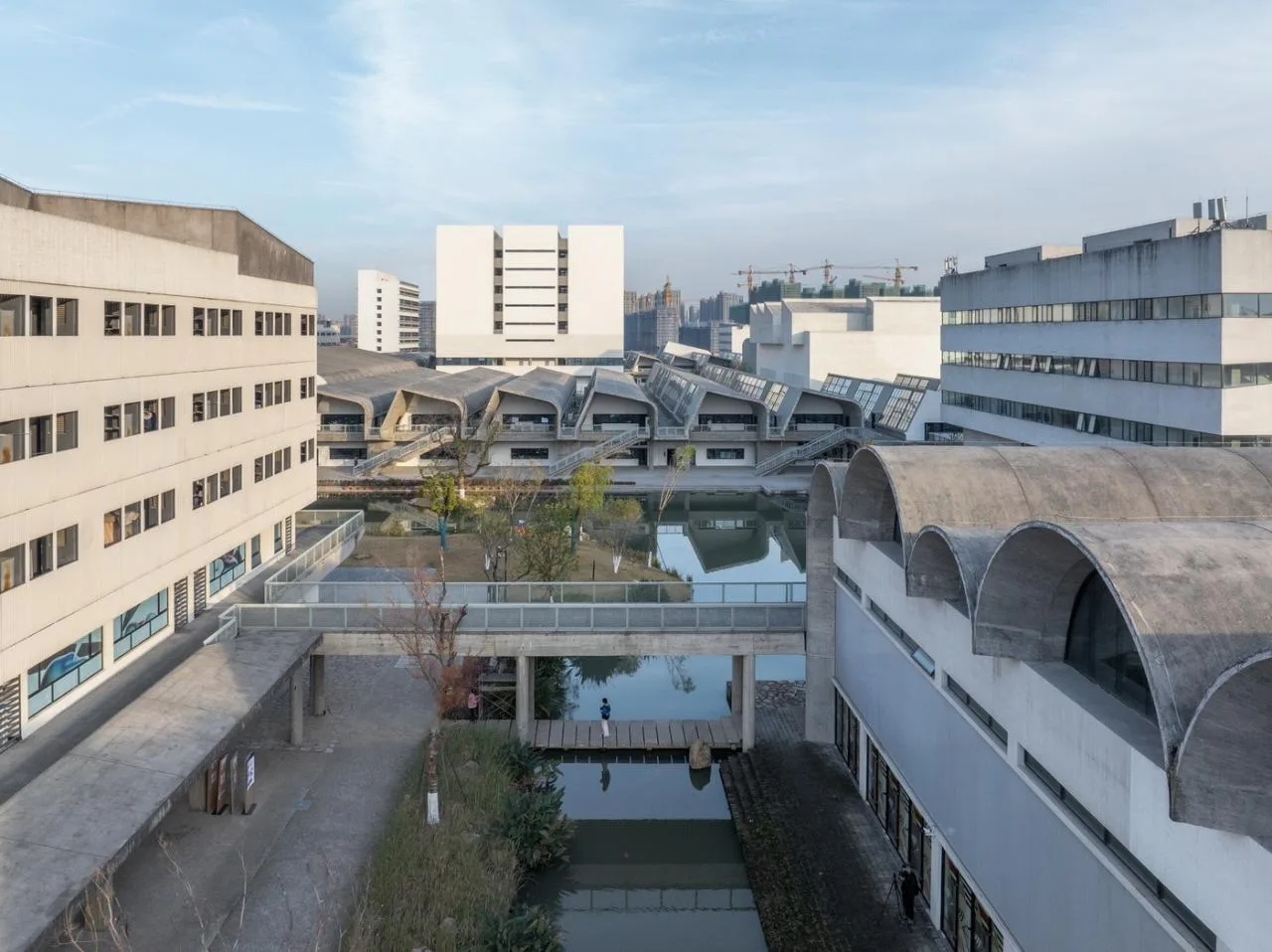
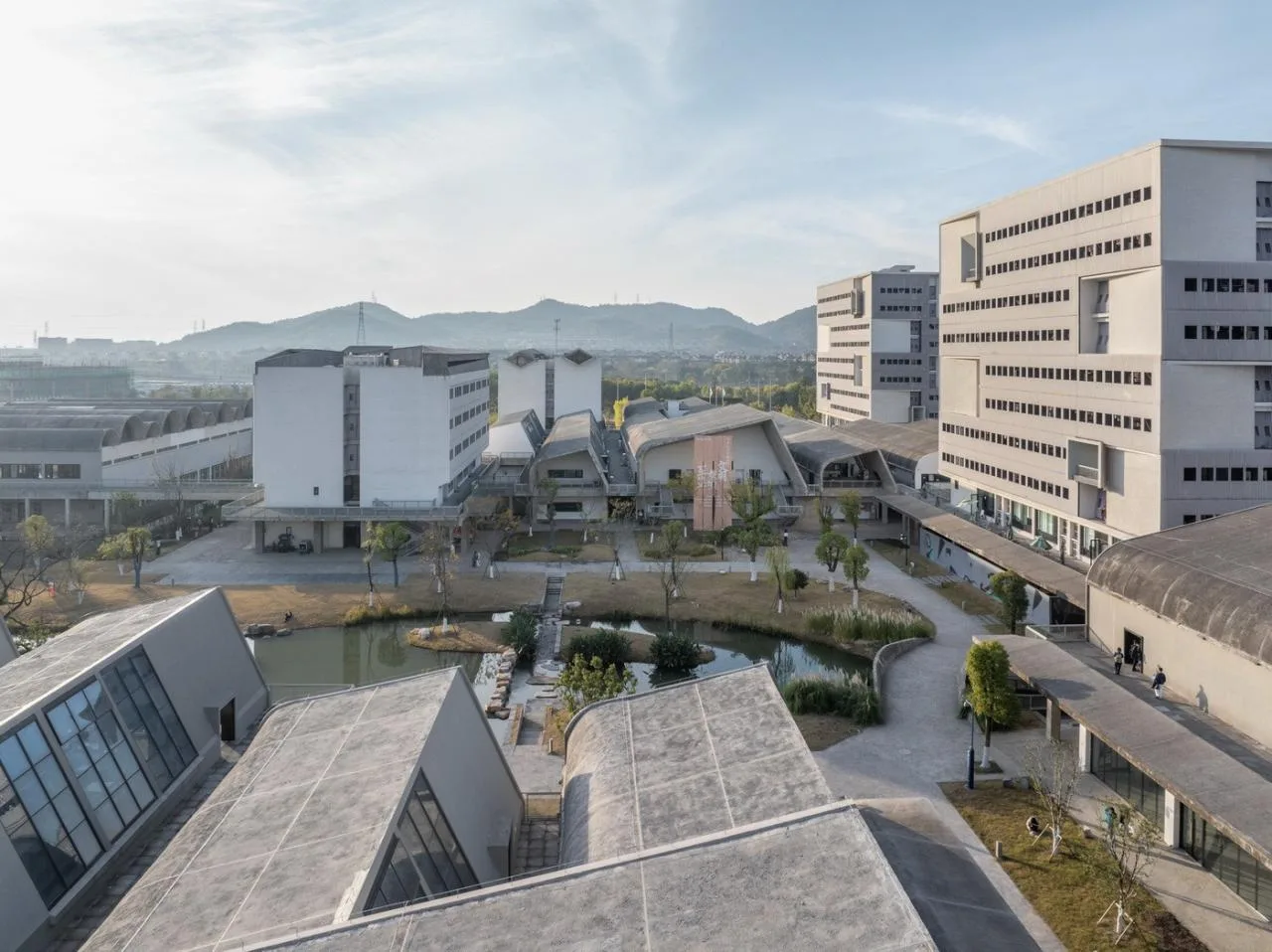
Workshop
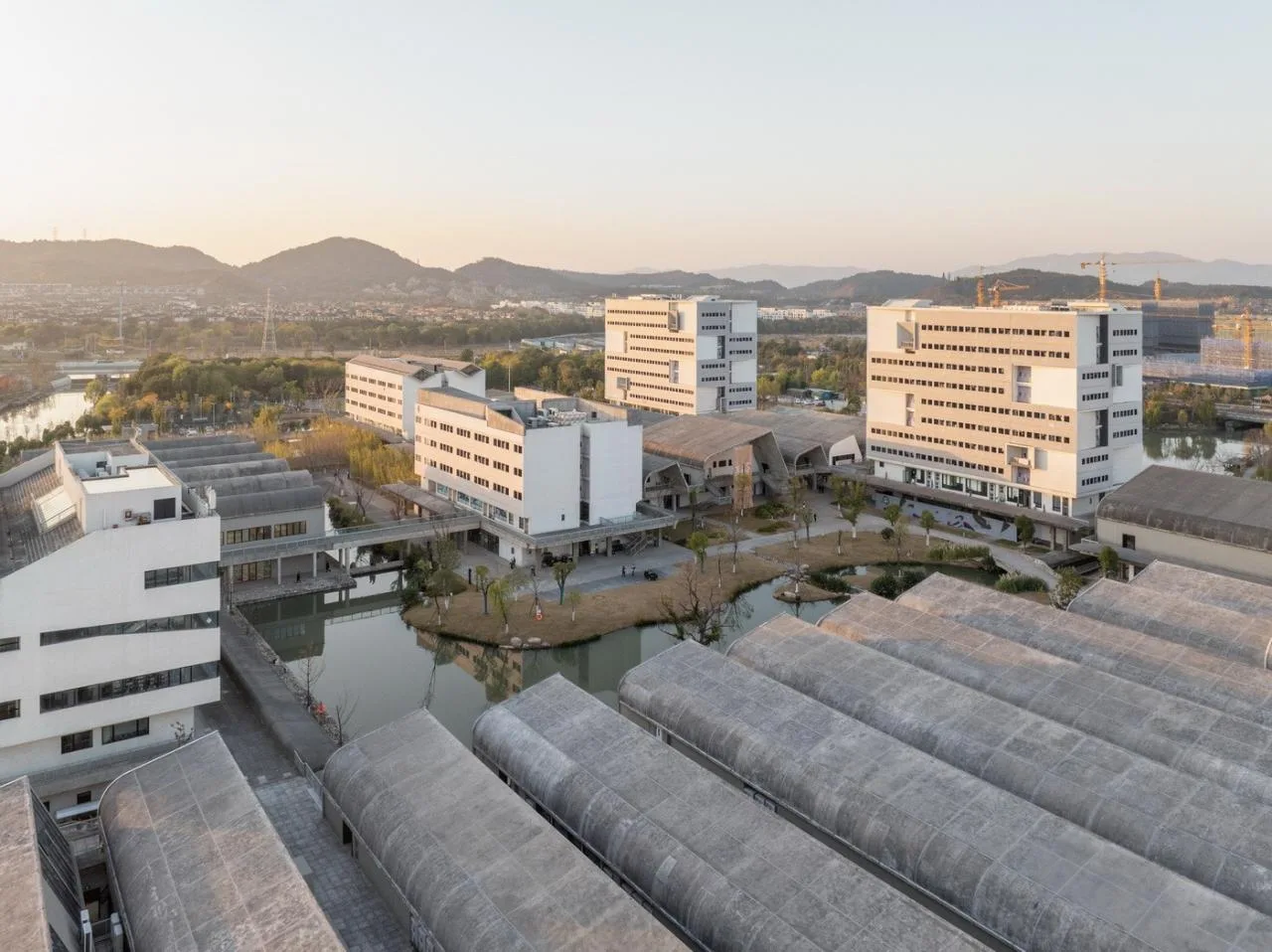
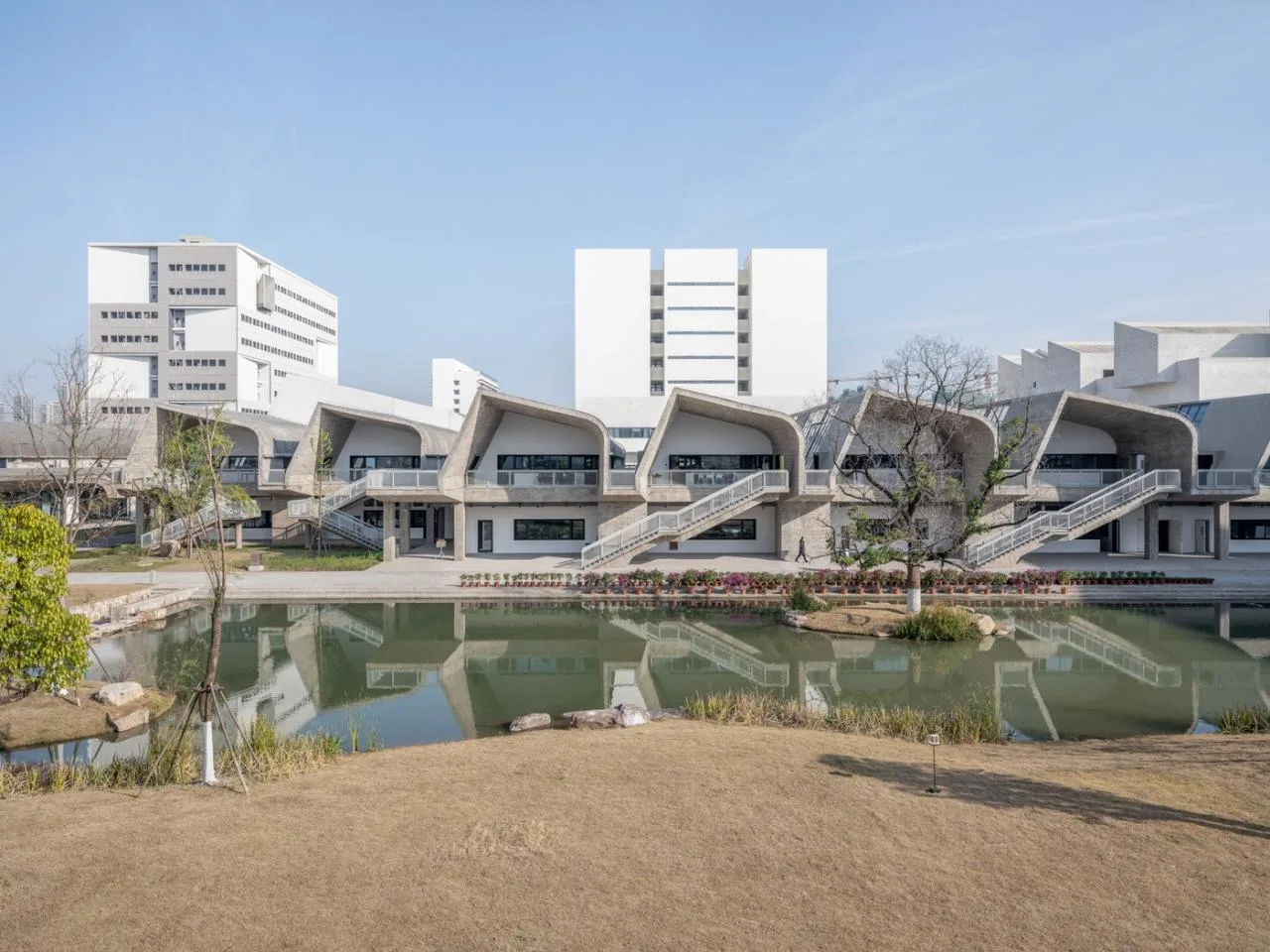
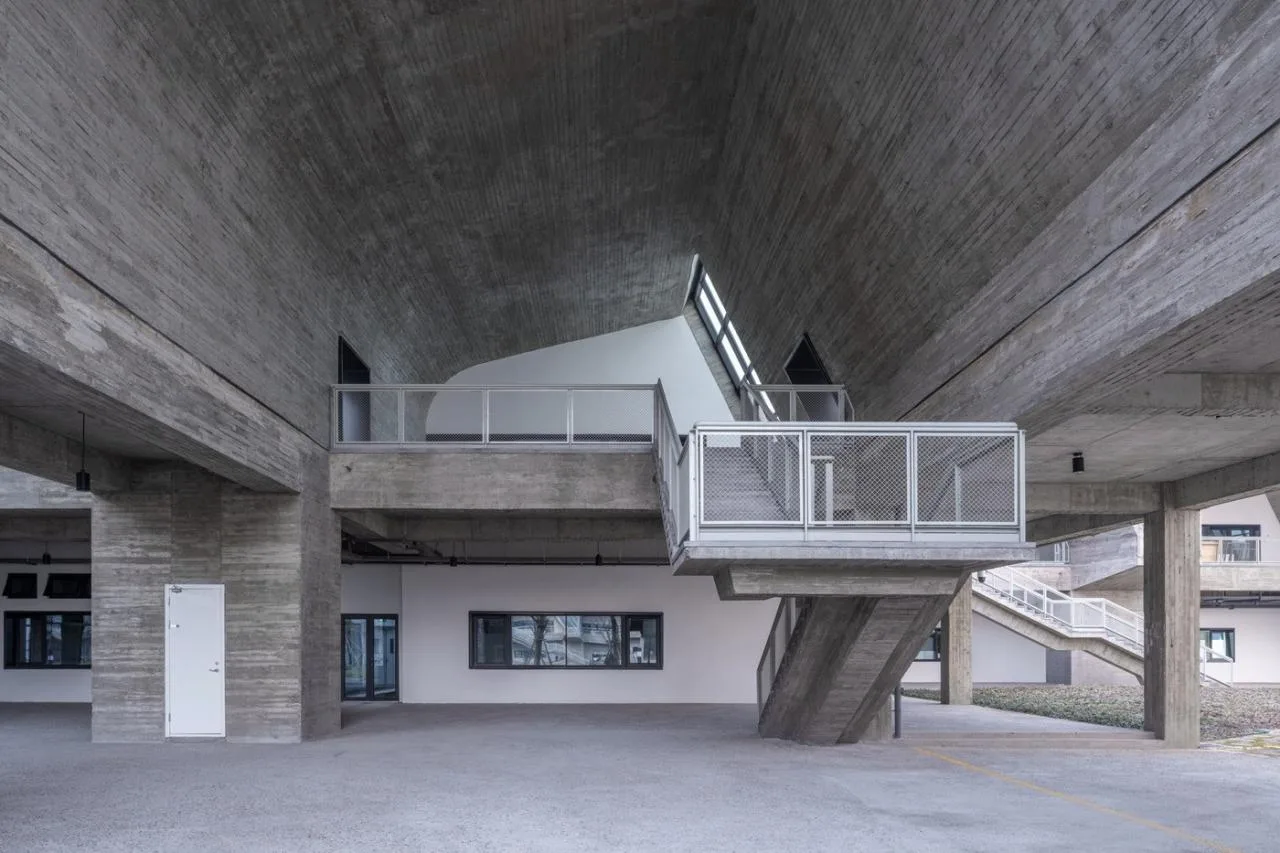
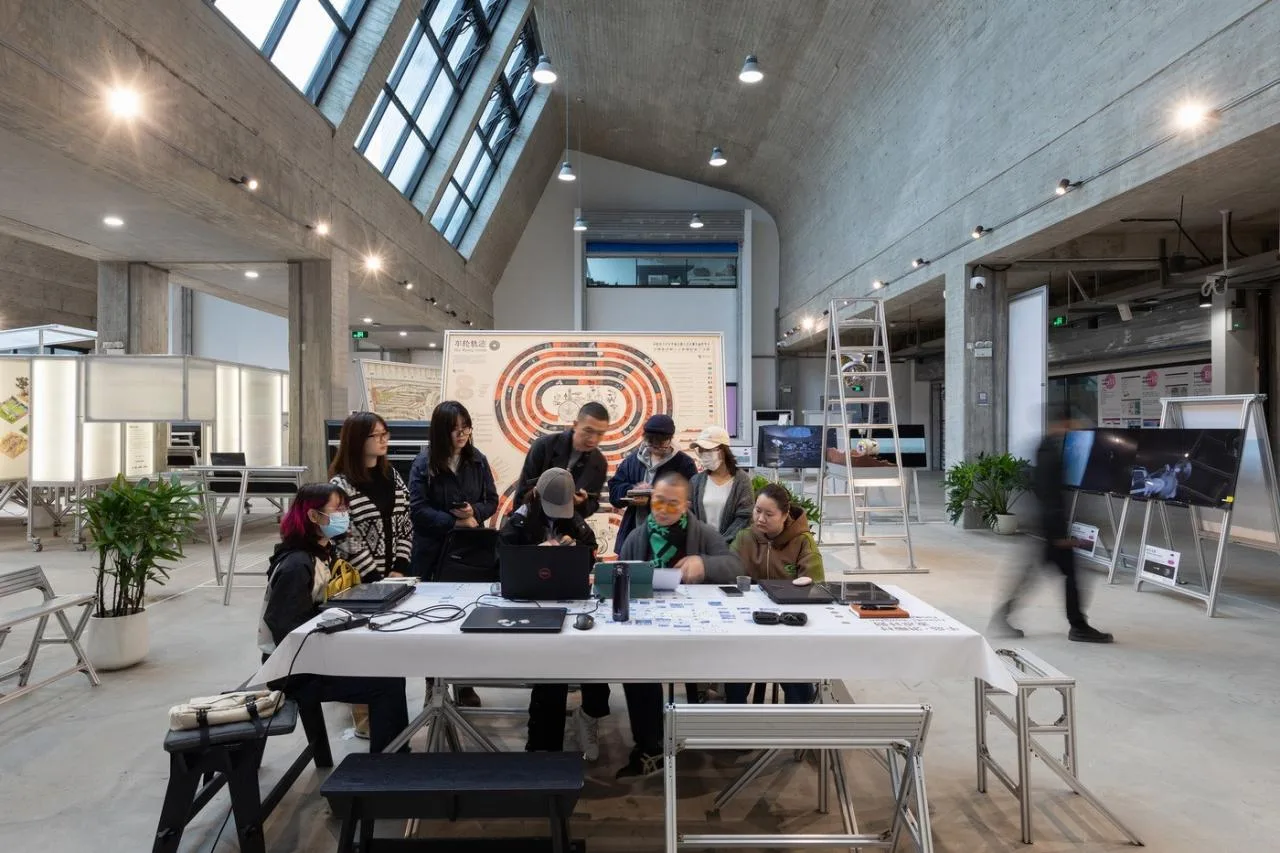
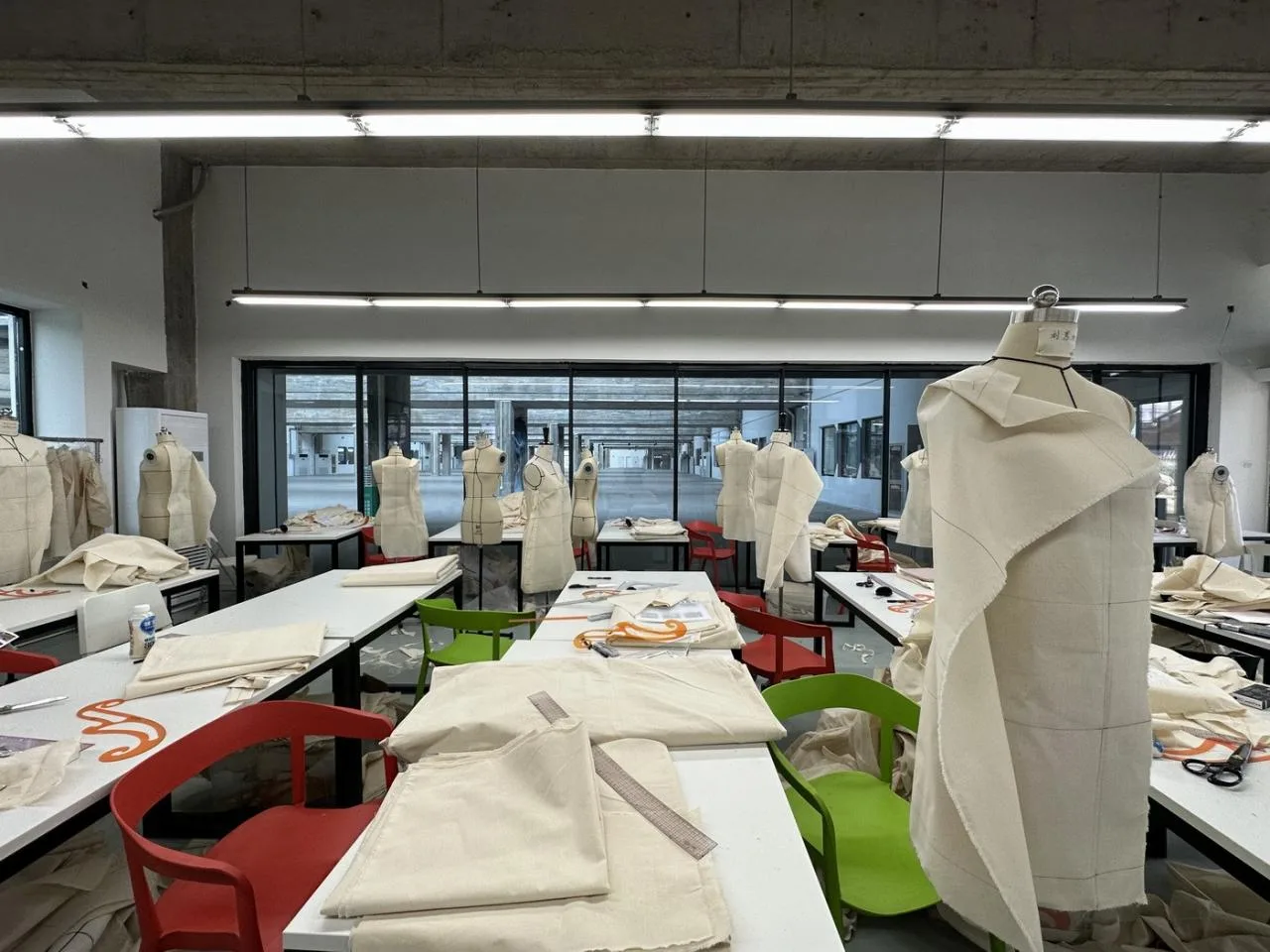
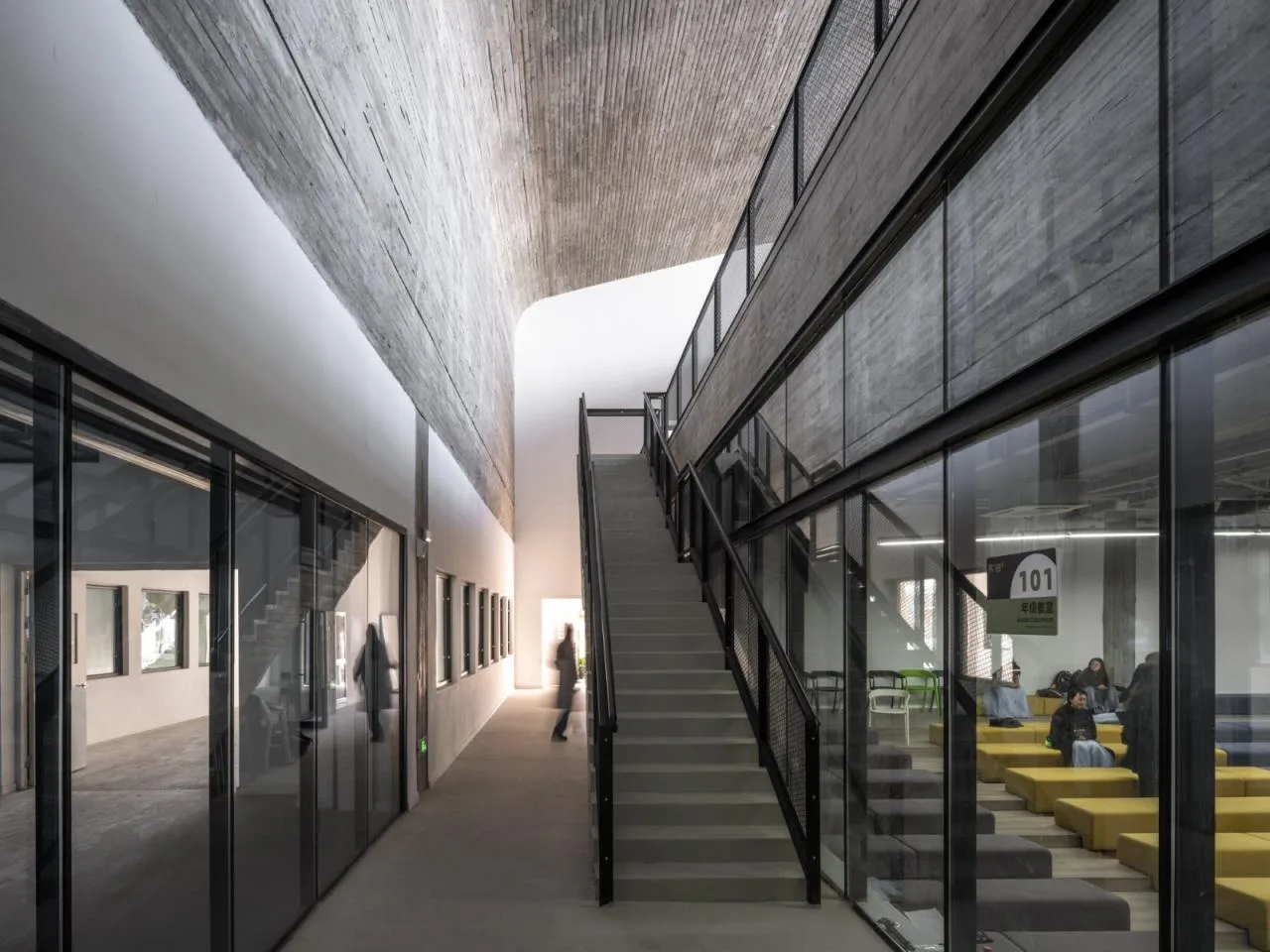
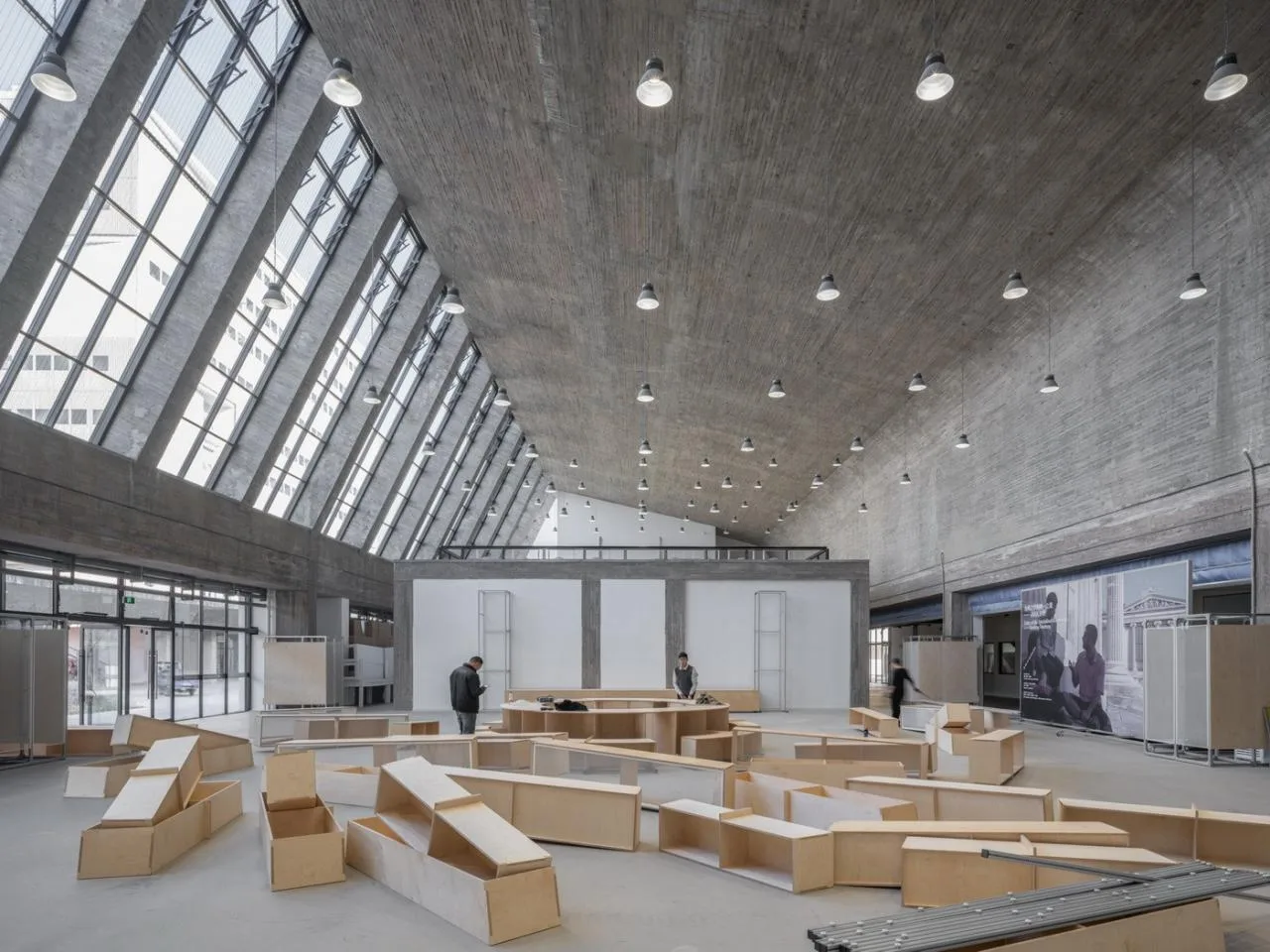
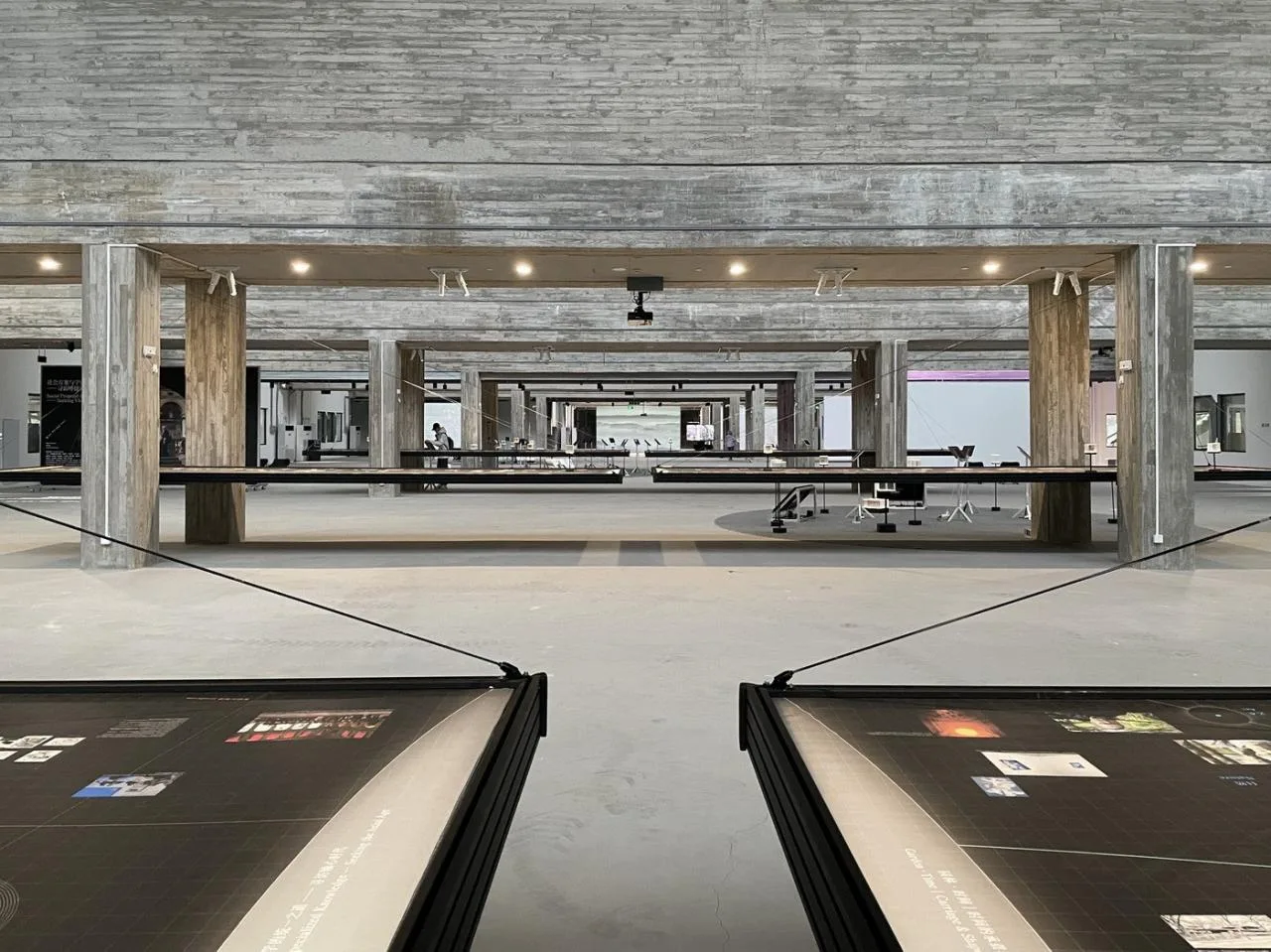
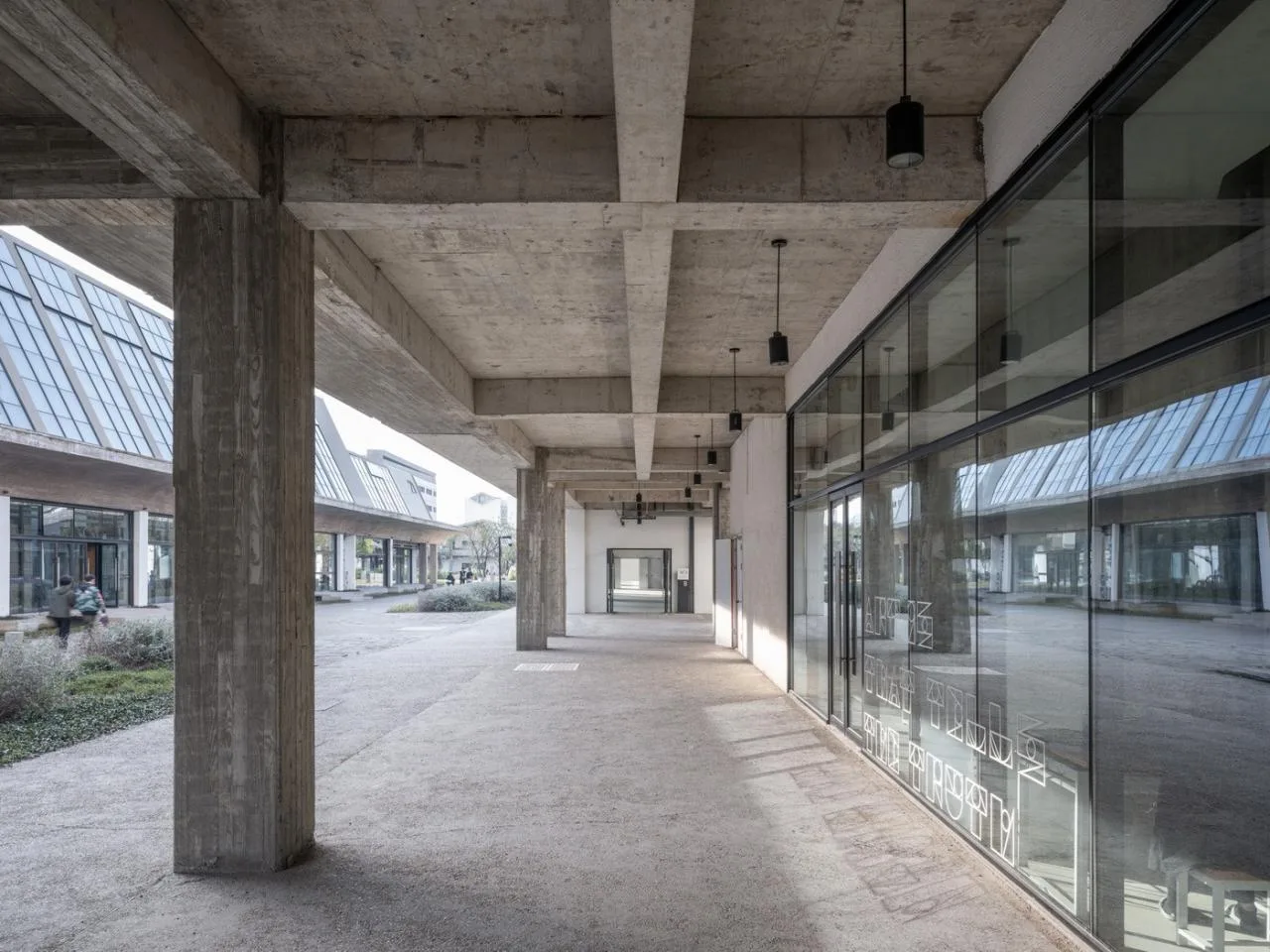
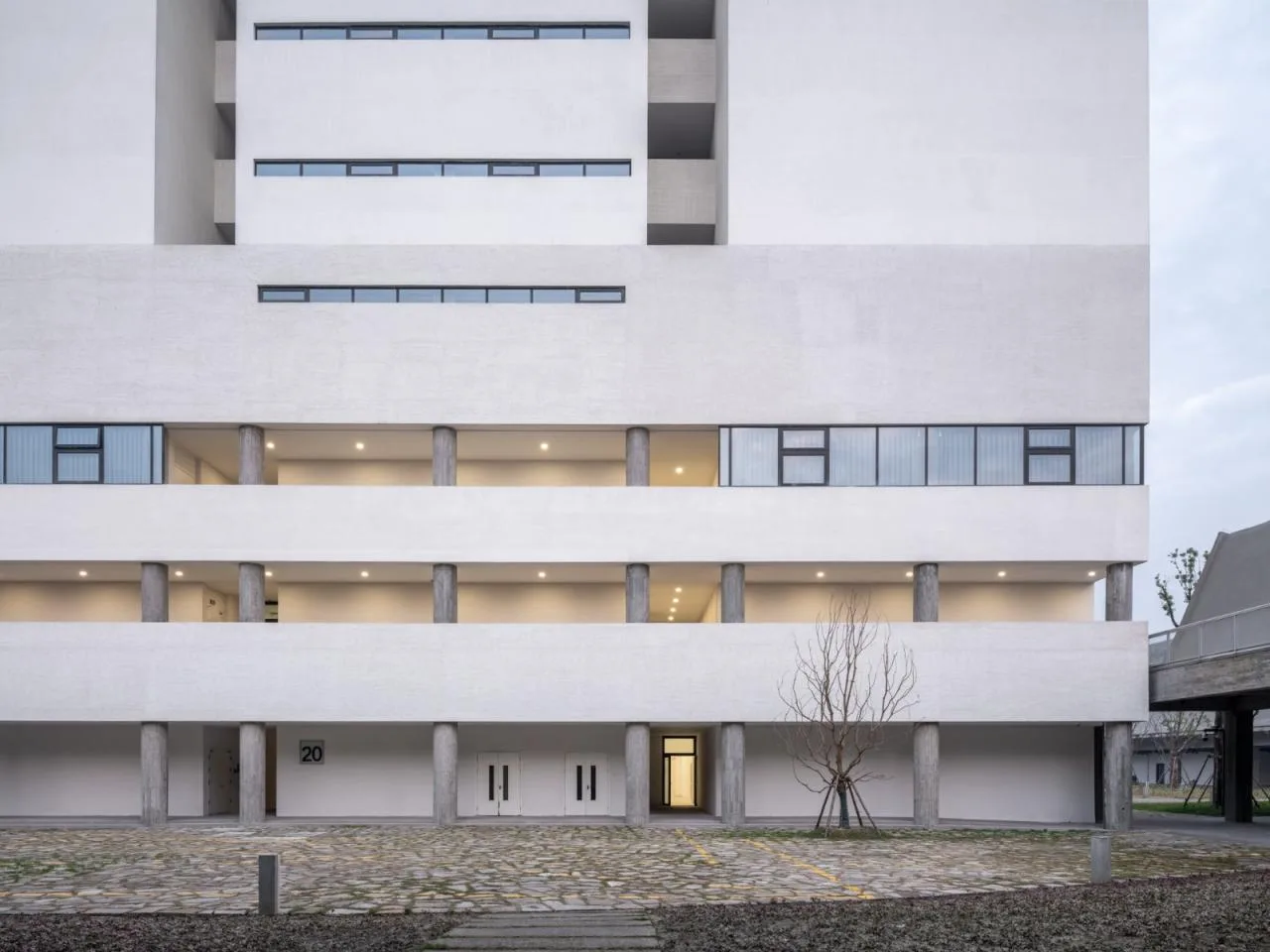
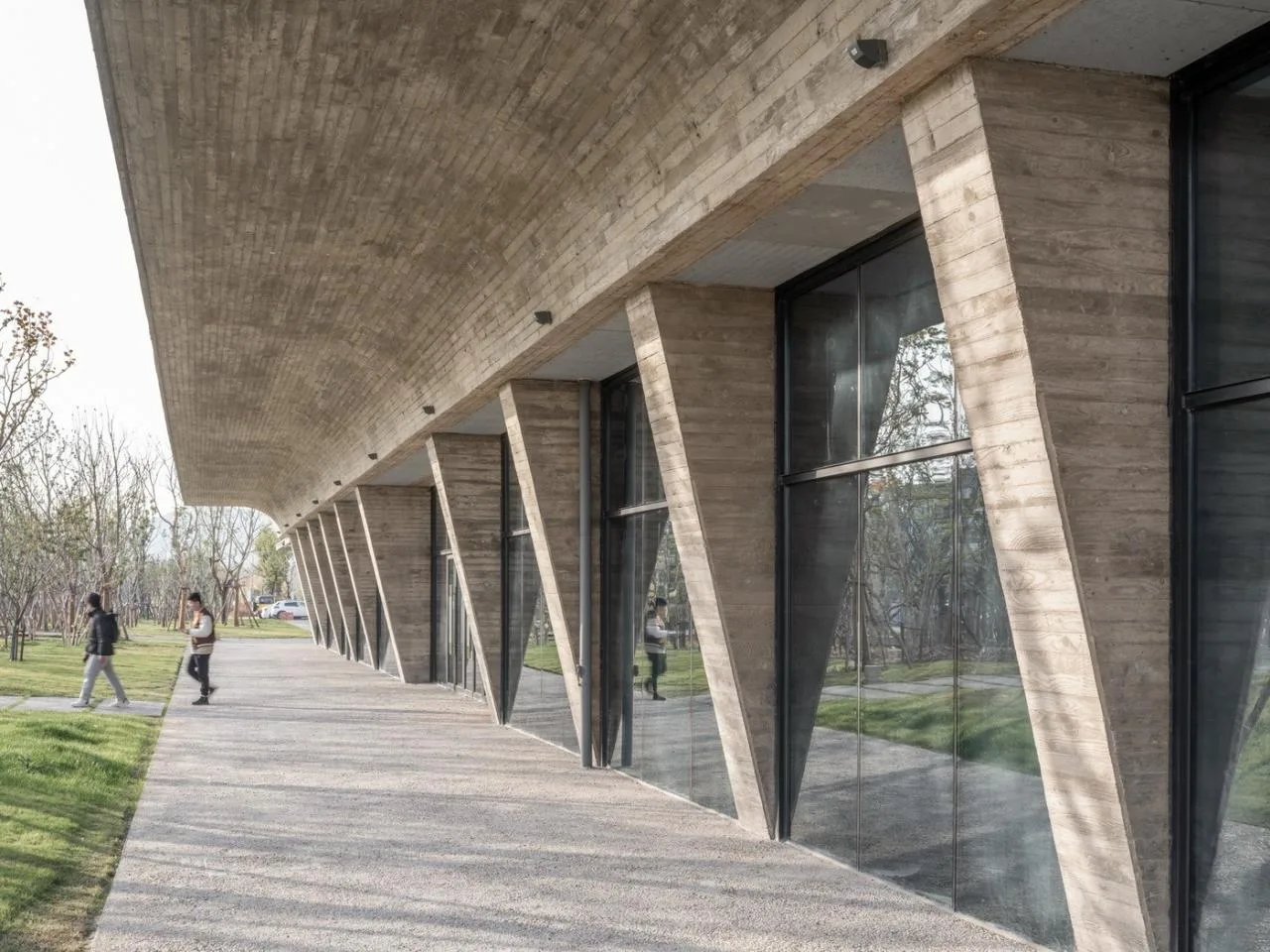
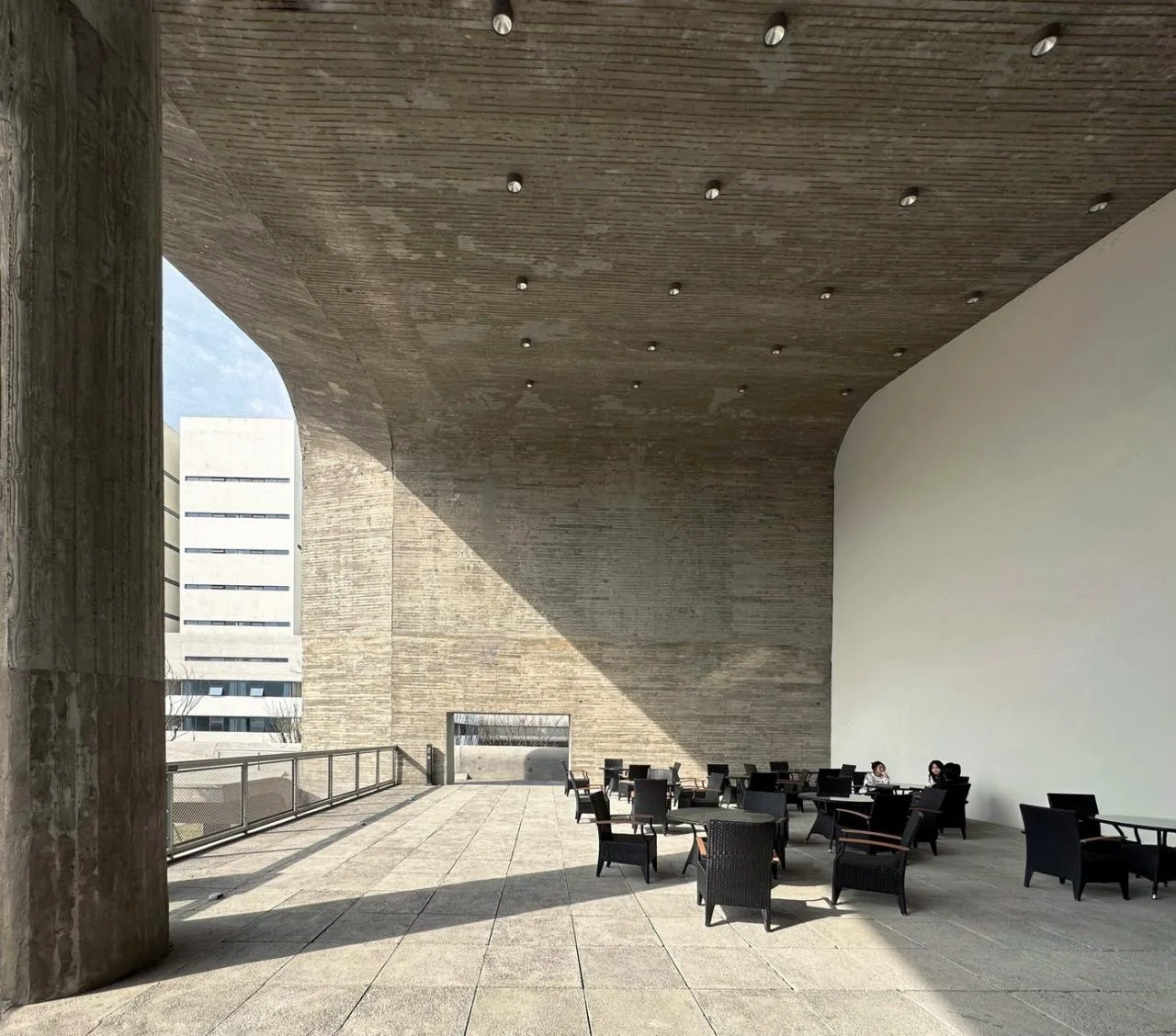
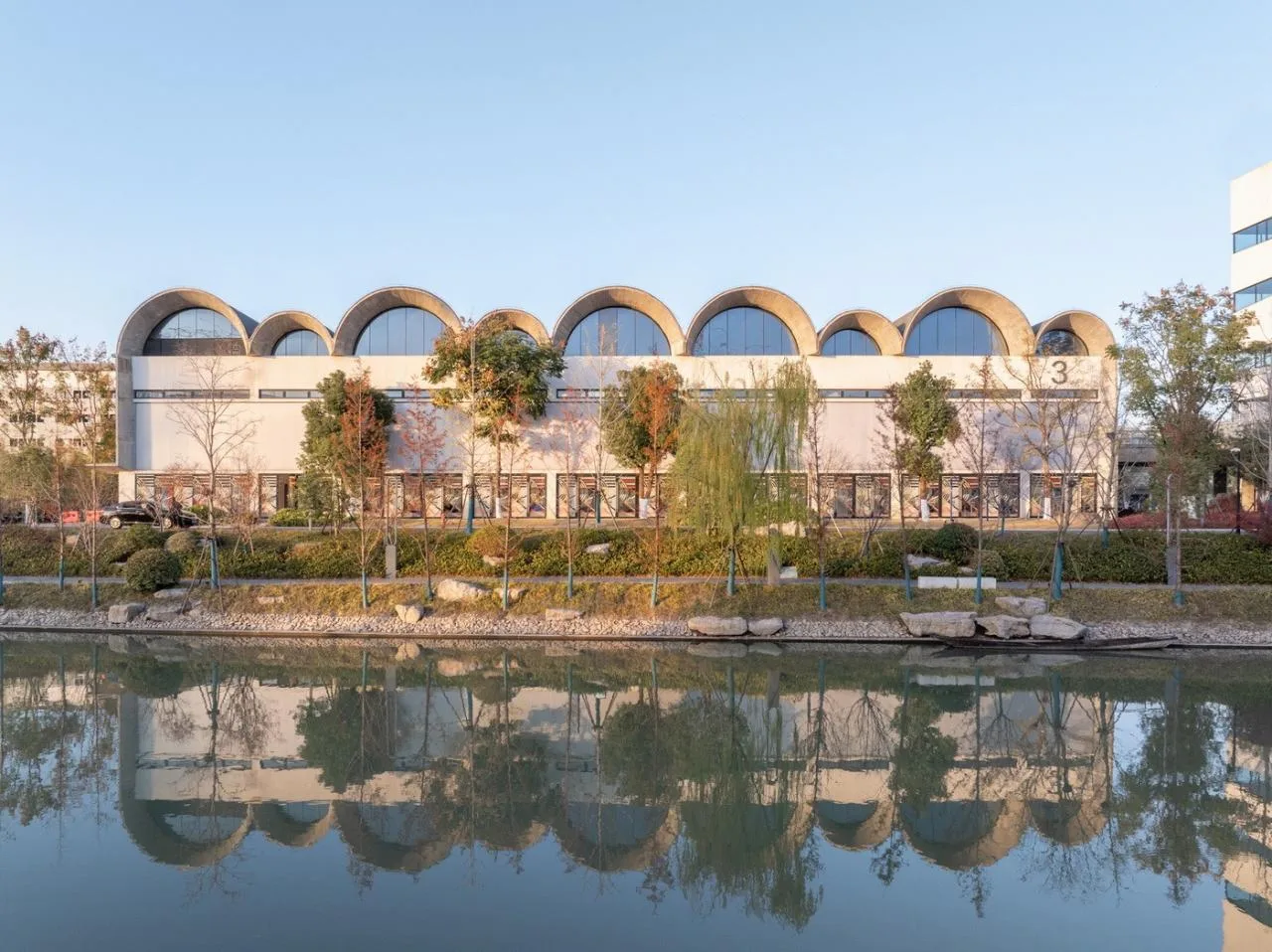
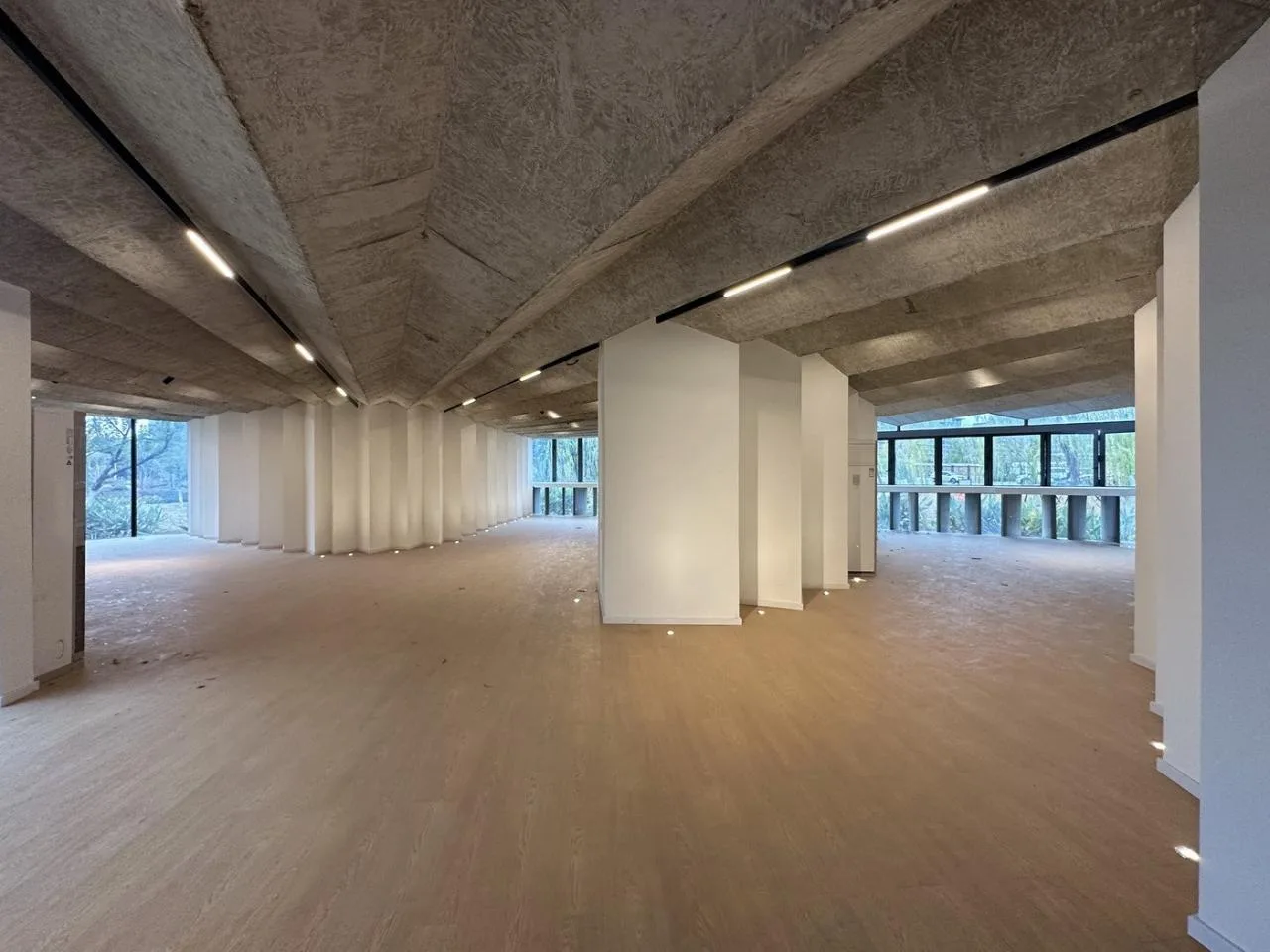
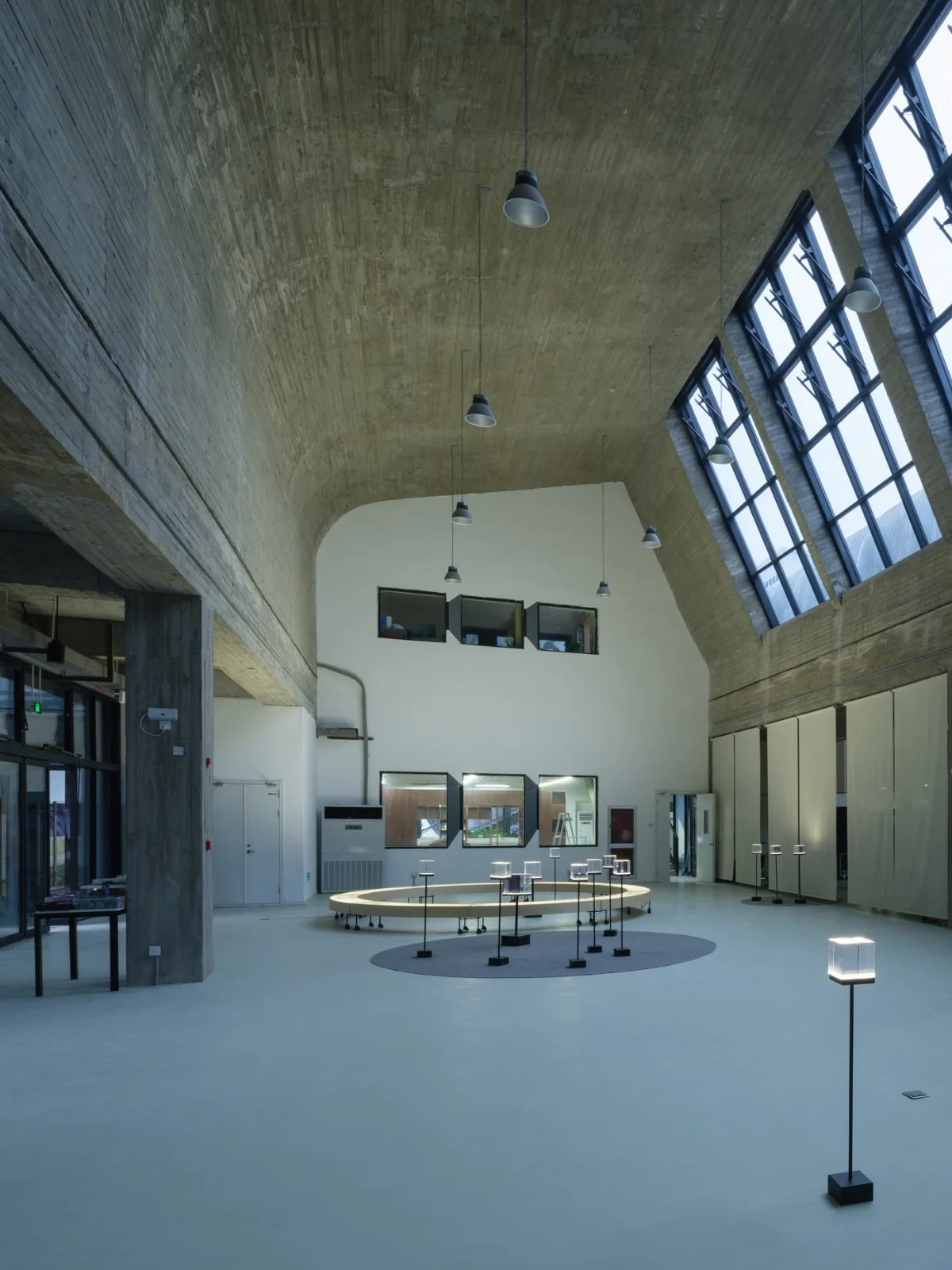
The open, continuous workshop is formed by a series of arches, encouraging teachers and students to step beyond their private spaces and engage more with the public realm. Besides daily learning, research, and creation, workshops frequently host design evaluations. Class evaluations typically happen horizontally within workshops, while cross-class or grade evaluations occur vertically.
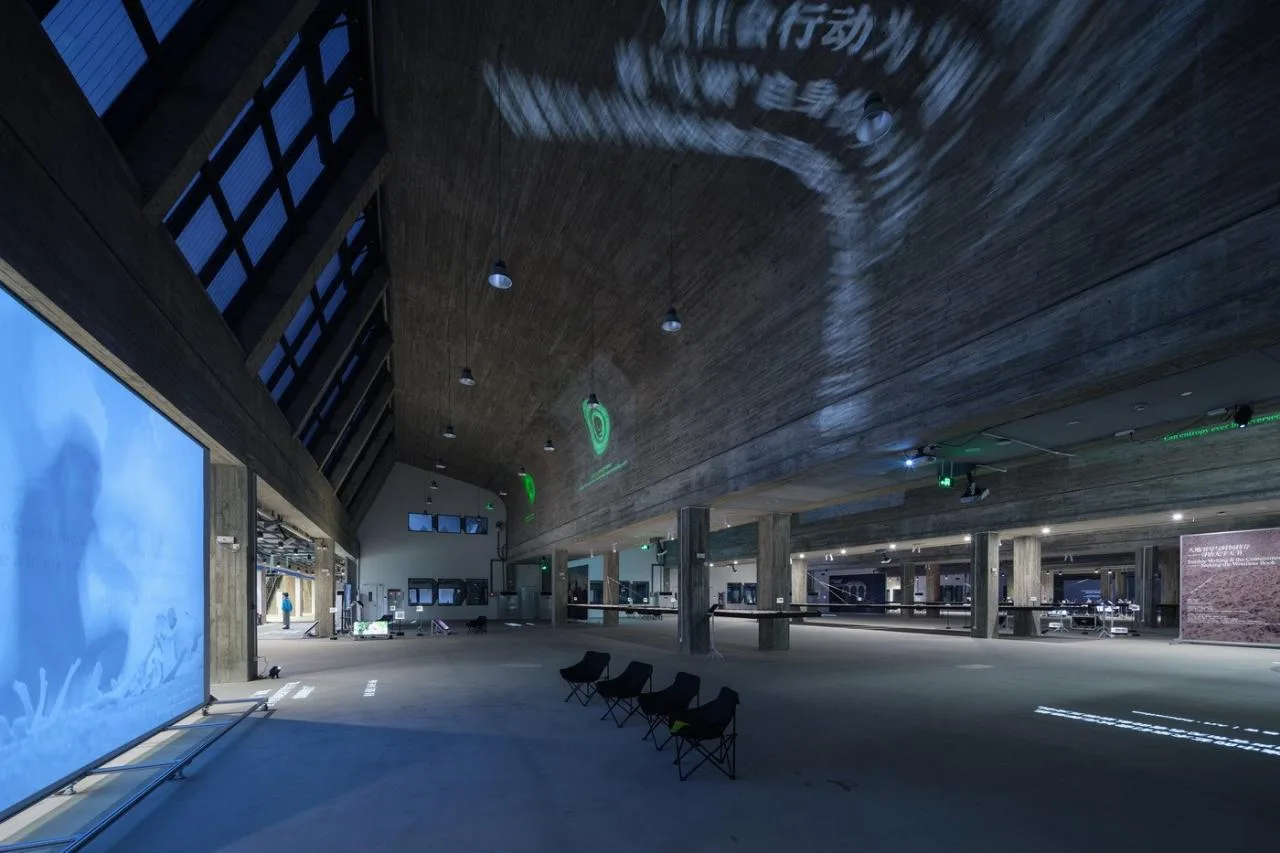
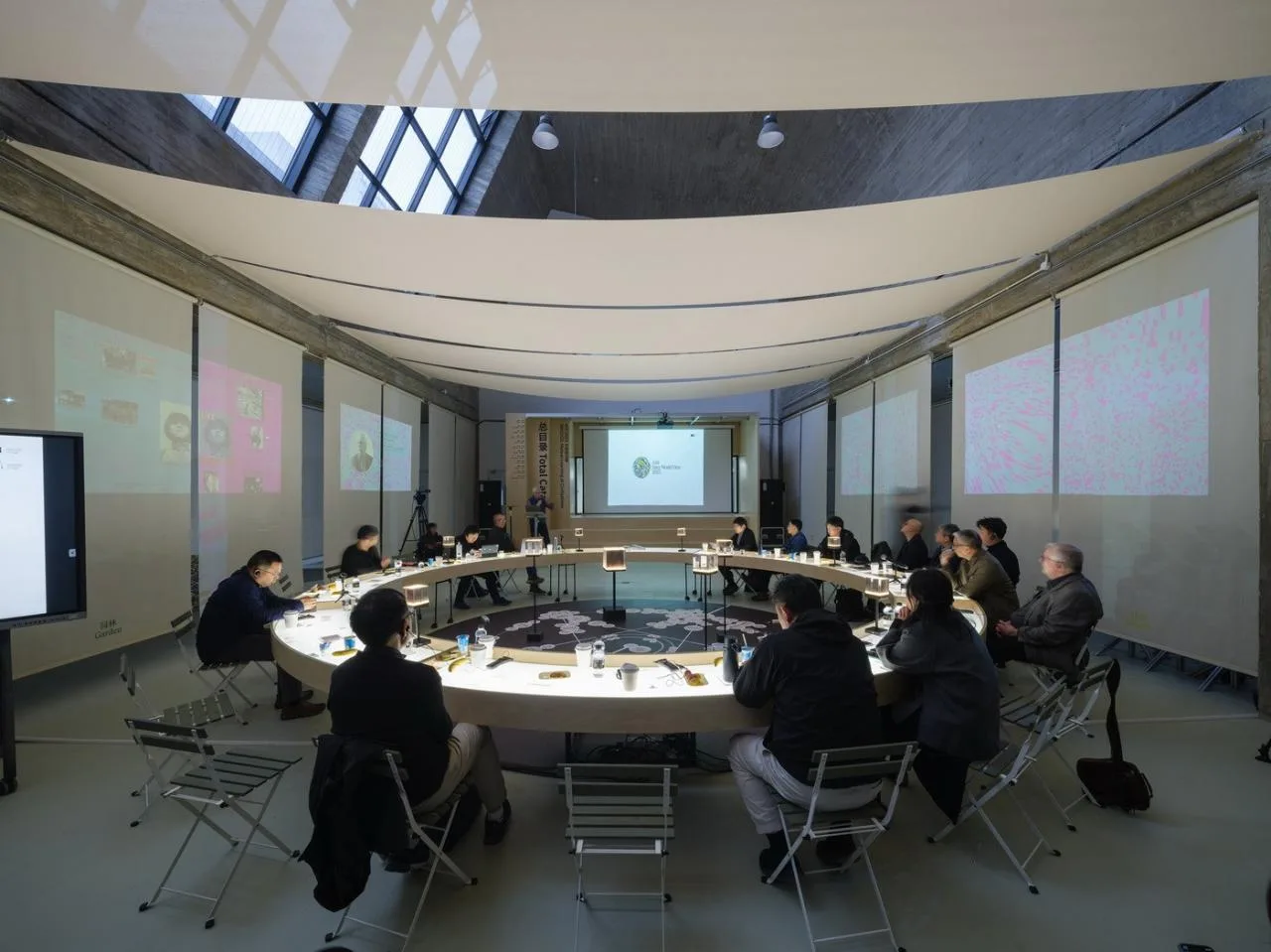
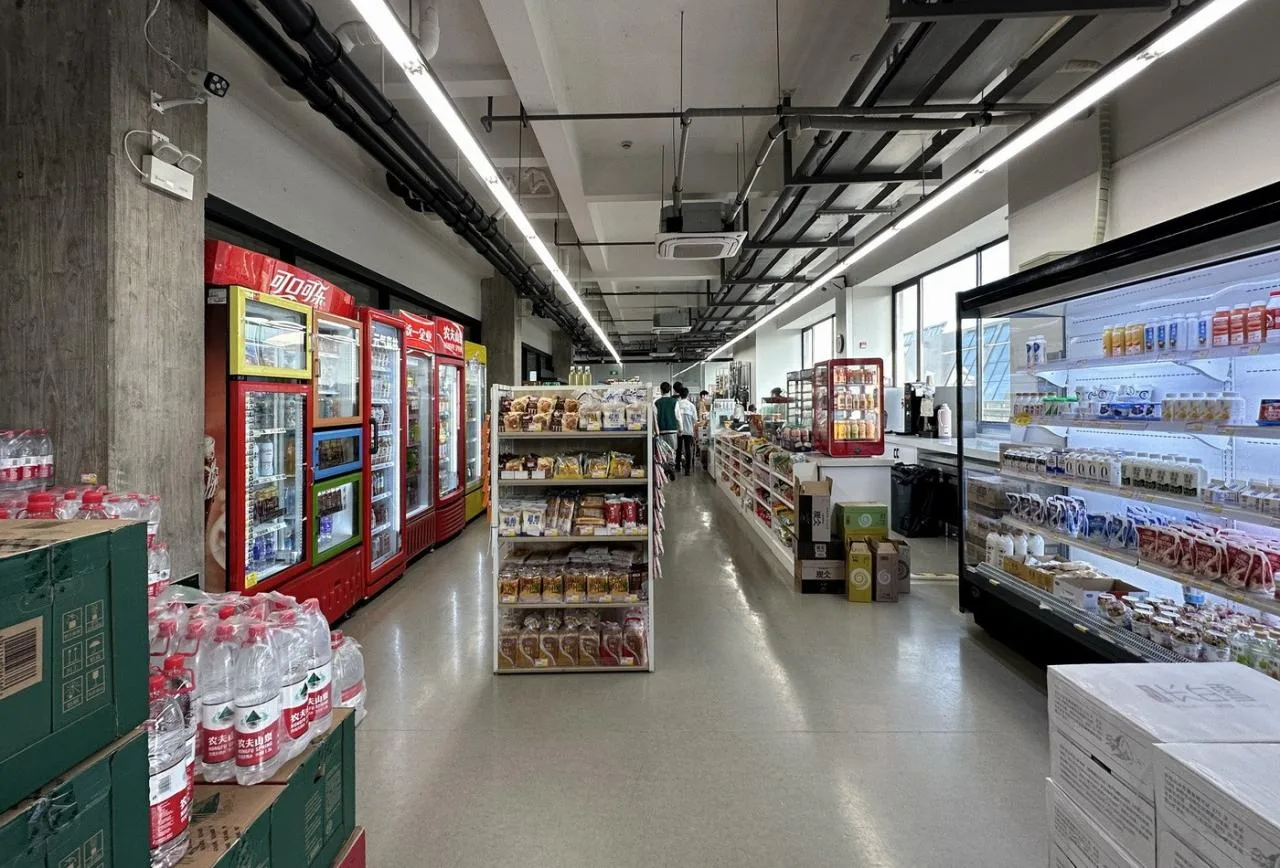
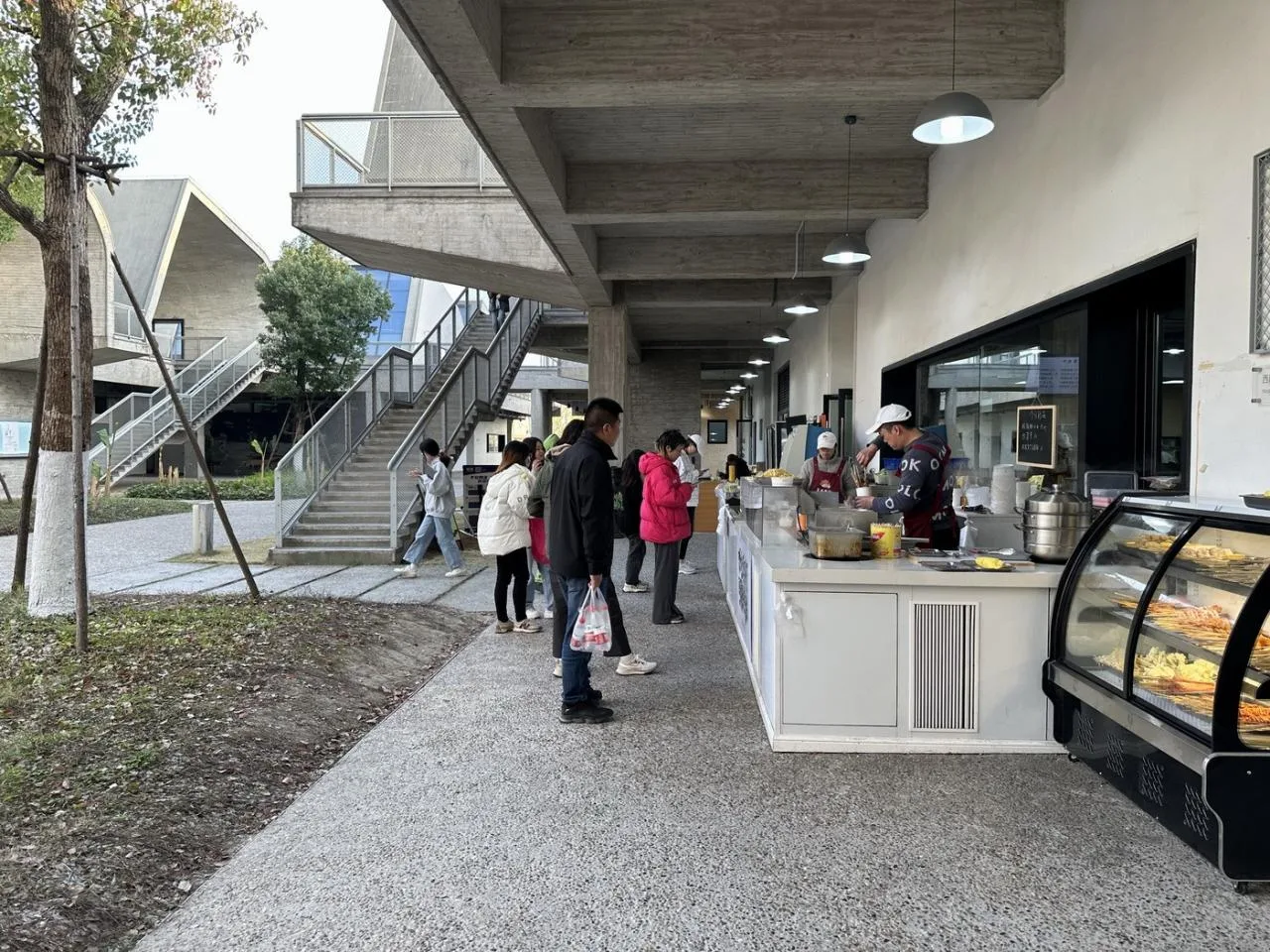
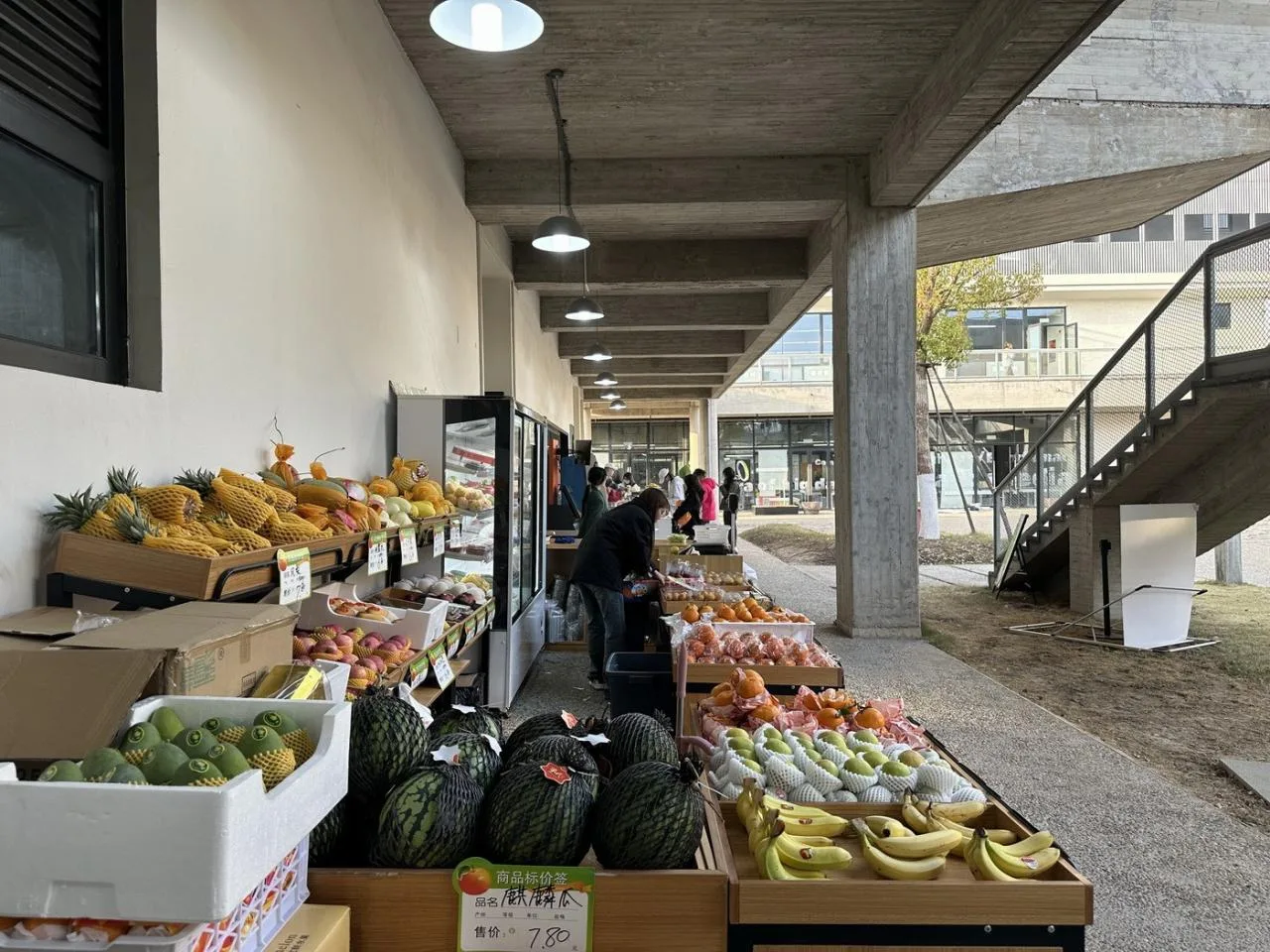
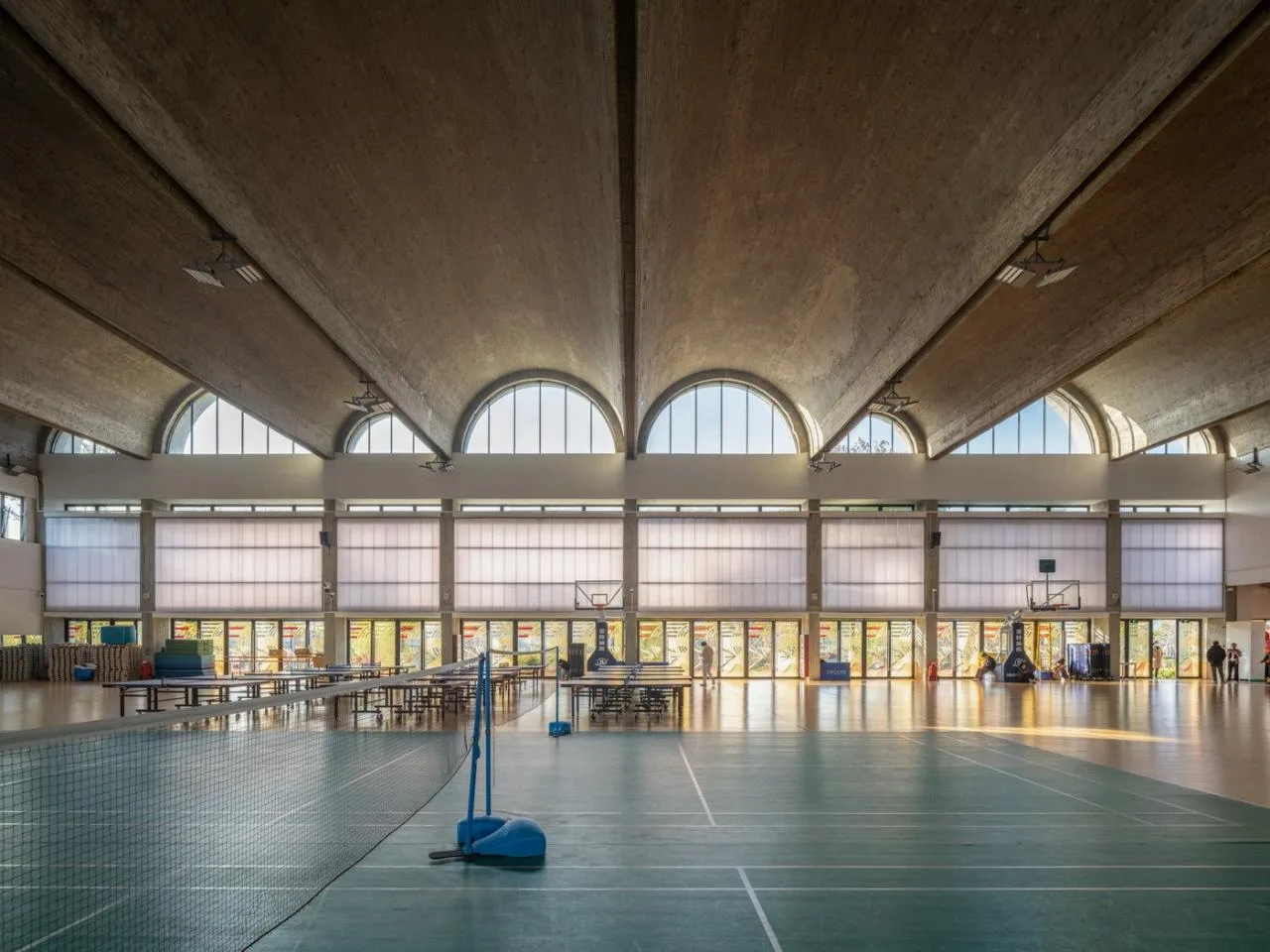
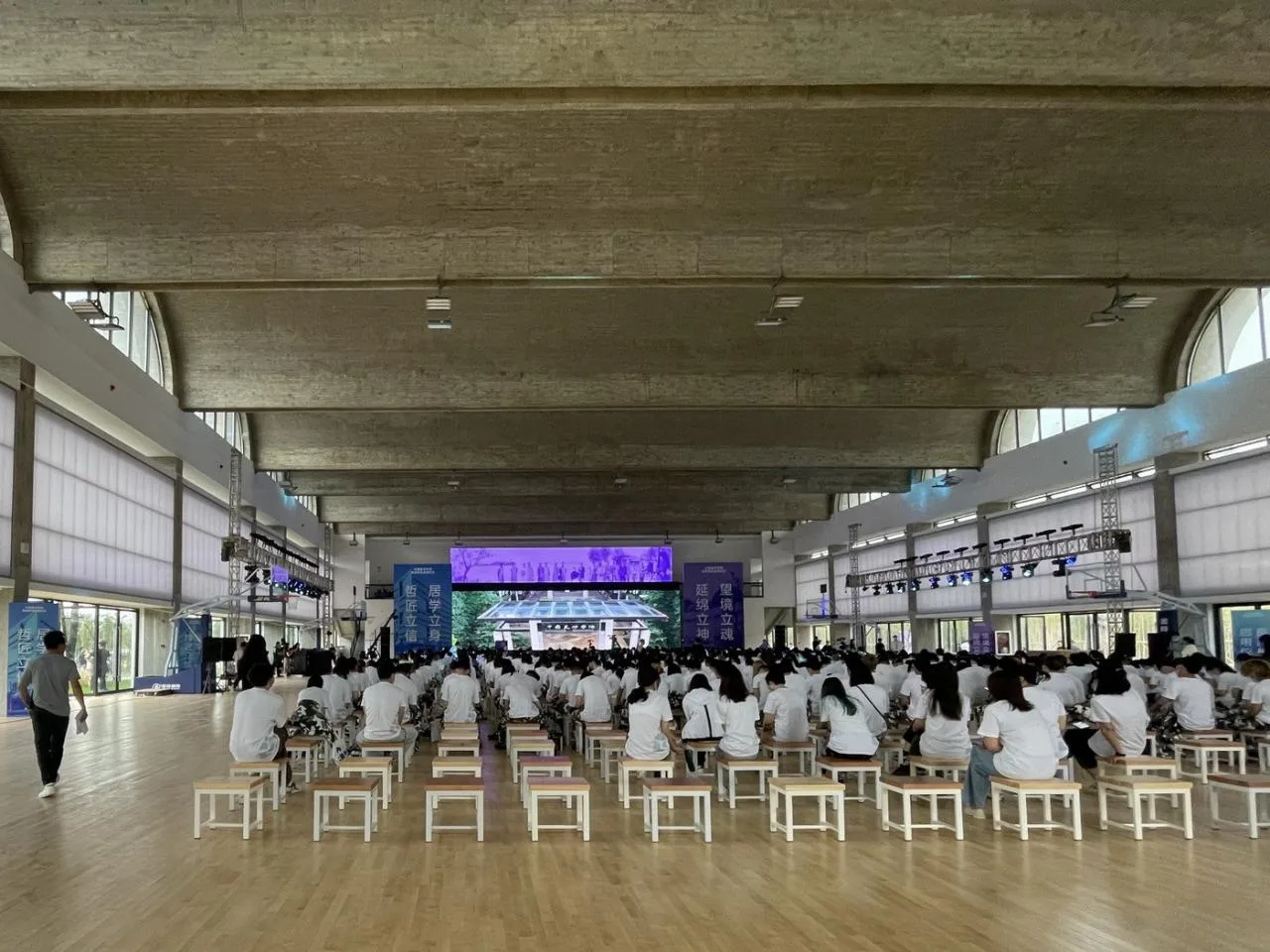
Other activities in the workshops include exhibitions, conferences, film screenings, theater and dance performances, construction of large-scale installations, badminton, and even military training. Amenities such as canteens, cafés, and convenience stores are also integrated within the workshop areas.
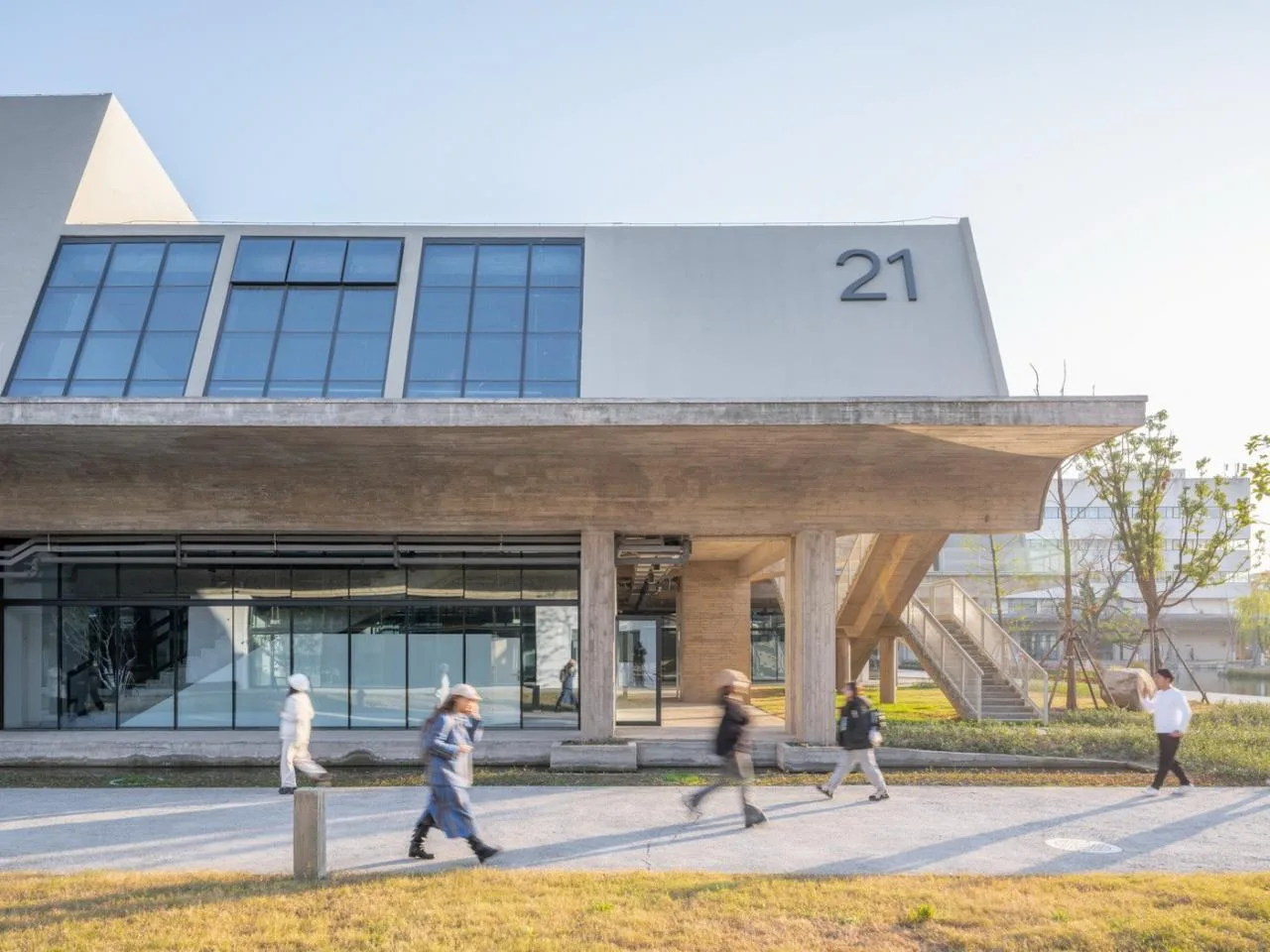
School Building
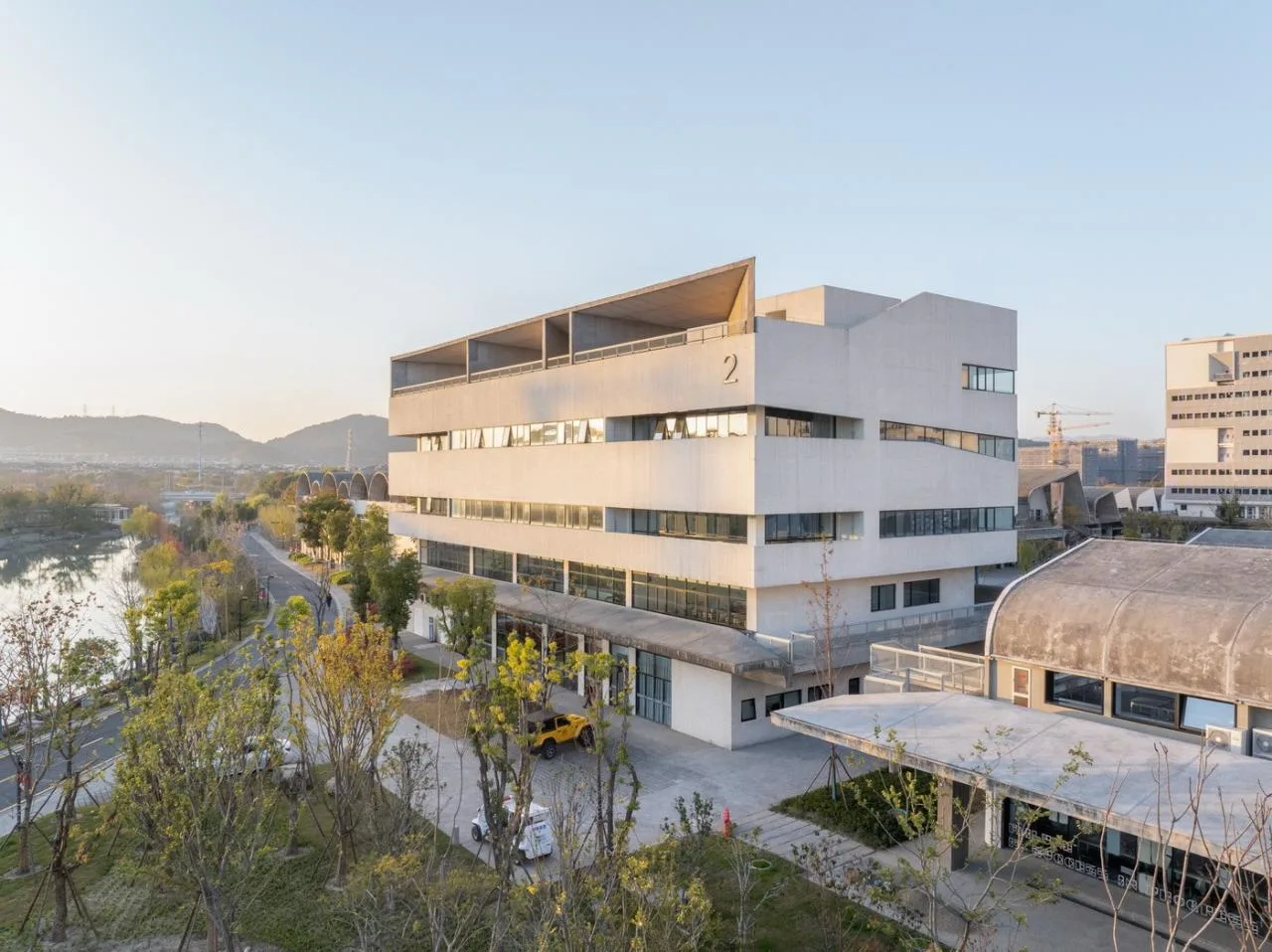
With dormitories located above the workshop, students can easily walk from their rooms to the workshop in minutes. This spatial arrangement has influenced daily routines, allowing students to wake up at 8:15 am for their first class at 8:30 am. For convenience, a breakfast stall is positioned beneath the corridor outside the workshop.
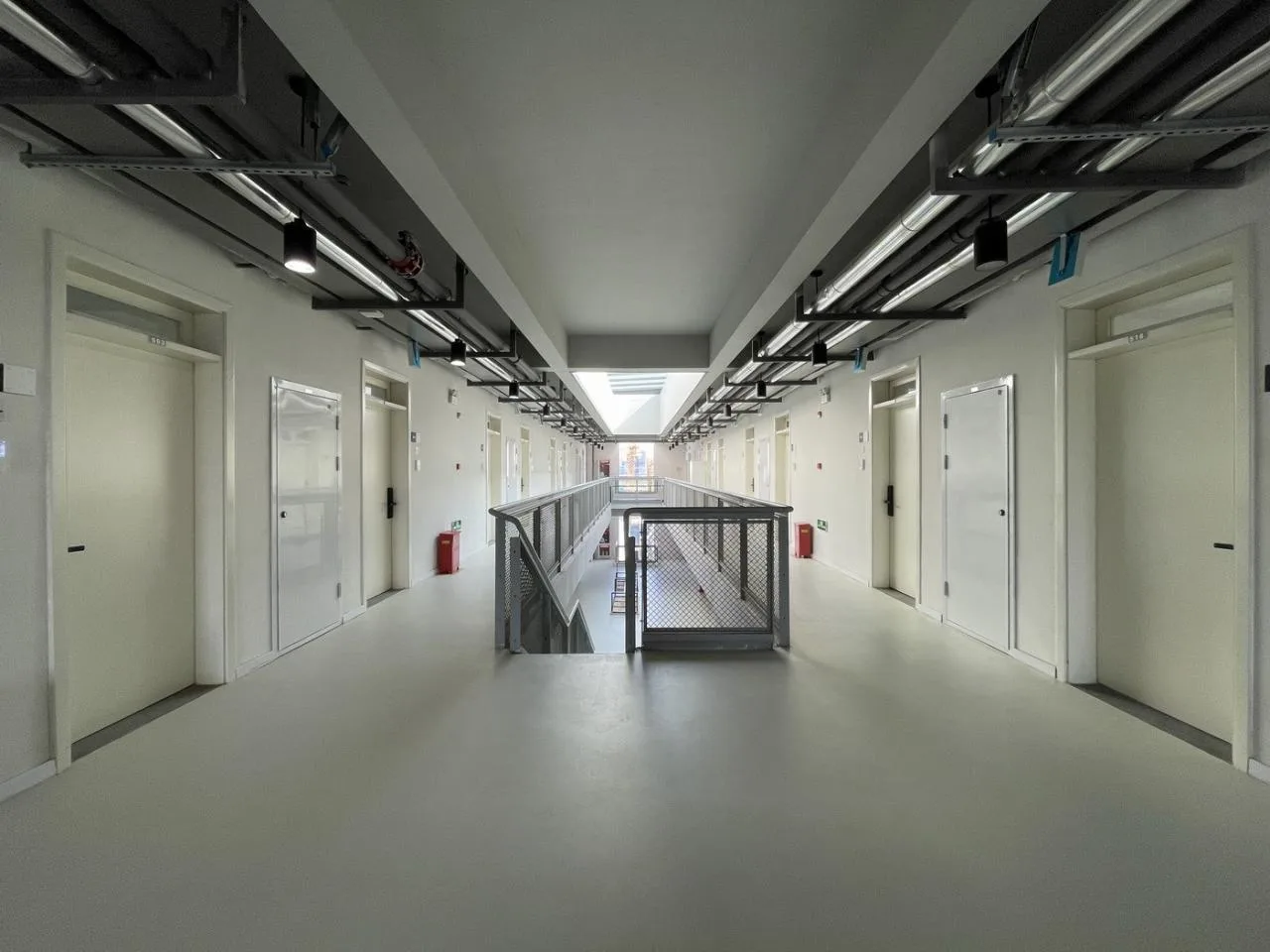
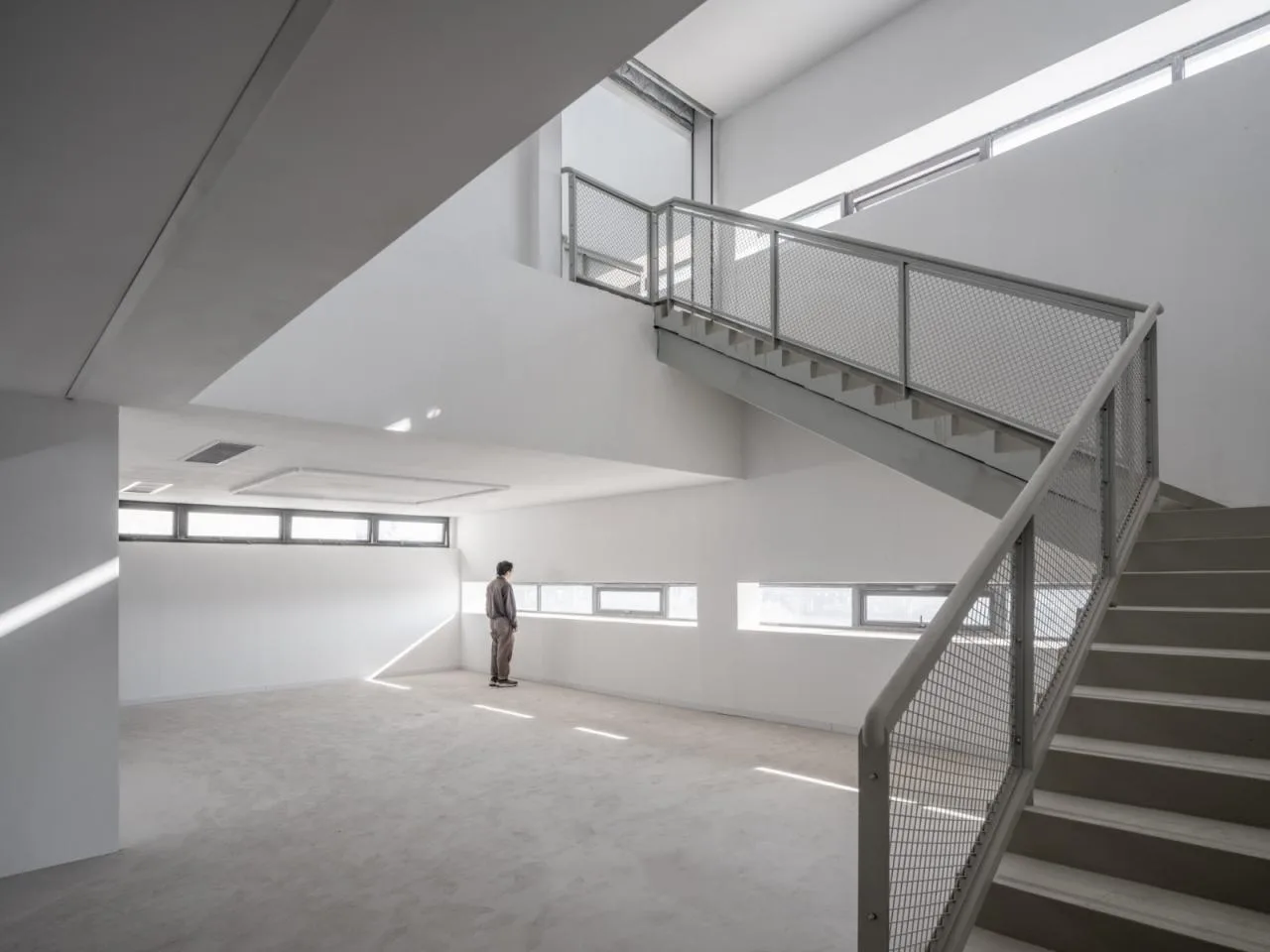
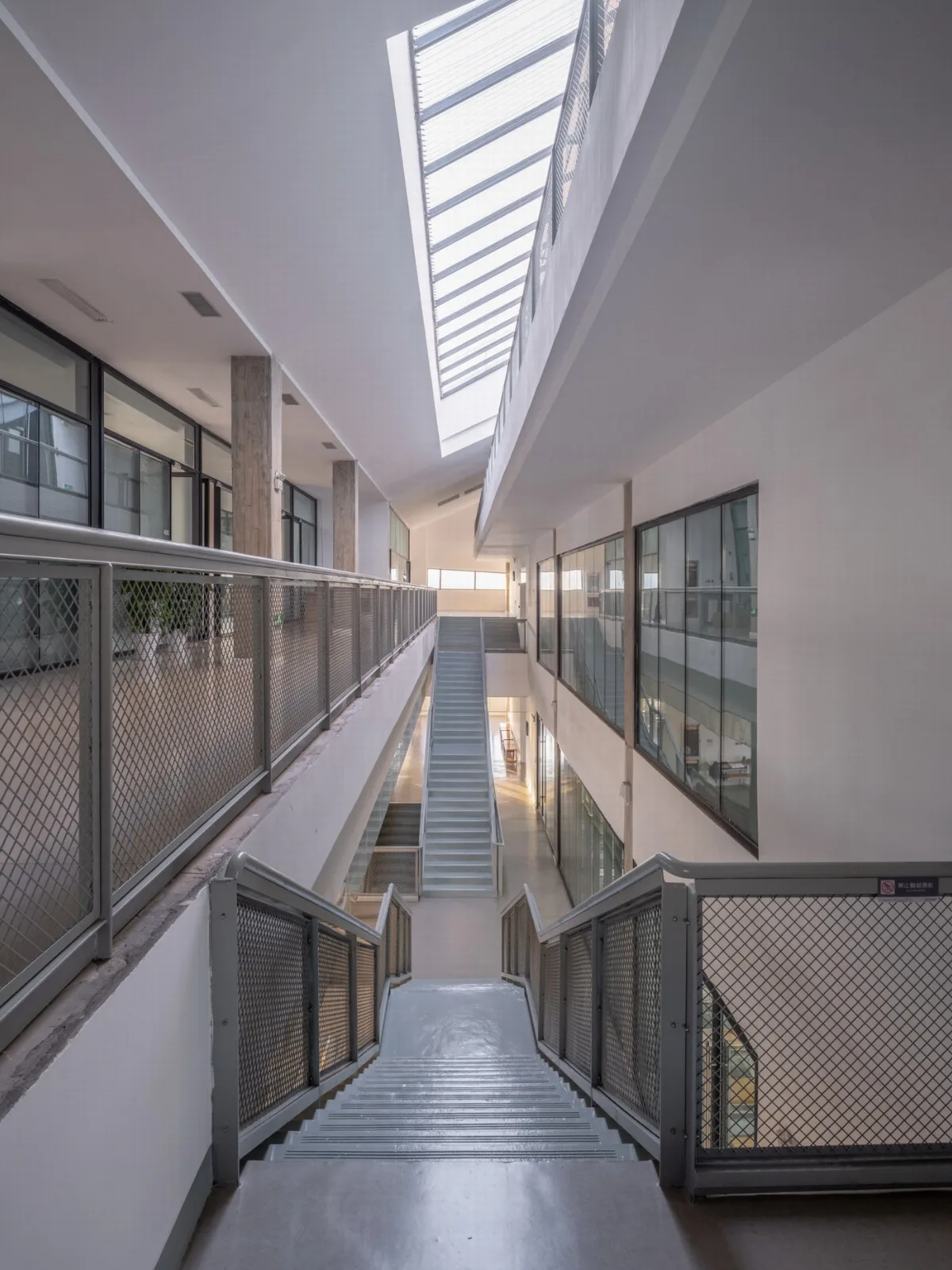
Within the dormitory, spacious shared areas occur every other floor, featuring double-height ceilings that break away from traditional double-sided corridors. These spaces encourage studying, discussion, relaxation, and social activities. There are even plans for students to design and build their own furniture within these communal areas.
Library
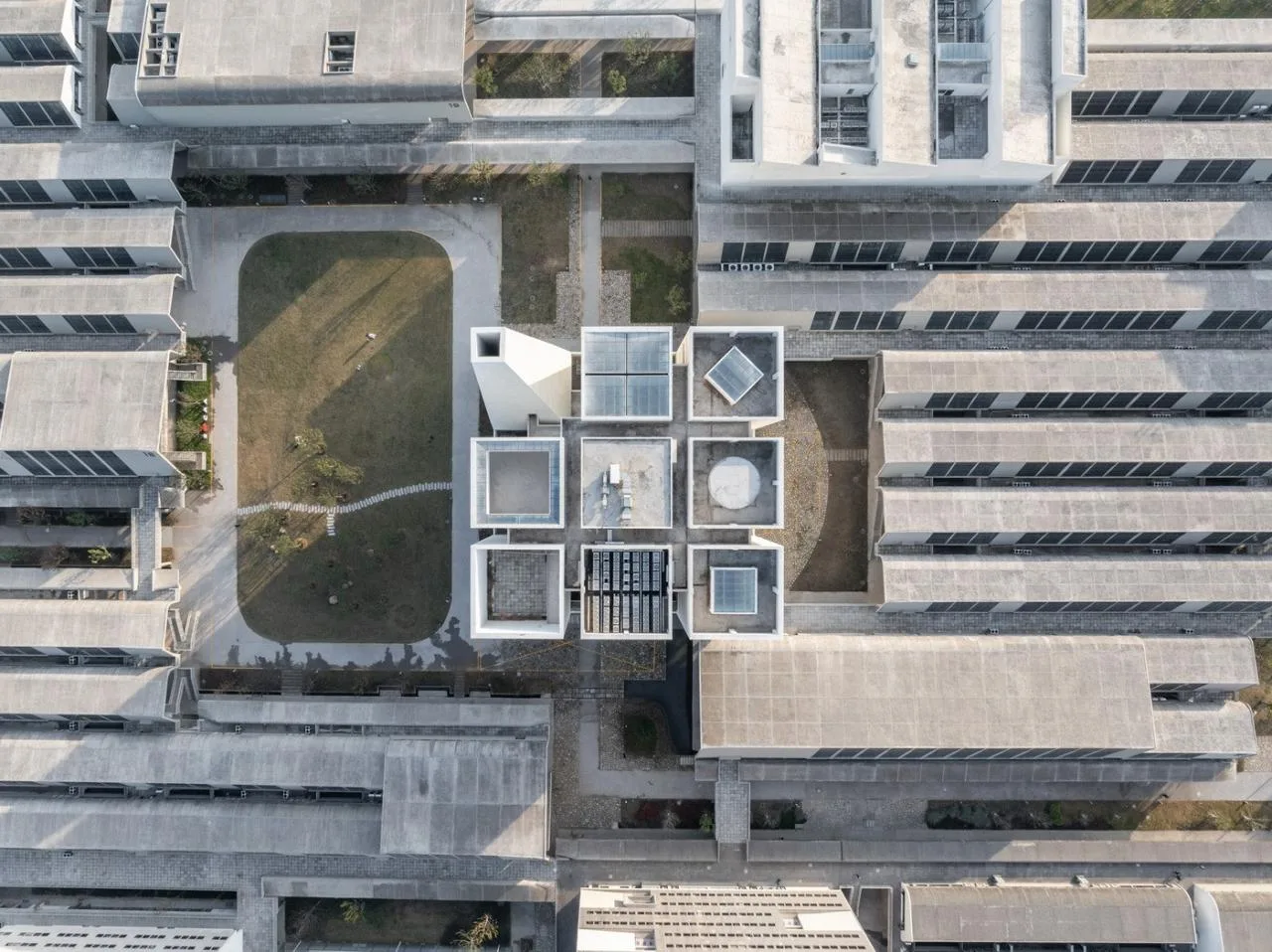
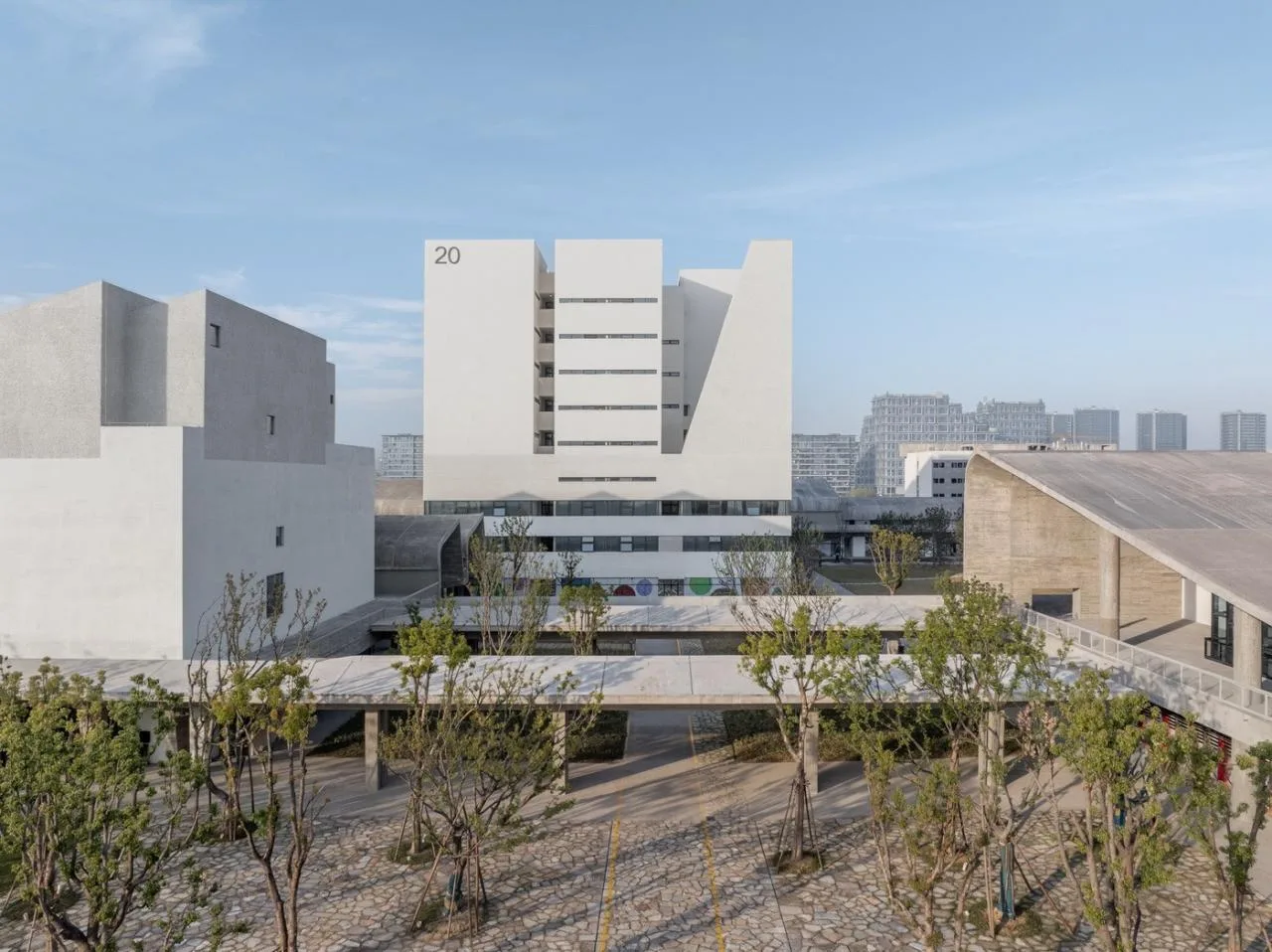
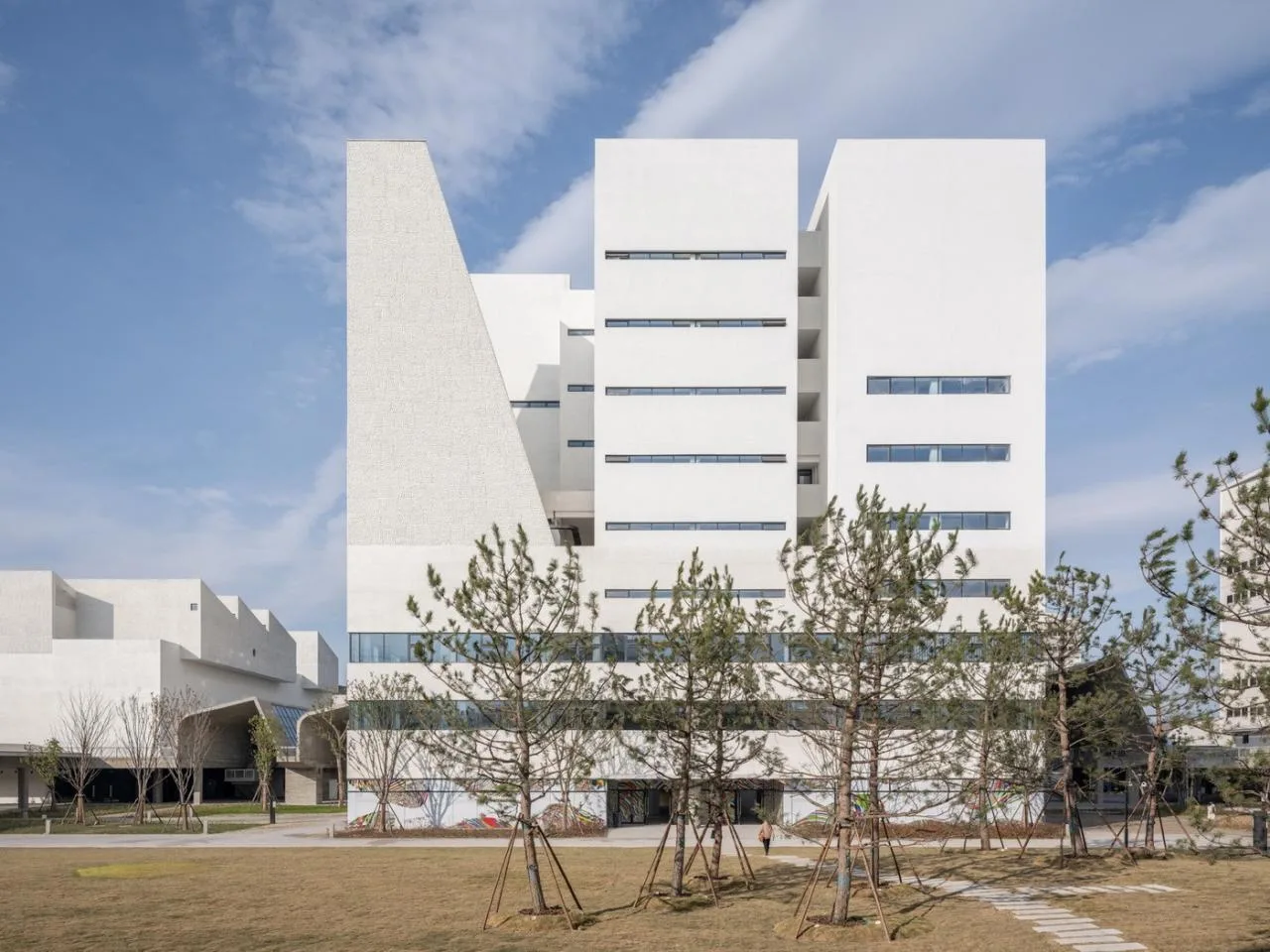
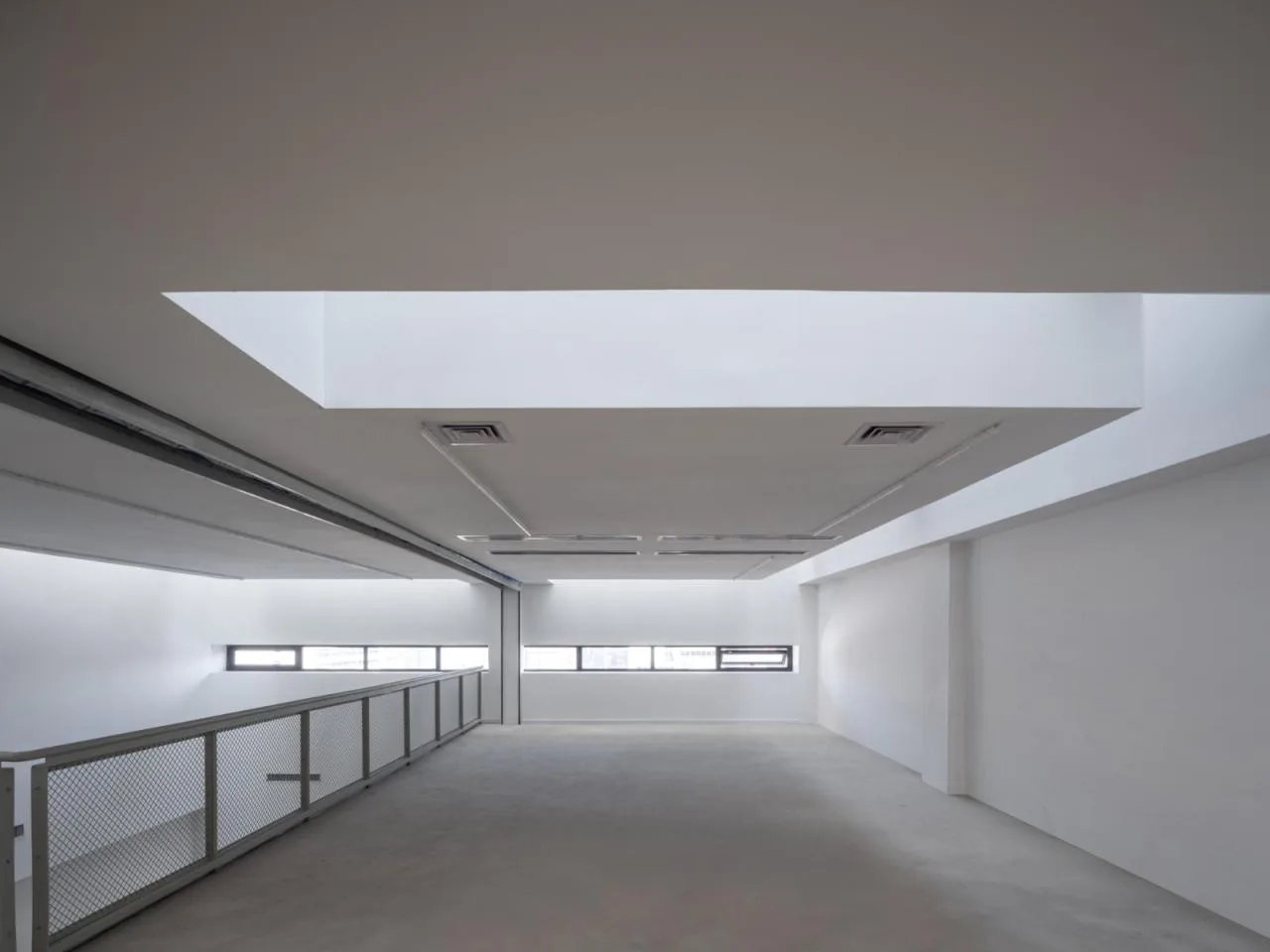
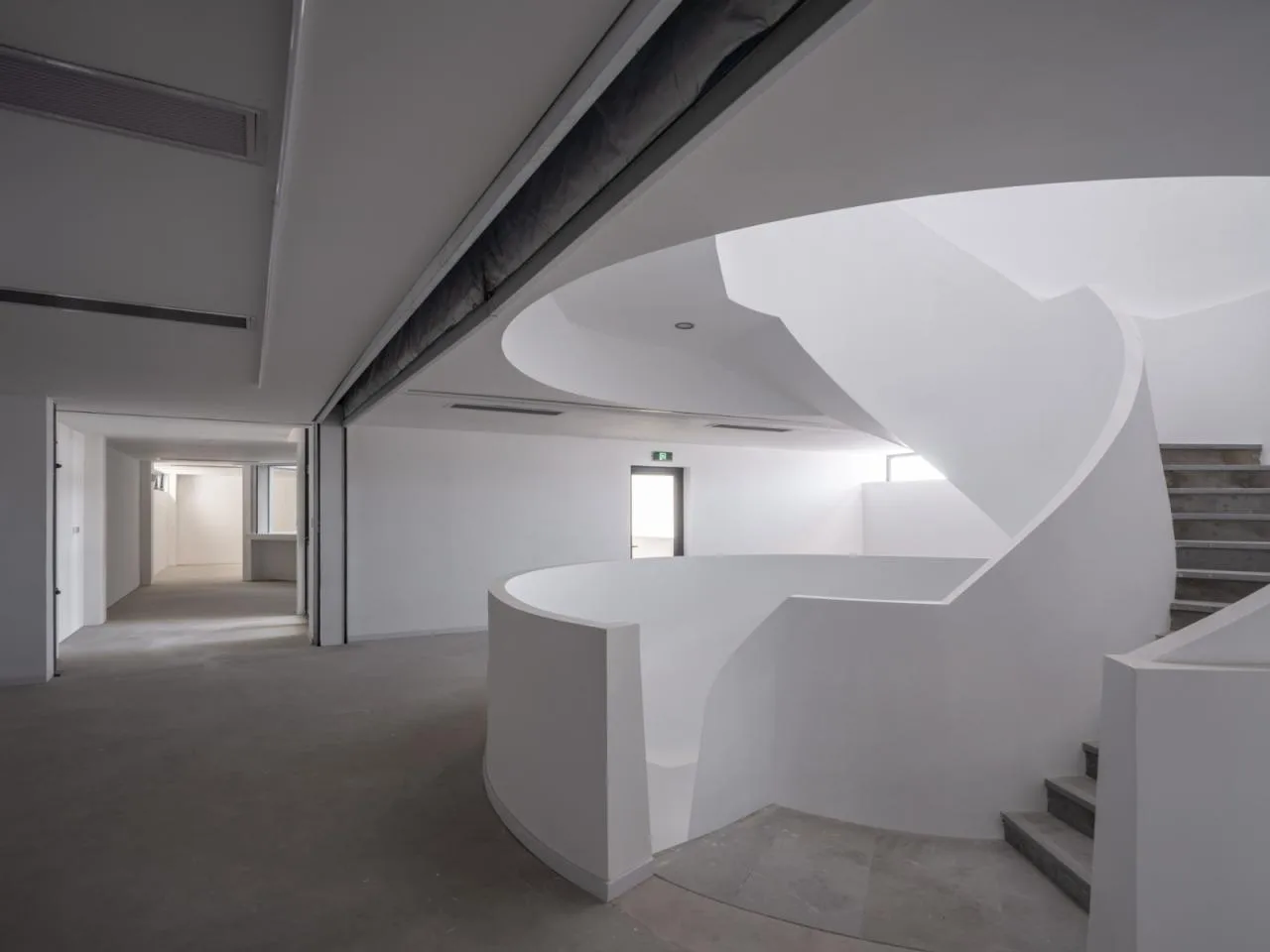
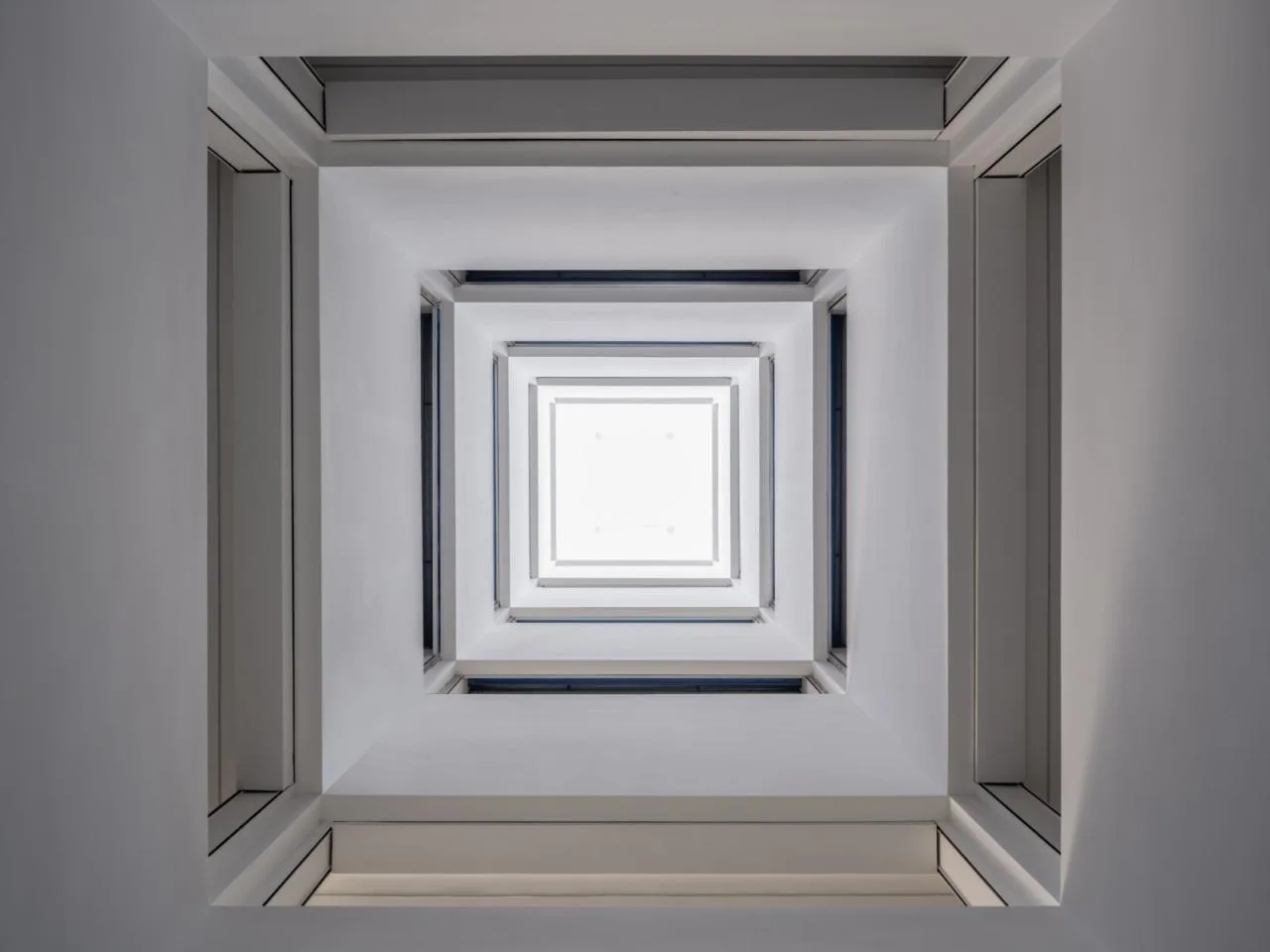
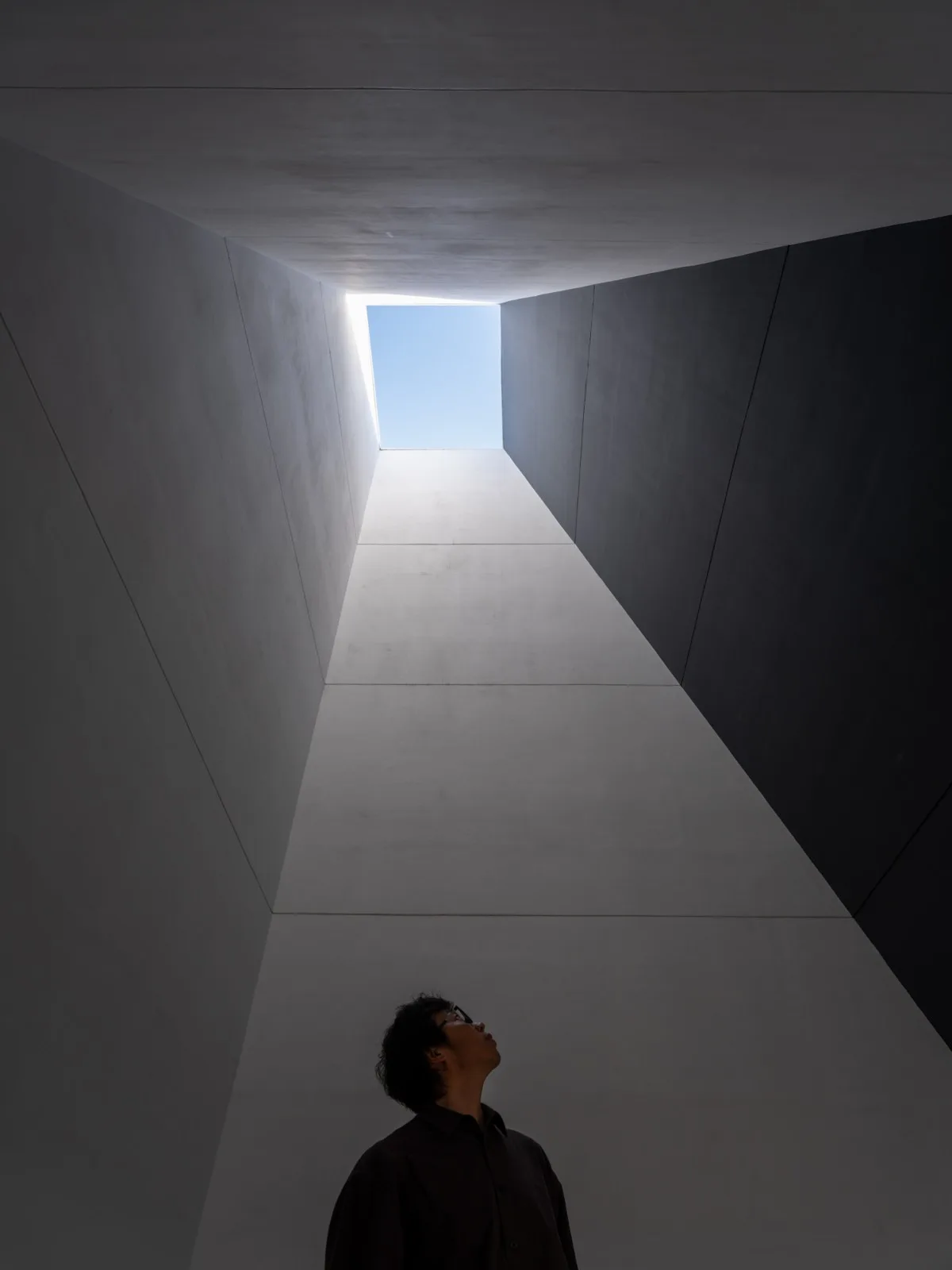
The library’s spatial layout is vertical, composed of nine towers. Eight towers are dedicated to learning and research, each capable of hosting large-scale projects that include multiple subprojects or independent study groups. The ninth tower, called the “explorer,” serves as an architectural space for relaxation and meditation for faculty and students.
Additional explorers are located on the dormitory roof, with plans to activate and open them progressively.
Exhibition Hall
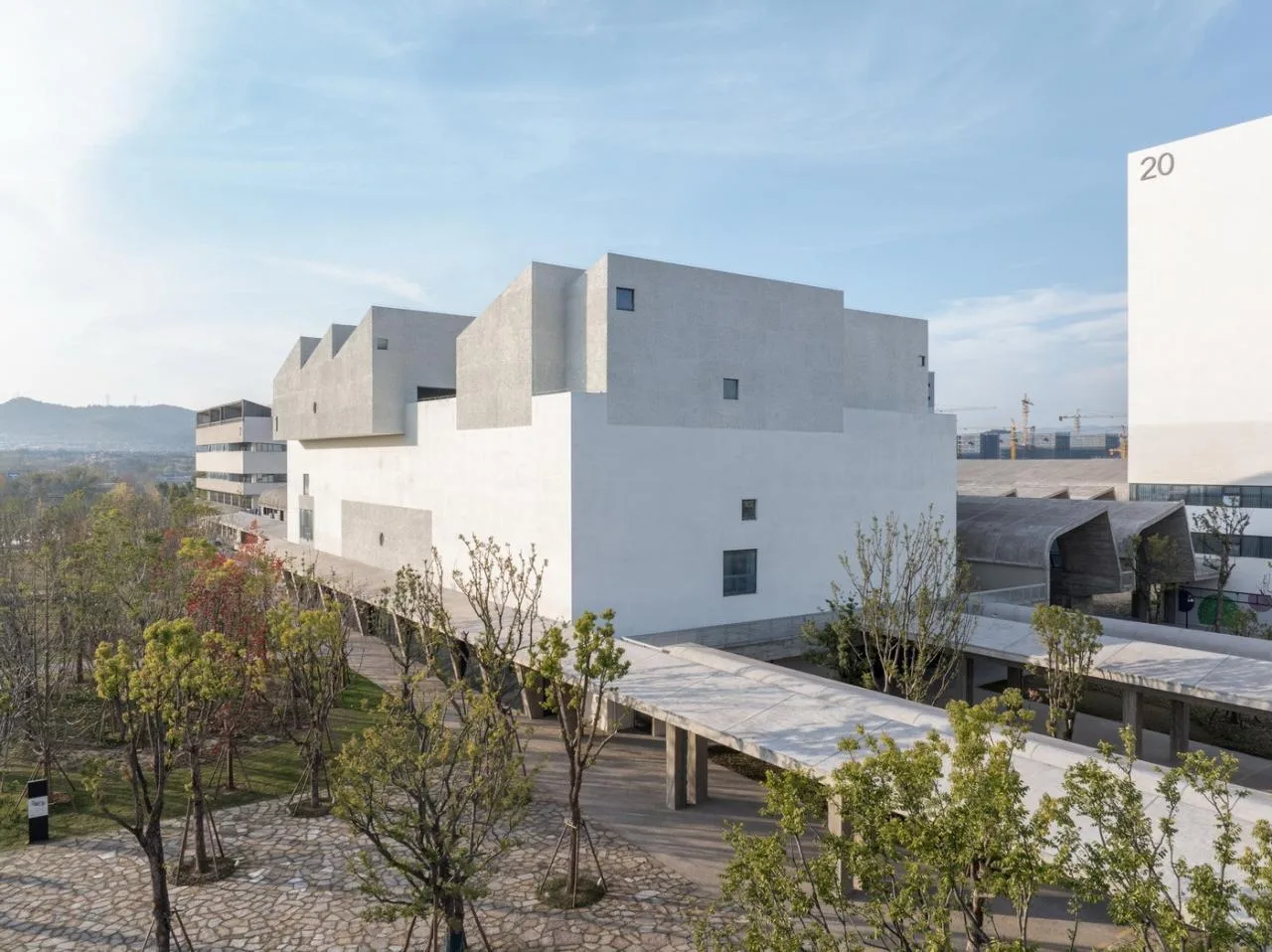
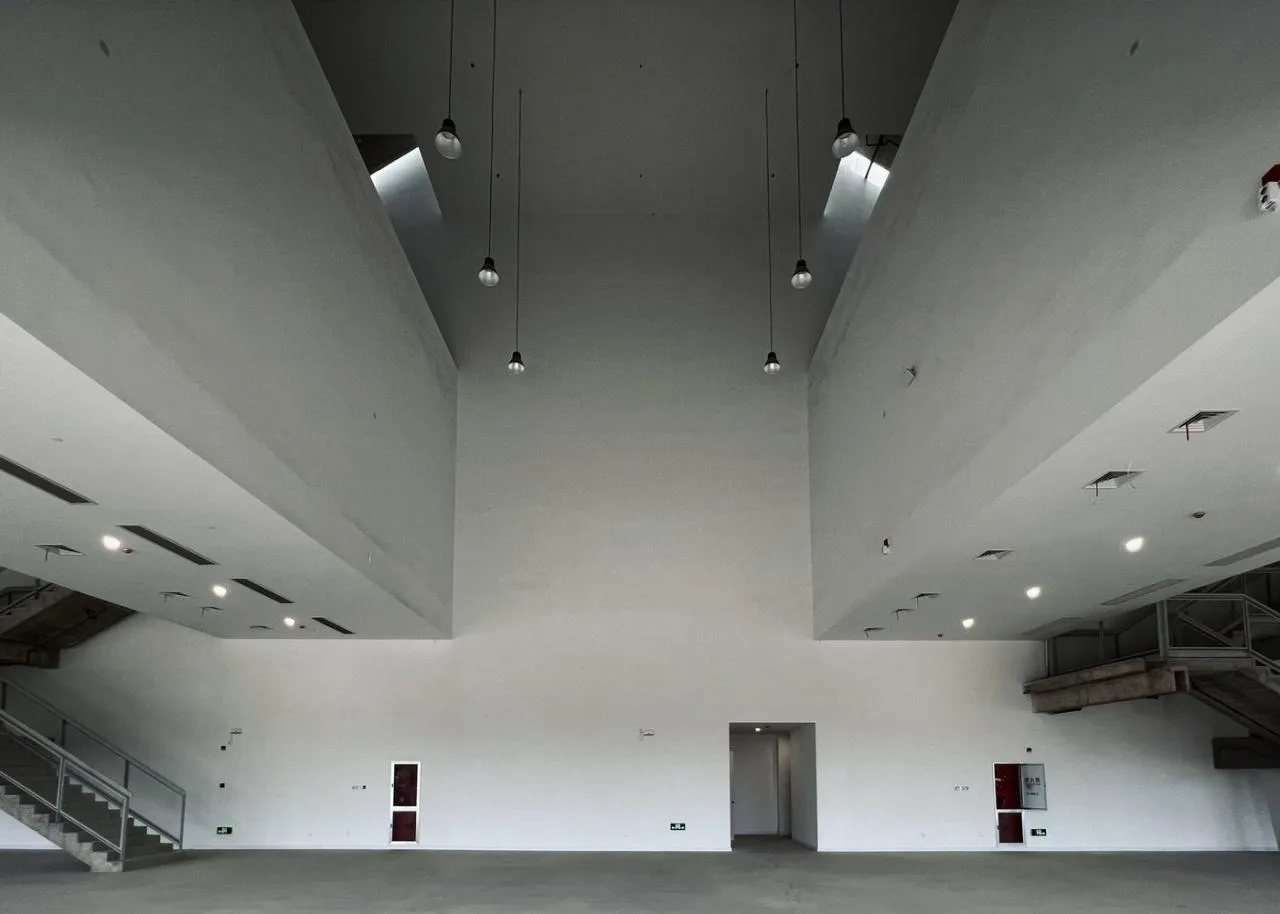
The exhibition hall features two distinct spaces: a large, open area on the ground floor and a linear, smaller space on the upper floor. This design accommodates diverse exhibitions and events.
Lecture Hall
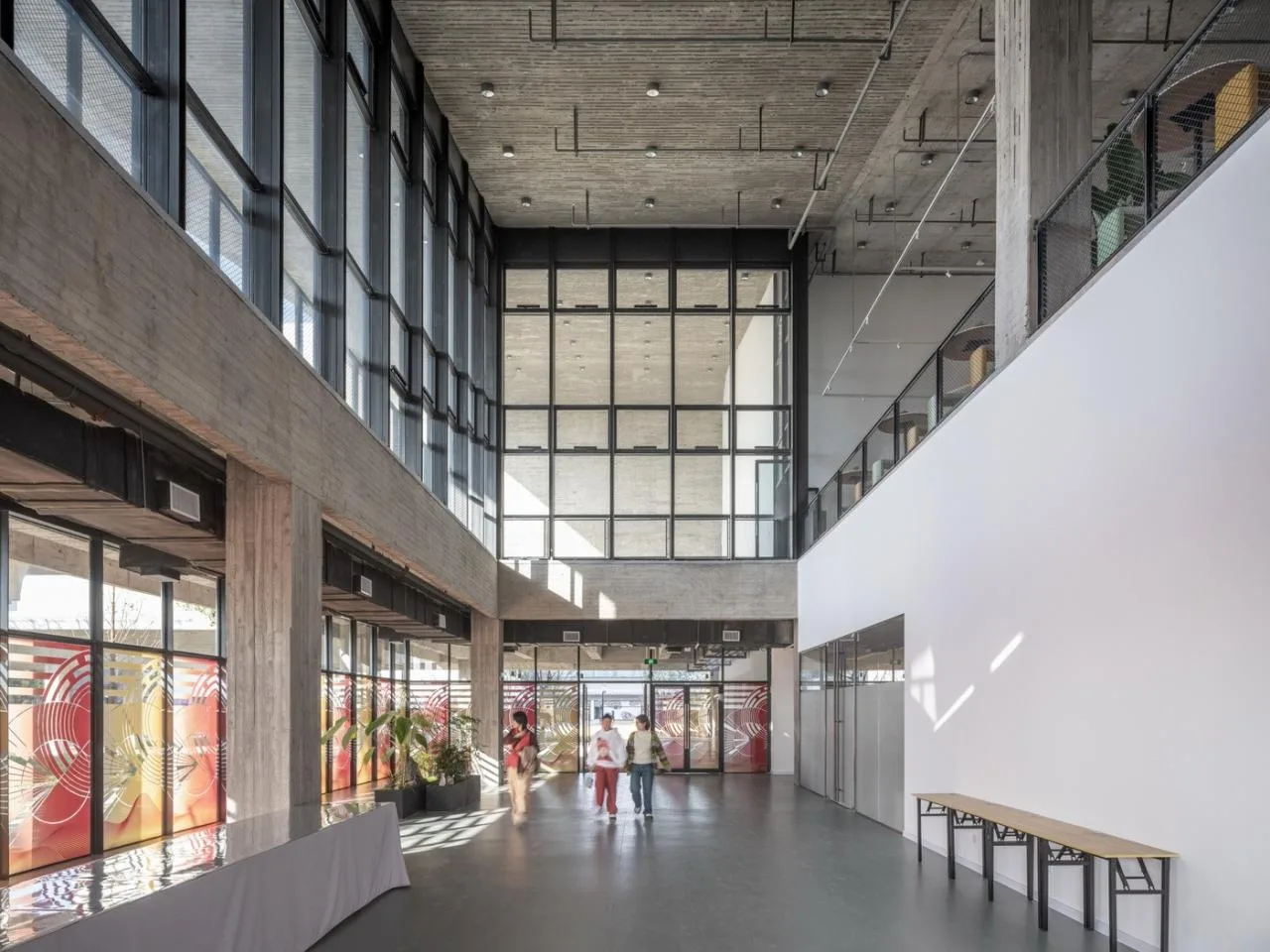
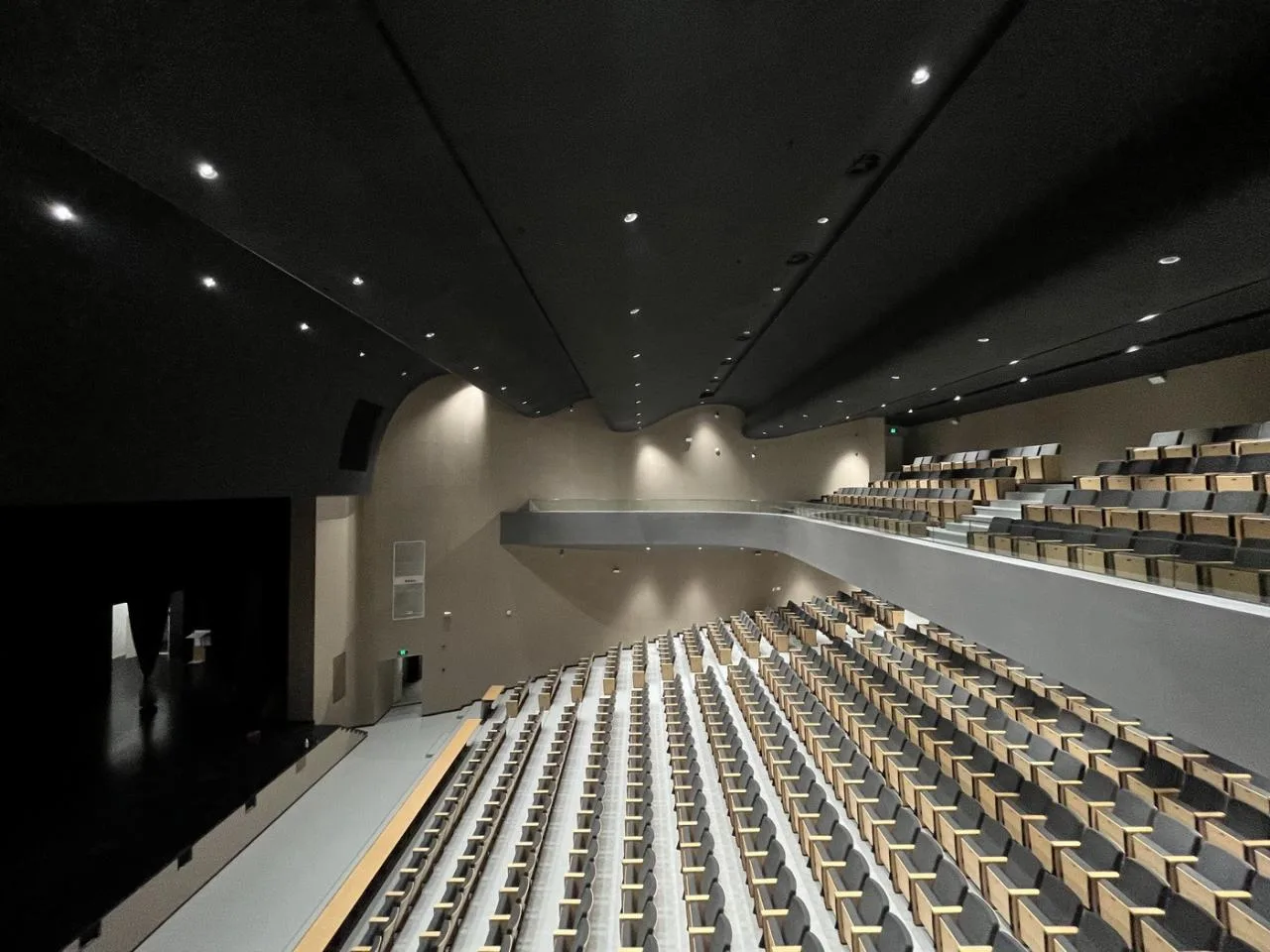
The lecture hall is a closed tiered space designed for specific uses. However, its entrance lobby offers flexibility, serving as a venue for exhibitions and cocktail receptions. A coffee shop is located on the lobby’s second floor and remains open even when the lecture hall is not in use.
Gymnasium
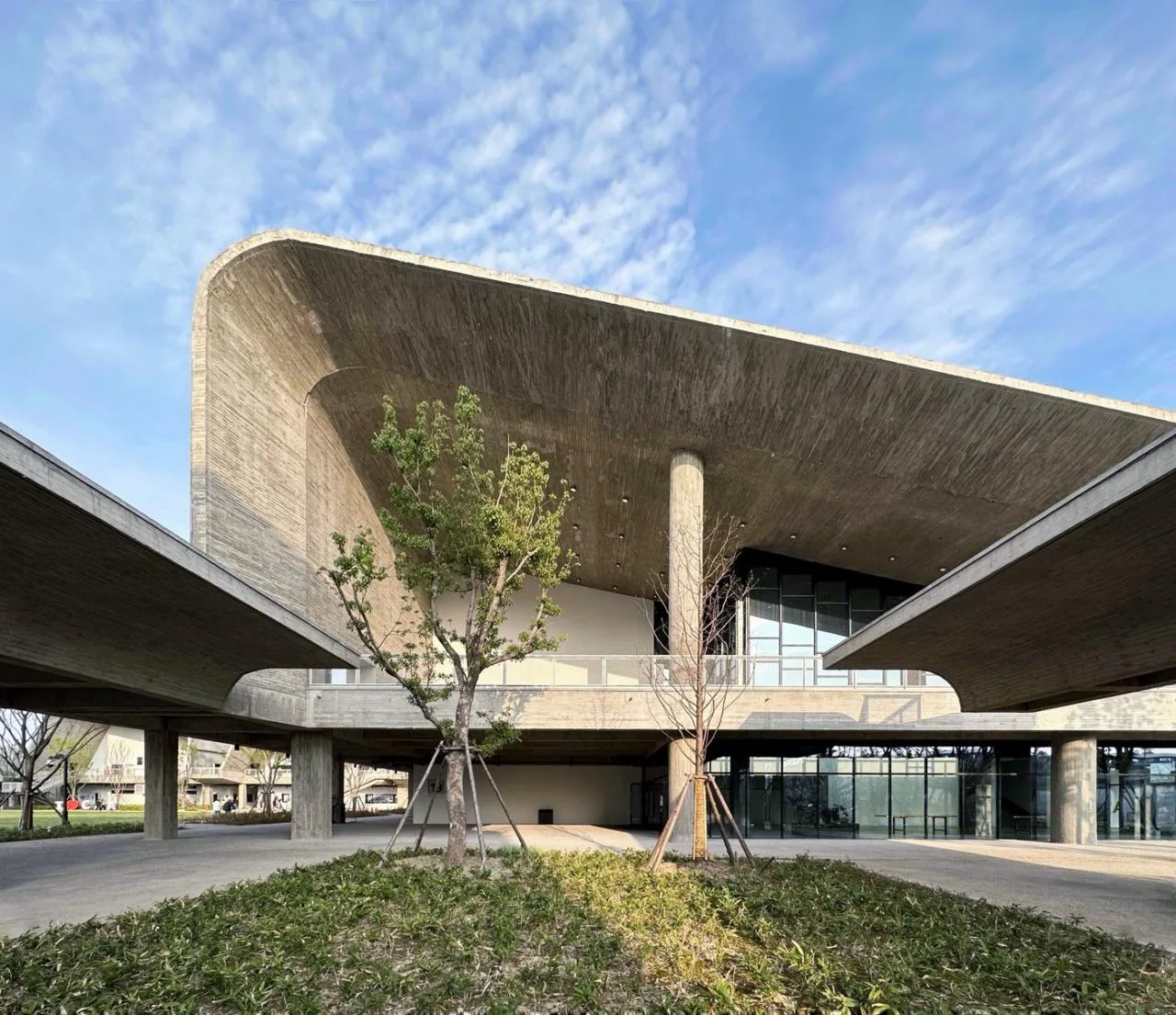
The sports arena is a large, open space covered by a series of arch roofs, designed for maximum adaptability. It hosts various sports training sessions and competitions during the week and transforms into a venue for conferences, celebrations, banquets, and other large-scale events. Unlike the lecture hall, the gymnasium’s flat floor and natural lighting create a versatile environment suitable for multiple functions.
Administration Building
Departing from traditional office styles with double-sided corridors or open floors, the administrative building features staggered single-sided corridors, offering a rich spatial experience. There are no strict space requirements for administrative offices, and the design allows for potential future use as teaching or research spaces.
Teacher-Student Activity Center
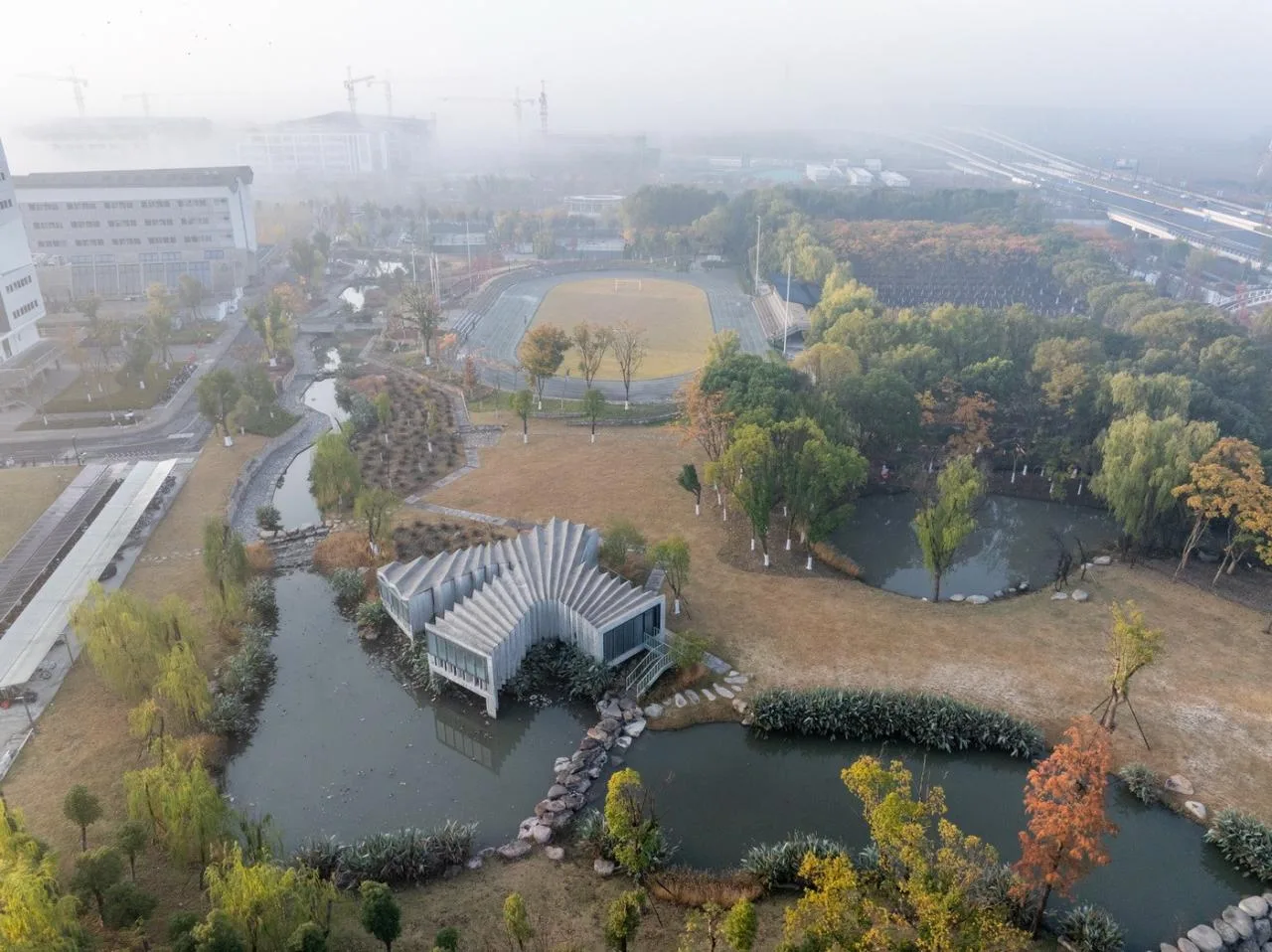
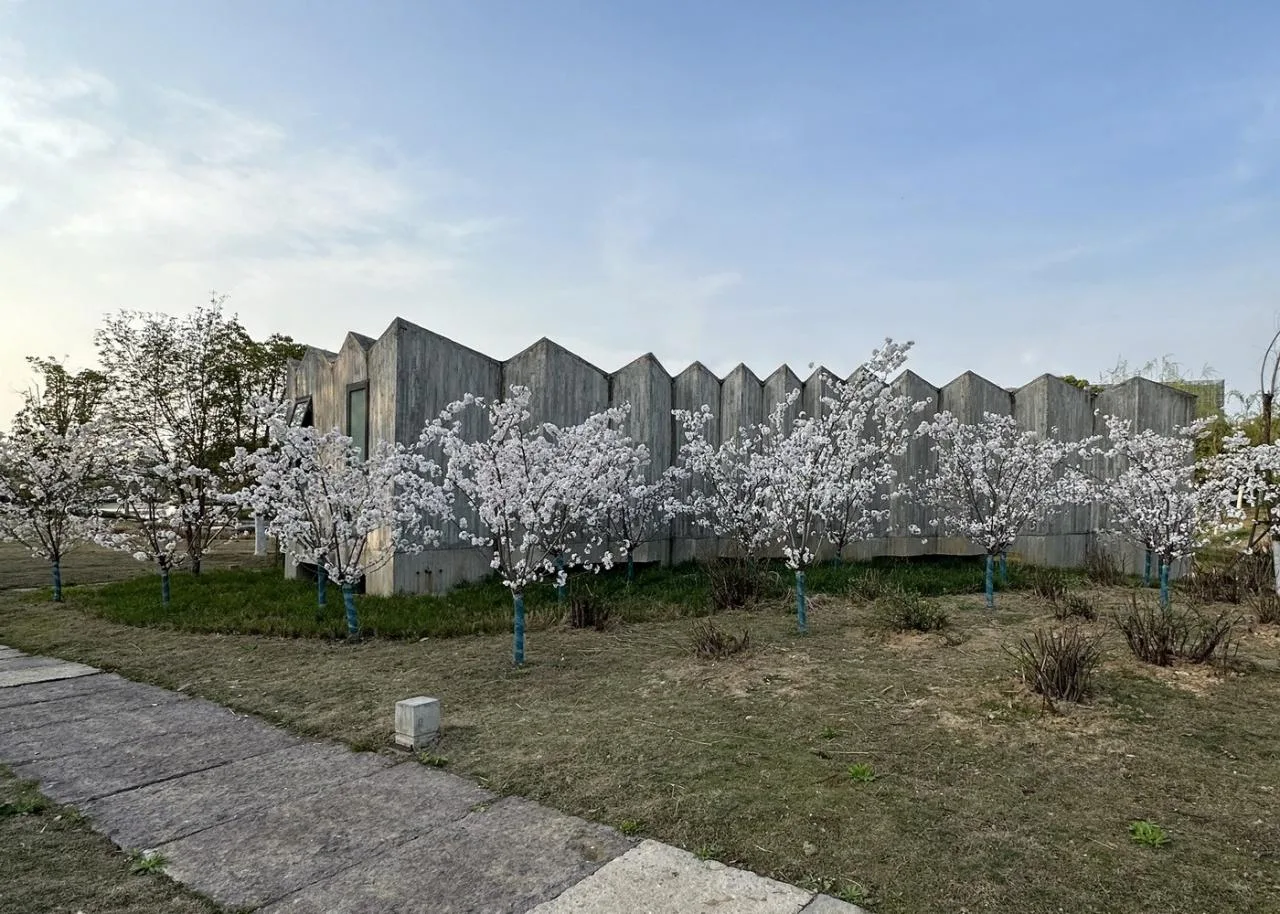
This facility stands alone within the campus landscape, separate from the main school buildings. Its function is primarily leisure, resembling a traditional pavilion or tea room without a rigid definition. The structure uses a concrete folded plate system, creating a completely free spatial form. Despite its small scale, it embodies the campus’s architectural goal of creating open and free spaces both in form and content.
Dialogue Between Content and Architecture
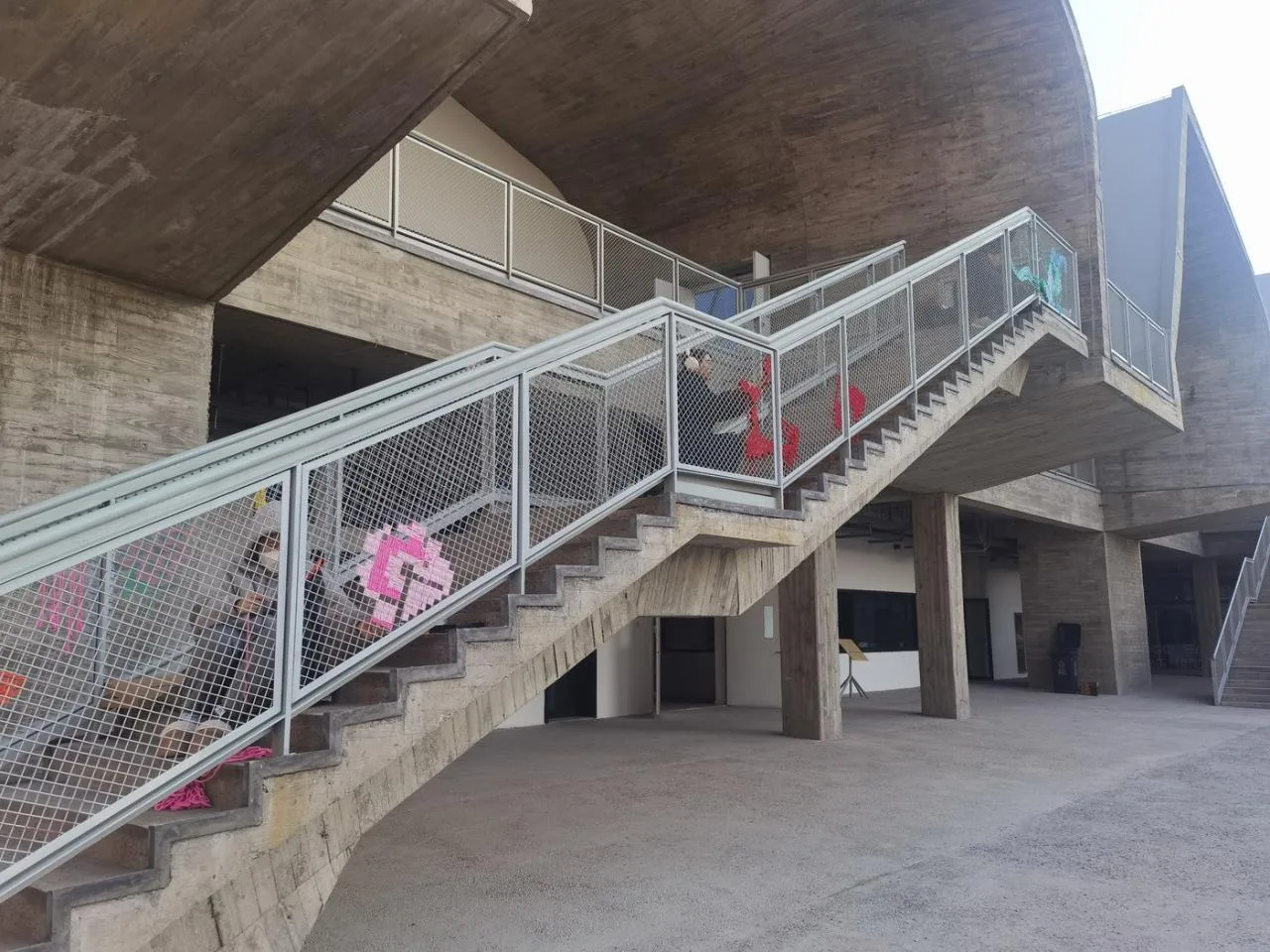
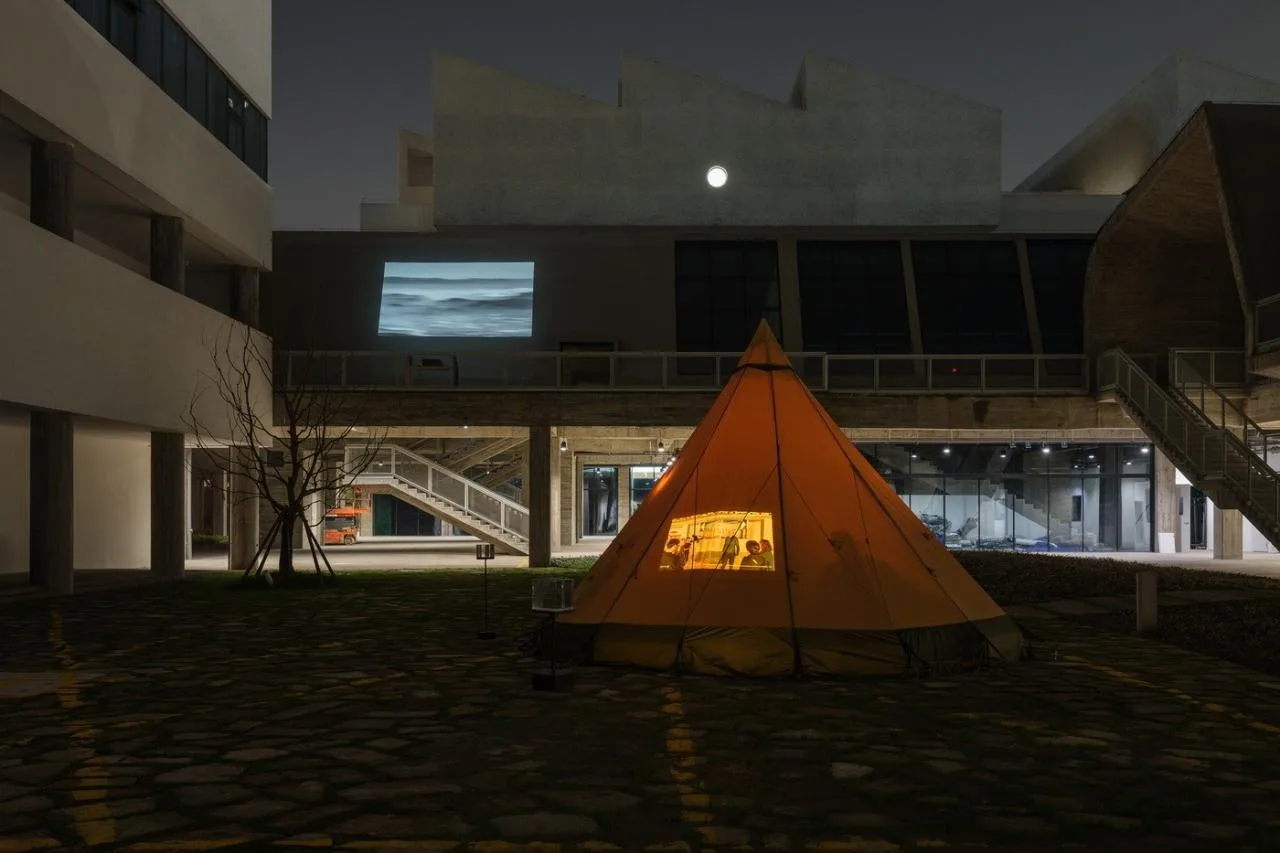
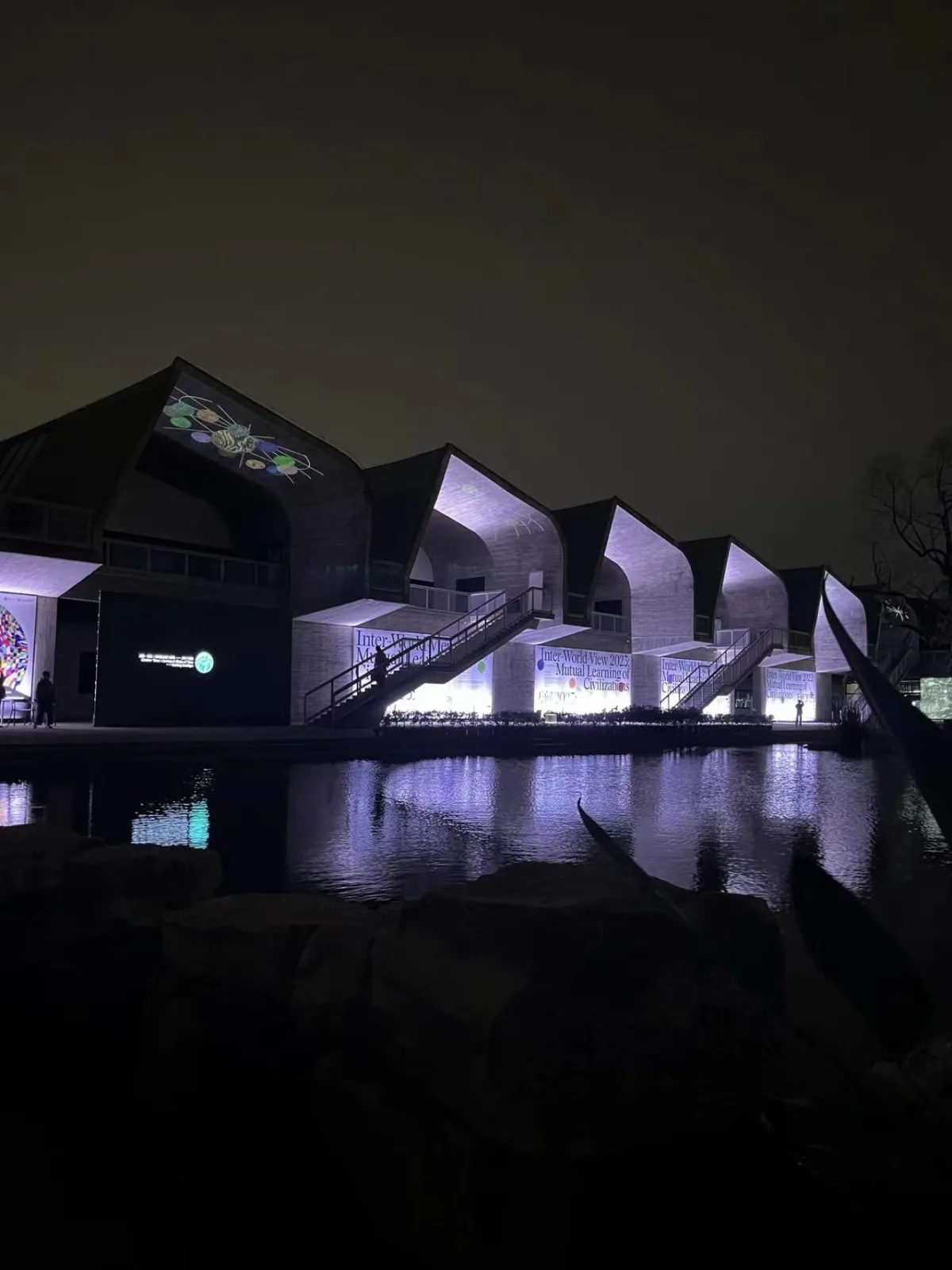
At Liangzhu, an ongoing dialogue exists between the teaching, research, creative activities, daily life, and extracurricular pursuits of Gome teachers and students and the architecture itself. This is reflected in the continuous use of workshop spaces, the variety of outdoor installations, projections on different building façades, and the screen that transformed the library during the 95th anniversary celebration of Gome.
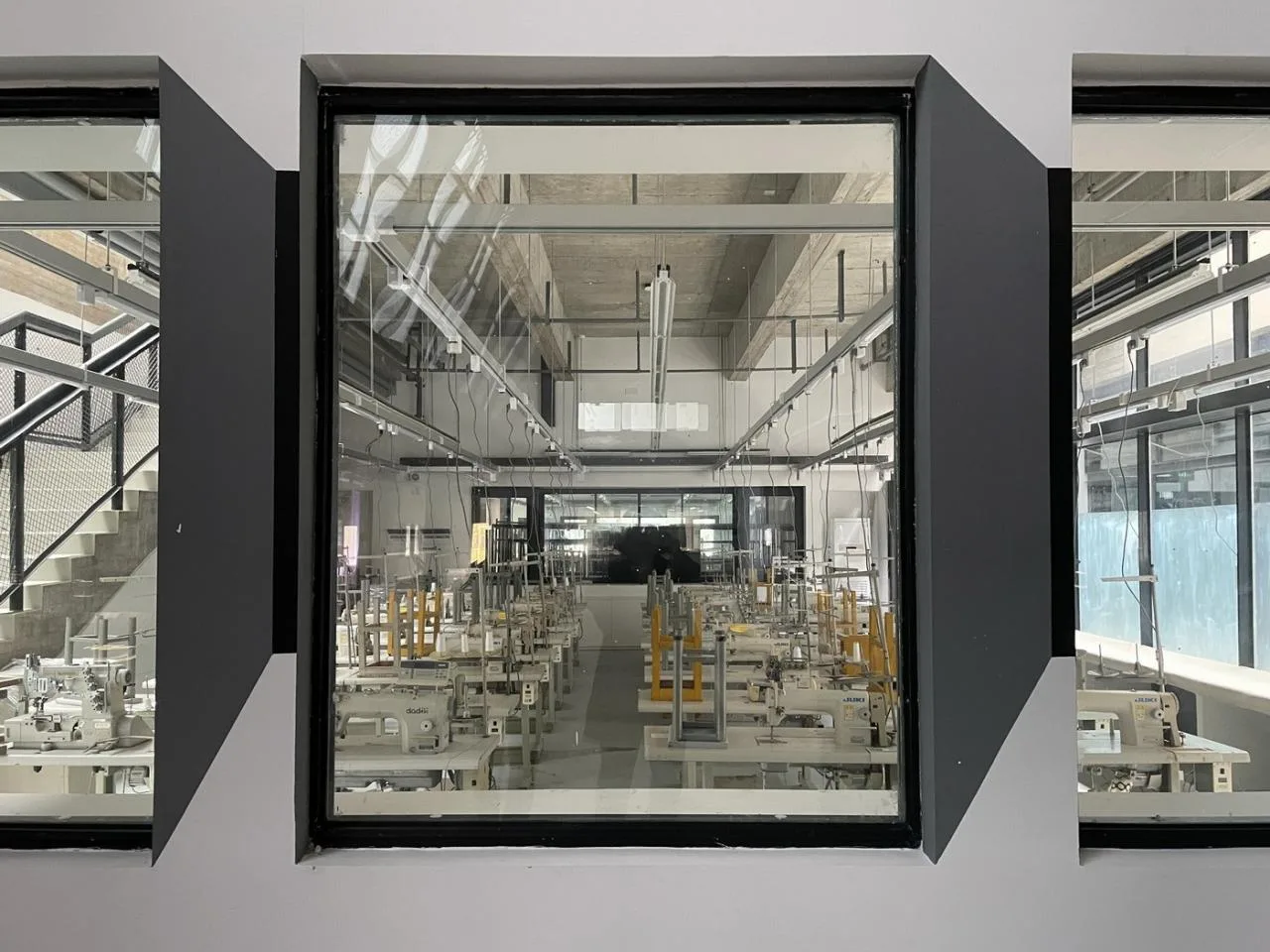
Architects have responded by designing flat window frames in workshops that blend two- and three-dimensional spaces, demonstrating how user participation can inspire new architectural ideas.
Project Drawings
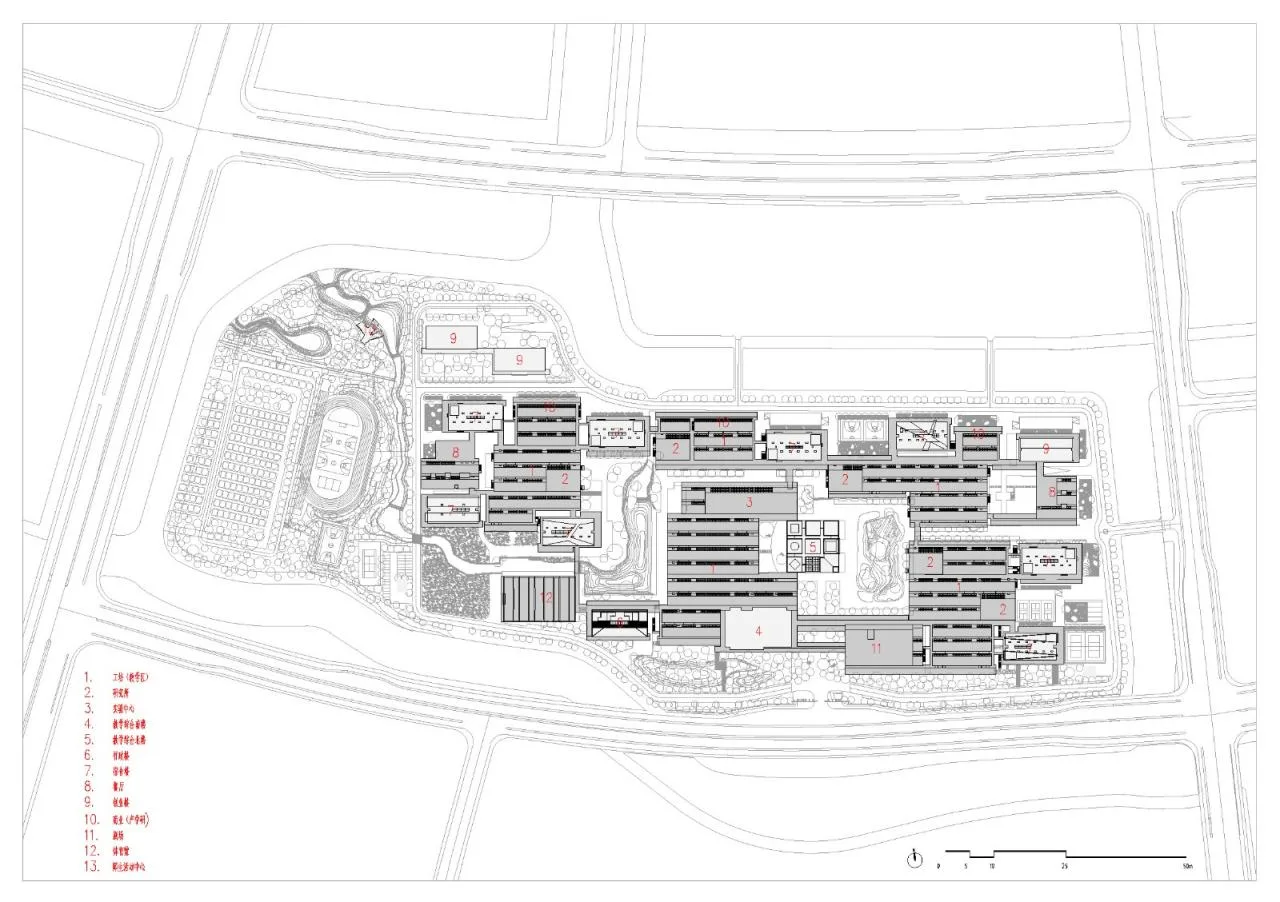
△ General Layout Plan
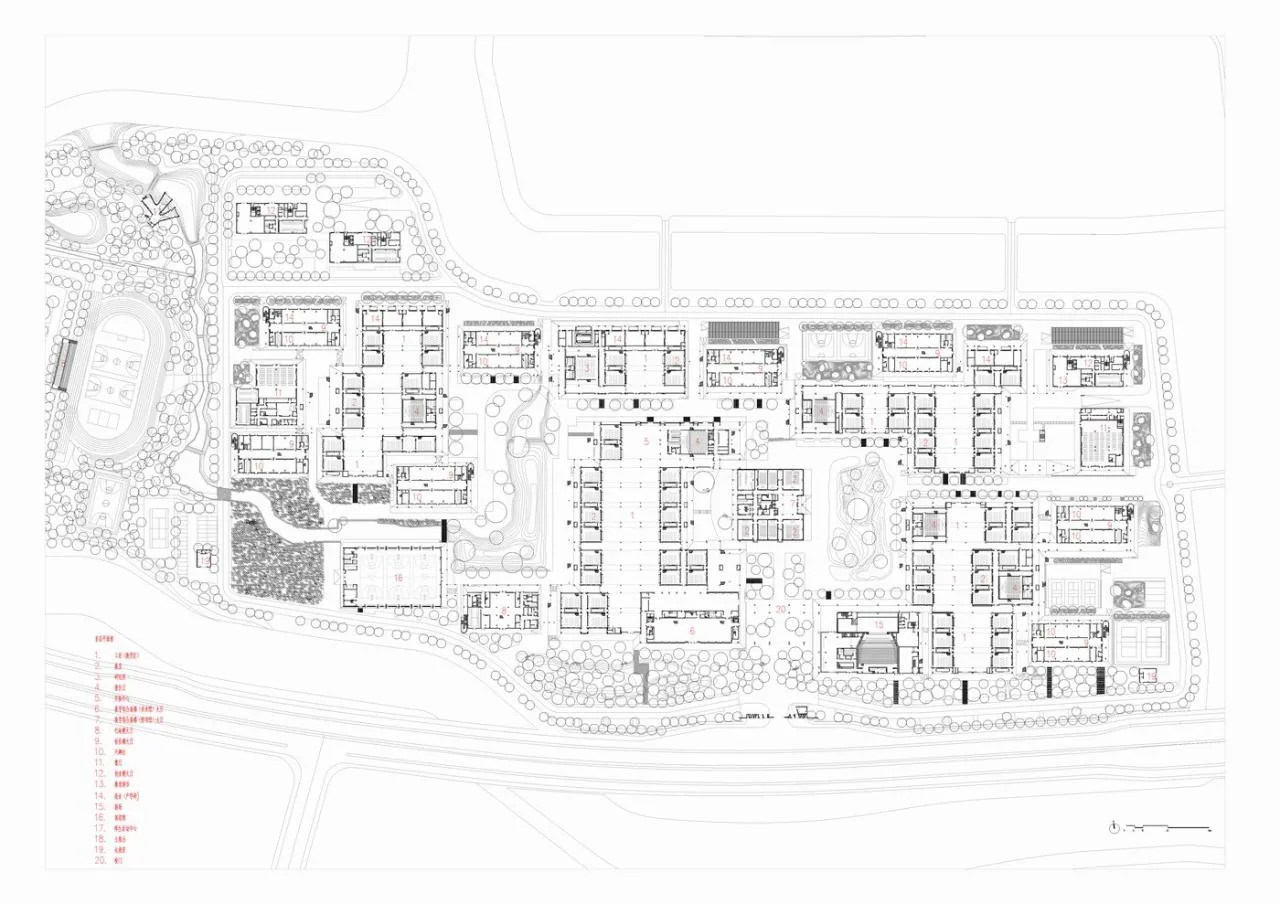
△ Campus First Floor Plan
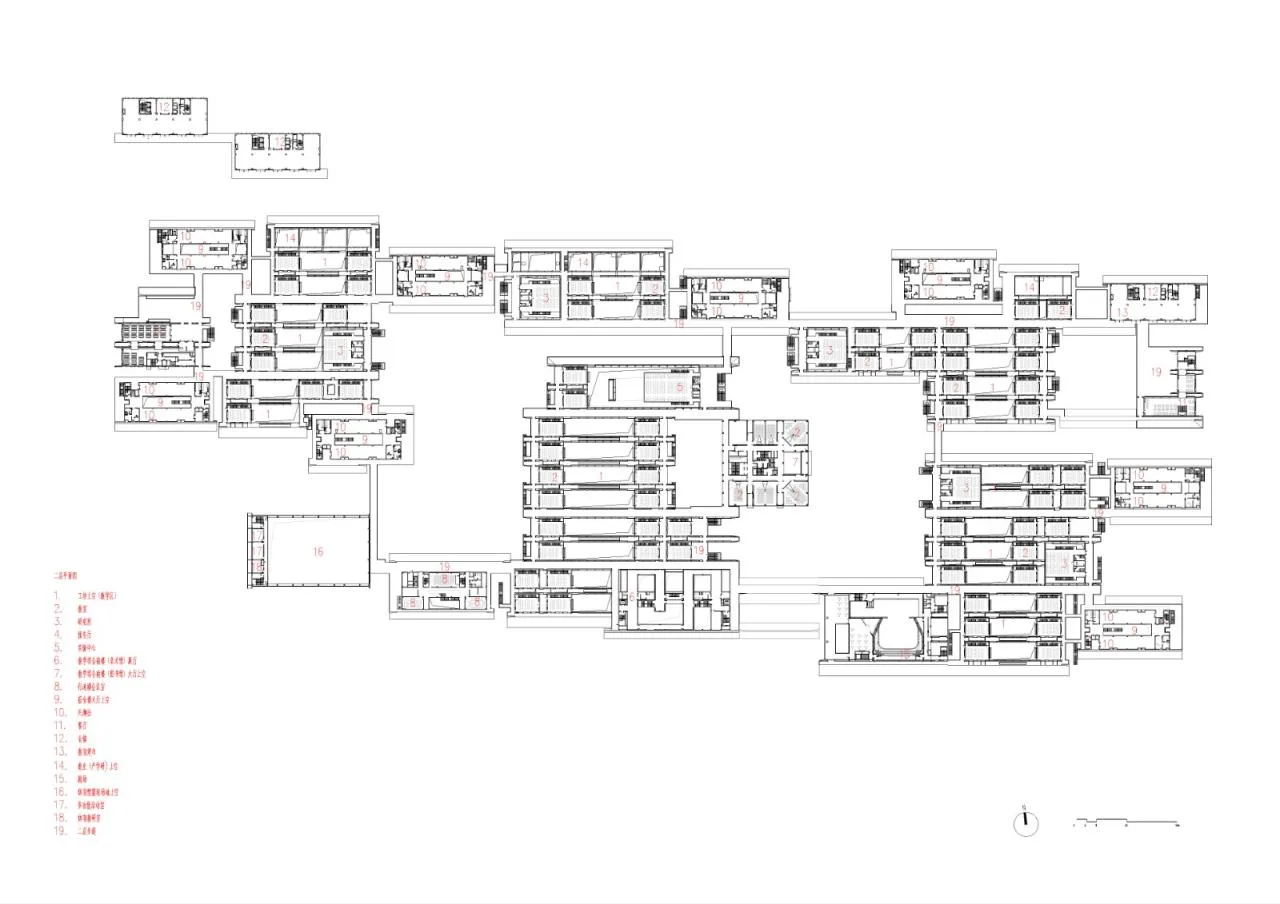
△ Campus Second Floor Plan
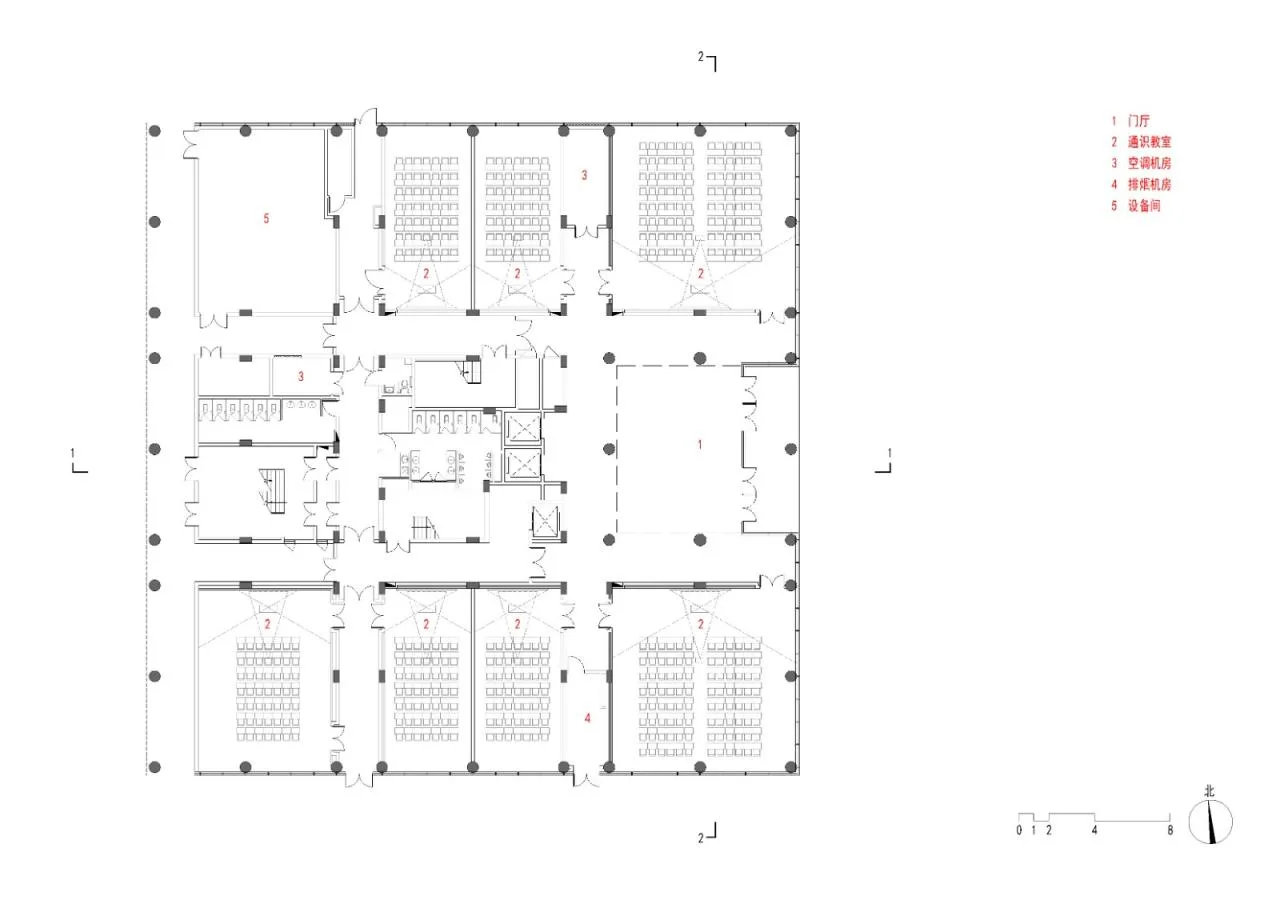
△ First Floor Plan of the Library
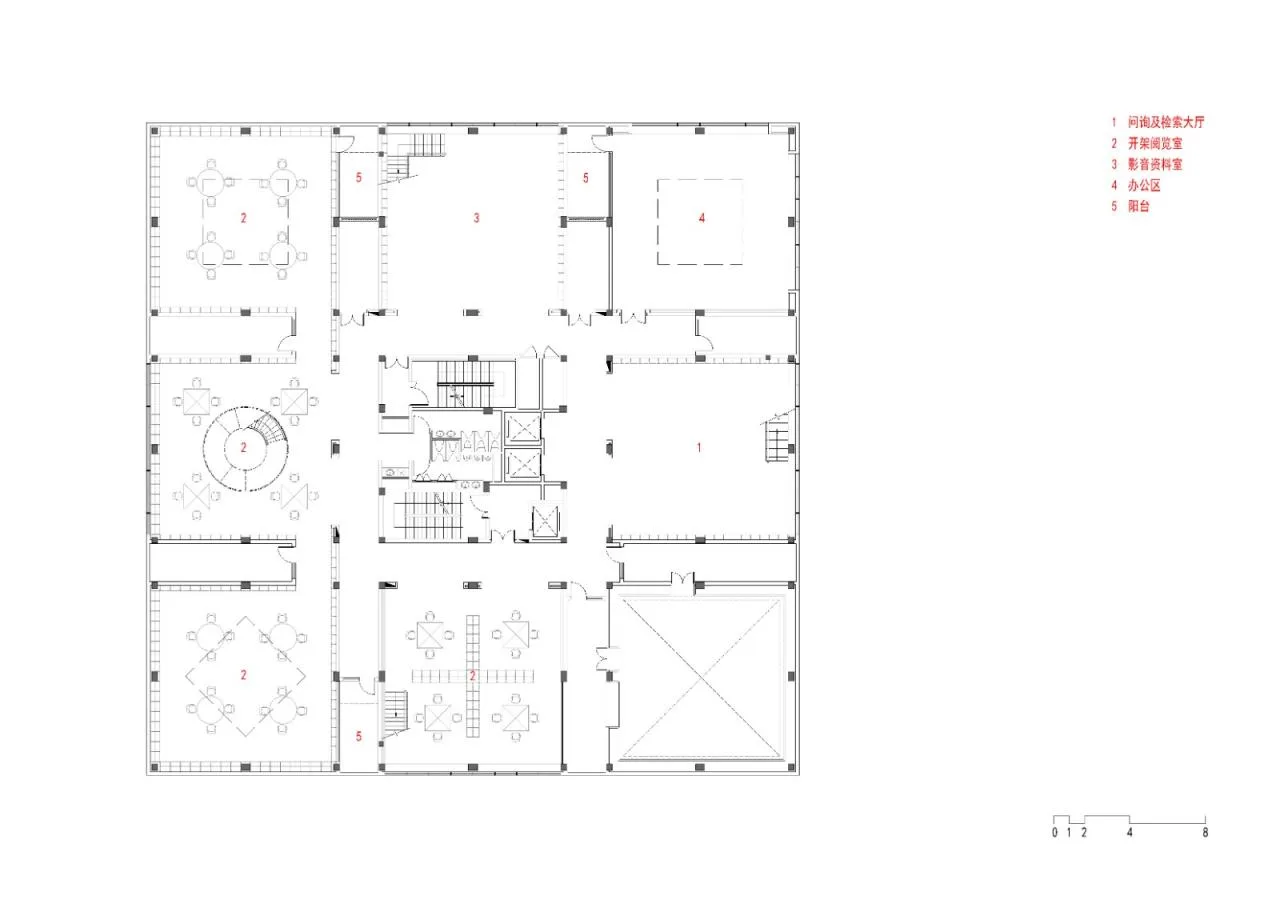
△ Library Fourth Floor Plan
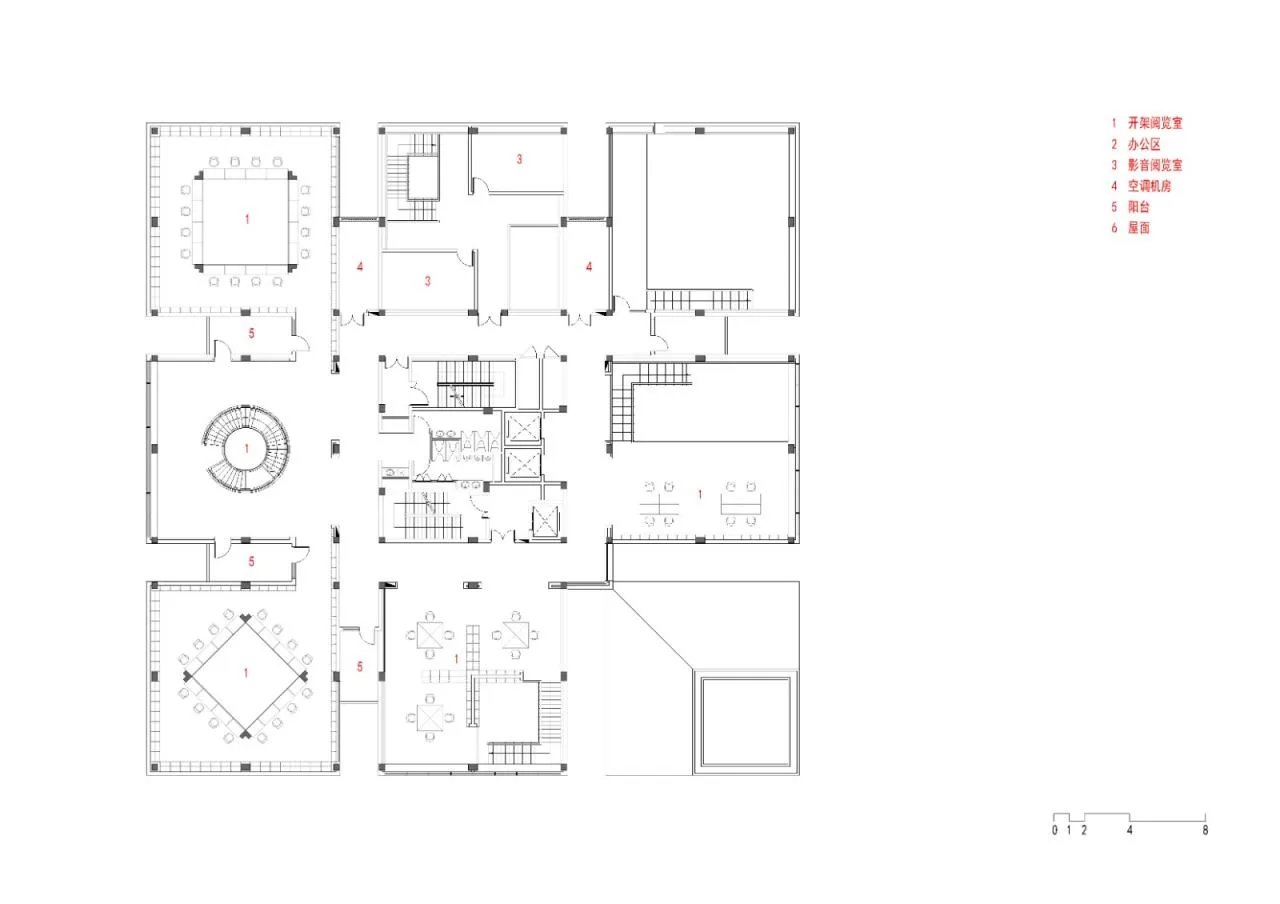
△ Library Ninth Floor Plan
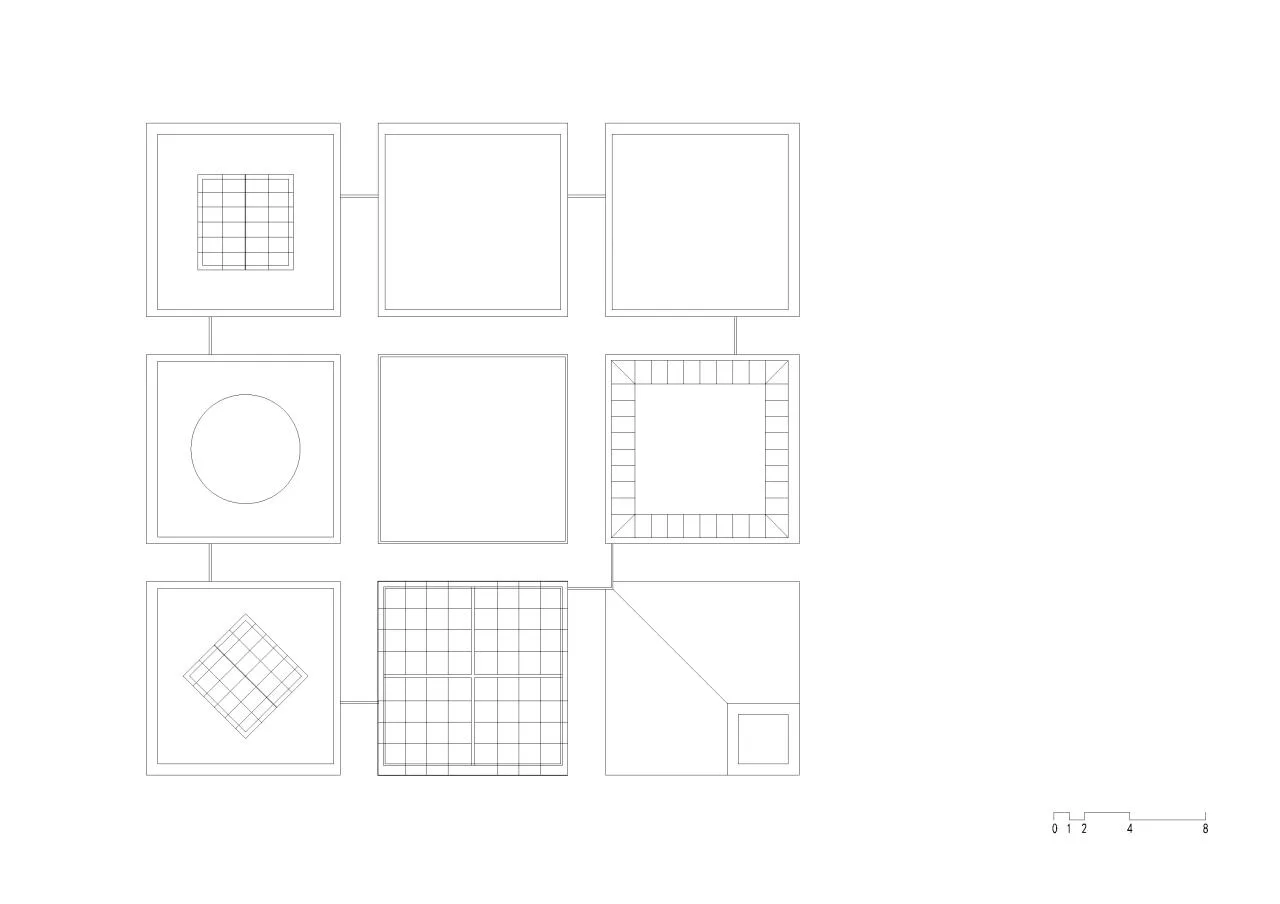
△ Library Roof Plan
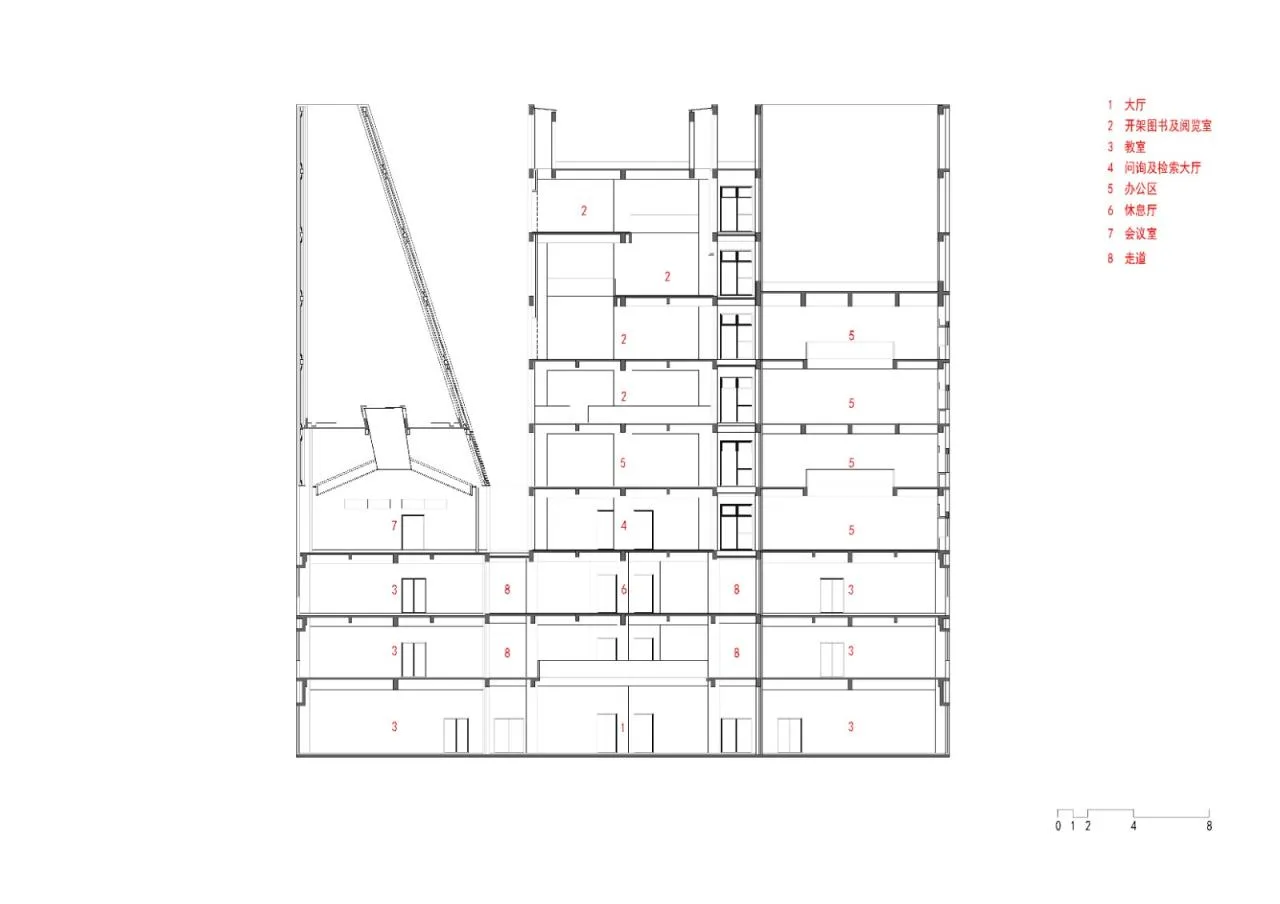
△ Library Section Map
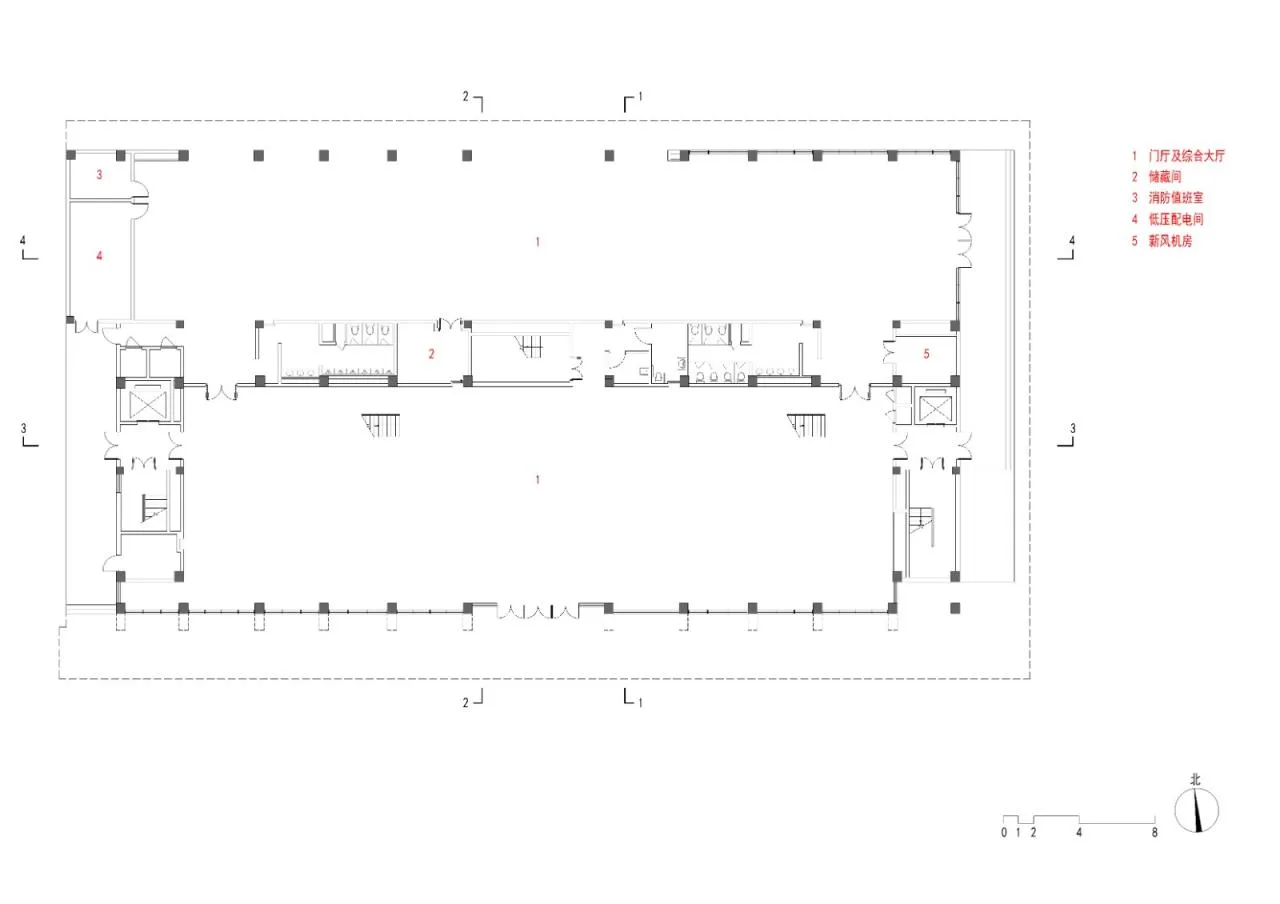
△ Exhibition Hall First Floor Plan
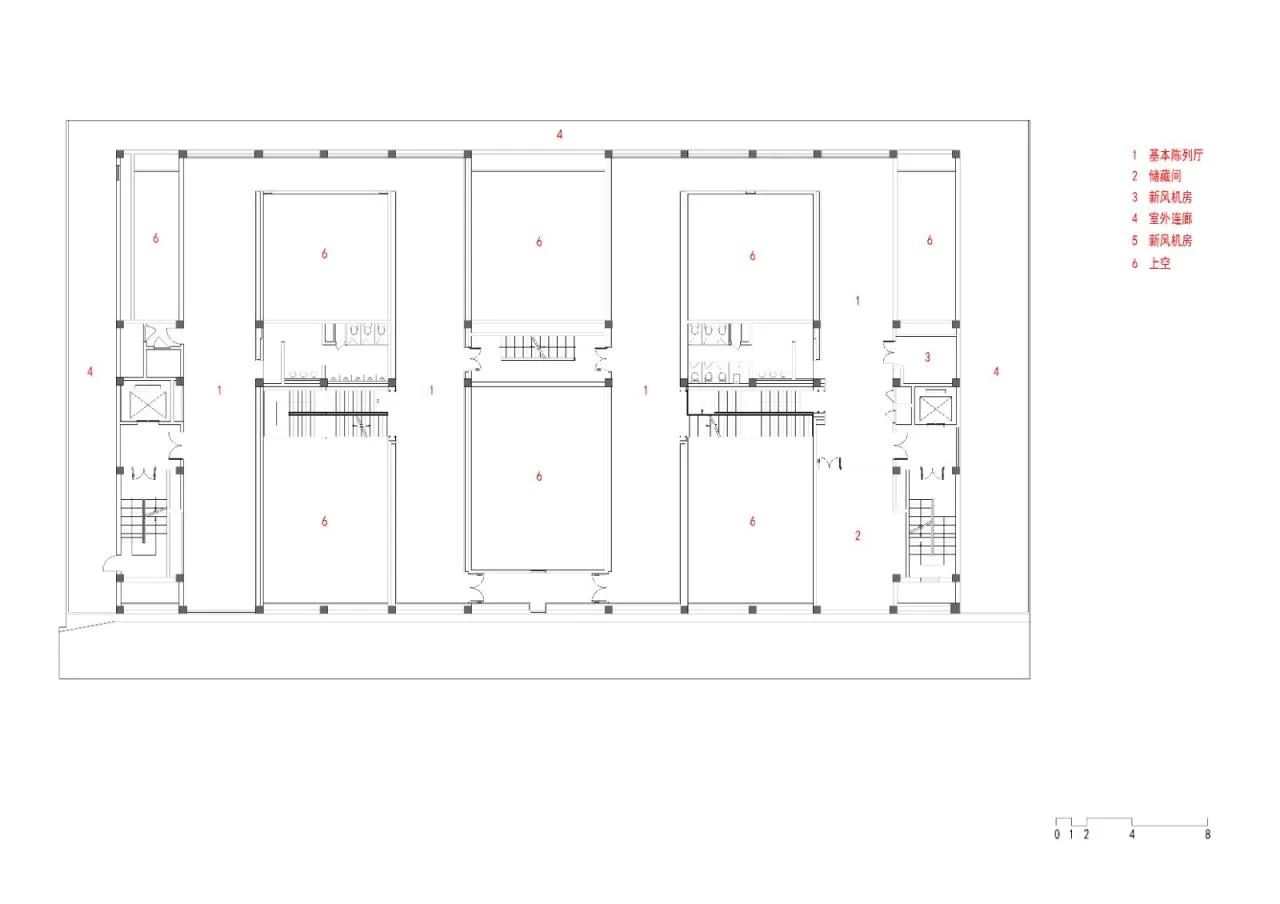
△ Exhibition Hall Second Floor Plan
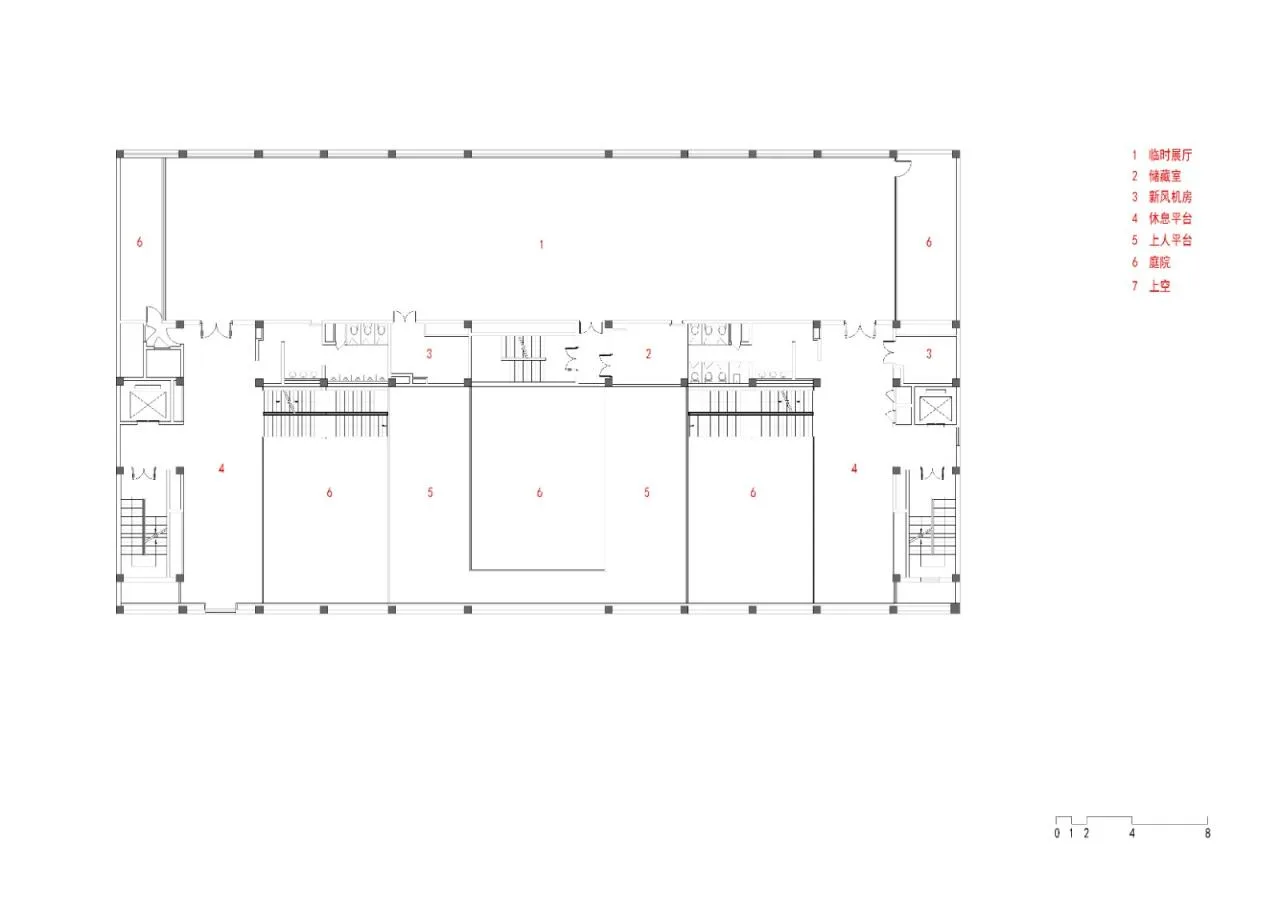
△ Exhibition Hall Third Floor Plan
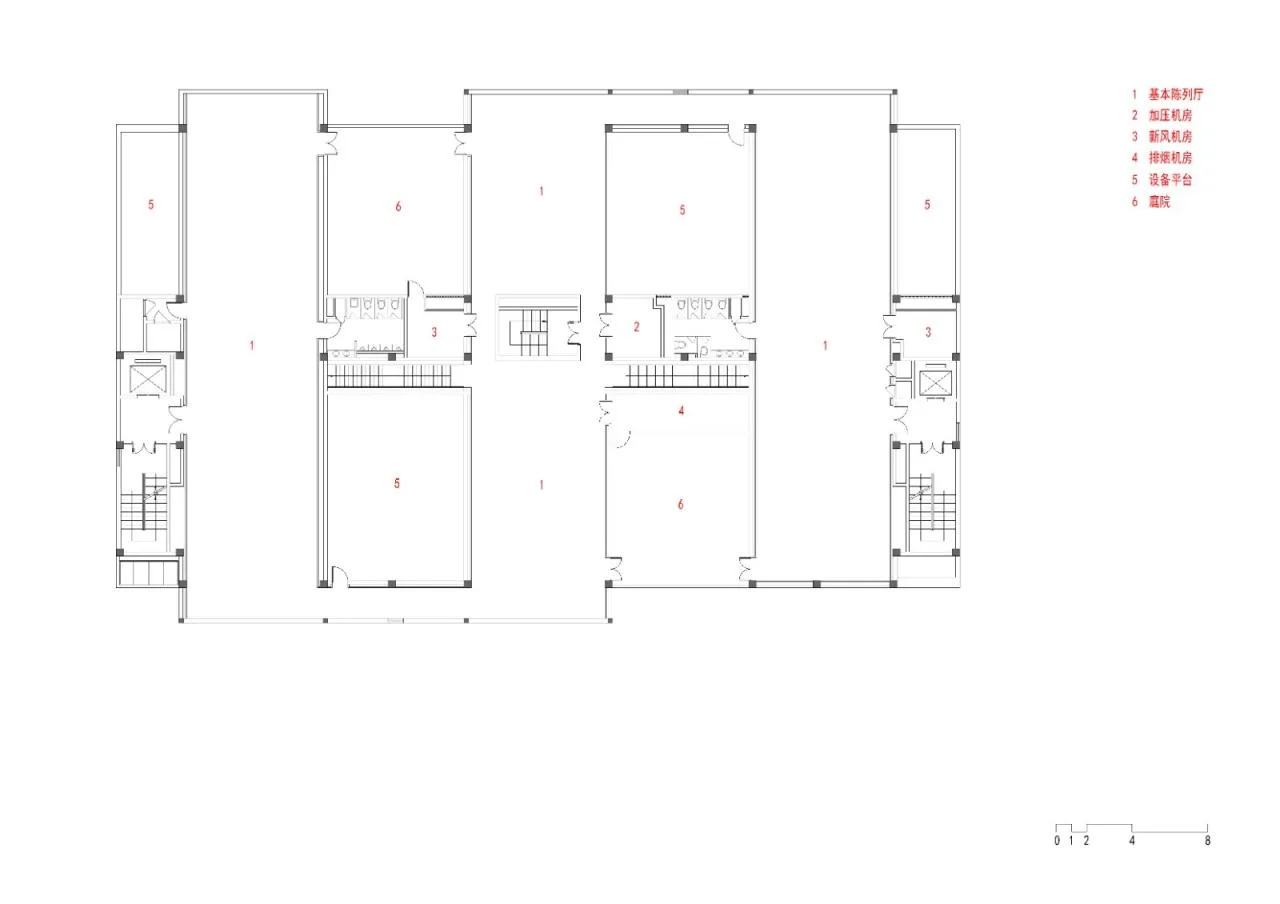
△ Exhibition Hall Fourth Floor Plan
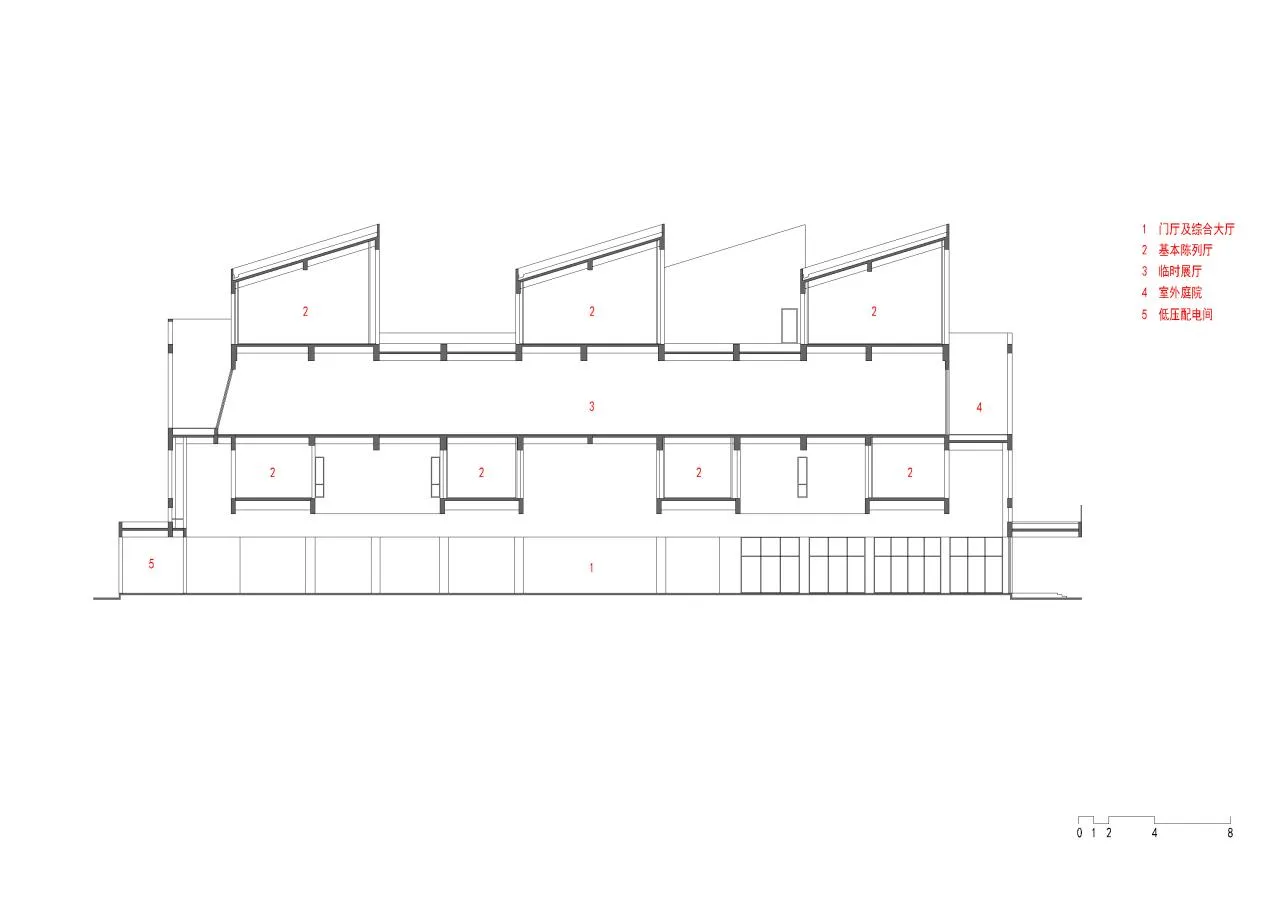
△ Exhibition Hall Sectional View
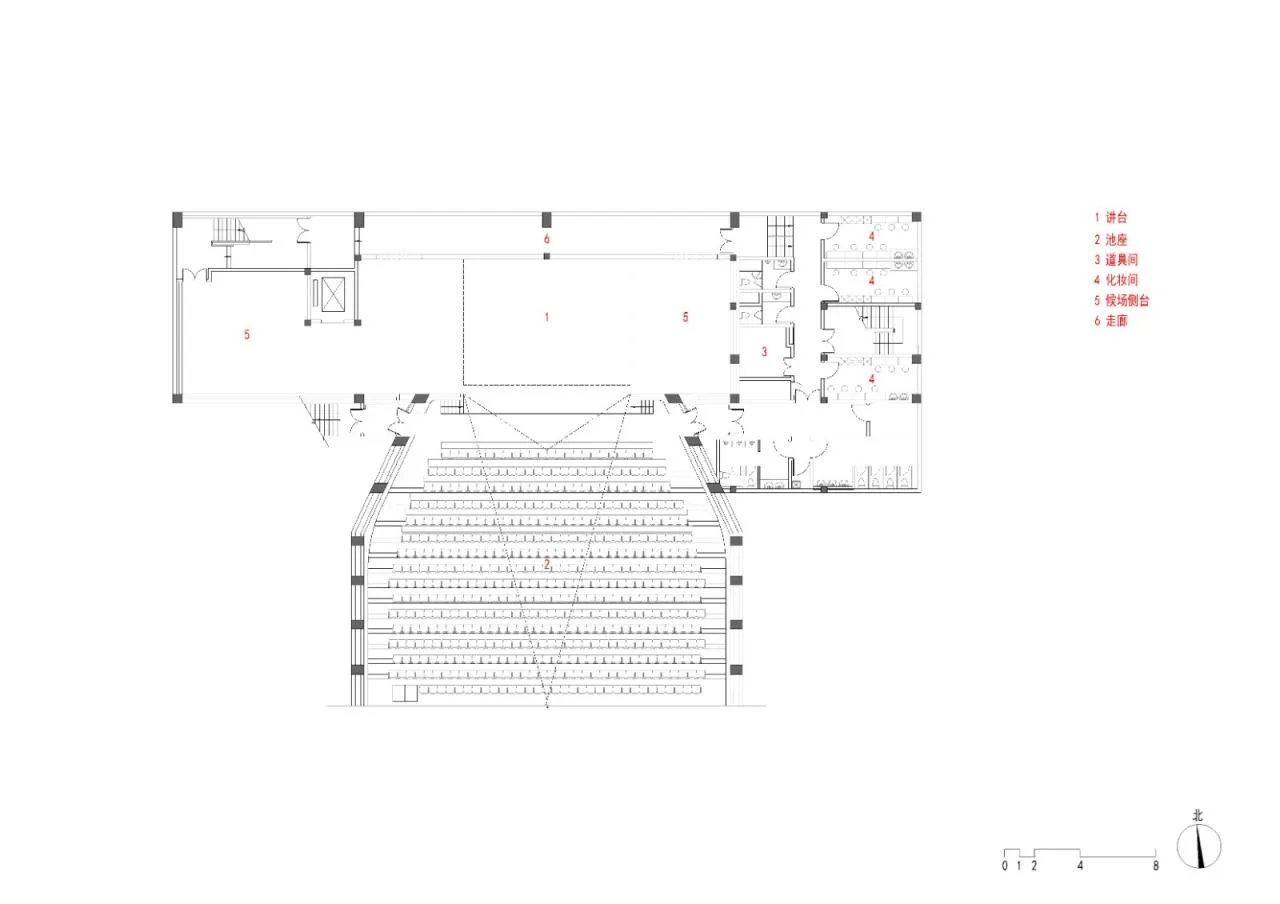
△ Underground Floor Plan of the Lecture Hall
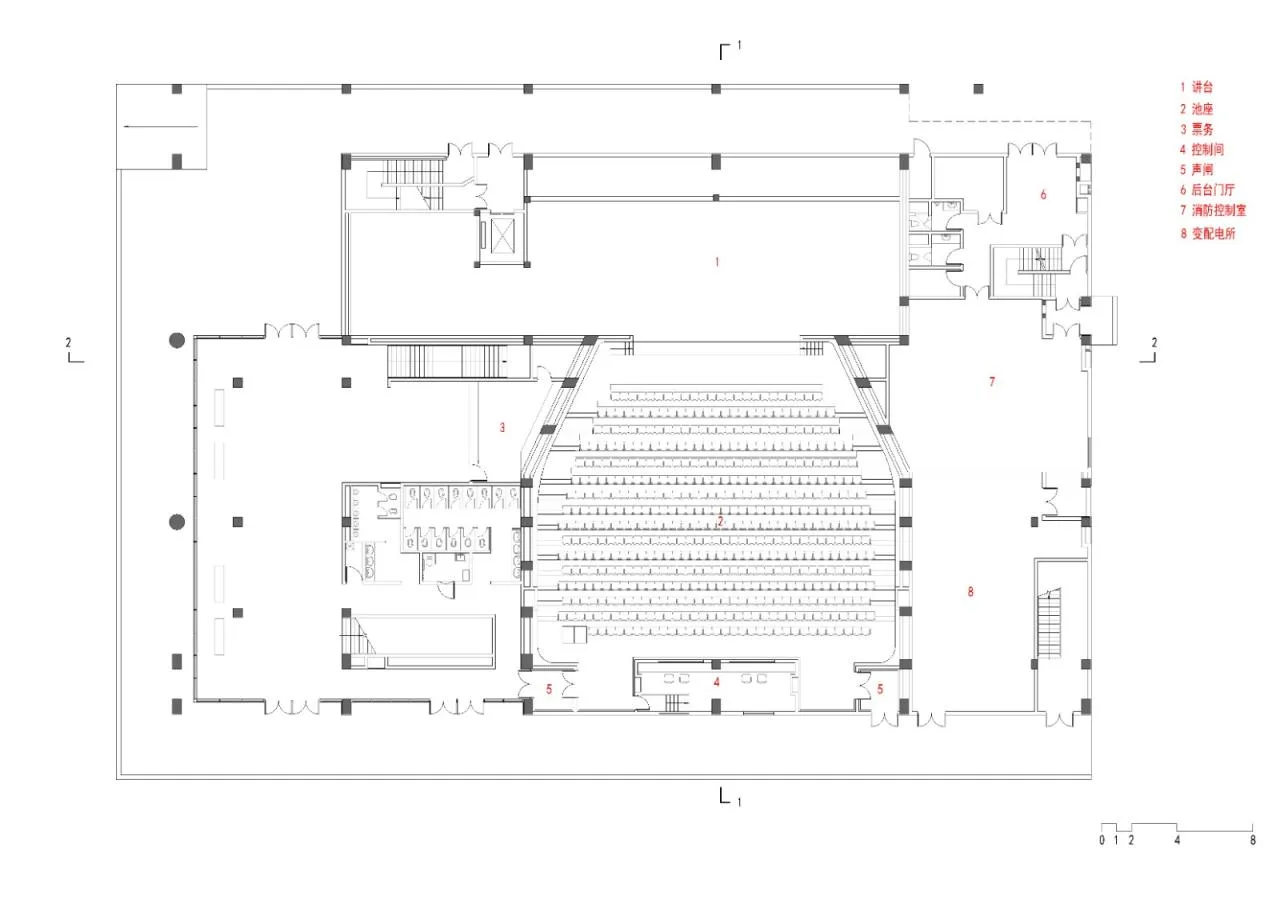
△ Floor Plan of the Lecture Hall
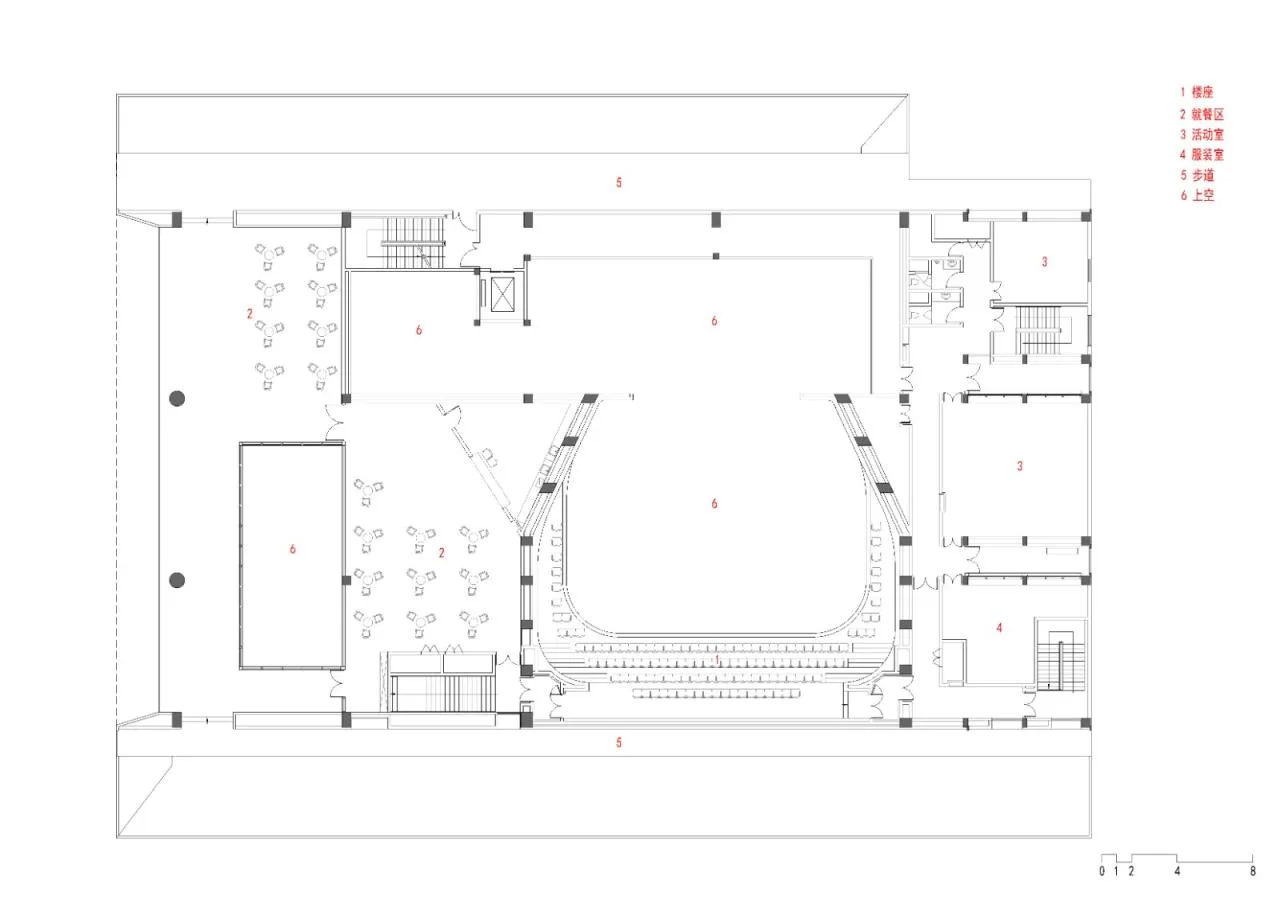
△ Report Hall Second Floor Plan
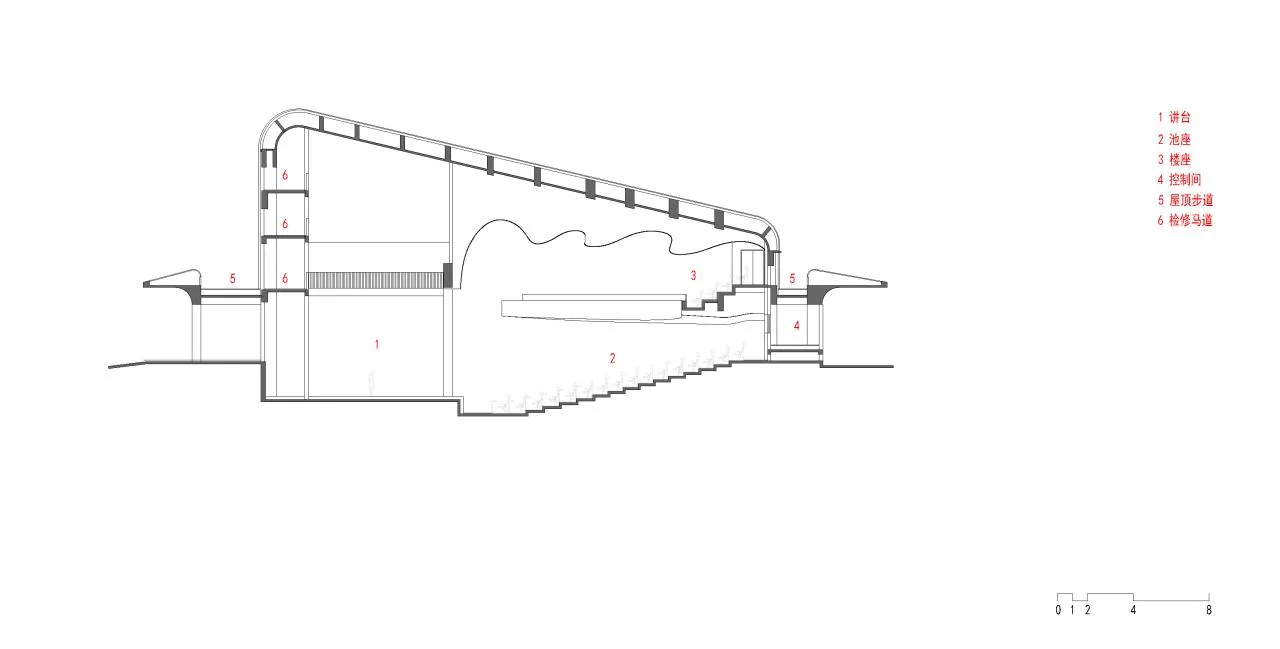
△ Sectional View of the Lecture Hall
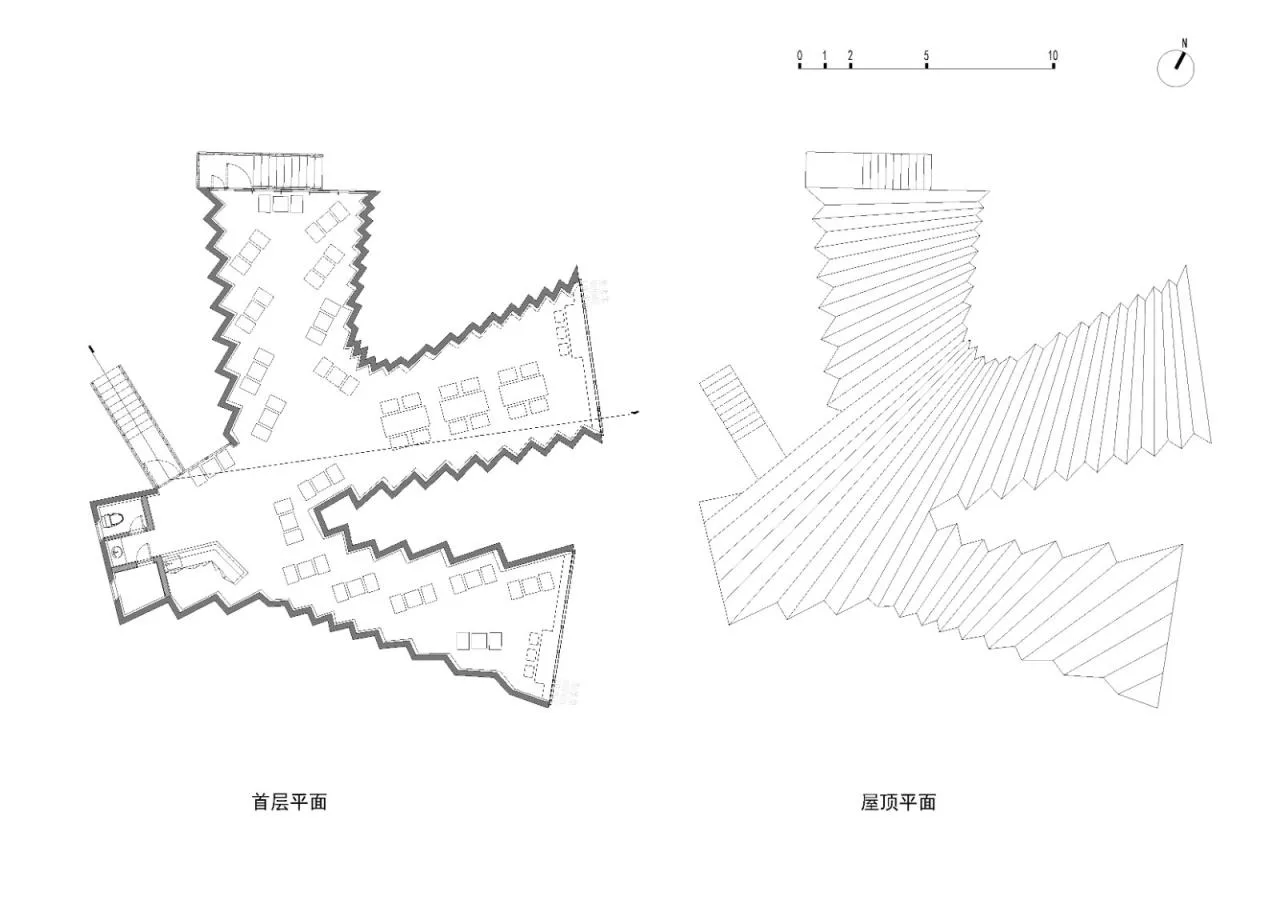
△ Plan of Teacher-Student Activity Center
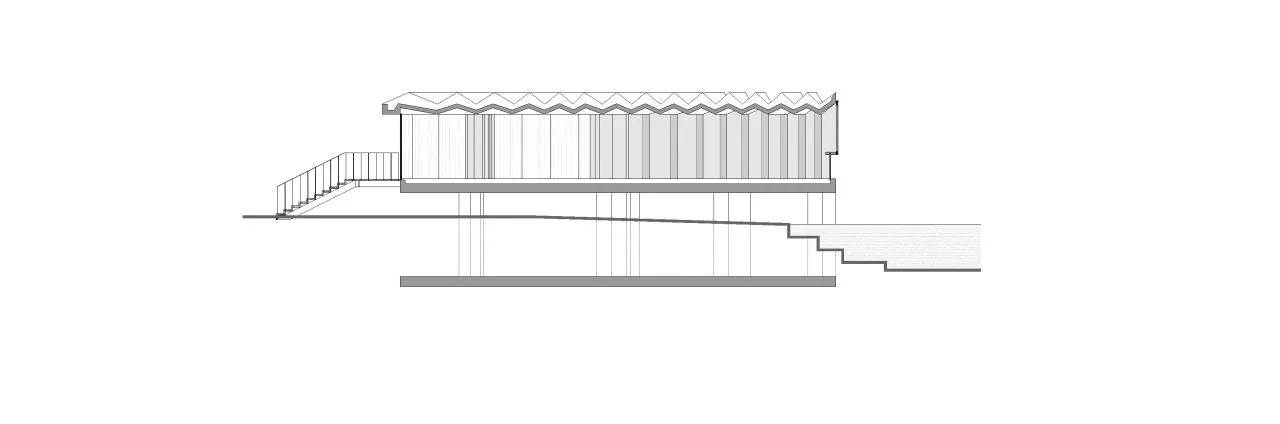
△ Section of Teacher-Student Activity Center
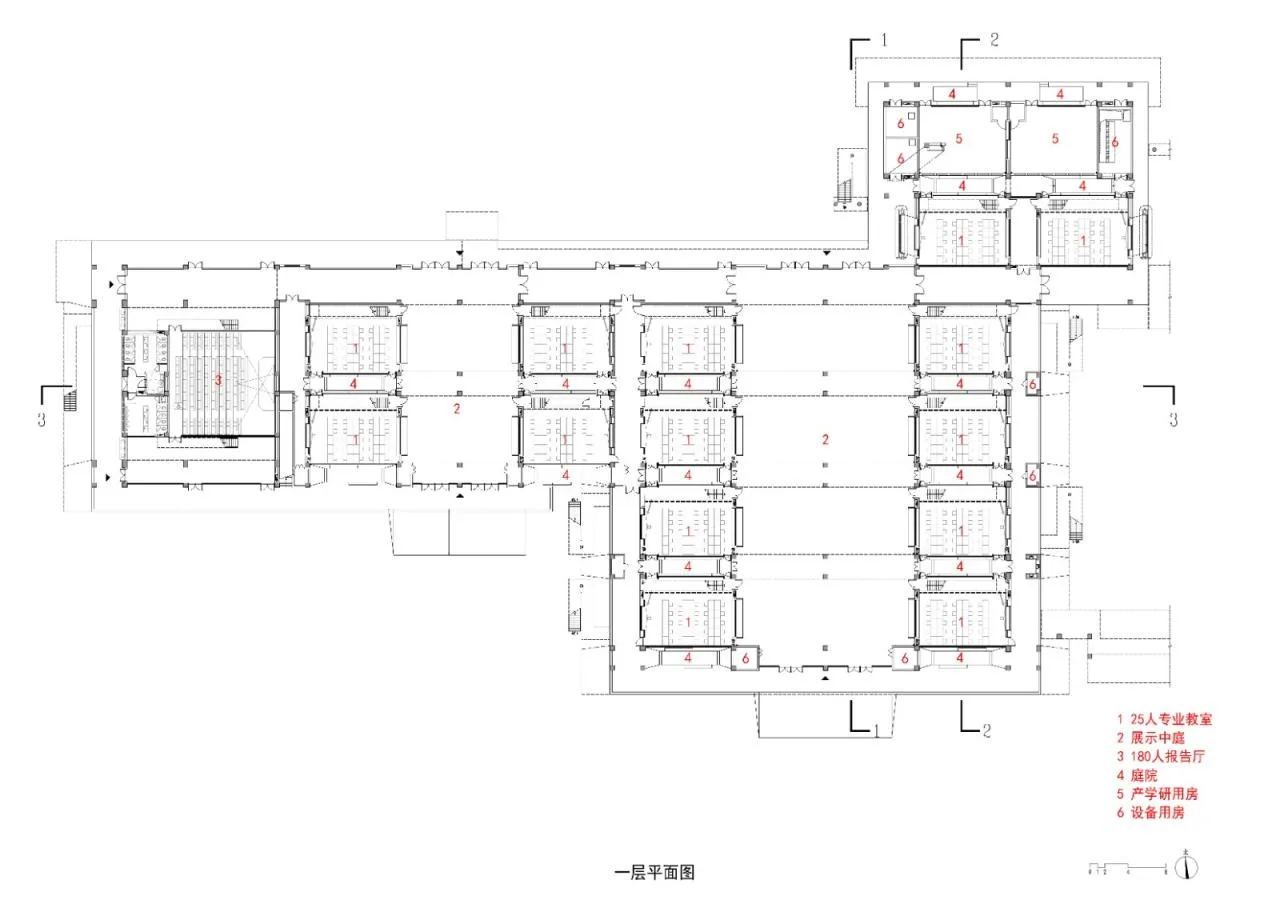
△ Workshop Plan No. 3
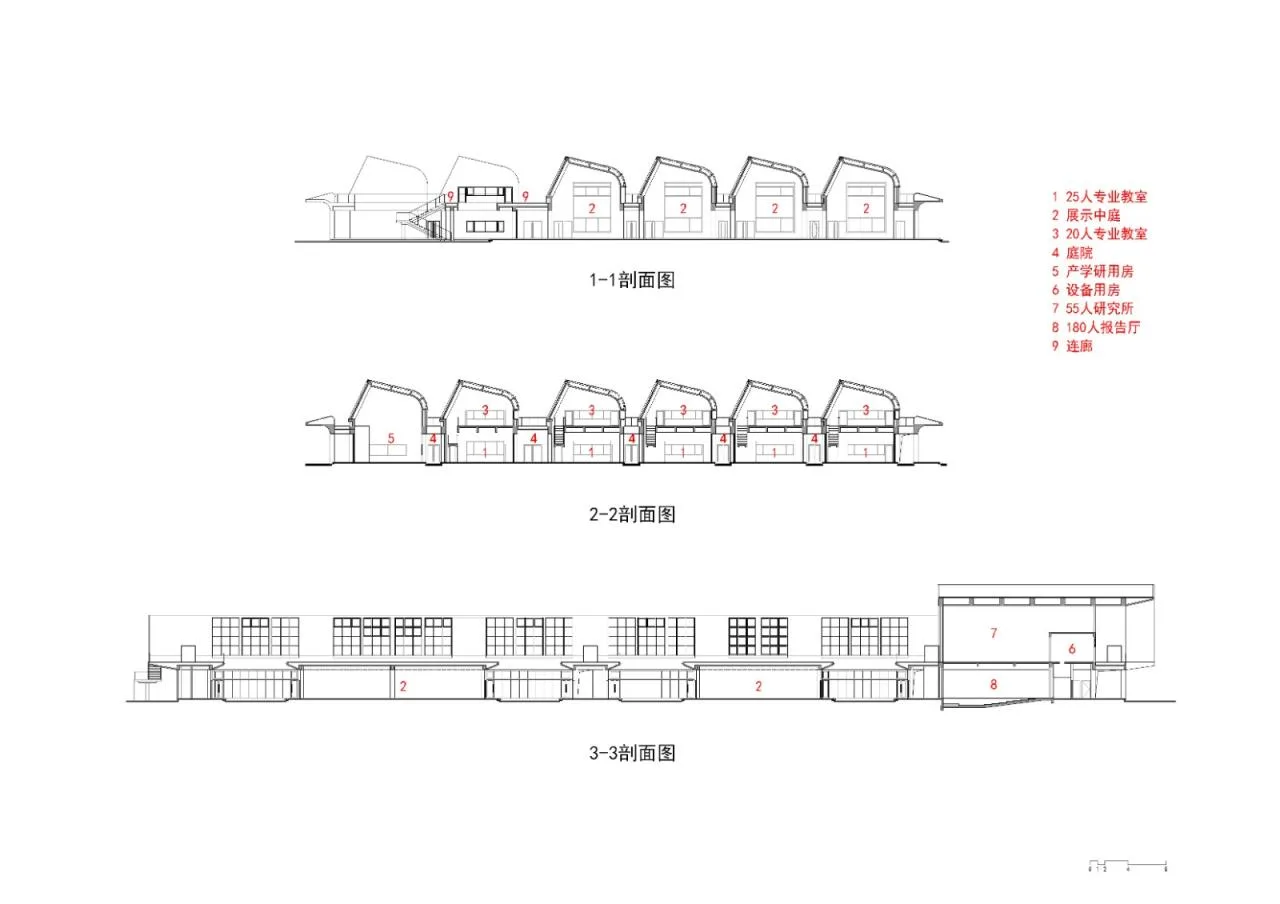
△ Section of Workshop 3
Project Information
(Phase I, Section II)
Owner: China Academy of Art
Location: Liangzhu, Hangzhou, China
Lead Architects: Zhang Yonghe, Lu Lijia
Project Team: Architecture: Wang Wenzhi (Section II), Yin Shun (Section I), Wang Yue, Long Bin, Huang Shuyi, Liang Xiaoning, Liu Yang, Liu Chao, Zhang Bowen, Wang Shuo, Cheng Yishi, He Zelin, Shi Qi, Lin Shijie, Li Xiangting, Xie Yanxu, Jiao Huimin; Interior: Wang Yue, Zhang Min, Han Shukai, Li Shuai; Landscape: Shi Qi, Yin Shun, Lin Shijie; On-site Coordination: Li Shiqi
Construction Drawing Design: Tongji University Architectural Design and Research Institute (Group) Co., Ltd., Architectural Design Third Institute
Lighting Consultant: TJAD Architectural Lighting Institute
Building Area: 180,000 square meters
Structure: Reinforced concrete
Design Period: March 2018 to June 2019
Completion Date: 2023 (Phase I, Section II)
Photographers: Tian Fangfang, Yan Fei, Li Shiqi, Zhang Yonghe, Wang Zhilei














Must log in before commenting!
Sign Up