
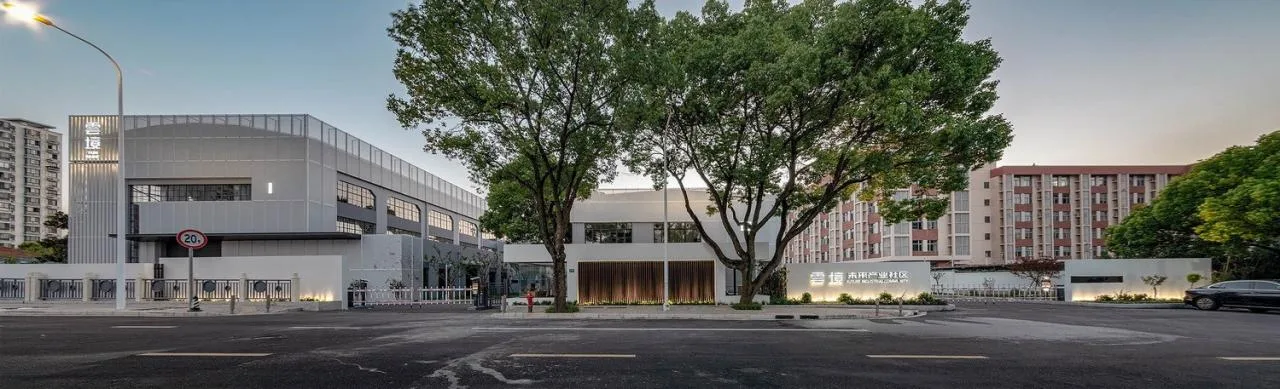
△ Project reality @ Xu Zhenwei
Located in Kechuang Water Street, Bay Science and Technology Innovation Zone, Daling, Jiangchuan Road Street, Minhang District, Shanghai, the Yunjing Future Industrial Park sits on the site of the former Da Ling Hao Bay industrial base. Leveraging the high-density innovation resources and advanced capabilities of local universities and colleges, this park focuses on future-oriented, cutting-edge technology sectors and emerging industries. The site is being transformed into a hub for scientific and technological innovation that embraces technology, fashion, and sustainability, while preserving the historical essence of the industrial zone. The Sci Tech Innovation Water Street is gradually realizing a seamless integration of industry, academia, and research.
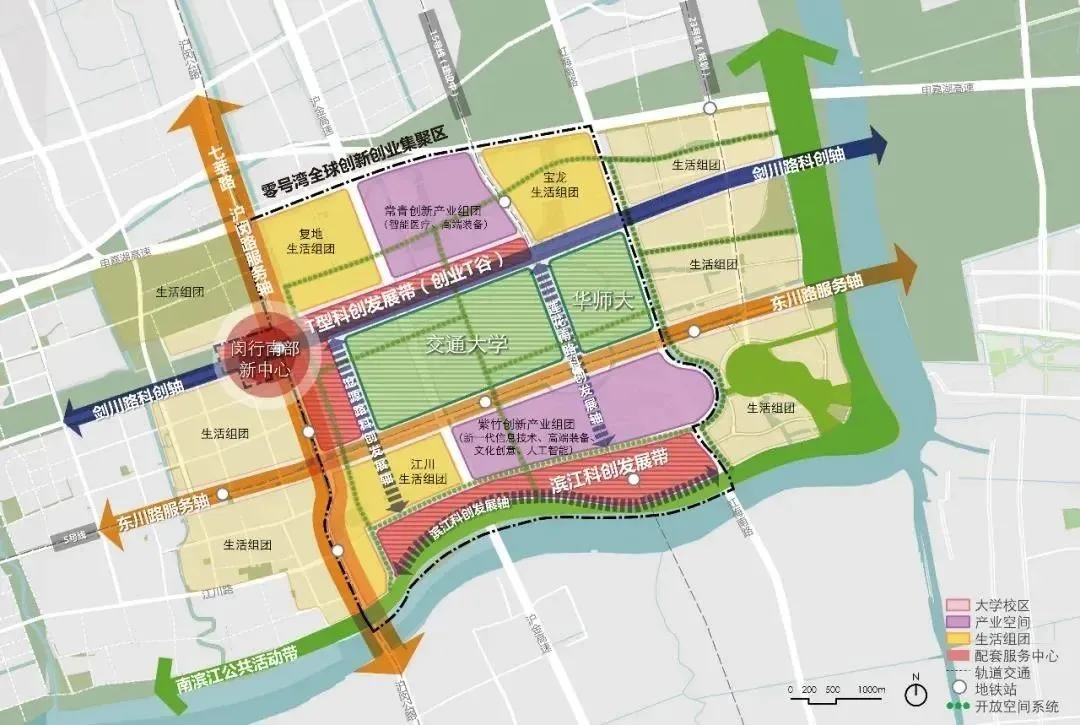
△ Location analysis
01. Project Background
The site originally housed the Bijiang Steam Turbine Spare Parts Factory and Yuanjie Power Station Parts Company, covering approximately 8,000 square meters. Two factory buildings constructed in the 1980s and 1990s remain on the site. The owner’s goal was to transform these factories into a modern high-tech industrial park, designing a style that aligns with the park’s innovative identity while preserving the abundant vegetation on site.
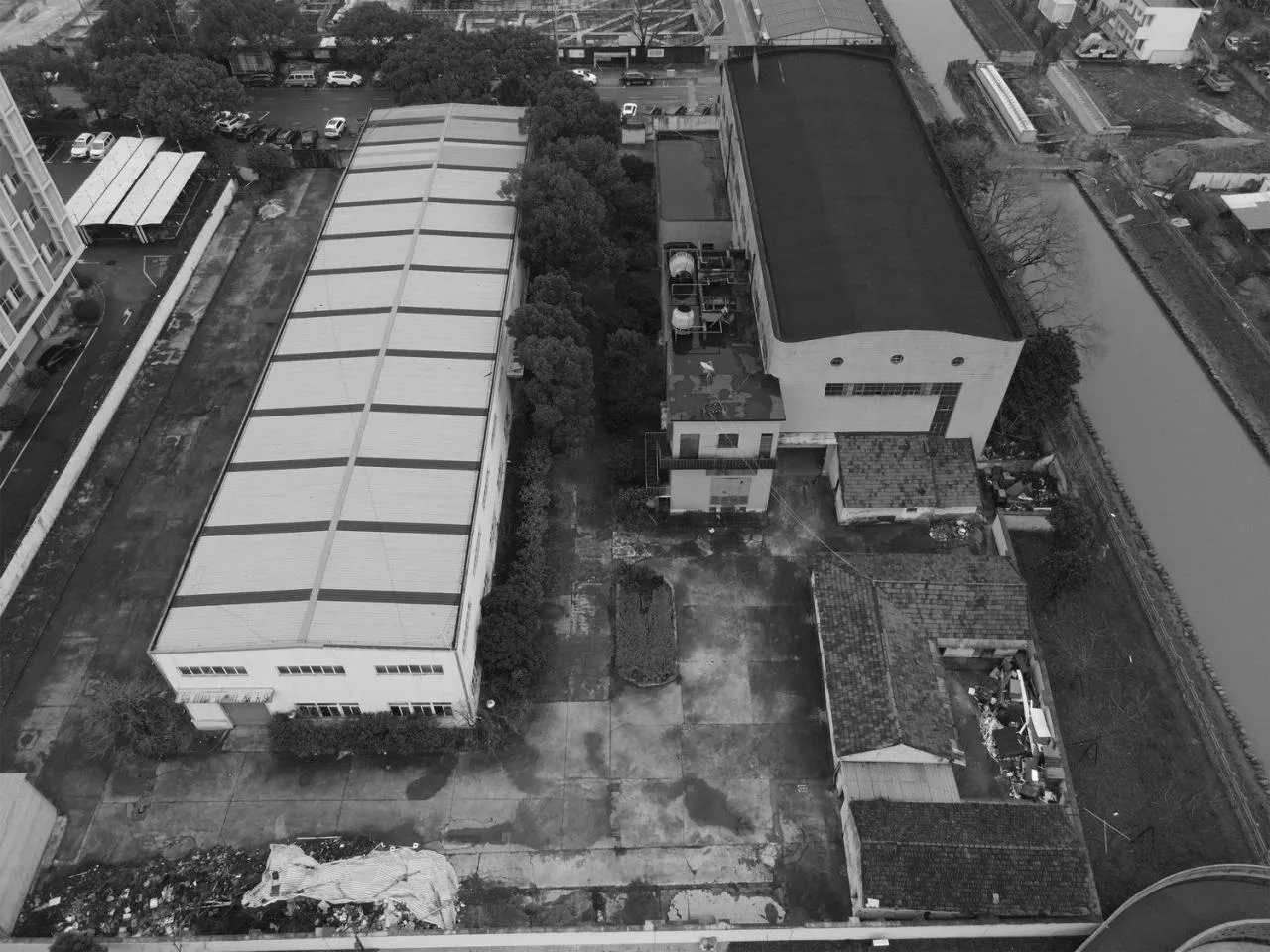
△ Original state of the factory area
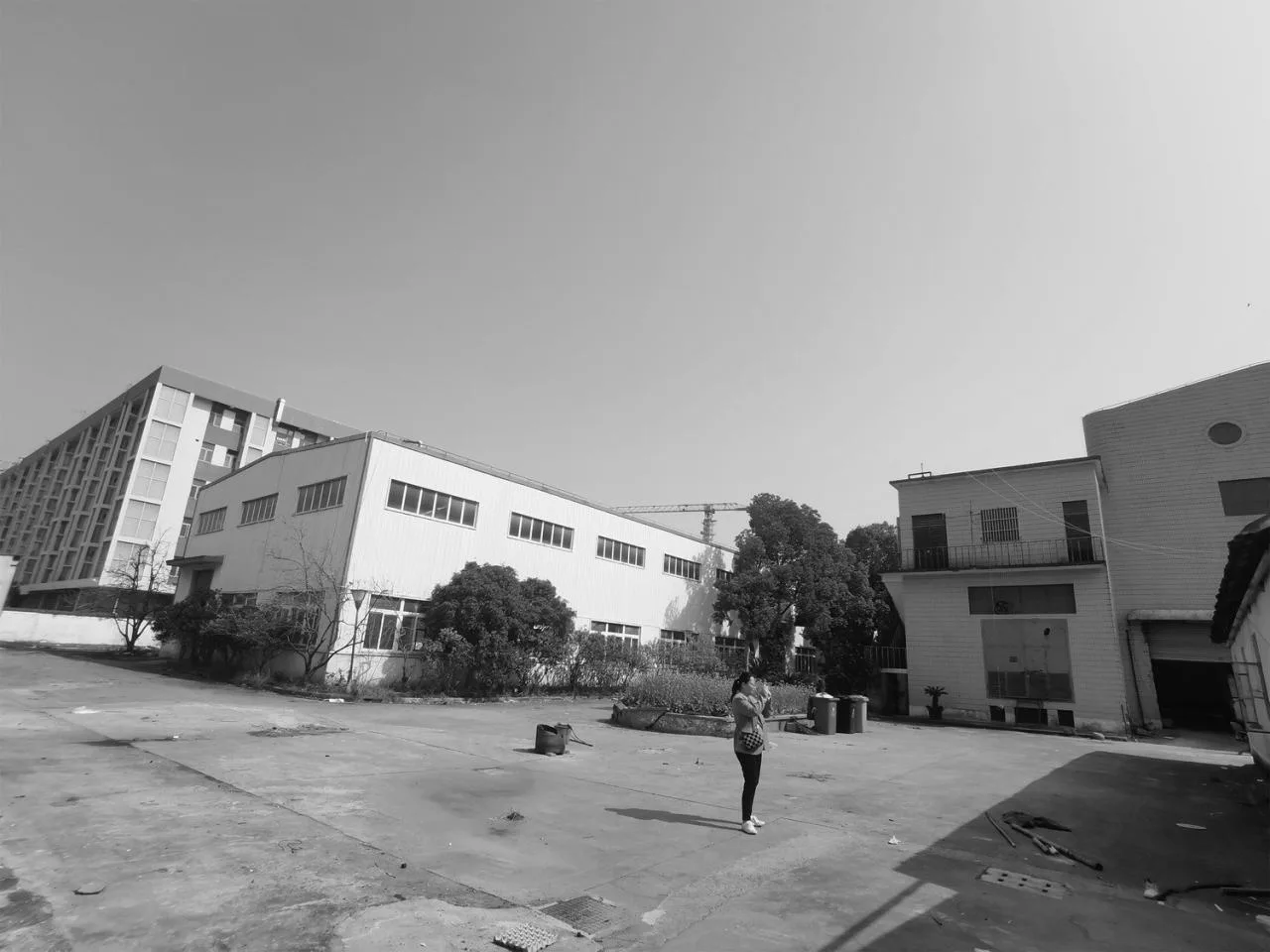
△ Original state of the factory area
As society evolves, a new wave of industrial transformation is underway near Jiaotong University. The area’s traditional manufacturing sector is shifting towards research, development, and emerging industries. The Minhang Science and Technology Innovation Water Street is emerging as an integrated axis connecting industry, academia, and research facilities.
Within this context, the two existing factories are being converted into research institutes, marking a renewal of the site from industrial use to a progressive tech park.
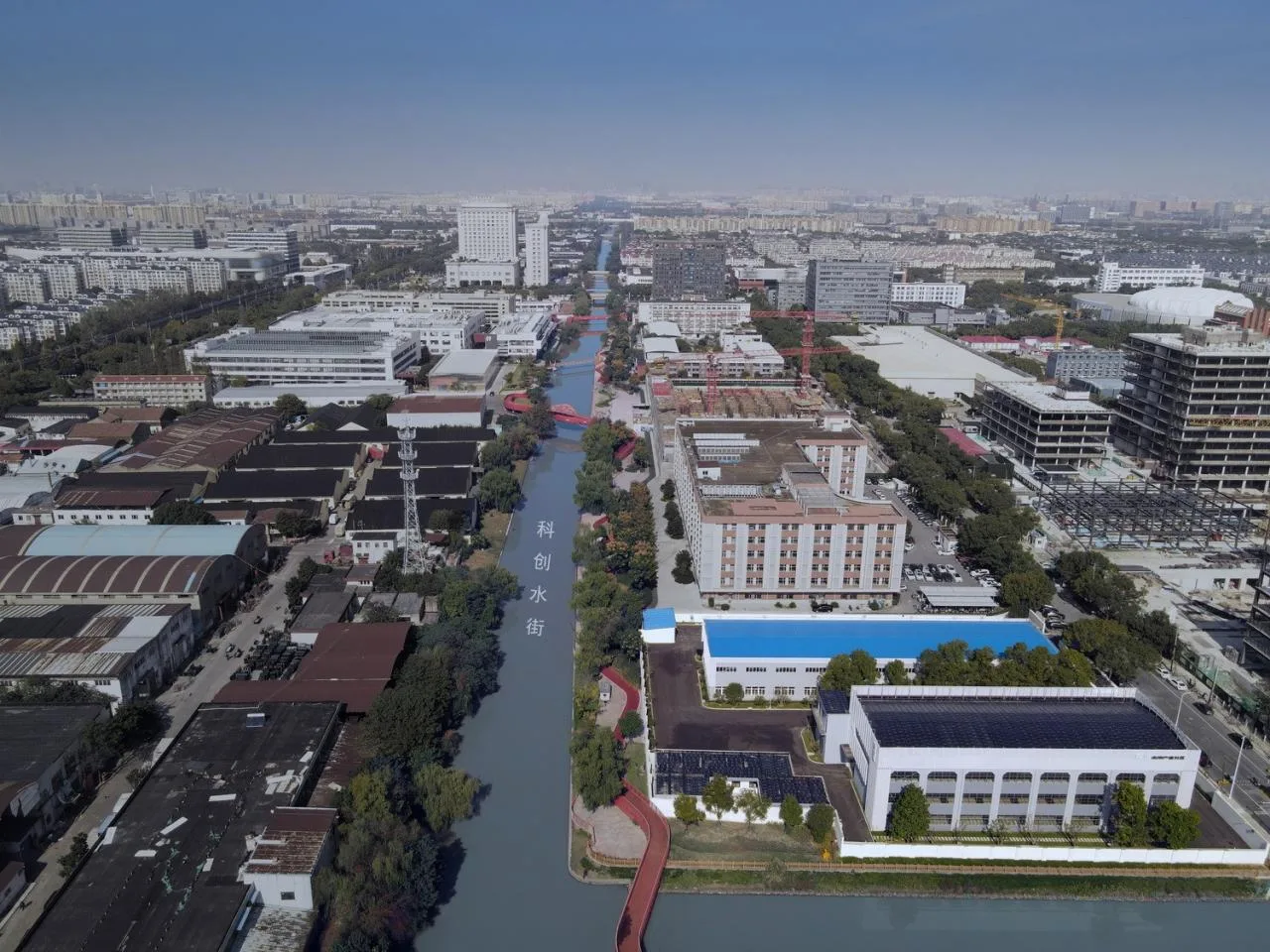
Overview of the current factory area
02. Design Concept
Based on the assessment of the site’s condition and budget constraints, the design approach avoided major demolition or structural changes. The original building framework was preserved, focusing instead on adding a new facade system and reorganizing green transportation spaces. The design integrated the scattered existing structures into a cohesive park space through a thoughtful spatial system.
The project embodies the themes of technology, fashion, and sustainability by introducing a “floating box” concept to create a cloud-like atmosphere. Existing vegetation is retained and highlighted against the building’s clean, white backdrop to emphasize a harmonious blend of technology, nature, and human elements.
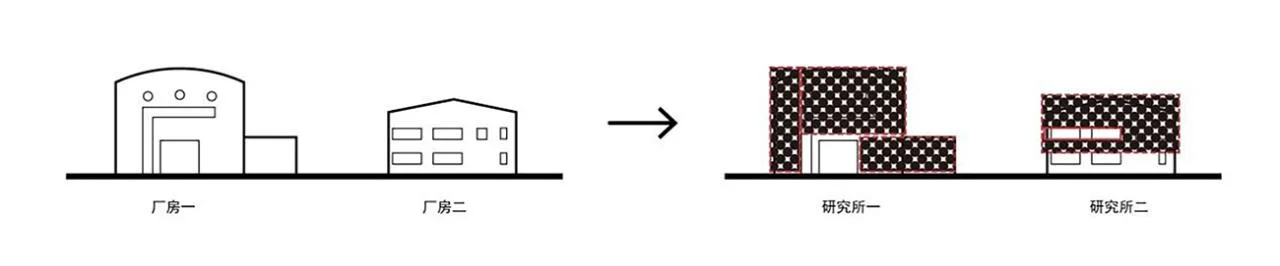
△ Facade creation process
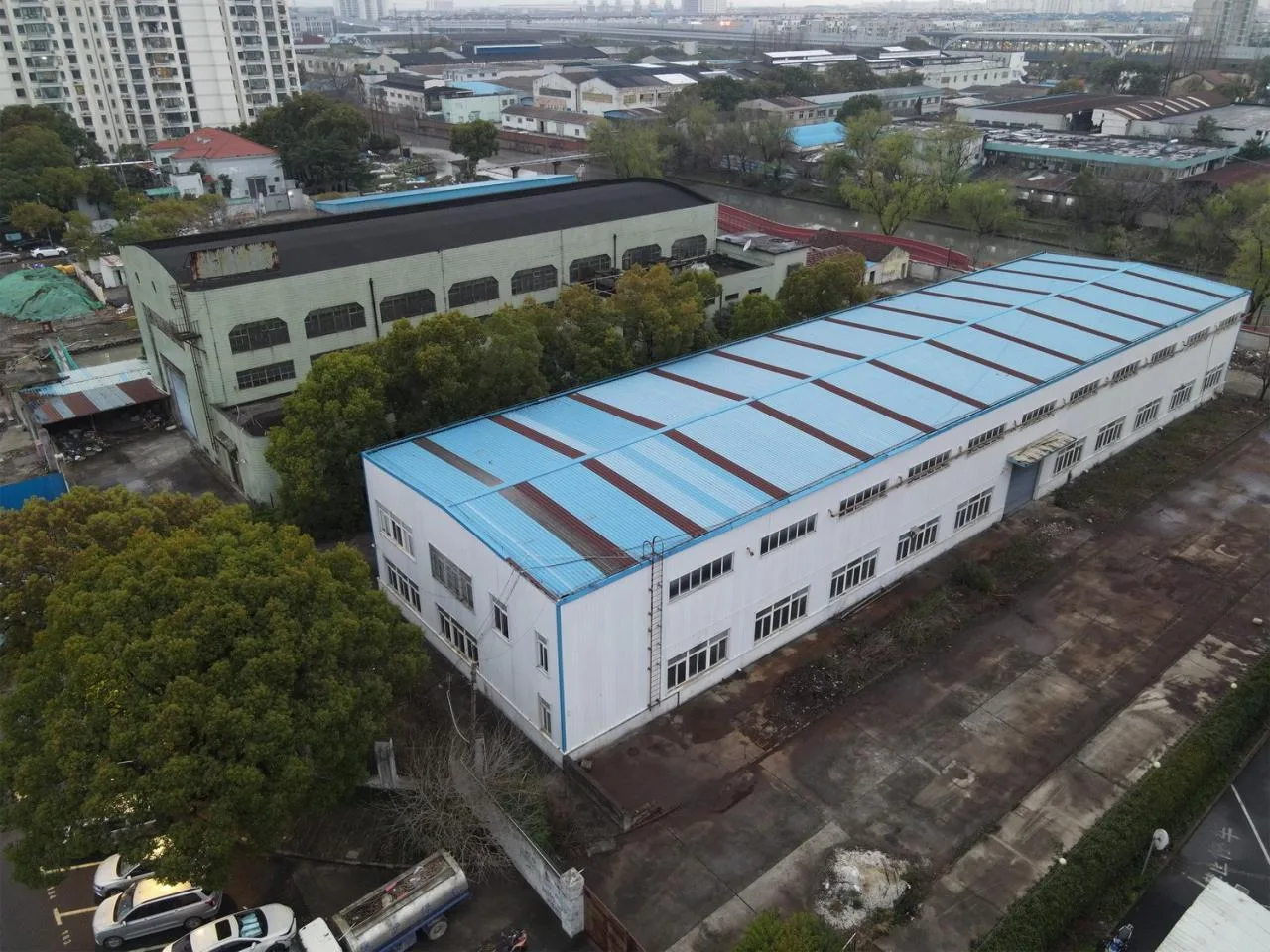
Before renovation
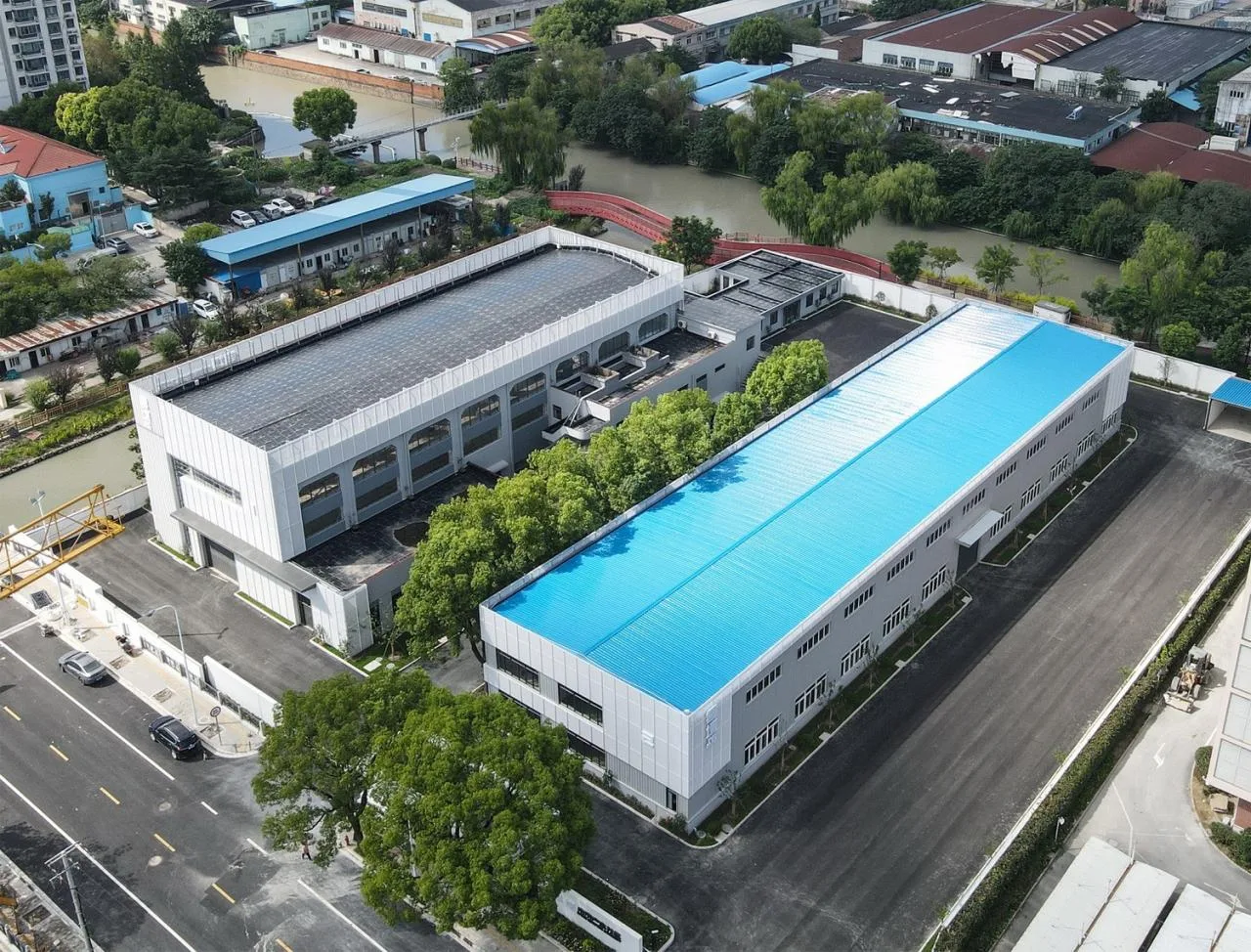
△ After renovation
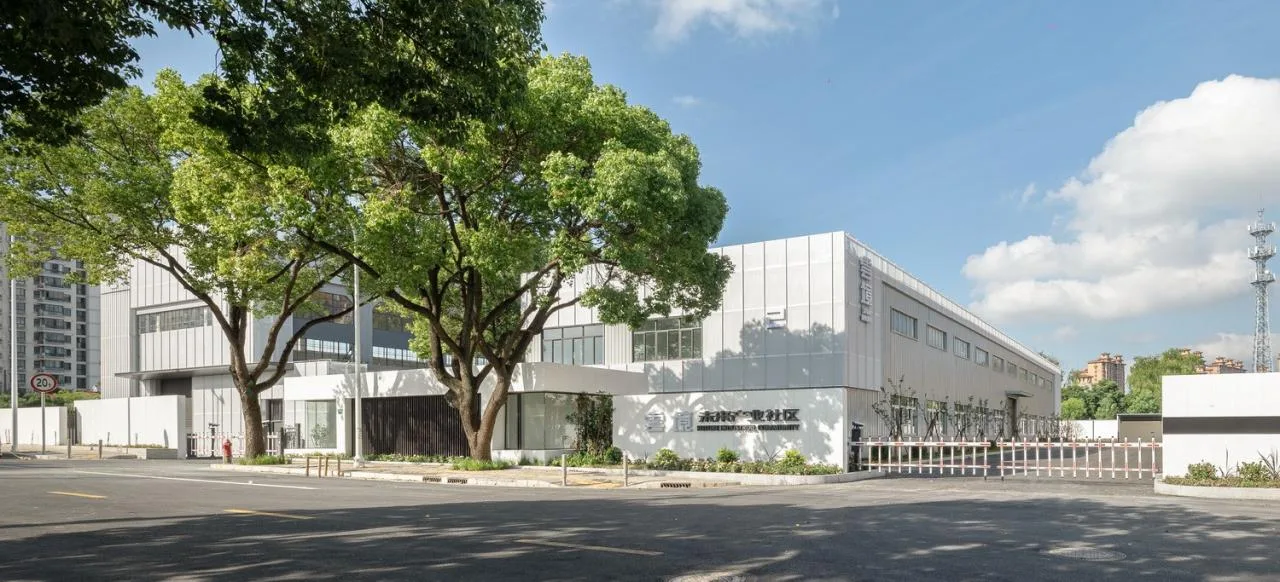
△ Project reality @ Xu Zhenwei
03. Transformation Strategy
1. Enhancing spatial systems and public interfaces: The renovation prioritizes elevating the park’s overall quality and detailed aesthetic communication to meet enterprise demands. It emphasizes spatial dialogue with the urban environment, optimizing public interfaces along the street and waterfront.
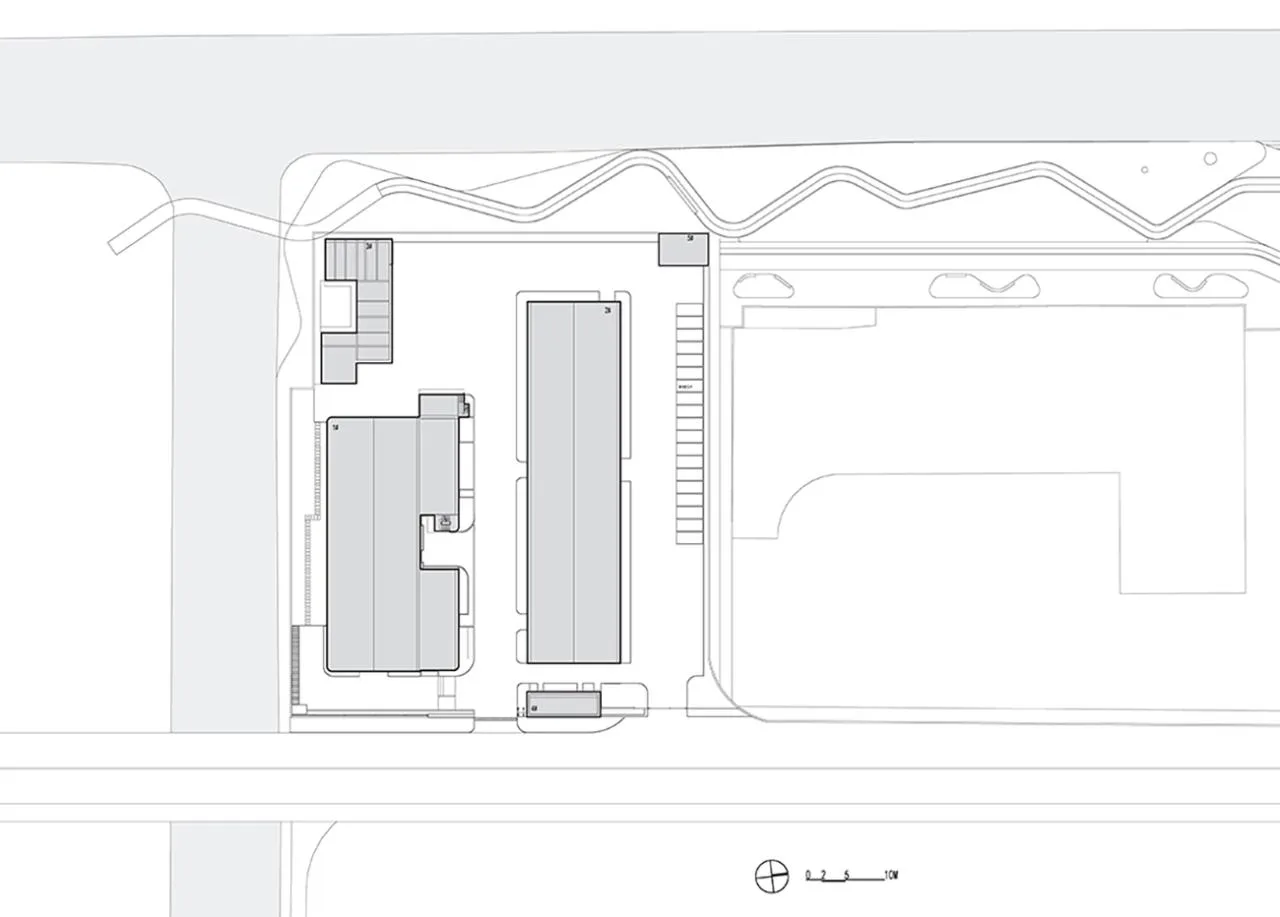
△ Overall plan of the renovated park
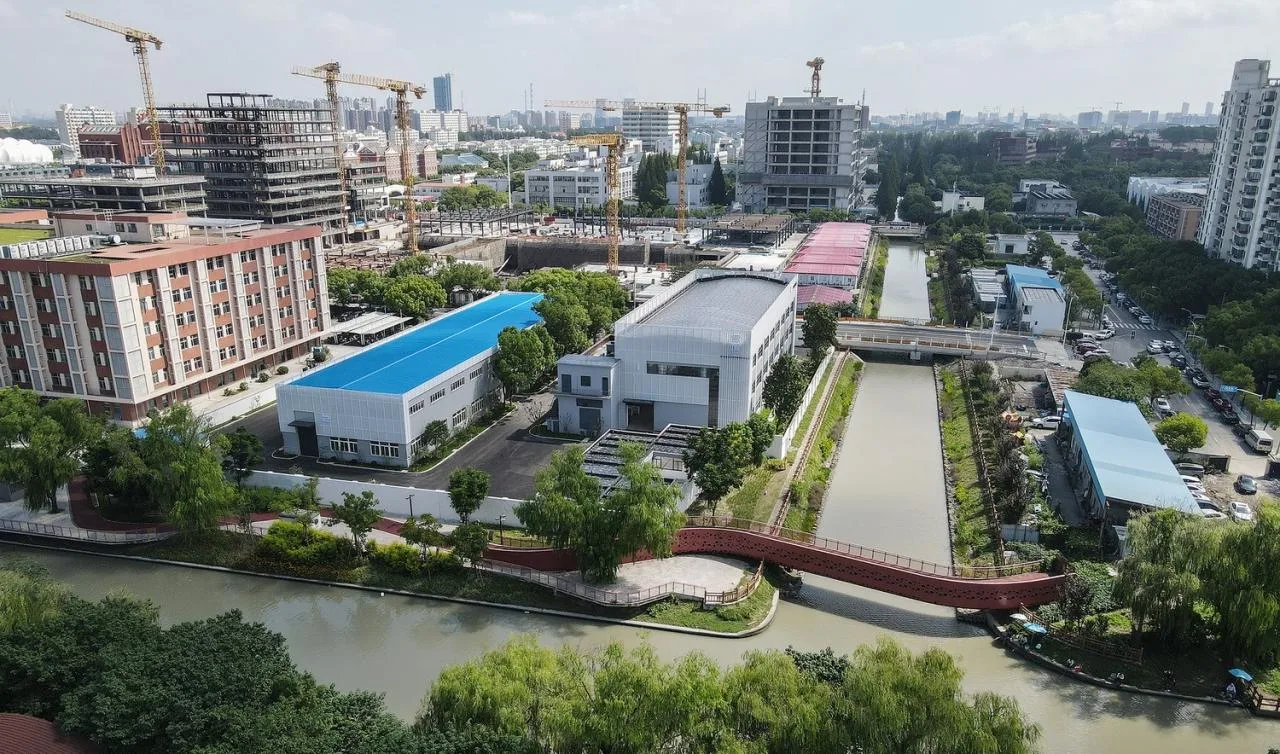
△ Aerial View @ Xu Zhenwei
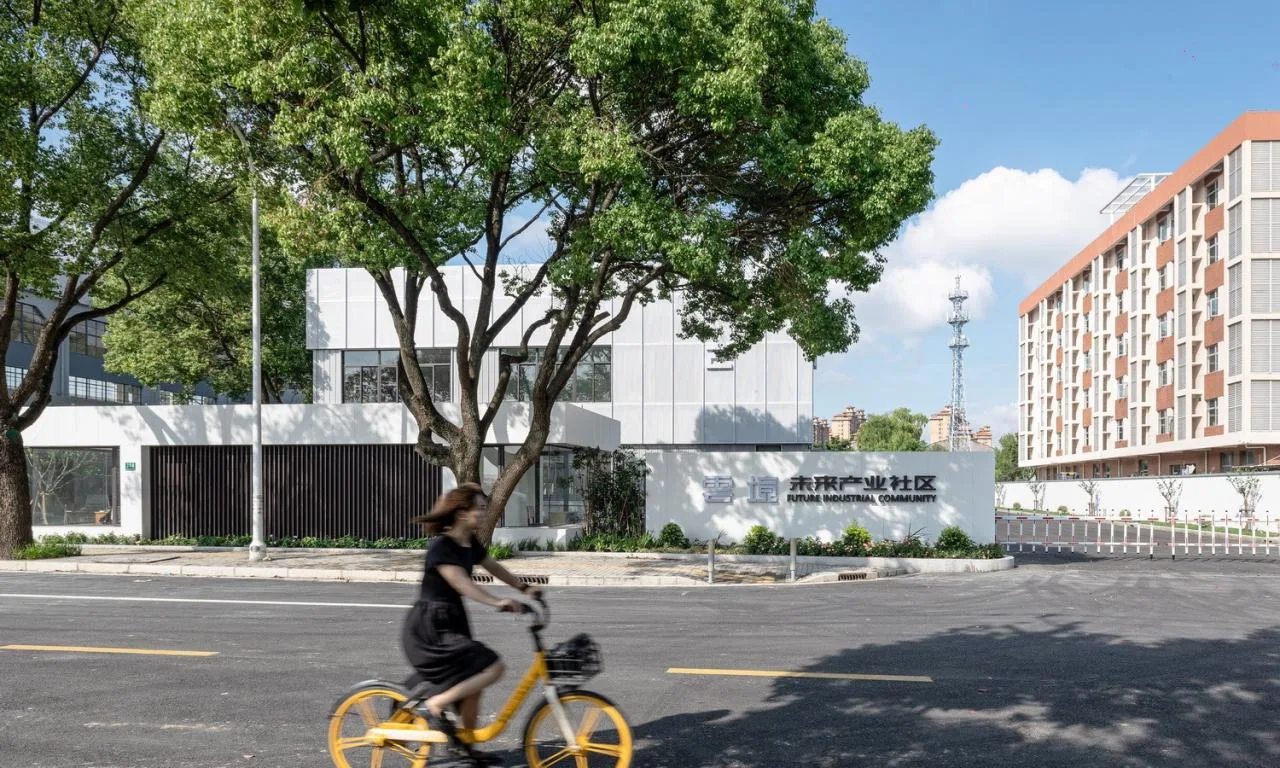
△ Project reality @ Xu Zhenwei
2. Use of modern materials reflecting contemporary character: A lightweight perforated panel facade system was added without compromising the original structure, giving the park a distinctive identity through detailed facade expression.
The metal perforated panels are key to the exterior renovation. Since the original walls remain intact, the new facade had to minimize structural load and damage. The chosen design uses external locking nodes with human-centered details, creating a welcoming urban interface. Vertical perforated aluminum panels ensure a balanced interplay of light and shadow on the facade, while enhancing natural ventilation.
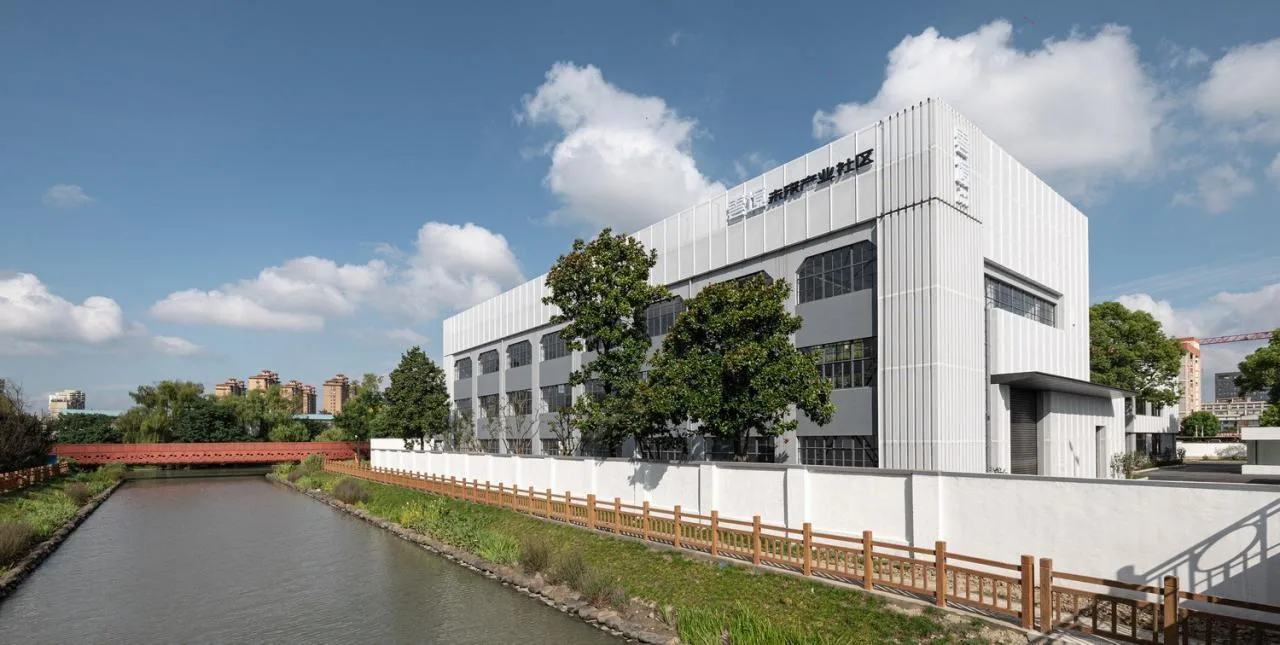
△ Project reality @ Xu Zhenwei
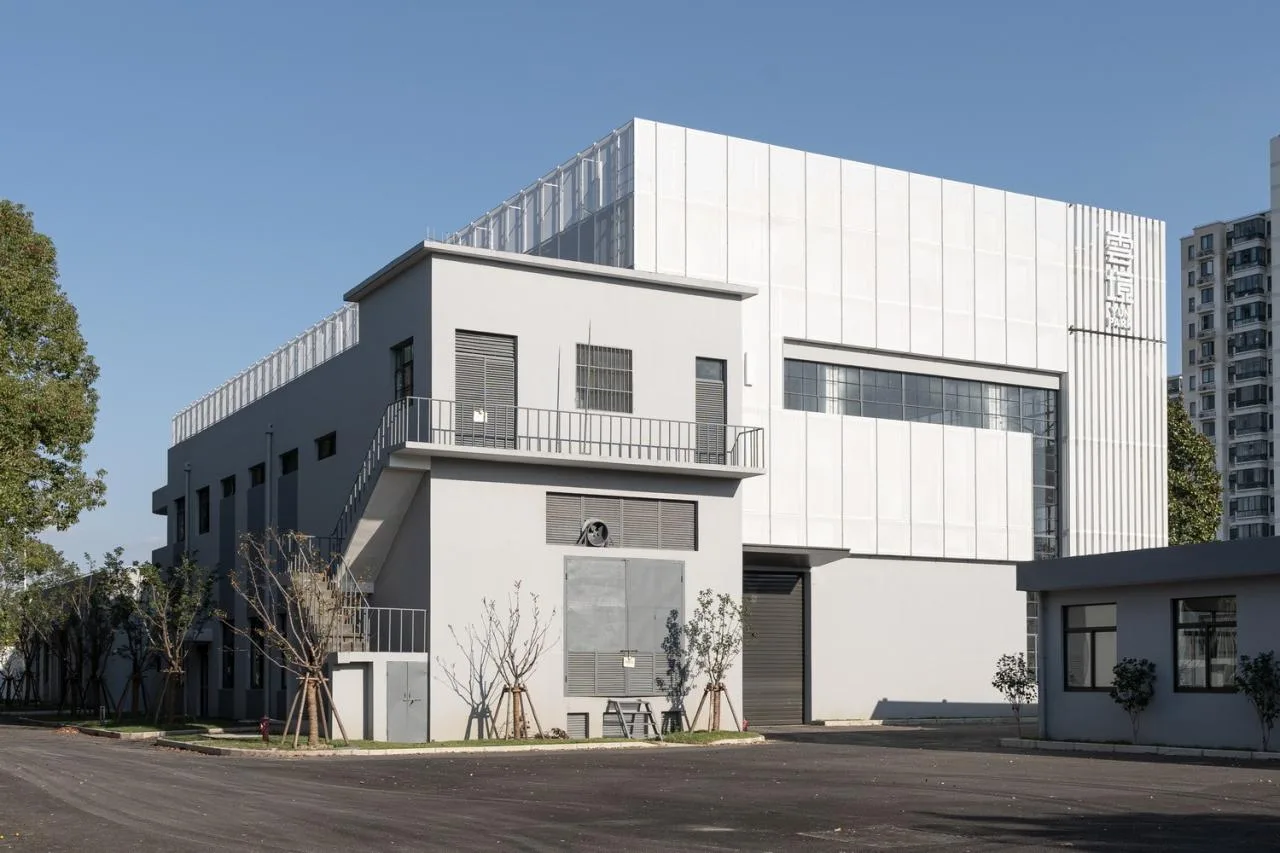
△ Project reality @ Xu Zhenwei
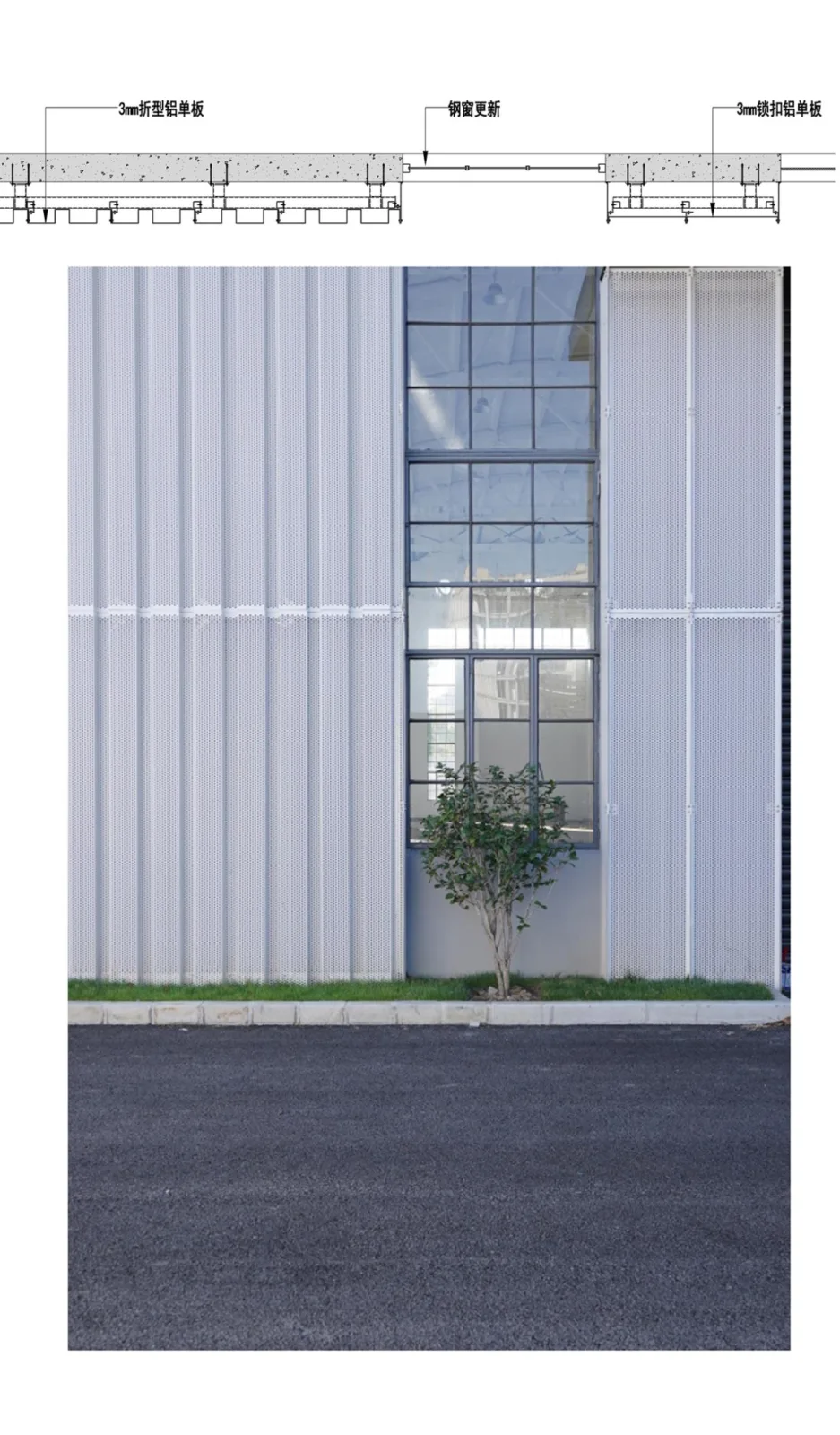
△ Node diagram
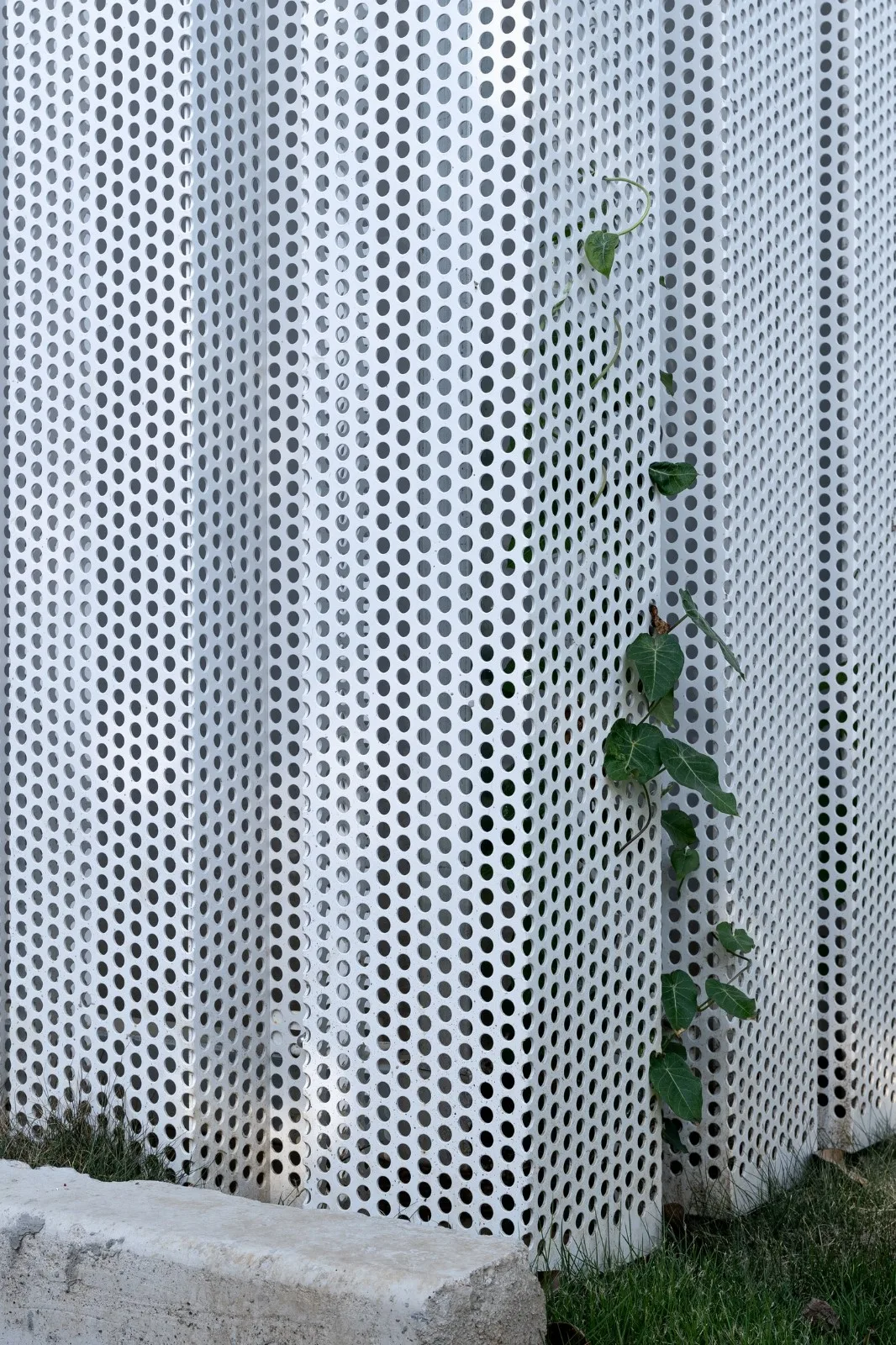

△ Facade Details @ Xu Zhenwei
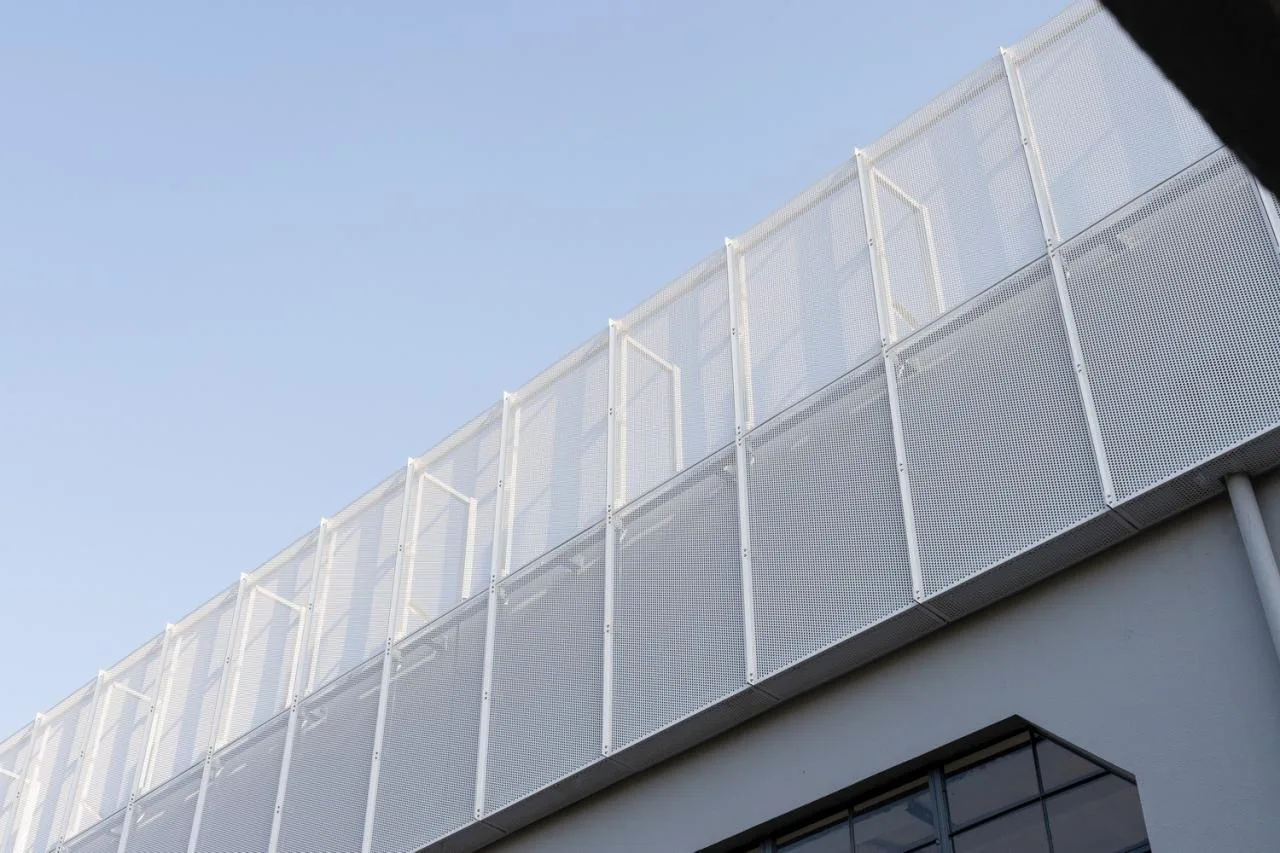
△ Facade Details @ Xu Zhenwei
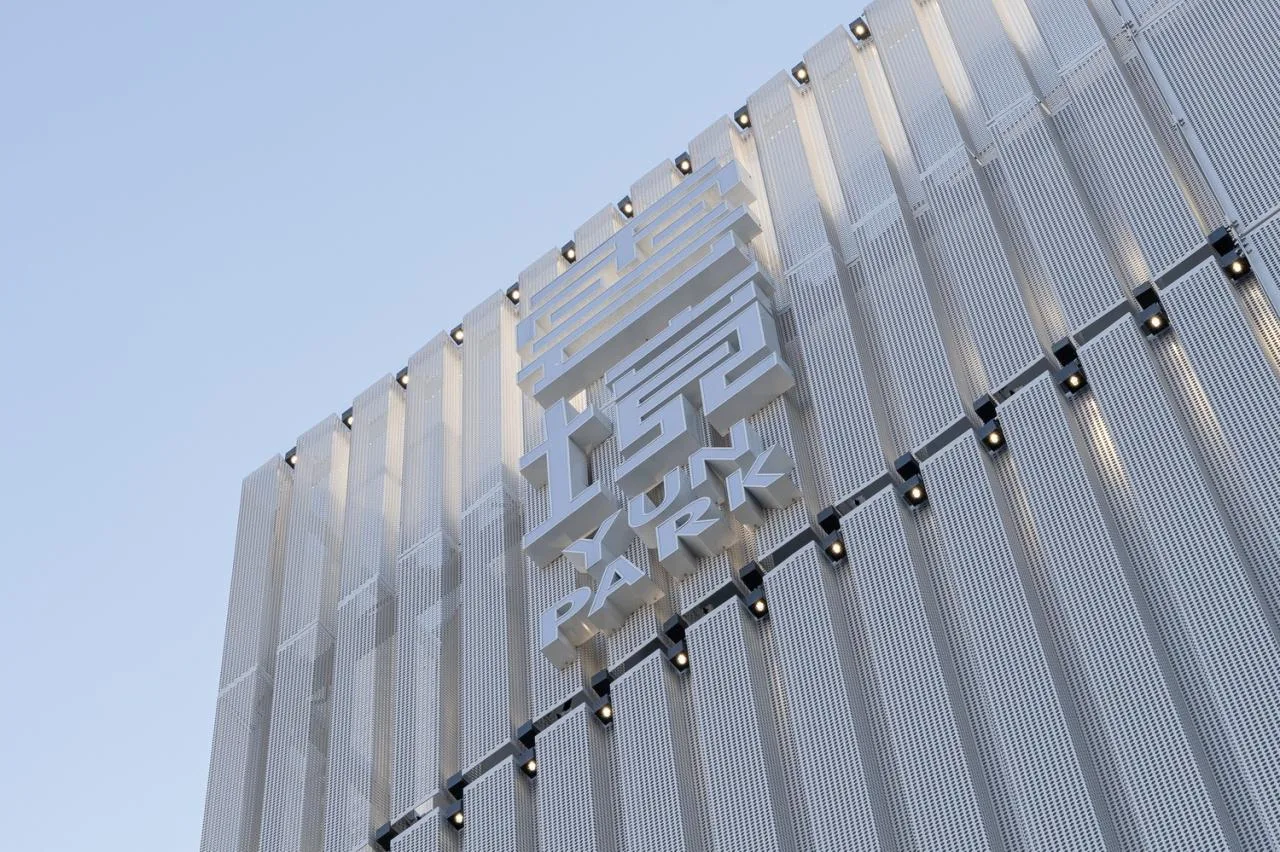
△ Facade Details @ Xu Zhenwei
3. Efficient integration of old and new elements: The original structure, doors, windows, and staircases were carefully preserved and reused, reducing costs while maintaining historical character.
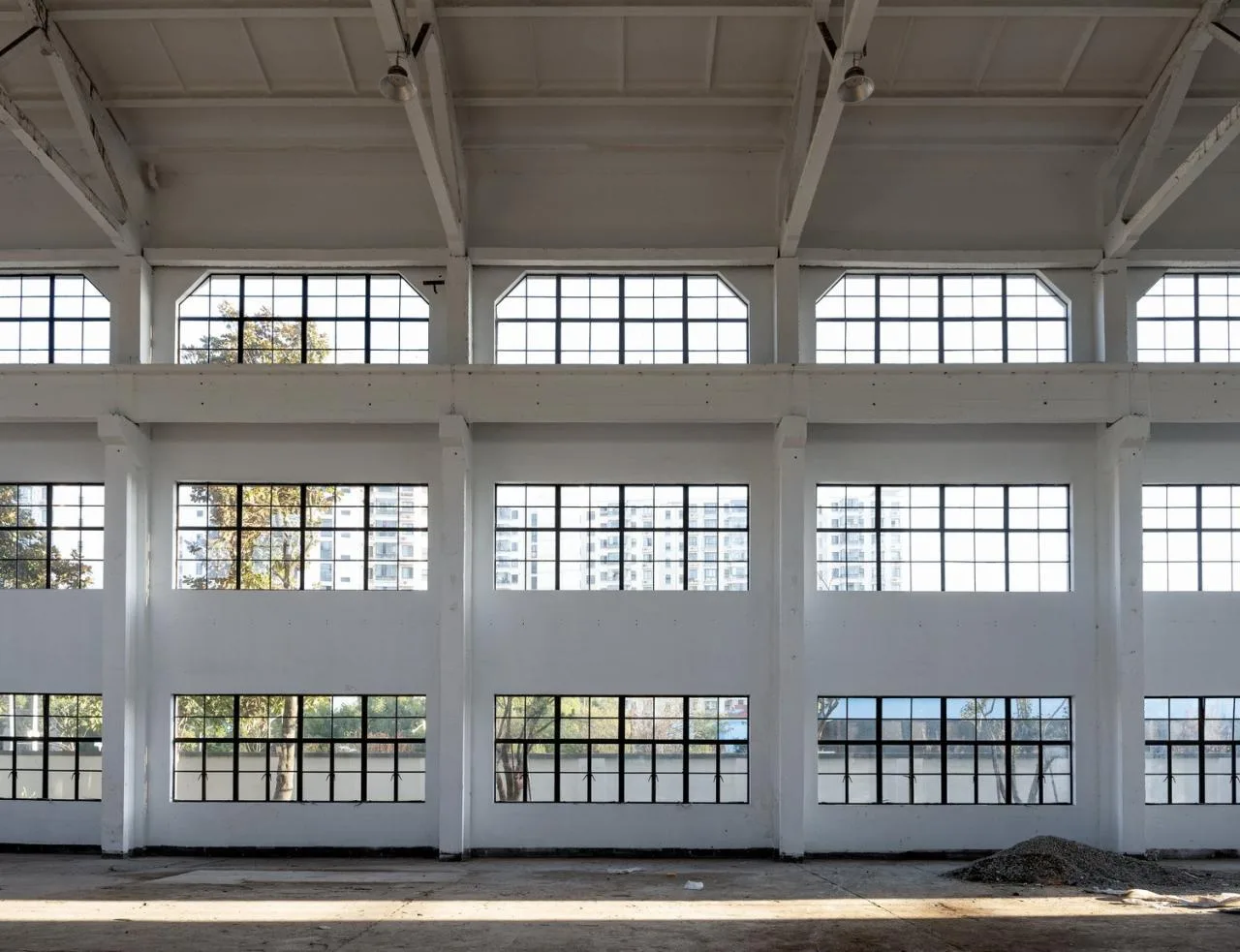
△ Indoor Scene @ Xu Zhenwei
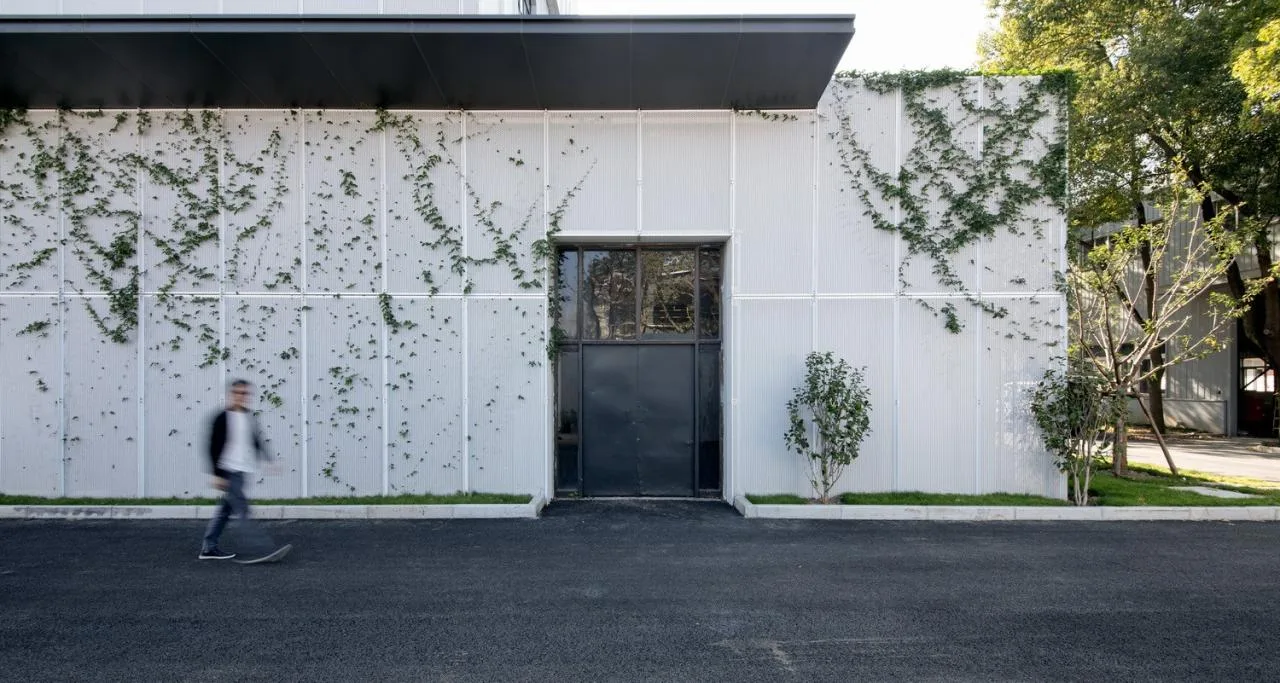
△ Project reality @ Xu Zhenwei
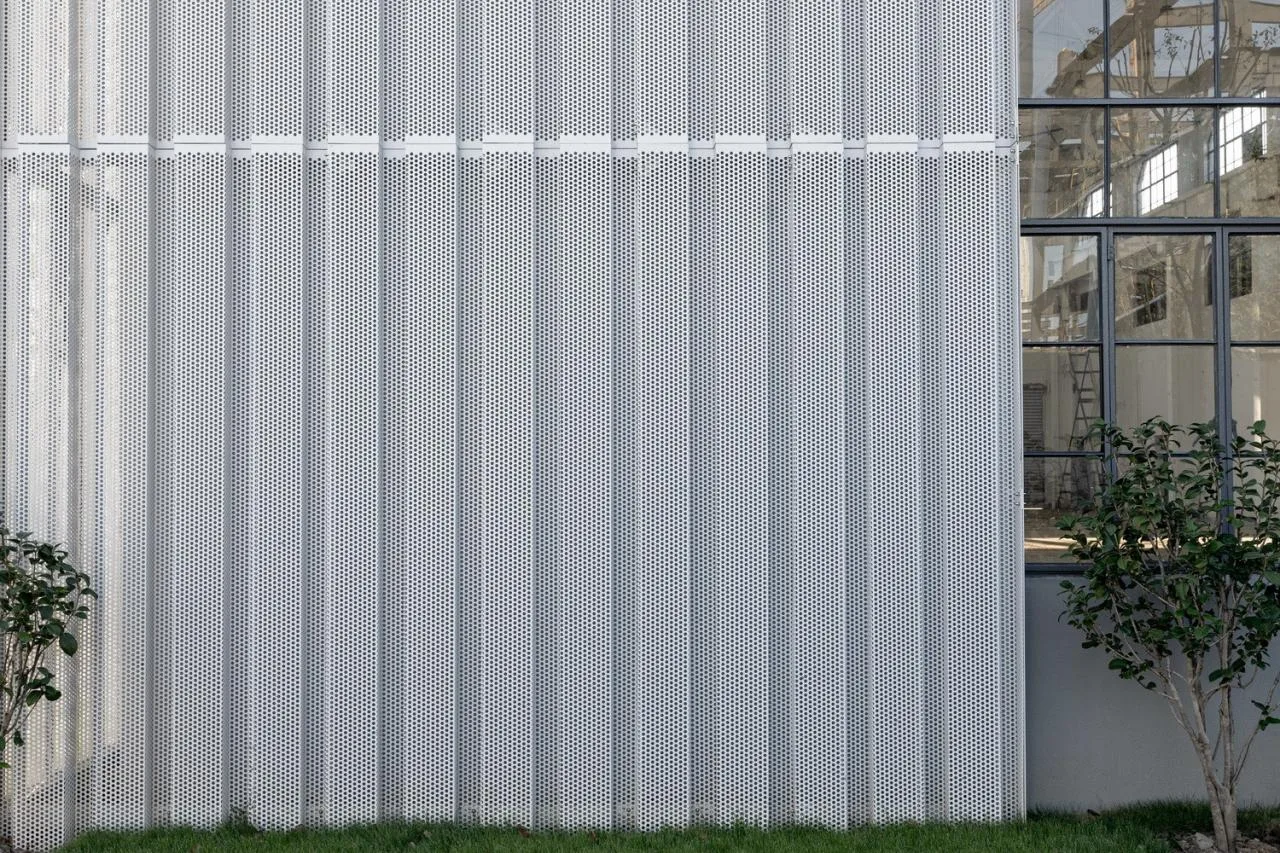
△ Facade Details @ Xu Zhenwei
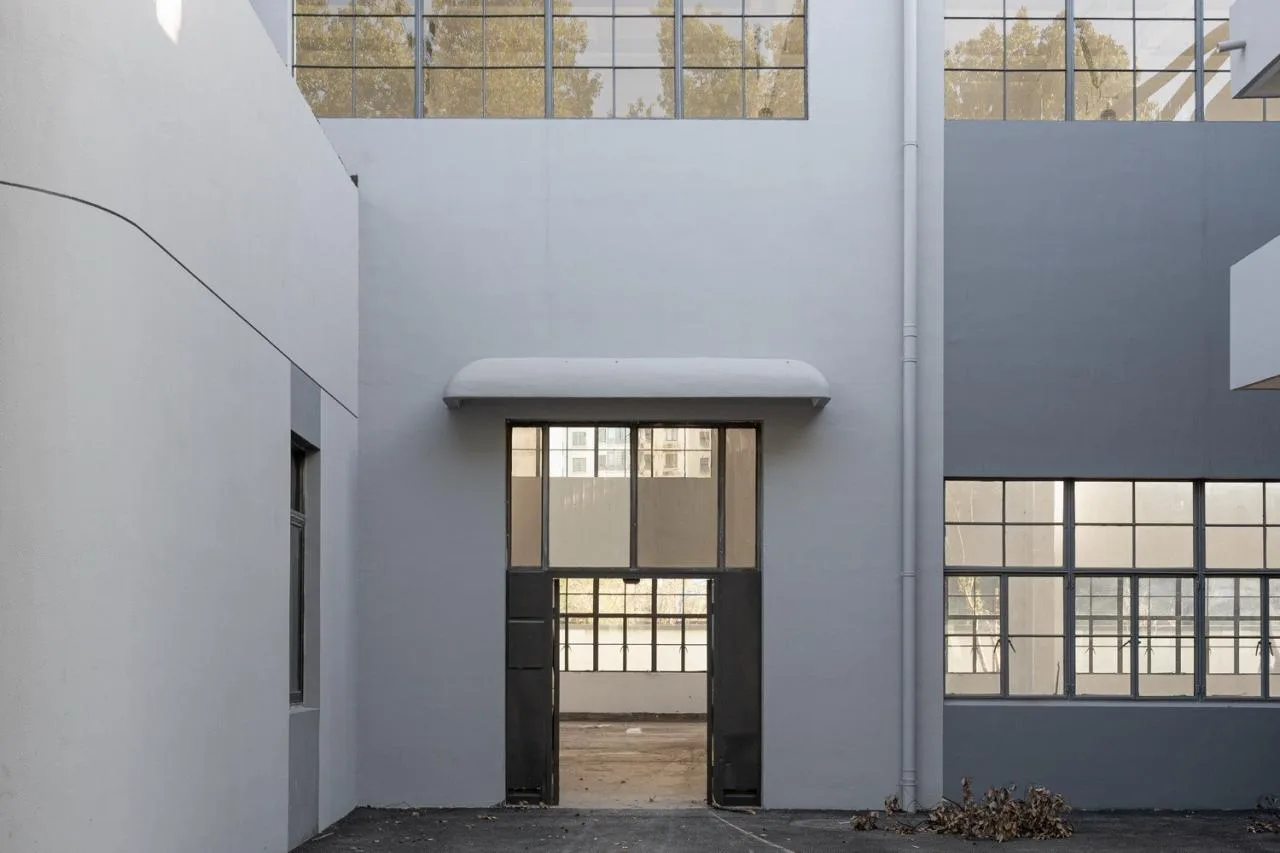
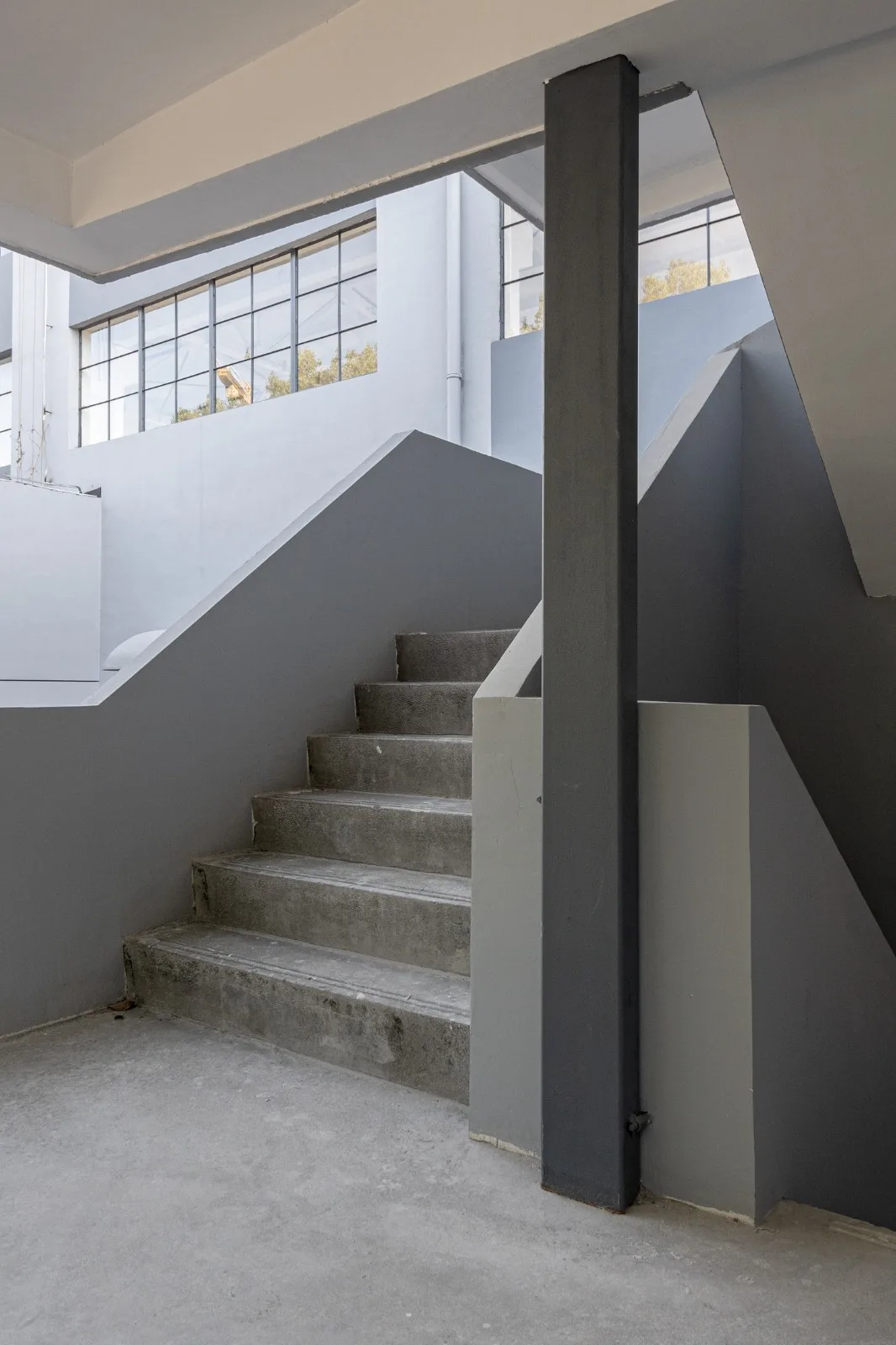
△ Project reality @ Xu Zhenwei
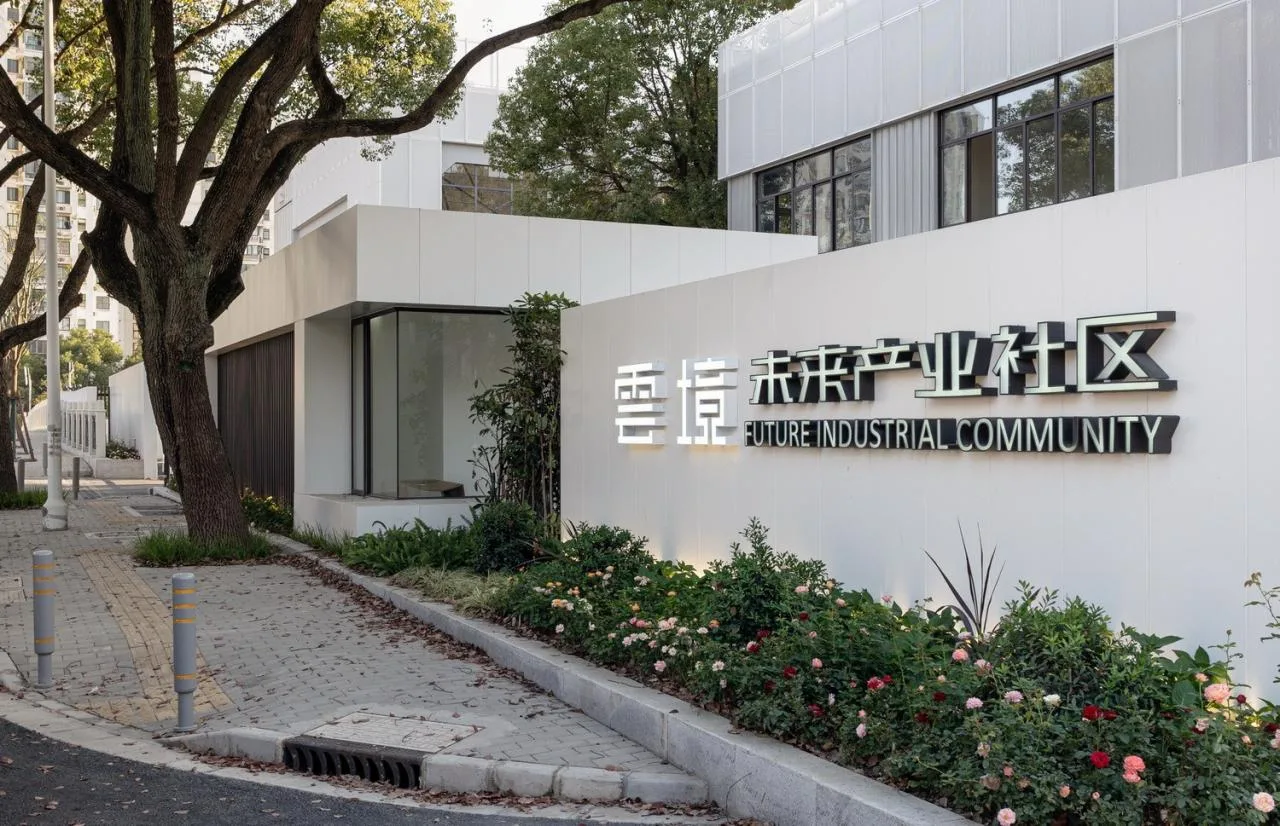
4. Preservation of existing mature trees and increased greenery: Early in the design phase, the site’s vegetation was thoroughly analyzed. Green pathways were integrated to protect all large, existing trees, while a vertical greening system was added to the facade. These century-old trees now stand witness to the park’s revival.
△ Project reality @ Xu Zhenwei
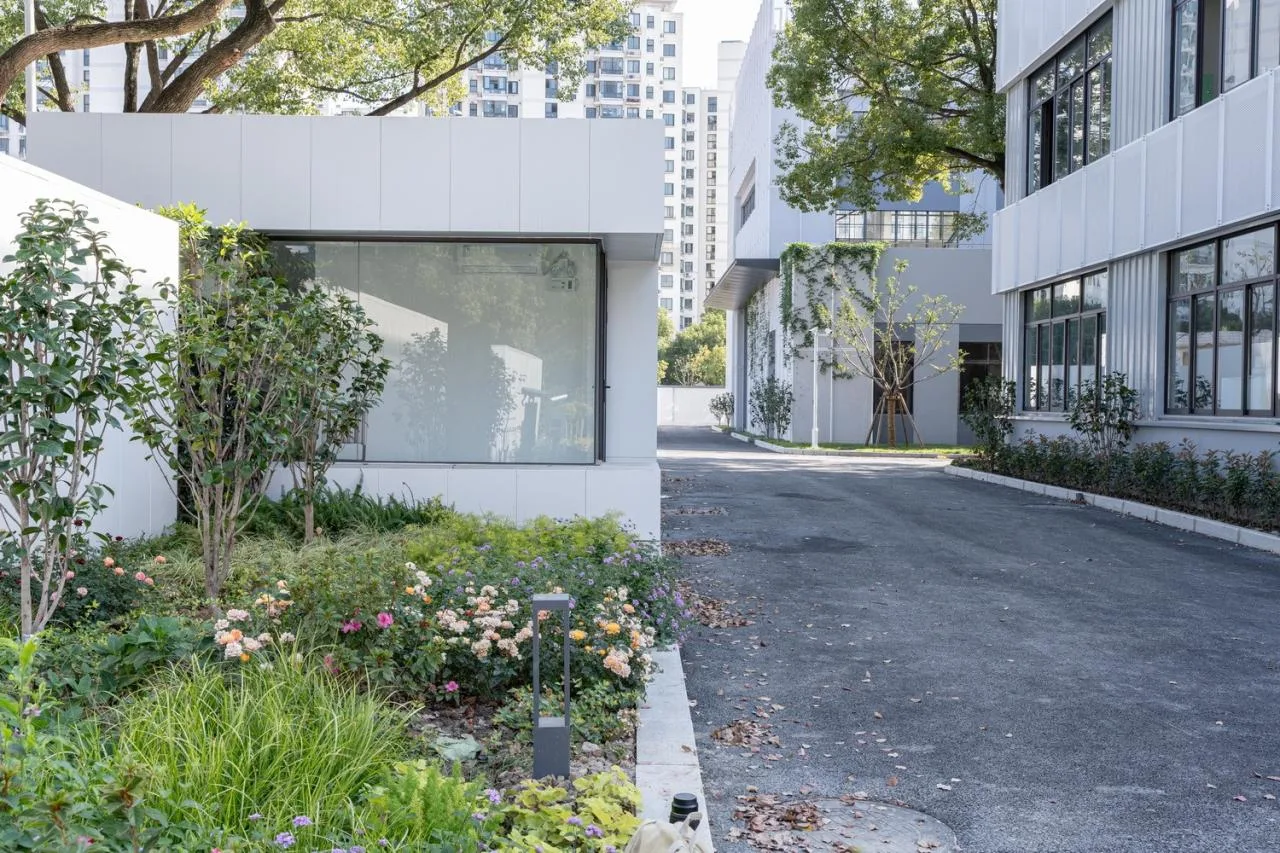
△ Project reality @ Xu Zhenwei
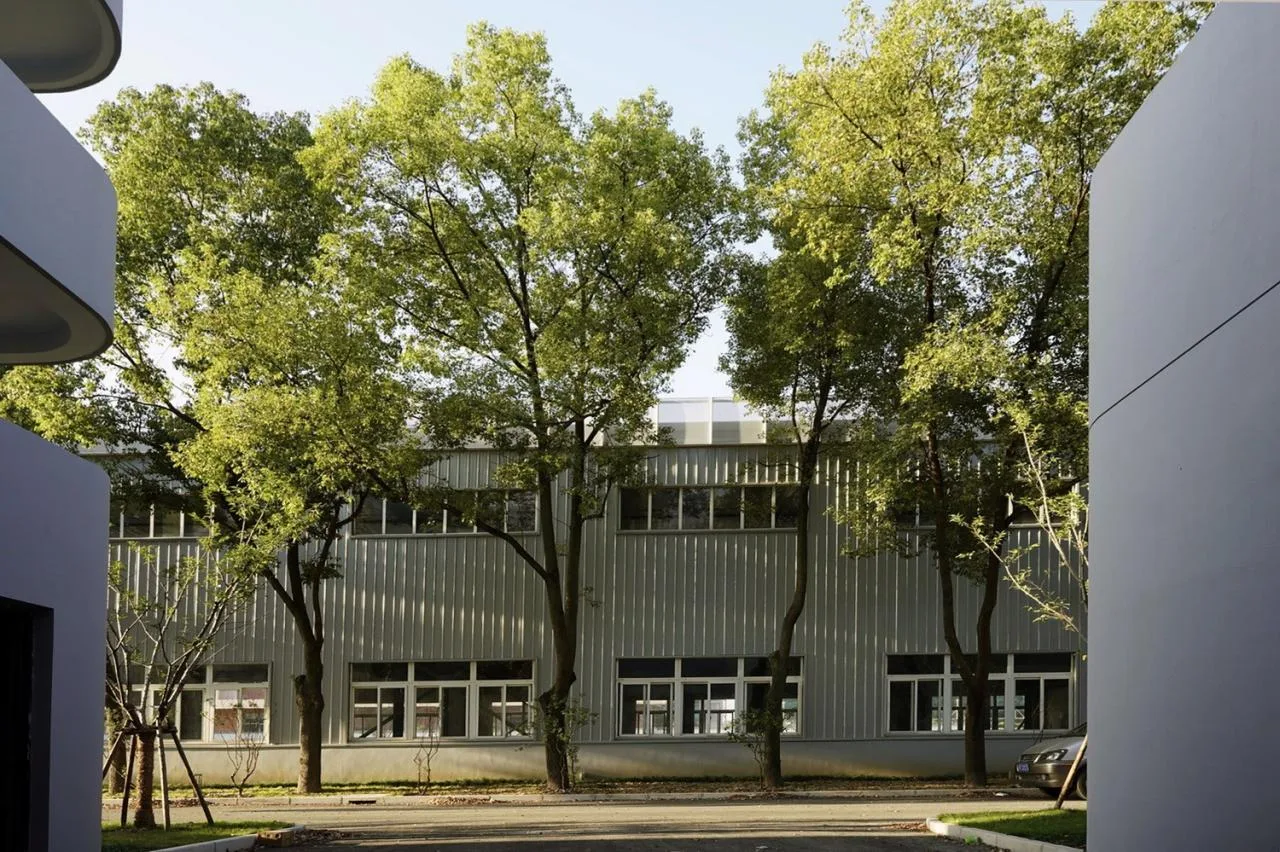
△ Project reality @ Xu Zhenwei
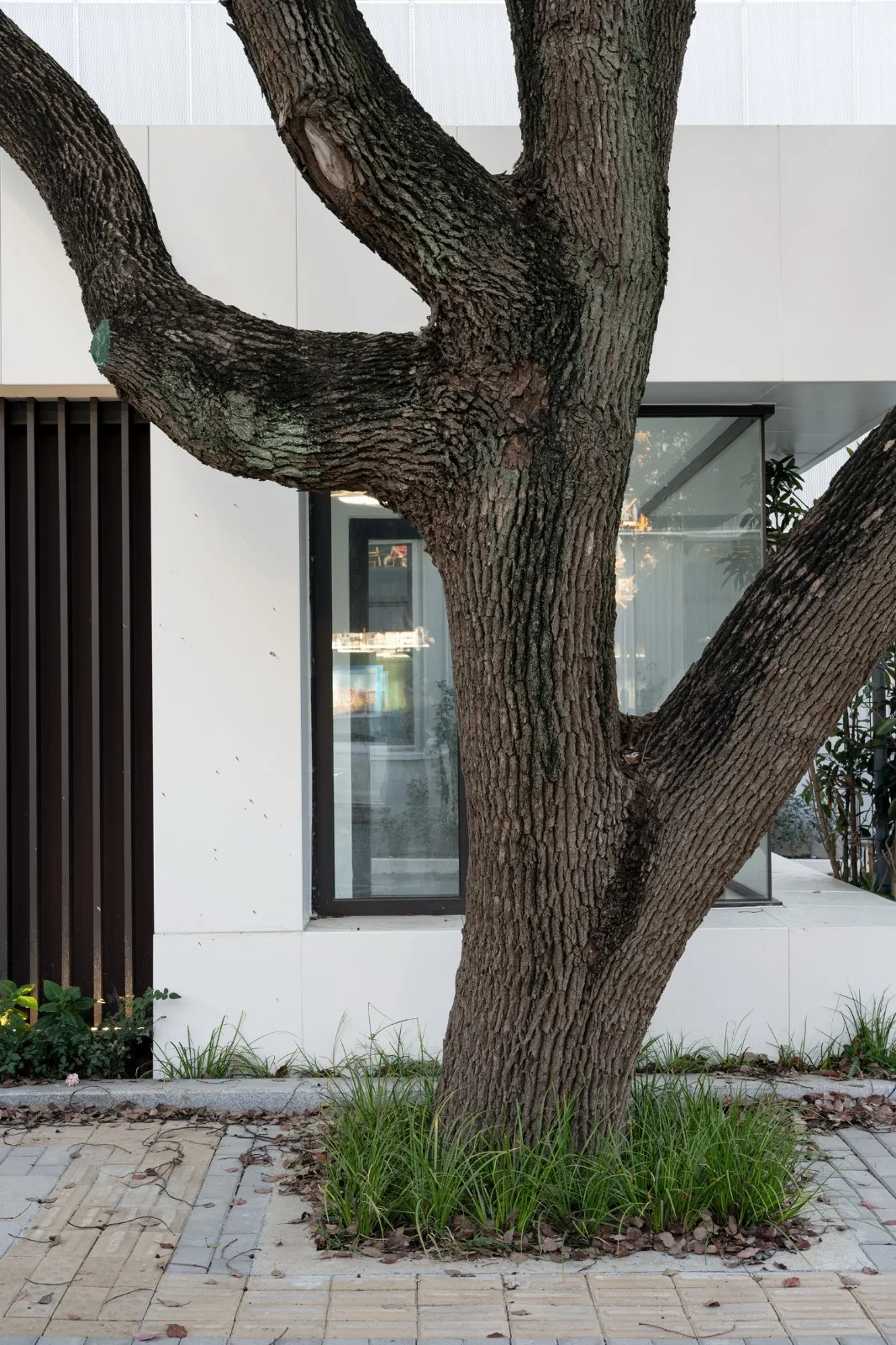
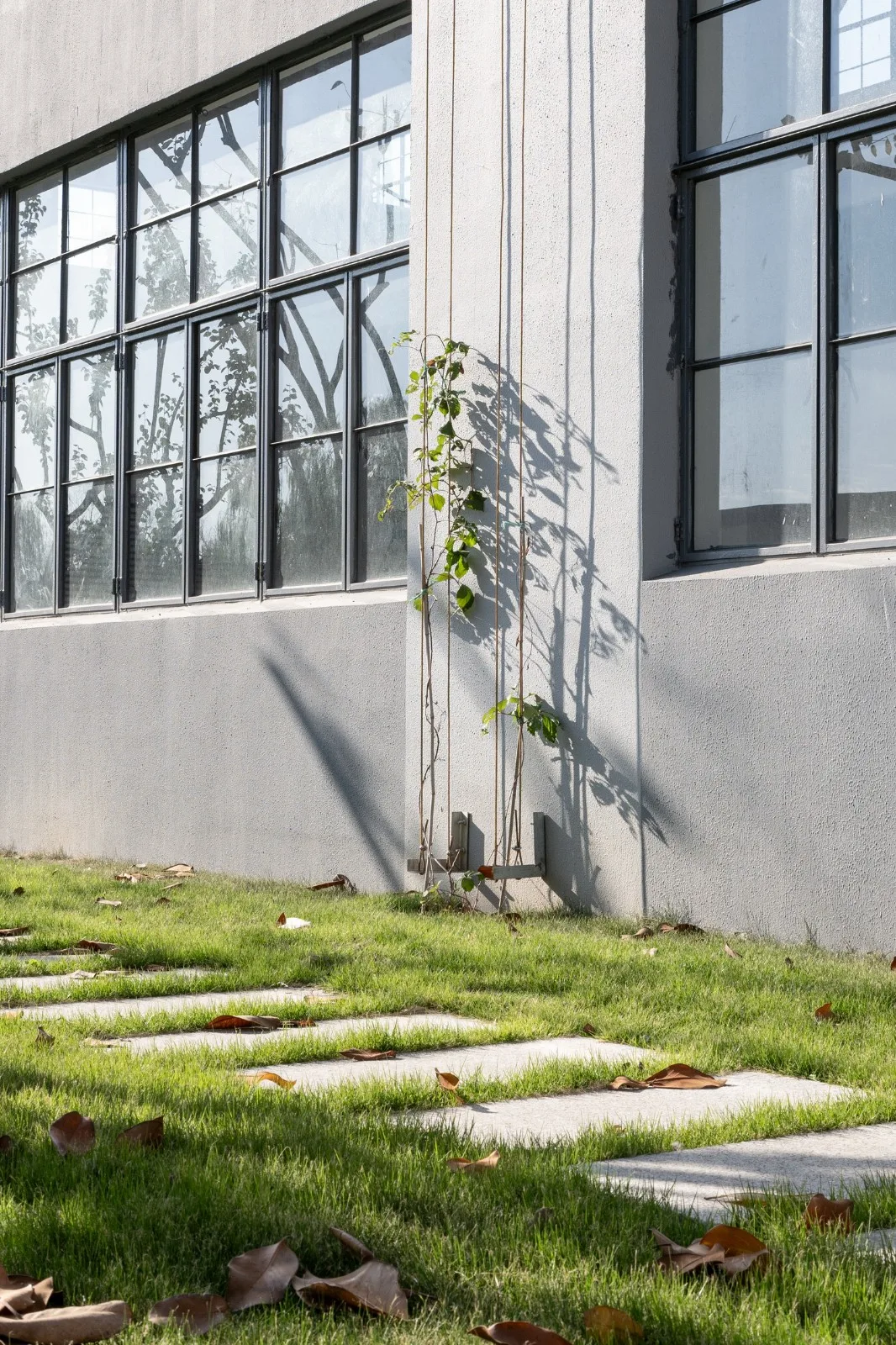
△ Project reality @ Xu Zhenwei
5. Integrated signage and lighting systems: The signage design balances facade requirements with lighting needs, maintaining the park’s identity and visibility at night while being energy efficient.
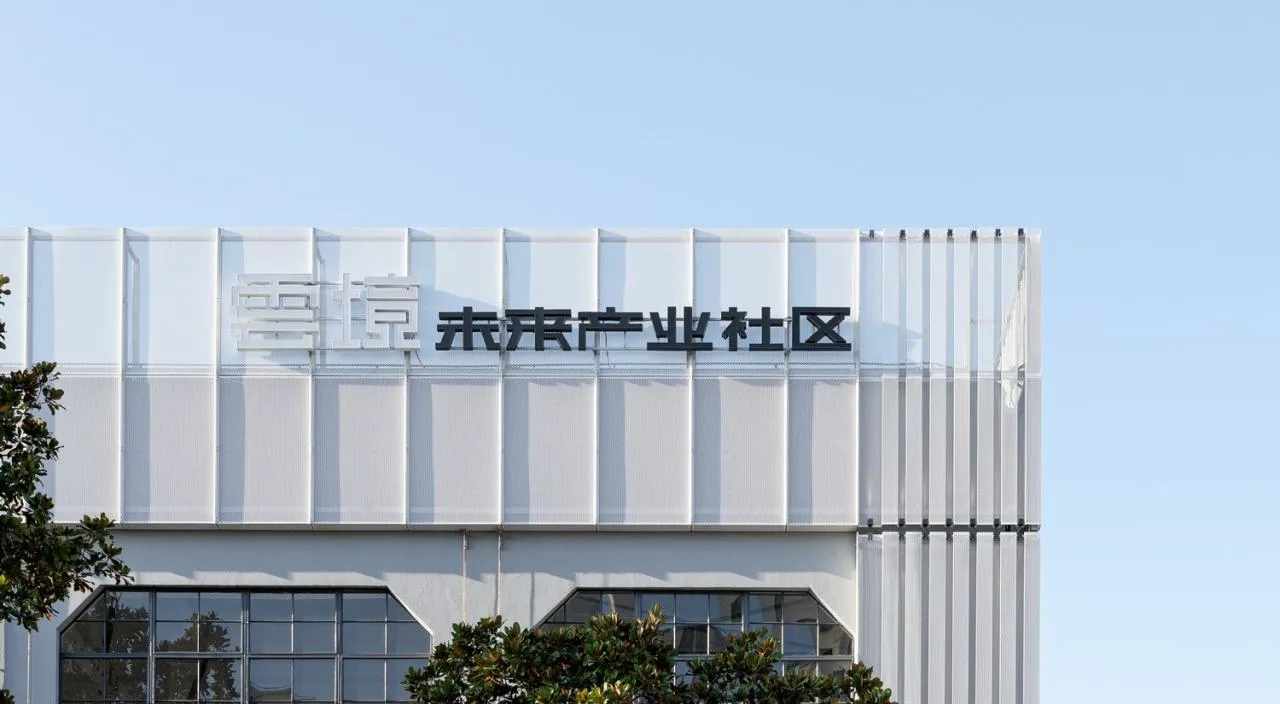
△ Project reality @ Xu Zhenwei
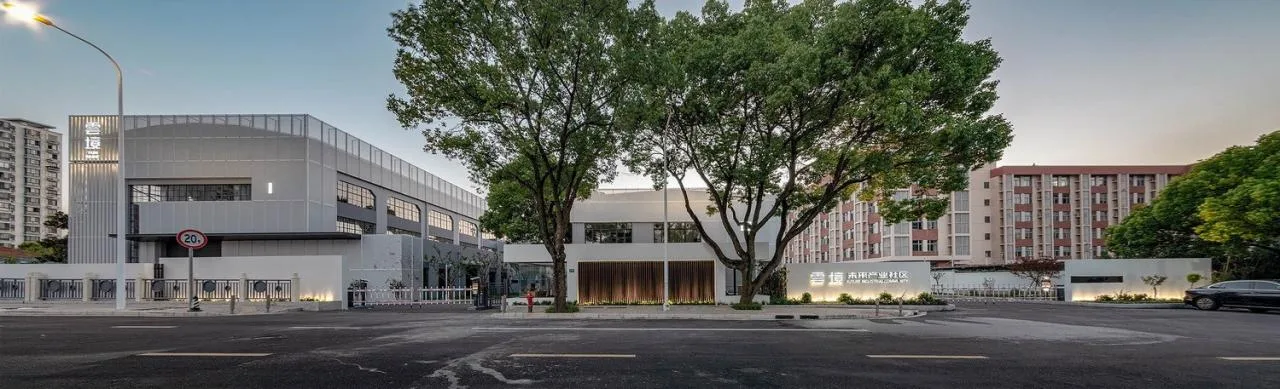
△ Project reality @ Xu Zhenwei
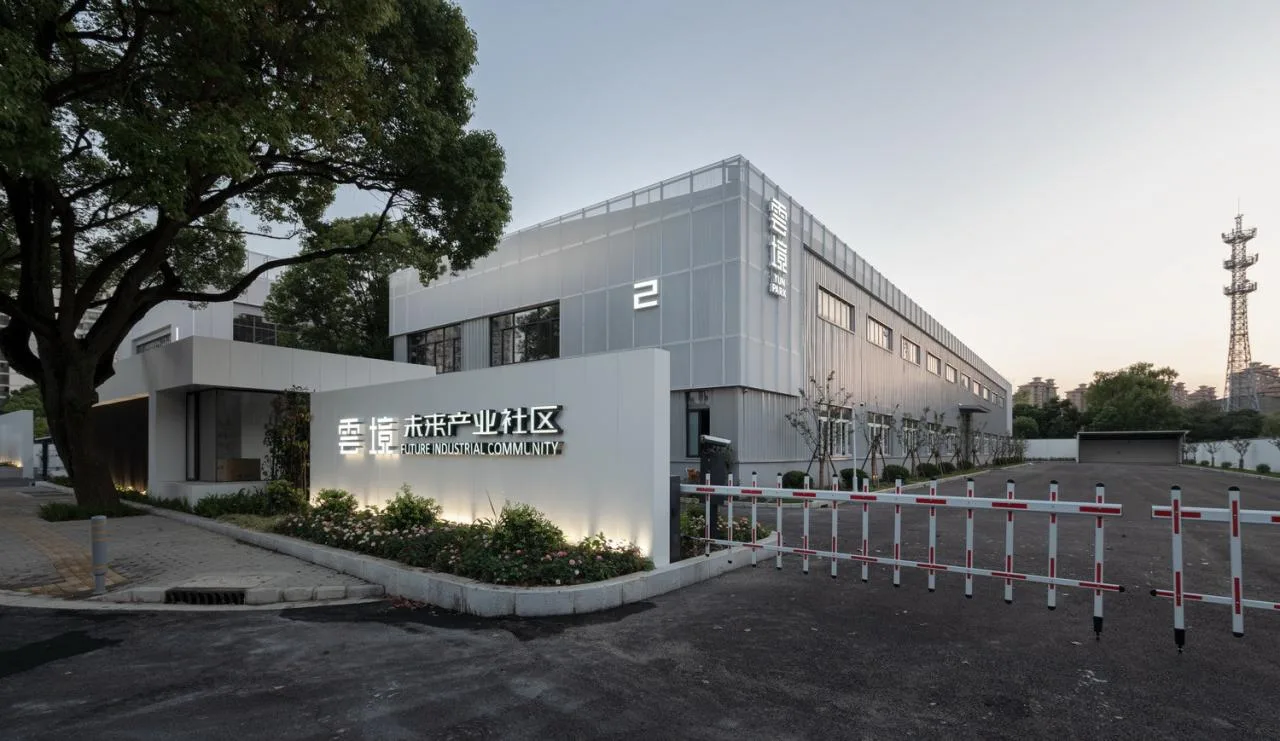
△ Project reality @ Xu Zhenwei
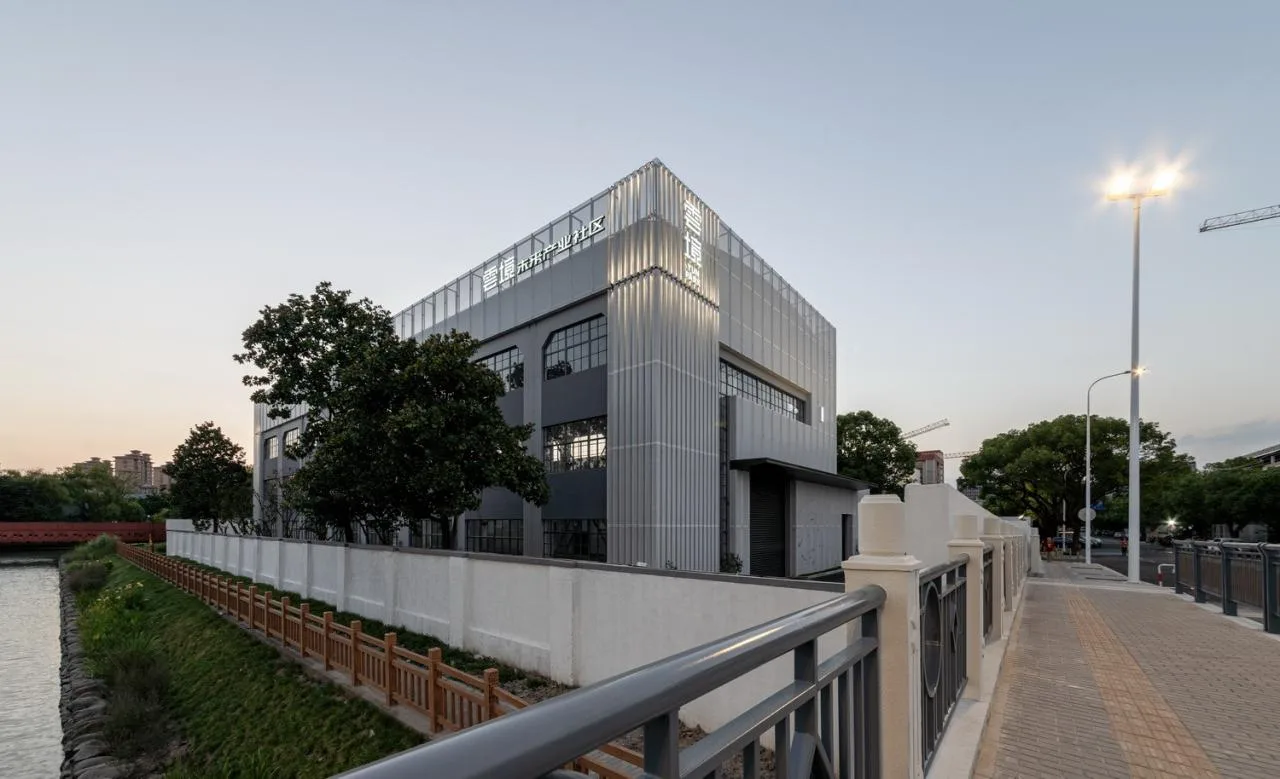
△ Project reality @ Xu Zhenwei
Conclusion
The Yunjing Future Industrial Park renovation serves as a modest yet impactful example of urban renewal. With minimal structural changes, the transformation relies on elevating spatial experience and aesthetic atmosphere rather than extensive redevelopment. By updating the building facade and reorganizing landscape spaces, the project successfully redefines the site as a research and development hub for technological innovation, providing a replicable model for similar industrial upgrades.
Project Drawings
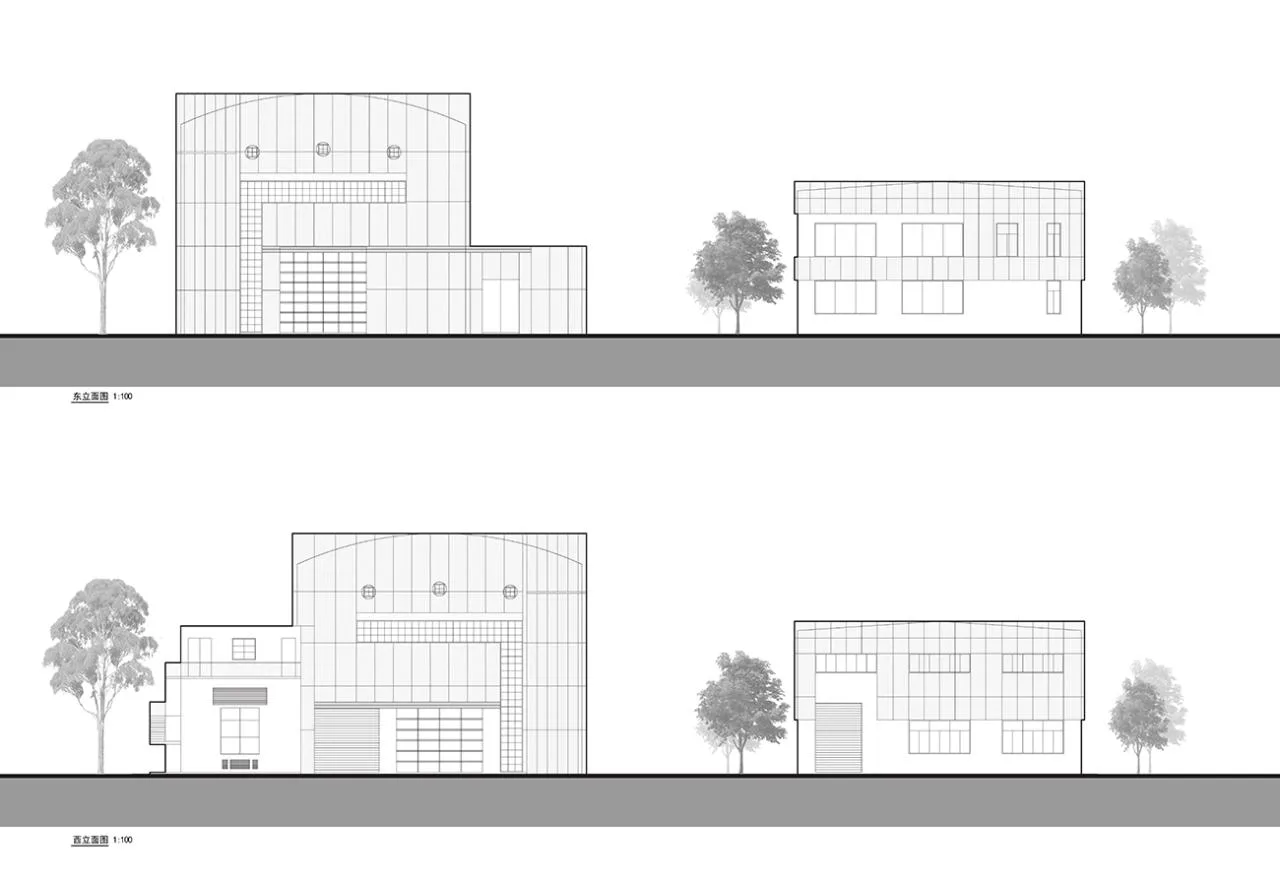
△ Elevation drawing
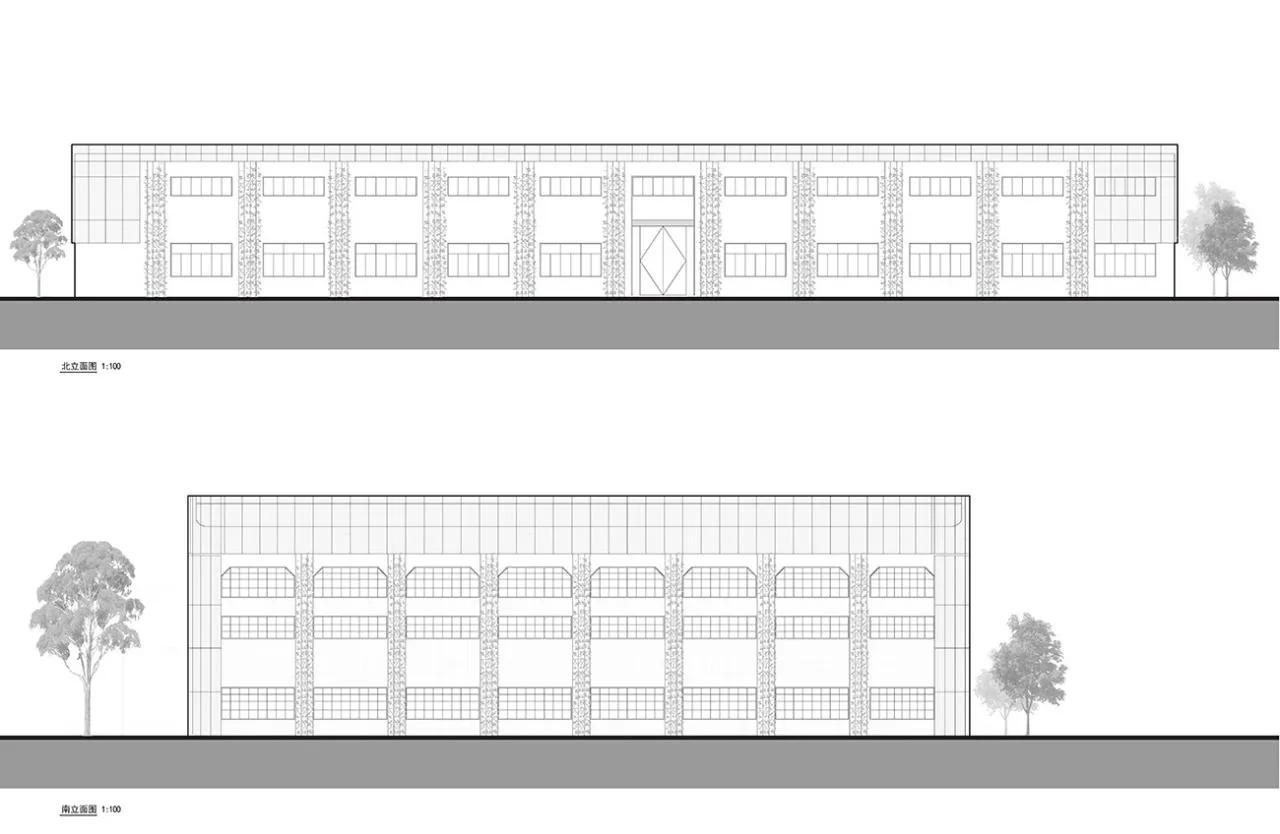
△ Elevation drawing
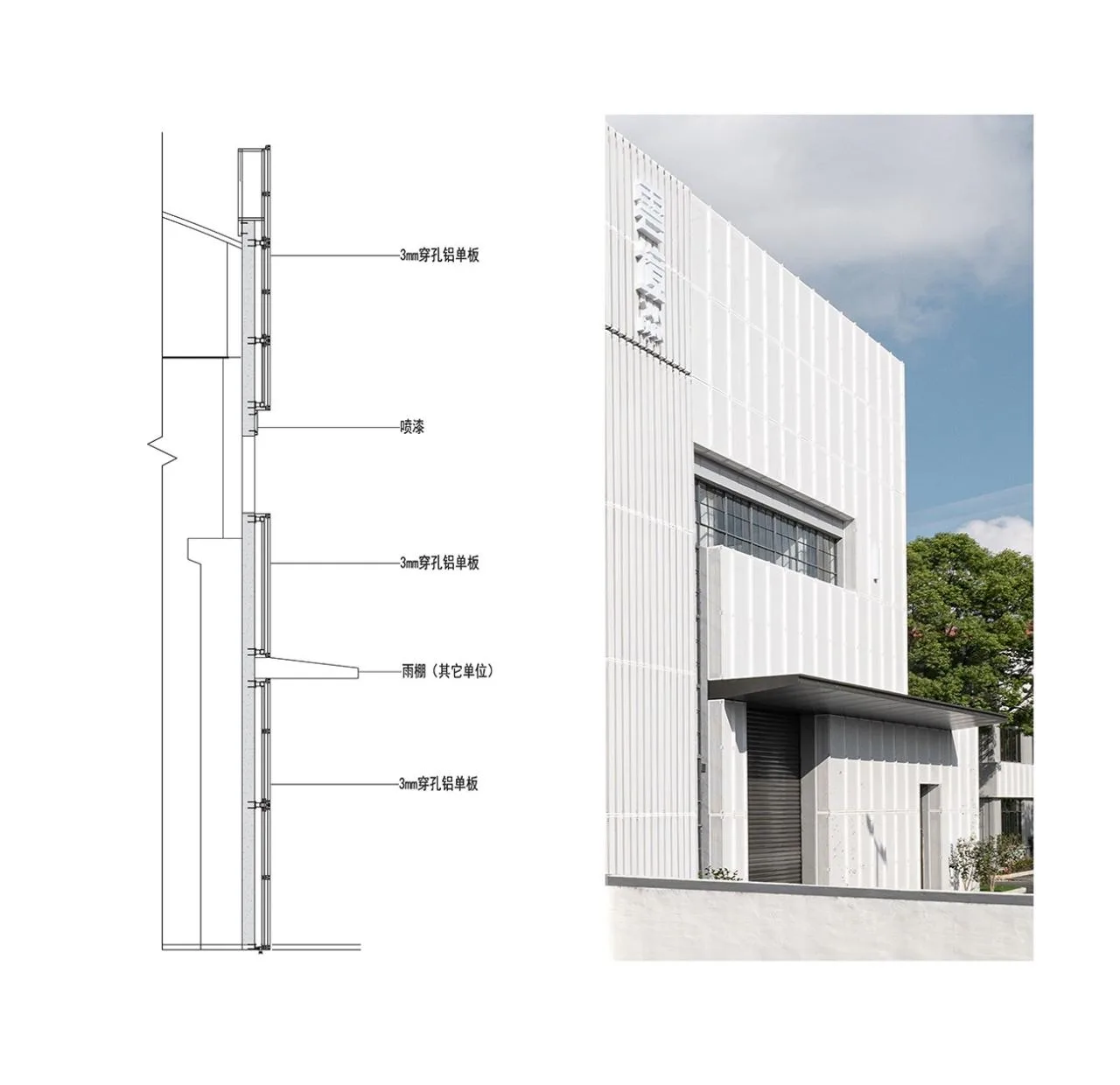
△ Detailed drawing
Project Information
Project Name: Cloud Future Industrial Park
Designer: Grid Design
Year: 2023
Location: Shanghai
Owner: Shanghai Minhang Real Estate Co., Ltd. (Shanghai Yuanjie Power Station Accessories Co., Ltd.)
Area: 3,083 square meters
Status: Completed















Must log in before commenting!
Sign Up