
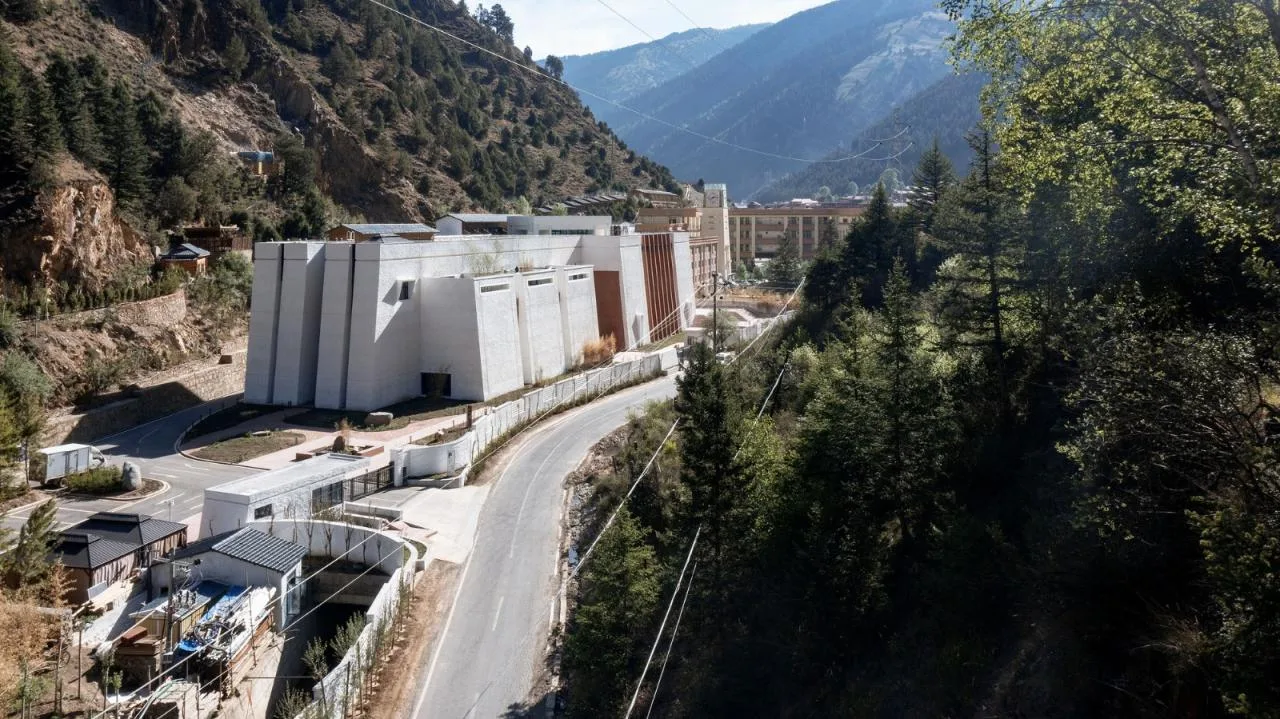
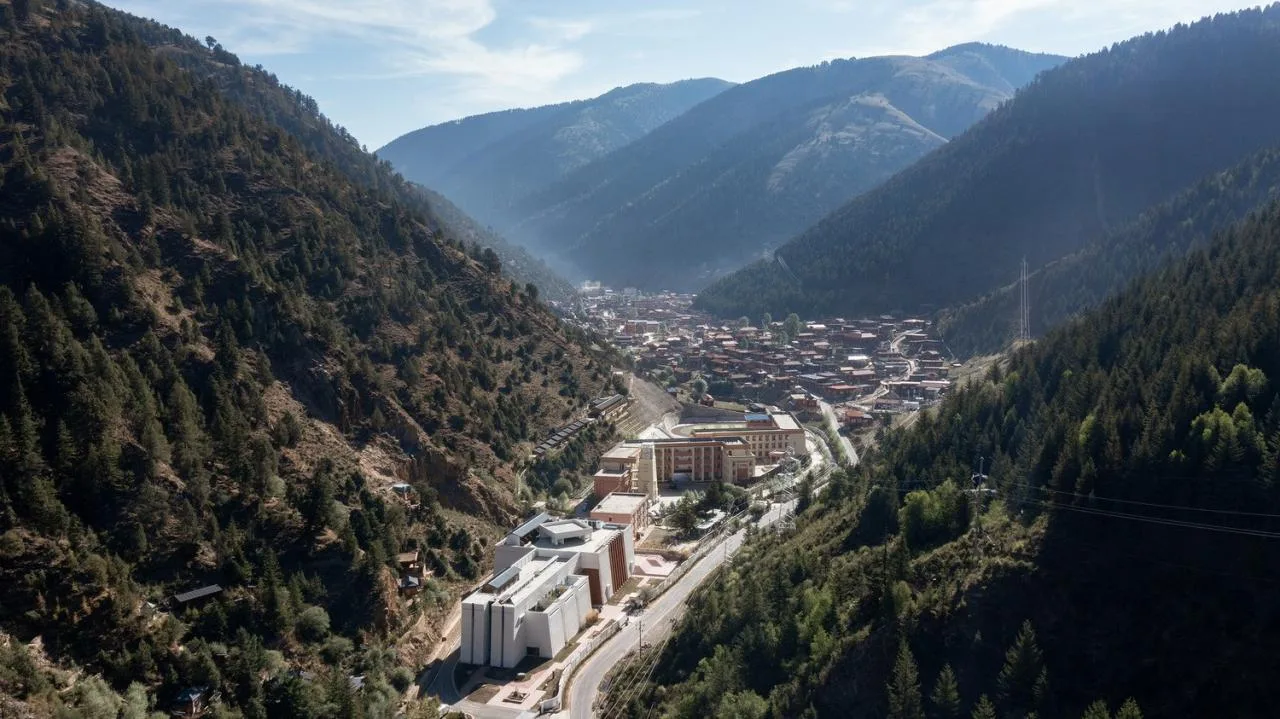
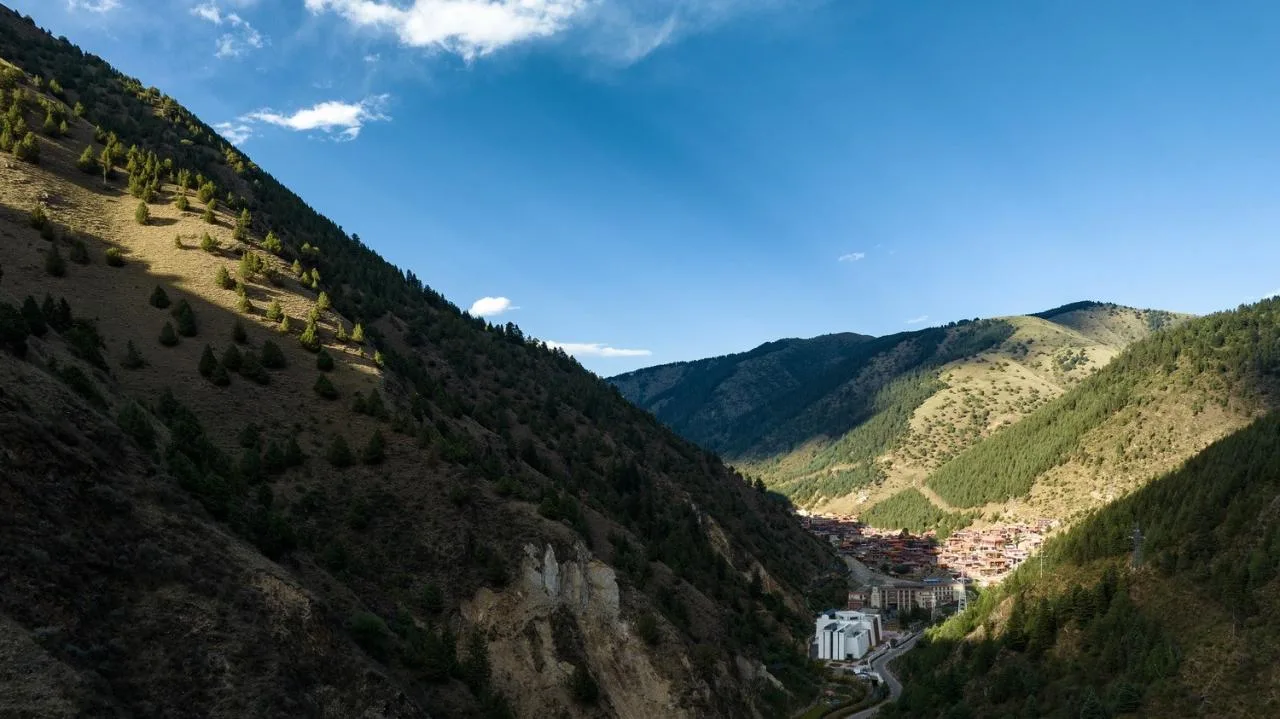
This project presents a formidable challenge while offering a tranquil and enjoyable experience amid harsh conditions. Situated on a small alluvial plain at 4000 meters elevation in the Tibetan region of western Sichuan, the site lies between towering, majestic mountains. These imposing natural formations, while spectacular, impose a sense of confinement on the area. Access to the outside world is limited to a narrow 4-meter-wide rural road running along the valley.
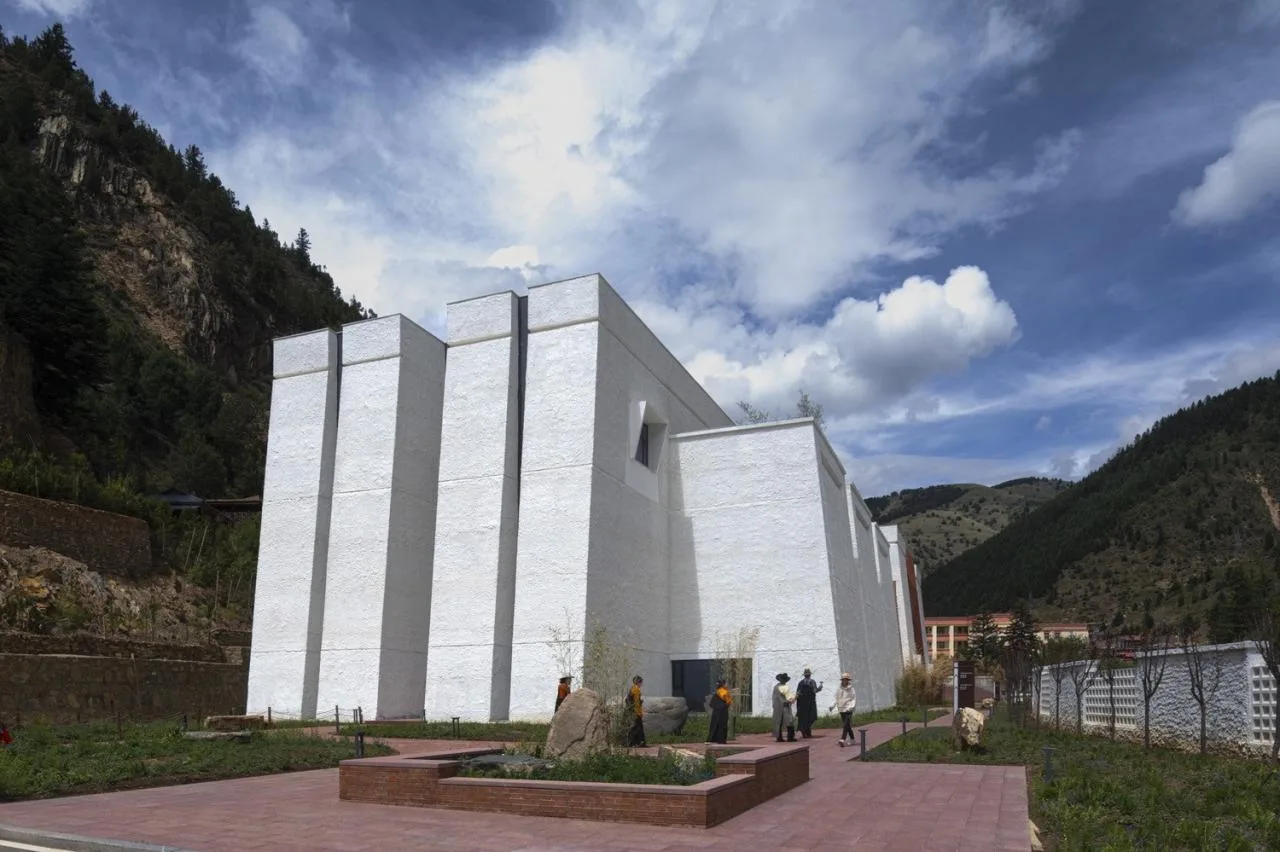
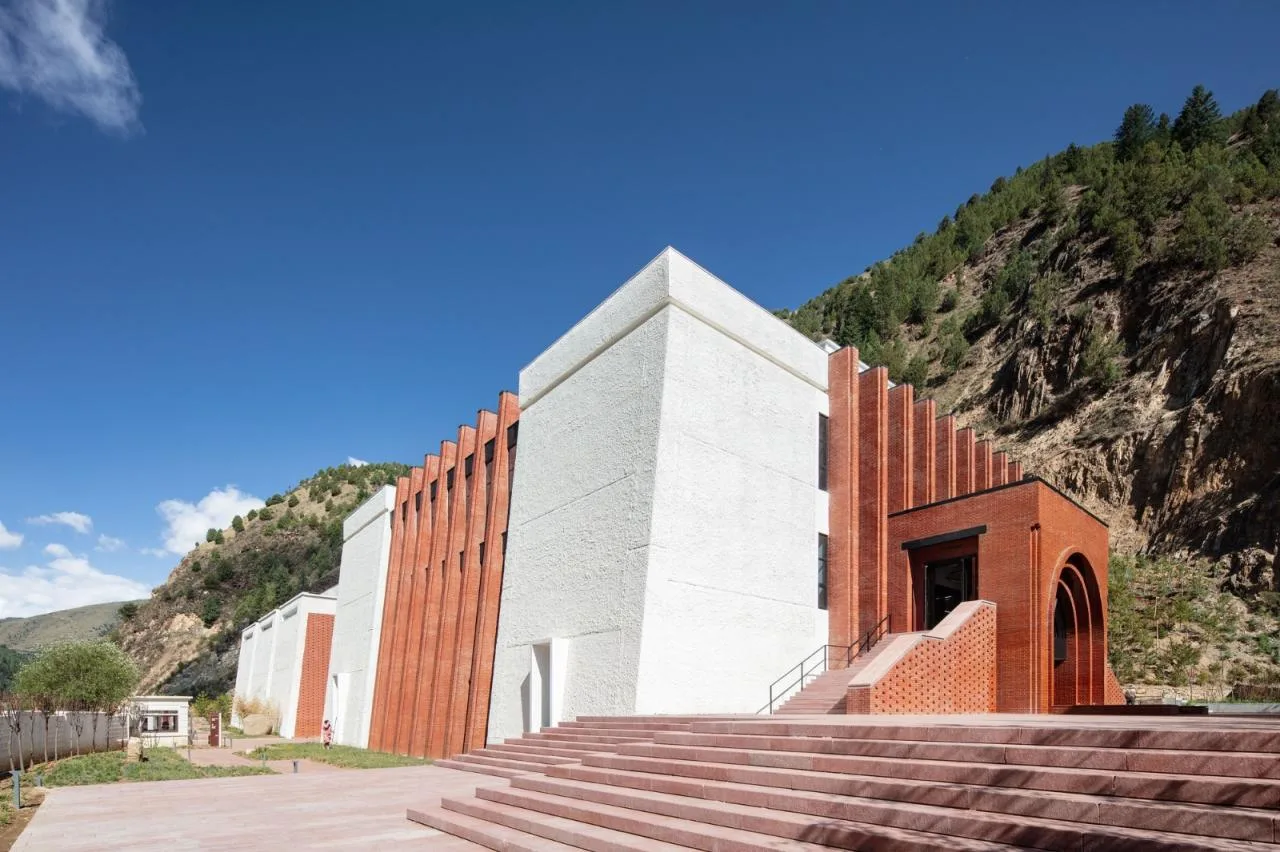
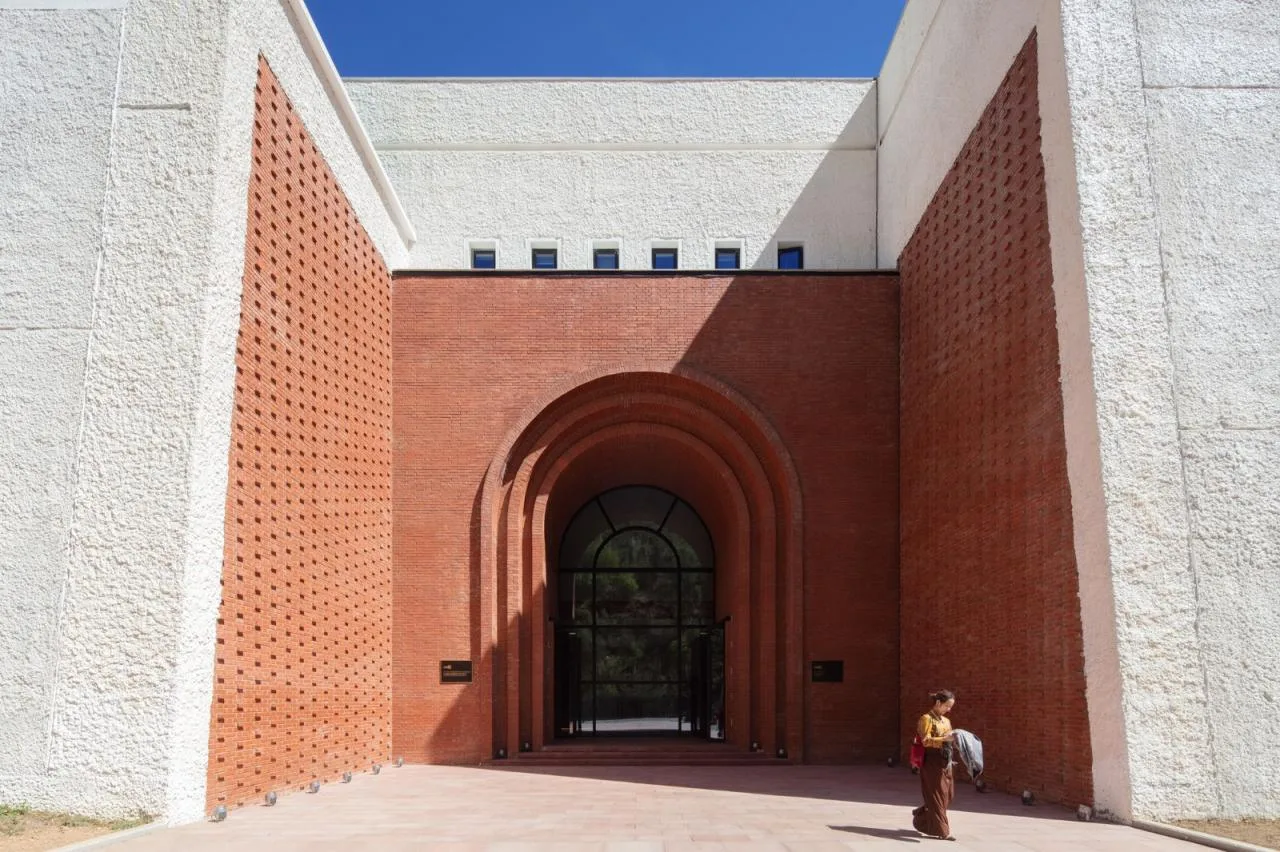
The harsh environmental conditions demand that the buildings withstand adversity with strength, creating a space imbued with profound spiritual energy. The harmonious integration of structure, space, and order imbues the building with a sacred, almost religious, ambiance.
The project comprises two main components: the library and the Museum of Tibetan Costume Culture. The museum follows a classic AB spatial layout, while the library features a distinct centripetal design. These two parts are connected by a shared foyer, forming a cohesive whole.
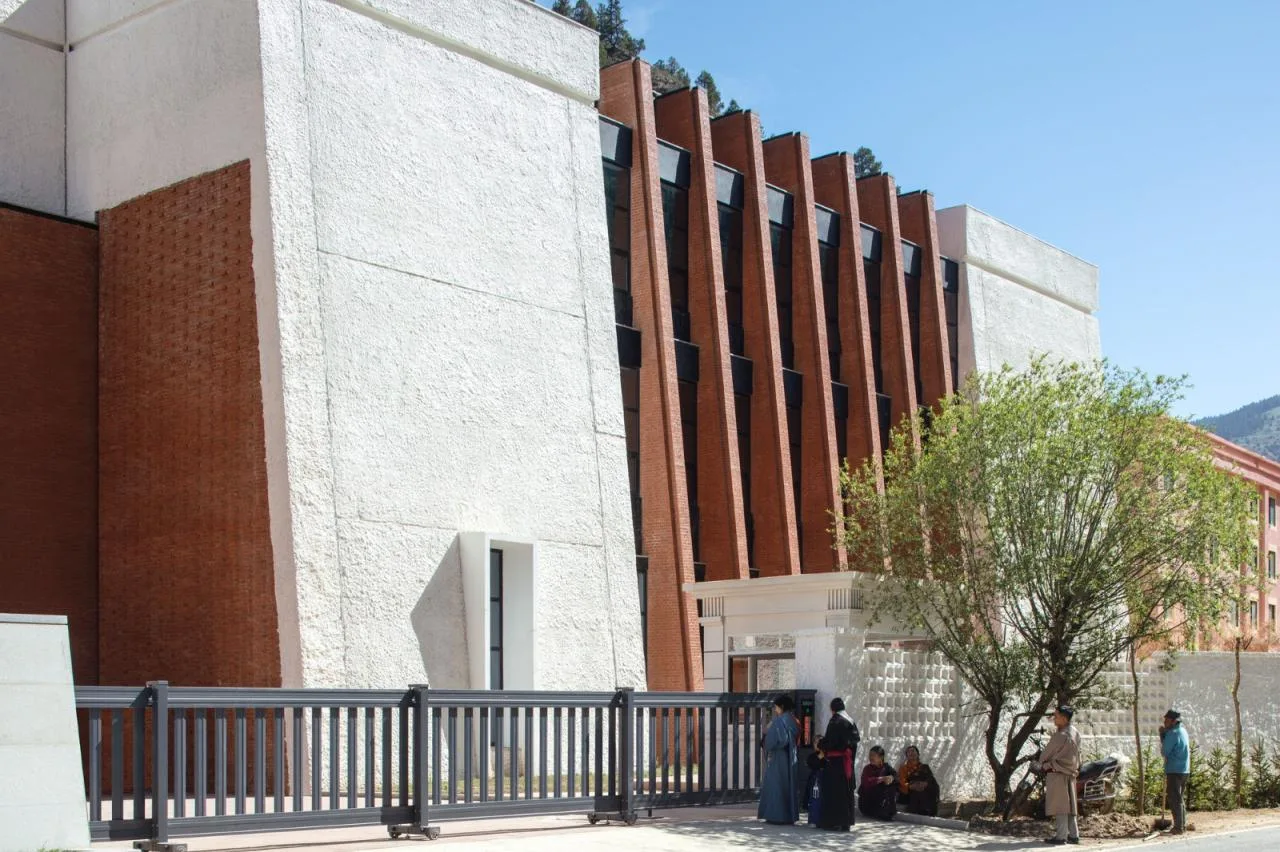
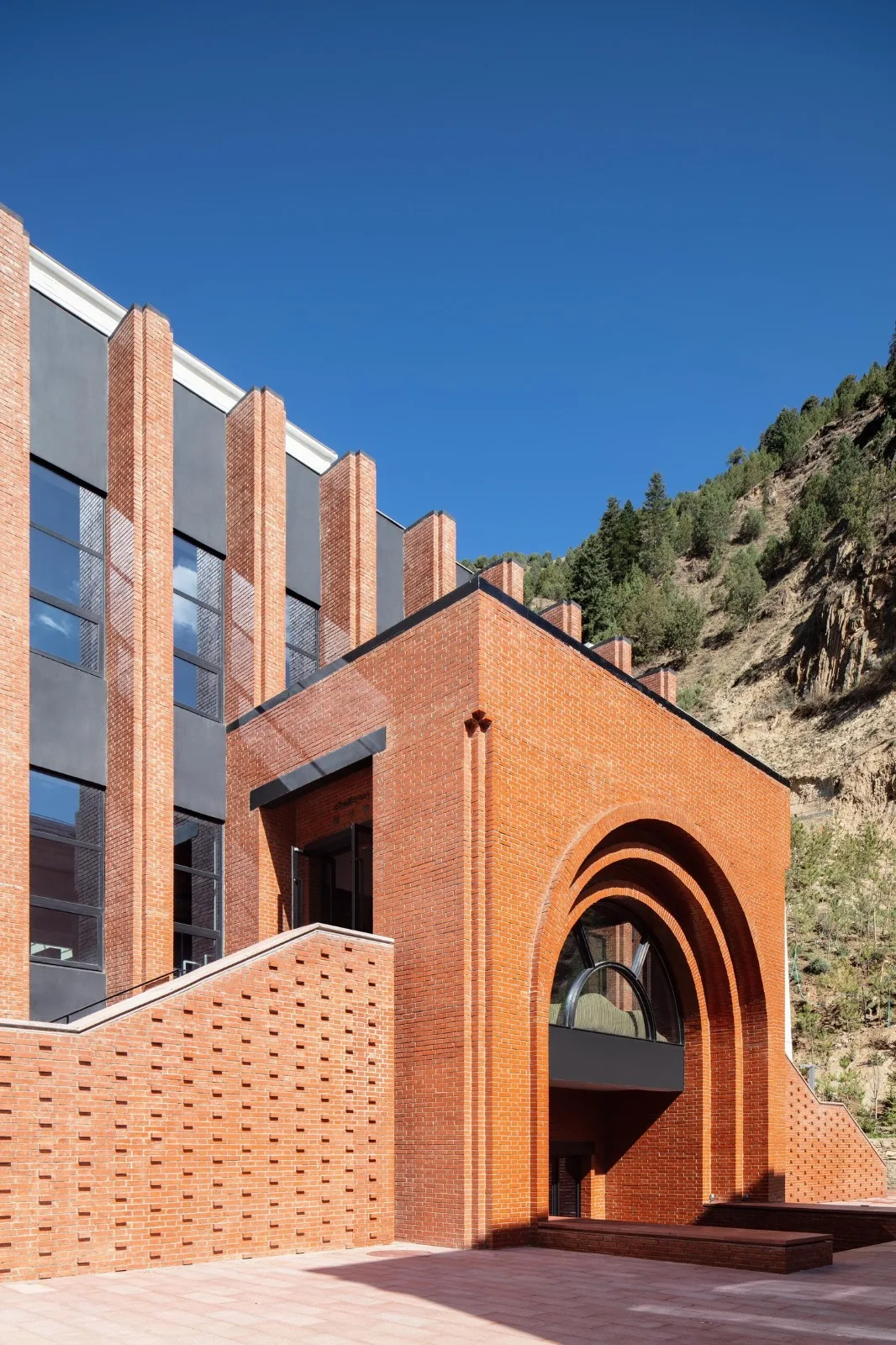
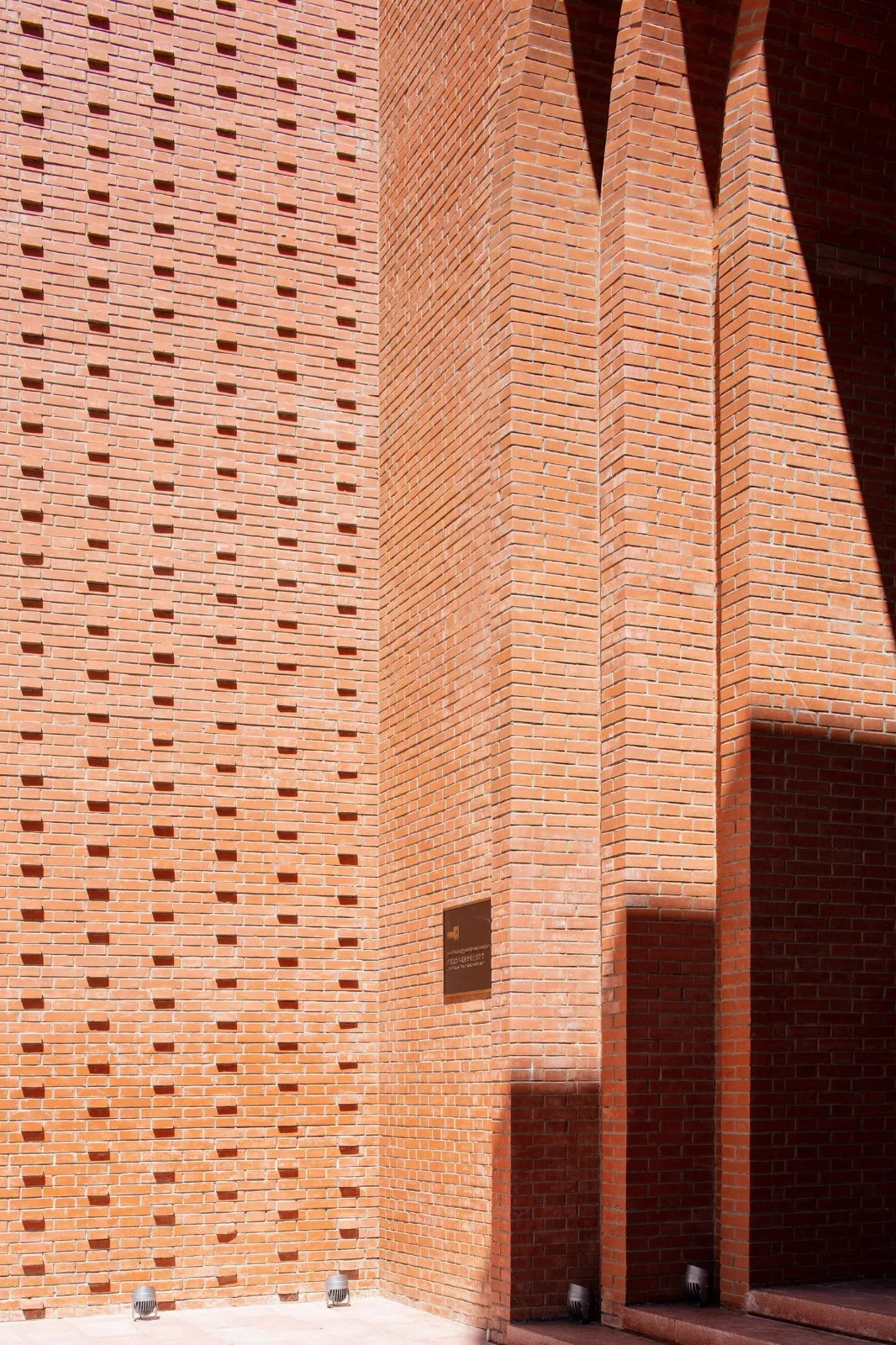
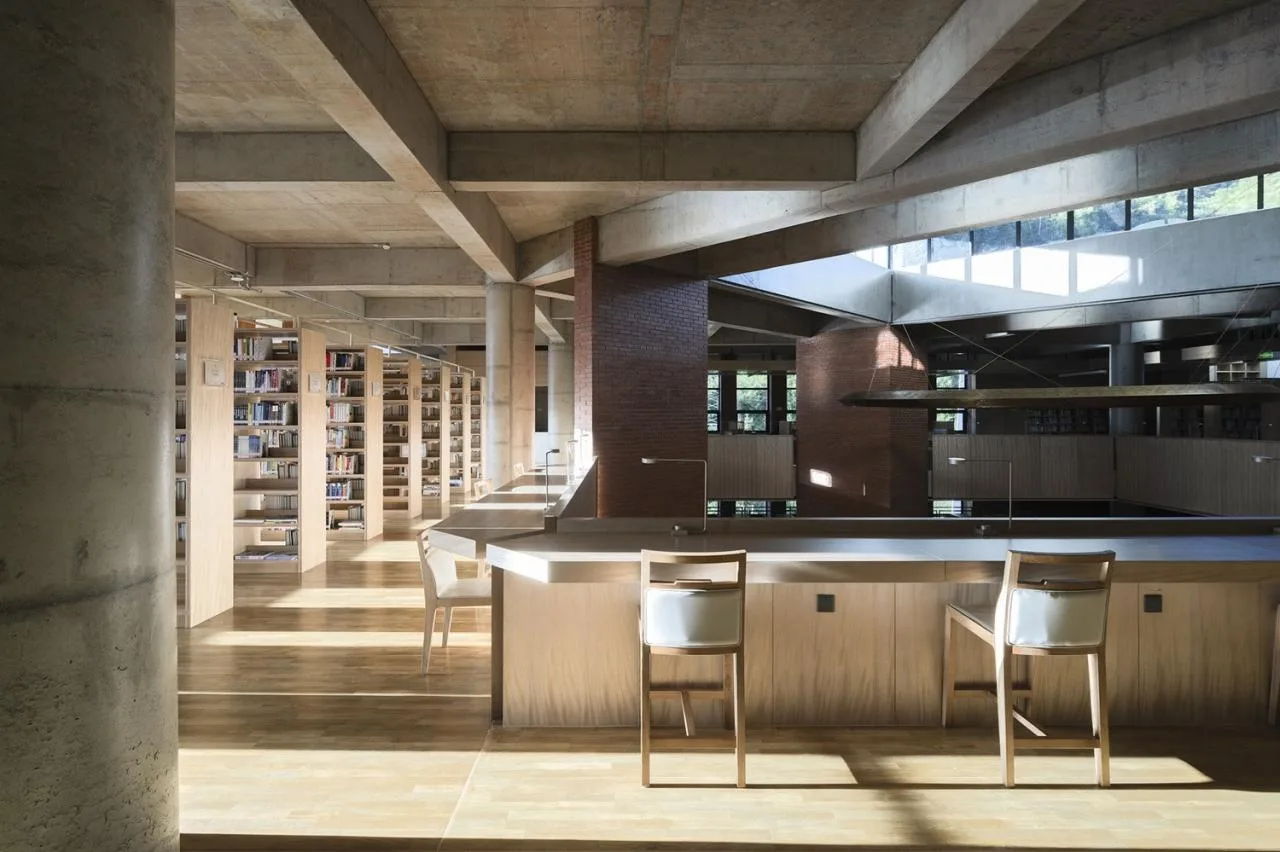
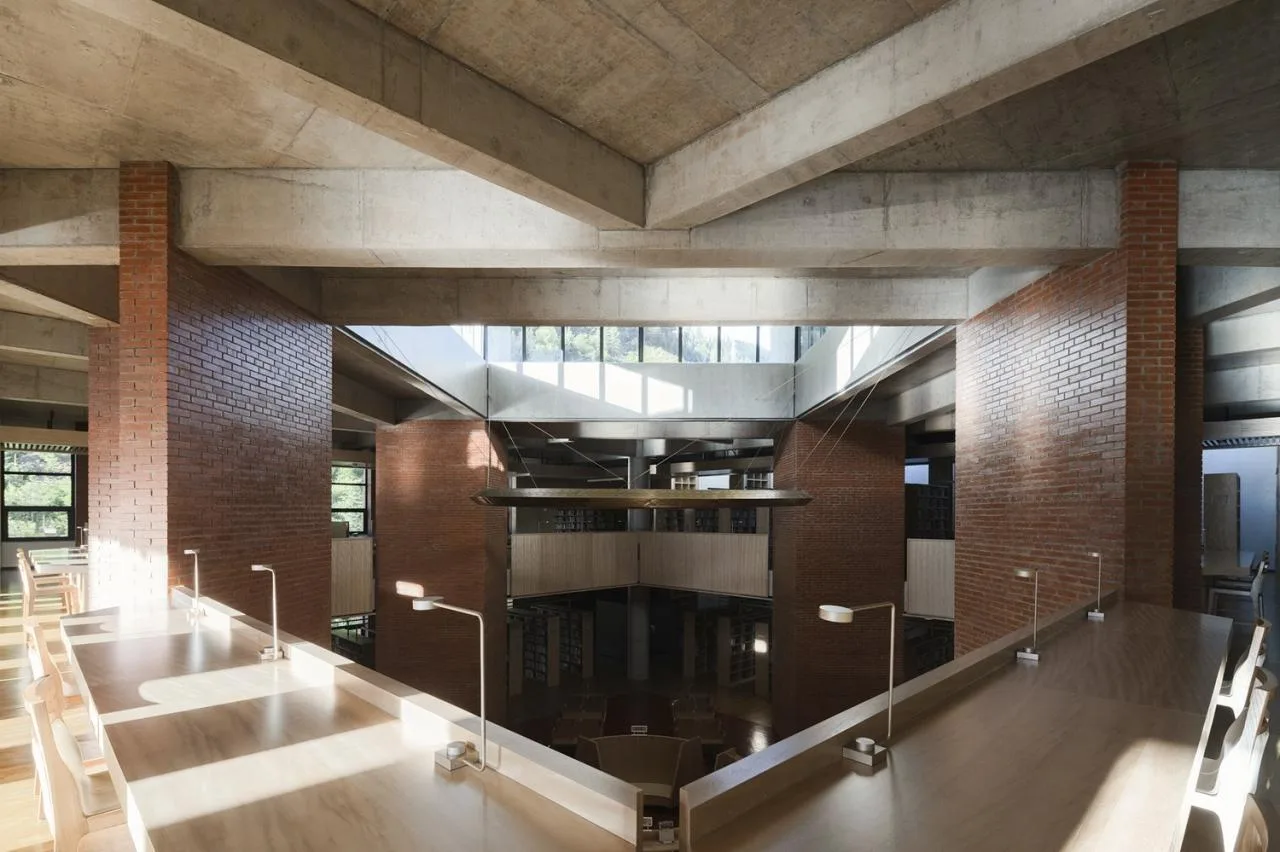
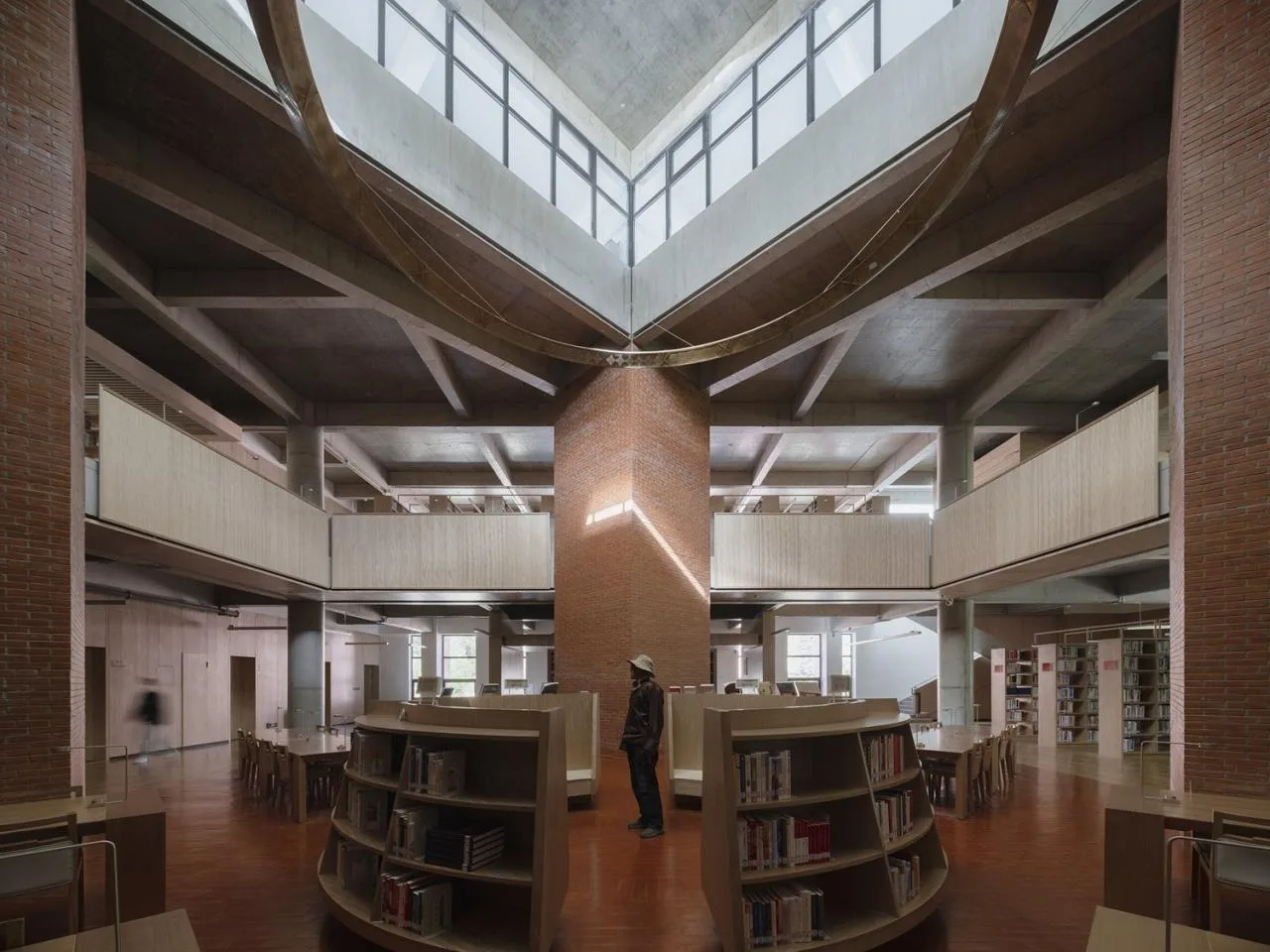
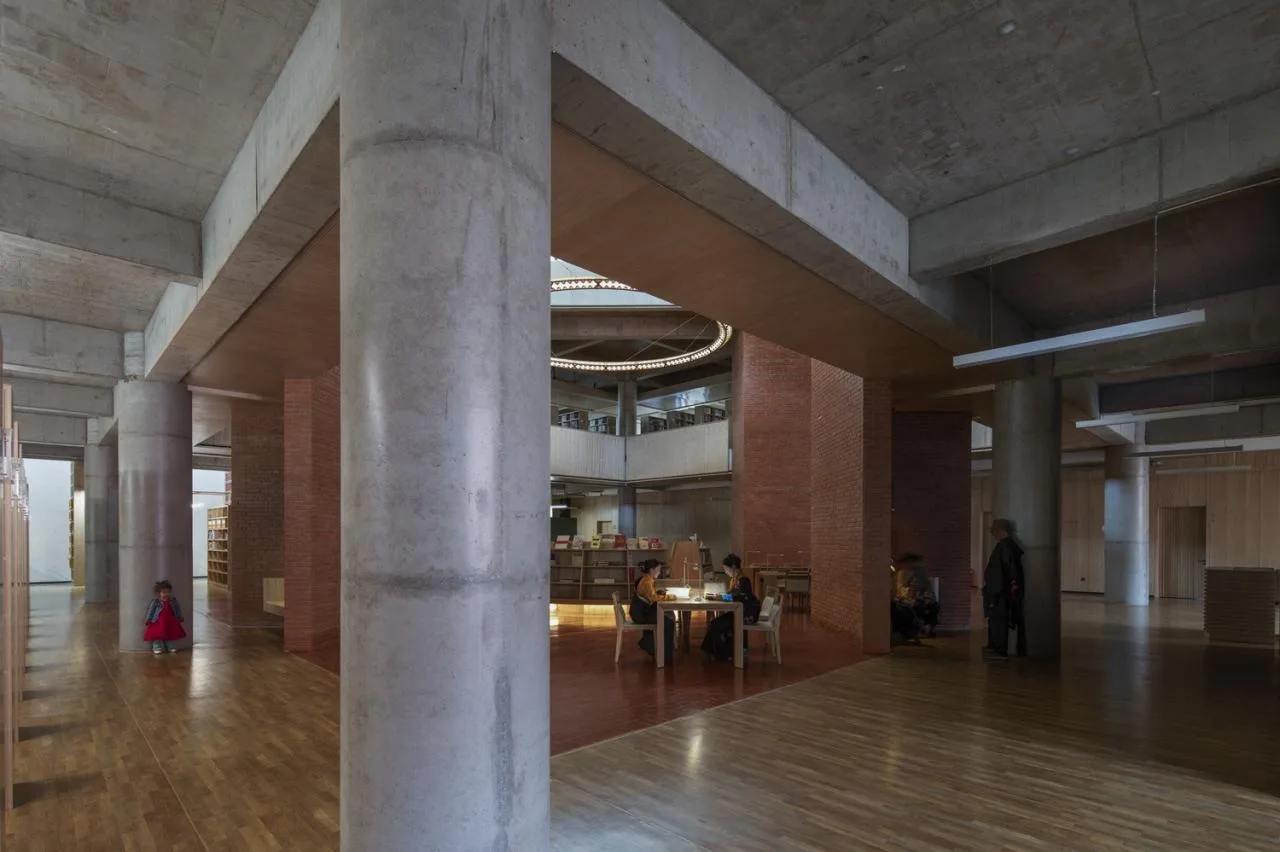
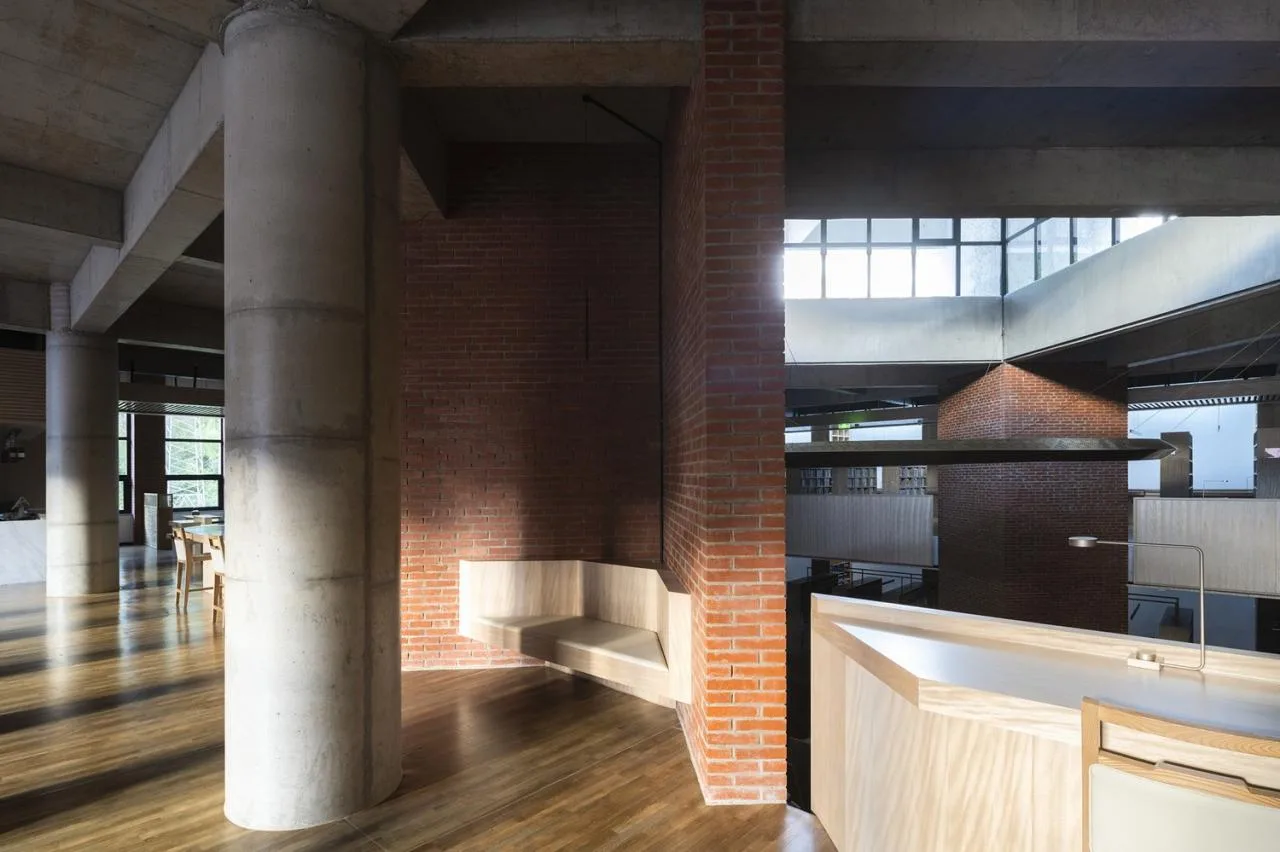
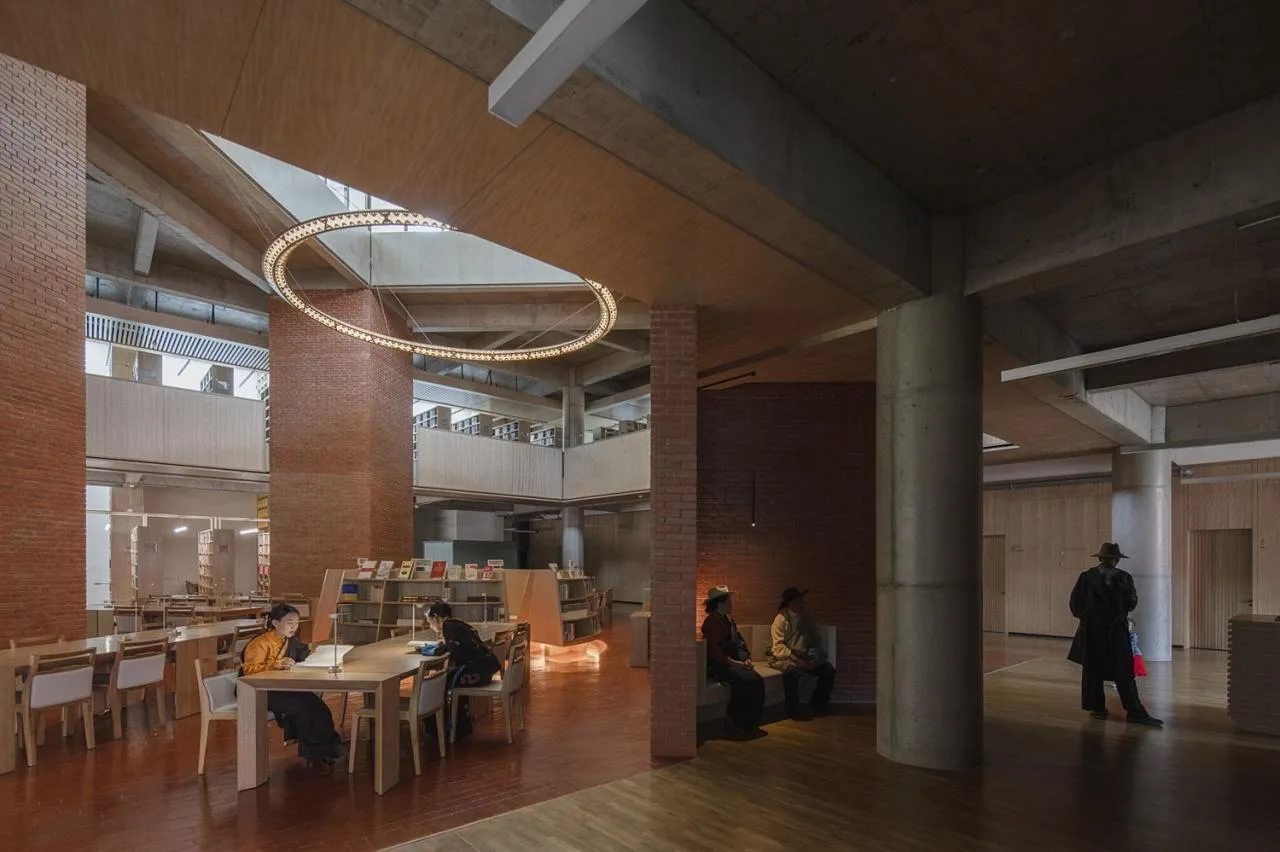
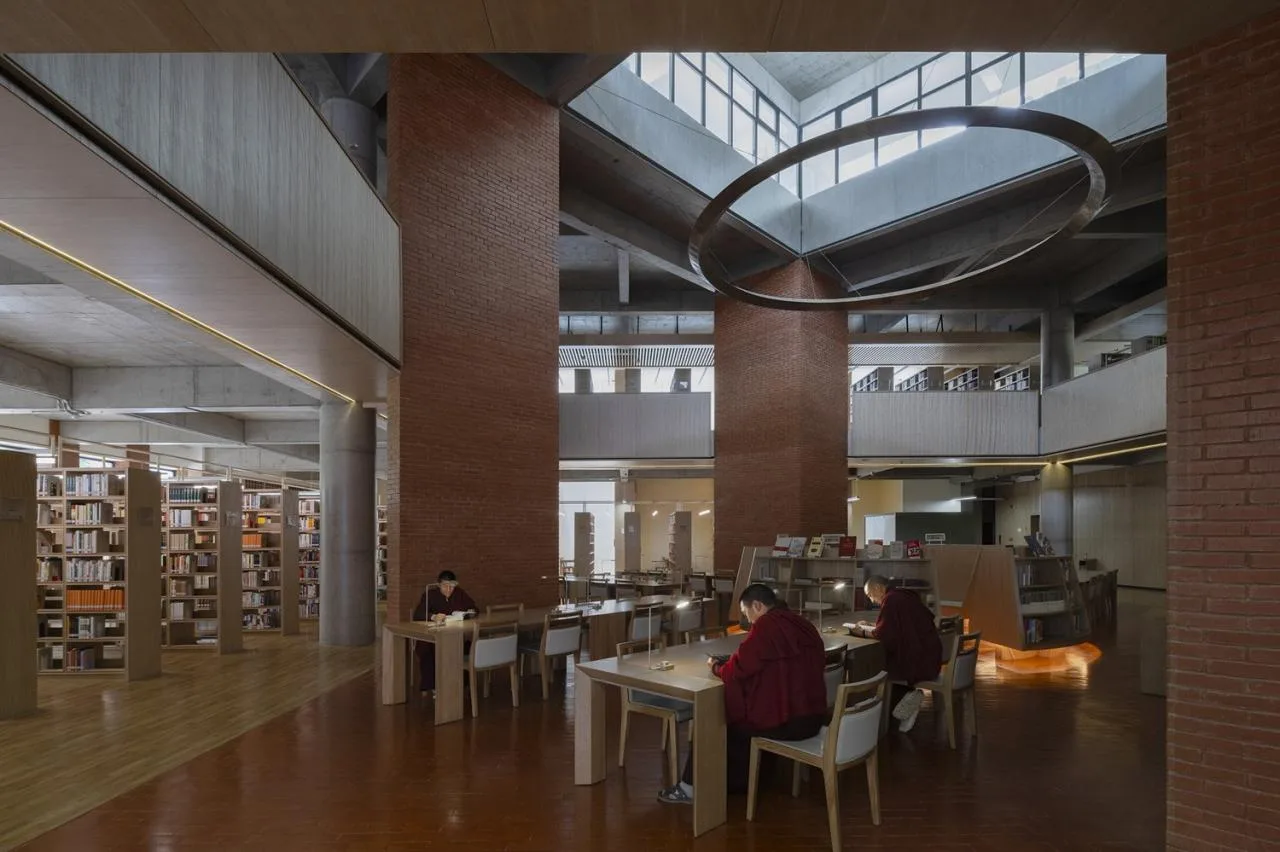
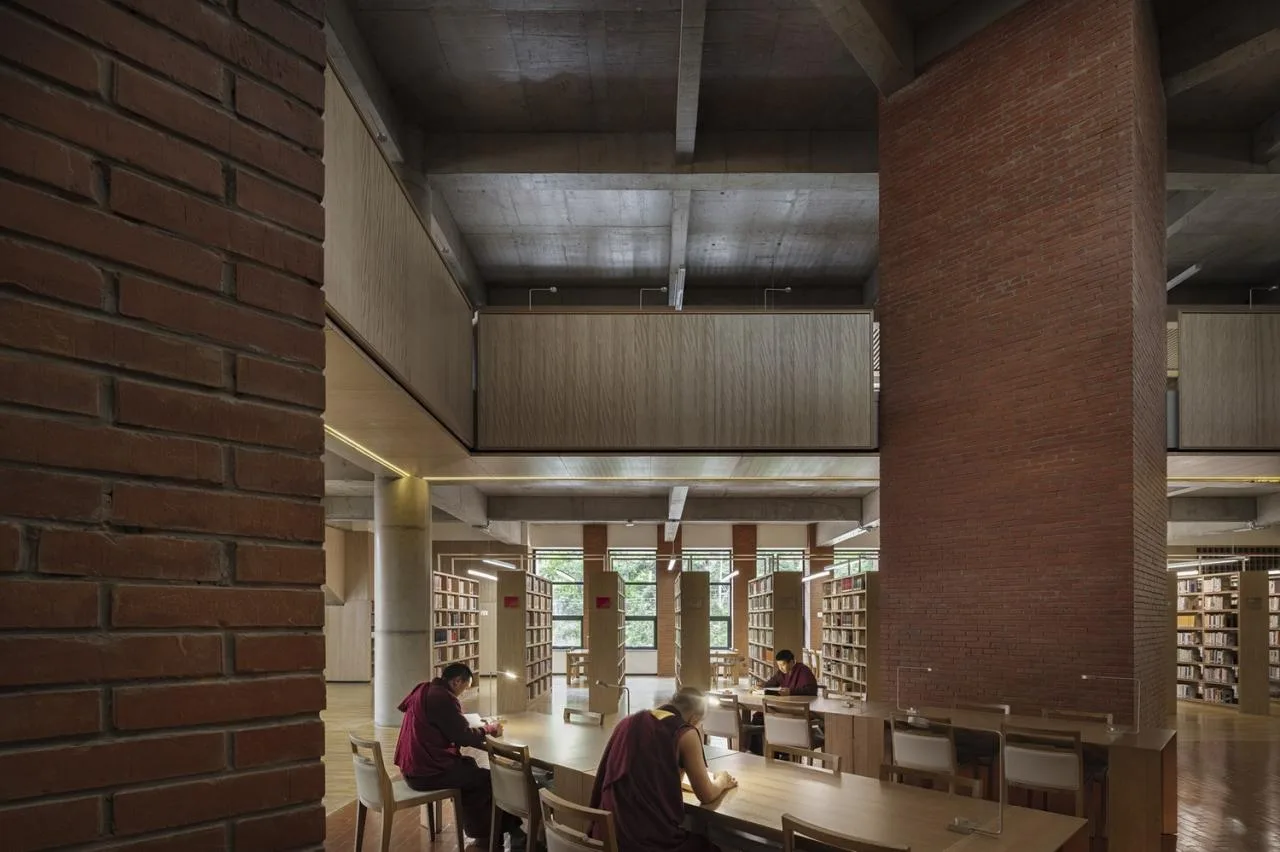
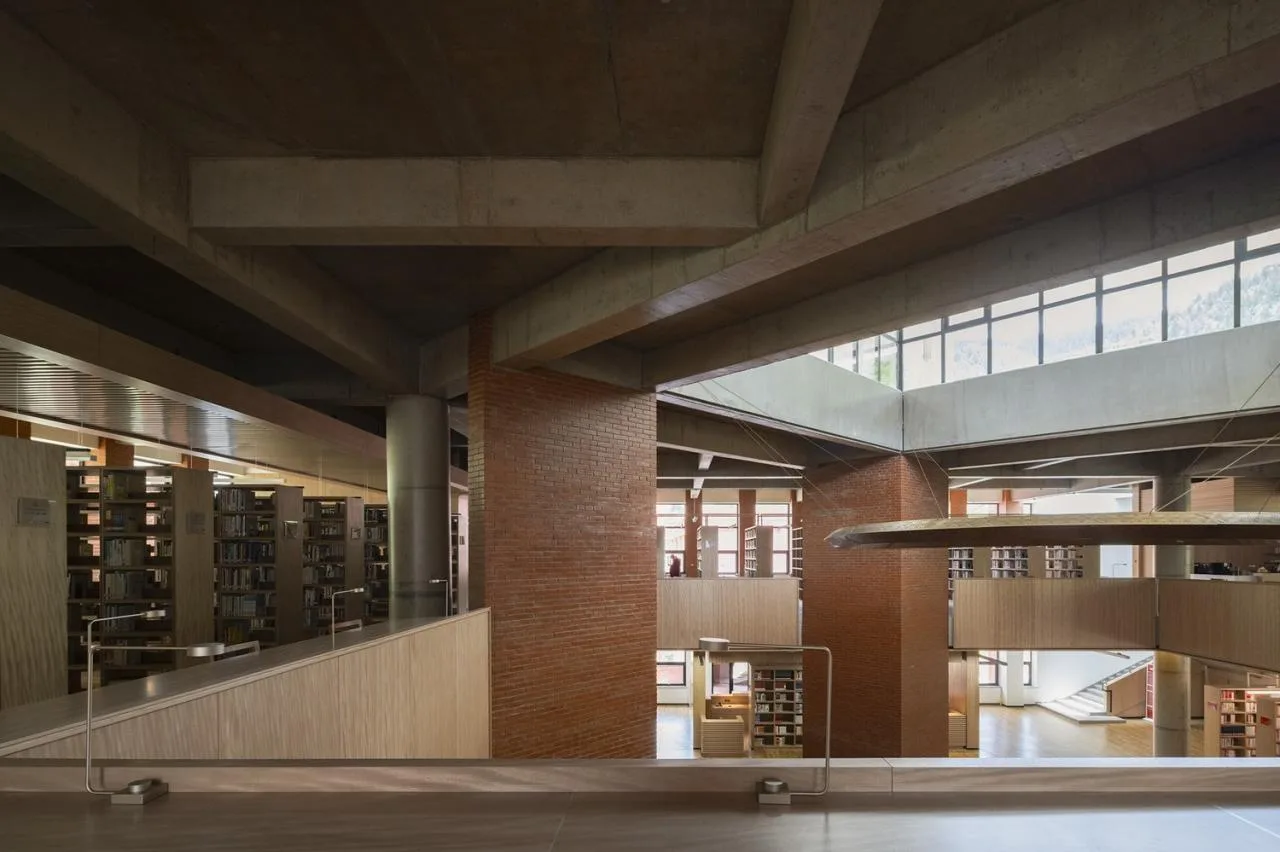
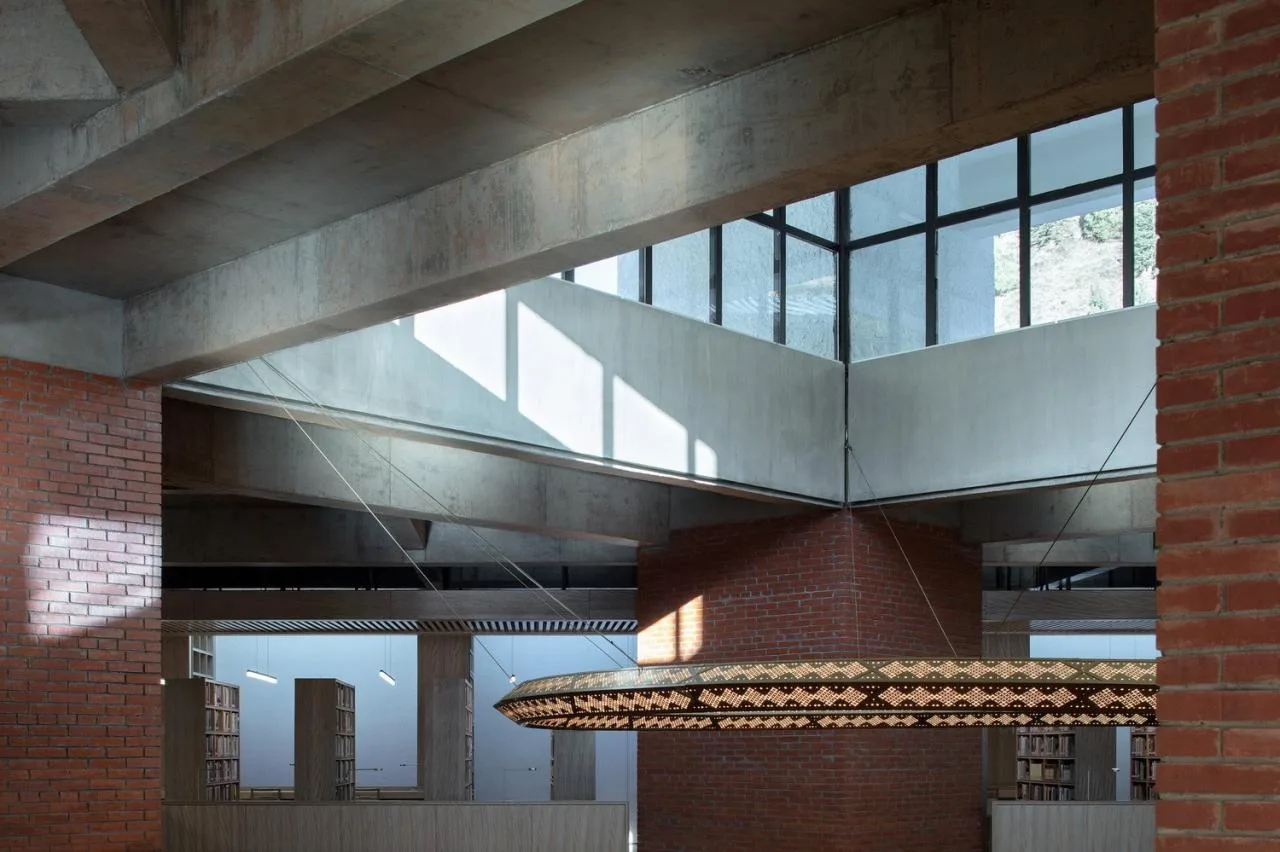
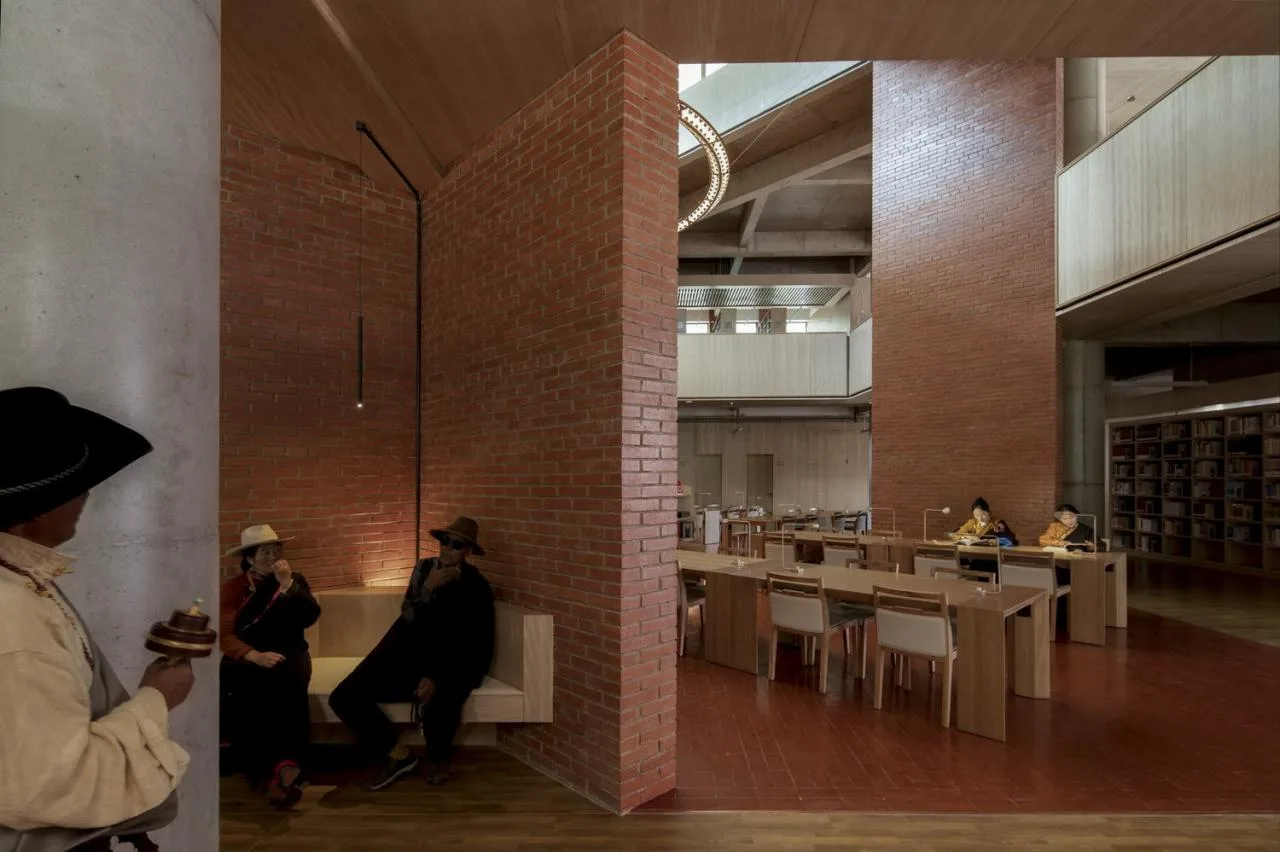
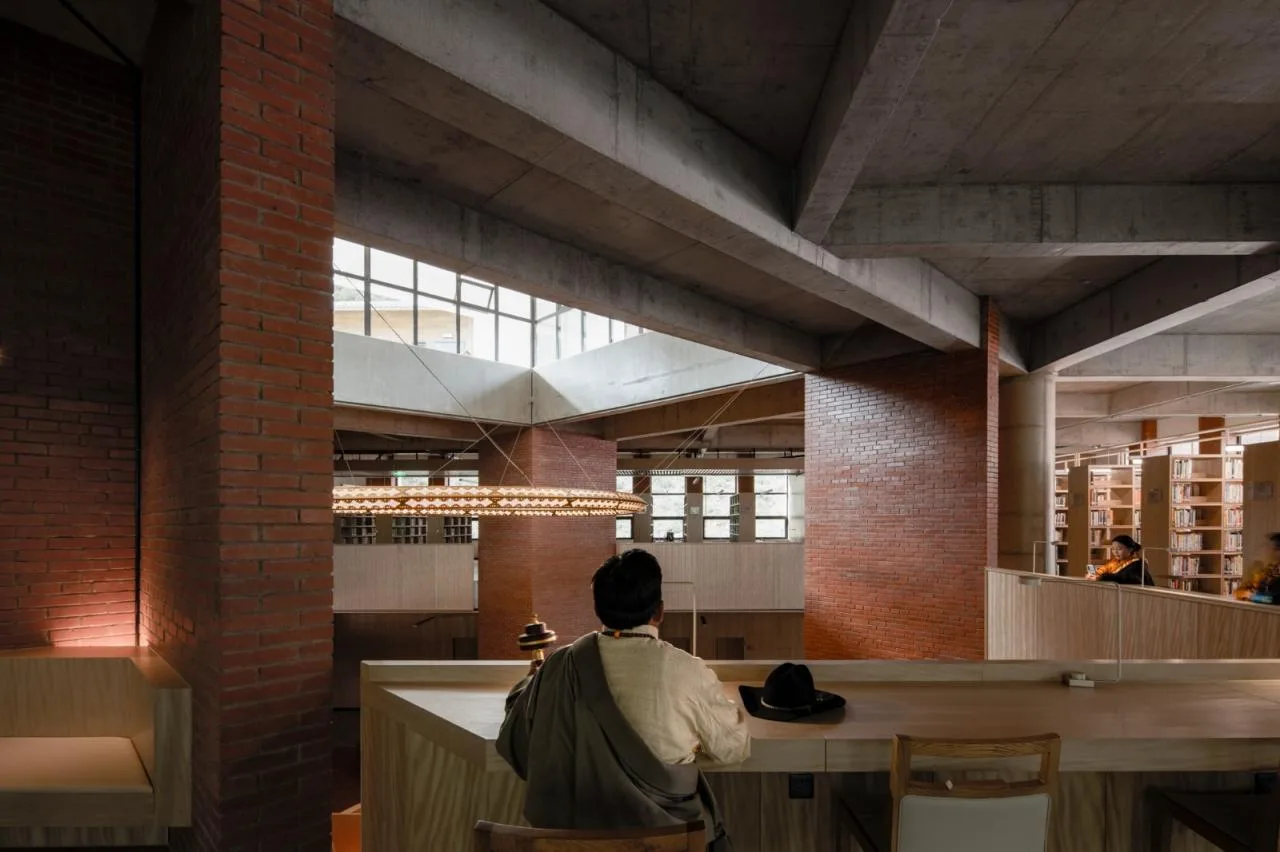
The central library features a hollow, four-corner symmetrical design. Its skylight, positioned above the central hall, is twisted at a 45-degree angle, emphasizing the architectural center. This skylight floods the interior with natural light, creating dynamic visual effects. The twisting skylight forms a deliberate spatial relationship with the brick columns in the atrium below. Interestingly, the functions of the upper and lower parts of the library are inverted: the atrium serves as a public hall above, while below it becomes a service space; similarly, the upper floors serve usage functions, whereas the lower hall area accommodates supporting services.
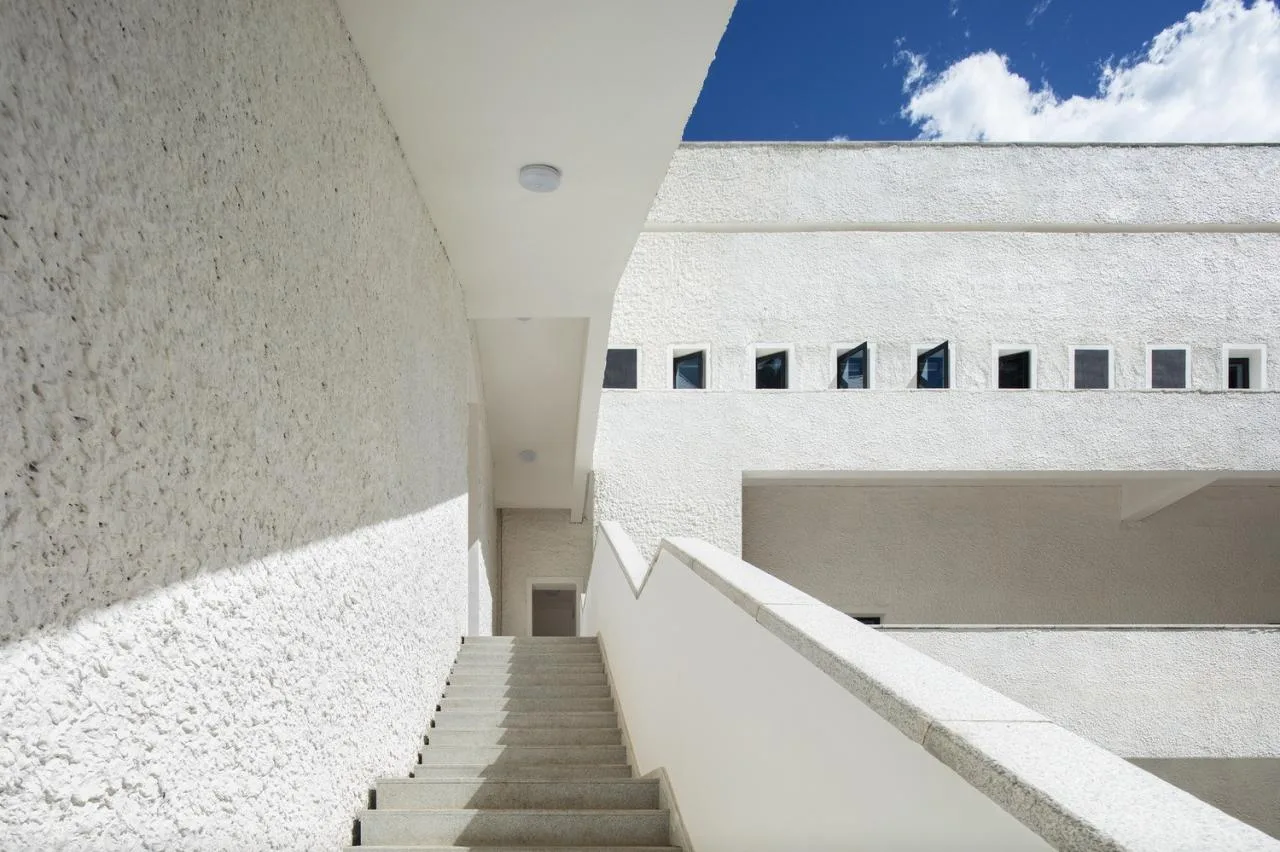
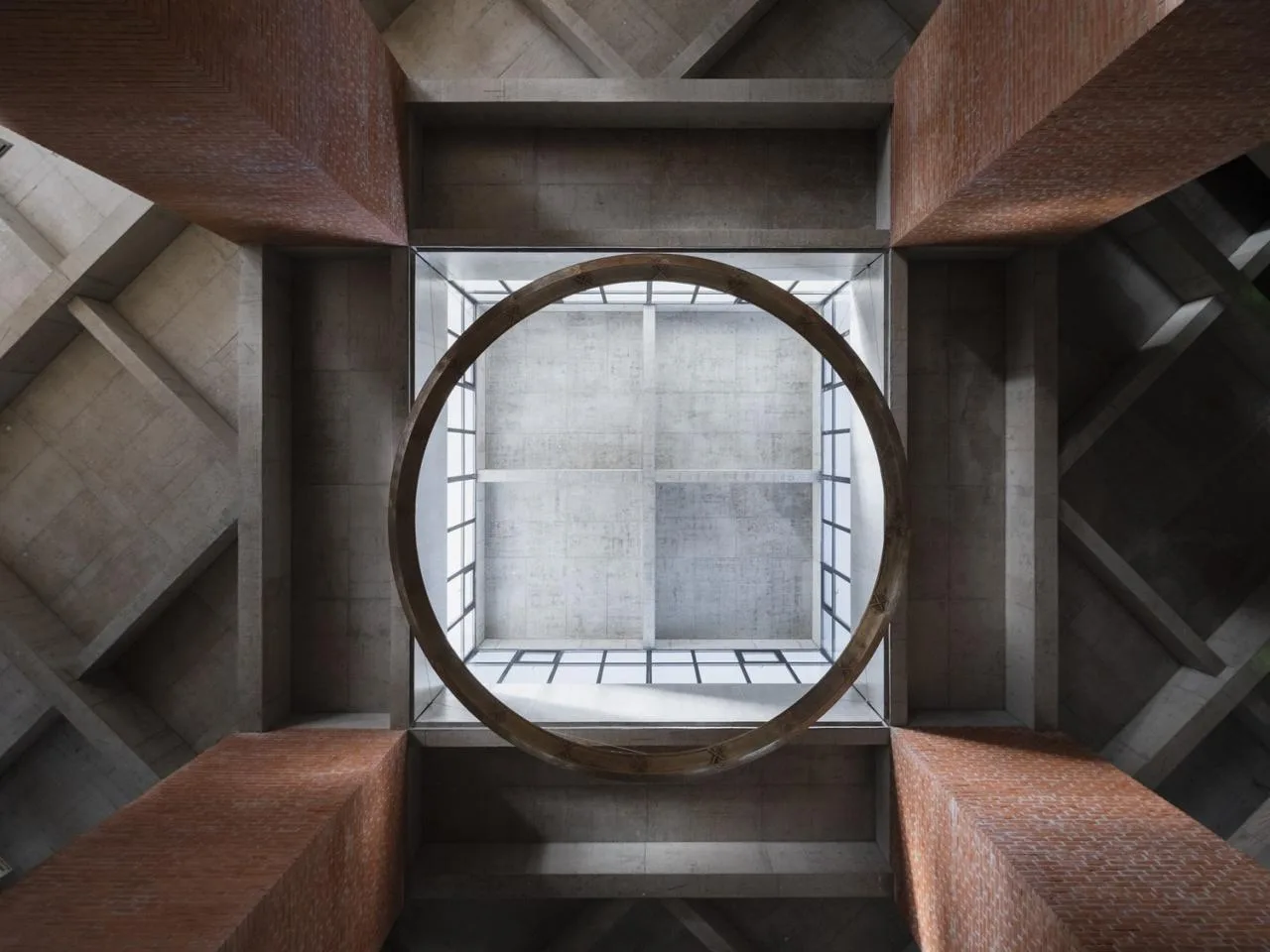
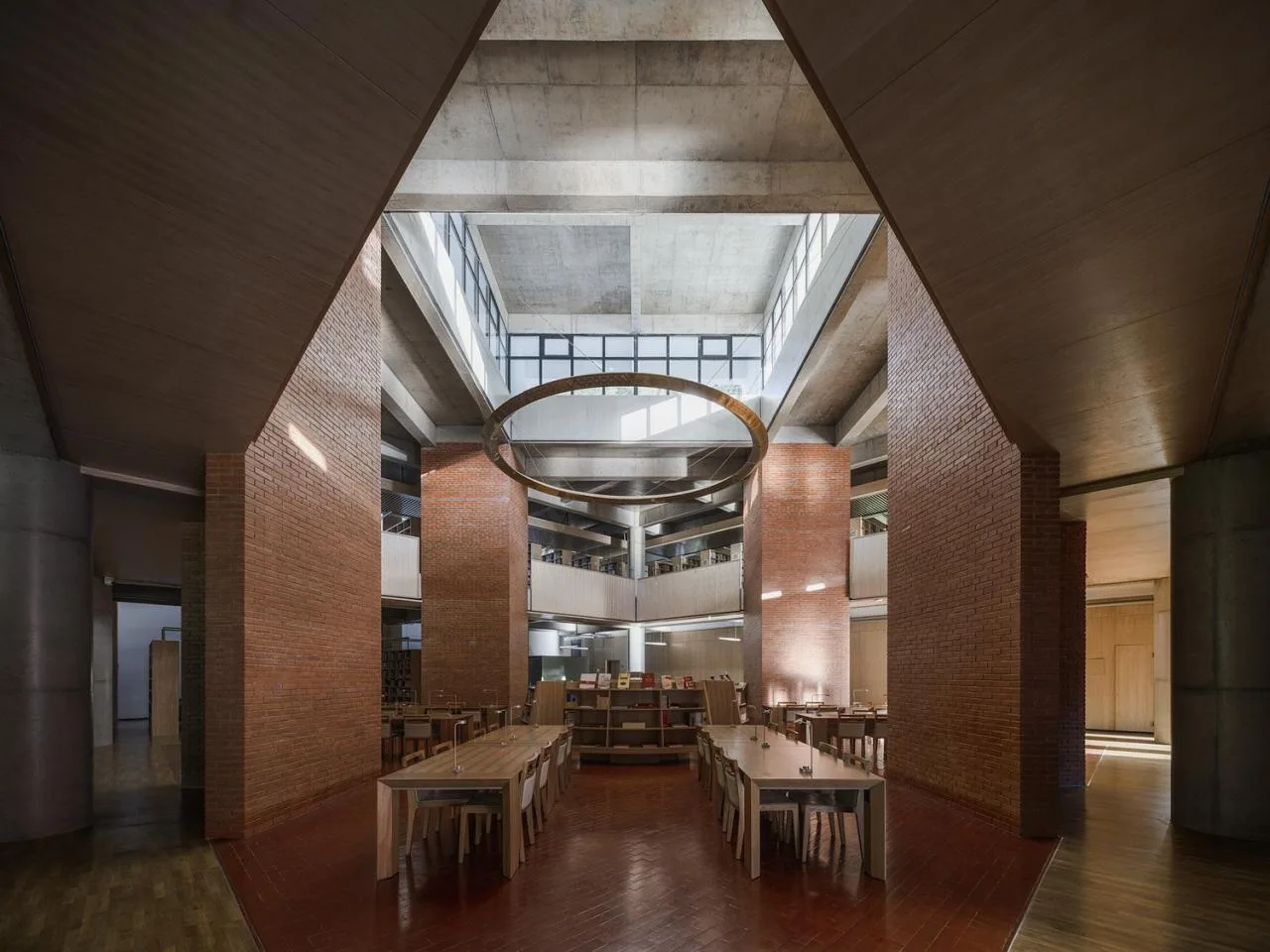
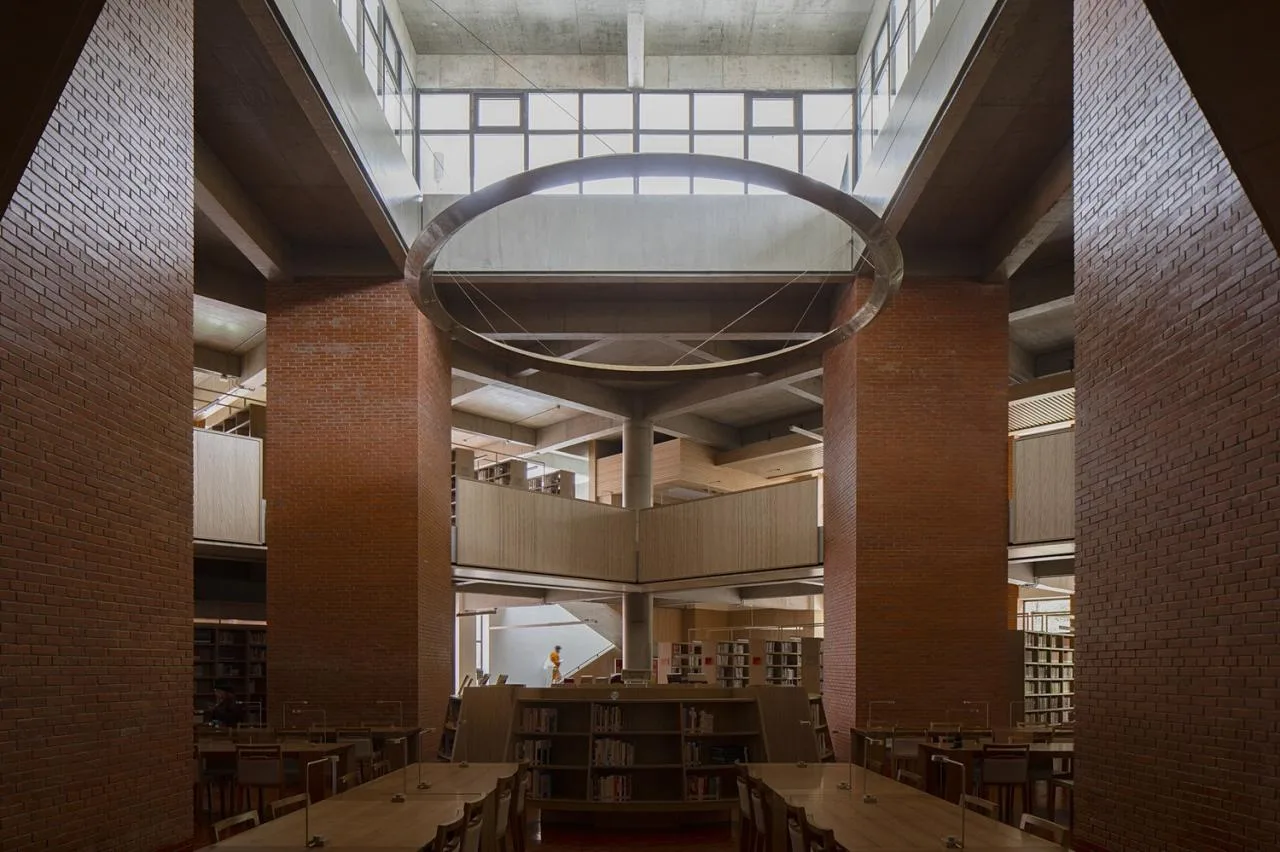
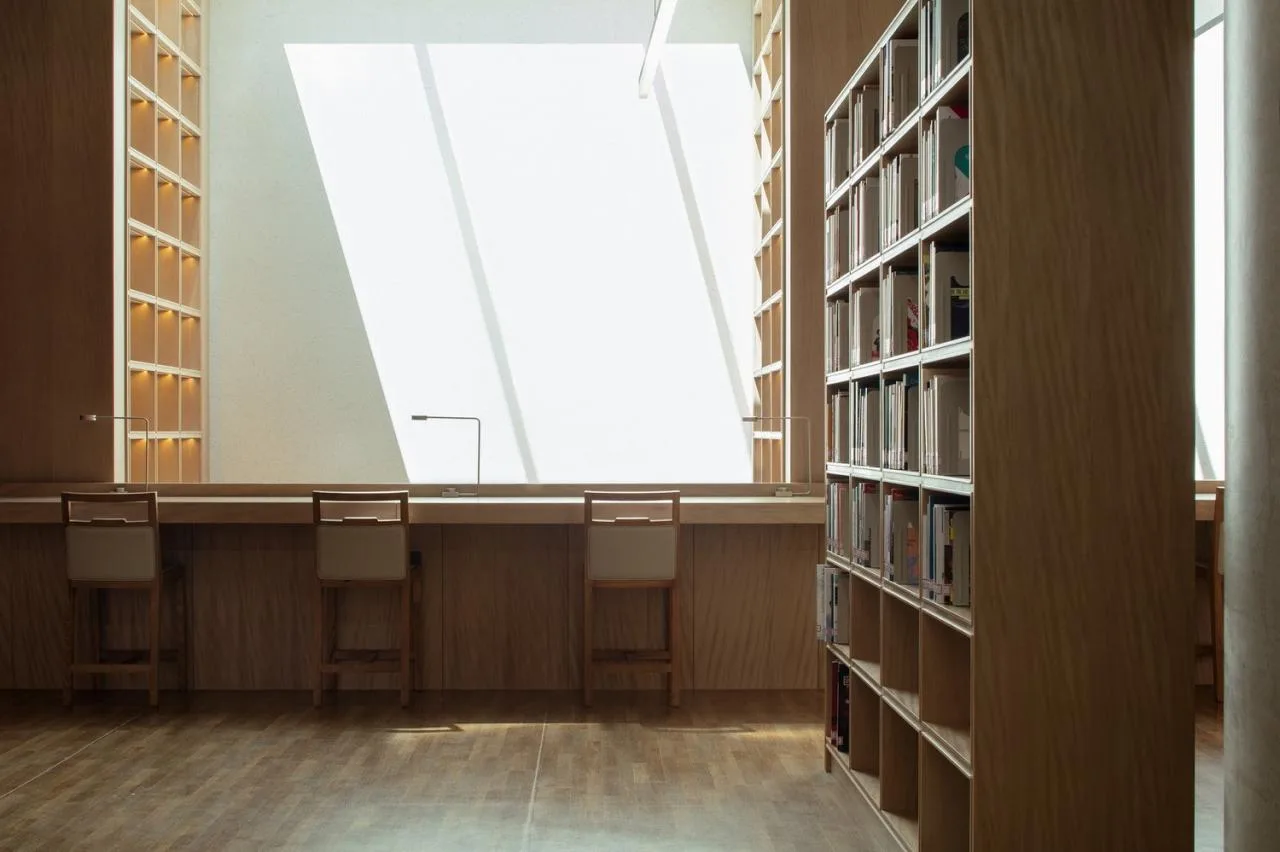
Sunlight in Tibet boldly penetrates the space whenever given the chance, creating a dialogue between calmness and brightness through the architecture. The atmosphere is serene, evoking feelings of peace and warmth.
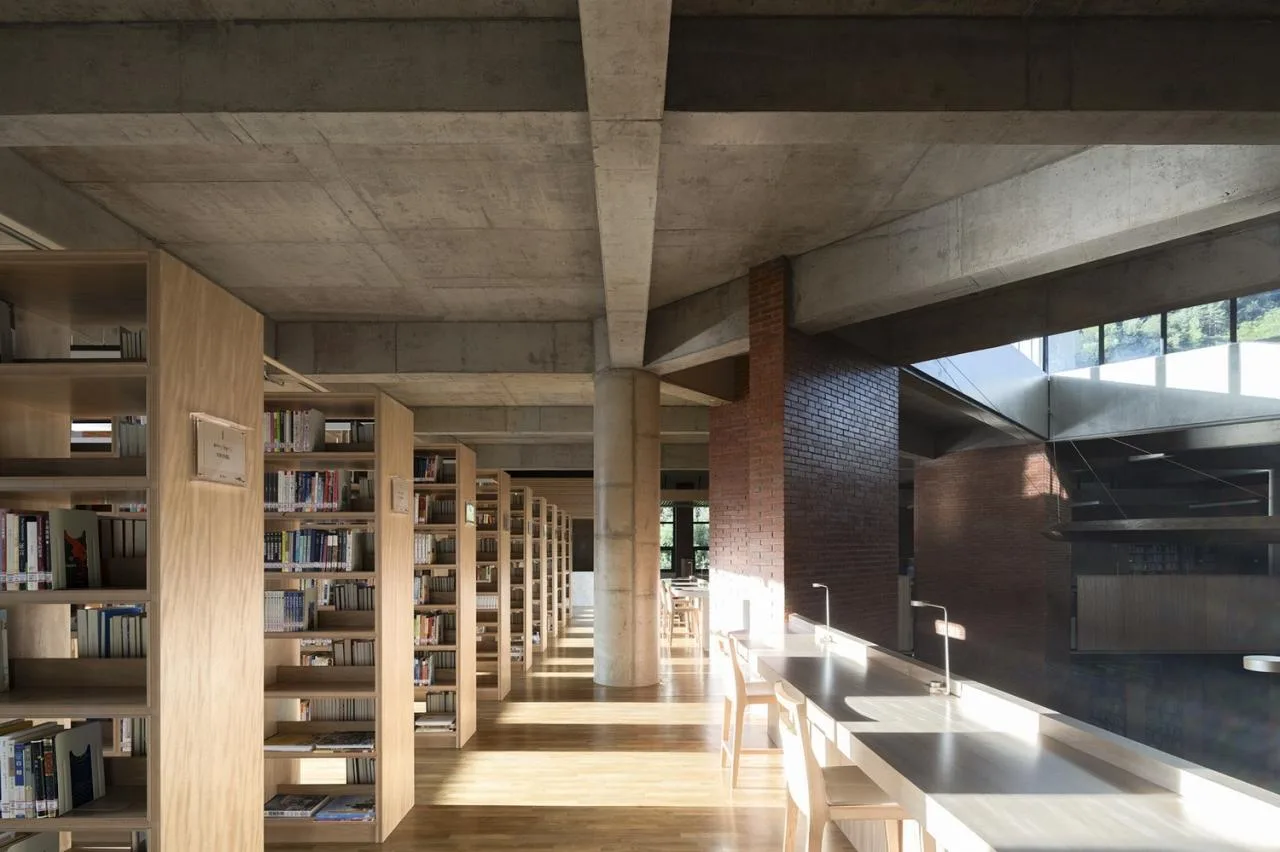
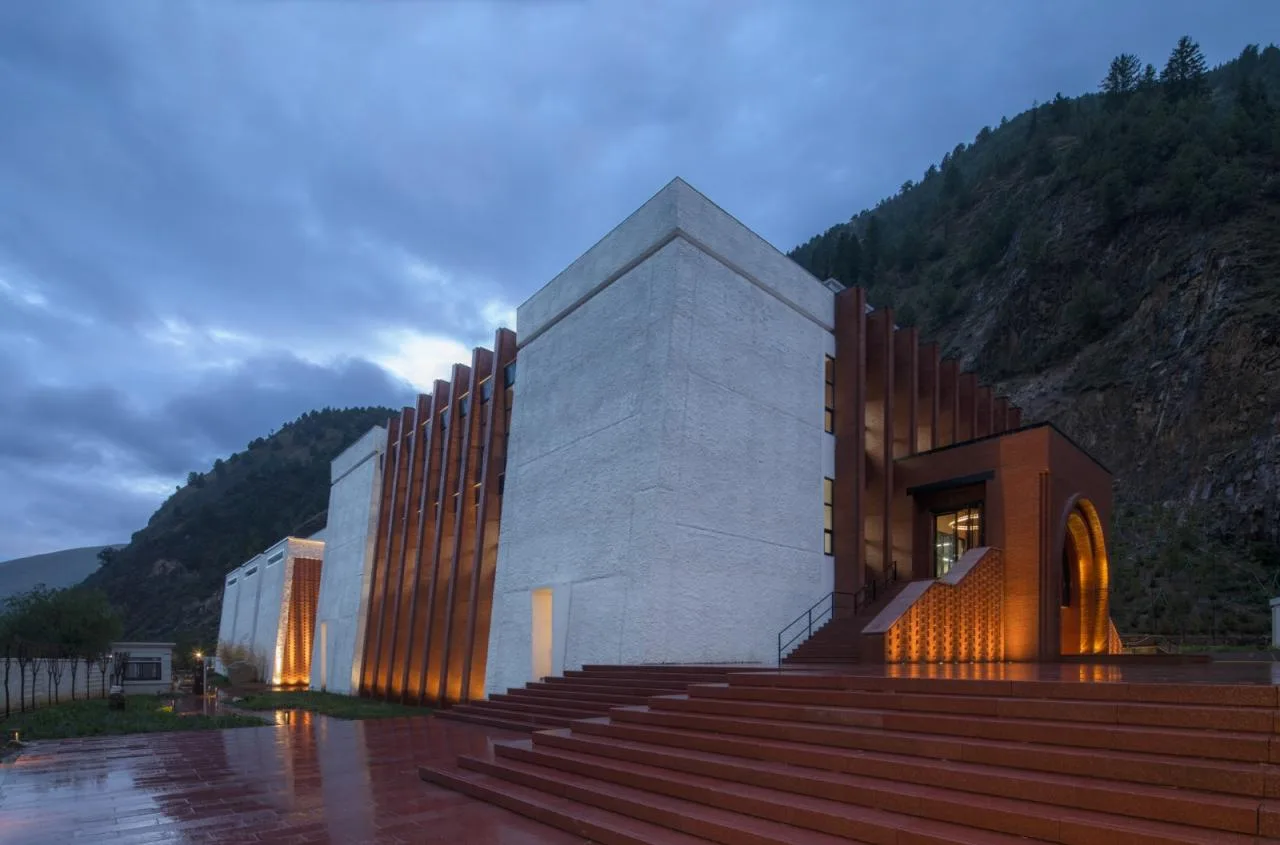
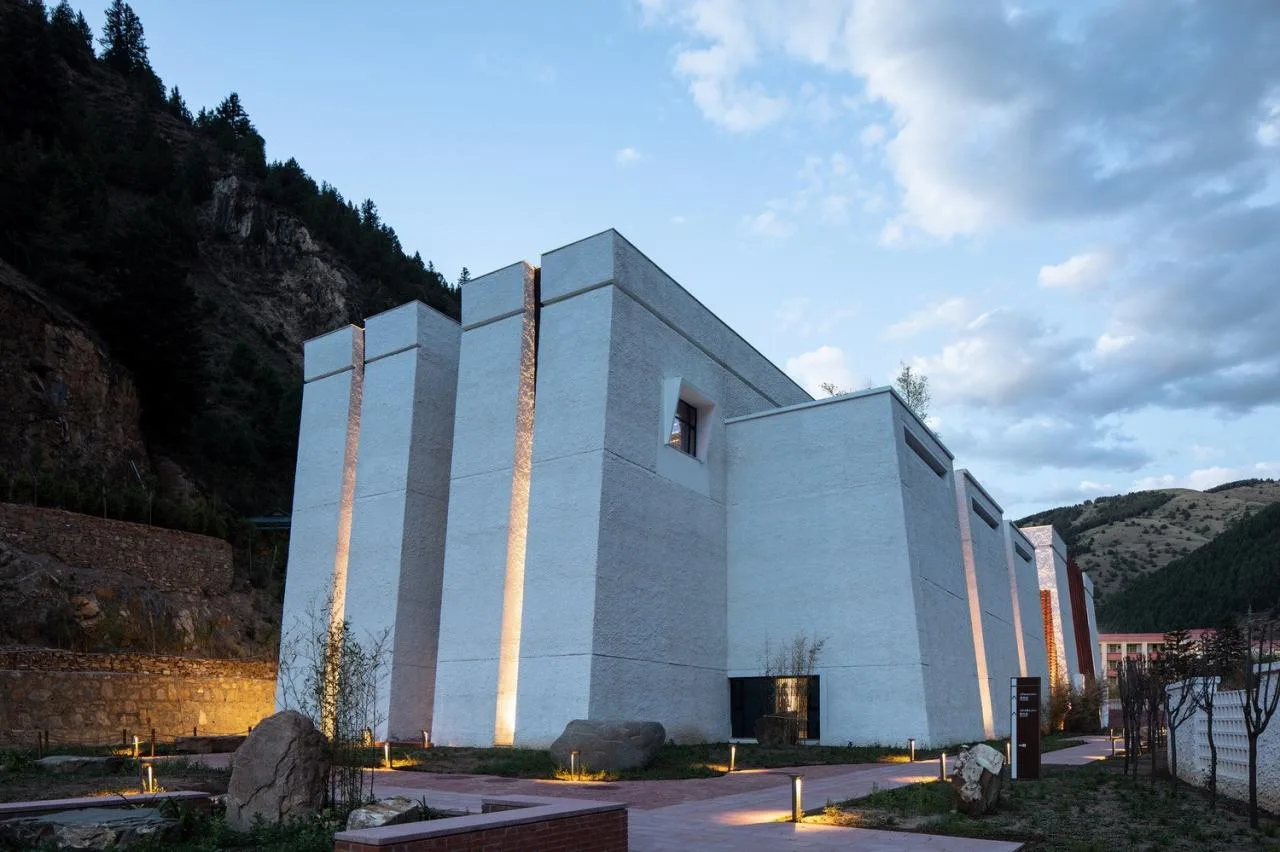
Given the region’s relatively limited productivity and construction technology, combined with Tibet’s harsh climate, roughness is a defining feature of local architecture. Yet beneath this ruggedness lies a powerful resilience. The external walls of the facility reflect traditional Tibetan architectural characteristics. The use of sprayed exterior wall materials lends a strong sense of craftsmanship, and the naturally textured mortar resembles the ‘sweet wall’ technique seen in the Potala Palace.
The brick arches create a striking contrast to the overall rough aesthetic. Their fine craftsmanship evokes reverence. The availability of brick materials, combined with the maturity of brick arch construction techniques, made bricks an ideal medium for the project team to express their respect. The brick arches at both entrances were built using true rolling techniques. Although workers initially hesitated, the moment the wooden formwork was removed to reveal the arches, everyone felt immense pride and joy at the achievement.
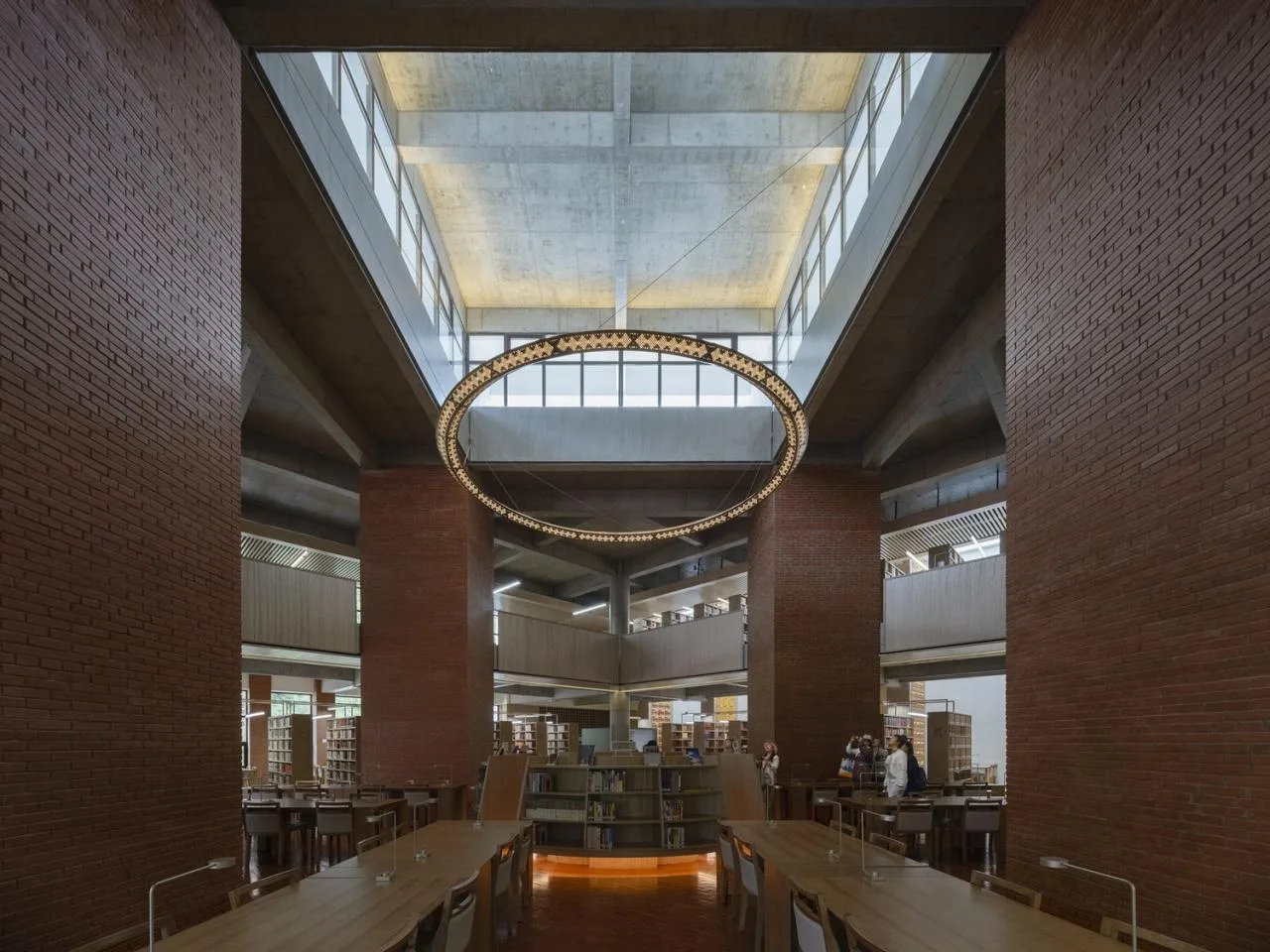
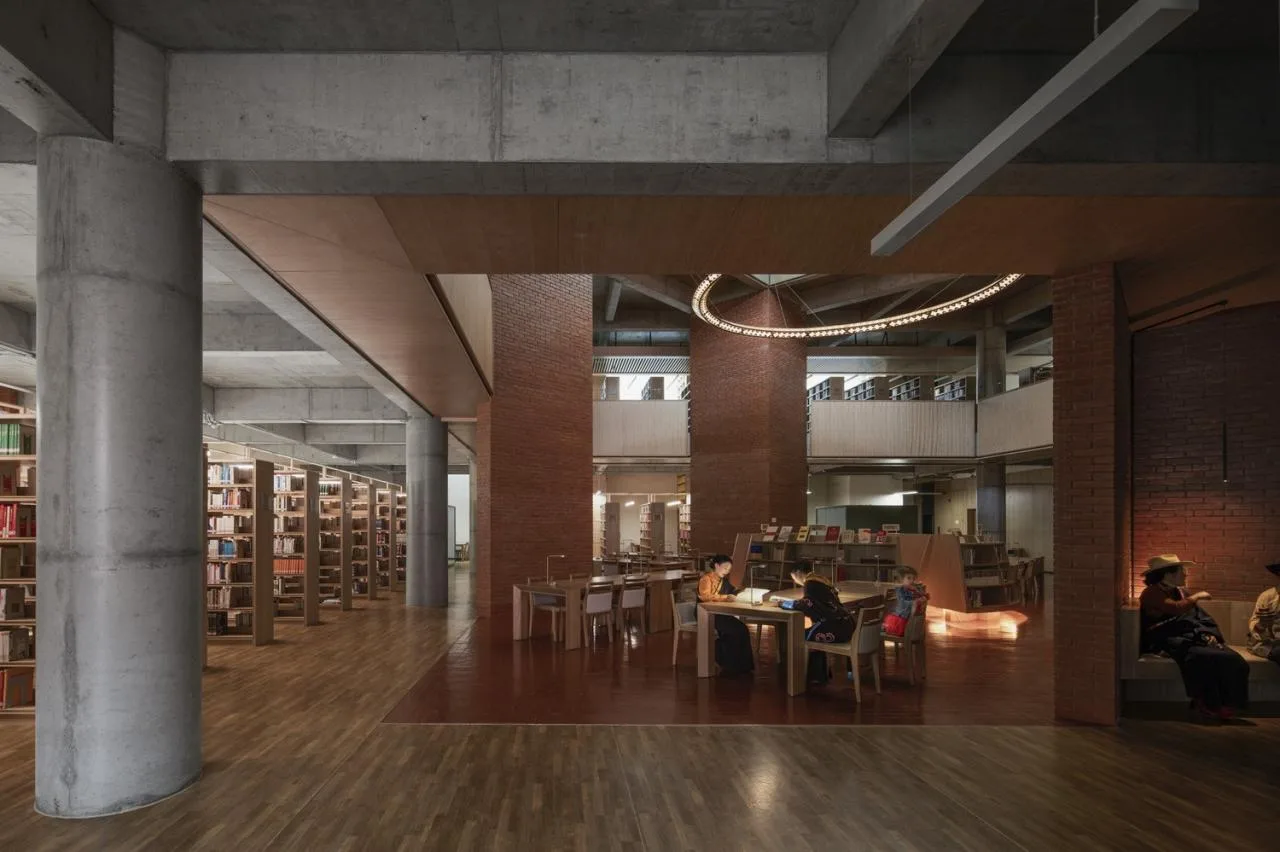
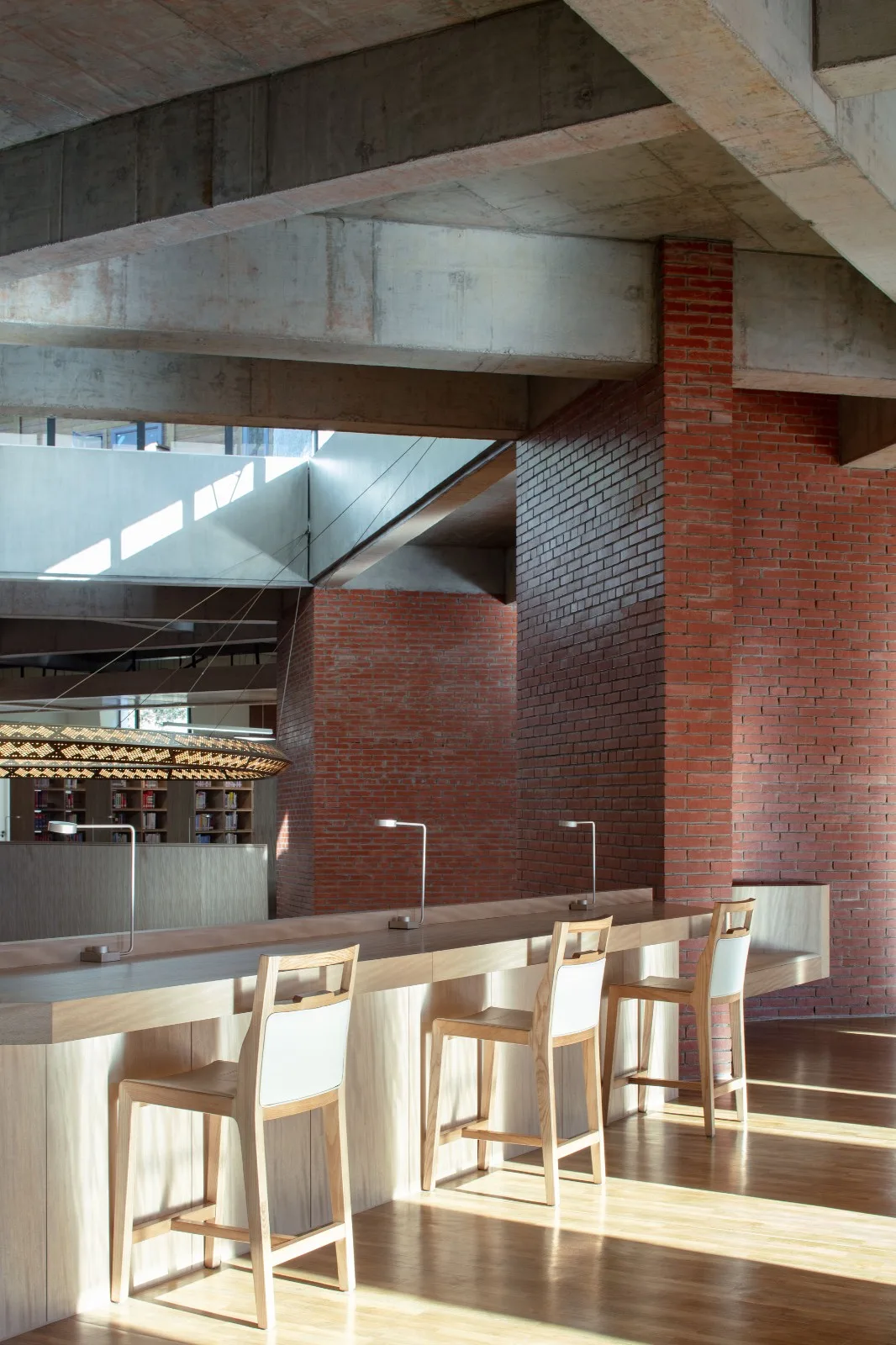
The extensive use of contrasting materials lends the building a sense of strength and authenticity without unnecessary decoration. One of the few decorative elements is a window positioned high in the southeast corner, featuring an abstract Tibetan window style. The design carefully considers construction sequences, especially regarding window and door frames, as well as wall joints. Additionally, a fine plaster finish is applied within 100 millimeters inside the window openings, enhancing the building’s refined appearance.
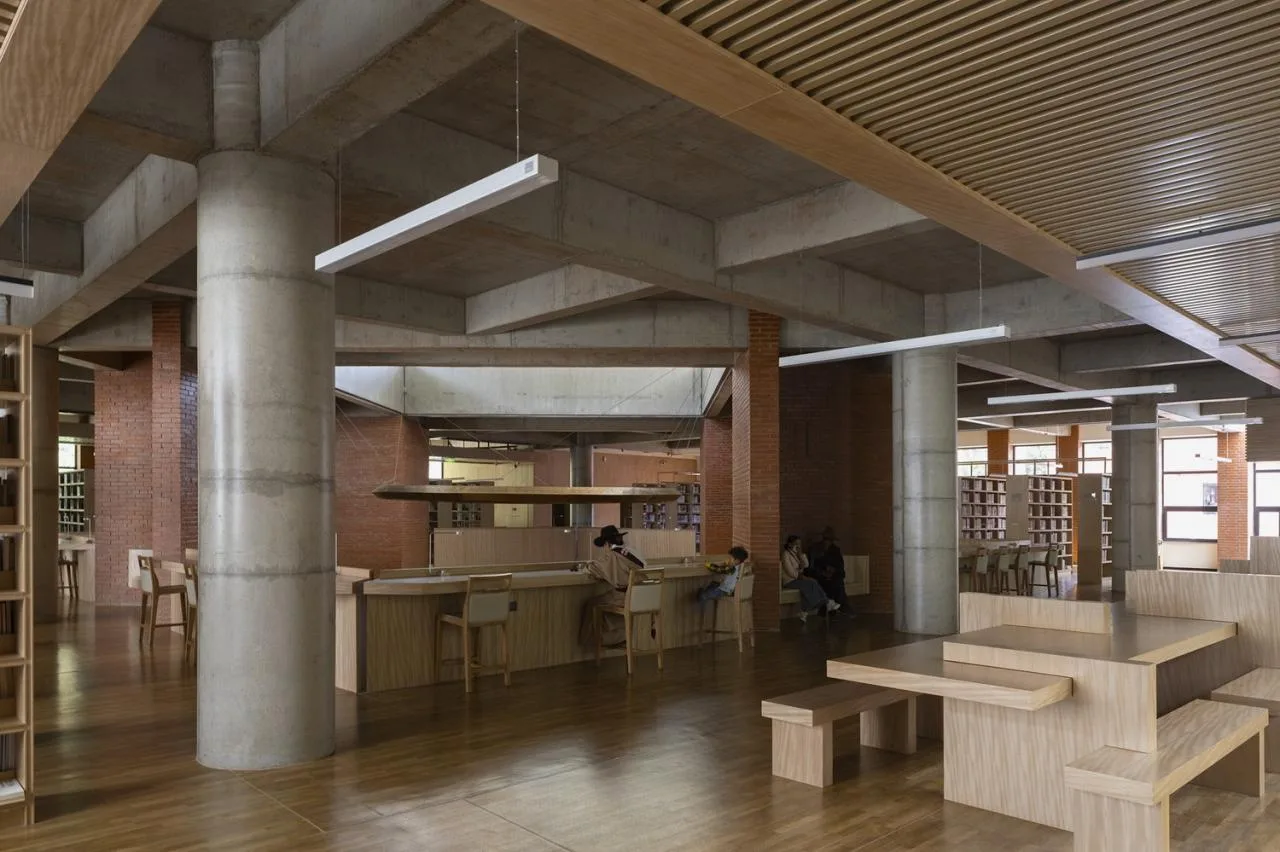
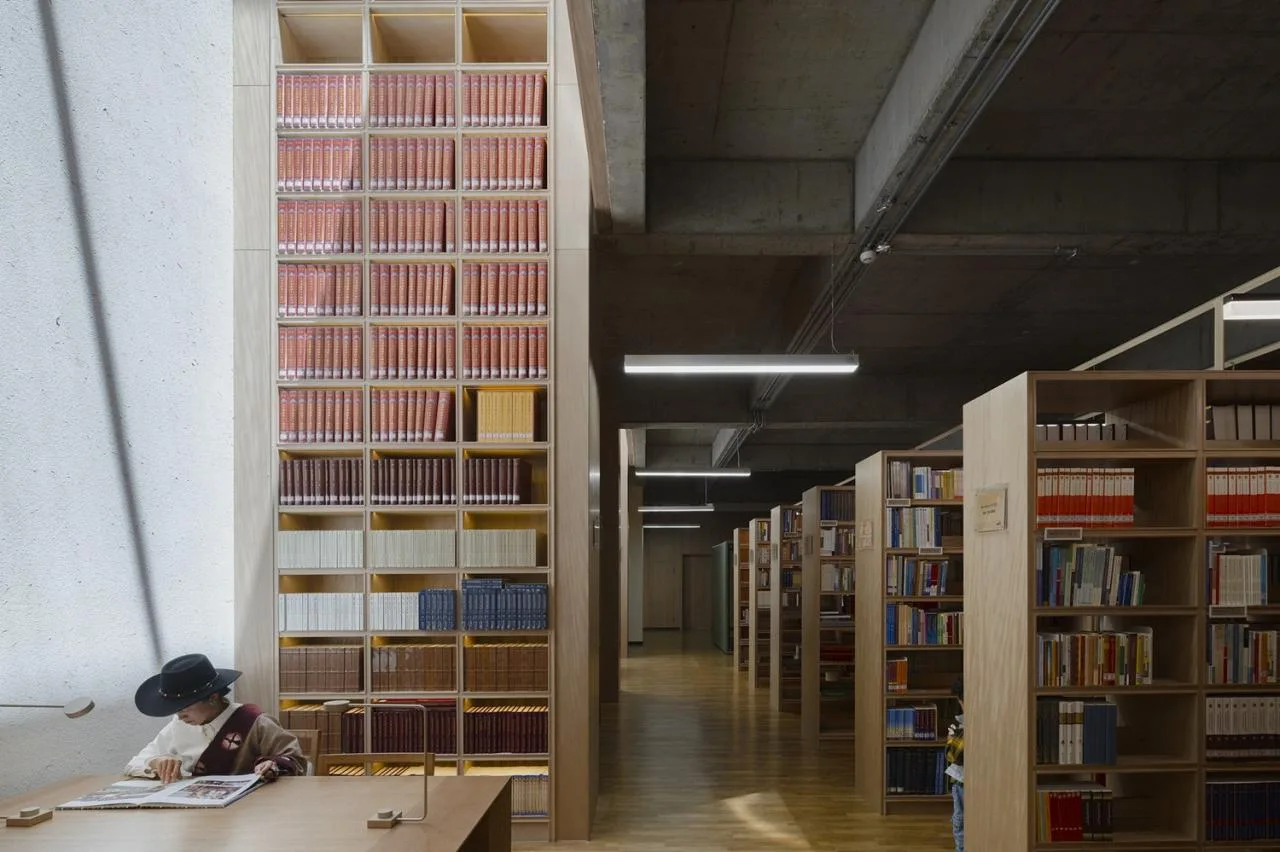
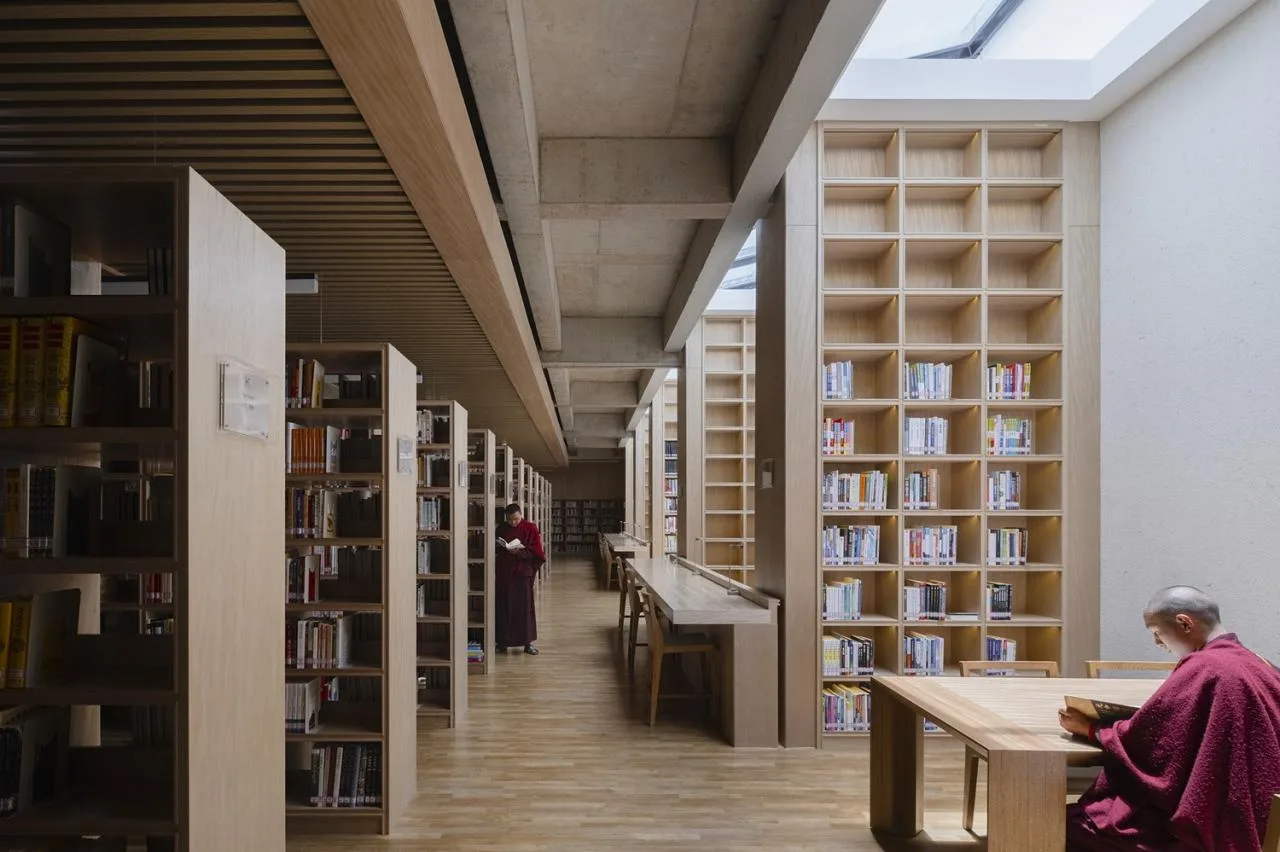
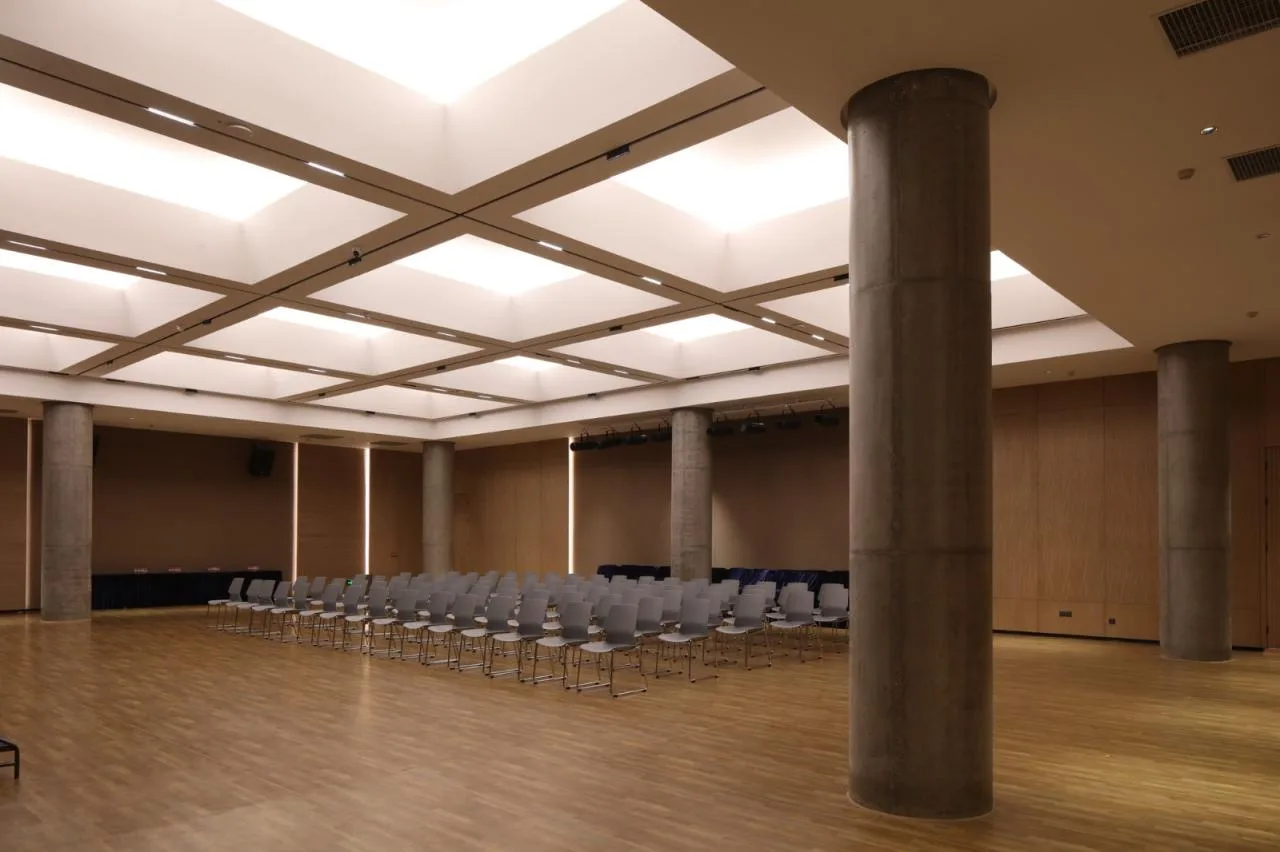
Due to the challenges of construction at high altitude, the interior design employs a straightforward approach focused on practicality, with equipment integration as a priority. Spatial separation is achieved through civil engineering methods, while bookshelves and furniture, key decorative elements, are prefabricated in Chengdu and assembled onsite.
Despite the harsh conditions in Tibet, faith and sincerity remain abundant. The project was funded by a charitable foundation, and all involved approached the work with caution and dedication. The owner himself lived onsite for over three years, embodying his faith through action. The collective effort exceeded expectations, proving that attitude is the key to overcoming difficulties.
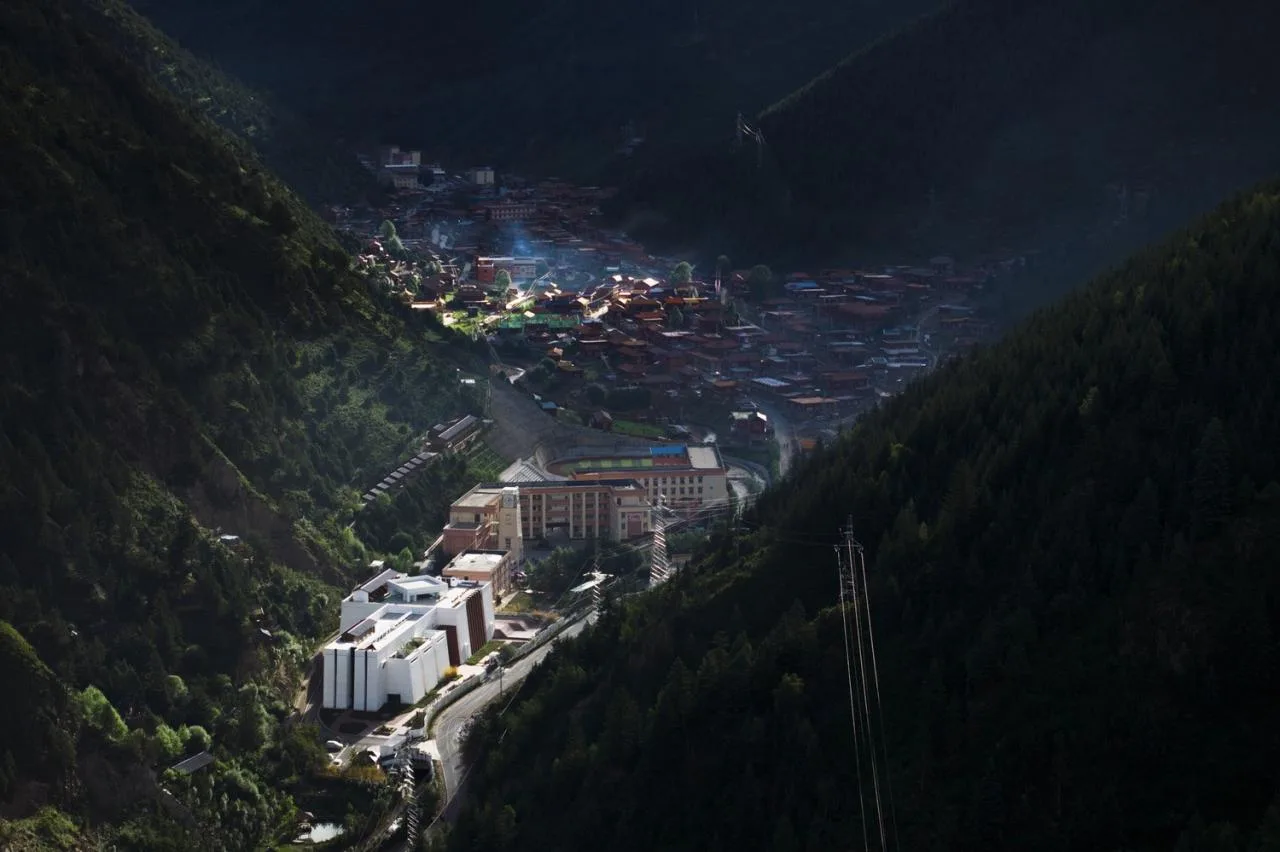
During the project, the photographer captured a striking scene: sunlight piercing through clouds to illuminate the library while the surrounding area remained in darkness. This powerful image invites reflection on the spiritual strength behind material things—a profound testament to human existence.
Project Drawings
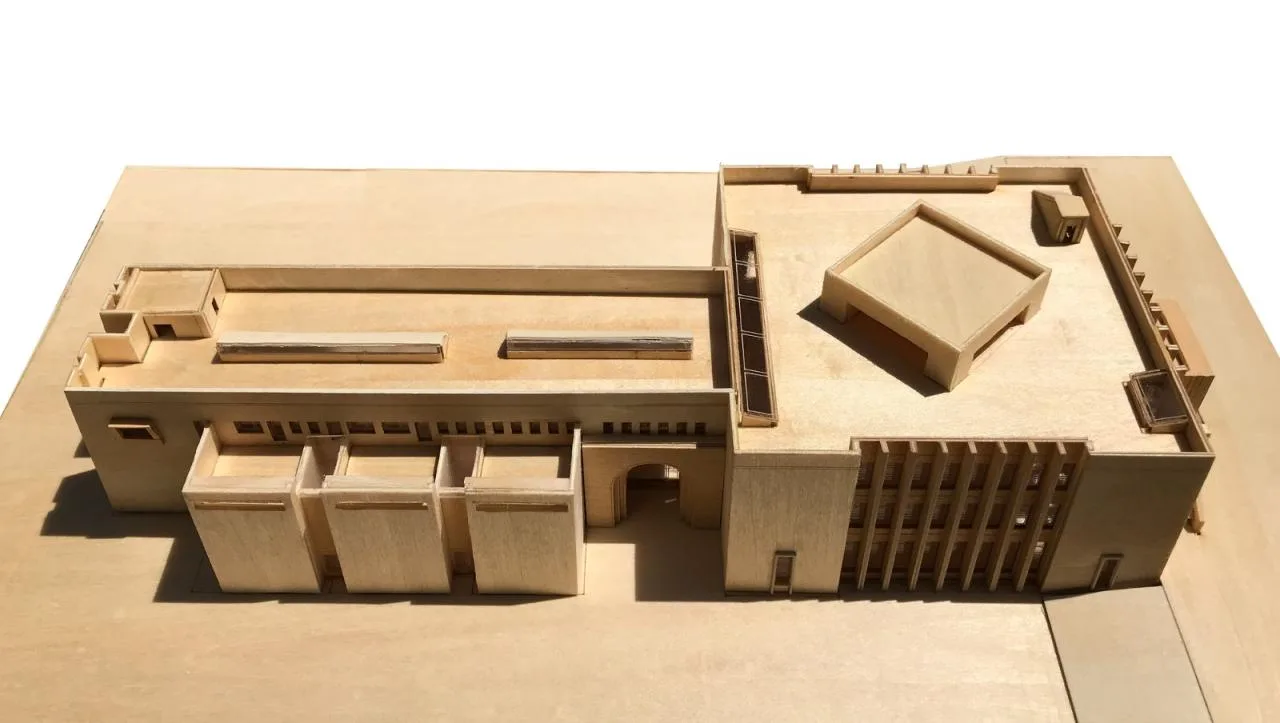
△ Project Model Diagram
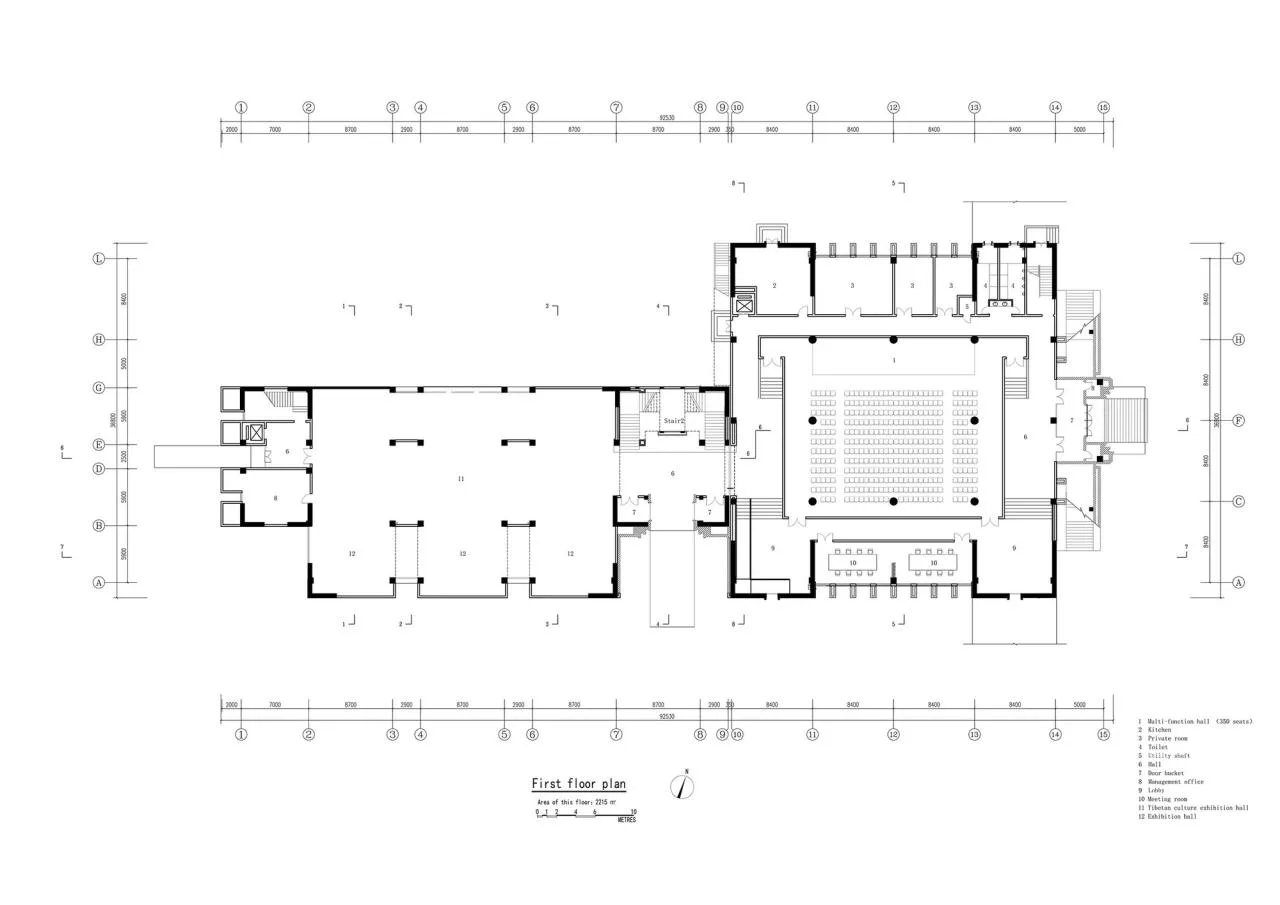
△ First Floor Plan
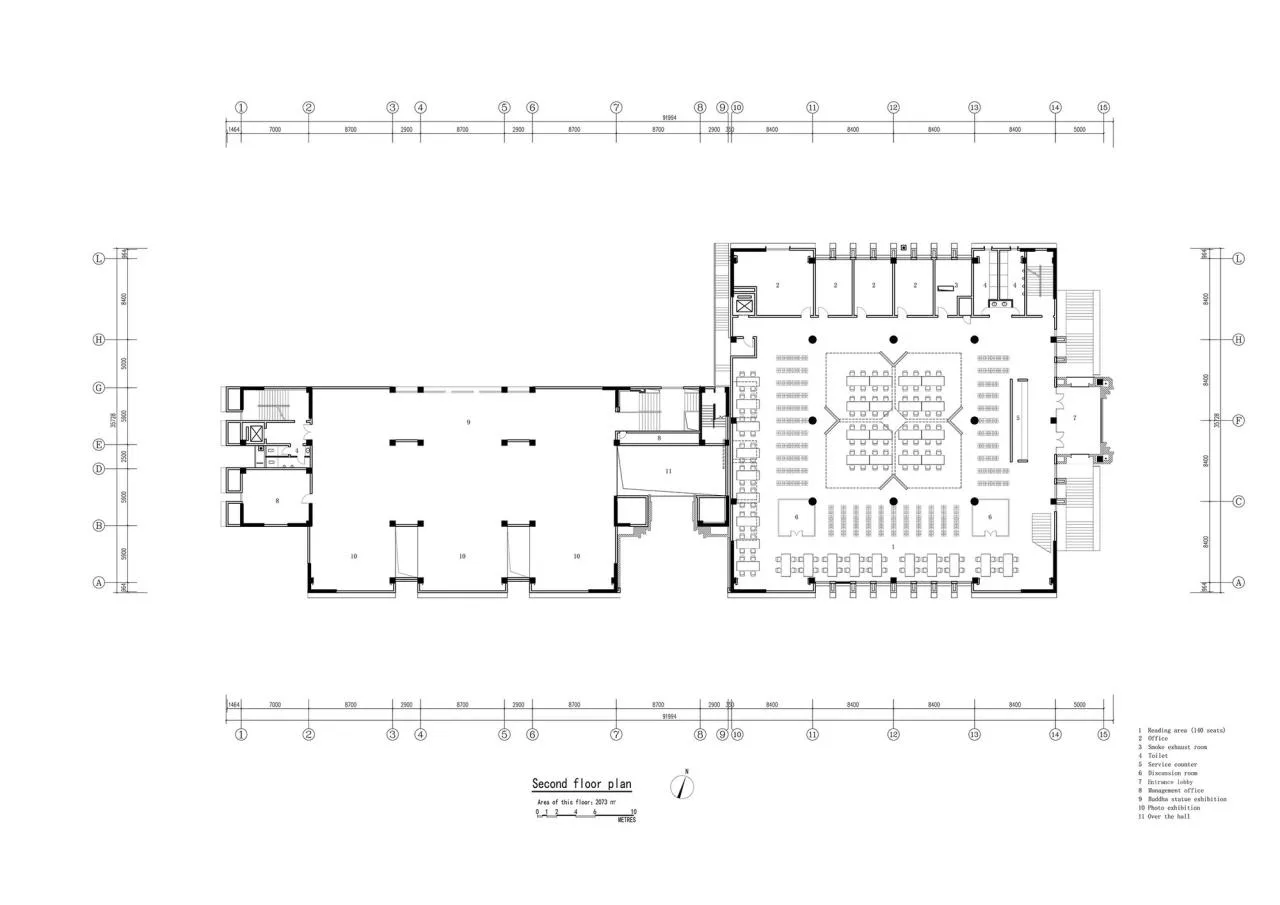
△ Second Floor Plan
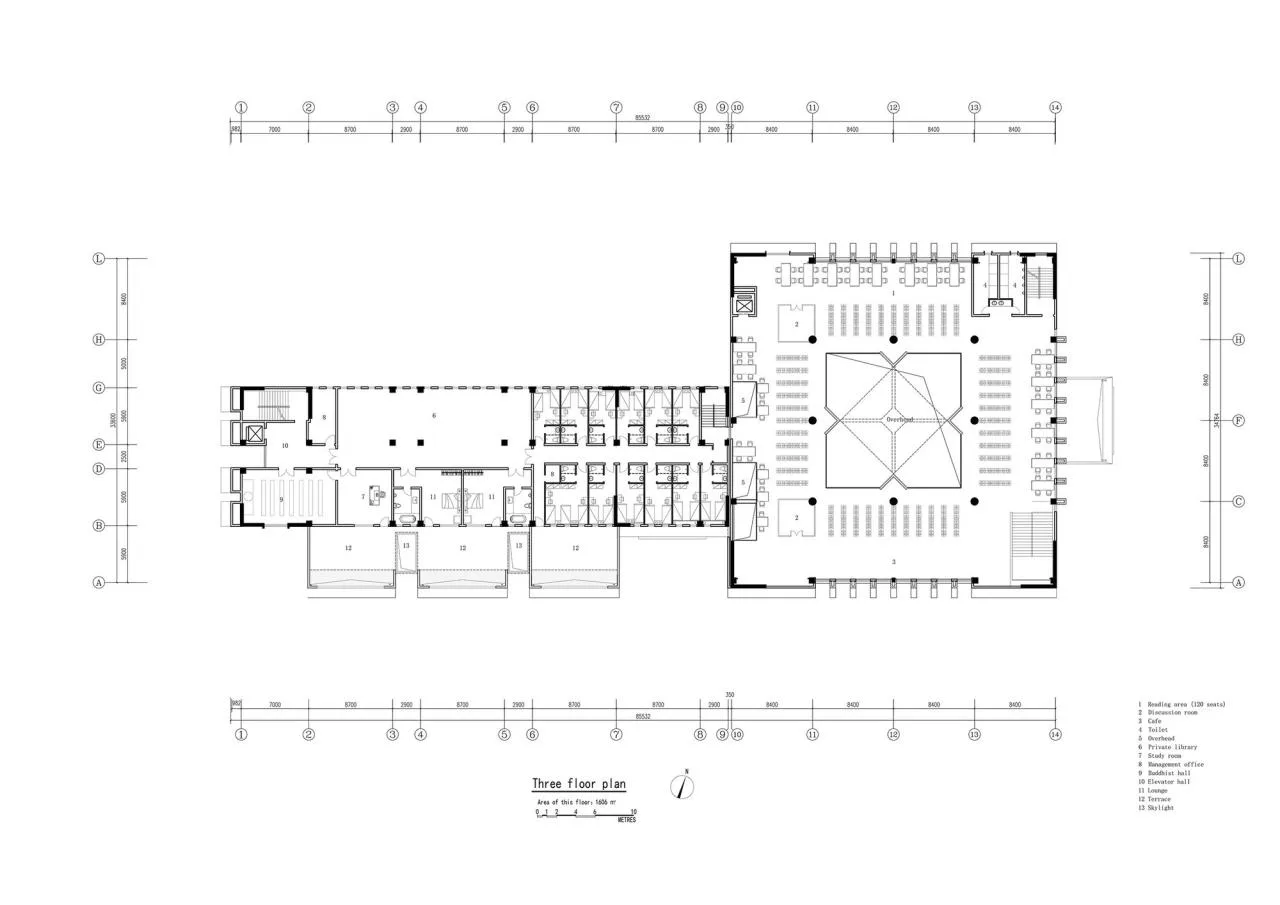
△ Third Floor Plan
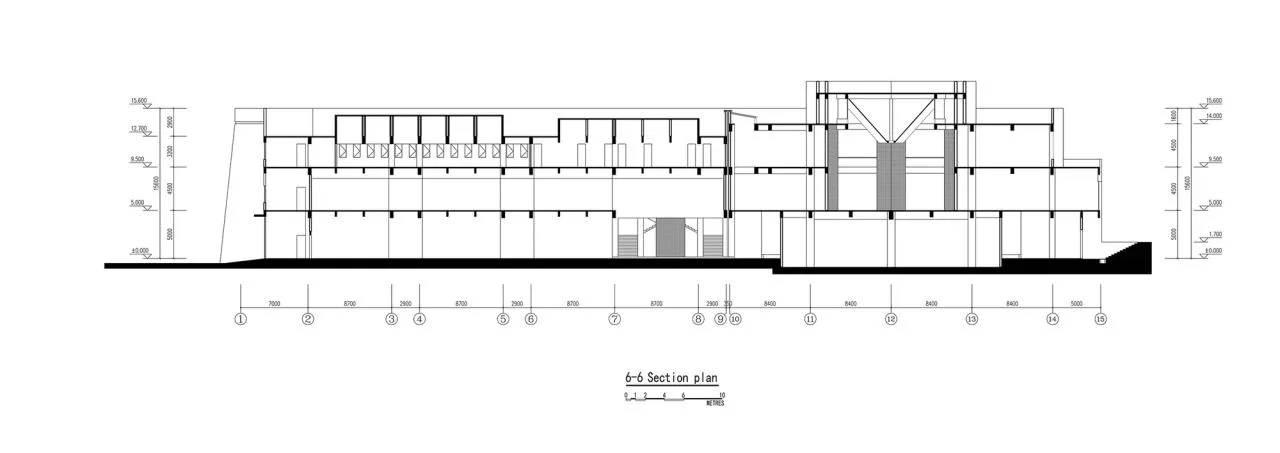
△ Section Diagram
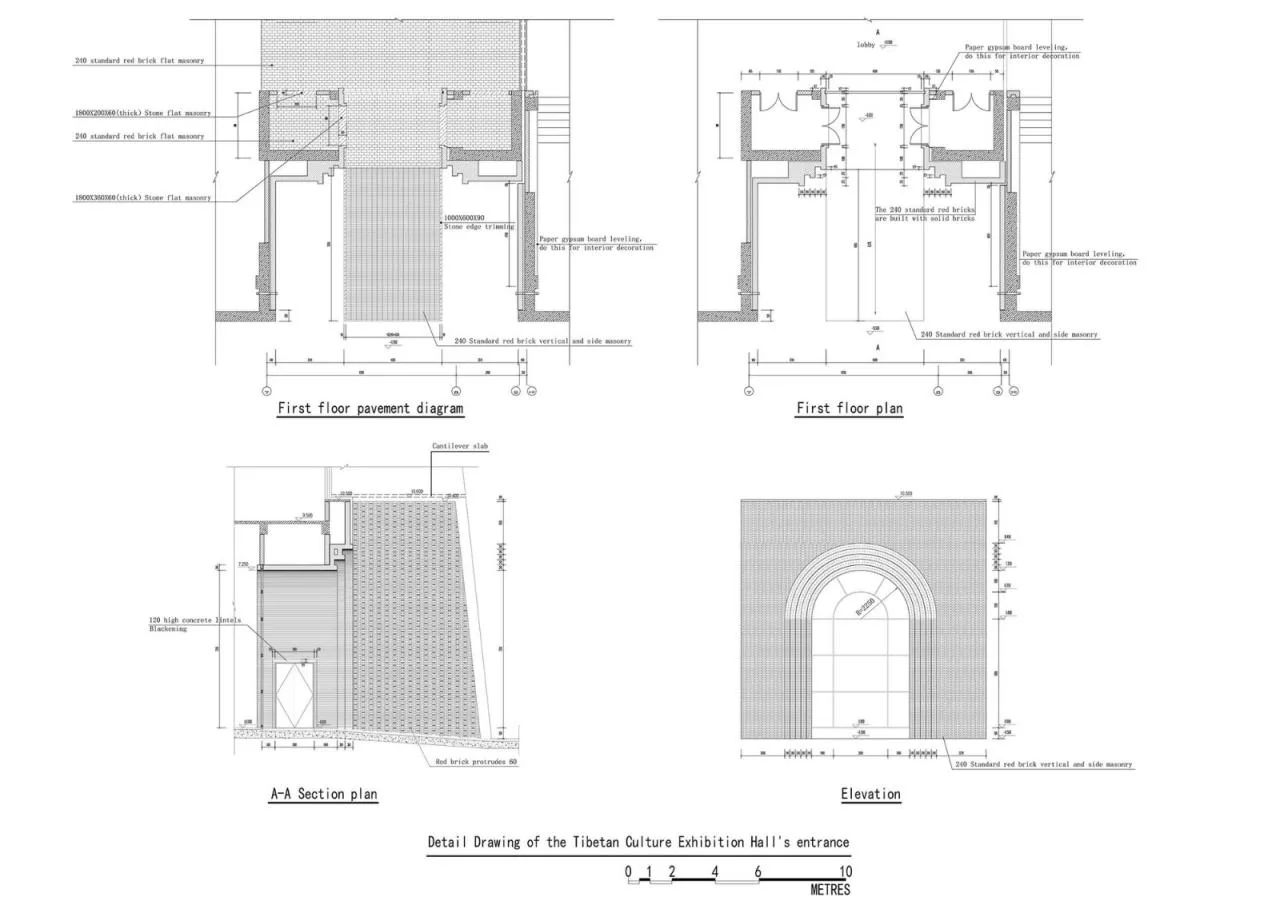
△ Detailed Drawing
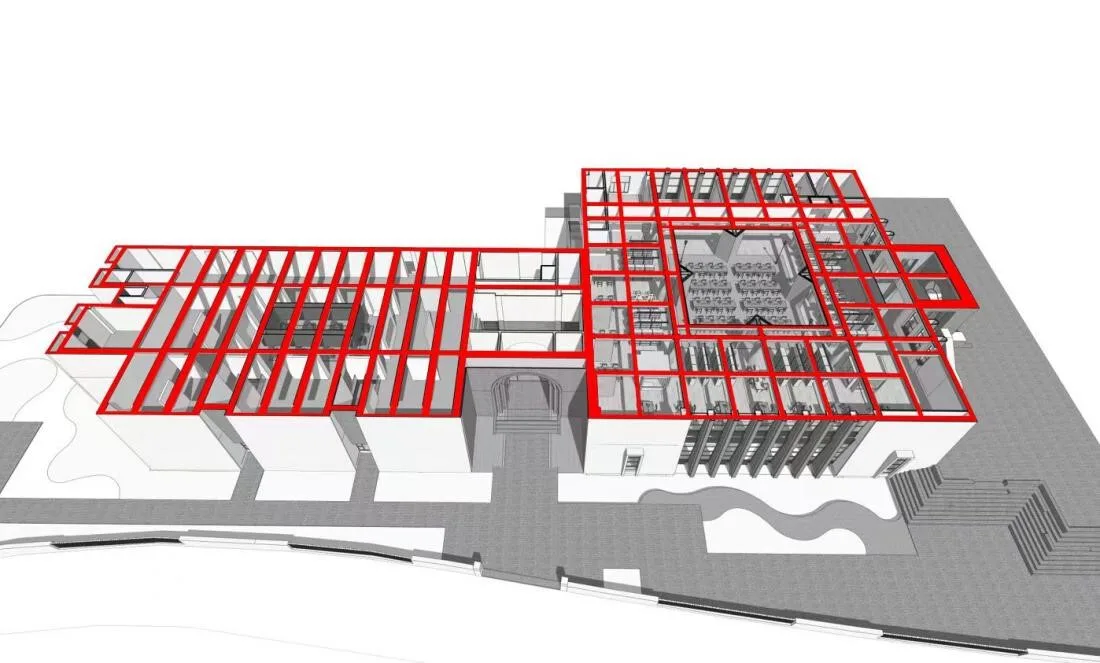
△ Structural Schematic Diagram
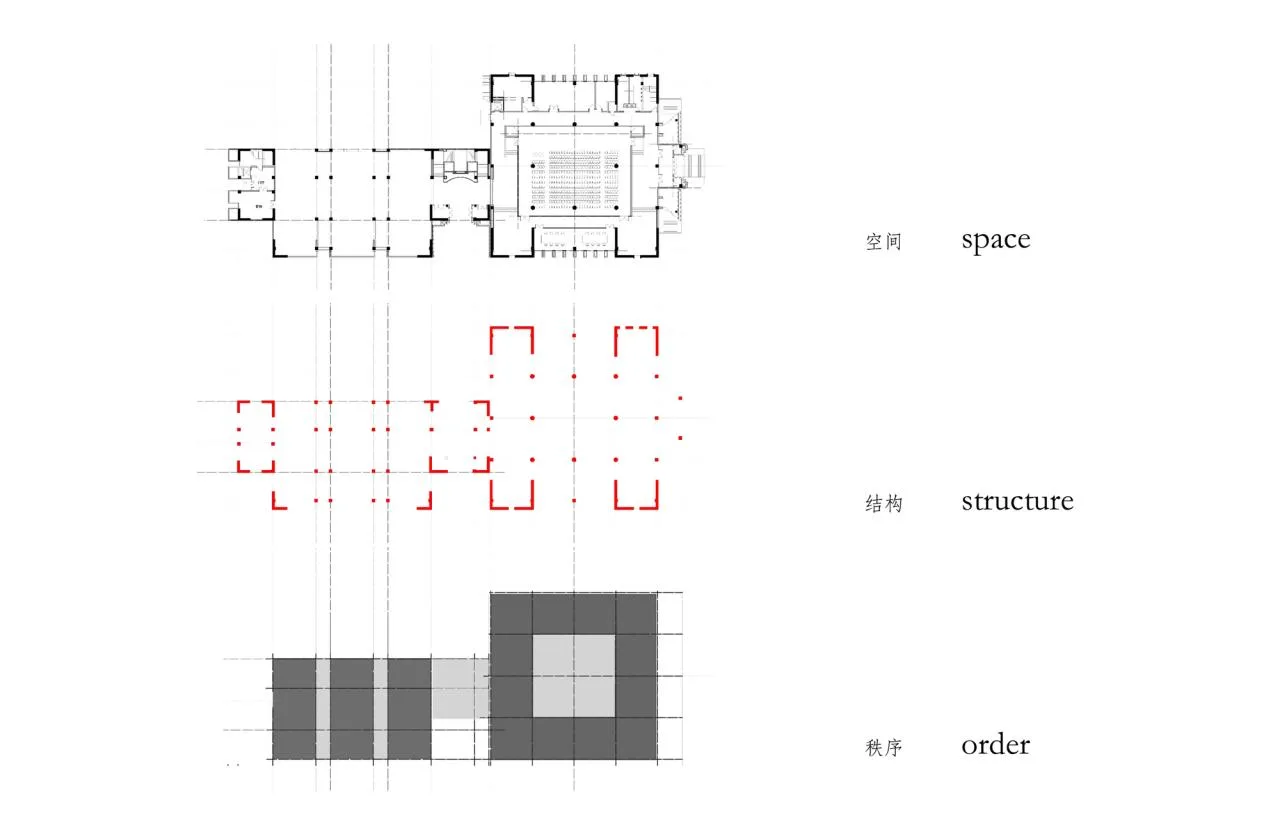
△ Analysis Chart
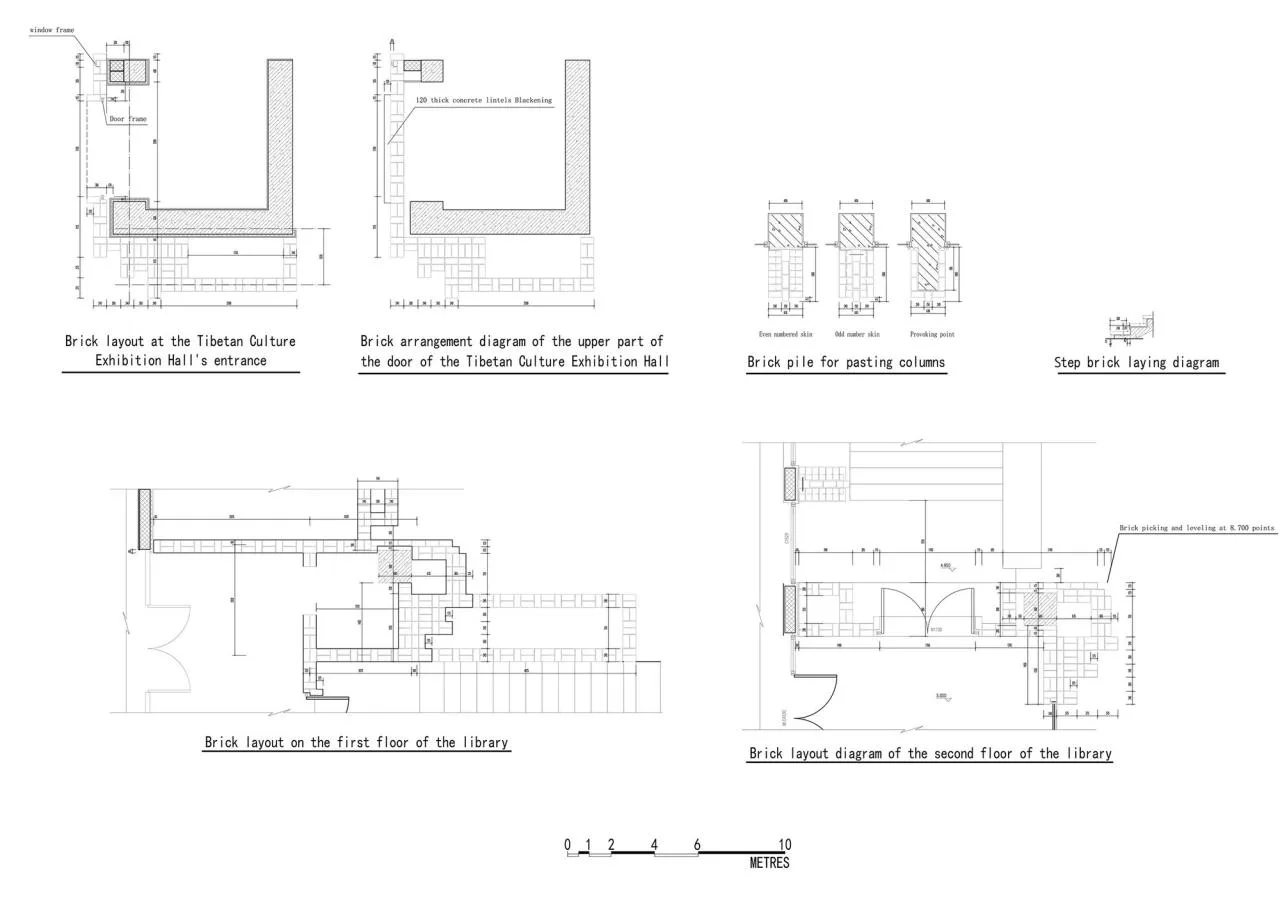
△ Detailed Drawing
Project Details
Architect: Rong Chaohui Studio
Area: 6000 m²
Year: 2022
Photographer: Existence of Architecture – Architectural Photography, Summer Solstice
Lead Designer: Rong Chaohui
Design Team: Rong Chaohui, Gu Ai, Tian Wang, Xue Feng, Liu Yongping
Landscape Design: Hangzhou Xinxiang Architectural Design Consulting Company (Zhang Hongyin, Shao Qin, Yang Jie)
Interior Design: Hangzhou Xinxiang Architectural Design Consulting Company (Song Peng, Yao Shi, Zhang Shuai, Zhang Hui)
Lighting Design: Shanghai Yunpu Space Design Co., Ltd (Zhang Heqing)
Structural Design: Jiangsu Zhongrui Huadong Architectural Design and Research Institute Co., Ltd
Construction Contractor: Sichuan Huaxin Construction Engineering Co., Ltd
Client: Deba Book Reading Enthusiasts Association of Luhuo County
Location: Sichuan, China















Must log in before commenting!
Sign Up