
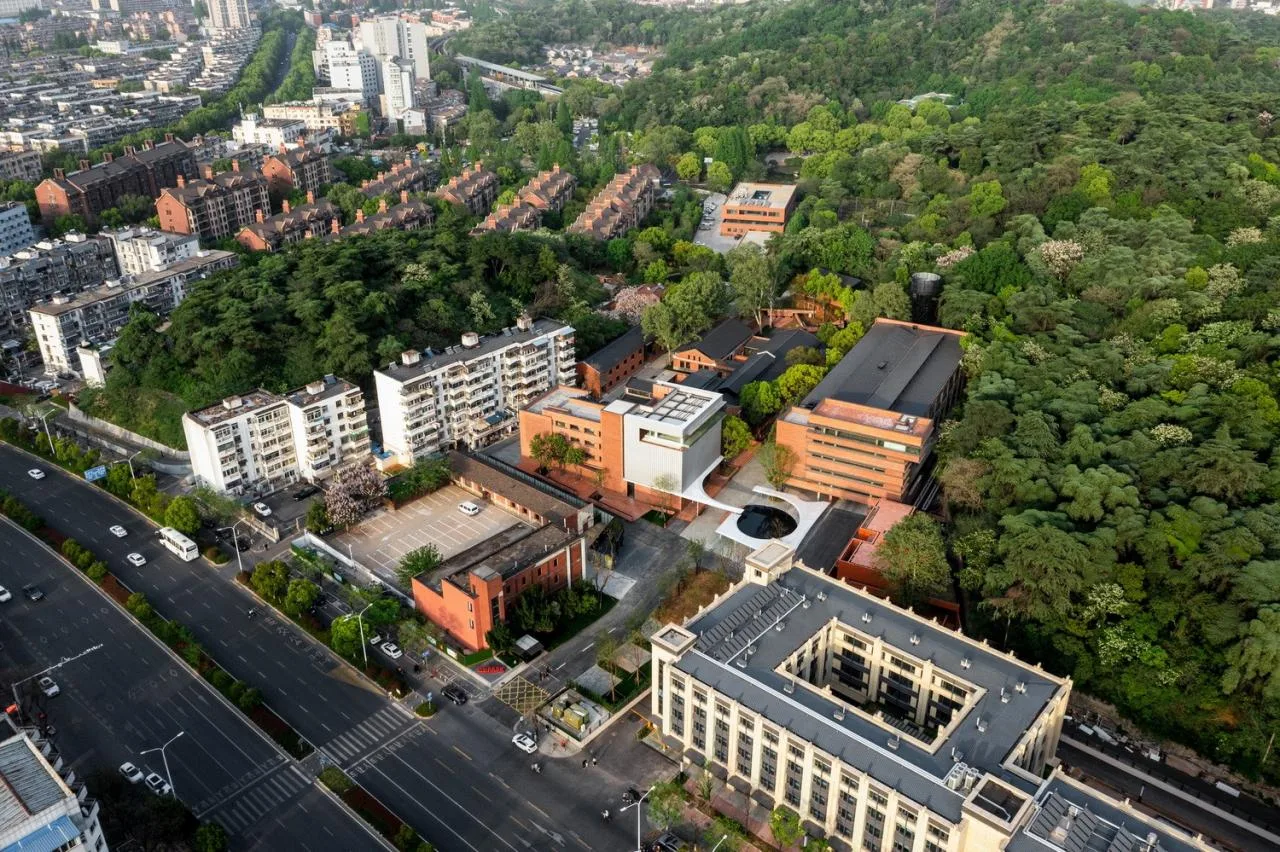
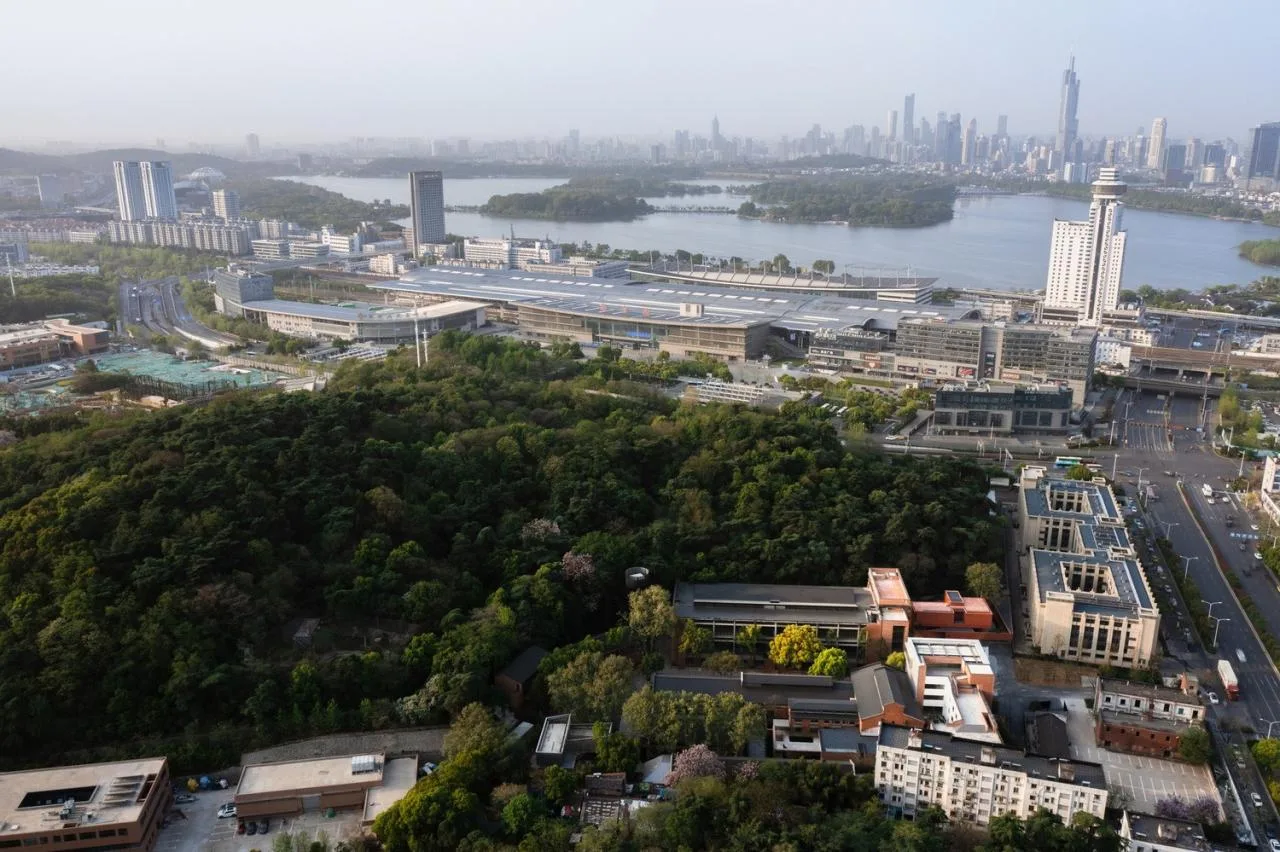
The Nanjing Combat Machinery Factory is situated at the western foot of Hongshan Mountain, in the northern part of the city, adjacent to Nanjing Railway Station. Originally constructed in the 1950s, the factory served as an industrial hub. However, as the city expanded and industrial operations shifted, production gradually relocated, leaving the original factory site largely unused. In 2006, the factory underwent renovation and reopened as a creative industry park, but it struggled to regain its former vitality.
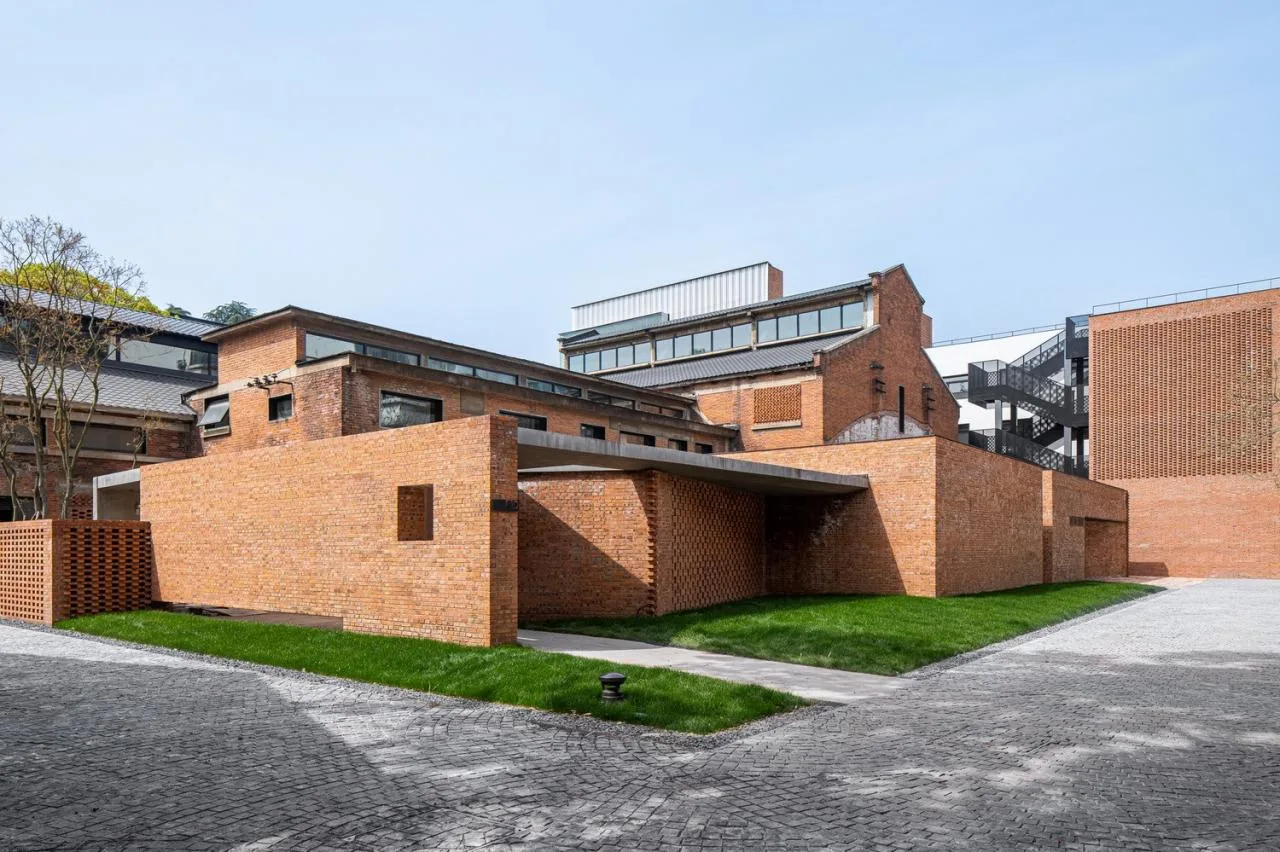
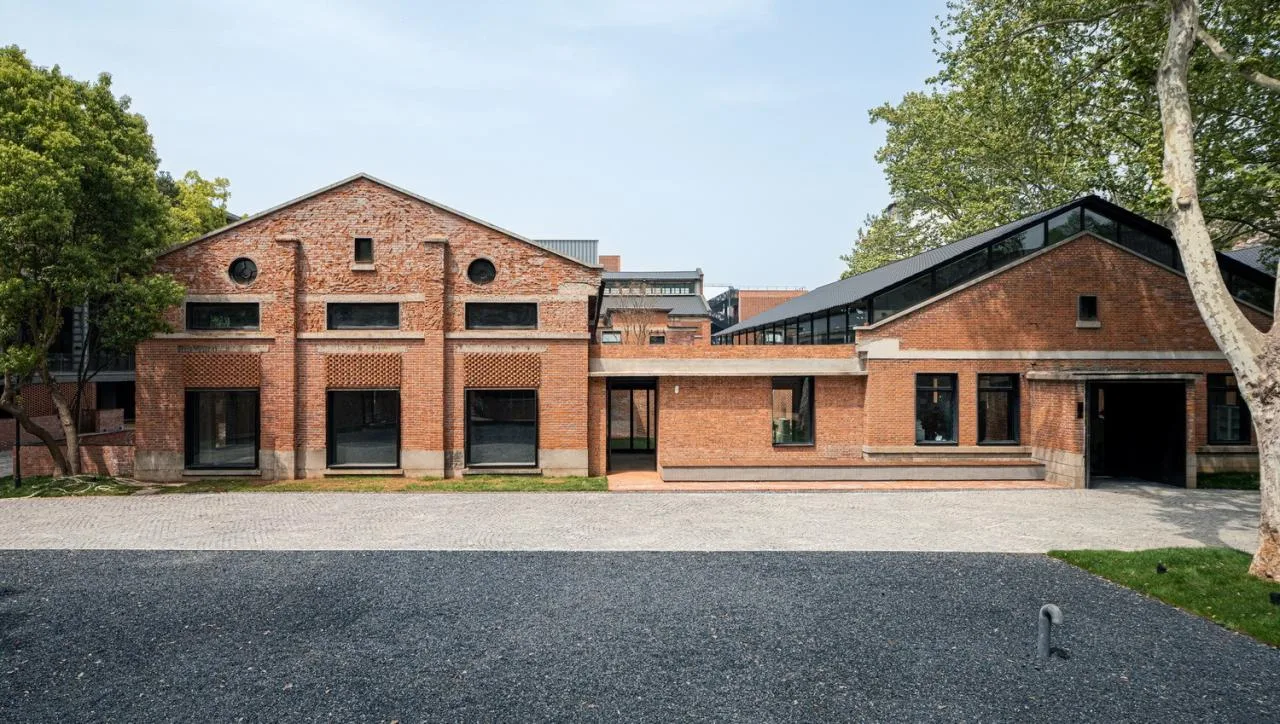
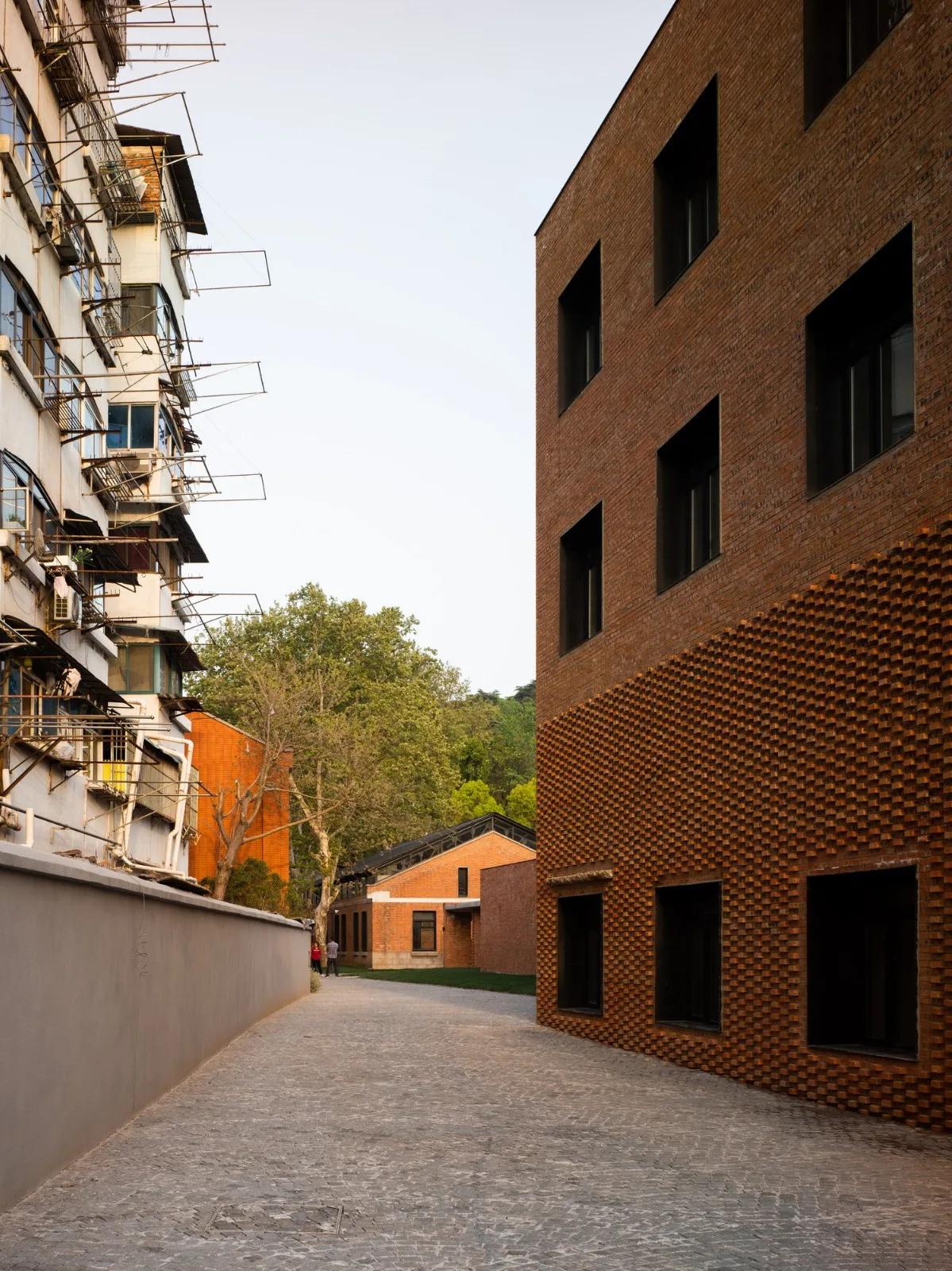
Over time, the renovated factory area was covered with new walls, tiled surfaces, and fresh paint, masking its industrial heritage. In the past two decades, the dense vegetation from Hongshan Mountain has gradually encroached upon the factory grounds, further obscuring the site’s original structures. Naturally weathered, this area has become a forgotten boundary between the city and the mountains, overlooked by both people and urban development.
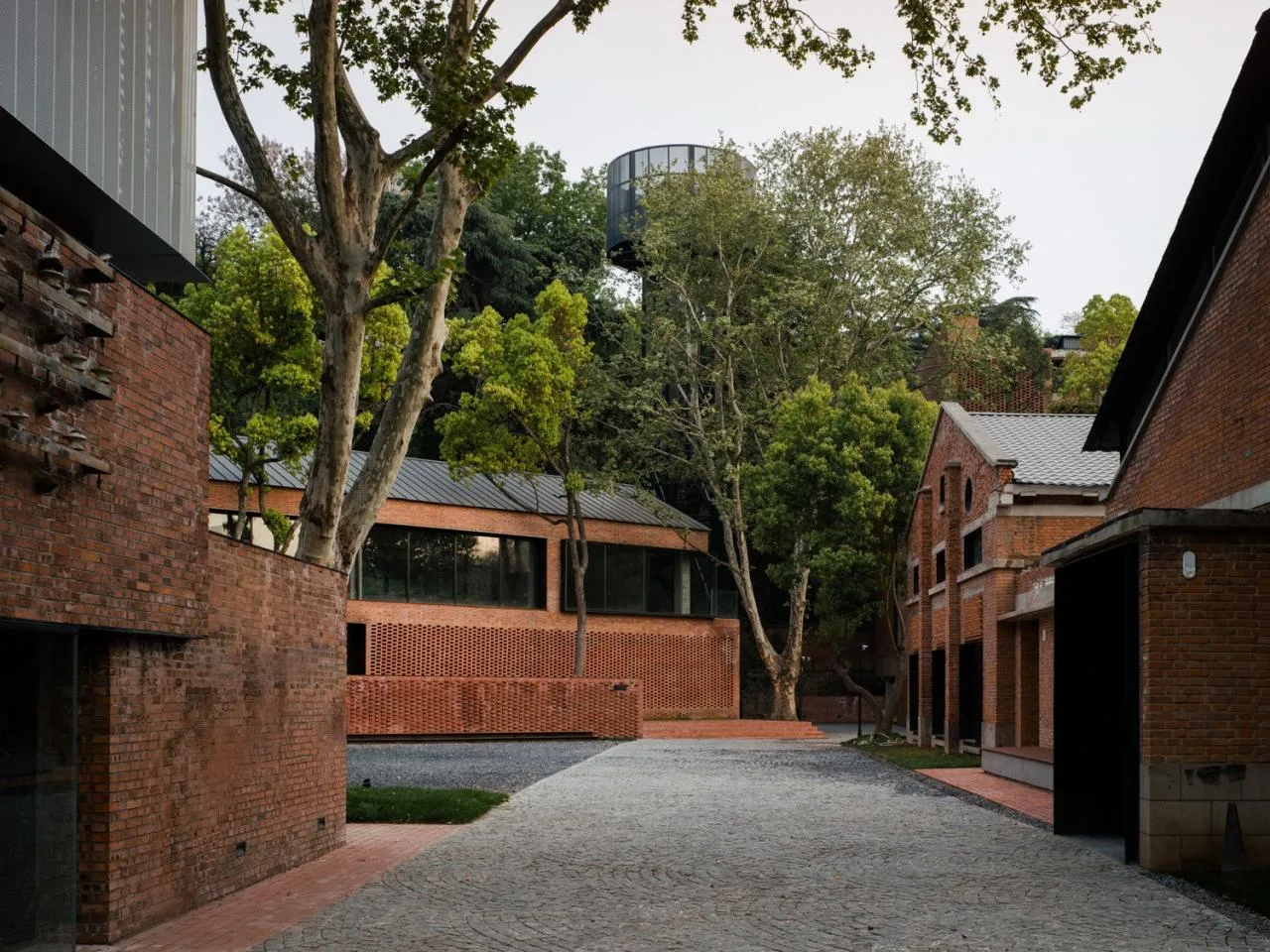
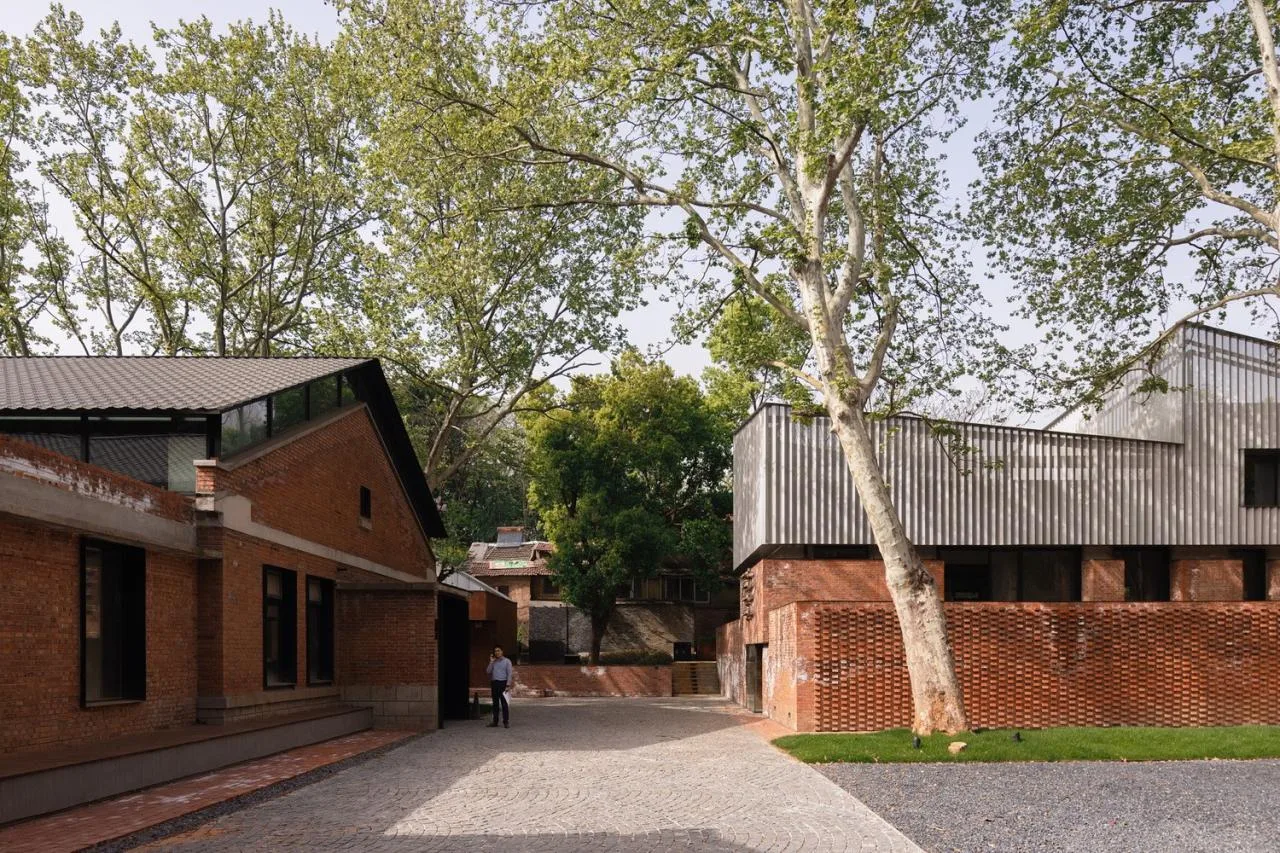
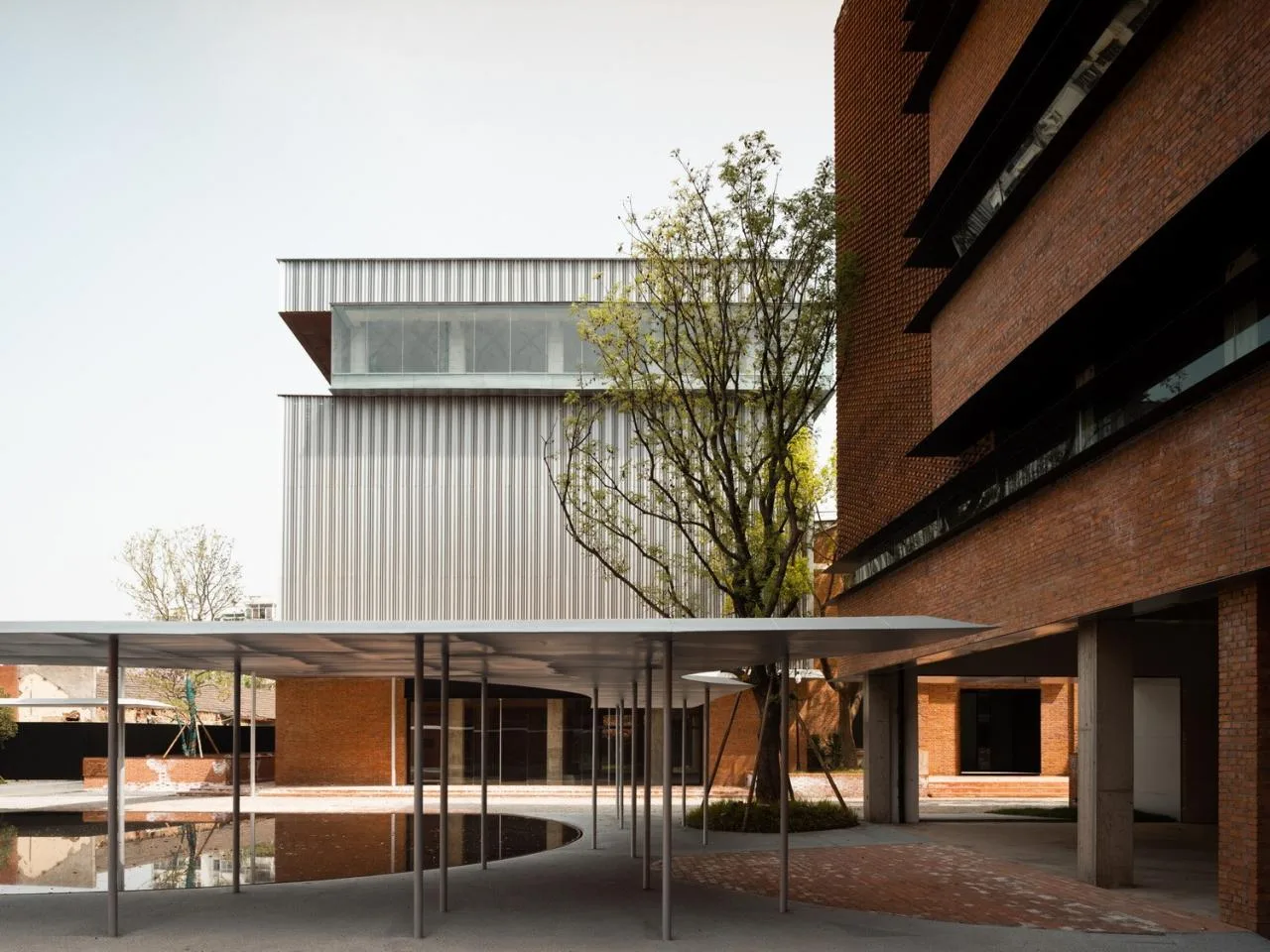
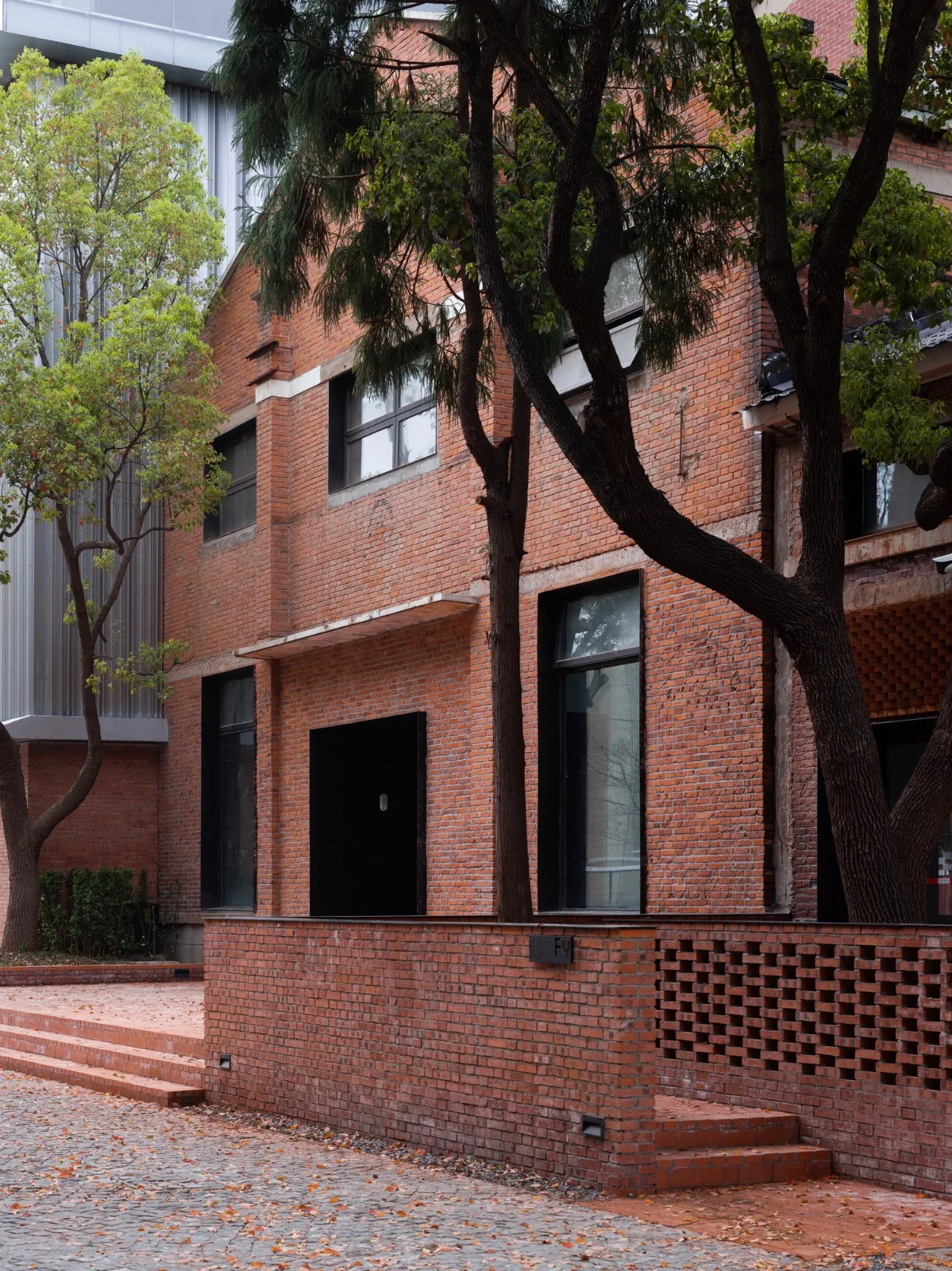
At the end of 2020, the owner commissioned Miesi Architecture to renovate and update the factory site, aiming to transform it into a mixed-use emerging park focused primarily on office spaces. The main design goal was to revive the factory area’s historical memory and restore its vibrancy. This was approached with a commitment to preserving the existing natural trees while revealing the site’s historical traces and reintegrating it into the urban fabric.
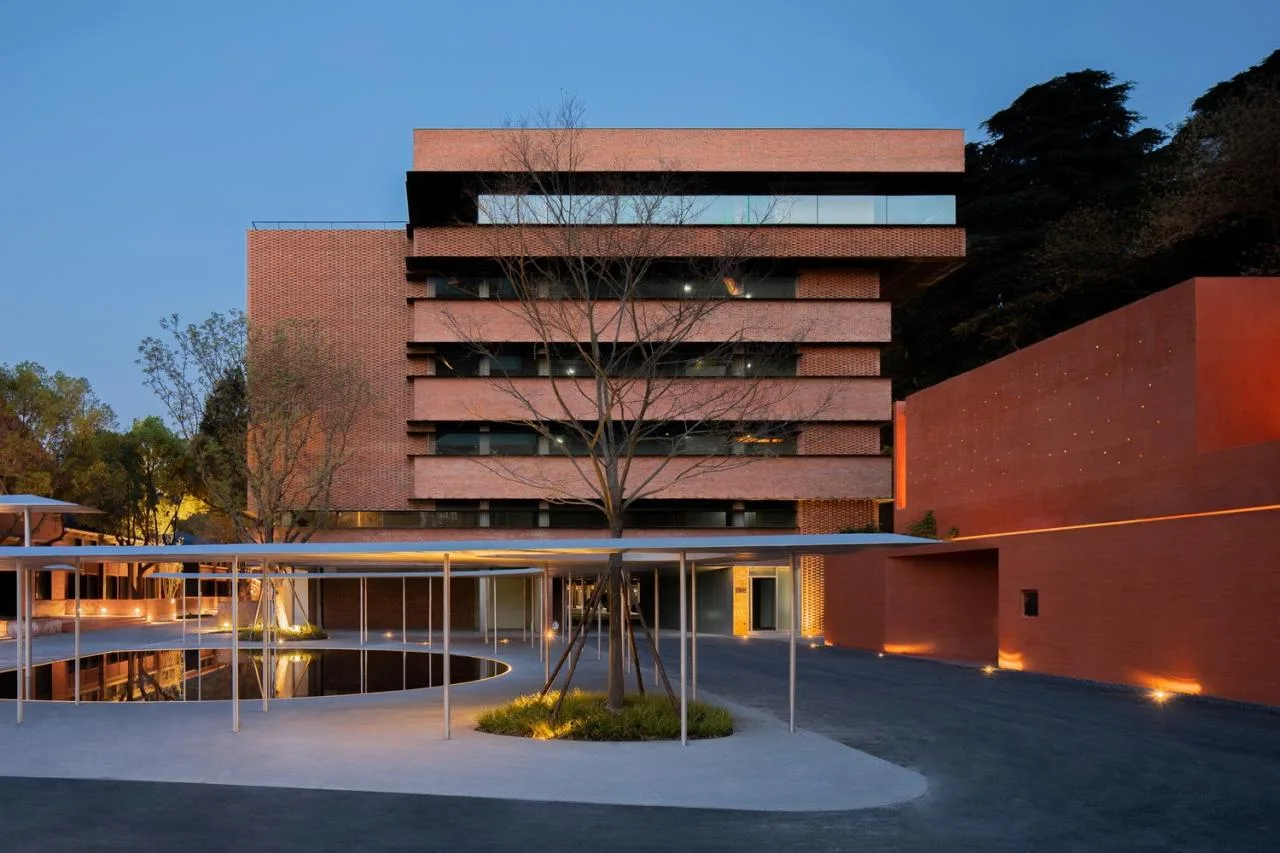
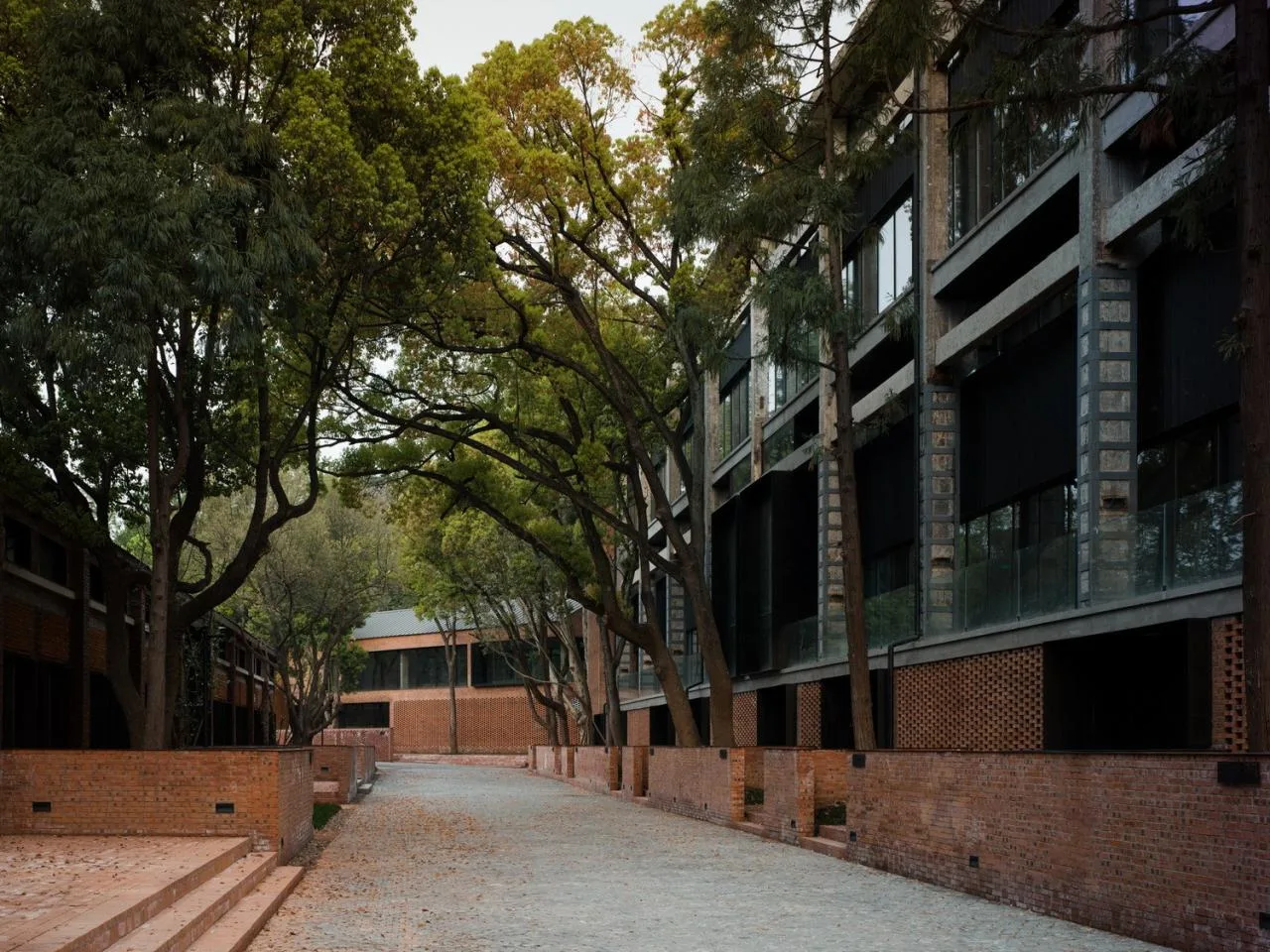
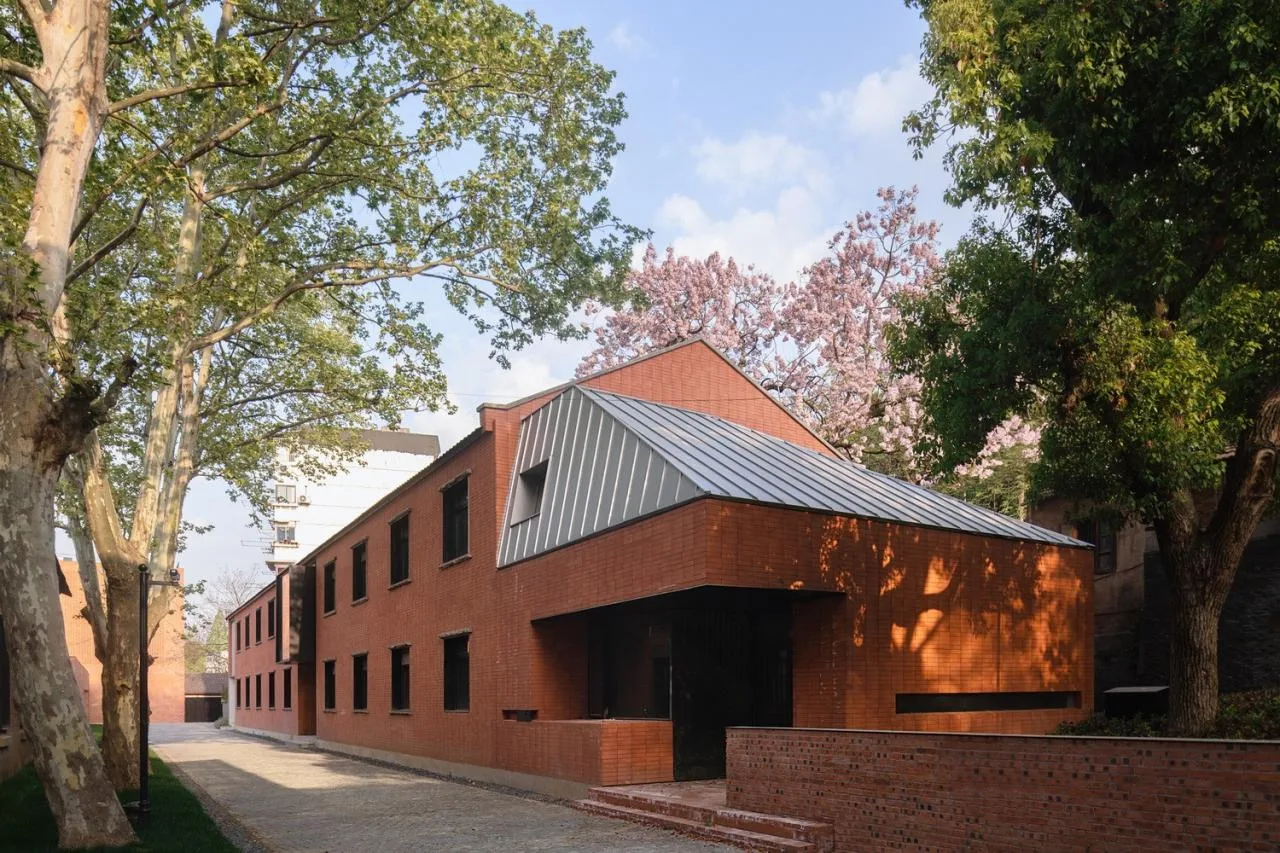
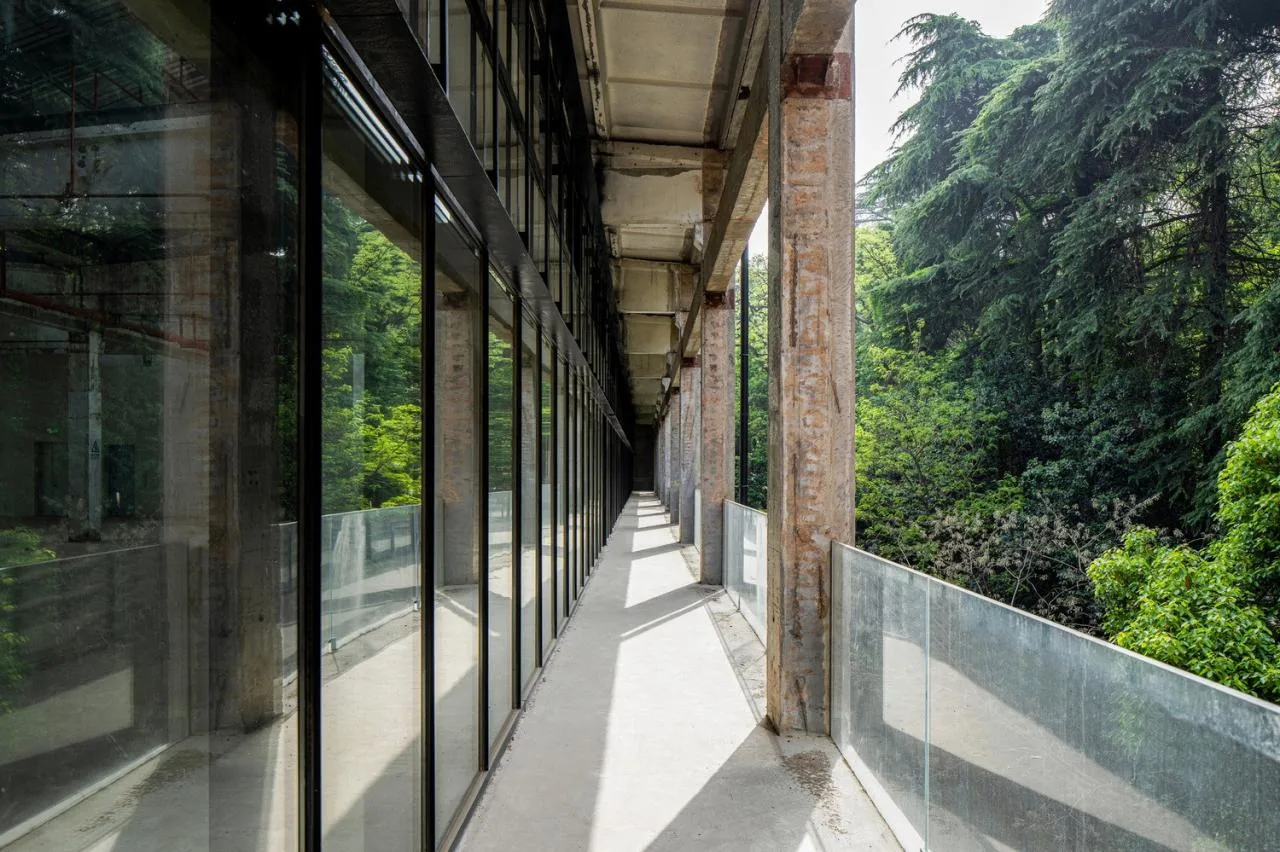
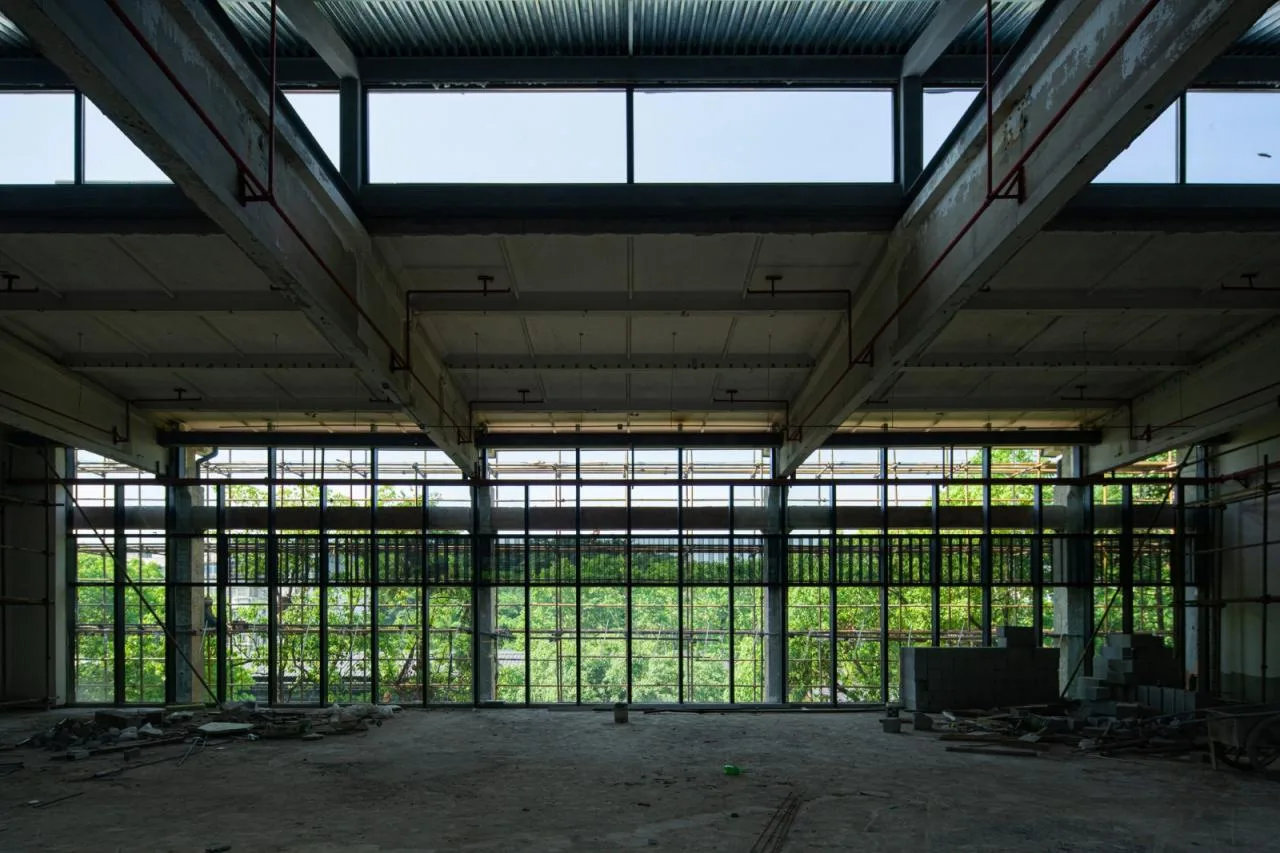
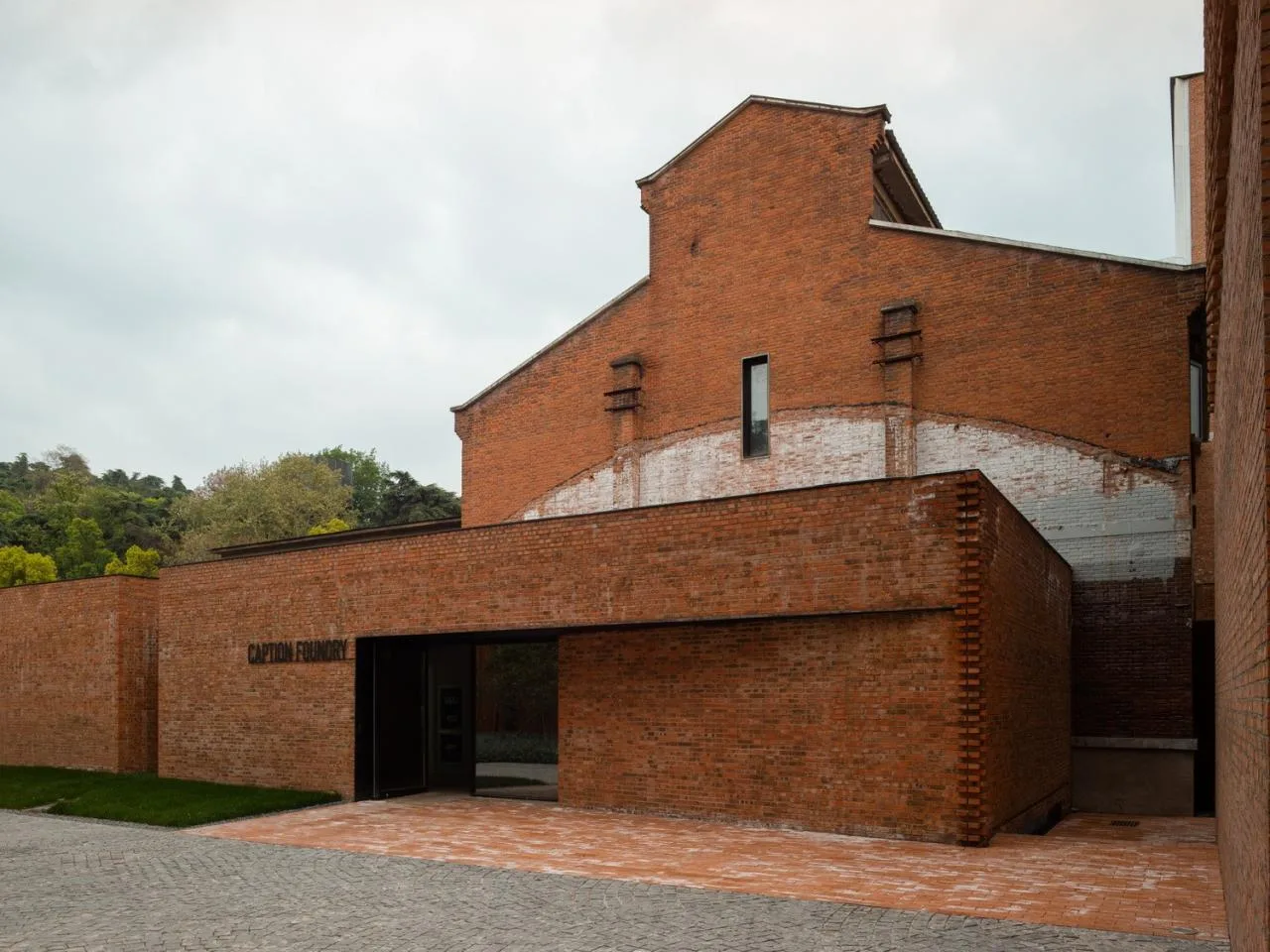
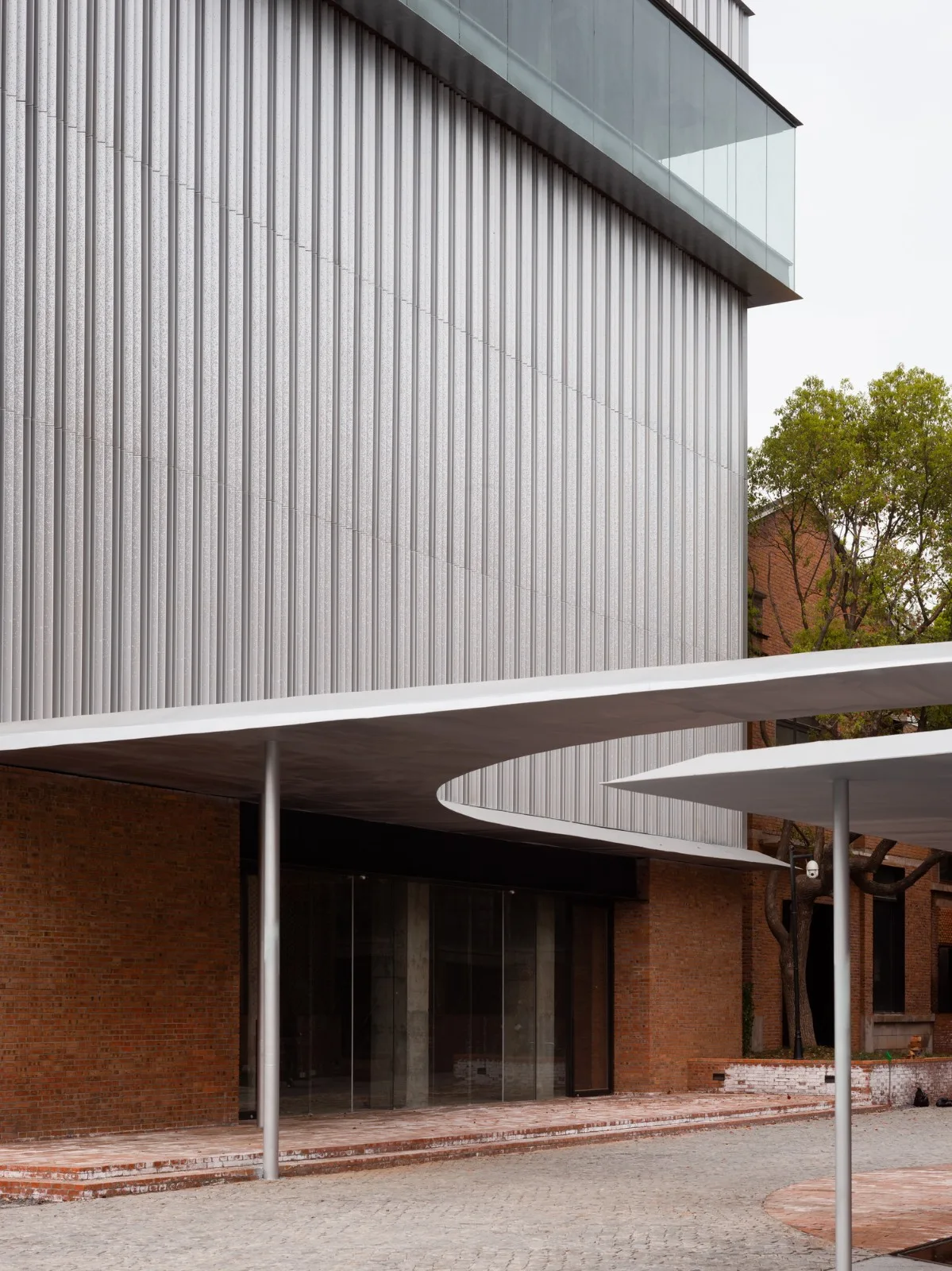
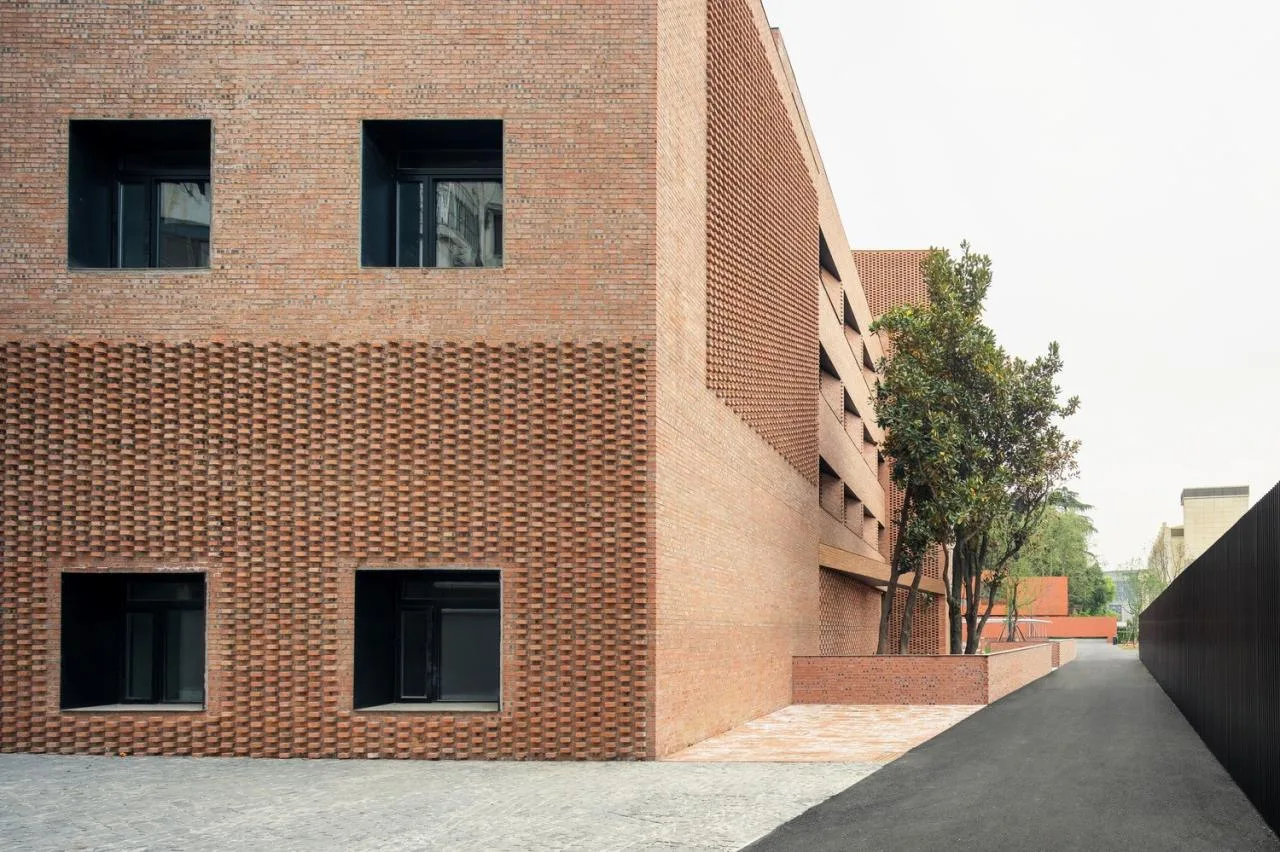
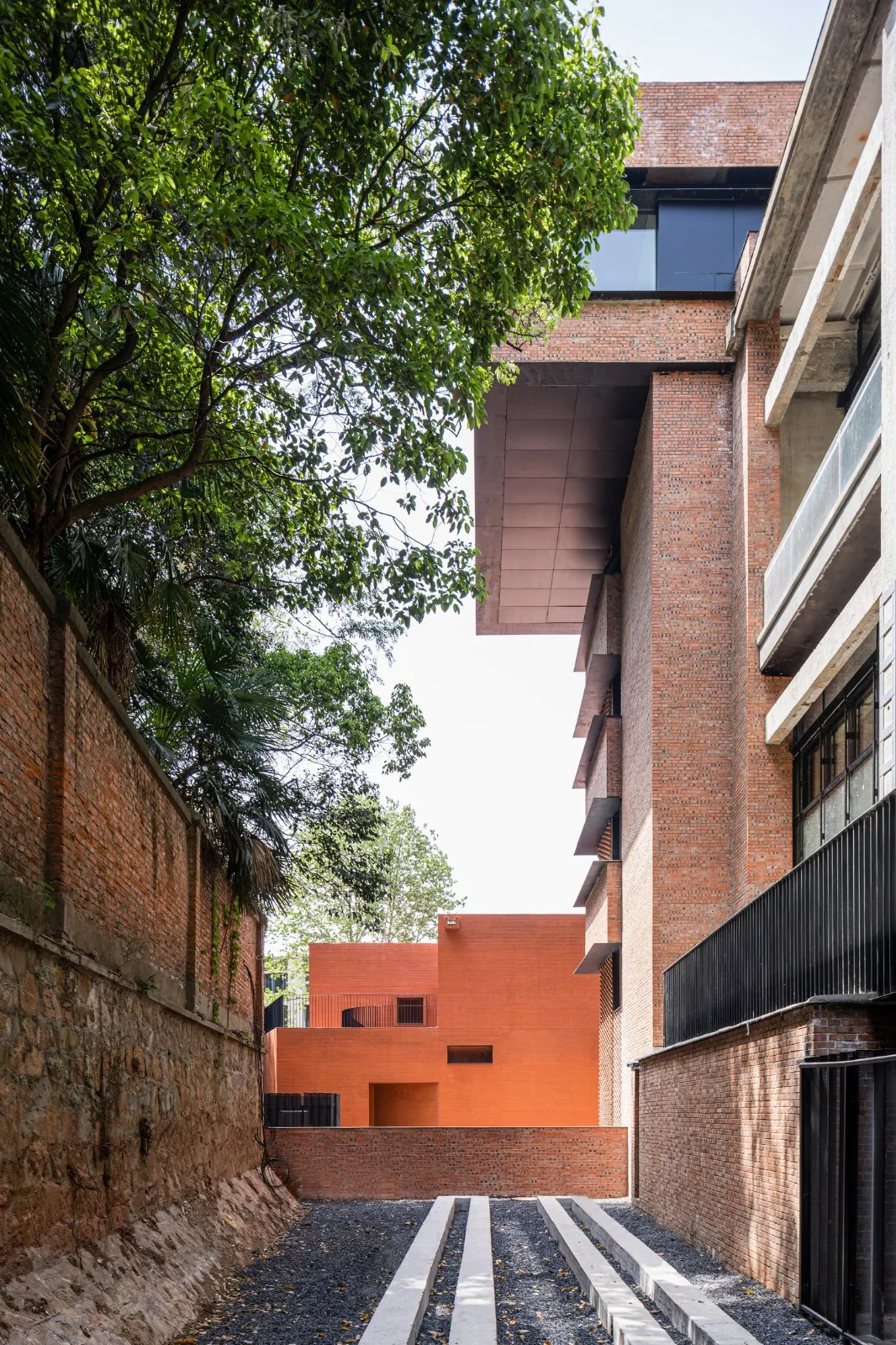
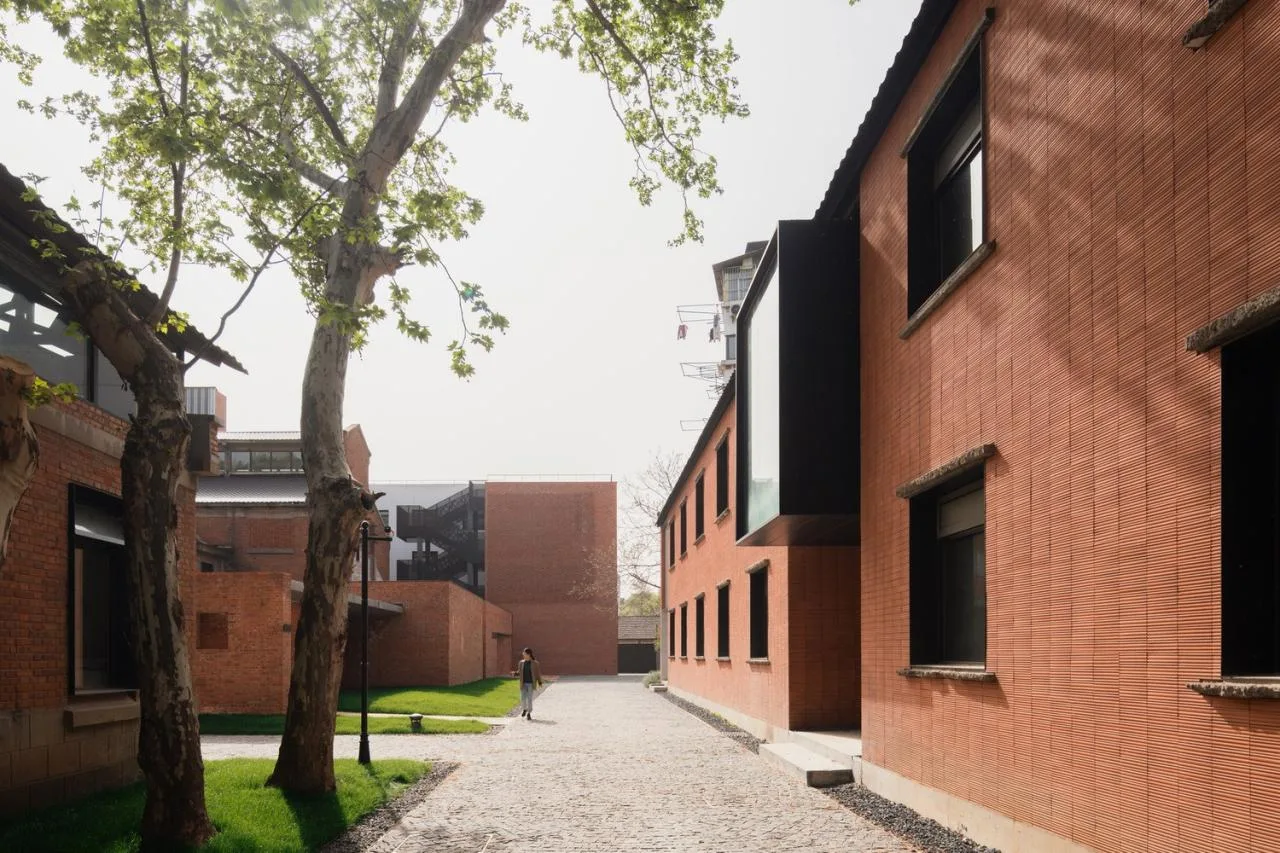
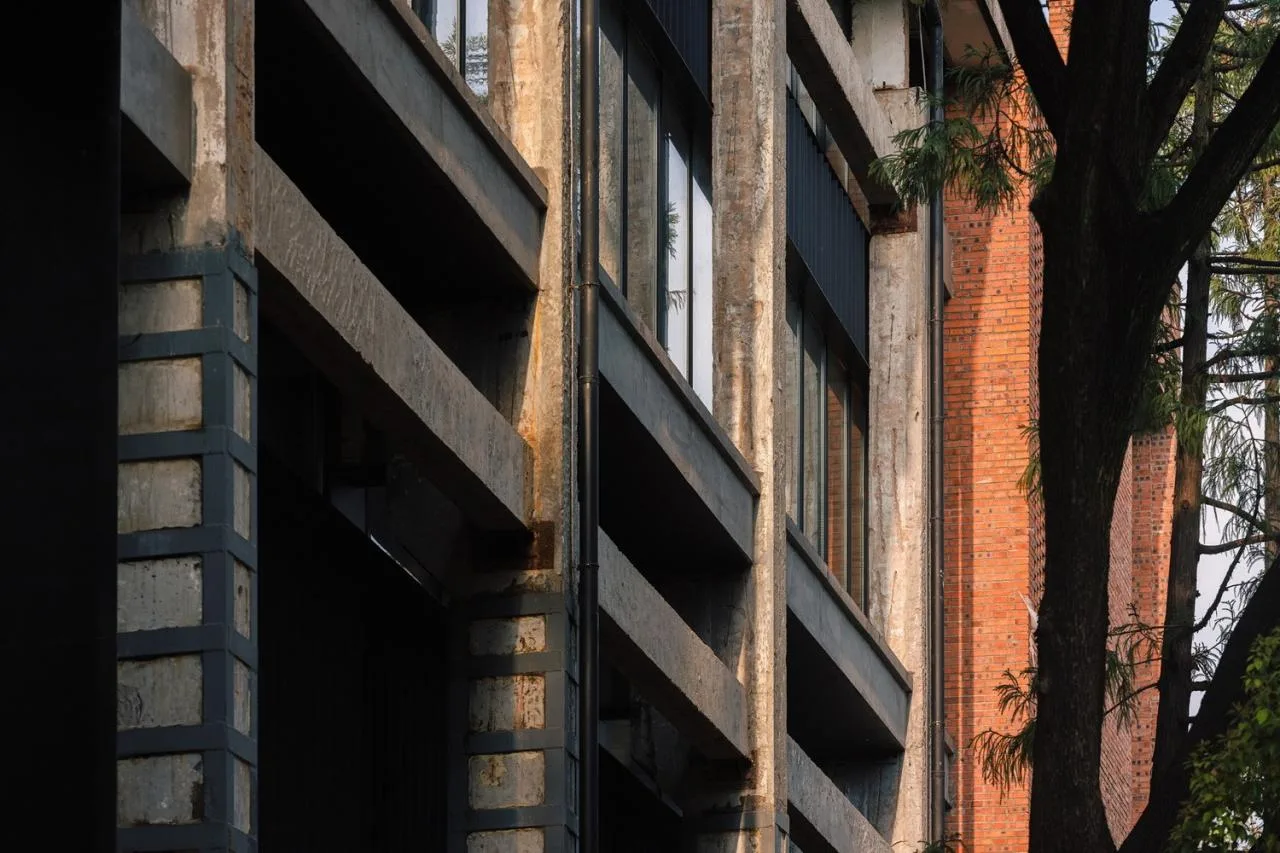
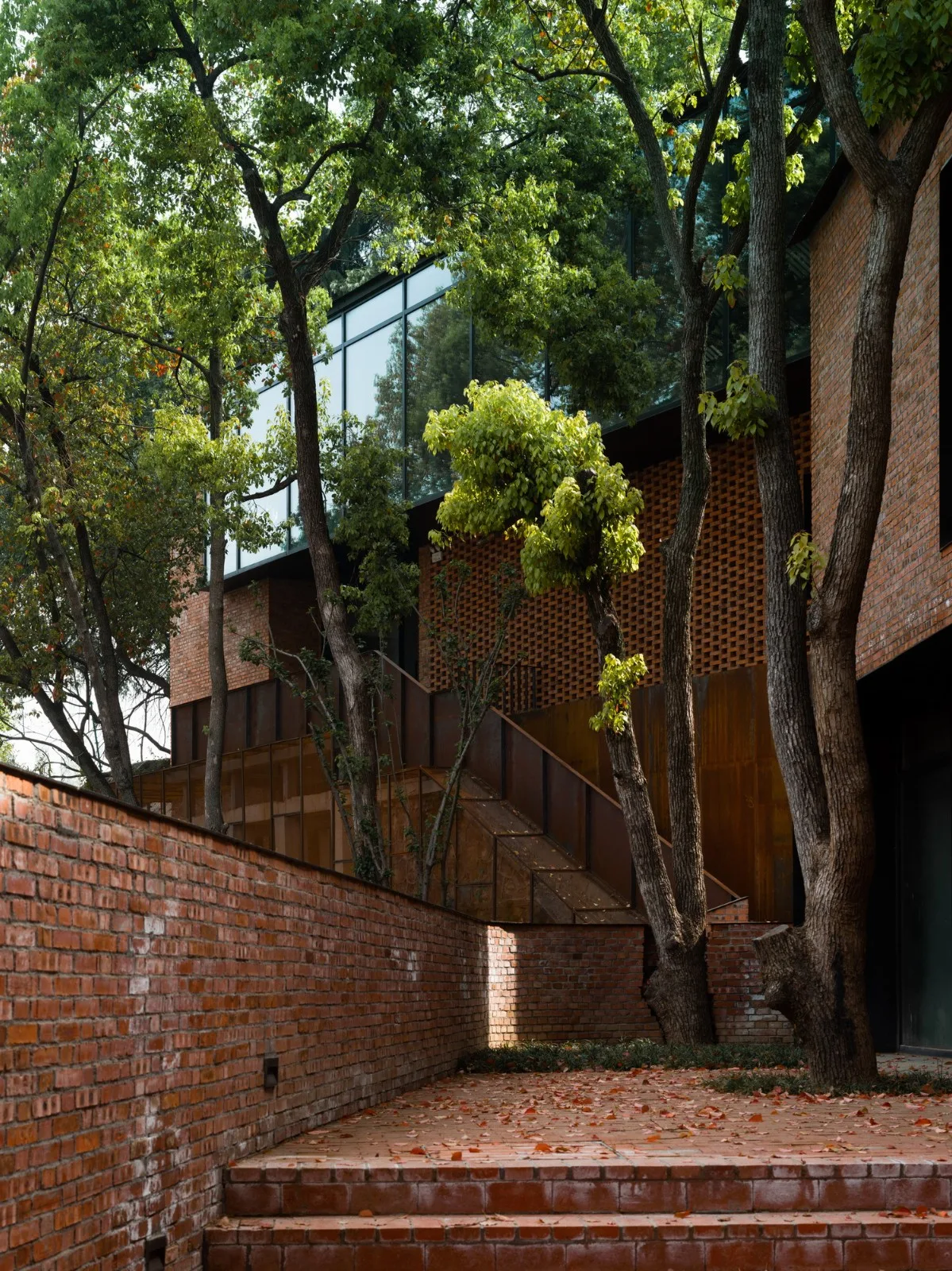
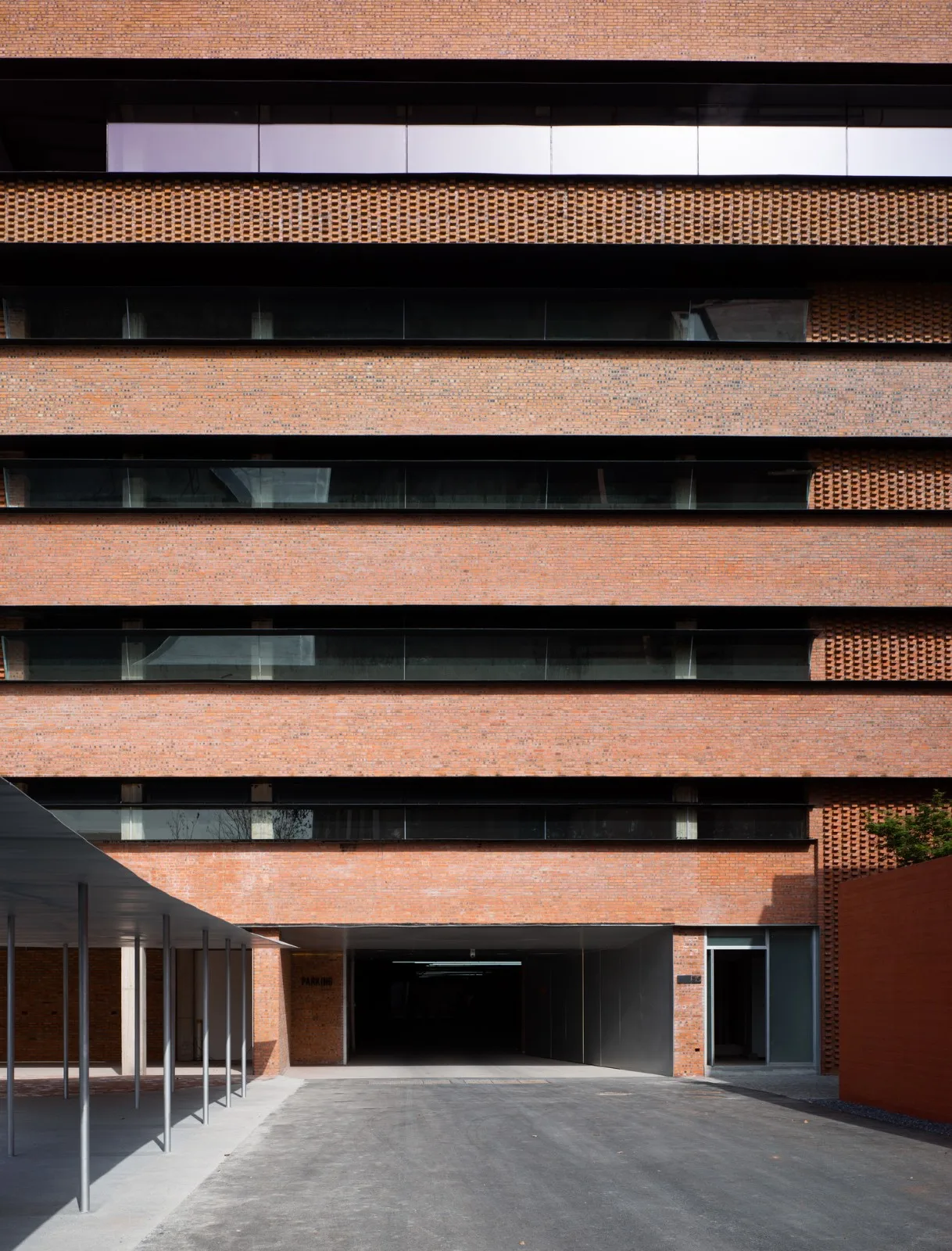
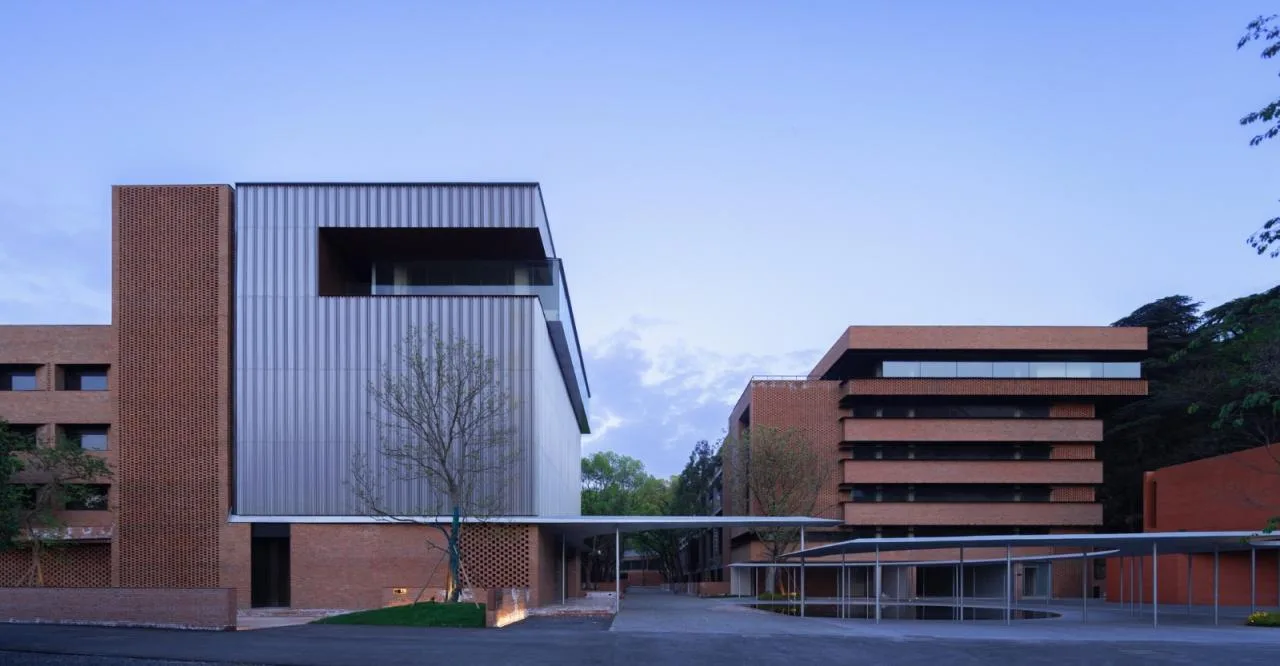
The design highlights the factory’s most distinctive feature: the red brick and exposed concrete walls. The park is reshaped in a style that balances seriousness with a relaxed atmosphere—a “red” building set at the foot of “Red Mountain,” evoking specific “red memories.” The shared characteristics of these materials unify the park and rekindle its historical identity.
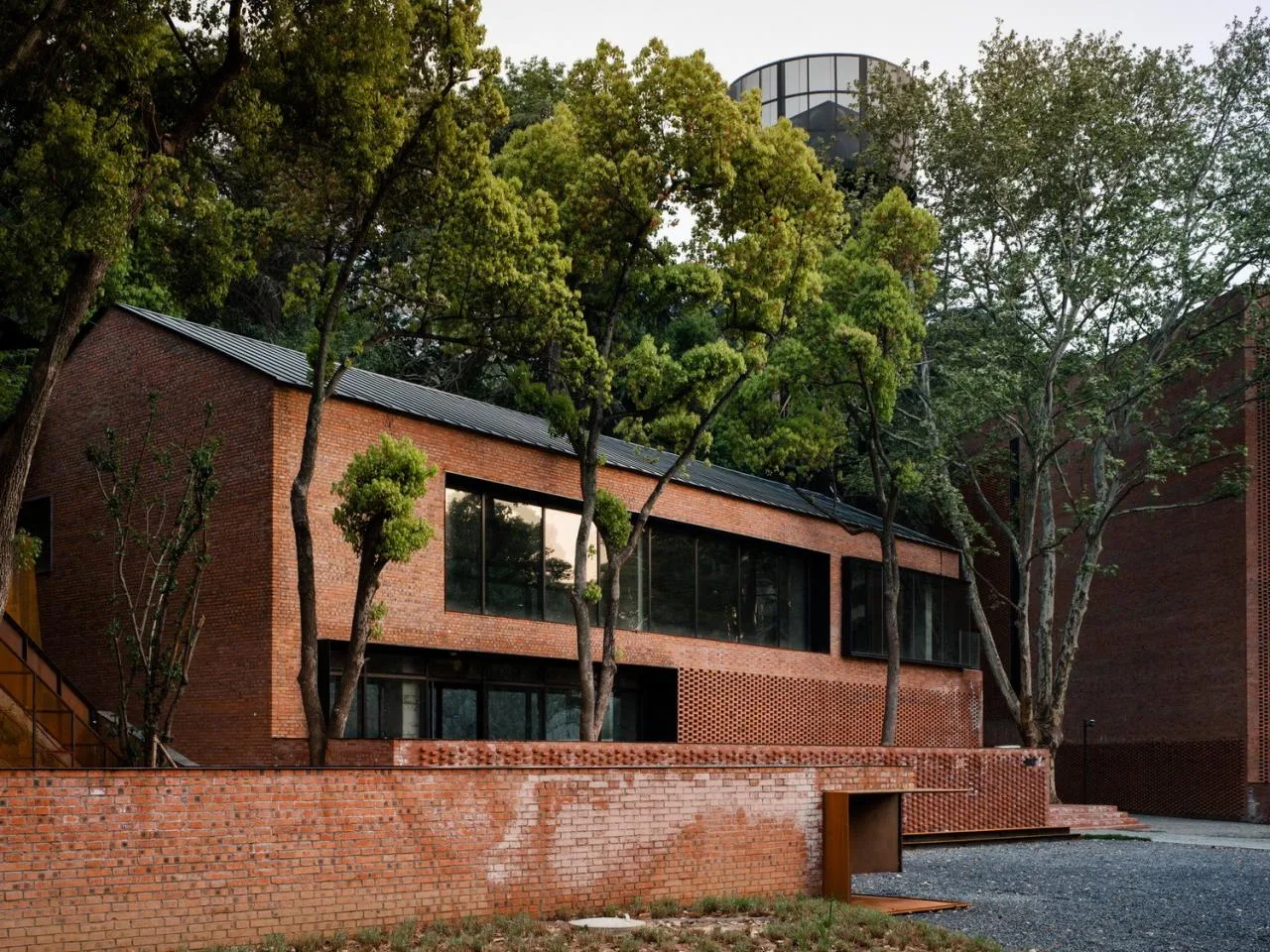
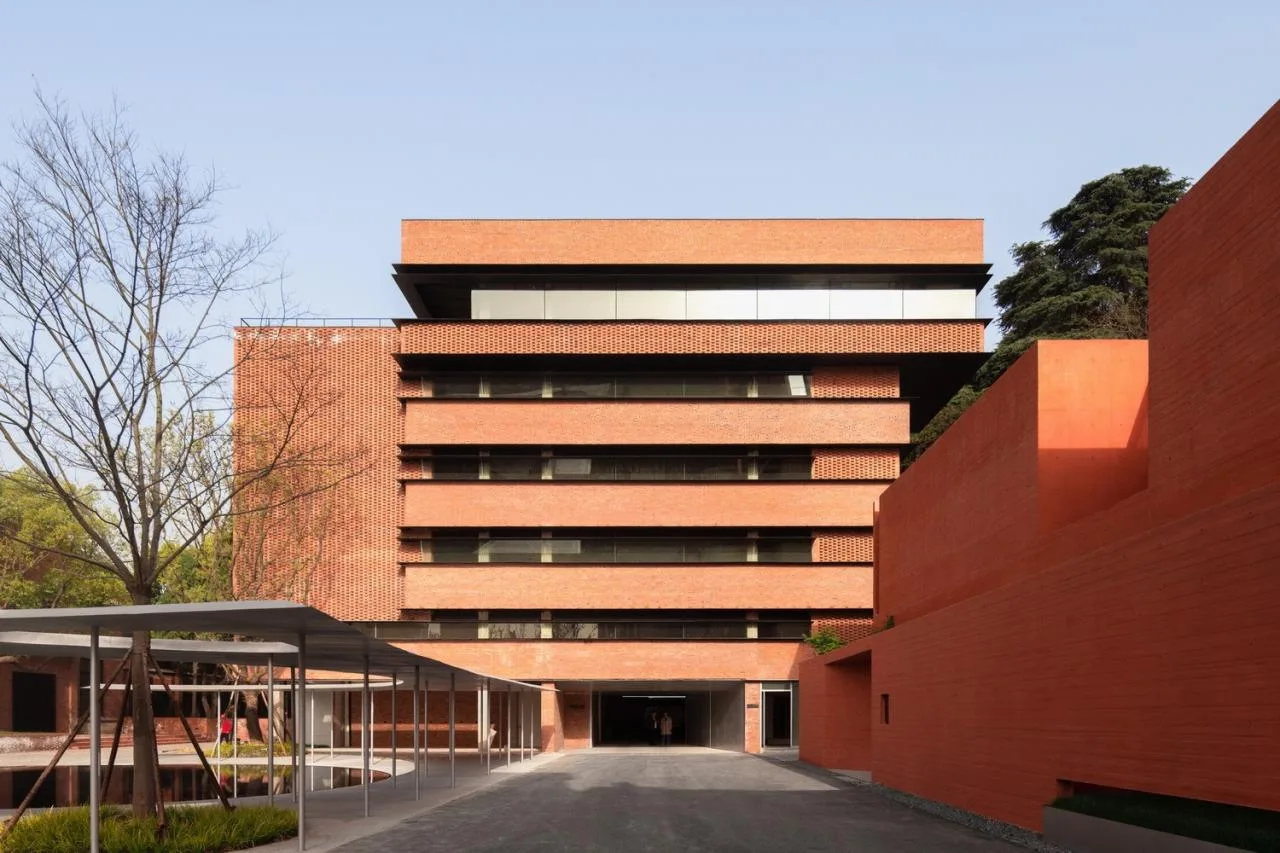
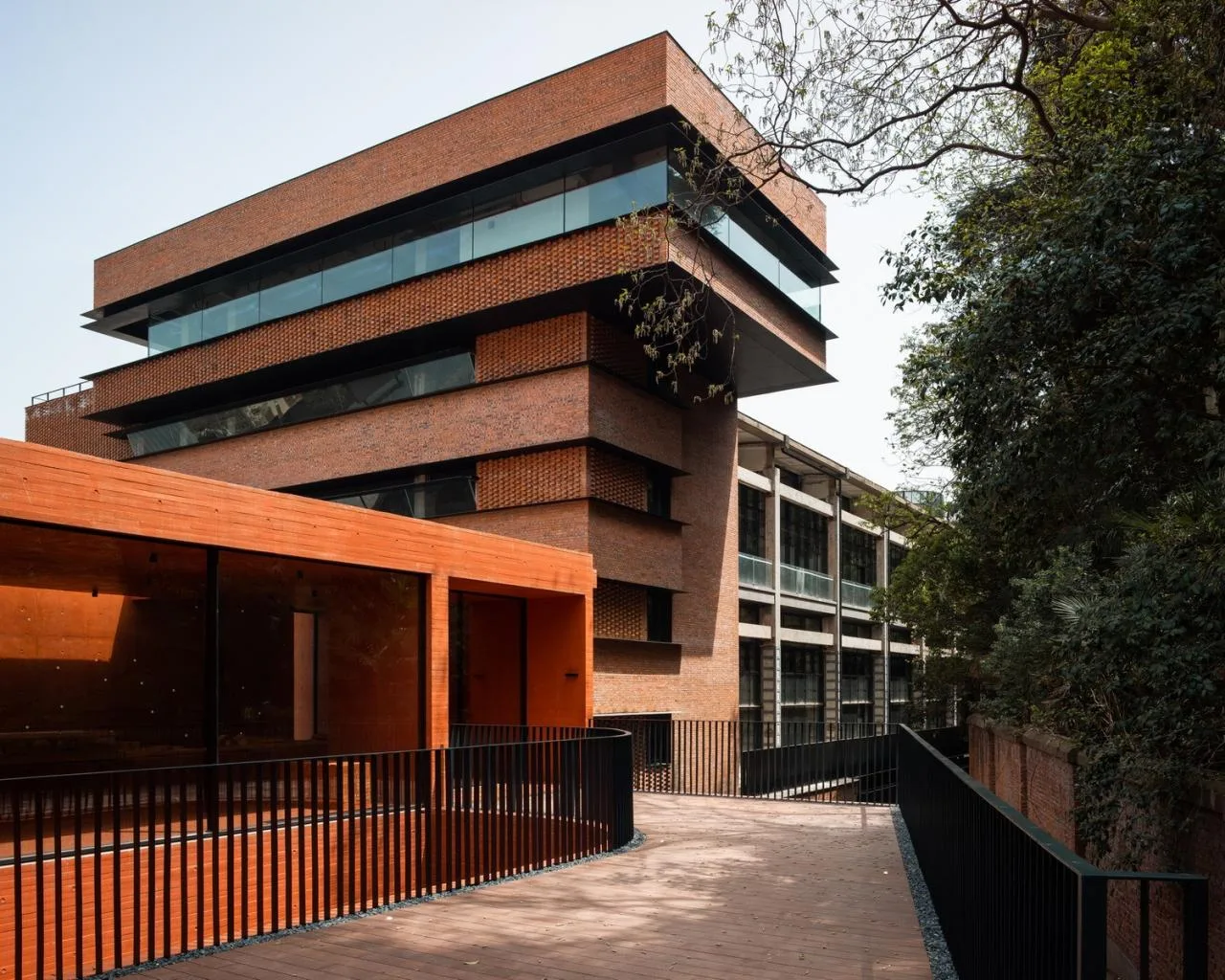
The park features a variety of red materials from different eras—red bricks, plain red concrete, and red terrazzo—each reflecting the construction methods and craftsmanship of its time. These diverse materials strengthen the “red” theme. Following renovation, the park fills a longstanding void in the city’s urban landscape with distinct, clear features, reshaping collective memory of the factory area and the city itself in both familiar and new ways.
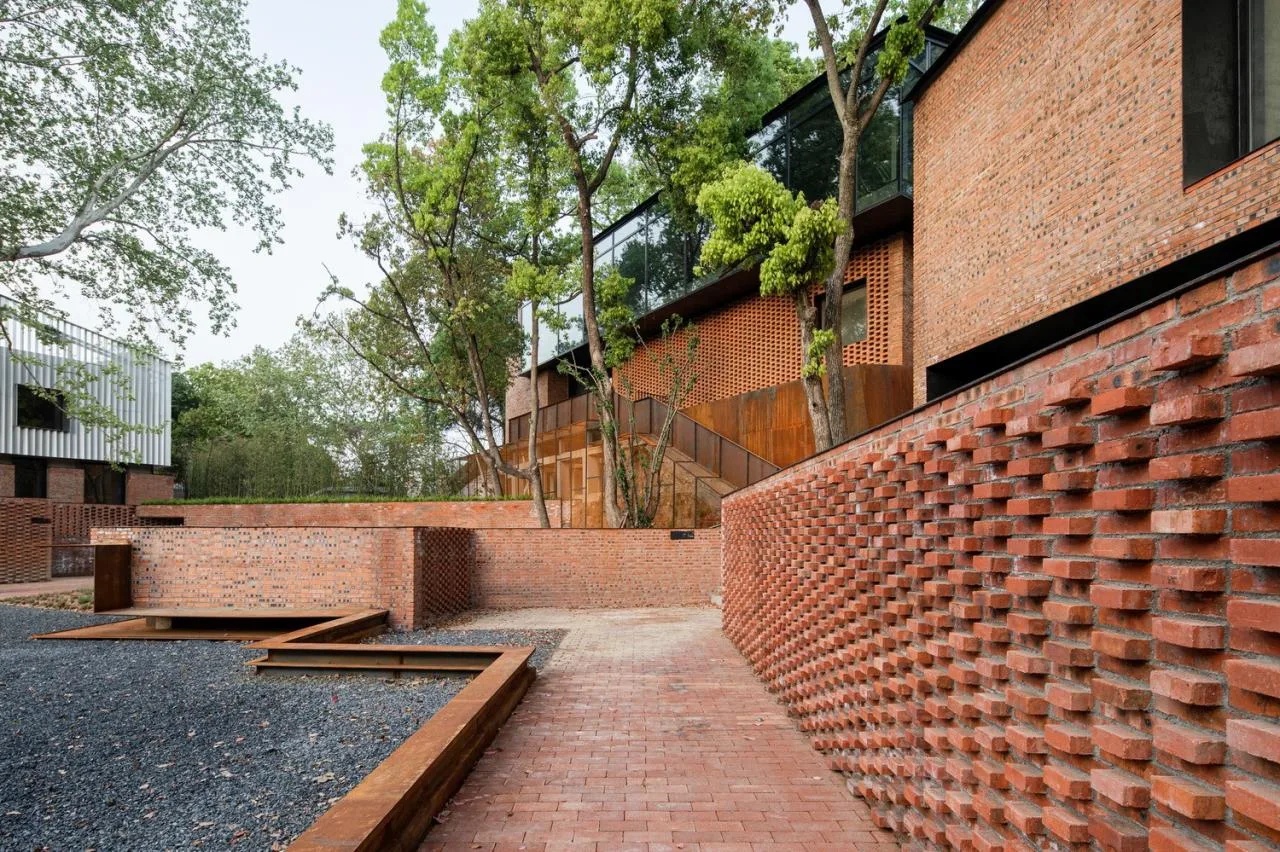
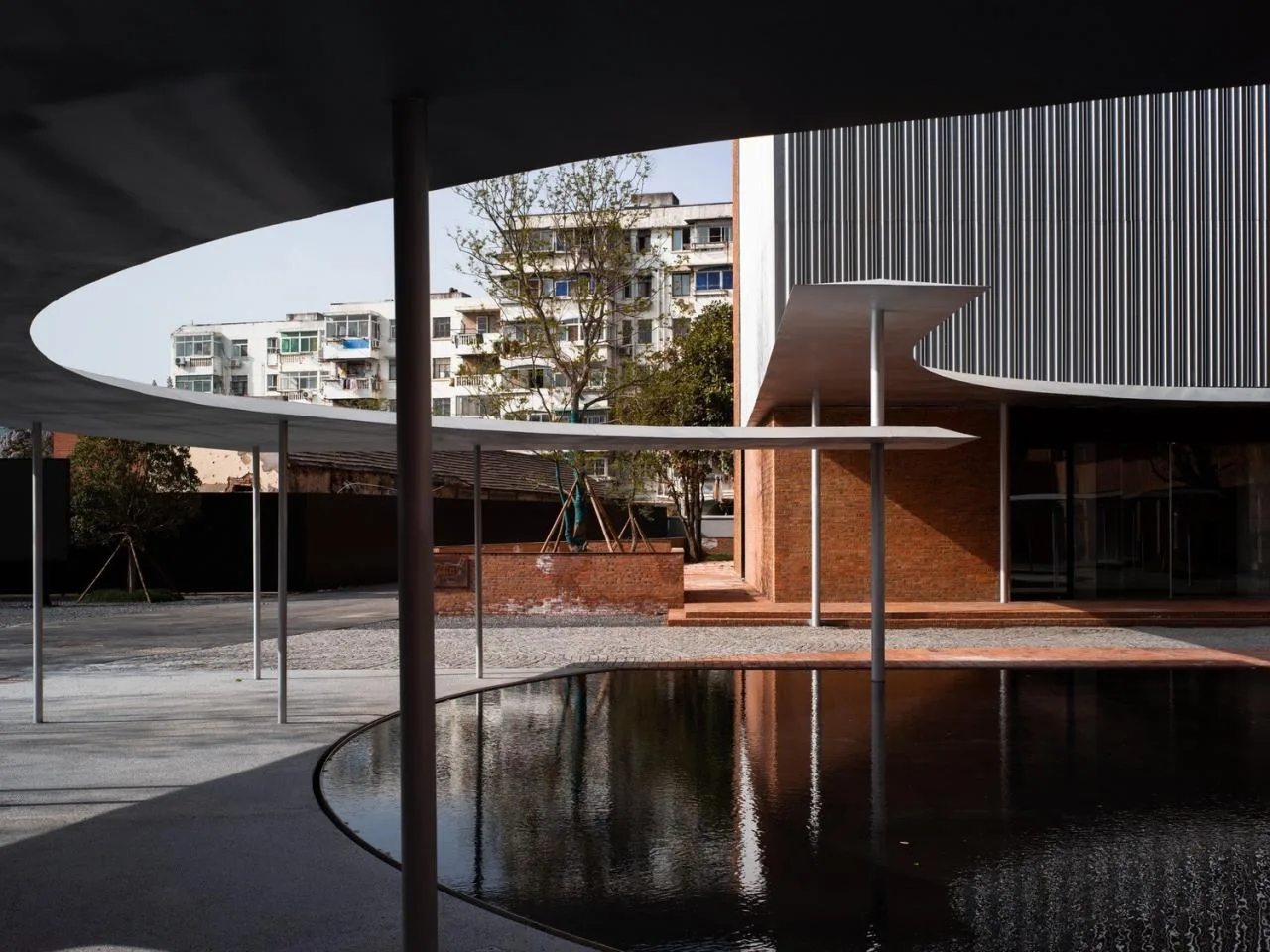
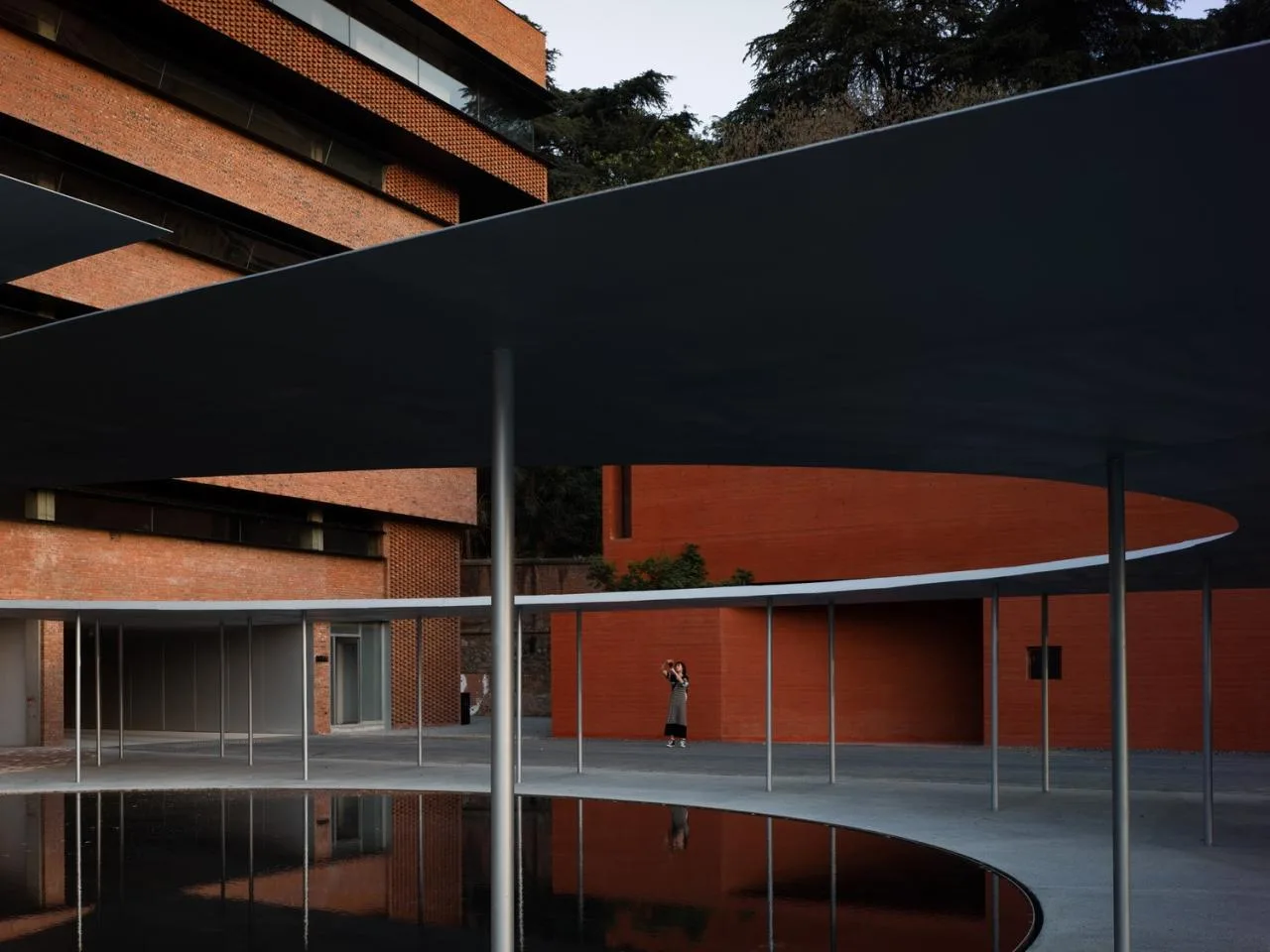
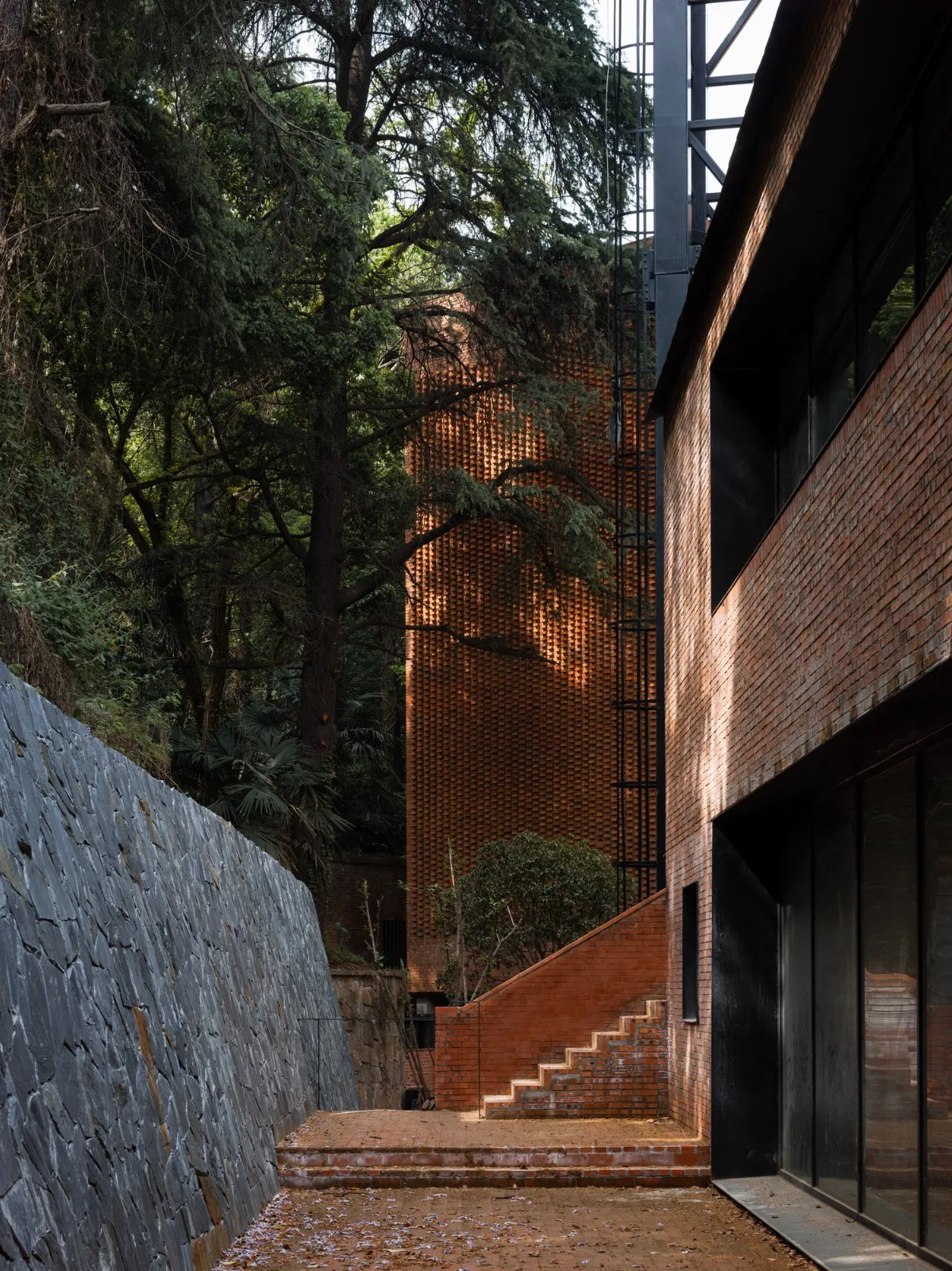
After redefining the park’s shared features, the design focuses on emphasizing each building’s unique character and its connection to nature. Landscape walls and spatial rhythm play a key role in this process. Low courtyard walls, combined with existing vegetation, delineate public from private spaces, level site elevation differences, fill gaps between buildings, and provide each structure with its own distinct outdoor area while maintaining overall site cohesion.
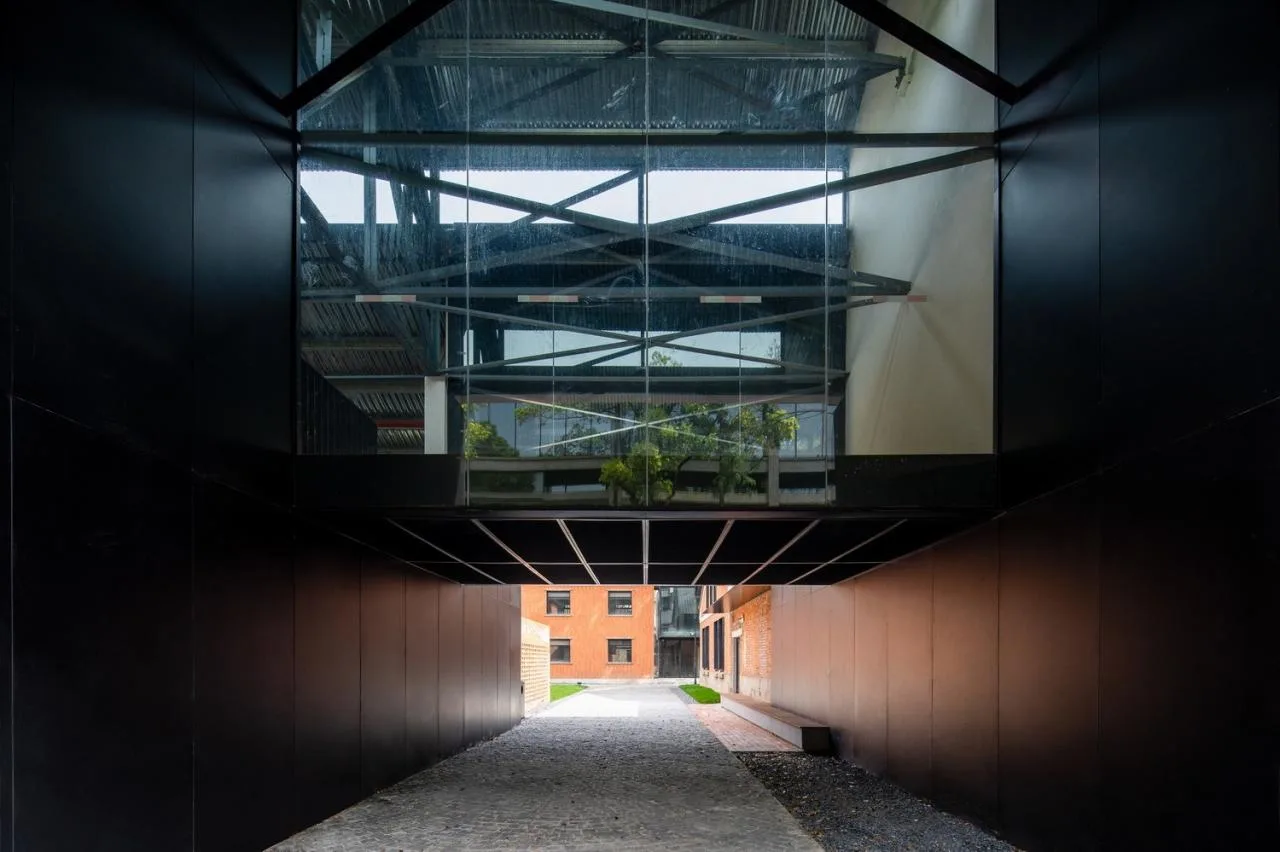
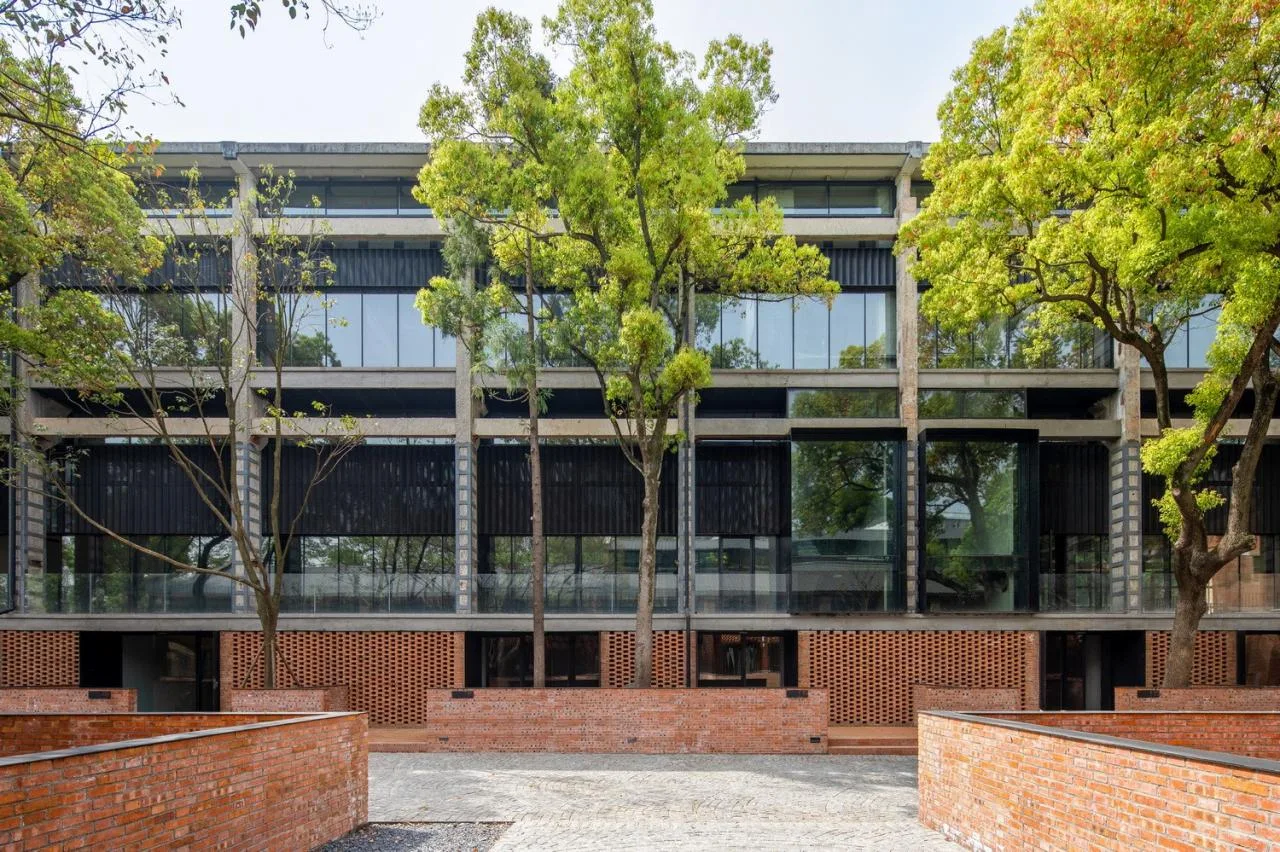
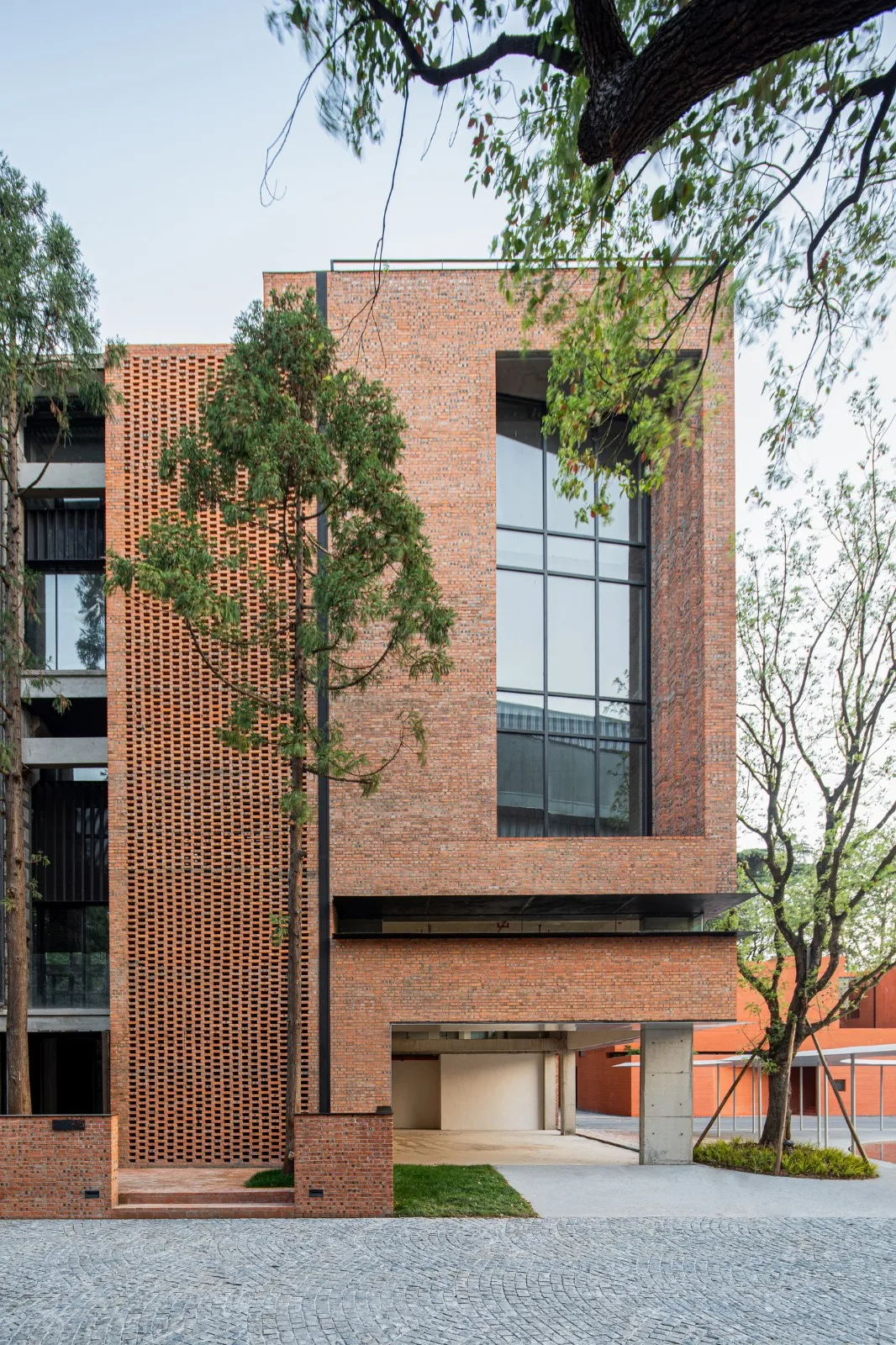
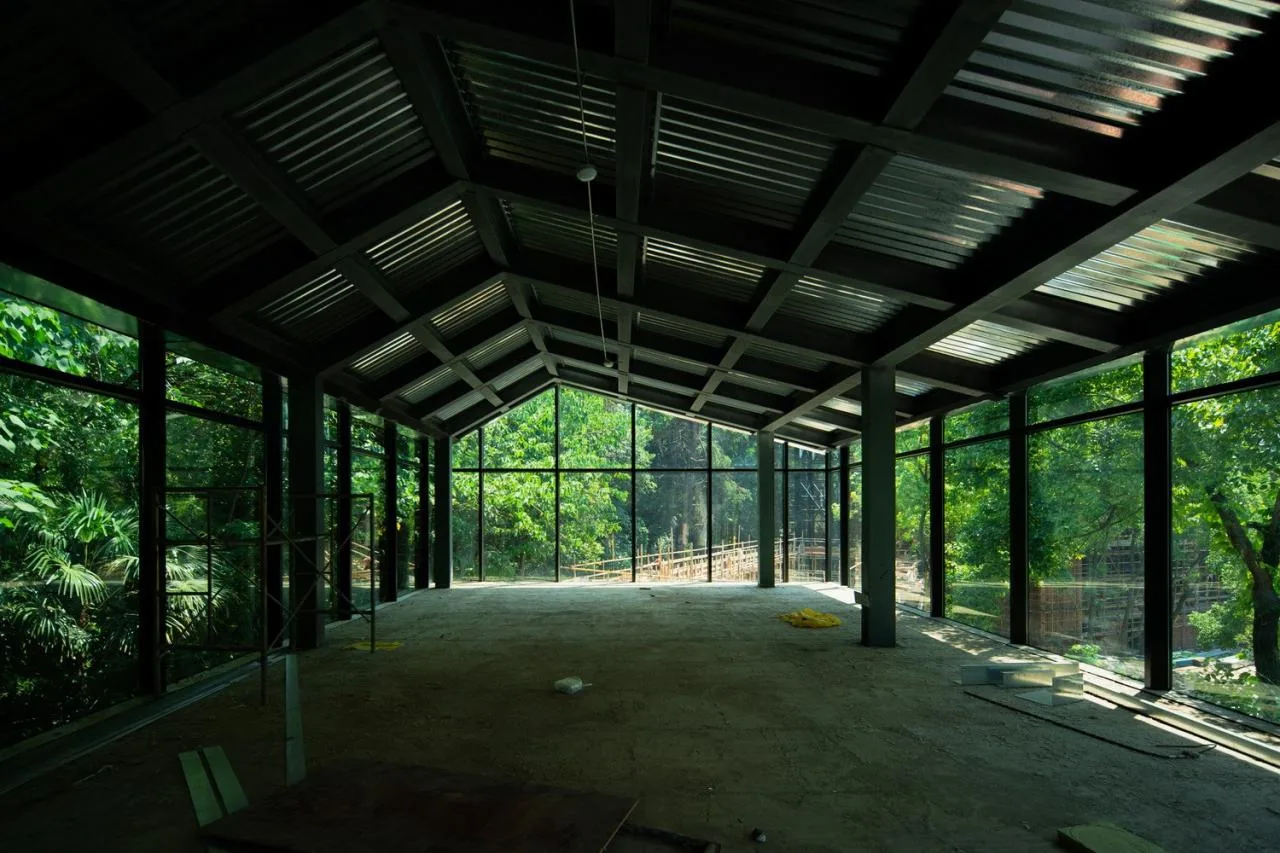
The design’s progression—from solid, thick walls guiding visitors to gradually more open interior spaces—is a key experiential element. Each building features windows that frame views of the surrounding mountains and nature. As users enter, the initially intense red atmosphere gently fades, blending naturally into the environment.
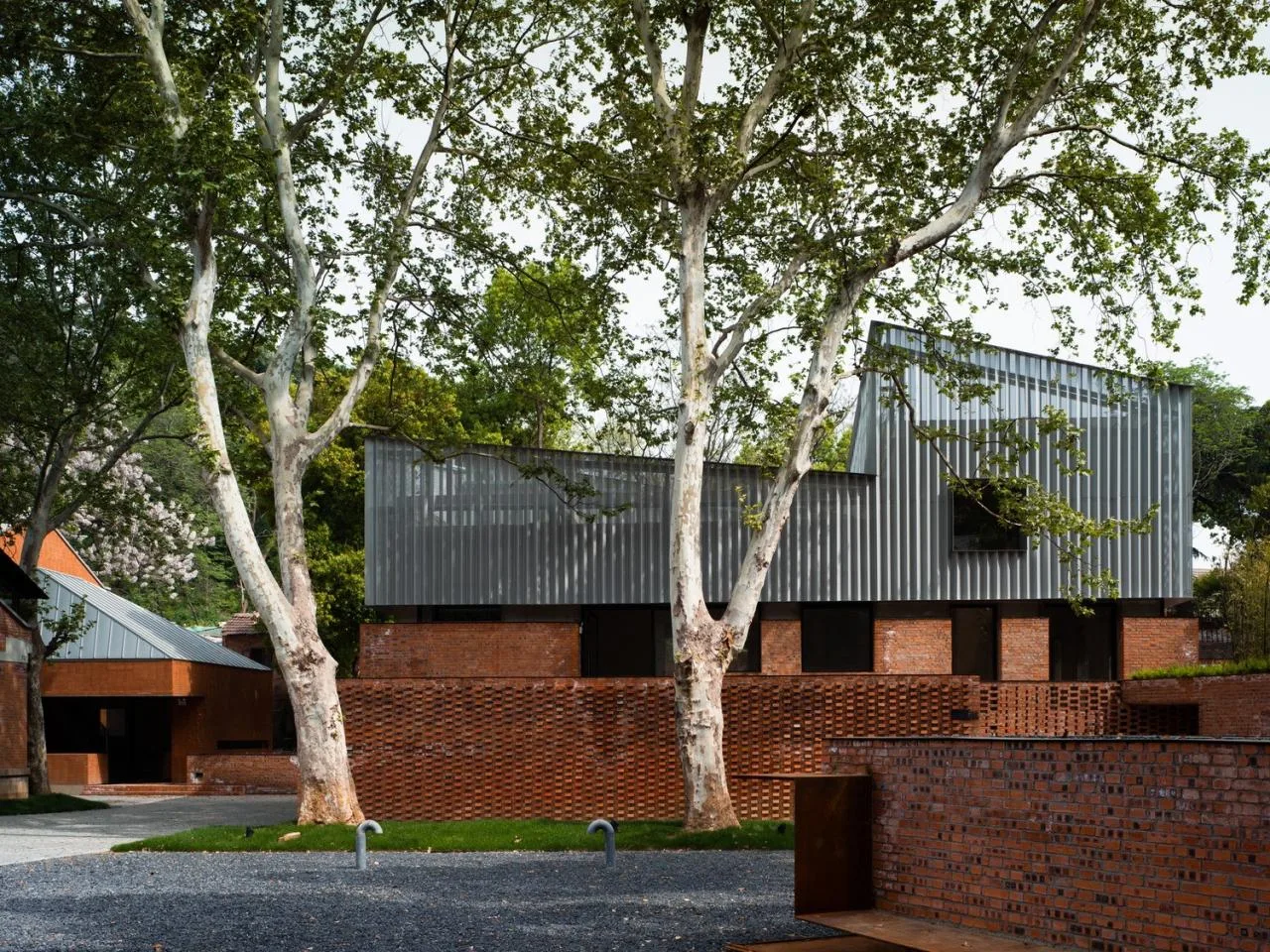
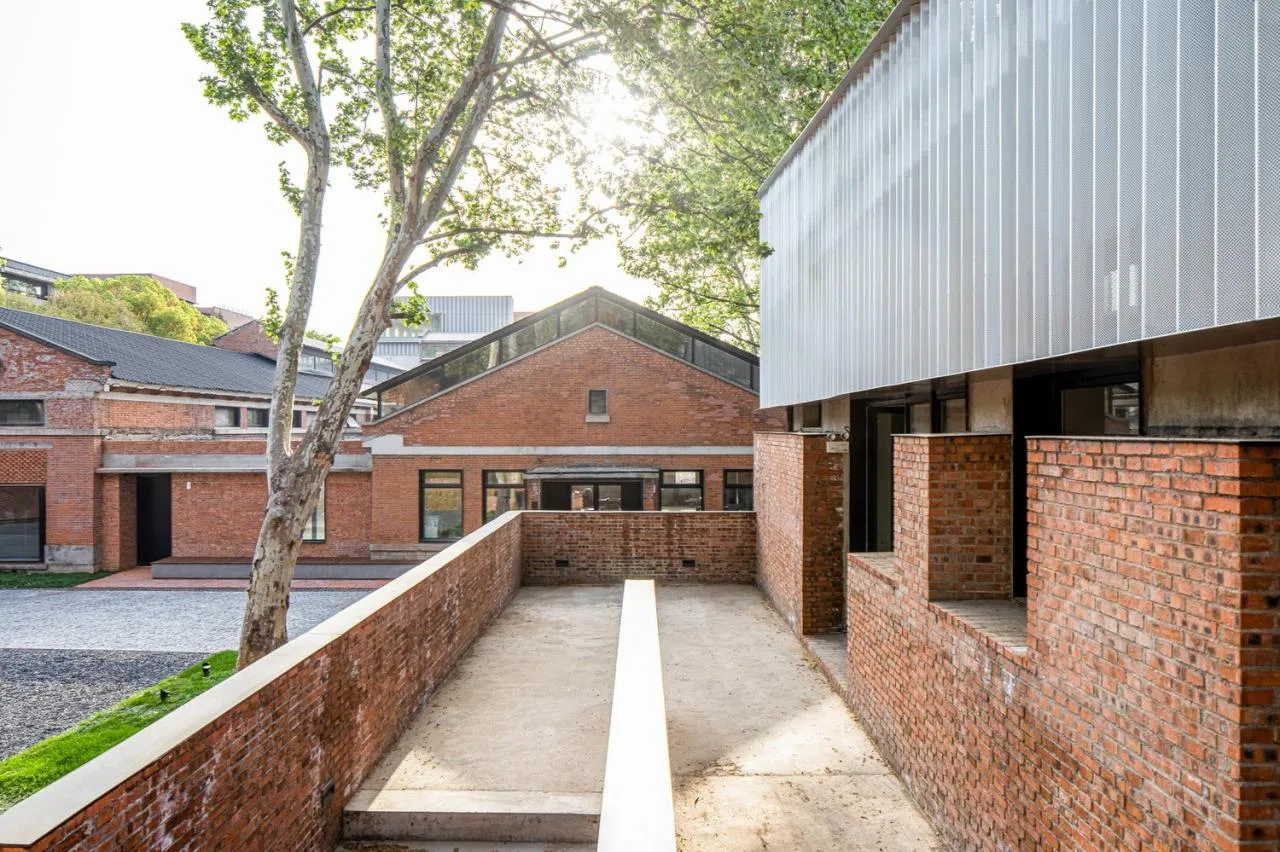
The completed park creates a dialogue between space and site, experienced through a rhythm of distance, closeness, and entry. The architecture acts as a connector, engaging in layered conversations with the city, architectural relics, and nature through spatial and material shifts. This approach establishes a new way to connect city history, nature, and user experience.
Project Drawings
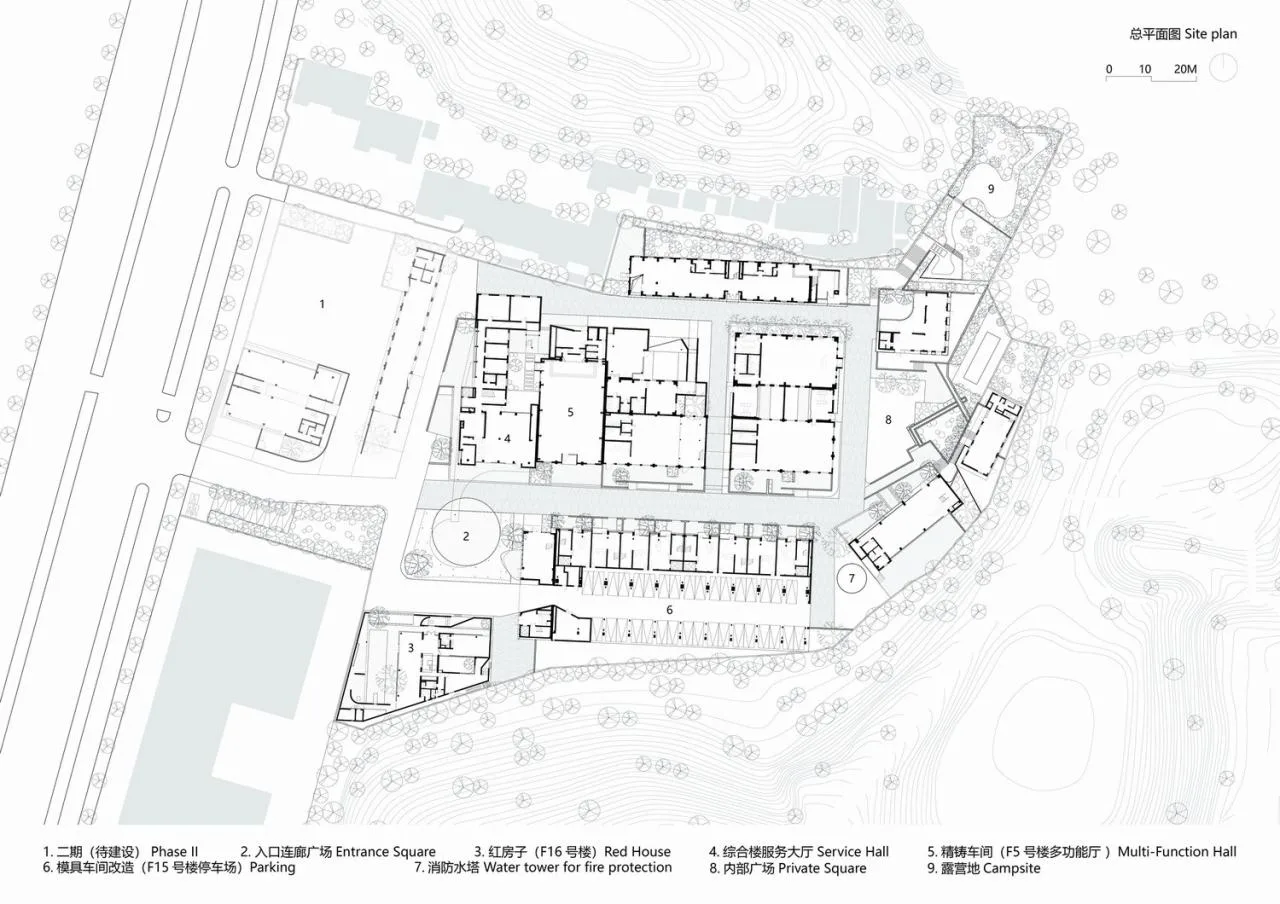
△ General Layout Plan
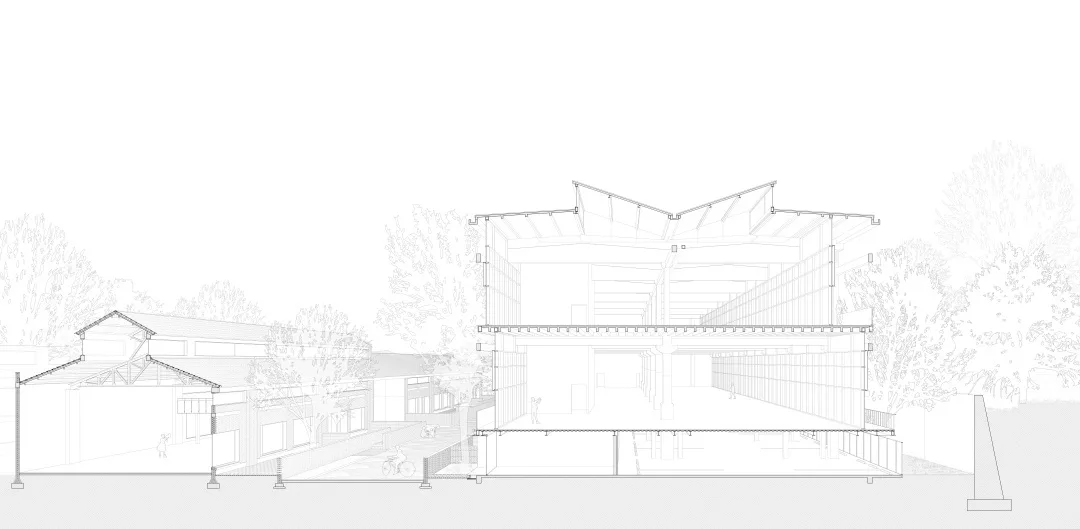
△ Sectional Perspective
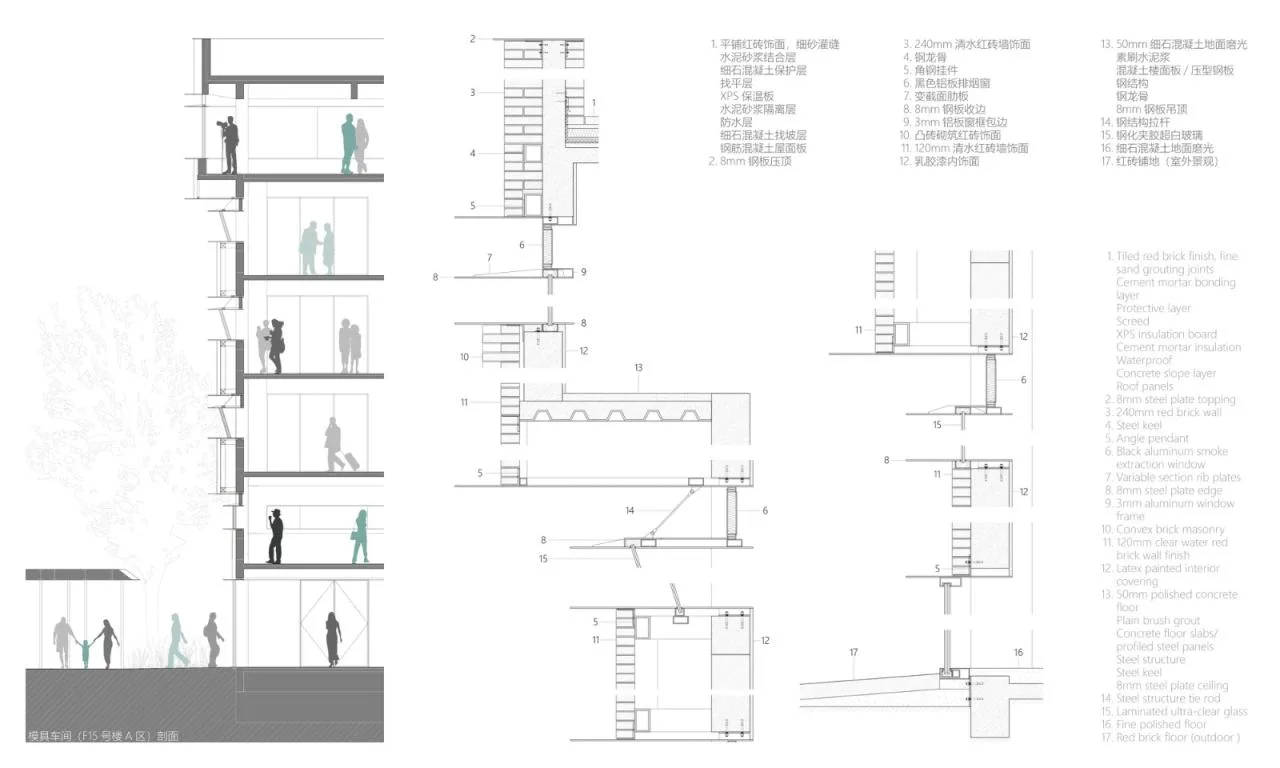
△ Detailed Structural Drawing
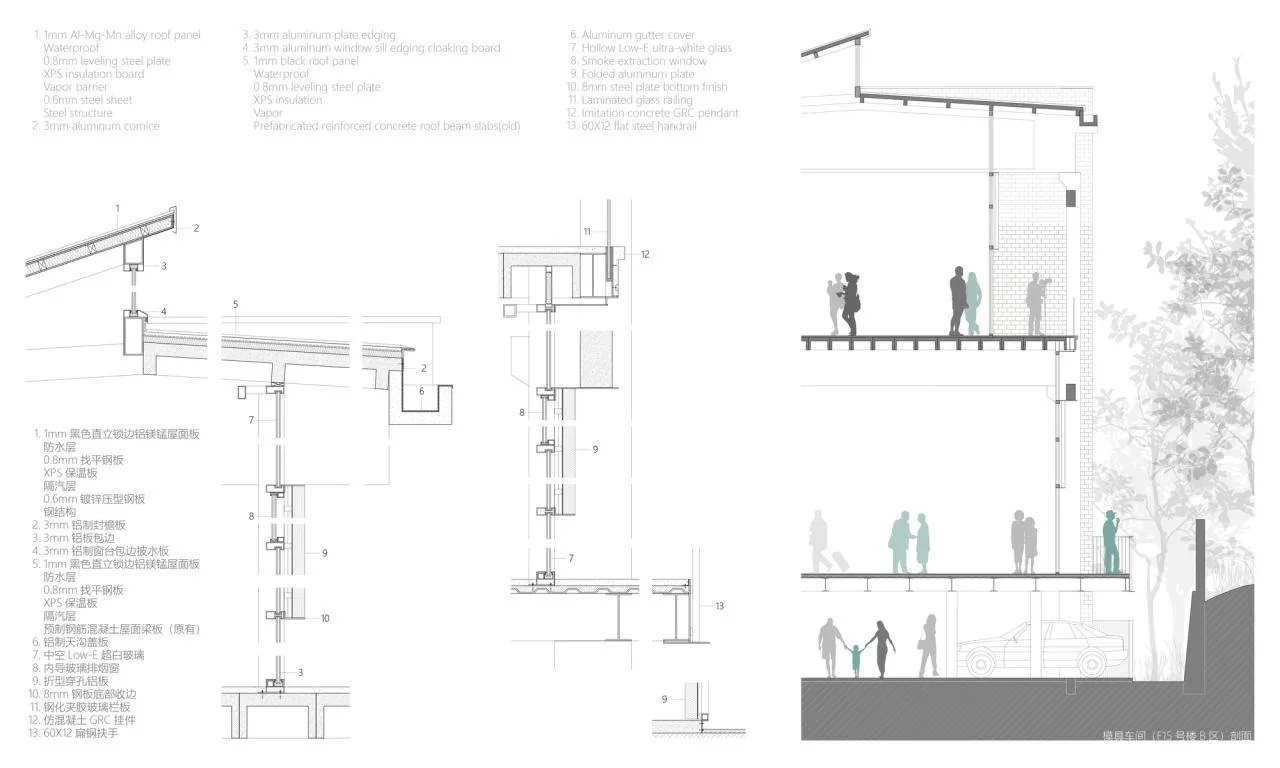
△ Detailed Structural Drawing
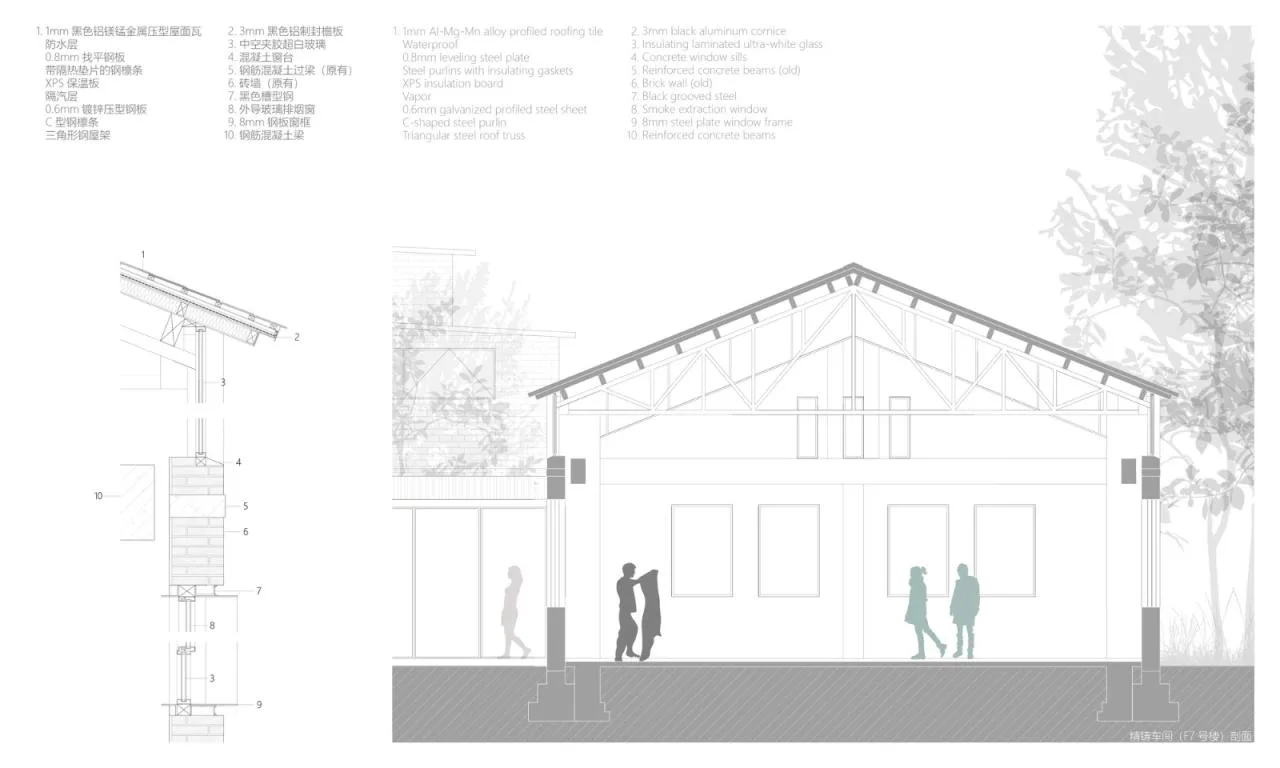
△ Detailed Structural Drawing
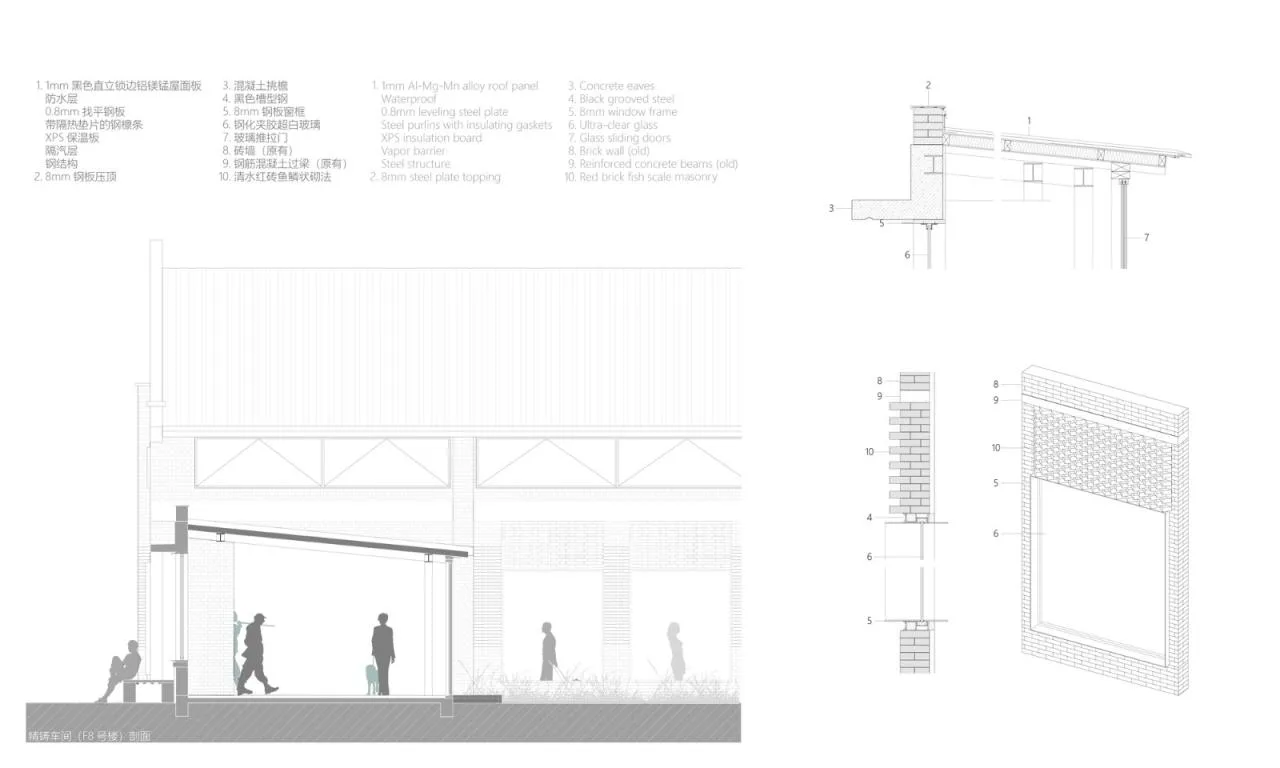
△ Detailed Structural Drawing
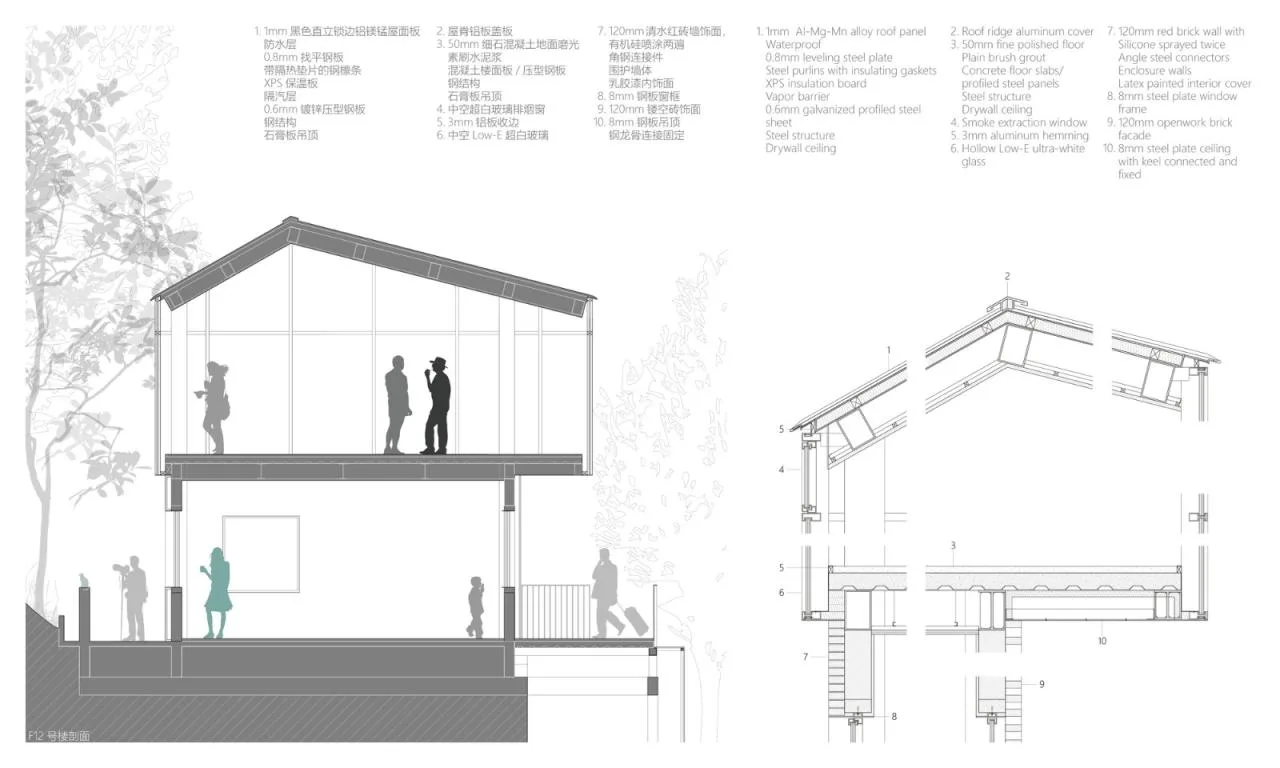
△ Detailed Structural Drawing
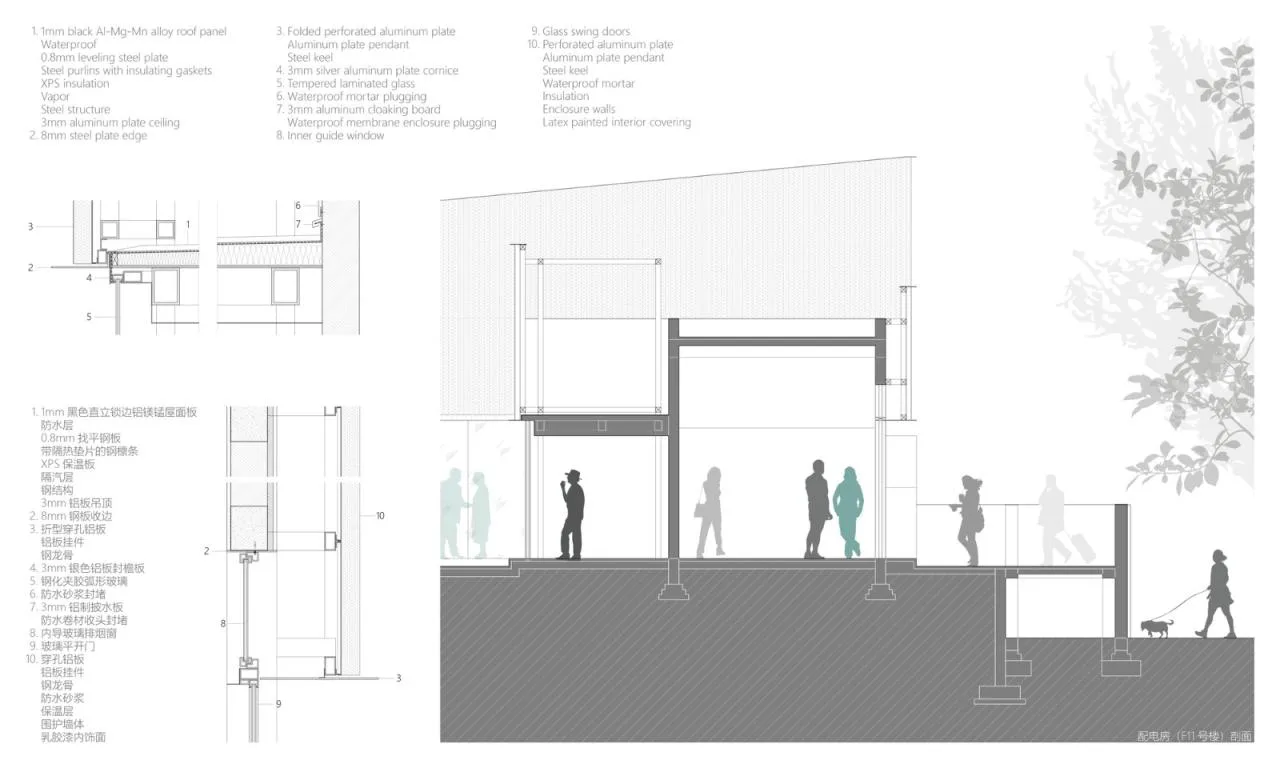
△ Detailed Structural Drawing
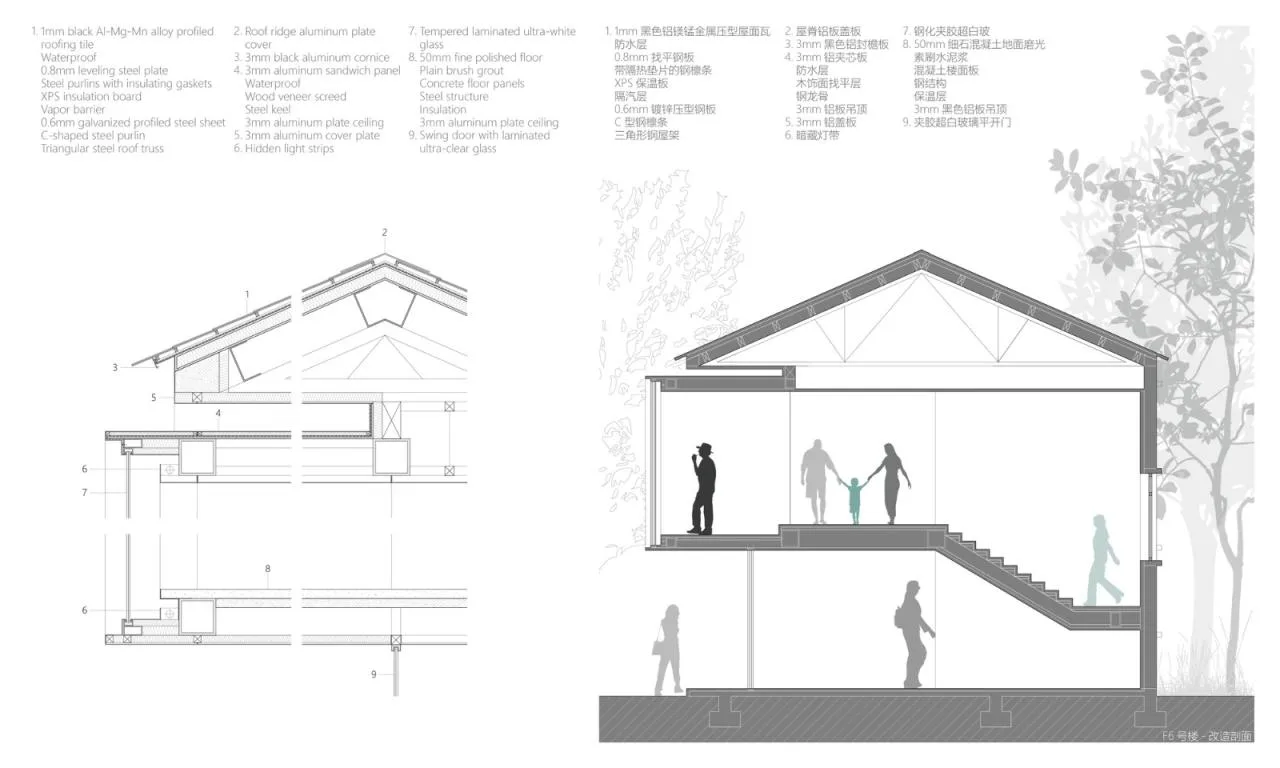
△ Detailed Structural Drawing
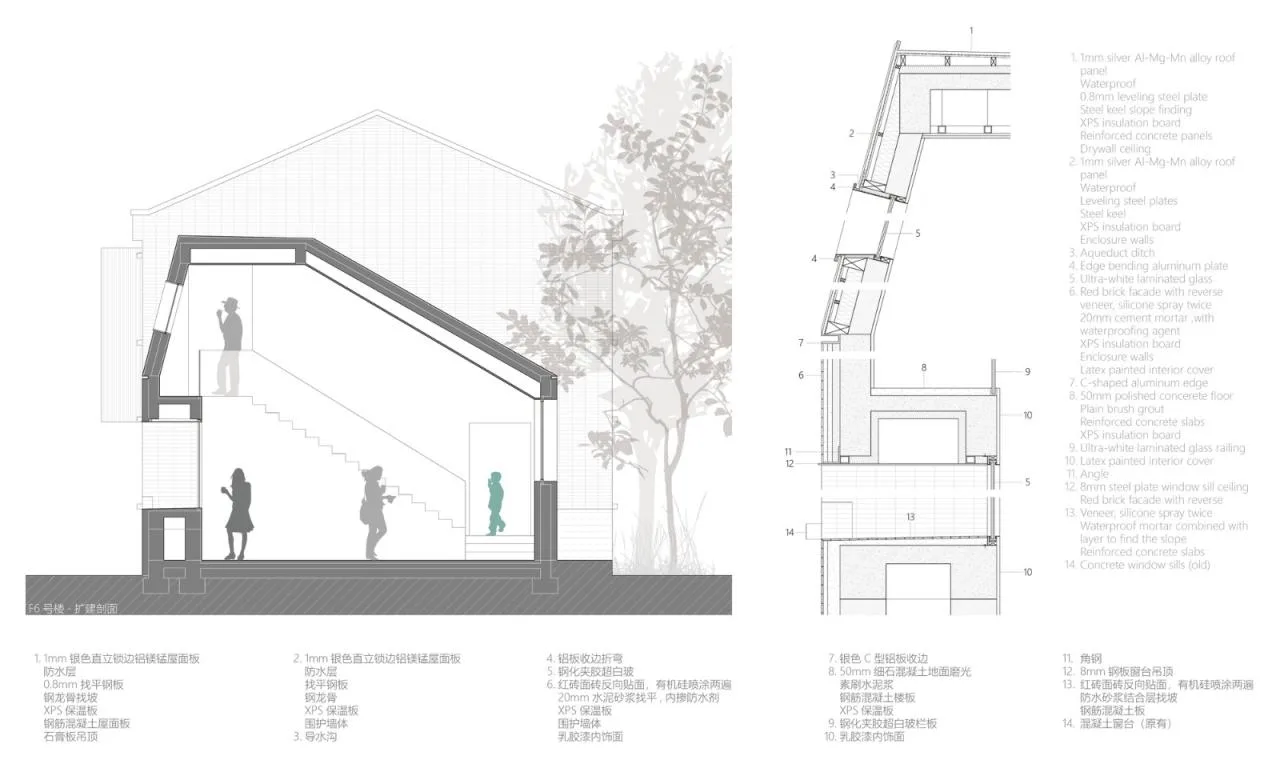
△ Detailed Structural Drawing
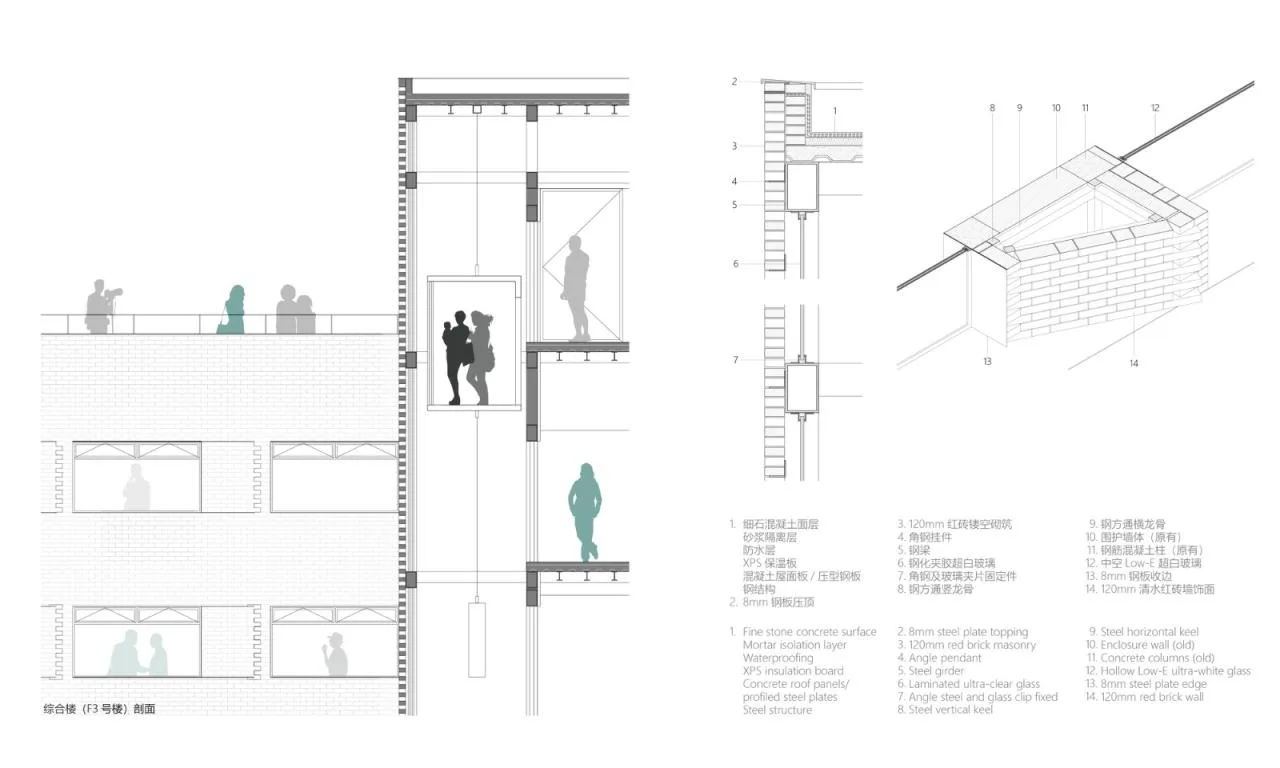
△ Detailed Structural Drawing
Project Information
Architect: Mies Architecture
Area: 11,224 m²
Project Year: 2023
Photographers: Sun Haiting, Lv Xiaobin, Architecture – Architectural Photography
Design Team: Wu Ziye, Zhou Suning, Yin Haoran, Shen Renjiao, Peng Bin, Yang Ke, Tang Tao, Zhu Daoyuan
Interns: Zhang Suxuan, Dong Bo, Li Shuyi
Landscape and Planning Design: Wu Ziye, Shen Renjiao, Yin Haoran, Peng Bin
Structural Consultant: Shanghai Yuangui Architectural Structural Design Firm
Lighting Consultant: Lumi Lighting Design (Shanghai) Co., Ltd. (F16 Red Exposed Concrete Building)
Architectural Construction Drawing Design: Nanjing Xinghua Architectural Design and Research Institute Co., Ltd.
Logo Design: Nanjing Shiye Culture Communication Co., Ltd.
Construction Team (Architecture): Nanjing Qiancai Construction Engineering Co., Ltd.
Construction Team (Landscape): Nanjing Hengzi Environmental Engineering Co., Ltd.
Construction Team (F16 Red Exposed Concrete Building): BETONBAU Shanghai Kejian New Materials Technology Co., Ltd.
Landscape Construction Drawing Design: Nanjing Second Architectural Design Institute Co., Ltd.
Principal: Nanjing Engineering Machinery Factory Co., Ltd.
Location: Nanjing















Must log in before commenting!
Sign Up