
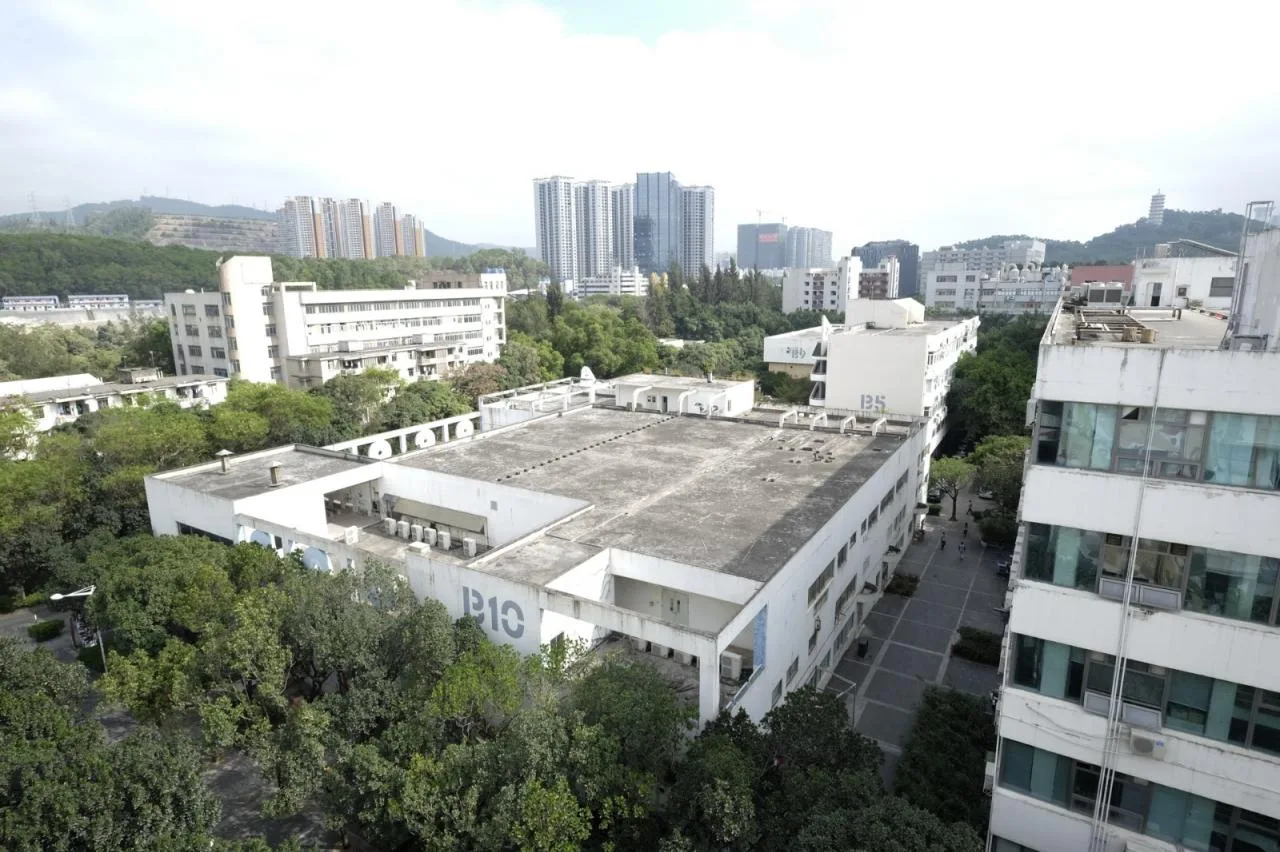
Established in 2005, the OCT Contemporary Art Center (OCAT) is a leading avant-garde art institution in China, dedicated to showcasing and researching contemporary art. In 2003, Urban Practice transformed a furniture warehouse located in the eastern industrial zone of Shenzhen Overseas Chinese Town into the OCT Contemporary Art Center. This project also included the comprehensive planning and design of the industrial plant area into a vibrant creative cultural park. The first OCAT exhibition hall was completed in 2005, and since then, OCAT has expanded to a nationwide series of exhibition halls.
In 2022, the newly renovated OCT Contemporary Art Center building, known as OCAT-B10, was unveiled. This project involved transforming the former two-story factory B10 in the North District of the Creative Park, a site previously used for manufacturing magnetic disks.
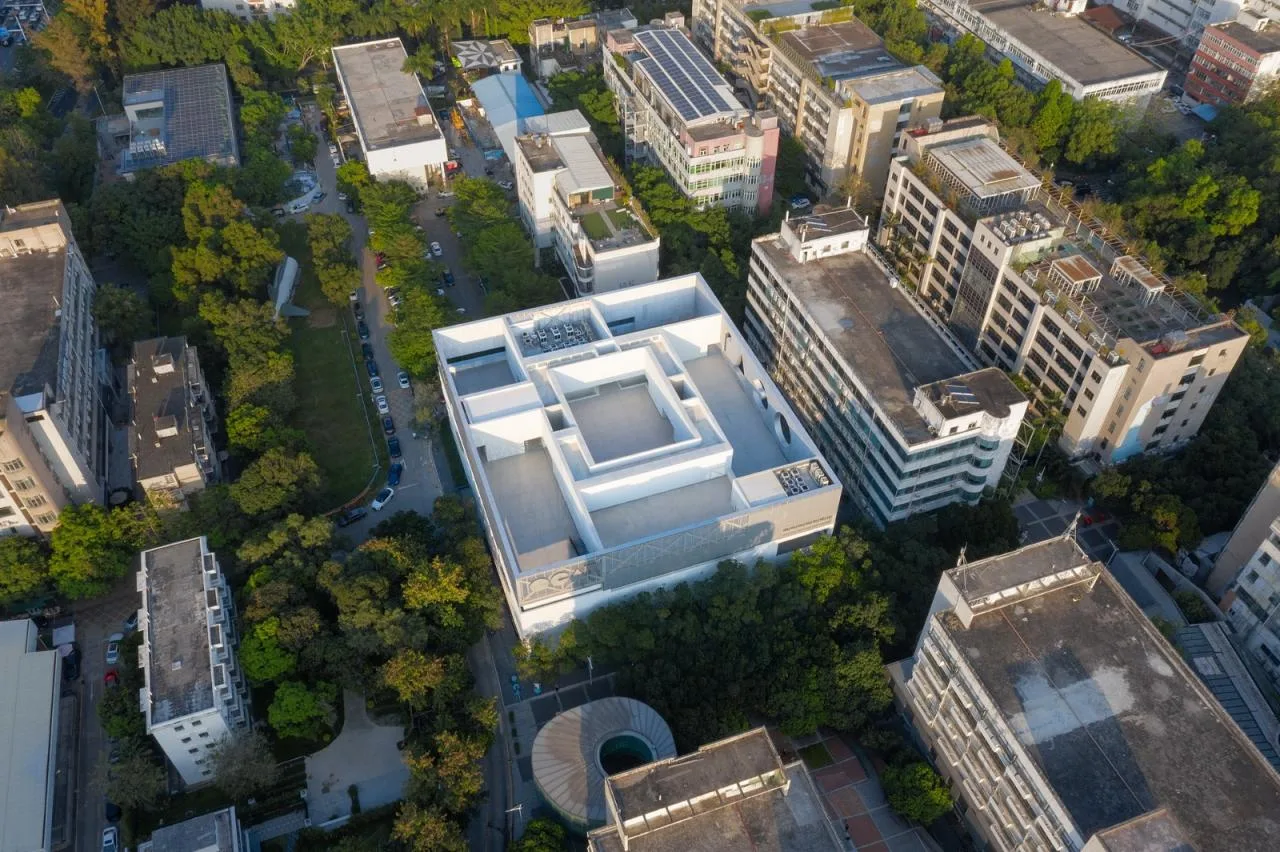
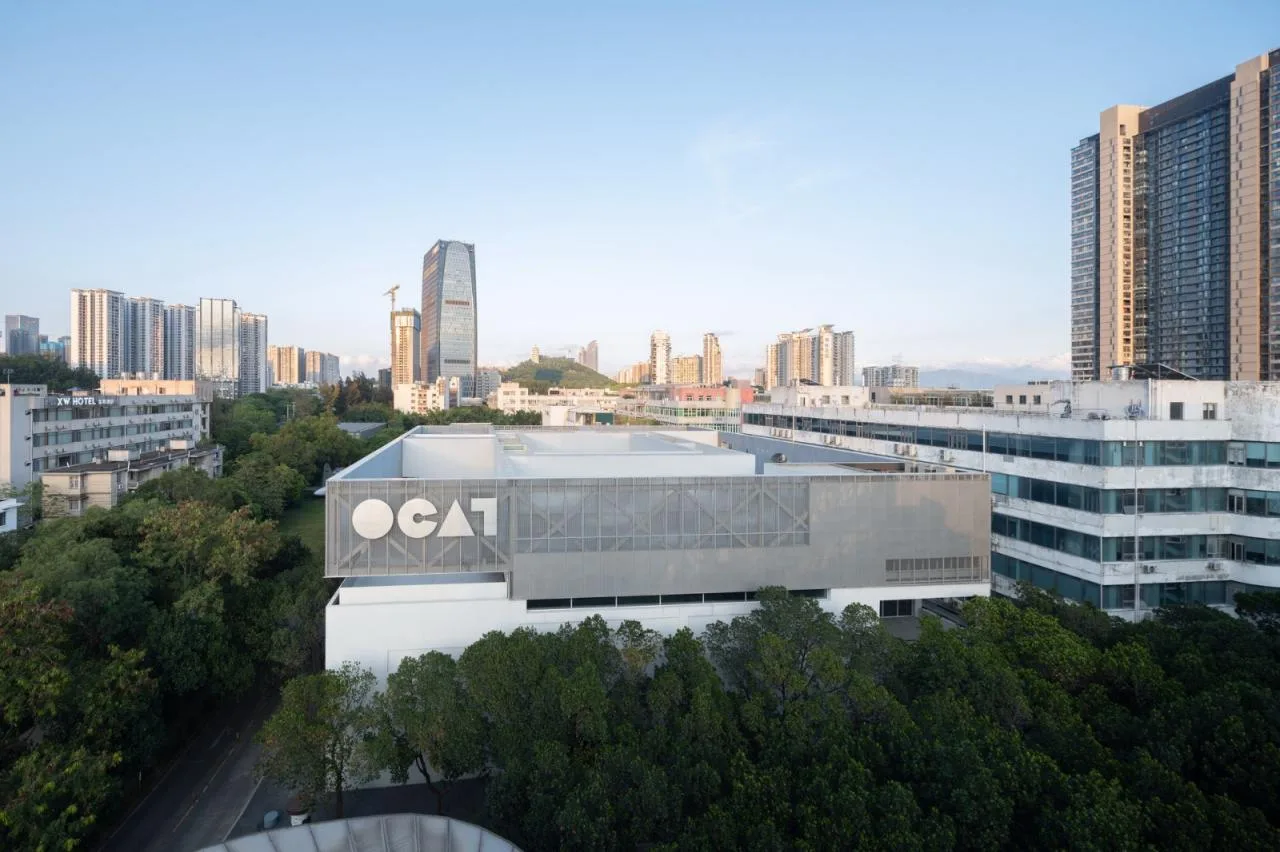
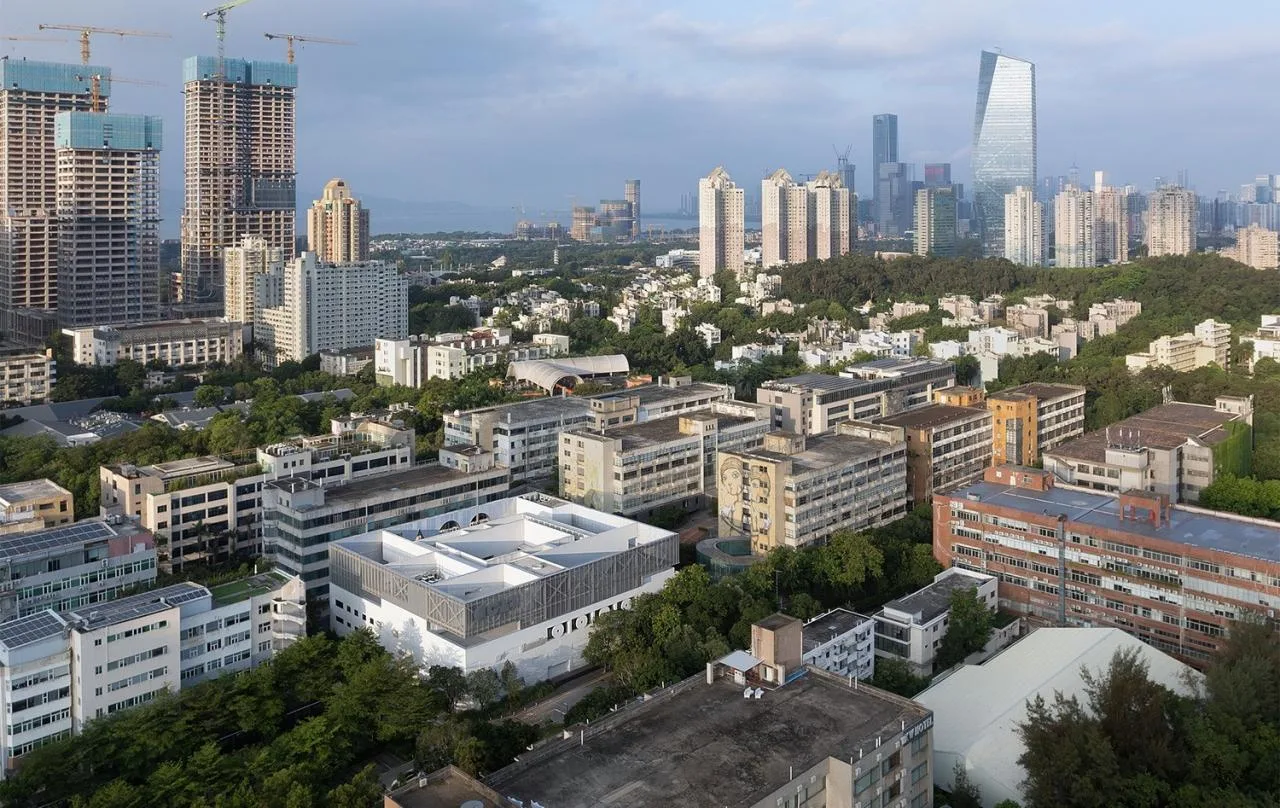
The renovation of OCAT-B10 began in 2007 and faced numerous challenges over fifteen years, including initial research and planning, a 2011 international design competition, adjustments in project positioning, prolonged approval processes, and changes in leadership. Funding shortages also delayed implementation. Throughout this period, Urban Practice developed multiple renovation proposals to adapt to shifting external conditions. The building’s purpose shifted from a design center to a contemporary art center, and its external aesthetic evolved from radical avant-garde to a more modest and introspective expression.
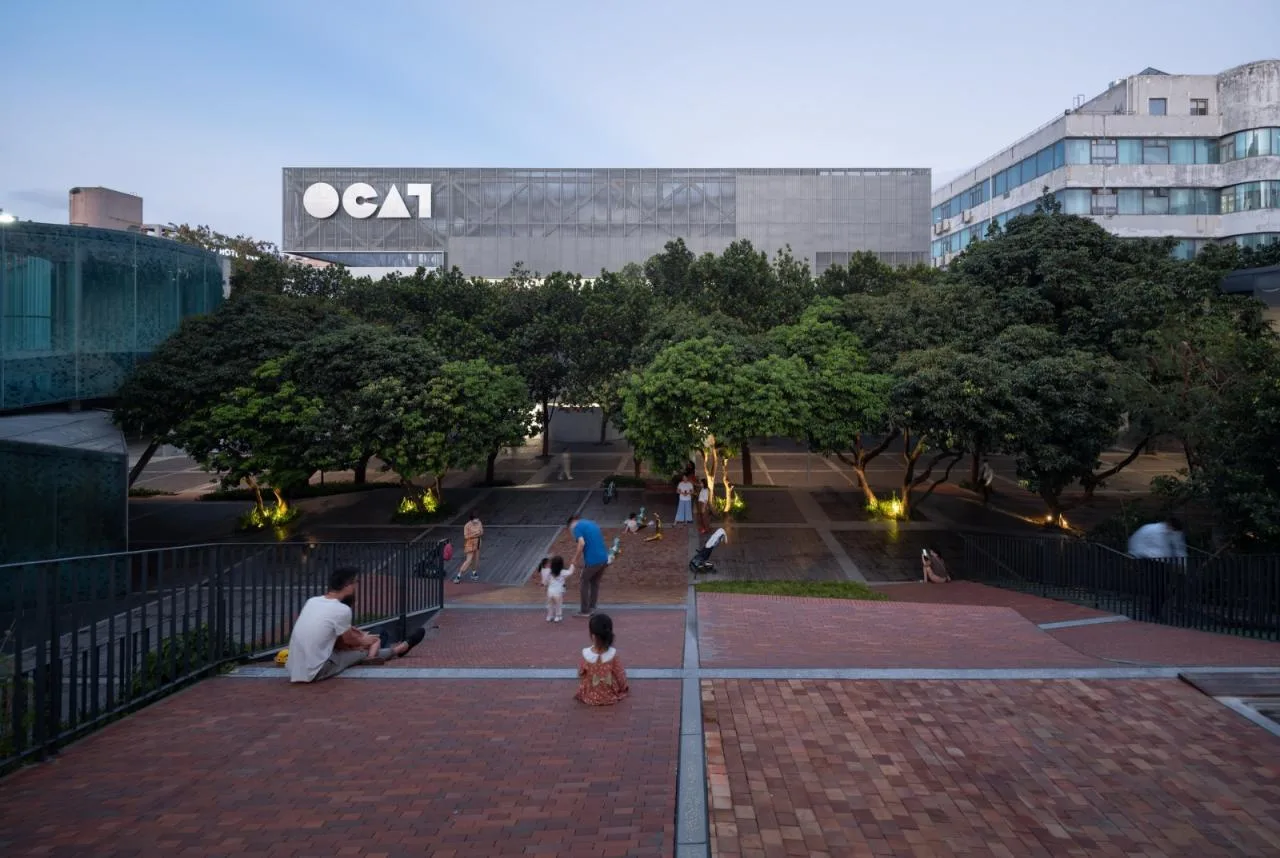
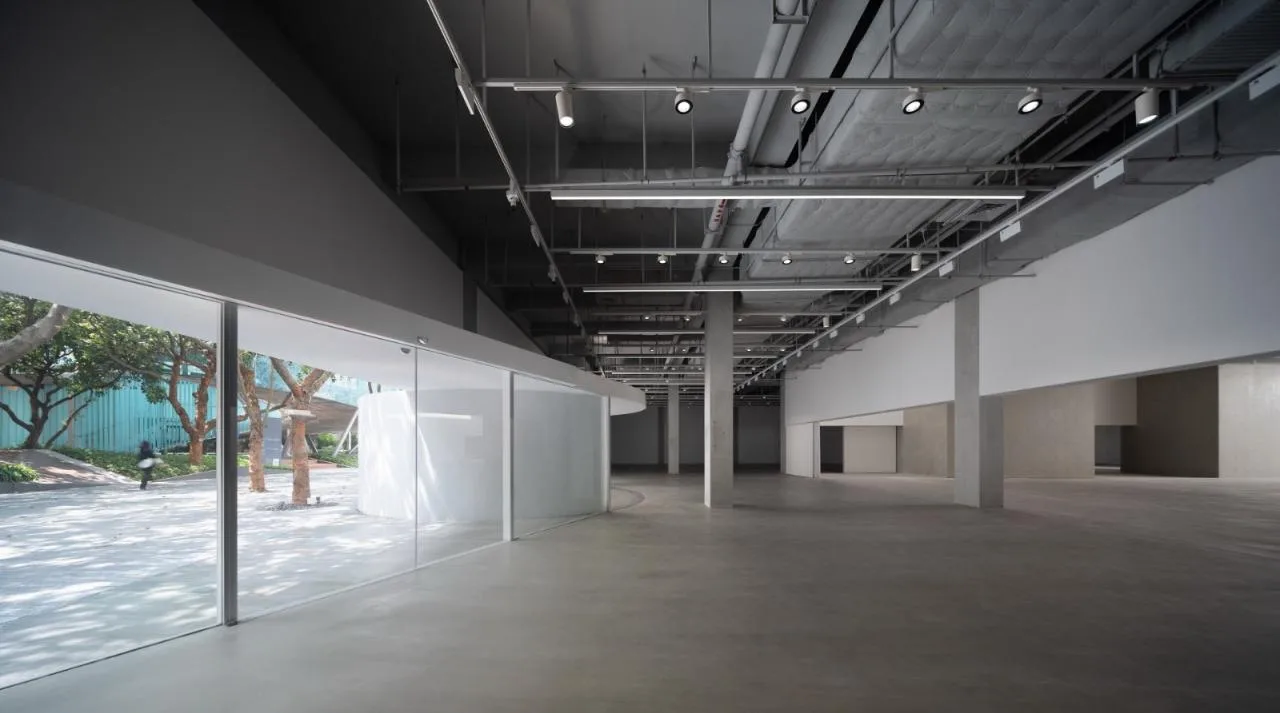
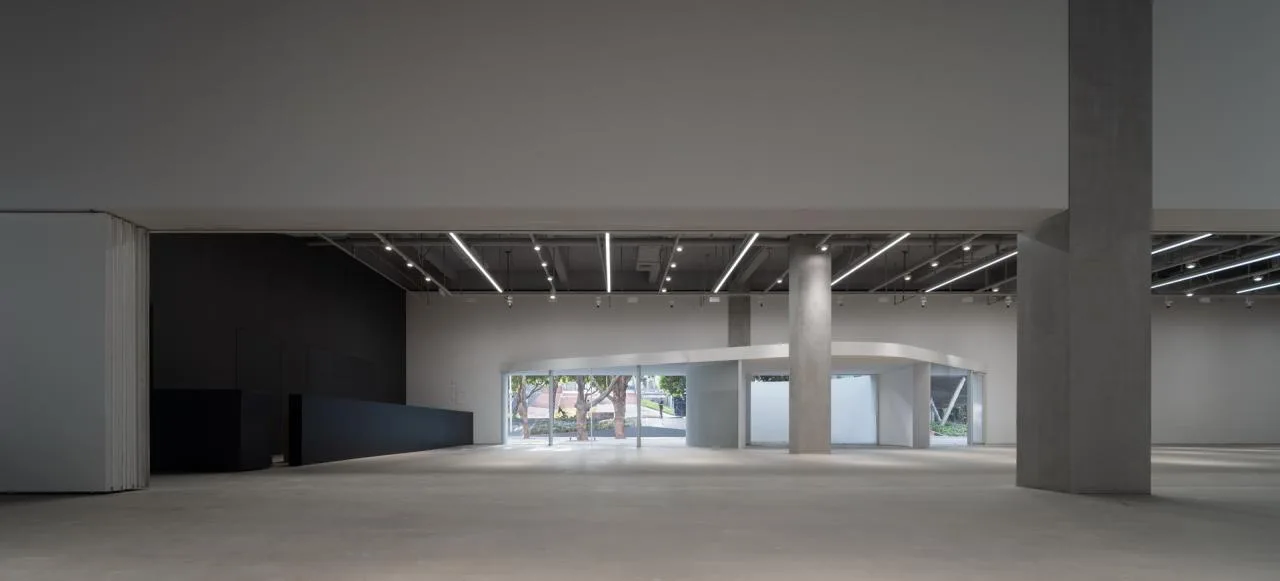
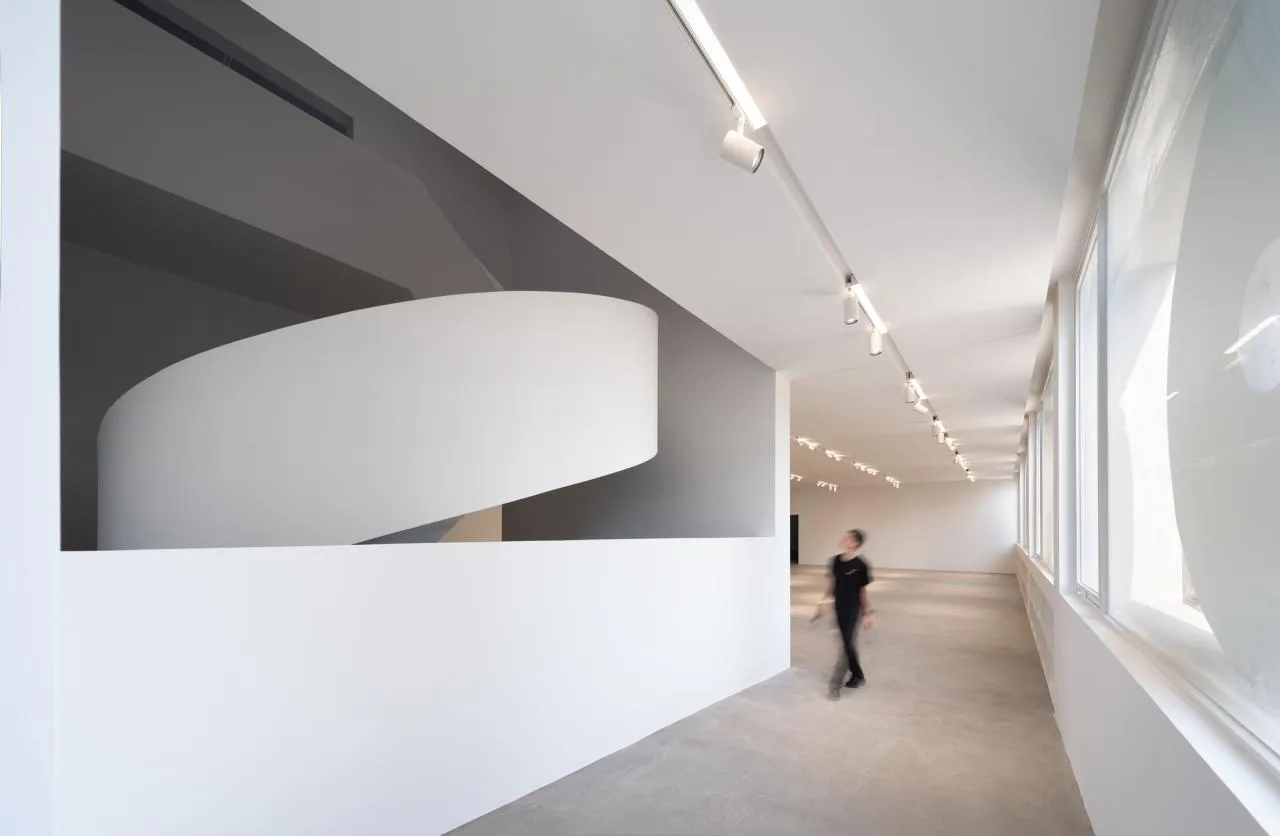
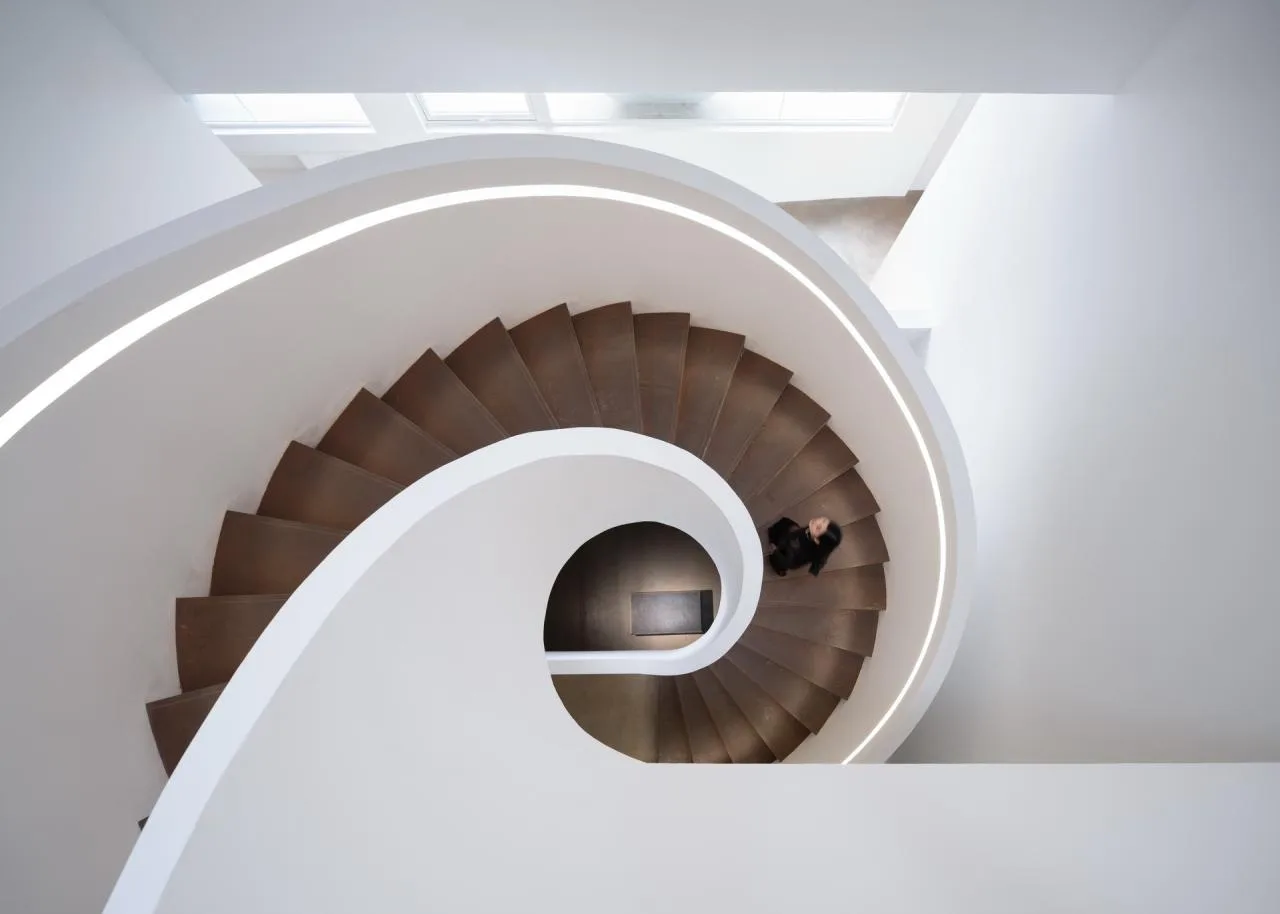
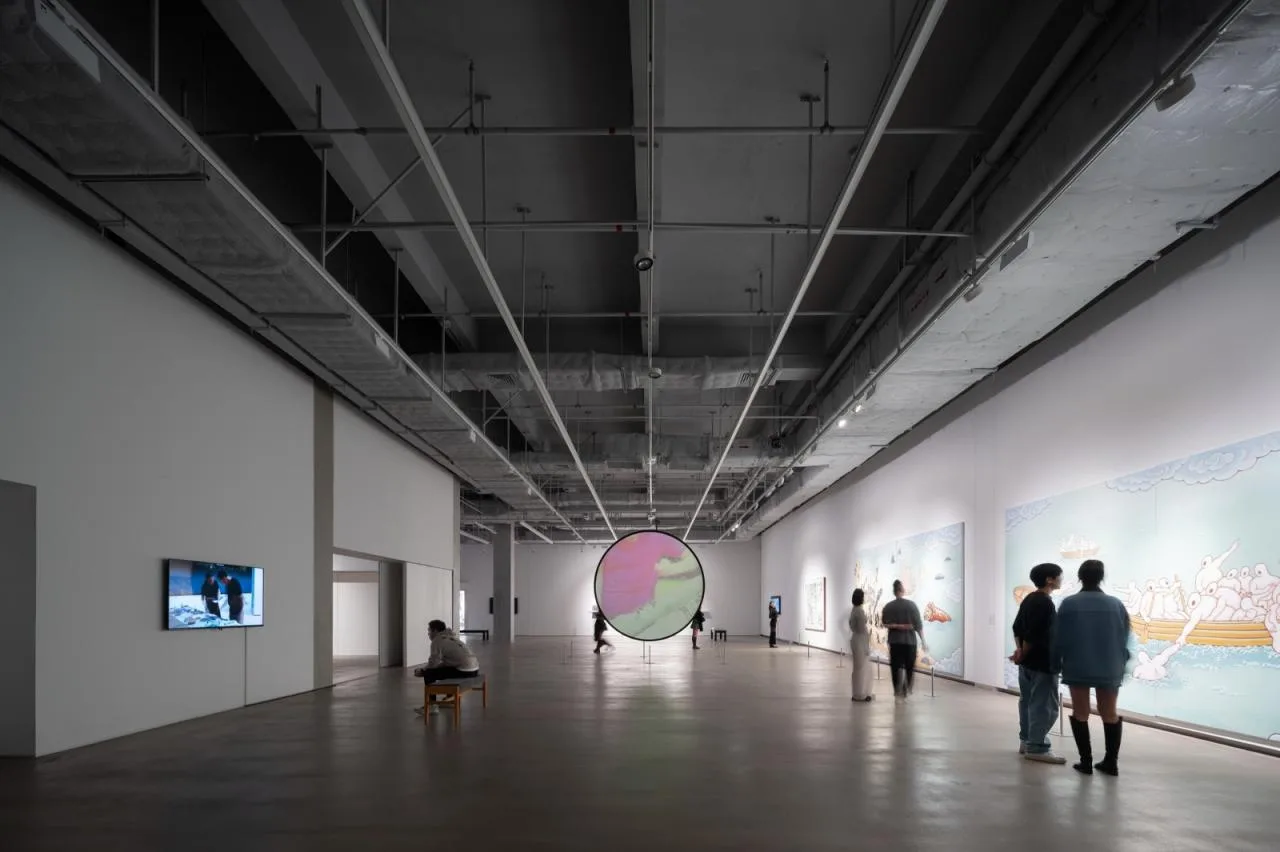
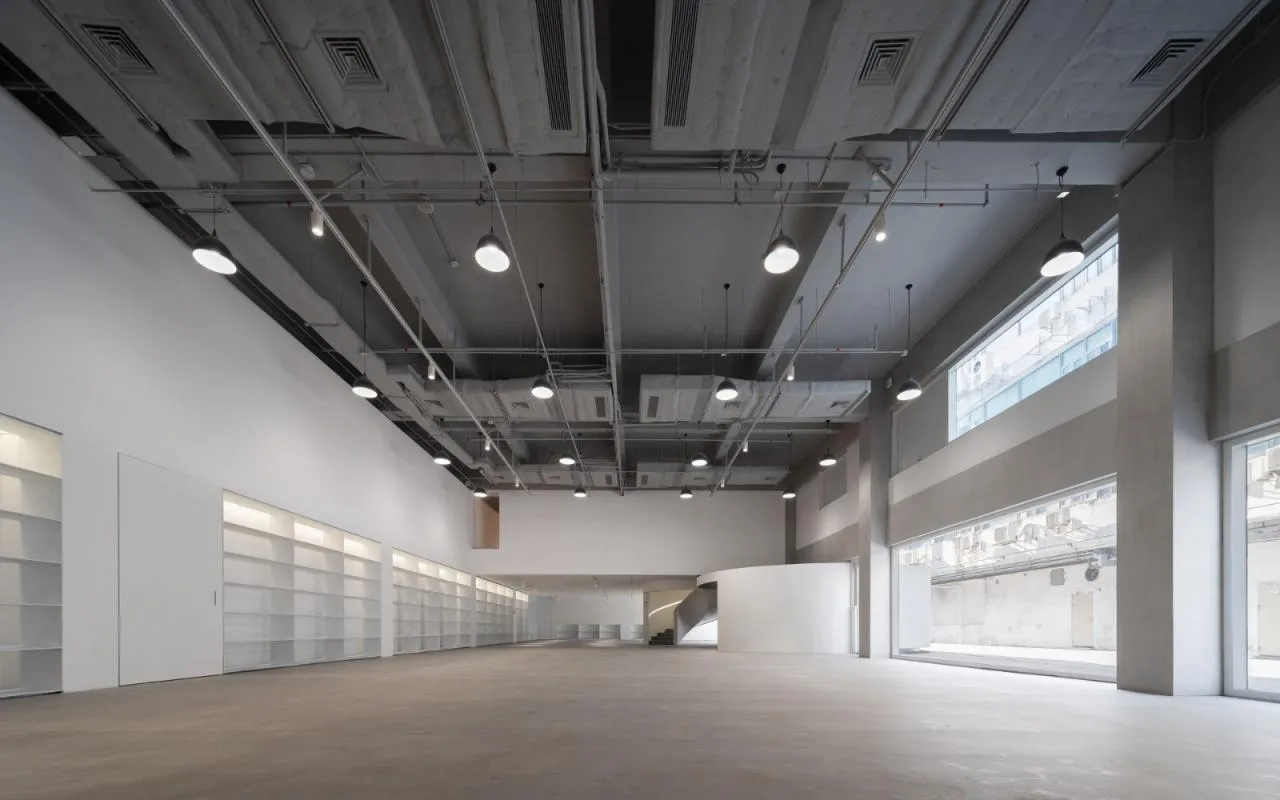
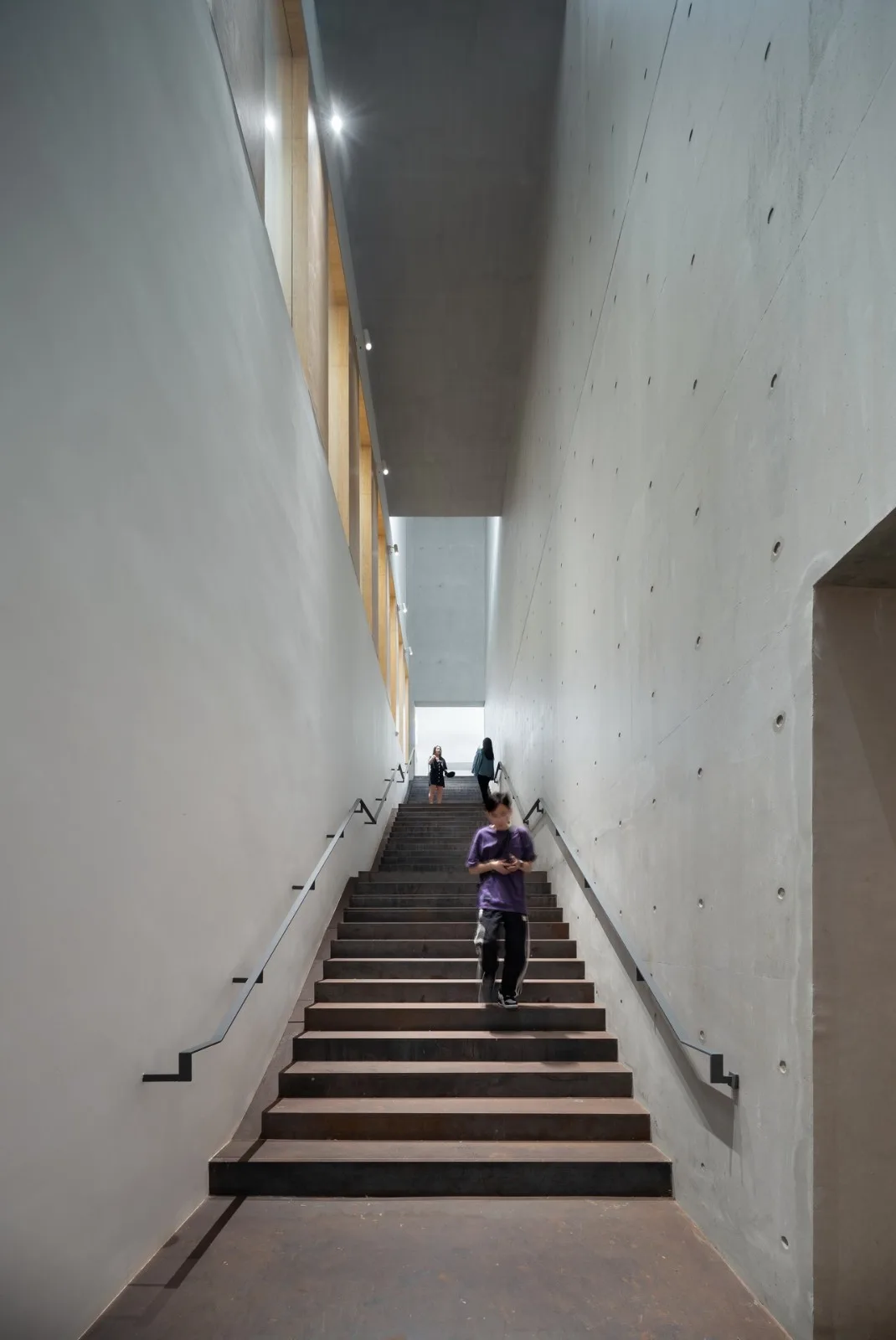
The final renovation plan preserved the original building’s volume and main structure, removing the central section and inserting a new volume above and below. Spiral staircases were added on the north and south sides to connect the first, second, and third floors. Along with an L-shaped staircase leading directly to the third floor in the center, these guide visitors through the exhibition space and extend the viewing experience from the ground level up to the rooftop platform.
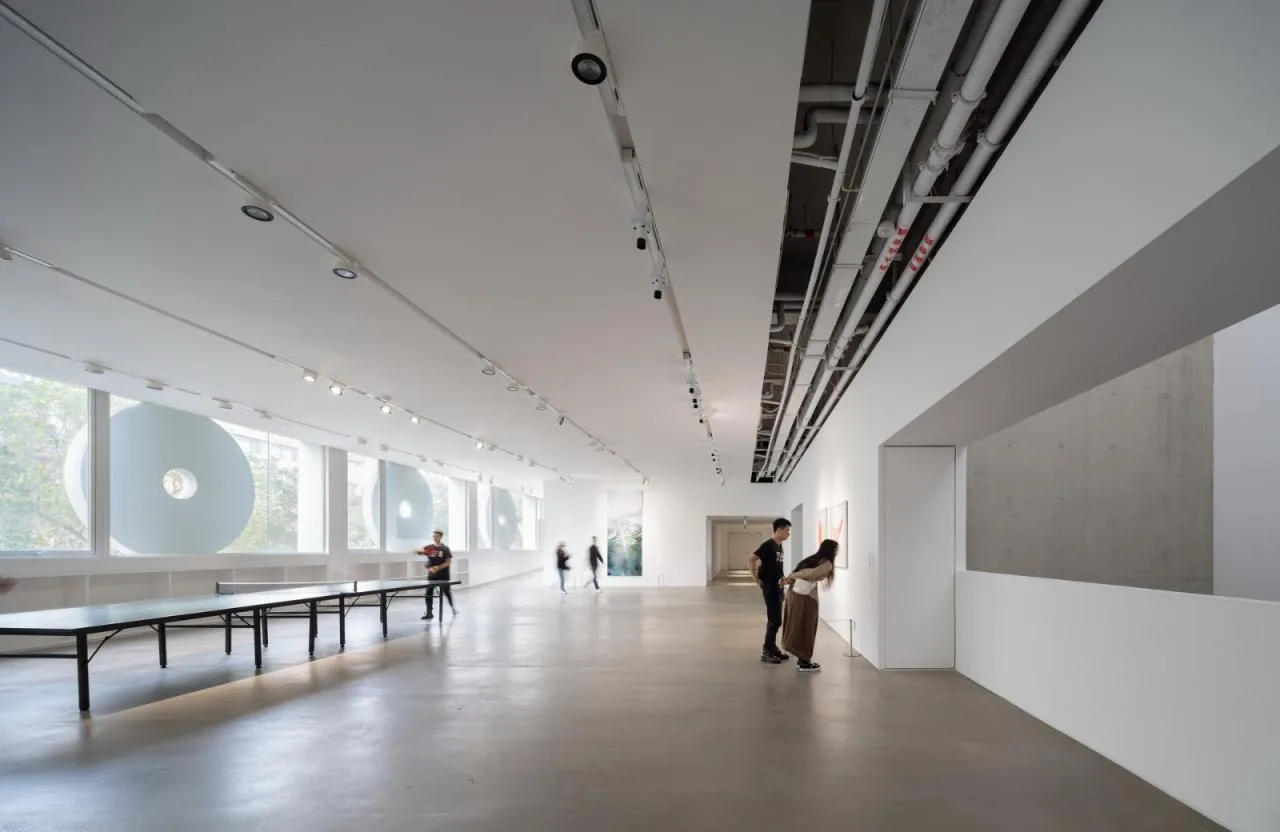
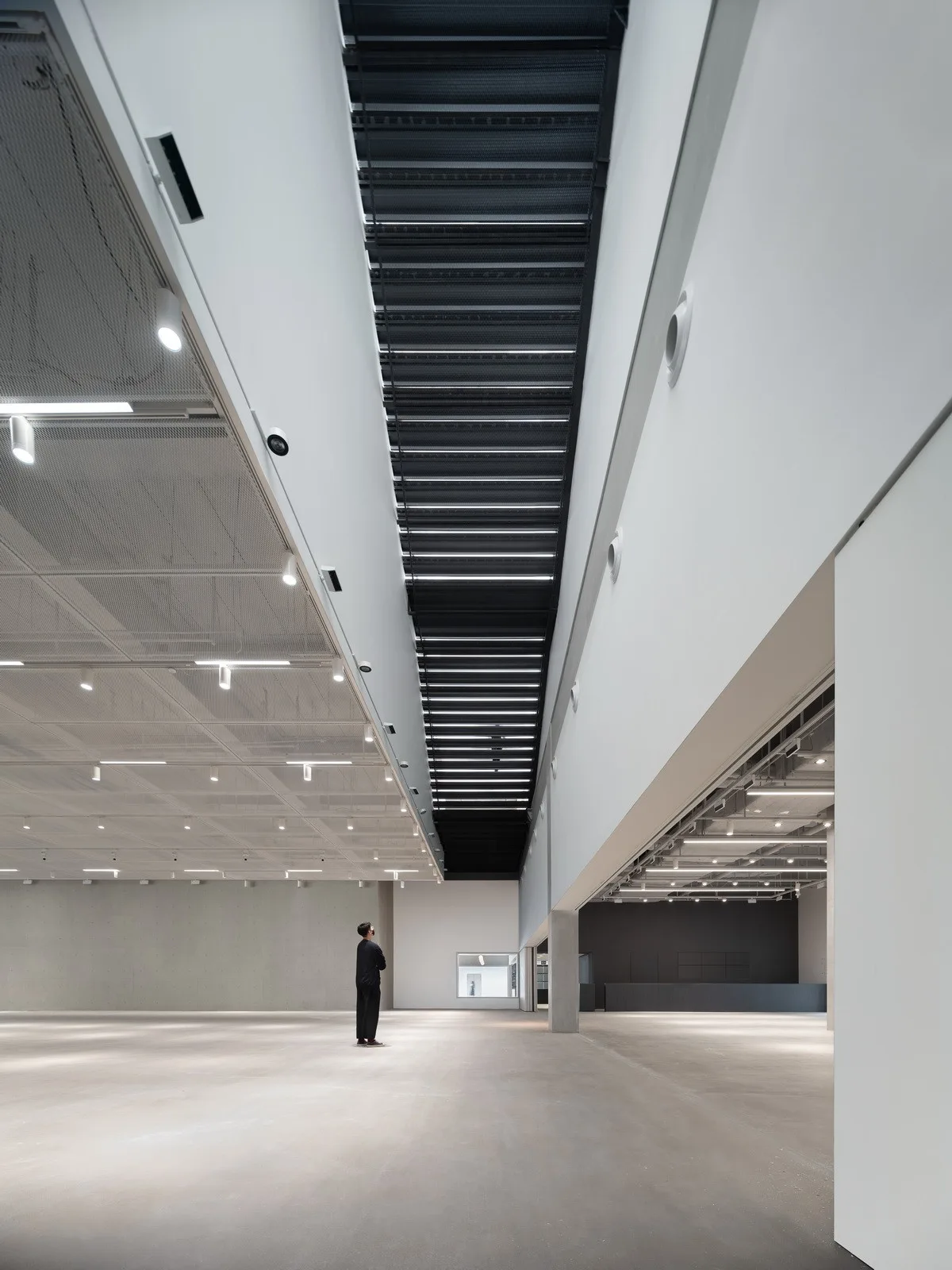
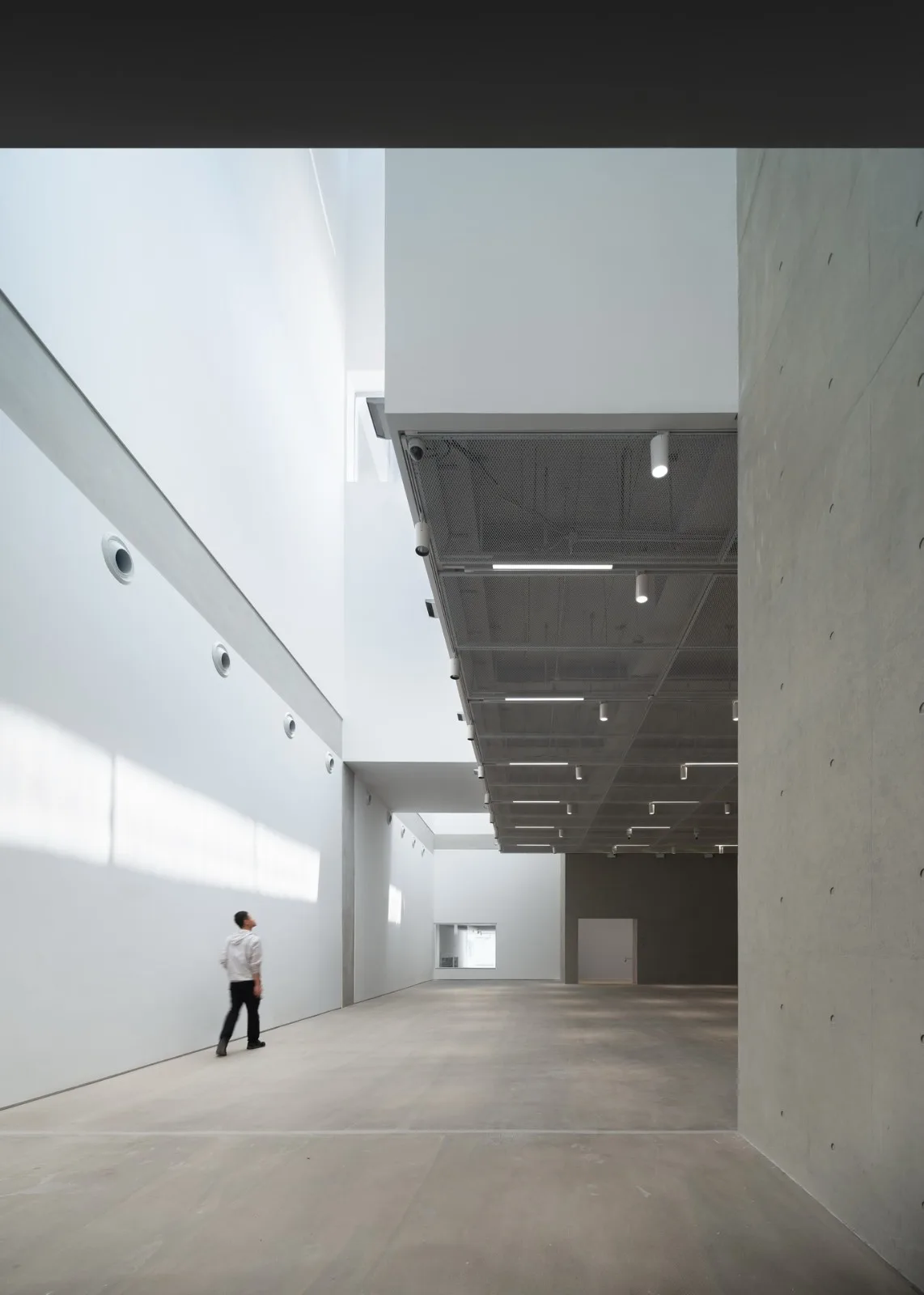
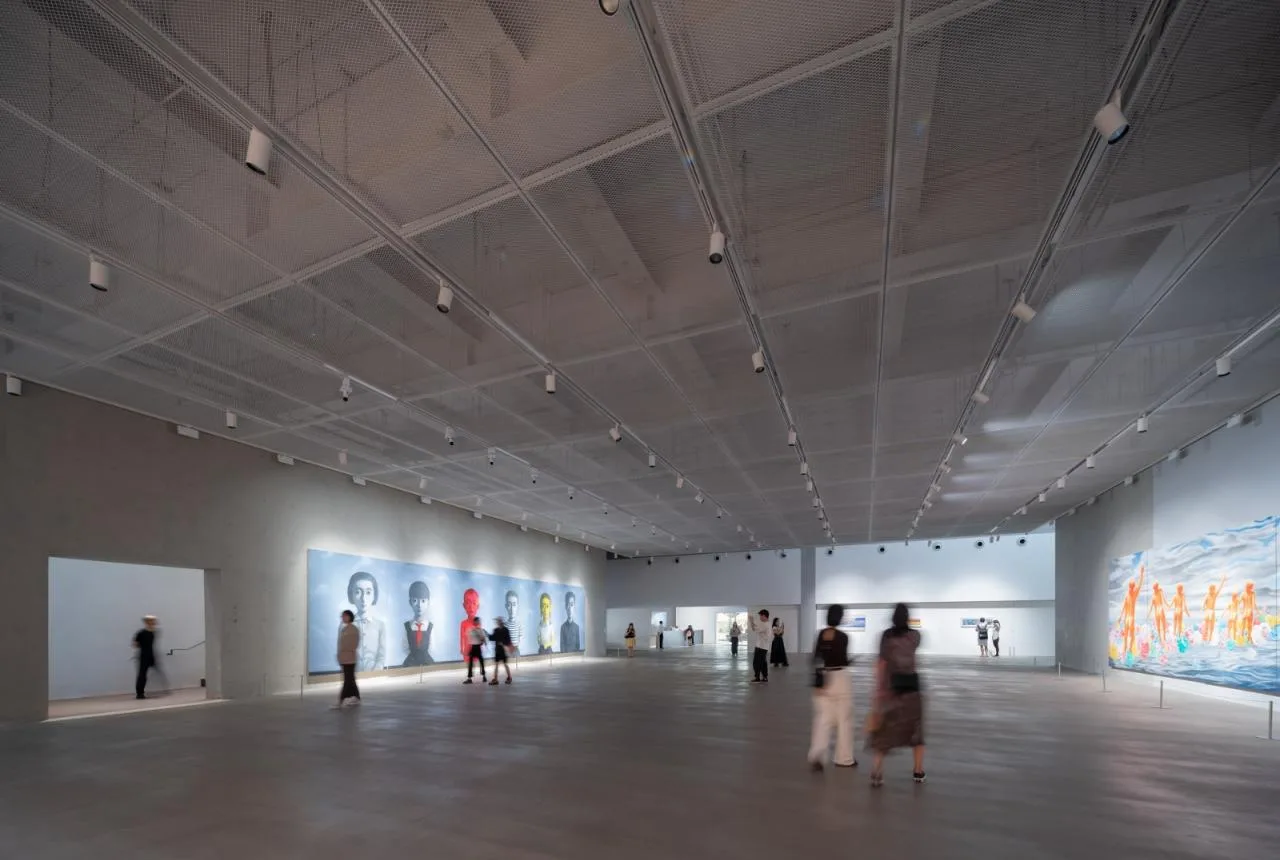
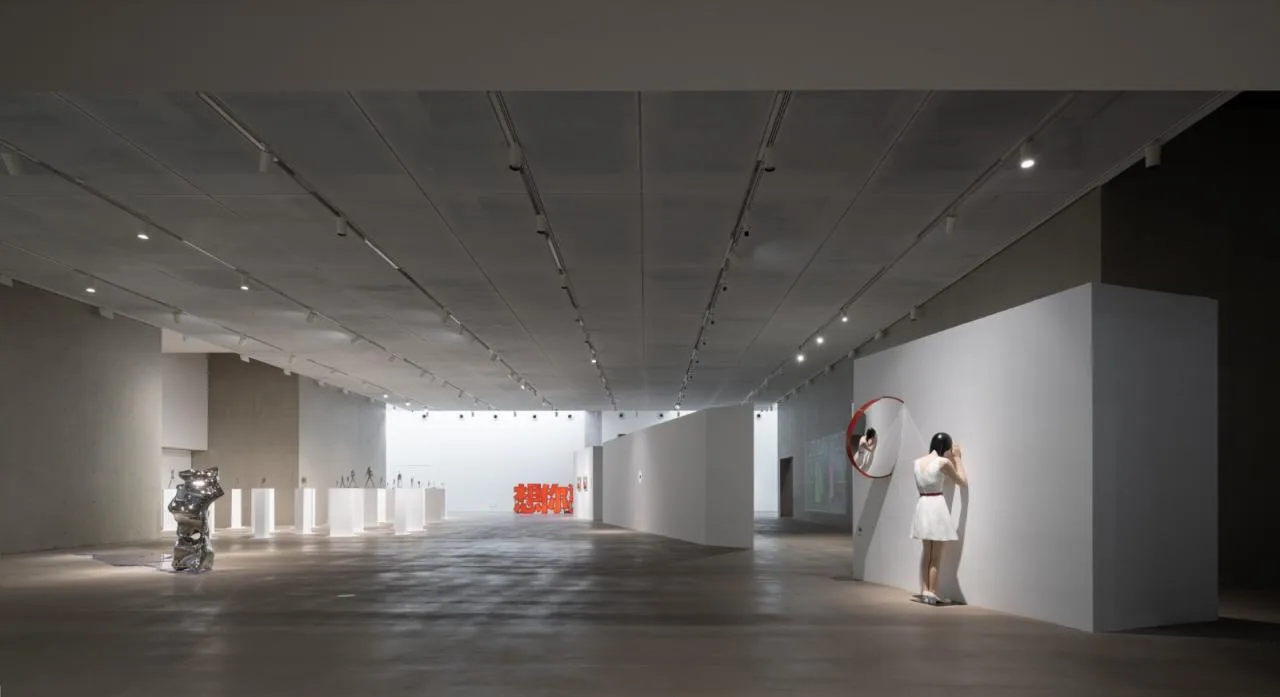
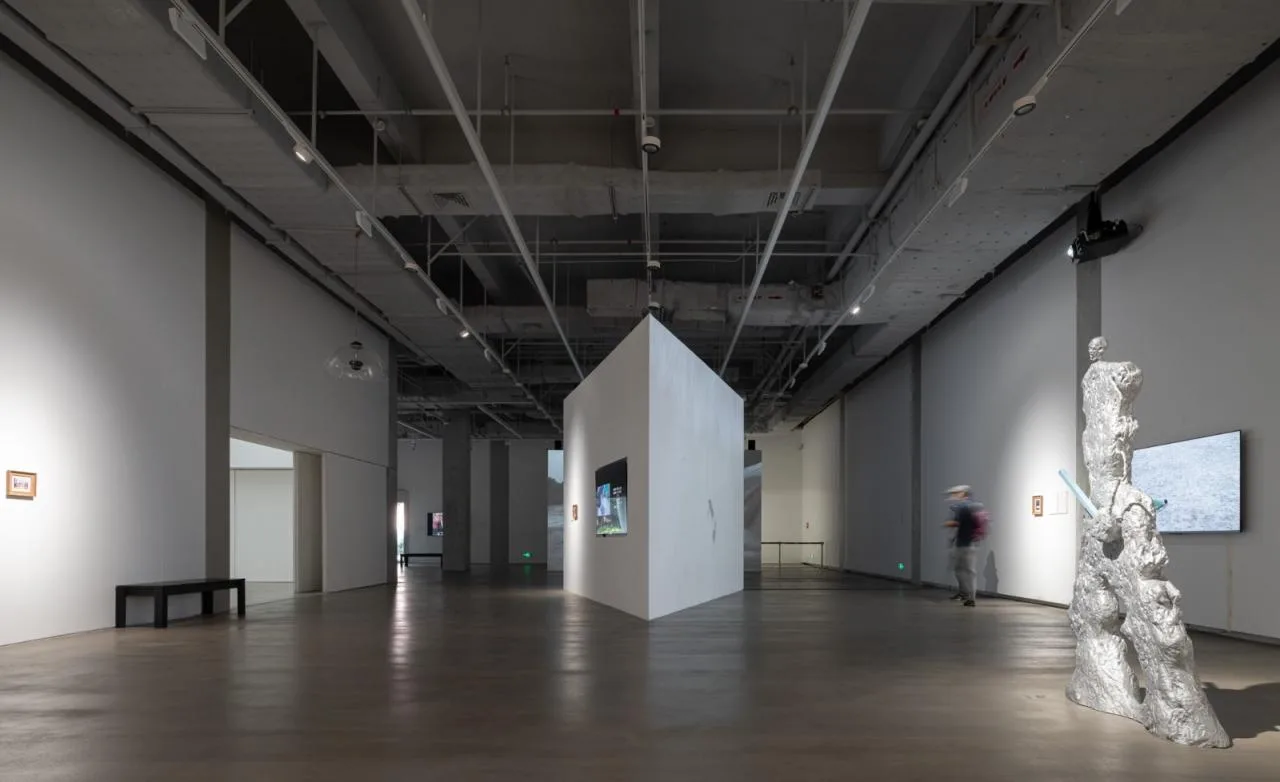
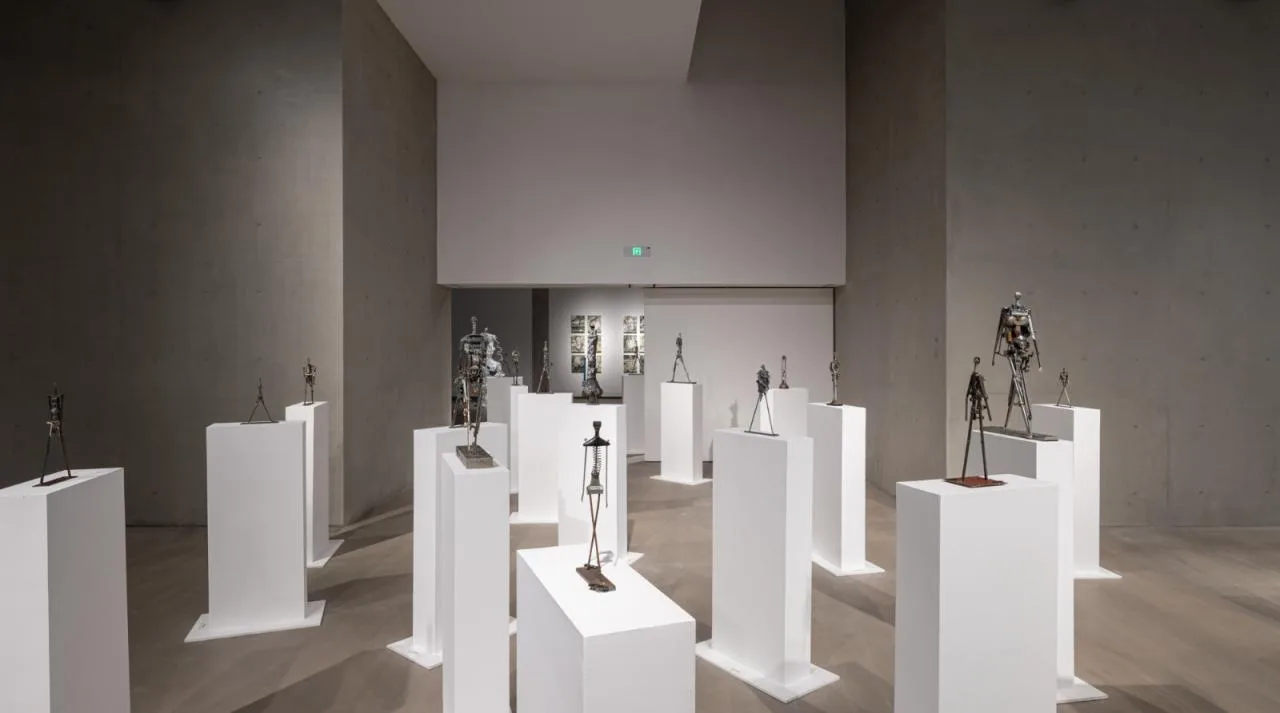
Three concrete core tubes were introduced as the new main structural elements. The exhibition hall itself maintains a simple, standardized factory space, maximizing spatial flexibility with a series of movable doors and walls. This design offers visitors varied viewing routes and the joy of discovering exhibits from different perspectives.
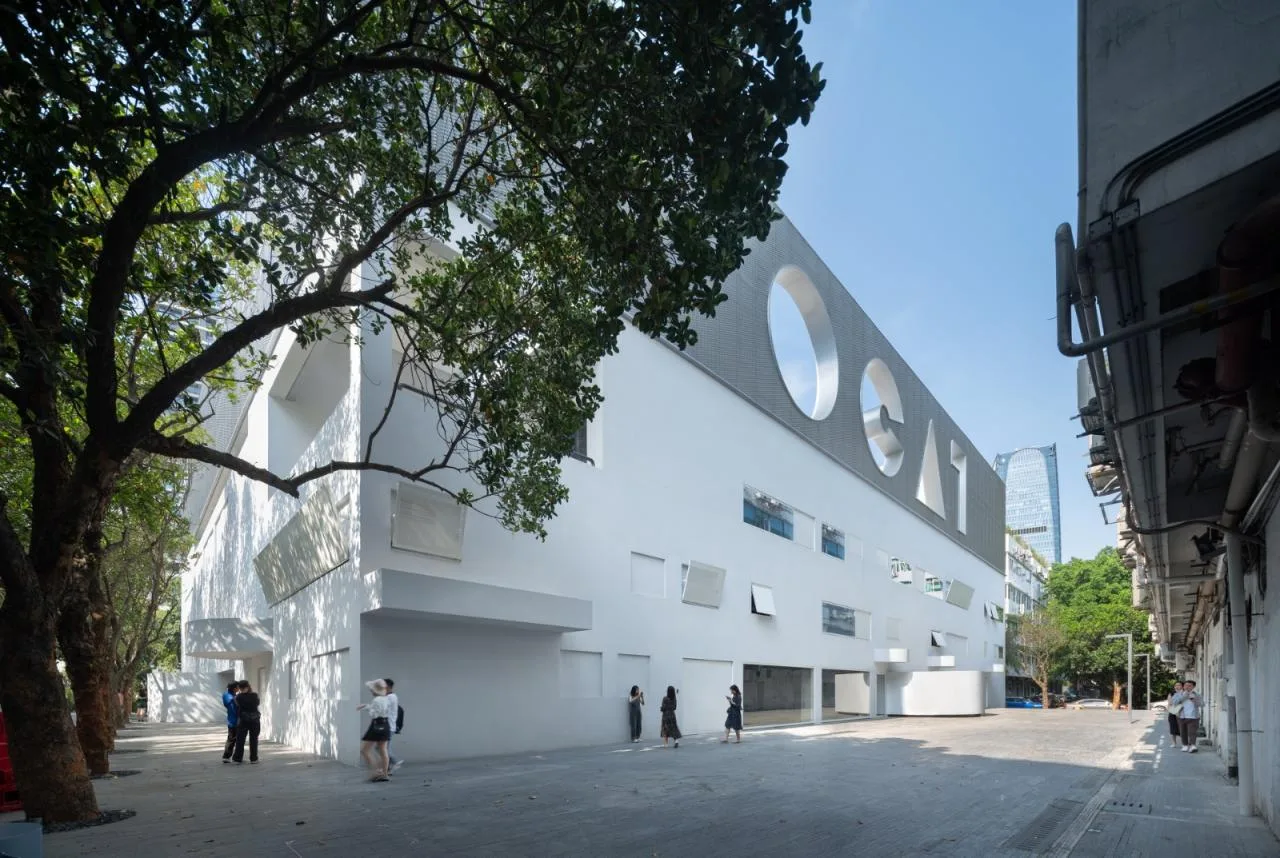
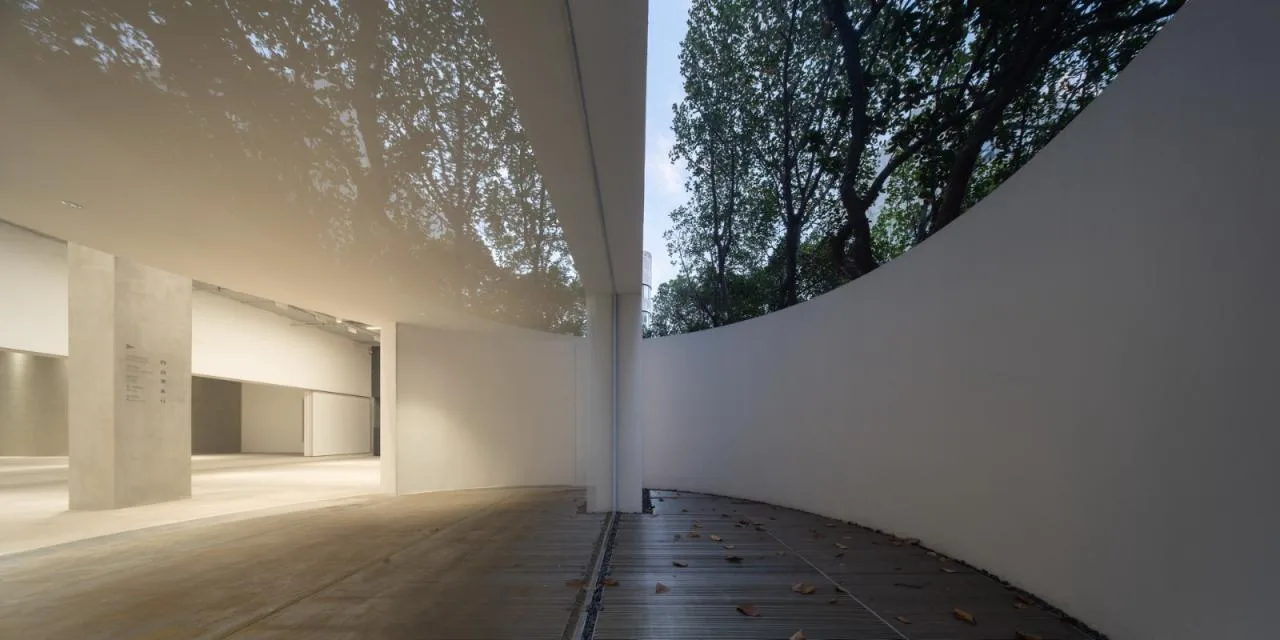
Main entrances on the south and west sides of the first floor feature circular and semi-circular spaces that evoke a sense of ceremony—one solid, the other more open. The design language draws from the original building’s architectural vocabulary, with circular spaces of varying scales punctuating both the interior and exterior, creating a harmonious dialogue within the square structure.
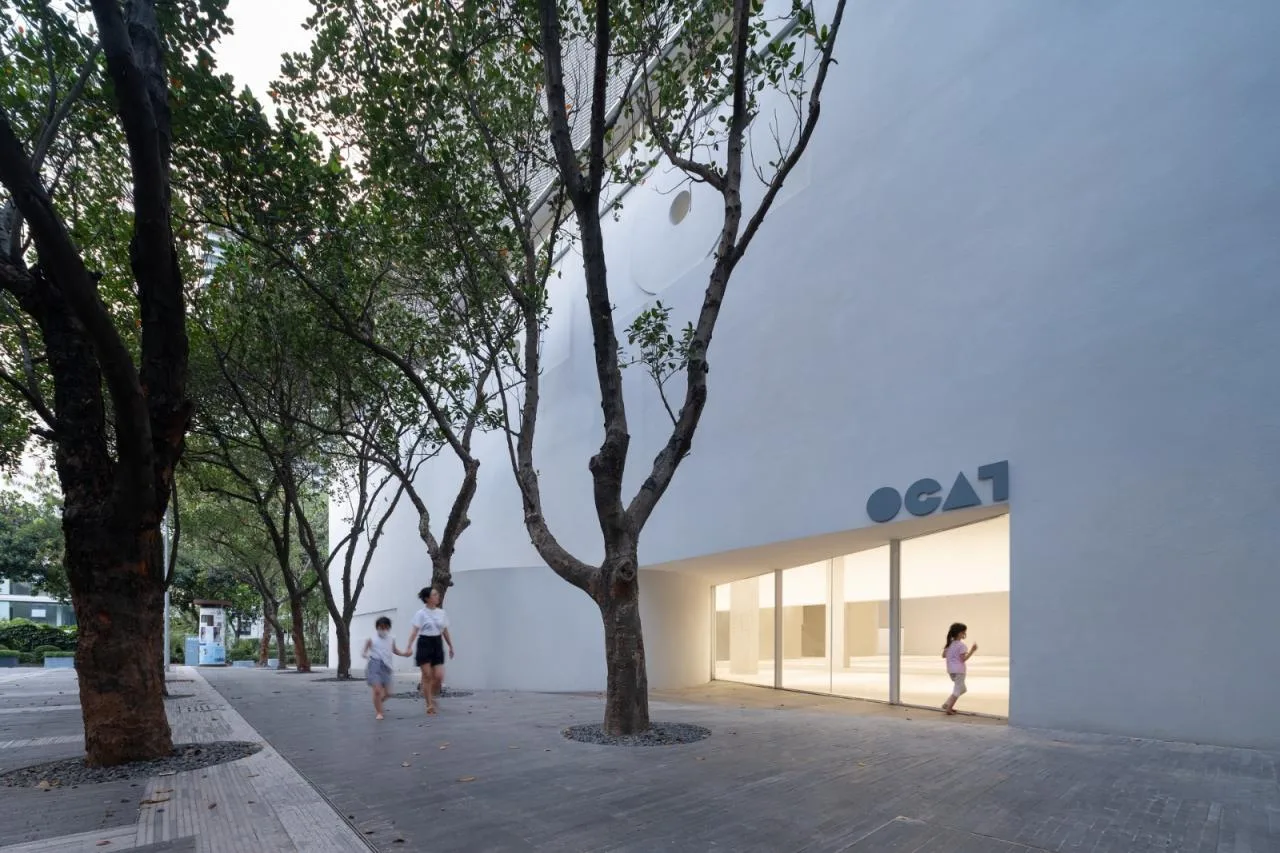
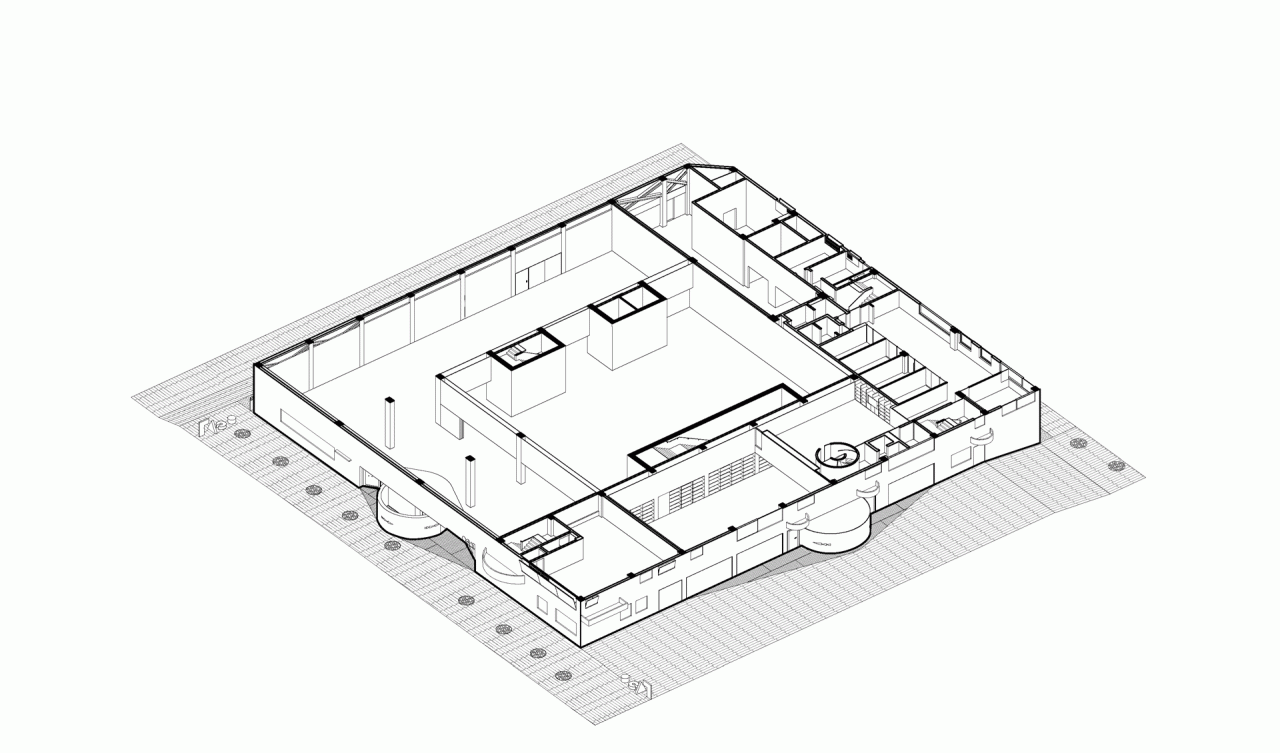
The original building’s structural column grid retains the industrial era’s character. The first floor of OCAT-B10 serves as the main exhibition hall and includes a café and art store on the south side. This area can operate independently 24/7 and also hosts exhibitions and lectures.
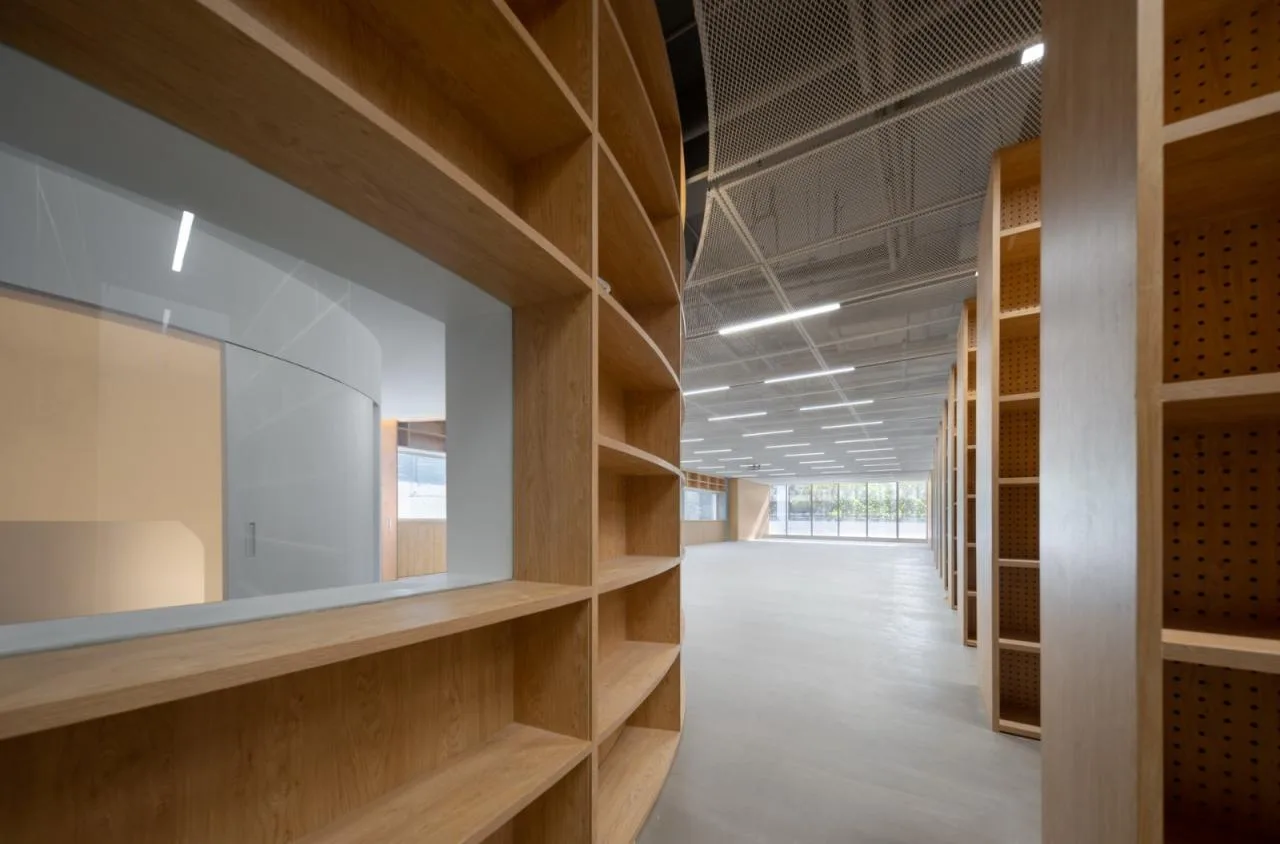
On the second floor, the core space is a multifunctional exhibition hall. The west side is fully enclosed to maintain constant temperature and humidity for sensitive exhibits. The north side is dedicated to children’s art education, while the south side features a terrace and houses the library and art salon.
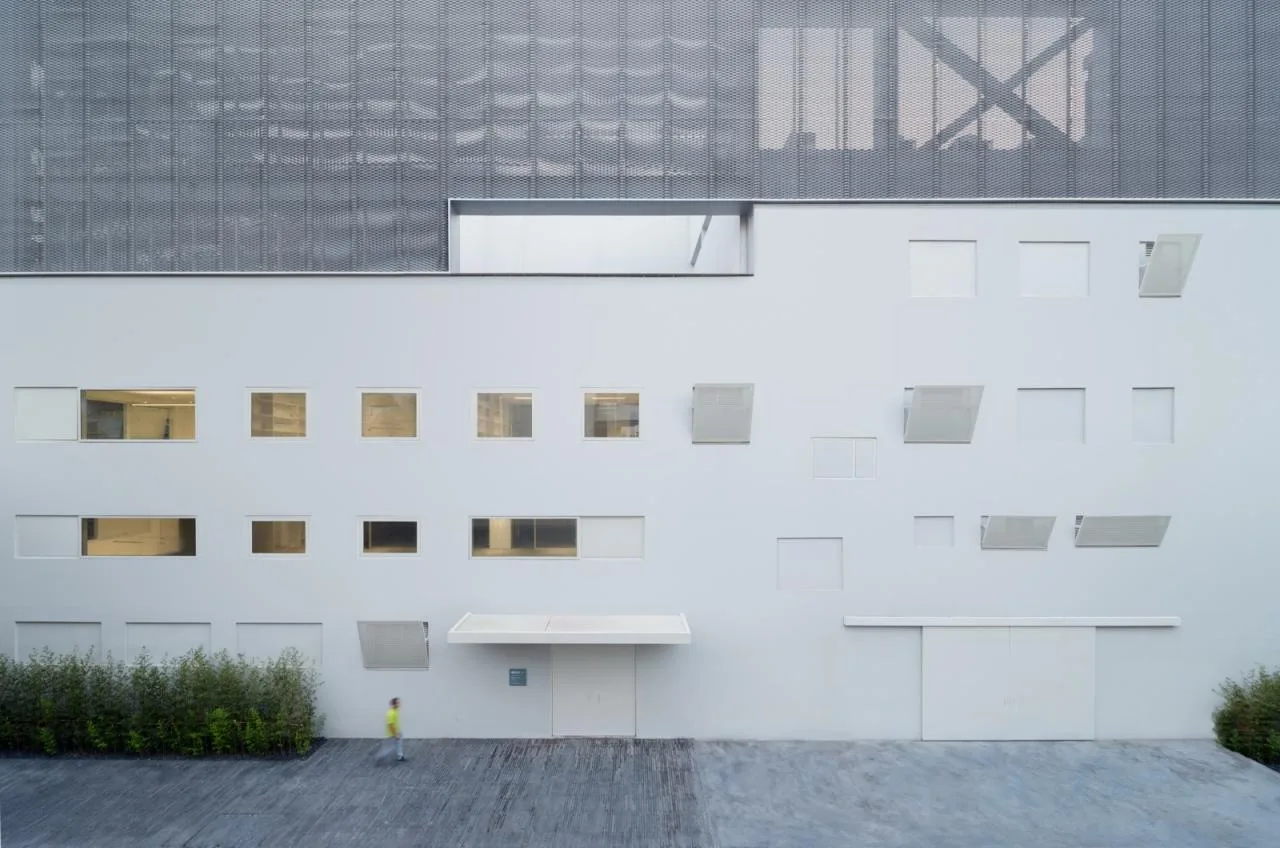
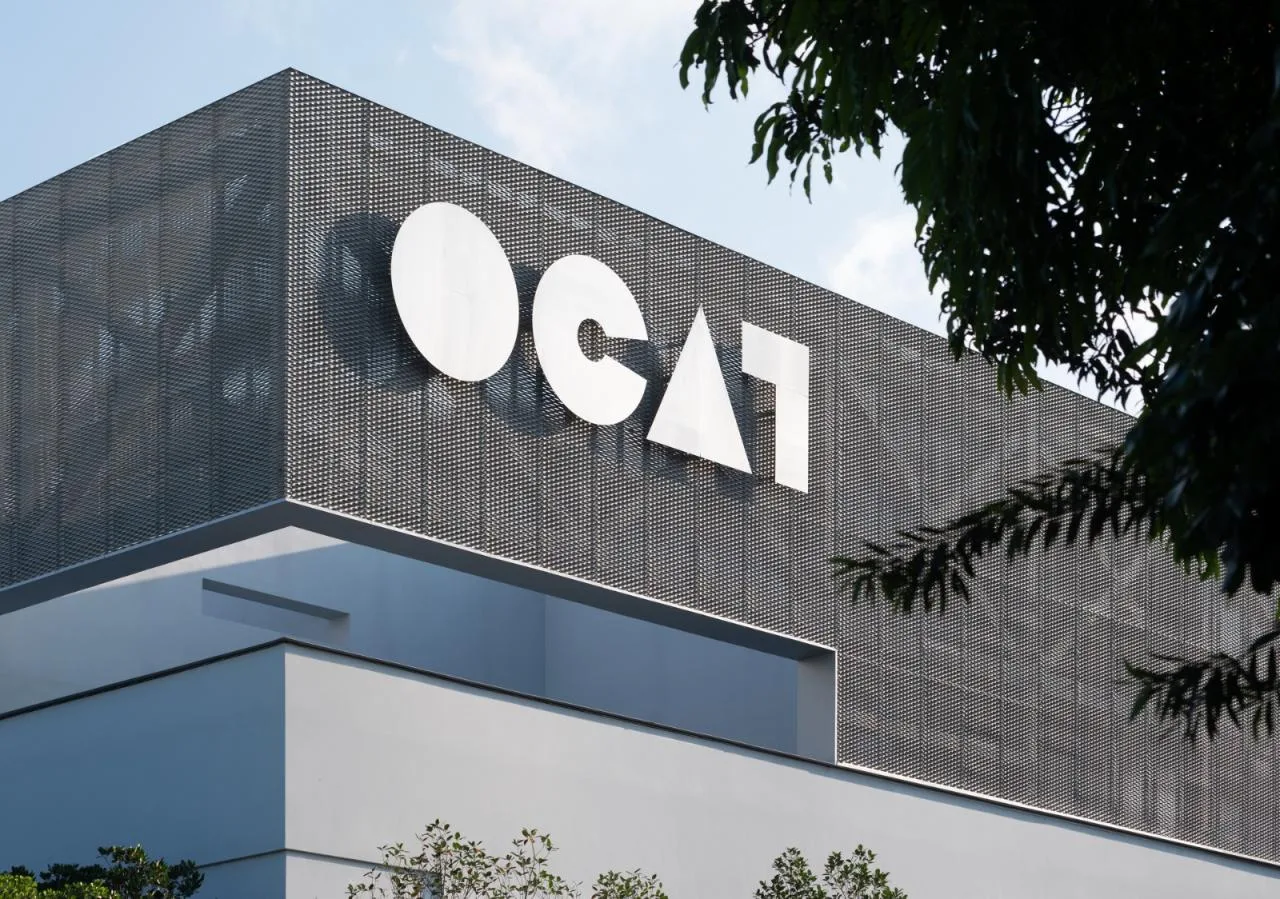
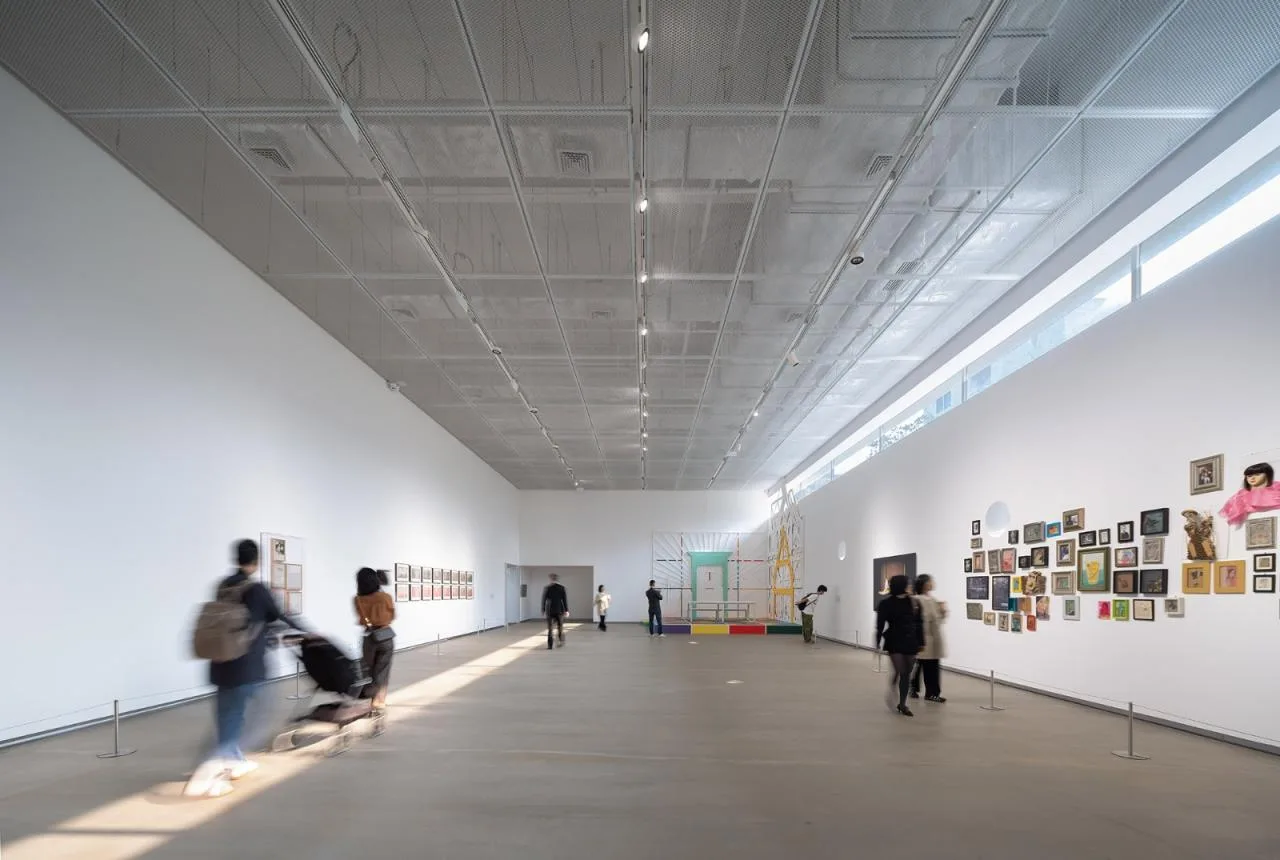
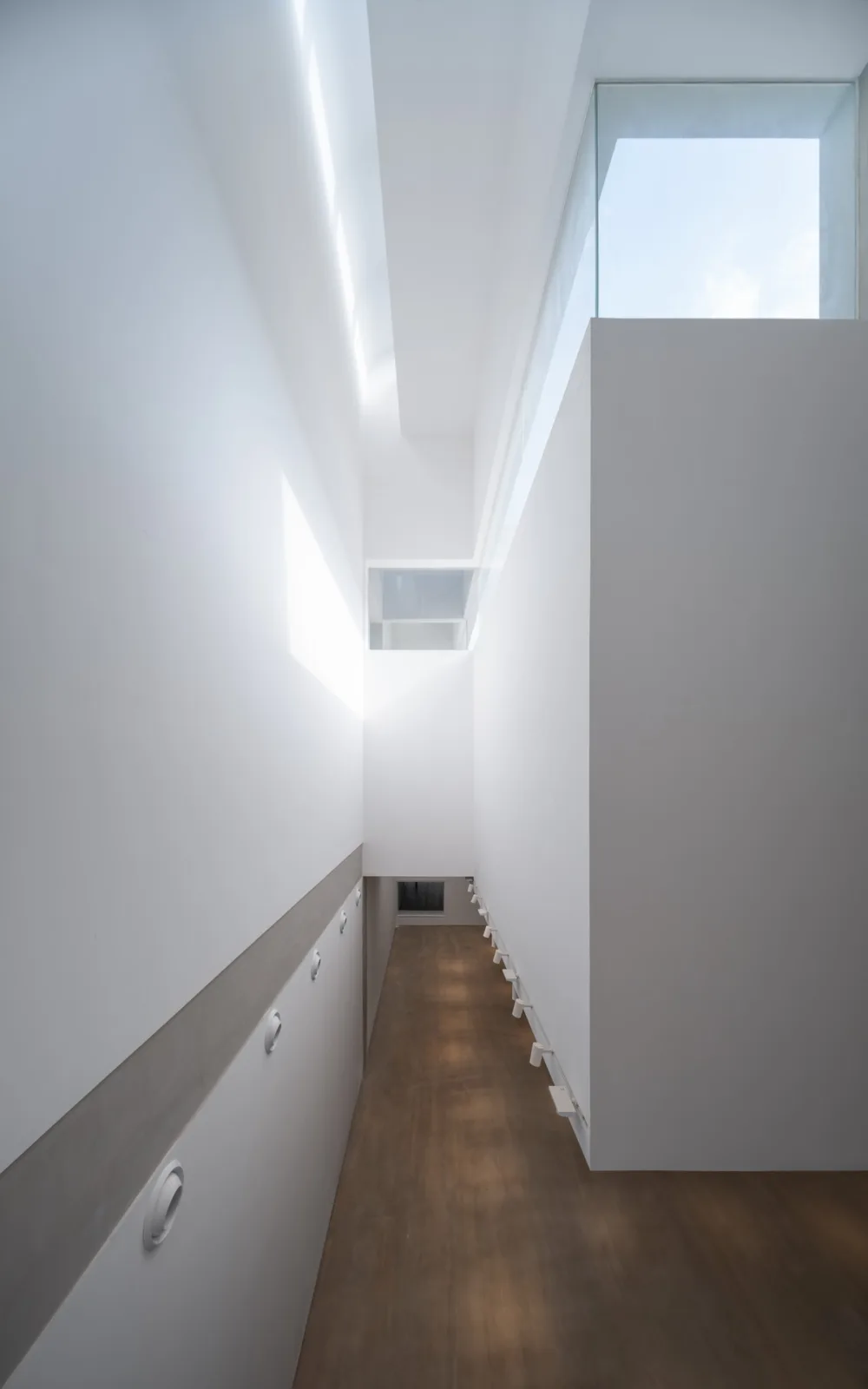
The third floor showcases a series of exhibition halls with a ceiling height of 8.4 meters. The roof was removed to create an open-air exhibition space. The exterior walls consist of double-layer stretched metal mesh, allowing the exhibition space to blend with the surrounding environment. This design visually isolates the clutter of neighboring buildings, framing distant mountains and nearby trees through scenic window openings.
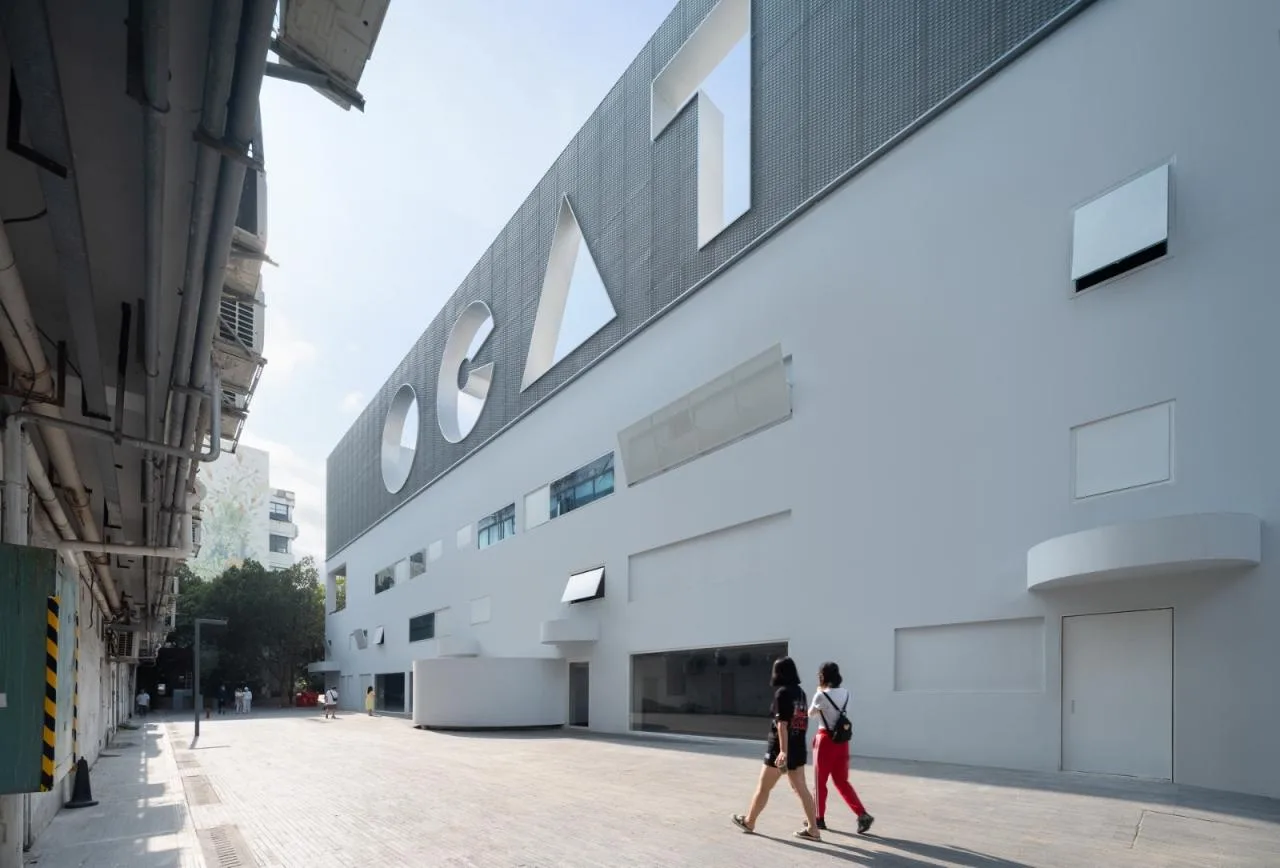
Visitors ascend the stairs from the lower exhibition halls to reach the “open-air art museum” on the rooftop. This gradual transition encourages a withdrawal from everyday reality, allowing the body and mind to become fully present yet detached. The interaction between visitor and artwork, combined with the direct exposure to the sky, offers an unprecedented degree of openness and inspires new possibilities for contemporary art creation and presentation in the local context.
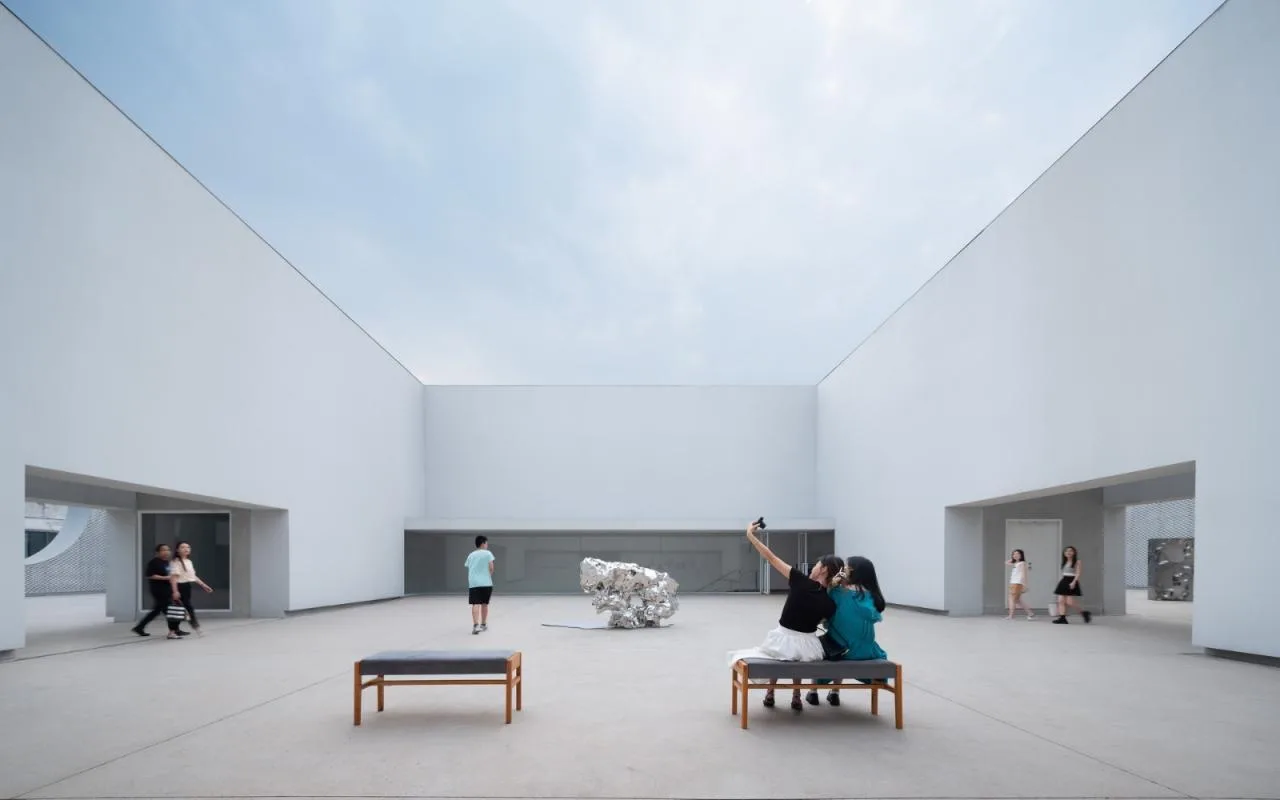
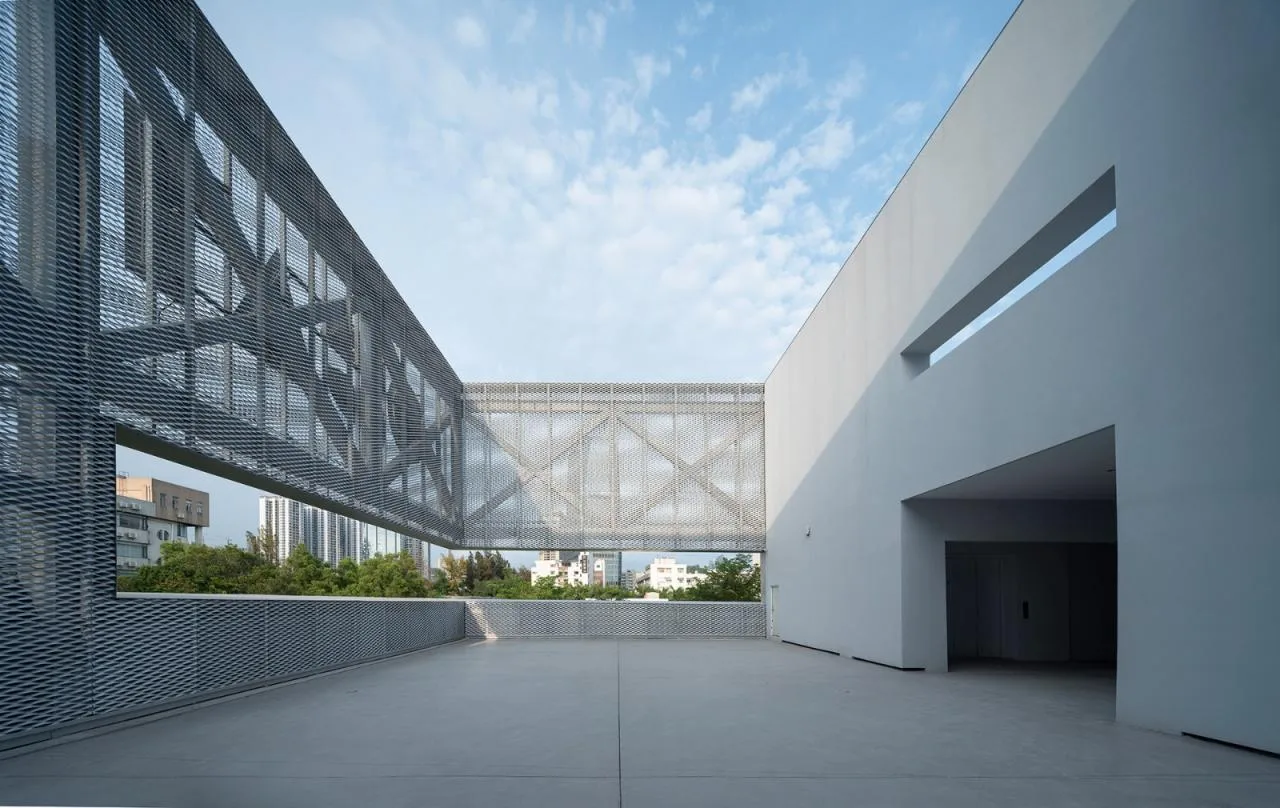
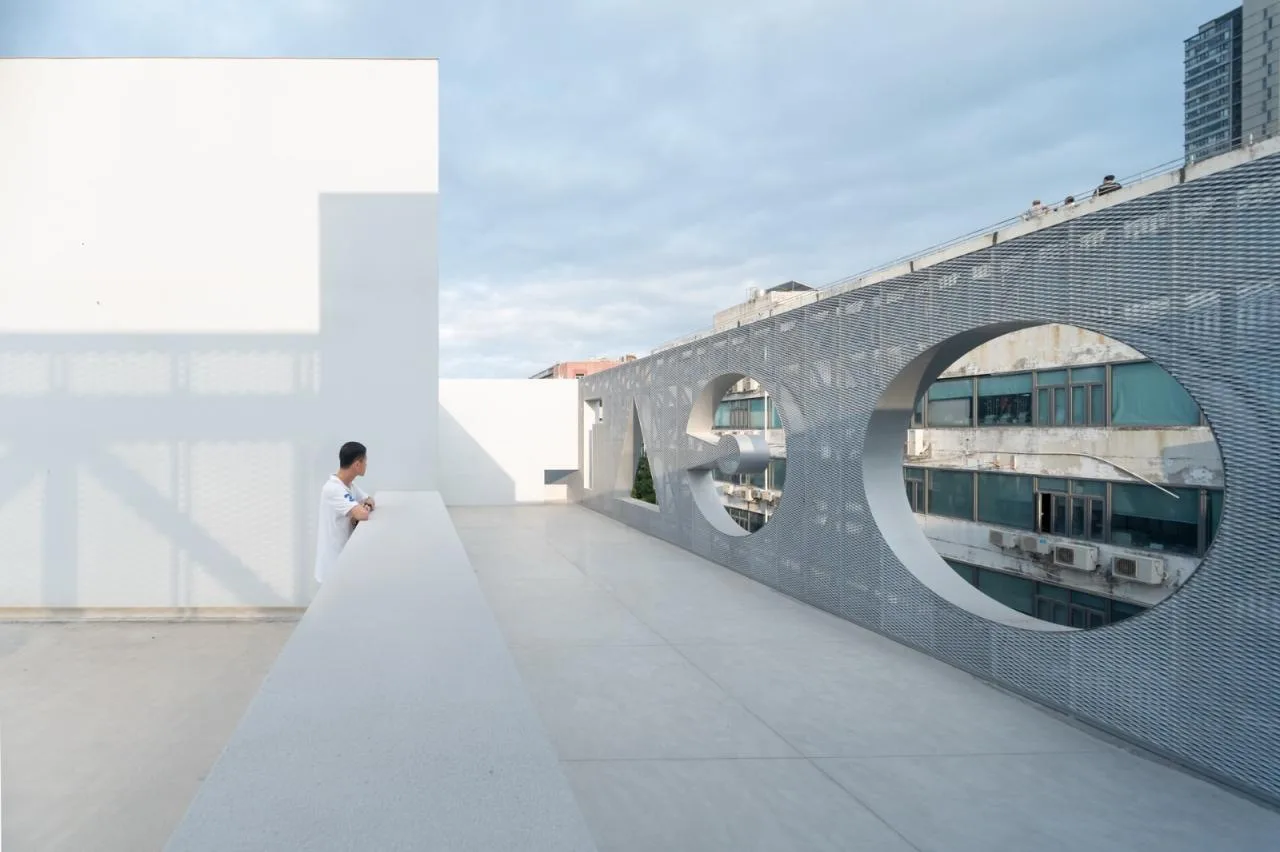
The exterior industrial architecture has been entirely preserved and painted white. Most exterior windows have been filled in to accommodate the internal spatial needs of the art museum, transforming into recessed blind windows that serve as molds of industrial relics and urban memory. Subtle references to the building’s past functions remain, such as the original disk on the façade. These industrial-era symbols are veiled beneath the abstract white, creating a container for contemporary art.
The blank architectural space offers limitless potential for artistic intervention. OCAT-B10 stands humbly amidst the dappled shadows of trees in the Creative Culture Park, ready to welcome future artistic creations and cultural activities like a blank canvas.
Project Drawings
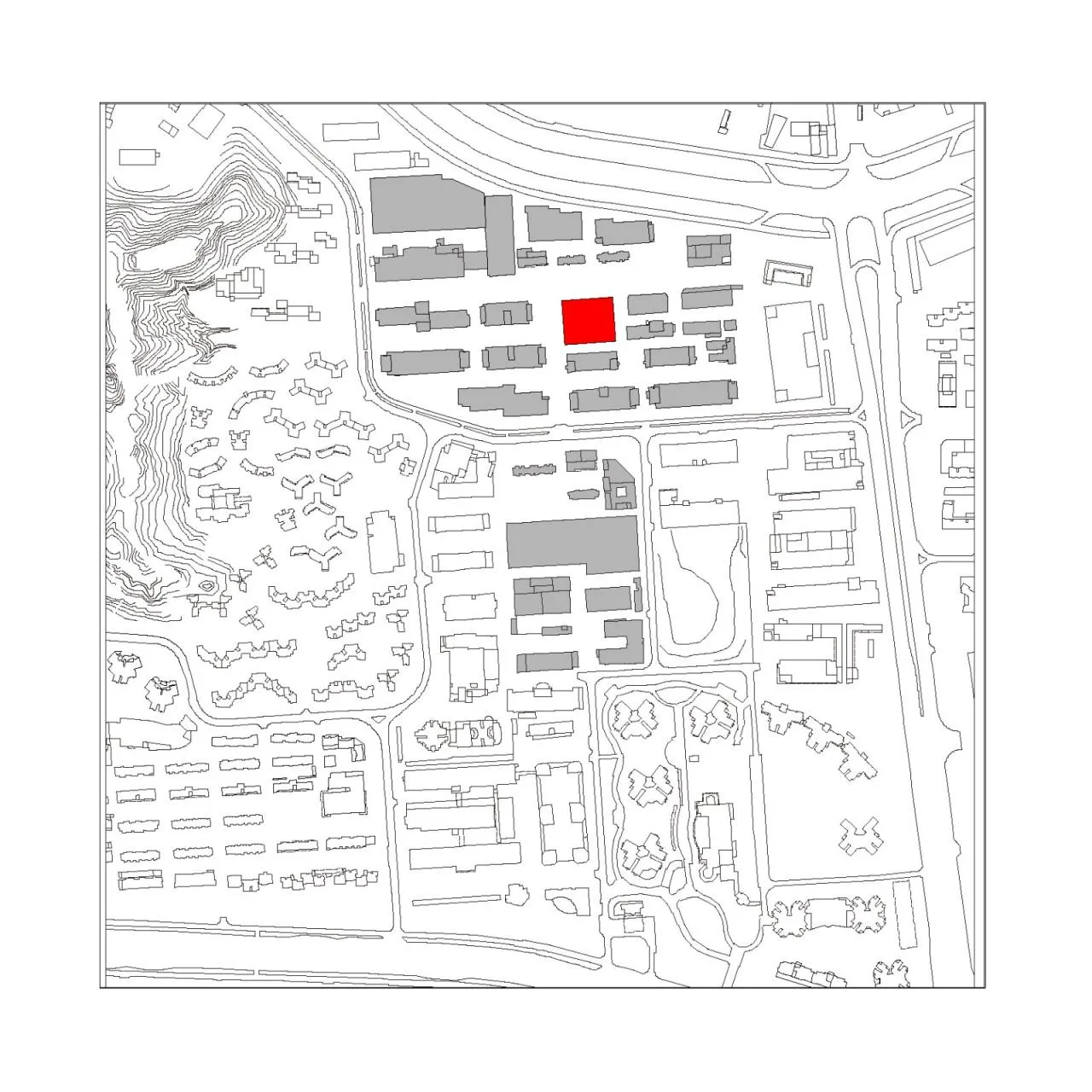
△ Location Map
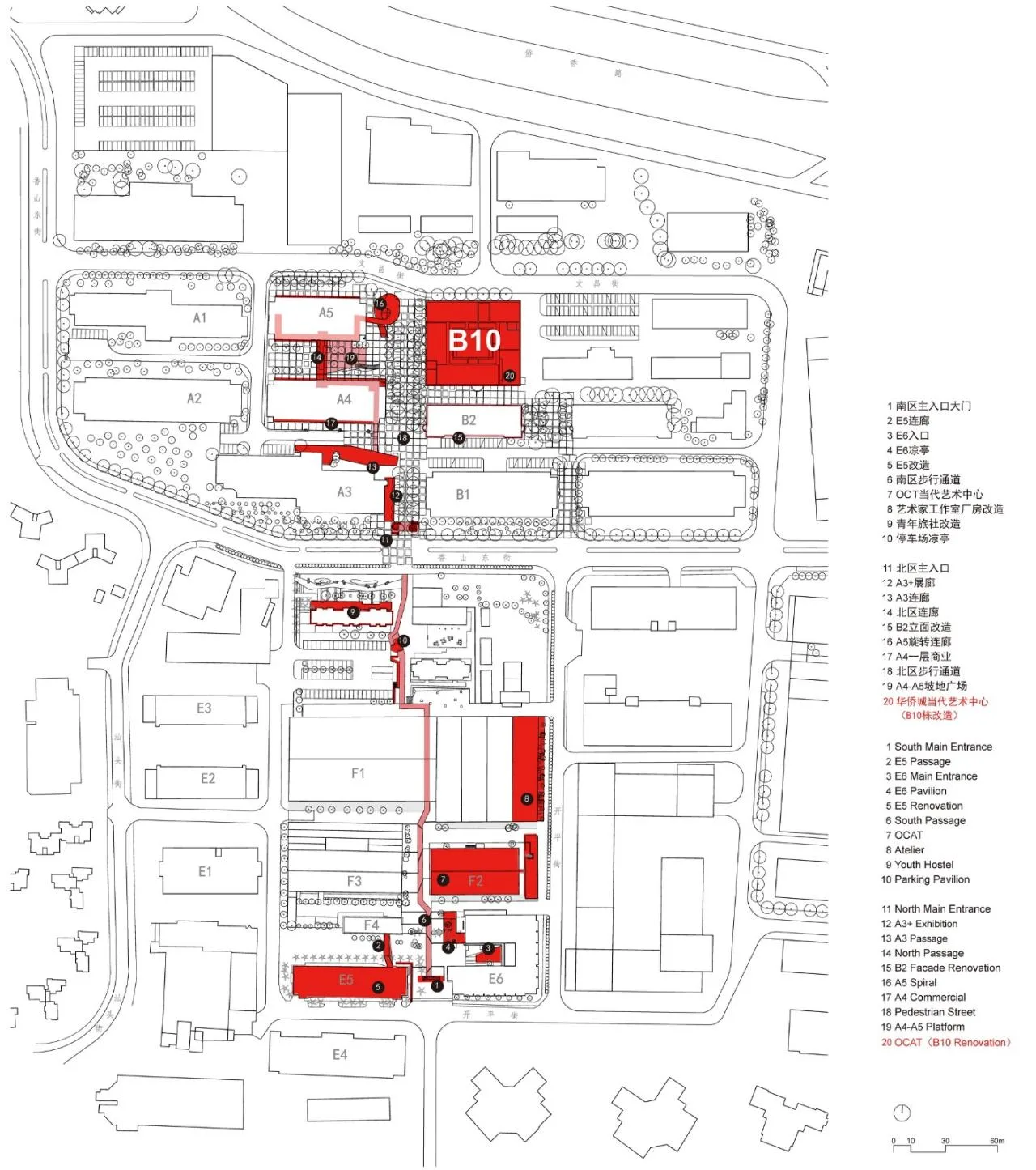
△ OCT-LOF Overall Renovation Plan
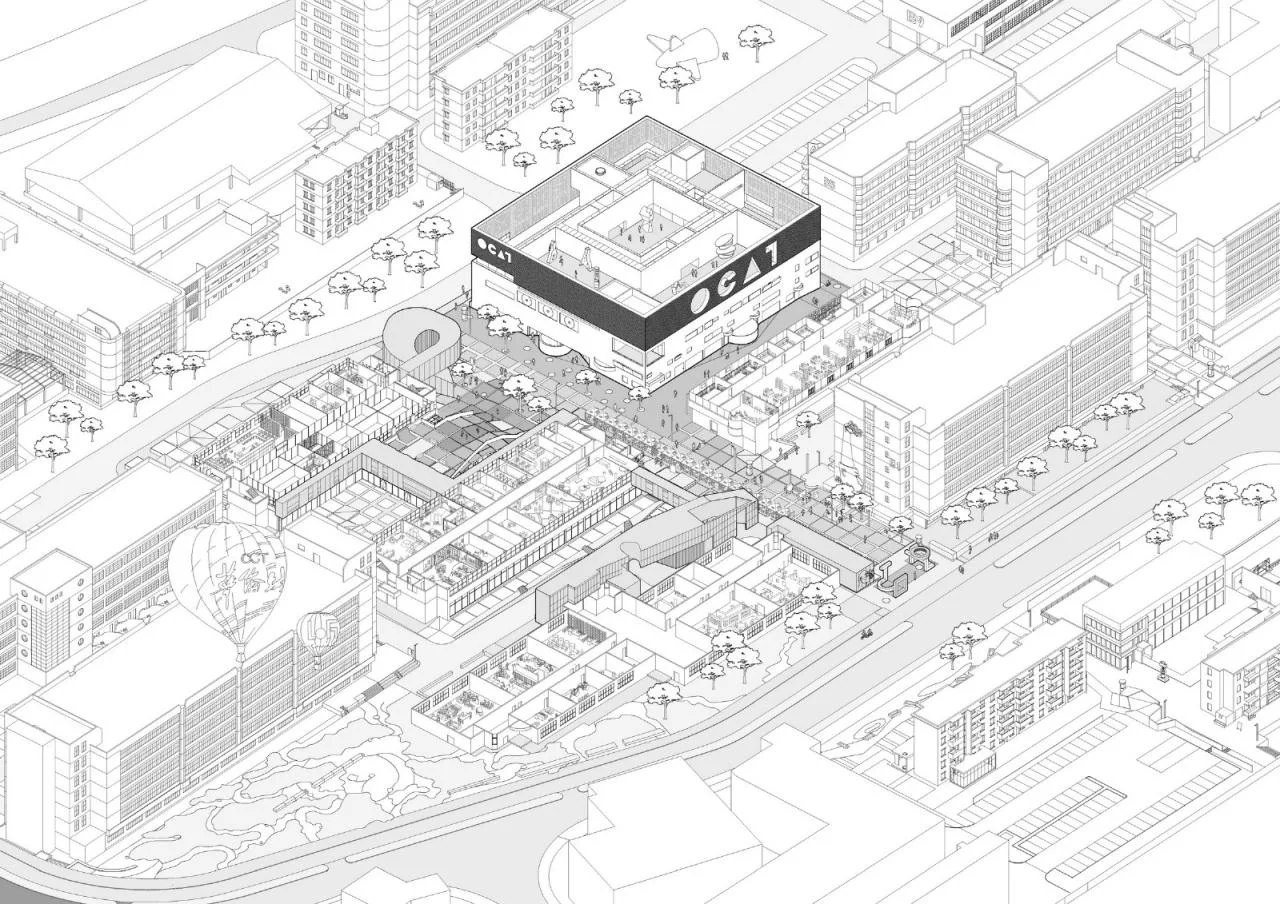
△ North Area Axonometric View
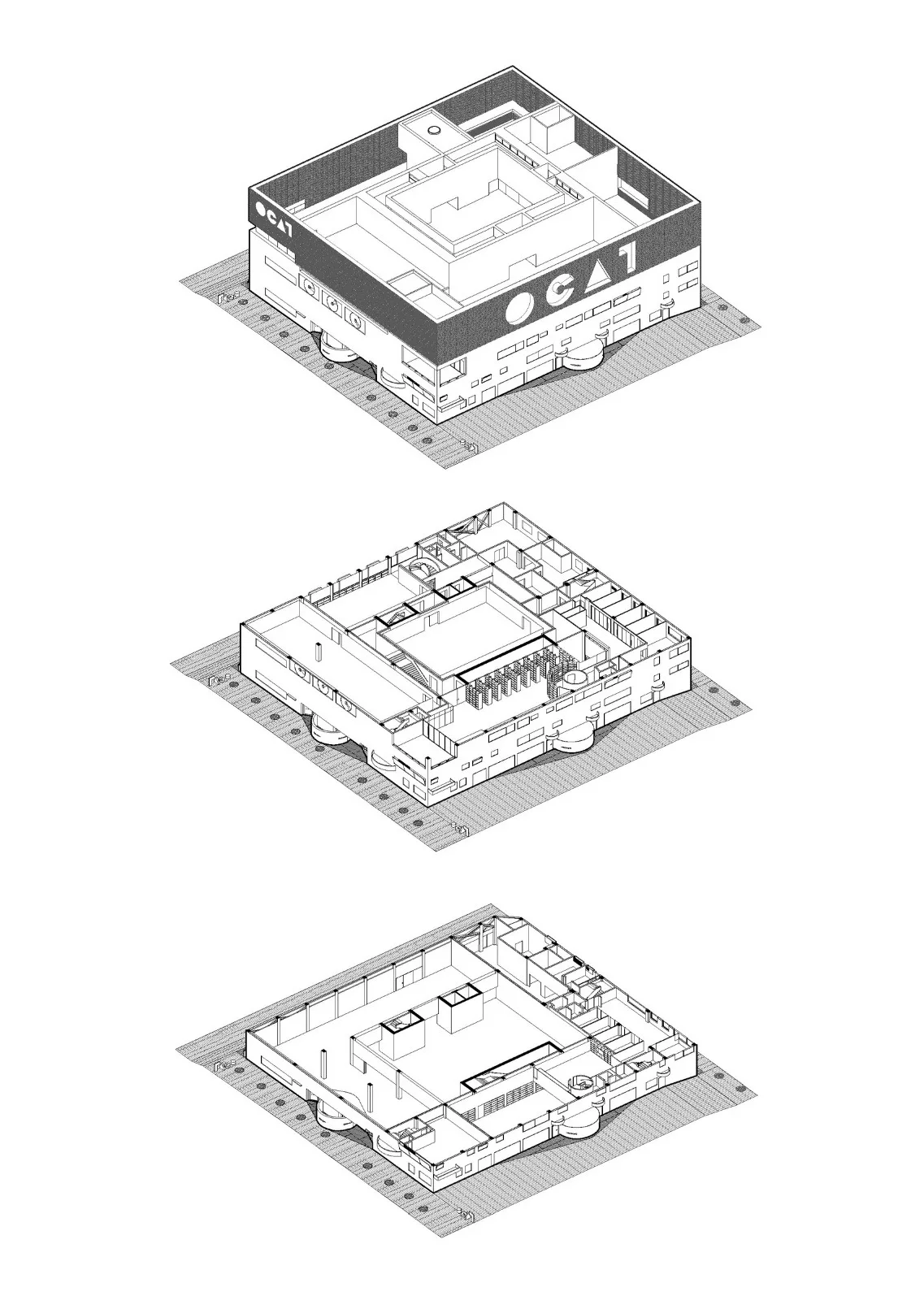
△ Decomposition Axonometric Diagram
△ Decomposition Side View
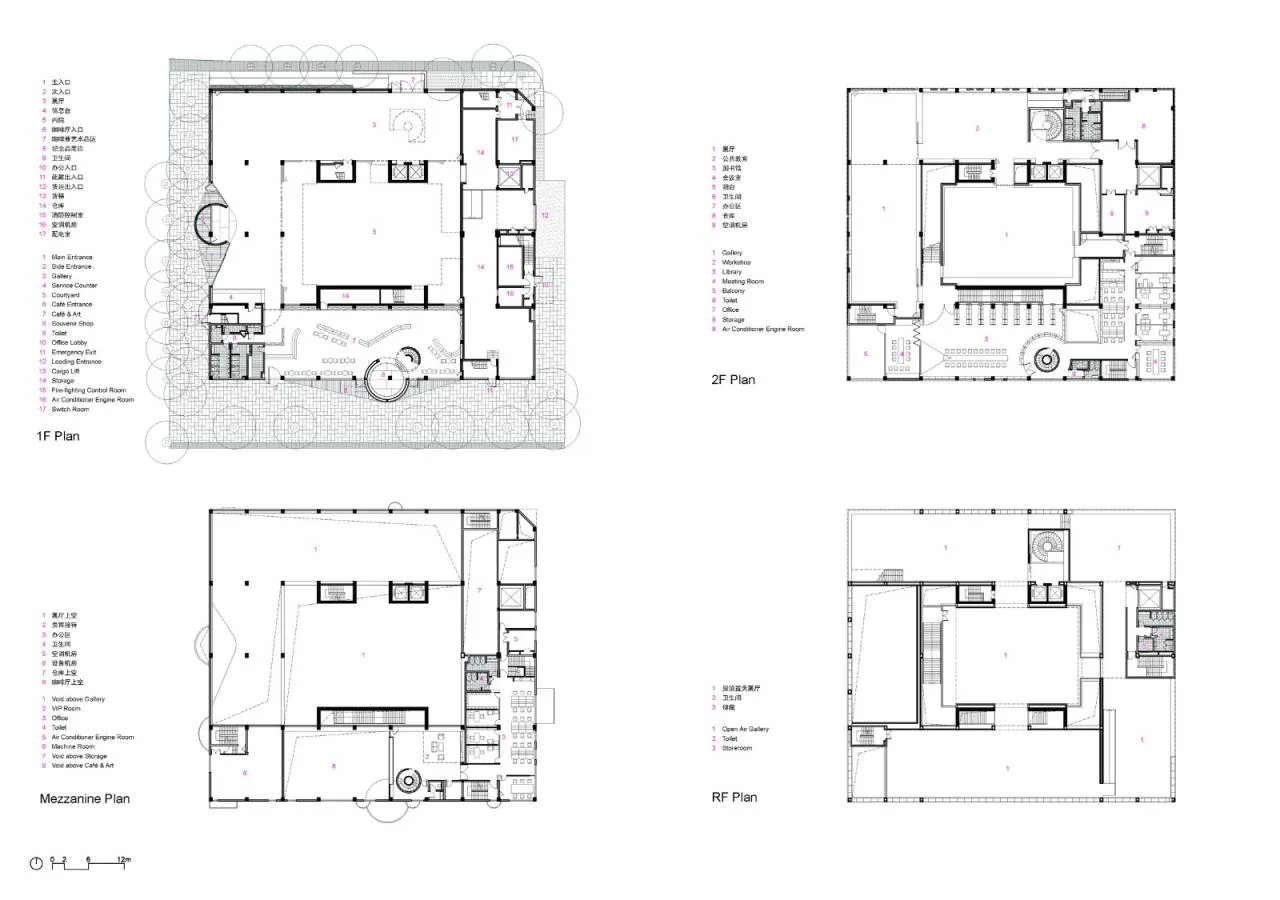
△ Floor Plan
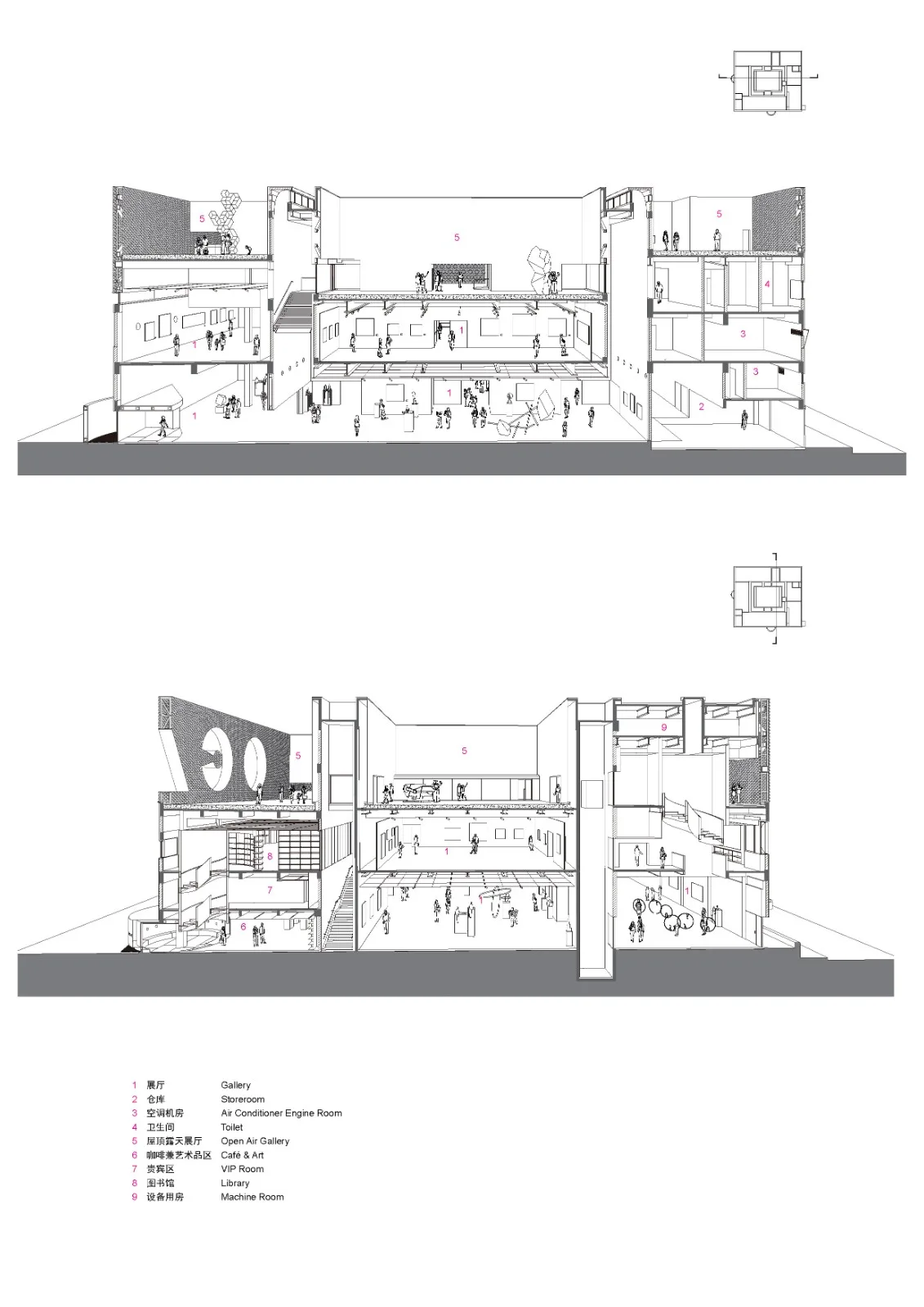
△ Sectional Perspective View
Project Information
Project Name: OCT Contemporary Art Center Building B10
Design: URBANUS Urban Practice
Owner: Shenzhen Overseas Chinese Town Real Estate Co., Ltd
Location: OCT Creative Culture Park, Nanshan District, Shenzhen
Project Duration: 2013–2022
Land Area: 6,899 square meters
Building Area: 6,109 square meters
Lead Architect: Meng Yan
Project Architect: Rao Enchen
Technical Director: Yao Xiaowei
Project Managers: Zhang Yingyuan, Zhang Jiajia (Architecture); Wei Zhijiao, Zhang Xuejuan (Landscape)
Project Team: Jiang Qingzhou, Chen Shuangyuan, Li Yaozong, Liu Yu, Chen Hui, Liu Kan (Architecture); Li Guanda, Wang Ziyu, Yin Shuyu (Landscape); Zhou Yu (Intern)
Conceptual Proposal Team: Travis Bunt, Zhang Tianxin, Bernat Riera, Zhong Haohong, Matt Eshleman, Hu Runze, Liang Yaoguang, Huang Lijun, Yuan Jialiang
Previous Research Team: Zhang Tianxin, Wu Ran, Xu Yijing
Construction Drawing Design: Tongji Ren Architectural Design Co., Ltd., Shenzhen
Interior Design: Shenzhen Gonghe Design Engineering Co., Ltd
Landscape Design: Pfanslow
Curtain Wall Design: Pengge Curtain Wall
Lighting Design: Rui International Lighting Design
Logo Design: Huang Yang Design
Photography: TAL, Right Angle Architectural Photography















Must log in before commenting!
Sign Up