
Yaojia Waterfall Village Boutique Hotel is nestled within the Huangguoshu Scenic Area, located in Guanling Buyi and Miao Autonomous County, Anshun City, Guizhou Province. Built against the mountains, the buildings are thoughtfully dispersed to offer expansive views, surrounded by lush greenery and shaded by trees. Originally serving as staff dormitories, the structures were redesigned and transformed into a boutique hotel, with a focus on integrating the natural waterfall landscape. The design invites travelers to experience the unique environment firsthand.
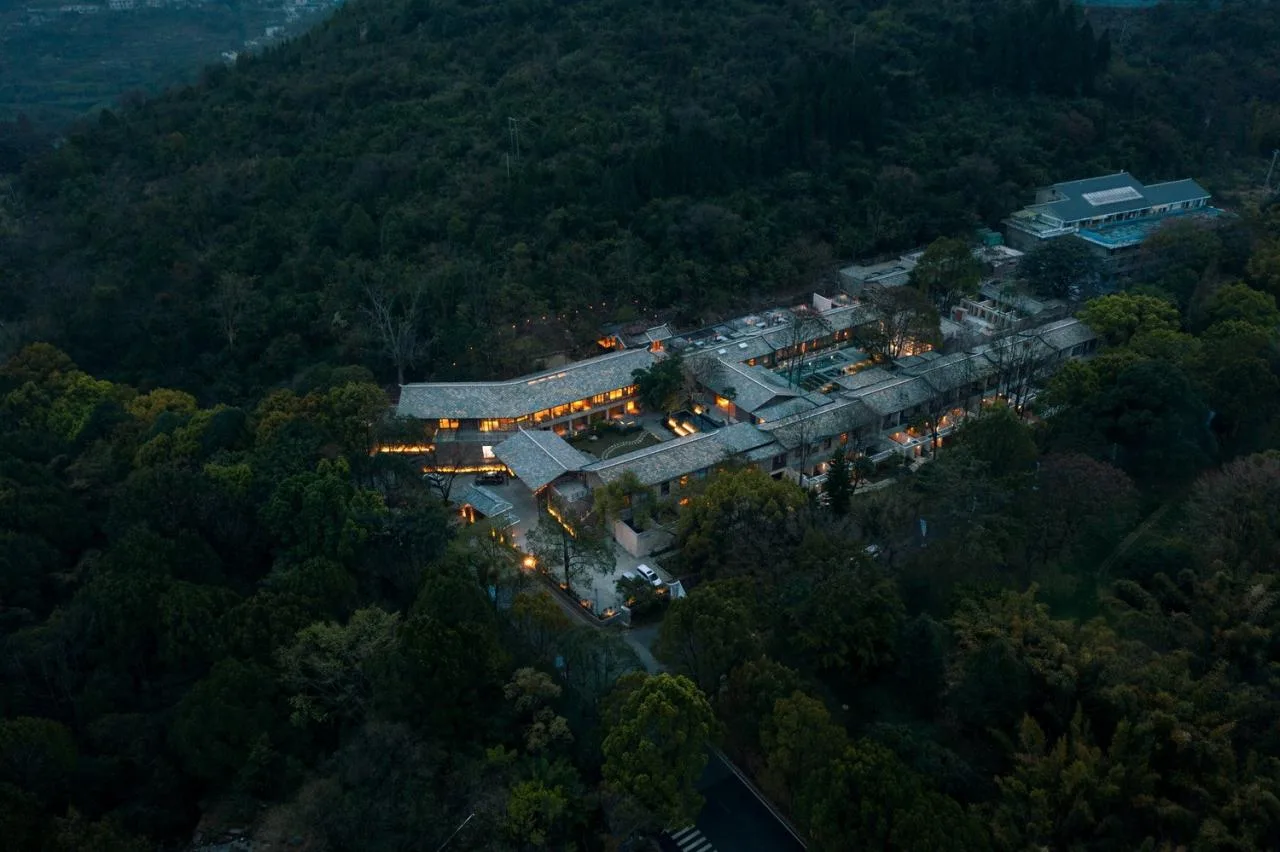
Aerial view of Waterfall Village
The original site, located near the entrance of the Huangguoshu Waterfall scenic spot, was once a dilapidated staff dormitory known as Waterfall Village. Having fallen into disrepair, it posed safety risks and was unsuitable for long-term habitation, necessitating a comprehensive renovation.
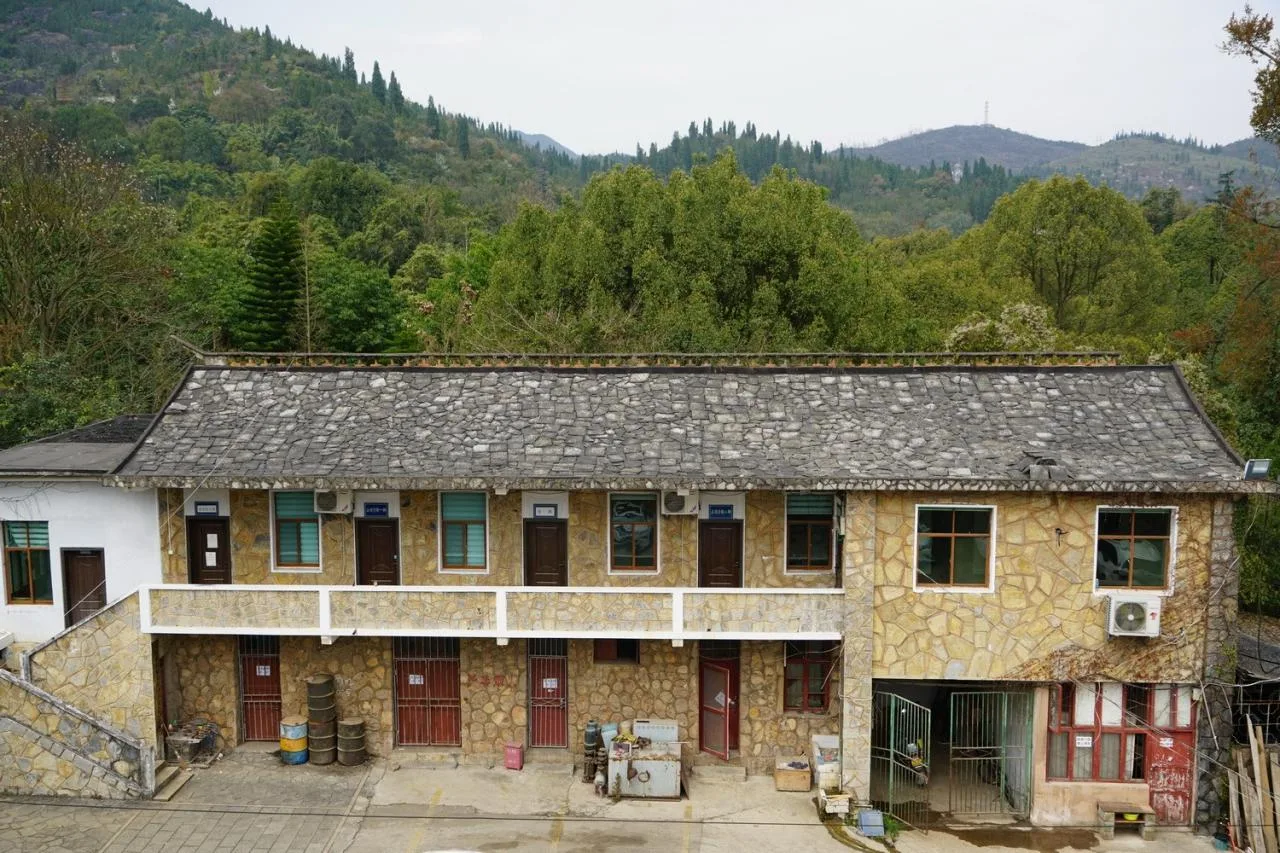
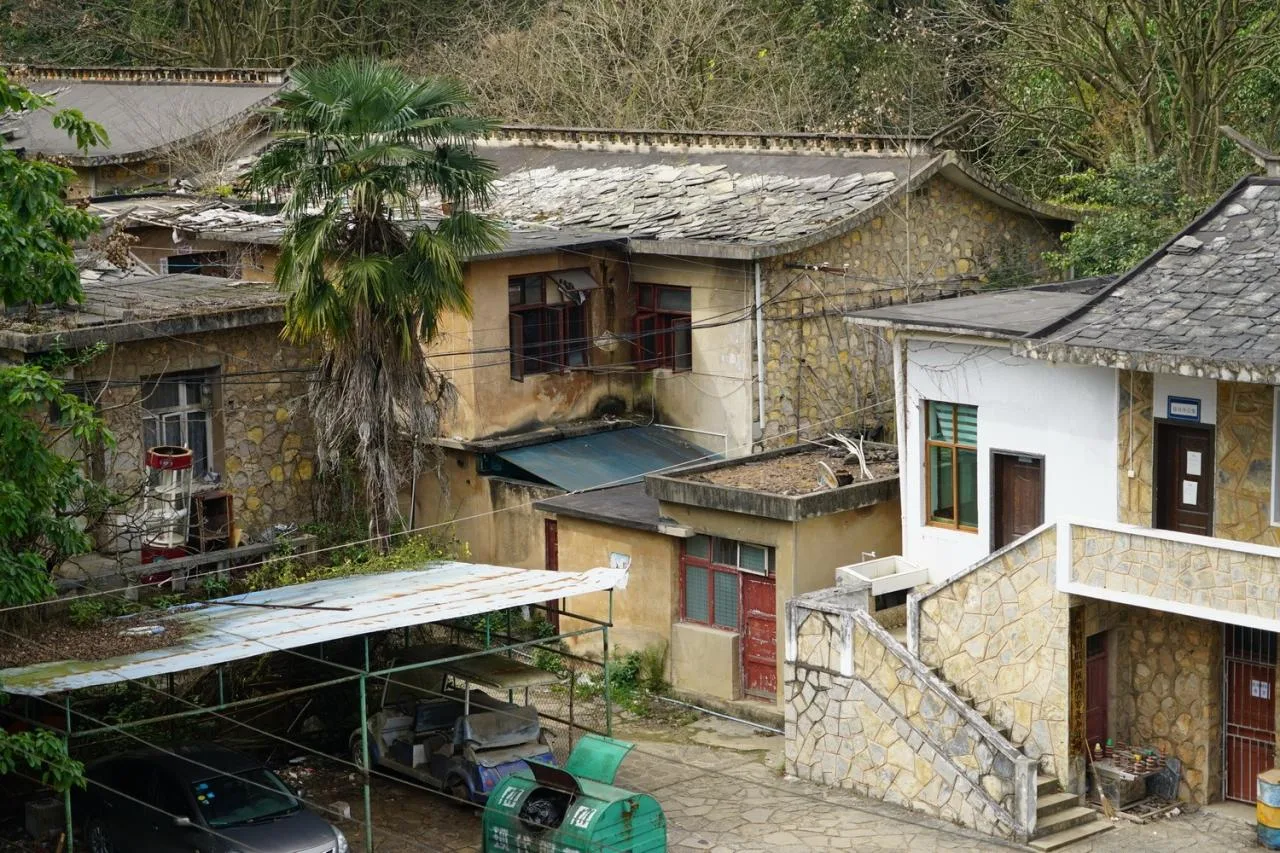
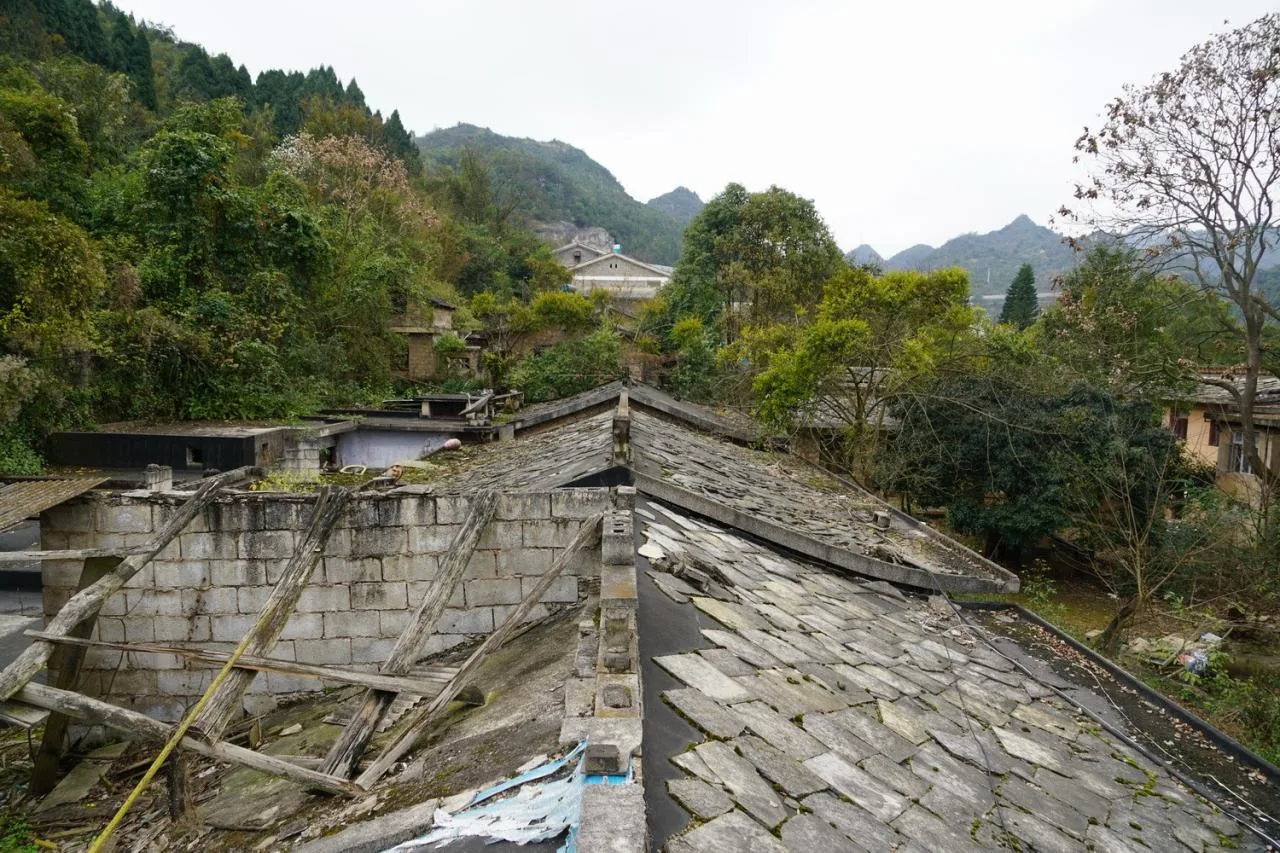
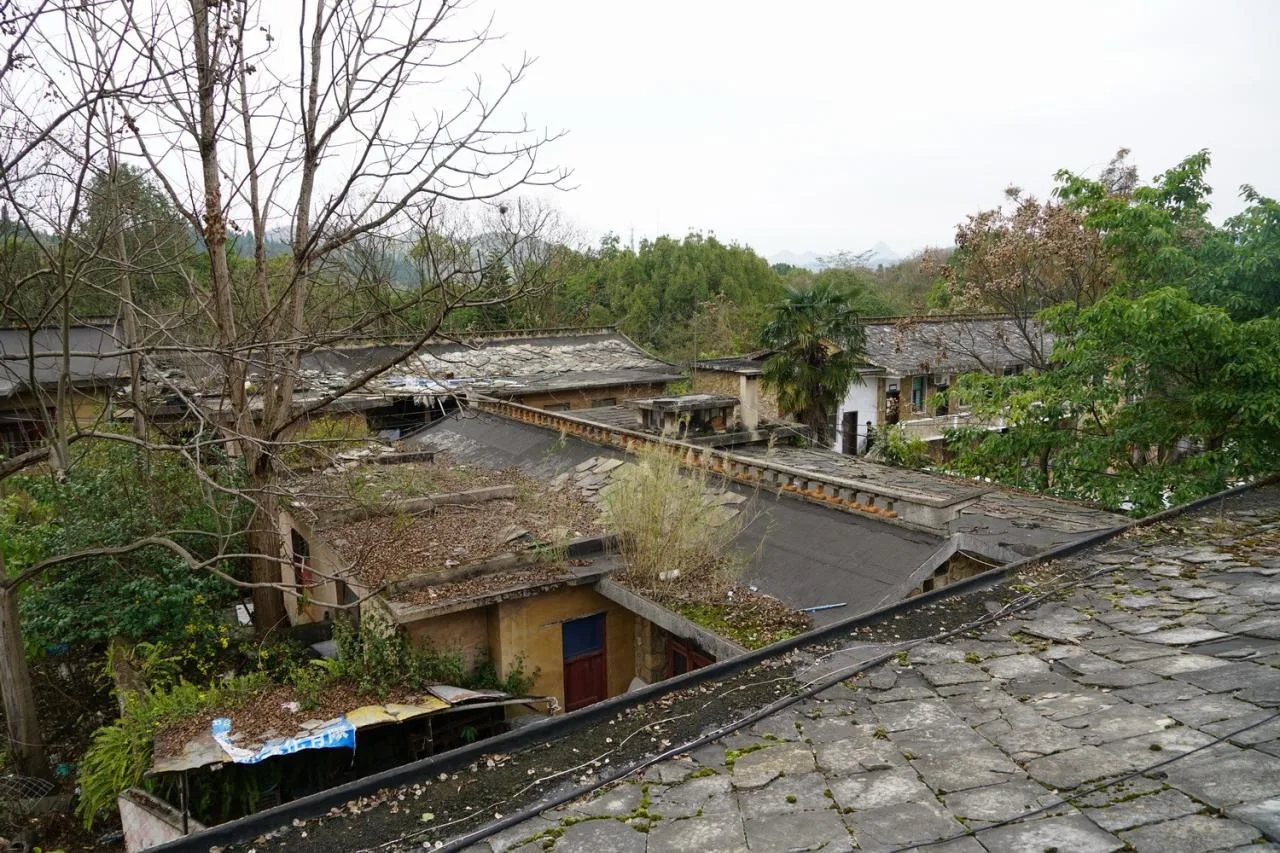
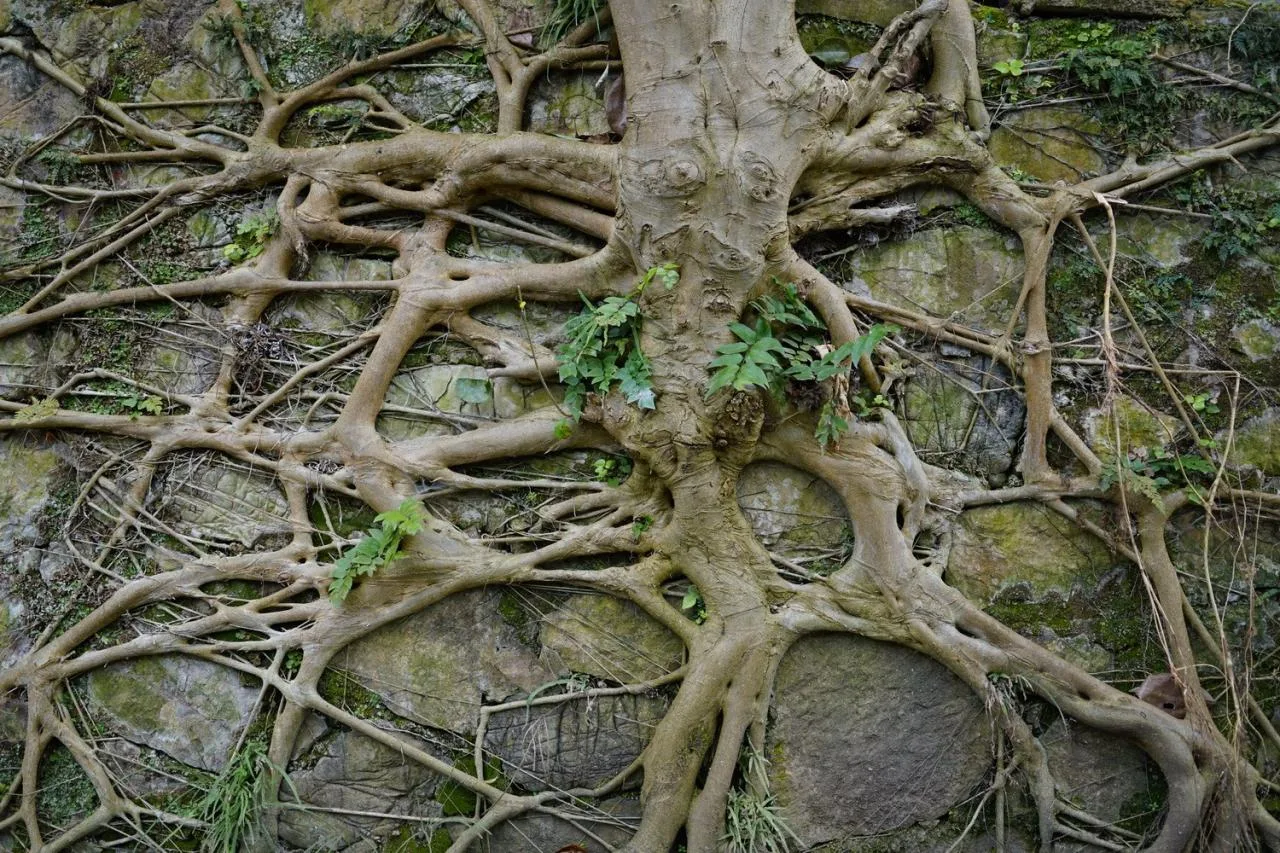
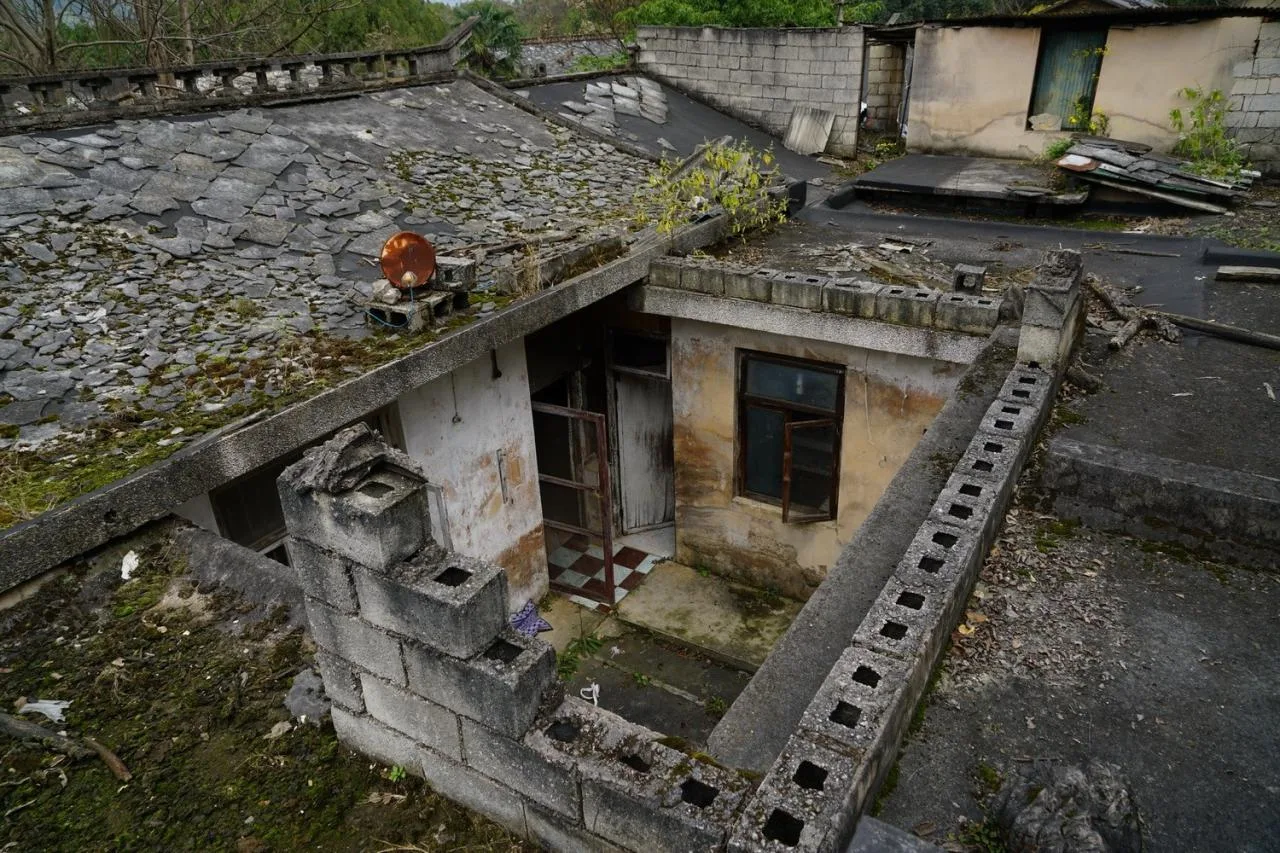
Condition before renovation
The architectural design aimed to preserve the original character of Waterfall Village as much as possible. The restoration repaired the original appearance, maintaining the village’s distinctive landscape and century-old plant community. Locally sourced materials were extensively used, and the principle of “repair old as old” was strictly followed, keeping the walls’ original features intact. The building’s structure was also preserved.
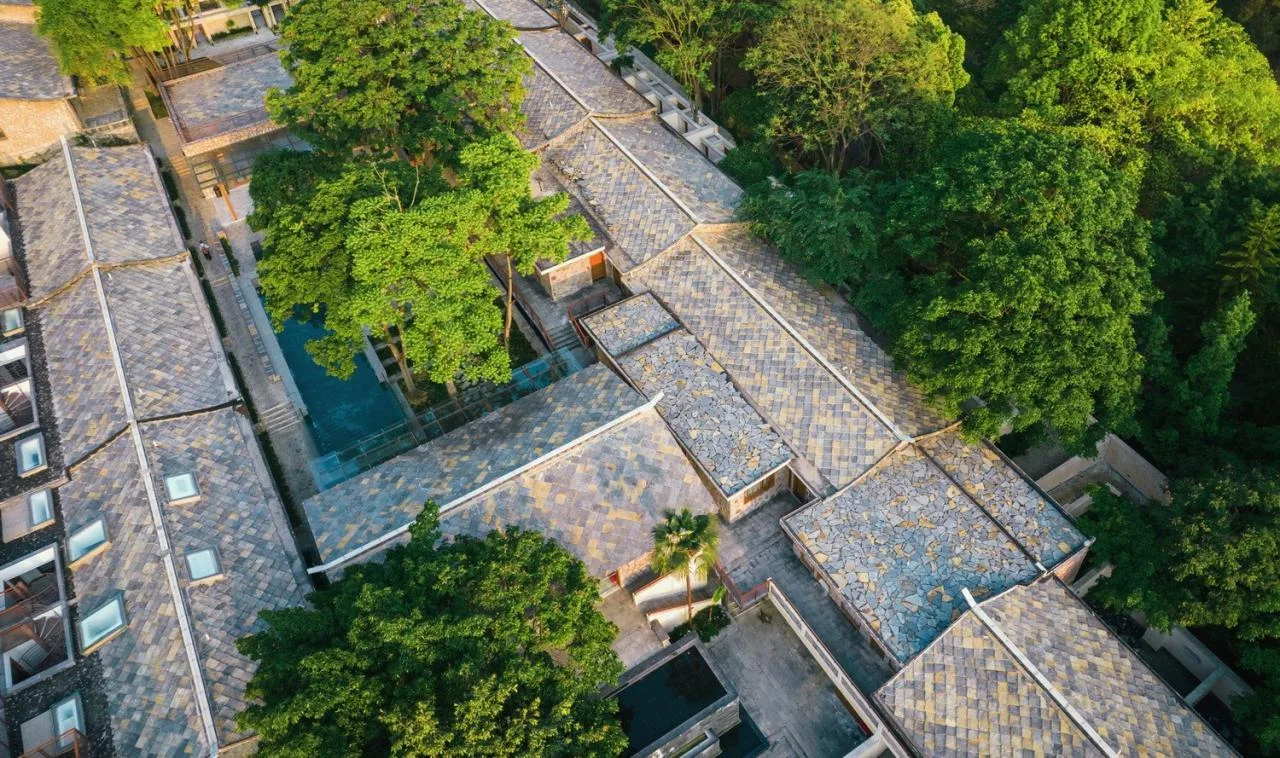
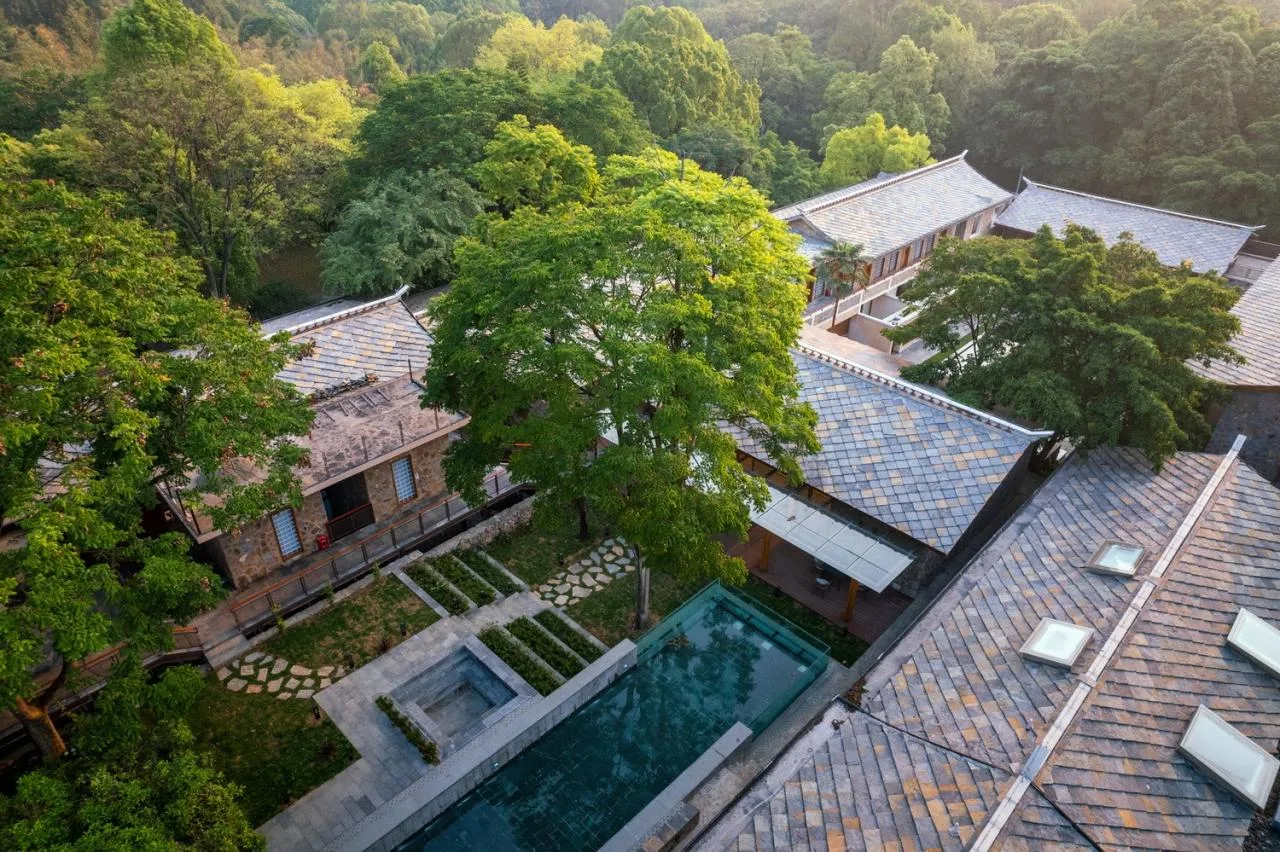
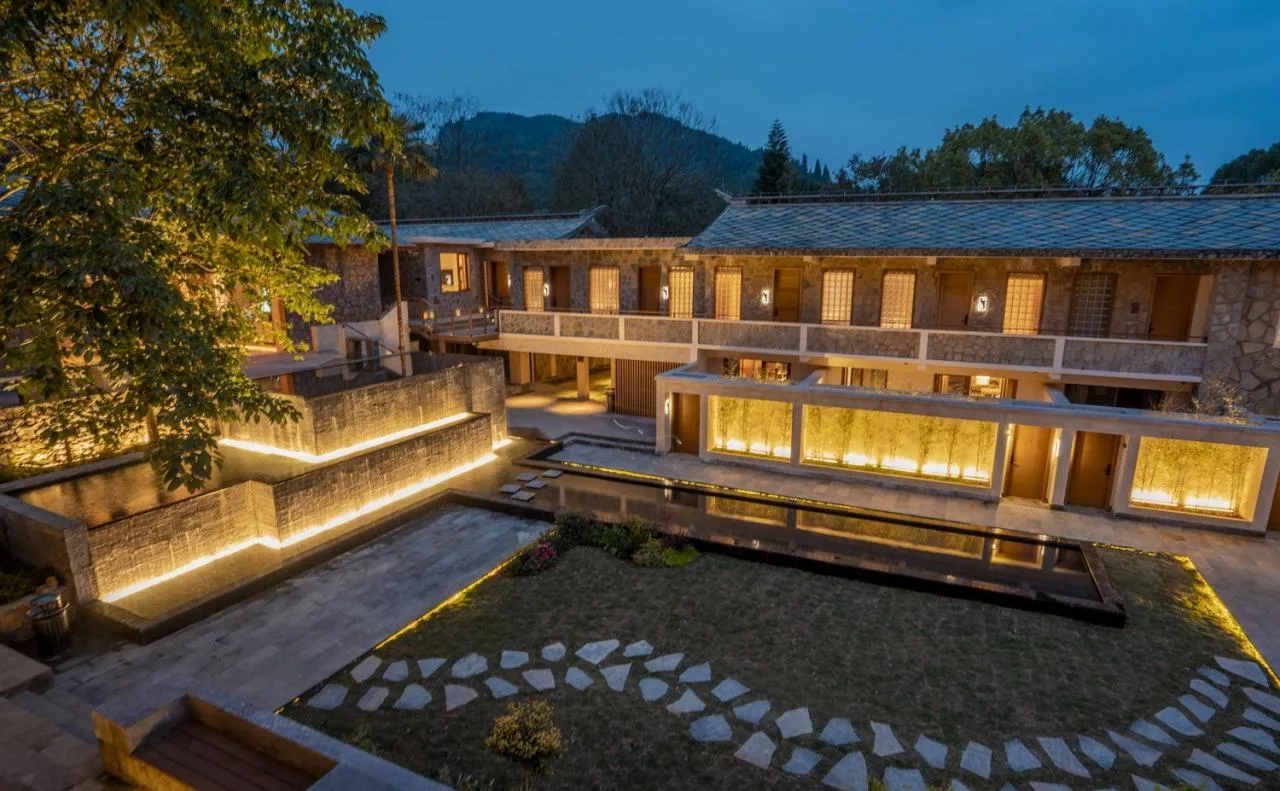
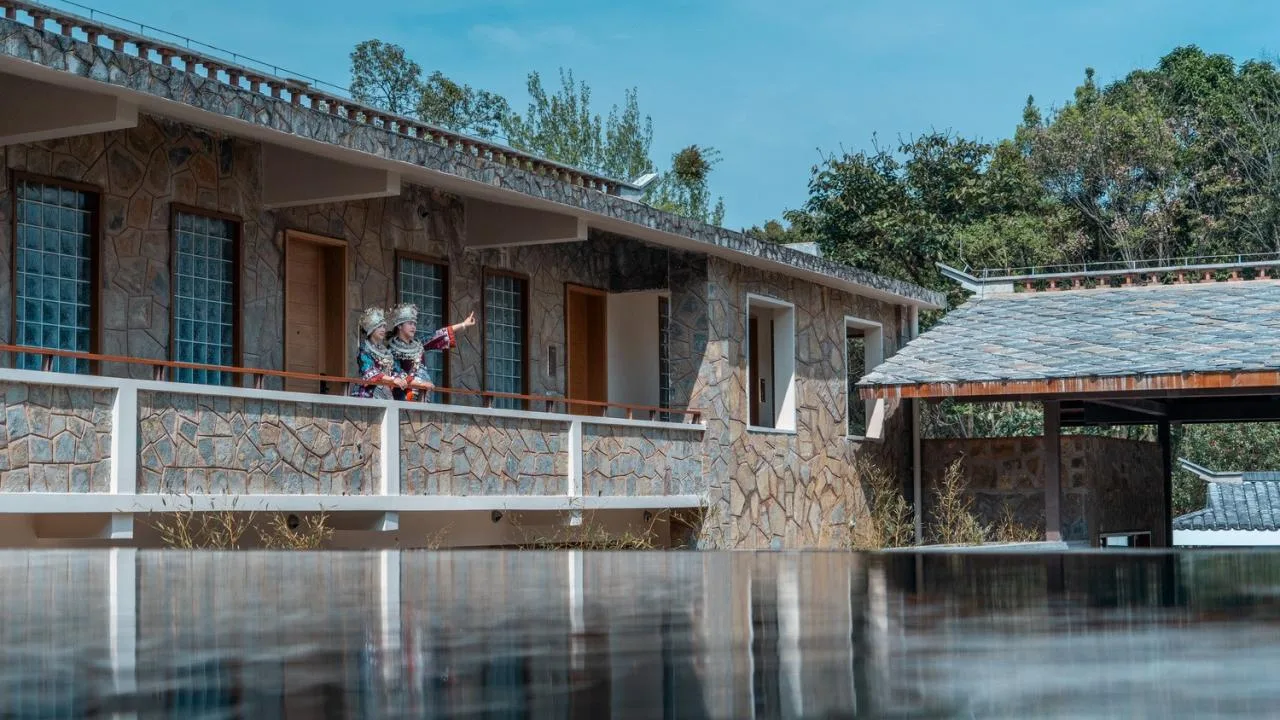
After renovation
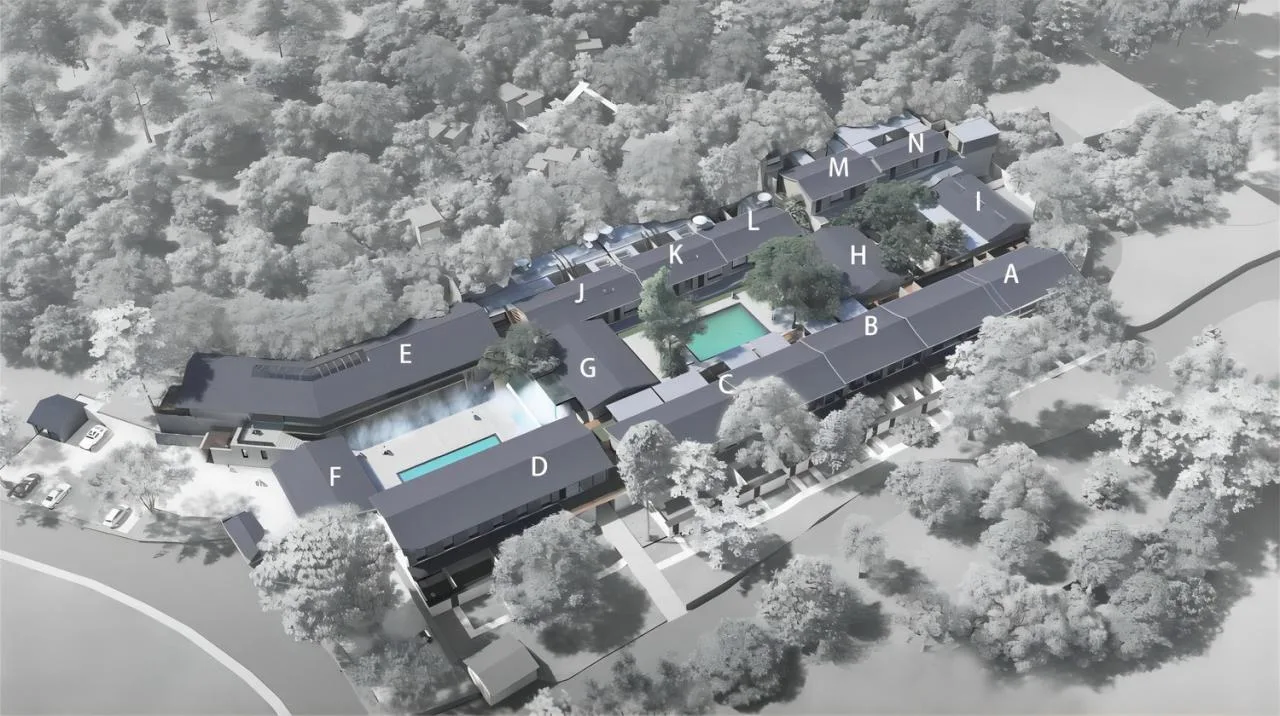
The design encloses a square courtyard using buildings and corridors, with the central open space serving as an activity area. The entire complex is arranged in a courtyard-style layout, built along the mountain with a dispersed arrangement that seamlessly integrates with nature. The structures consist of two floors, a central corridor, and two sloping roofs. From the second floor, guests are surrounded by layers of vast forest, with the village’s outline visible along the slope. The distant mountains stretch endlessly, featuring towering peaks and majestic shapes. A gentle breeze enhances the peaceful and contented atmosphere.
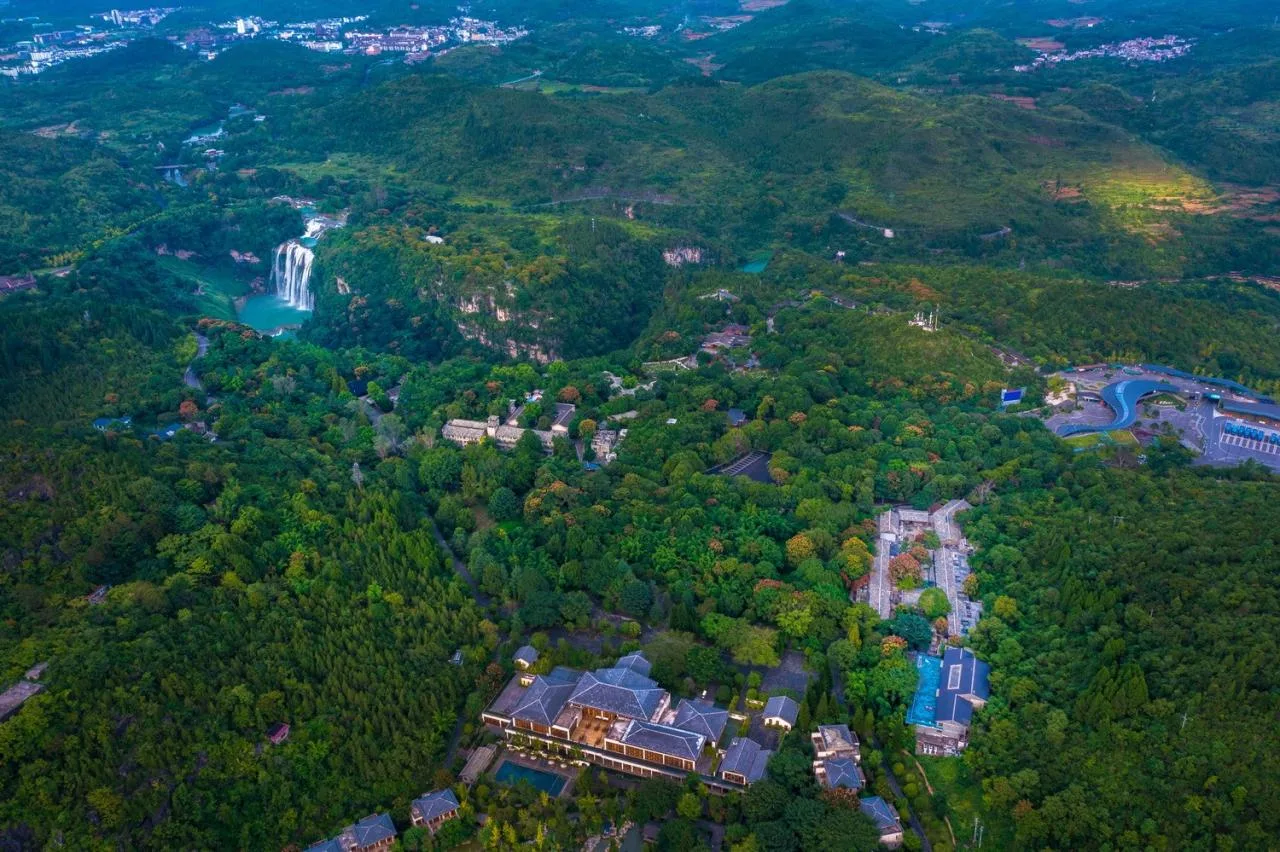
Aerial view of the site
The design follows the natural terrain, creating a harmonious connection with the land and extending horizontally. Building F serves as the entrance, G is the lobby, E is the public area, while the remaining buildings house guest rooms. The central courtyard adapts to the terrain’s natural levels, featuring a large swimming pool nestled within through height differences. At the entrance, a waterfall directs the visitor’s sight toward the lobby, echoing the nearby Huangguoshu Waterfall. Reception and leisure areas open to the exterior, seamlessly connecting with the parking area. The independent courtyard is nestled between alleyways, and the roof scales transition from horizontal lengths to the intricate richness of the village. Multi-level courtyards connect the spatial flow, cleverly using the scenery to engage in a dialogue with the surrounding landscape. Water serves as a medium, with courtyards framing the reflections that sway and change with the seasons.
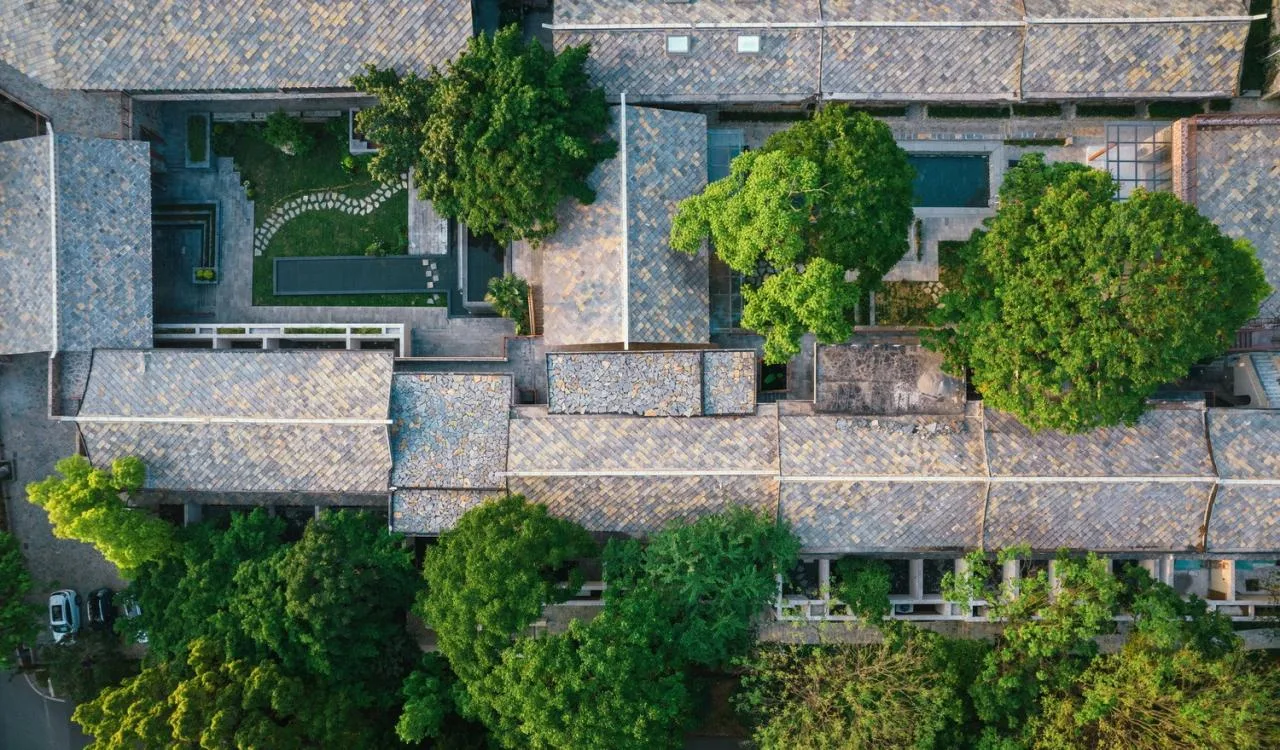
Courtyard space at high altitude
The construction approach combines traditional courtyard architecture with various building methods, bringing different benefits to the building’s functionality. The walls maintain their original rubble structure, which not only prevents moisture and stabilizes the foundation but also integrates the building organically with the environment, embodying the principles of organic architecture. The original roofing layers were removed and replaced with dark gray slate tiles, complementing the traditional sloping roofs and reinforcing the hotel’s understated, stable appearance. Aluminum alloy insulated glass windows provide ample lighting and views to meet the hotel’s needs.
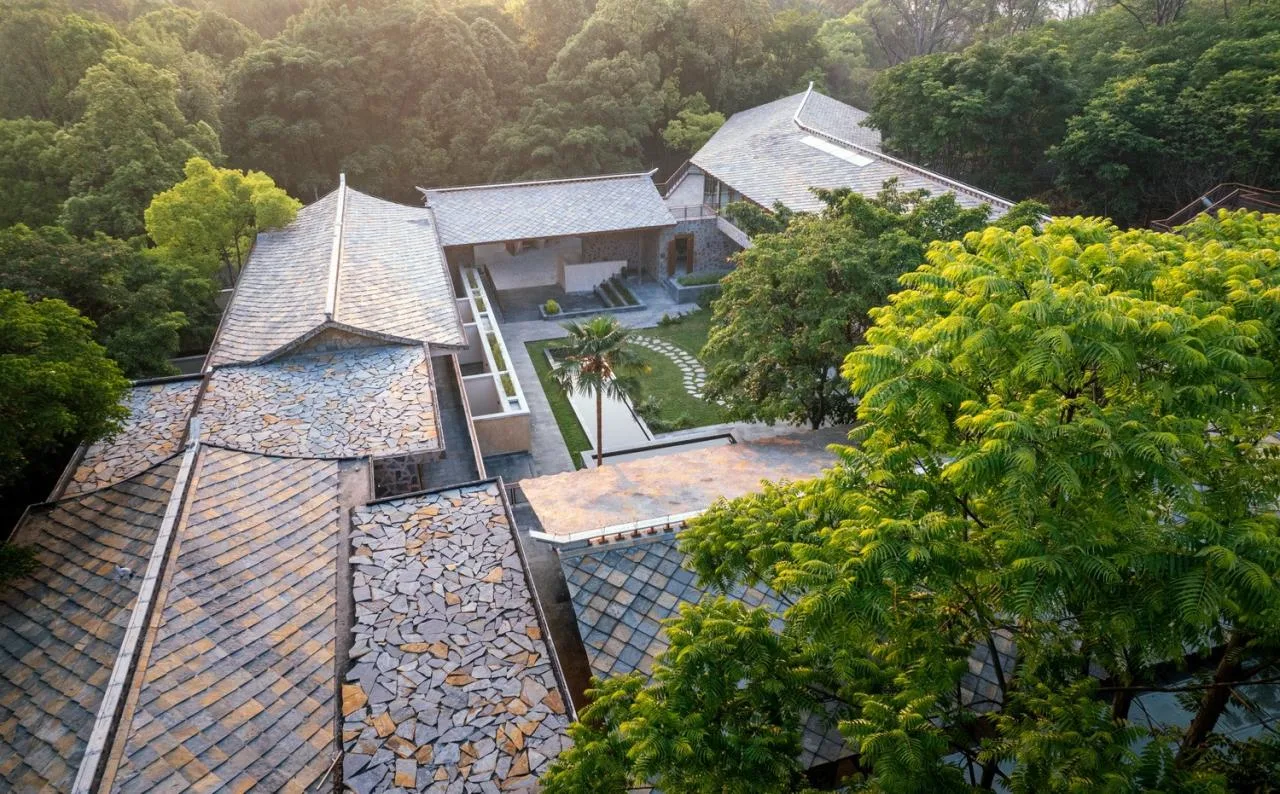
Continuous roofing
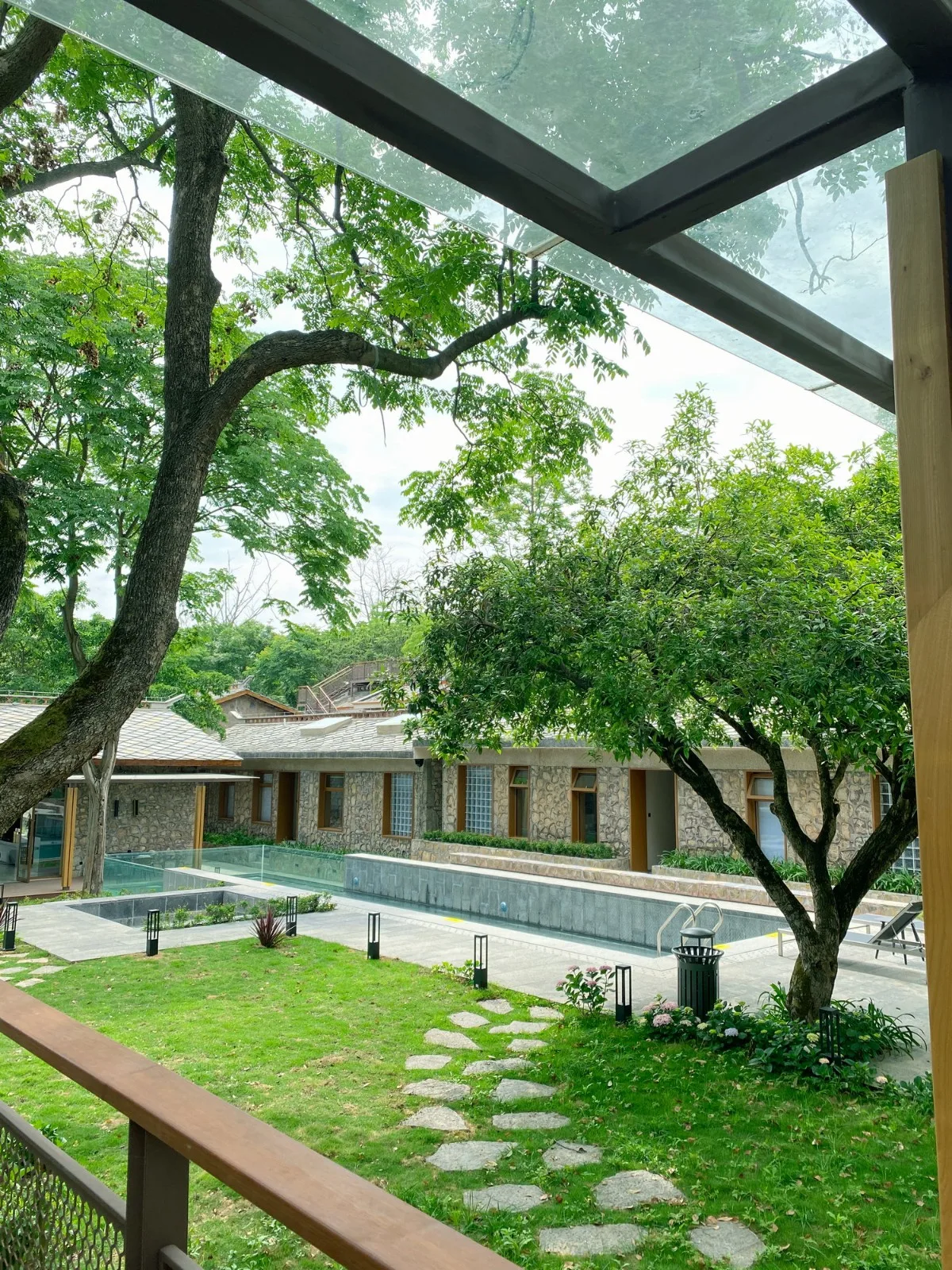
View of the courtyard from inside
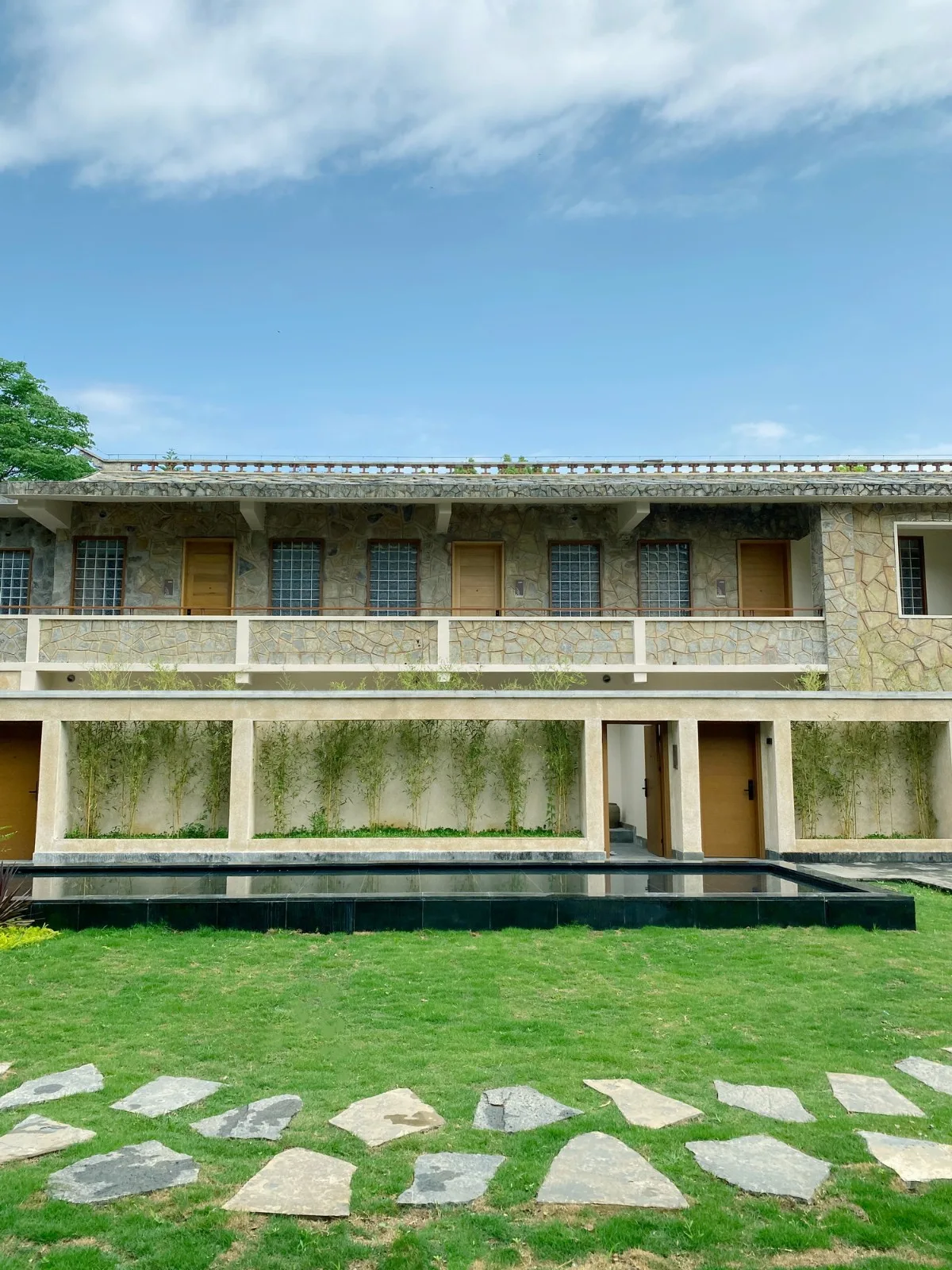
View of the facade from the courtyard
Like light in the dust, like the rolling of time
The hotel’s interior spaces are connected by courtyard pathways, with layouts designed to maximize views and the guest experience. For example, entering the reception hall, guests are greeted by the waterfall landscape in the front yard. Through large glass windows aligned on the central axis, one can see the scenic swimming pool courtyard at the rear, which complements the multifunctional conference room nearby. The self-service restaurant incorporates breathtaking mountain scenery, bringing nature into the dining experience, while outdoor terraces foster an intimate connection with the surroundings.
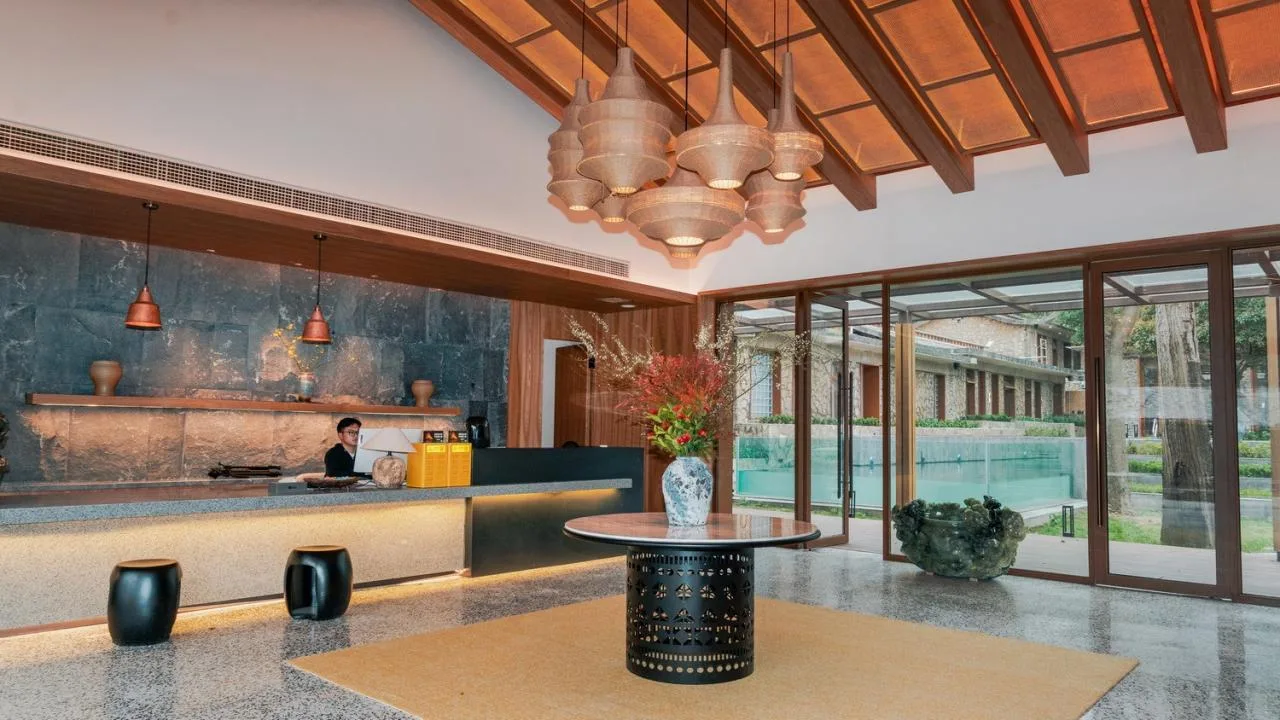
Reception Hall
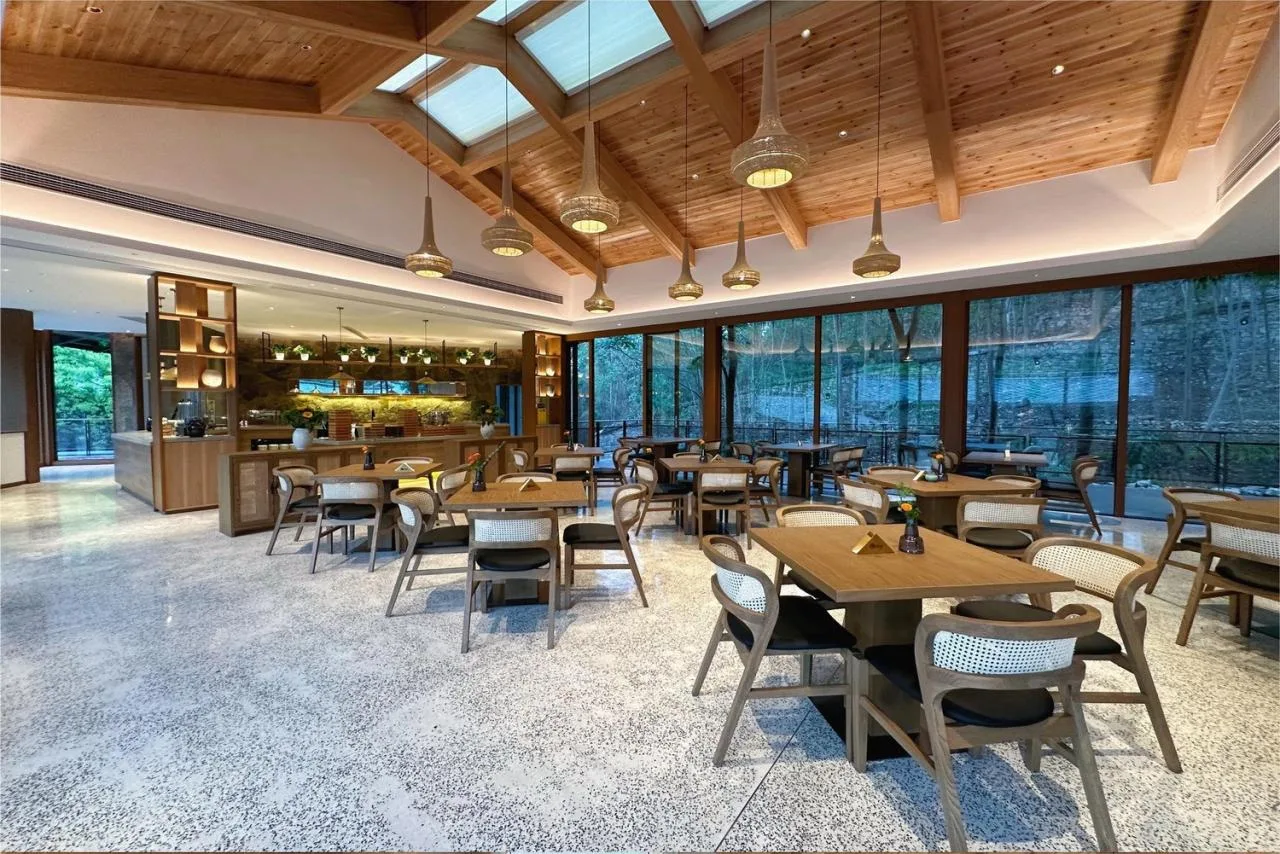
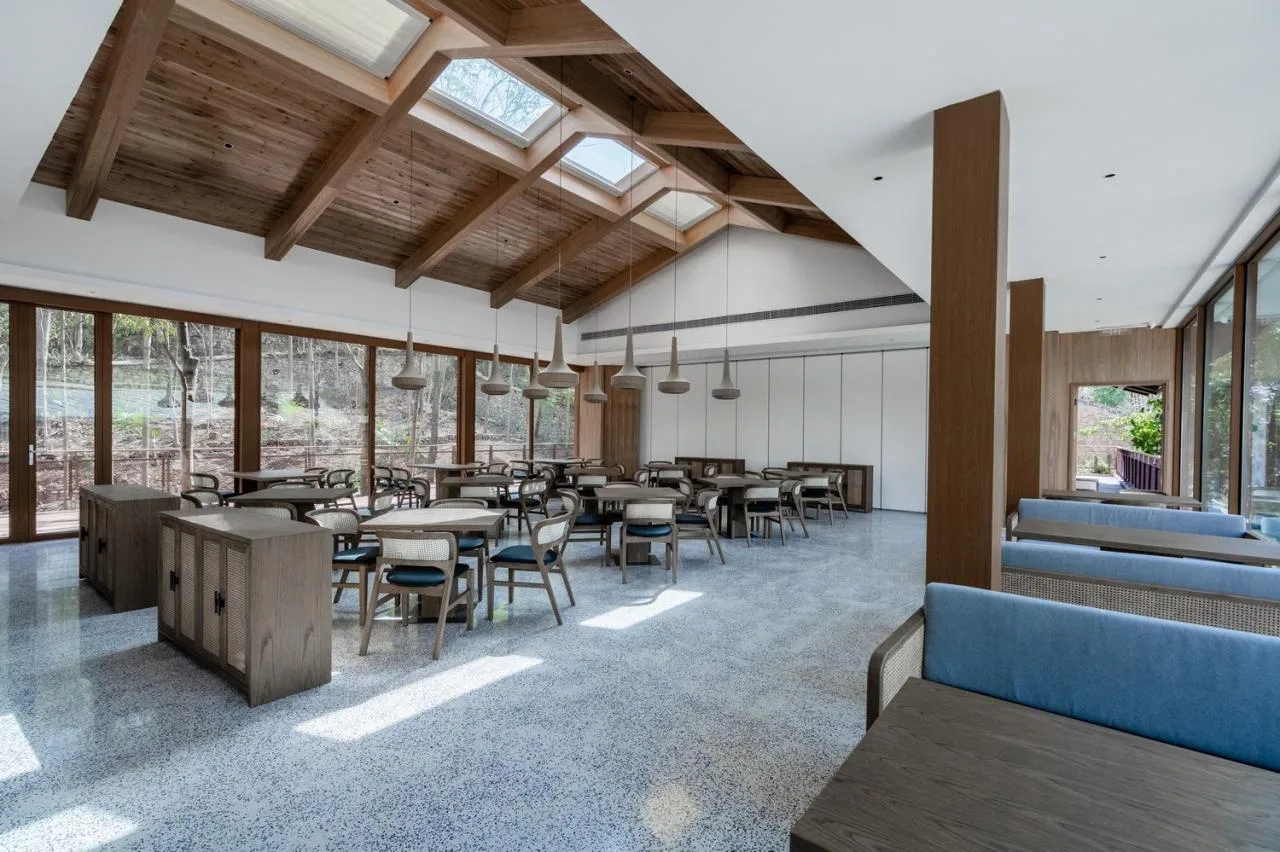
Restaurant
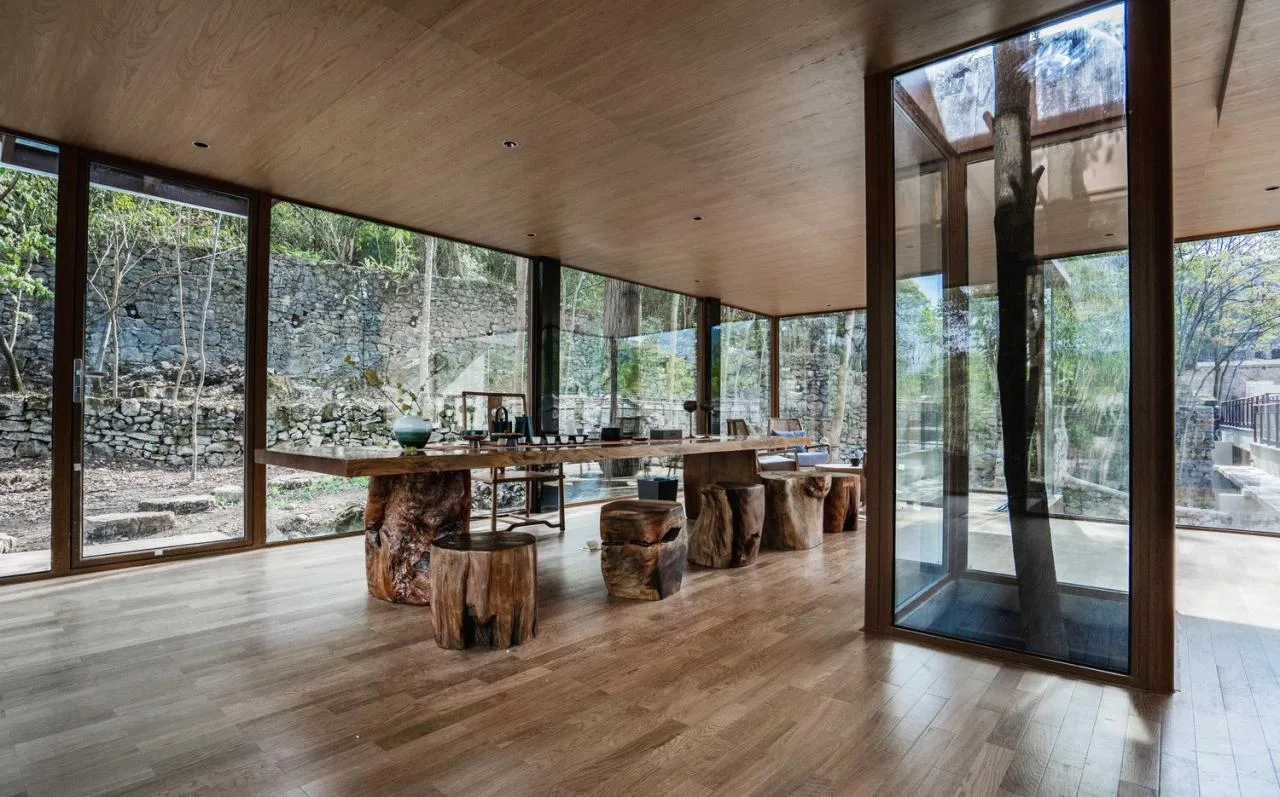
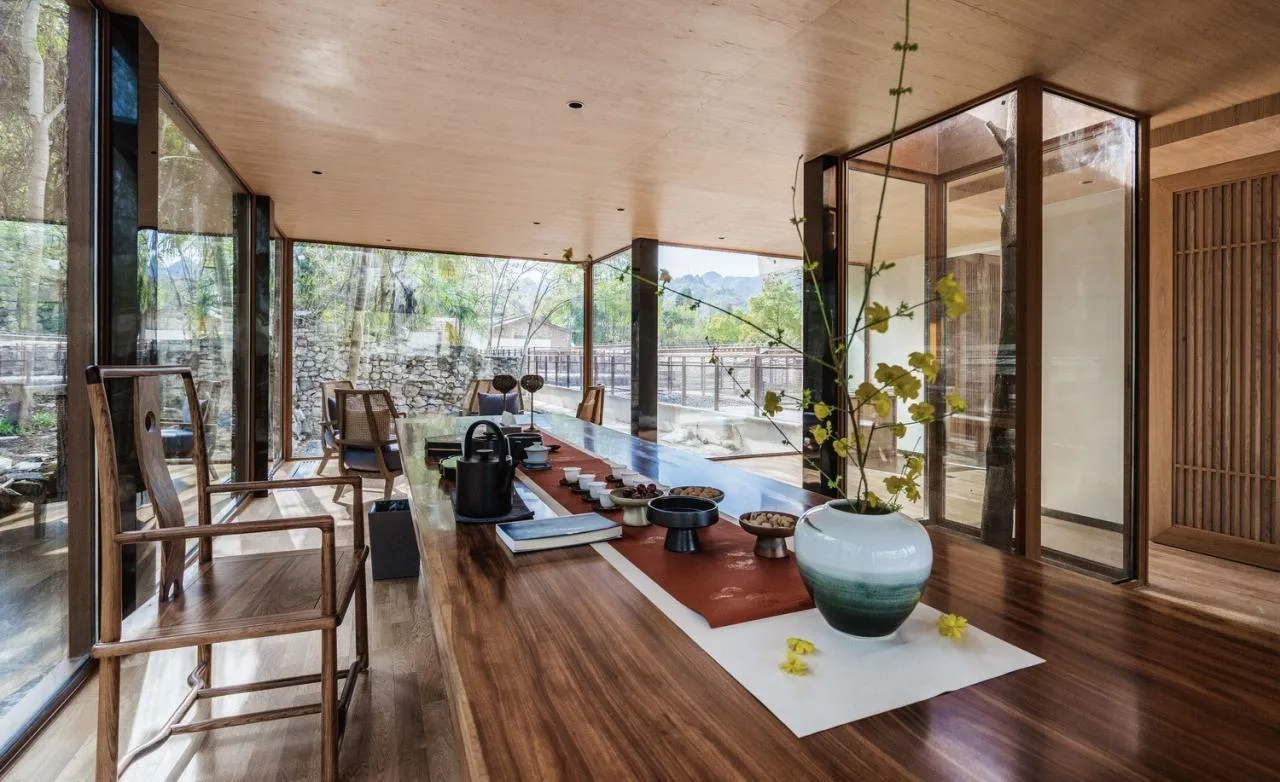
Tea Room
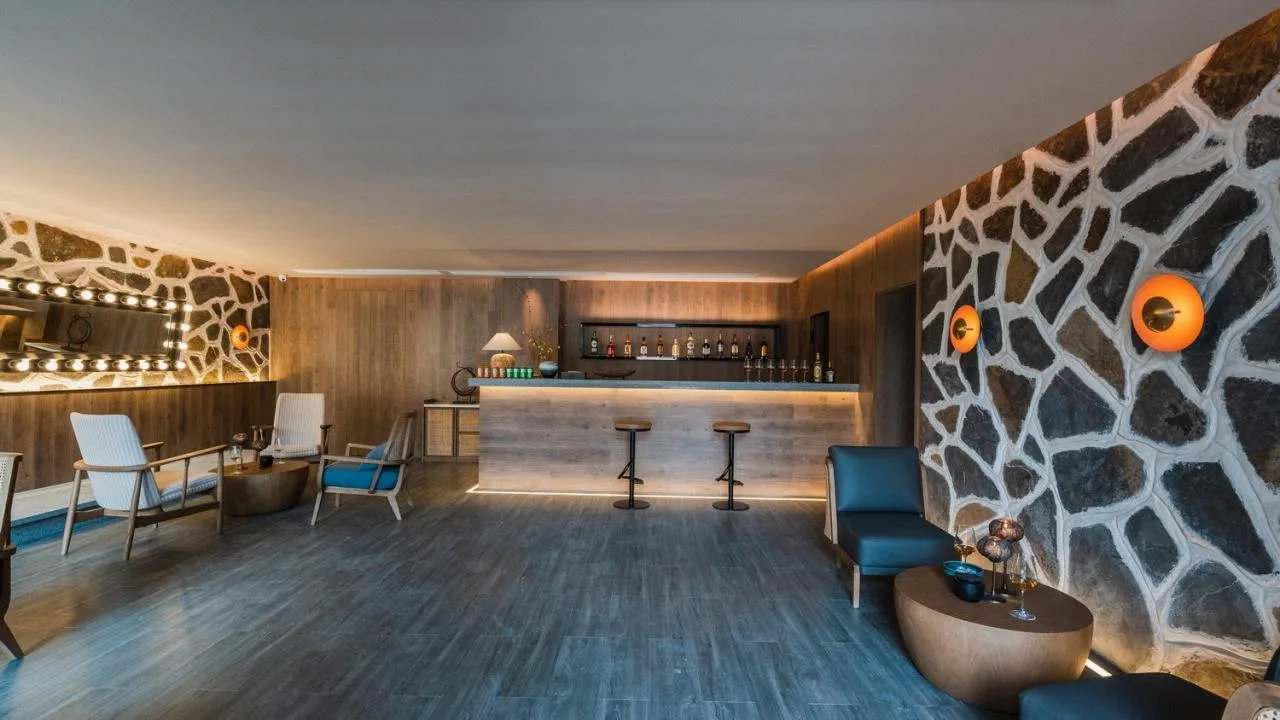
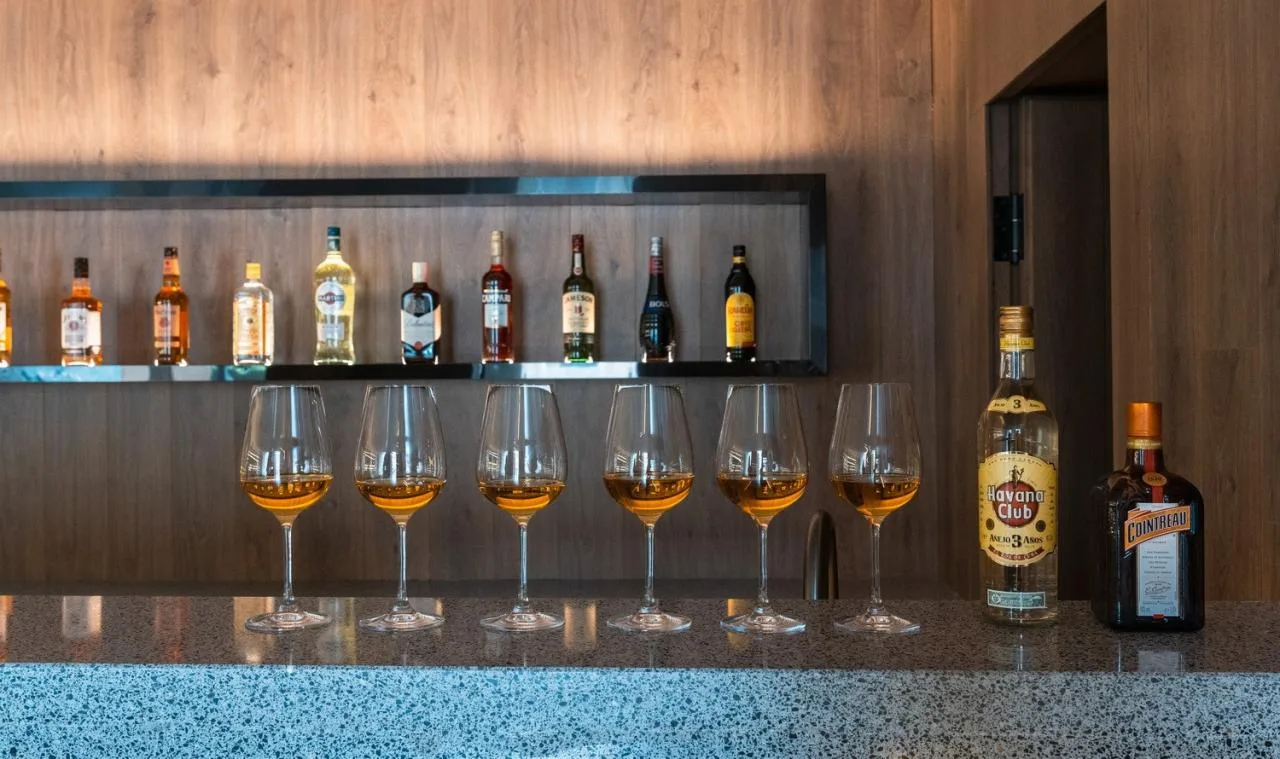
Bar
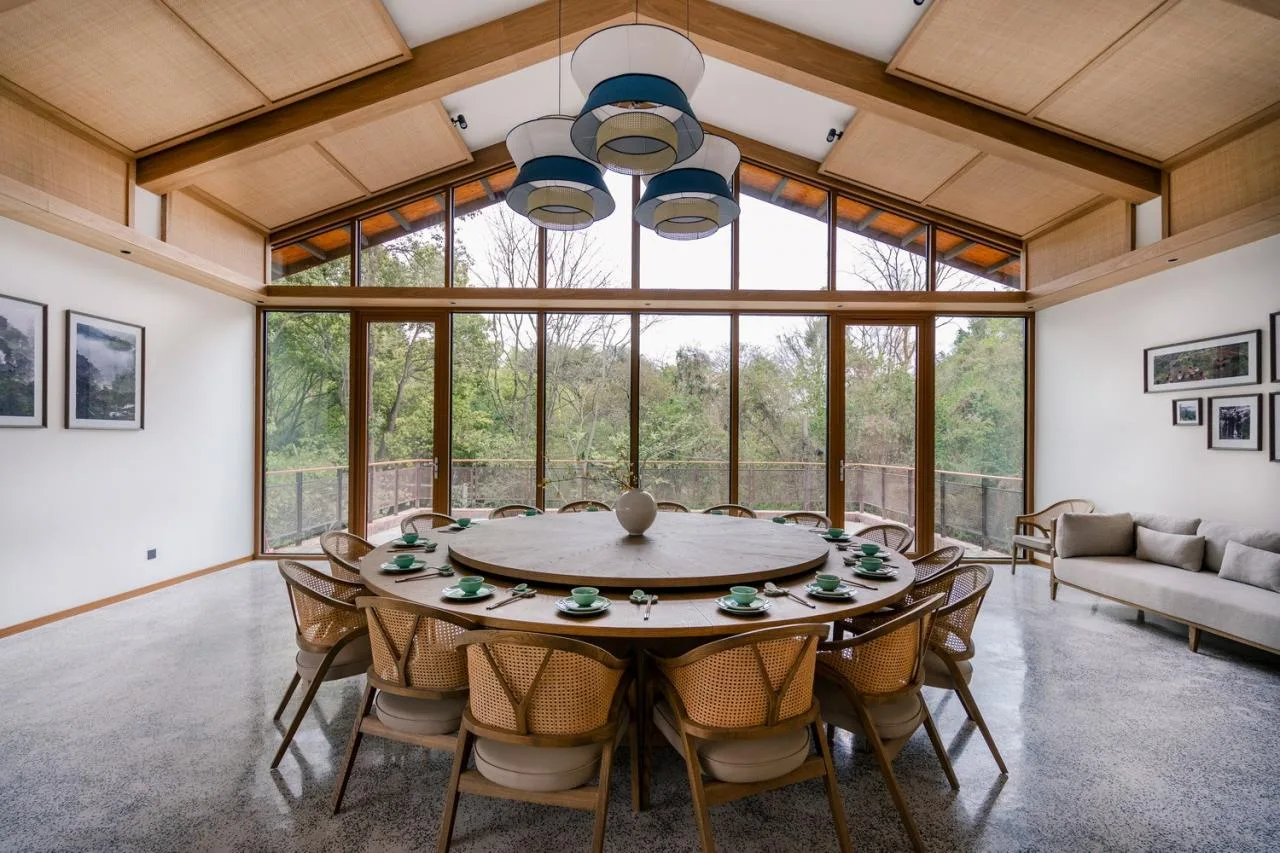
Private Room
The guest rooms are designed to highlight different external landscapes. For instance, the luxury rooms located on the south side of the quadrangle courtyard offer close-up views of the tranquil, rugged mountain and rock formations through large windows.
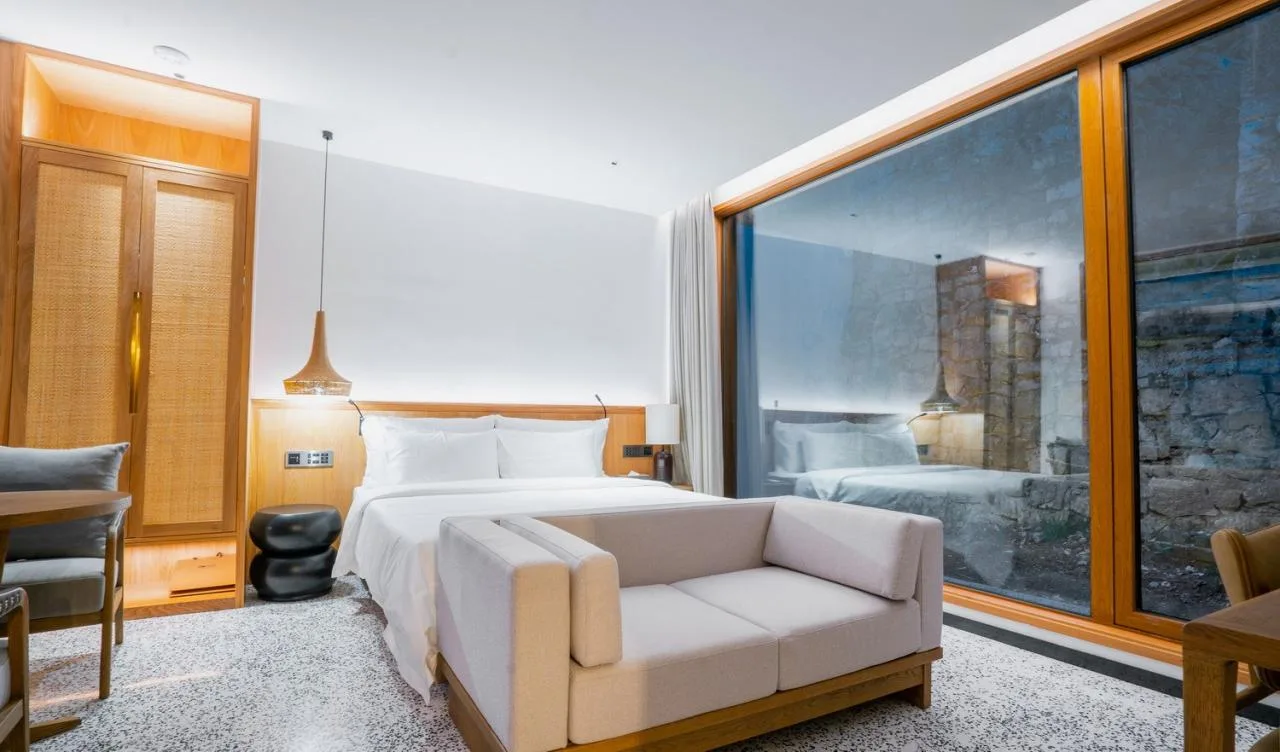
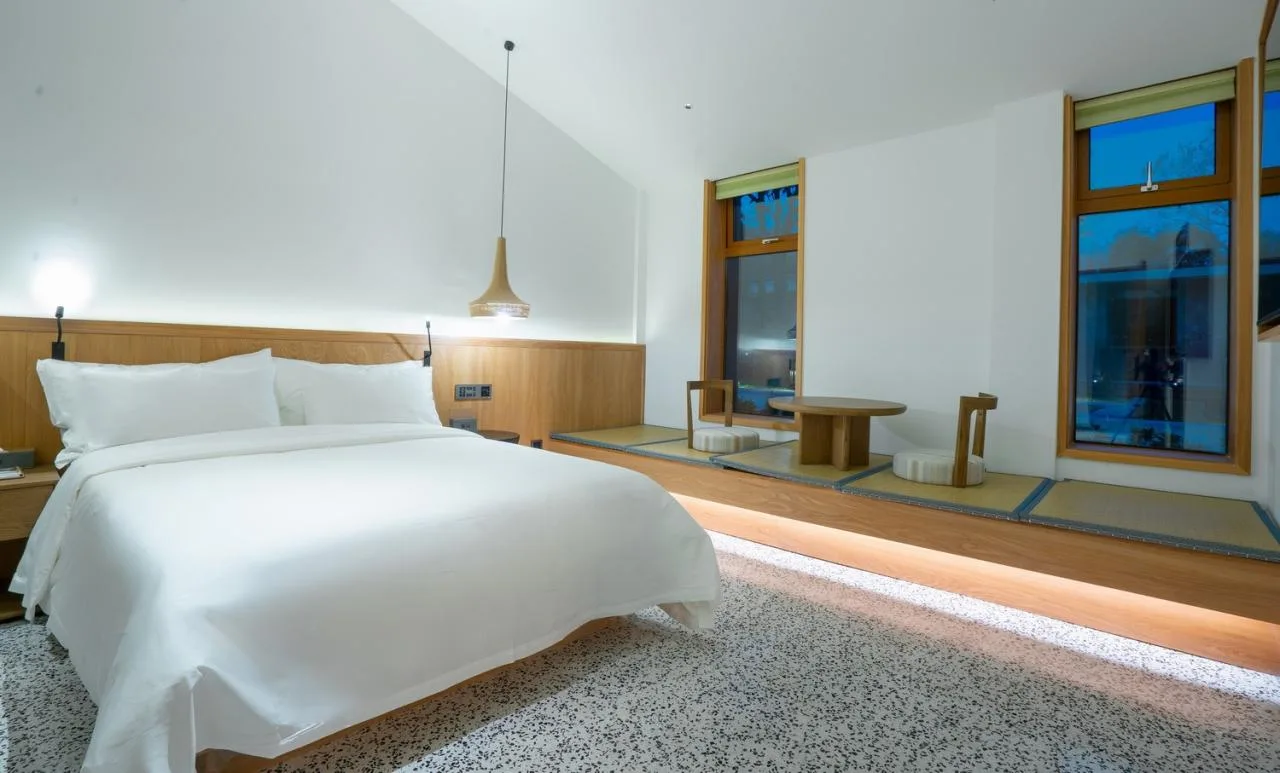
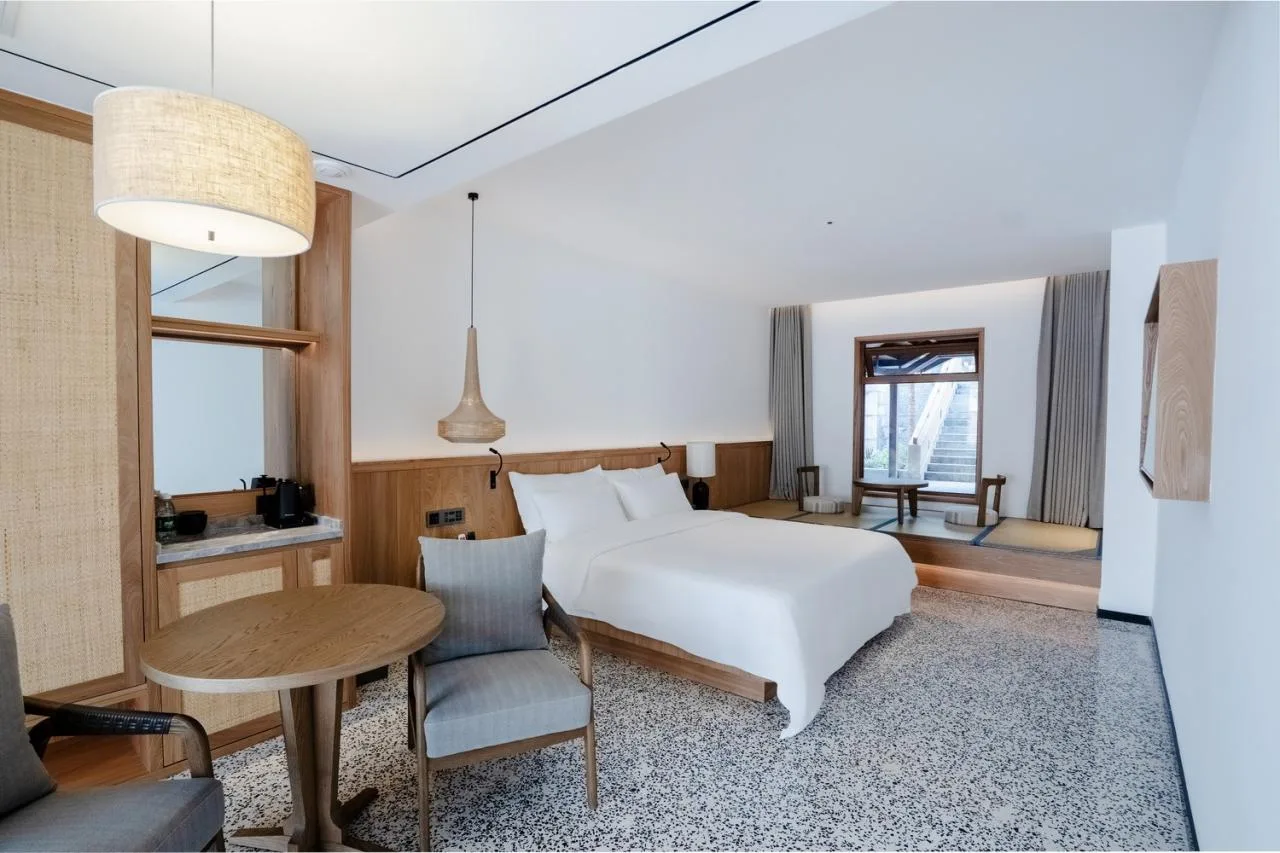
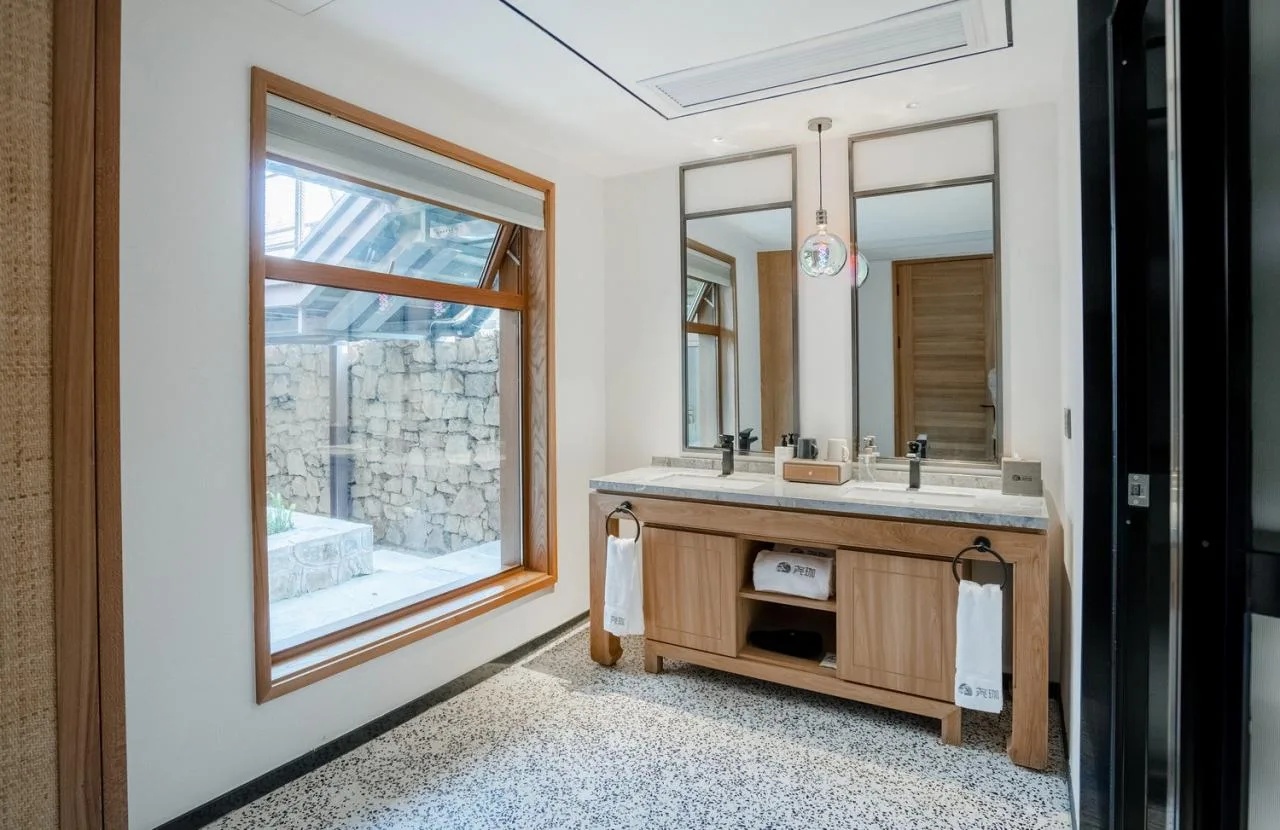
Guest Room
Rooms adjacent to the Bailian Hotel on the north side feature private views of the hot spring courtyard.
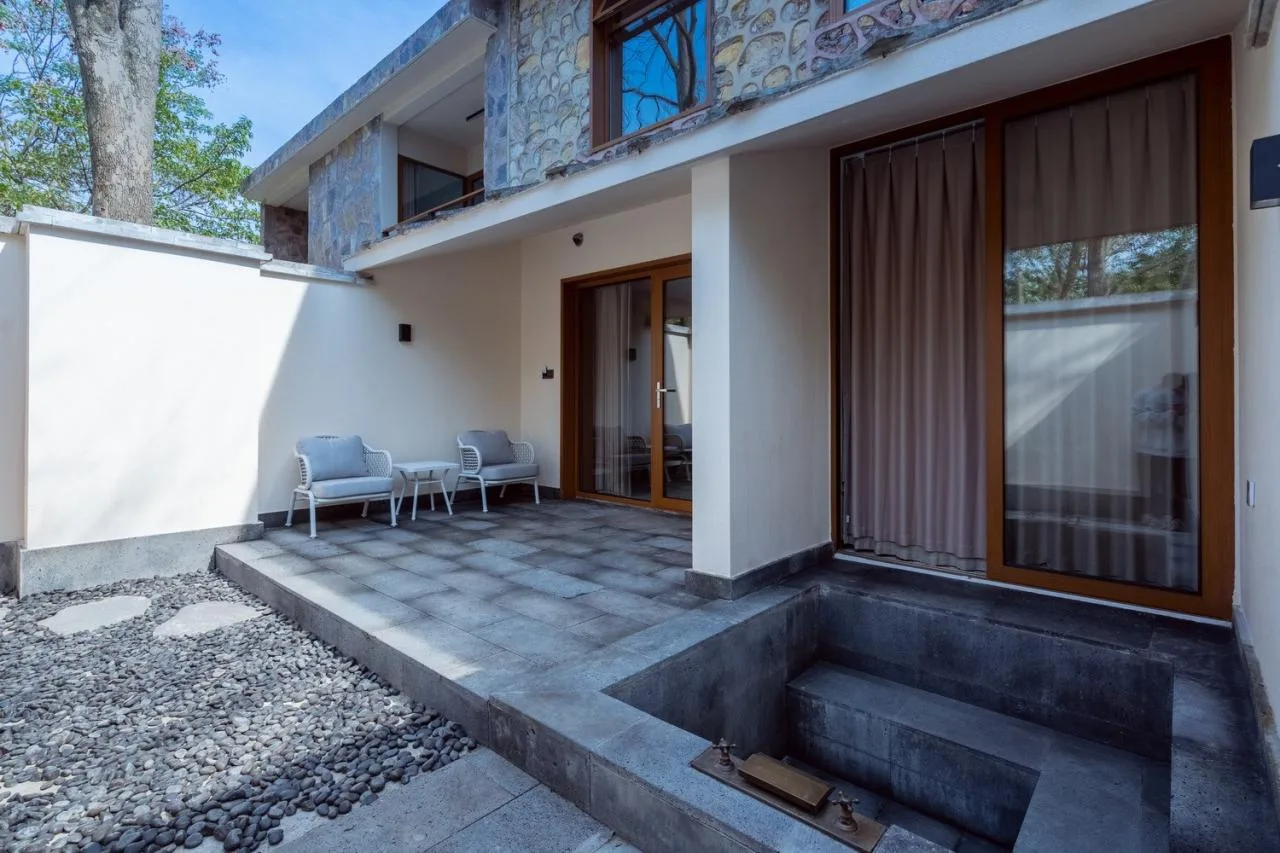
Hot Spring Courtyard
The interior design emphasizes natural, flat materials such as natural stone slabs and terrazzo, ensuring harmony with the architectural language. Rich cultural elements are incorporated through local Buyi handicrafts, including bamboo weaving, dyeing, pottery, and copperware.
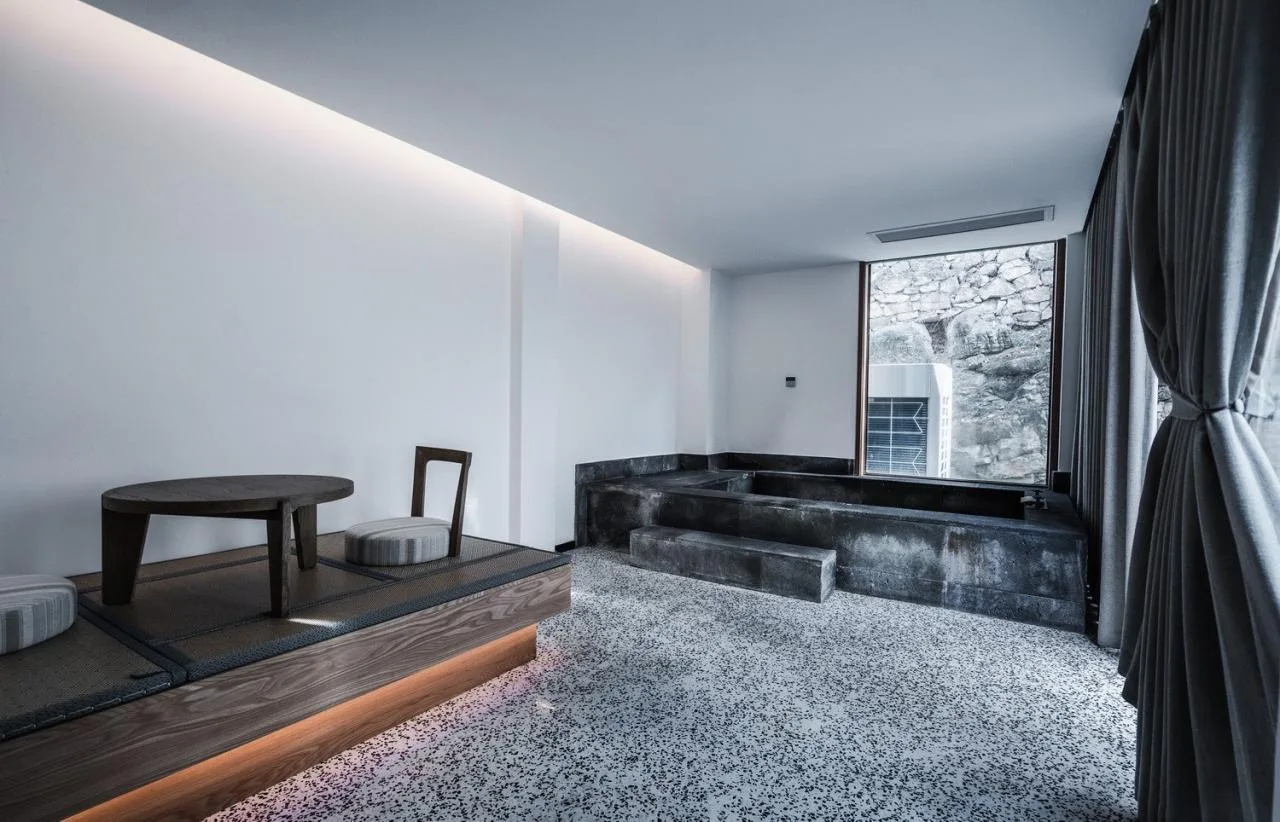
Terrazzo flooring
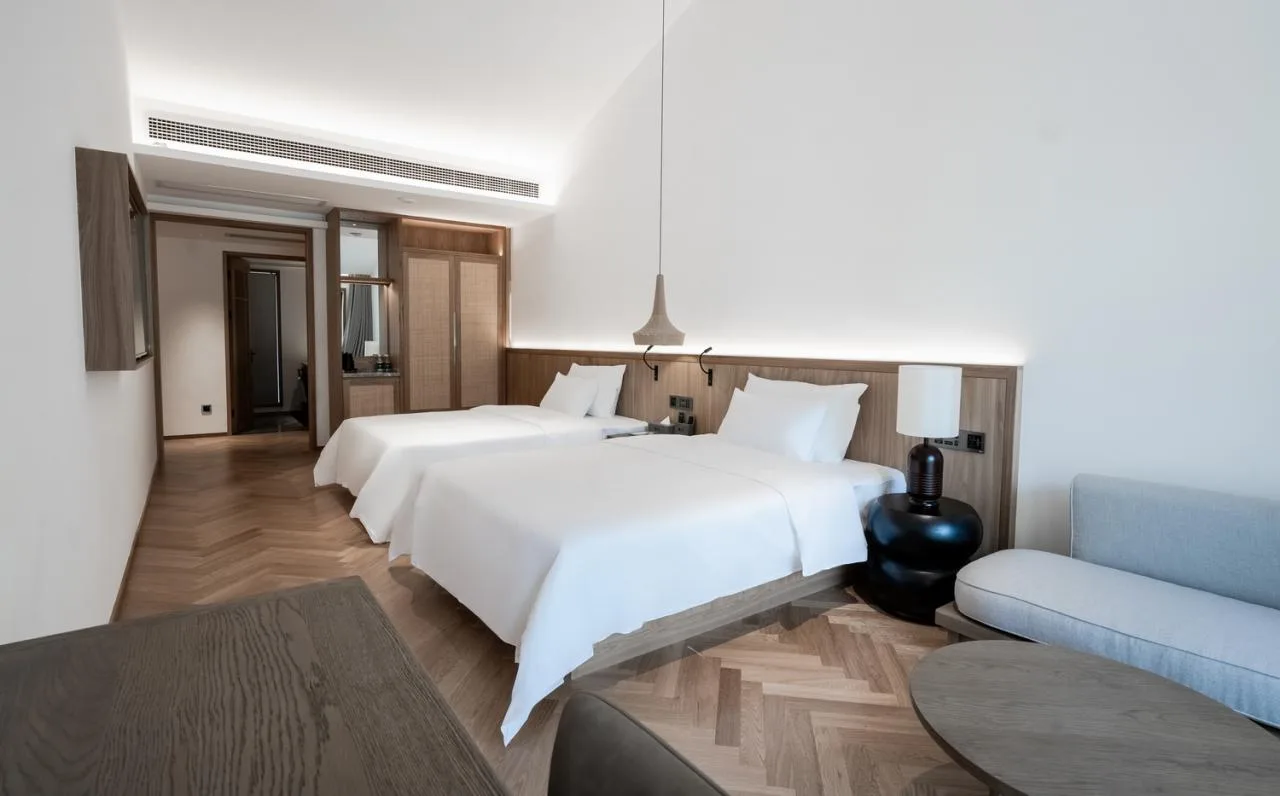
Weaving texture in the flooring
Mountain wilderness, human dreams
The architectural complex preserves the original living “imprint” and natural character of the village. The landscape design prioritizes the functional needs of the resort hotel, unfolding progressively from the “mountain gate” to the artificial waterfall front yard, and then to the swimming pool leisure inner courtyard, all accessed from the scenic area avenue. This sequence offers guests a seamless and immersive experience connecting them with the hotel’s natural environment.
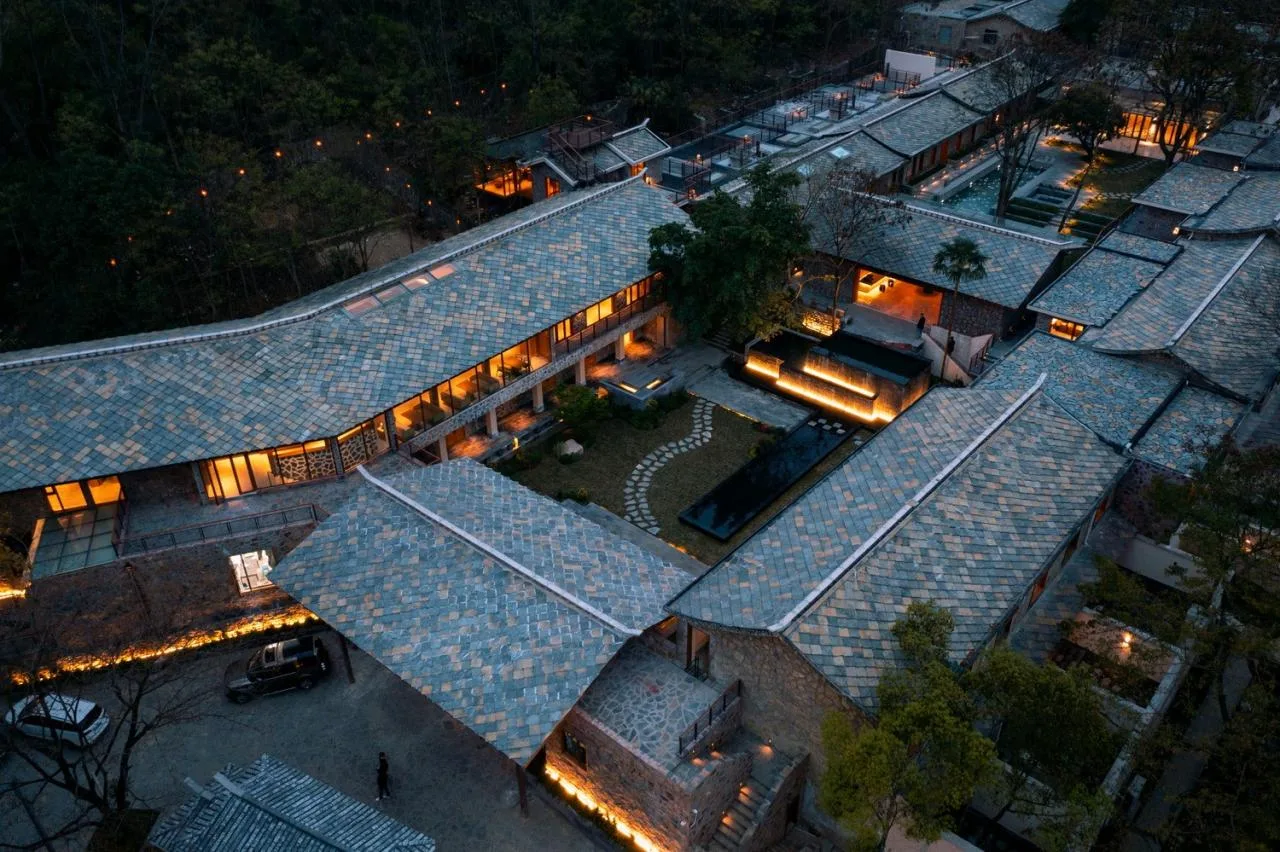
Overlooking the night view at the mountain gate
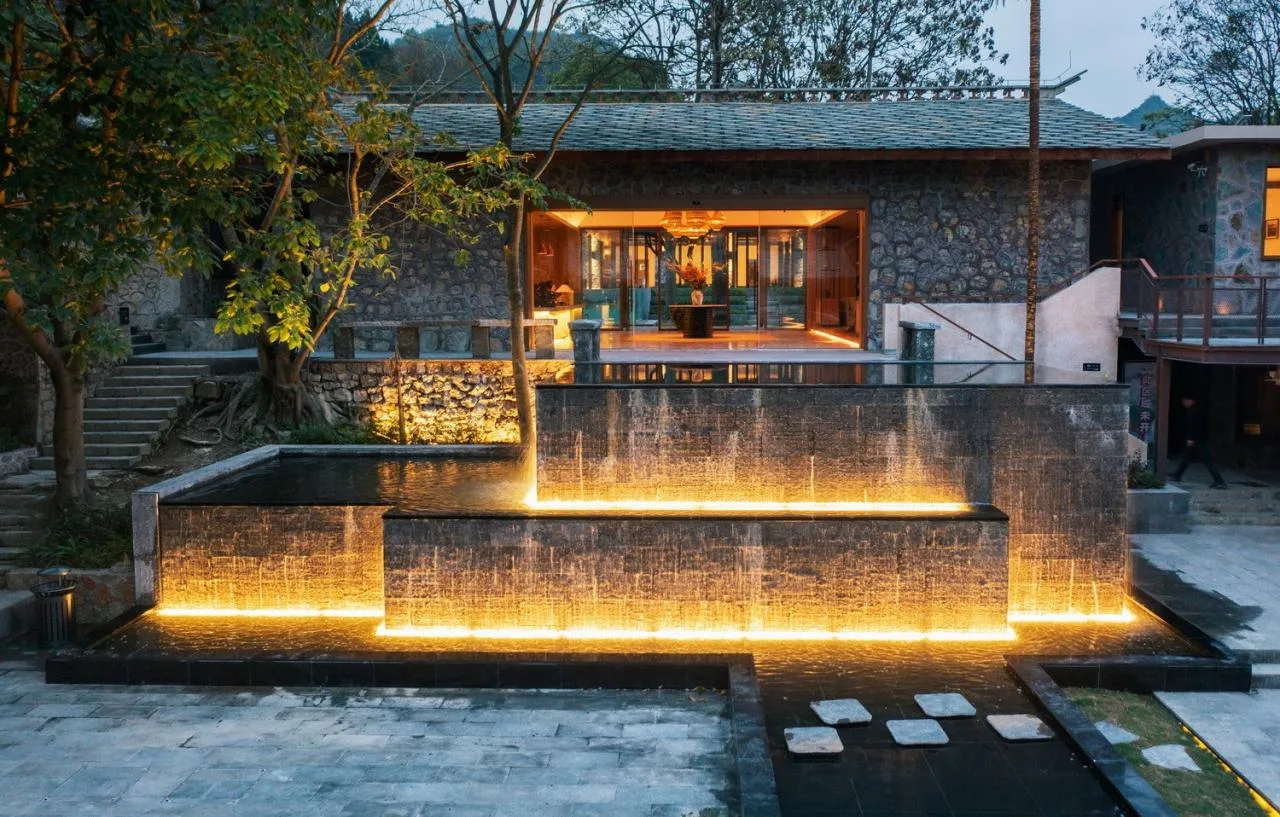
Artificial Waterfall
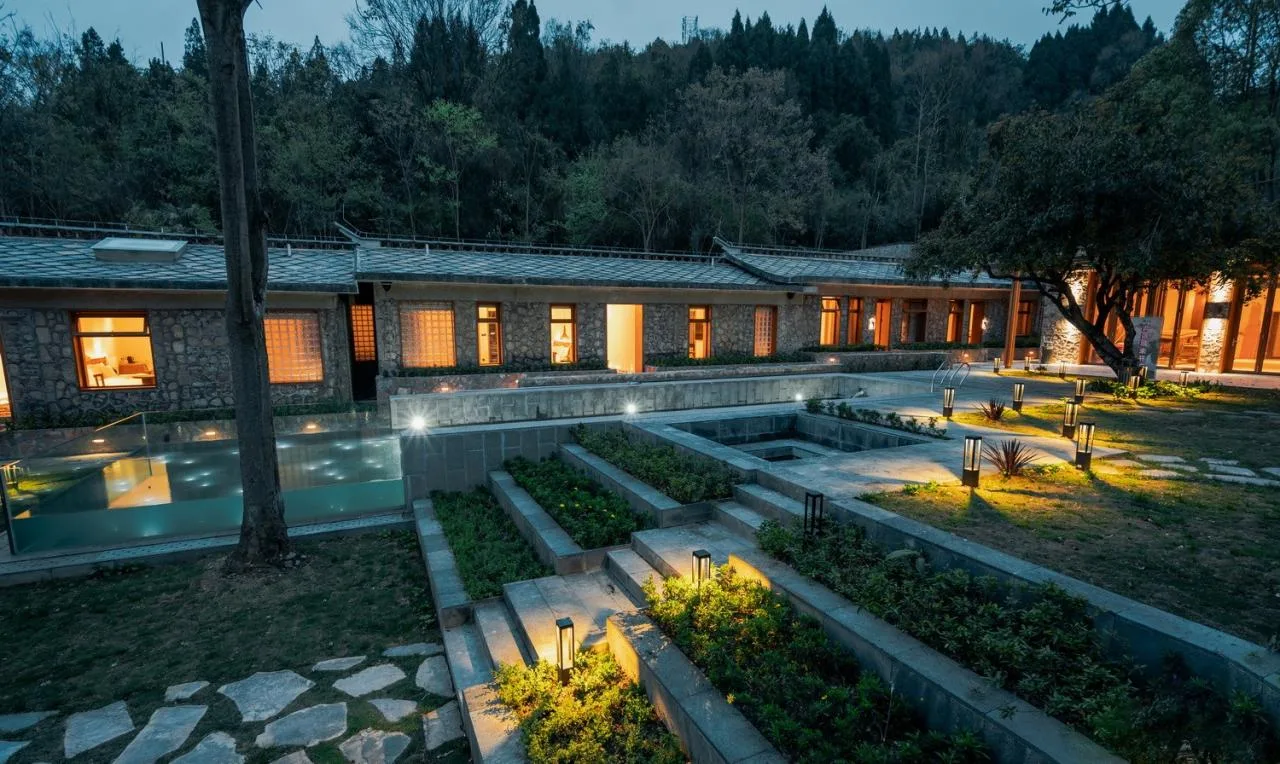
Leisure Courtyard
From a high vantage point, the local natural stone slab roofs and towering native trees stand out as defining features of the hotel. The ground landscape continues this theme, emphasizing the extension of indoor functions into the courtyards. Water features, flower paths, terraces, and lighting are thoughtfully integrated to enhance guest experiences while highlighting seasonal changes in vegetation.
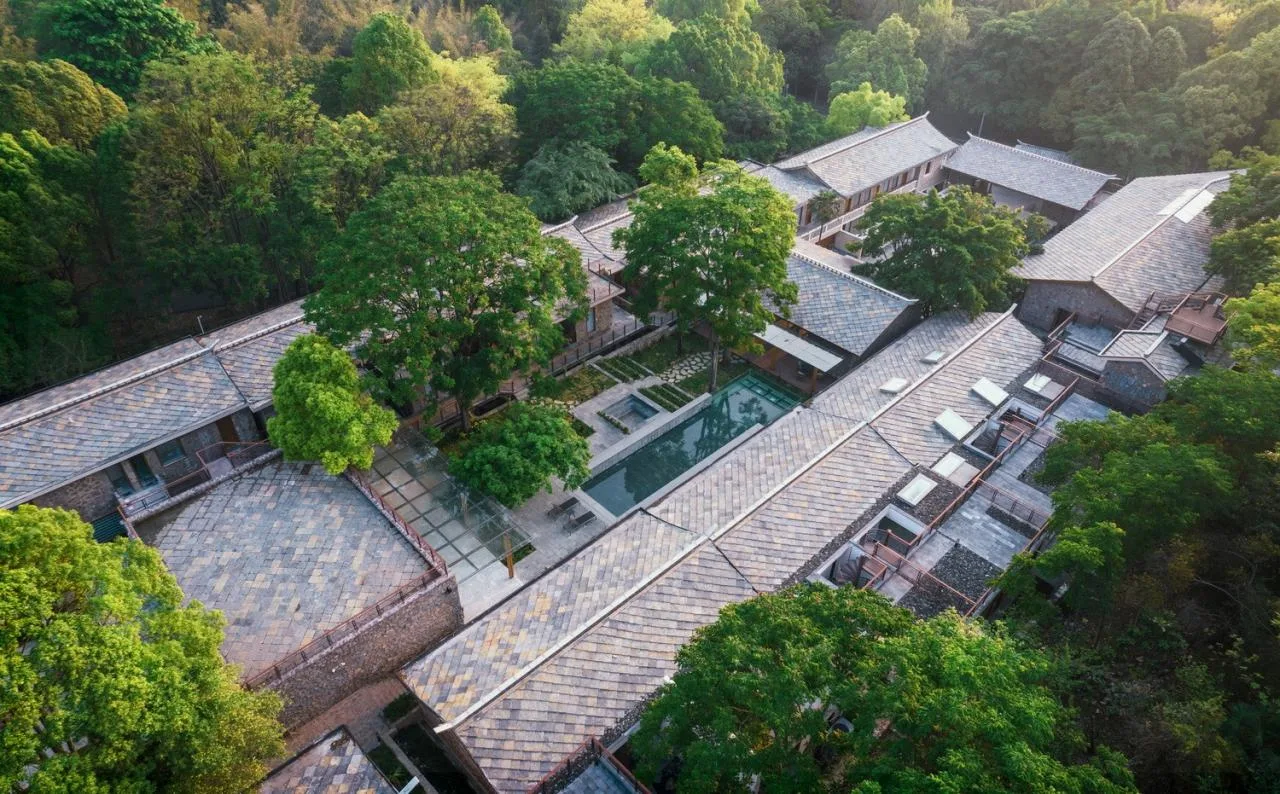
Waterfall Village at high altitude
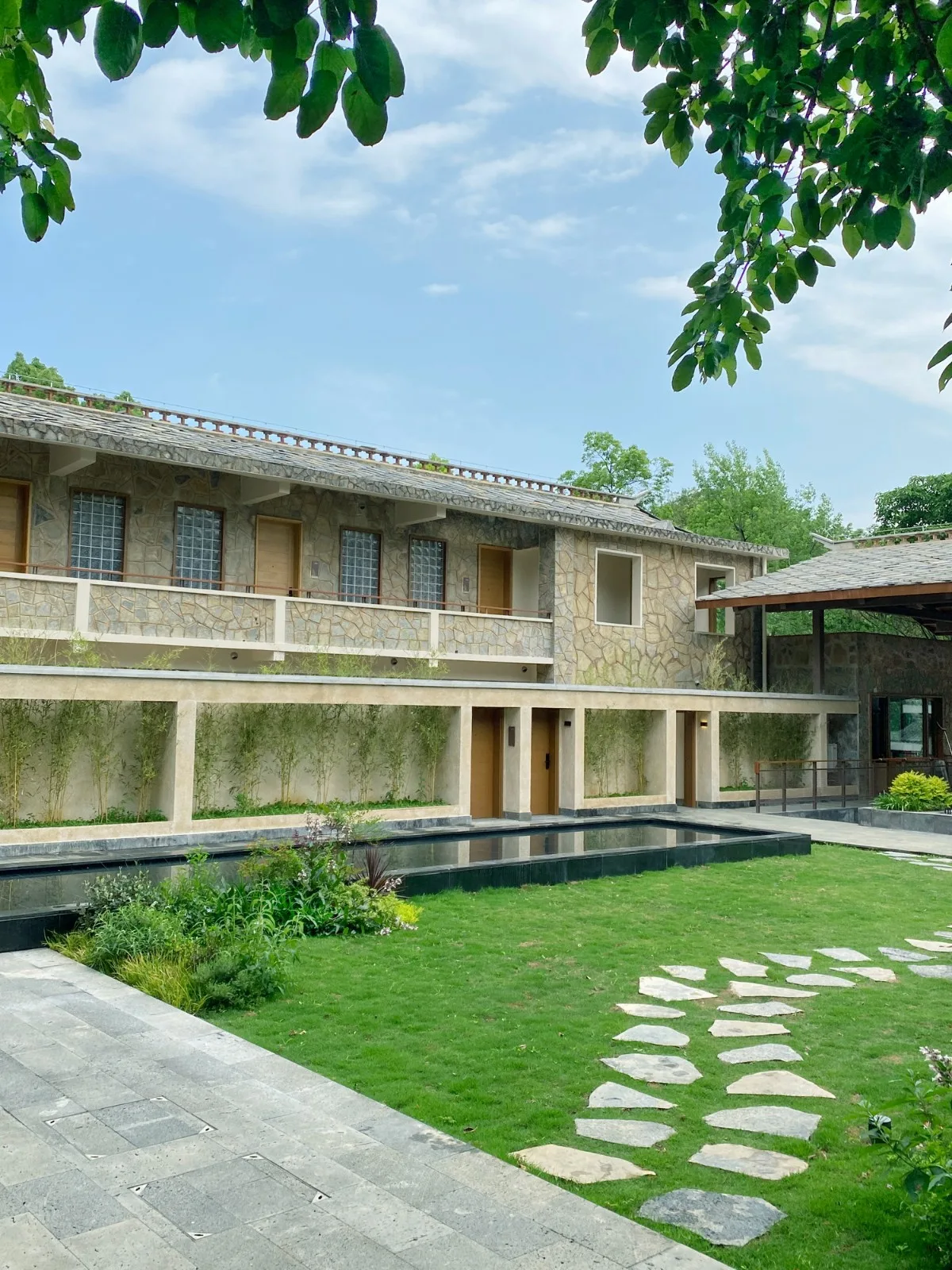
A corner of the leisure courtyard
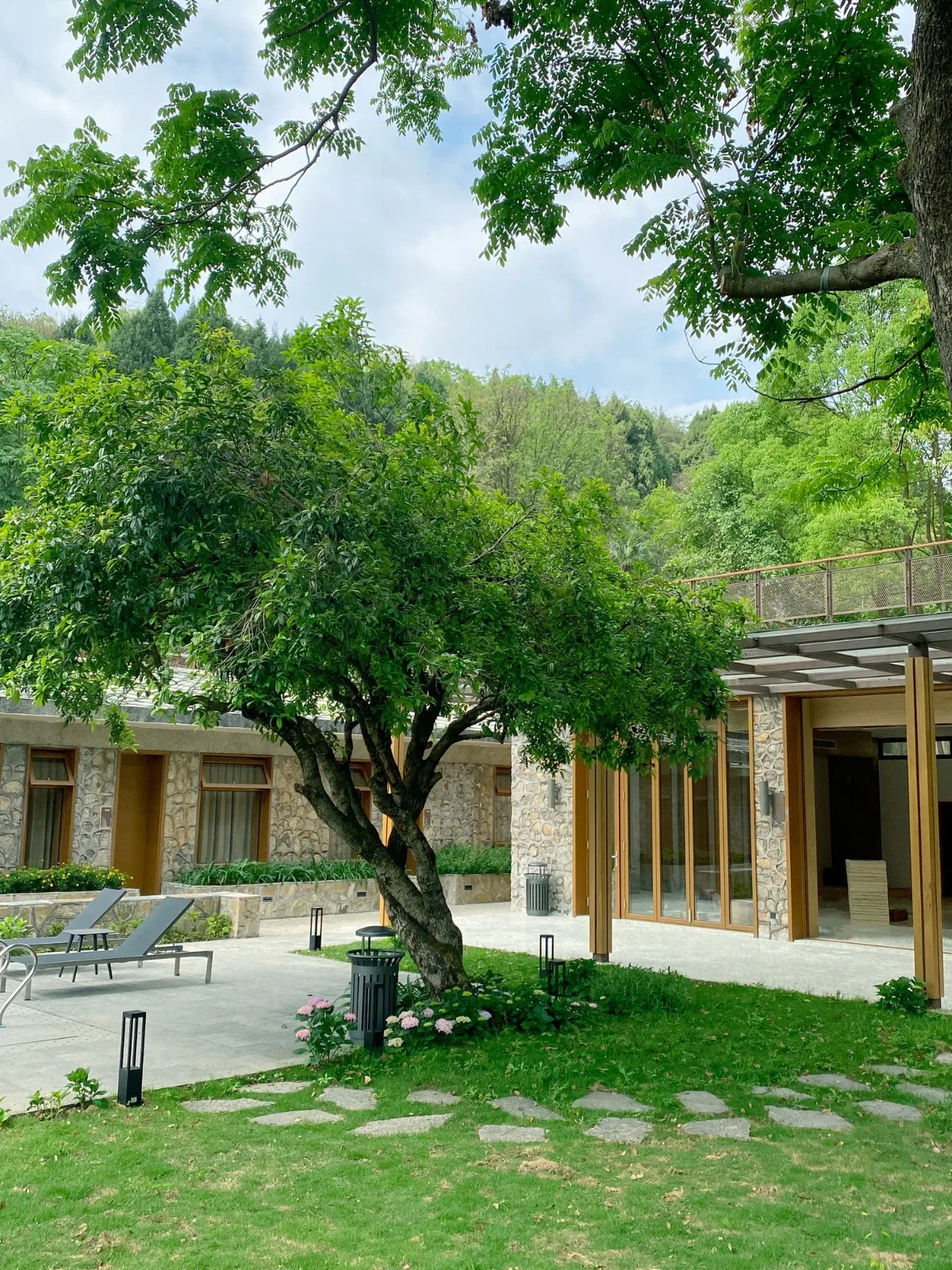
Retained ancient trees
Some luxury rooms feature private hot spring-view courtyards and sky gardens, offering guests a secluded and comfortable wild luxury retreat.
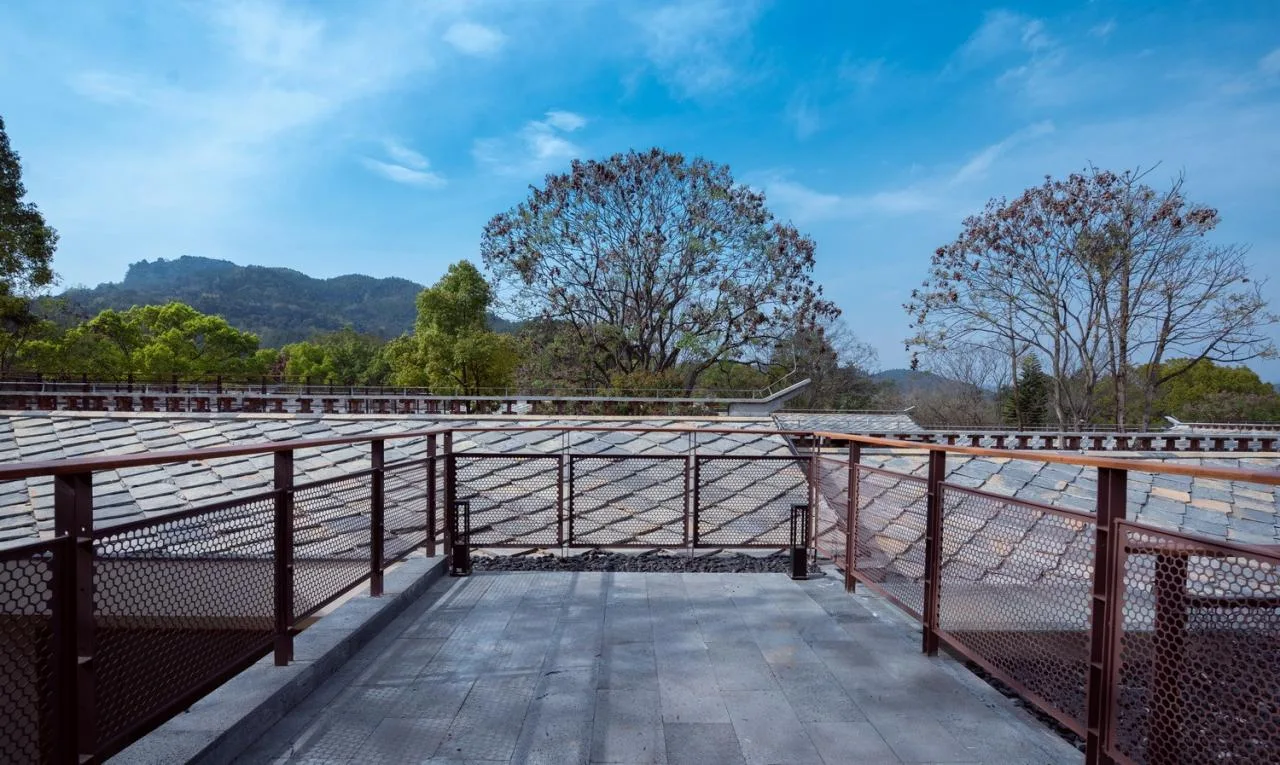
Sky Garden
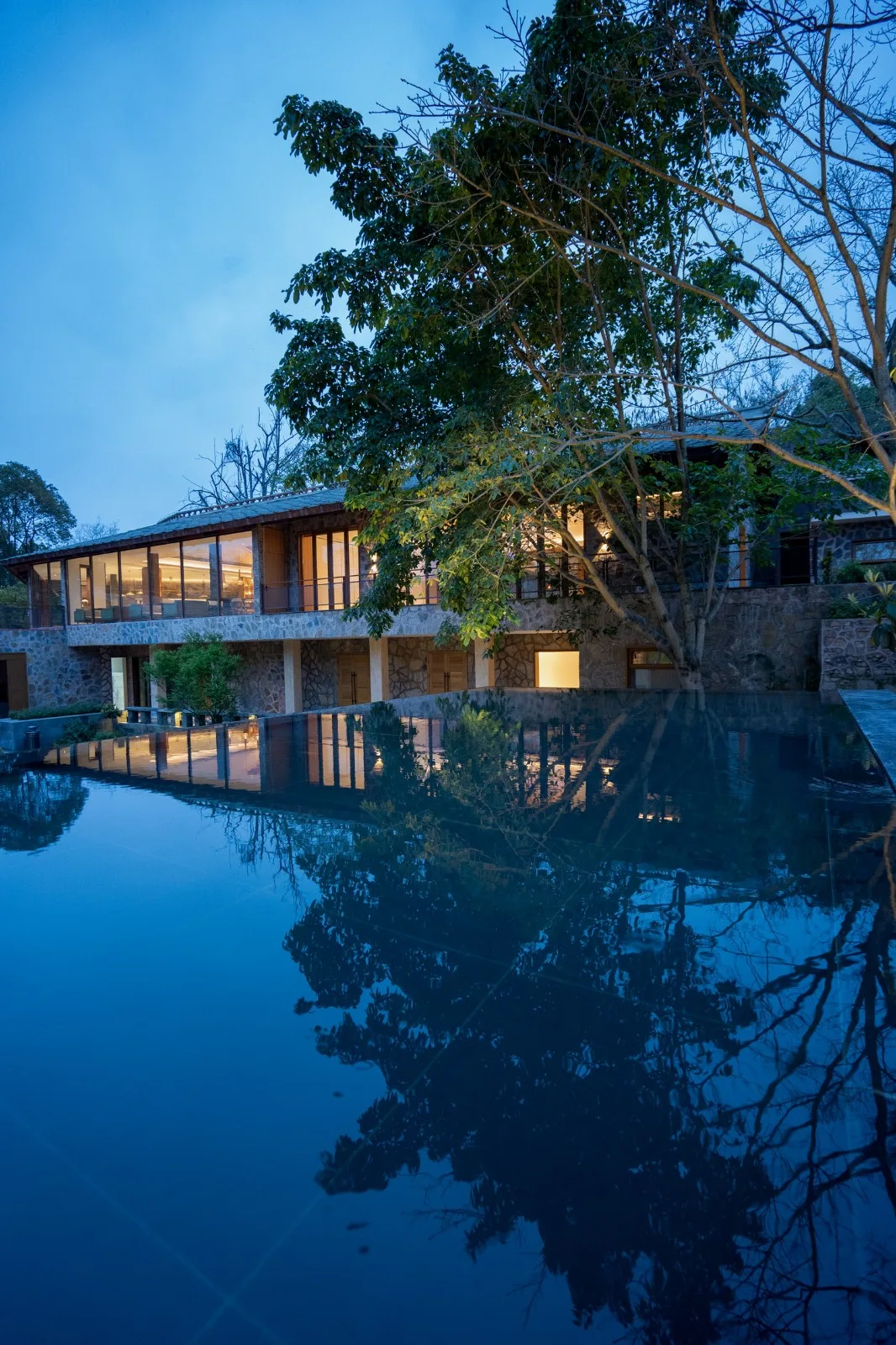
Waterfall landscape outside guest room
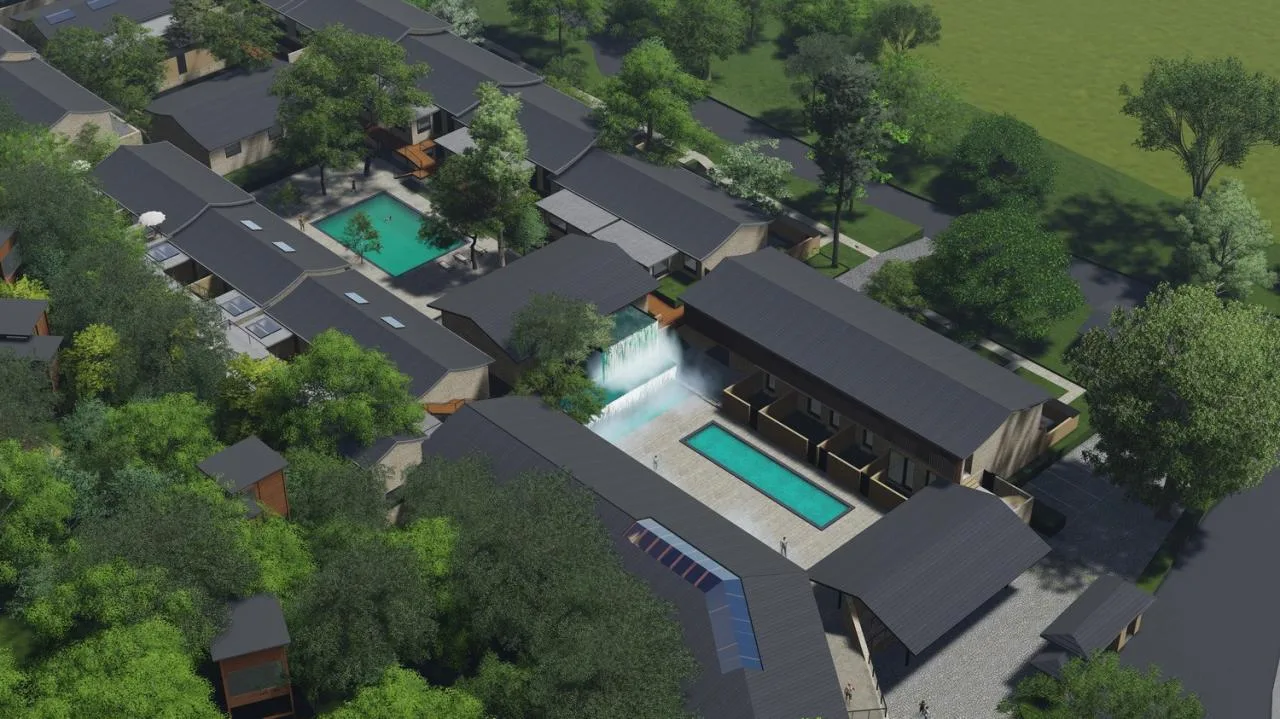
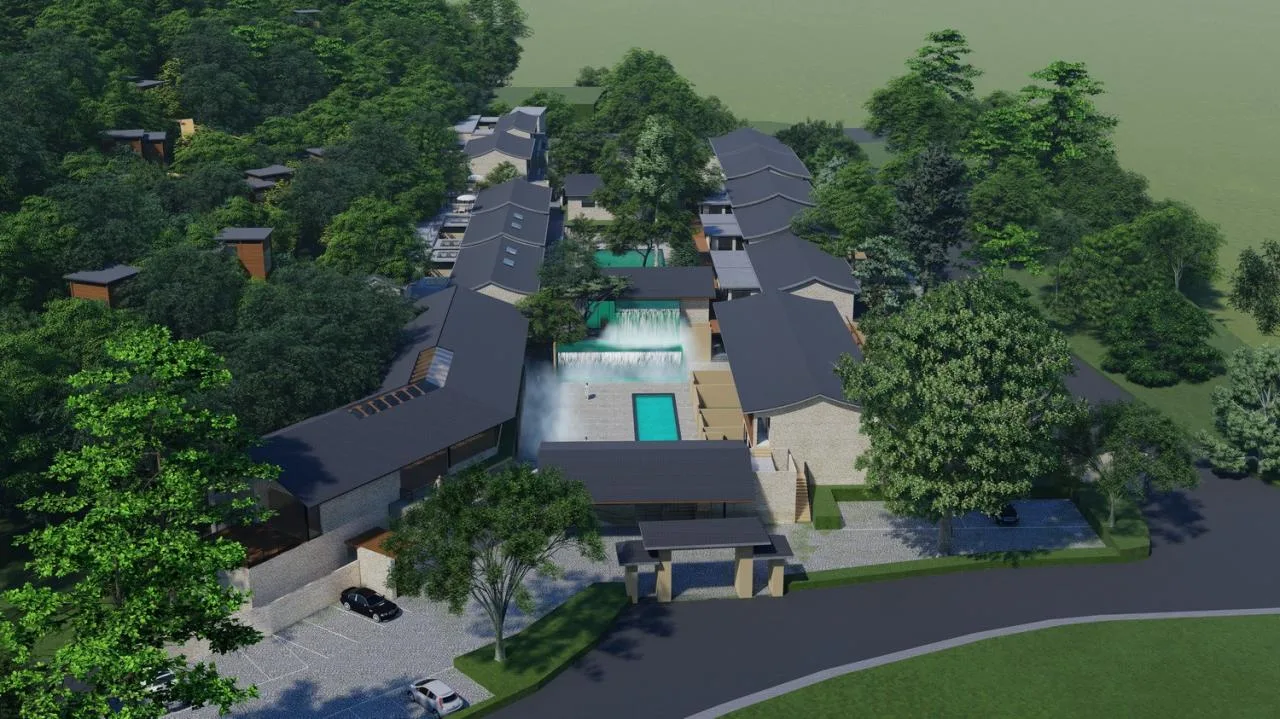
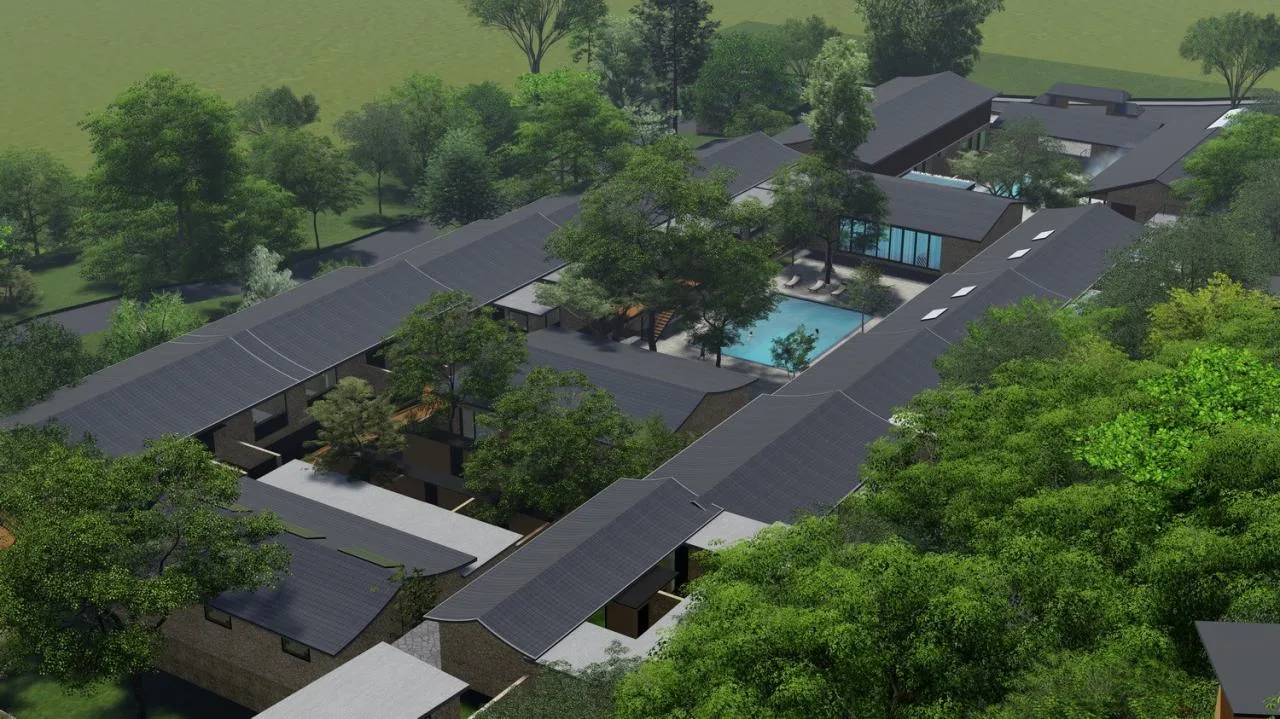
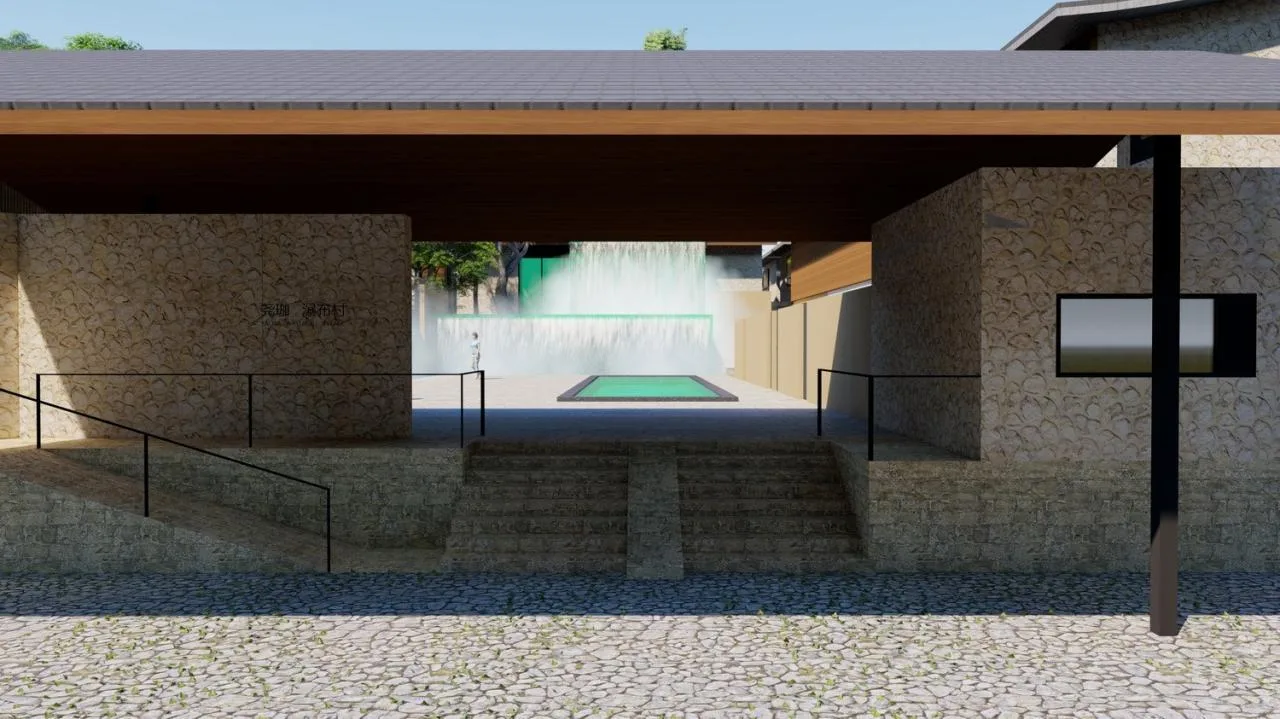
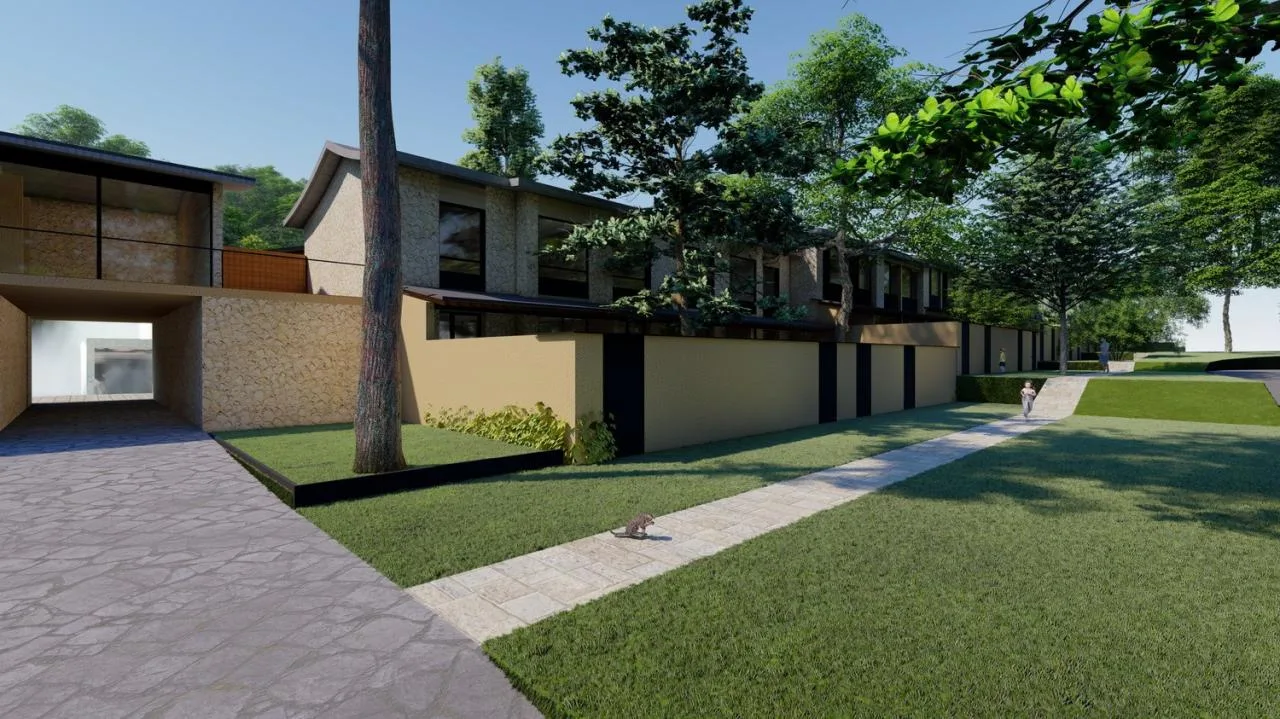
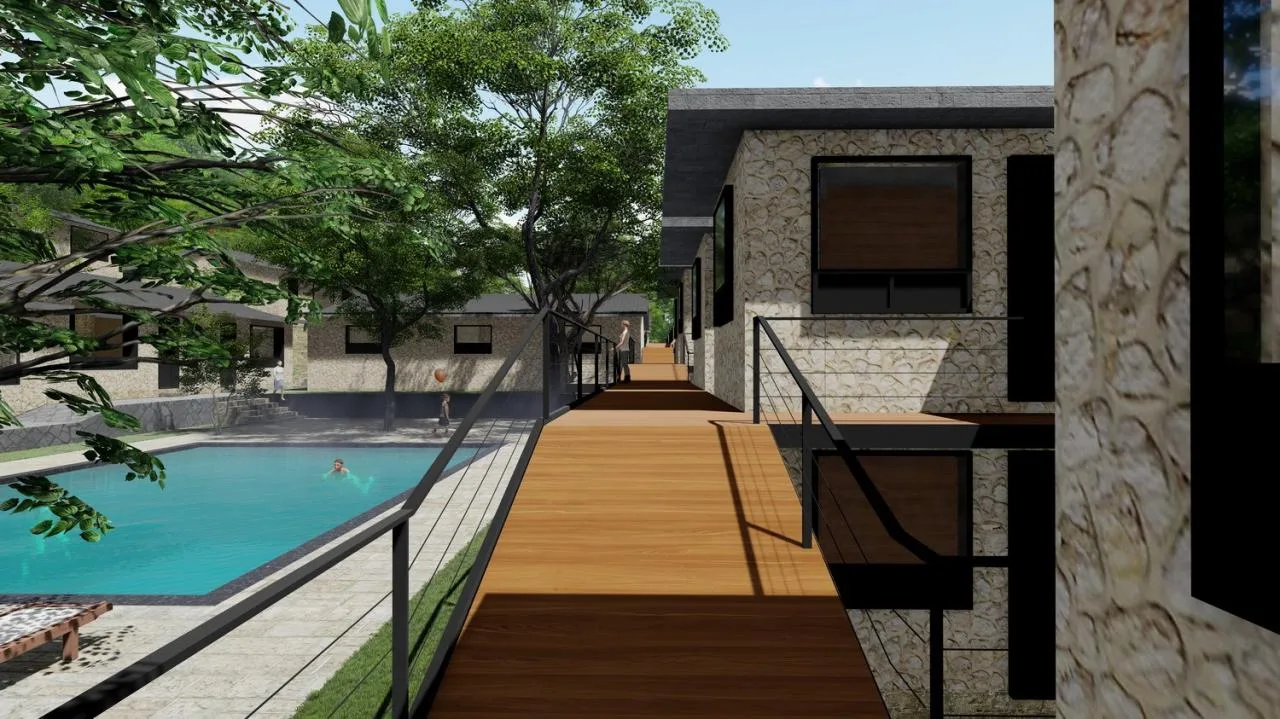
Project digital model
Project Drawings
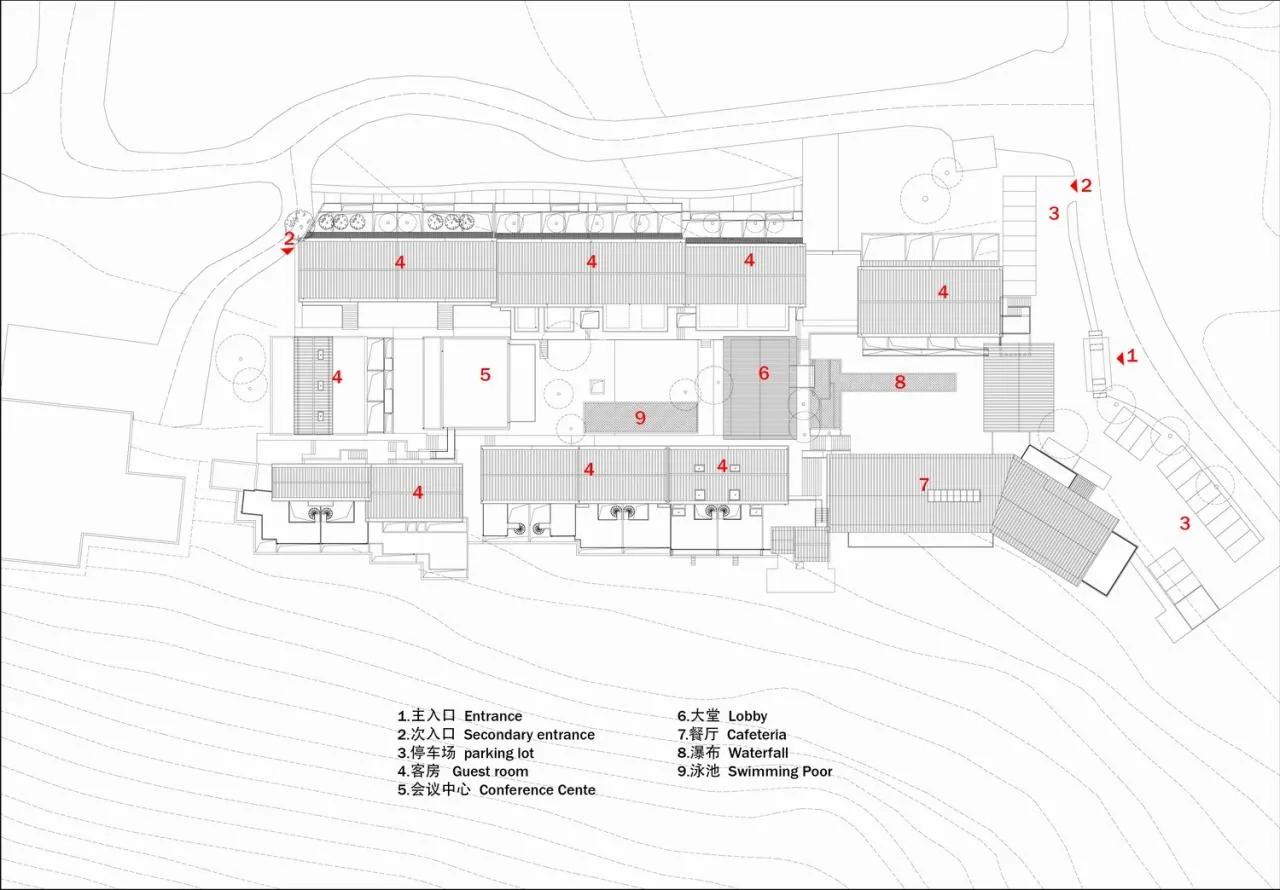
General layout plan
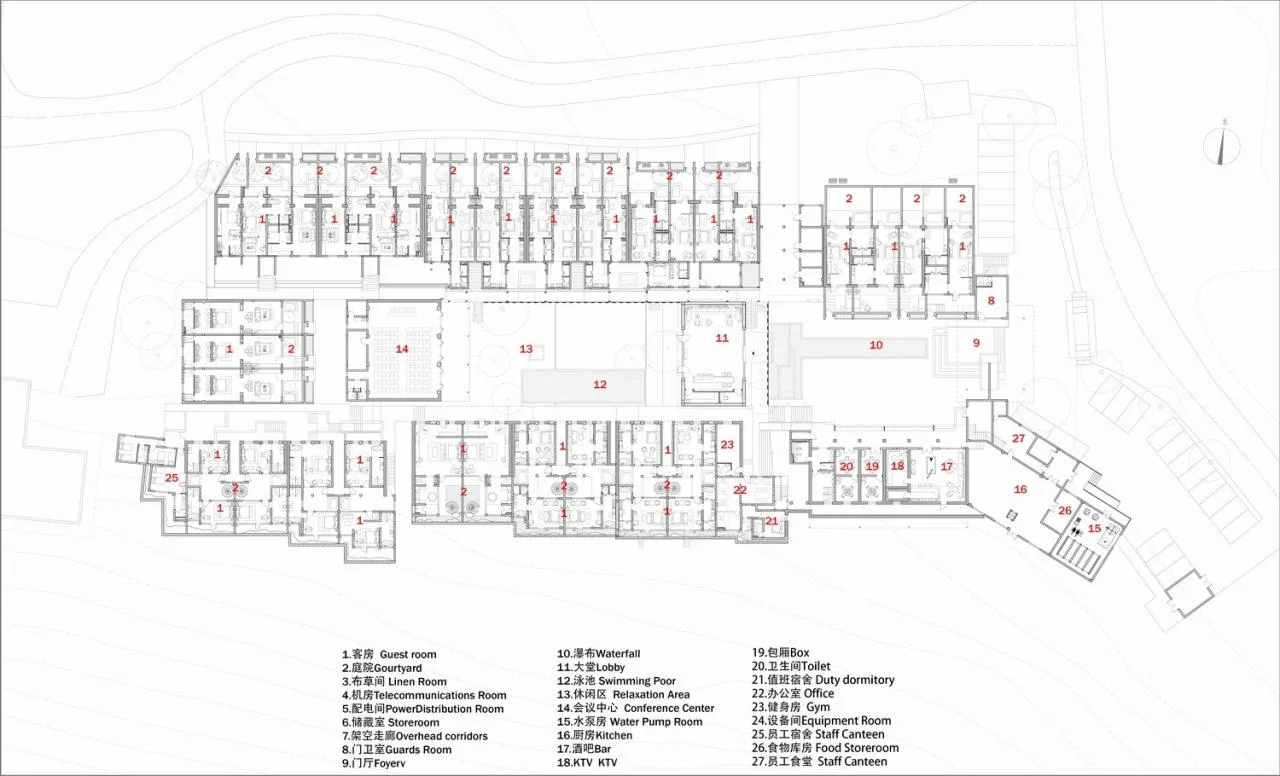
First floor plan
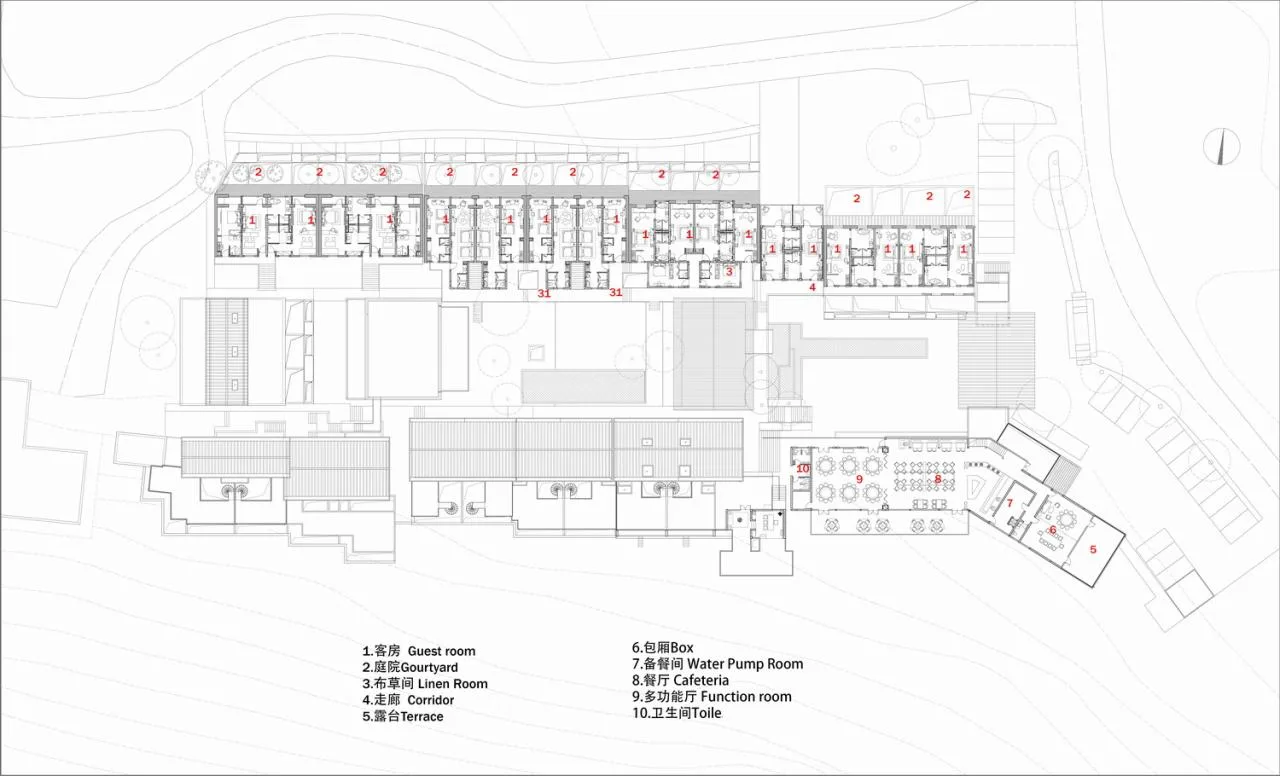
Second floor plan
Project Information
Project Name: Yaojia Waterfall Village
Location: Huangguoshu Waterfall Scenic Area, Anshun, Guizhou, China
Status: Completed
Functions: High-end boutique homestay, hotel, camping base, conference center, hot spring pool, restaurant, tea room, swimming pool, bar
Building Area: 4,992 square meters
Design Firm: Shanghai Yaoshun Architectural Design Co., Ltd
Construction Units: Guizhou Huangguoshu Tourism Group Co., Ltd., Guizhou Yaojia Hotel Management Co., Ltd
Lead Architects: Guo Shuiyao, Liu Jie
Program Creator: Liu Yang
Architects: Liu Yang, Wang Meiyan
Structural Engineer: Shao Zhonghua
Water Supply and Drainage: Chen Qingbiao
Electrical Engineer: Pan Xiangliang
HVAC Engineer: Pan Jie
Interior Designers: Shi Xinhua, Zhou Zhe, Zhang Xianjun
Landscape Designer: Shi Xinhua
Photographers: Guo Shuiyao, Zhang Qi















Must log in before commenting!
Sign Up