
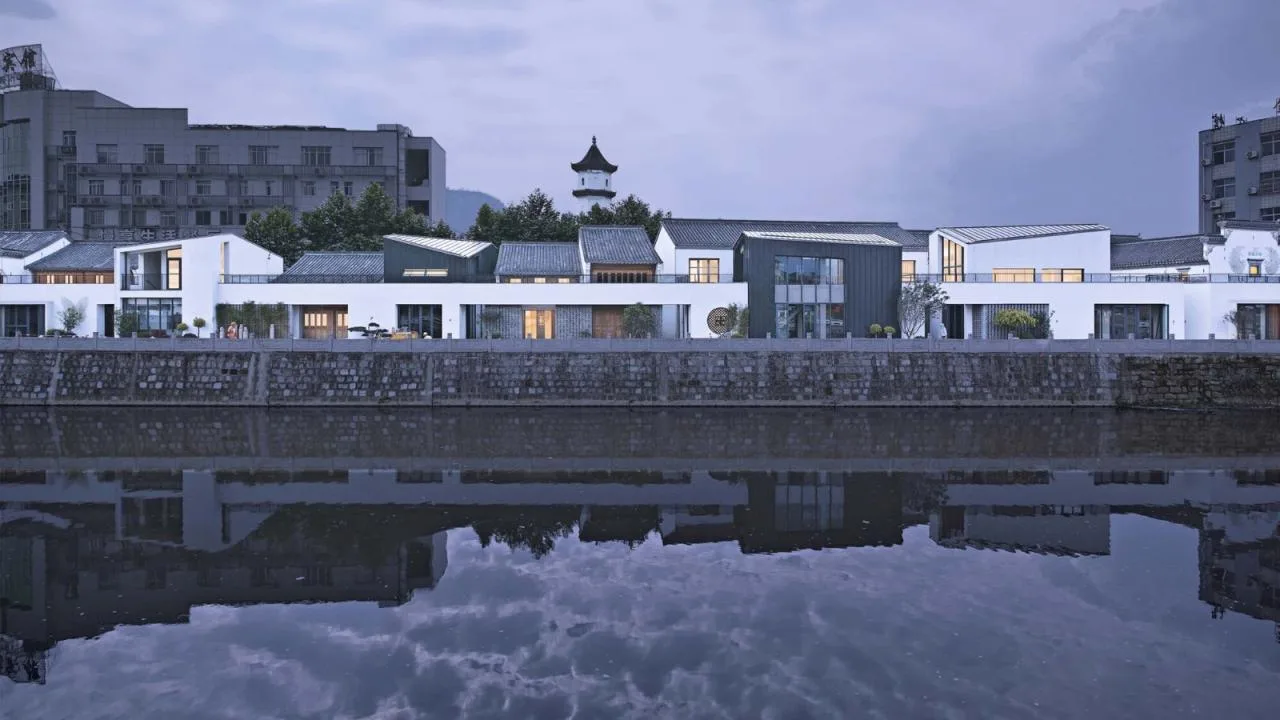
Jingde County, located in the heart of southern Anhui under the jurisdiction of Xuancheng City, is renowned for its pristine ecology and has been designated a “national ecological county.” In 2016, it earned the distinction of becoming Anhui’s first “international slow city.” The project site lies in the central area of the county town, positioned at the entrance of a bustling commercial pedestrian street and adjacent to the Huishui River. This site represents the last remaining small historical block in the county’s center.
The buildings on the site primarily consist of wooden structures dating back to the Ming and Qing dynasties, alongside some brick and stone buildings from the early People’s Republic of China era. These are predominantly ordinary civilian houses without cultural heritage status and are currently in a state of significant disrepair. The key objectives of the planning and design process are to analyze the existing forms, protect and restore the historical spatial patterns, and introduce new commercial and leisure functions. The goal is to revive the block, enabling it to meet the public life needs of Jingde residents once more and to radiate renewed vitality into the area.
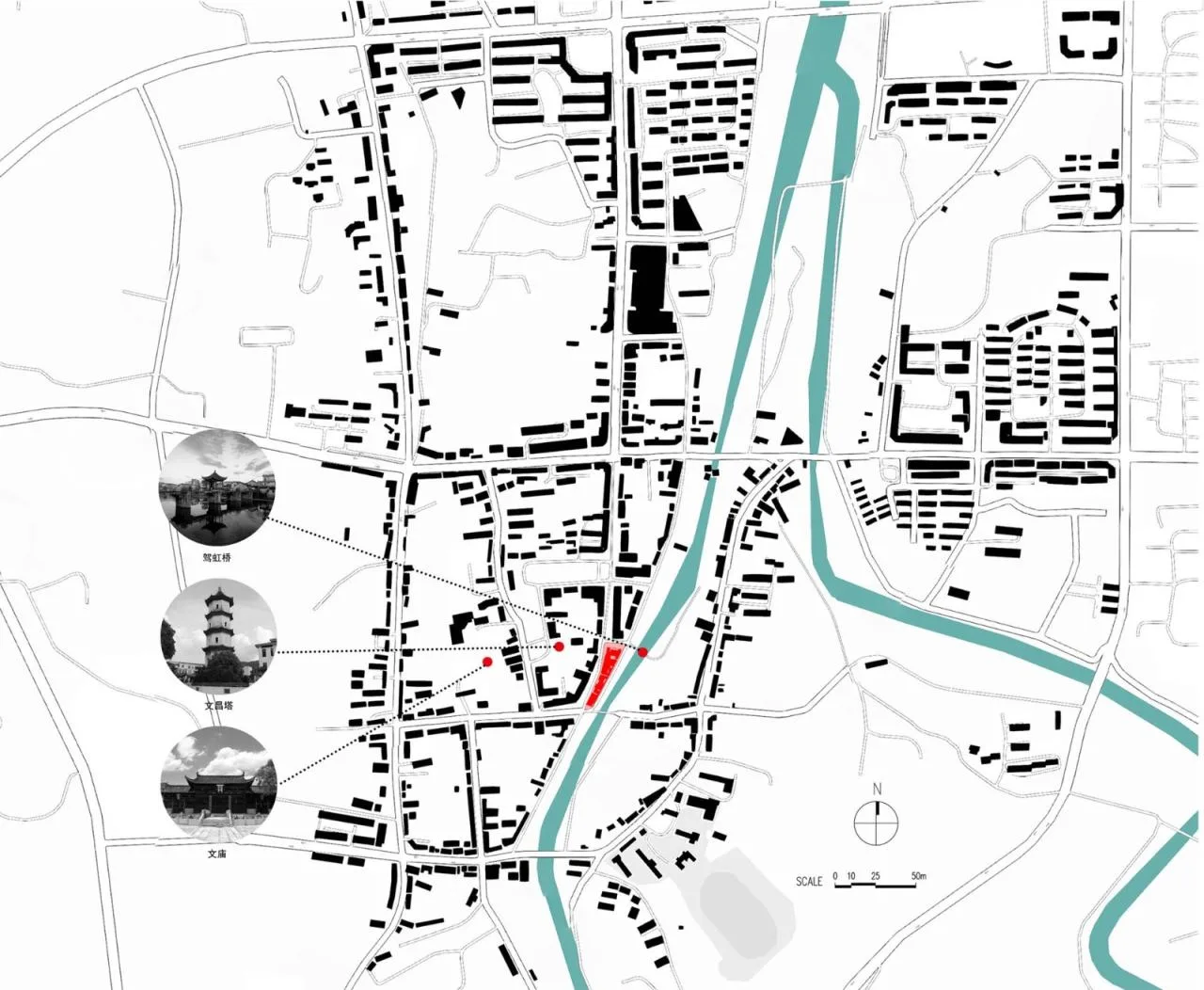
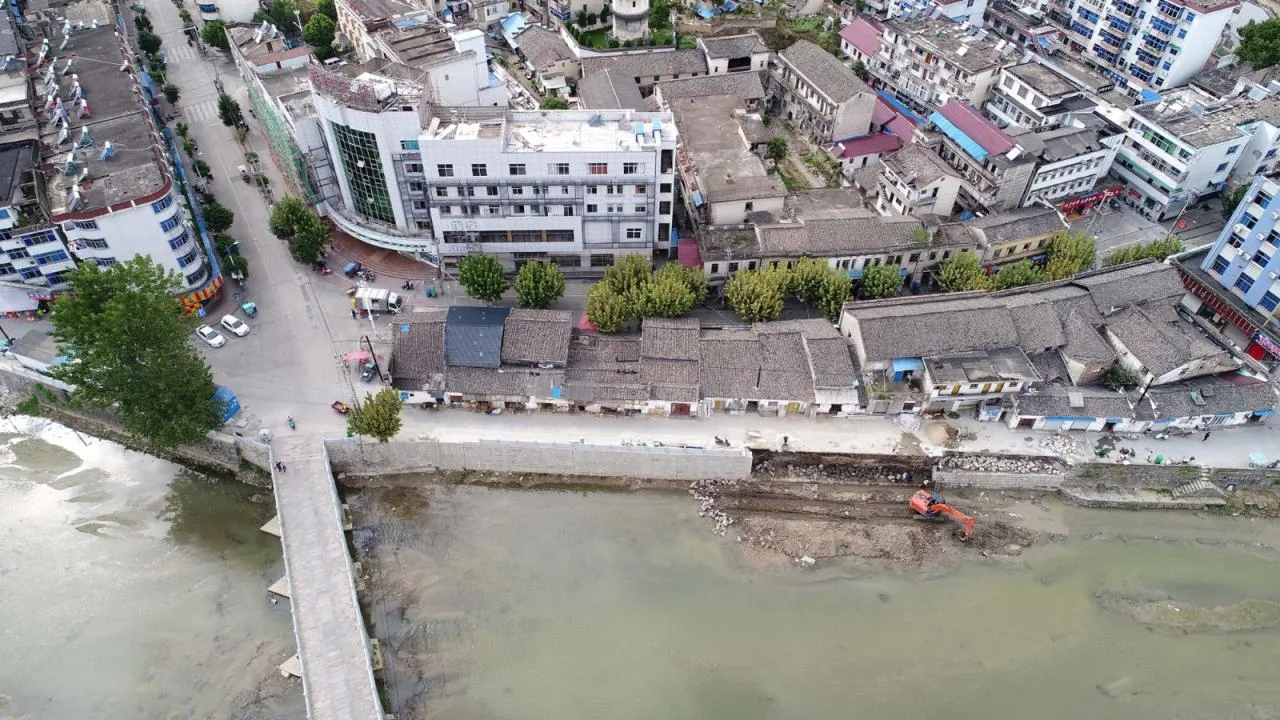
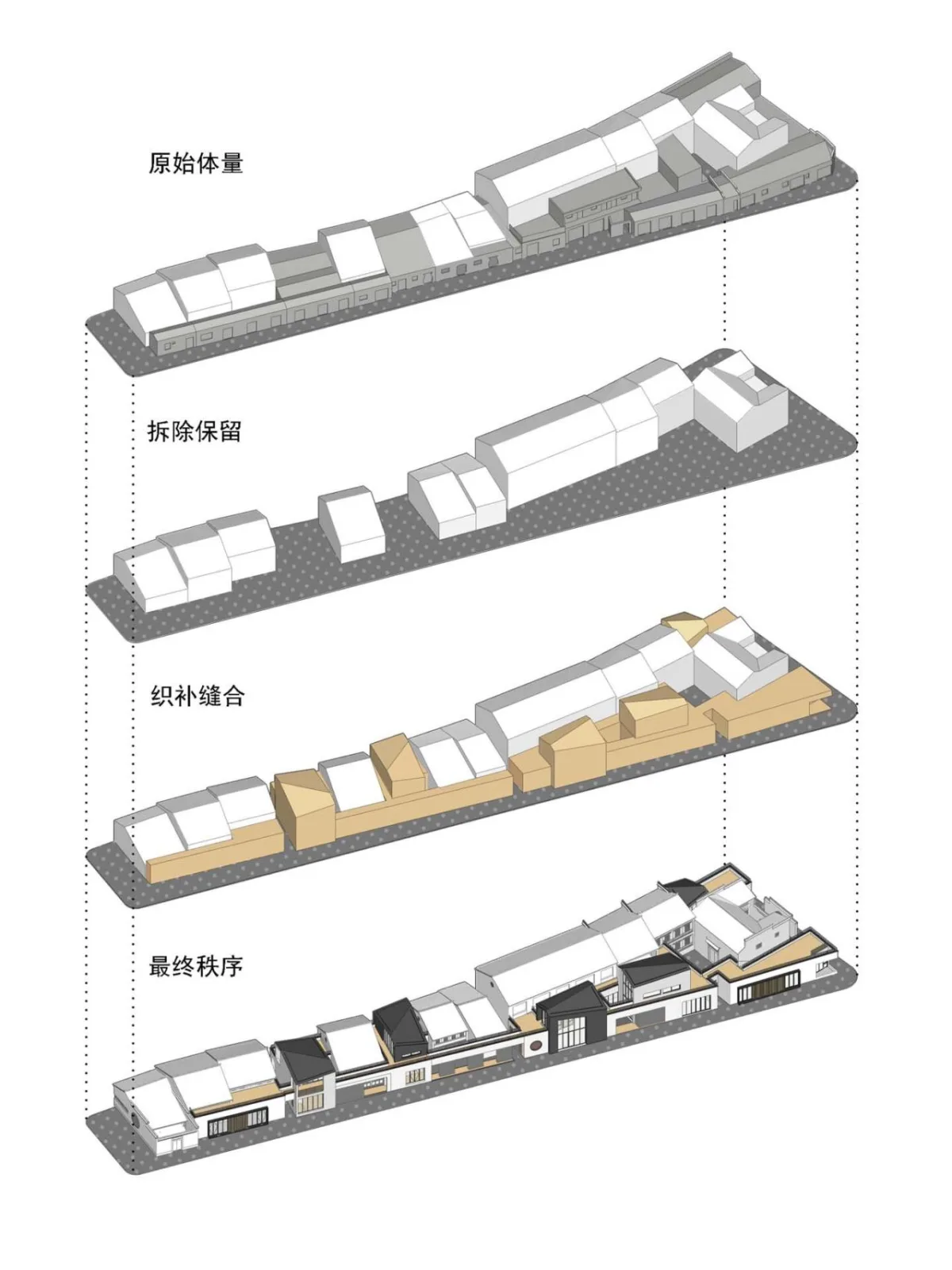
The retention analysis, planning, and design process began with thorough research of the current conditions. The design team conducted detailed inspections and individual assessments of the existing buildings. These were supplemented with structural safety evaluations from professional institutions to classify each building for repair, renovation, or demolition.
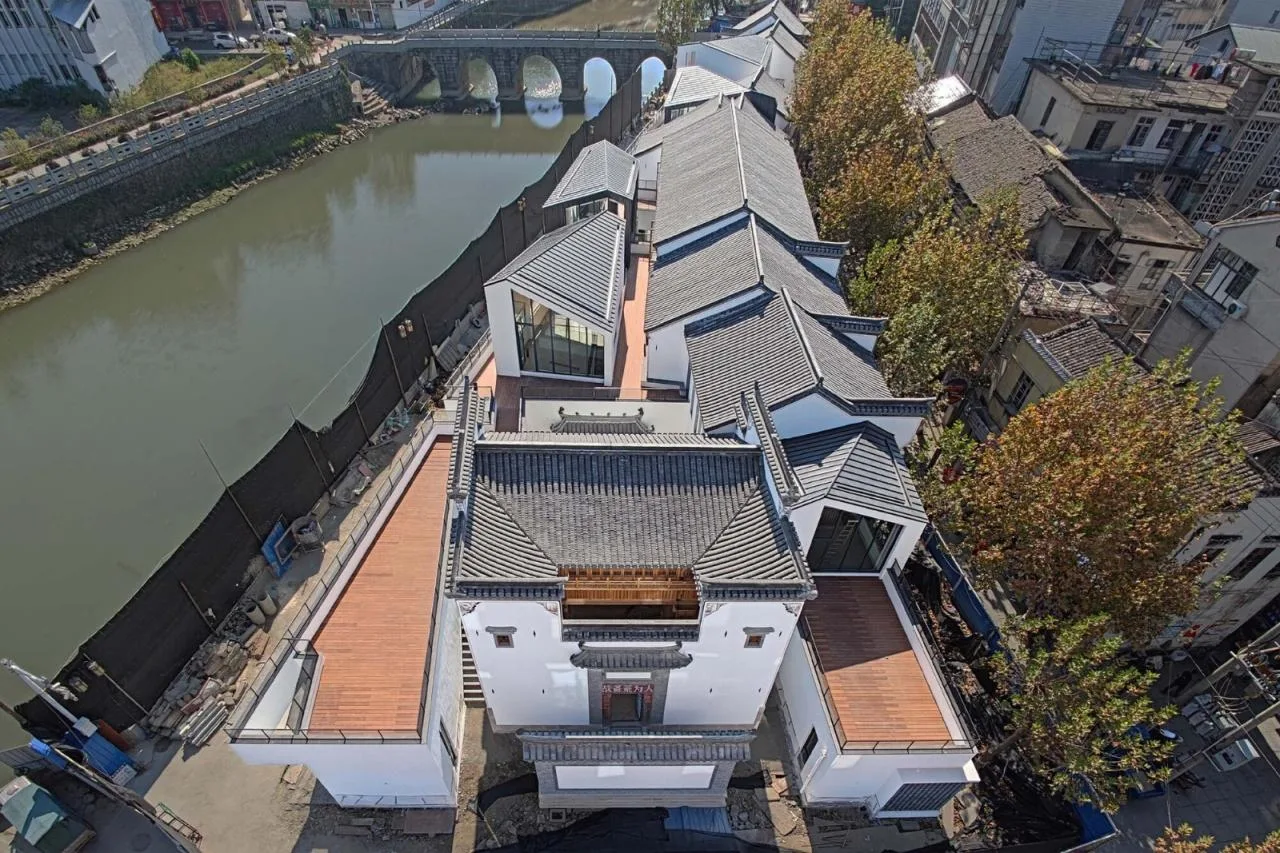
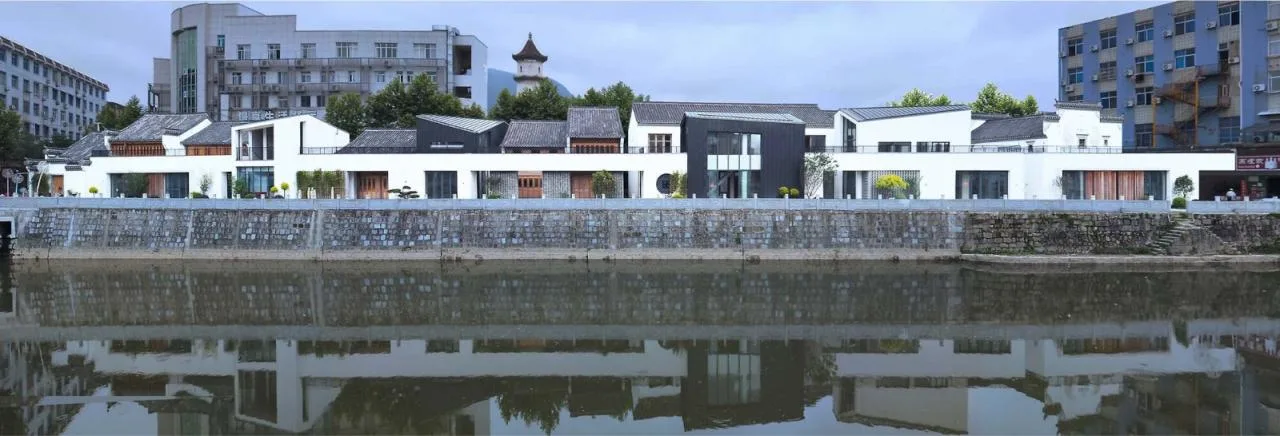
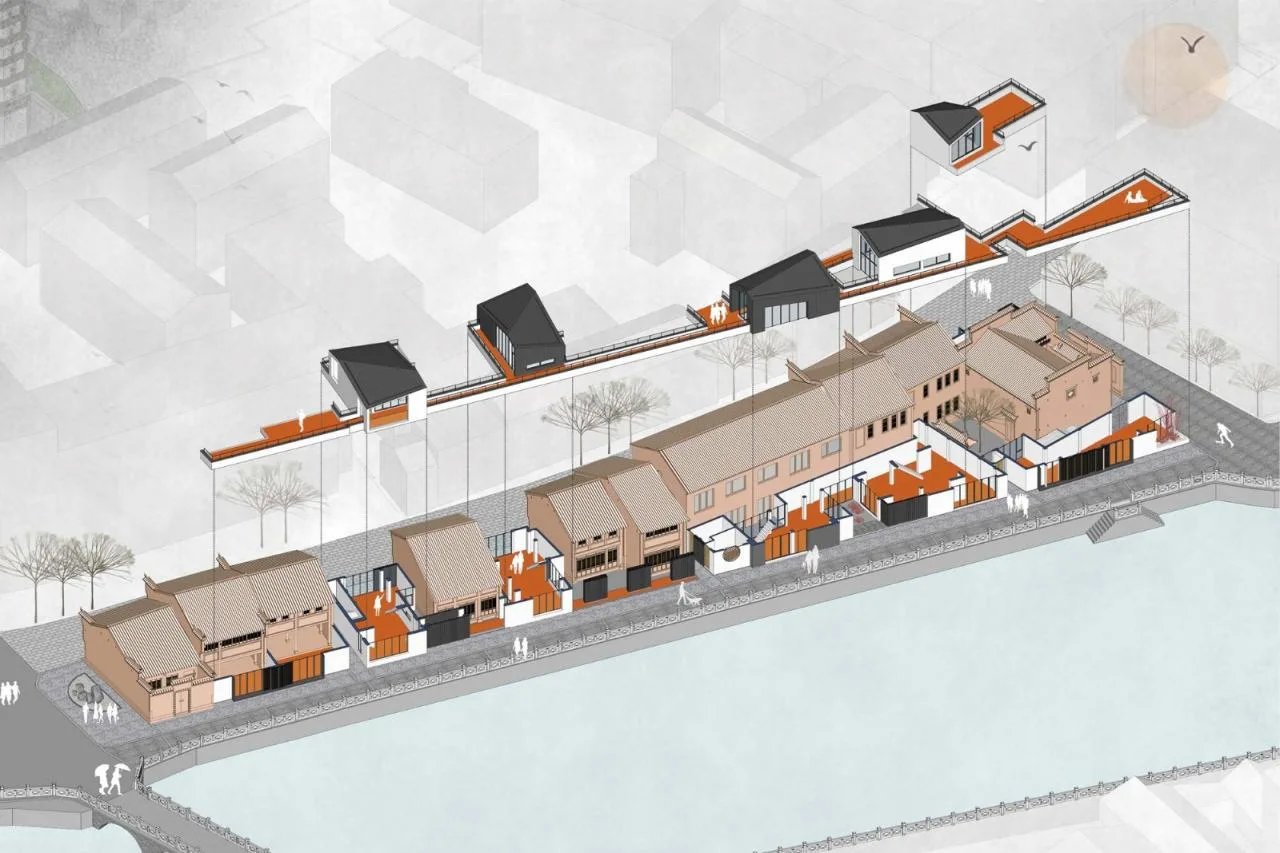
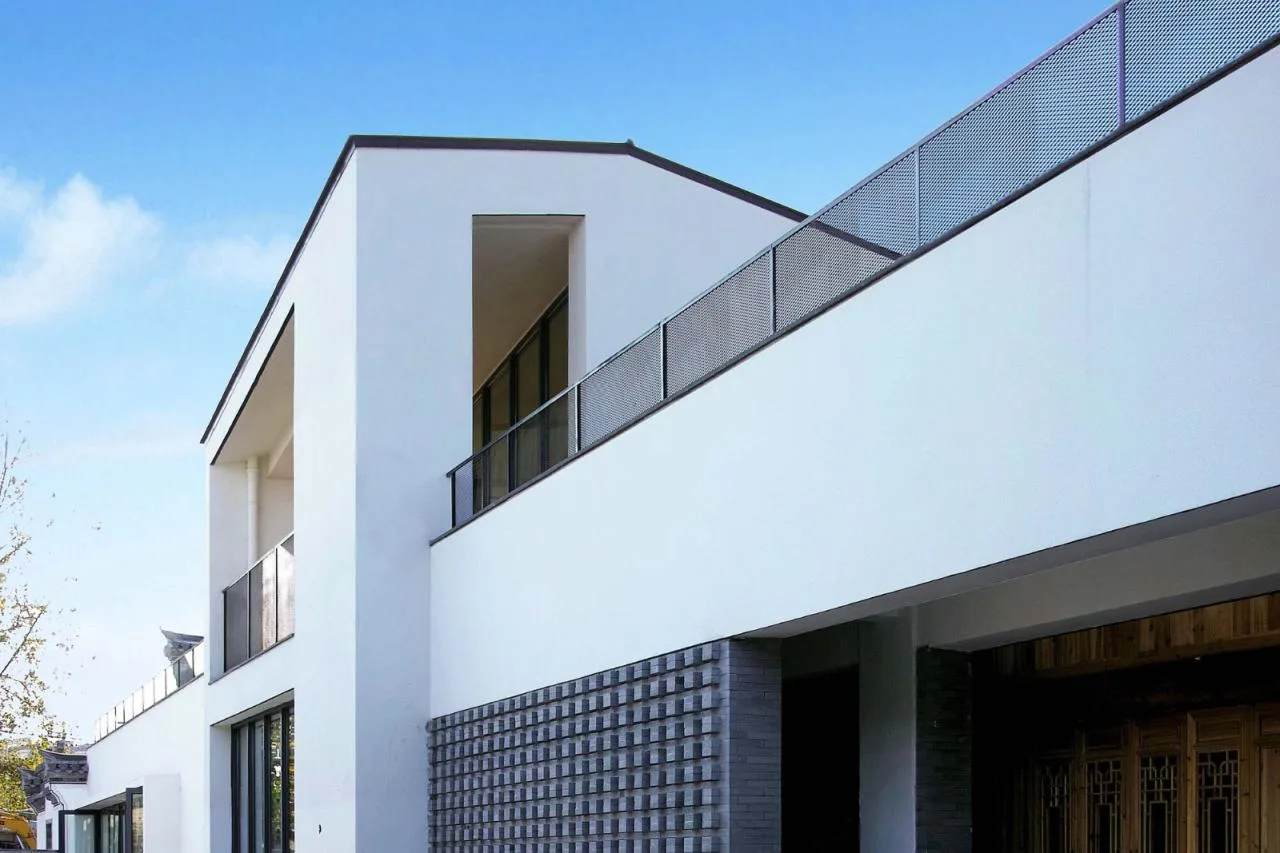
Guided by the preservation analysis, the design concept focuses on restoring and reinforcing the original streetscape order after selective demolition. Two new building types were introduced: a two-story block with a sloped roof, matching the scale of the historic buildings, and a low, continuous horizontal volume that acts as a “wall” connecting the new and old structures, echoing the site’s historic texture and memory.
To enhance the tourism experience along the riverside and improve the leisure atmosphere, three key design concepts were implemented: the “sponge” interface, the “sandwiched” garden, and “three-dimensional” streets and alleys.
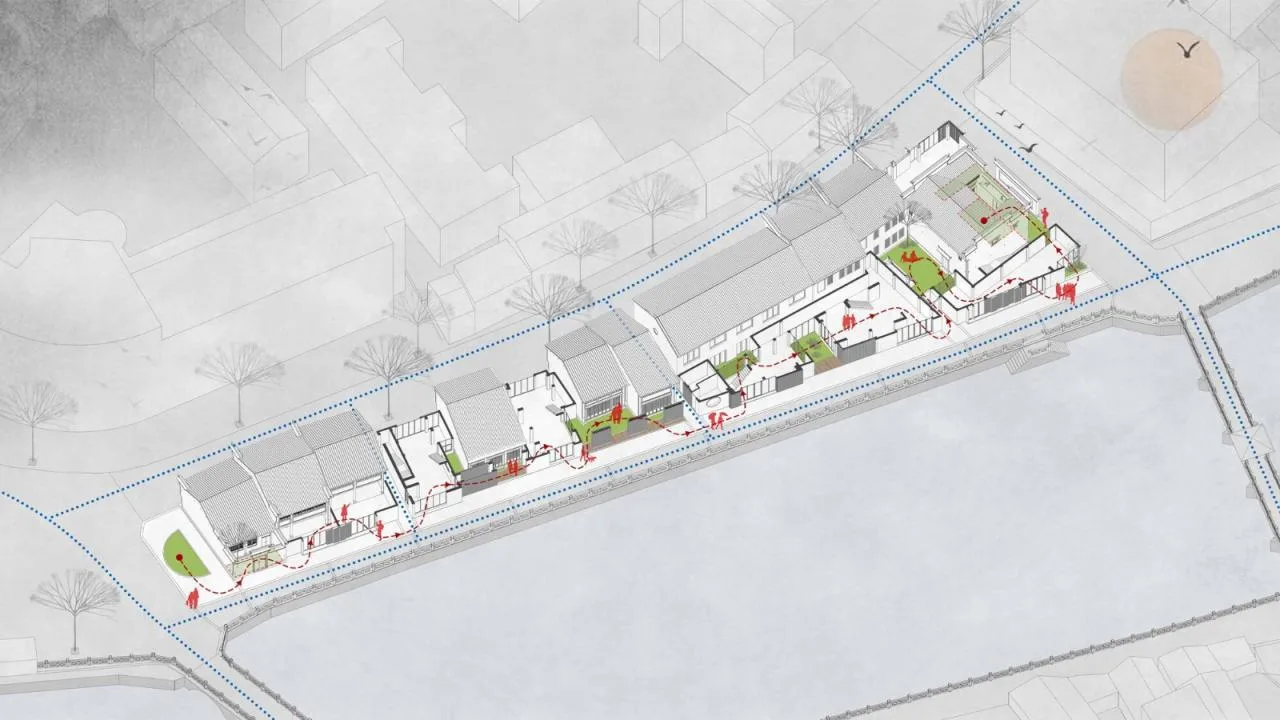
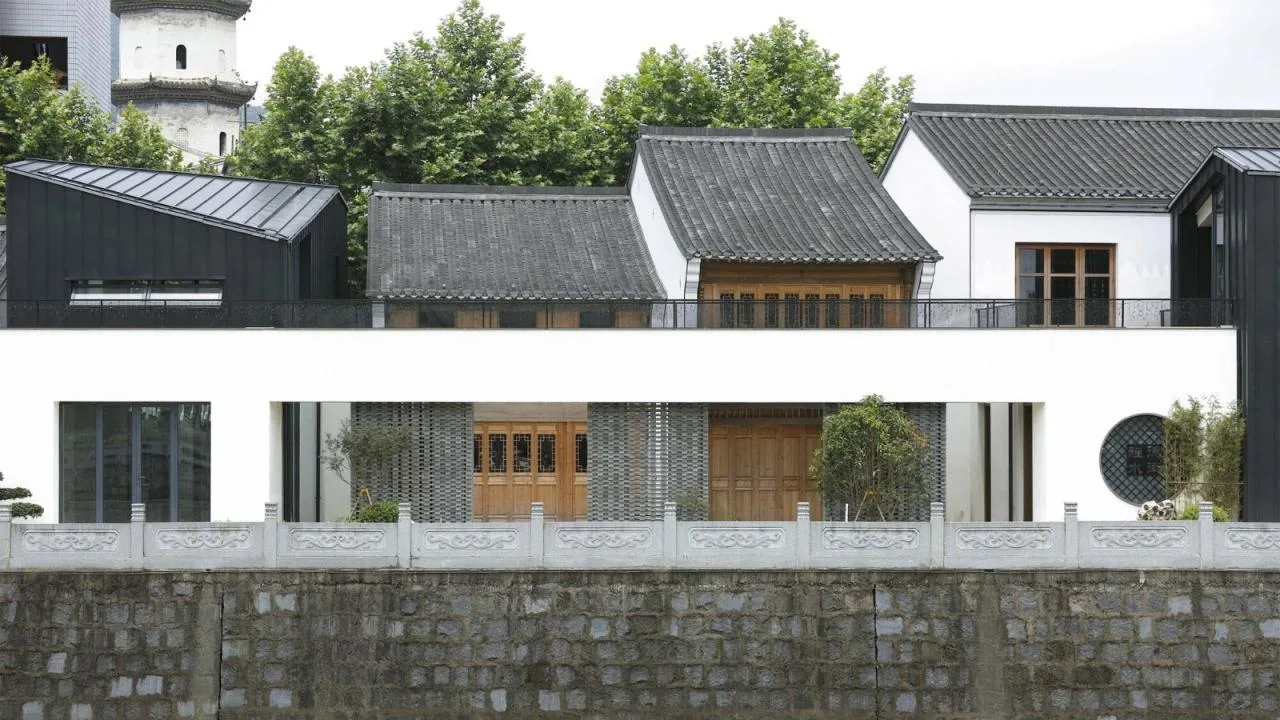
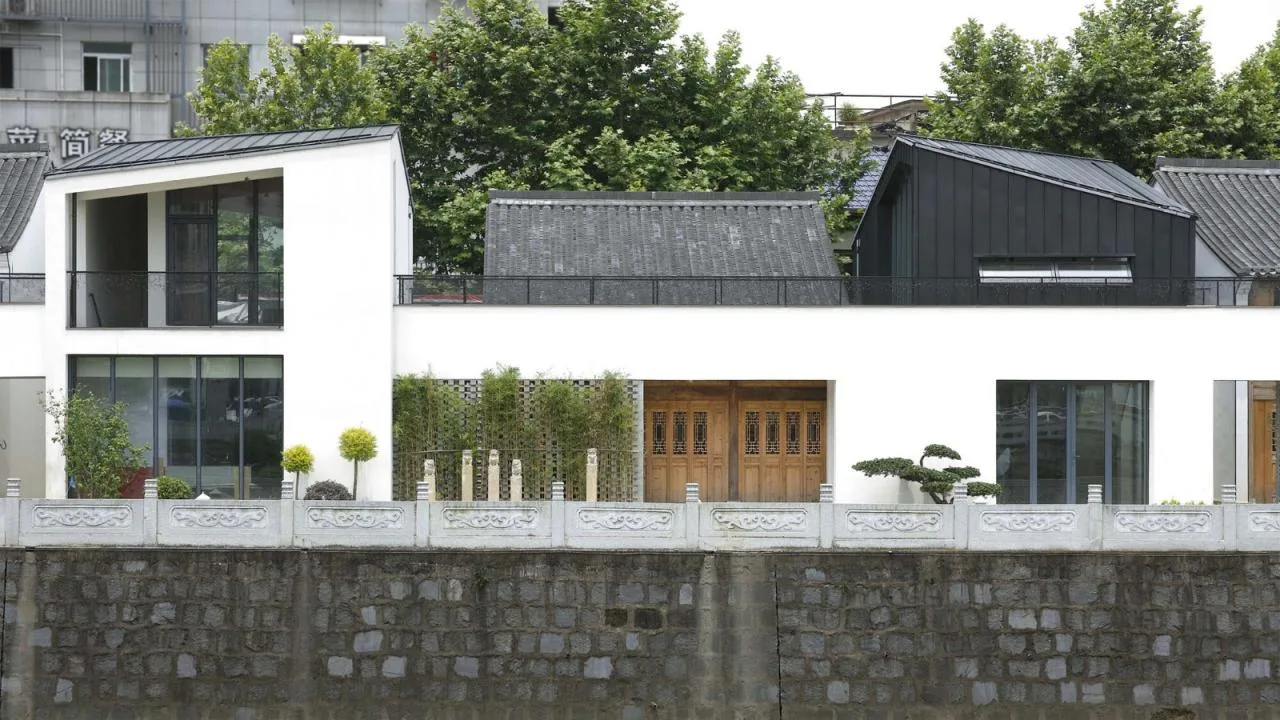
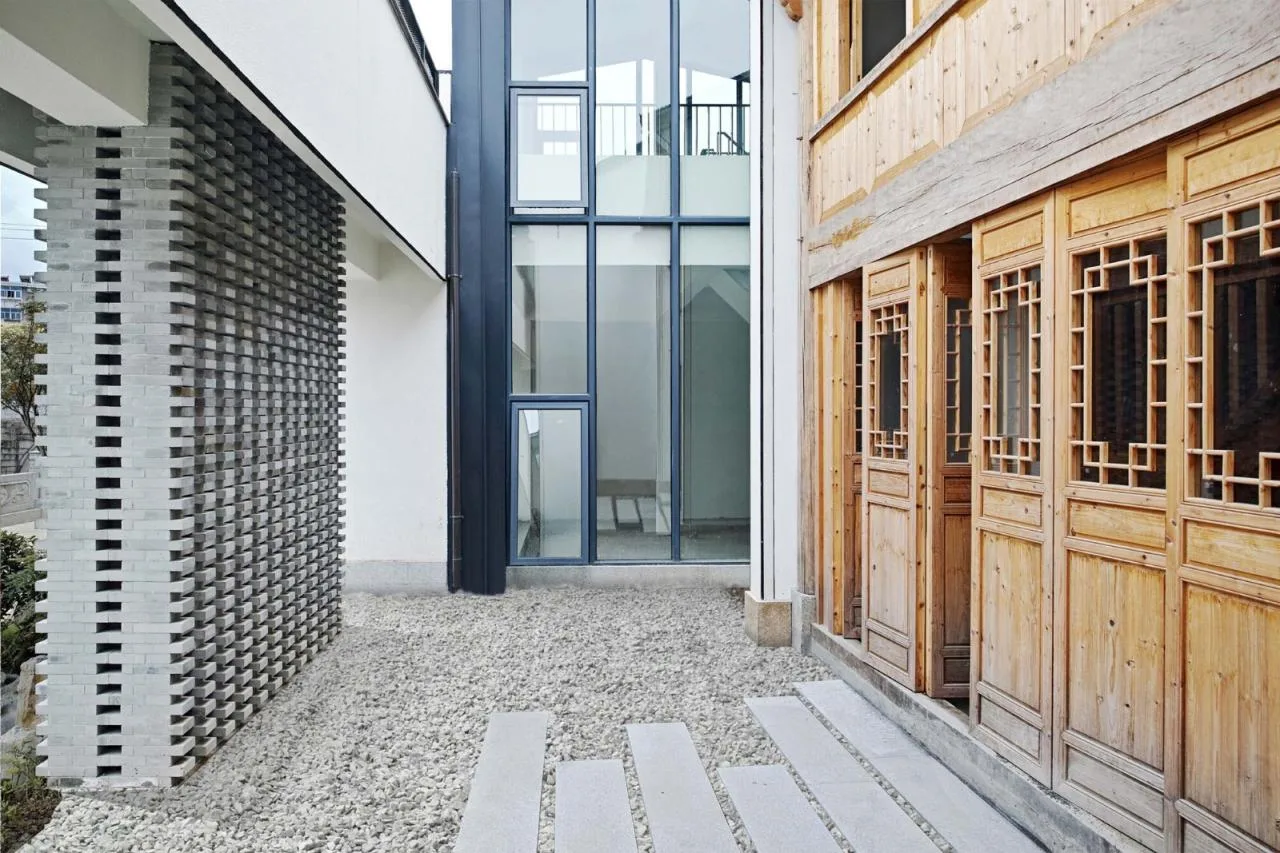
Sponge Interface: The design alternates ground-floor shops with a series of courtyards, creating a continuous, layered spatial interface rich in visual and spatial experiences. Two alleyways are preserved to connect the commercial pedestrian street with the riverside walkway, dividing the block into three clusters. This layout fosters an inviting walking scale and rhythm, extends the flow of commerce, and offers multiple intersecting views.
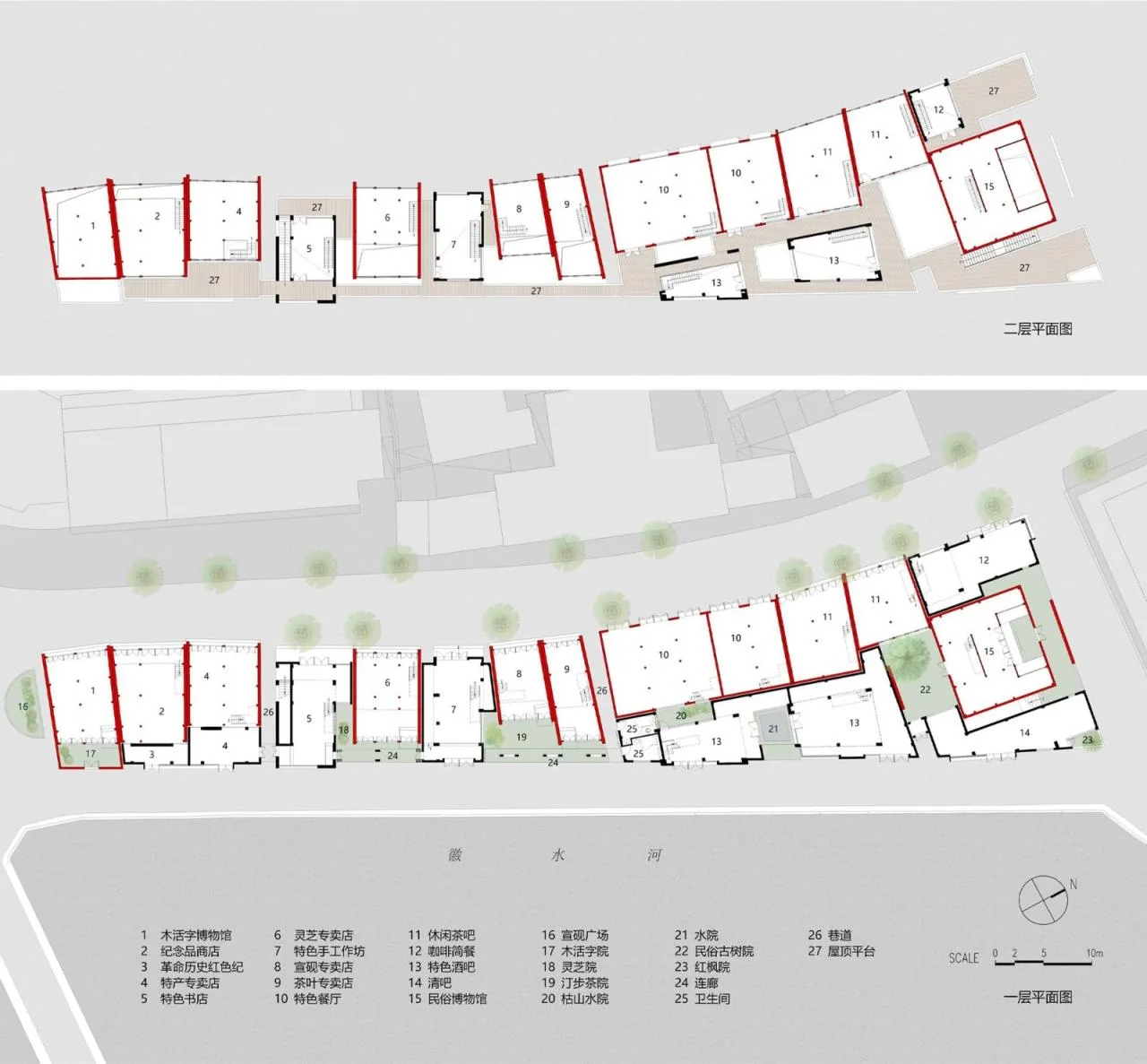
‘Narrow Gap’ Garden: The landscaping and micro-gardens are thoughtfully arranged to blend seamlessly with the surroundings, facilitating smooth transitions between new and old areas. Neglected corner spaces are transformed into inviting and relaxing spots for visitors.
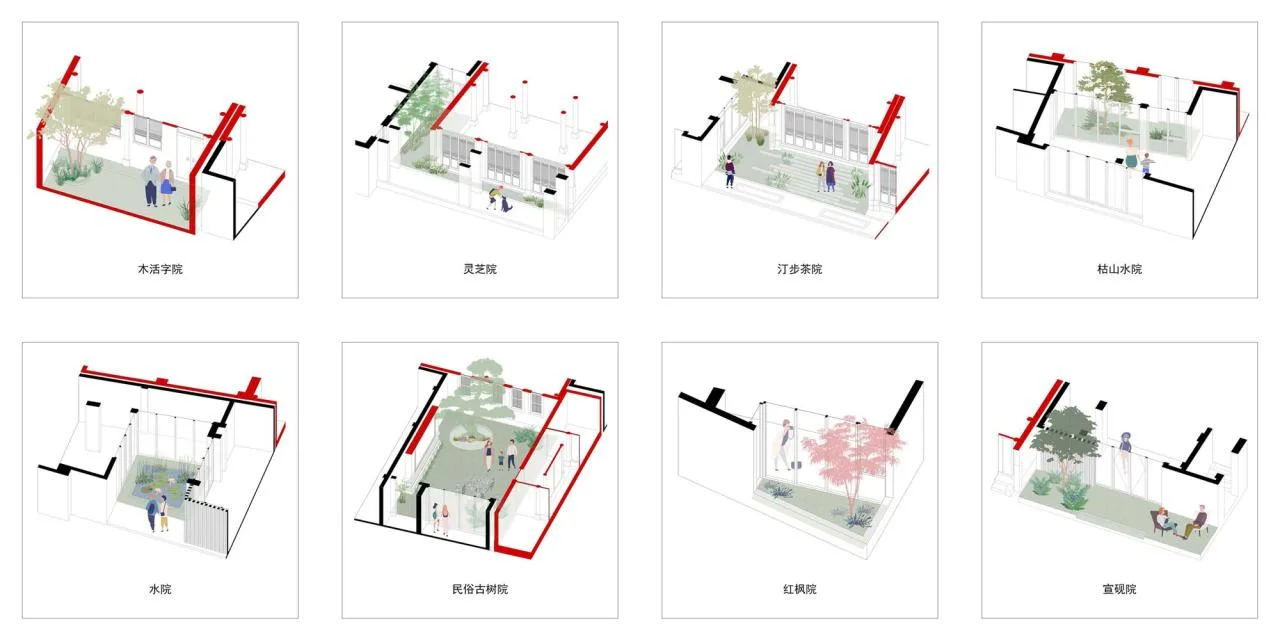
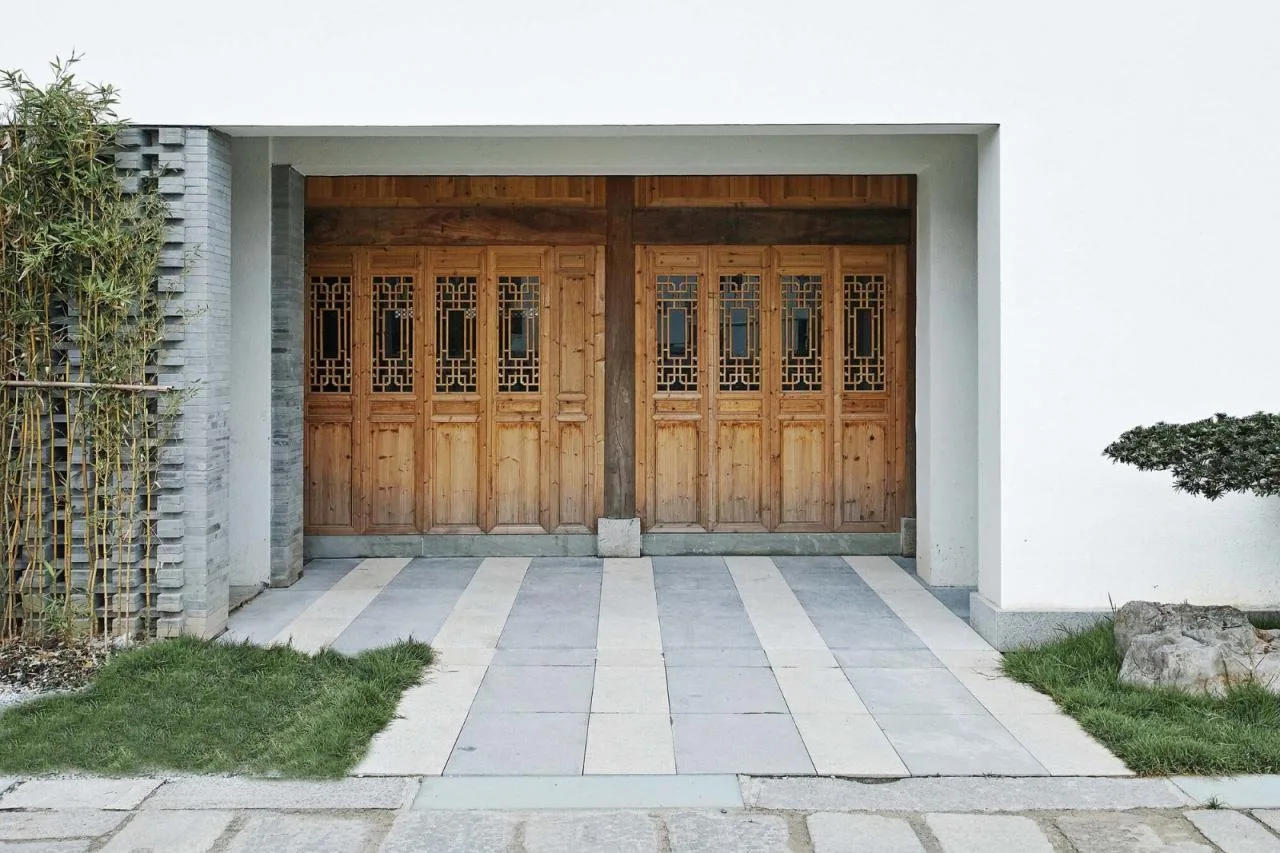
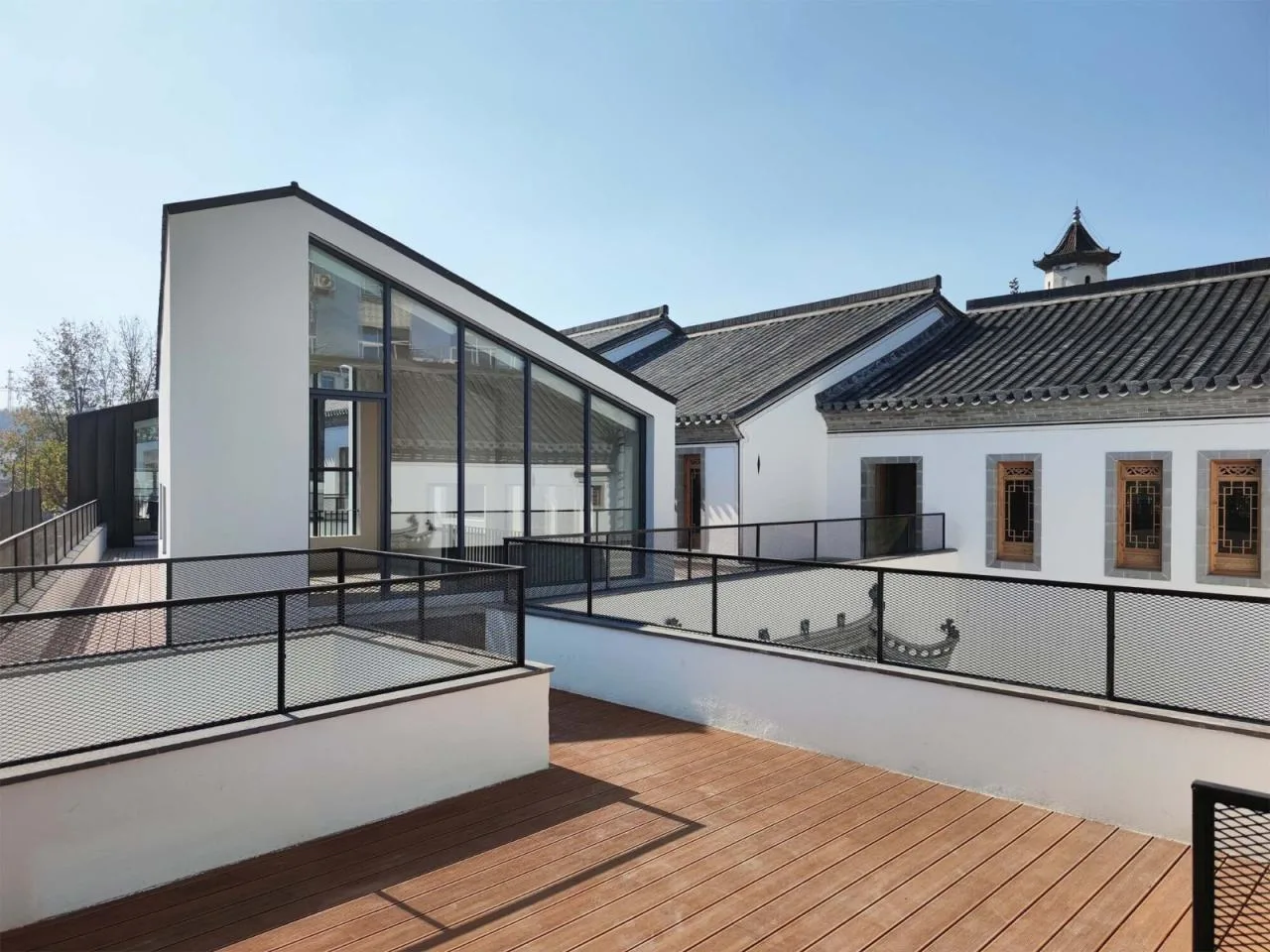
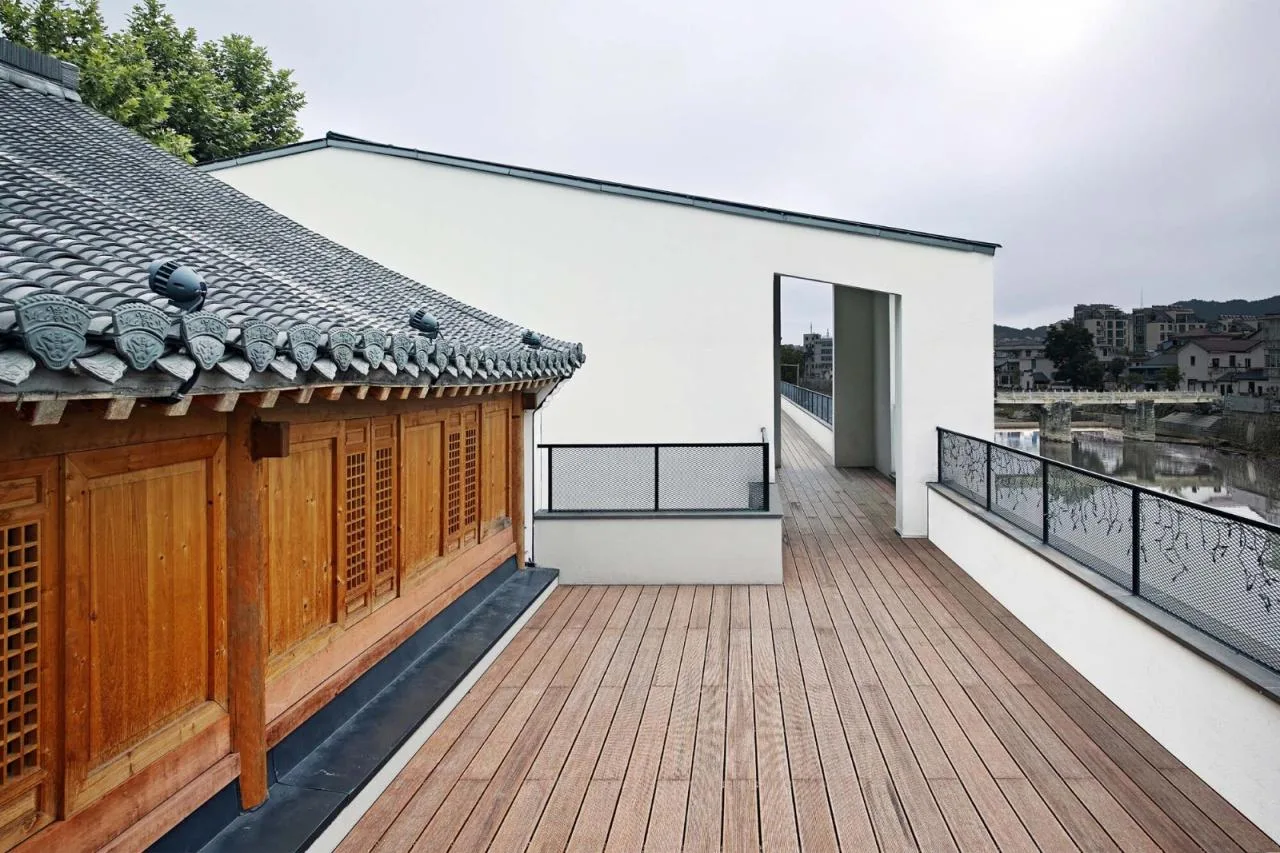
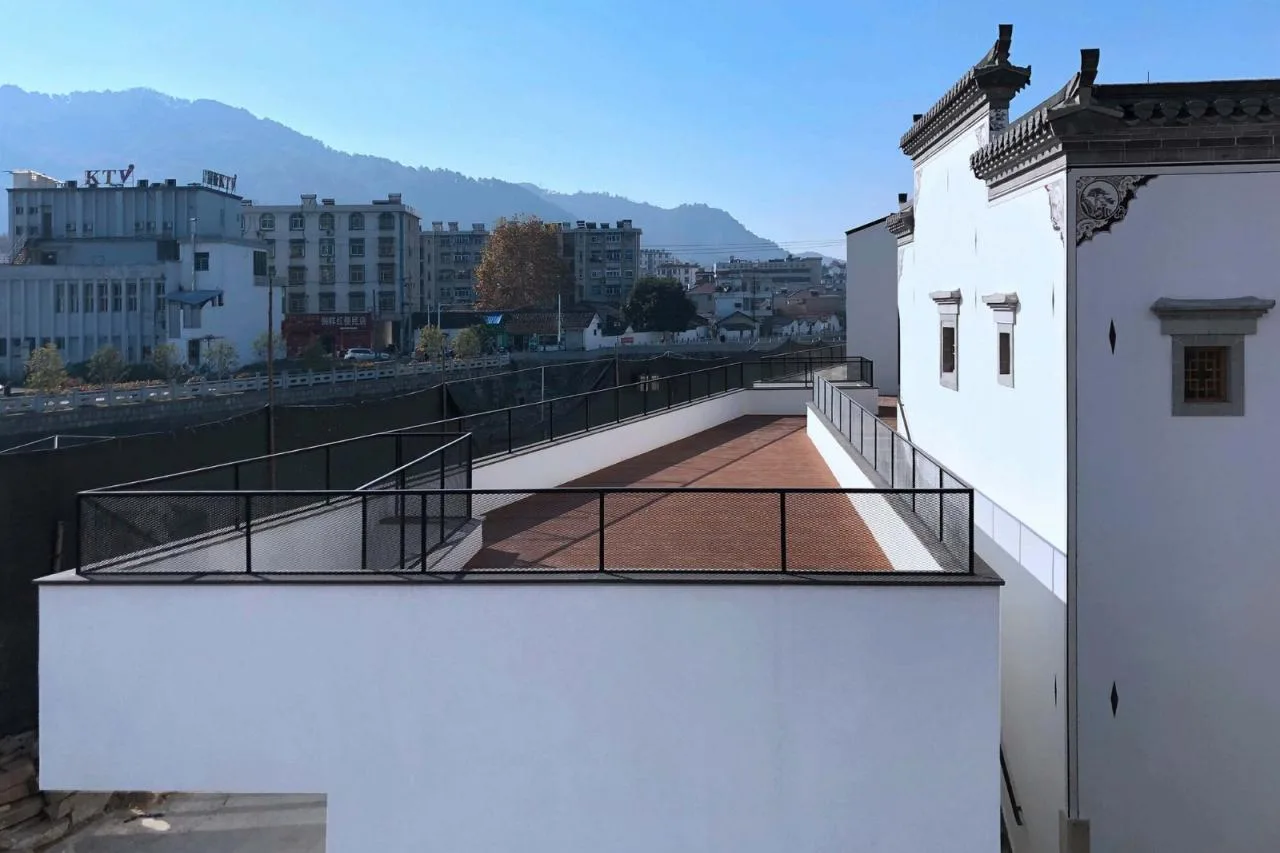
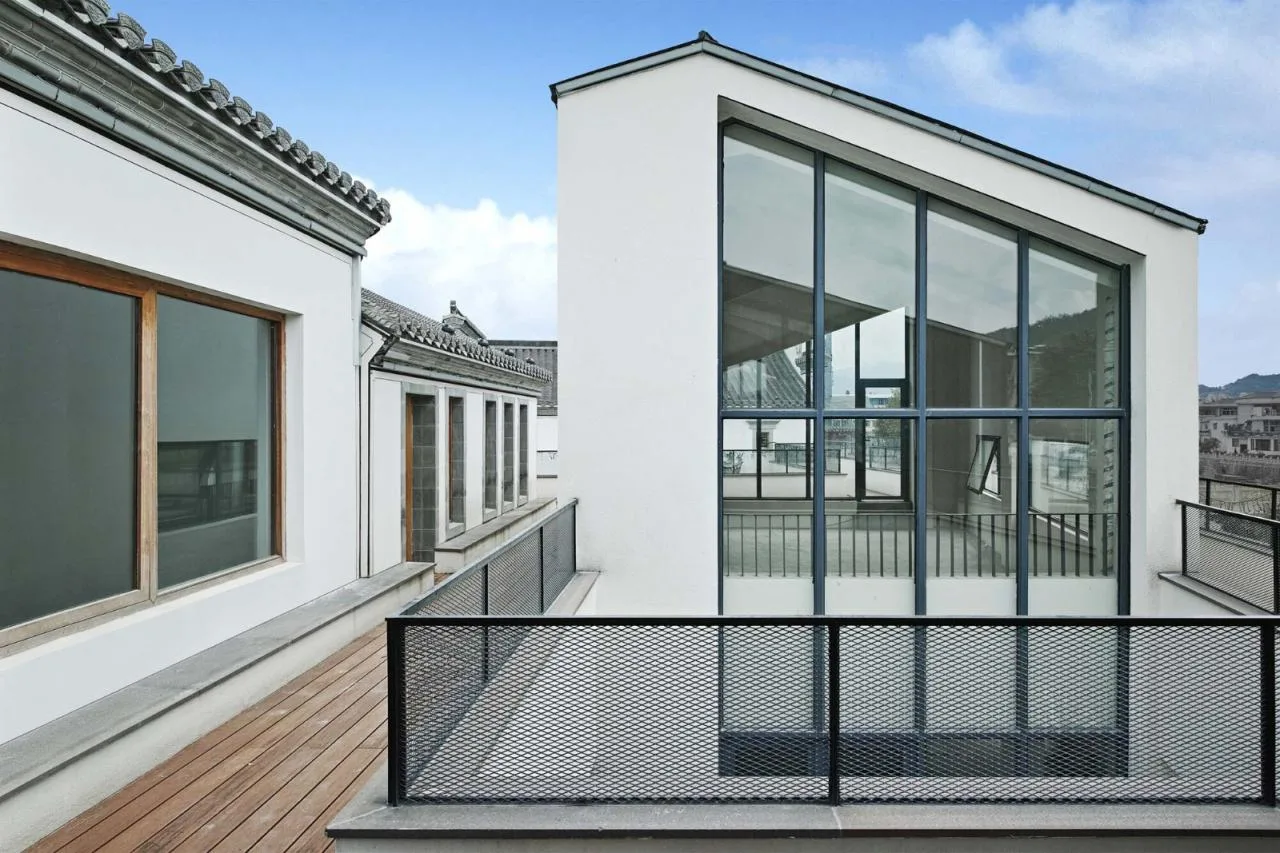
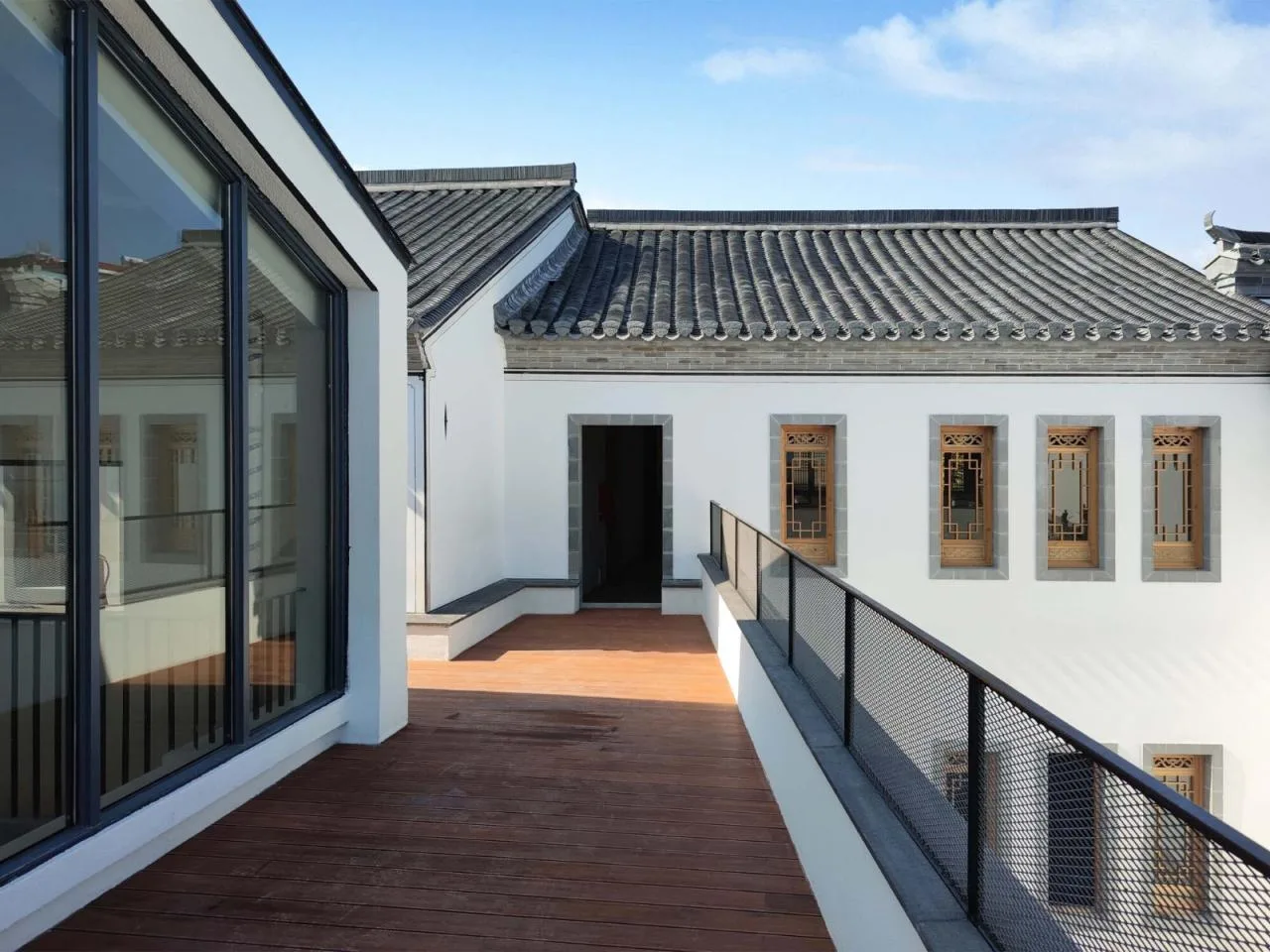
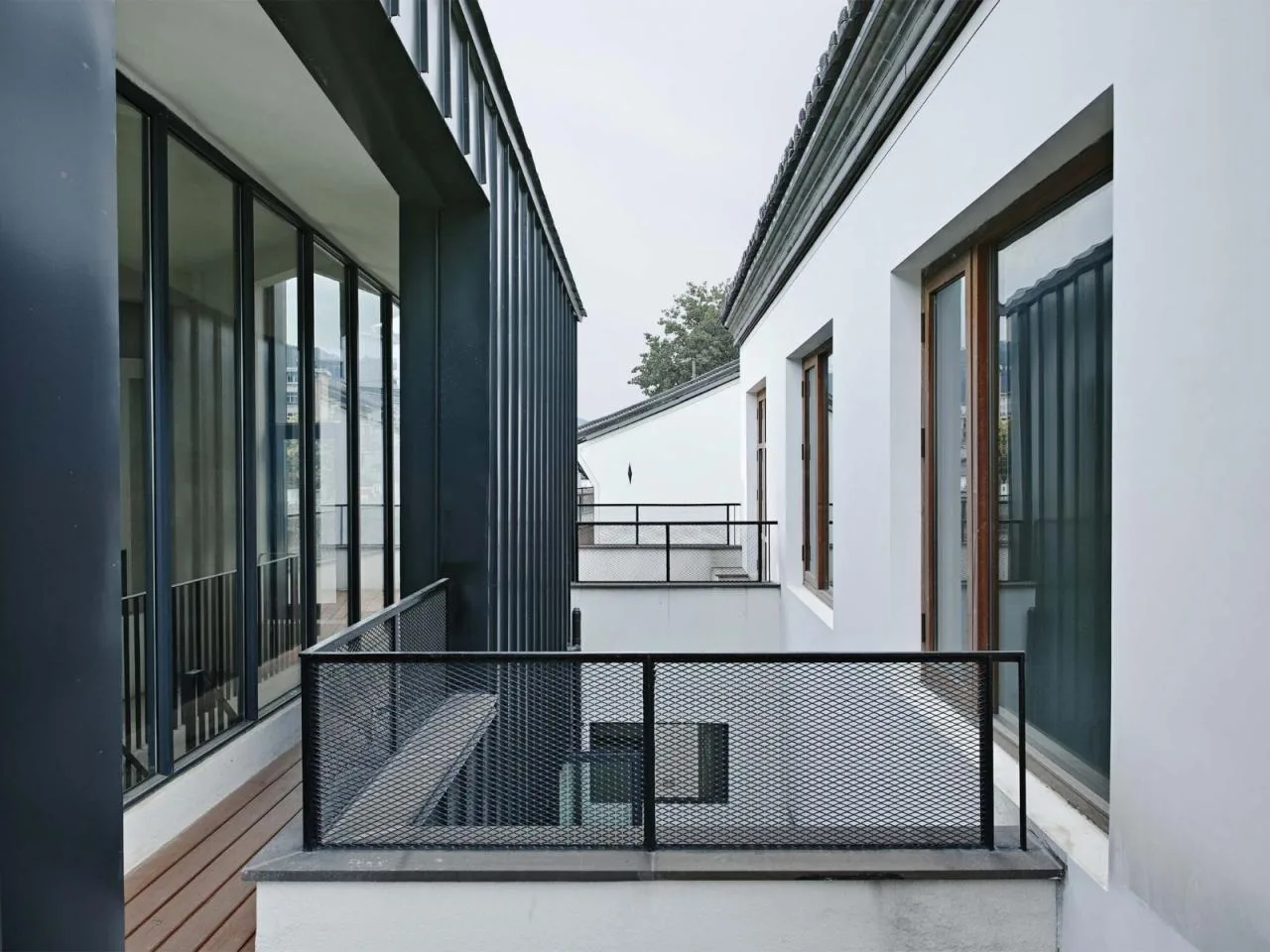
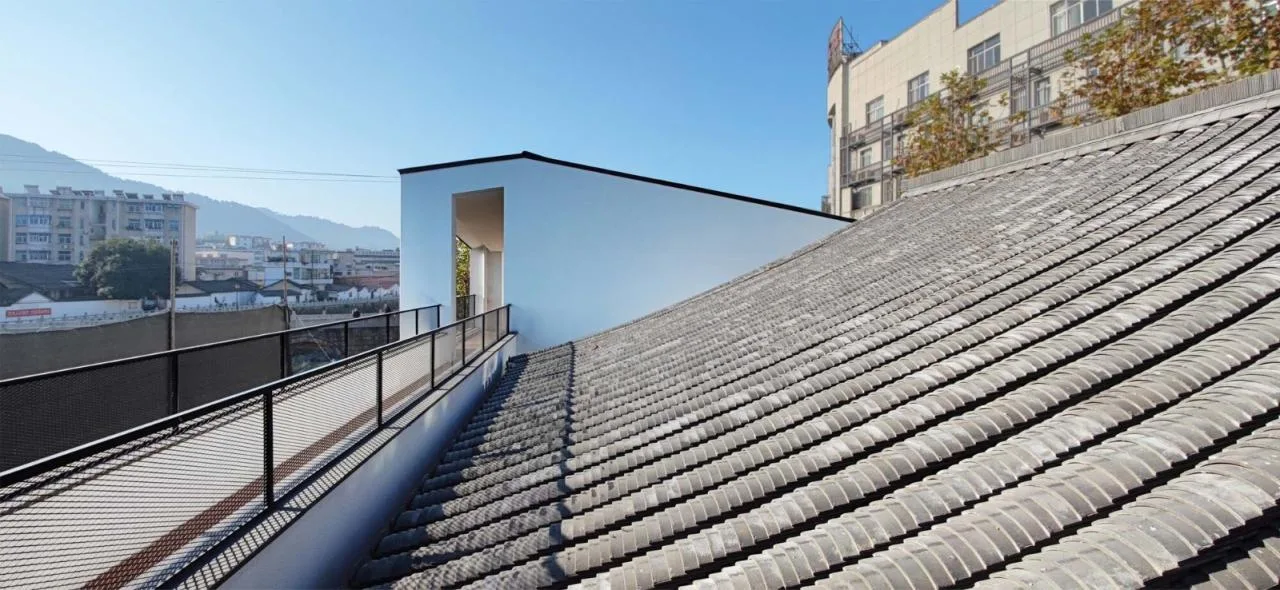
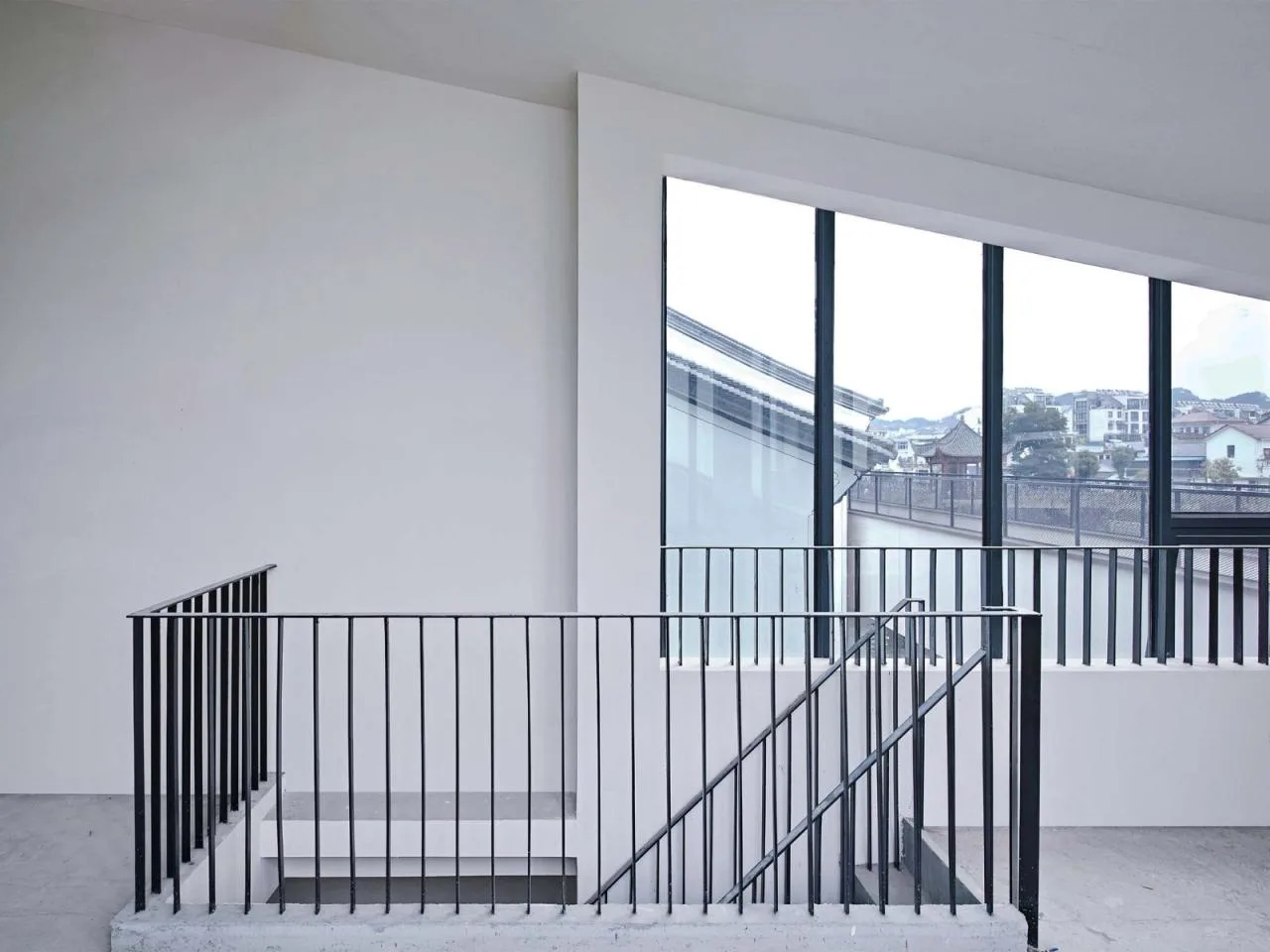
‘Three-Dimensional’ Streets and Alleys: A single rooftop platform connects old and new buildings, creating a double-layered, three-dimensional network of streets and alleys. This design extends commercial flow paths, enriches spatial experiences, and offers varied perspectives of the traditional streetscape and the Huishui River. At both ends of the block are two well-preserved inward-facing courtyards serving as key spatial nodes. These host public museums dedicated to wooden movable type printing and Jingde folk customs.
The independent old and new blocks between these courtyards mainly house retail shops and snack vendors. By restoring and reinforcing the block’s order and applying subtle spatial openings and closures, the design fosters a series of continuous, flowing three-dimensional public spaces—courtyards, platforms, and corridors—that invigorate the traditional Huizhou garden atmosphere. This revitalizes the water street environment, encouraging lively interaction between residents, tourists, and the historic setting, effectively breathing new life into the old streets and alleys.
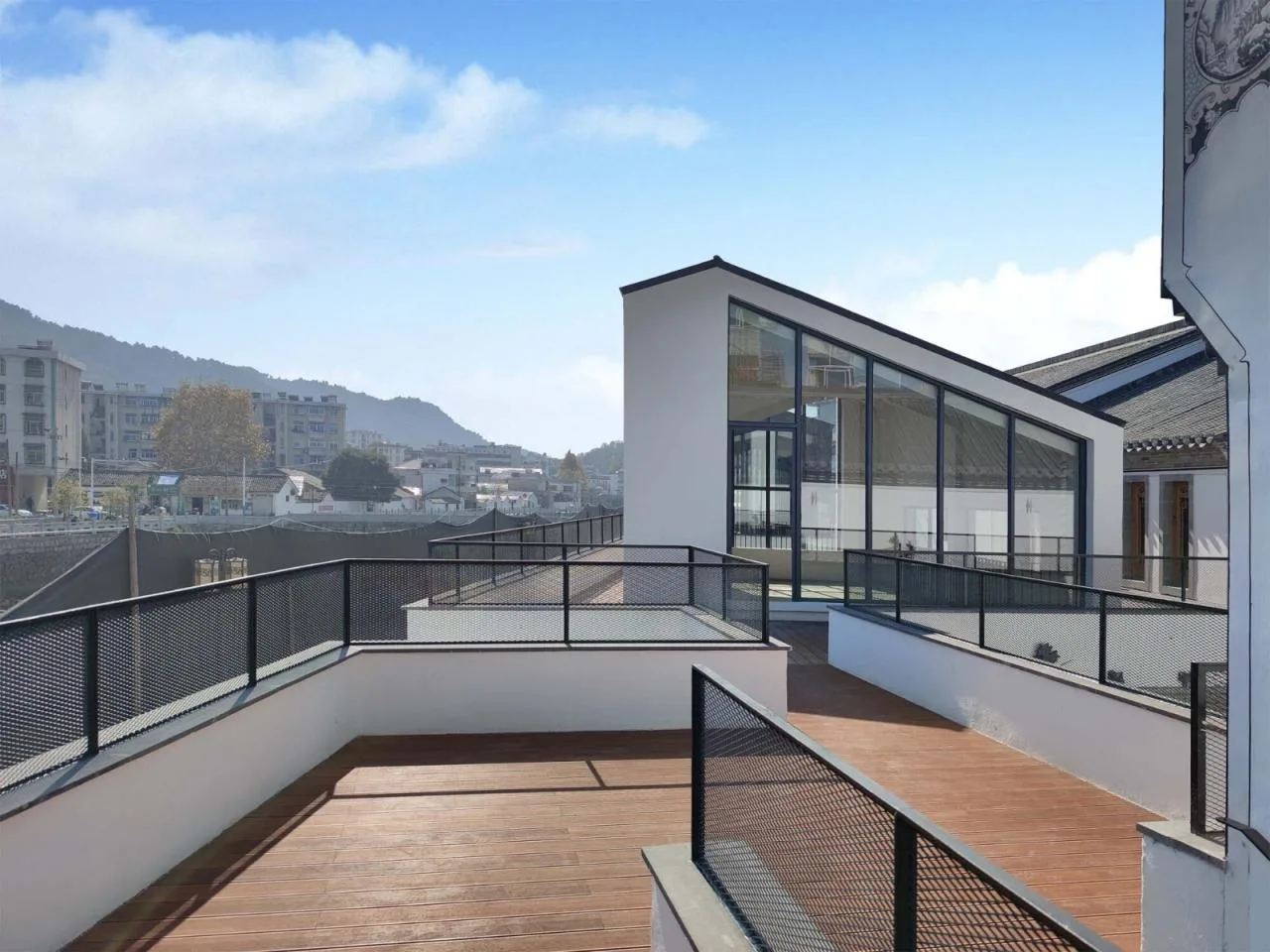
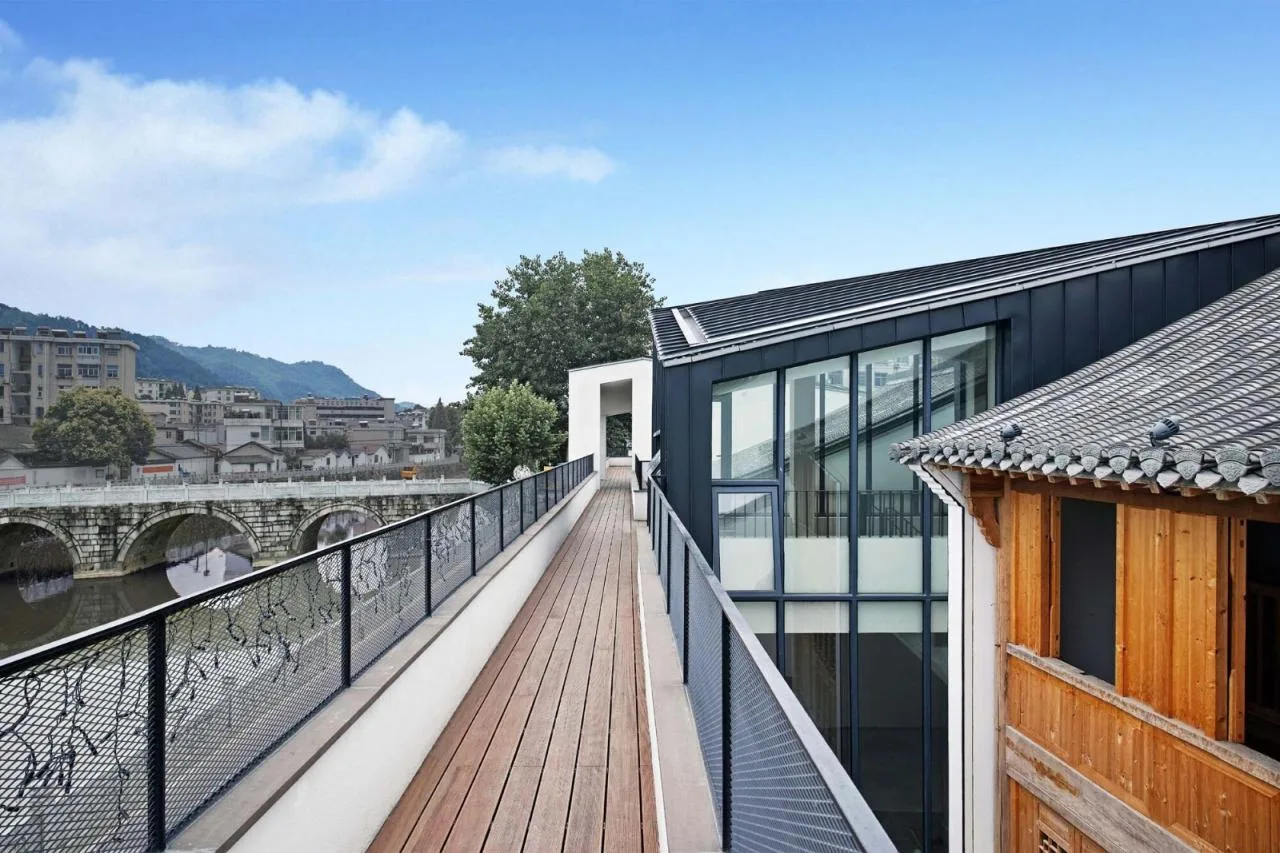
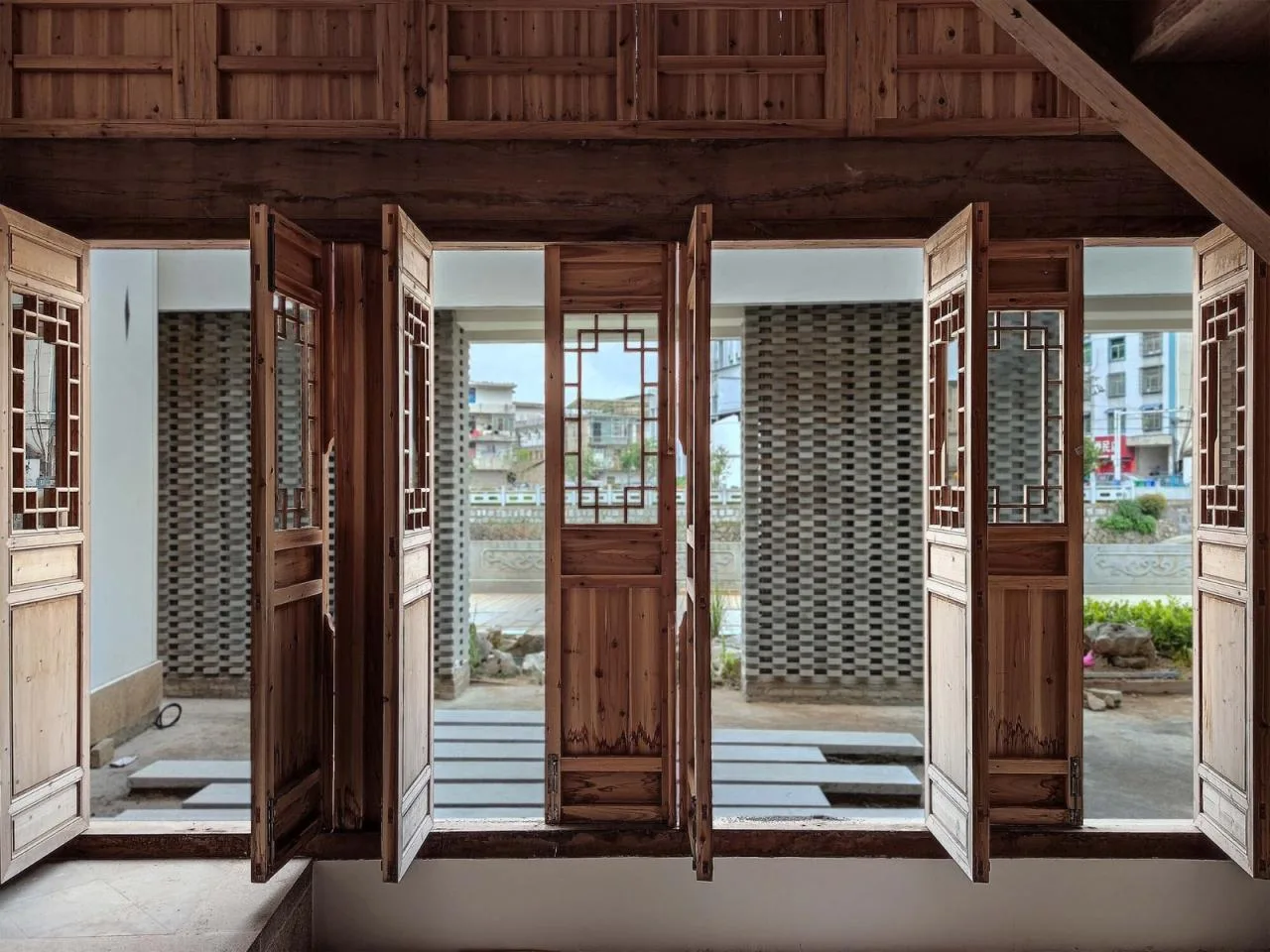
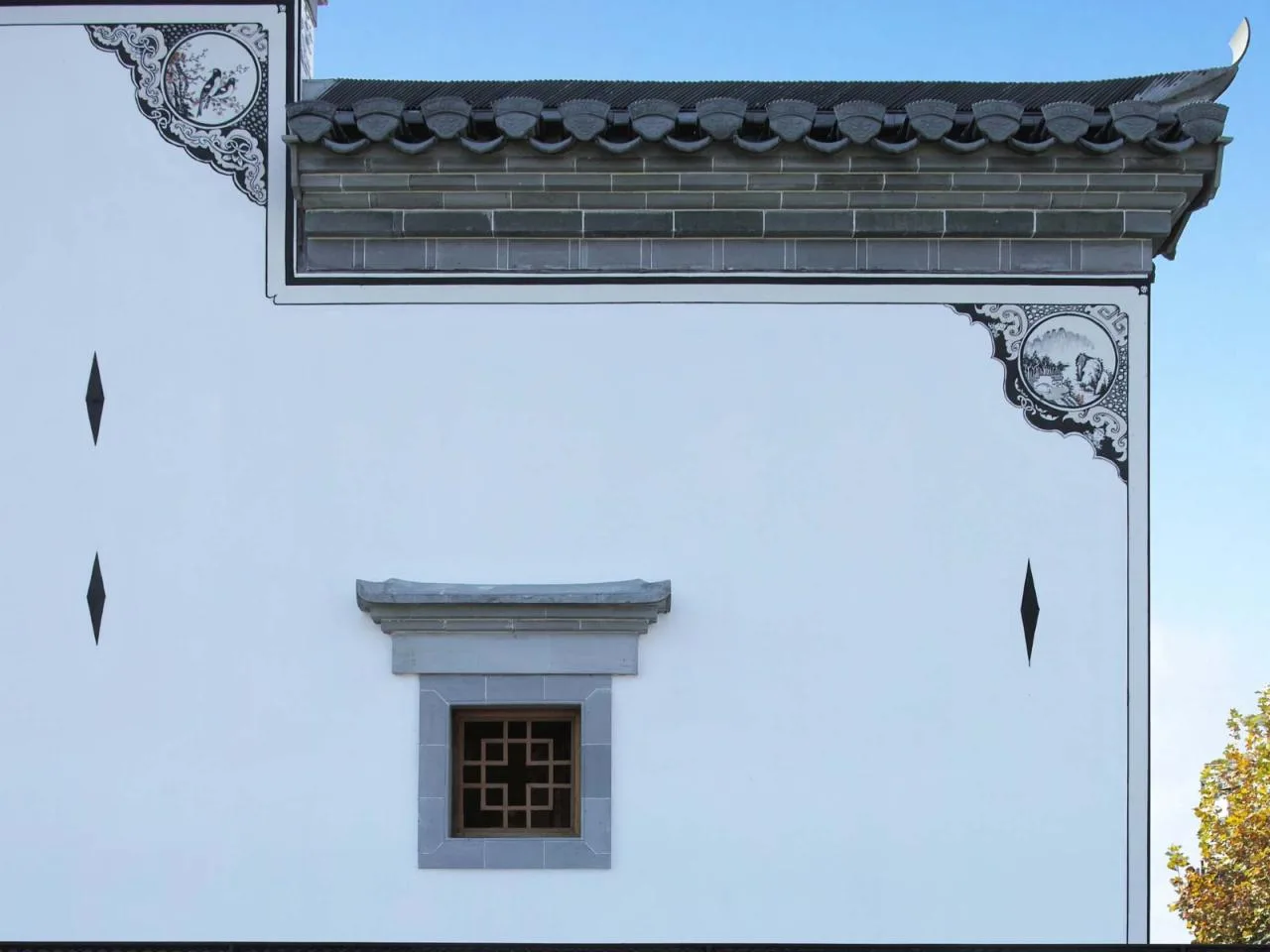
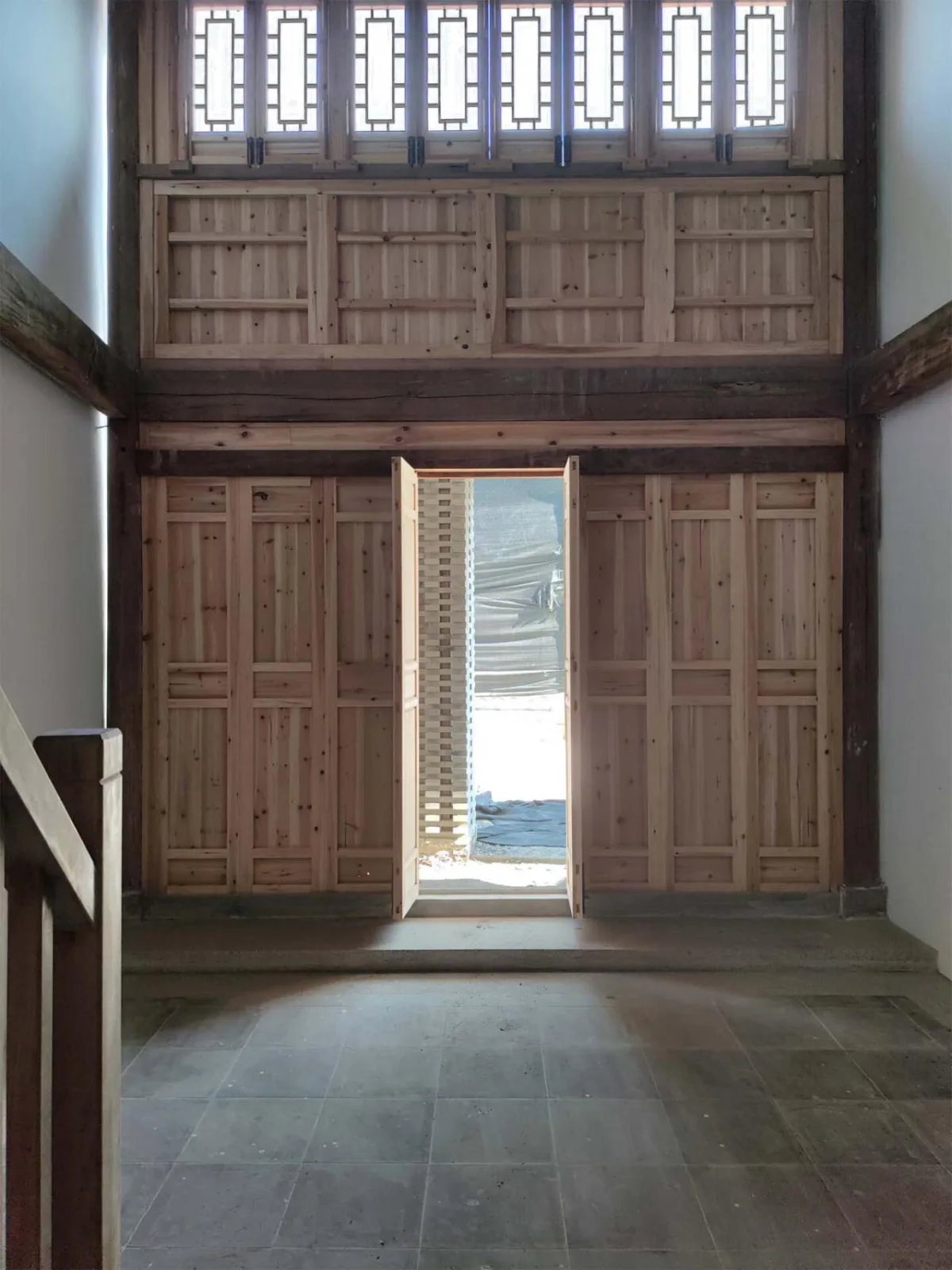
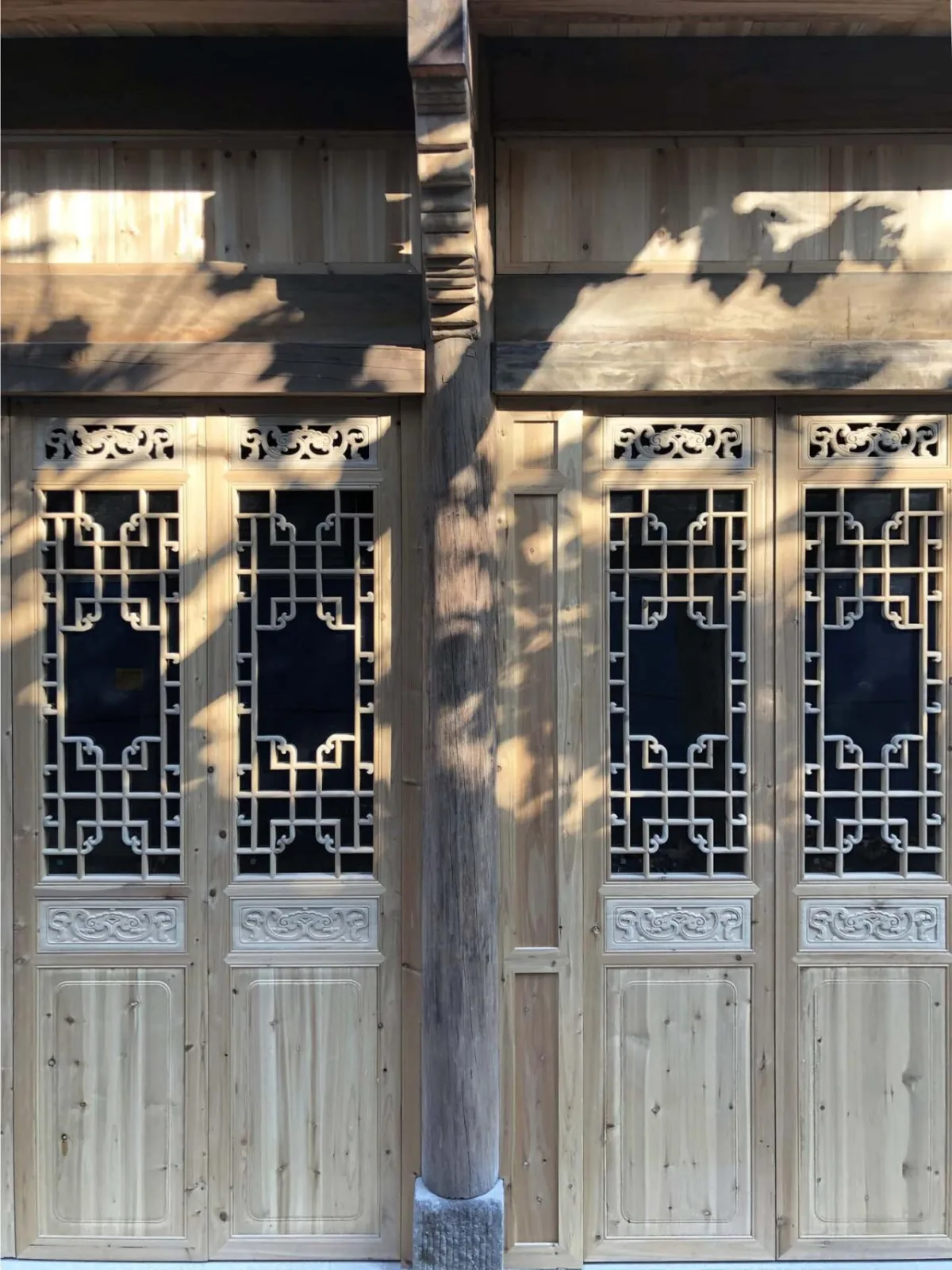
The overall construction strategy focuses on preserving and repairing buildings according to their condition. Decayed and termite-damaged wooden structural elements are replaced, while stairs, doors, and windows are updated and reinforced following the original scale and methods. The facades are repaired and strengthened using traditional Huizhou architectural materials and techniques to maintain historical authenticity as much as possible.
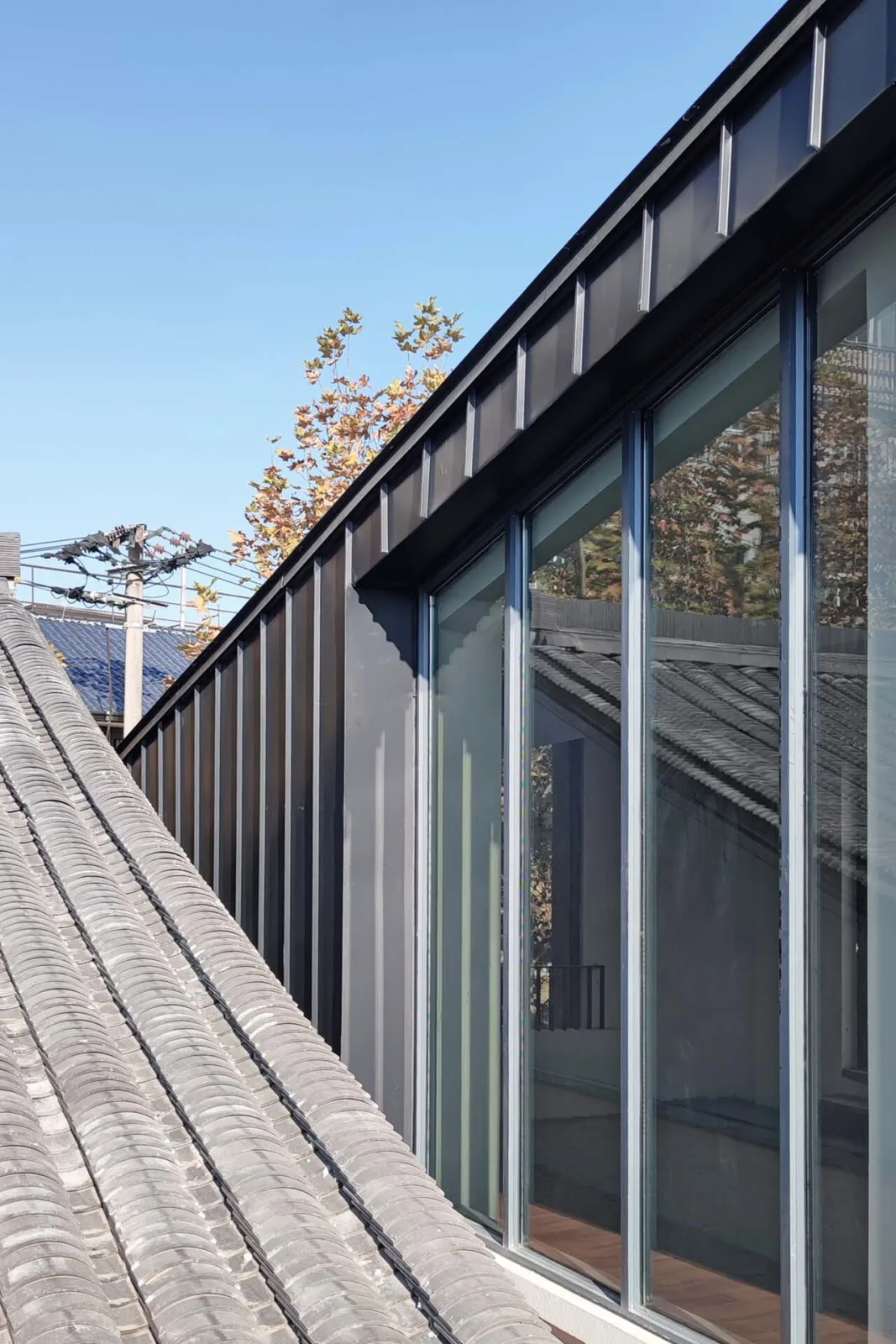
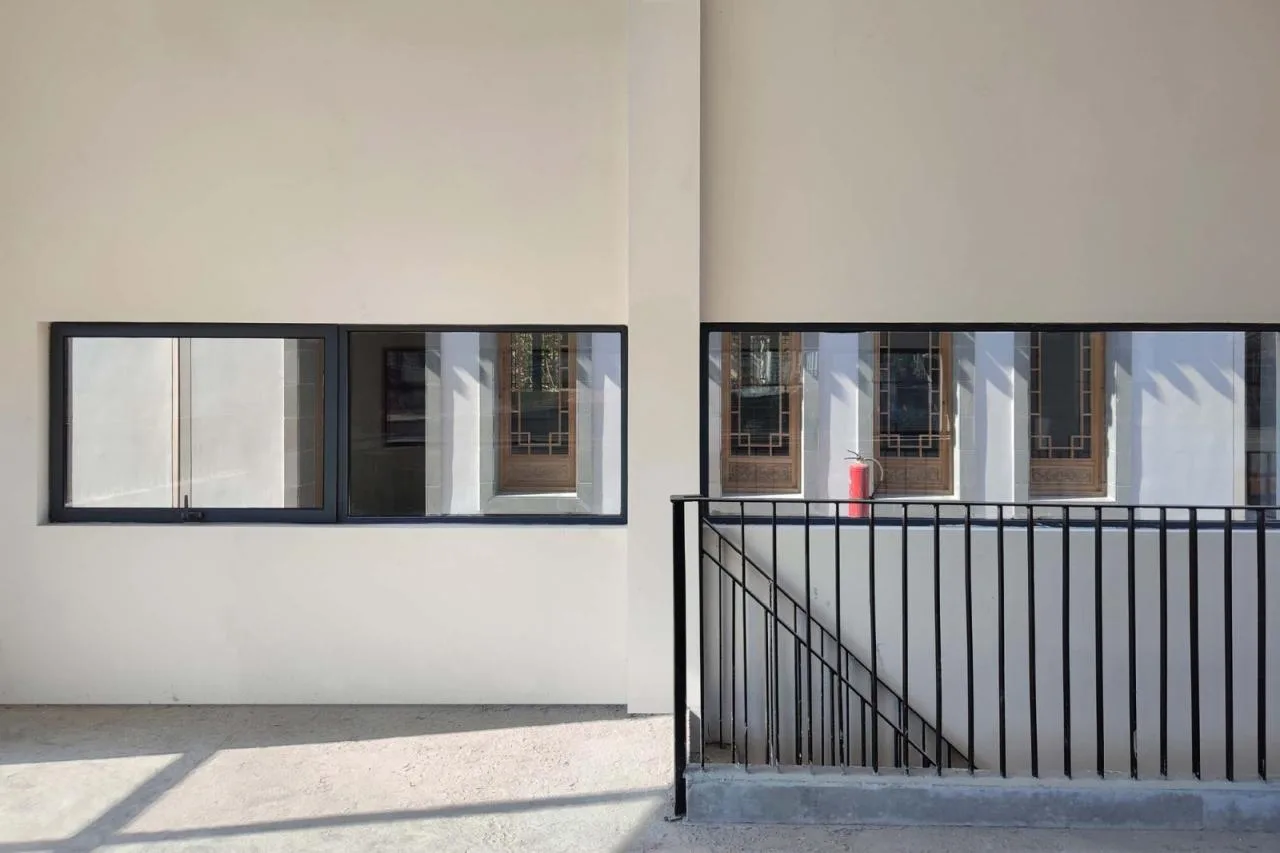
New buildings are designed to harmonize with the old in terms of scale, color, and materials, achieved through a contemporary interpretation of traditional architectural language. This approach combines modern materials and construction techniques to create a fresh aesthetic that complements the historic environment.
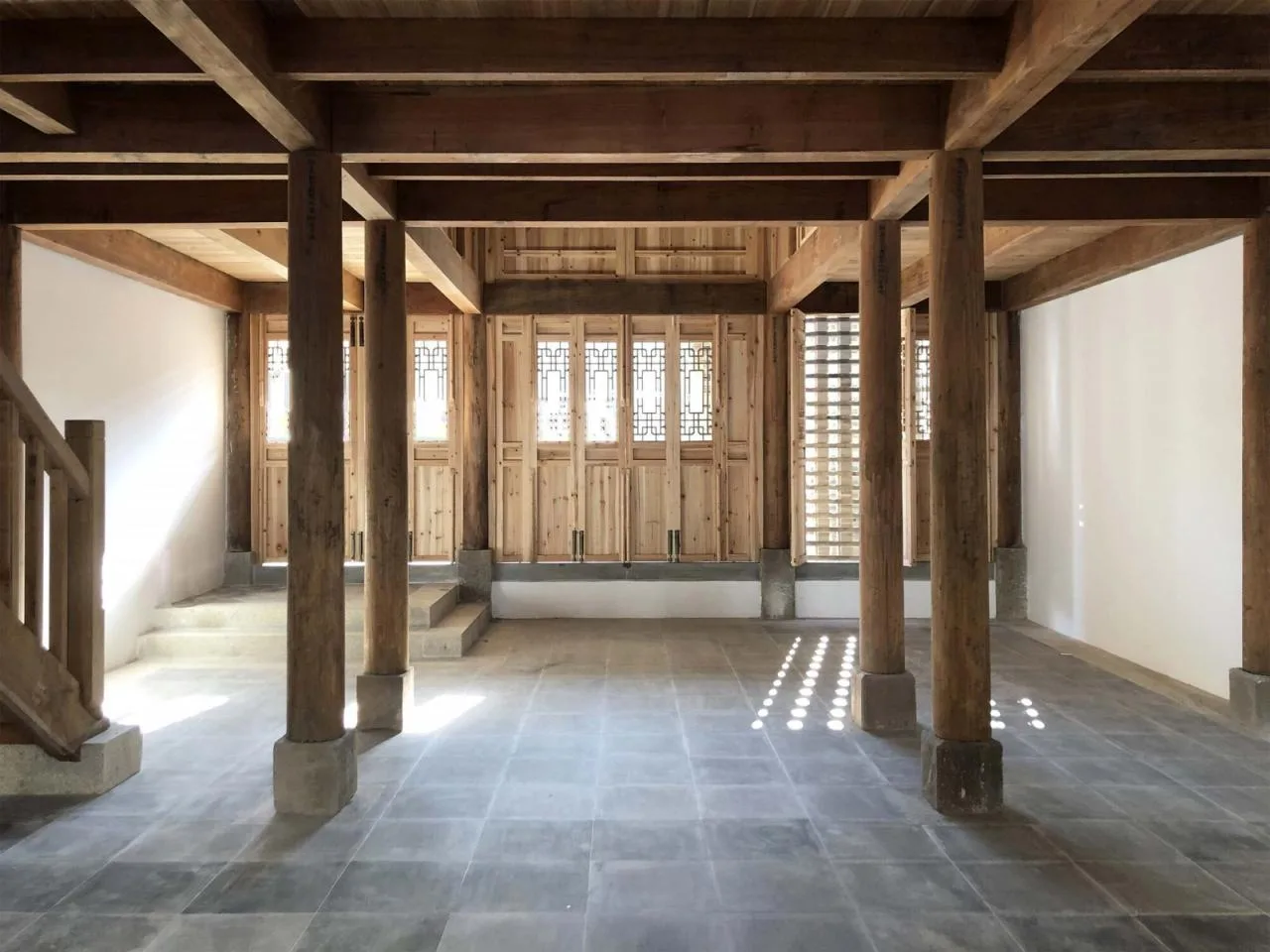
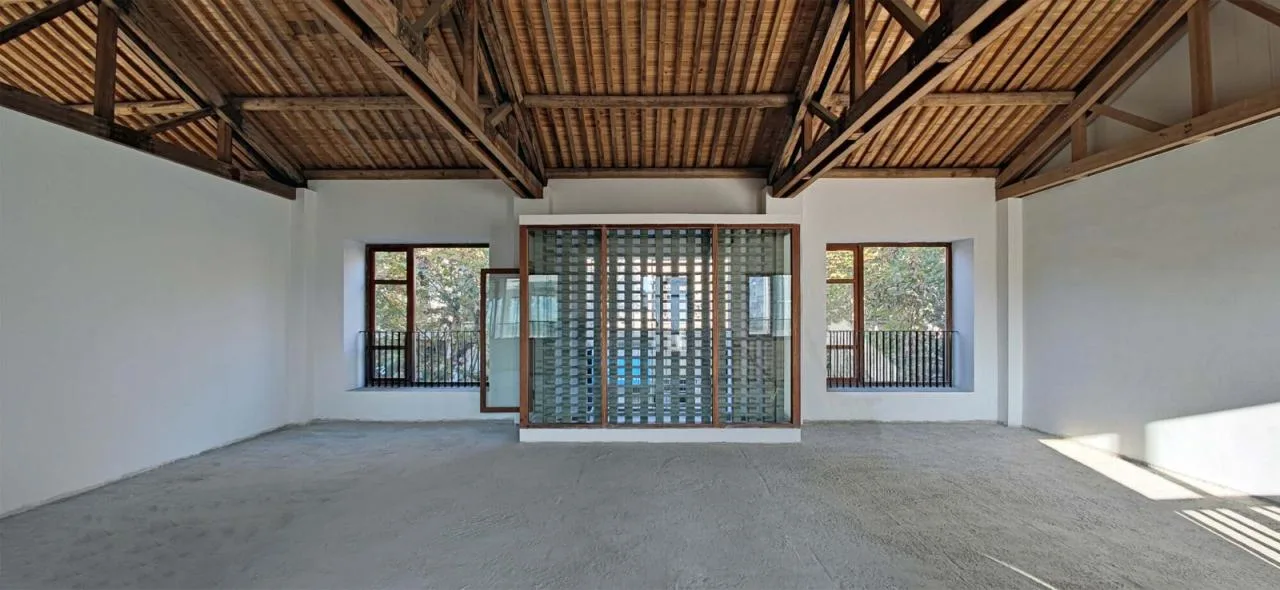
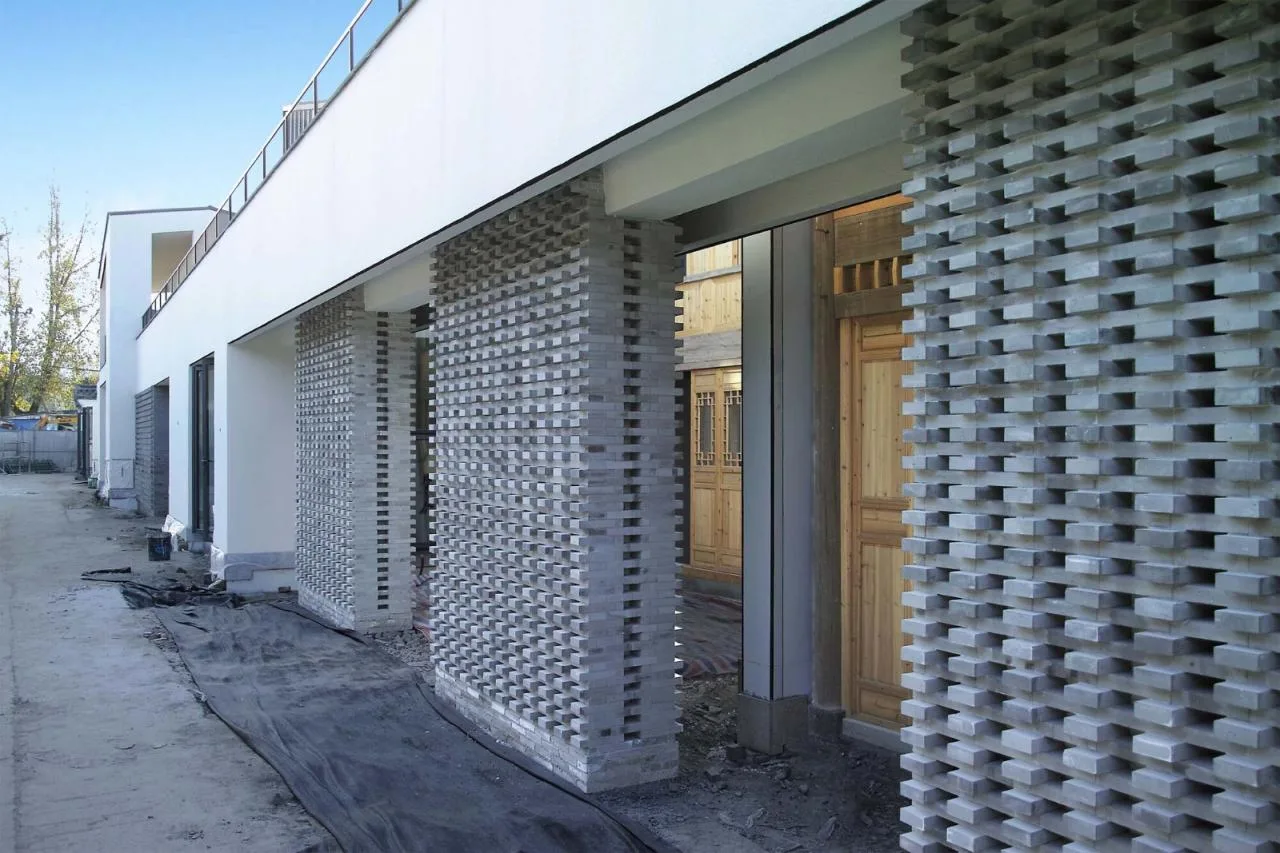
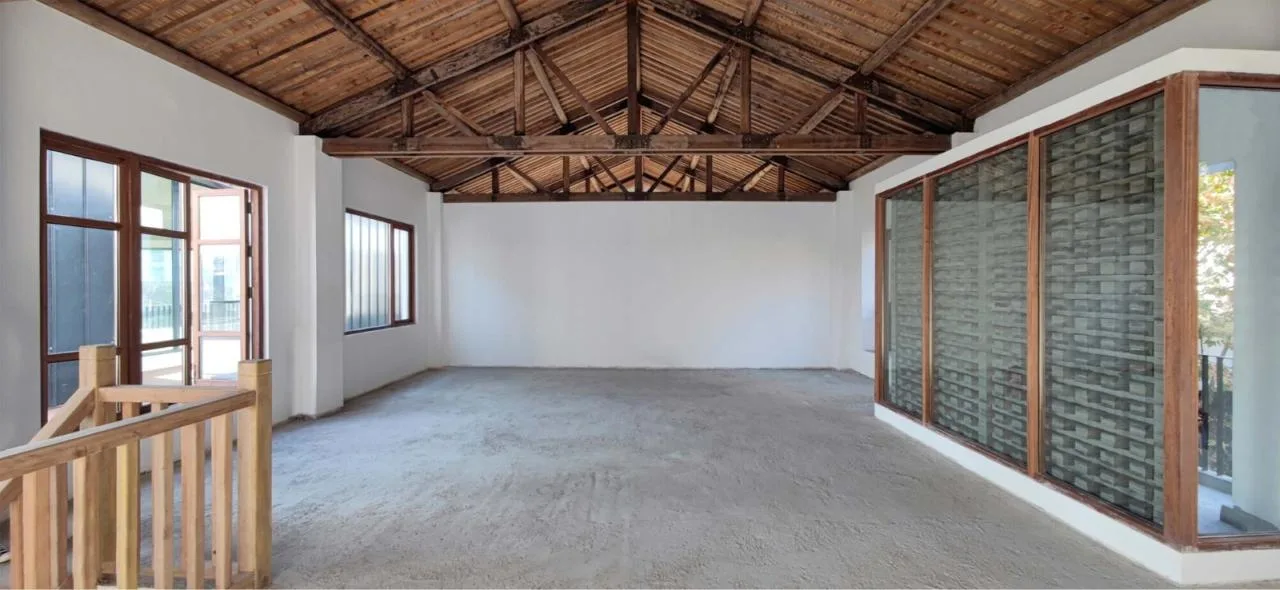
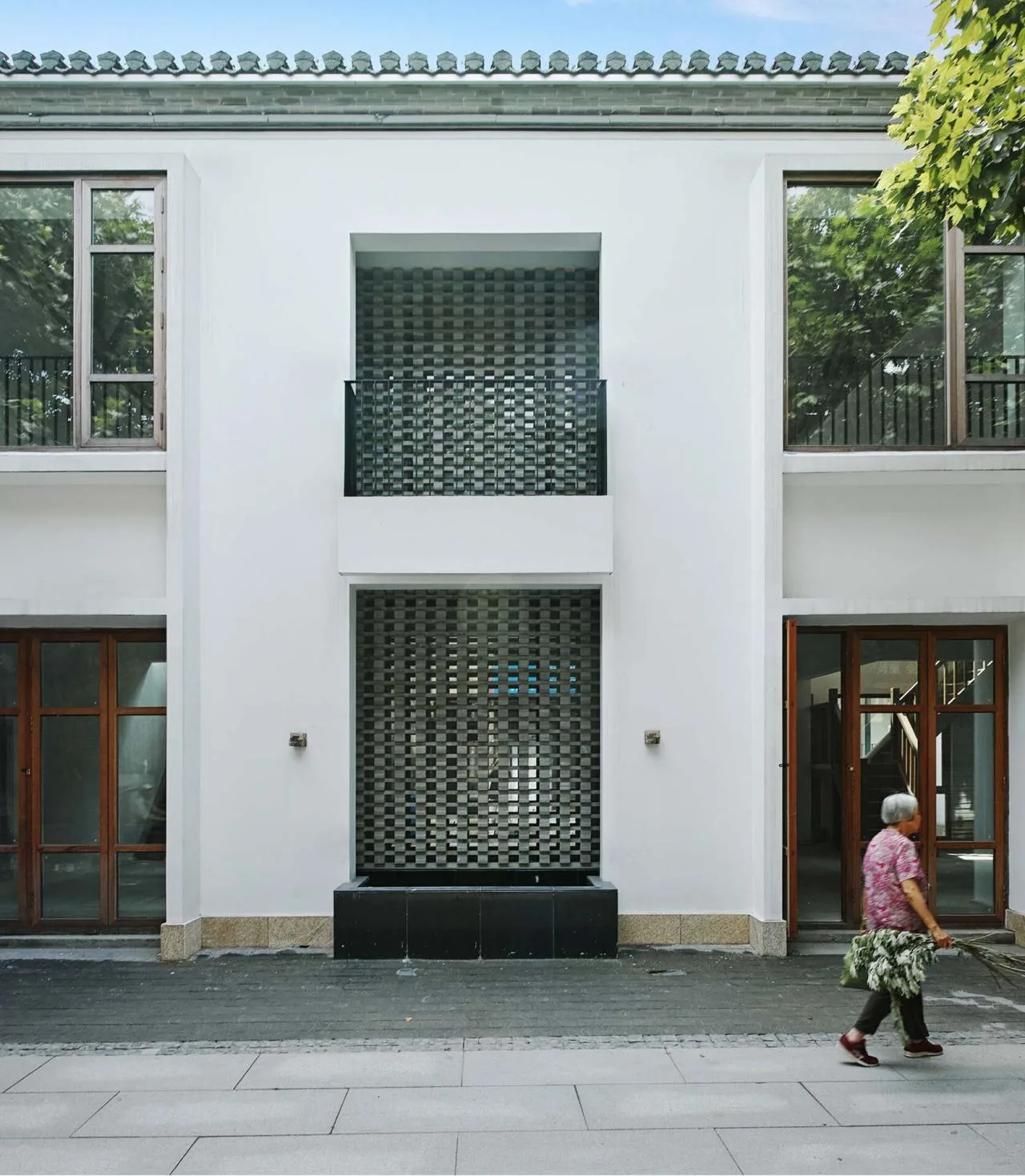
Building 7 Restoration: Constructed during the early years of the People’s Republic of China, the two-story Building 7 features brick walls and a triangular wooden frame with a square floor plan. Restoration work focused on the roof truss structure and facade.
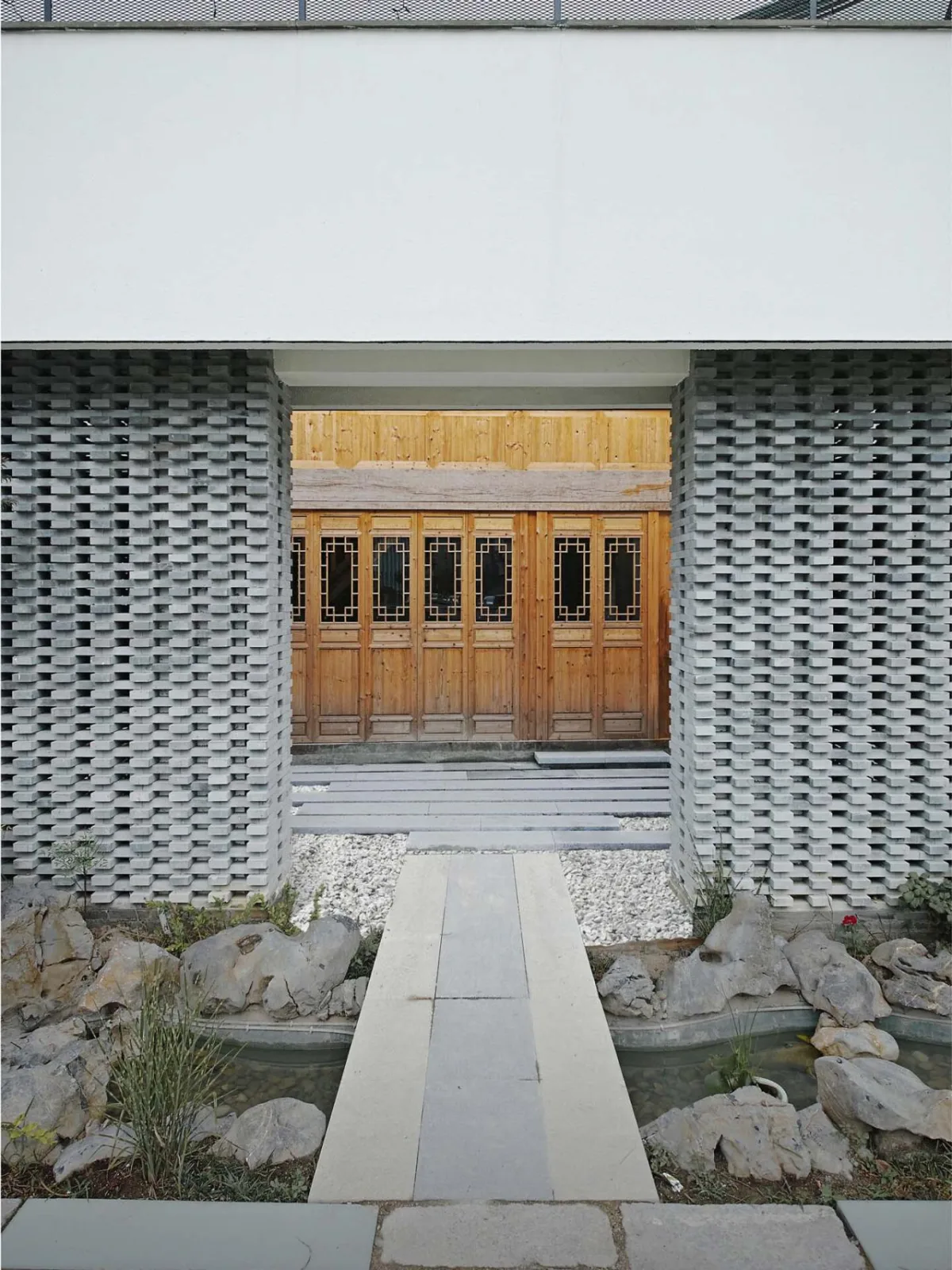
The triangular wooden frame was reconstructed, retaining its original height and span to preserve its historic character and era-specific features. The original single facade window was replaced with a recessed balcony on the first floor and a protruding balcony on the second floor. These balconies feature hollow brick walls that create a semi-transparent effect, adding depth and hierarchy to the facade.
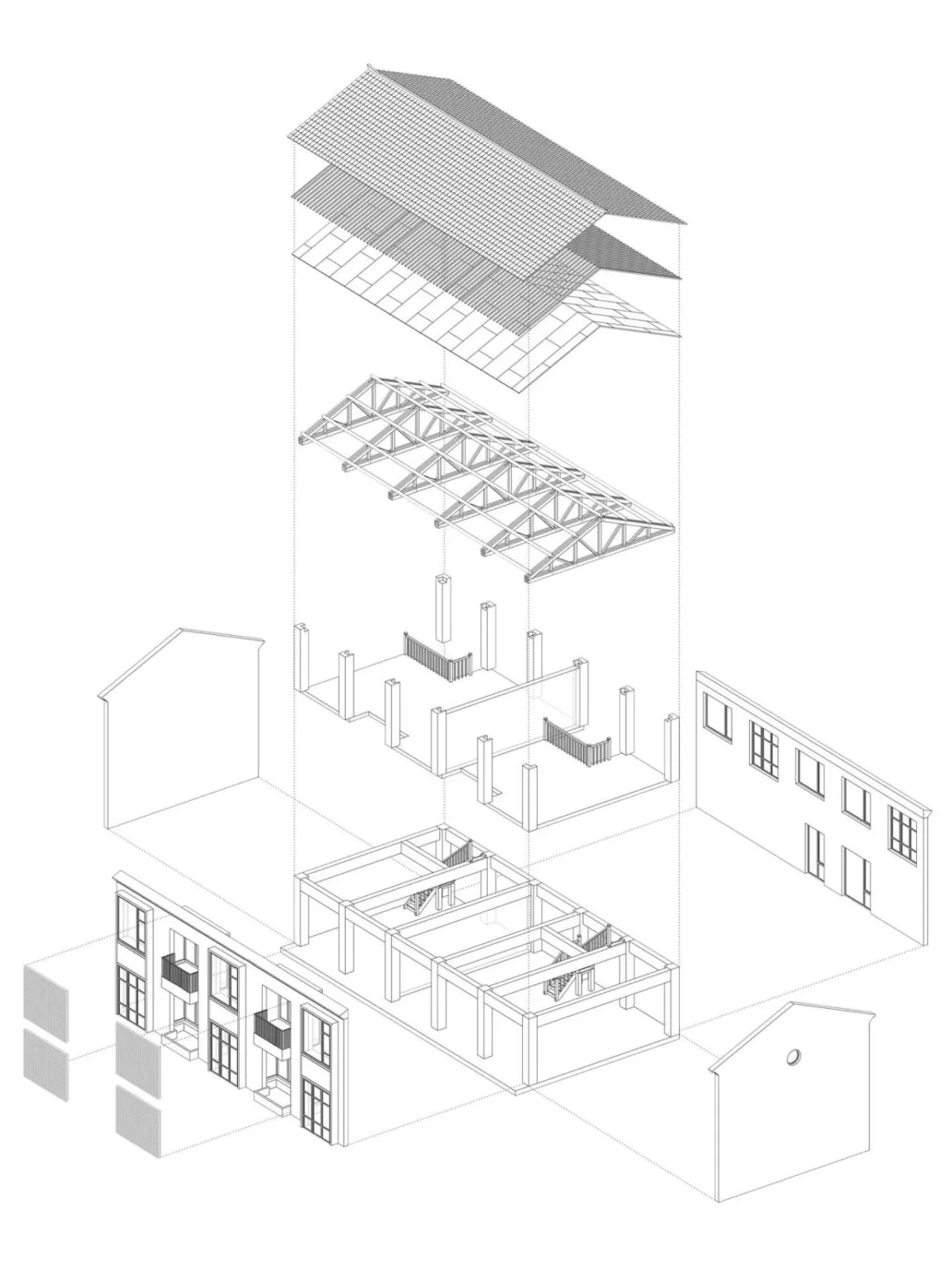
Exploded diagram of Building 7
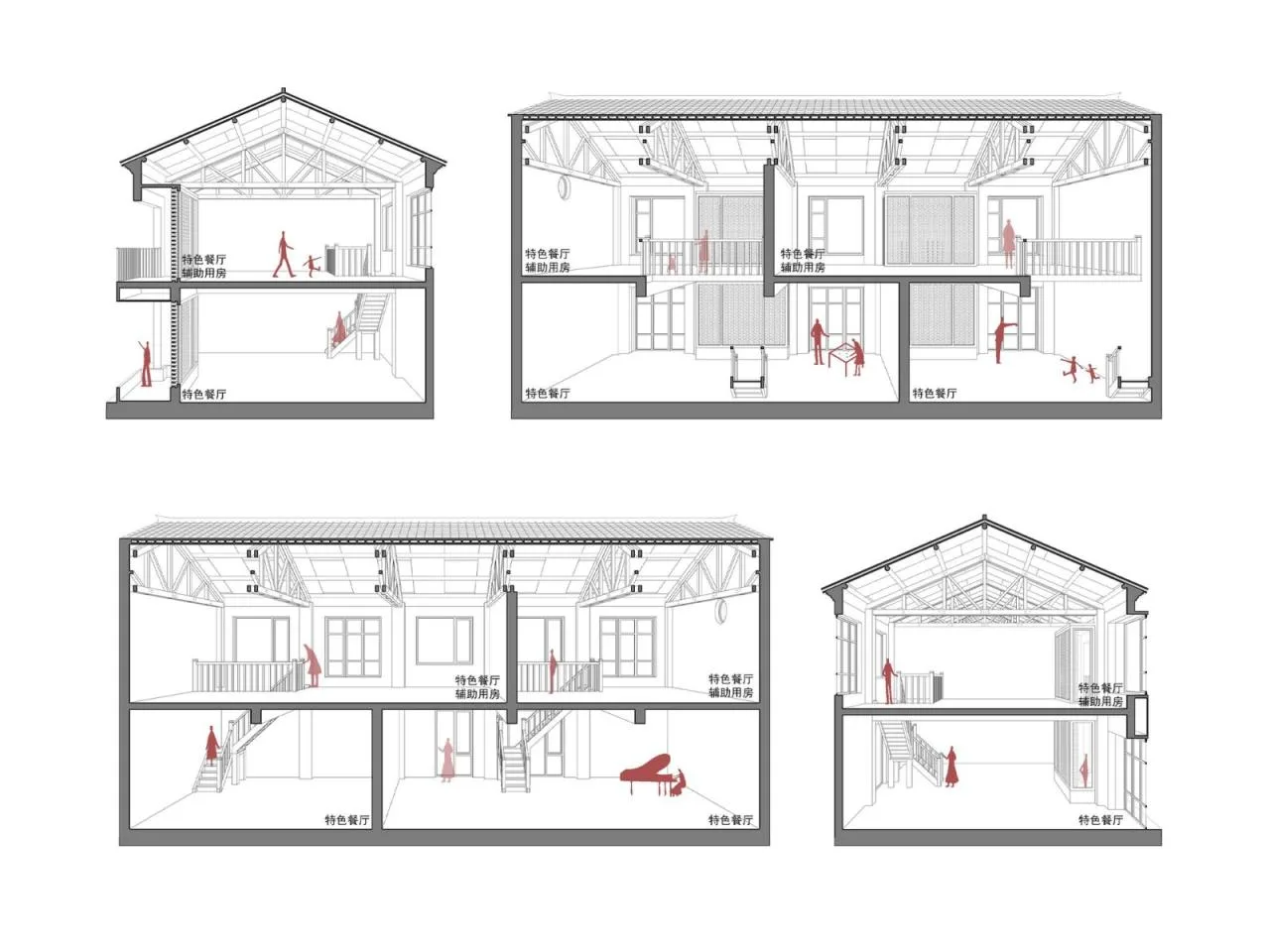
△ Sectional perspective of Building 7
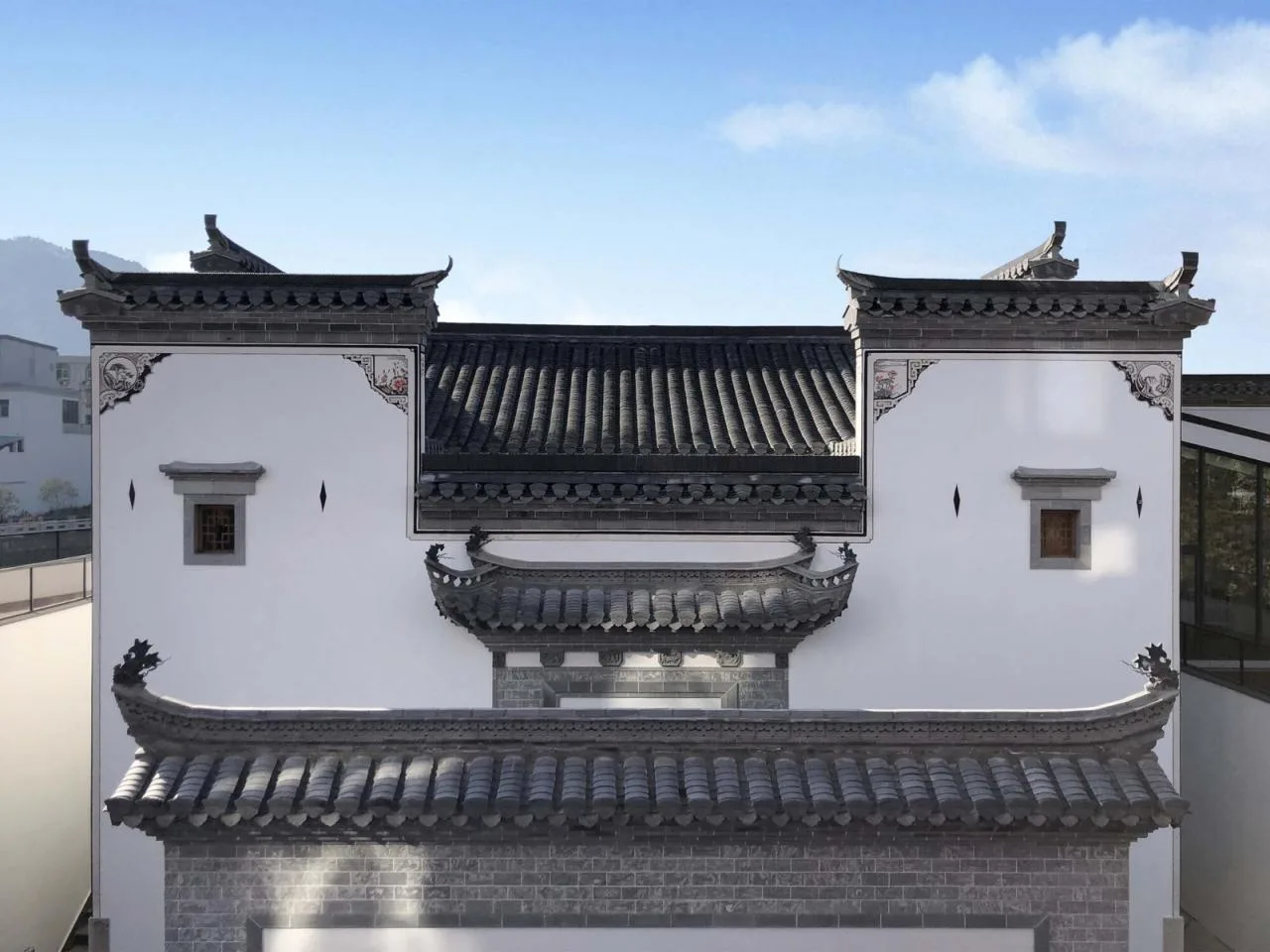
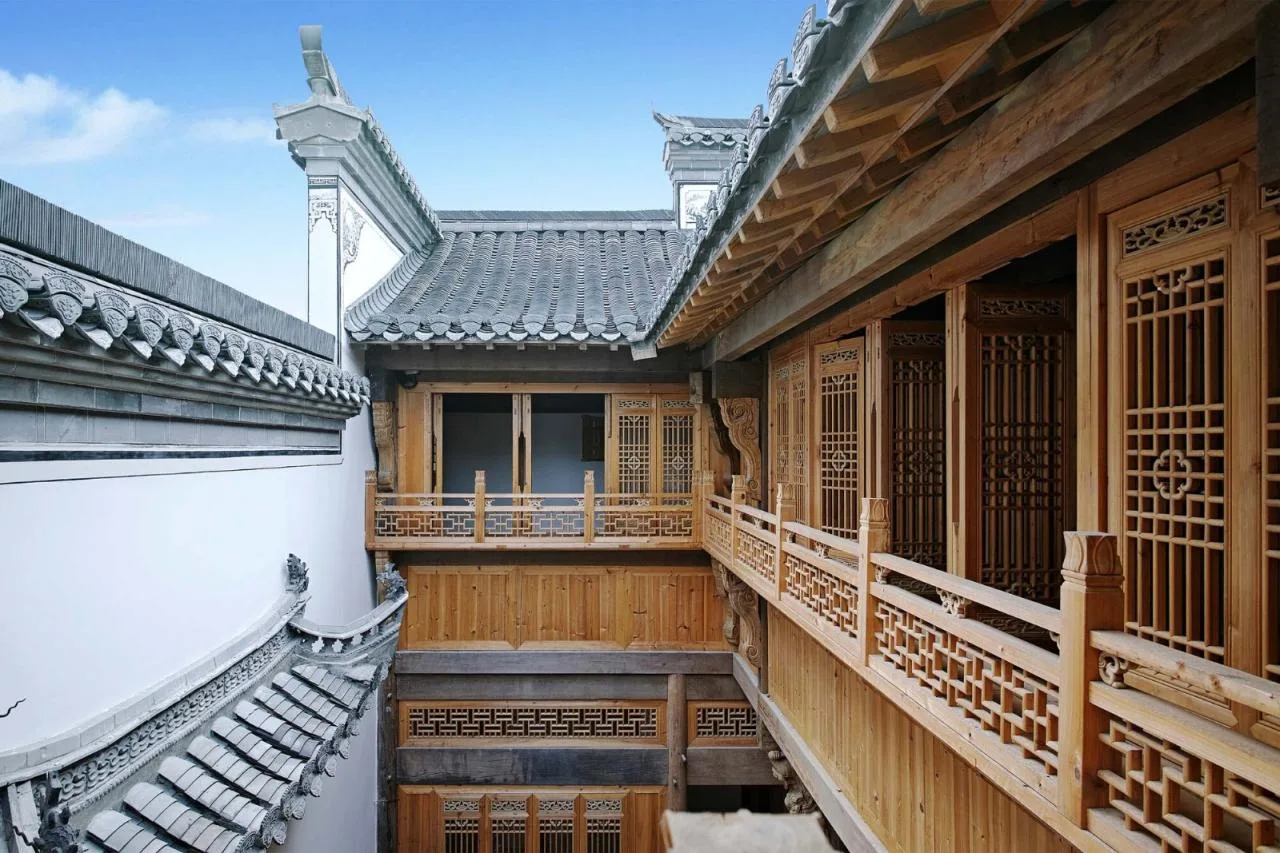
Building 10 Restoration: Building 10 is the only well-preserved “Four Waters Returning to the Hall” style residence found in southern Anhui during research and surveys amidst unauthorized developments. The design aimed to restore the structure while maintaining the original dimensions and shape.
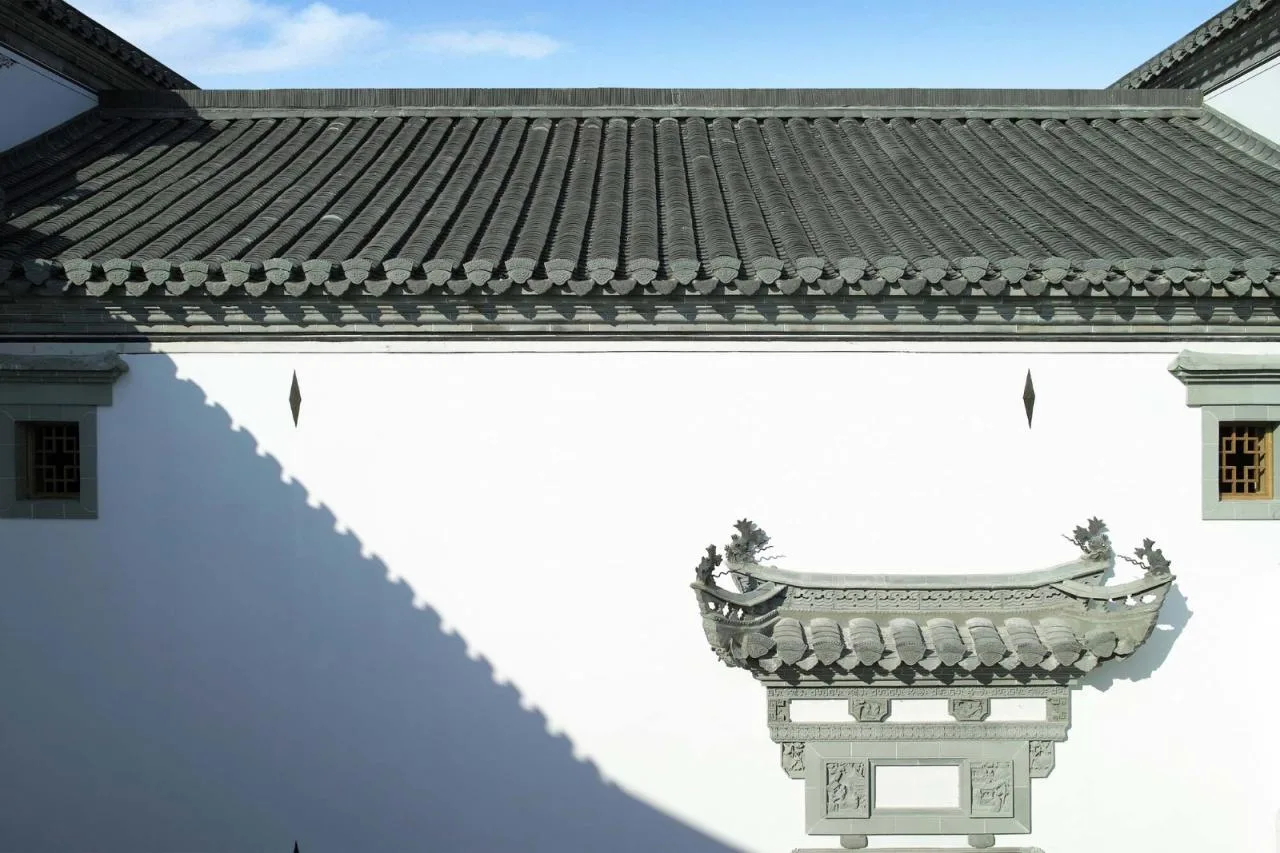
Shadow walls were added in the front and back courtyards to naturally form a vestibule and backyard, reinforcing the central axis. Due to years of neglect, the wooden structure required extensive repairs. Original components were dismantled, cataloged, repaired, and replaced as needed, while damaged external structural nodes were restored and transformed. Ultimately, a complete three-bay, three-courtyard Wannan-style residence was rebuilt.
Flanking Building 10 are two newly designed, modern single-story wall-style structures with white walls and gray roofs. These buildings create a spatial enclosure for the front yard and include an outdoor staircase on the east side, enabling visitors to access the second-floor rooftop platform for a close-up view of the historic residence. This blend of old and new structures highlights the value of the historic building while establishing clear visual hierarchy.
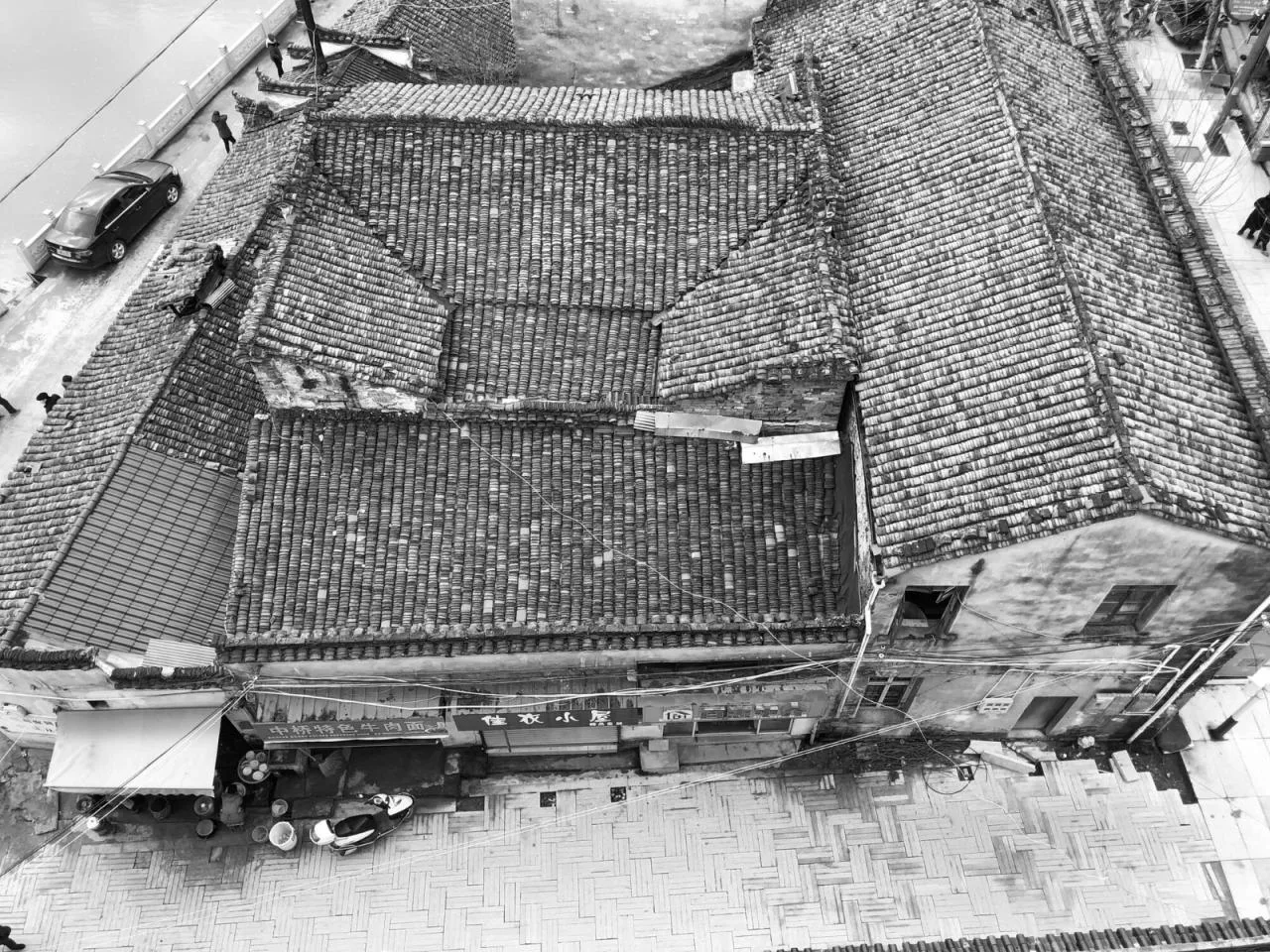
Before the renovation
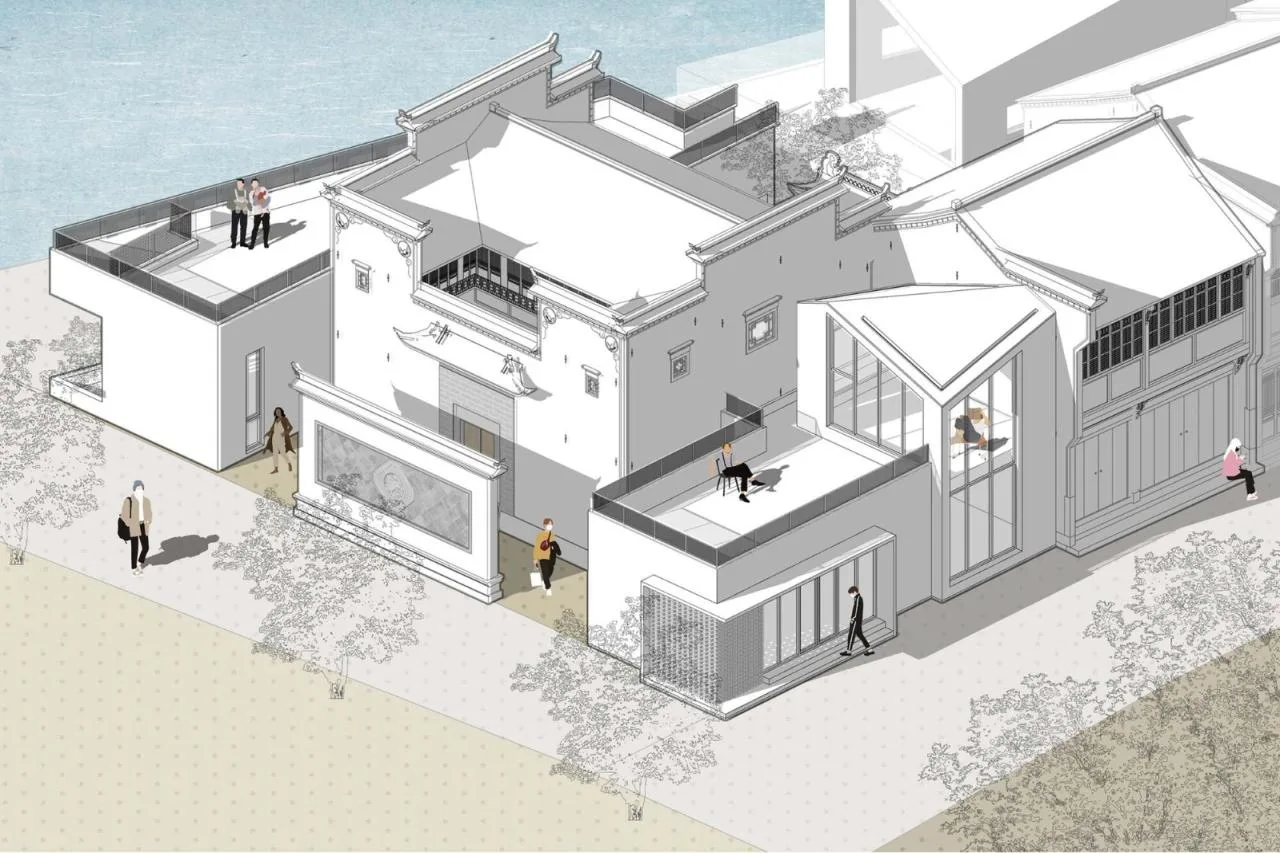
Project Drawings
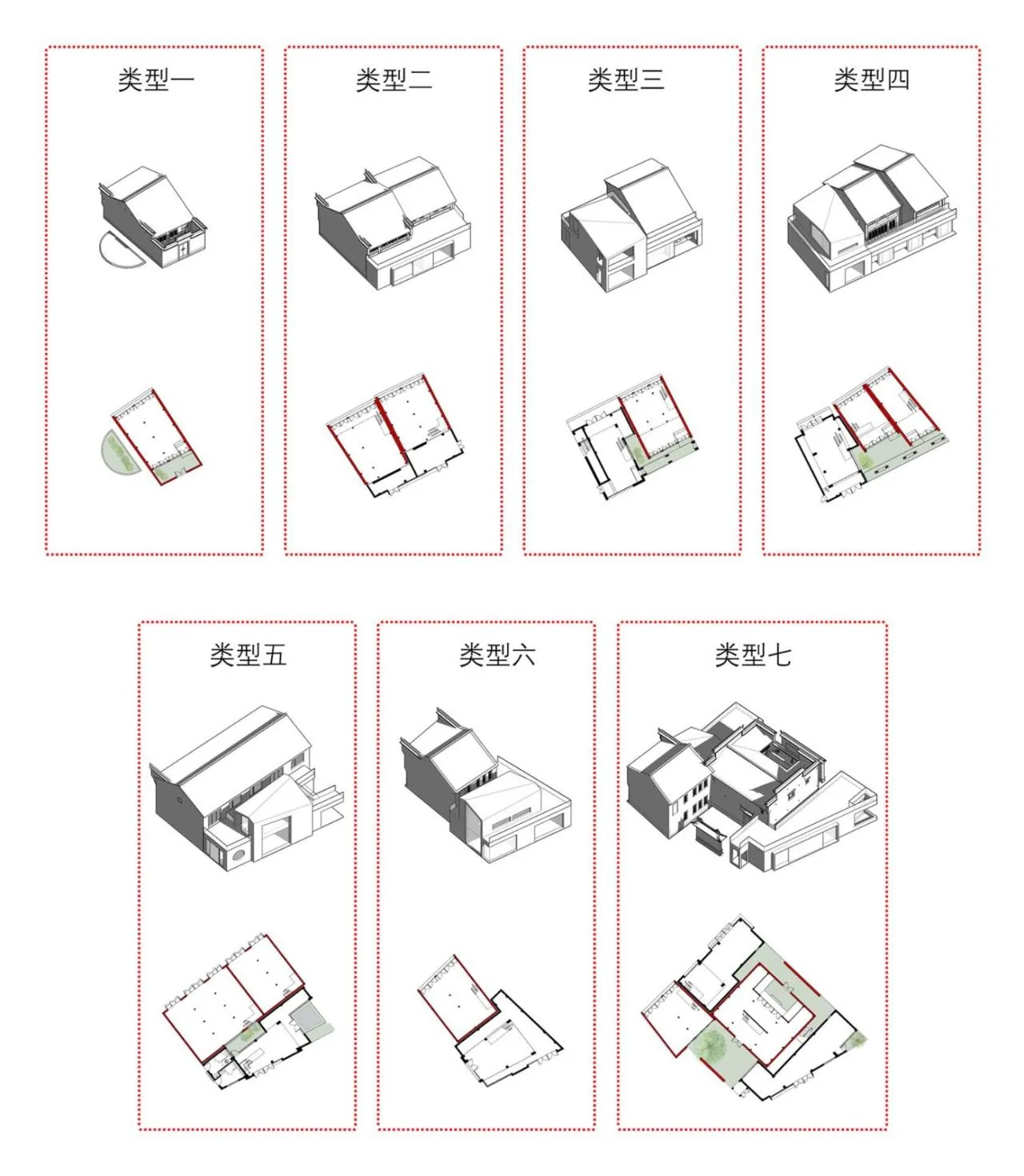
△ Analysis Diagram
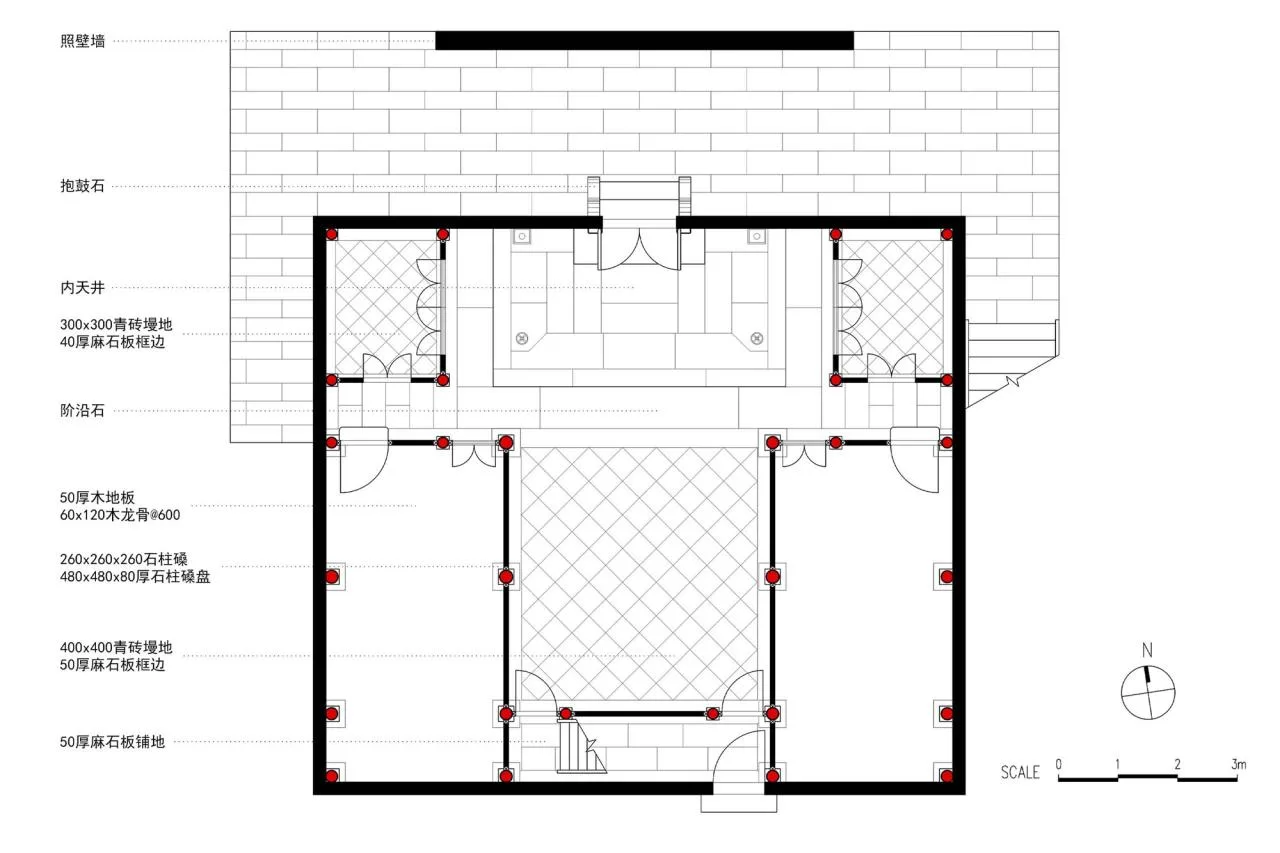
△ First Floor Plan of the Museum
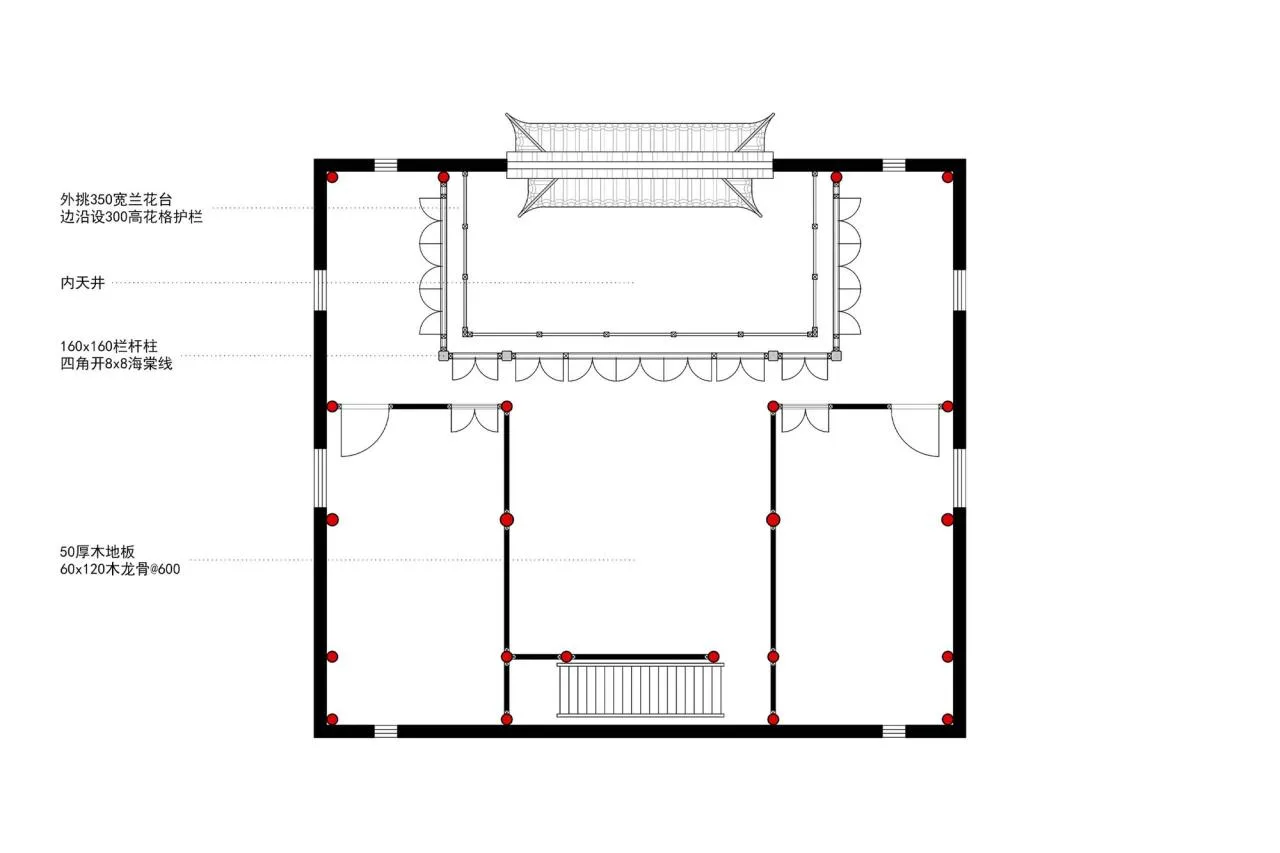
△ Second Floor Plan of the Museum
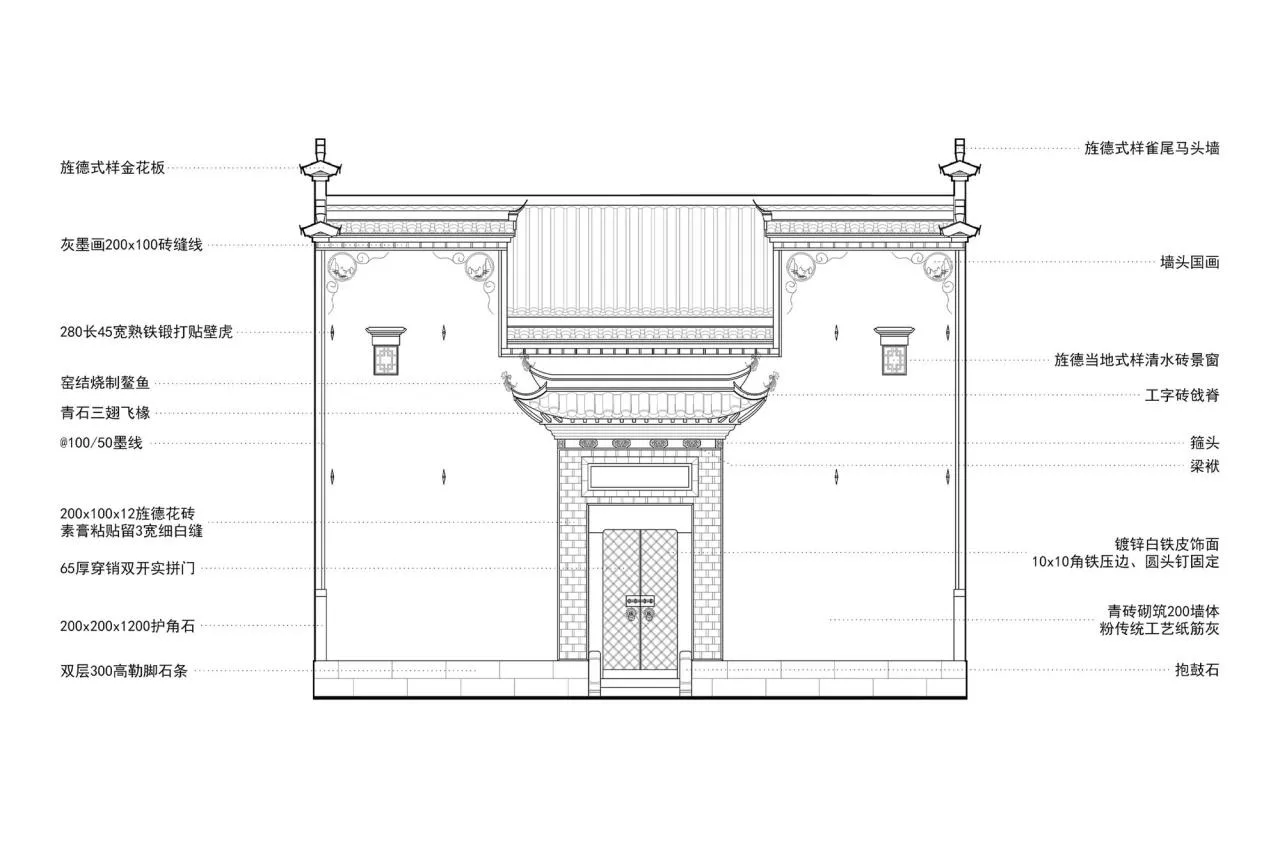
△ Museum Elevation View
Project Information
Architect: Unformed Architecture
Area: 2148 m²
Project Year: 2021
Manufacturers: Armstrong, Shanghai Ruihan Architectural Decoration Co., Ltd., Hunan Taohuajiang Bamboo Technology Co., Ltd.
Lead Architects: Li Yawei, Wu Shufan
Design Team: Li Yawei, Wu Shufan, Li Gang, Wang Xiaoyan, Rui Yuanyuan, Sun Rong
Construction Contractor: Anhui Huizhou Classical Garden Construction Co., Ltd.
Wooden Structure Restoration Designer: Yu Guojian
Construction Drawing Designer: Jiangsu International Economic and Technological Cooperation Group Co., Ltd., China
Client: Jingde County Tourism Development Co., Ltd.
Location: Xuancheng City















Must log in before commenting!
Sign Up