
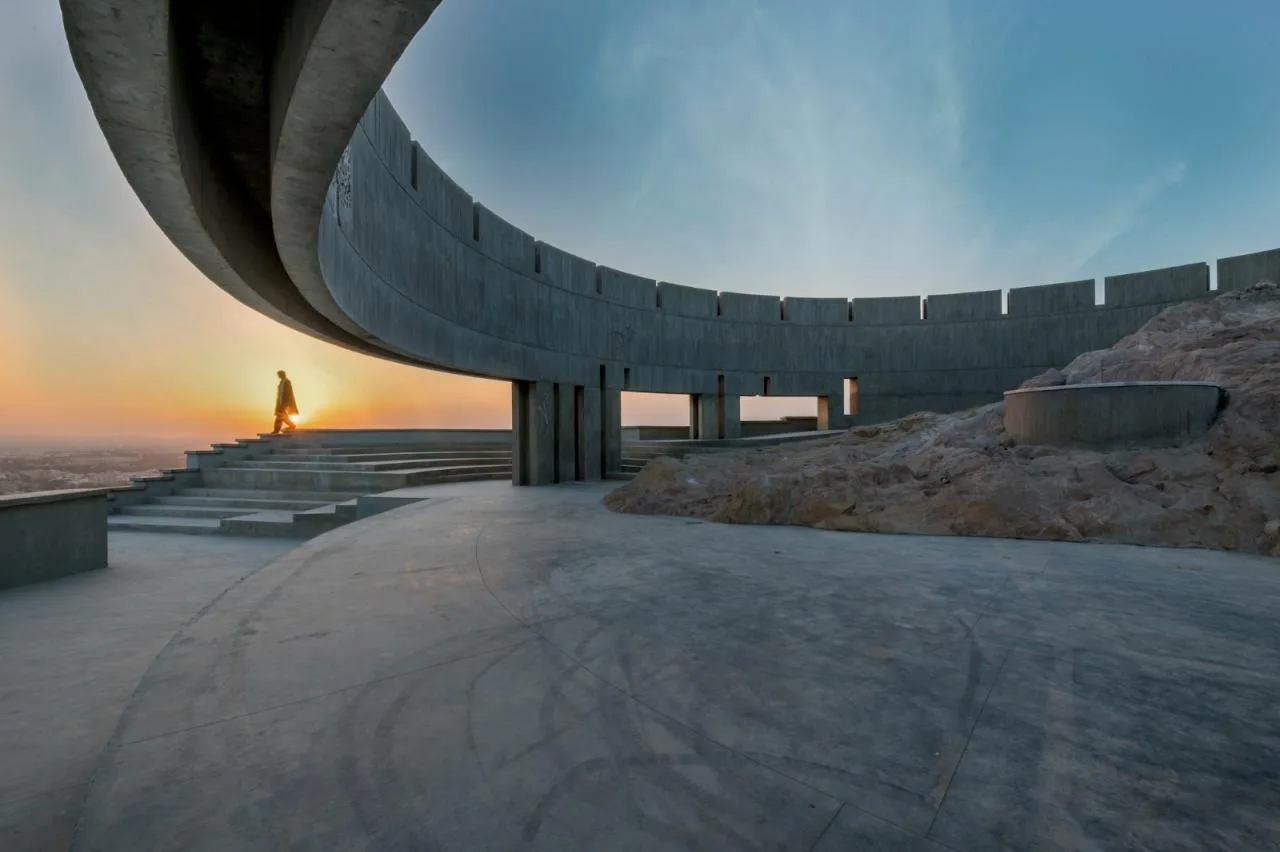
On the morning of January 26, 2001, at 8:46 am, a powerful earthquake measuring 7.6 on the Richter scale struck Kutch, Gujarat. This devastating event resulted in 13,805 deaths and left countless others mourning. The destruction of homes, infrastructure, and property reached into the billions, leaving a lasting impact that is difficult to fully comprehend.
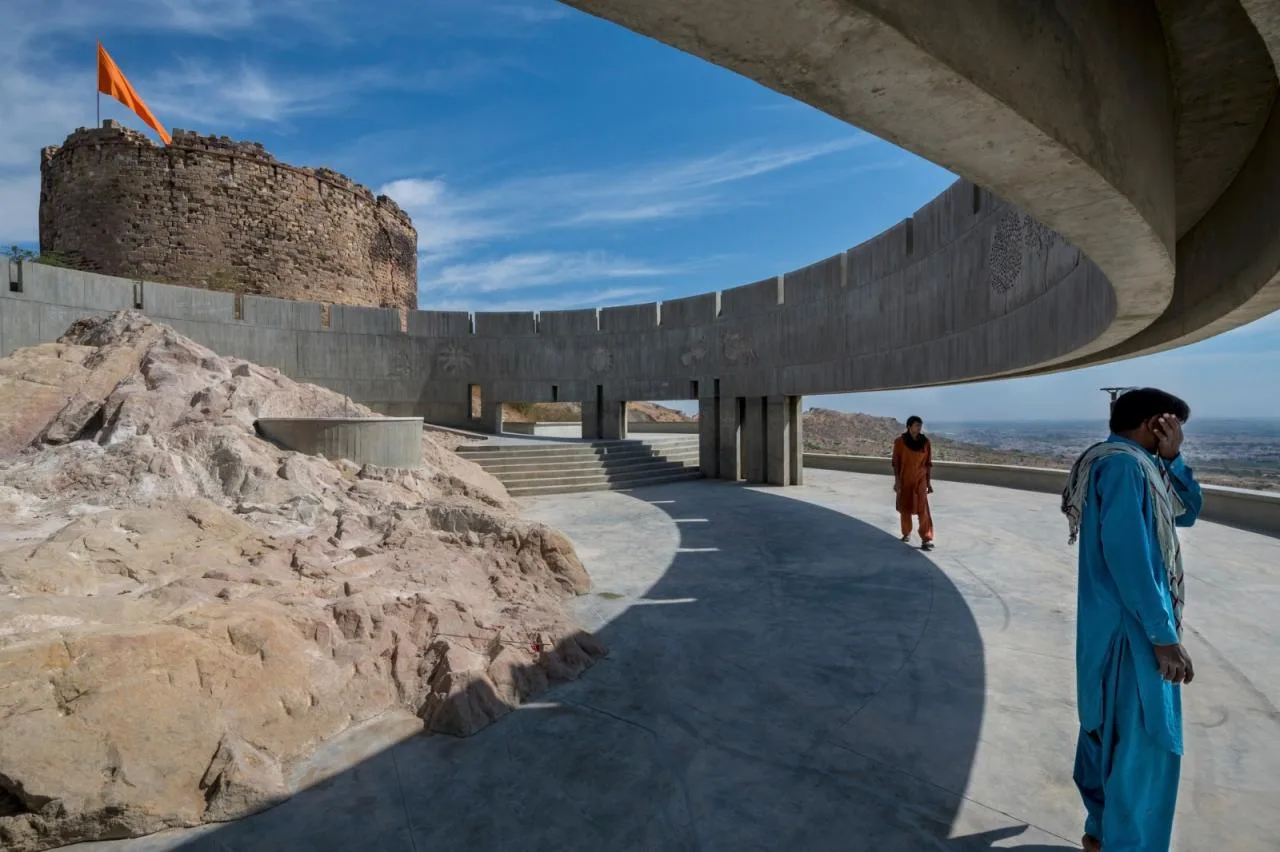
Kutch has long been shaped by the unpredictability of nature, with its history tracing back to the ancient Indus Valley/Harappan civilization over 4,500 years ago. Throughout its history, the region has endured numerous natural disasters, including hurricanes and droughts. These challenges have fostered a resilient culture deeply connected to its environment.
Water is the region’s most precious and scarce resource, influencing its ecology, economy, culture, social structures, festivals, and survival strategies. Reflecting this, former Chief Minister of Gujarat and current Prime Minister Narendra Modi offered a poignant directive: “Plant a tree for each victim.” A tree symbolizes rebirth, renewal, and hope — the cycle of life itself. There is no better tribute to lost lives than this symbolic act of regeneration, which also promotes afforestation and embodies the collective strength of a forest.
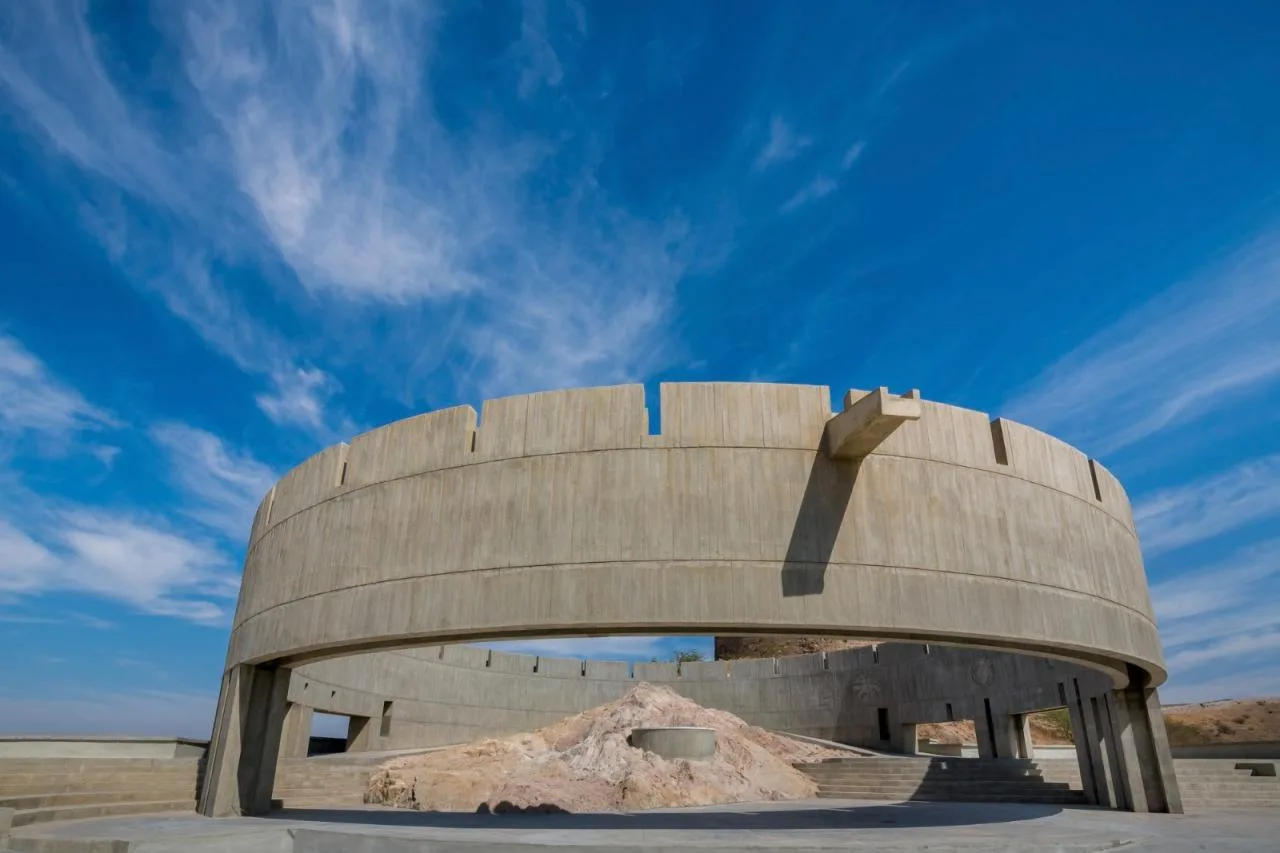
For the architects, this vision unfolds along two interconnected paths. One honors the families of the victims, who visit as pilgrims to pay their respects. The other nourishes the trees, helping restore life to the arid landscape of Kutch. The architects believe their role is to support the earth initially—until new life takes root and flourishes on its own, after which nature will carry on independently.
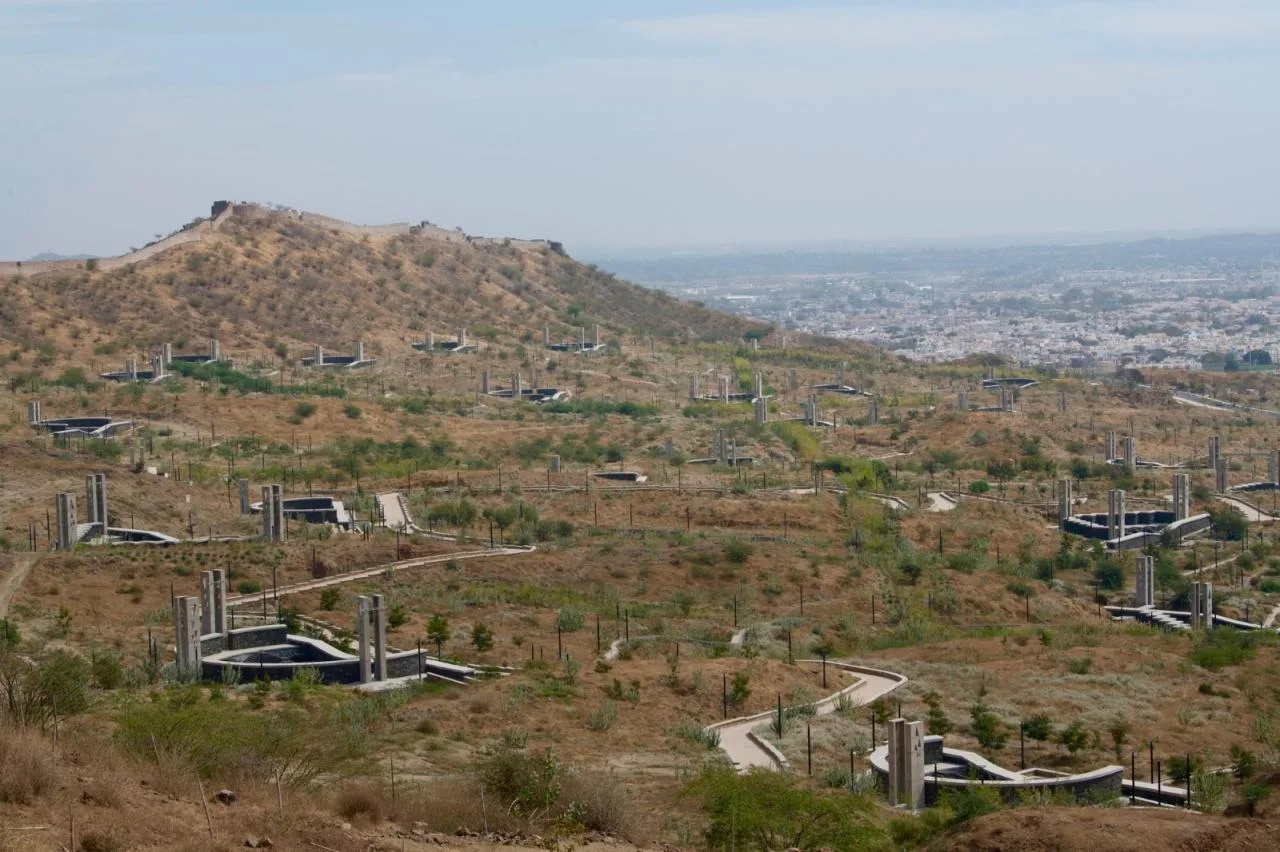
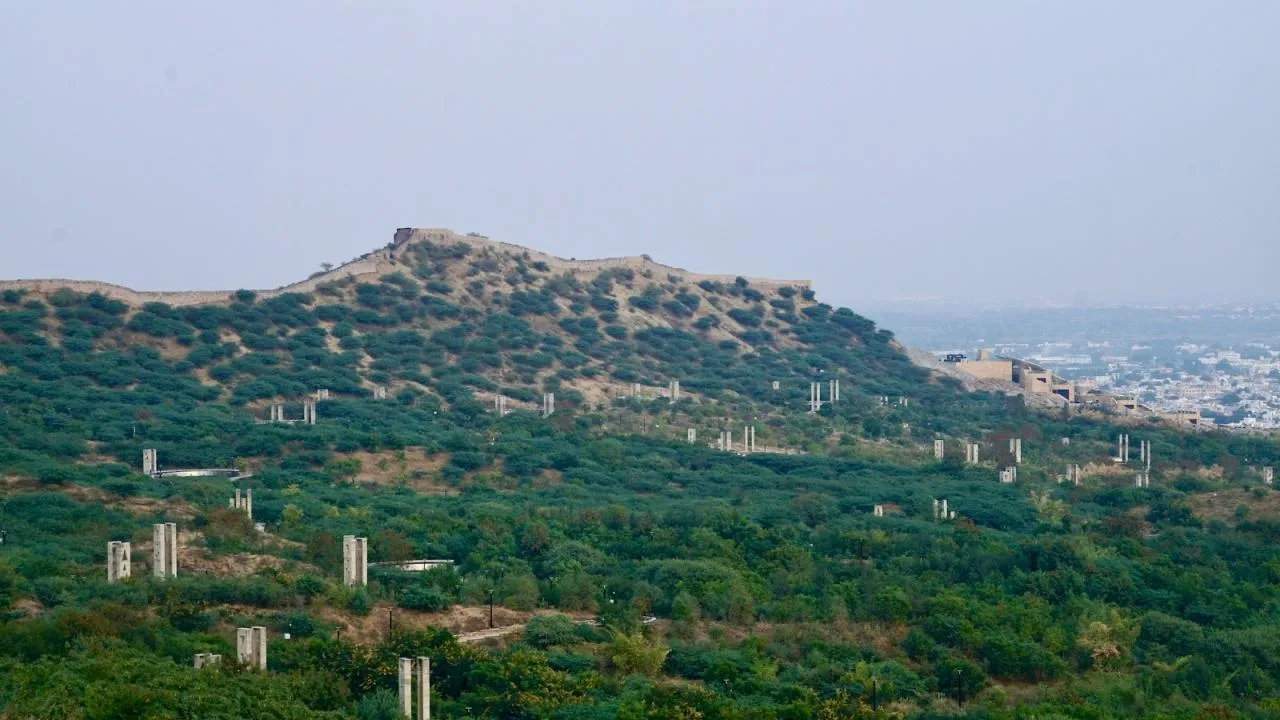
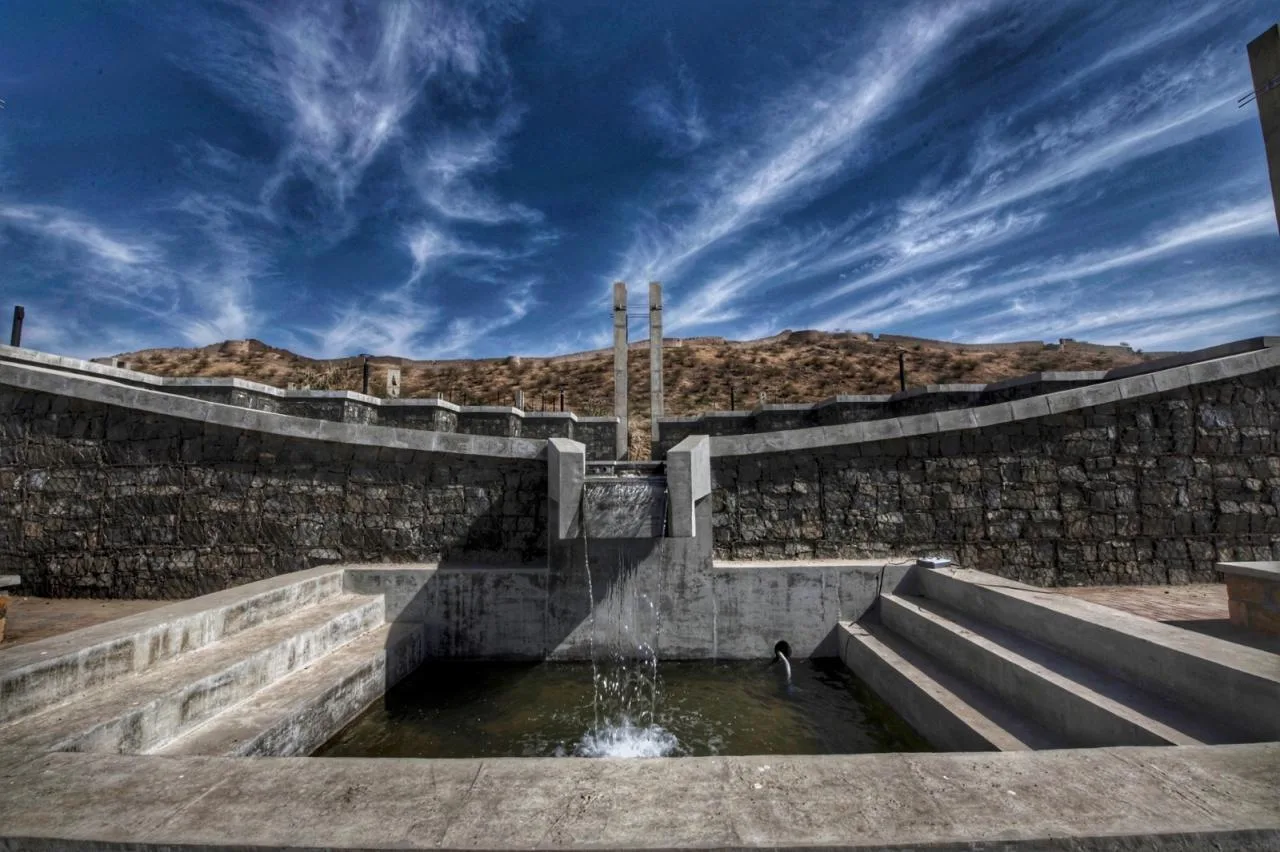
This support involves identifying native plant species, understanding water flow, and managing soil and nutrients. Crucially, the design incorporates water storage areas that allow water to gradually seep into the ground. The project carefully planned small reservoirs across 183 hectares (452 acres), with the first phase covering approximately 81 hectares (199 acres) now complete.
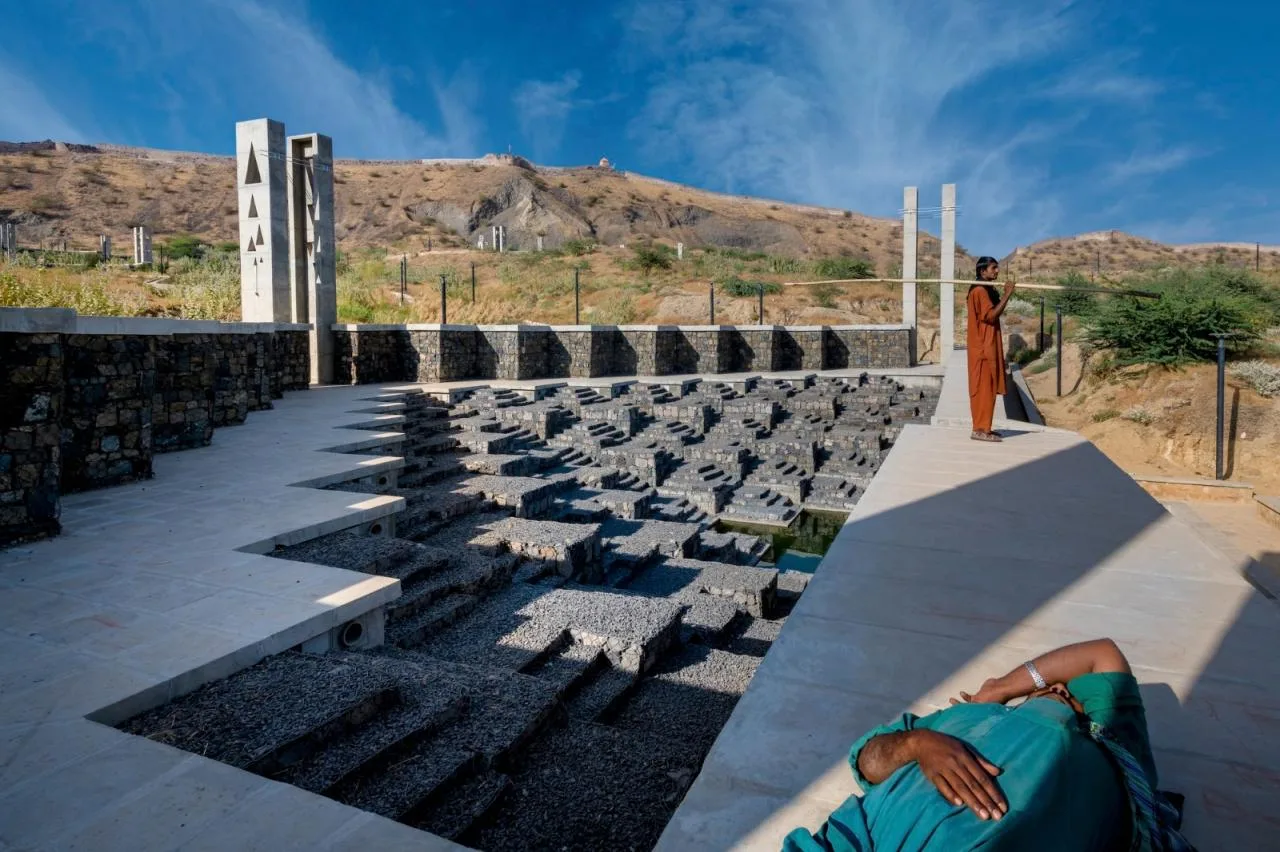
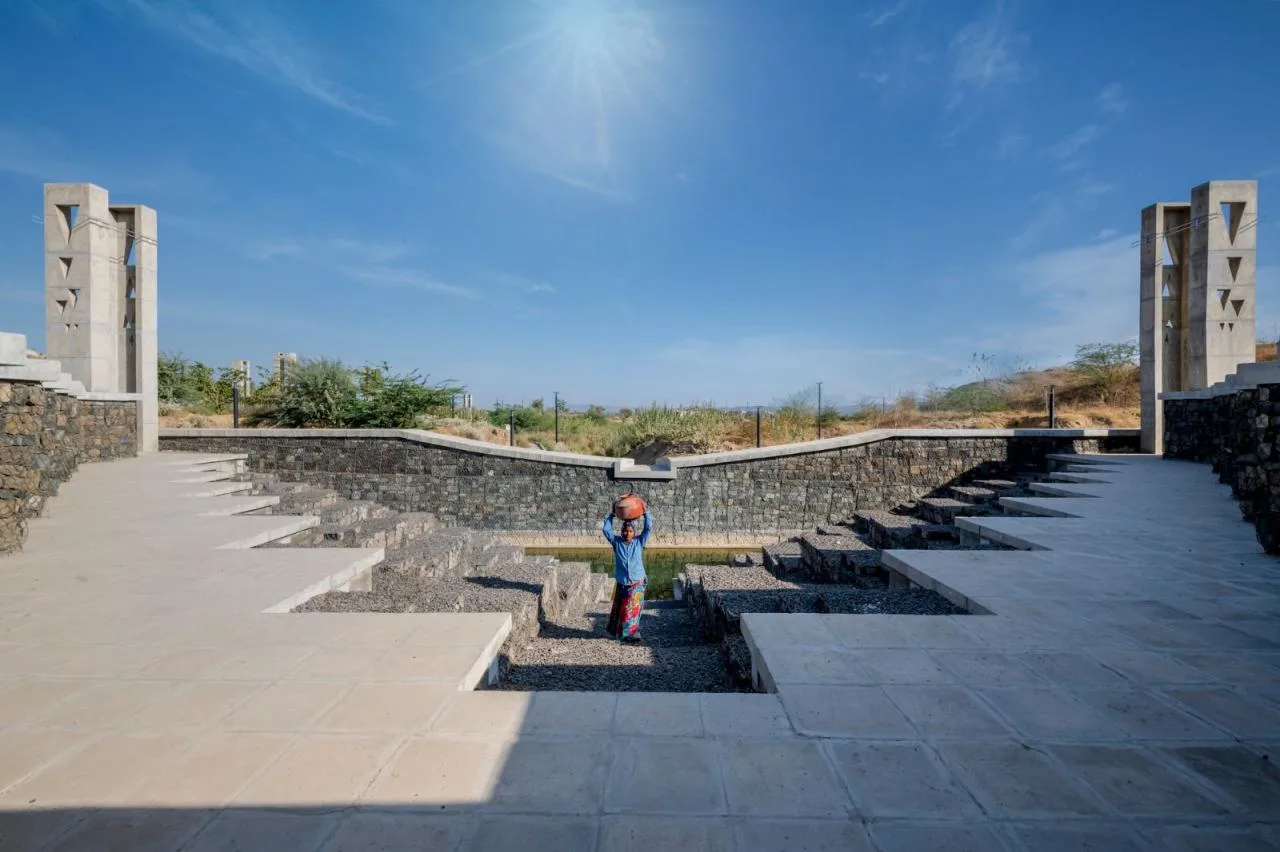
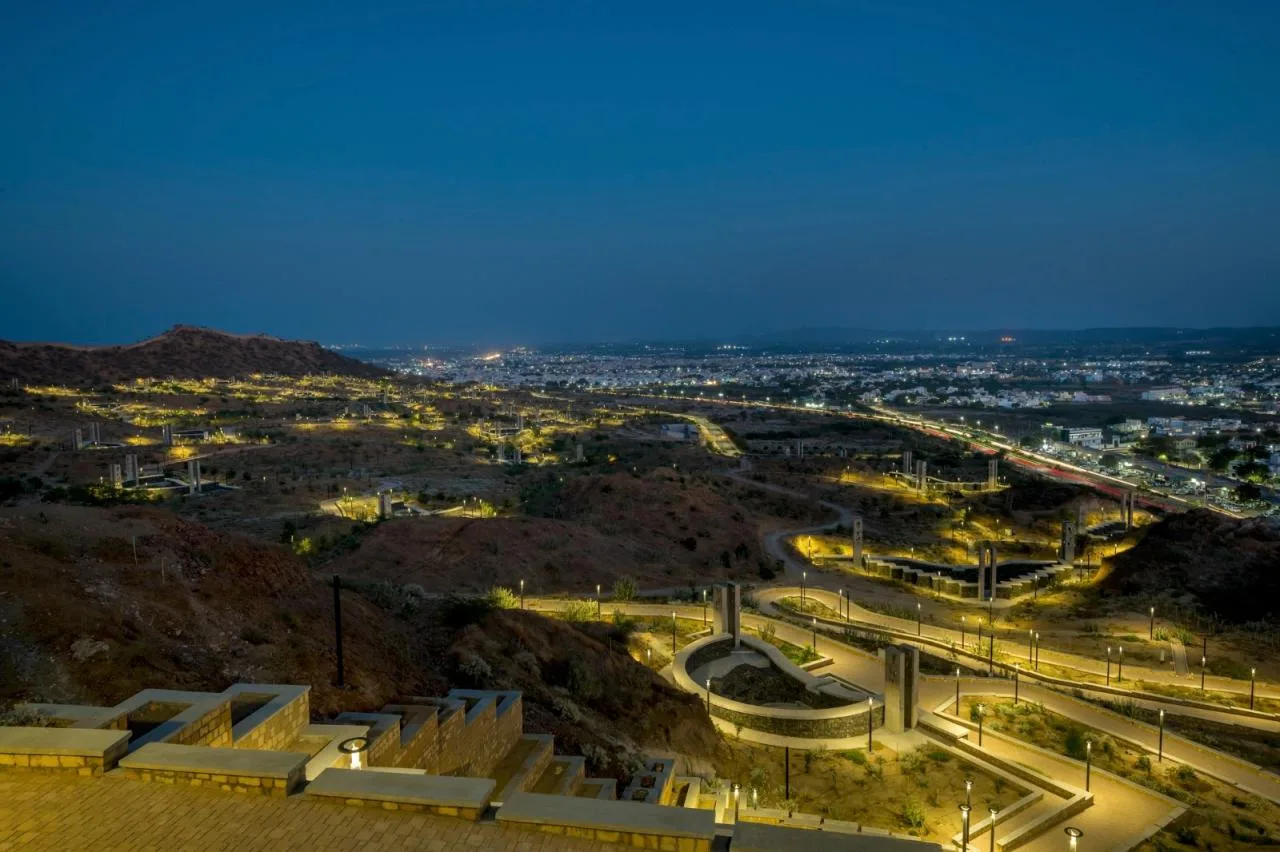
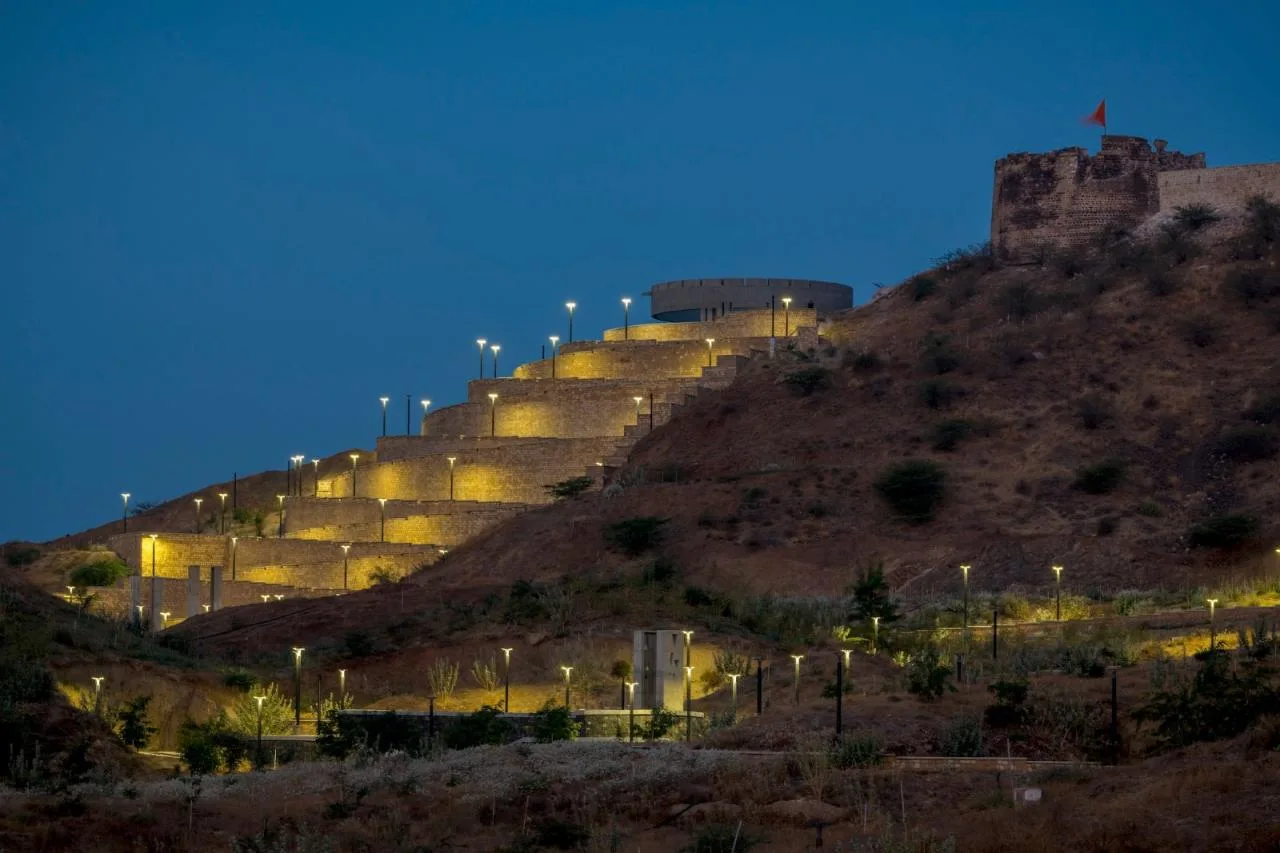
As nature heals and vegetation flourishes, the Smritivan Memorial evolves as well. Over time, a diverse ecosystem will emerge, integrating greenery and water into architectural forms that collectively create a labyrinth of living memory. Smritivan is neither a monumental standalone structure nor a conventional garden; it is a vibrant tribute to Kutch’s future resilience and hope.
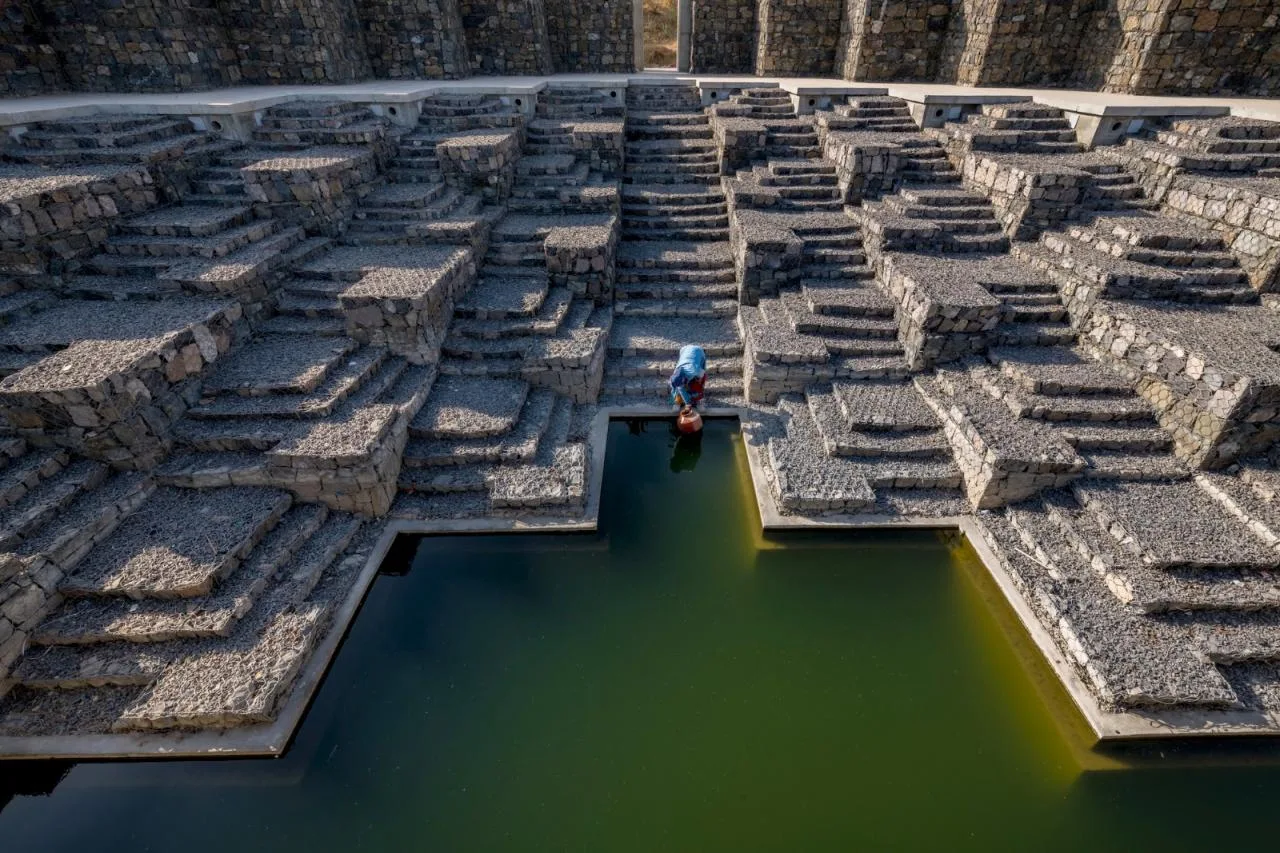
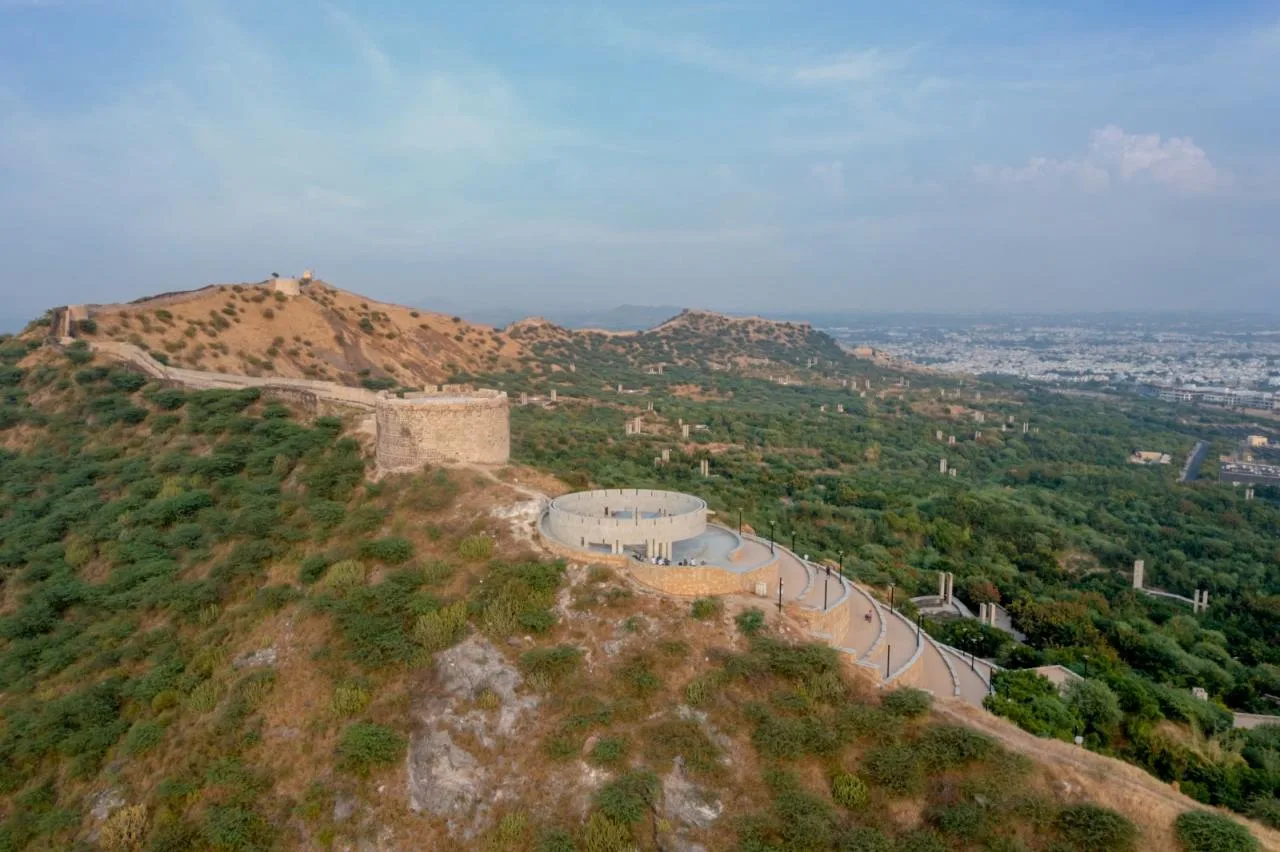
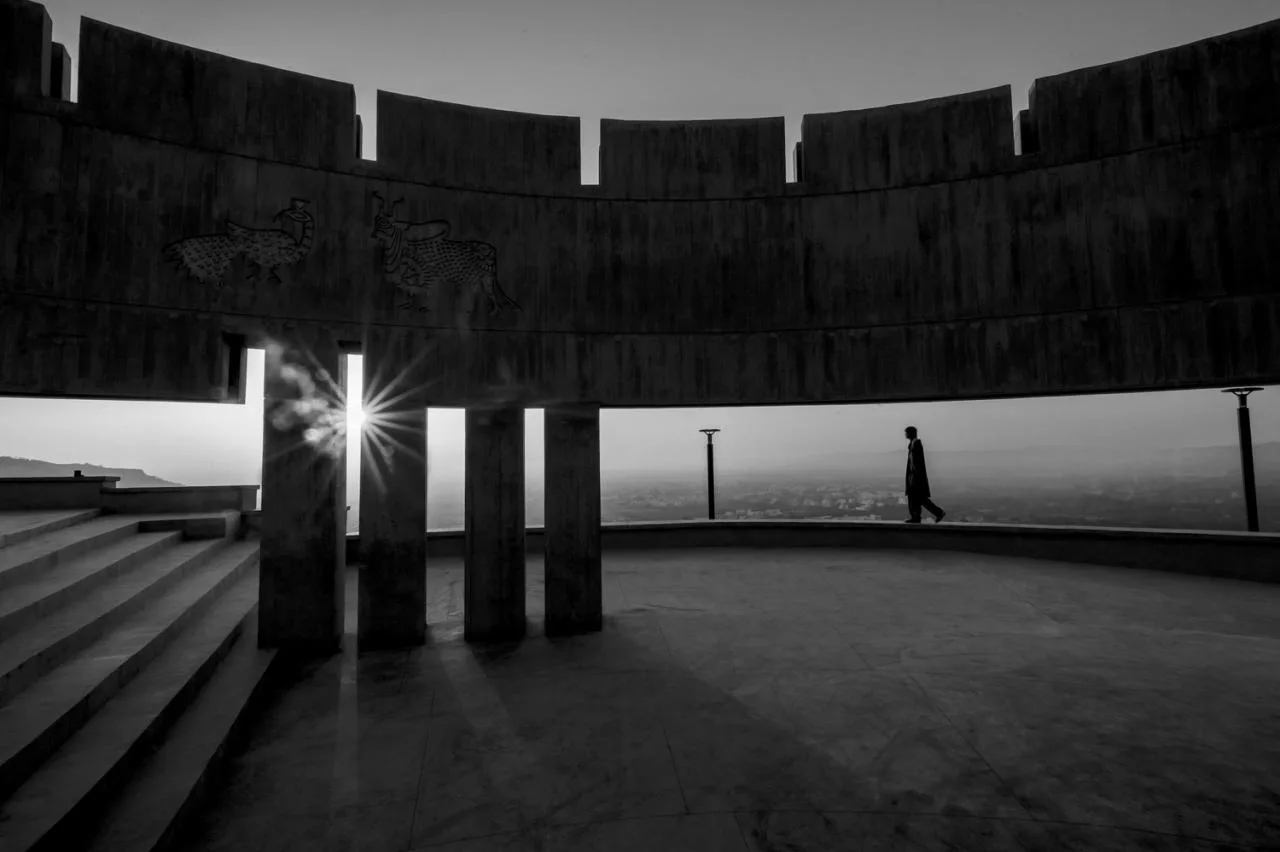
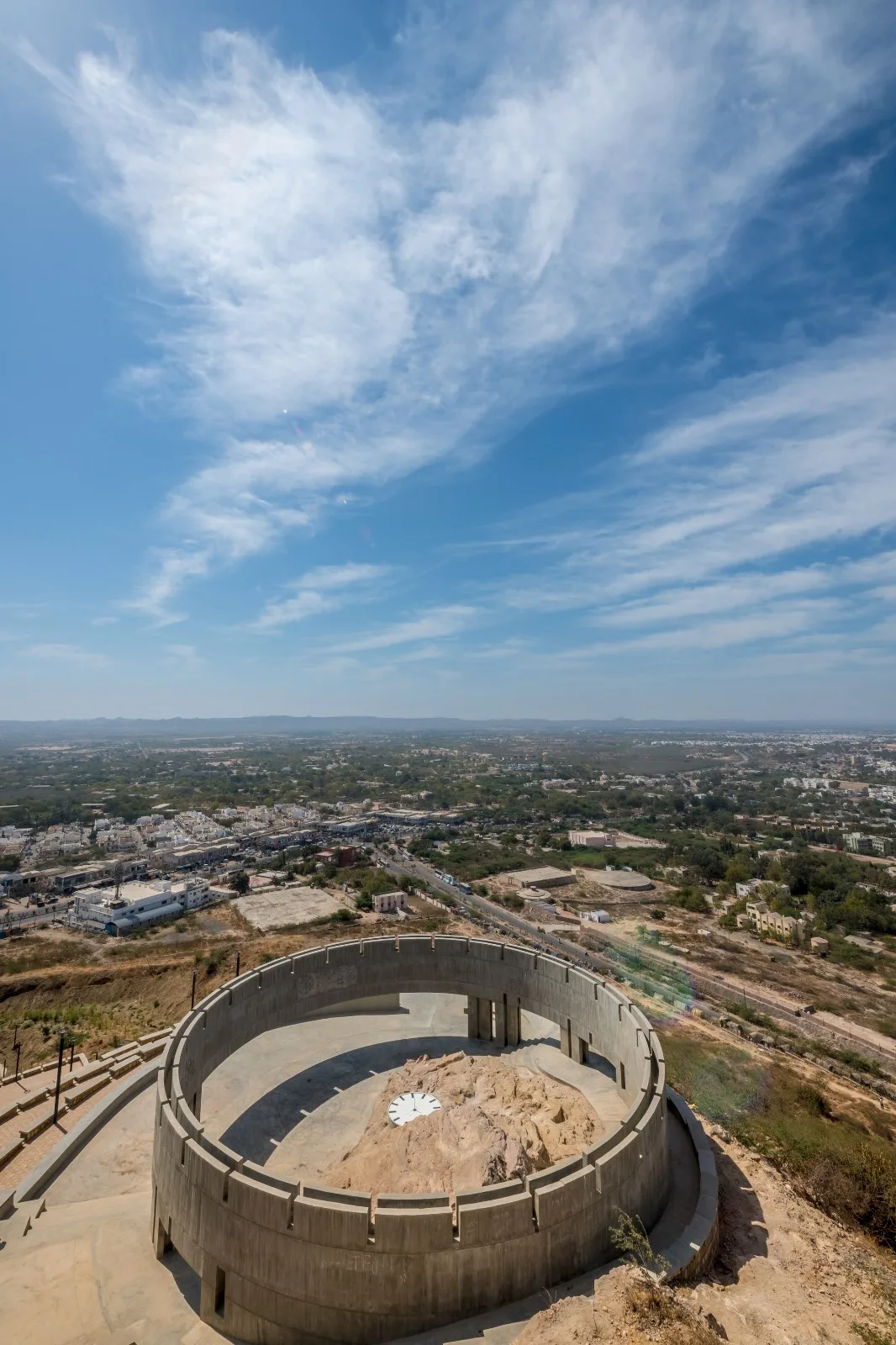
Ultimately, Smritivan aims to become an engaging, inclusive public space. Positioned next to a reservoir and a sunlit mountaintop point, it offers a contemplative urban landscape. The memorial features a yin-yang calendar that tracks the movement of the sun and moon. Notches on a large ring mark culturally significant days, connecting visitors to the cosmos and commemorating this historical event within the vast universe.
Project Drawings
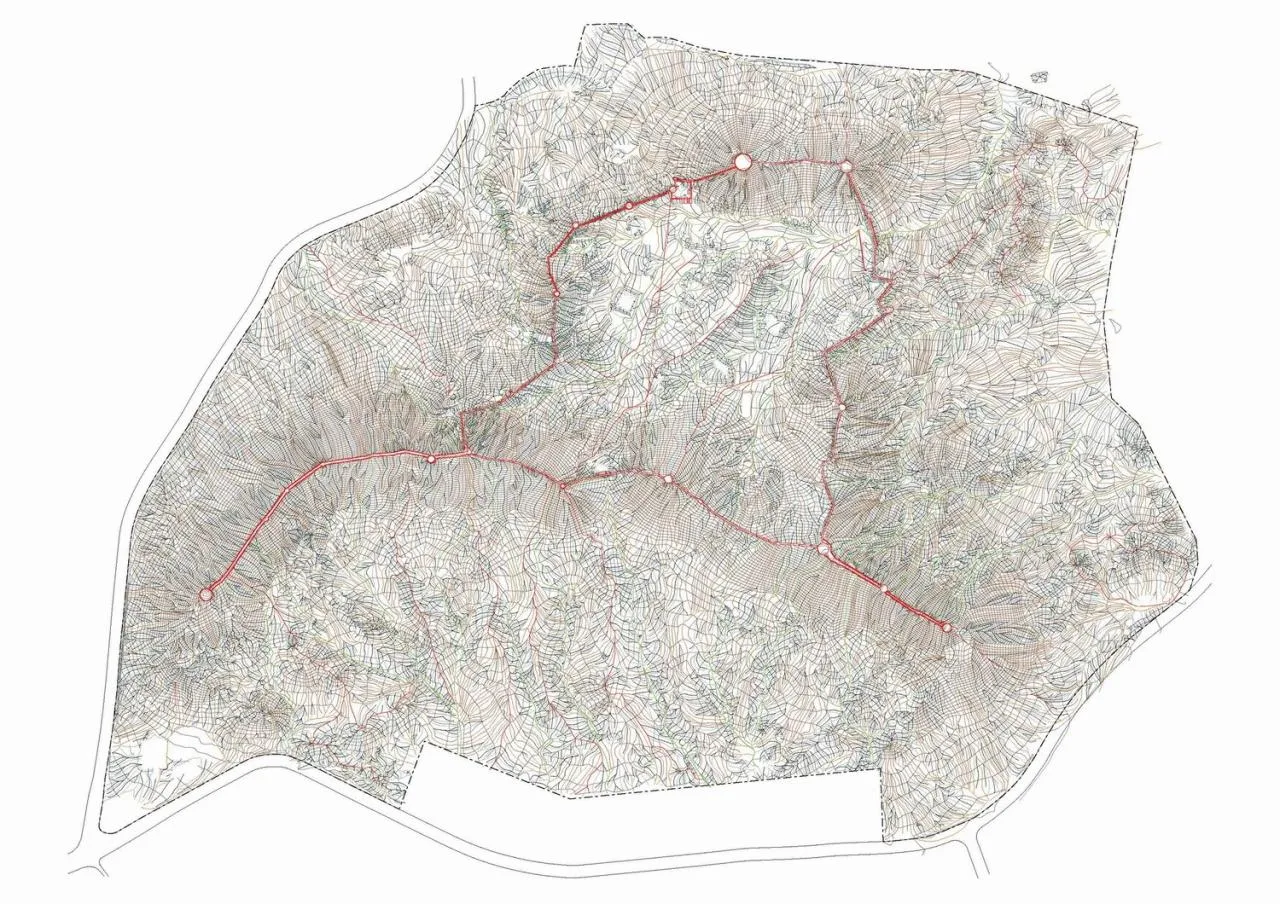
△ Analysis Chart
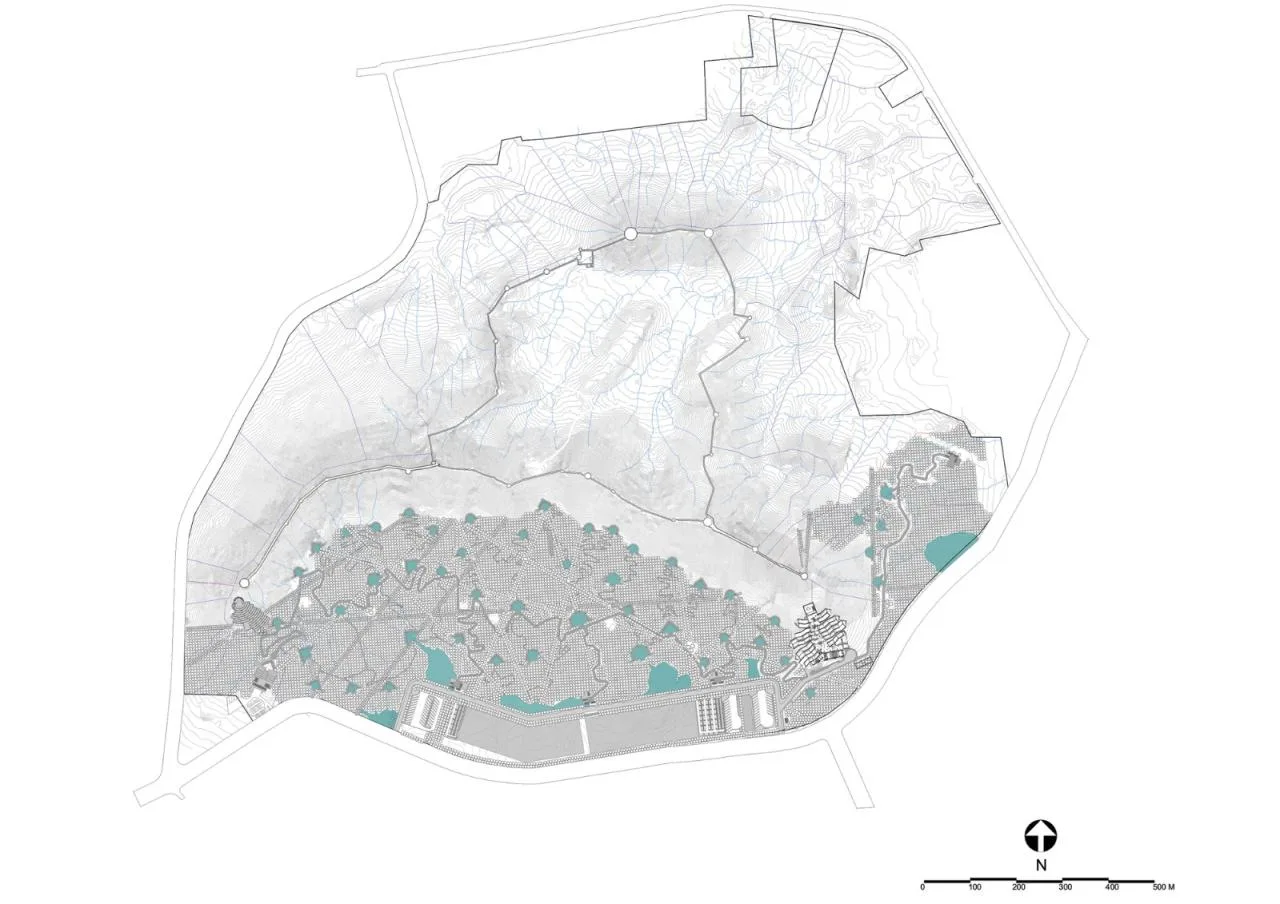
△ Analysis Chart
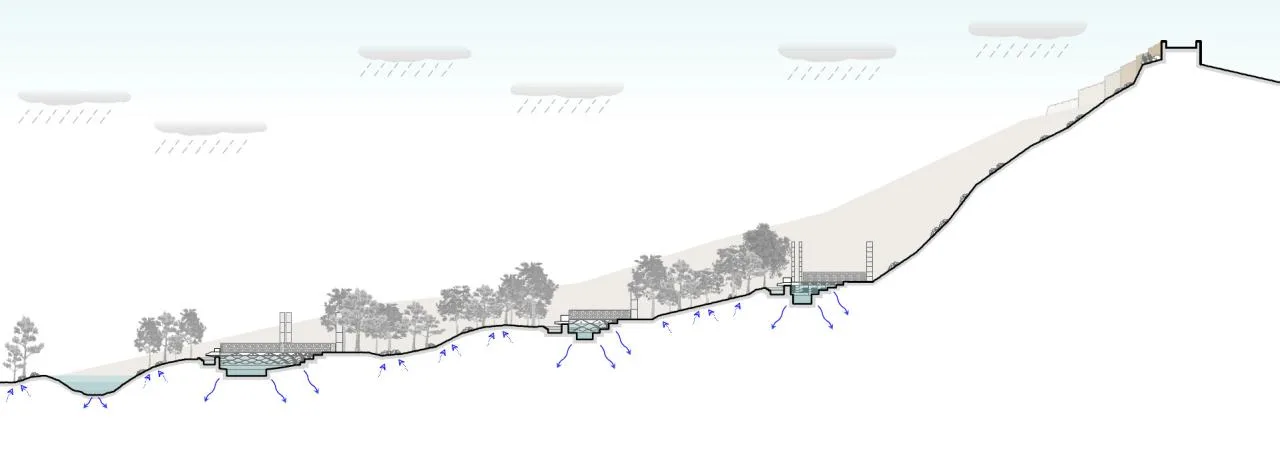
△ Analysis Chart
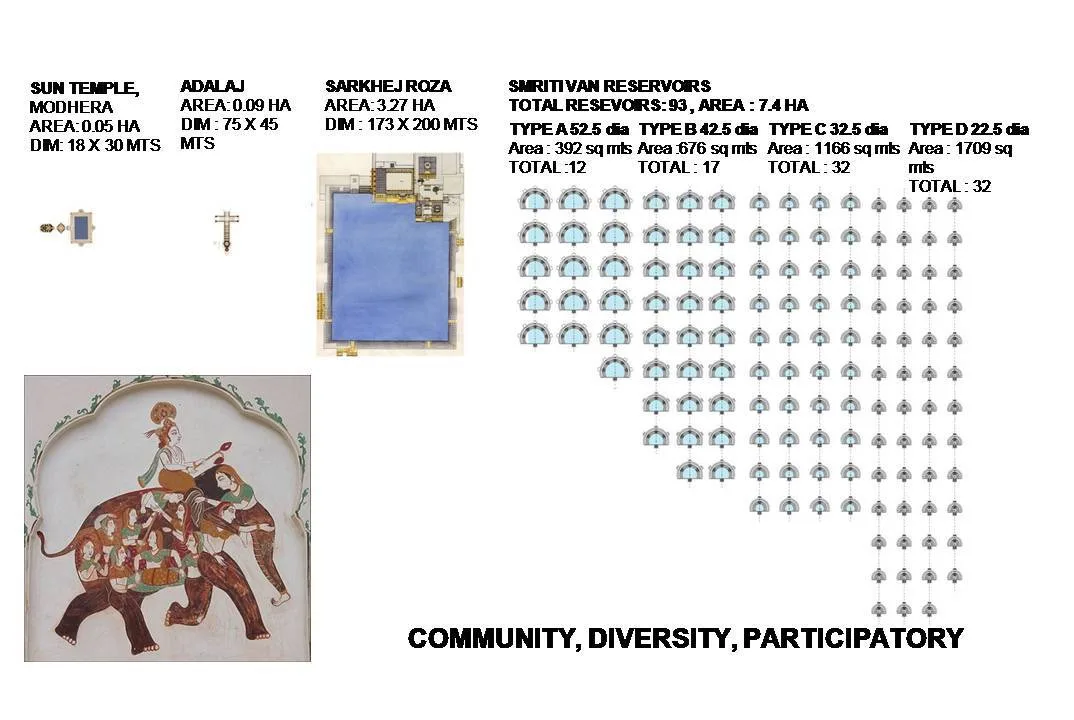
△ Analysis Chart
Project Information
Architect: Vastushilpa Sangath
Area: 19,100 m²
Project Year: 2023
Photographer: Vinay Panjwani
Manufacturers: Jindal Steel, Maccaferri, Tata Steel
Main Partner and Chief Architect: Rajeev Kathpalia
Project Manager: Piyas Choudhari
Senior Architect: Rajesh Suthar
Architect: Kunal Suthar
Location: Bhuj, India












Must log in before commenting!
Sign Up