
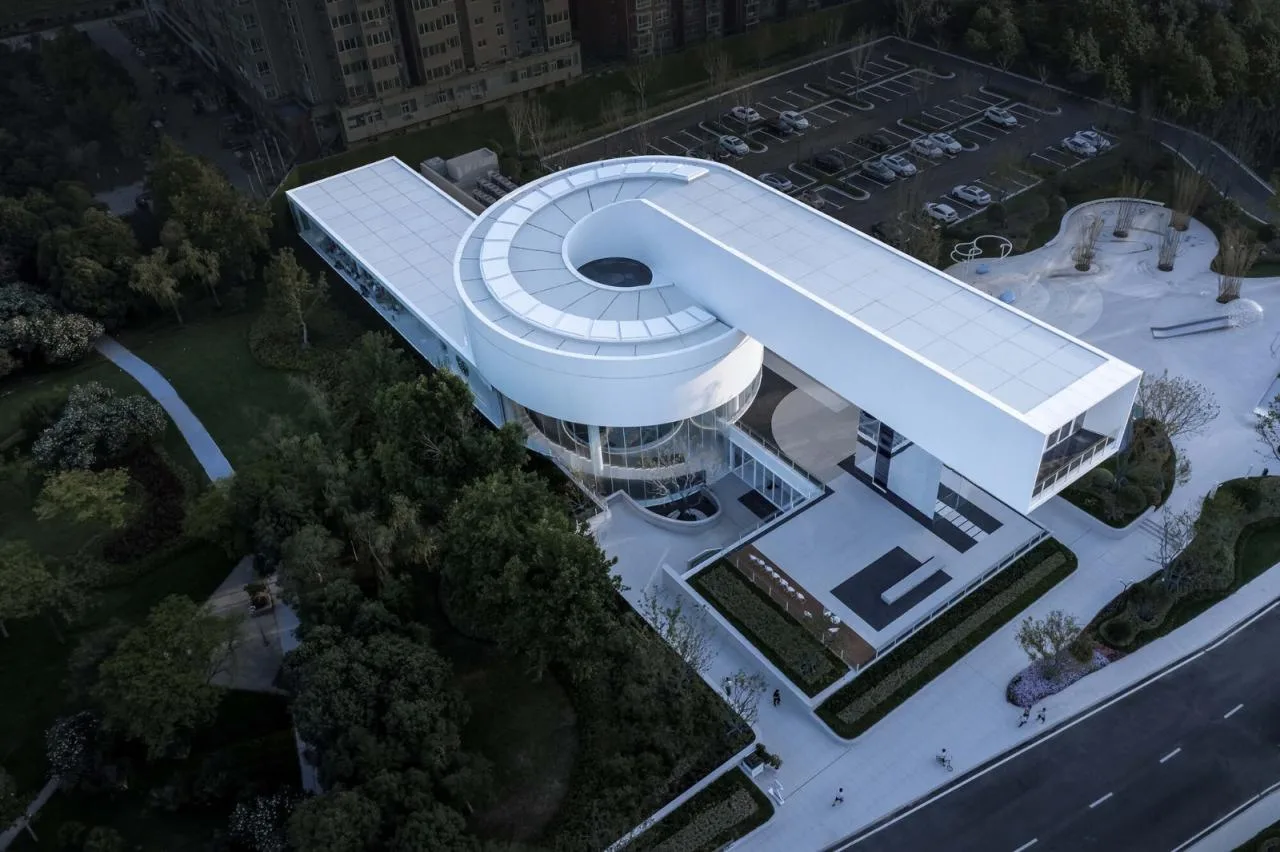
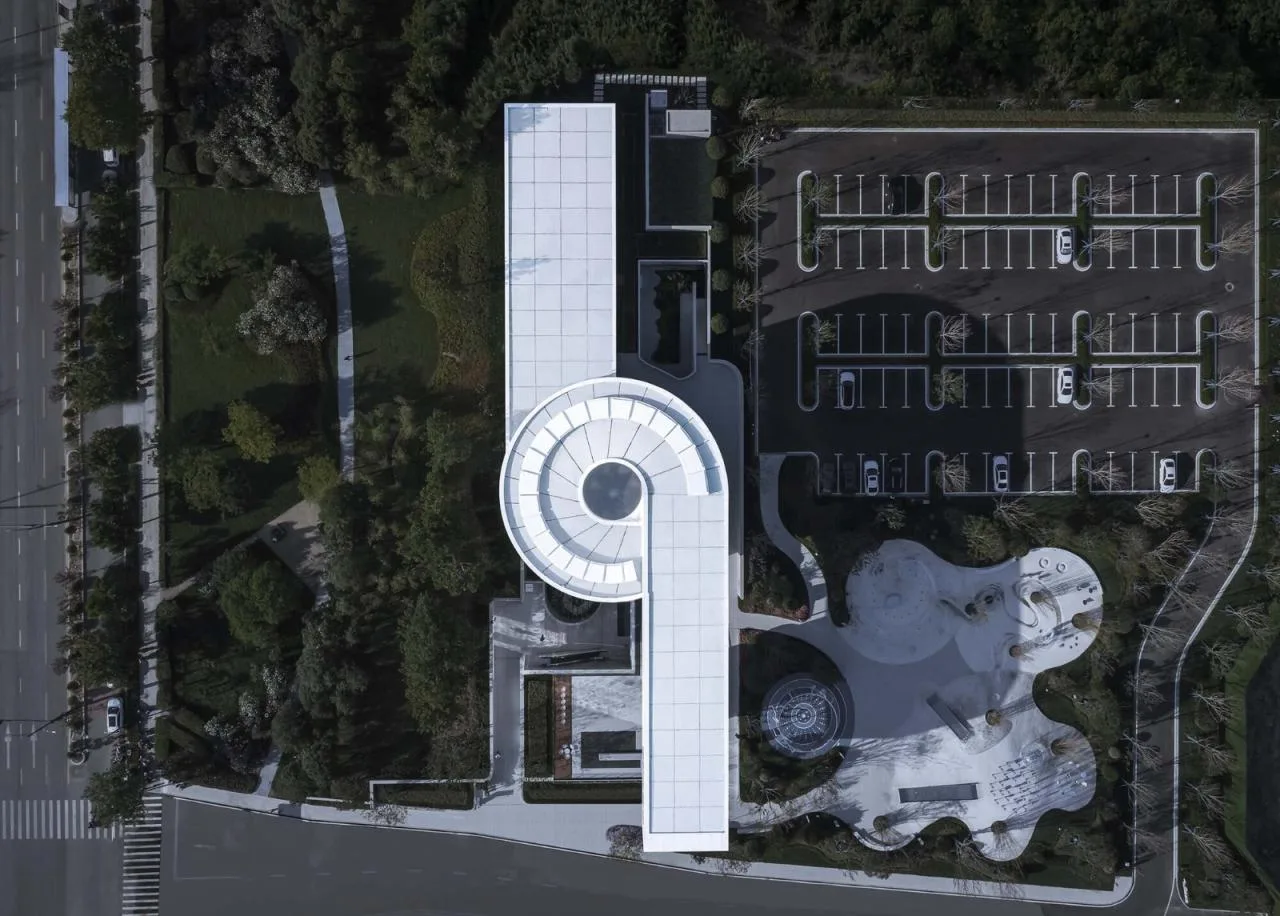
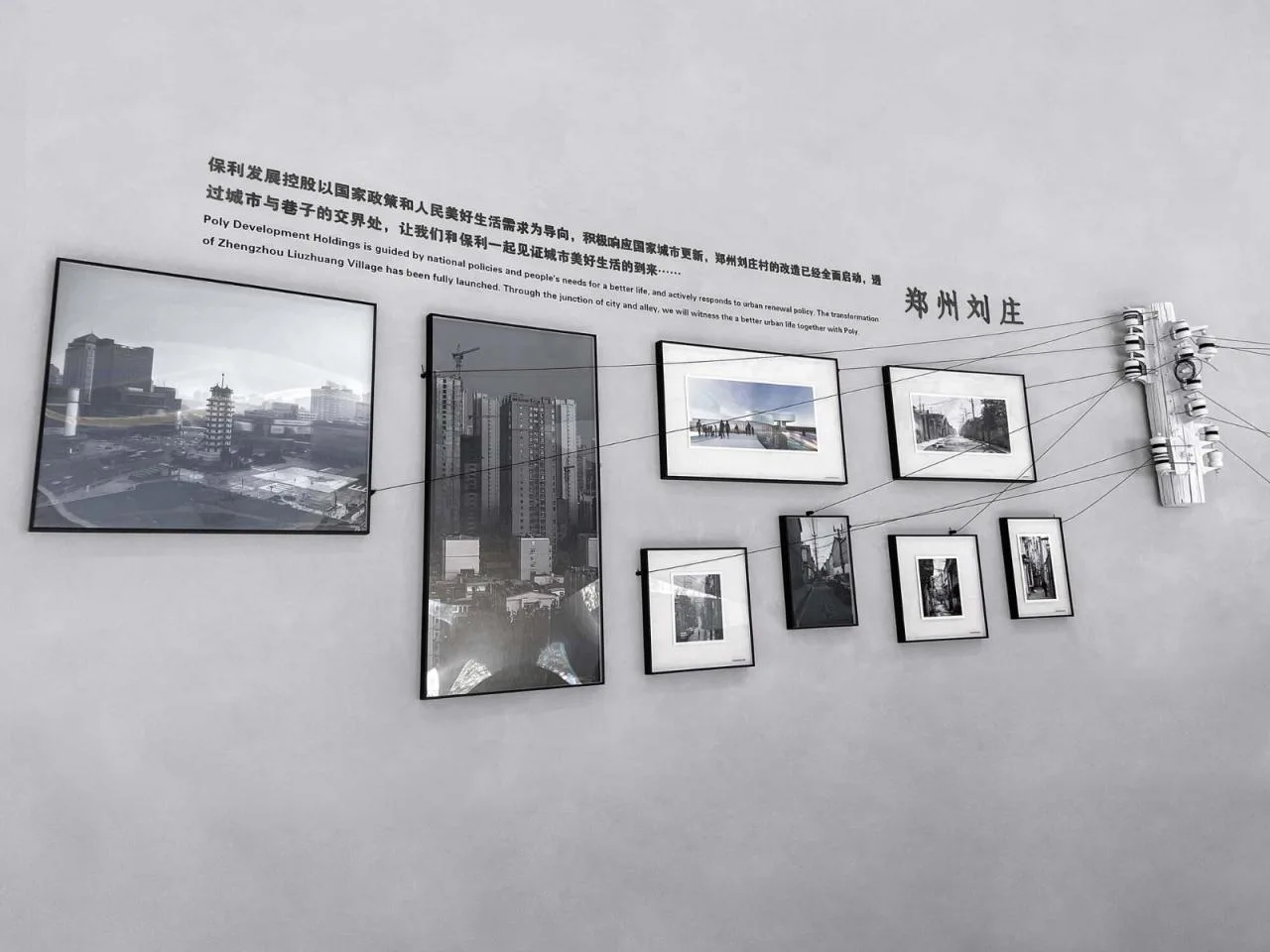
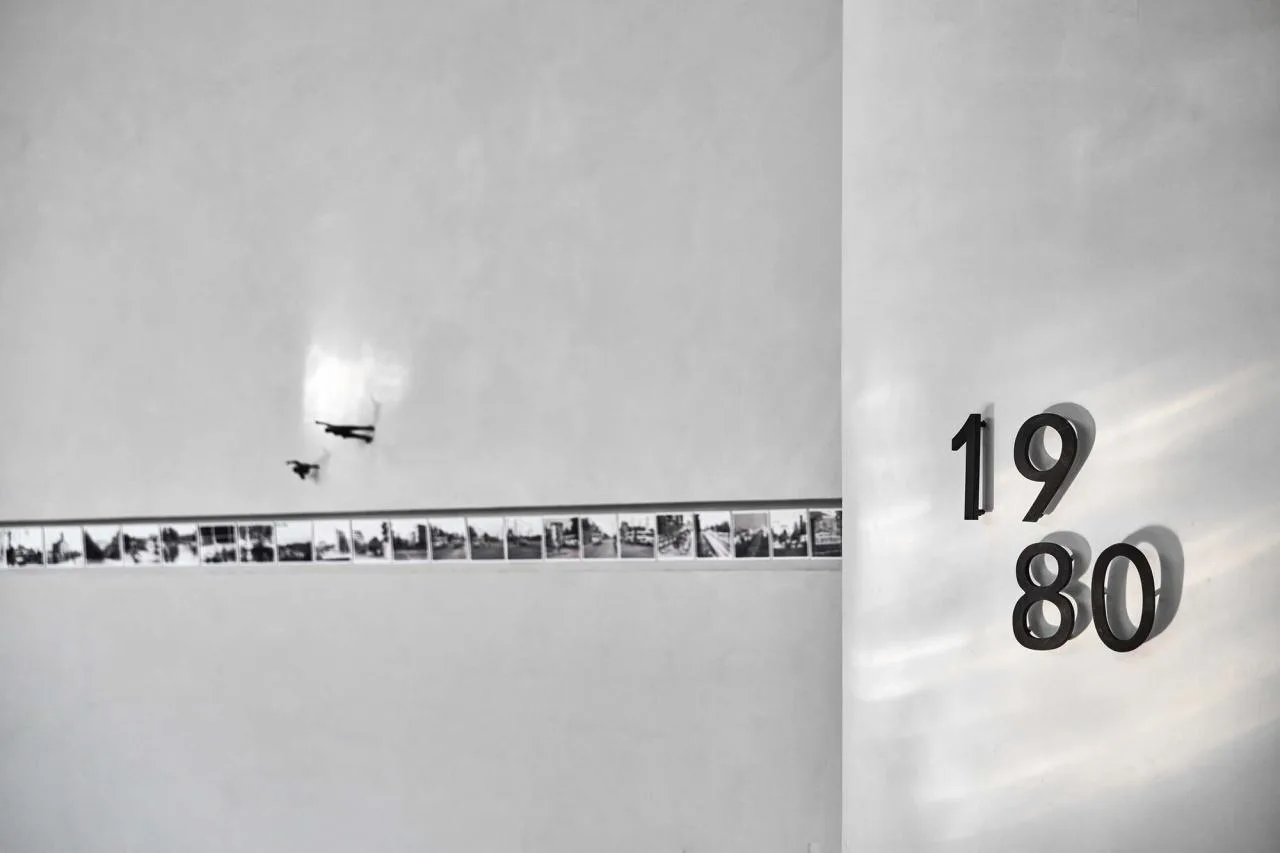
Over the past 40 years, since China’s reform and opening-up, urban development has transformed dramatically. Liuzhuang is located south of the intersection of Huayuan Road and the Lianhuo Expressway, close to the North Bus Station. It was once the northernmost urban village of Zhengzhou, situated along the North Ring Road. This area attracted nearly 300,000 migrant workers, known as “Zheng Piao,” who contributed to Zhengzhou’s urban construction. The exact number of people who gathered and later dispersed here remains unknown. Demolition began around 2016, and much has changed since.
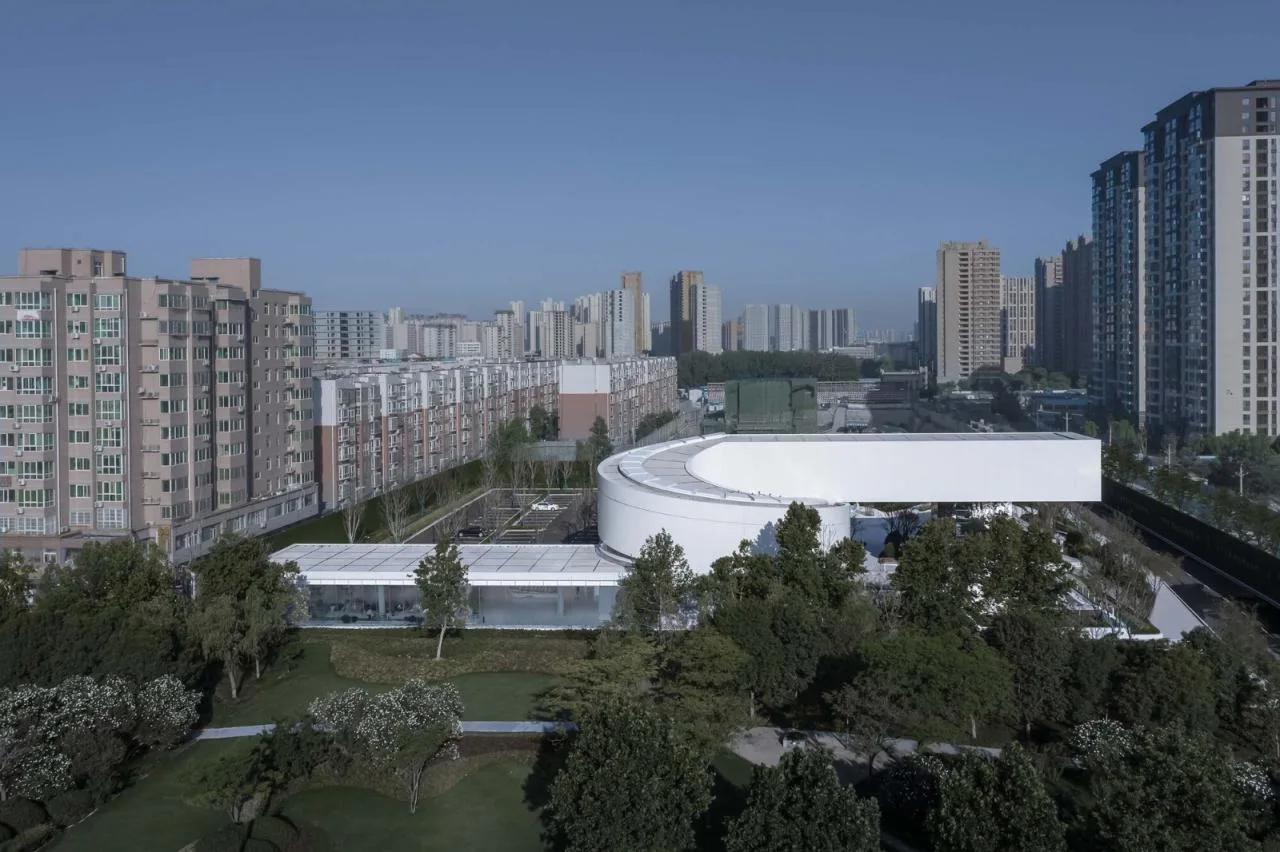
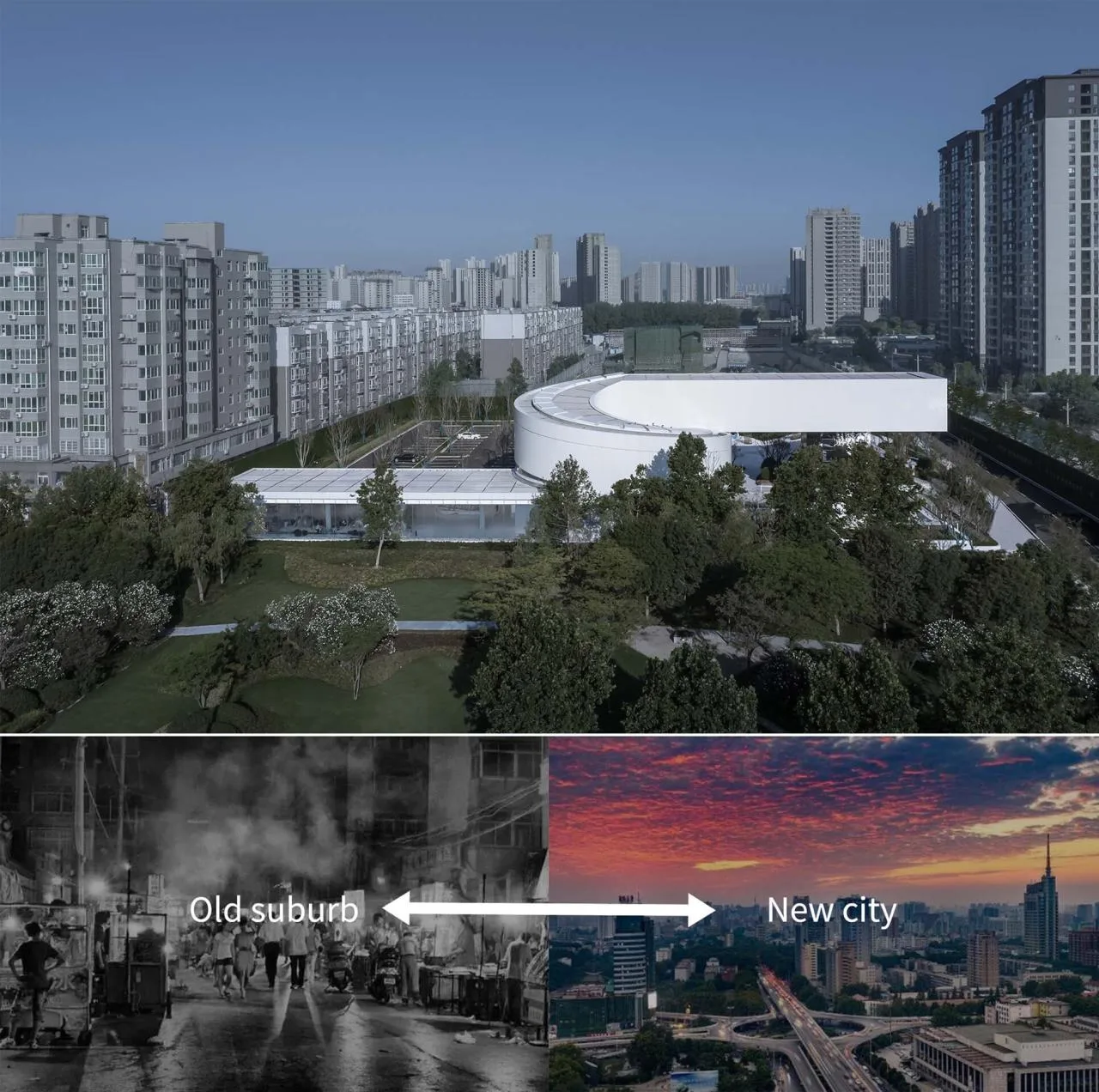
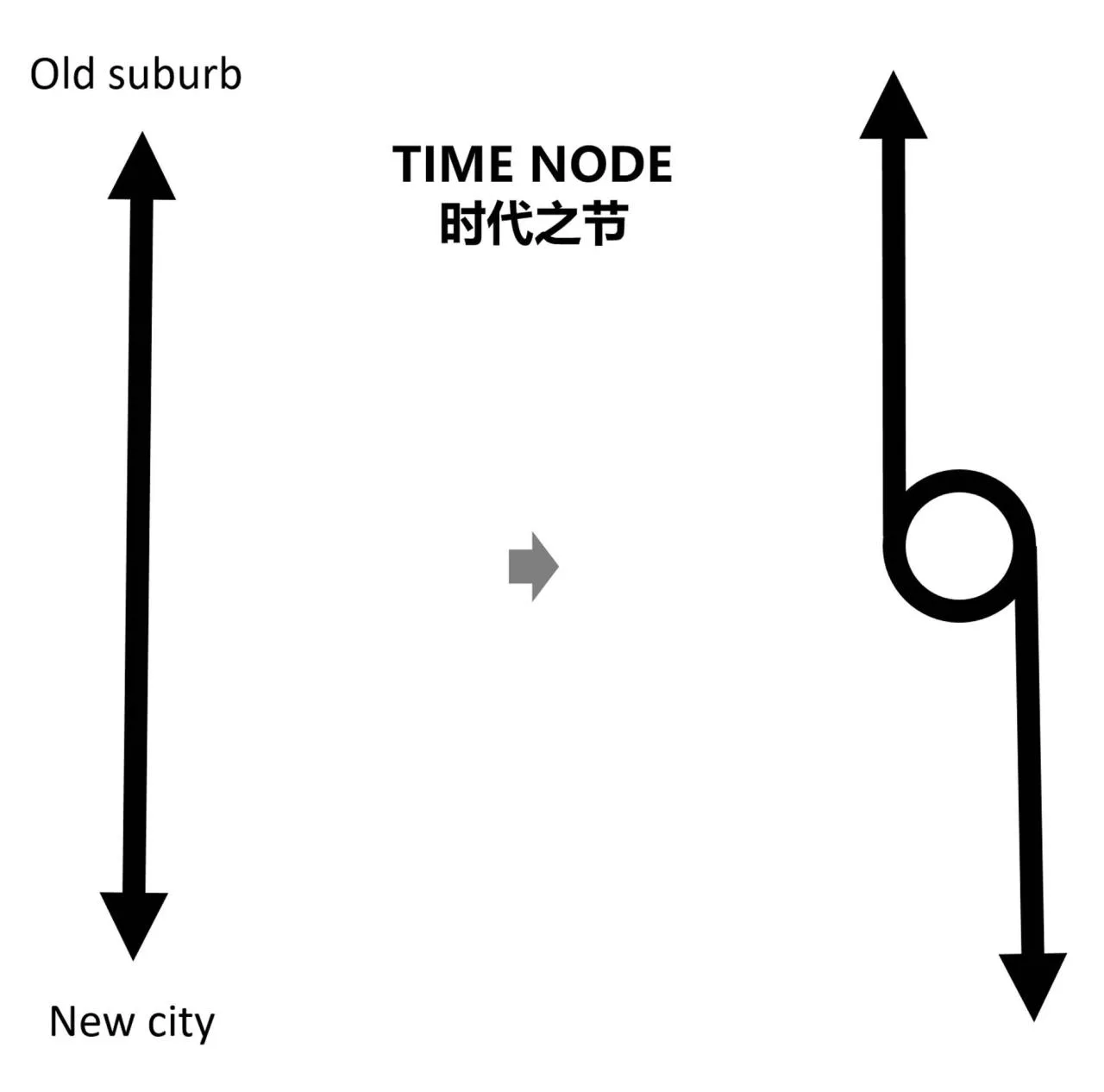
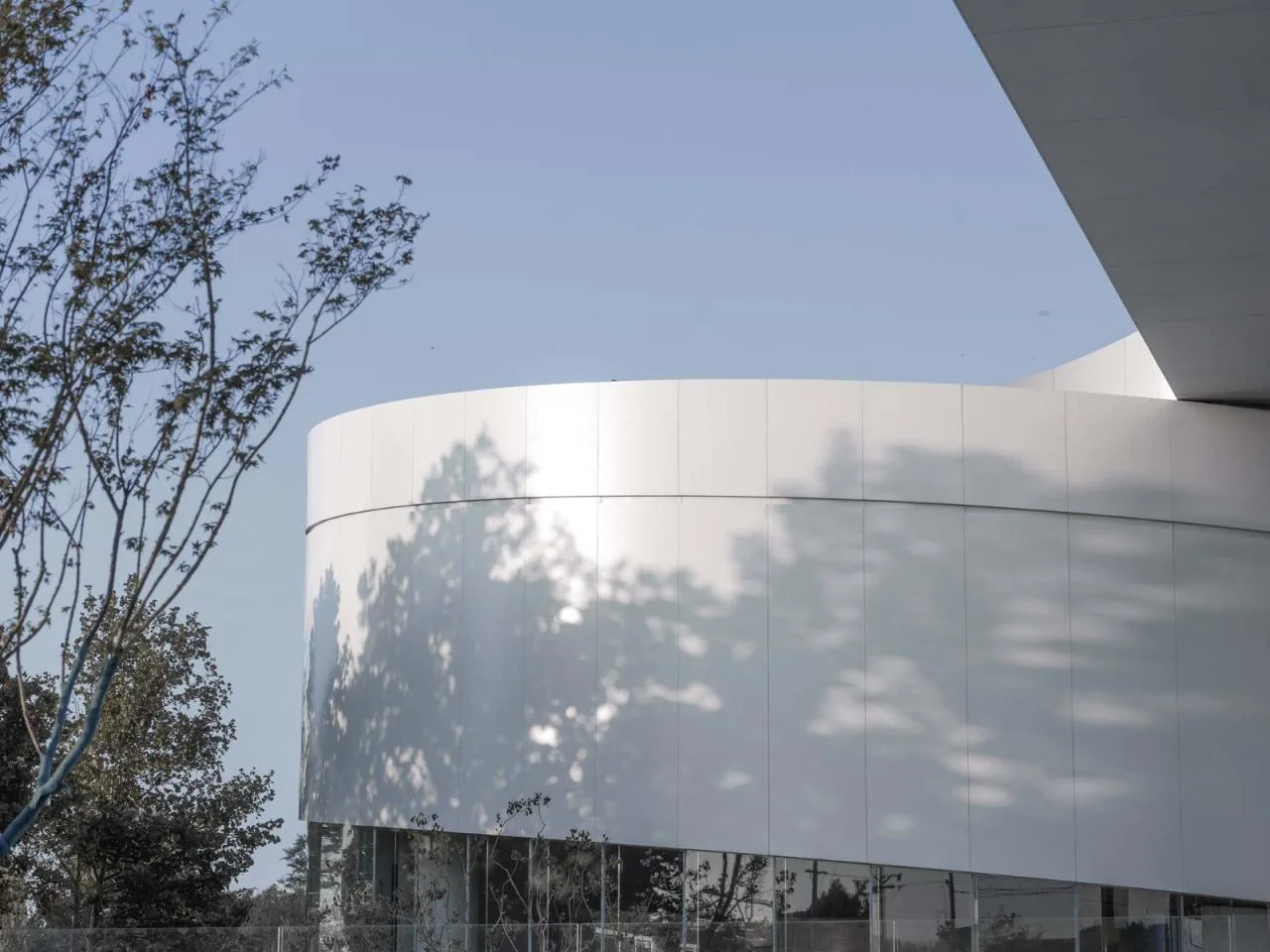
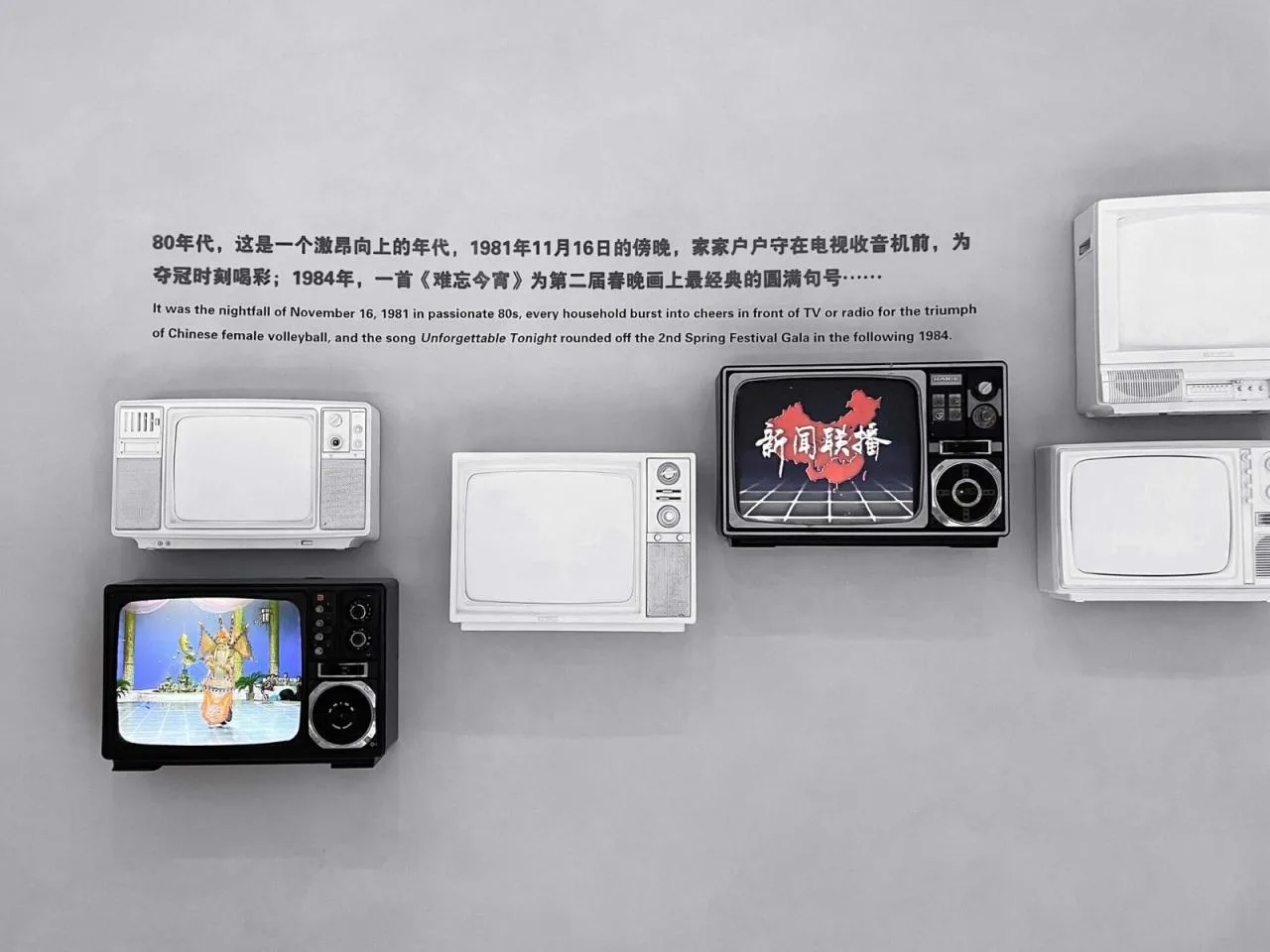
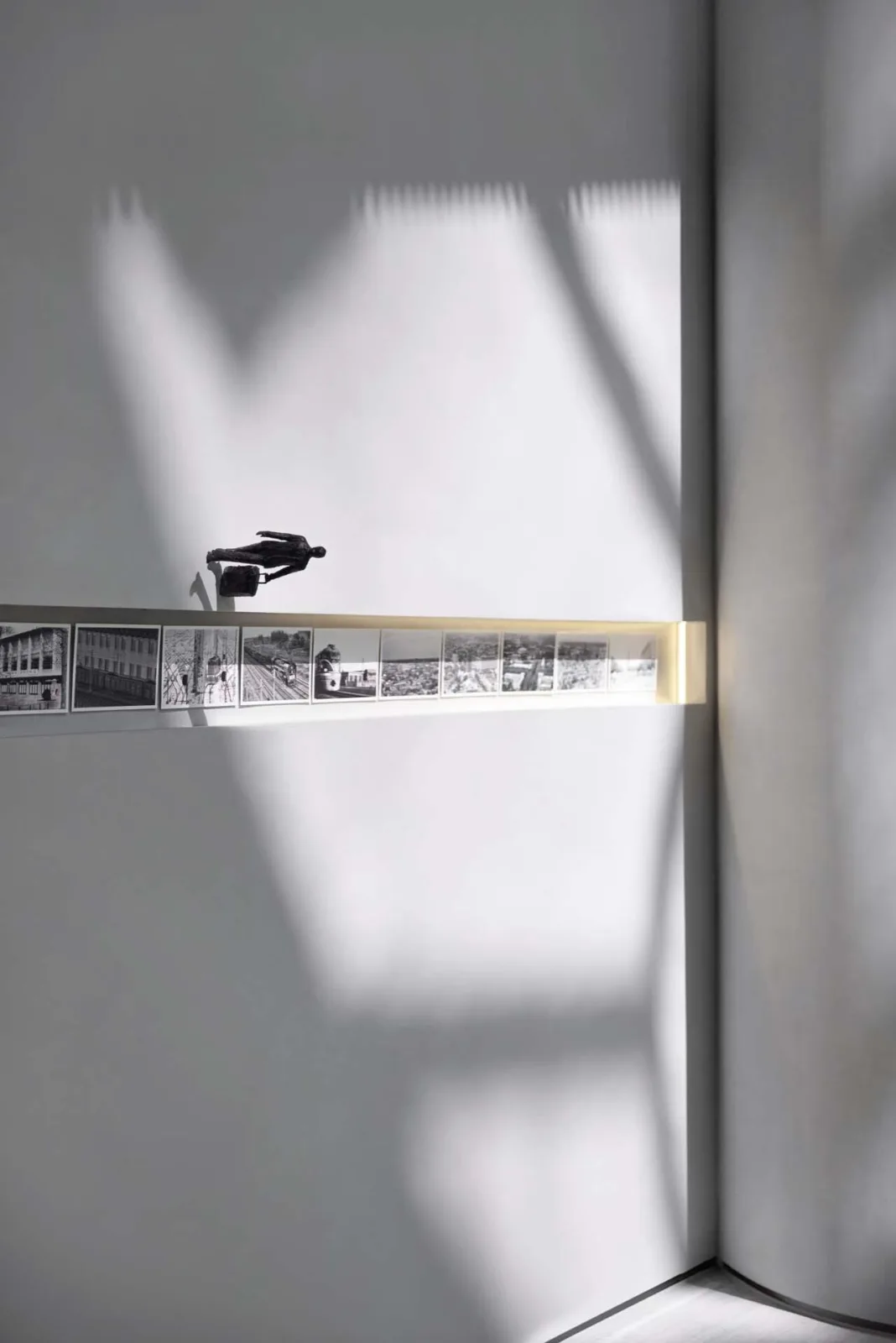
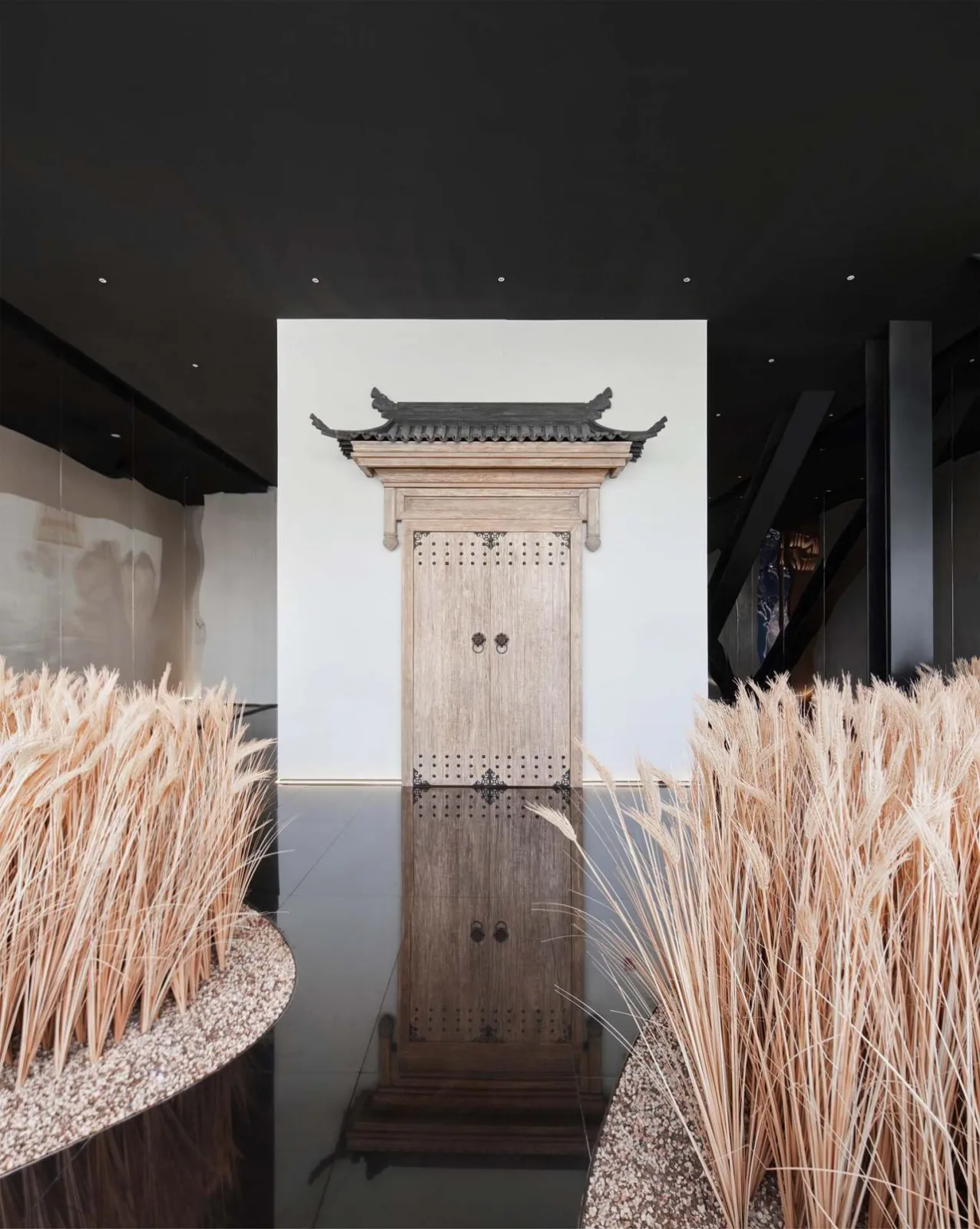
This project serves as a museum dedicated to the urban development of this region. The history encapsulated here is a unique aspect of the area’s identity. Our design intends to document and reinterpret this story through a contemporary architectural approach that resonates with the present day.
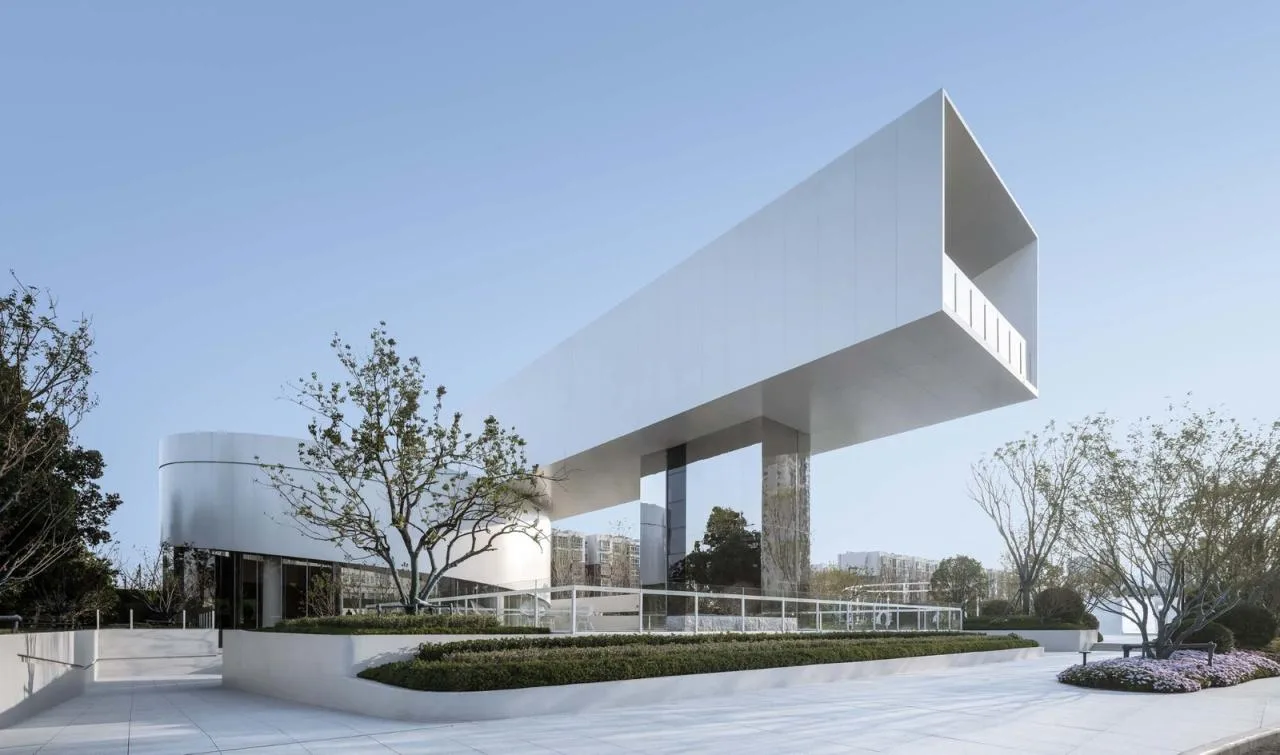
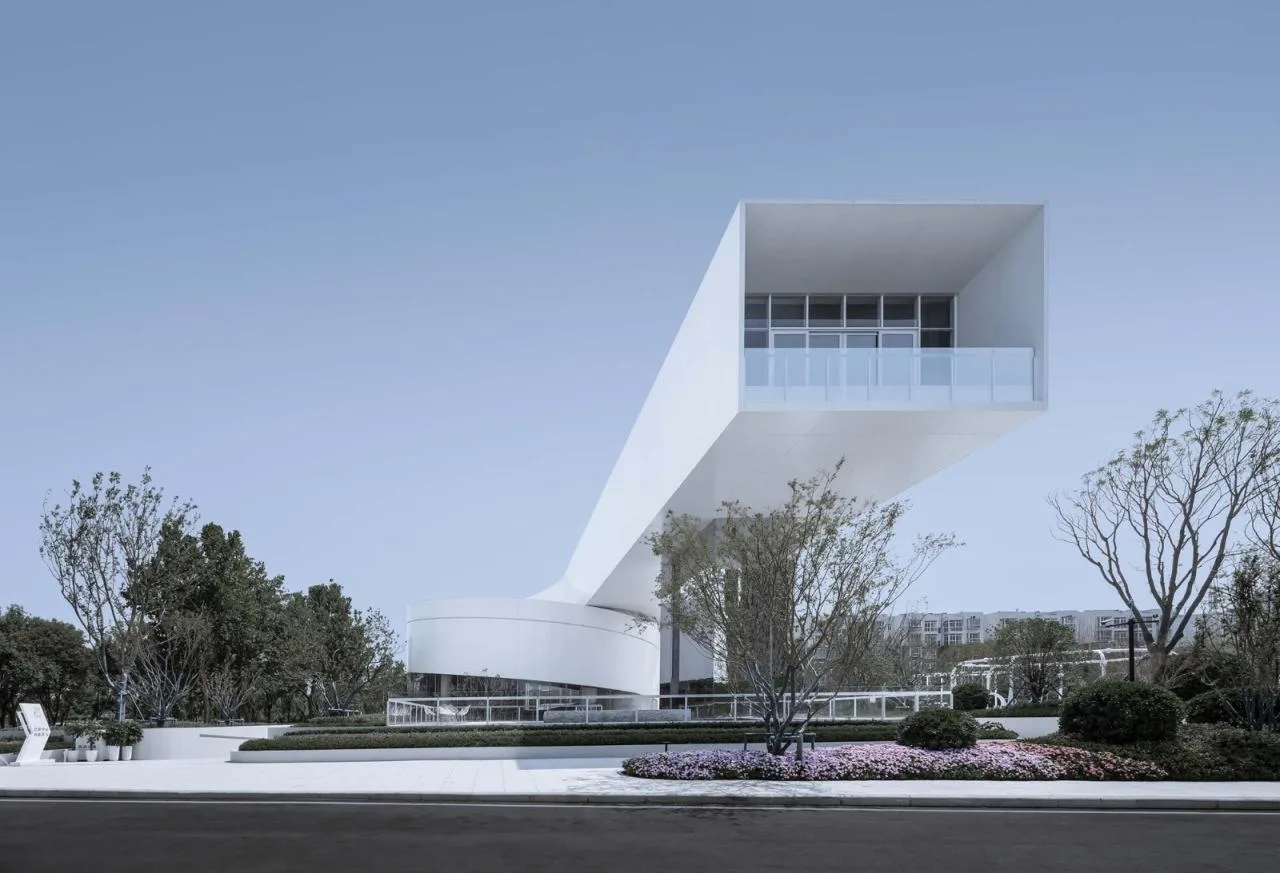
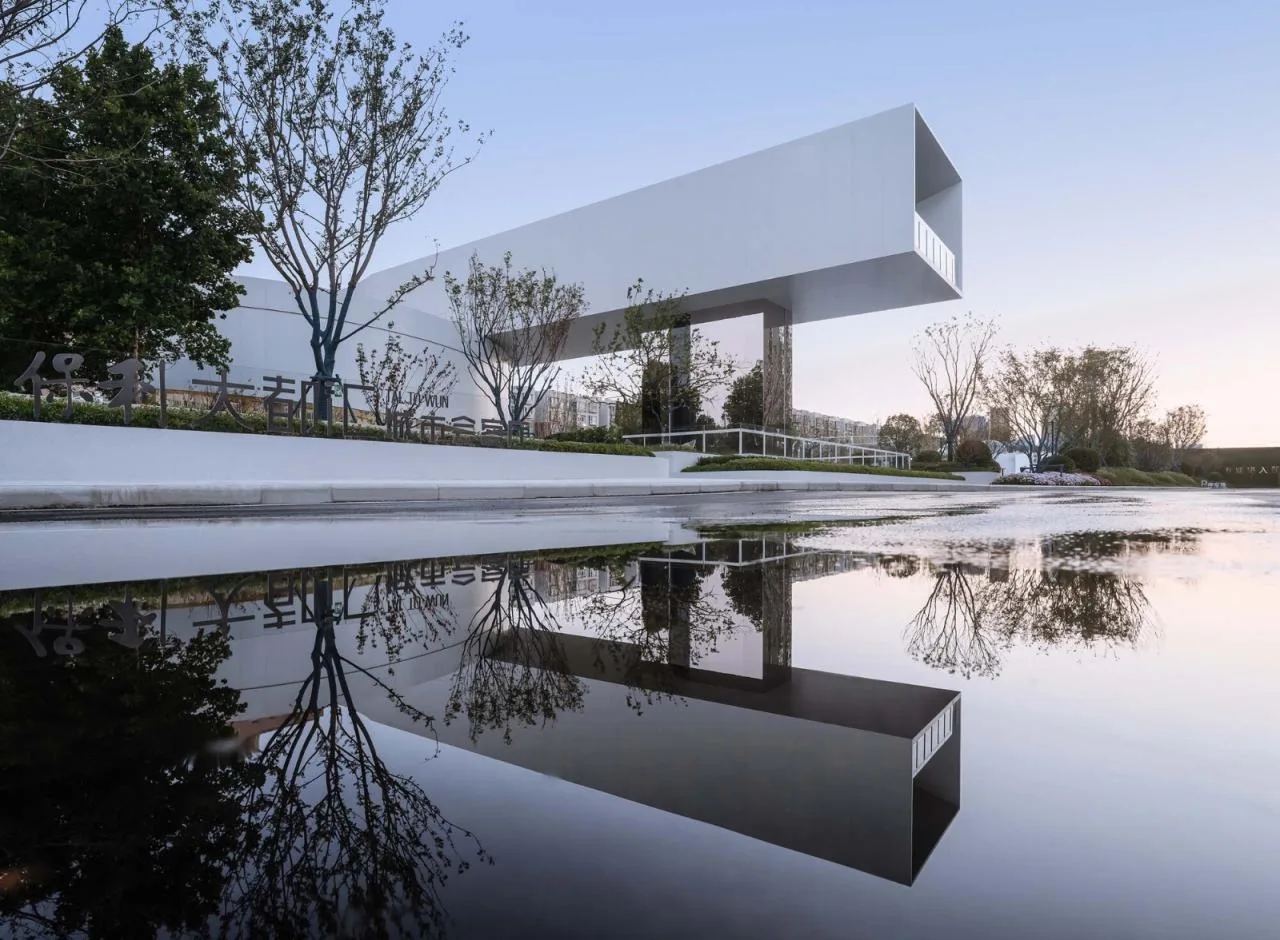
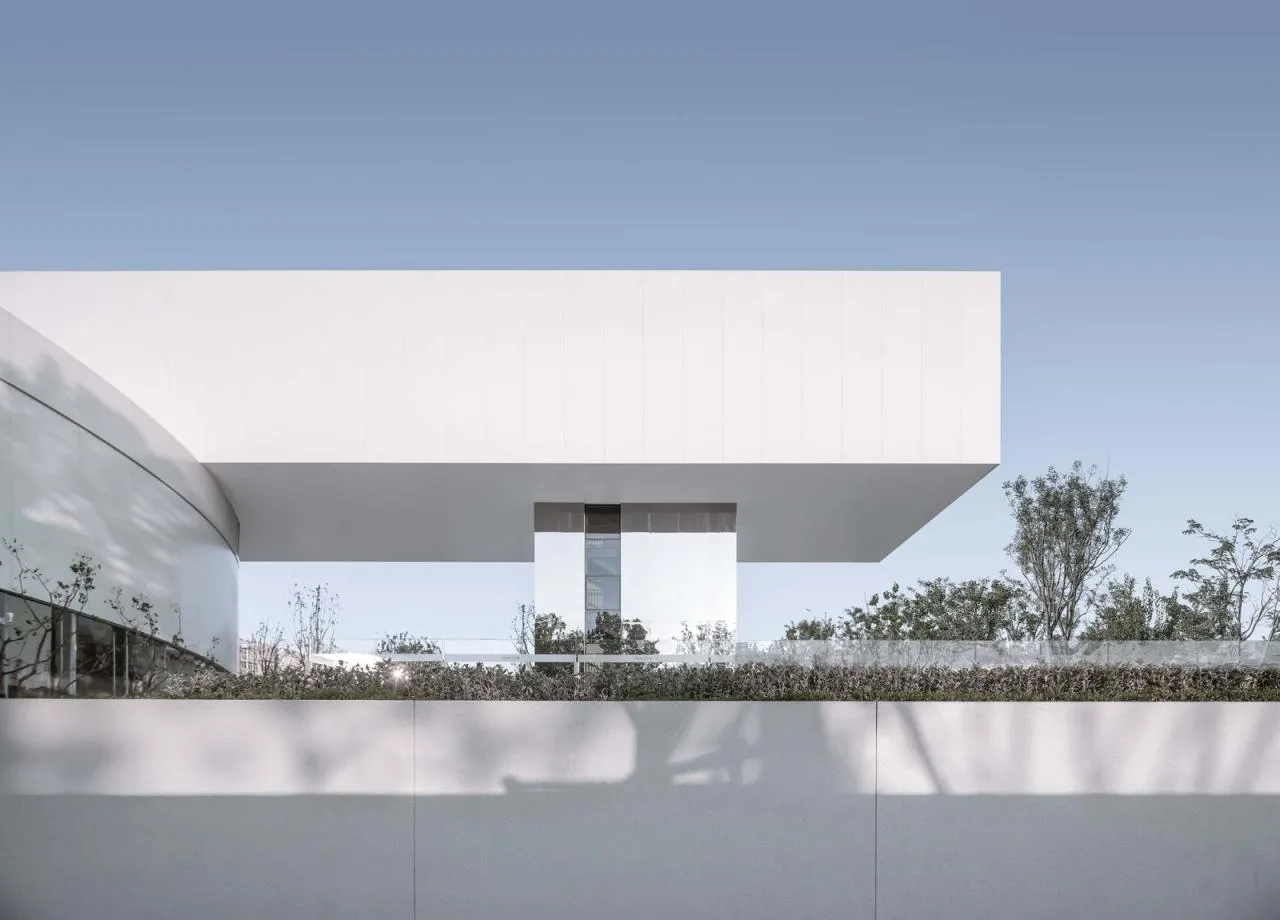
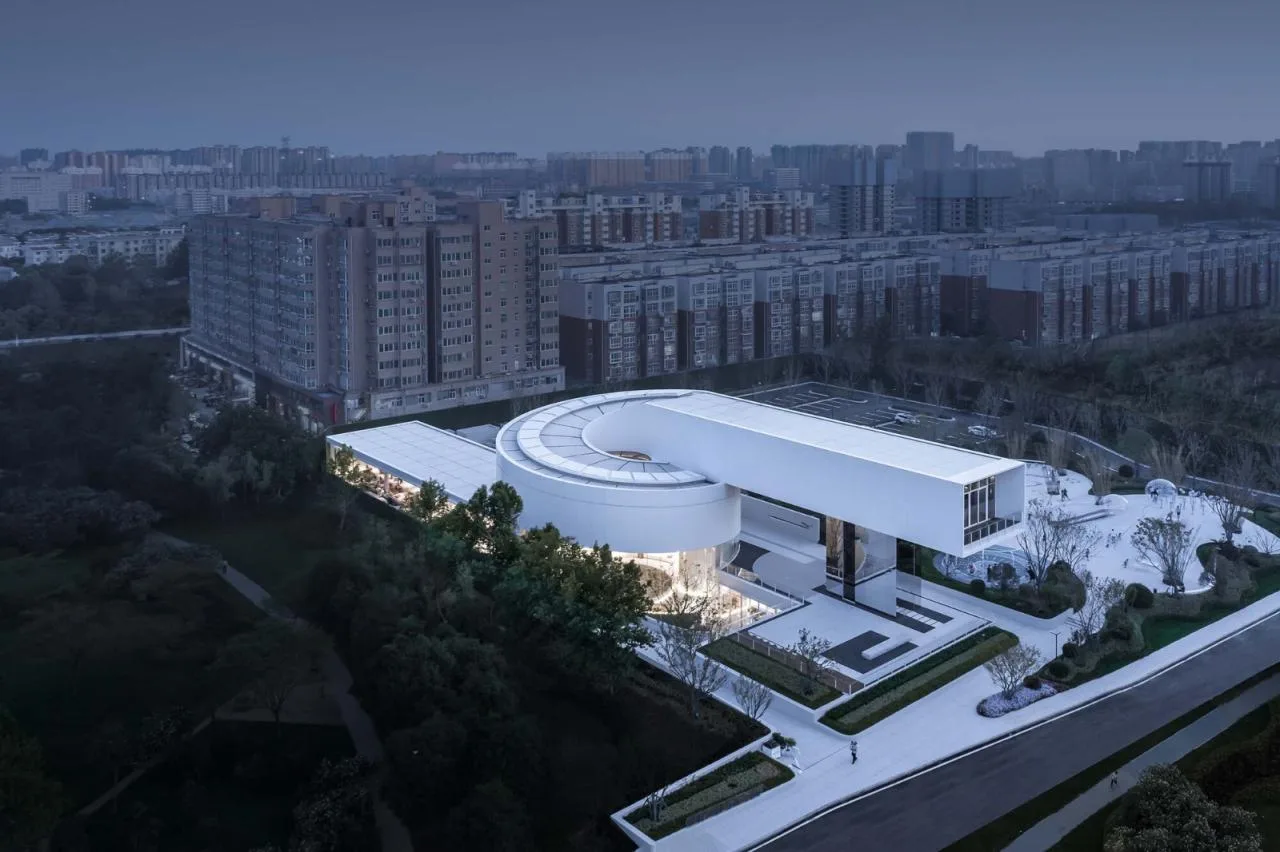
Unlike typical urban public buildings, this site is a narrow strip of land measuring 29 meters wide and 115 meters long, which is an unconventional shape. During the planning phase, we observed that the site aligns perfectly north to south, with the northern and southern ends pointing respectively towards the old and new urban areas of Zhengzhou. This unique linear form carries historical significance, which we chose to honor through our design.
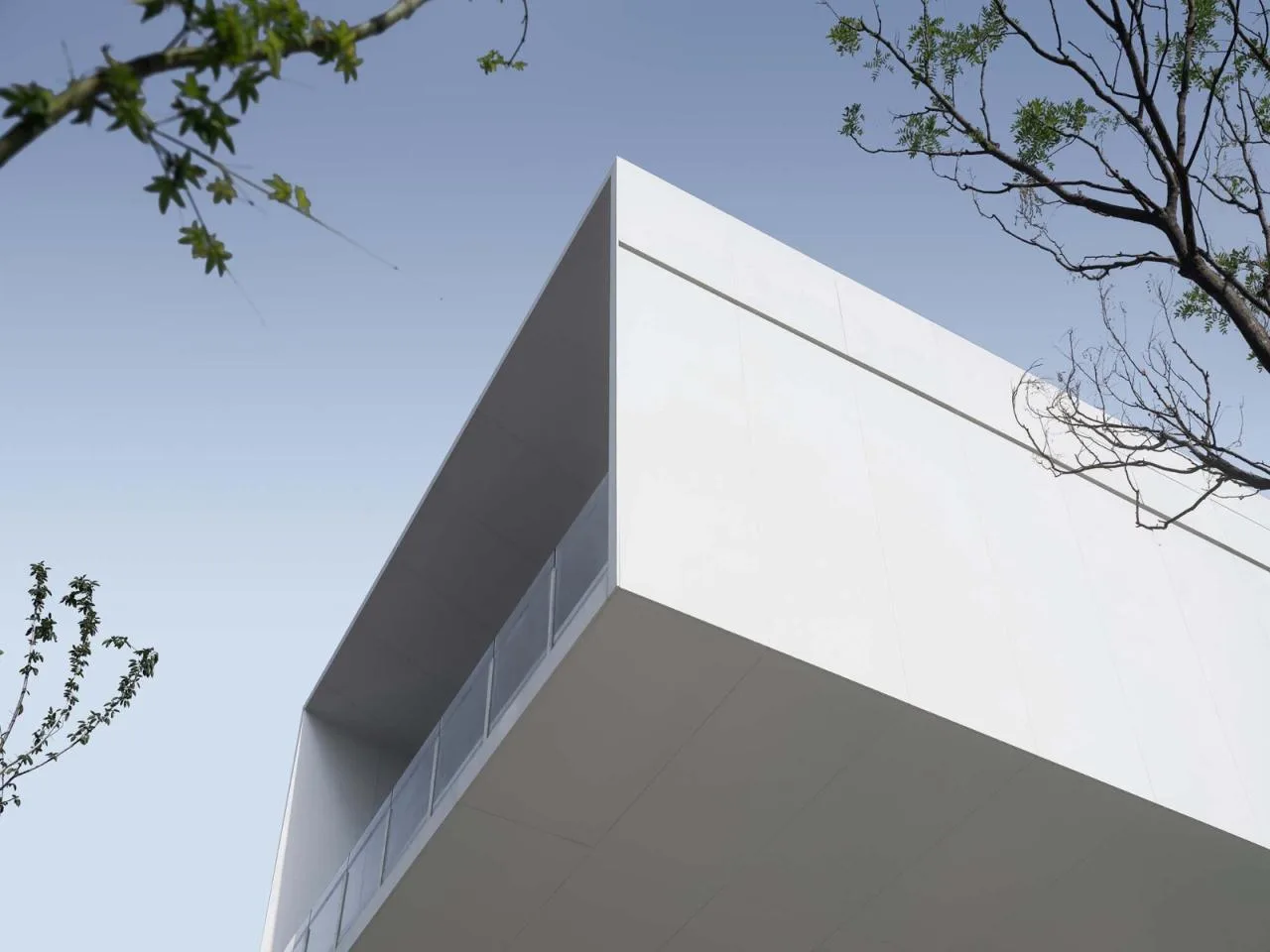
We introduced a central cross-section along the north-south axis to symbolize the progression of time and the dynamic intersection of urban development. This feature is referred to as the “section of the times.”
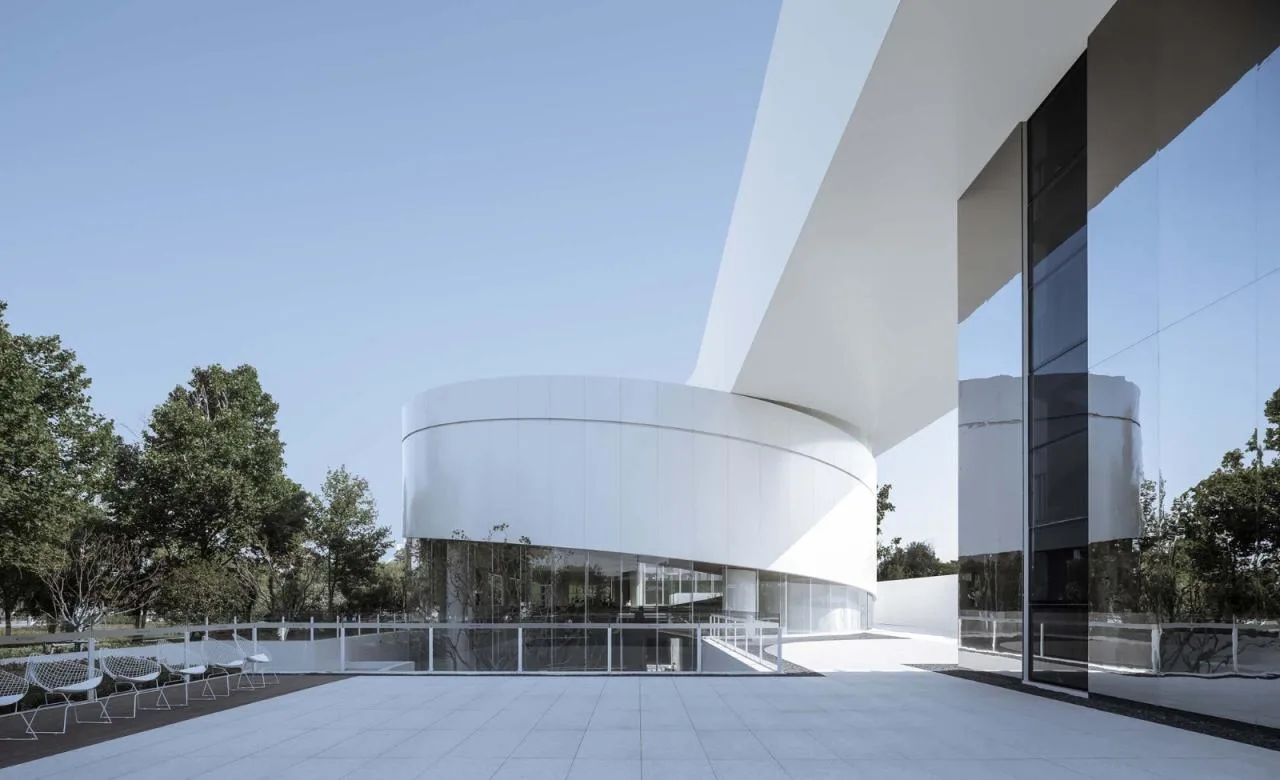
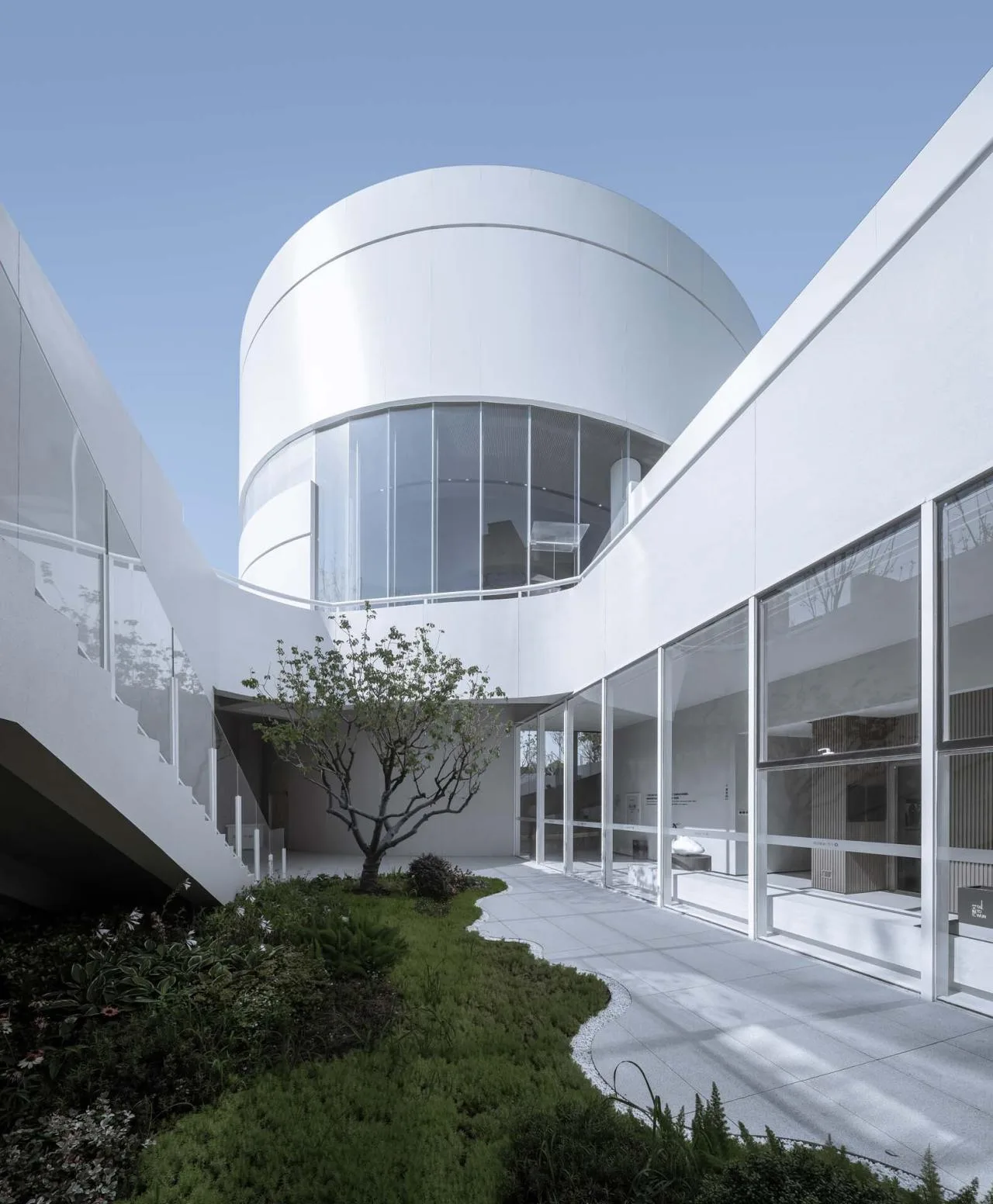
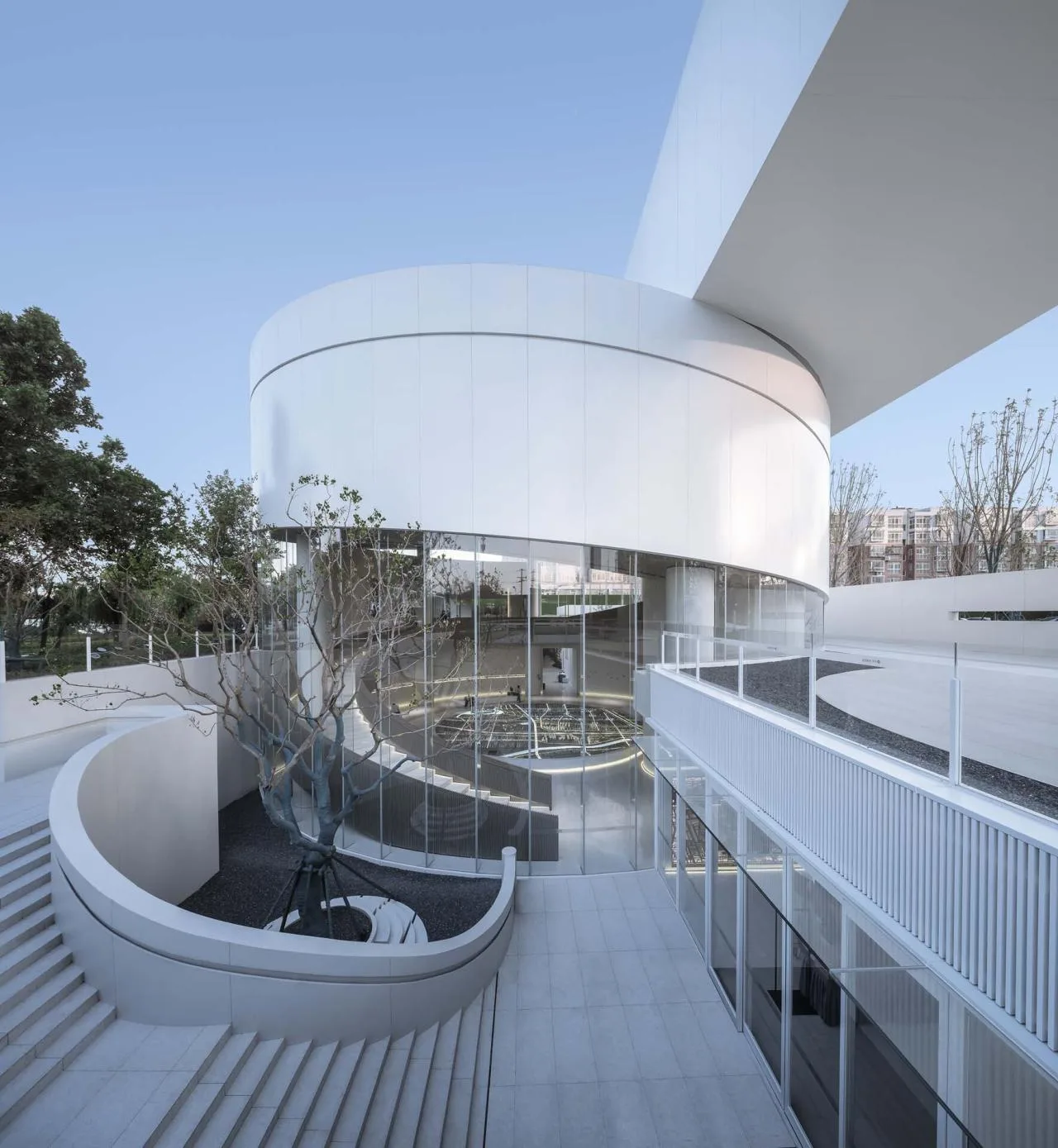
The building consists of three floors: one underground and two above ground, covering a total area of approximately 3,100 square meters. The ground floor houses the main exhibition space and public rest areas. The second floor contains the upper section of the central exhibition and an immersive exhibition area. The underground level includes the lower section of the central exhibition, a multifunctional hall, and logistics offices.
The unique architectural form not only defines distinct functional zones on each floor, but also ensures seamless access to the core central exhibition hall across all levels.
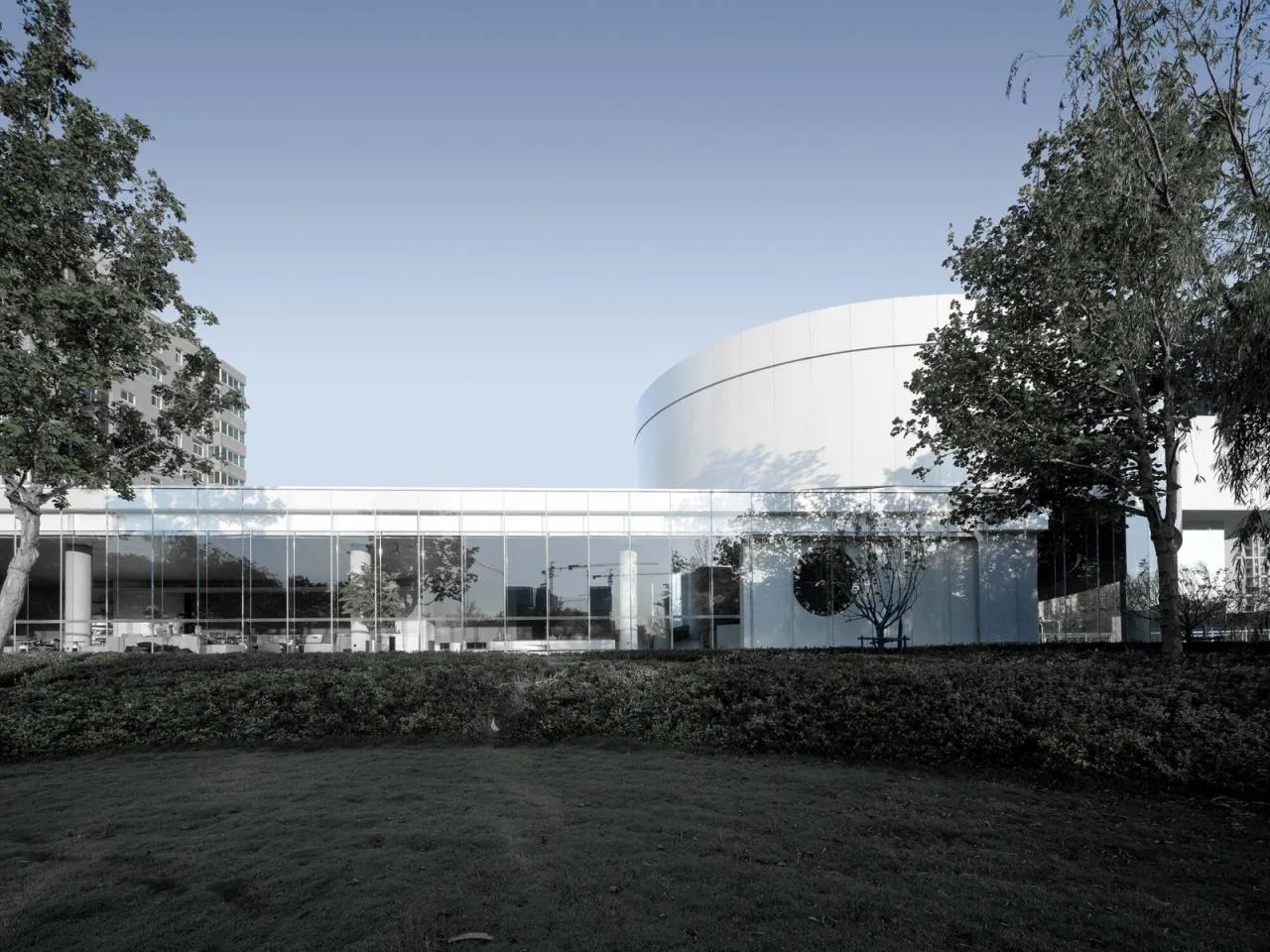
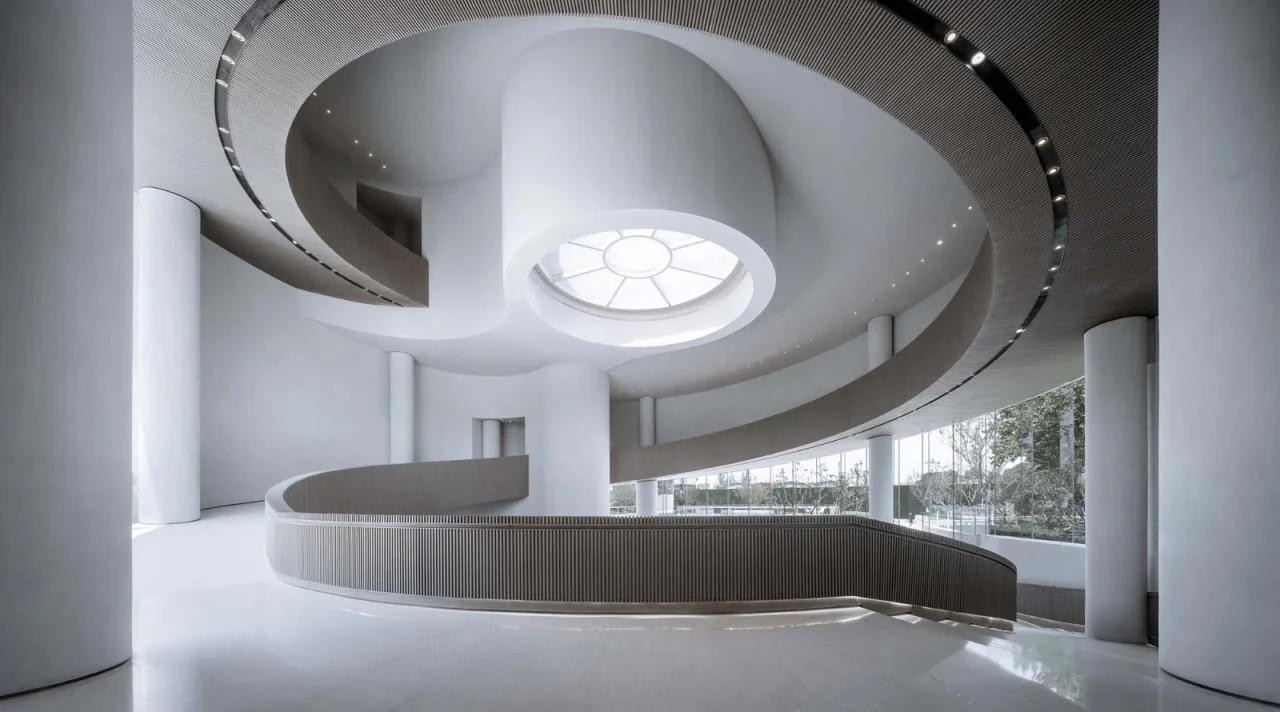
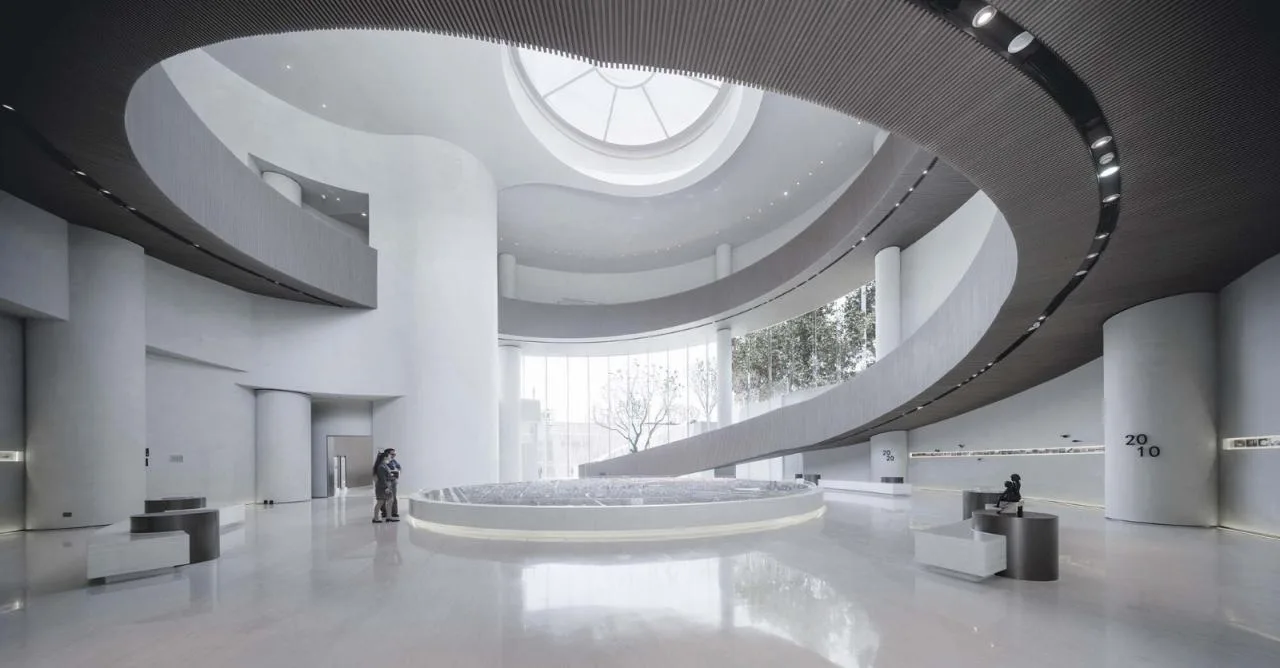
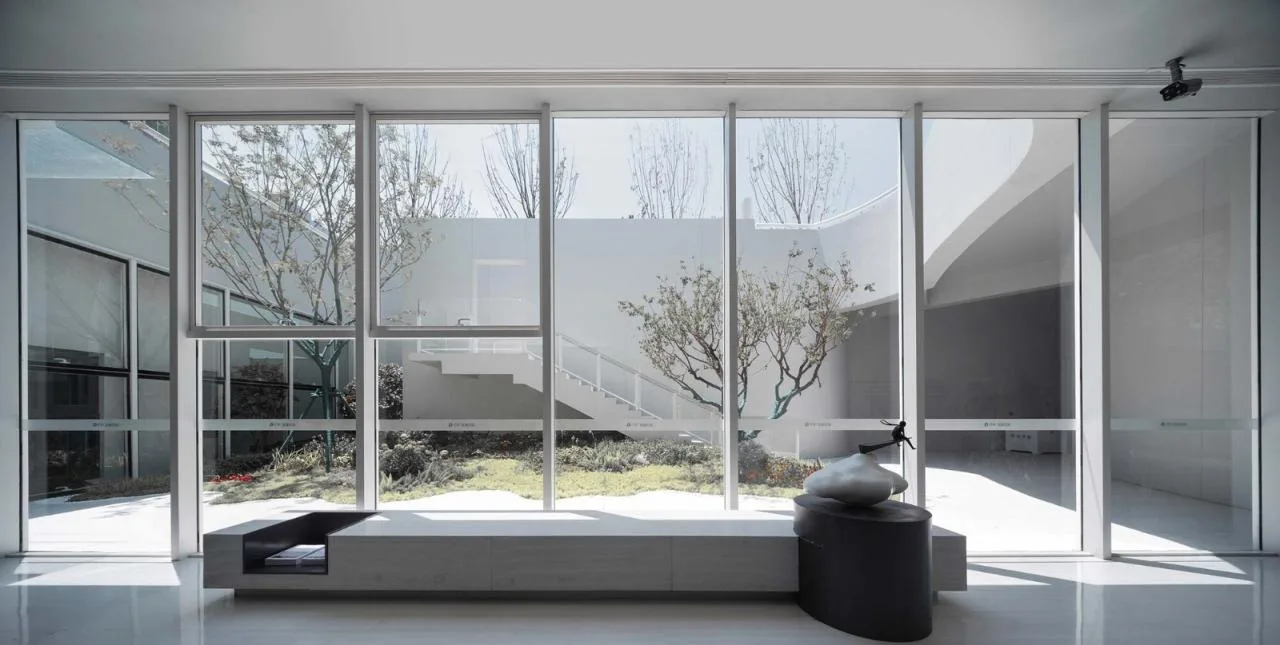
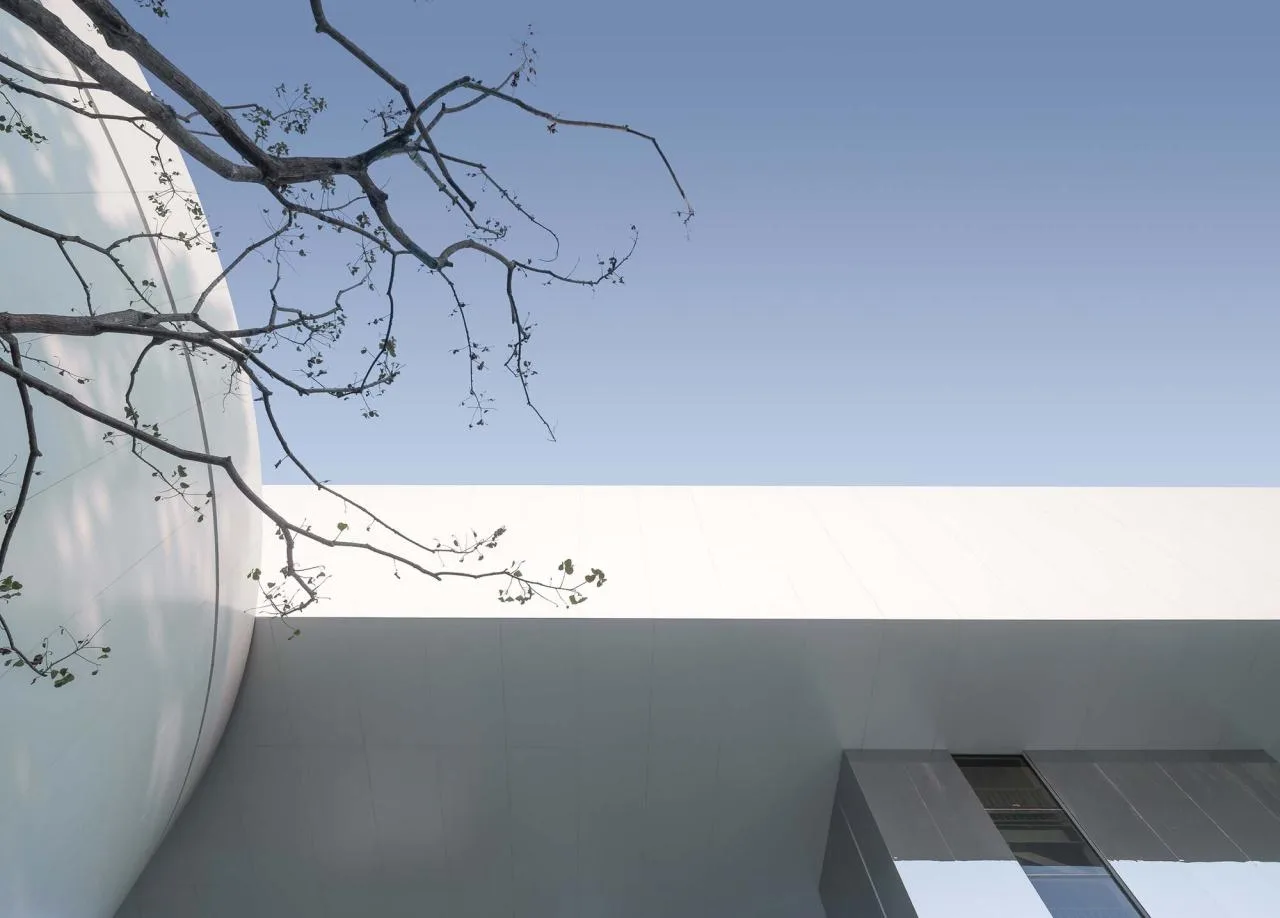
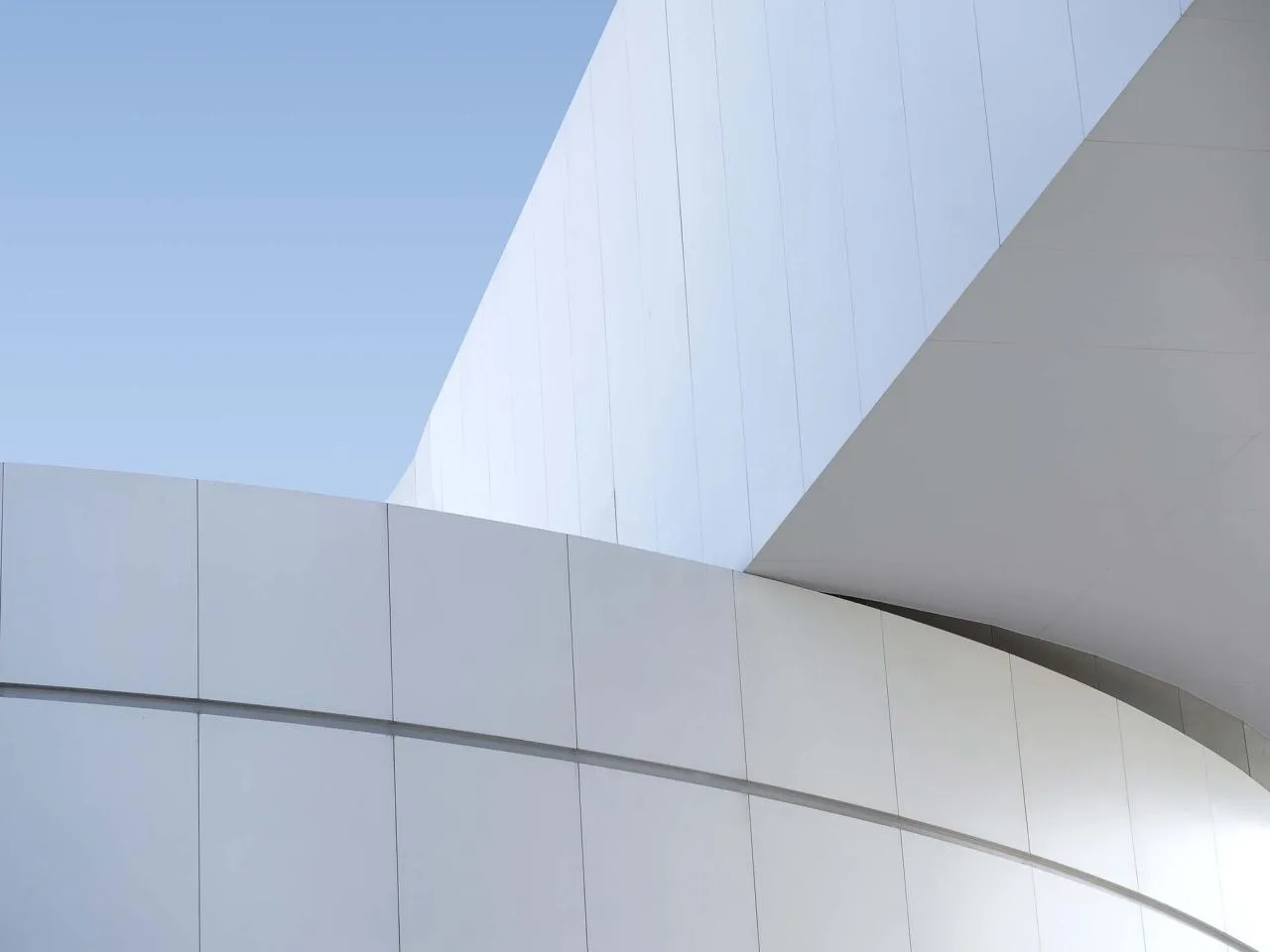
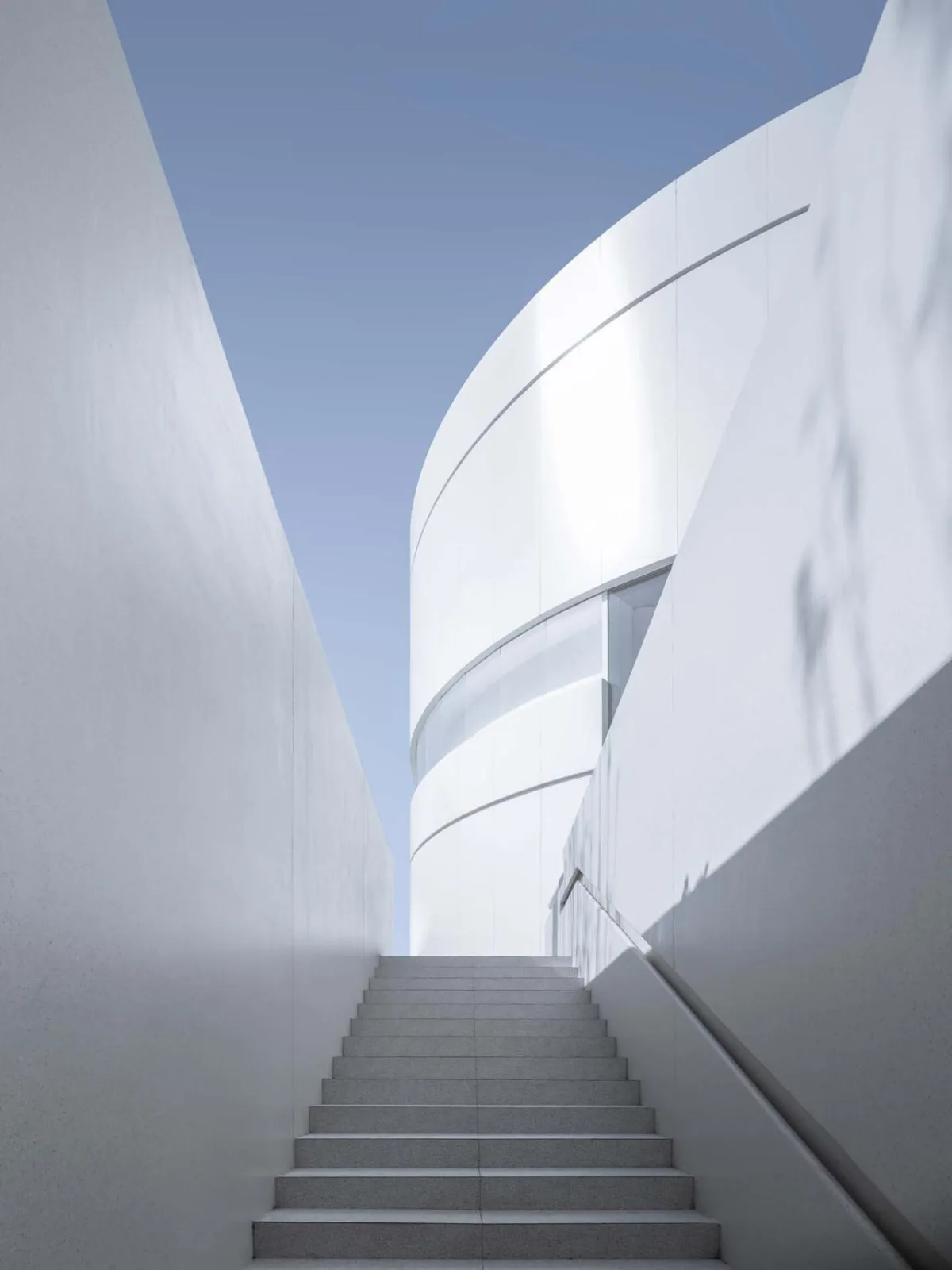
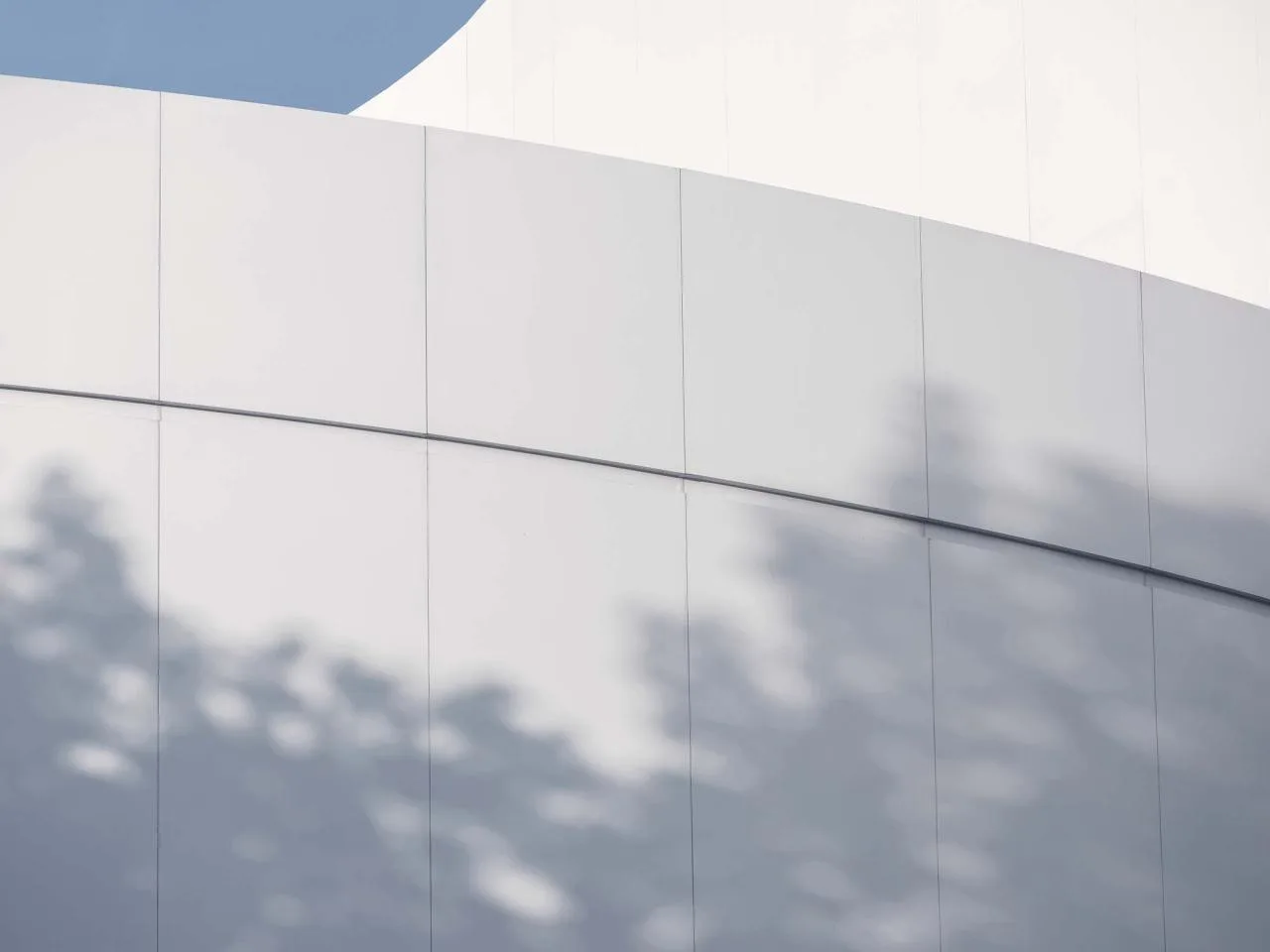
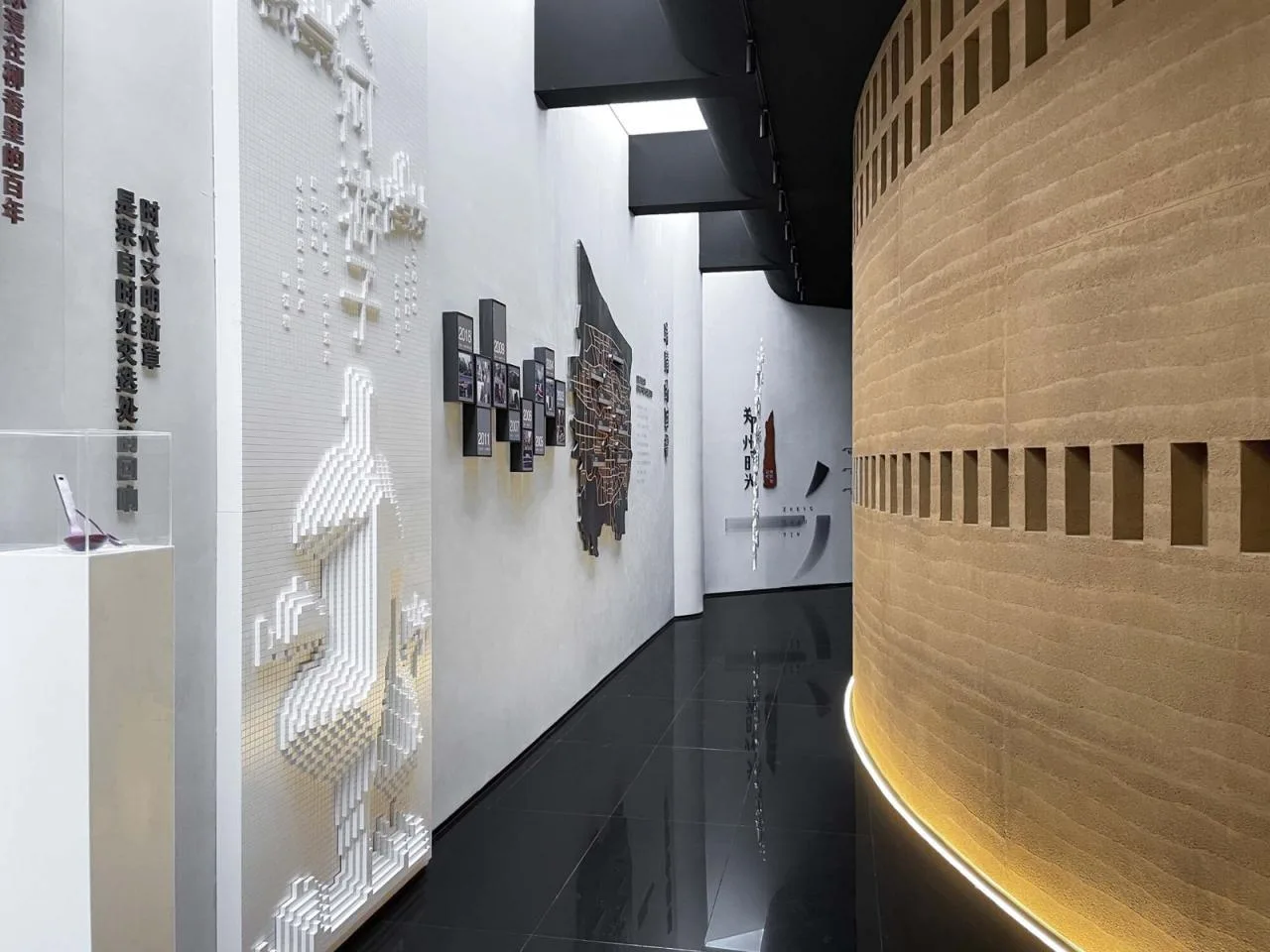
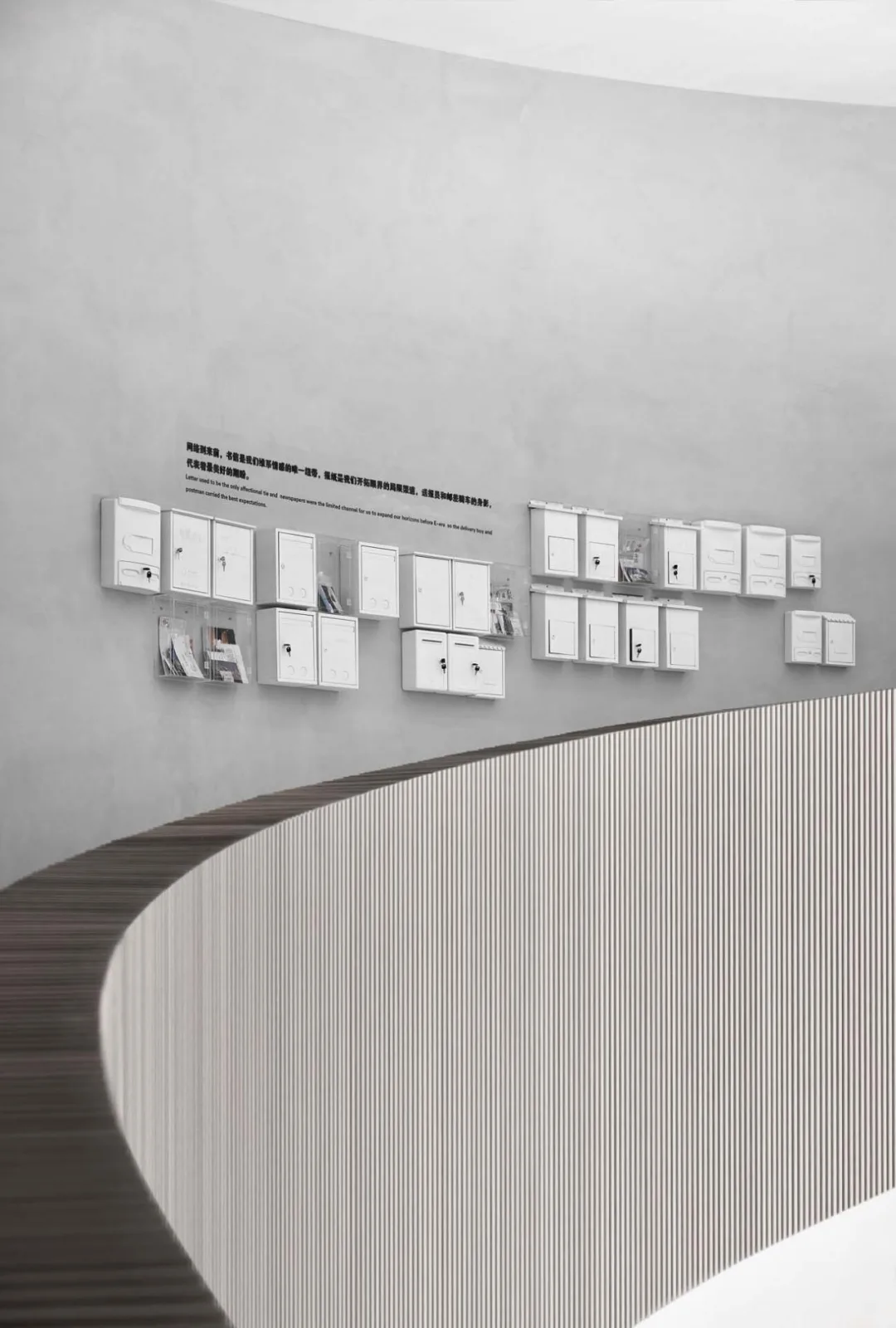
The building’s central space spirals and intersects, a design element reflected both on the exterior facade and within the interior, creating a consistent spatial experience. This spiral acts as a core circulation hub spanning three levels, while also serving as a viewing platform that showcases the region’s historical development.
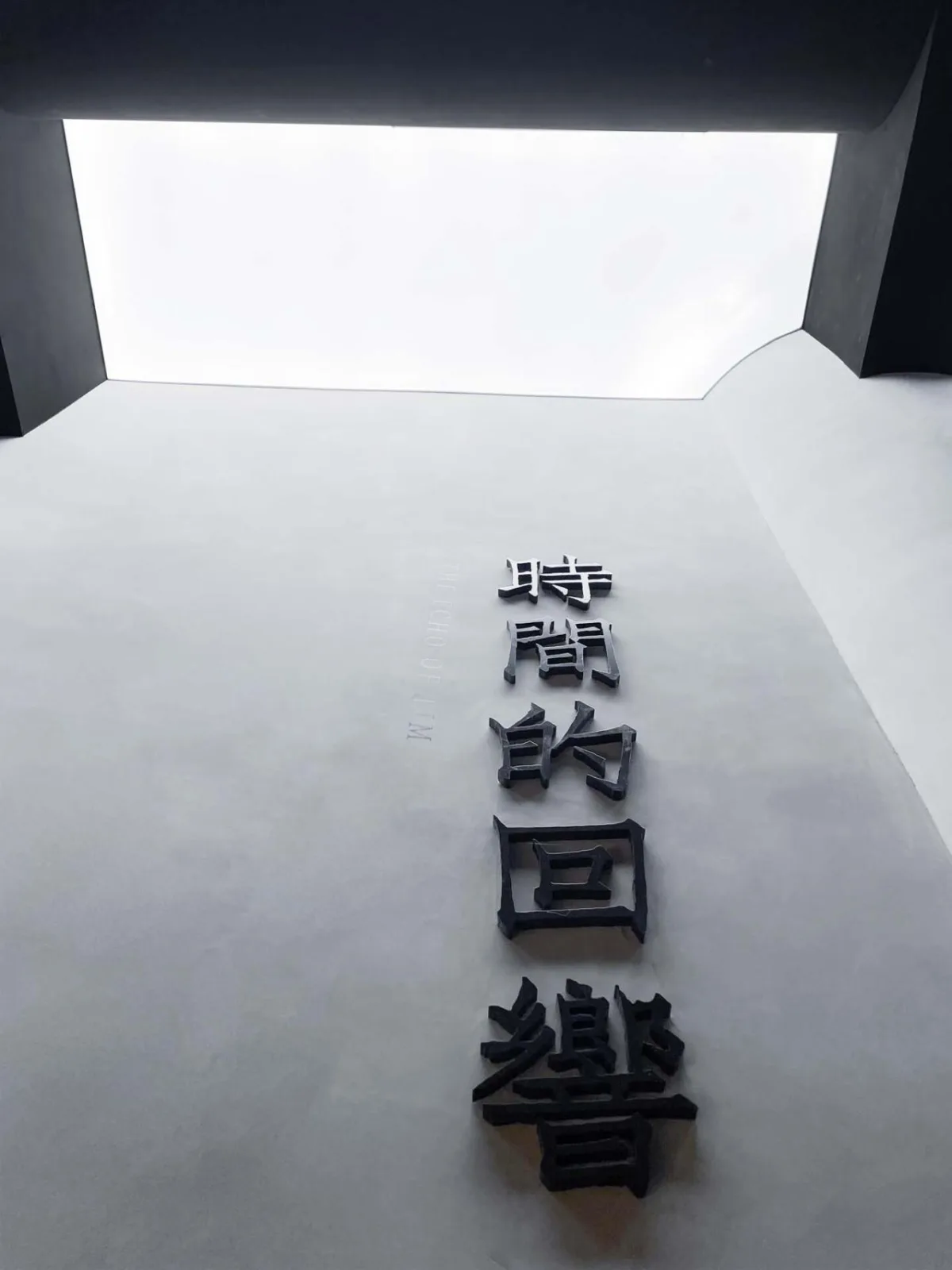
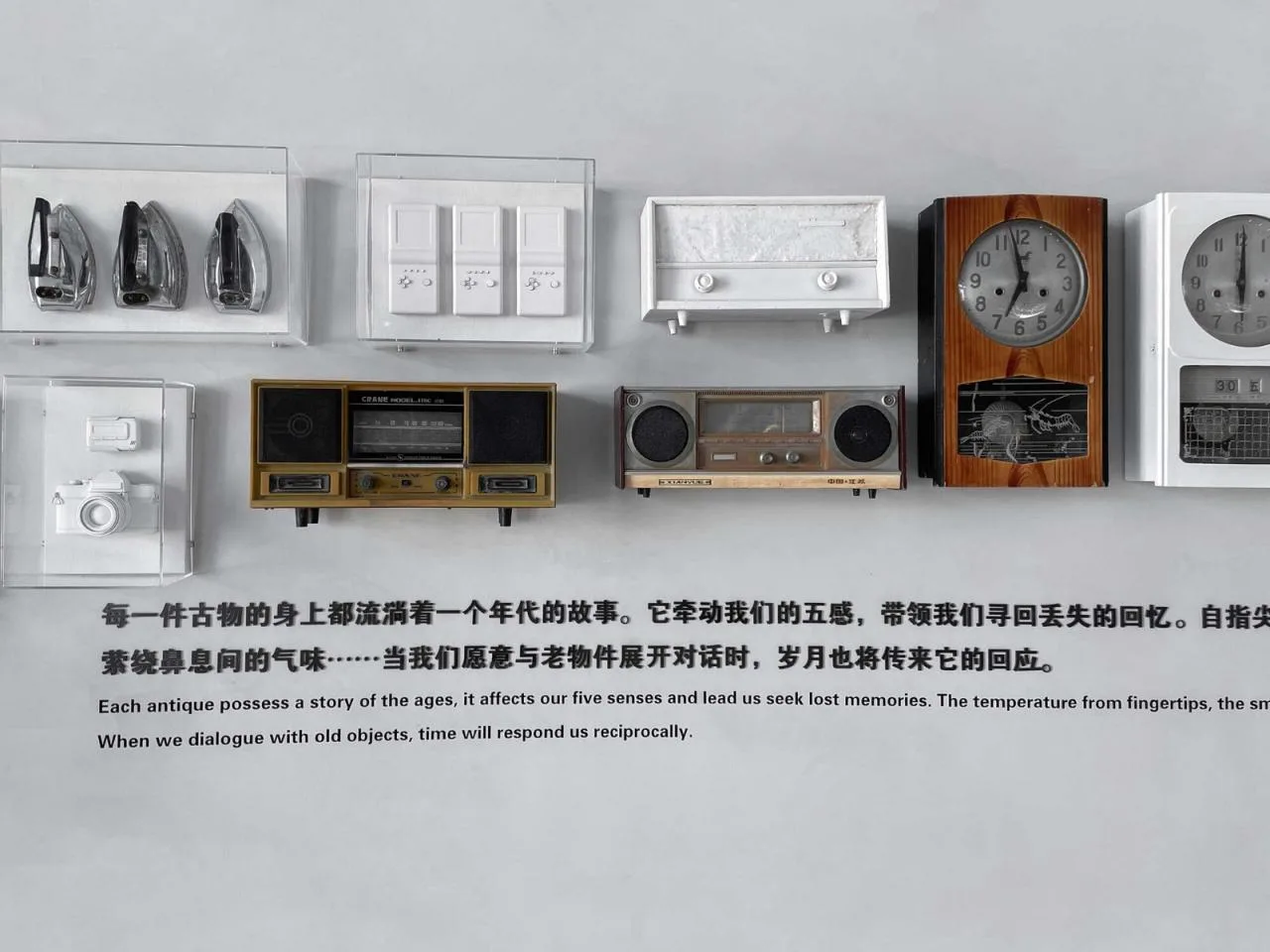
Visitors descending the spiral can observe historical narratives displayed on the walls. A circular skylight above floods the hall with natural light, casting dynamic shadows on the spiral staircase that shift throughout the day—symbolizing historical moments illuminated at different times.
Project Drawings
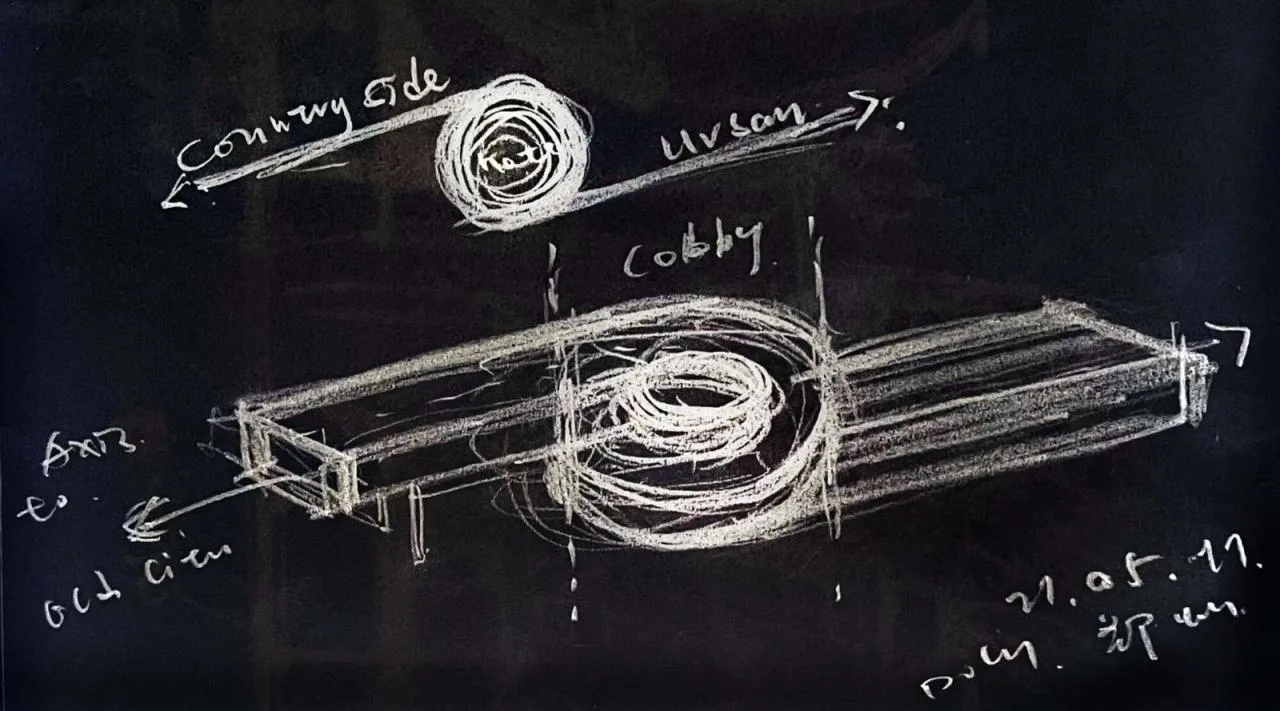
△ Hand-drawn Sketch
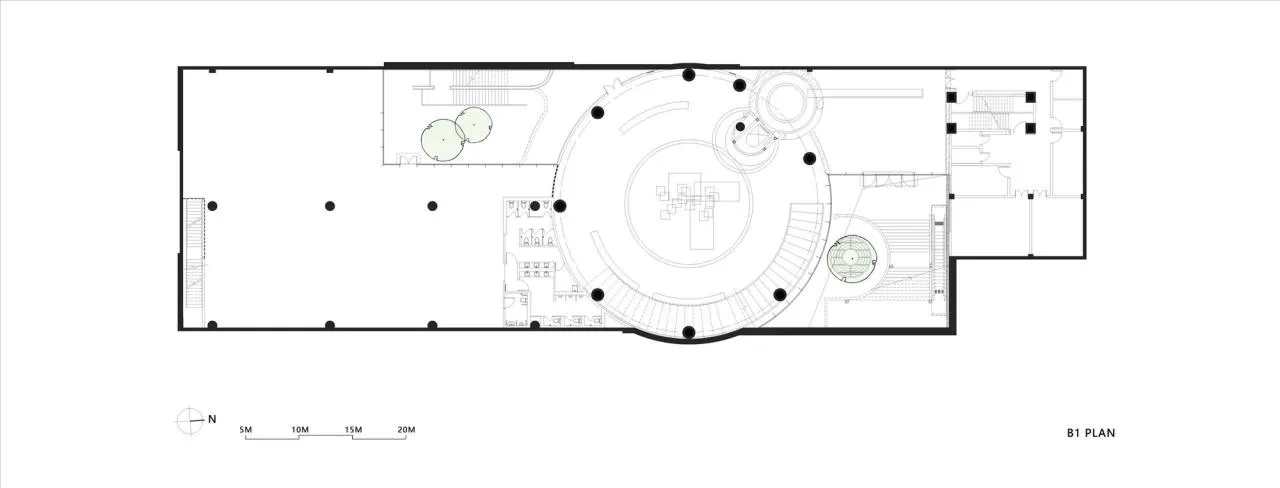
△ Basement Floor Plan
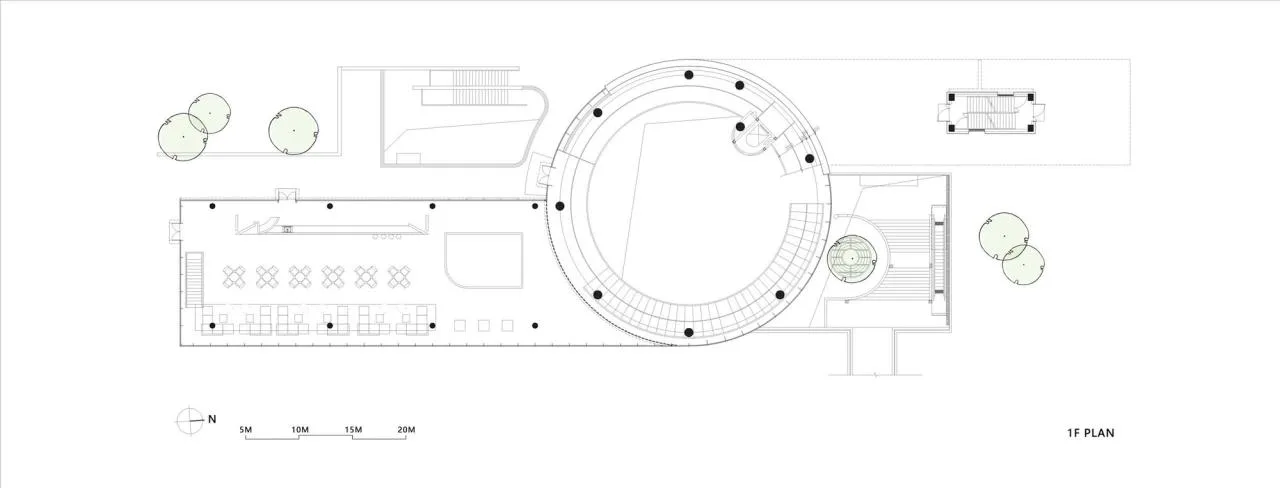
△ First Floor Plan
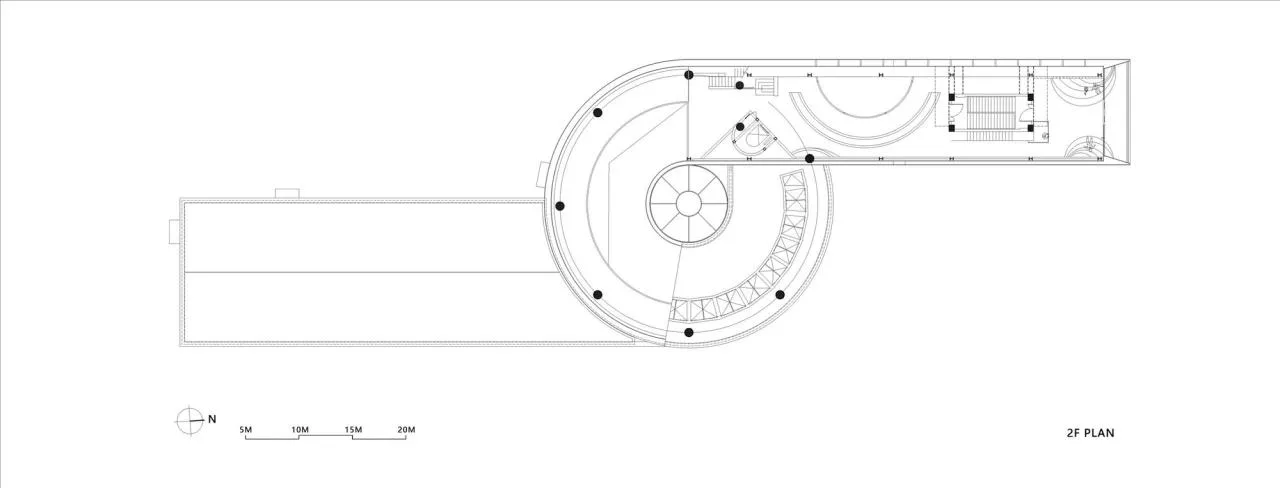
△ Second Floor Plan
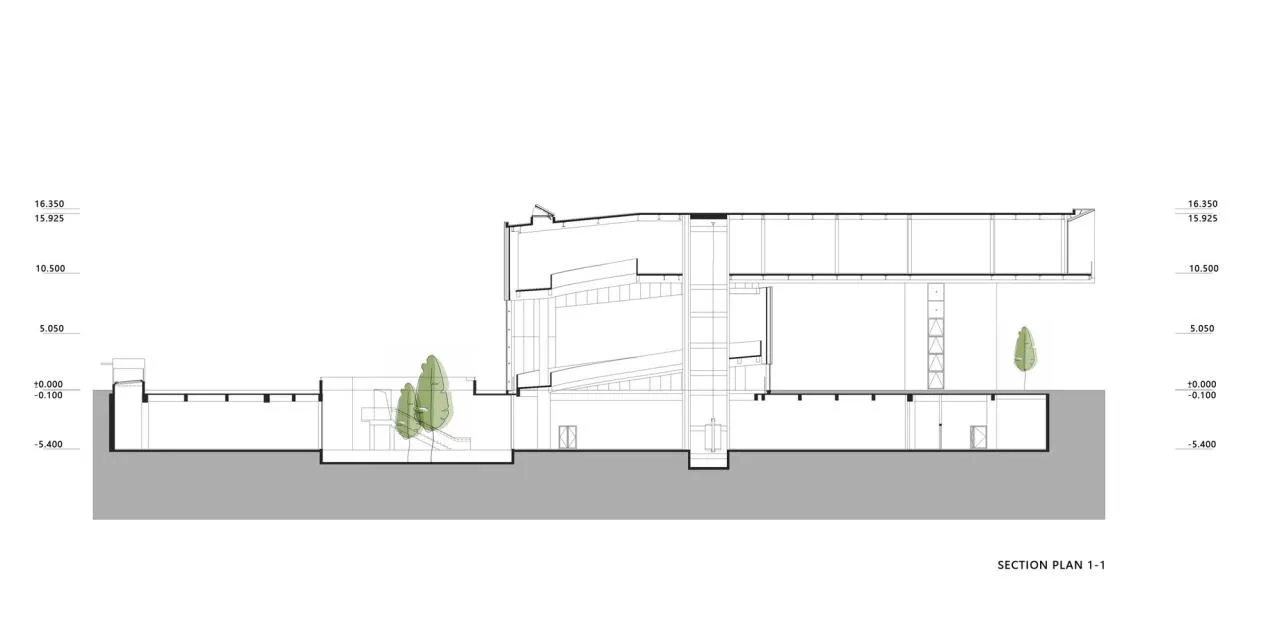
△ Section Diagram
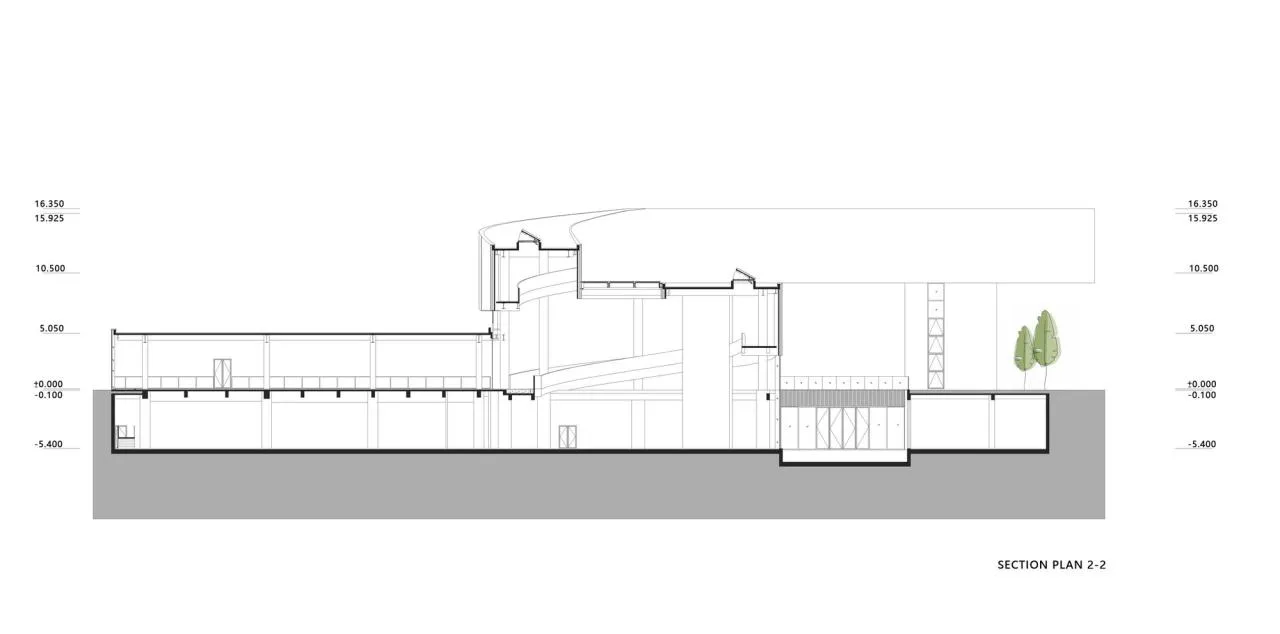
△ Section Diagram
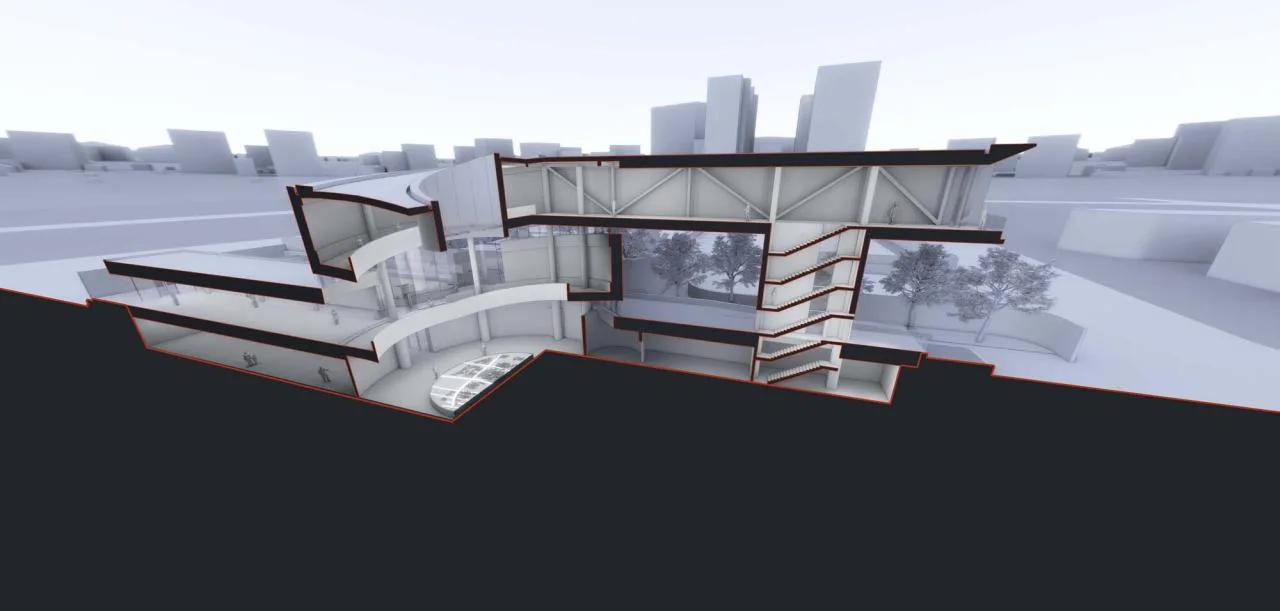
△ Sectional Perspective
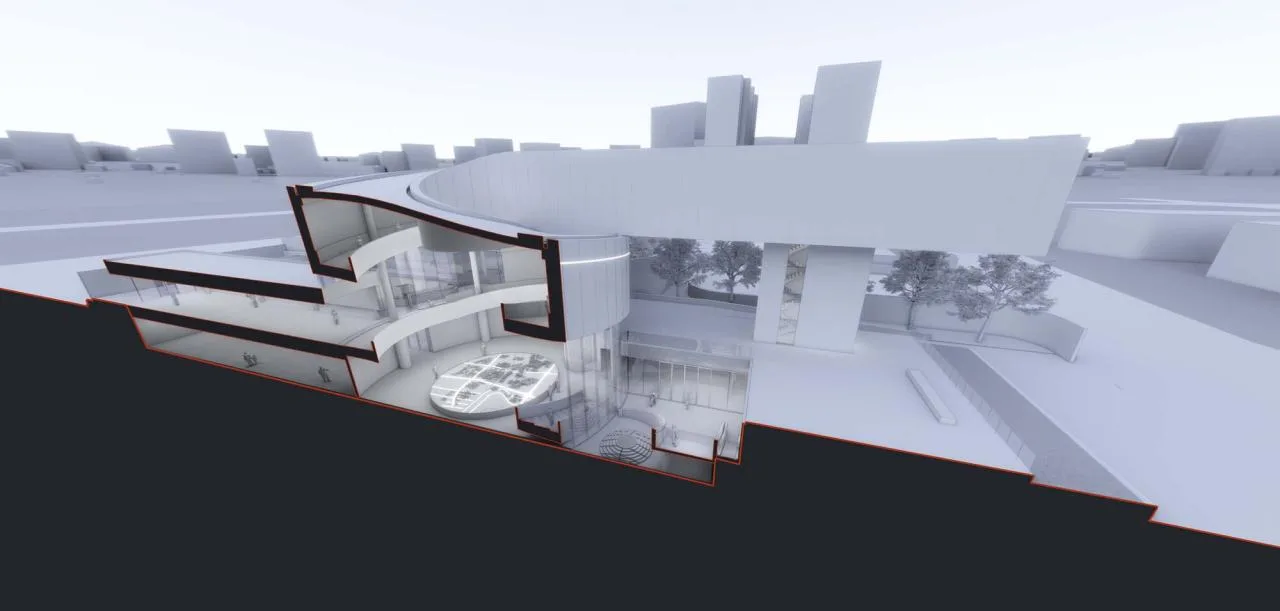
△ Sectional Perspective
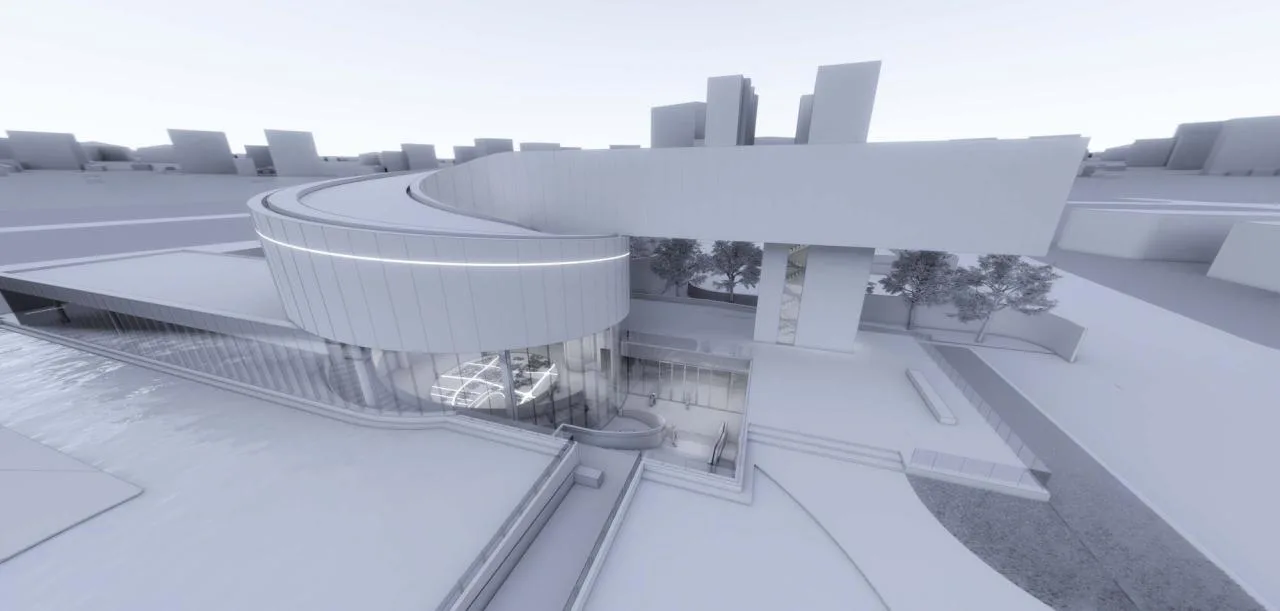
△ Perspective View
Project Information
Architect: Shanghai Hope Architectural Design
Area: 3,100 m²
Project Year: 2022
Manufacturers: Alucobond, G-Crystal
Lead Architects: Yihe, Zhang Xingkai
Design Team: Yang Jiefeng, Yi He, Zhang Xingkai, Ding Zhenhai, Wang Yutao, Tong Tong, Wang Huatao, Shi Wenhao, Xu Fangbing, Gu Si, Cai Zihao
Interior Design: Guangzhou Shangyi Decoration Design Co., Ltd
Landscape Design: Shenzhen Aoya Design Co., Ltd
Principal: Henan Poly Development Co., Ltd
Location: Zhengzhou, China















Must log in before commenting!
Sign Up