
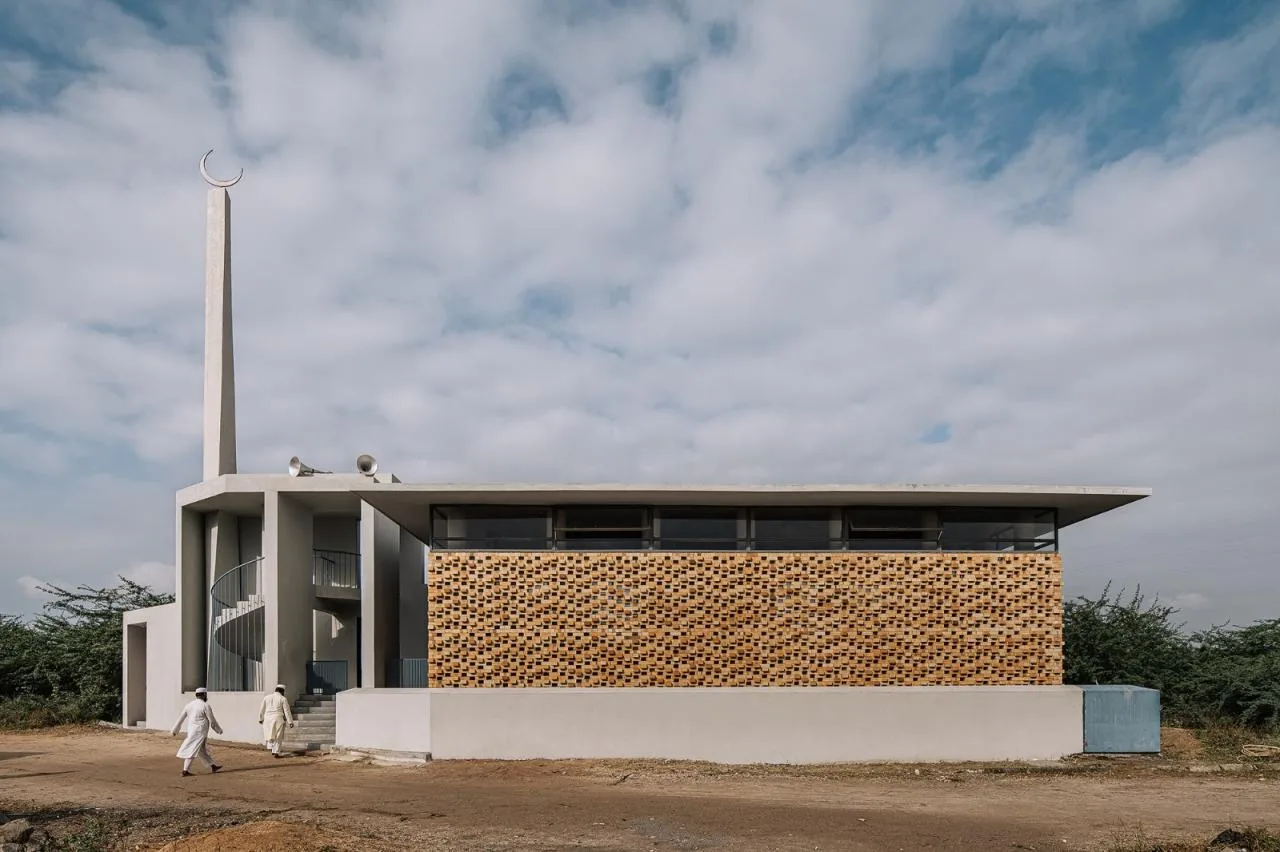
A mosque is traditionally a typical Islamic building, meaning a “place of kneeling.” Islamic architecture transcends regional boundaries. Over time, indigenous pre-Islamic forms and features have blended with elements from across the Islamic world, creating a unique synthesis in different regions. Unlike historic commemorative mosques, contemporary mosque designs aim to highlight these transformed forms and establish a distinct identity. The Masjid-e-Zubaida mosque exemplifies this modern approach.
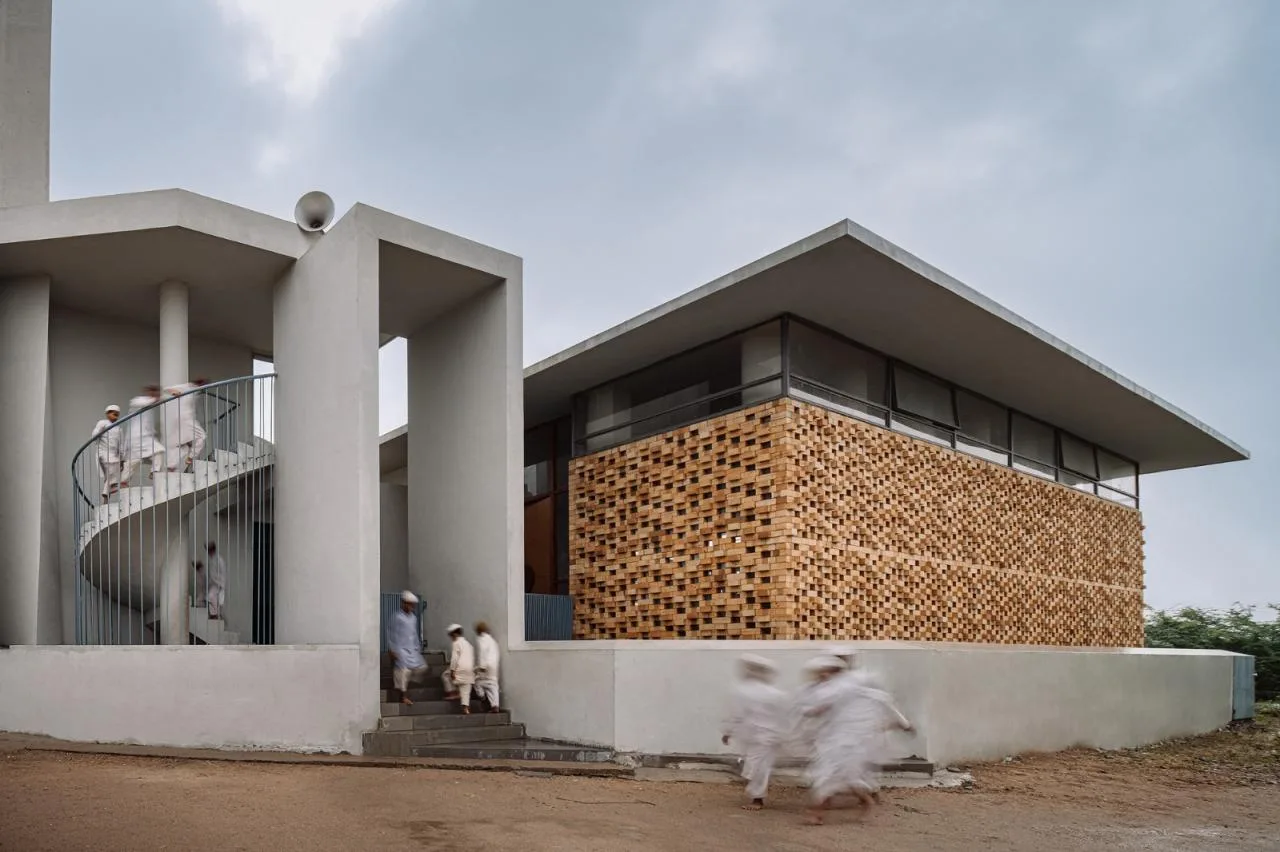
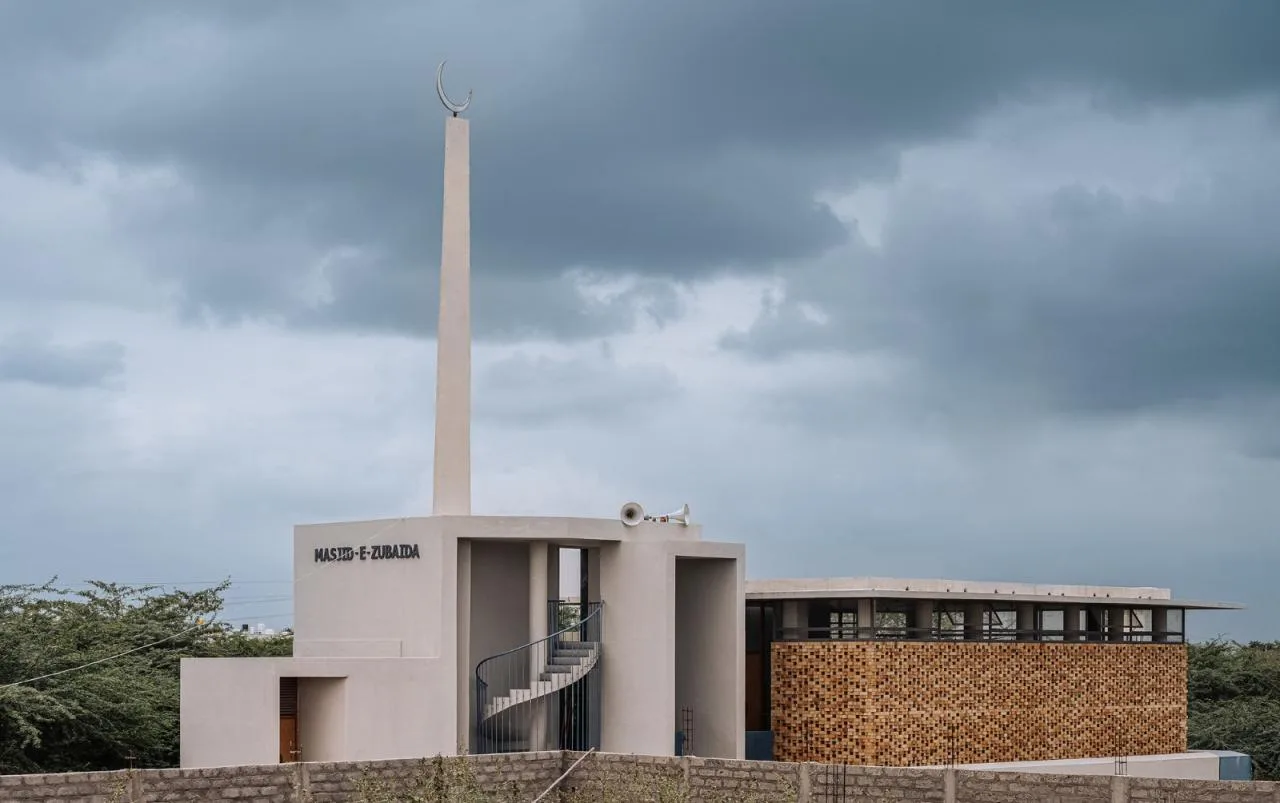
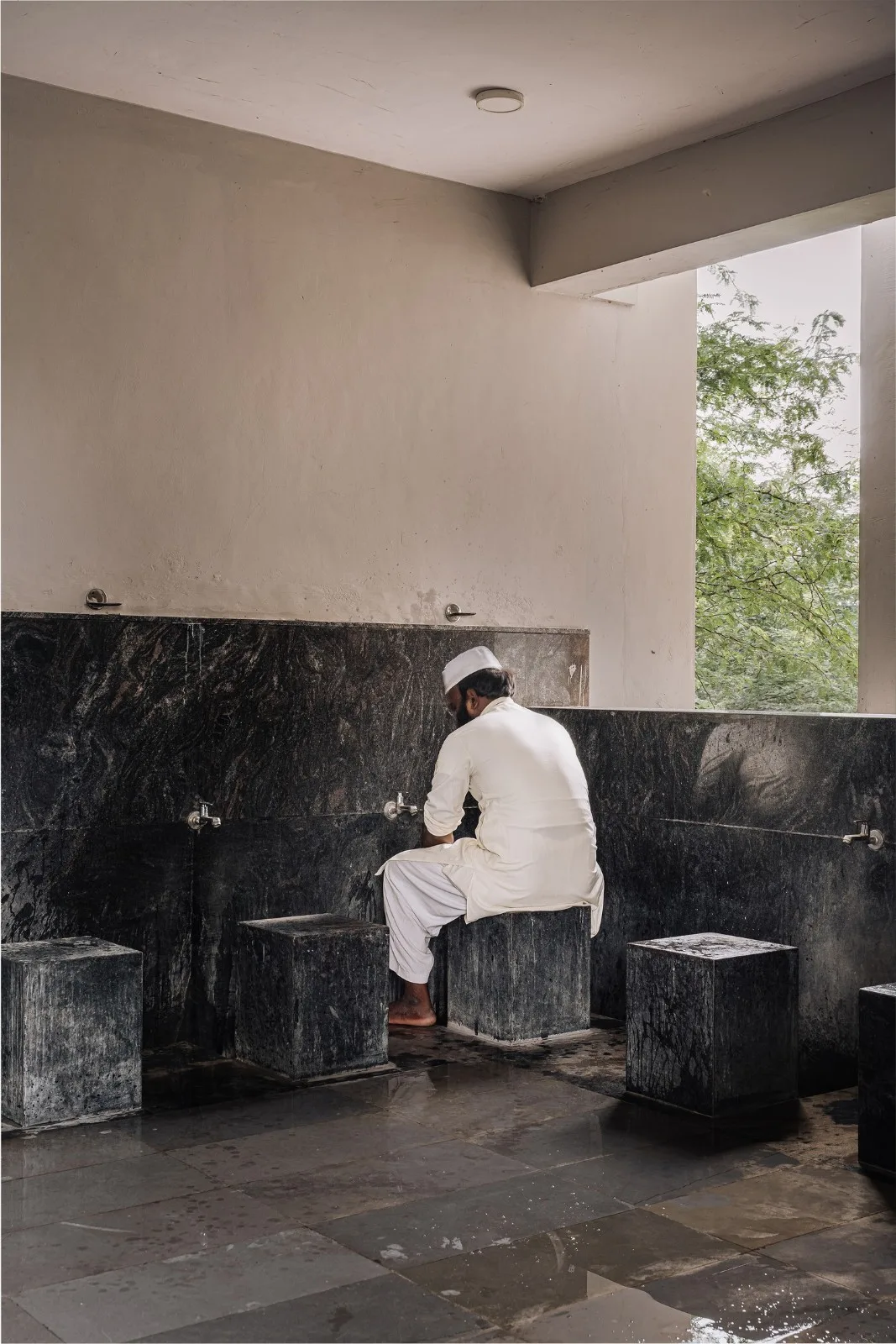
The core concept behind this design is that religious spaces should promote meditation, purify emotions and the spirit, and foster a direct connection with Allah. After analyzing the mosque’s functions and symbolic significance, its essential elements were identified, focusing on these fundamentals rather than mere aesthetics or grandeur.
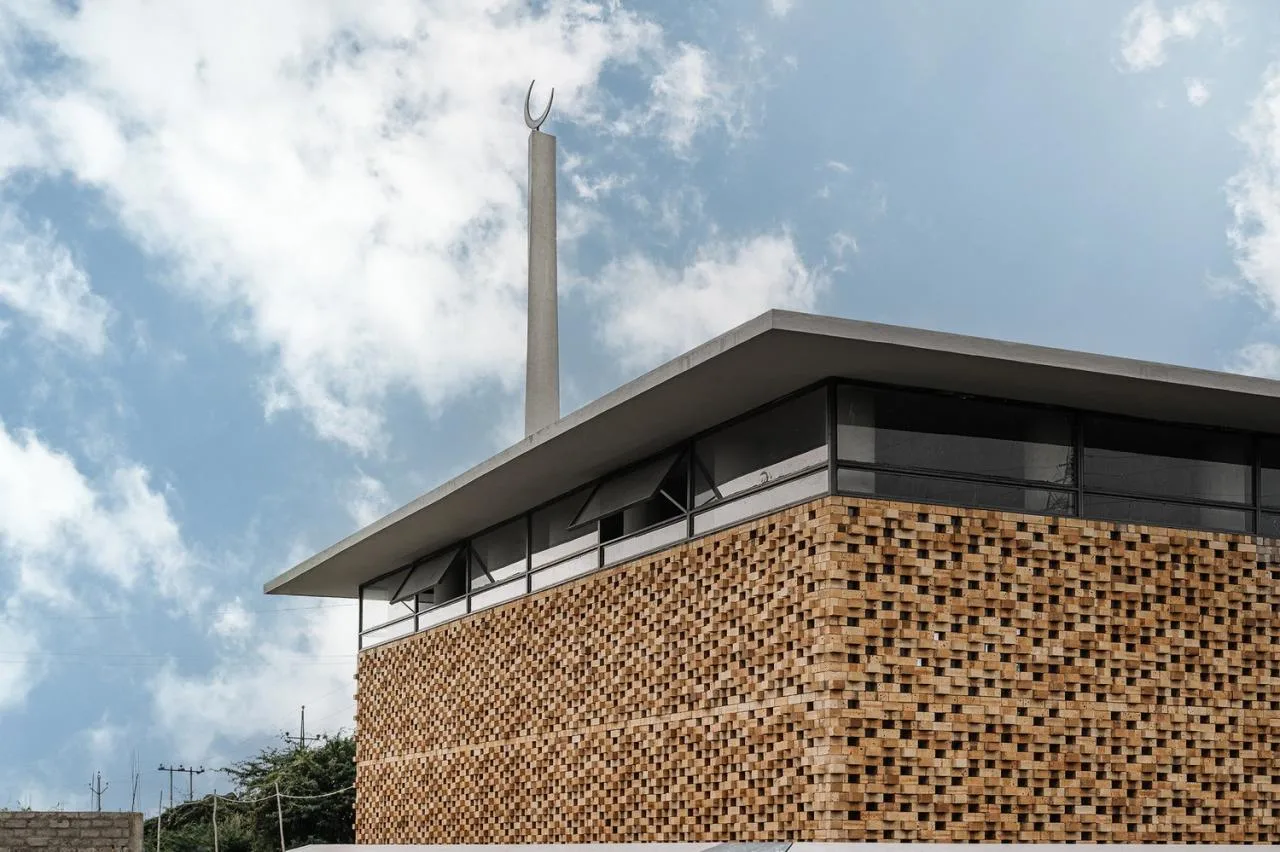
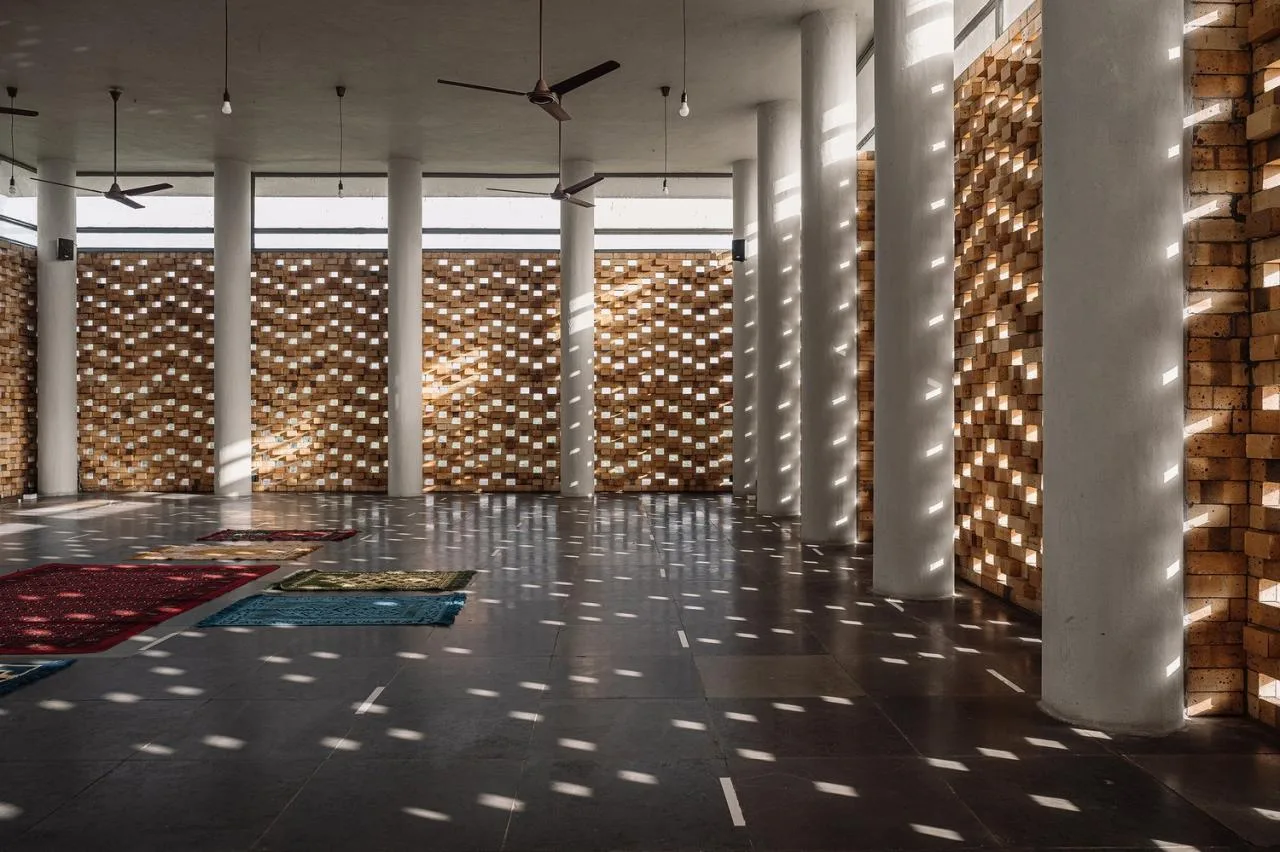
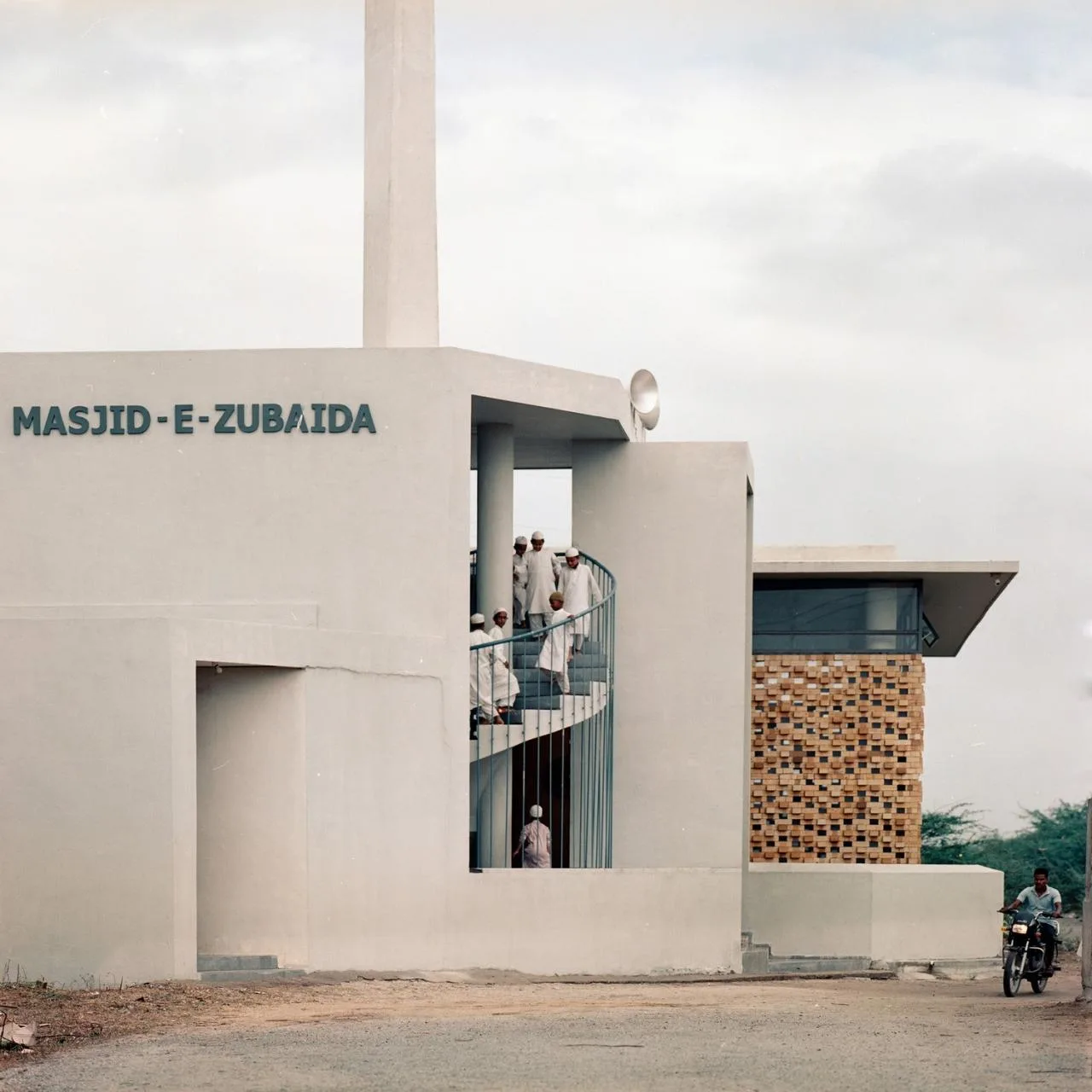
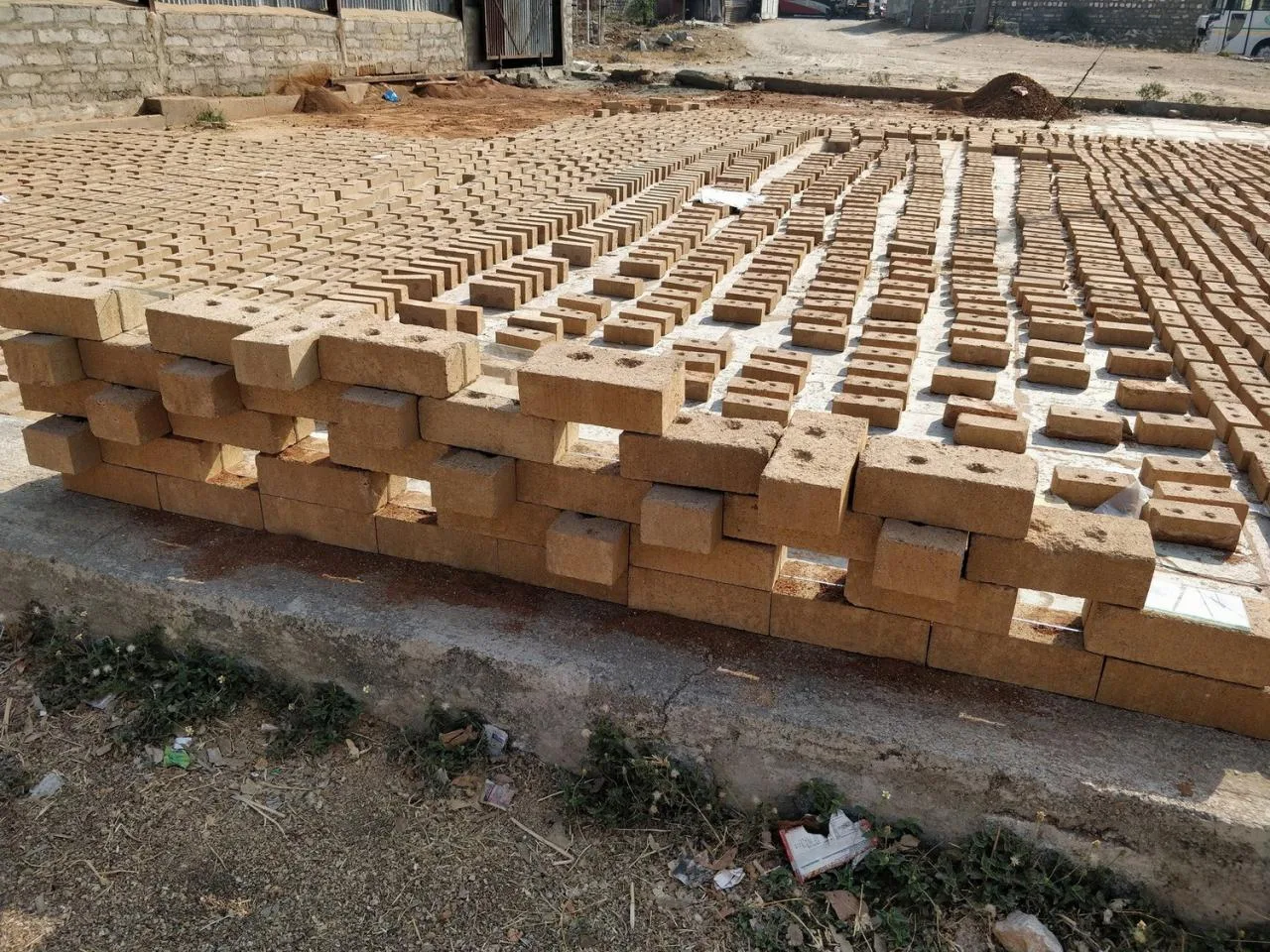
With this in mind, the mosque’s design incorporates spatial elements that serve high functional value, combining basic components such as the Ibadat Khana (prayer hall), Minbar (pulpit), Mihrab (prayer niche), and Minaret with simple, modern architecture. The minaret acts not only as a functional element but also as a clear visual symbol of Allah’s presence. Sustainability guides the material choices, favoring locally sourced, eco-friendly options. For this project, compressed stabilized earth blocks (CSEB) made from excavated soil were initially planned.
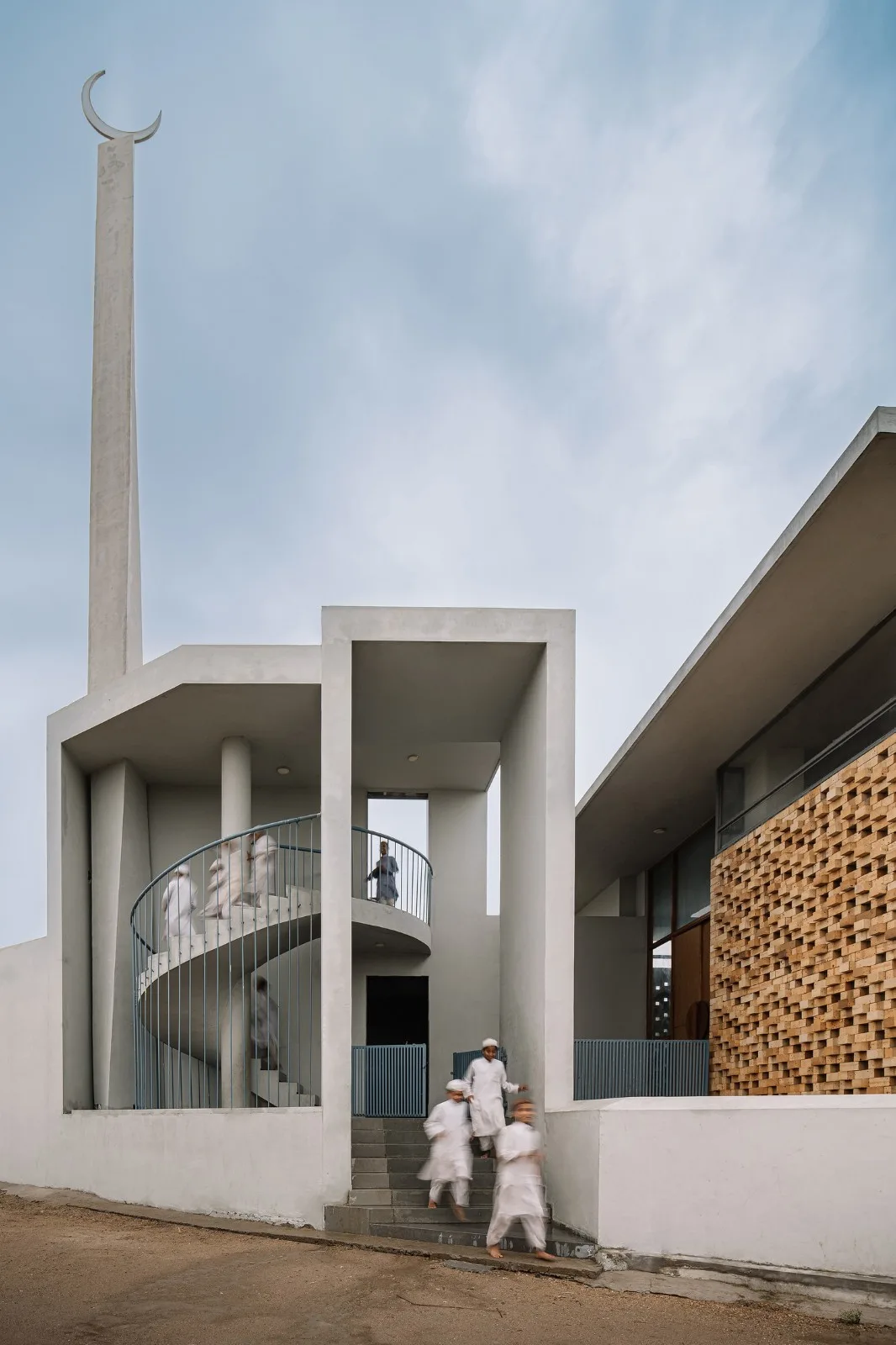
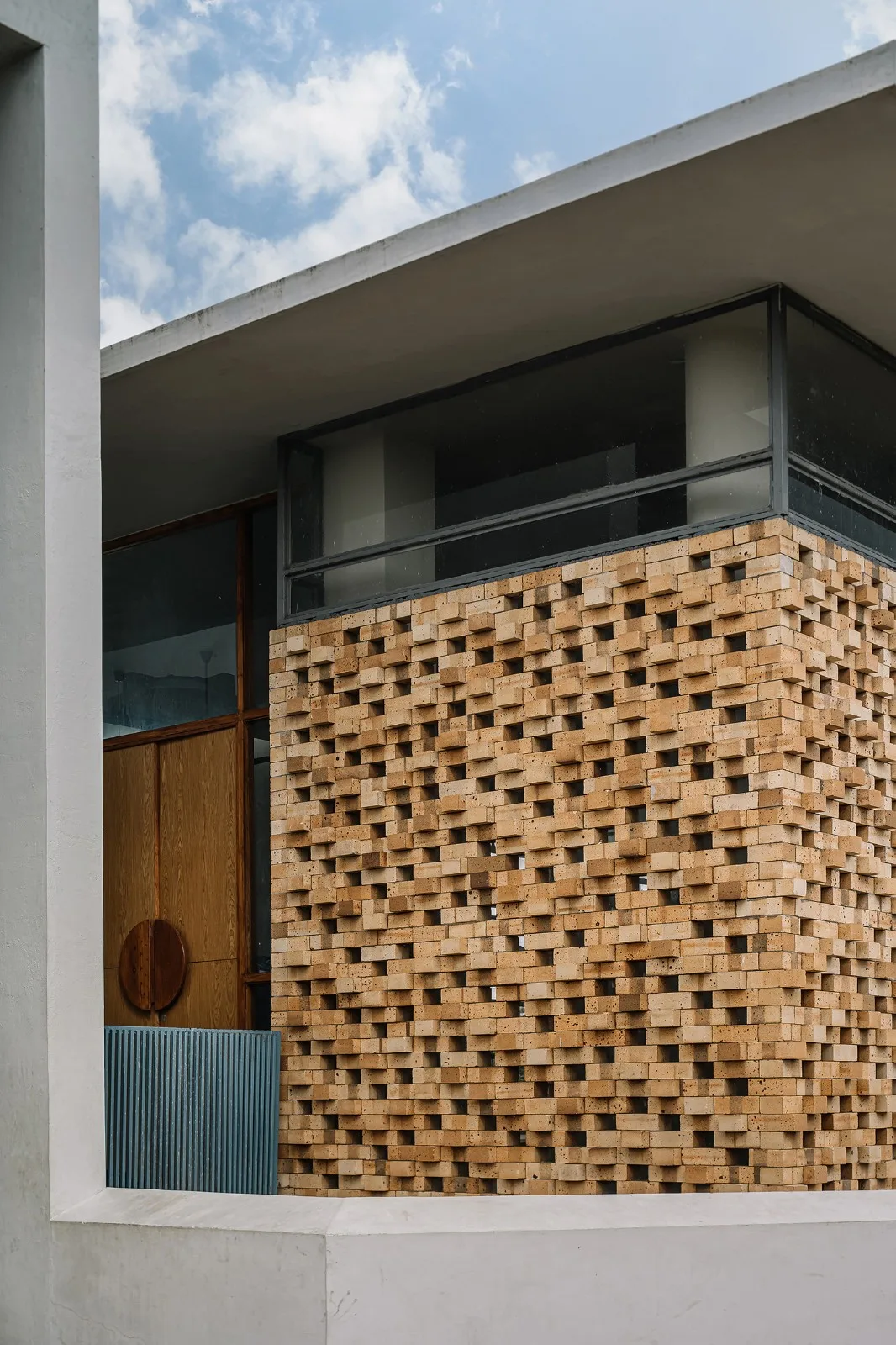
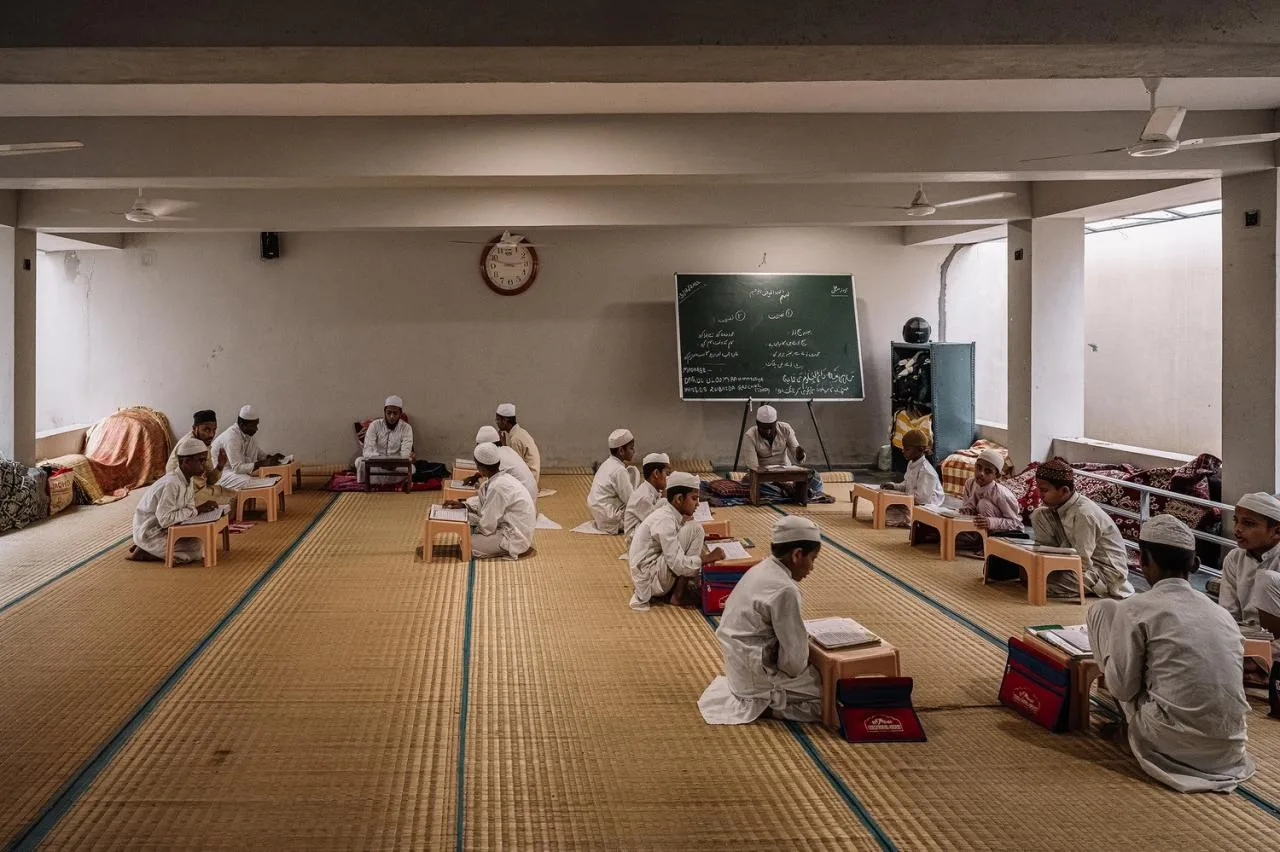
Unfortunately, the production of these bricks failed during soil compression, leading to a switch to boiler-fired bricks supplied by the client’s factory. The madrasa (Islamic school) located in the mosque’s basement adds to the diversity of its functions. Although domes, often symbolic of the sky, are not a mandatory feature like the Mihrab, they traditionally fulfill structural roles for larger spans. Advances in architecture and construction have reduced this necessity. Therefore, the mosque adopts a simple, concise form with a flat roof under which the Ibadat Khana is situated, emphasizing simplicity and individuality.
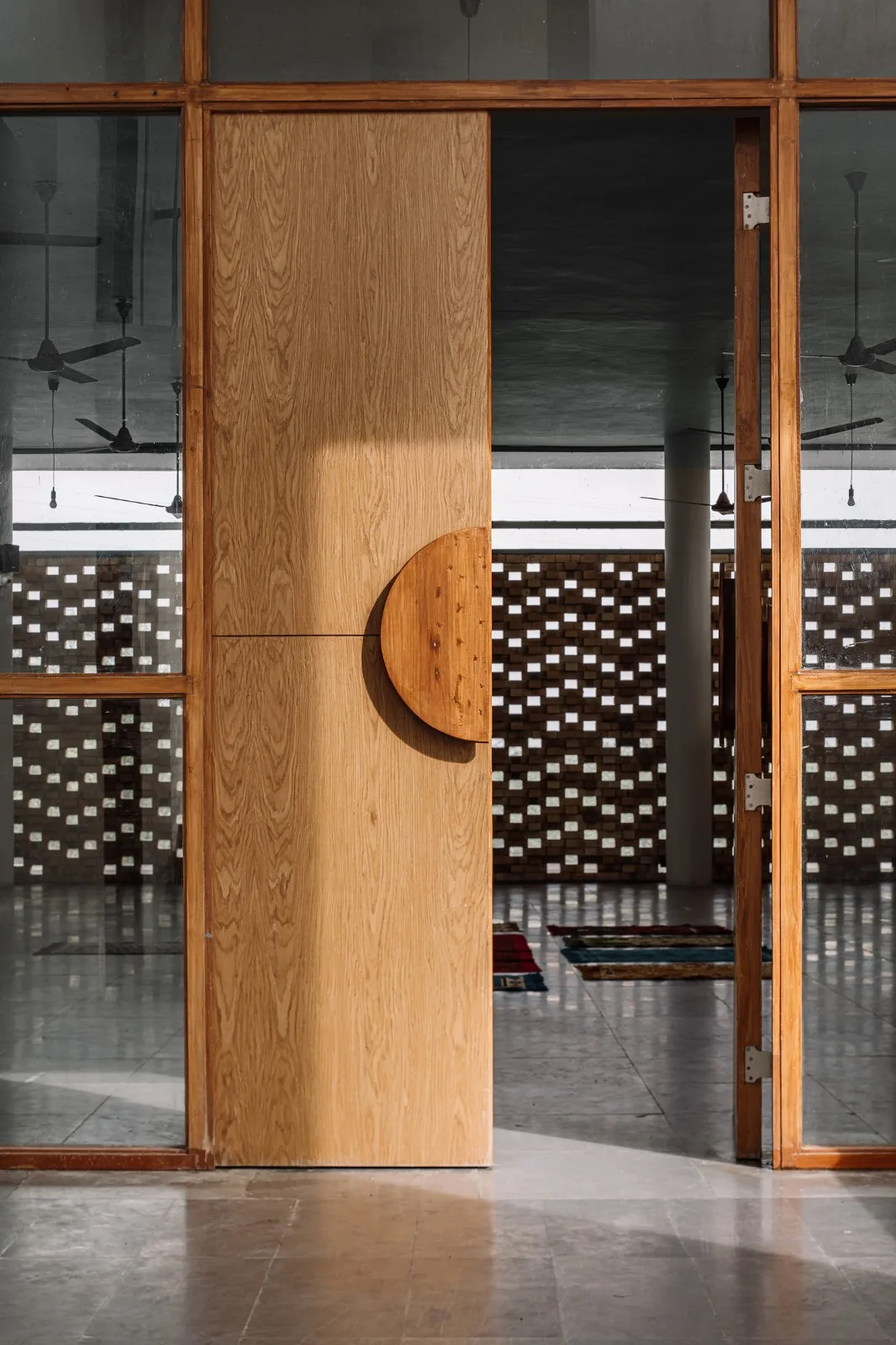
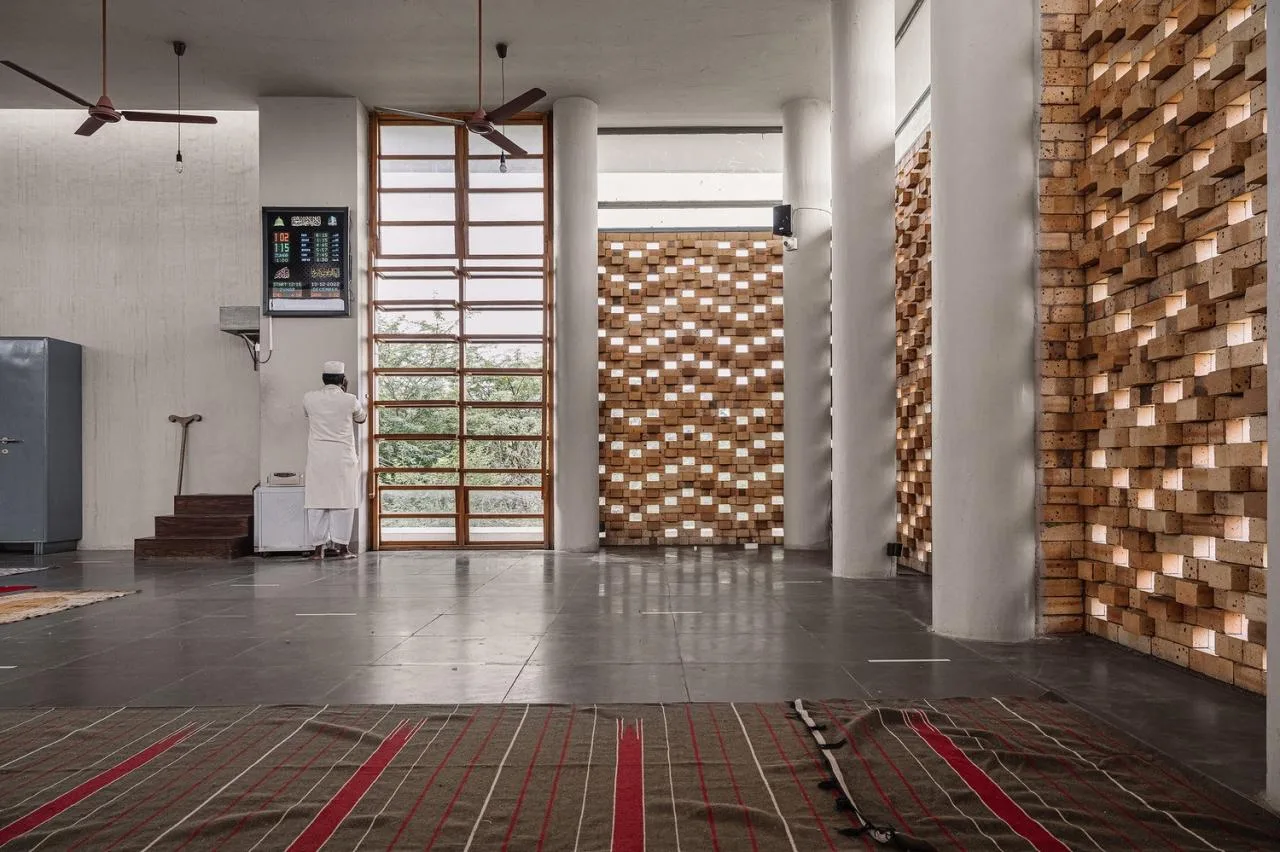
The exterior facade primarily features exposed bricks, allowing sunlight to filter inside and imbue the space with sanctity and reverence. Louvered glass panels seamlessly integrate with doors and exterior walls to enhance lighting and ventilation. Additionally, an opening above the Ibadat Khana further improves the environment by allowing natural light to illuminate the interior.
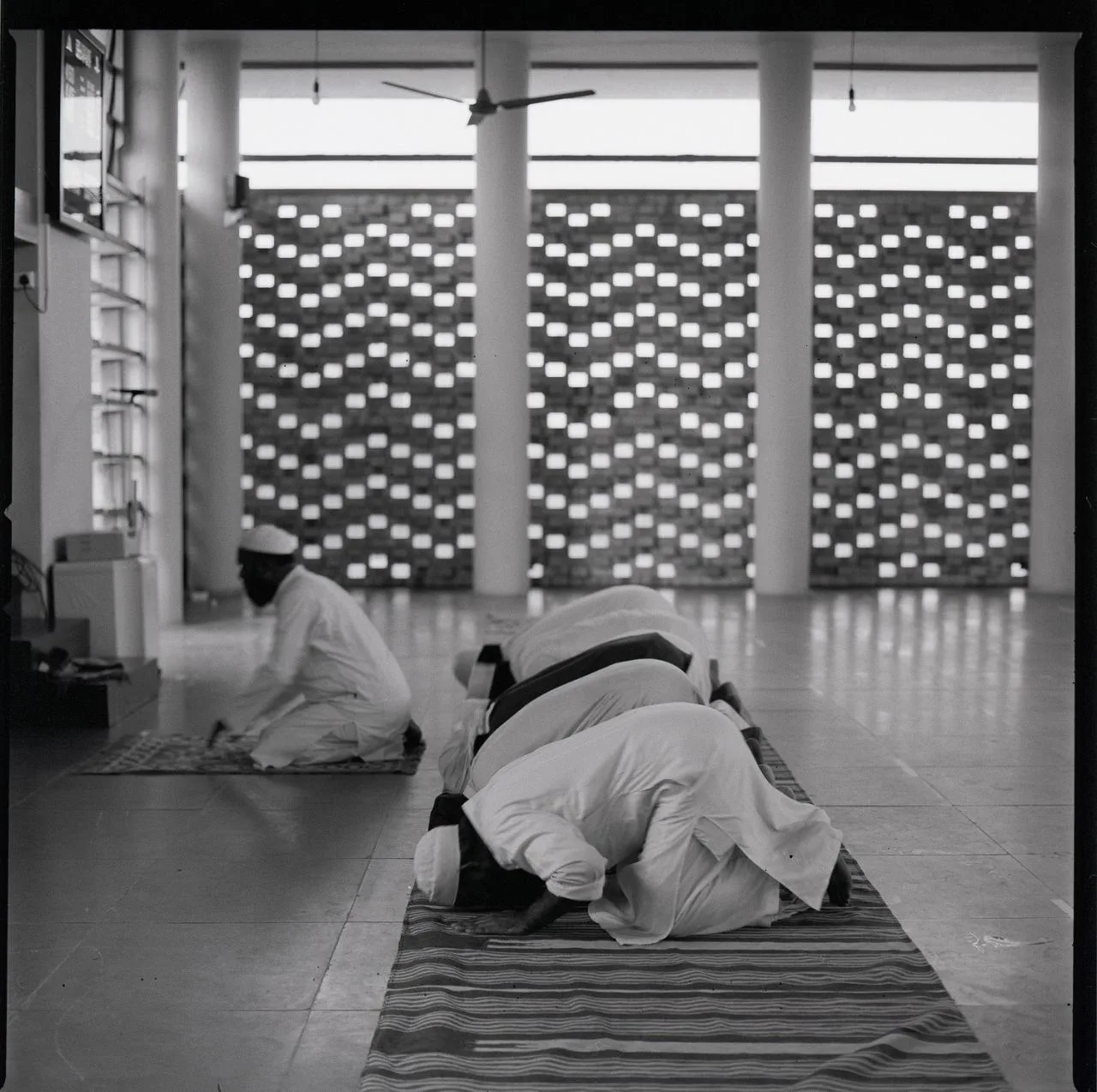
The prayer wall, the mosque’s most sacred section, retains simplicity and serenity, helping worshippers focus without distraction from the outside world. Sunlight entering through a skylight above gently illuminates the walls, symbolizing that Allah is the light from heaven. The floor is seamless to minimize distractions and encourage “khusyuk” — the deep concentration essential for worship. This design presents a fresh architectural language for mosques: transformative, simple yet distinctive, and aligned with modern needs.
Project Drawings
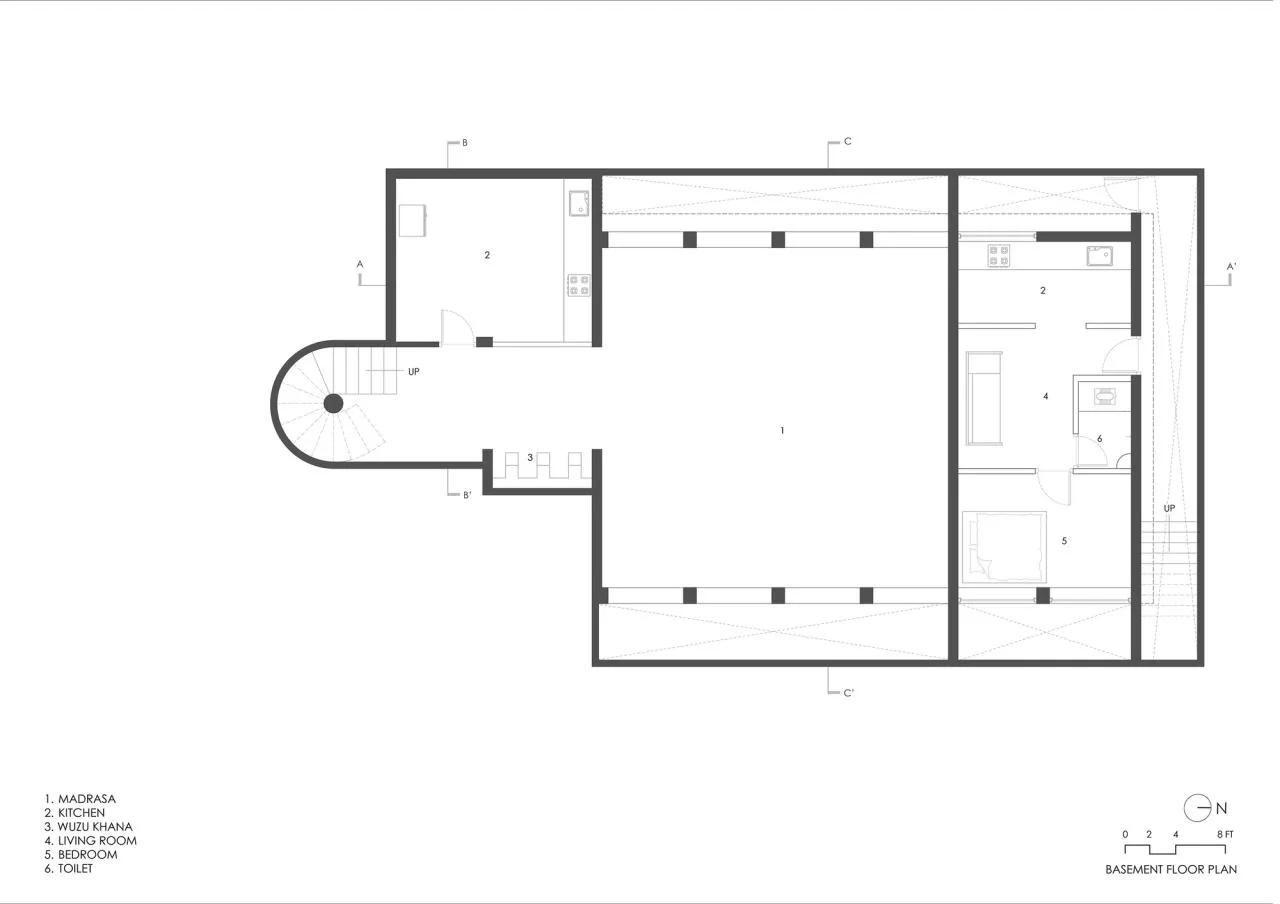
△ Negative Floor Plan
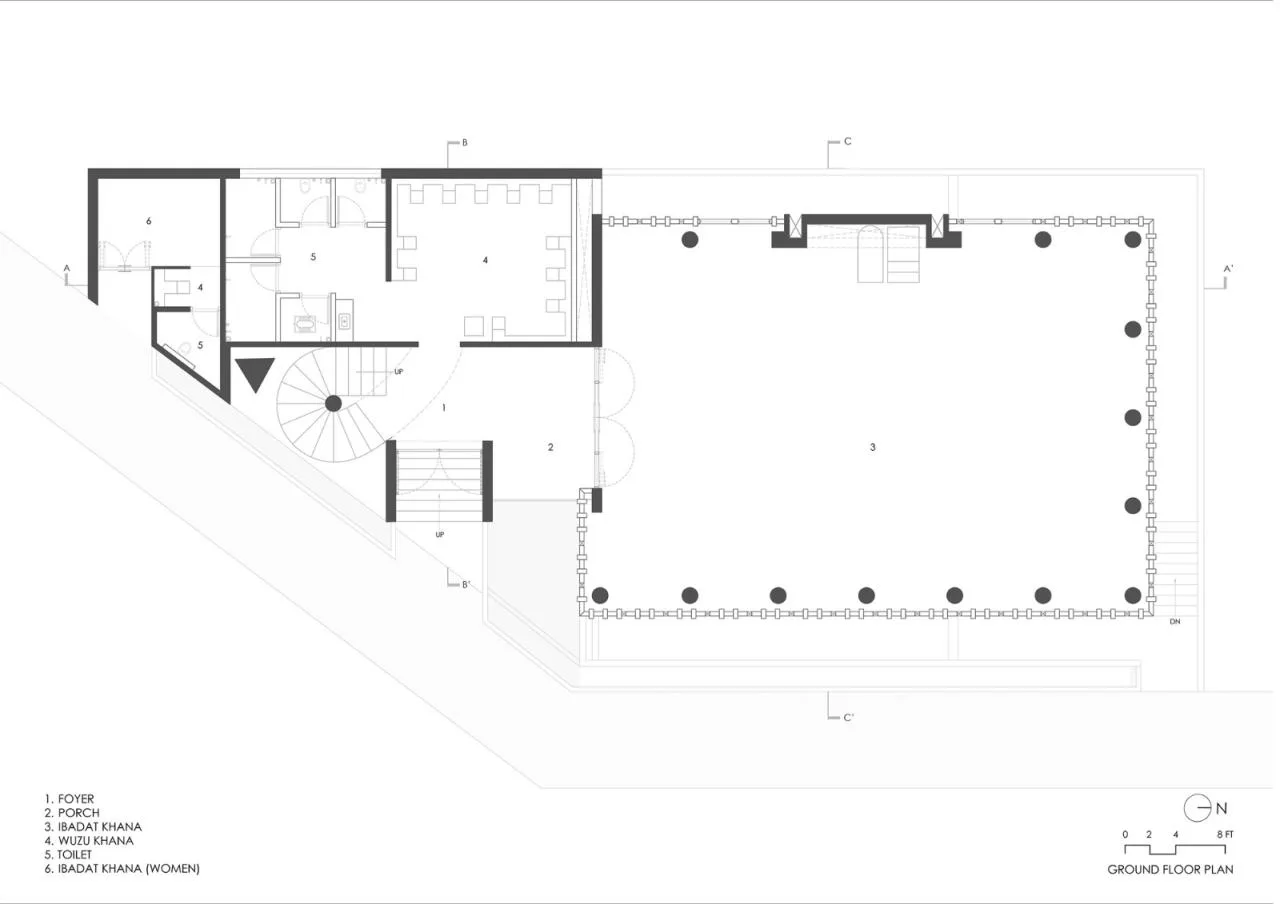
△ First Floor Plan
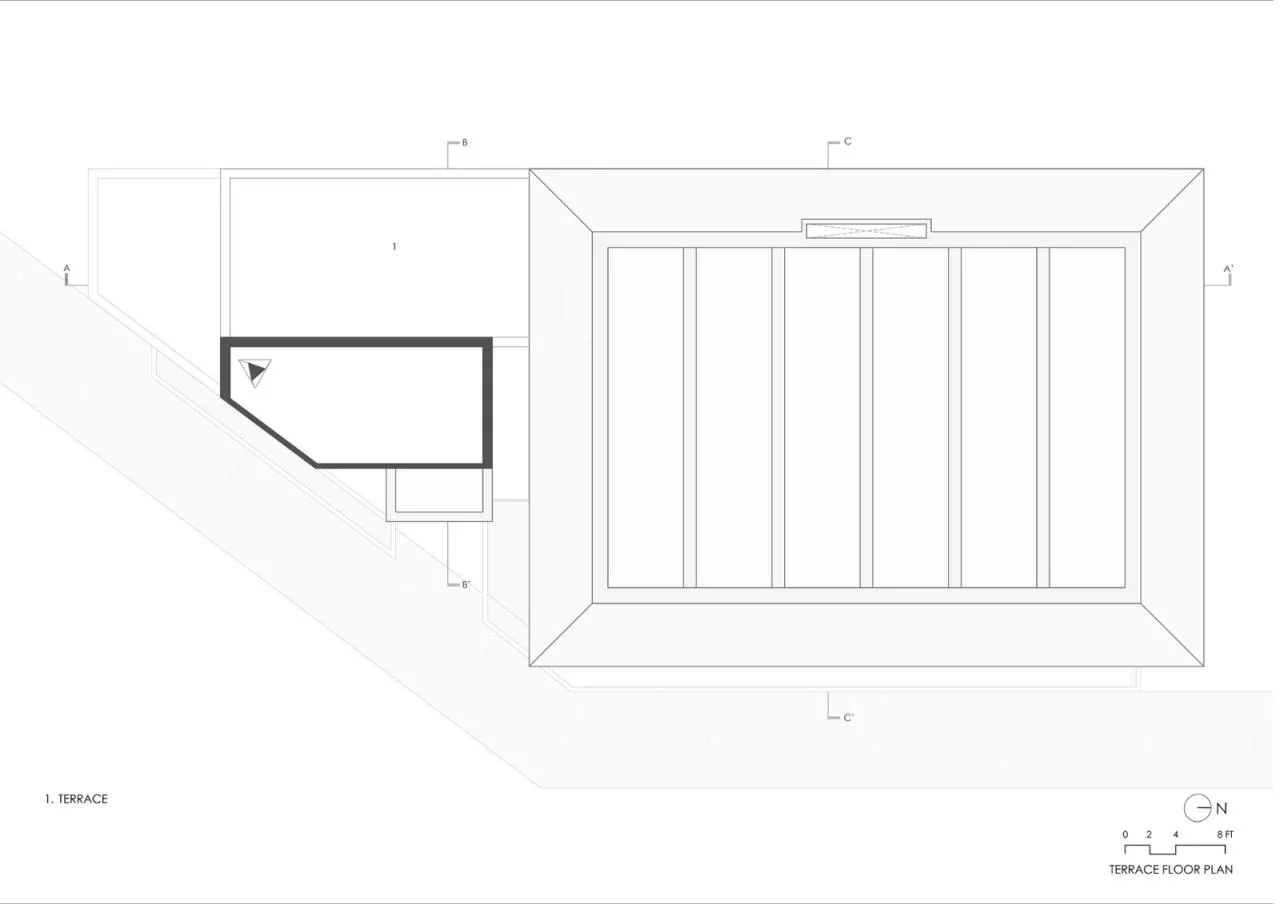
△ Roof Plan
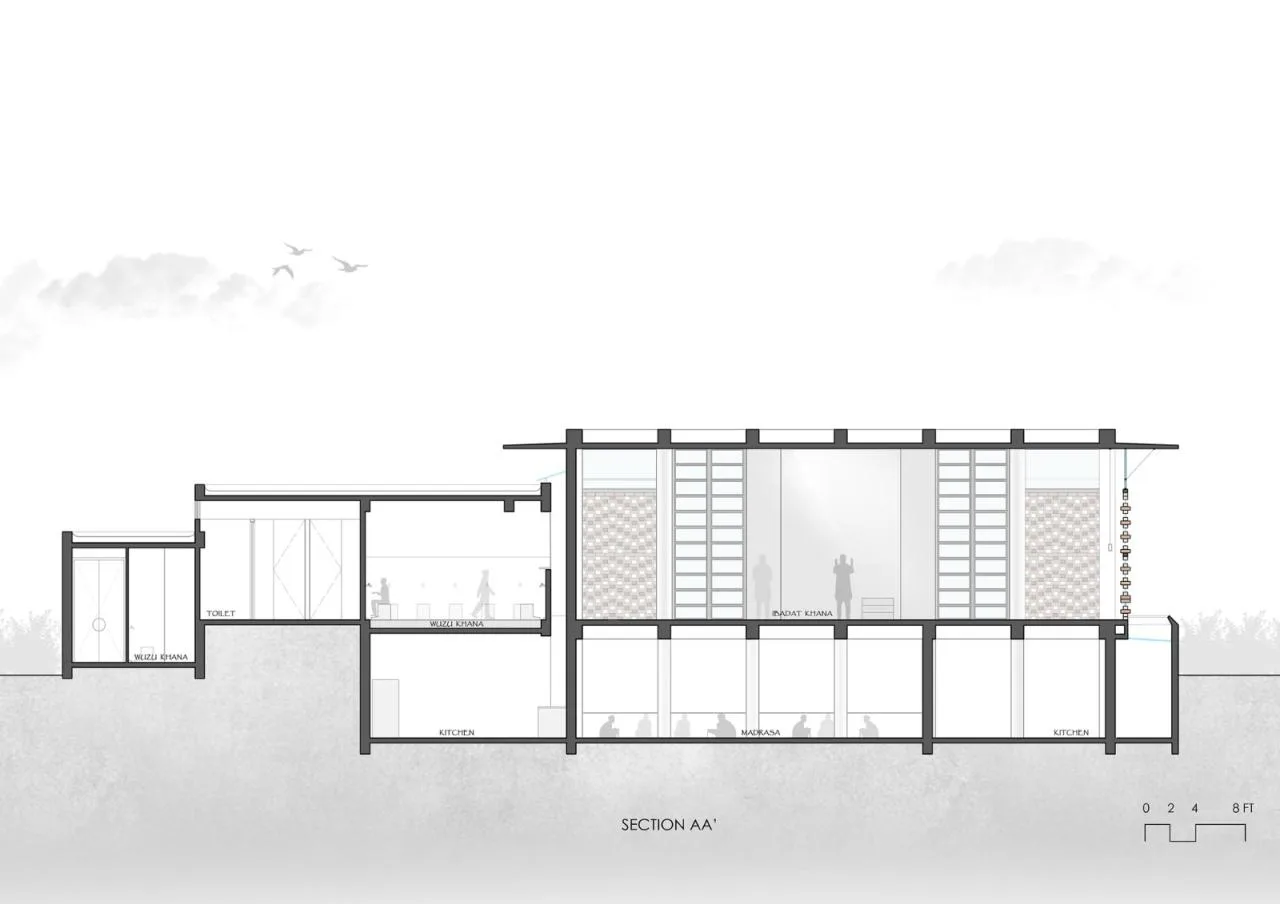
△ Section Diagram
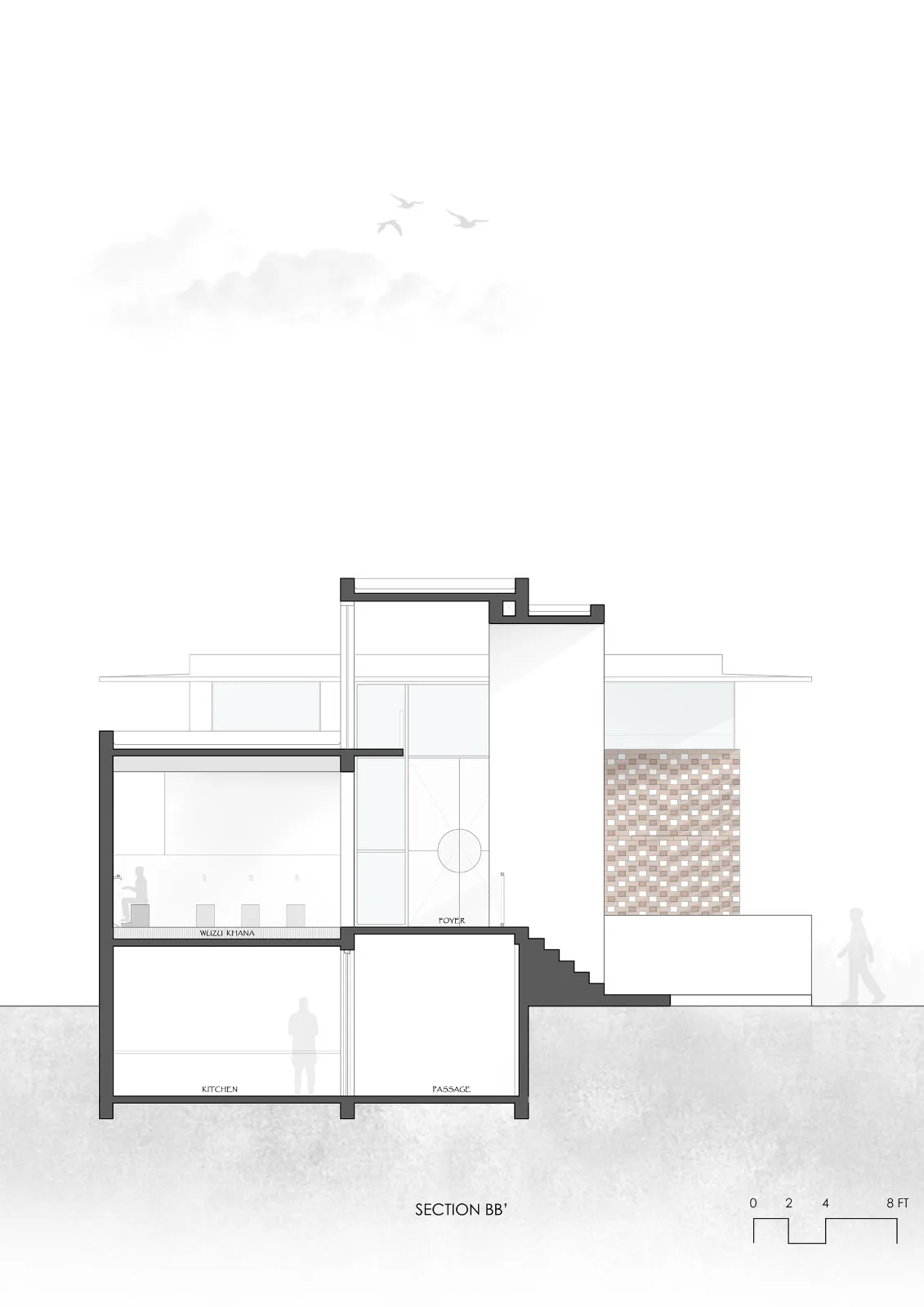
△ Section Diagram
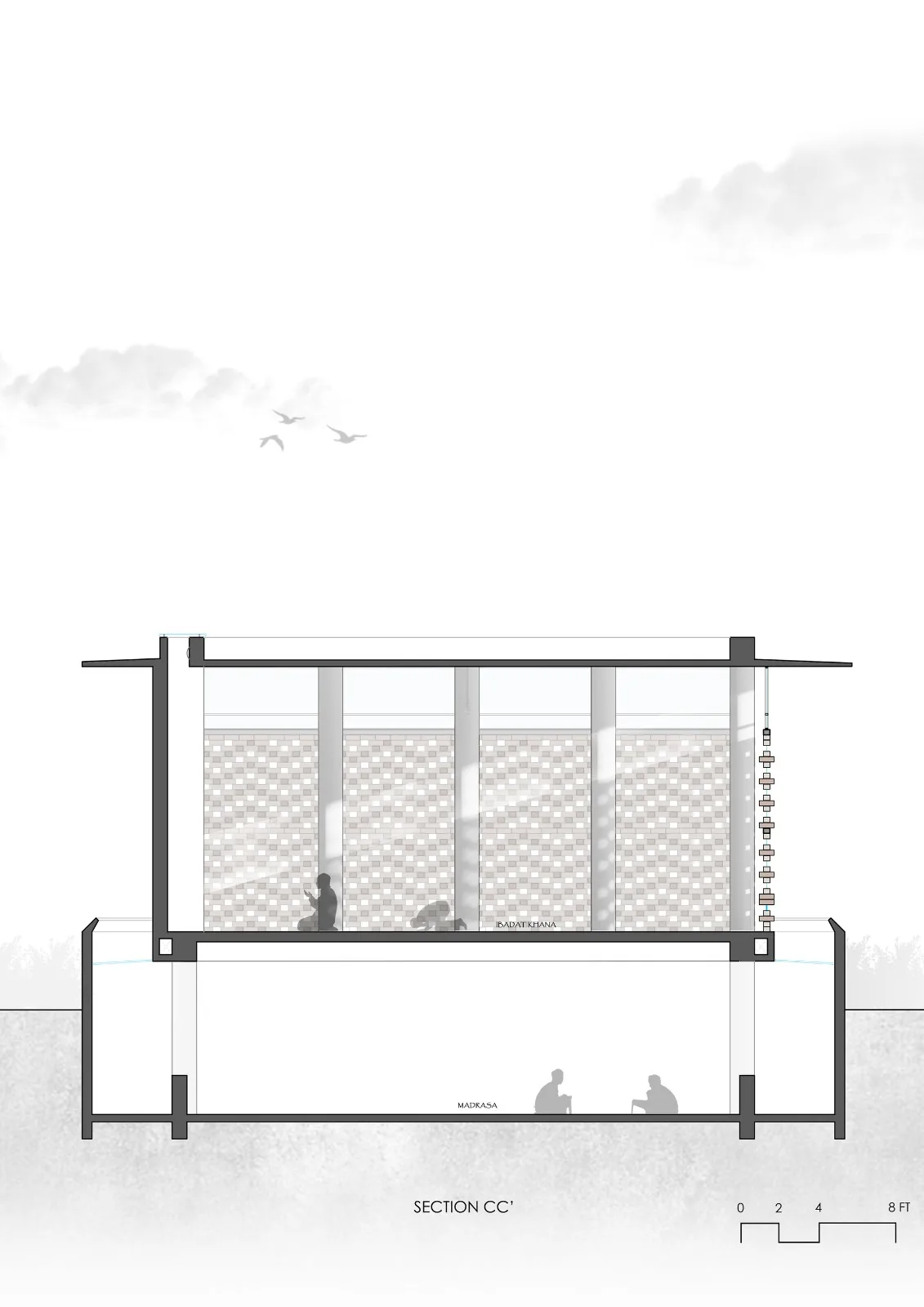
△ Section Diagram
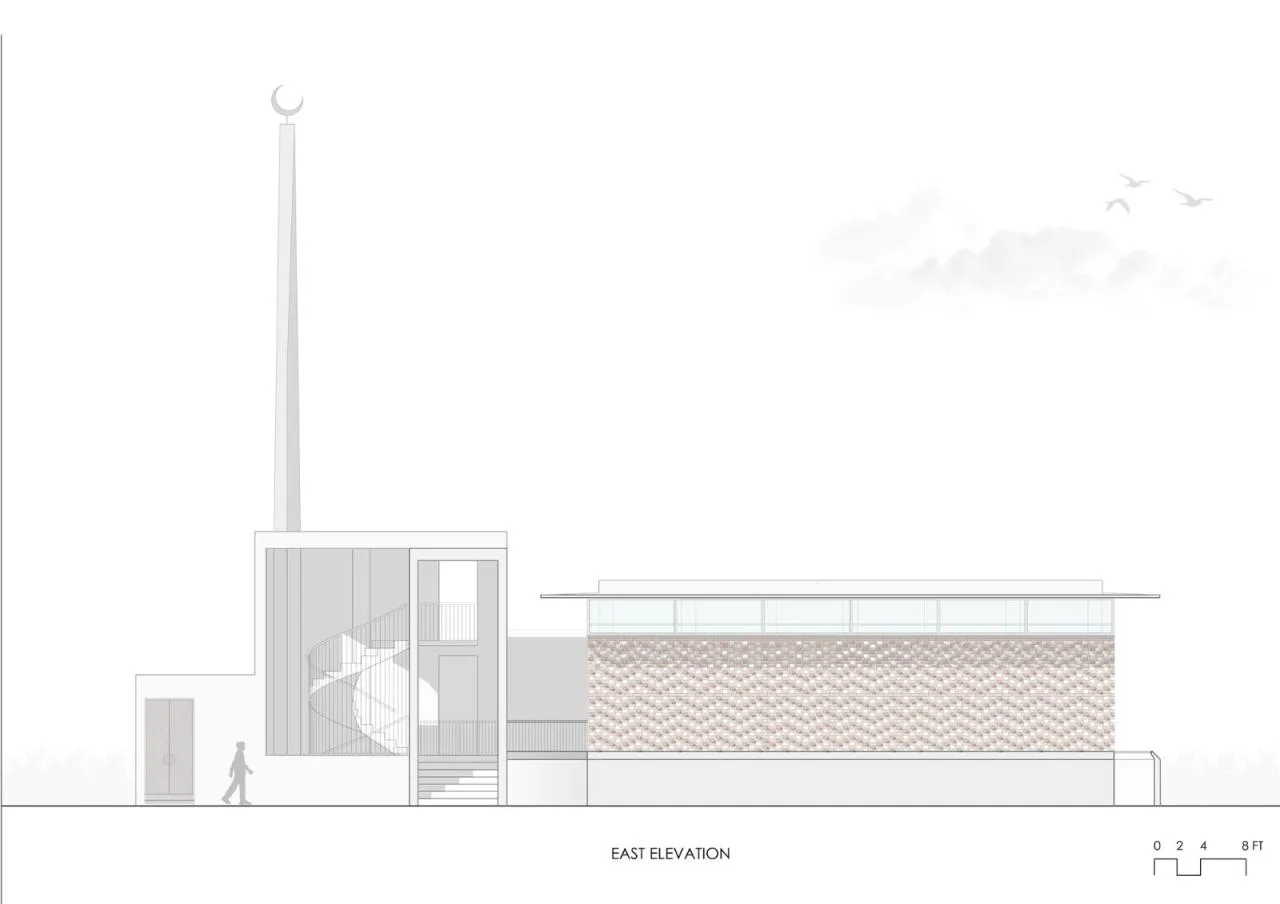
△ Elevation Drawing
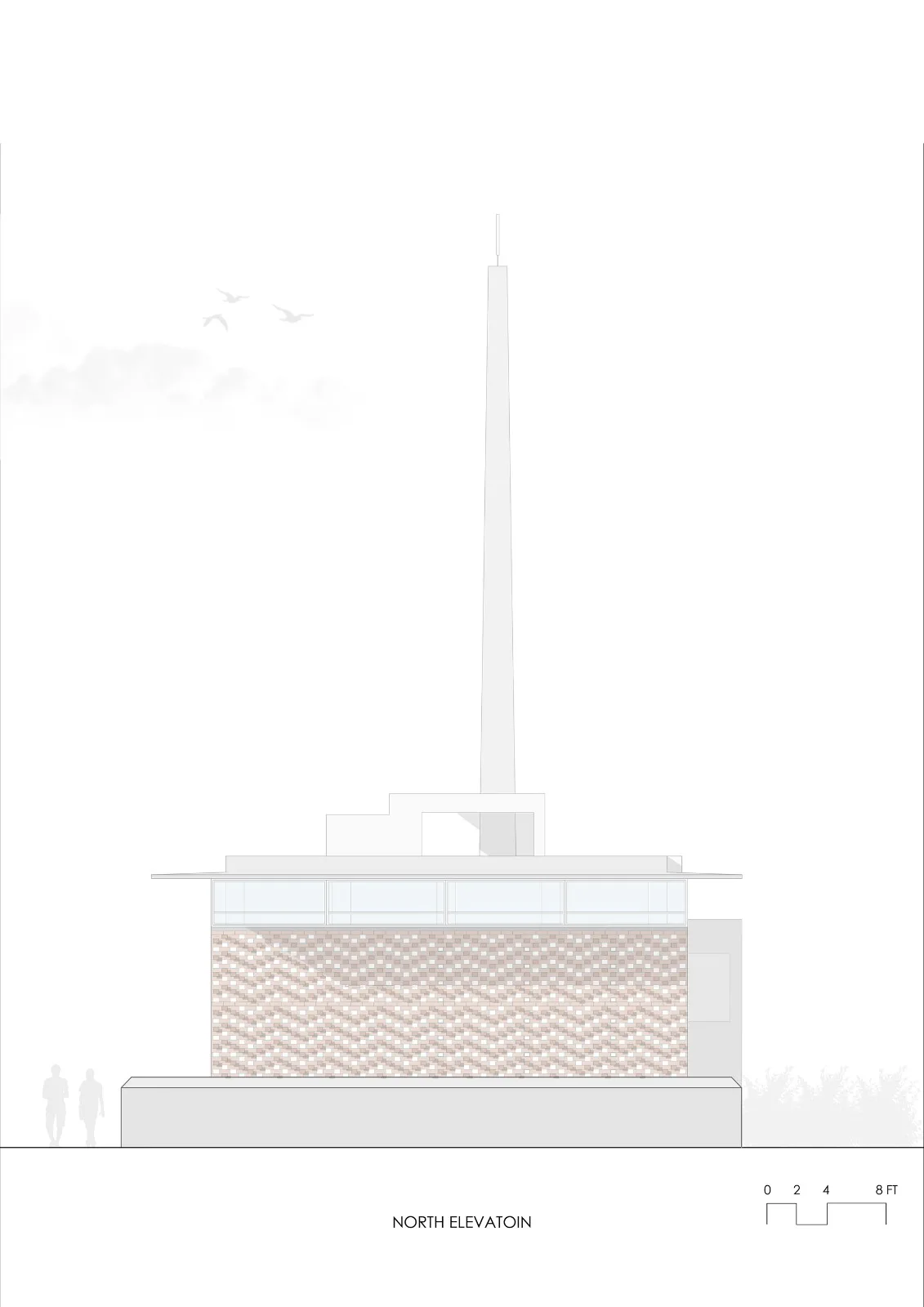
△ Elevation Drawing
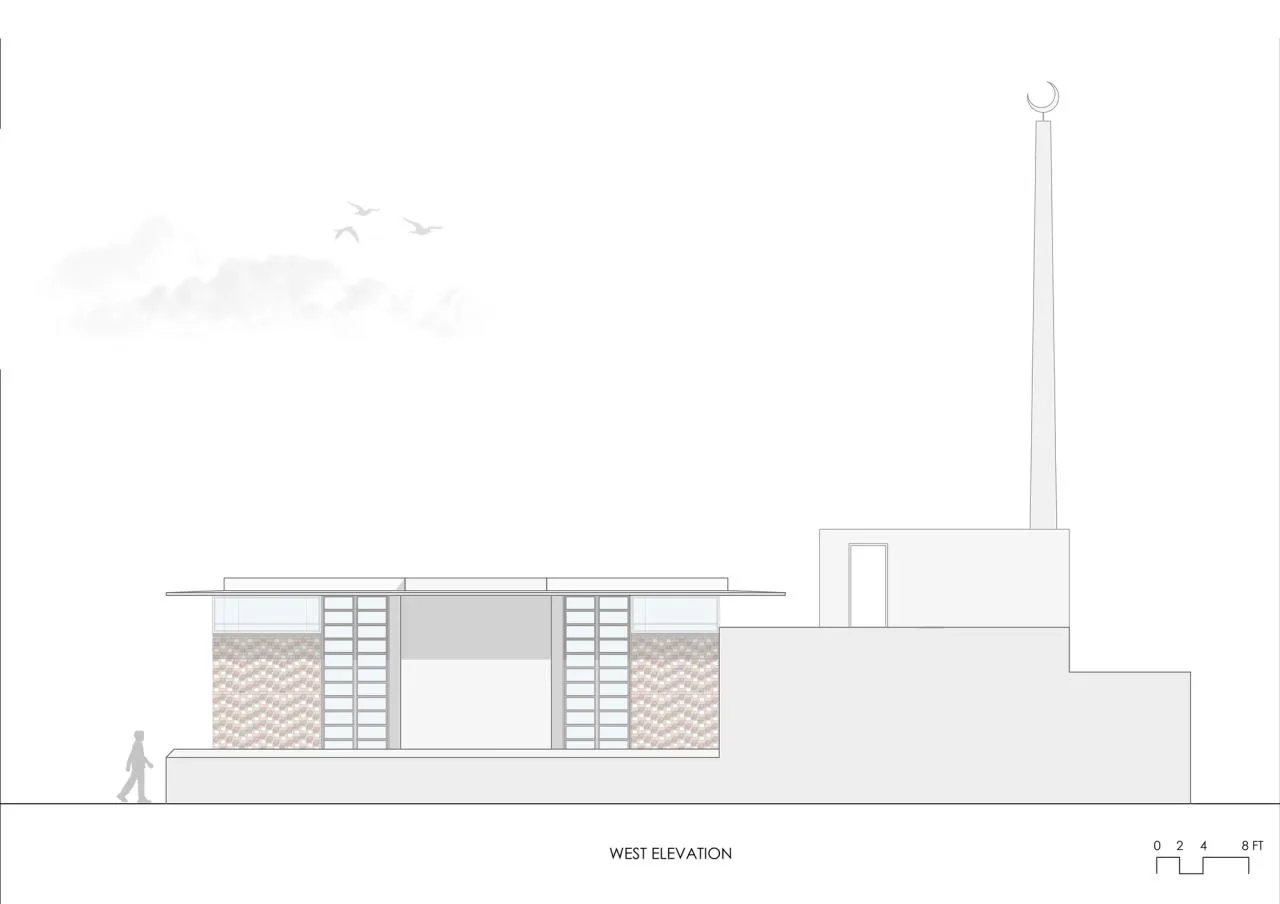
△ Elevation Drawing
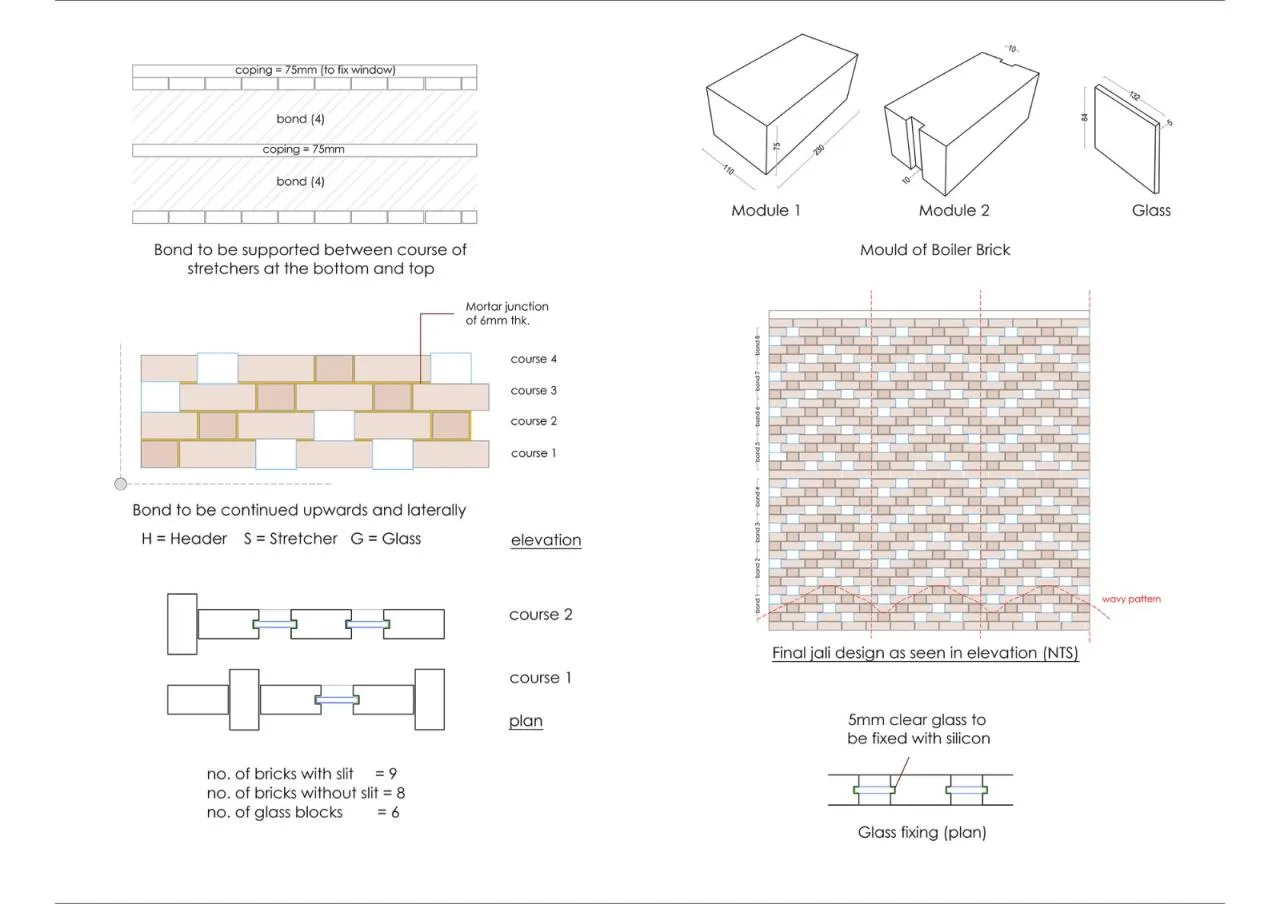
△ Analysis Chart
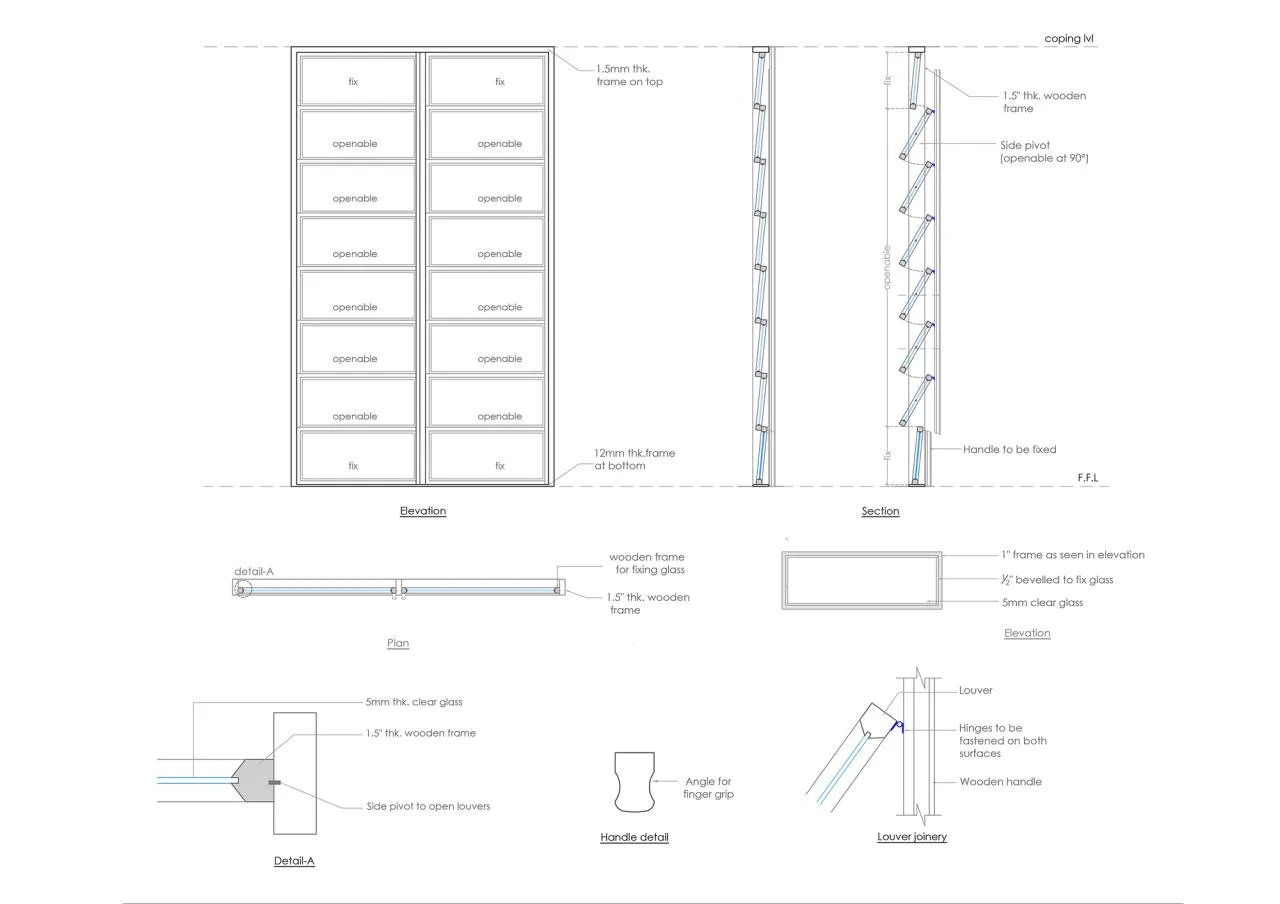
△ Structural Detail Drawing
Project Information
Architect: Neogenesis+Studi0261
Area: 750 m²
Project Year: 2022
Photographer: The Fishy Project
Lead Architects: Chinmay Laiwala, Jigar Asarawala, Tarika Asarawala
Design & Execution: Devanshi Parekh, Priyanka, Juby Thomas, Manthan Yadav
Structural Engineer: Ritesh Chauhan
Text Editor: Nilufer Contractor
Carpenter: Arjunbhai
Location: Raichur, India












Must log in before commenting!
Sign Up