
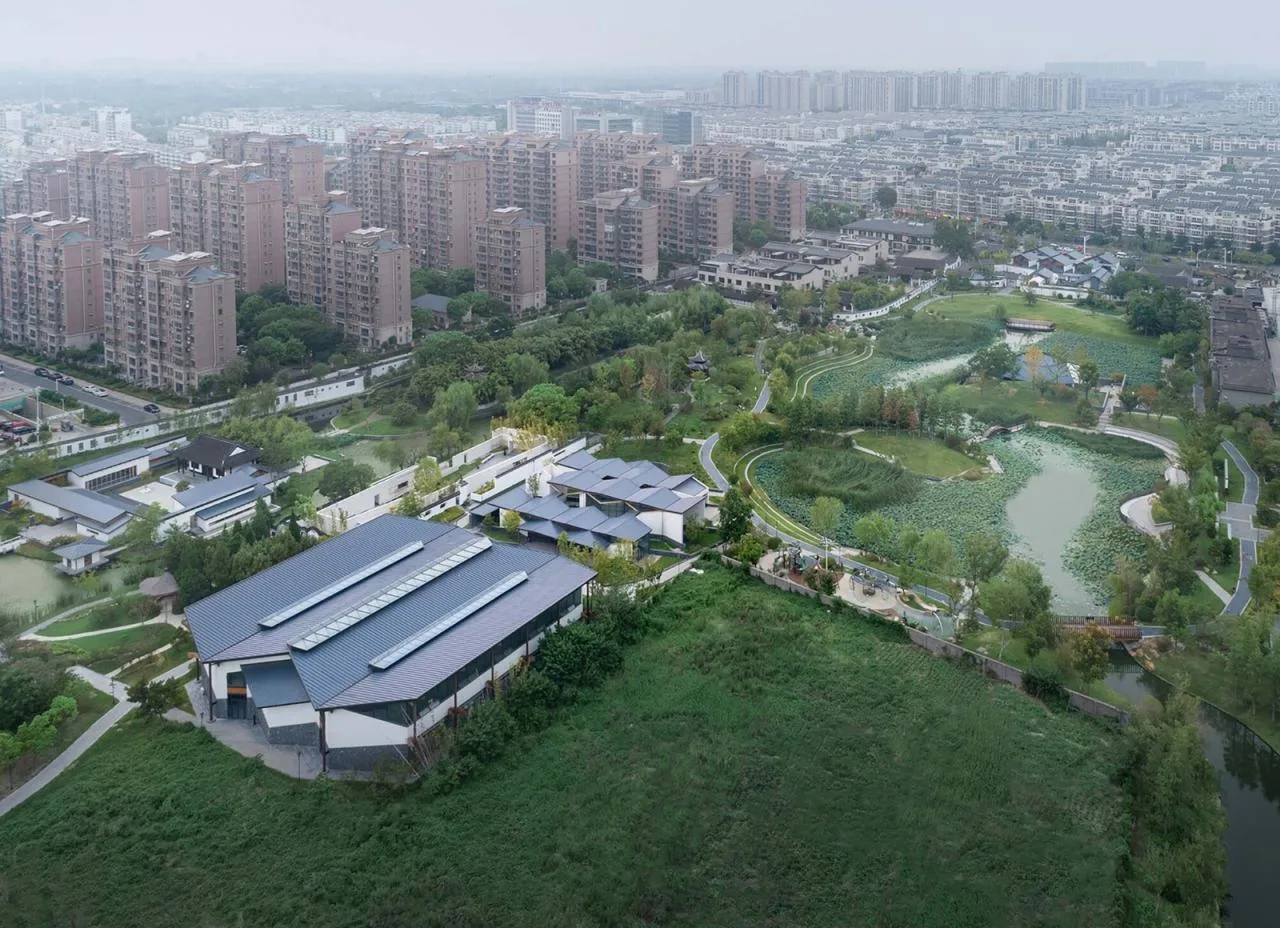
Planning: Iterative Forest Springs
Zhuxi Jiajing is situated on the north bank of the ancient Grand Canal in Yangzhou City, with a history dating back to the Spring and Autumn period in Hangou. During the Sui Dynasty, Emperor Yang Guang established an upper palace here. Later, in the Tang Dynasty, the site was transformed into the Shangshang Zenzhi Temple. In recent times, the area was converted into a park and renamed “Zhuxi Jiajing,” which laid the groundwork for its current design and planning.
Using landscape design principles, the original park’s layout was reorganized into a “4-3-21” ratio: four open spaces surround a central soil-covered hill, creating a layered sense of depth. The water body is divided into three sections, enhancing the feeling of openness and vastness. The park will feature five new buildings—courtyard, museum, hall, house, and courtyard—offering public services. Additionally, a pavilion constructed from bamboo and stone will be discreetly nestled among the original eight scenic spots.
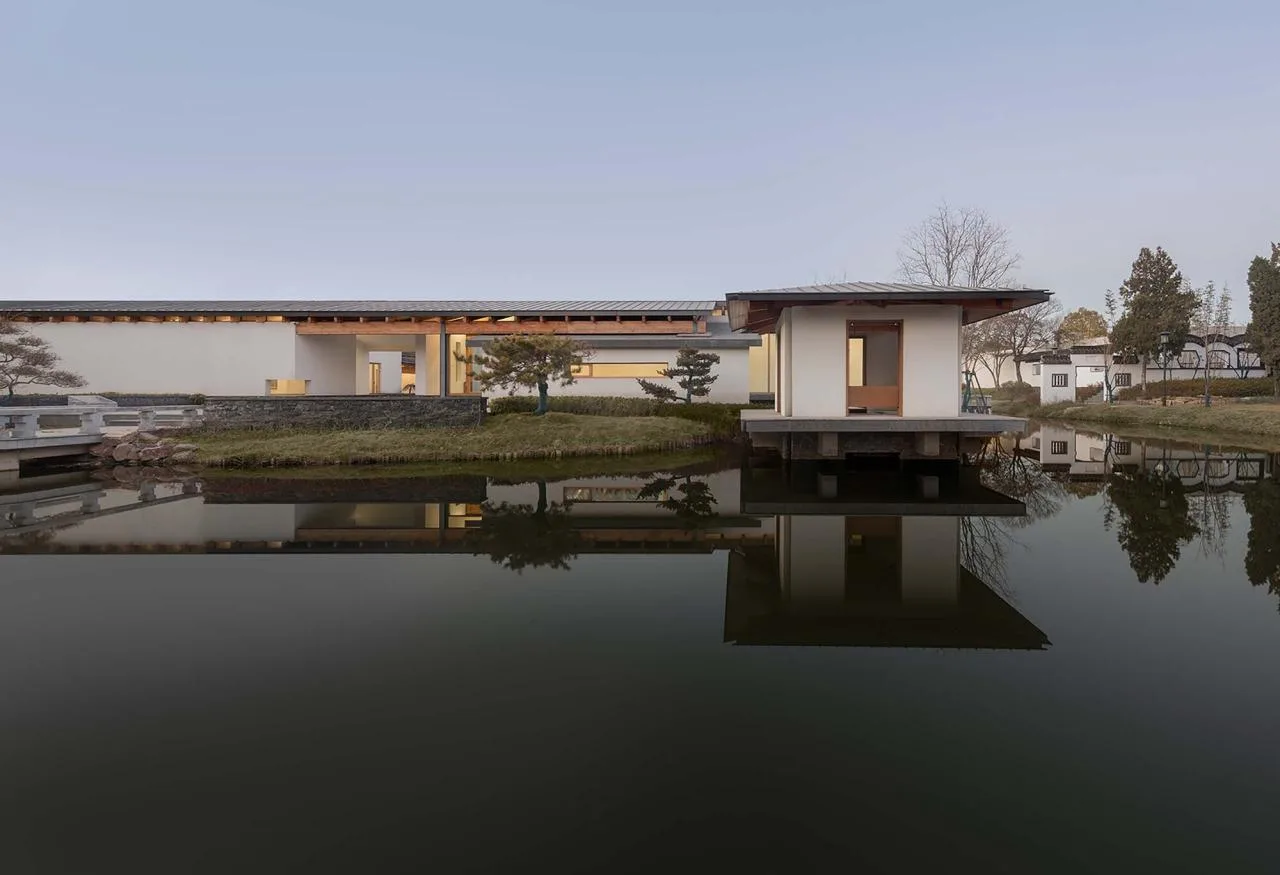
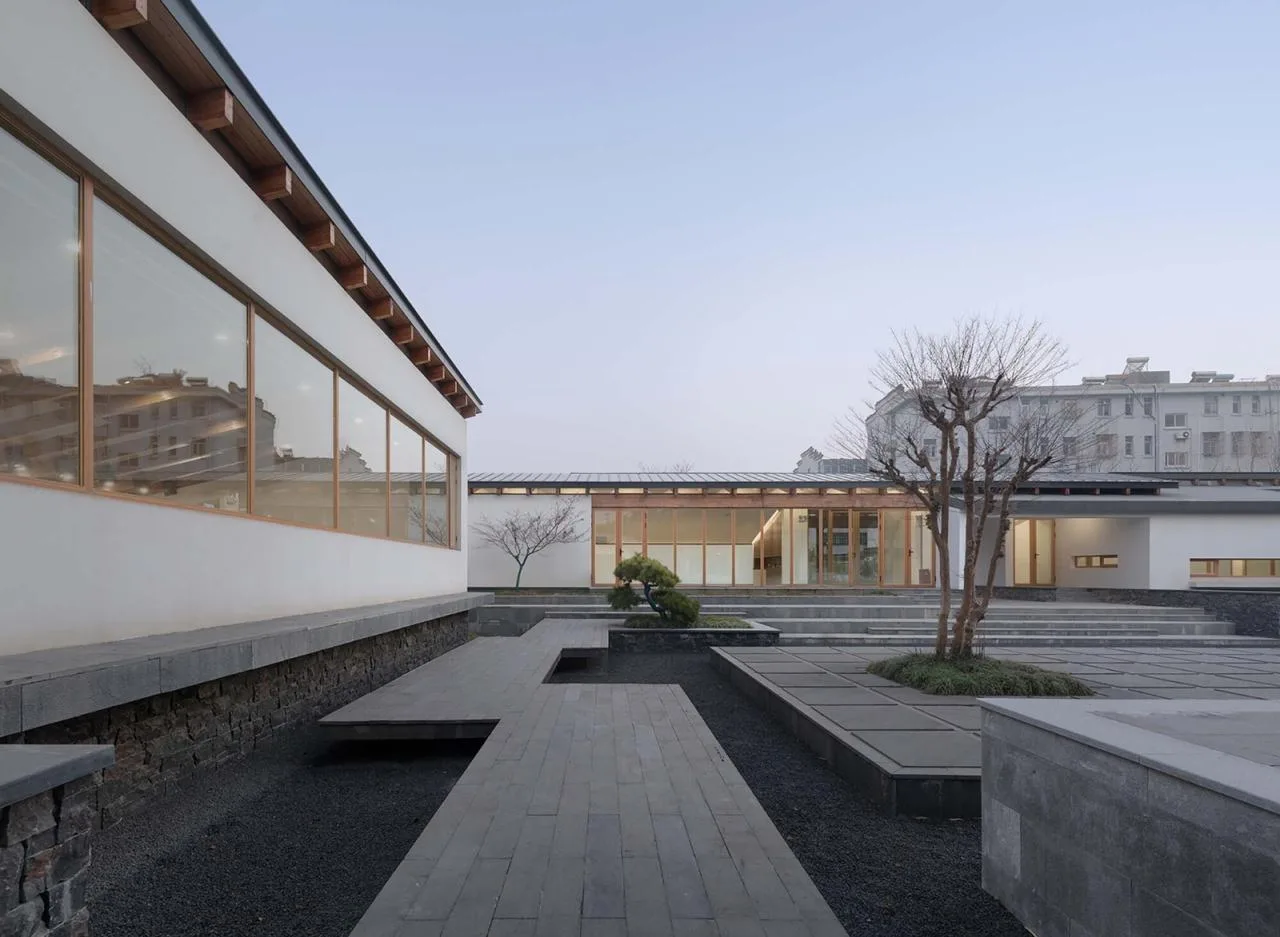
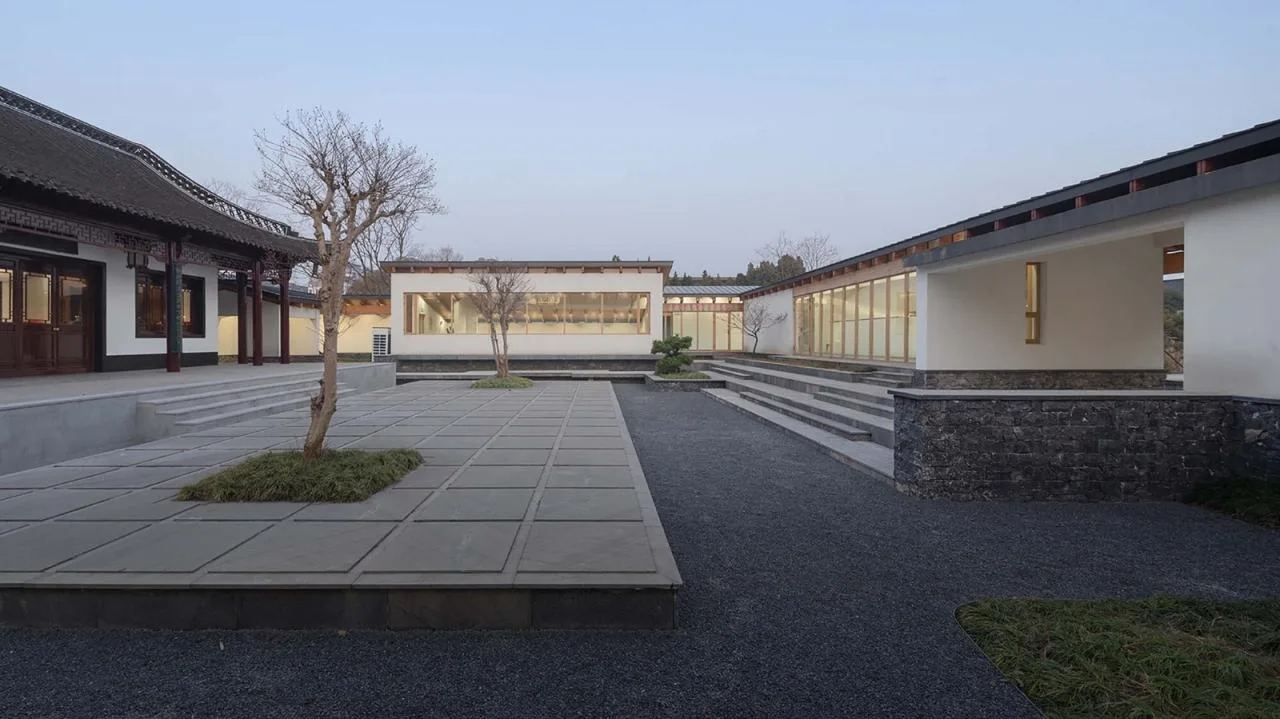
Architecture: We approach this project as a continuation of the Zhuxi Scenic Area’s historical timeline. Among the five new buildings scattered throughout the garden, our design responds to traditional architectural language through reinterpretation. We selected five spatial prototypes of traditional architecture, each corresponding to a courtyard, pavilion, hall, house, and courtyard, to create a grand yet detailed design narrative.
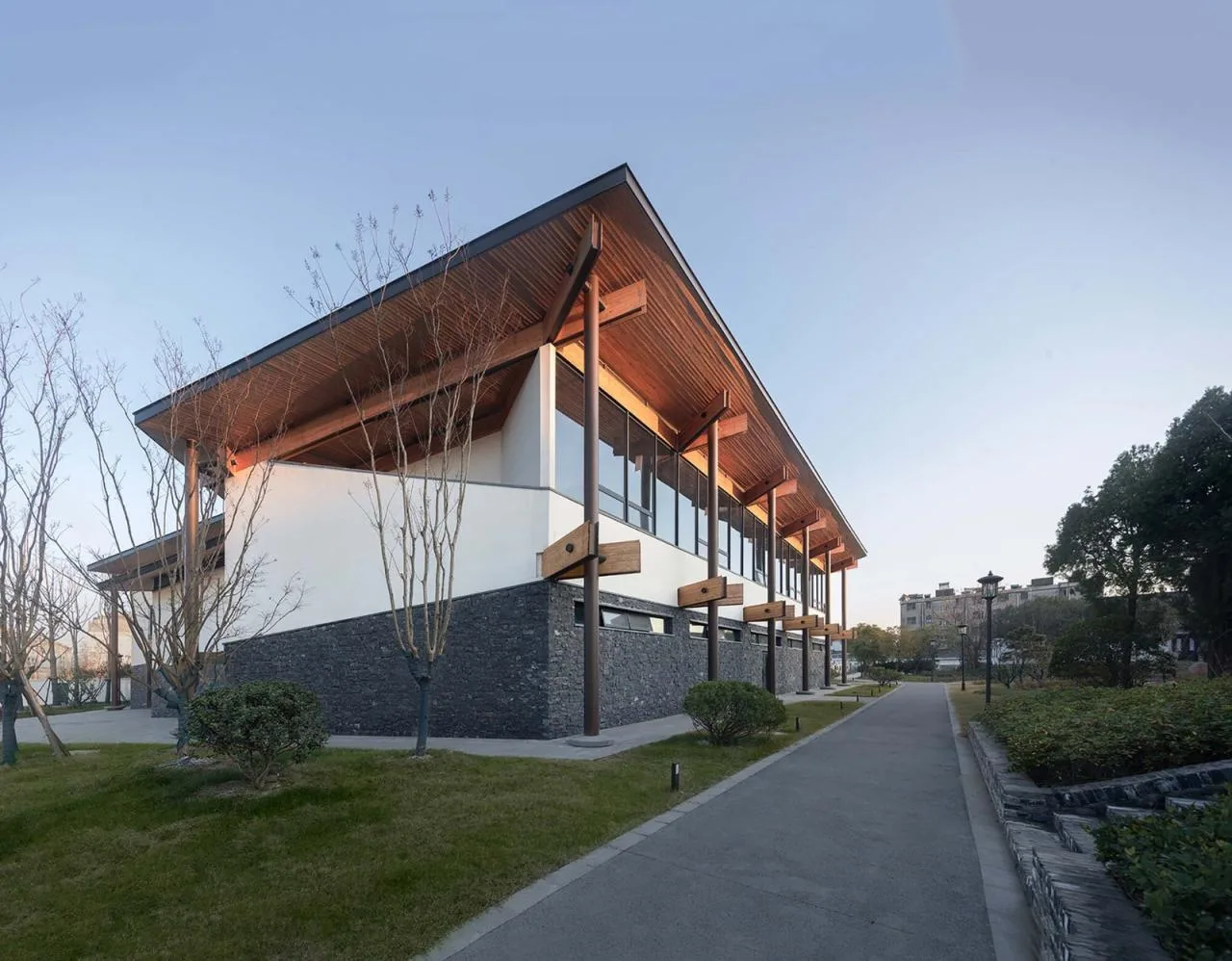
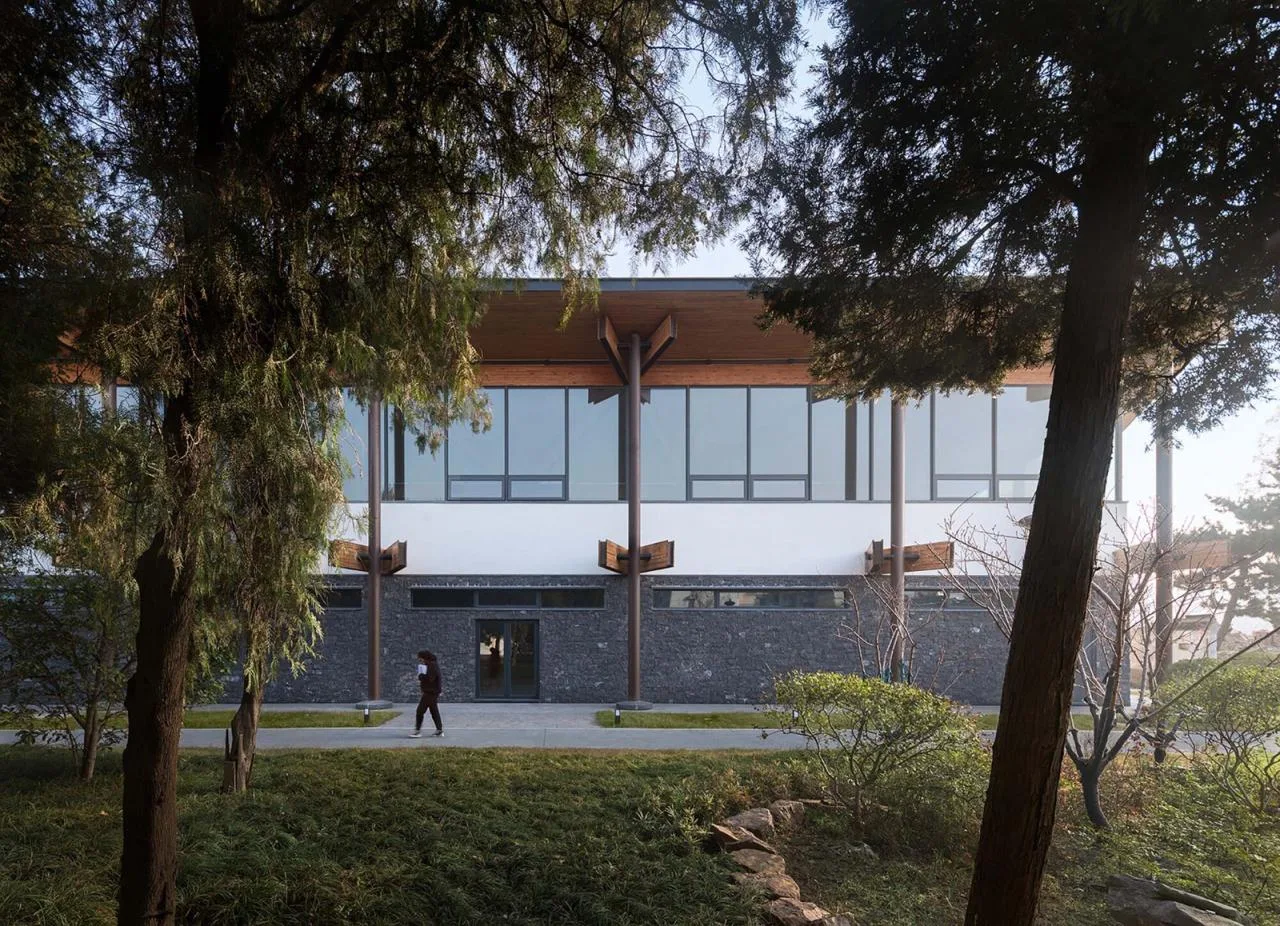
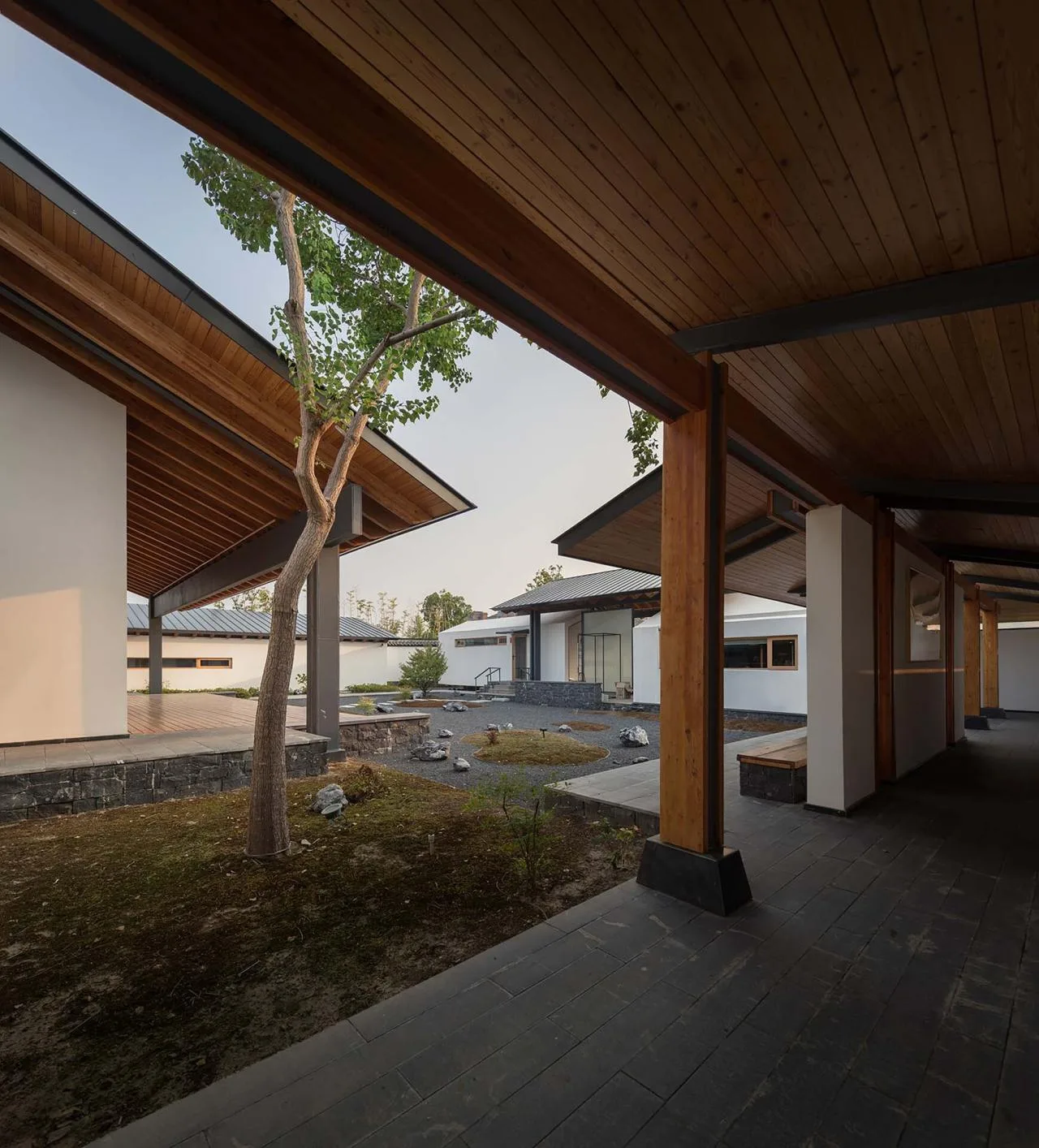
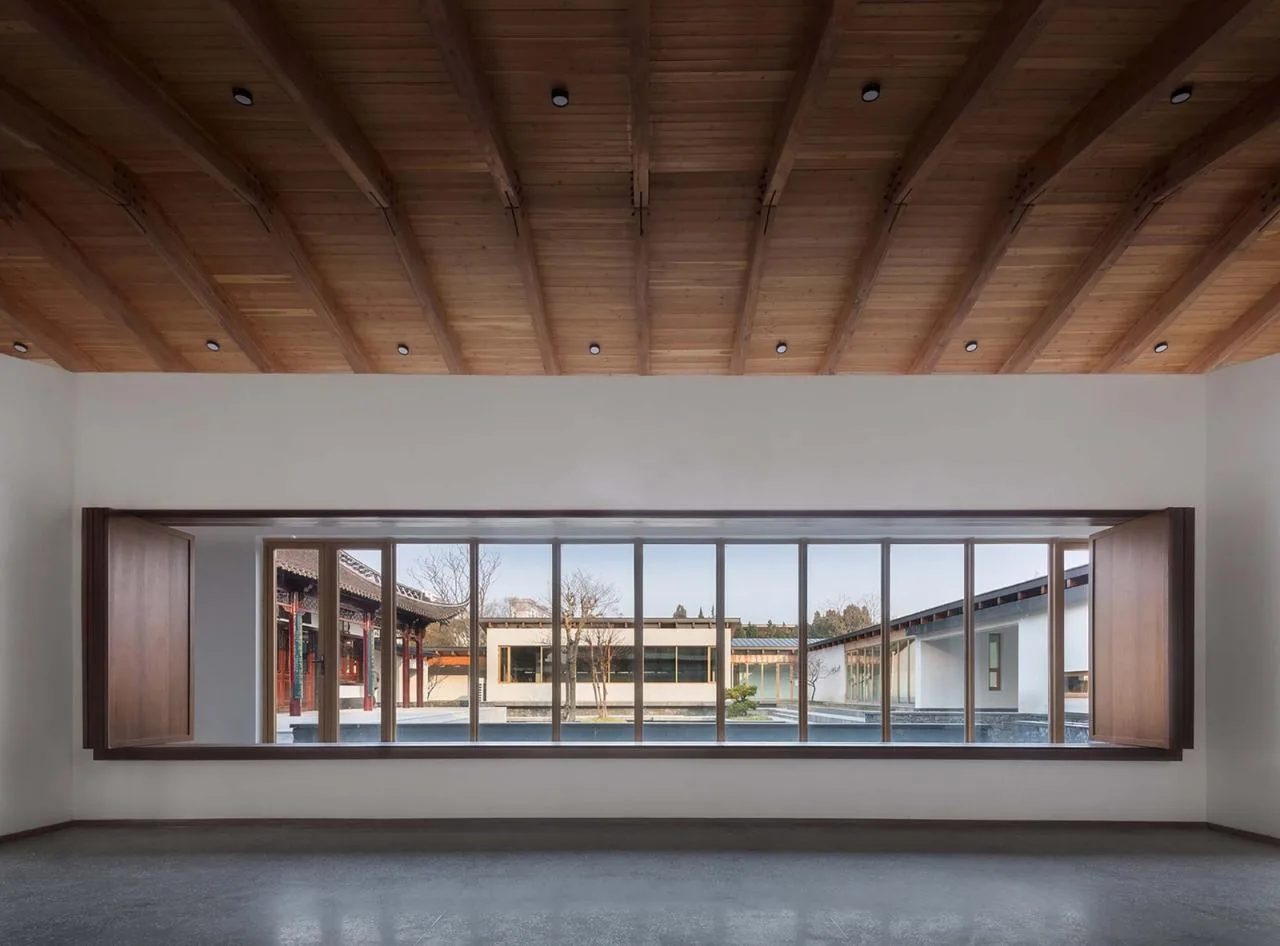
The academy’s courtyard reconstruction is located at the southern end of Zhuxi Park. We reinterpret the traditional courtyard form through the lens of human activity, aiming to harmonize architectural space with diverse use scenarios. Inspired by the screen in “Han Xizai’s Night Banquet,” which defines and organizes social interactions, we seek to evoke multiple interactive experiences, blending poetry and scenic beauty. The corridor transcends its usual role as a passageway, becoming a dynamic screen that transforms the unfolding scenes within this architectural scroll.
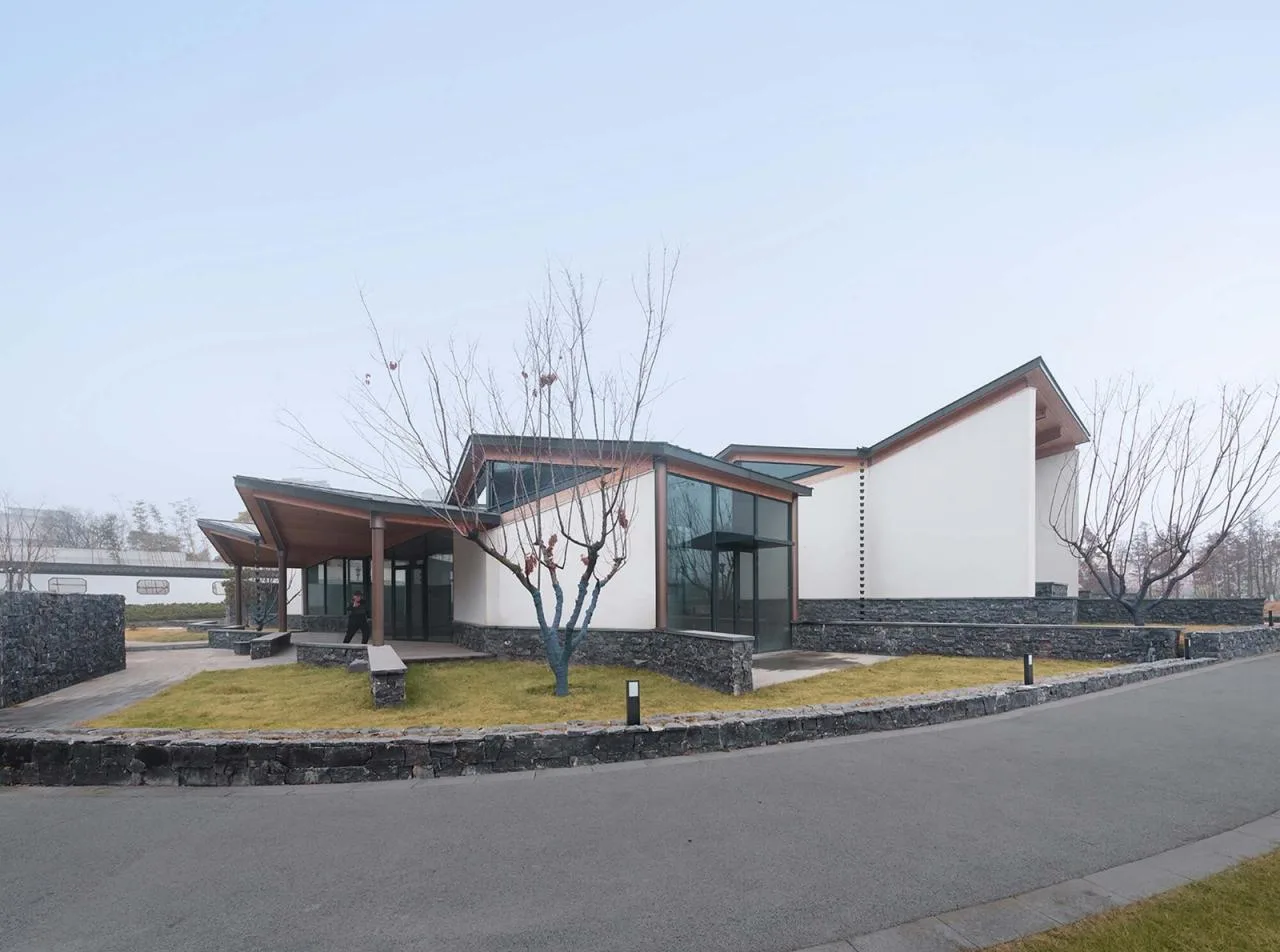
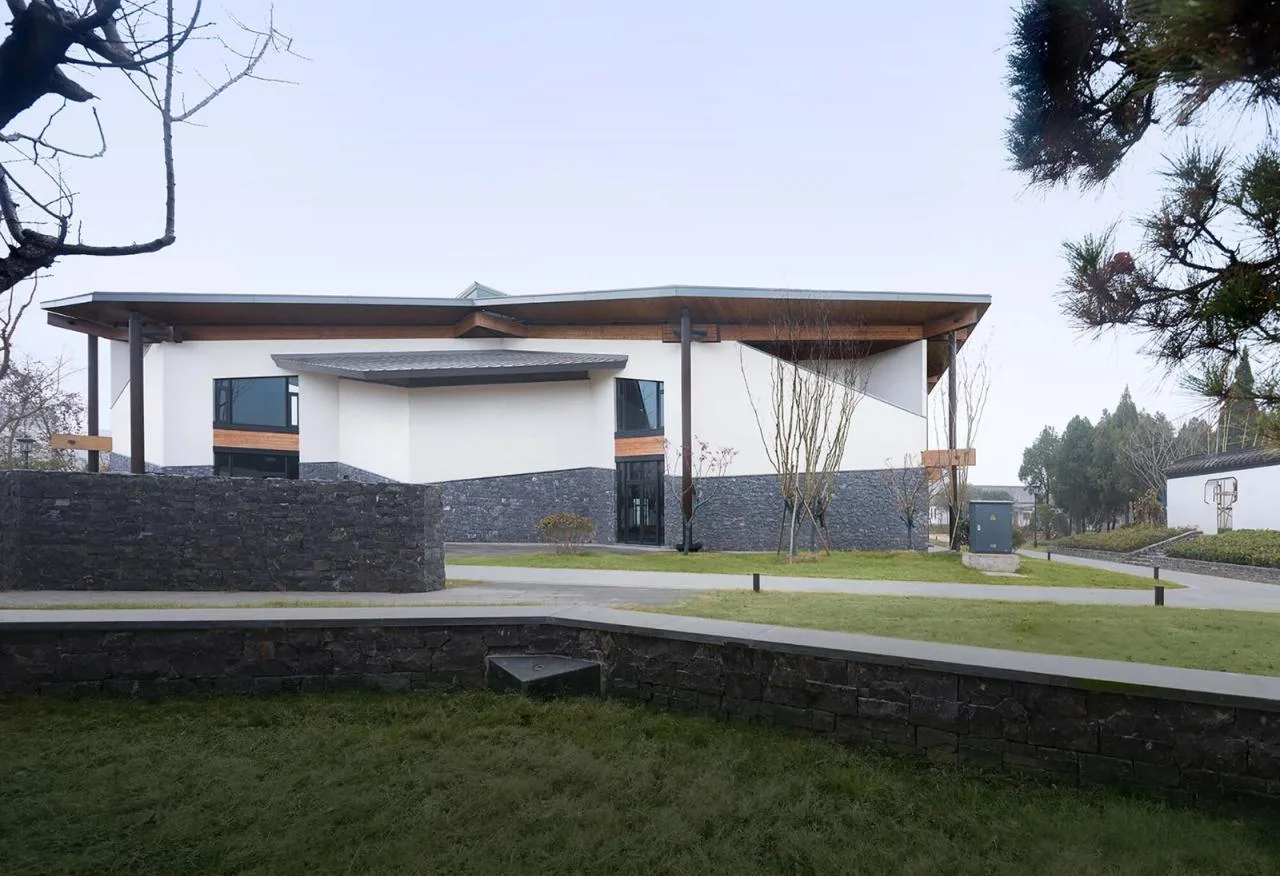
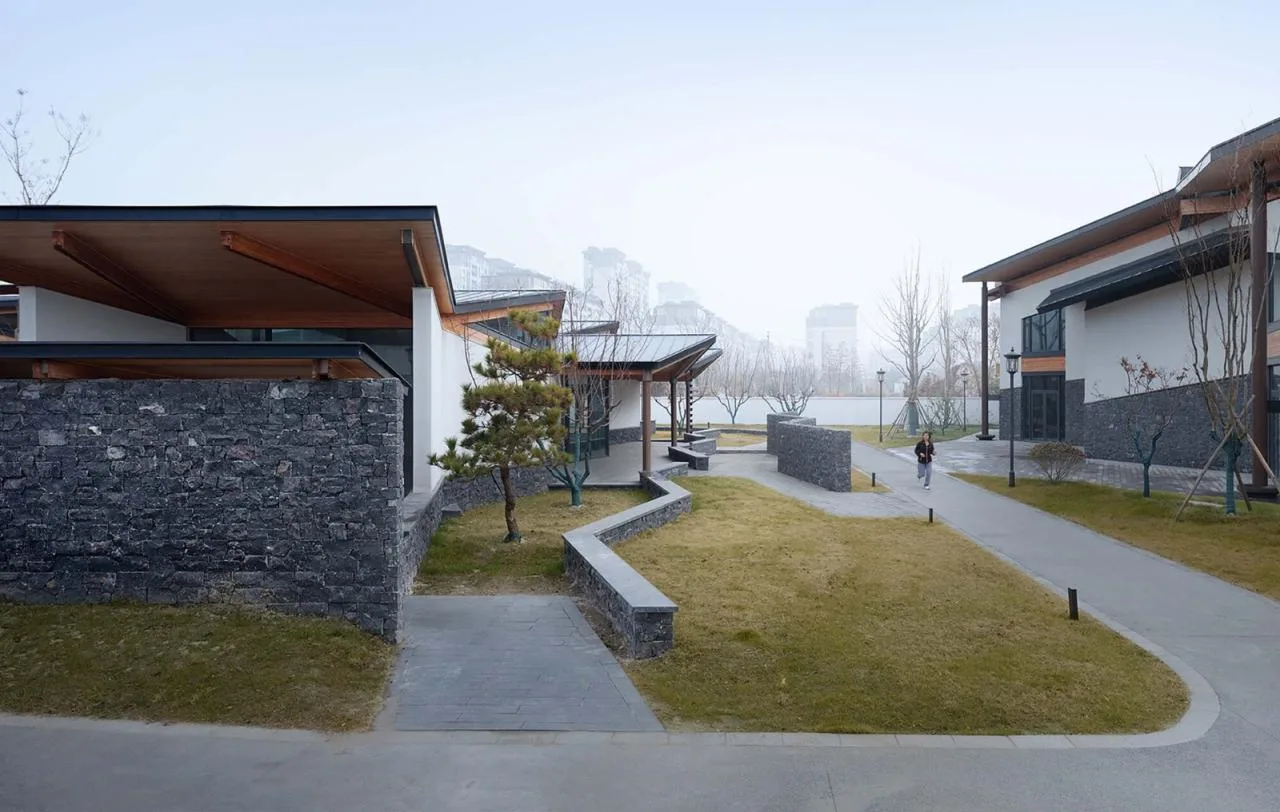
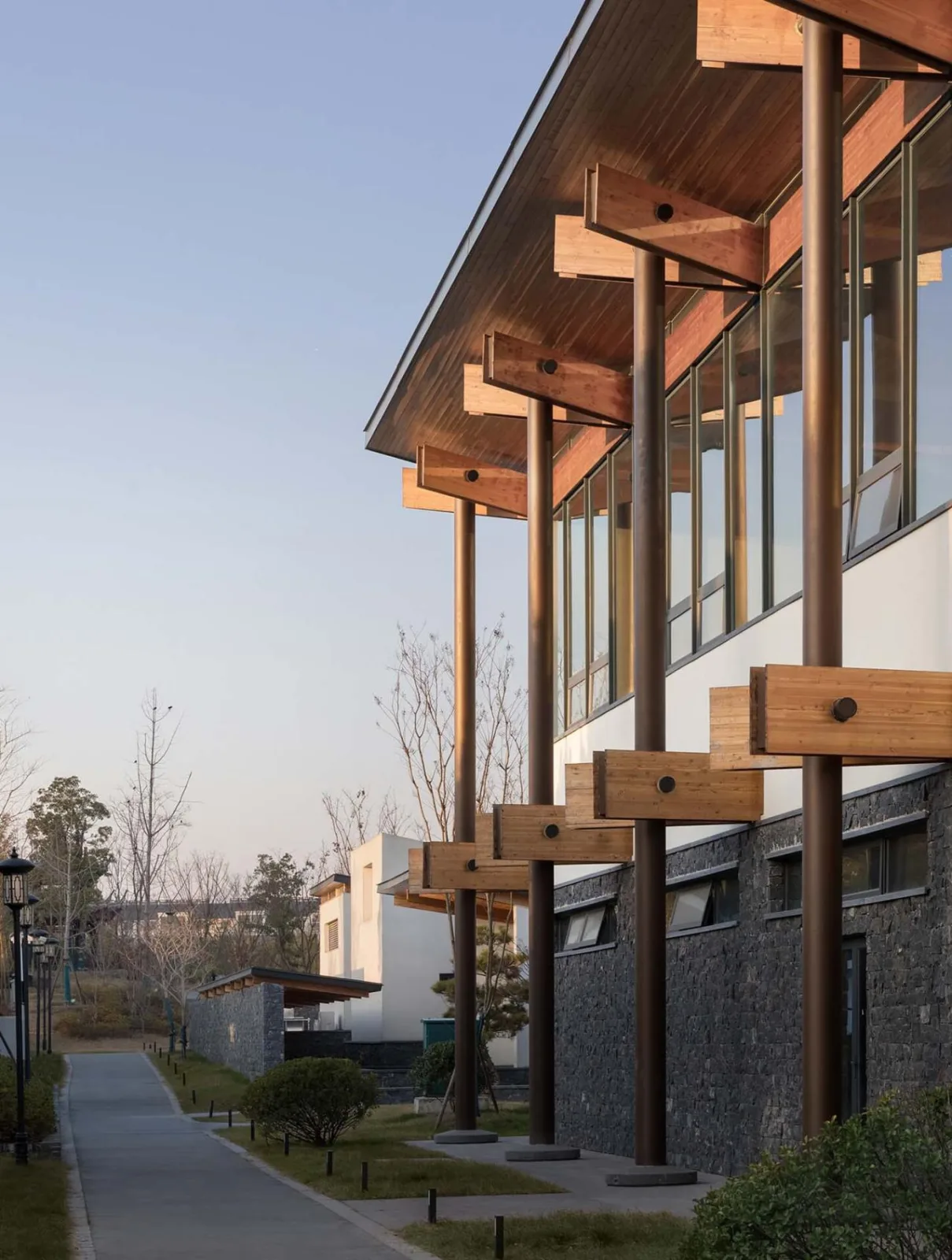
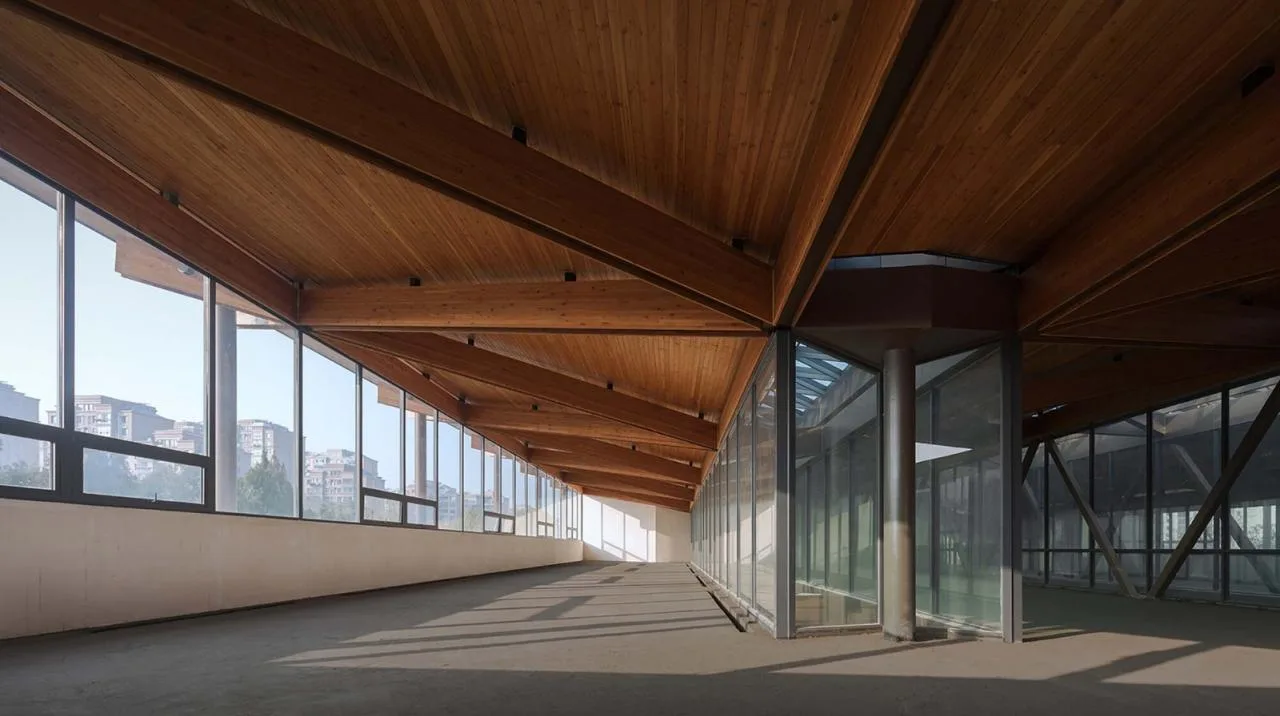
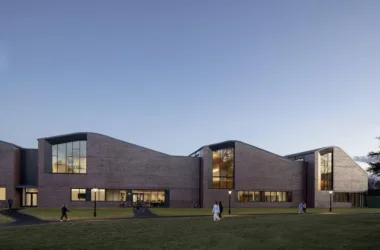
The gymnasium features a large-scale reconstructed beam and column system, located in a corner of the park and resembling the ancient “hall-shaped” linear space. By rebuilding the multi-bay beam and column structure, we explore the spatial adaptability offered by integrating the structural framework. Using a modular foundation-column-beam structure as the spatial carrier, this design accommodates dynamic changes in function while preserving traditional architectural concepts.
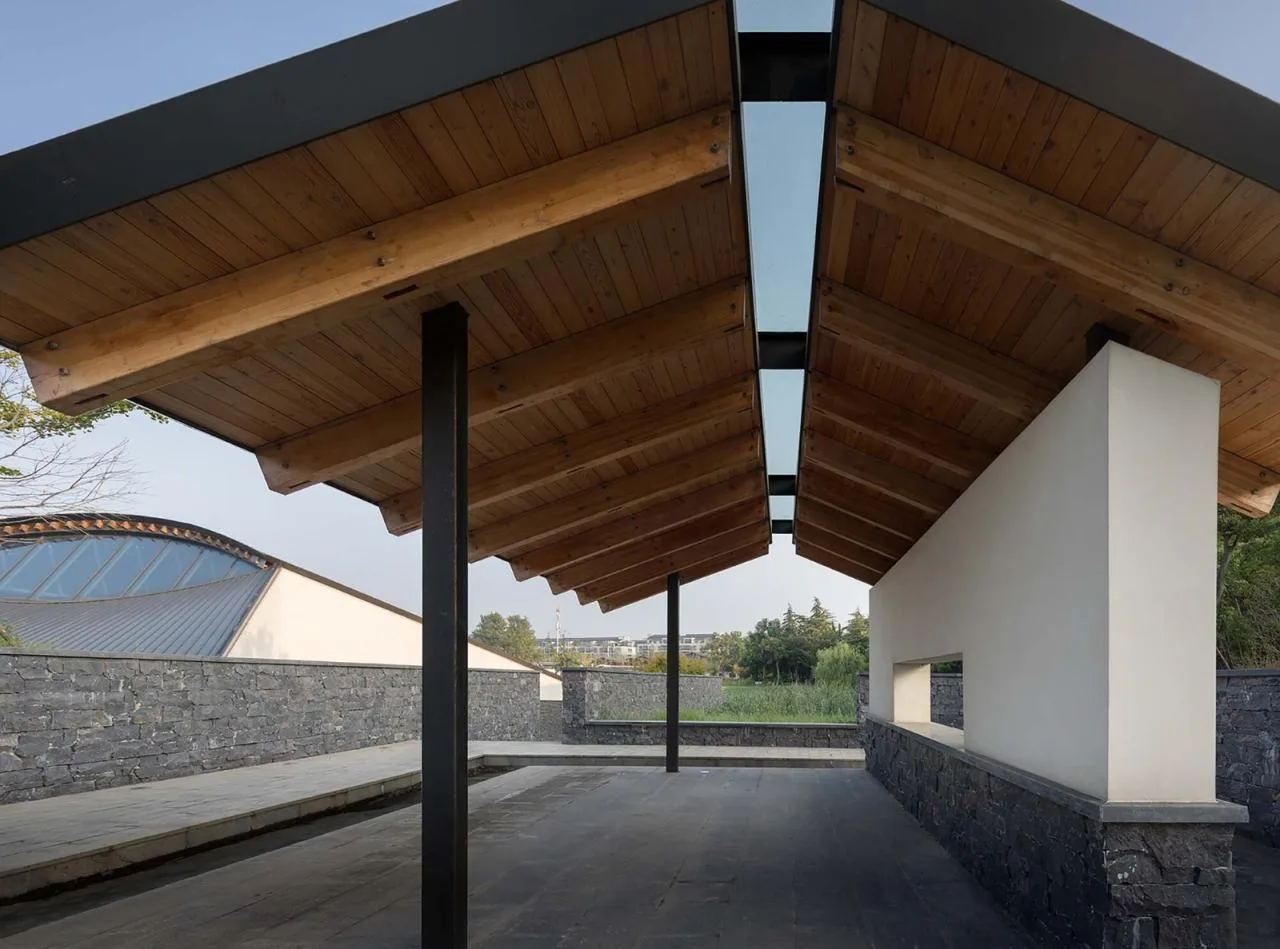
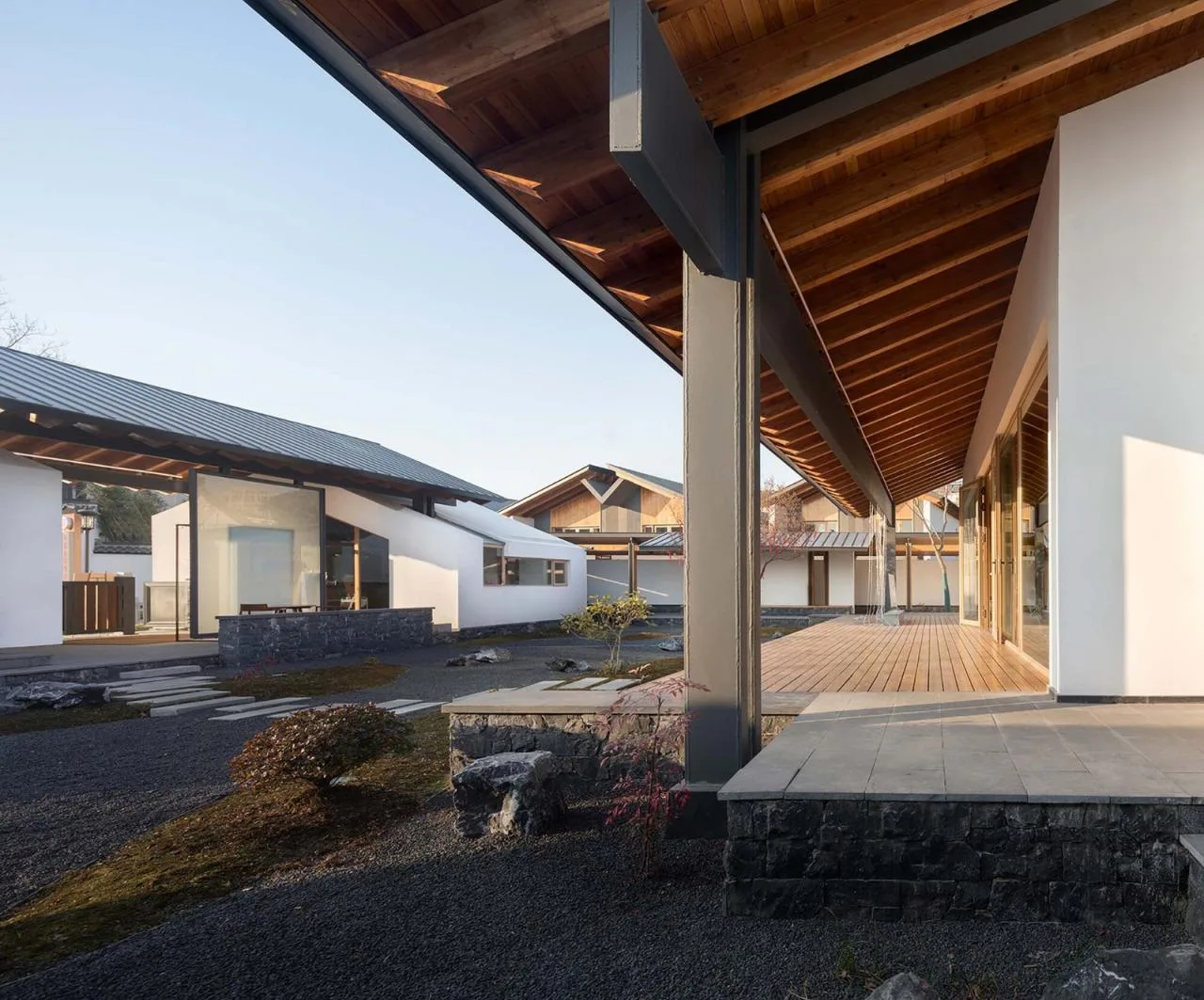
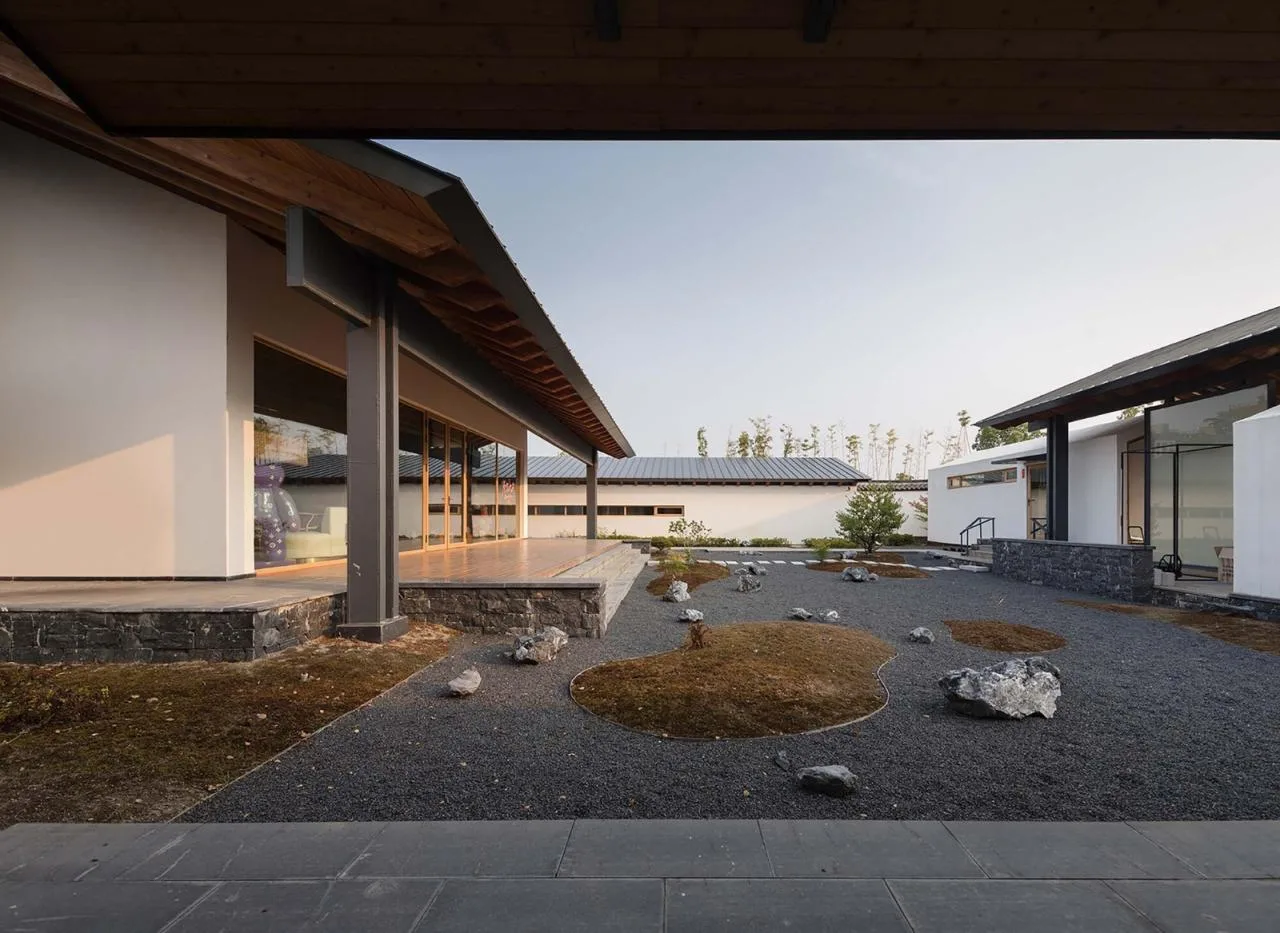
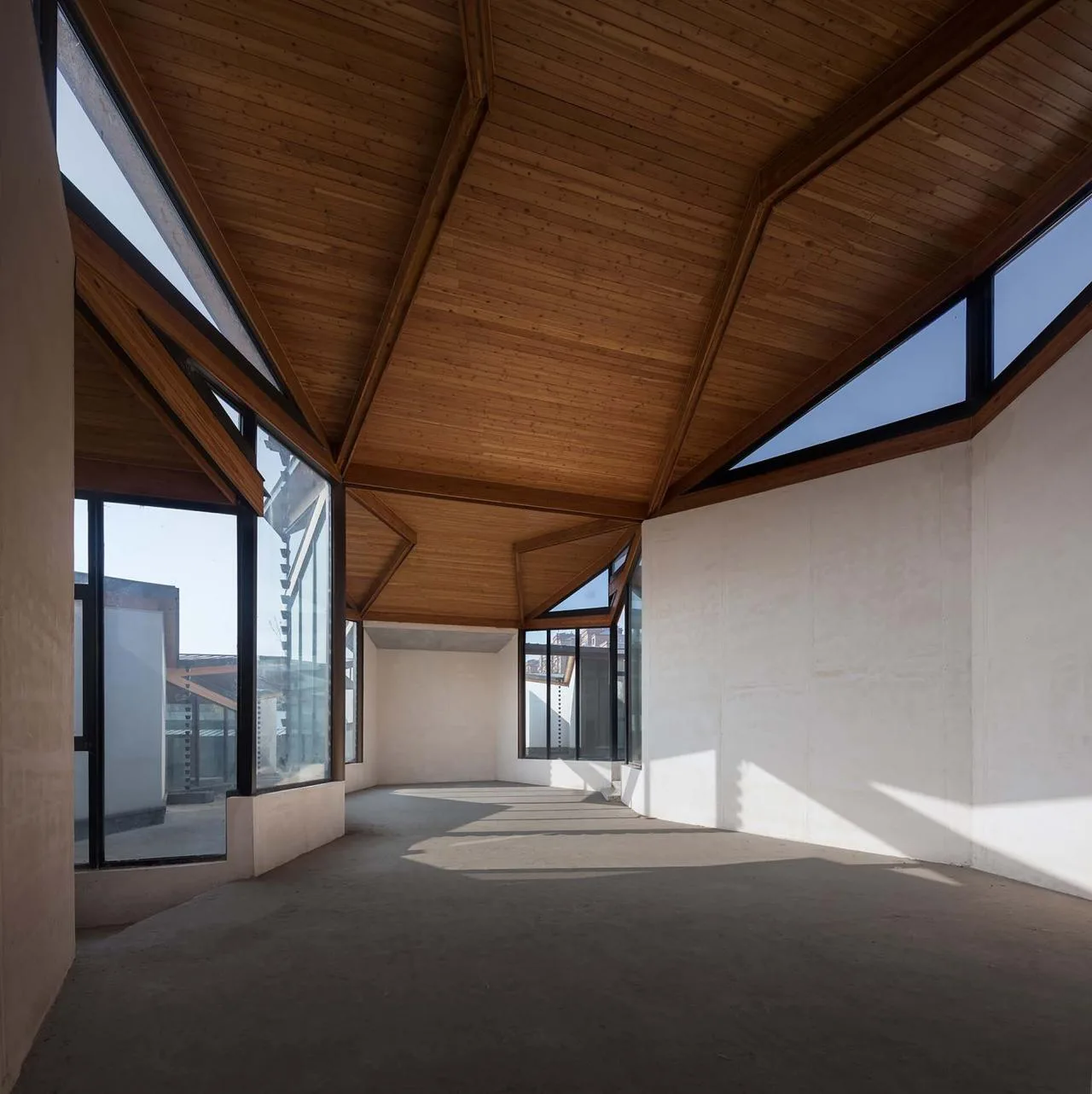
The restaurant, located north of the sports arena, is based on a “multi-entry courtyard” model. Its design reinterprets the unit settlement to take advantage of the site’s characteristics, creating a seamless transition between indoor and outdoor spaces. This exploration continues the dialogue between “unit space” and “settlement,” composed of structural units arranged in a hexagonal pattern, reflecting the adaptability and fluidity of order within the environment.
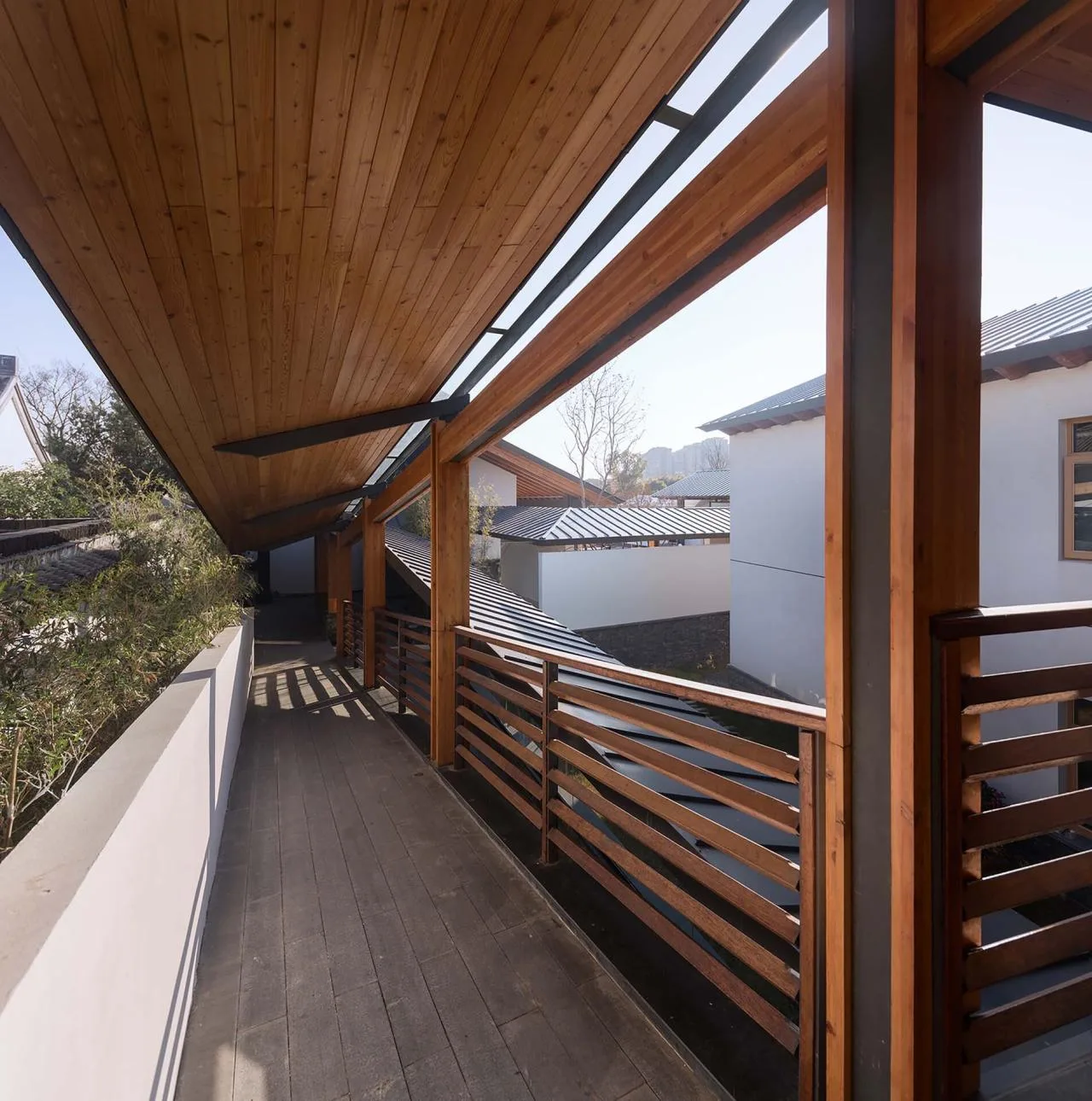
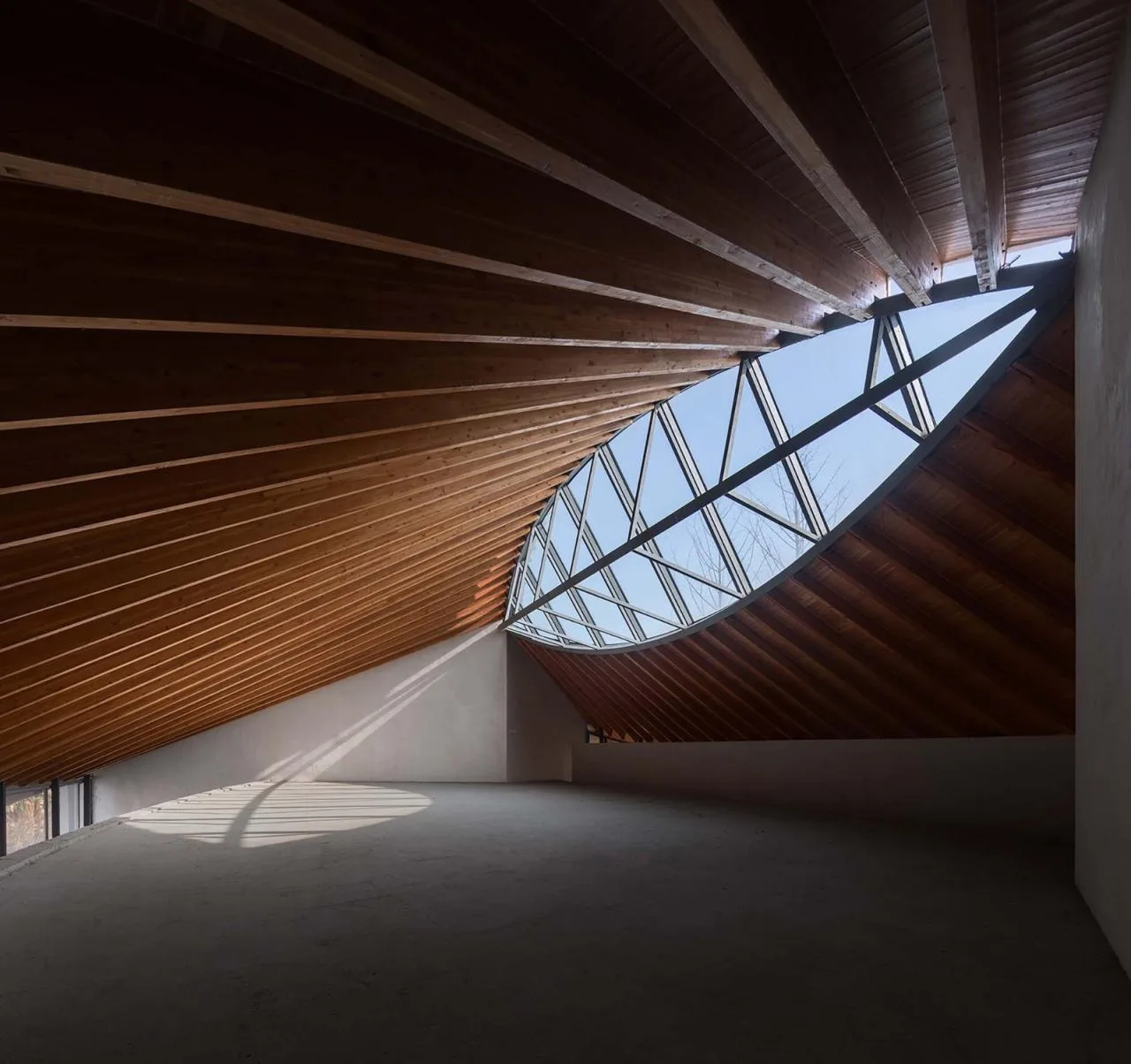
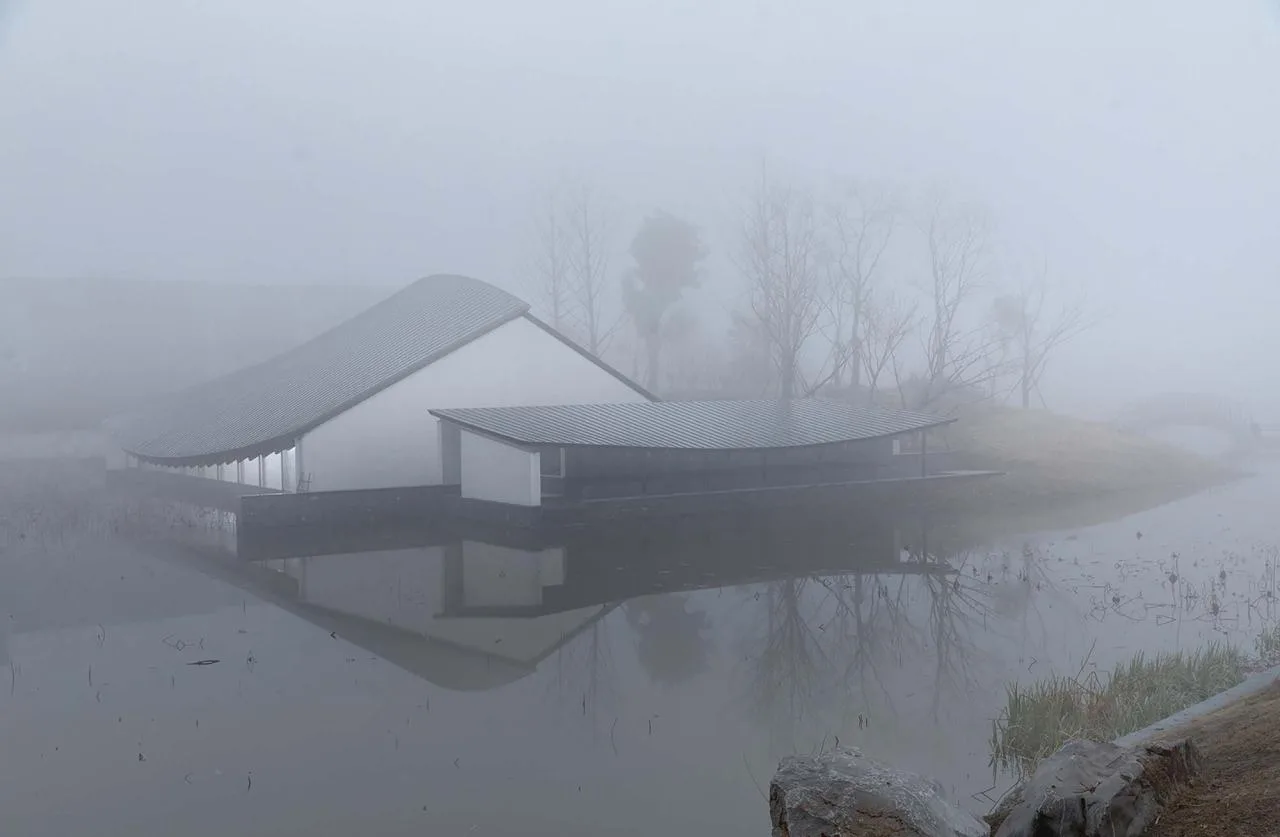
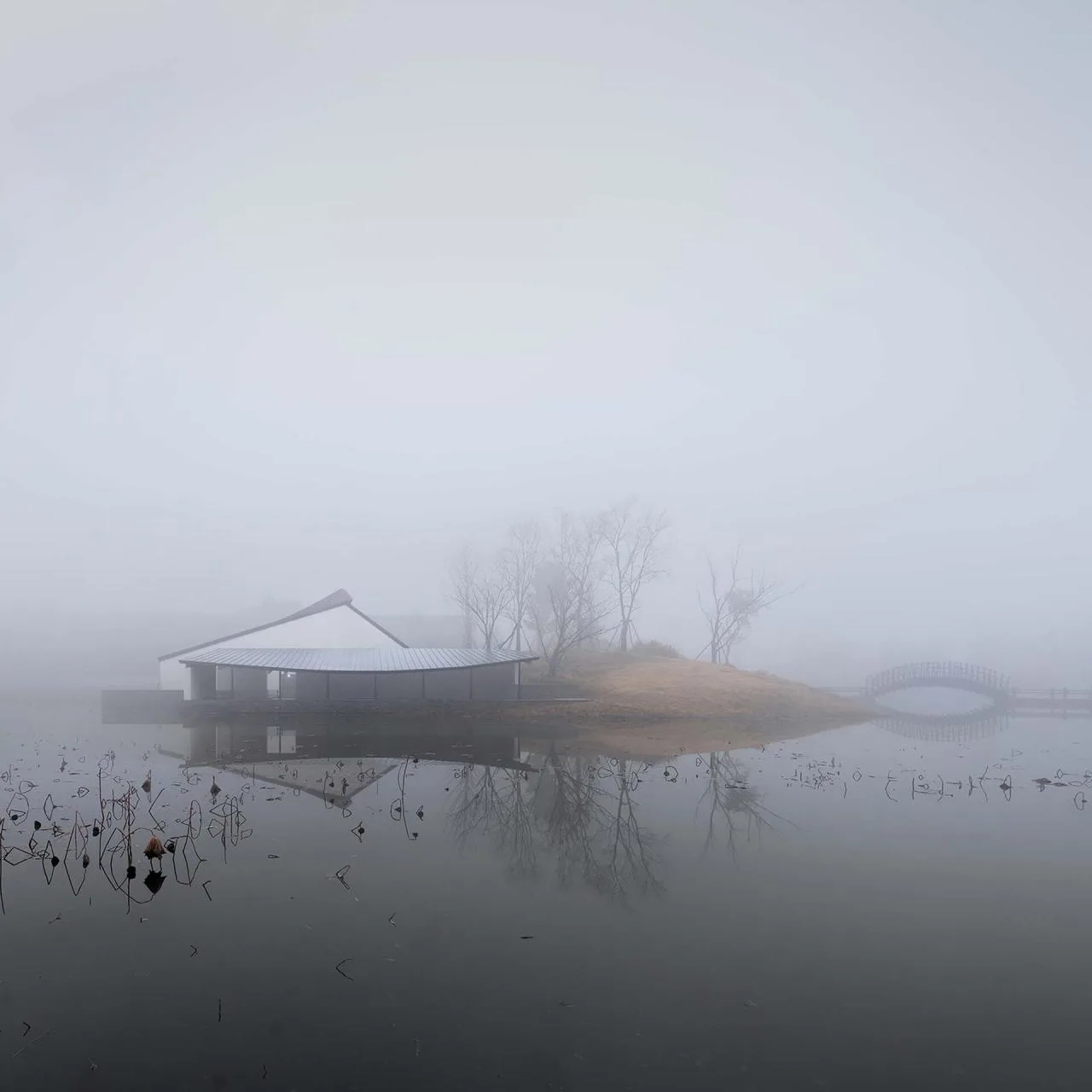
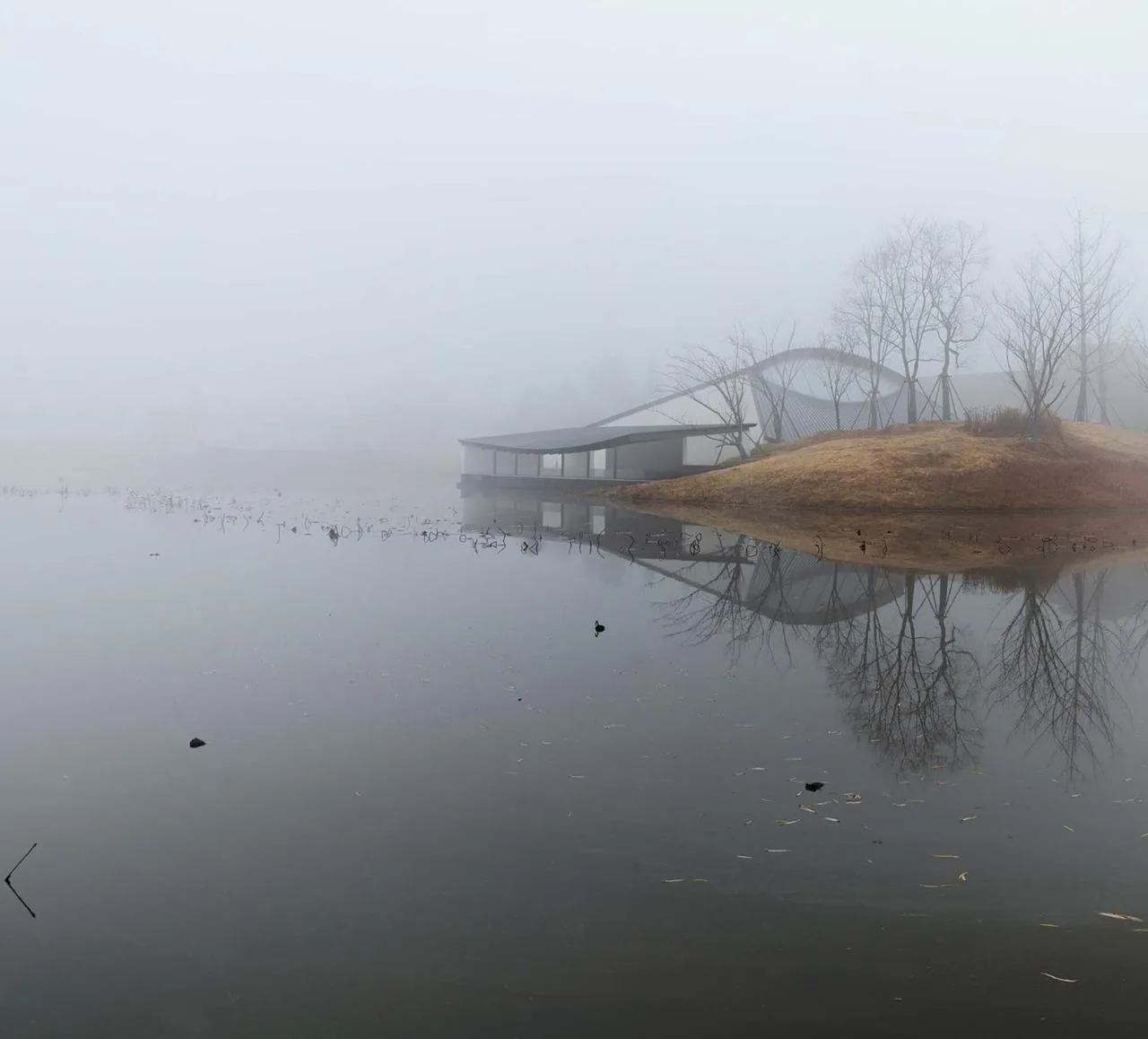
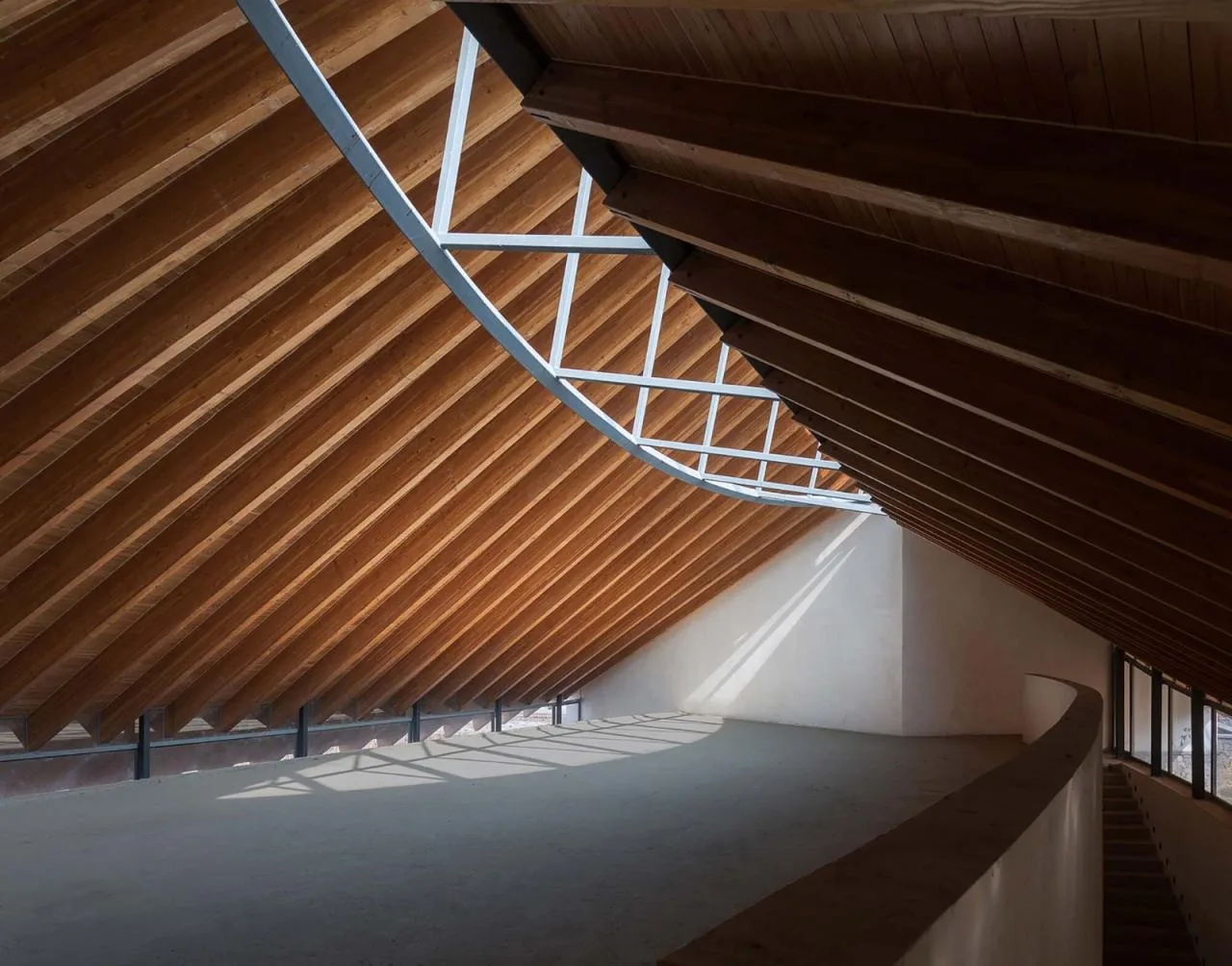
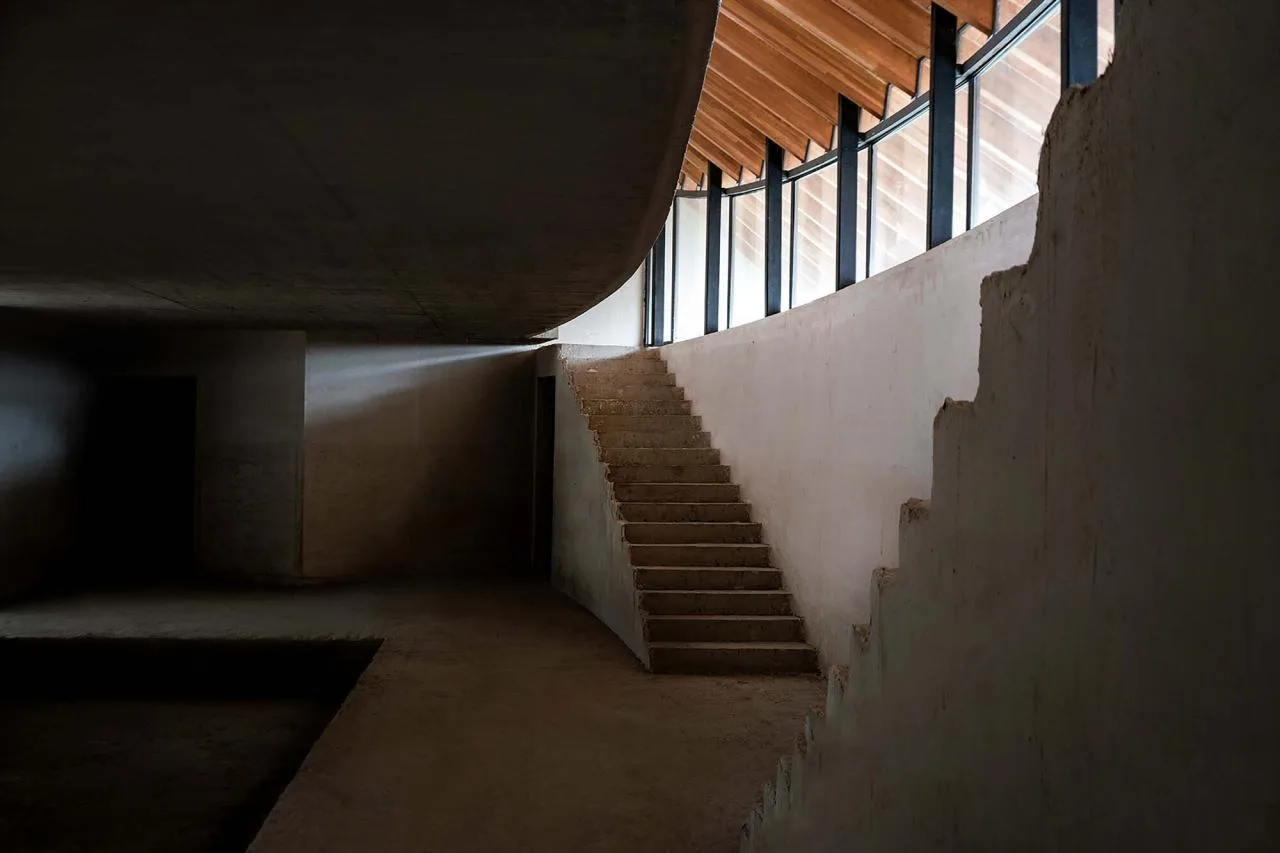
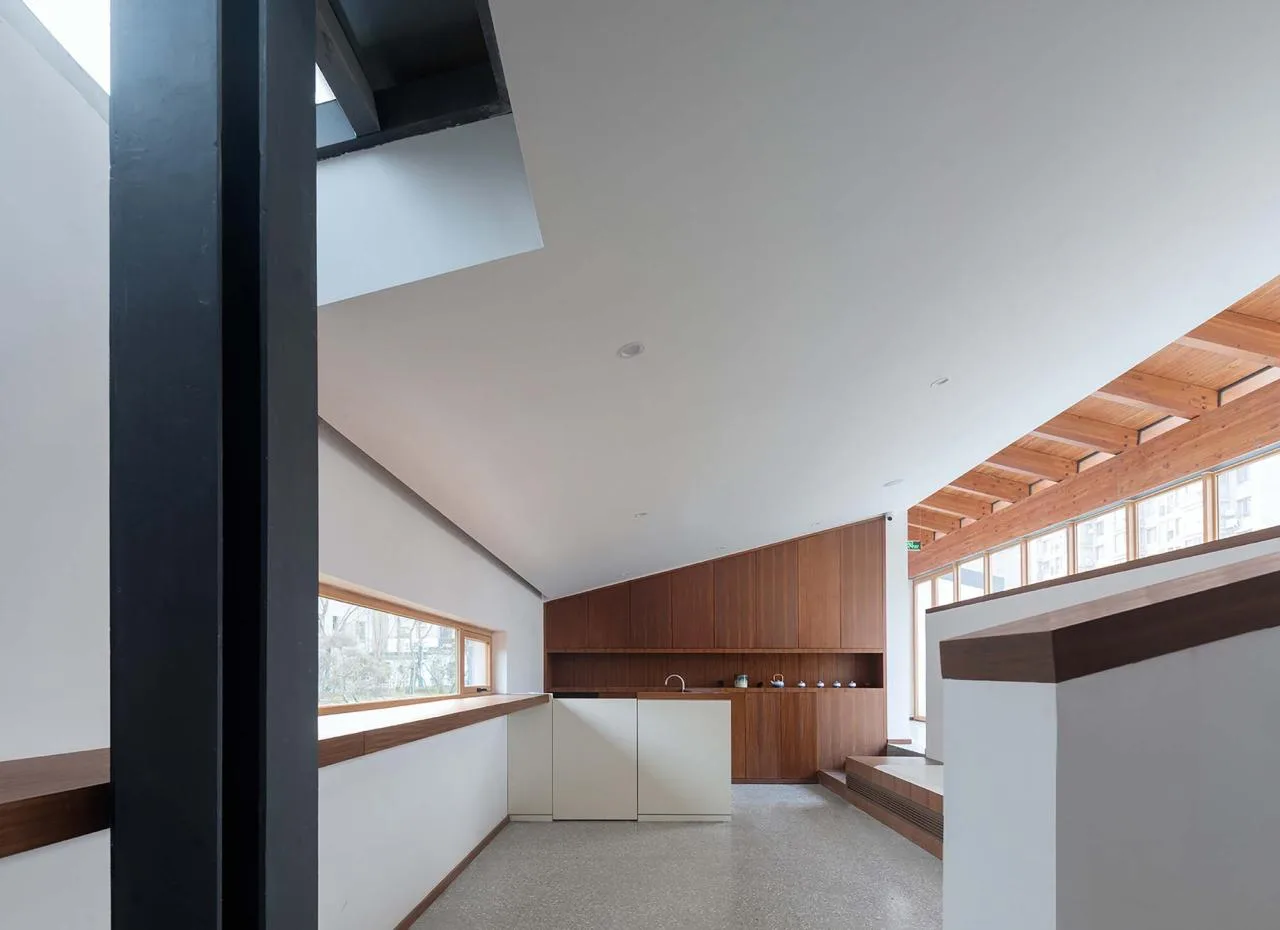
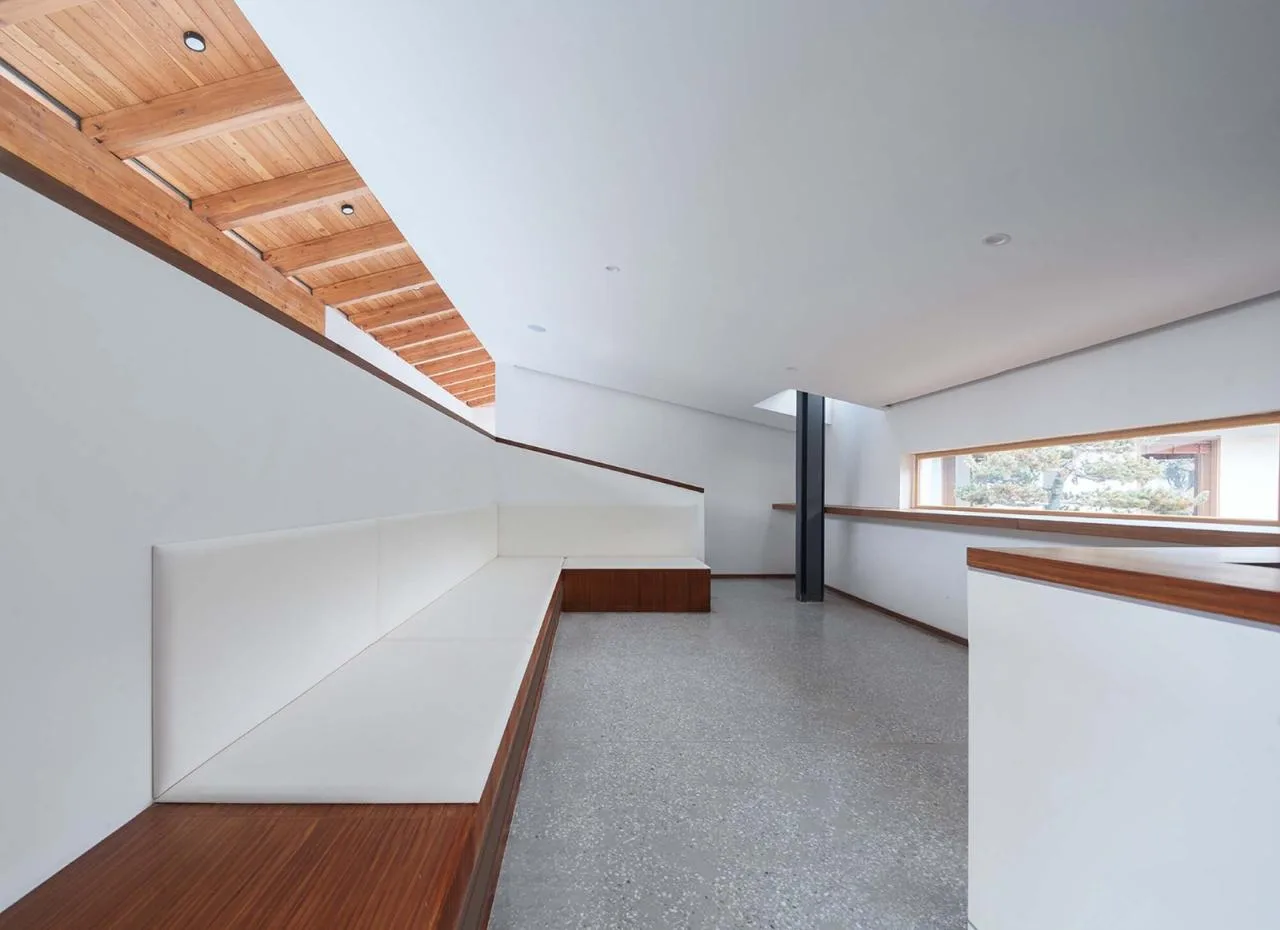
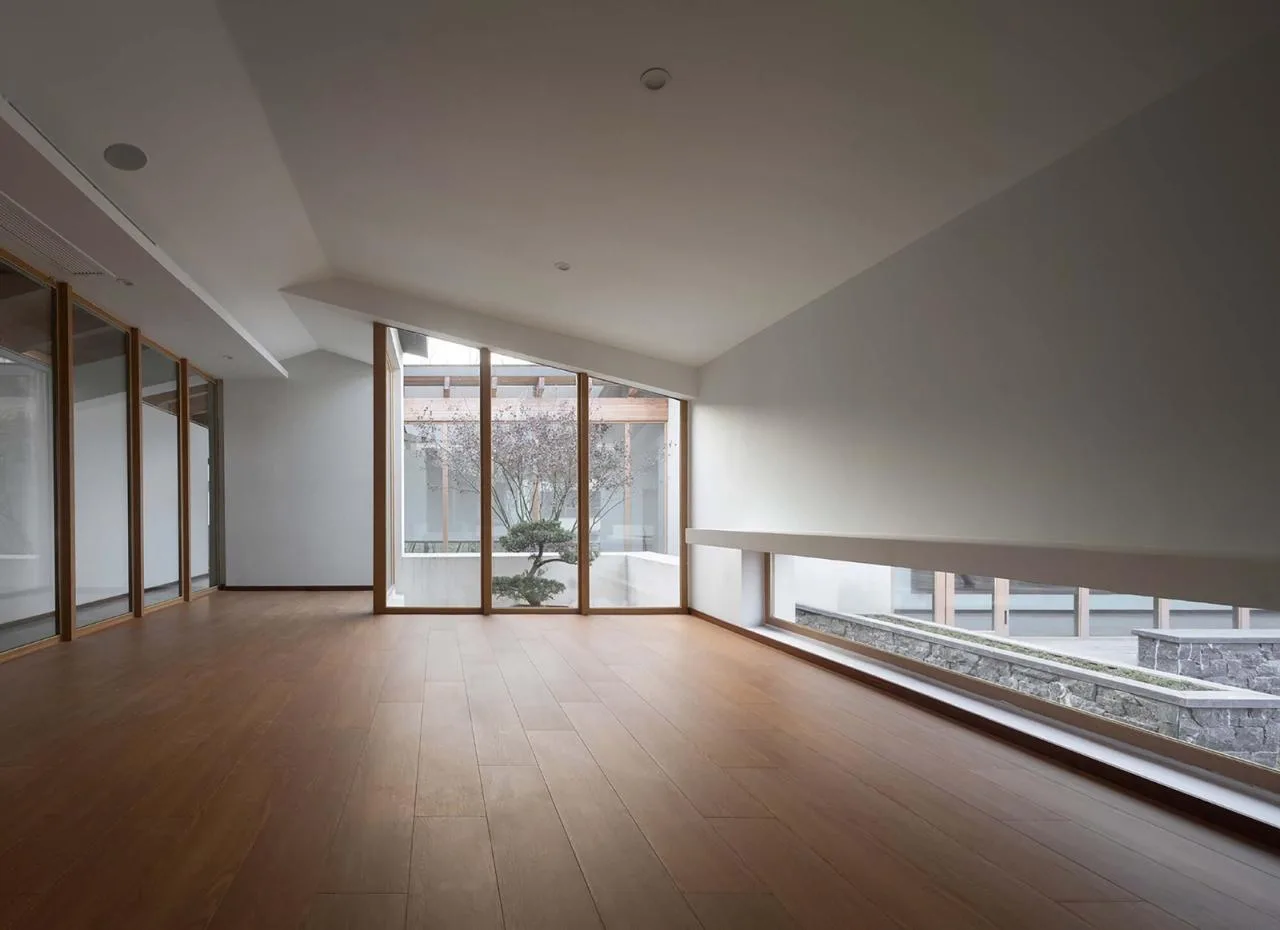
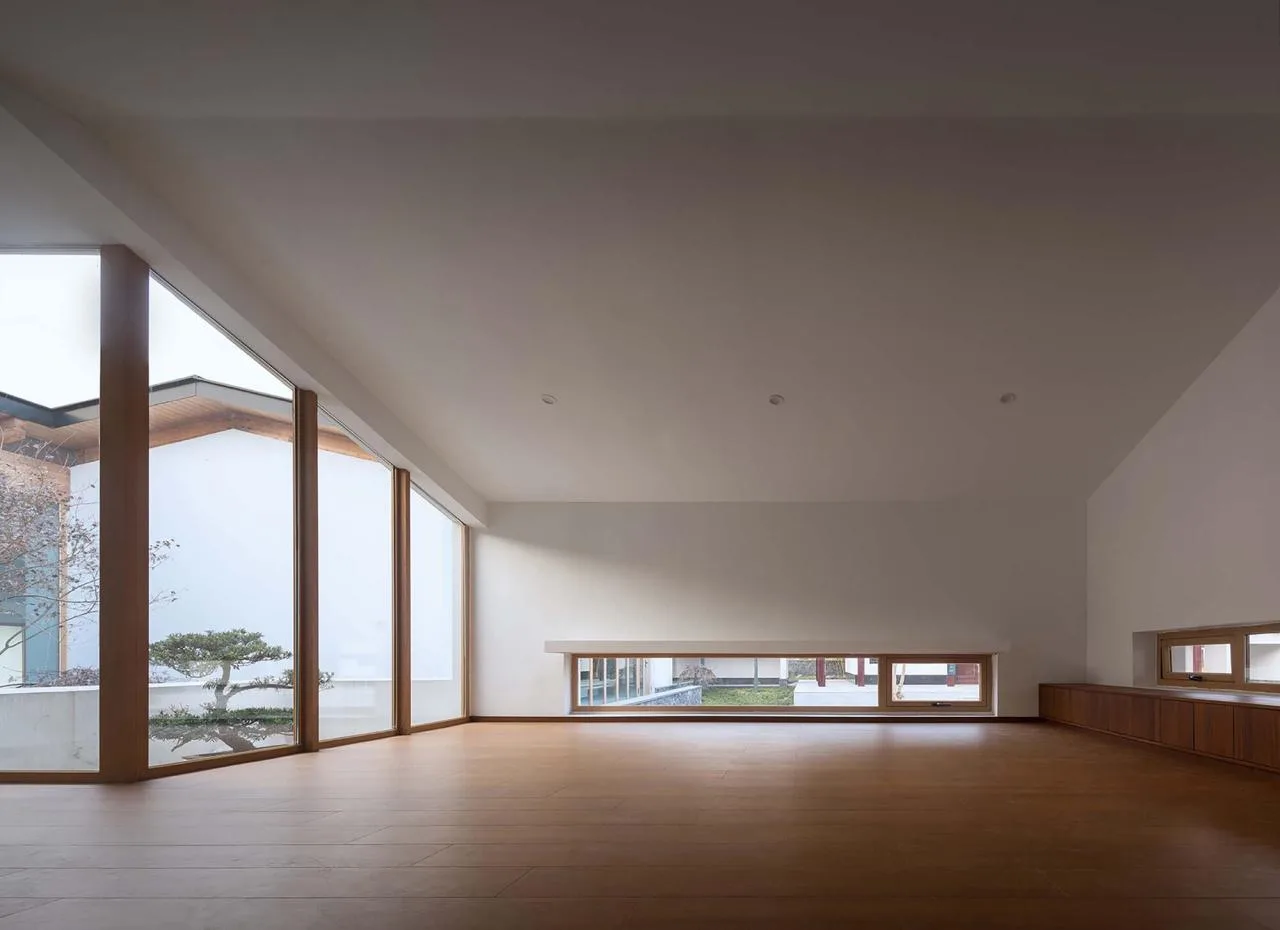
The tea house prototype is positioned on the northern slope of the central island of Donghu within the park, overlooking the water and fostering a serene, spacious atmosphere. This standalone building prototype reexamines the relationship between humans and nature within architecture, creating a unique spatial experience. Inside, the tea room is divided into two distinct atmospheres—north and south—separated by a partition wall. The northern view faces the water, with lowered eaves shielding the distant urban hustle. To the south, tall deciduous trees adorn the slope, while wedge-shaped skylights along the ridge maximize sunlight throughout the day, reflecting the passage of time. Incorporating seasonal, temperature, and environmental changes reflects a renewed understanding of the interplay between architecture, nature, and humanity.
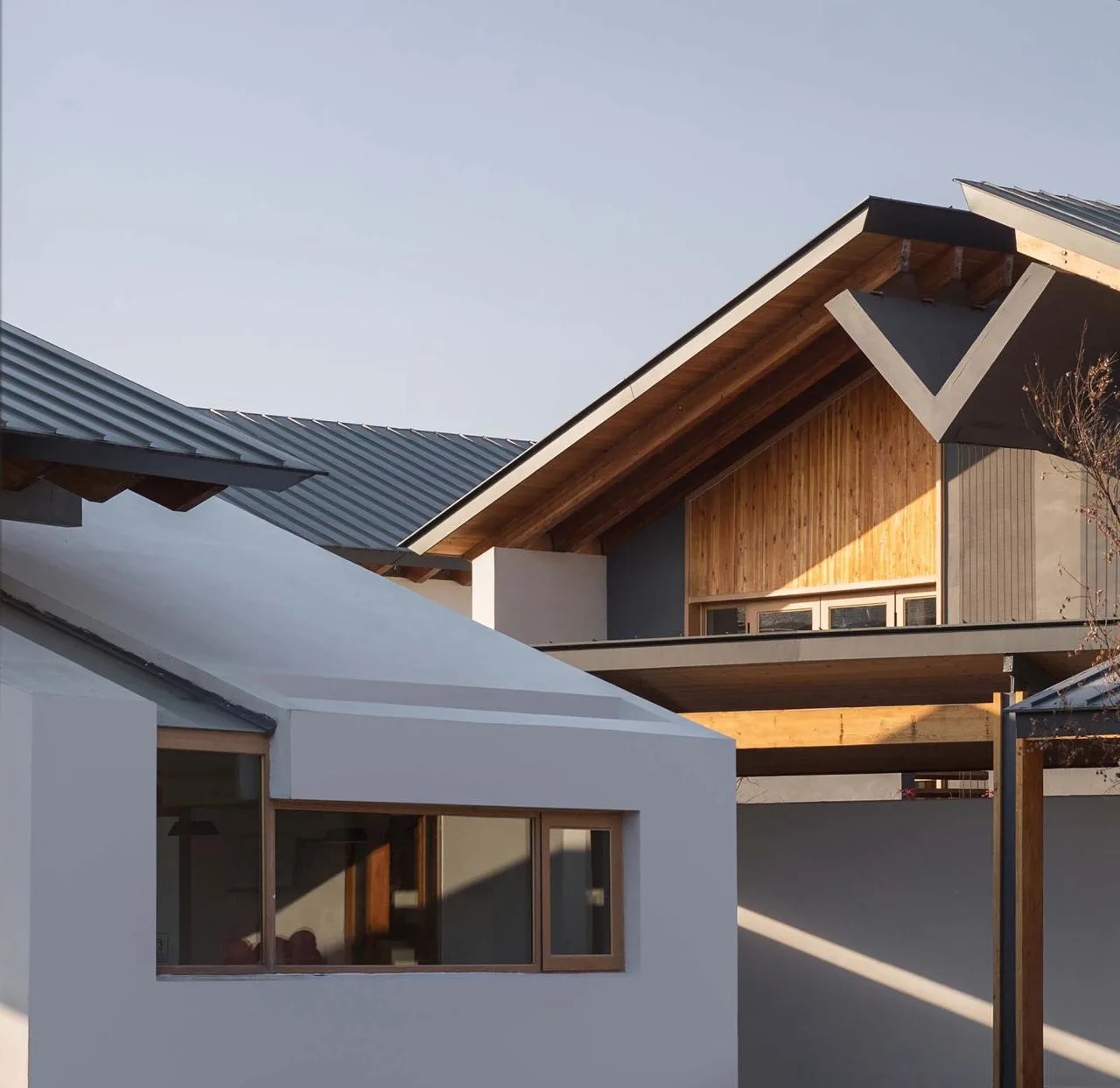
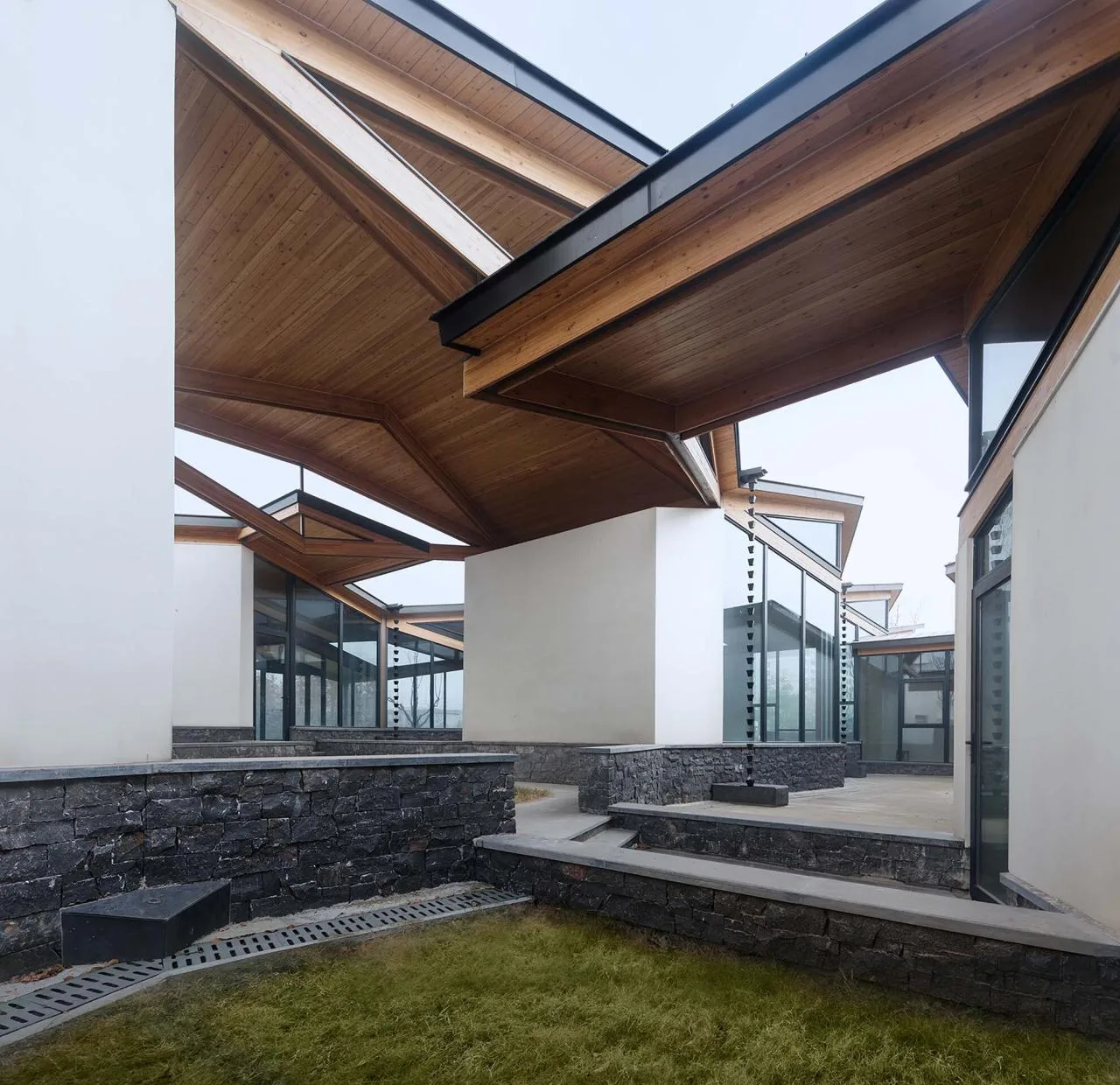
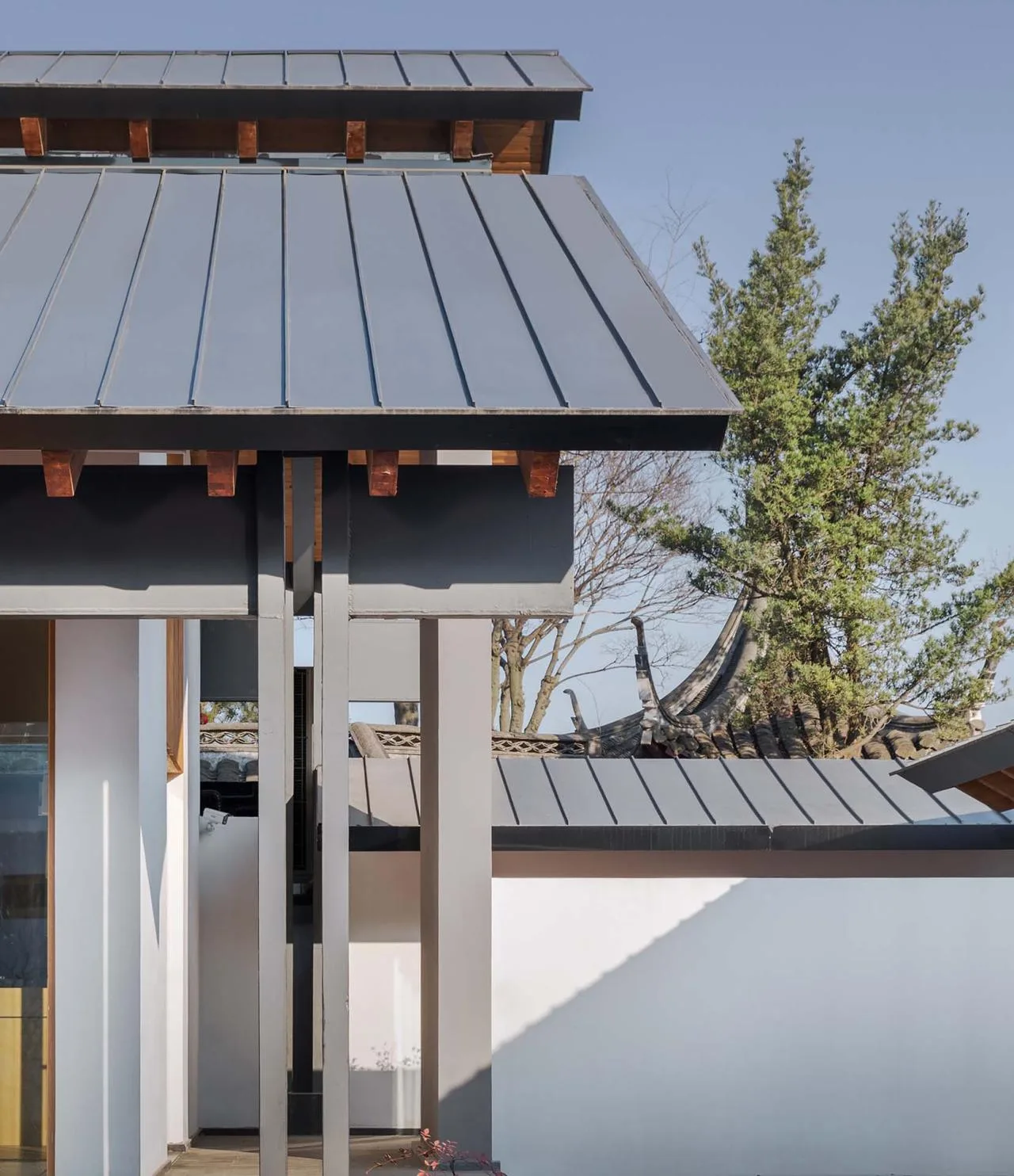
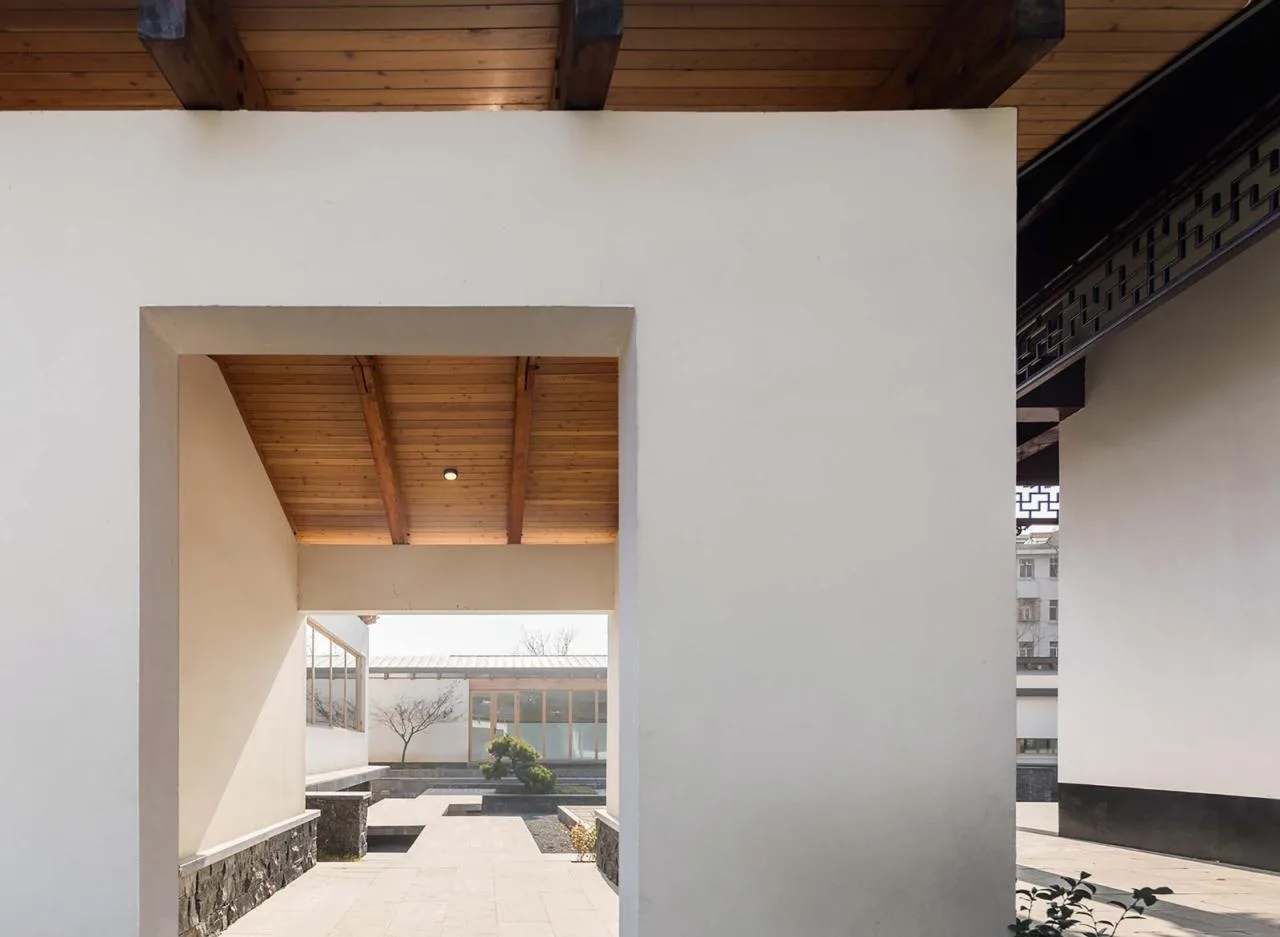
The visitor center’s multi-entry courtyard reconstruction is located in the northern part of the park, separated from the temple road above by a river and adjacent to the park’s northern entrance. This design is based on the prototype of a “single path, multi-entry courtyard,” aiming to maintain the transition from the bustling external market to the tranquil park environment through a sequence of architectural courtyards. Various corridors meander among different buildings, with the rising and falling courtyards creating a rich spatial experience. The three-dimensional corridors offer scenic views, while the interplay of corridors and roofs enhances the courtyard’s hierarchy, fostering a seamless integration between city and garden.
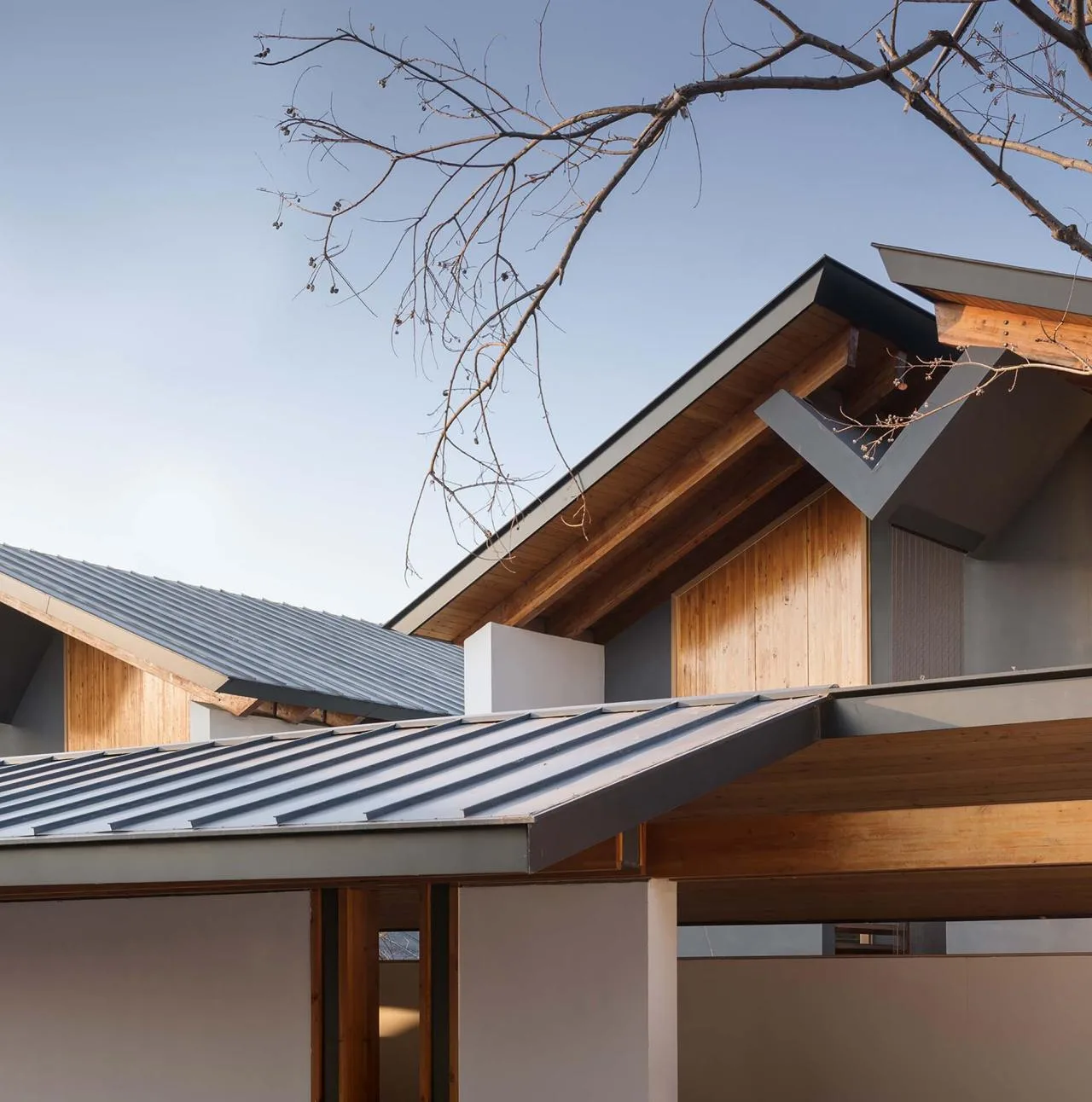
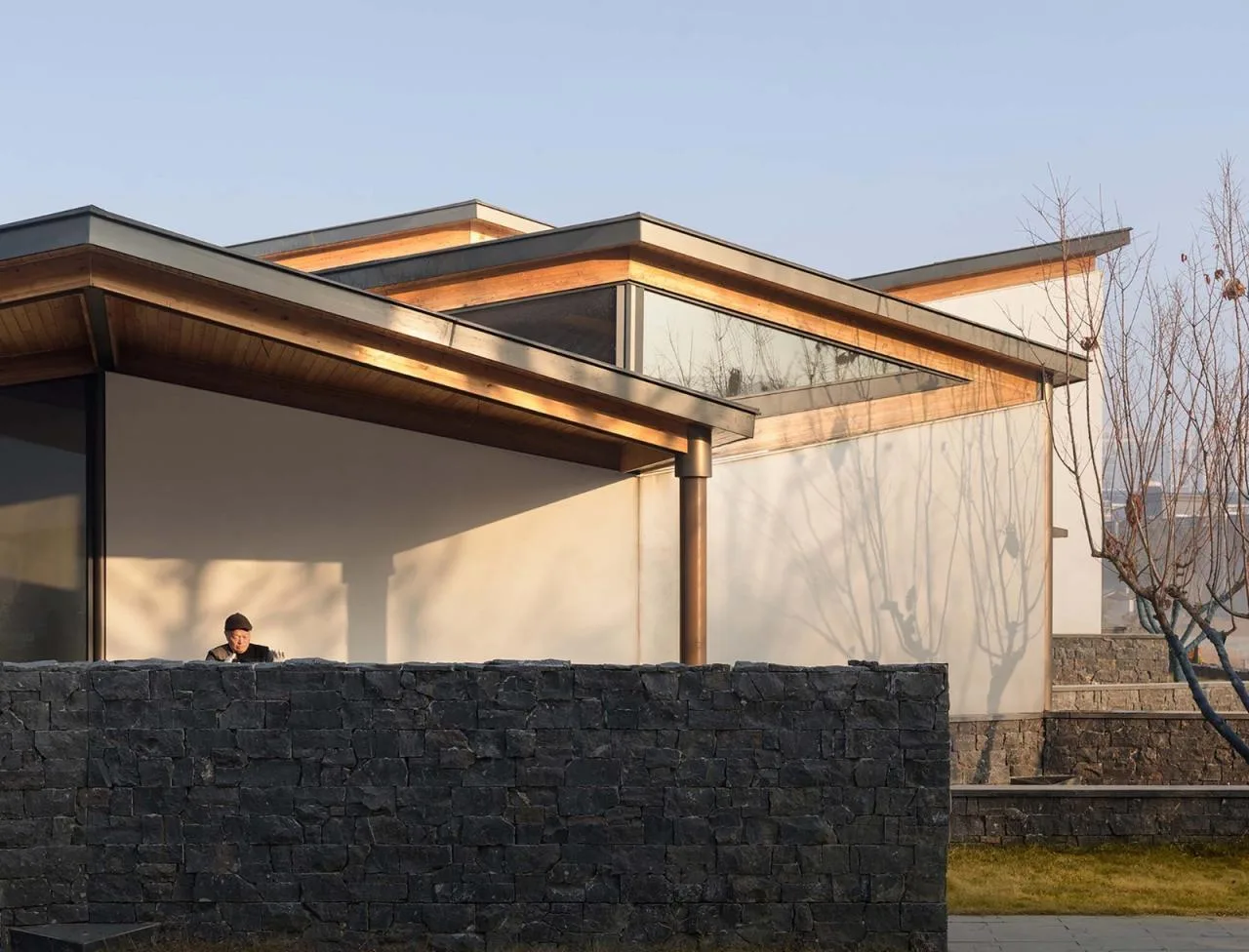
Construction: This project reconstructs the language of traditional architecture. Many classic ancient architectural prototypes embody a tradition of abstraction. By deconstructing traditional architectural elements, this design reinterprets five key aspects: courtyard space prototype, single beam and column system, residential settlement, house prototype, and multi-courtyard layout. The goal is to establish a new architectural vocabulary that encourages reflection on revitalizing traditional architectural culture.
Project Drawings
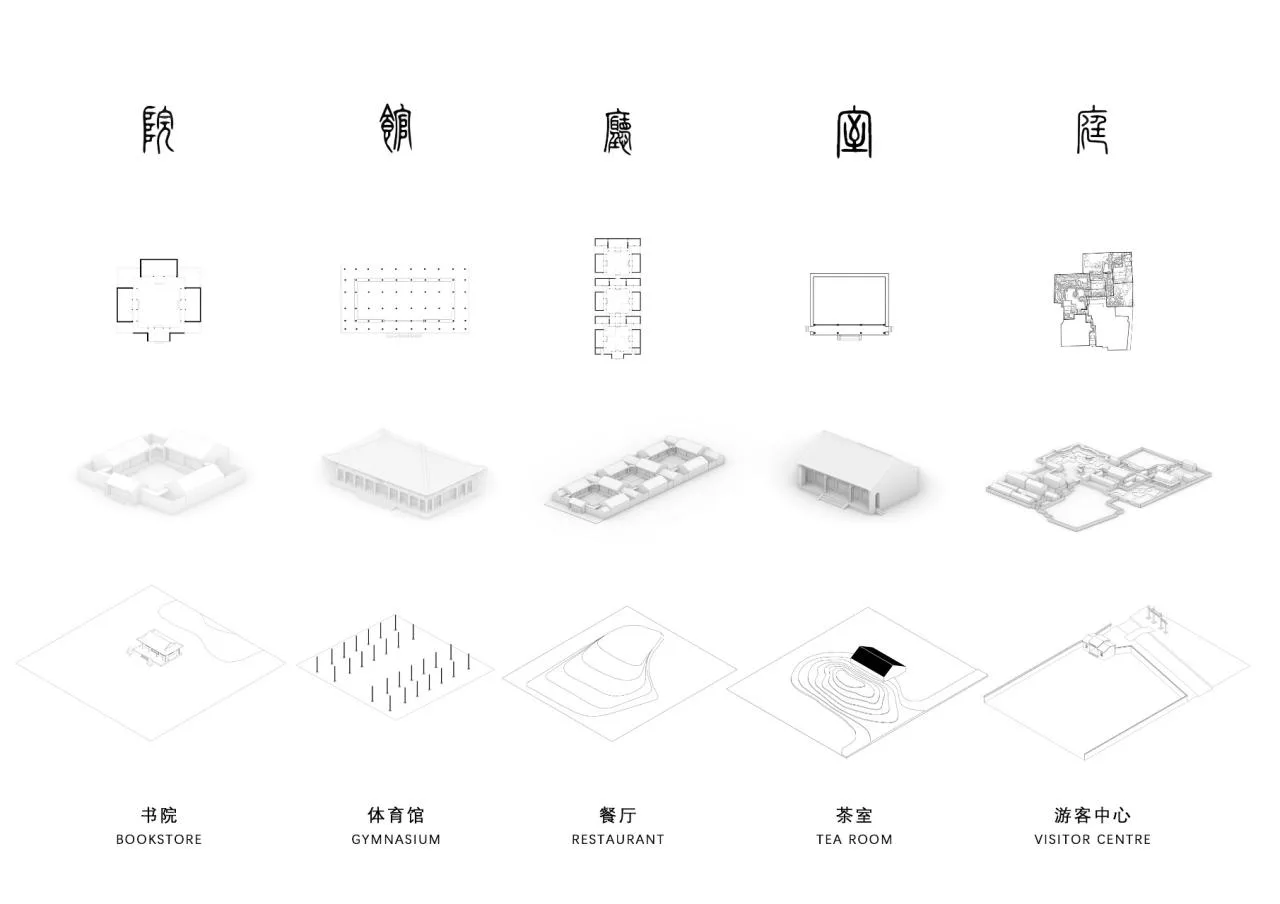
△ Analysis Diagram
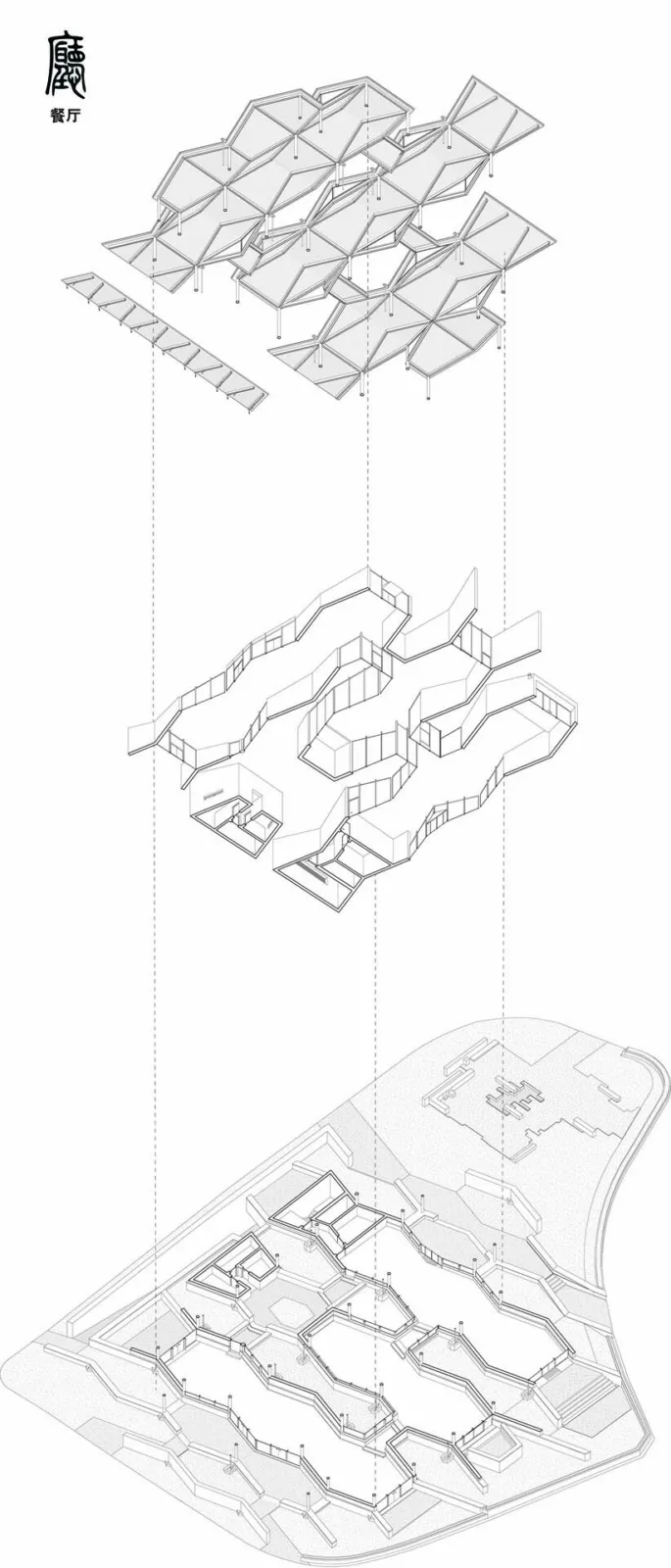
△ Restaurant Exploded View
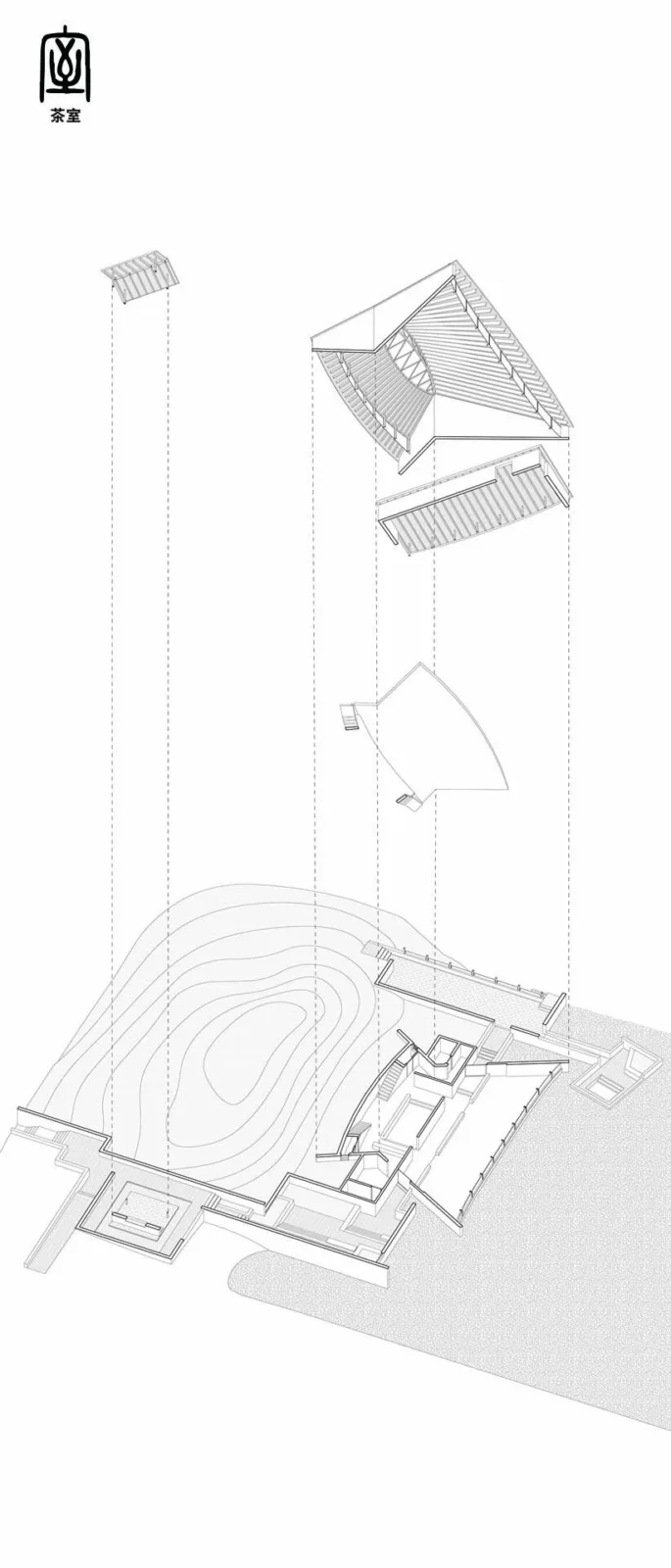
△ Tea Room Exploded View
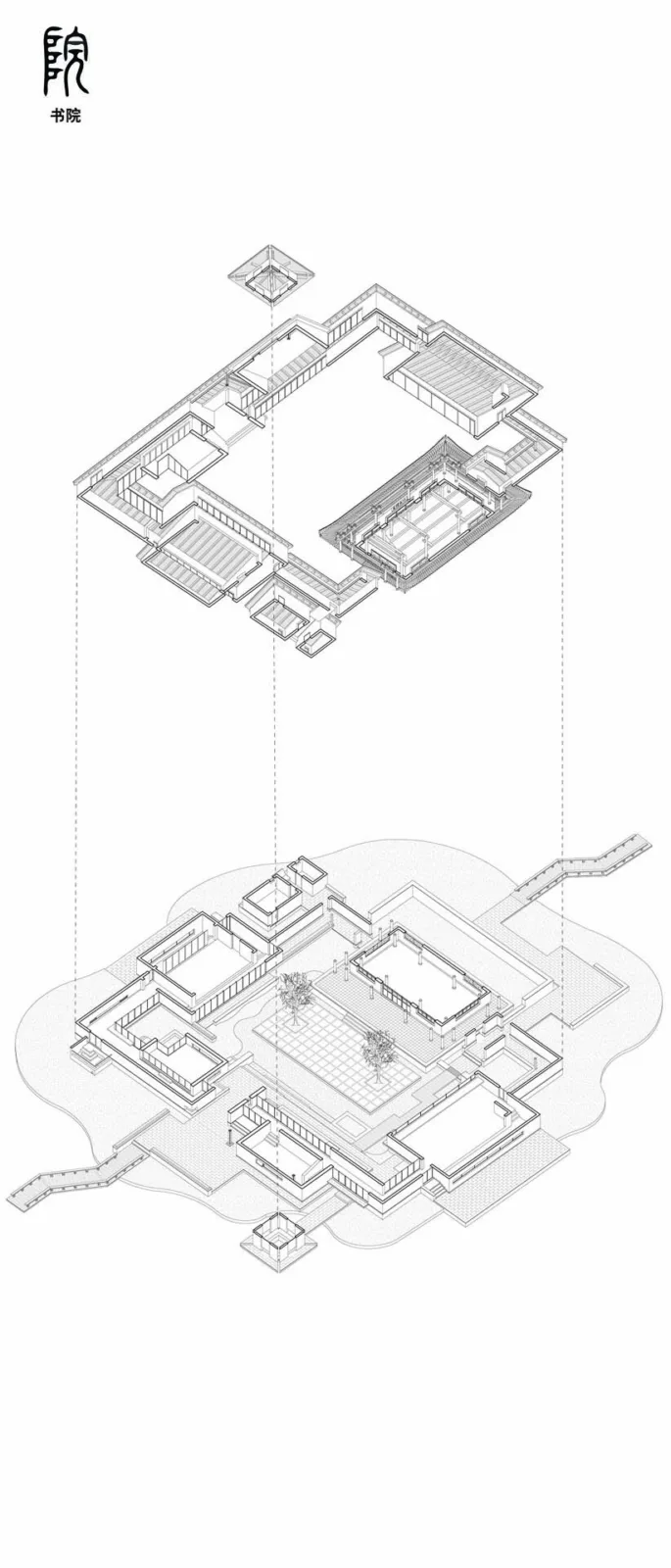
△ Academy Exploded View
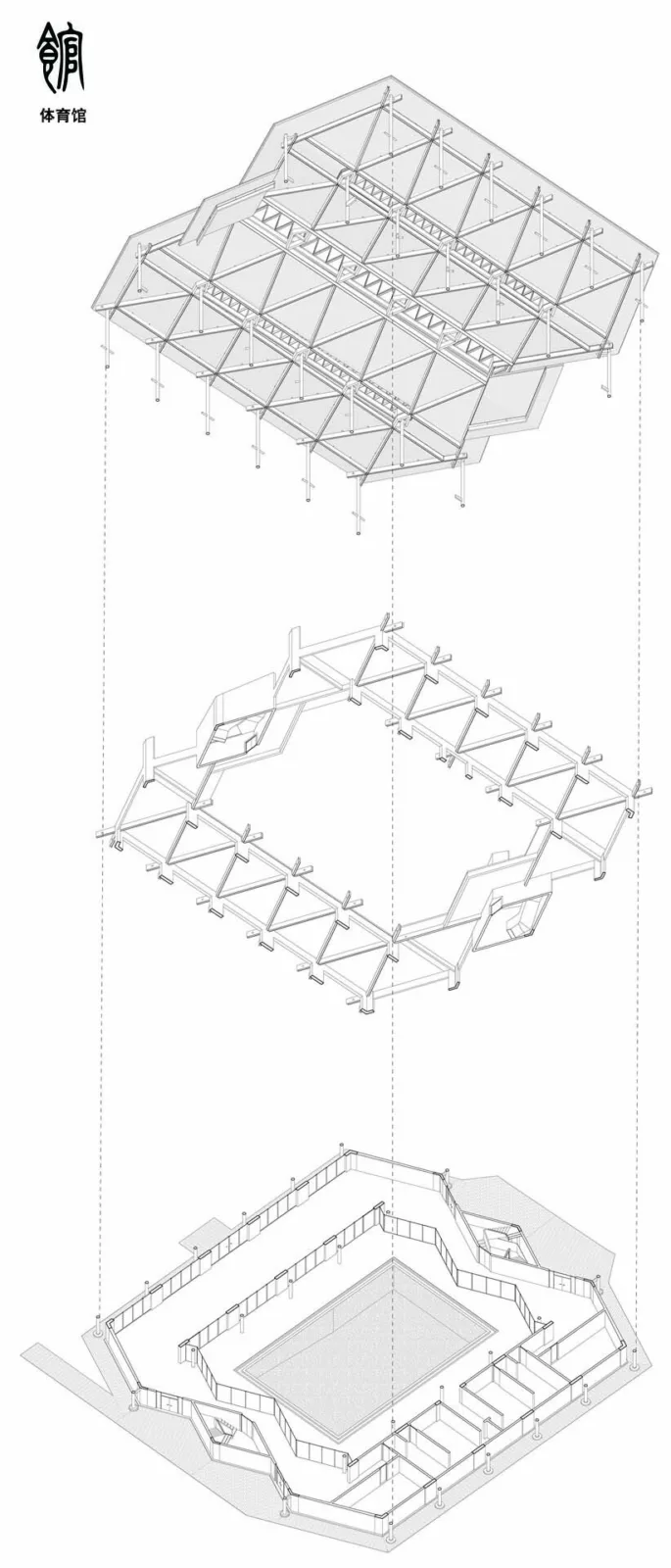
△ Gymnasium Exploded View
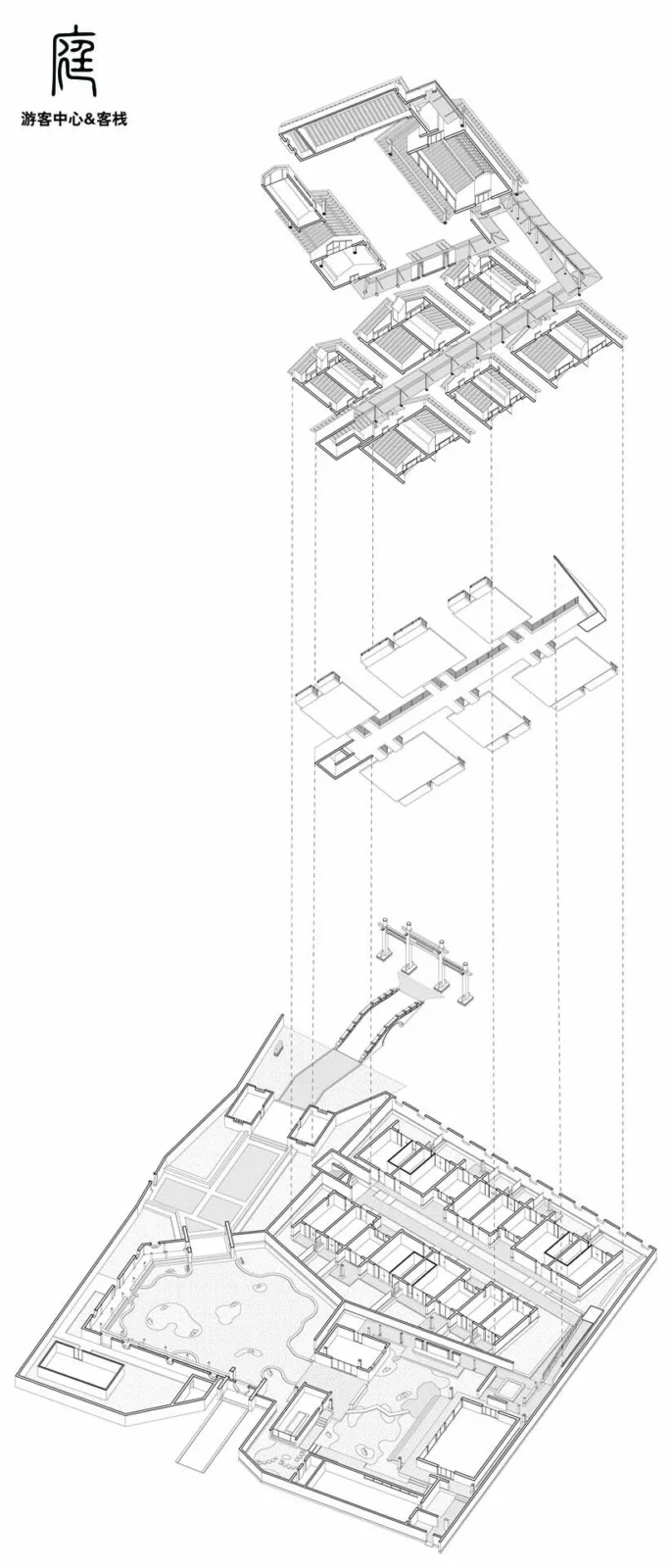
Tourist Center Exploded View
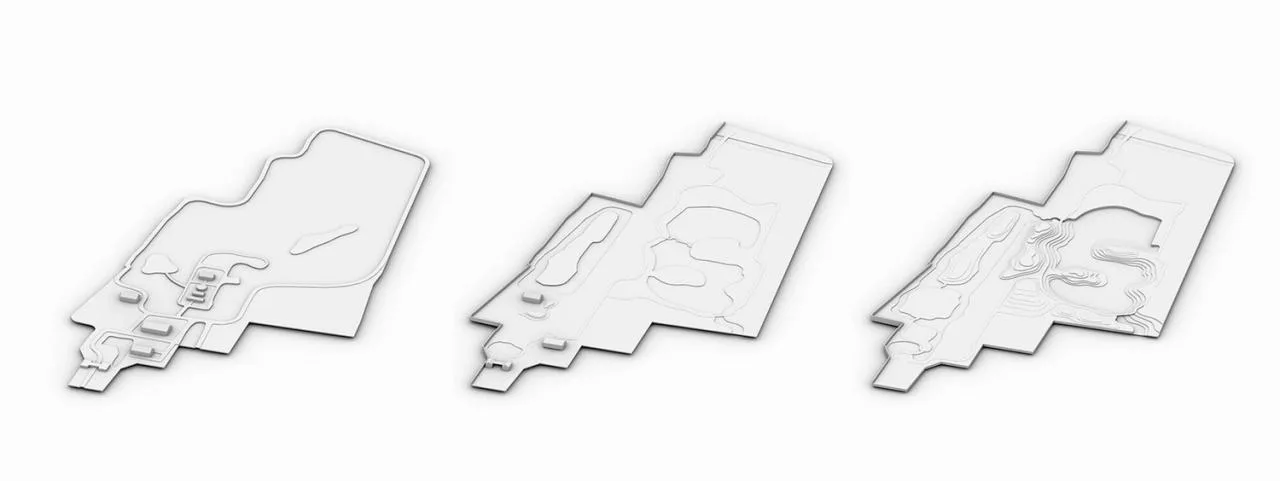
△ Analysis Diagram
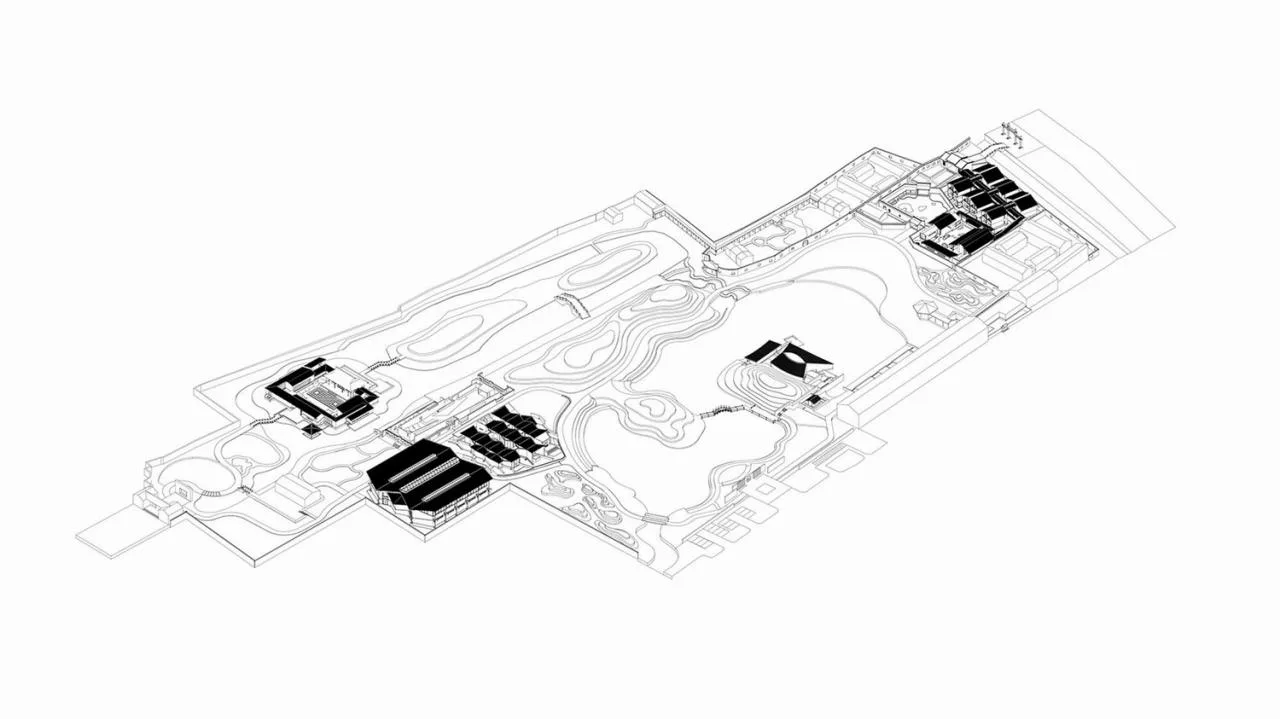
△ Axonometric Diagram
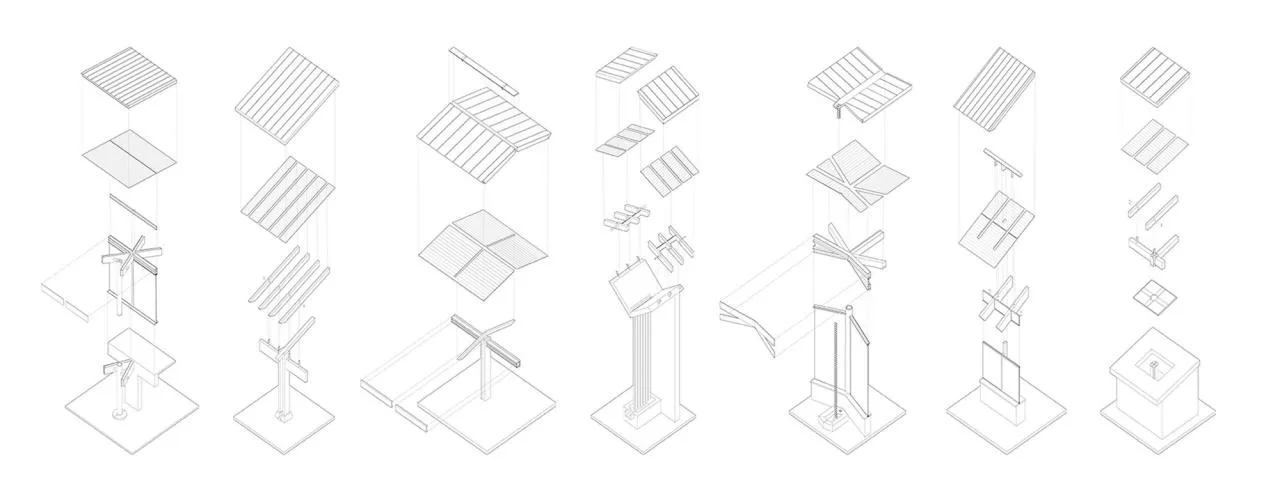
△ Analysis Diagram
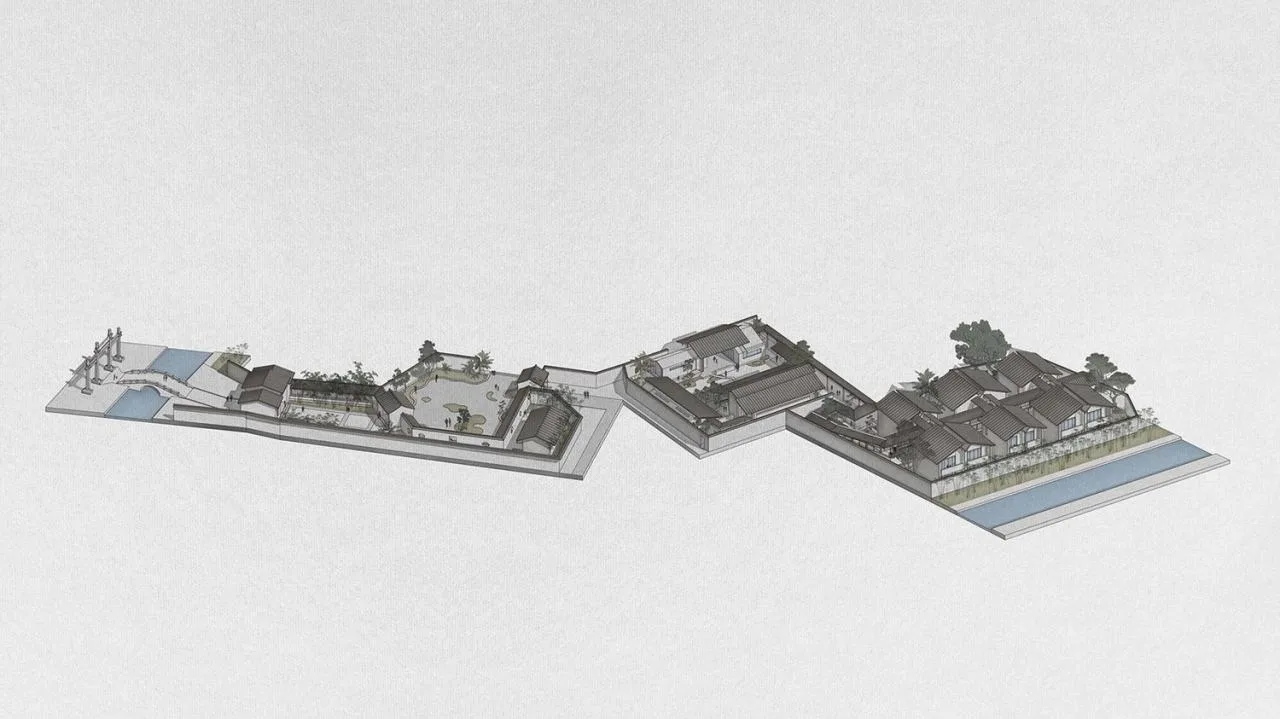
△ Axonometric Diagram
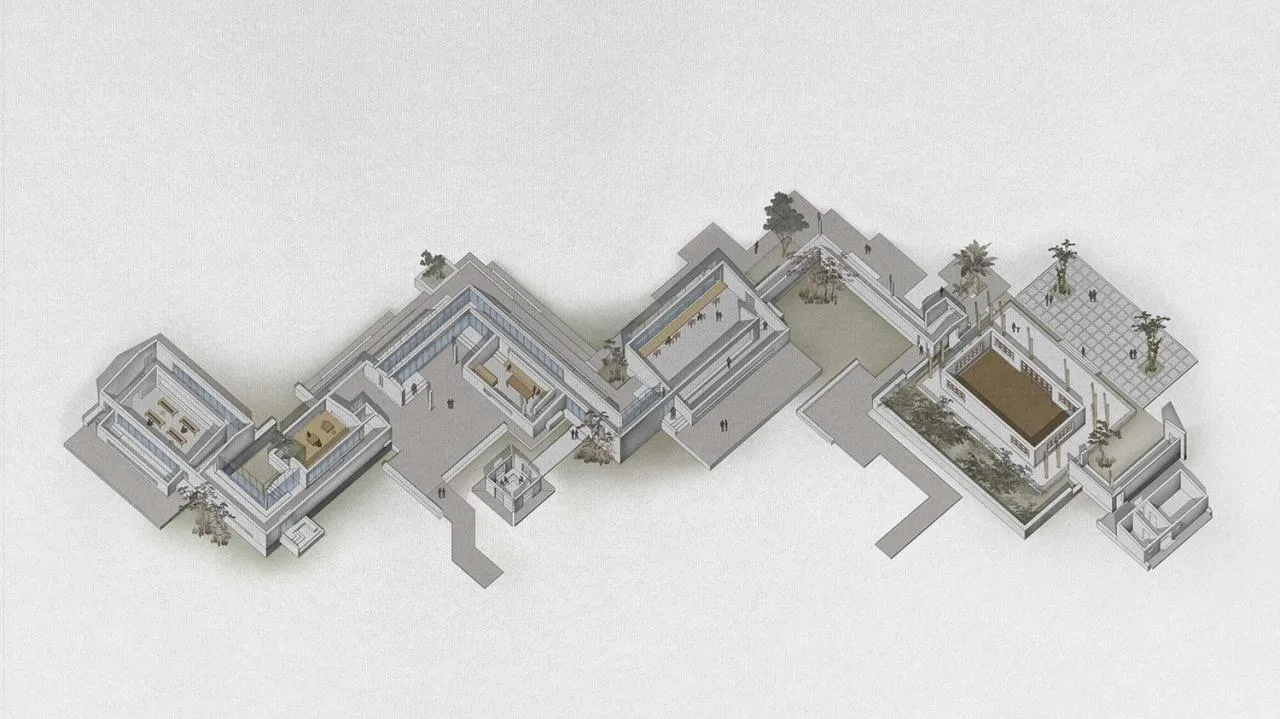
△ Axonometric Diagram
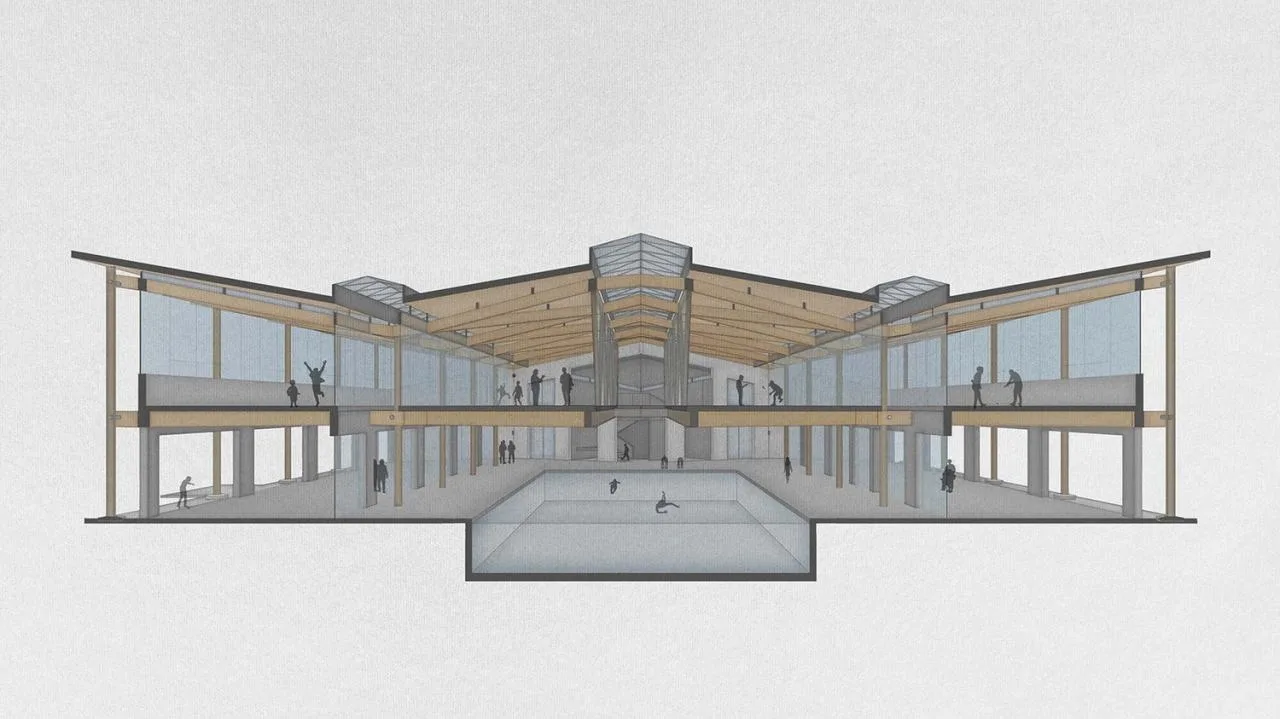
△ Sectional Perspective
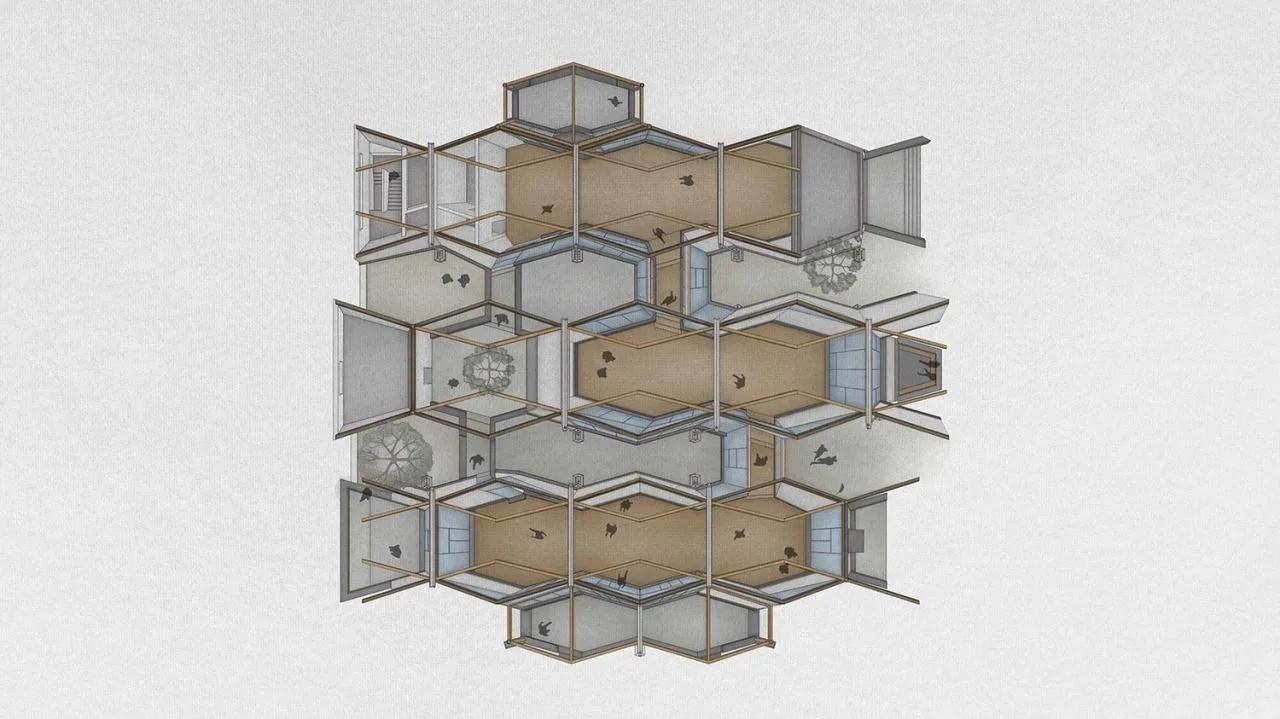
△ Analysis Diagram
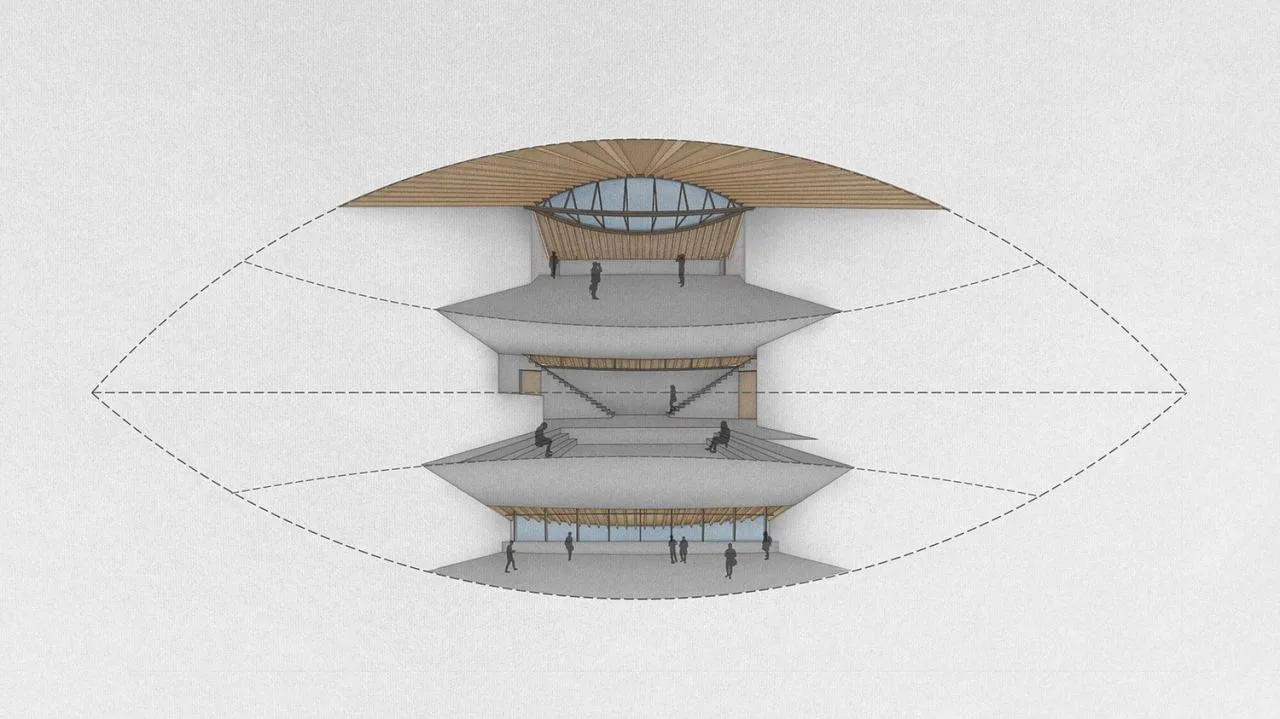
△ Analysis Diagram
Project Information
Architect: Produce Architecture
Area: 5,671 m²
Project Year: 2022
Photographer: Liang Shan
Principal Architect: Ding Penghua
Design Team: Lu Yao, Zhang Wenxin, Tang Jiajia, Liu Wenbin, Hong Jiasheng, Guo Zhili, Wang Yijie, Liu Ruoxu, Xue Wenyan, Lou Yanshu, Zhou Dao, Meng Haochen, Niu Jingyue
Interior Design: Liu Zhiyuan, Li Fuying
Structural Consultants: Miao Jianbo, Chen Tong, Zhang Min
Mechanical and Electrical Consultants: Lin Xingchun, Dong Fengwei
Construction Contractor: Jiangsu Chengtian Construction Co., Ltd
Client: Yangzhou Zhuxi Park Co., Ltd
Location: Yangzhou, China















Must log in before commenting!
Sign Up