
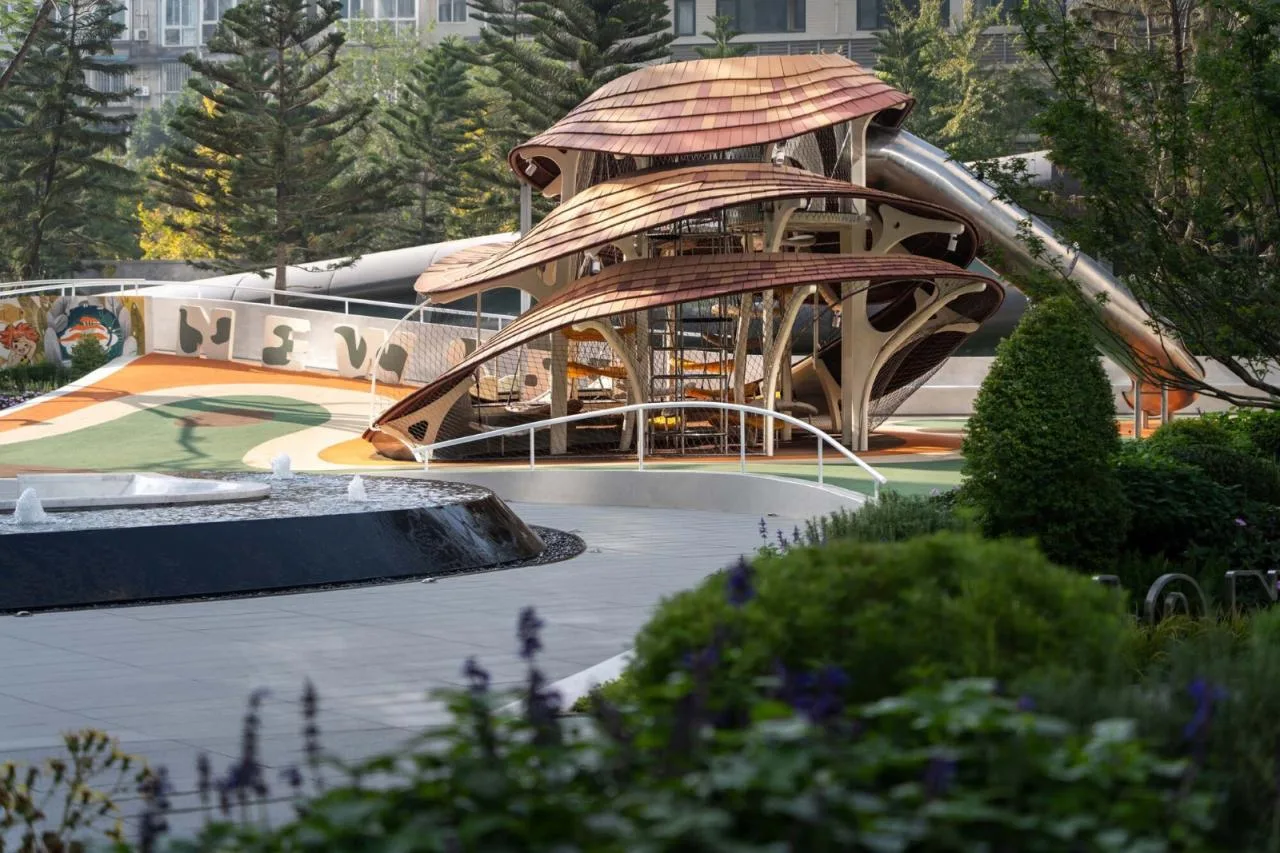
The Earth’s Undulating Paradise
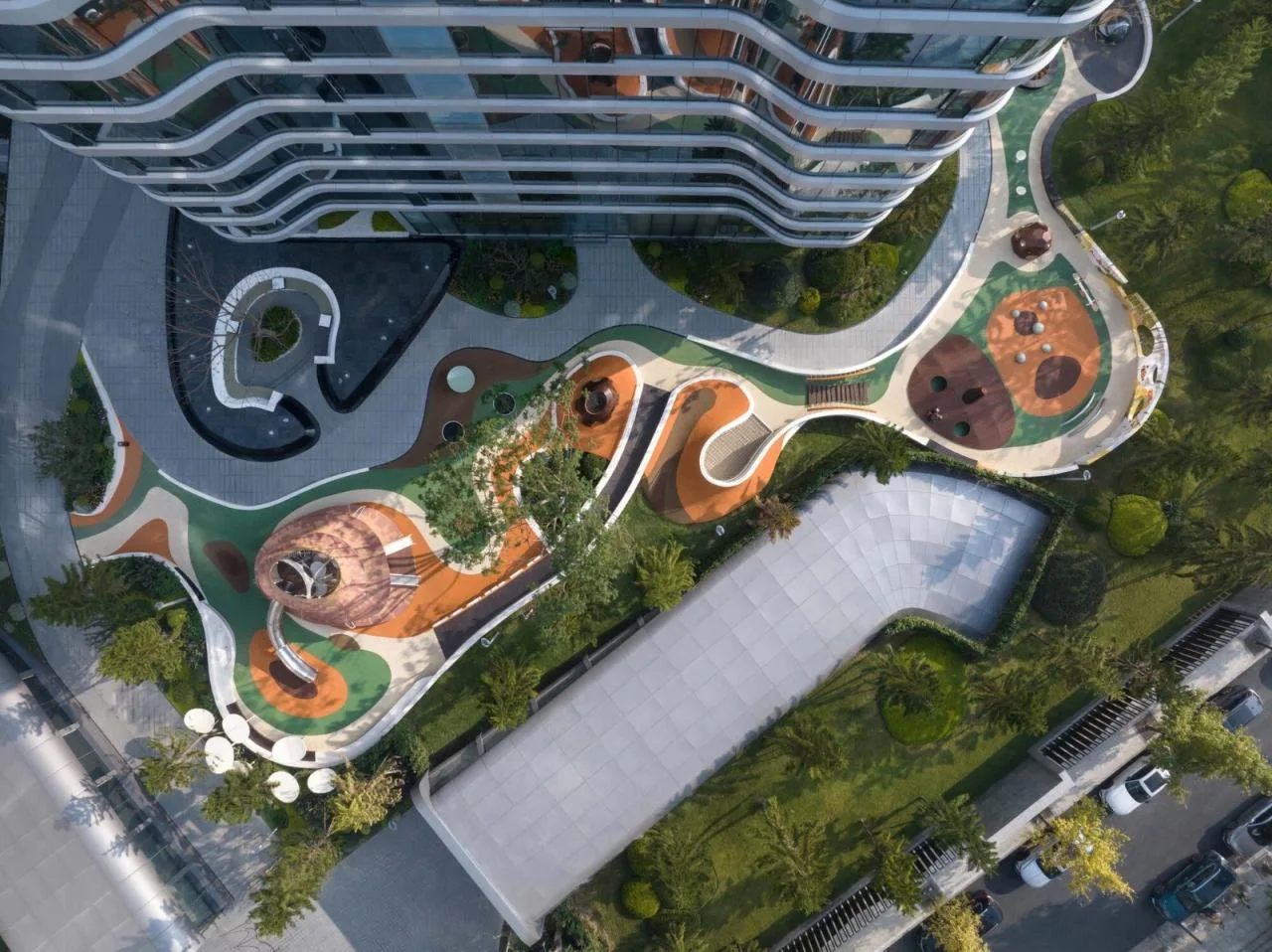
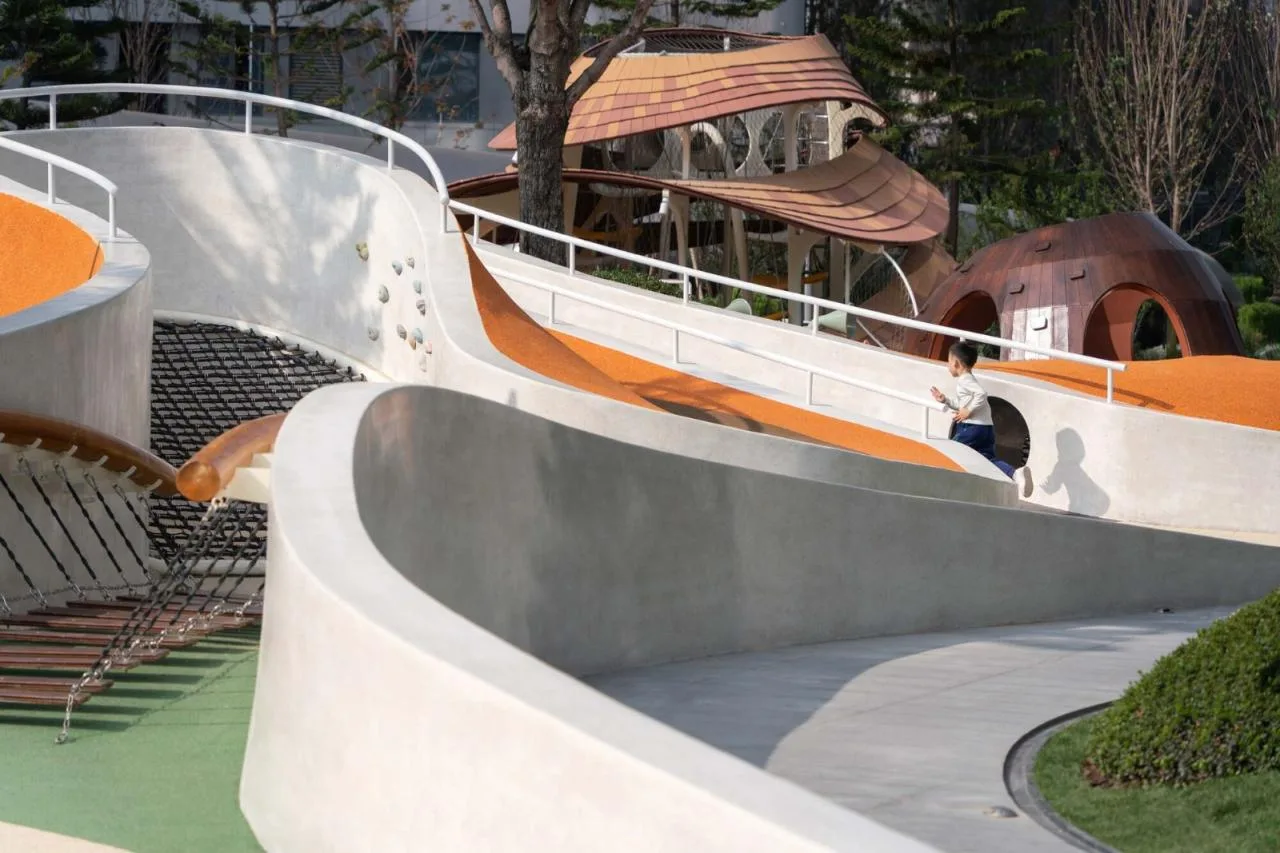
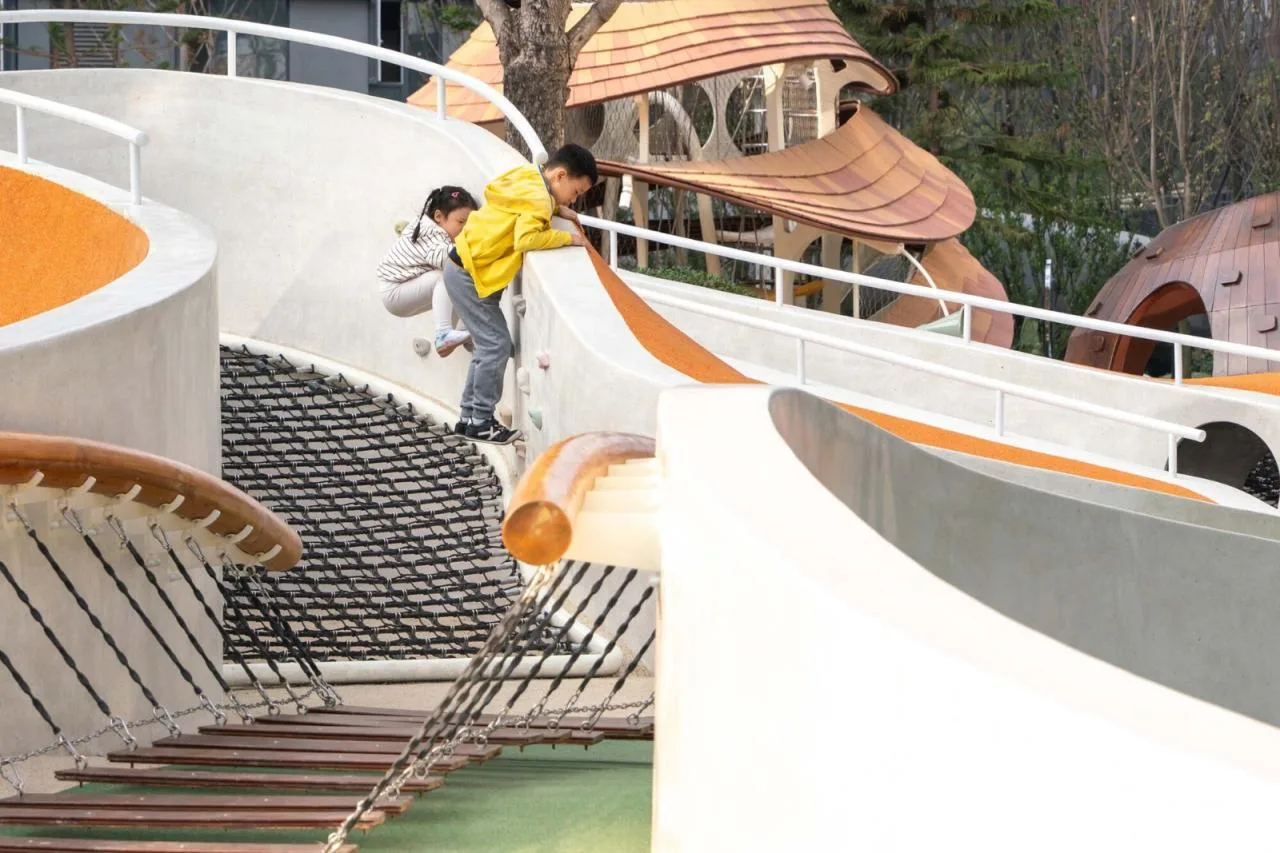
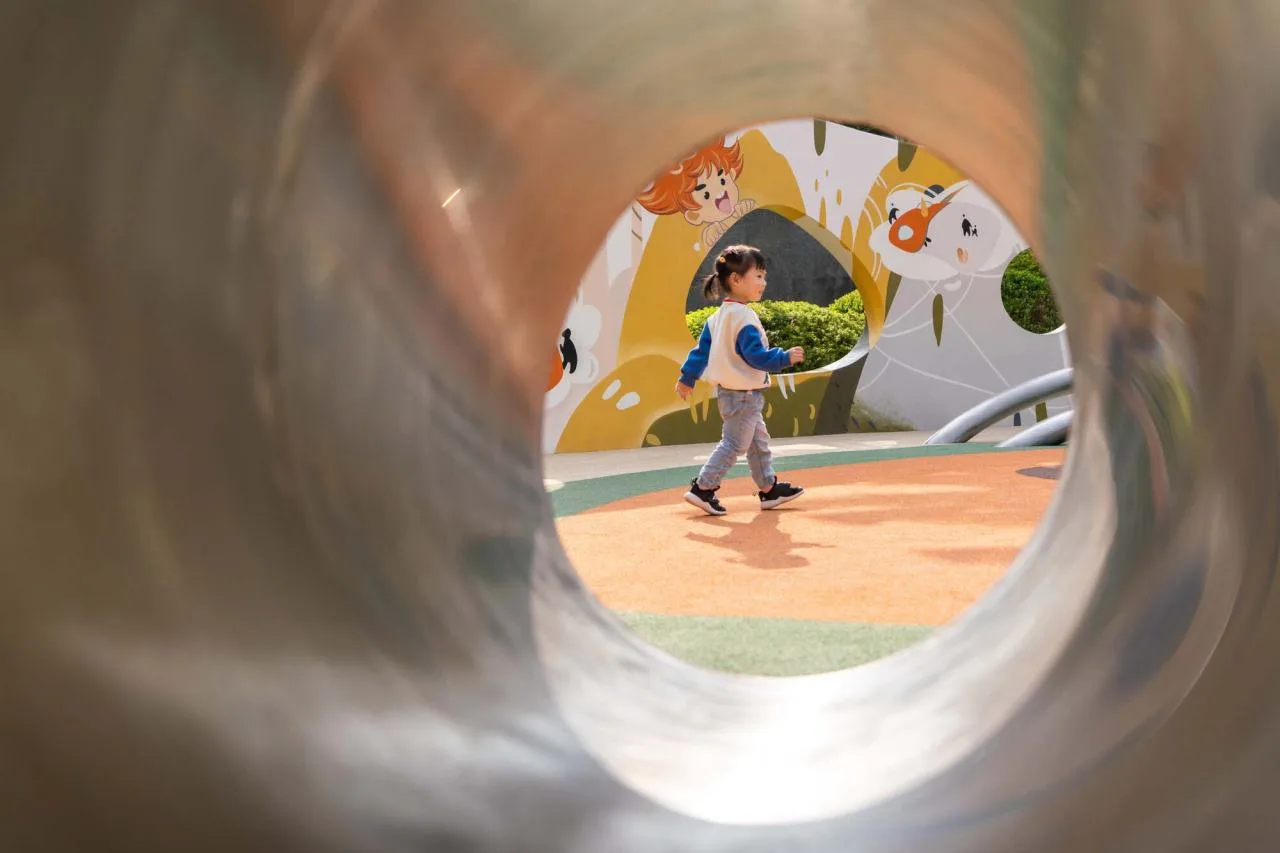
Inspired by the naturally undulating cave terrain, this design integrates rich children’s facilities nestled between earth and vegetation. It filters out the excess artificial elements, creating a sheltered environment that fosters a sense of natural belonging for children’s growth. Adults can also enjoy the simplicity, relaxation, and leisure this space offers—perfect for family strolls and play, sharing joyful moments together. Located in the heart of Jinjiang District near the vibrant Taikoo Li commercial area, the Chengdu New Hope Tianfu D10 Children’s Activity Space is surrounded by high-rise buildings, demanding a design that balances functional requirements with artistic expression.
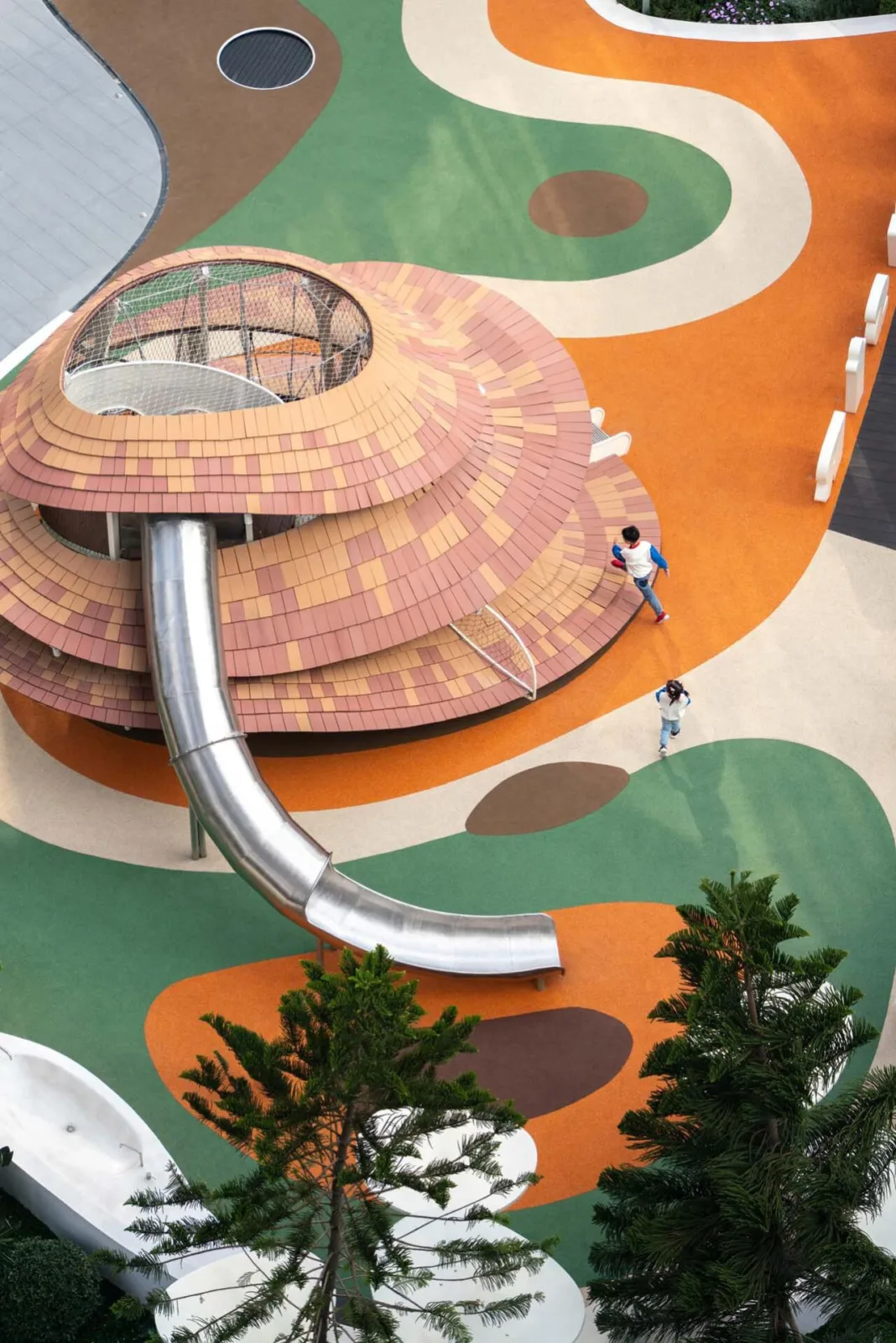
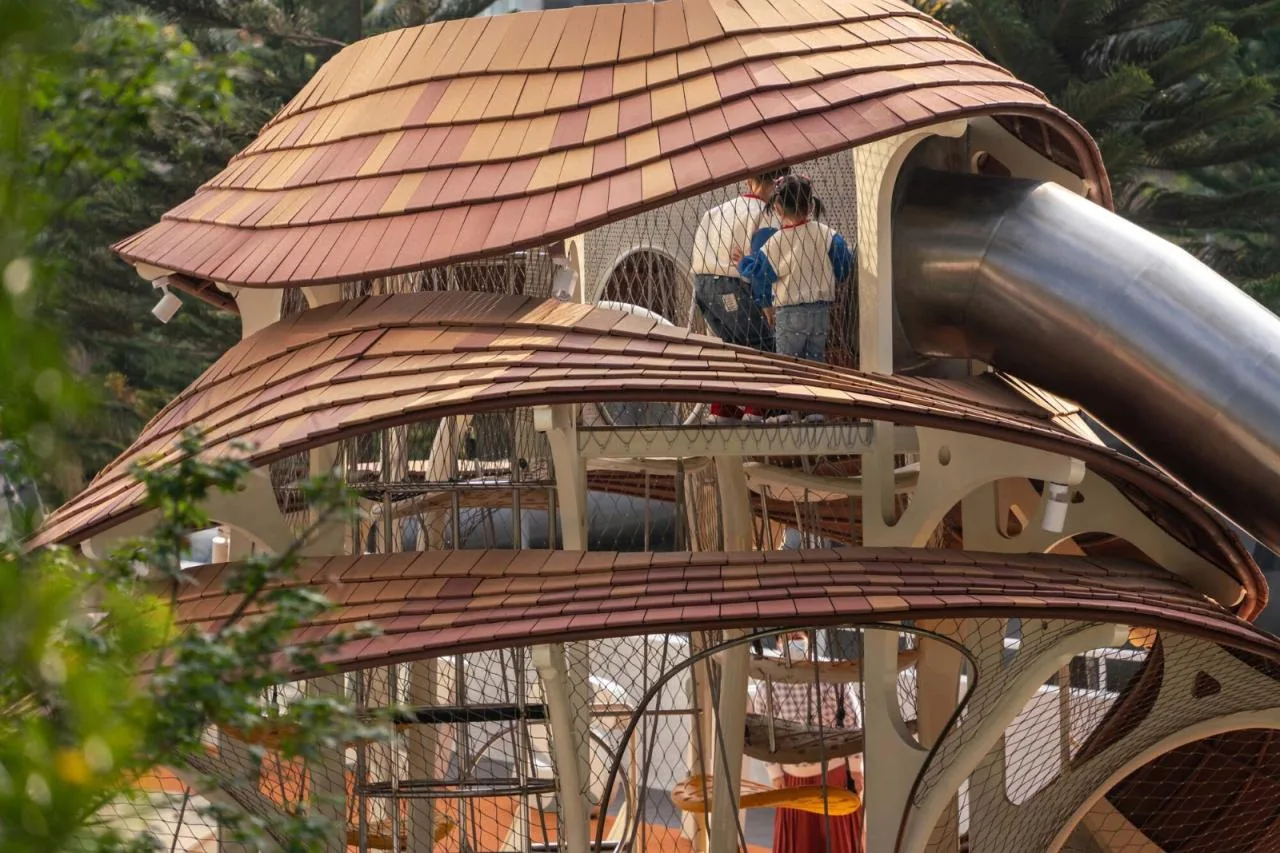
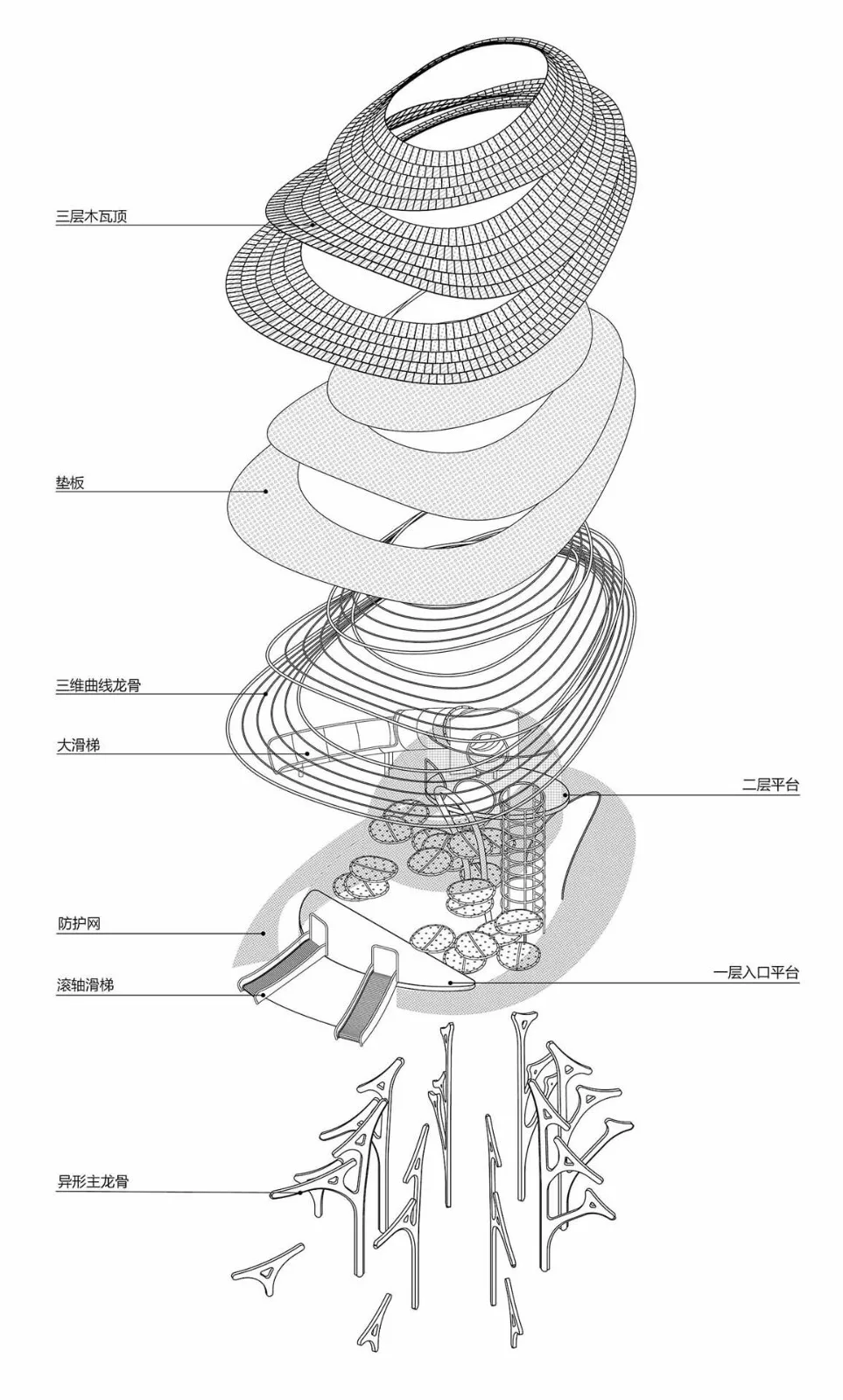
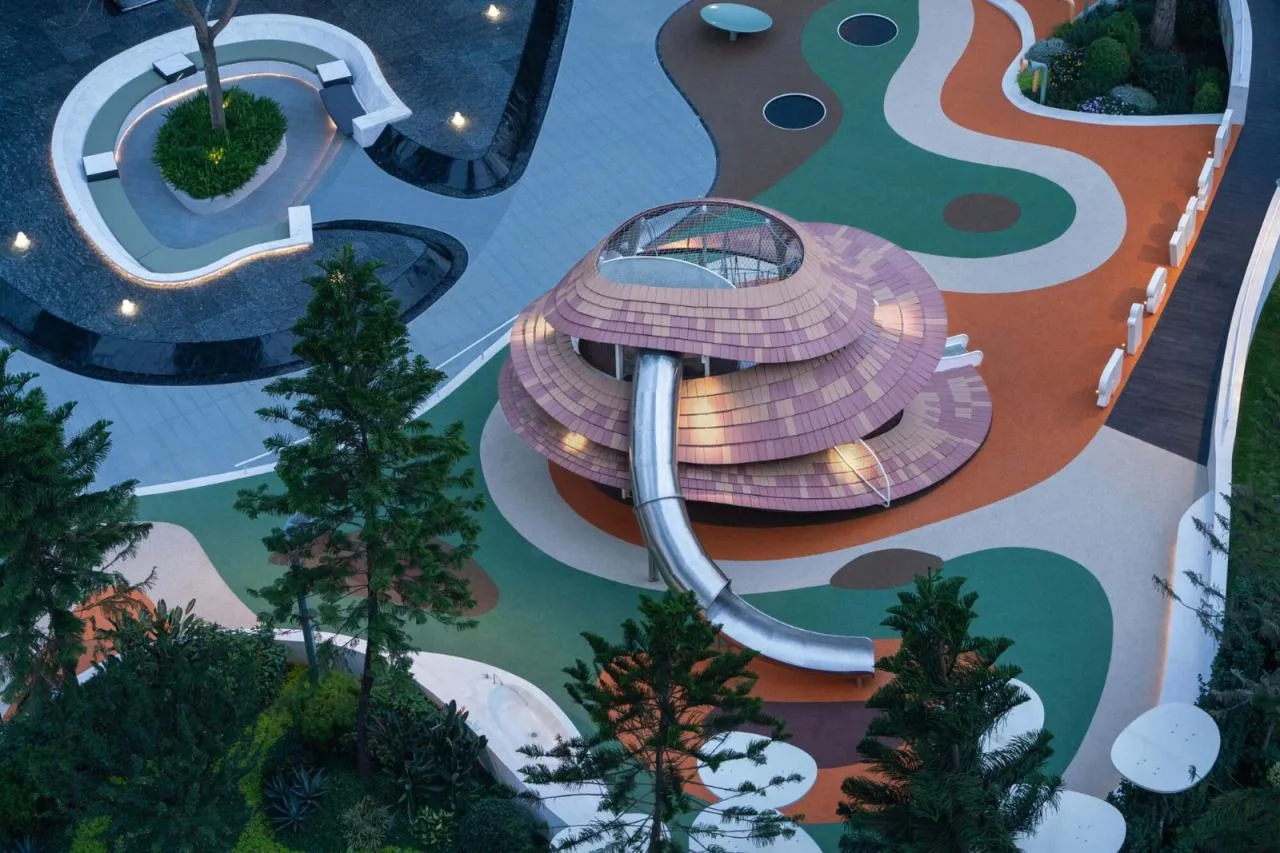
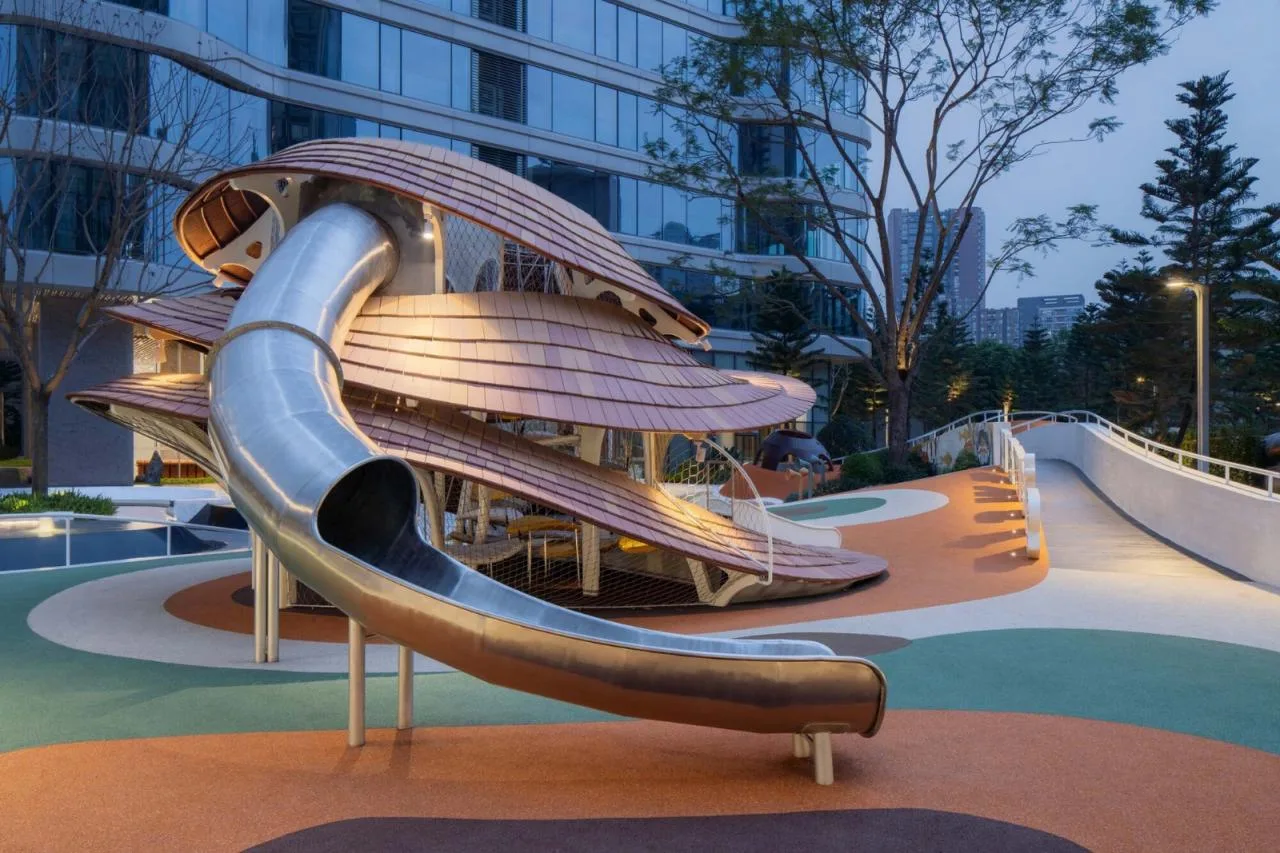
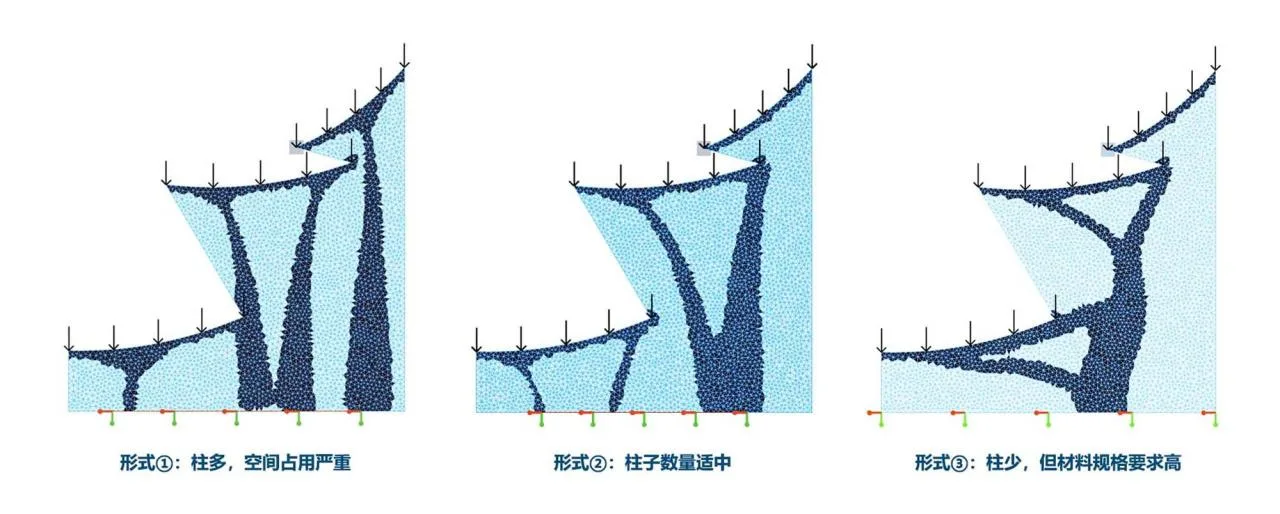
The three-layer wooden tile roof of the Space Tribe was structurally designed based on stress analysis using the Ameba progressive optimization algorithm. Placing columns hanging from each floor’s ceiling would occupy too much internal space and hinder usability. Conversely, relying on a single column to support the structure would require excessive cantilever strength, driving up costs and wasting materials. Therefore, the final solution strikes a balance with a simplified support system and carefully zoned structural supports.
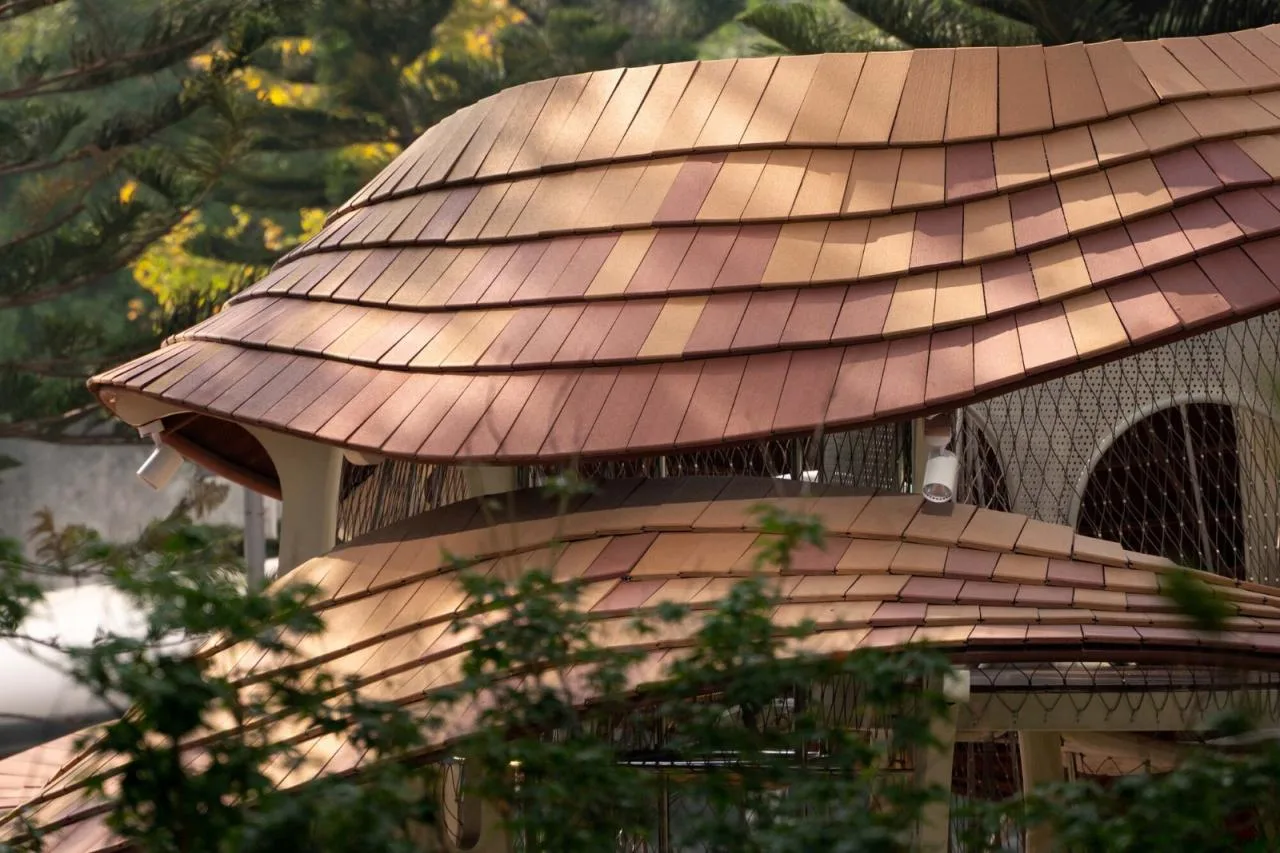
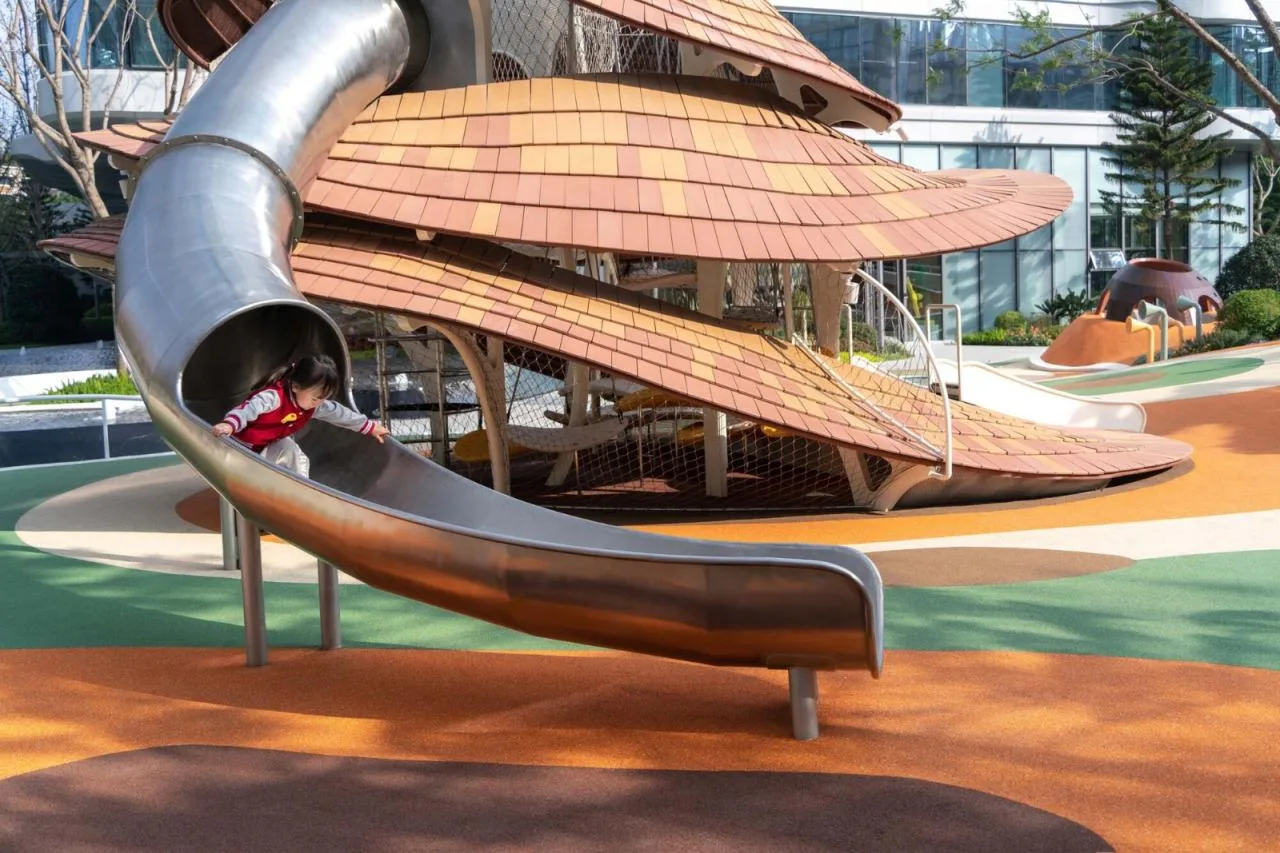
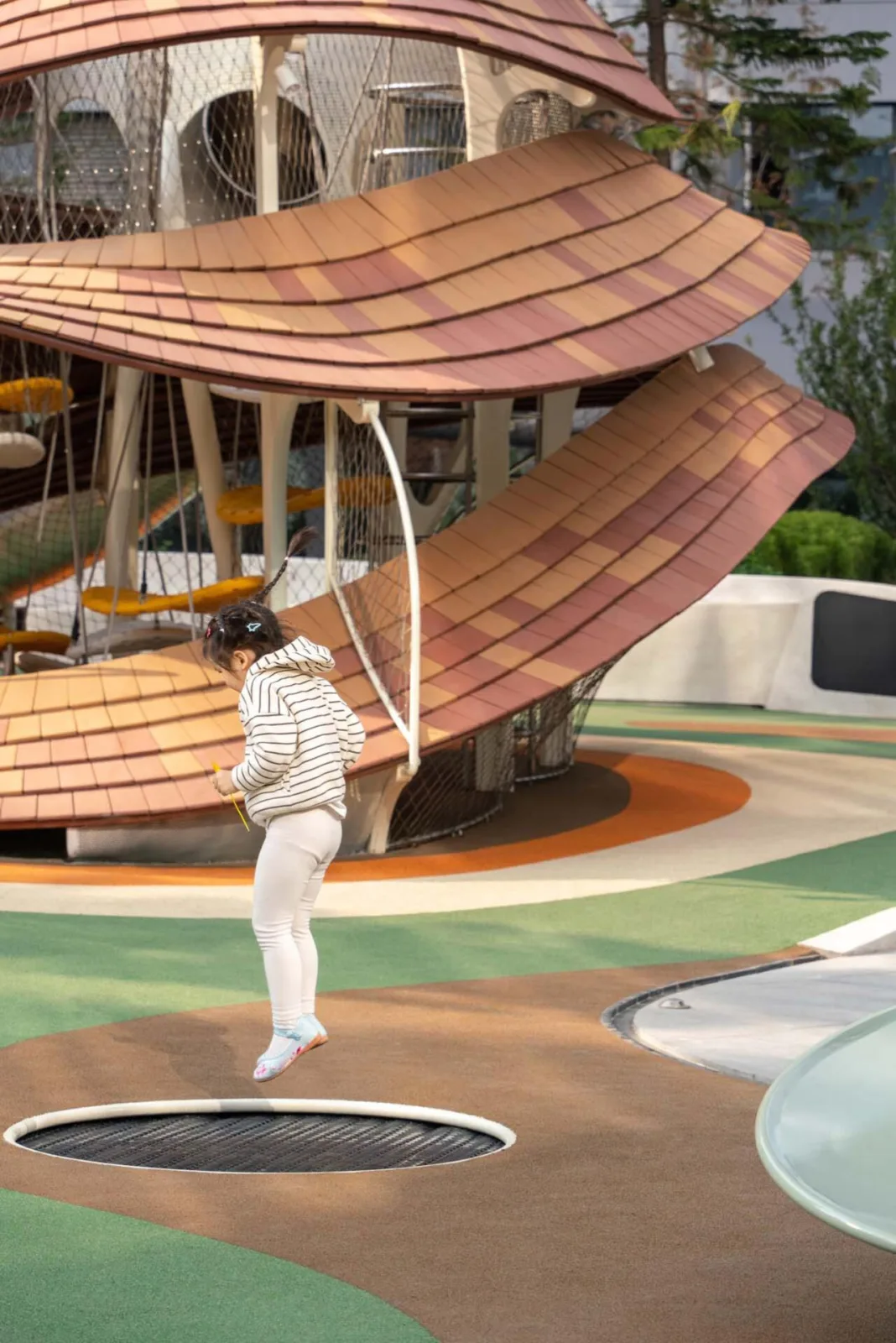
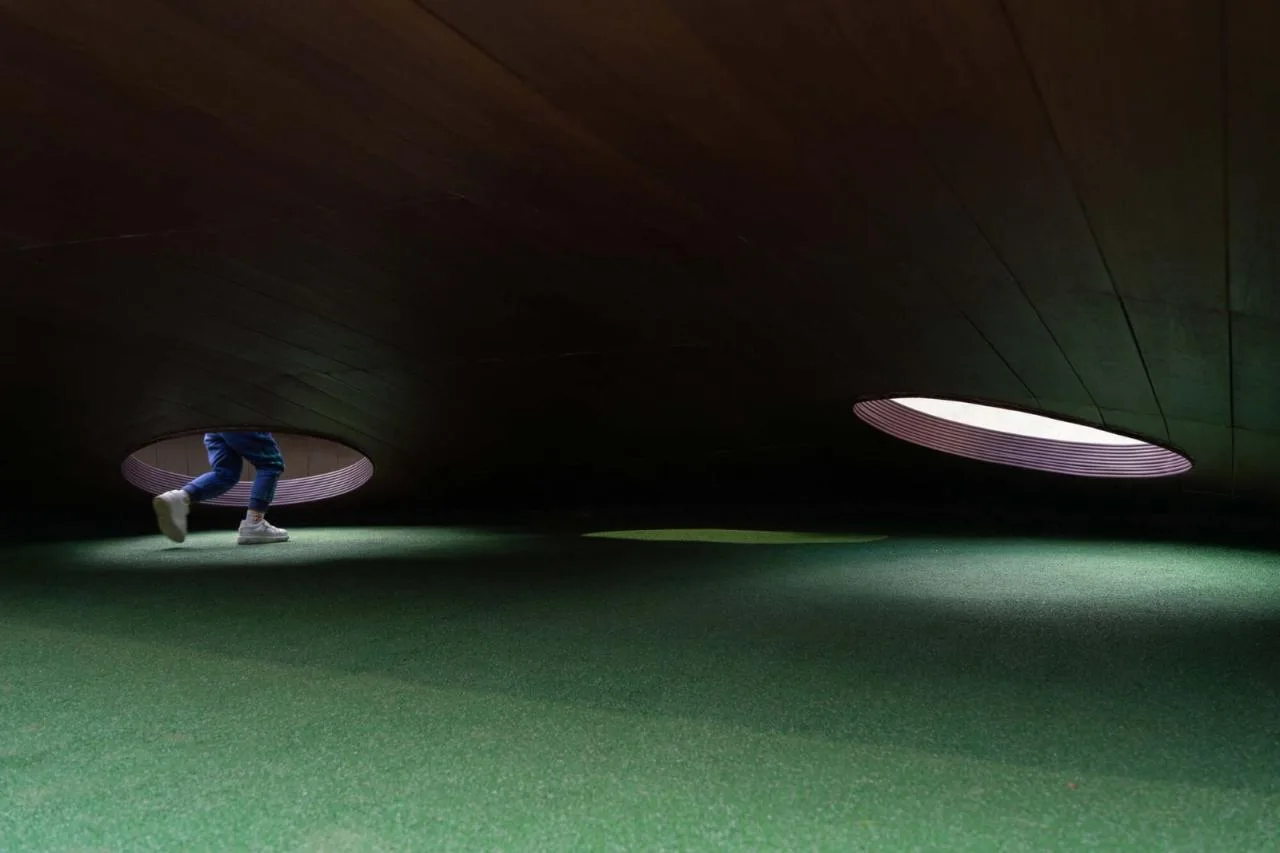
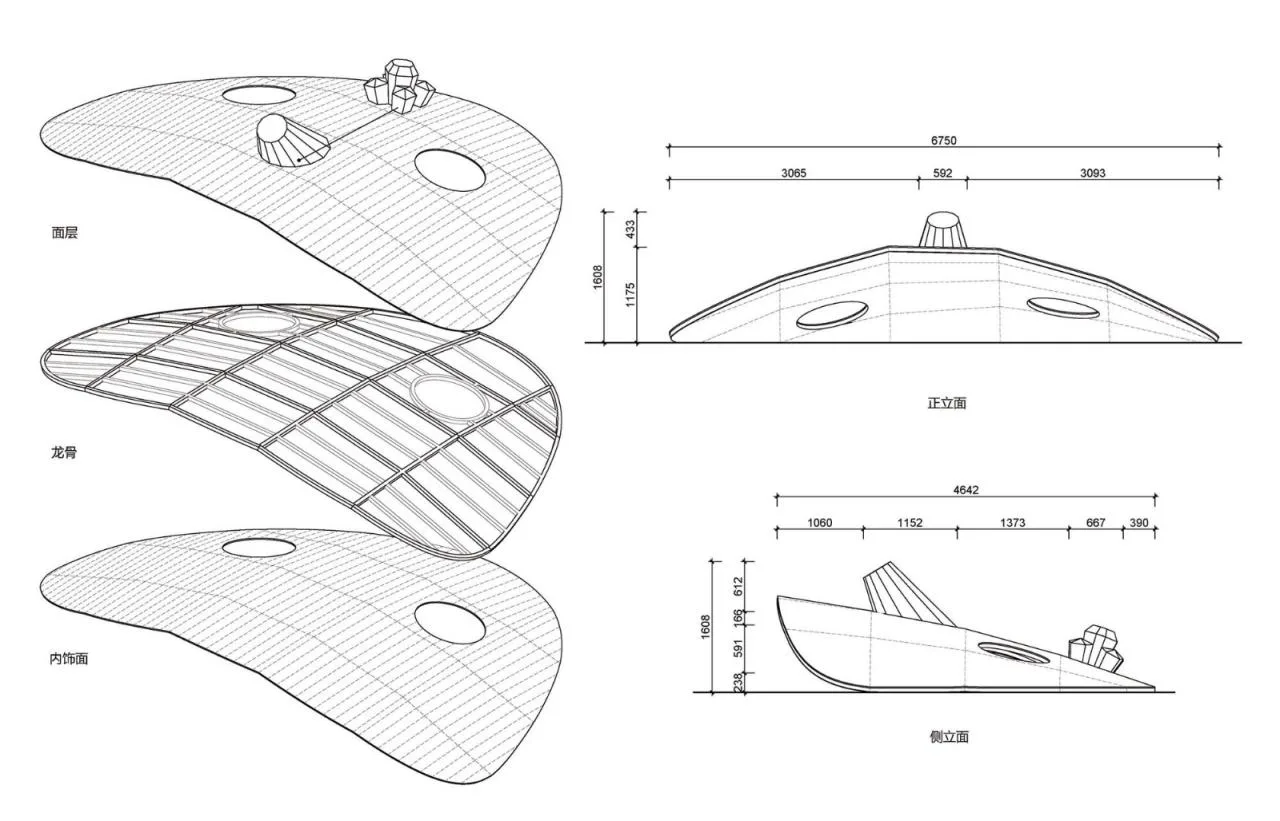
To ensure durability and a natural, tactile experience, all surfaces that come into contact with skin are made from highly durable bamboo and wood boards. However, bamboo and wood’s density and hardness make it challenging to bend freely along curved shapes. Therefore, under acceptable design conditions, the hyperbolic surface of the mask was divided into sections to facilitate smooth construction and precise fabrication.
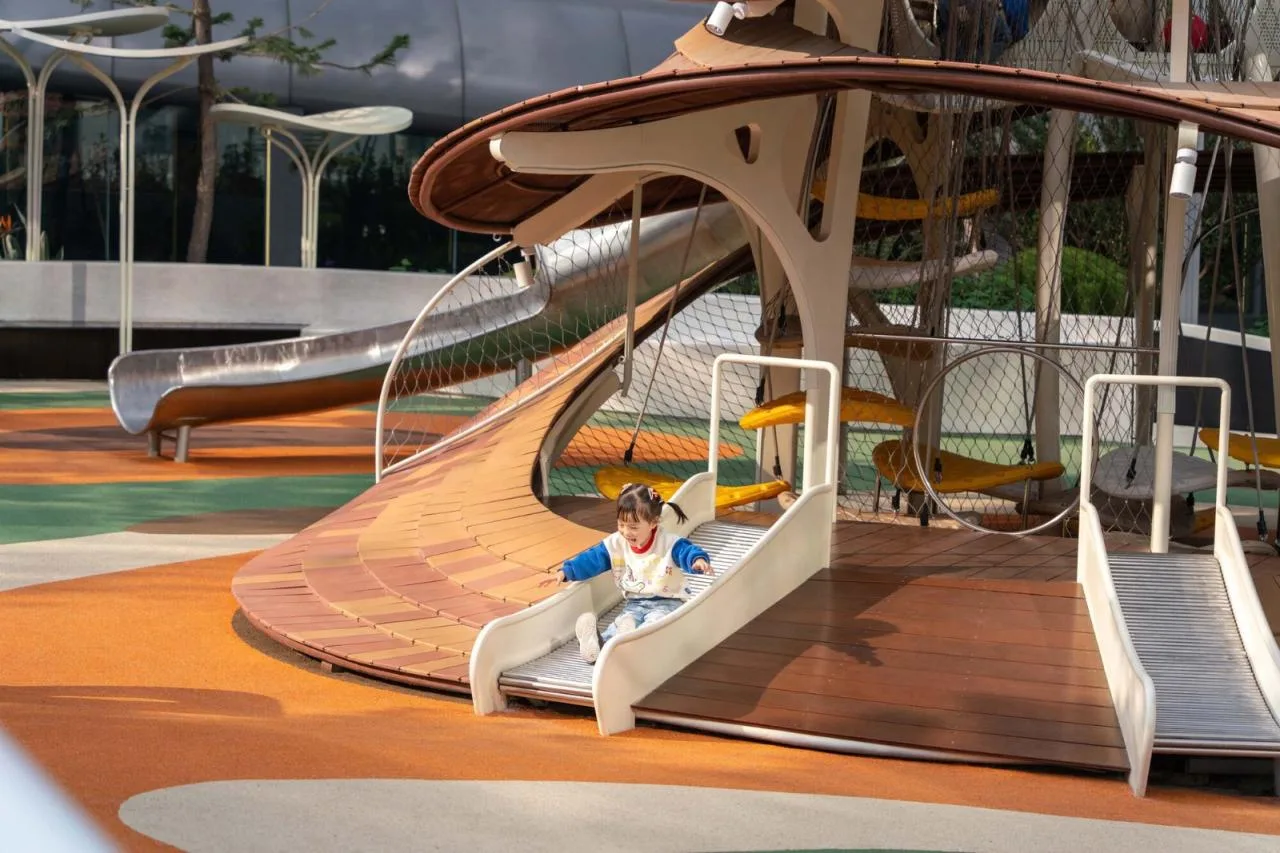
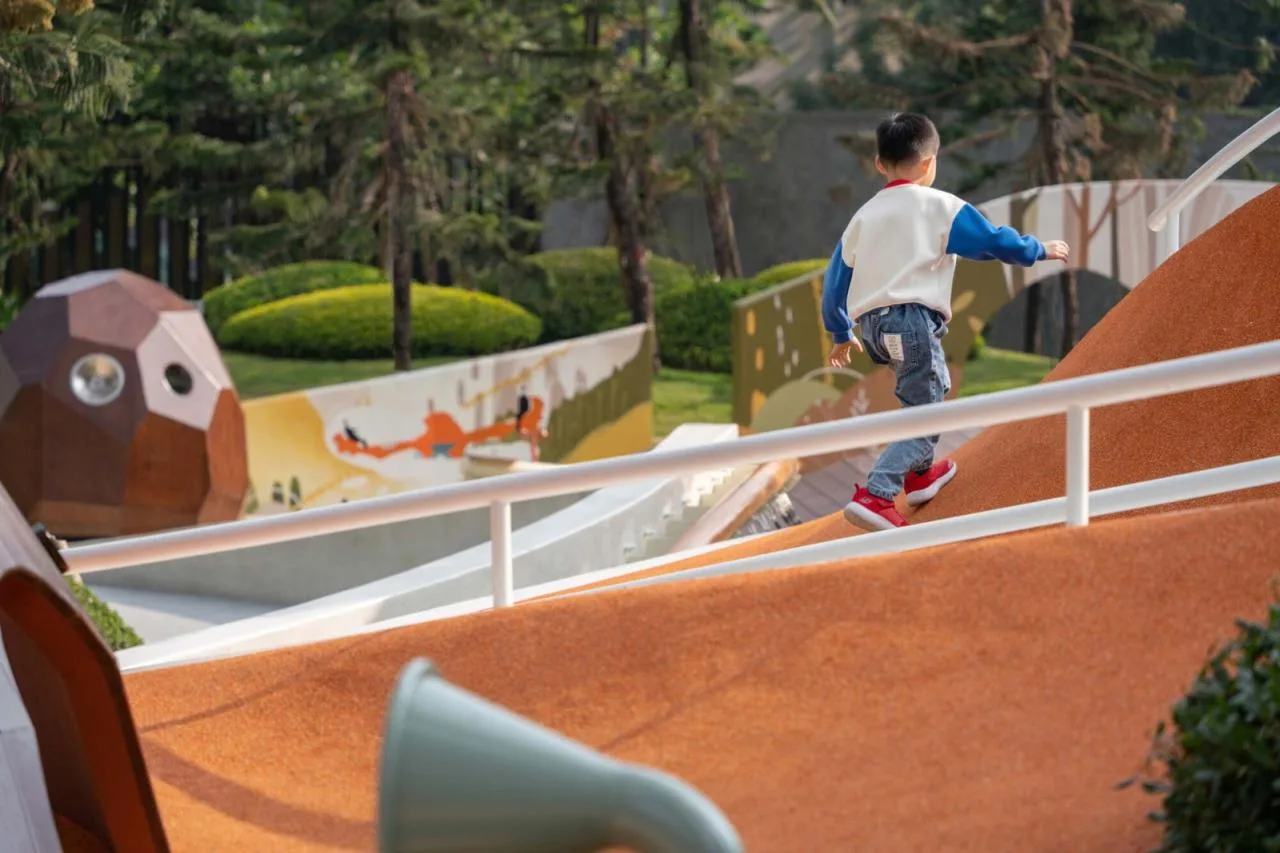
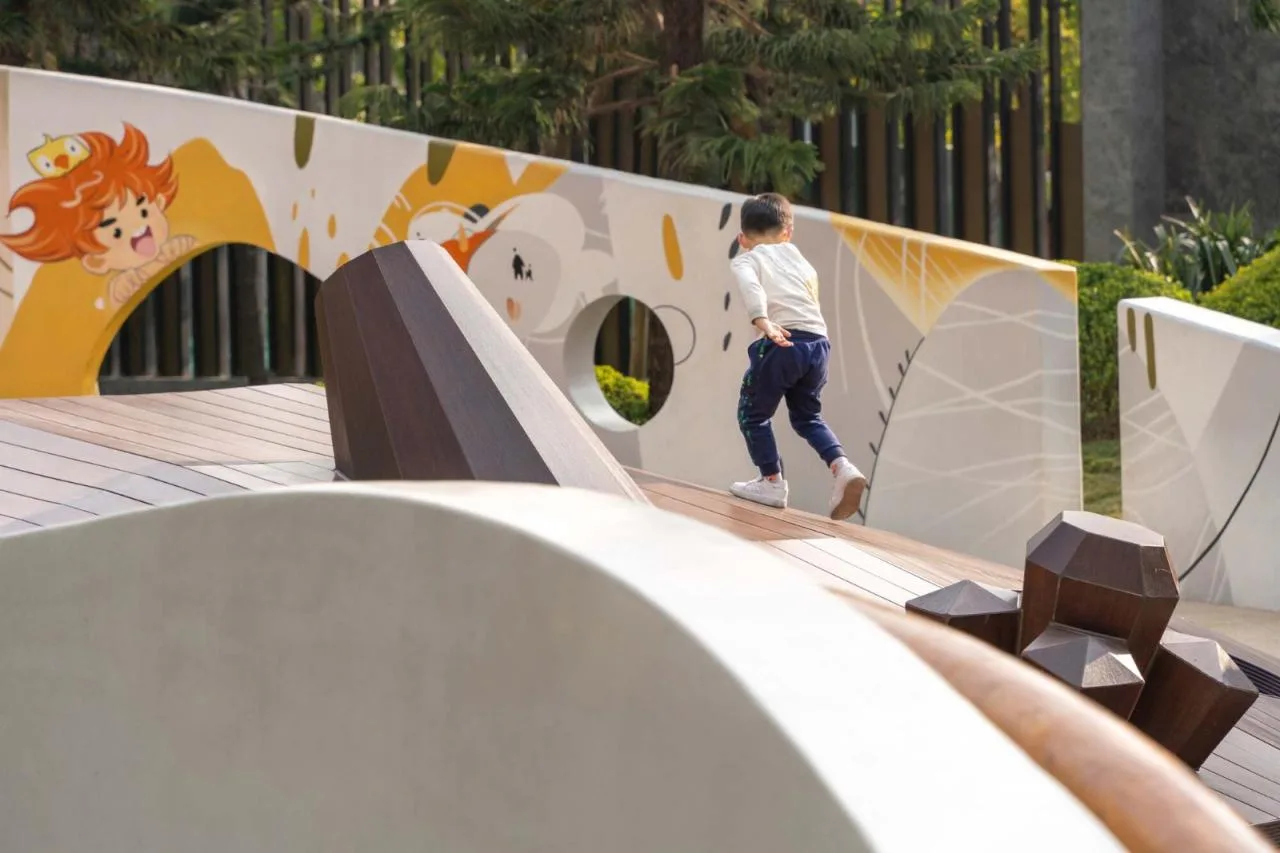
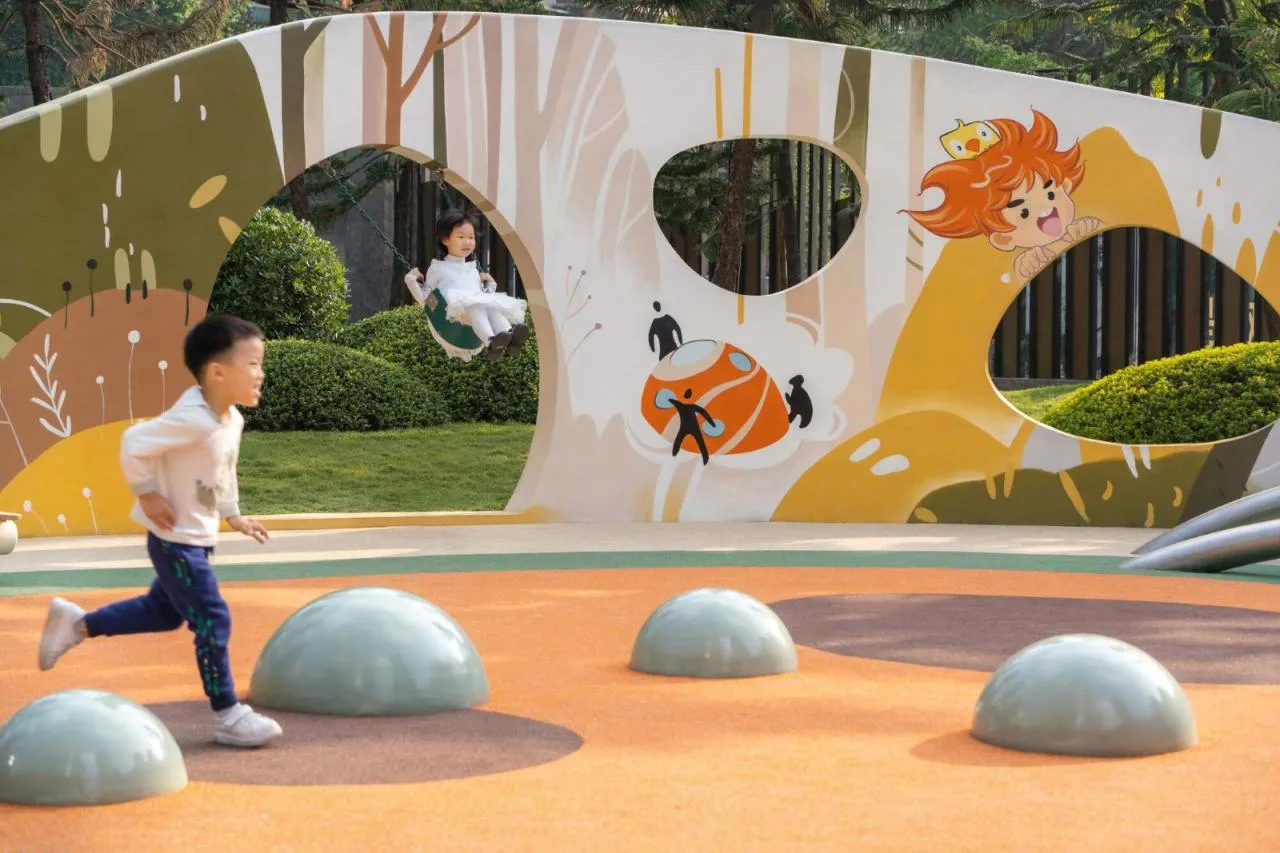
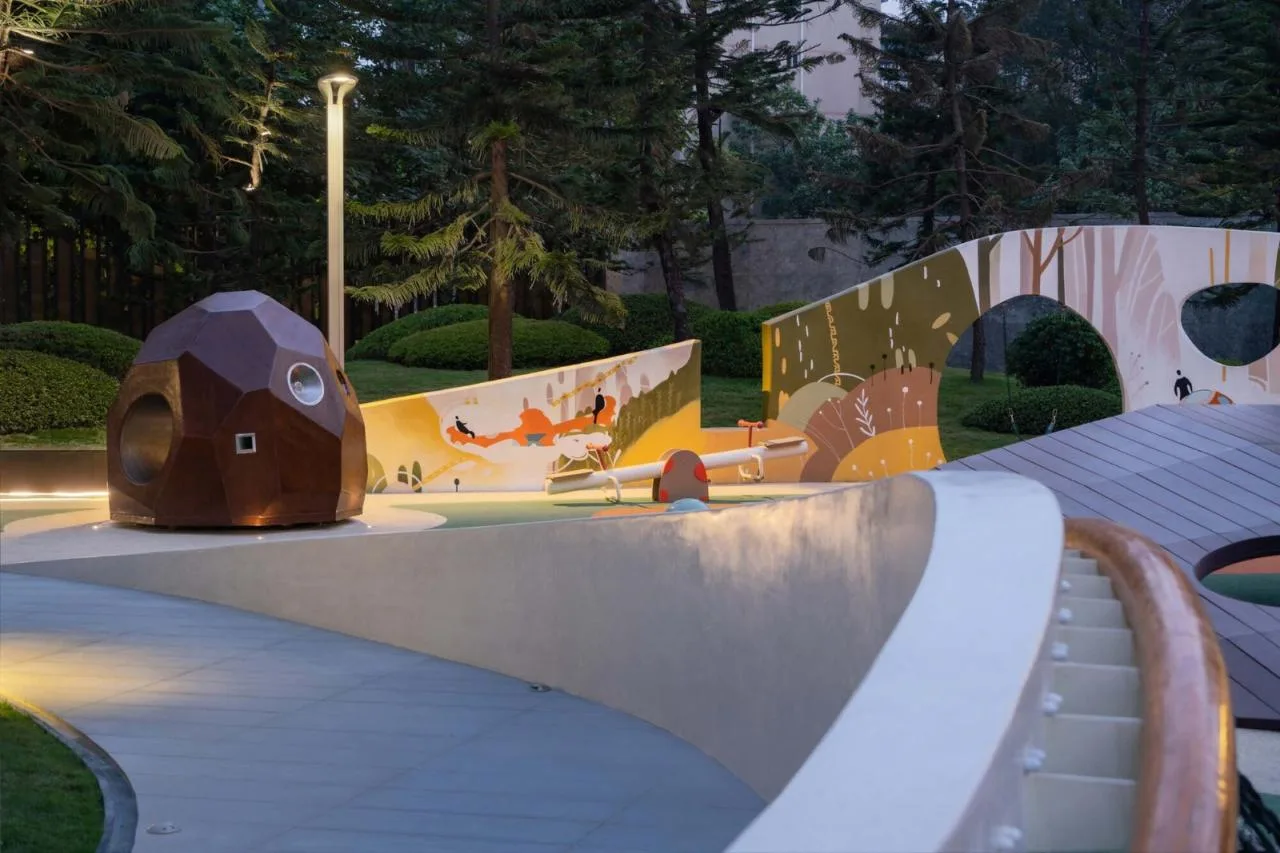
The design begins with a rhythmic, undulating facade that establishes spatial hierarchy. It cleverly conceals the background garage’s entrance and exit while preserving the privacy of second-floor residents. The bubble-shaped small spaces echo the repeated arcs found in the surrounding landscape, creating semi-open natural shelters. The complex terrain, spatial definitions, connection details, and natural forms were all designed and refined using traditional handcrafted models.
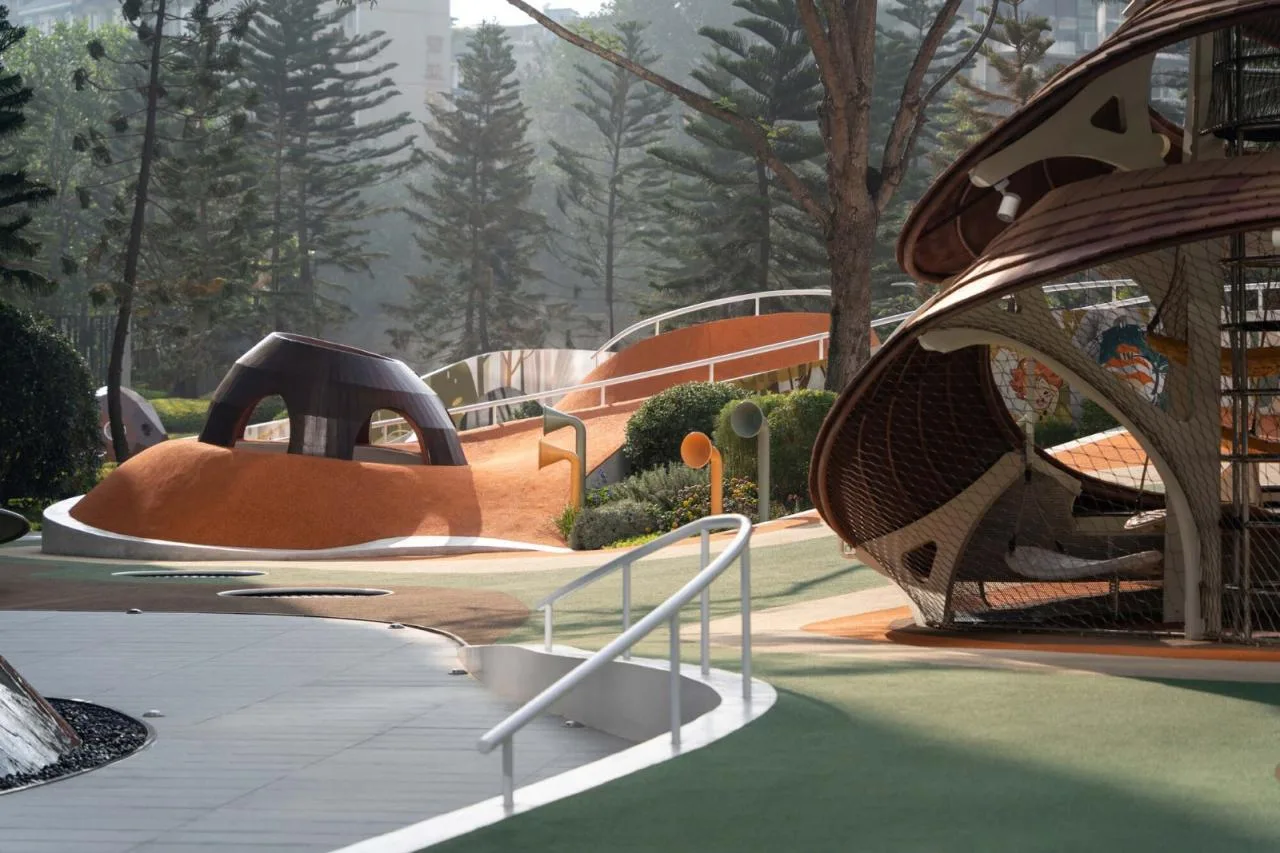
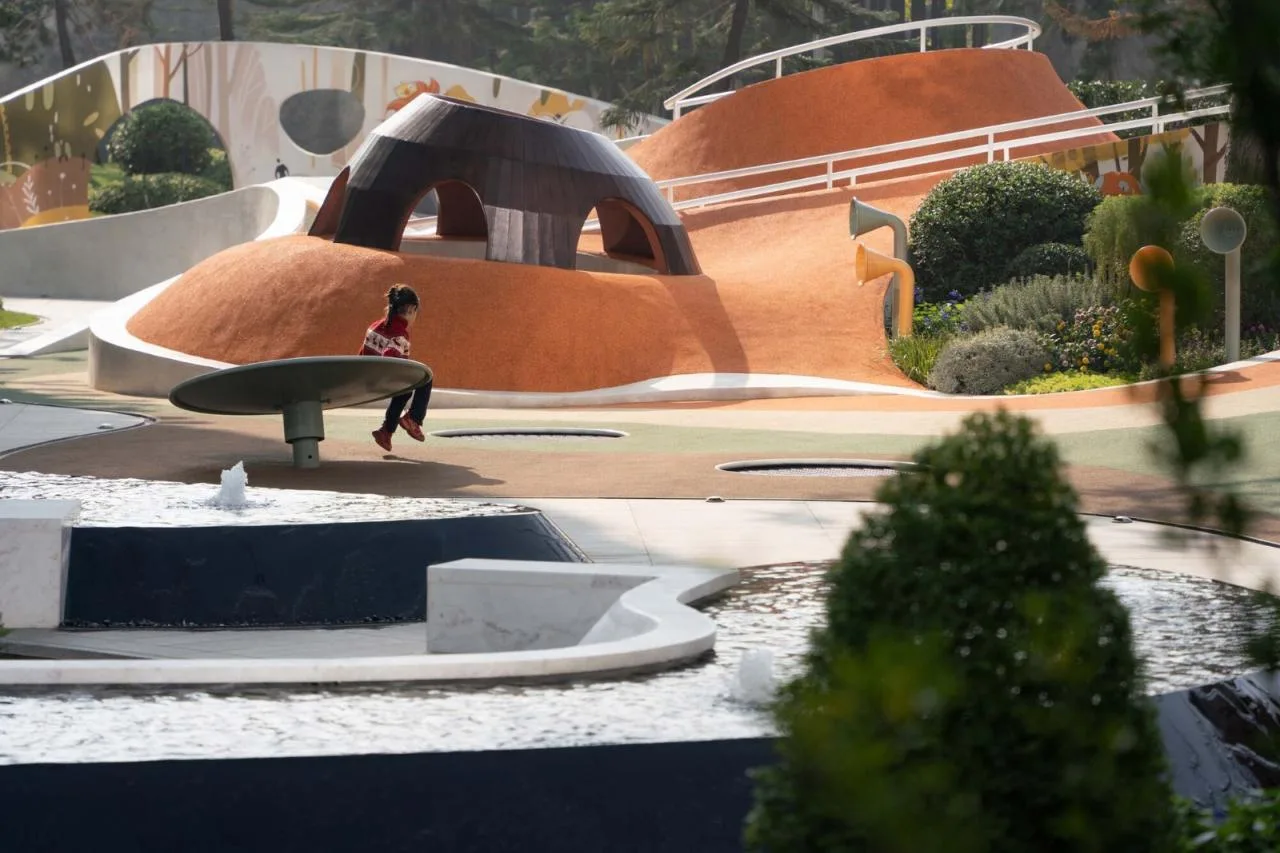
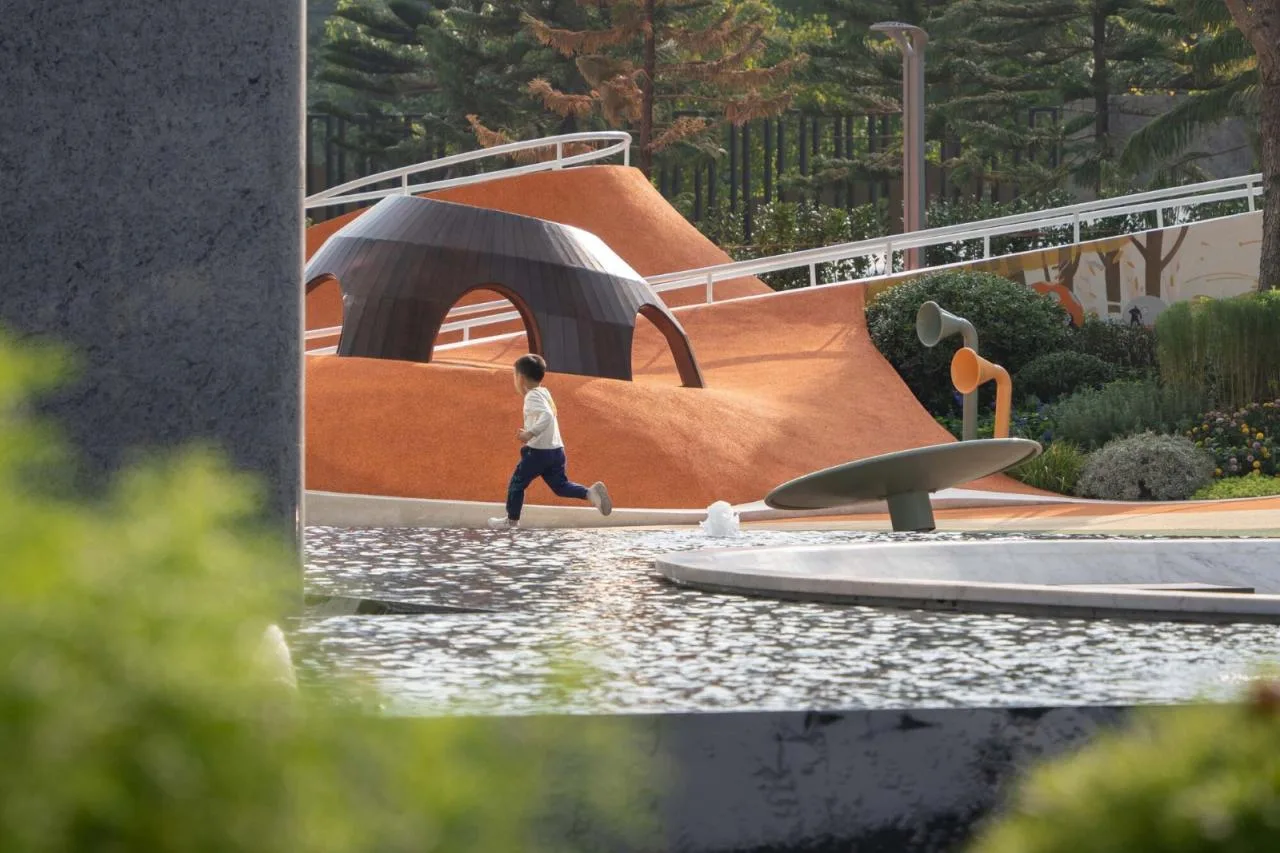
Conclusion: Designing spaces from a child’s perspective means balancing the expression of their nature with captivating visual landscapes. A diverse range of playful facilities caters to various interests, encouraging children to invent their own ways of amusement. The natural terrain offers a sense of security and shelter, addressing the lack of natural exposure often experienced by children in urban high-rise environments. Thoughtful spatial planning also provides parents with a comfortable, relaxing environment, enhancing family interaction and happiness.
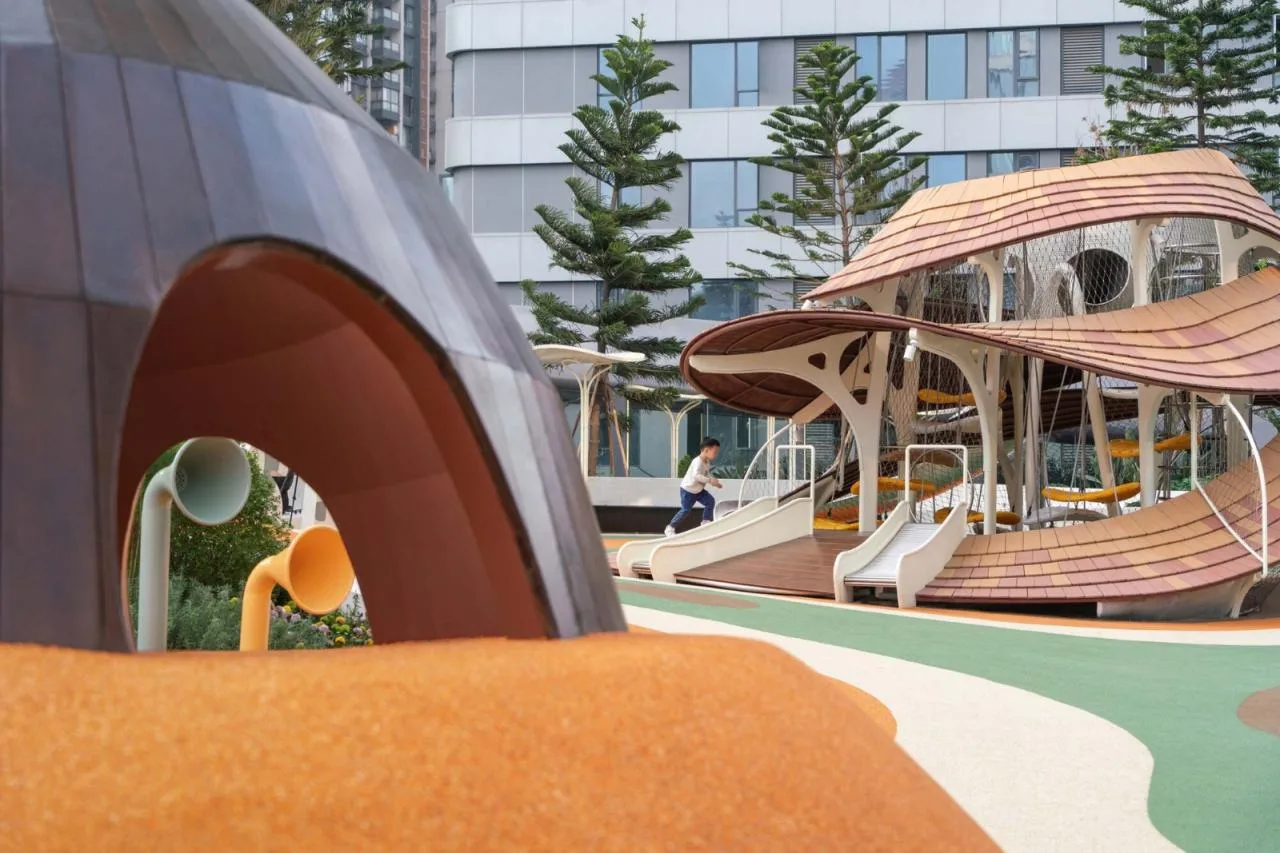
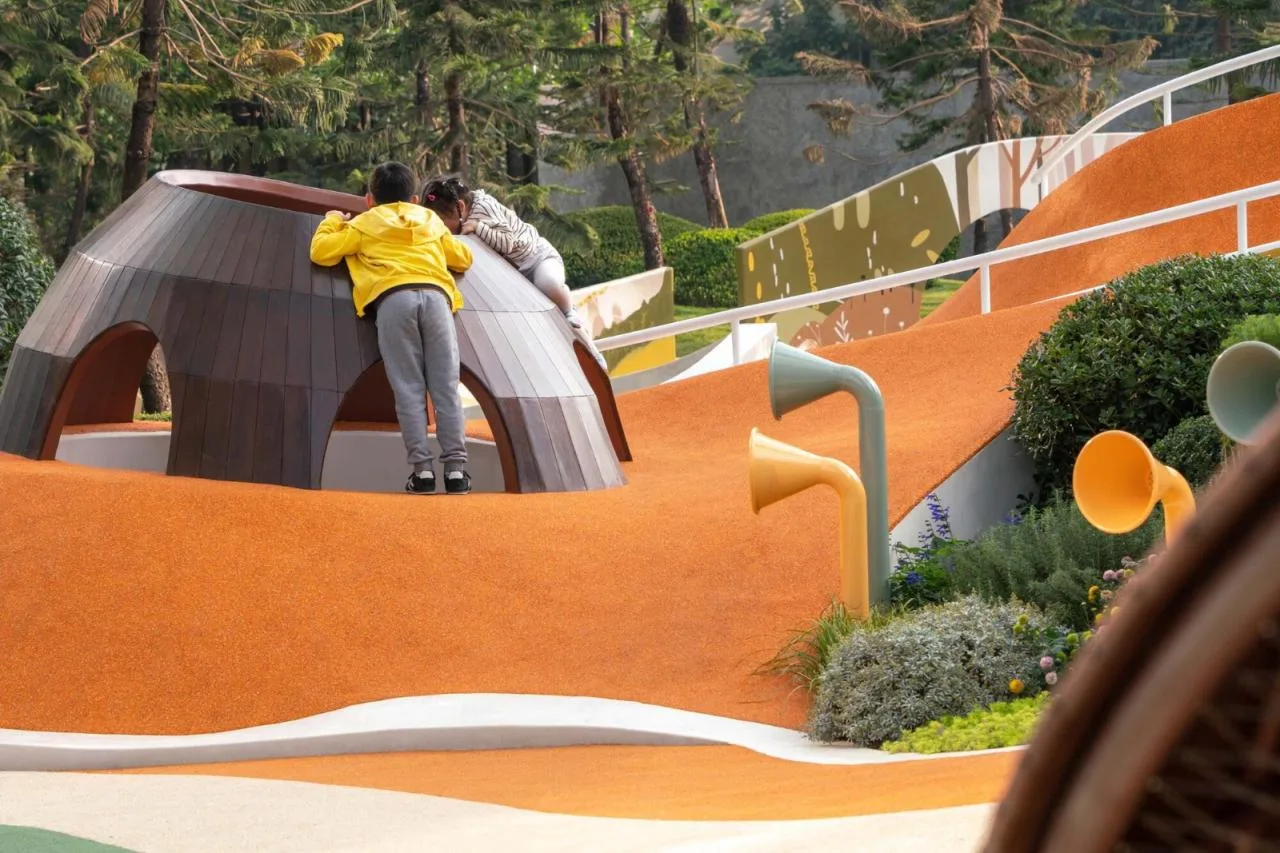
The D10 Jungle Planet Children’s Field integrates children’s play installations with the natural terrain, employing landscape architectural principles to create a symbiotic relationship. This approach minimizes the visual dominance of artificial structures and embraces the innate desire of users of all ages to connect with nature—whether looking up at surrounding skyscrapers or strolling amidst greenery. For us, this project represents a challenging exploration and an exciting beginning.
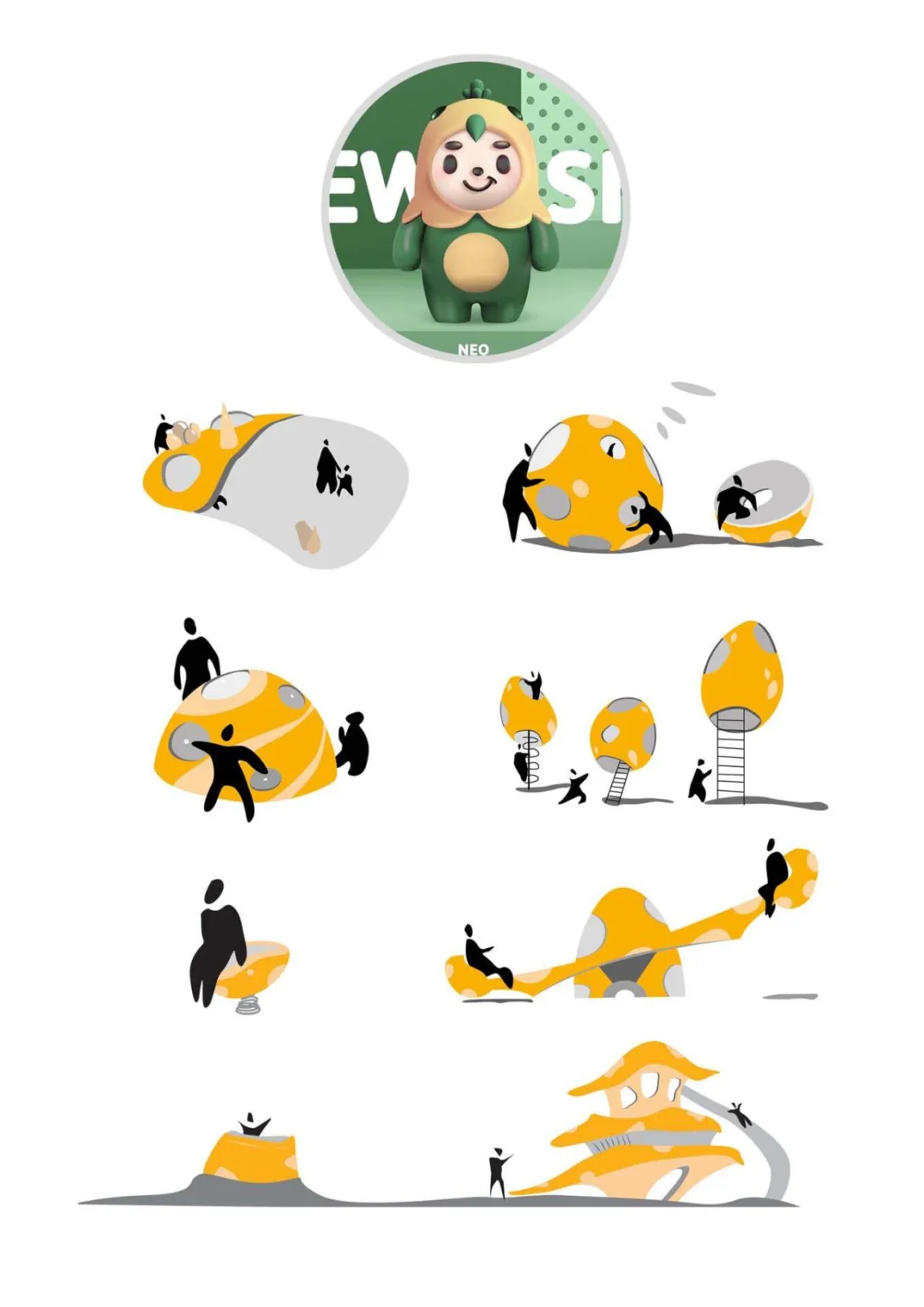
Project Drawings
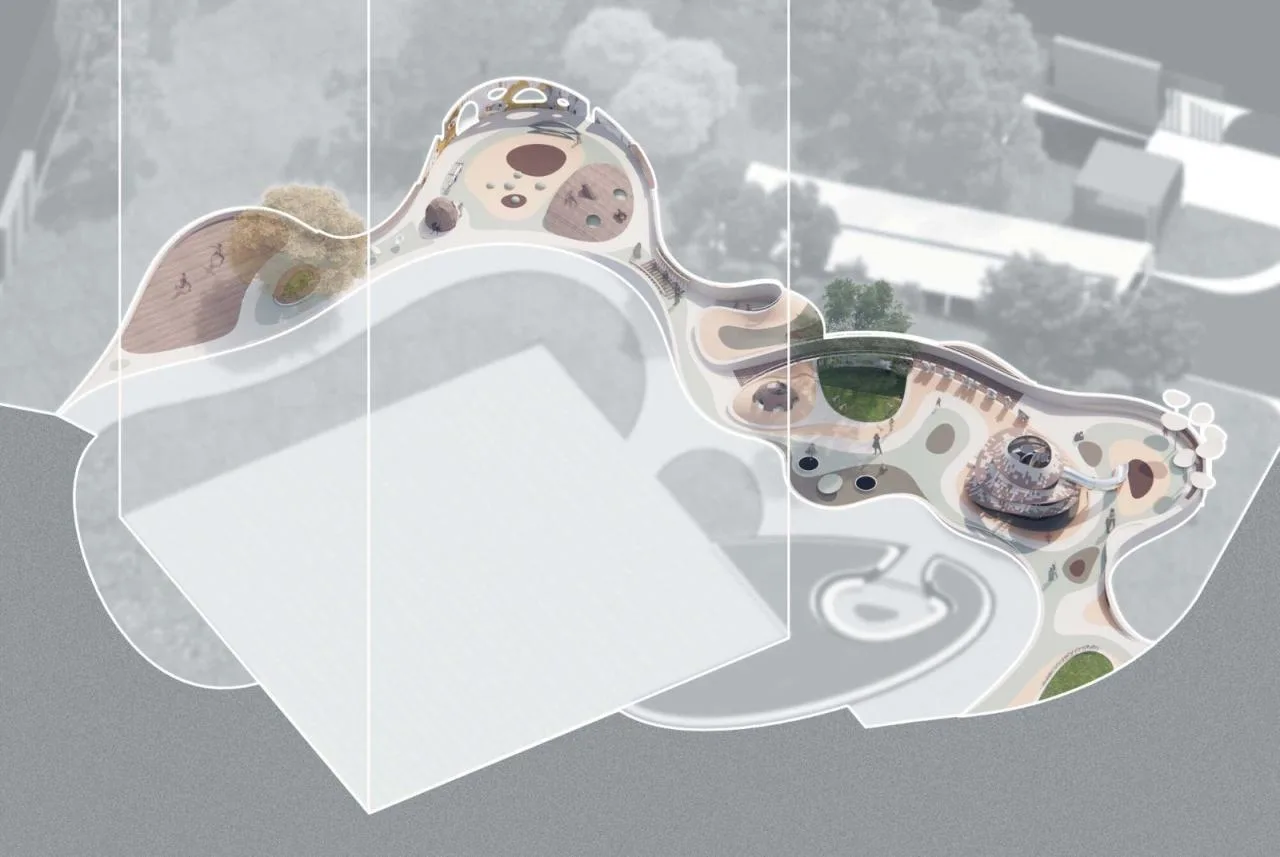
△ Axonometric Diagram
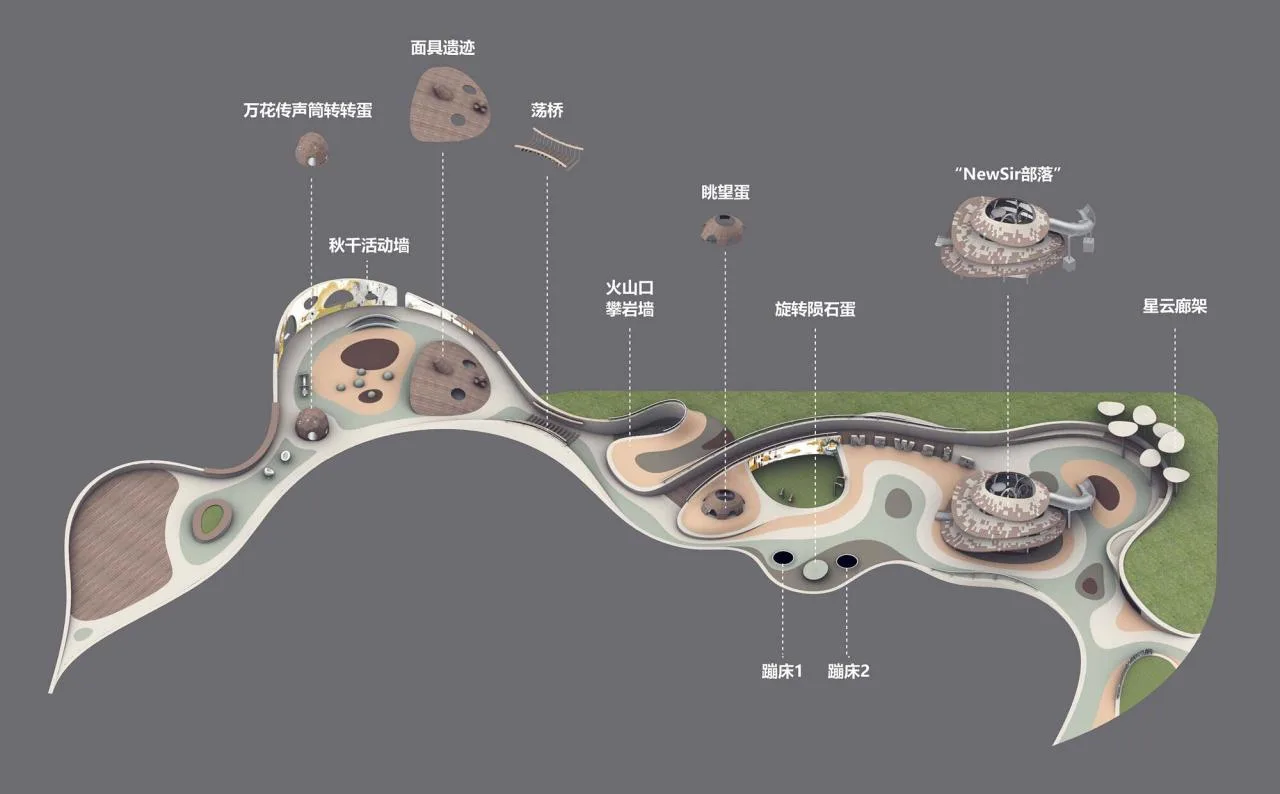
△ Analysis Chart
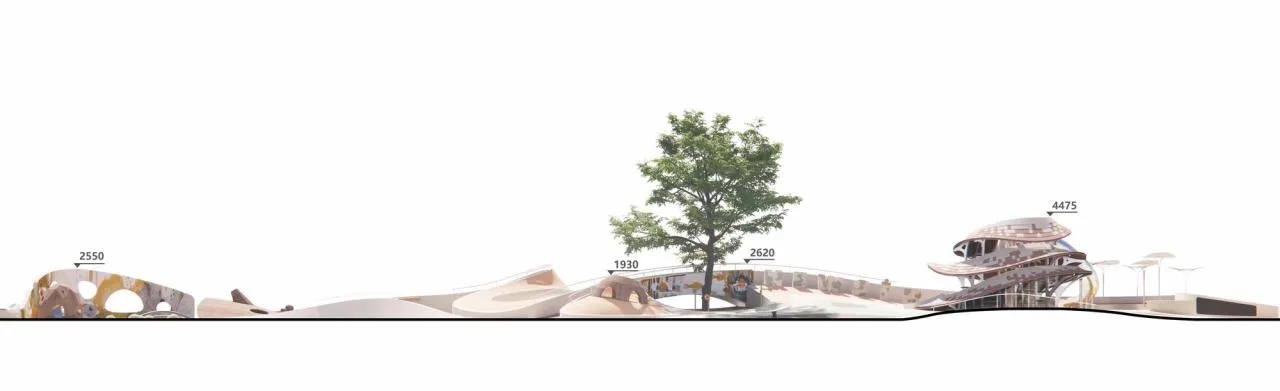
△ Elevation Drawing
△ Analysis Chart
△ Analysis Chart
Project Information
Architect: Xi Sui Design
Area: 1,150 square meters
Year: 2022
Photographer: Guochang Liu
Manufacturers: Huaqi, Dazhuang, Ganghong
Lead Architect: Hu Yihao
Design Team: Hu Yihao, Peng Yang, Li Zhenyang, Pu Zhiyang, Yang Qiao, Pan Yueqi, Huang Fuming, Yang Chun, Wu Yanjun
Structural Design: Luan Cong Construction Design Firm
Landscape Design: Xi Sui Design
Construction: Xi Sui Design
Client: Chengdu New Hope Real Estate Co., Ltd
Location: Chengdu, China















Must log in before commenting!
Sign Up