
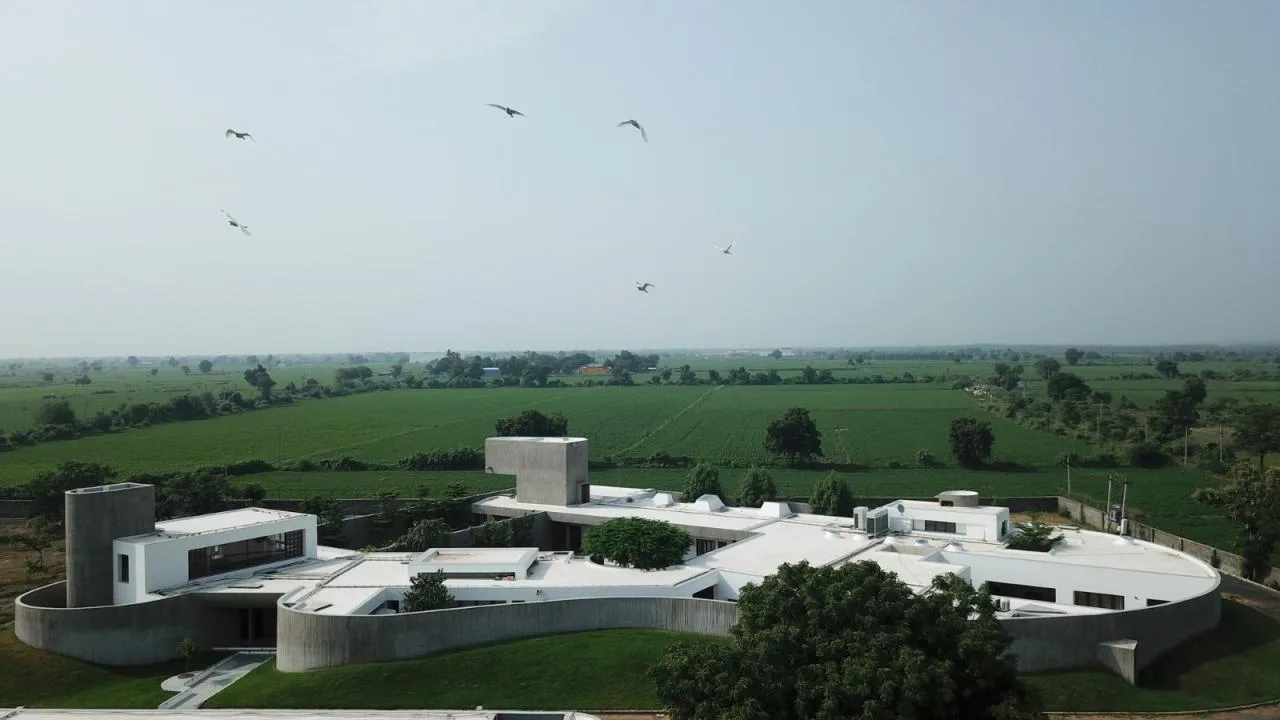
The spiritual journey involves exploring one’s own existence — or more precisely, the interplay between existence and non-existence — ultimately reaching a state of pure being beyond exploration. Veeram Shah, founder and creative director of the multidisciplinary design studio Design Ni Dukaan, based in Ahmedabad, India, embraces this philosophy in his latest architectural masterpiece: the “Enclosed House”. A key lesson from this project is the power of self-denial.
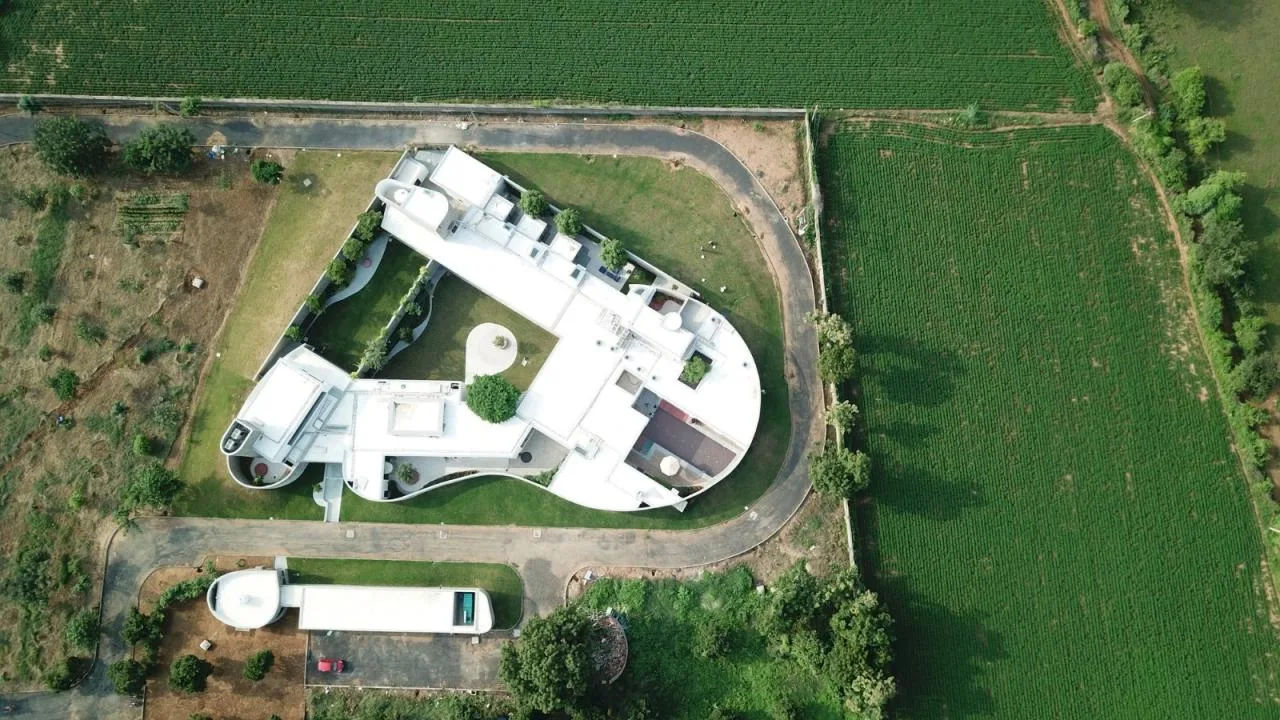
Covering 2,137 square meters, the house is situated in the charming town of Himatnagar, located in Gujarat, western India, which also serves as the administrative capital of the Sabarkantha district.
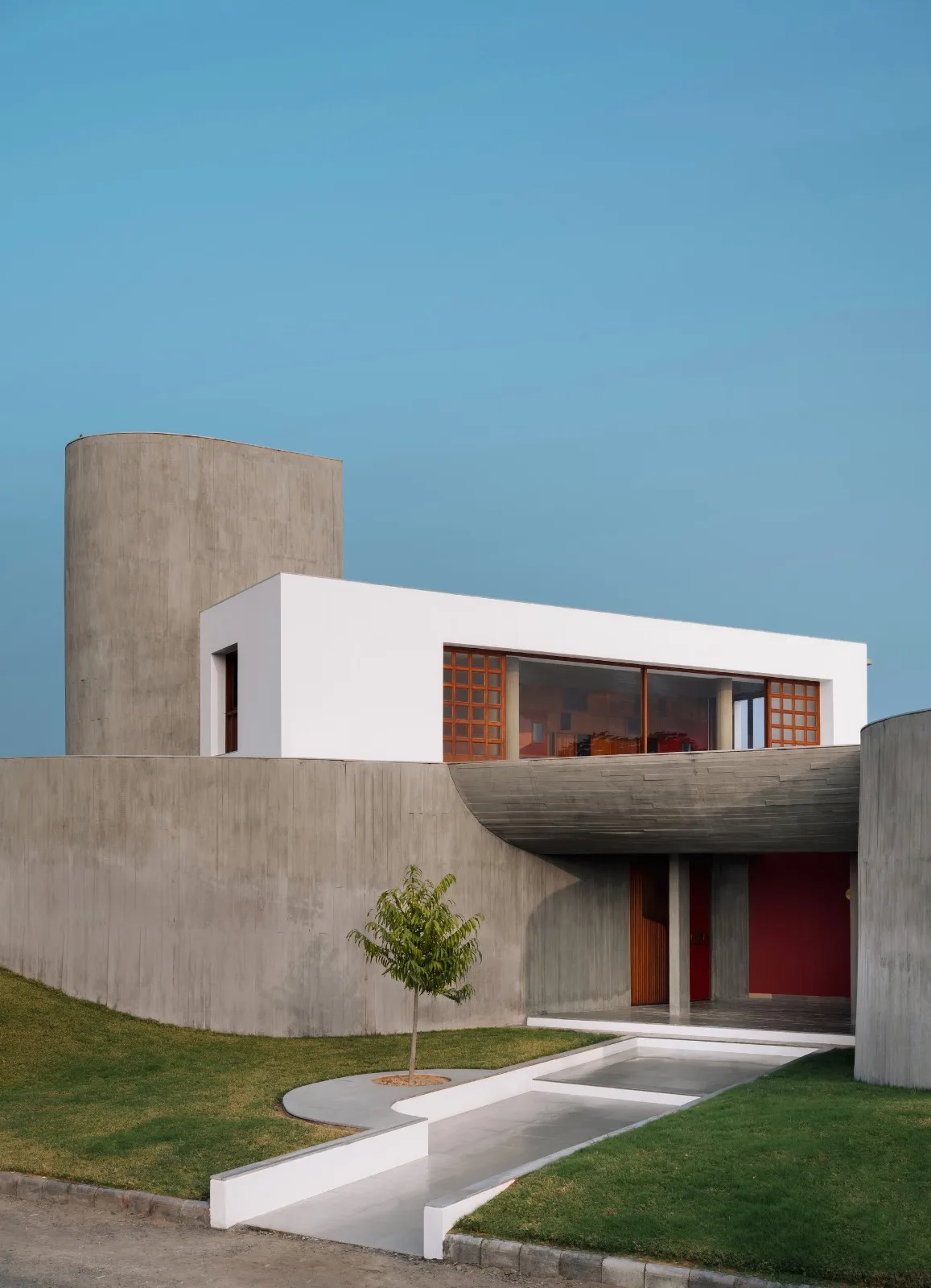
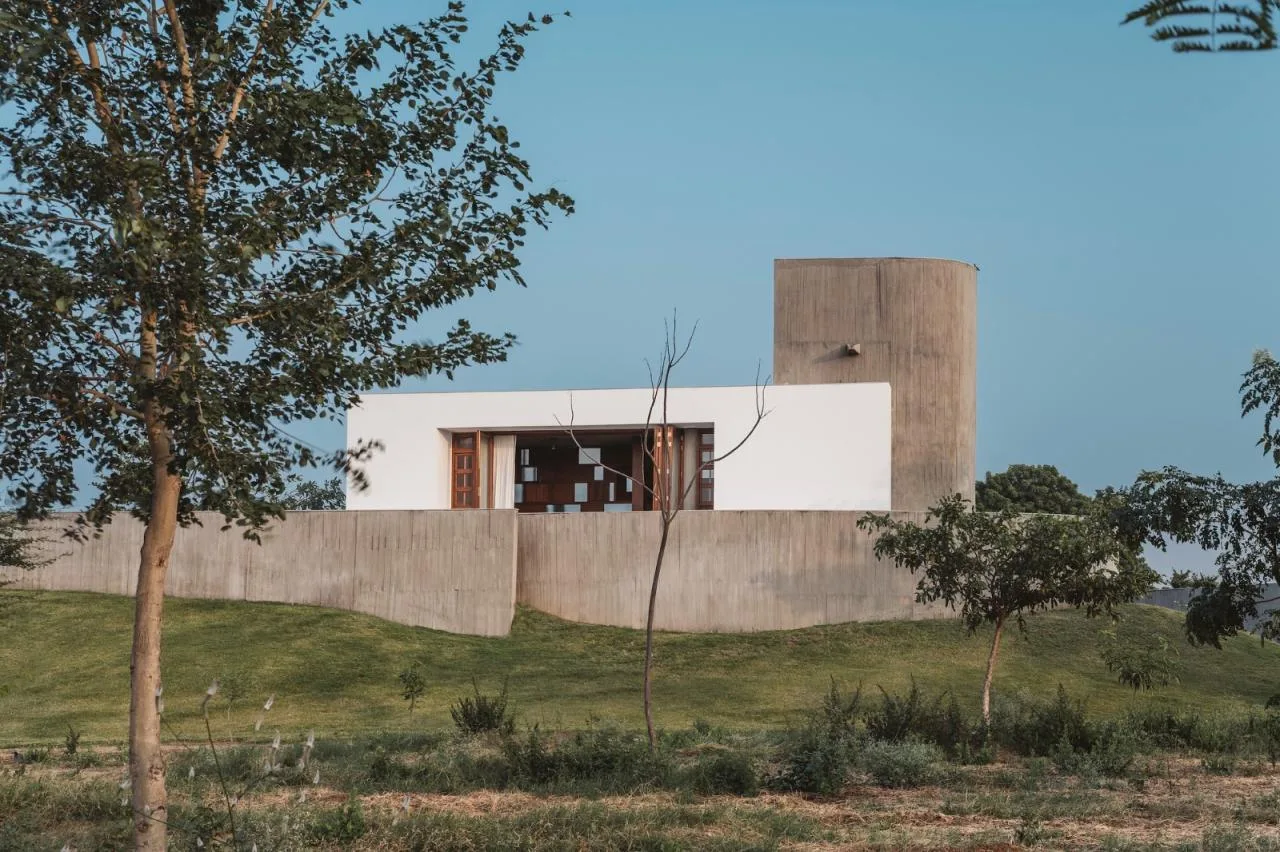
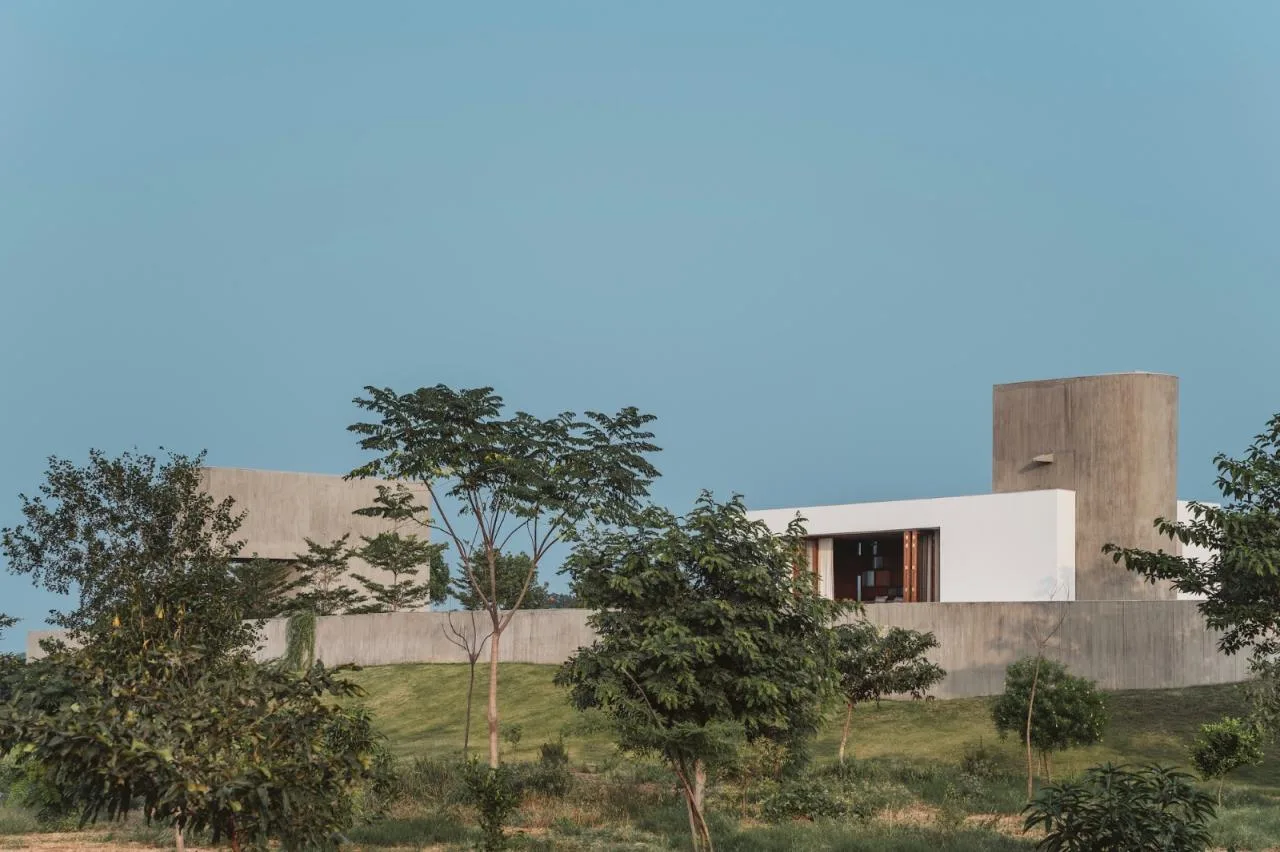
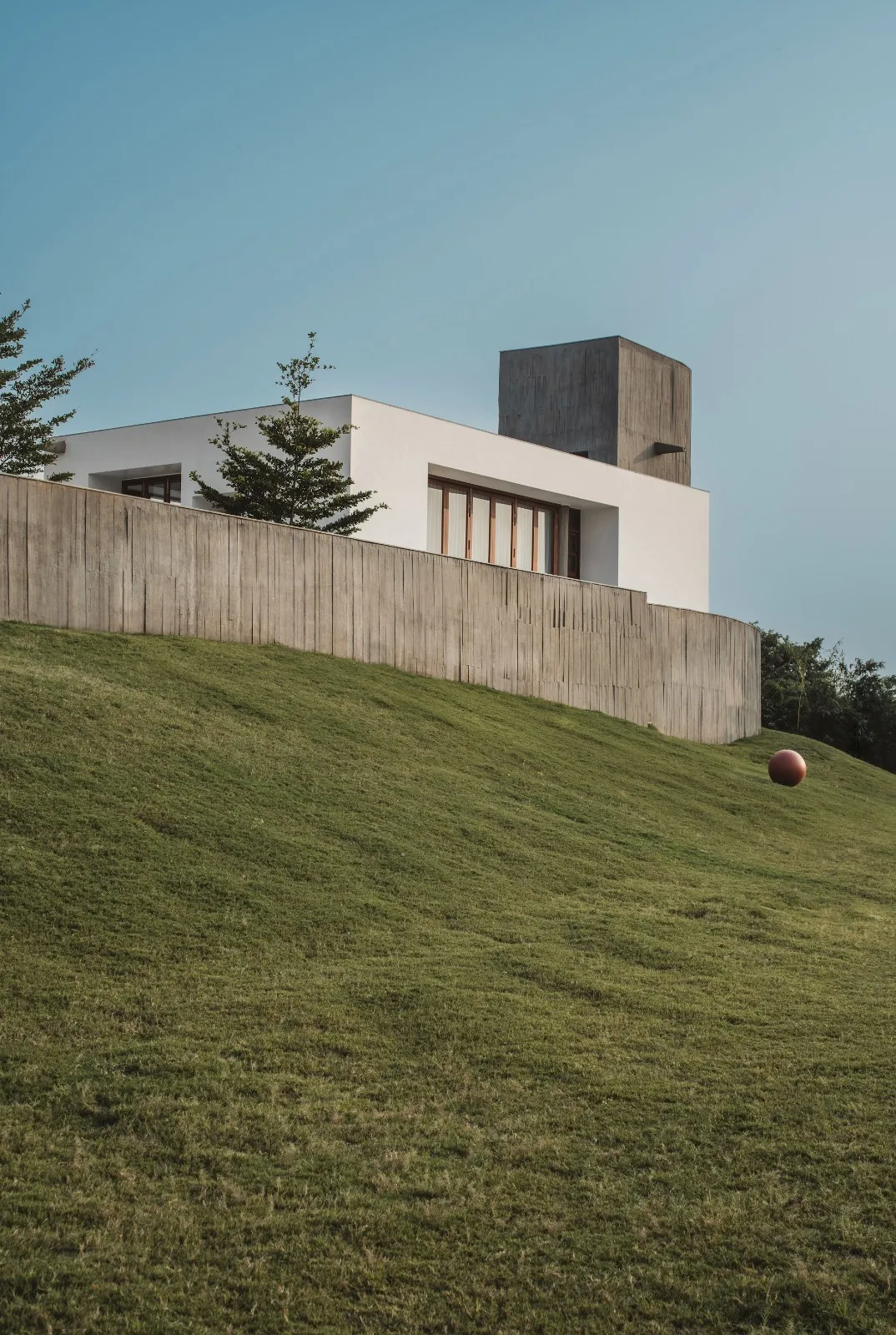
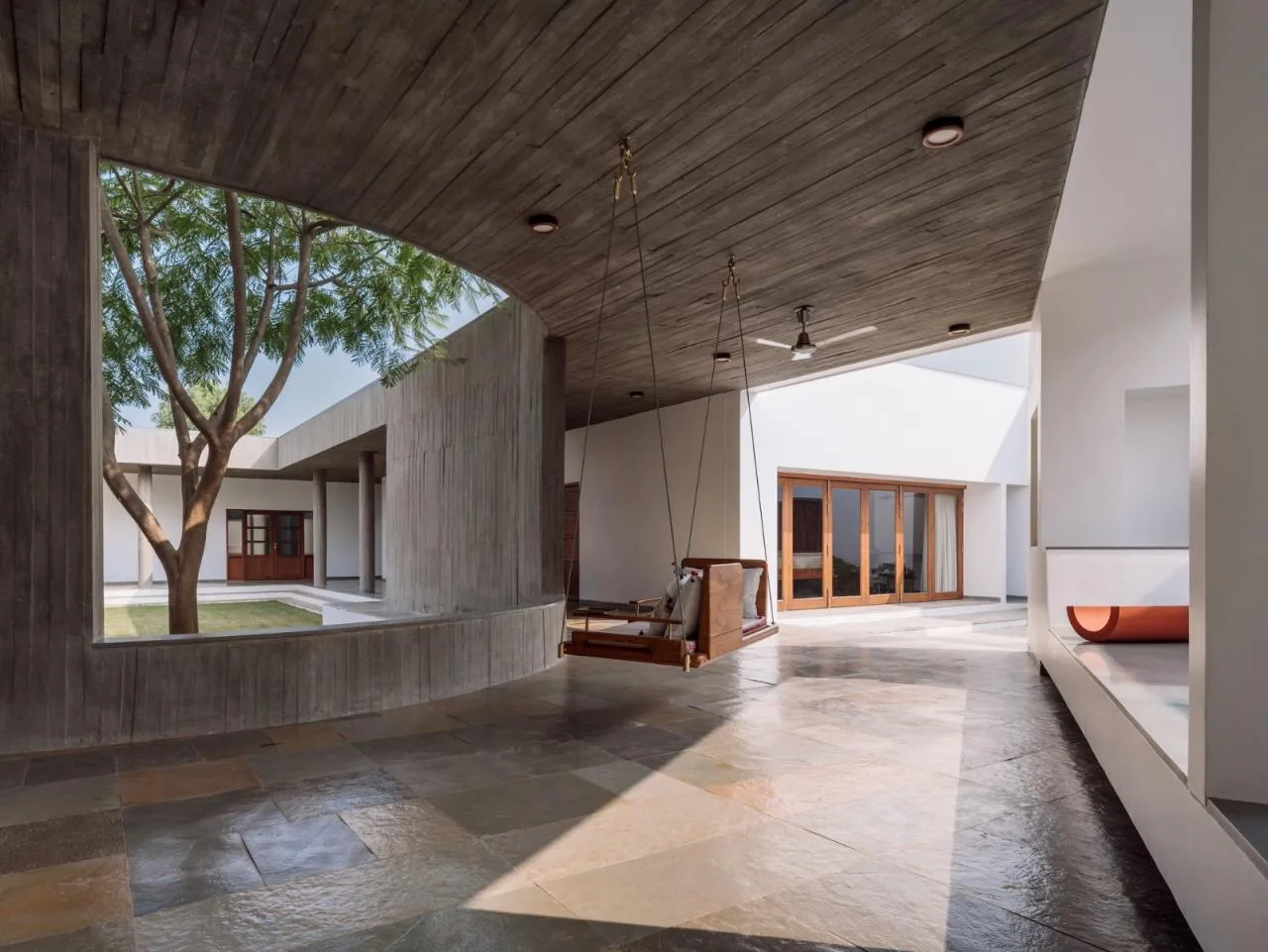
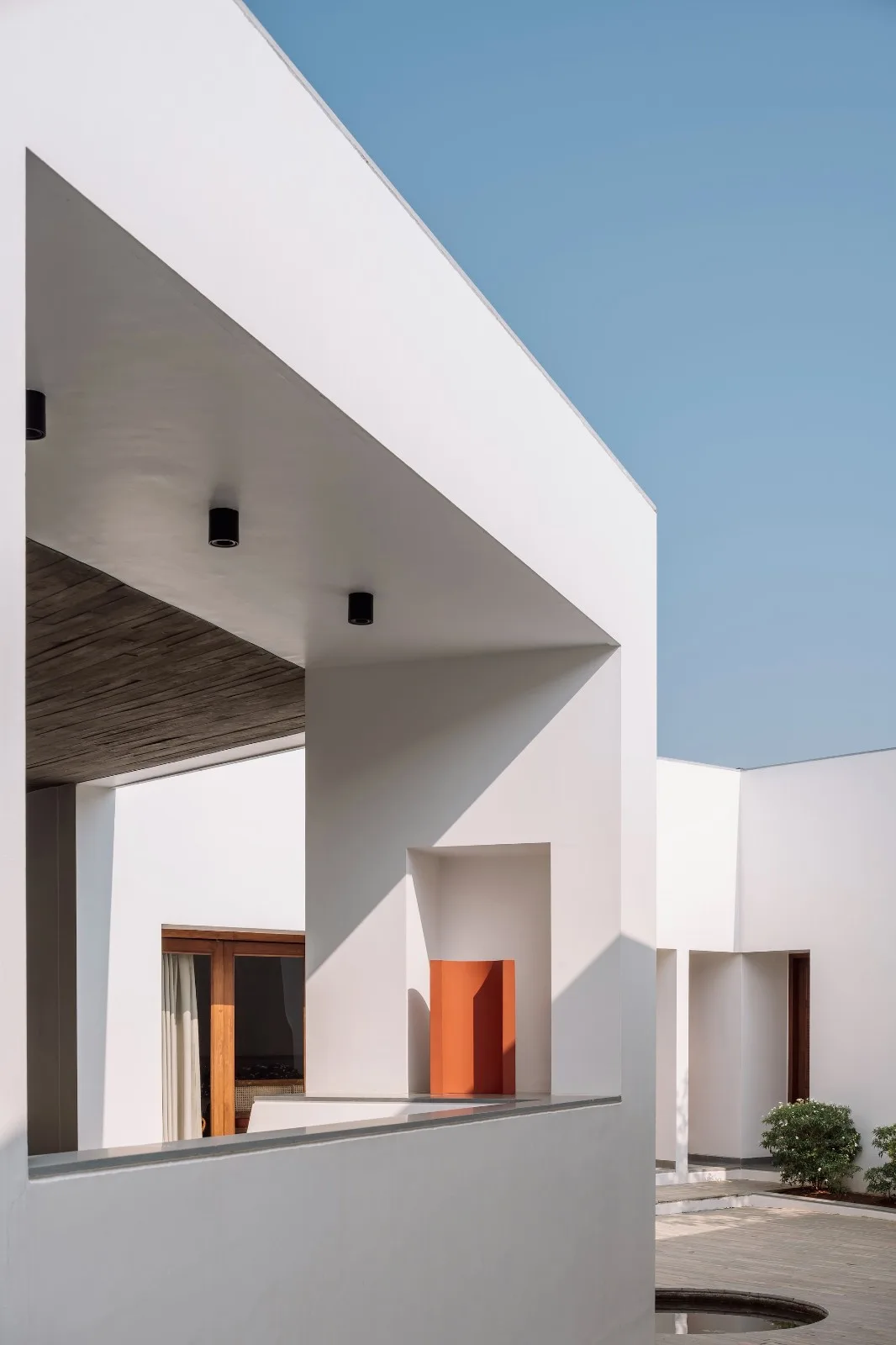
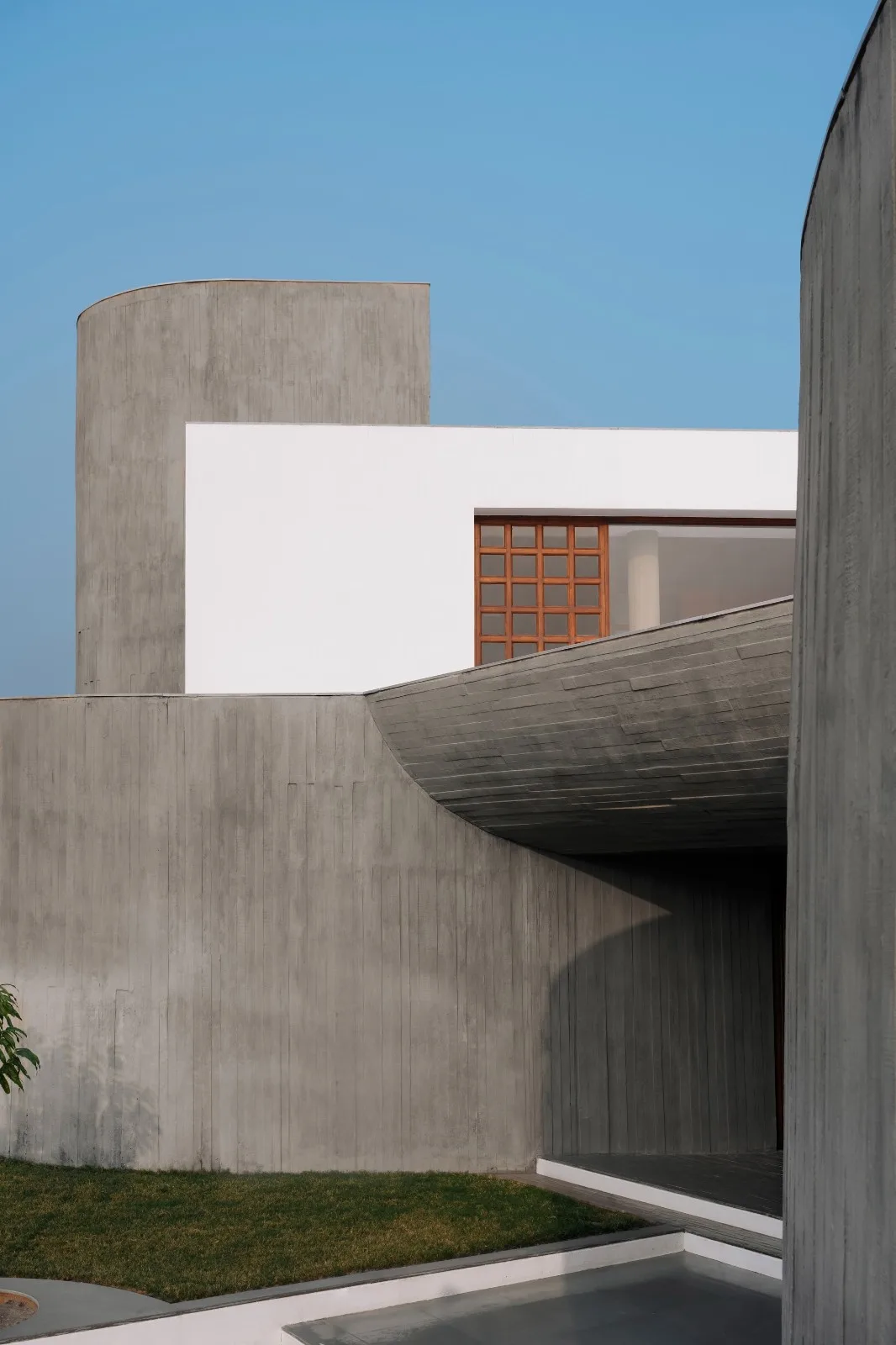
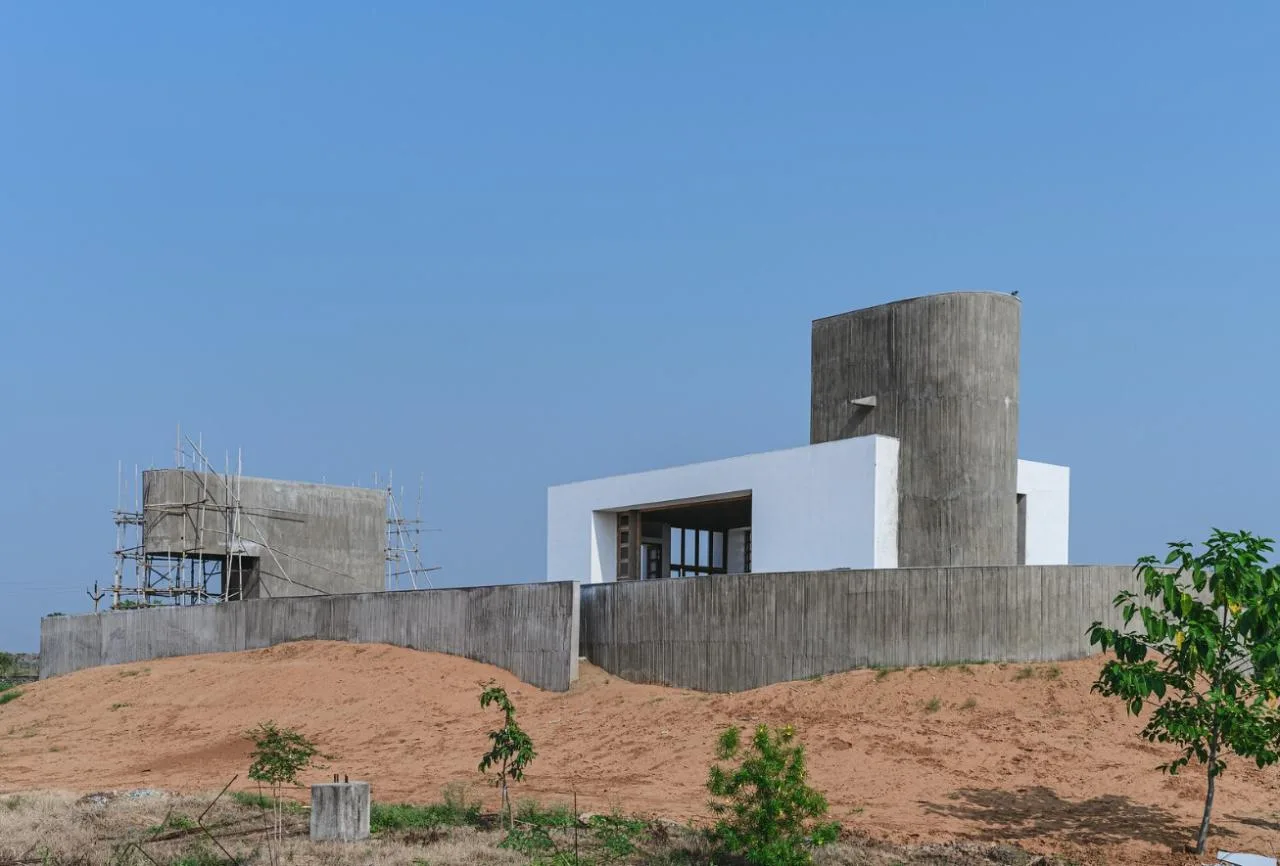
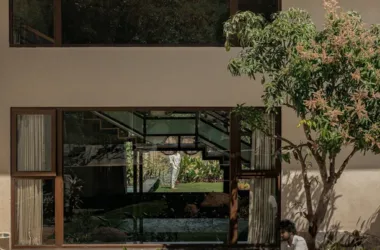
How does one design an intangible house? This was the central question during the project’s conceptual foundation phase, prompting architects to rethink the basis of architectural form. This led to a shift in design philosophy: an inside-out approach where the spatial experience of the interior takes precedence over the exterior form. A secondary “skin” envelops the structure, uniting independent components and defining a series of intimate courtyard spaces intrinsic to the residential experience. The result is a house without a traditional facade — an inward-looking “enclosure”.
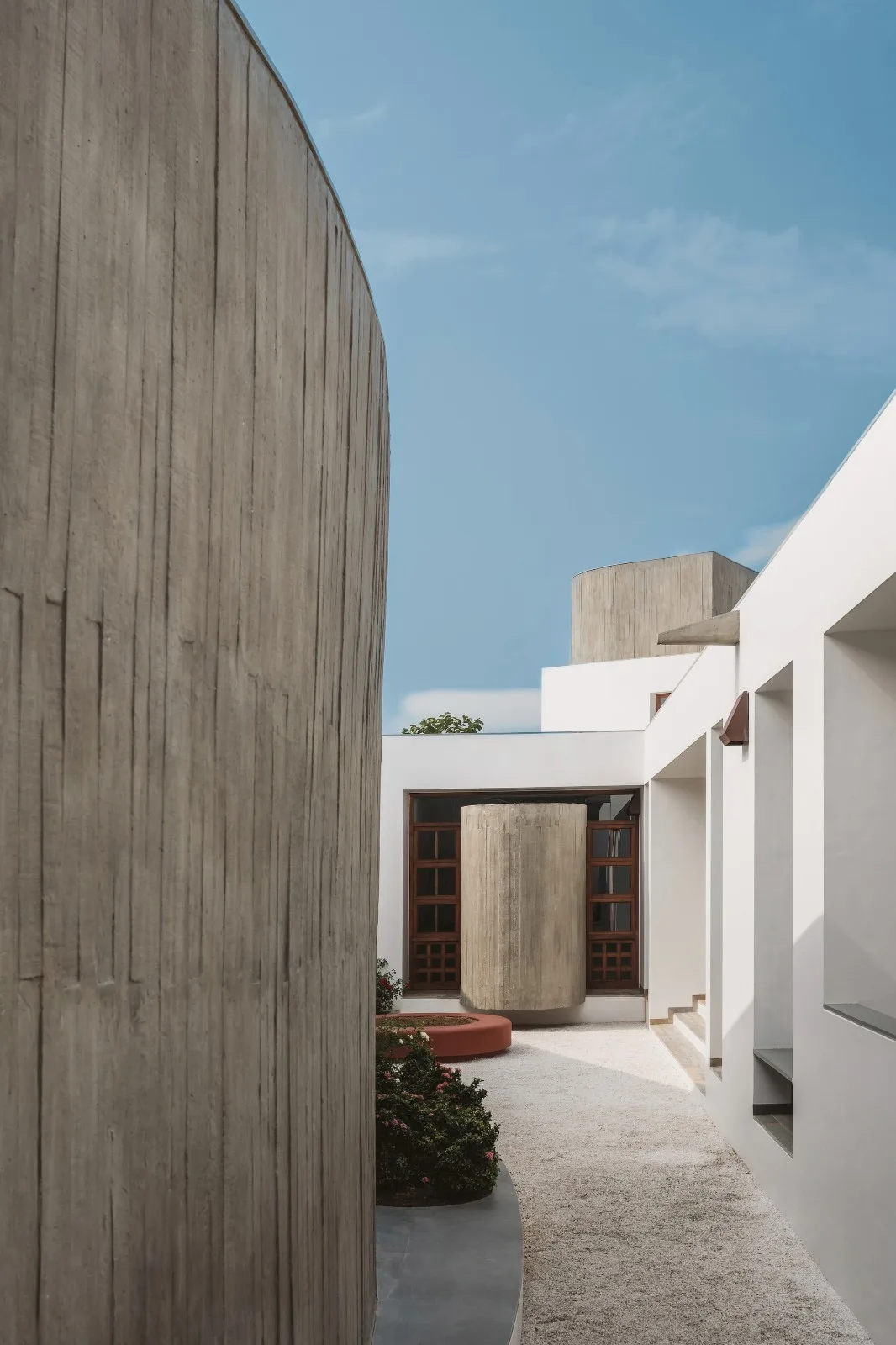
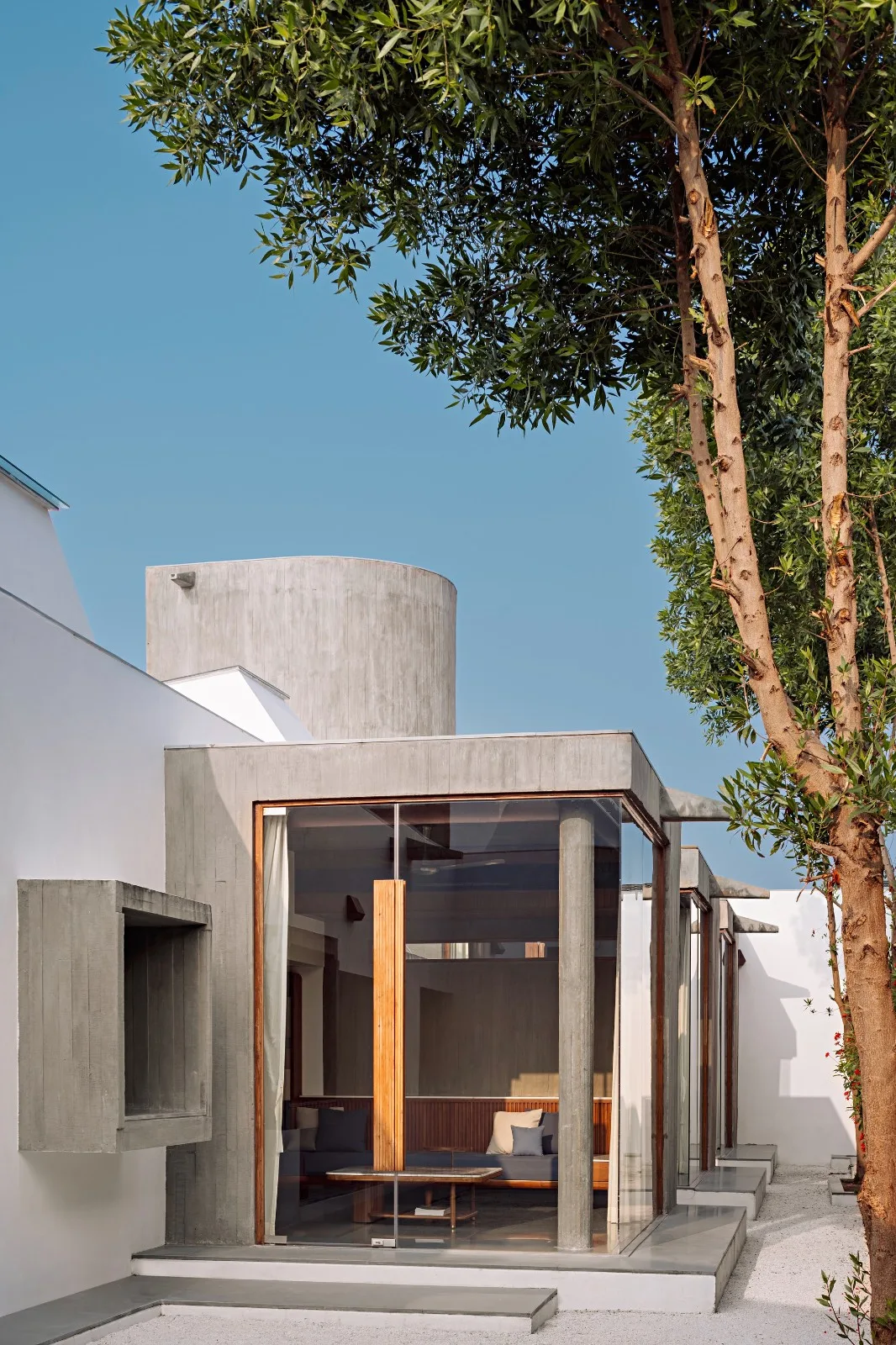
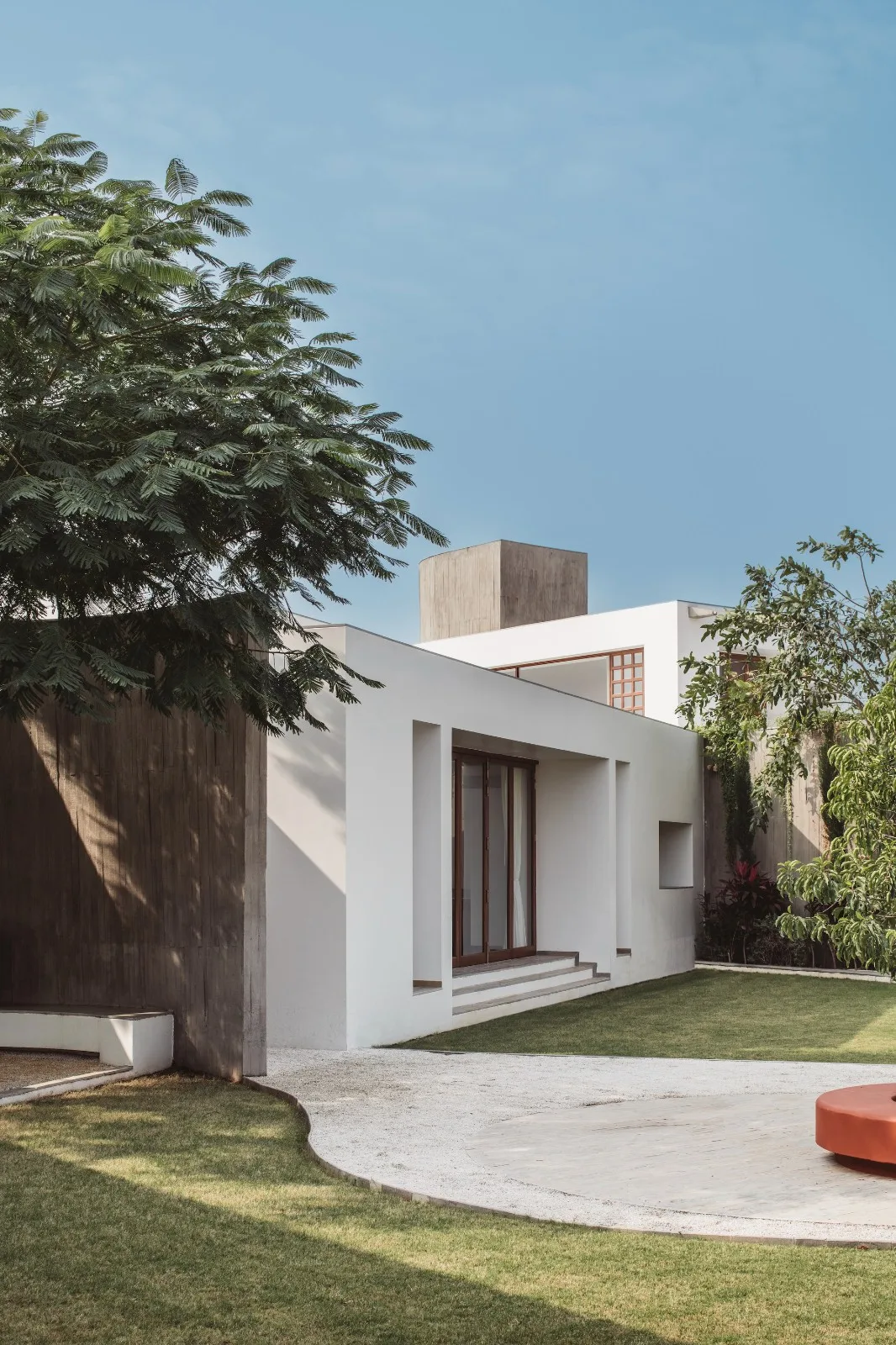
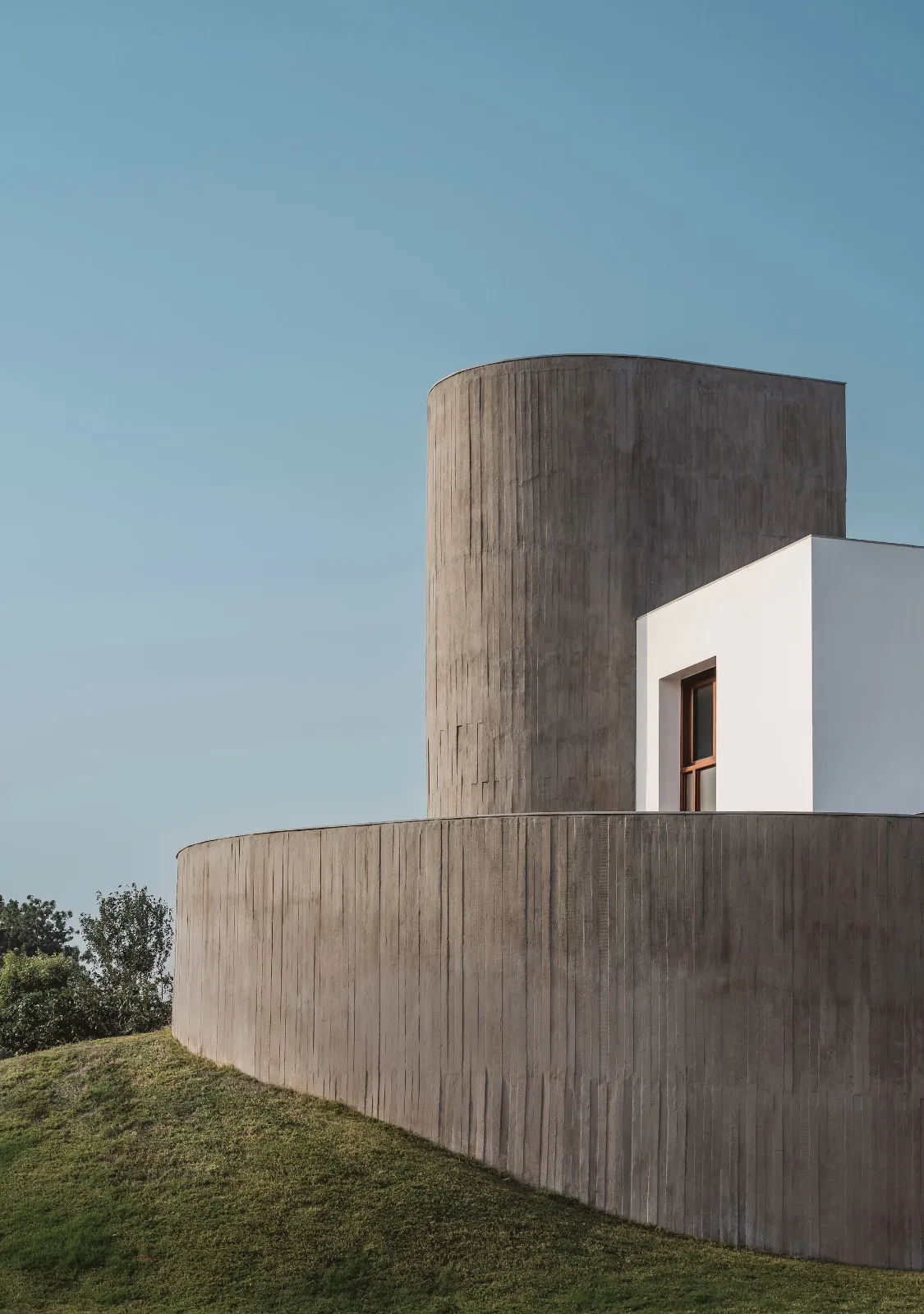
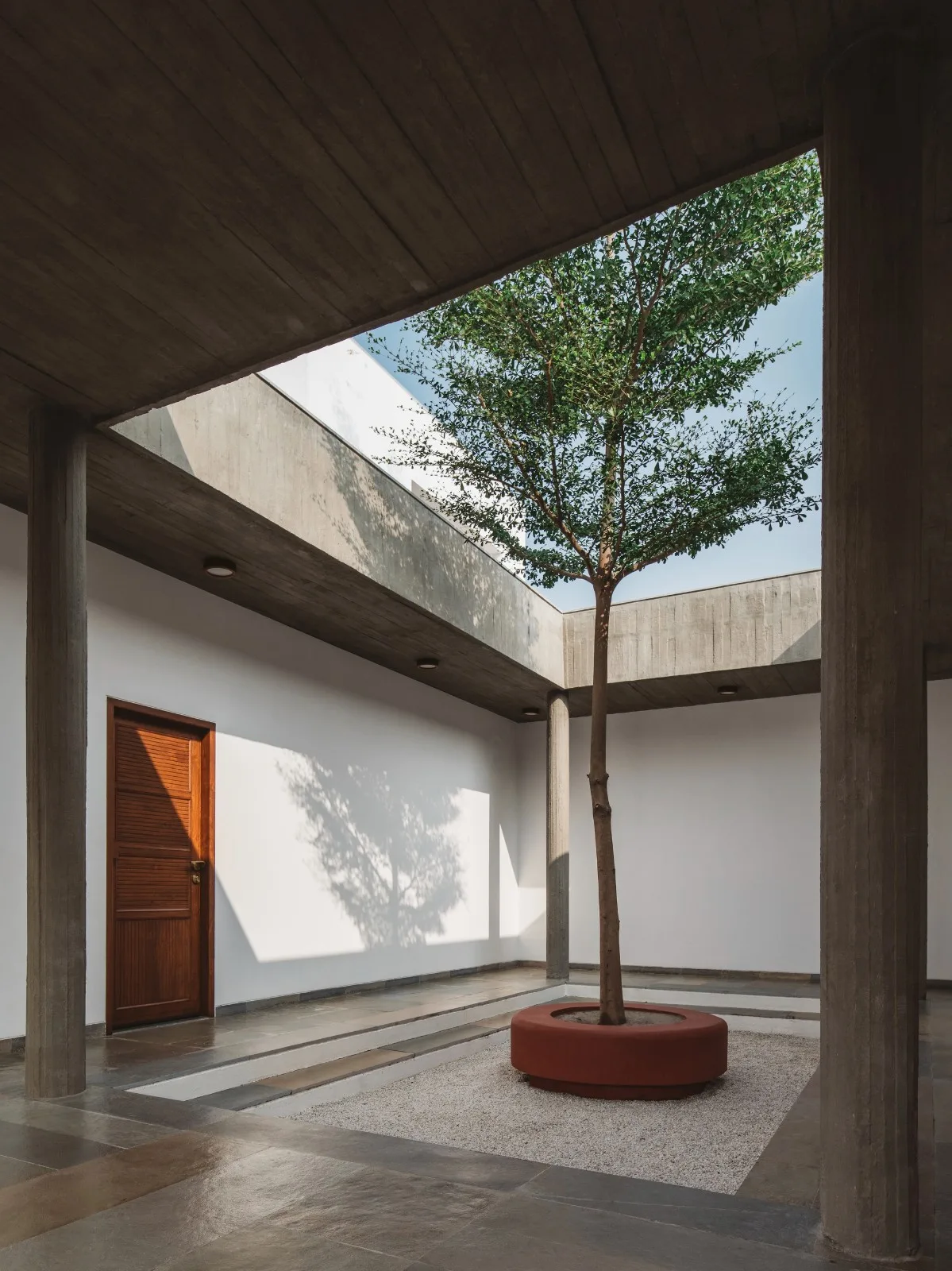
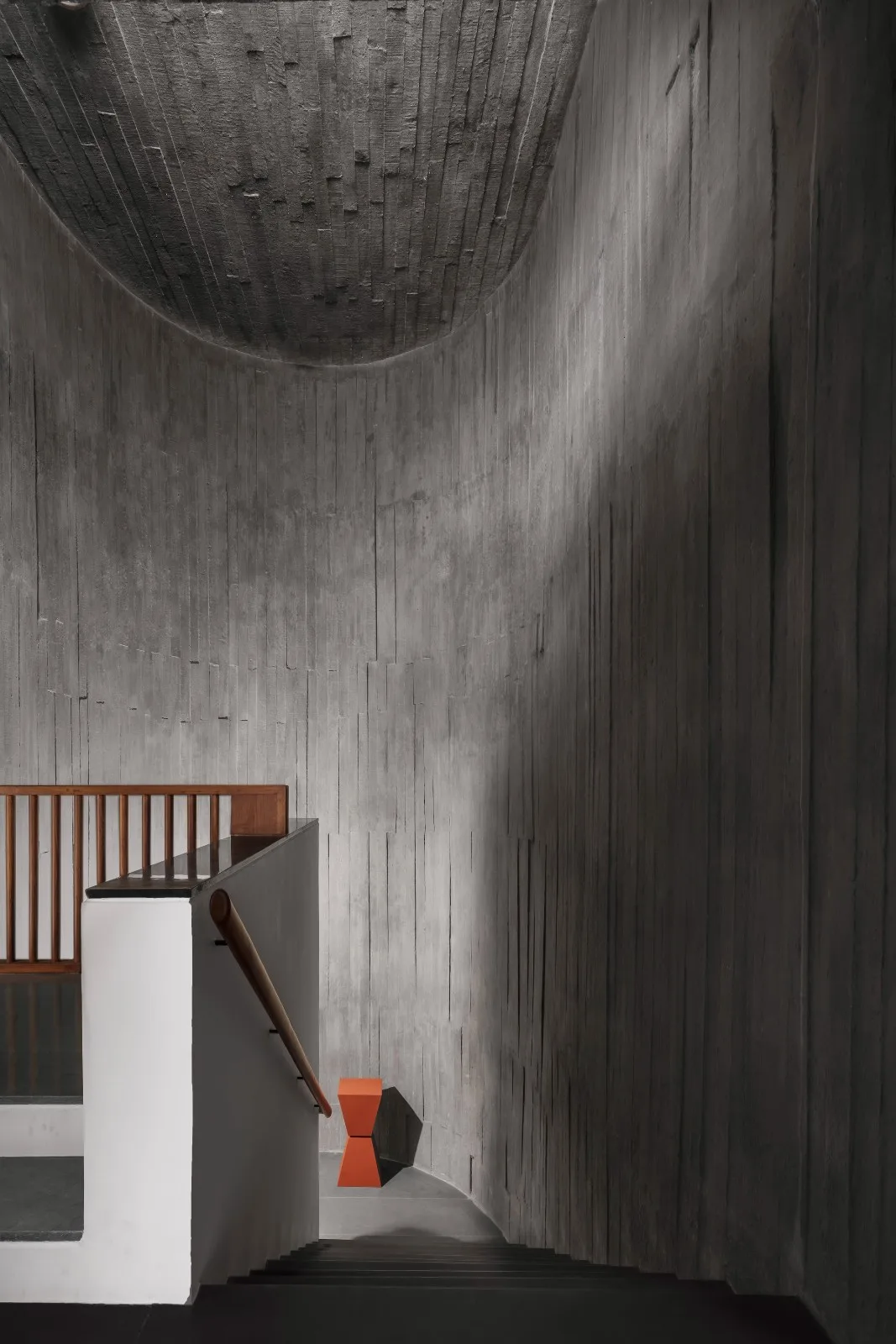
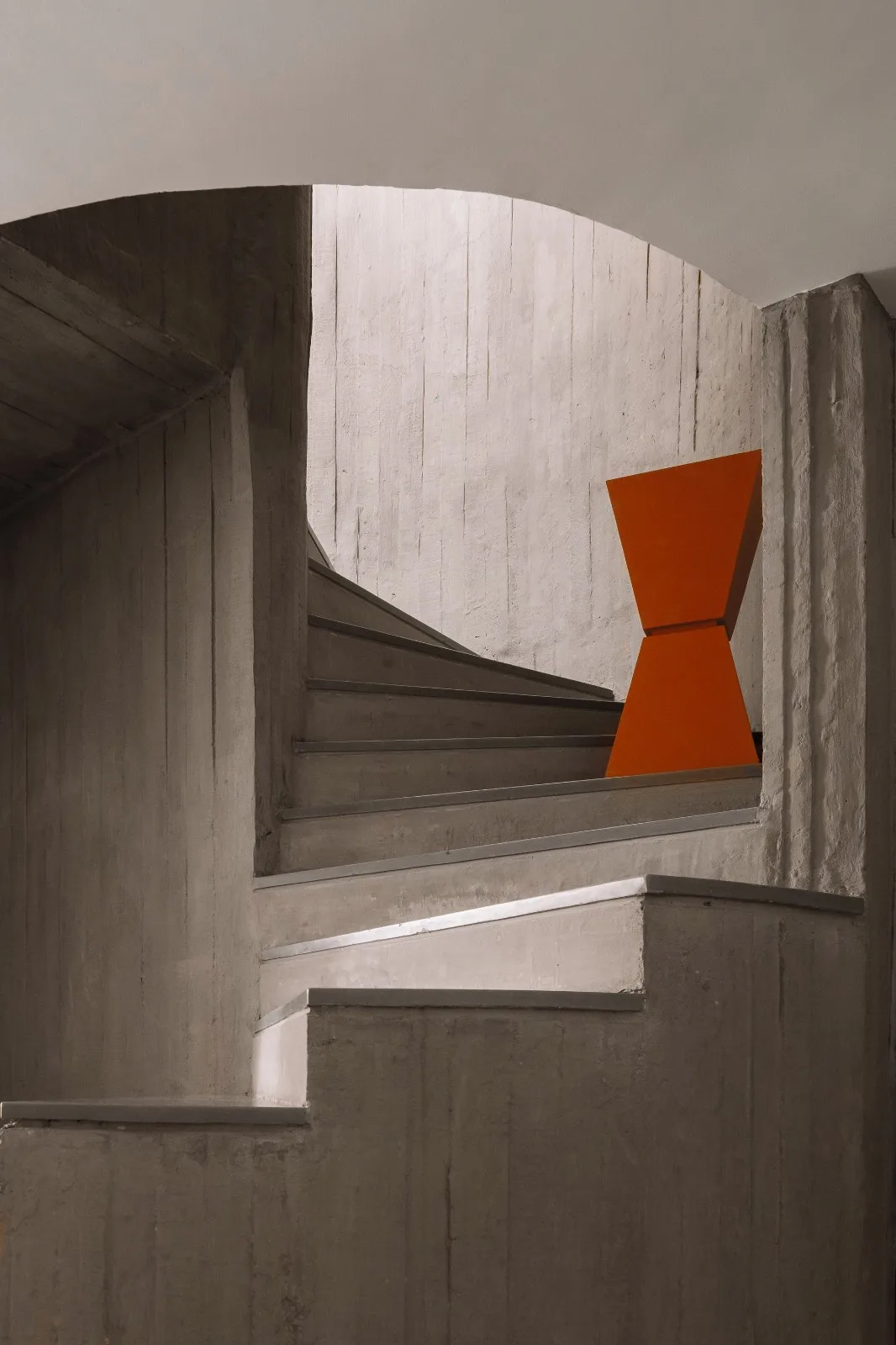
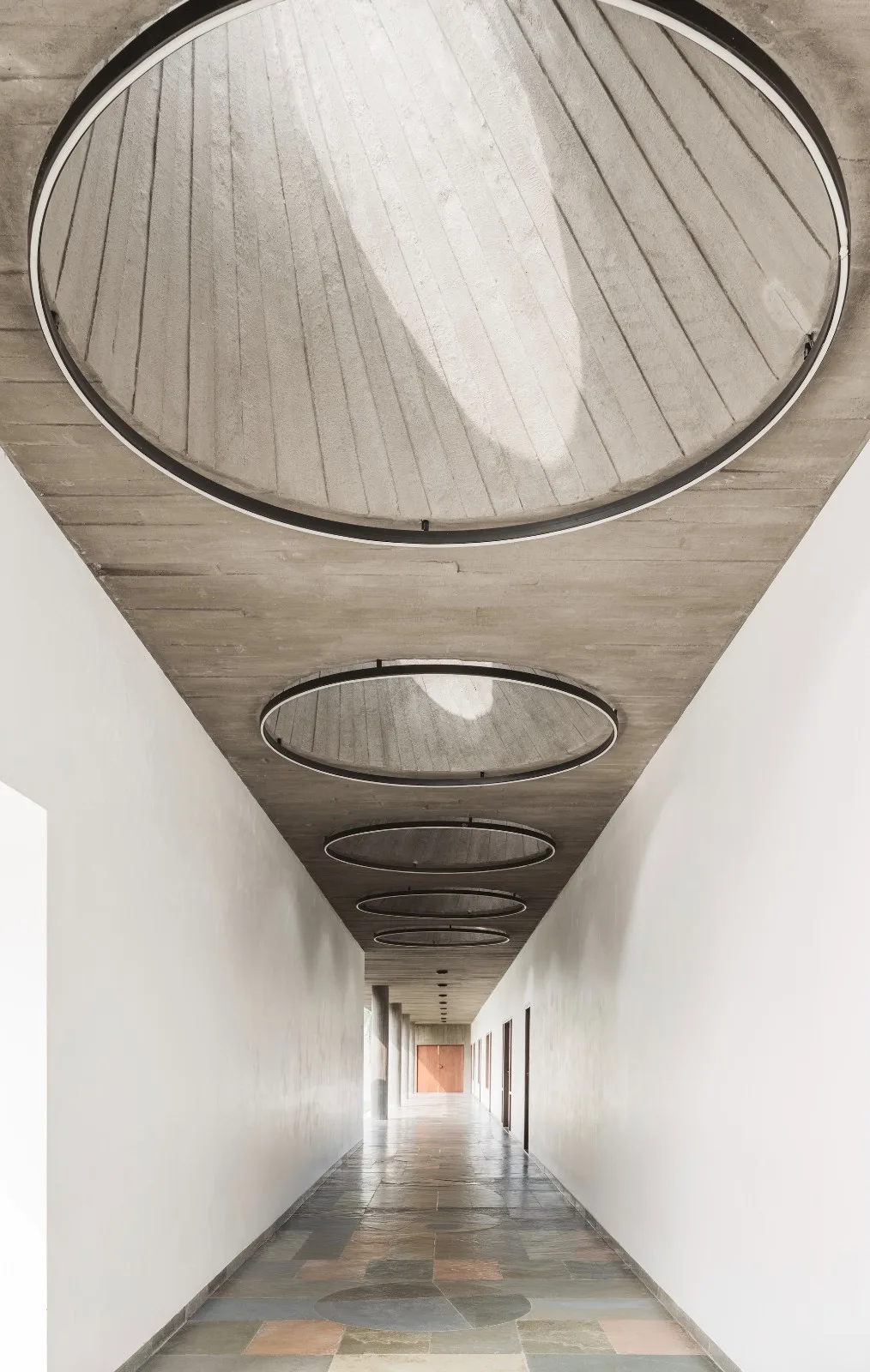
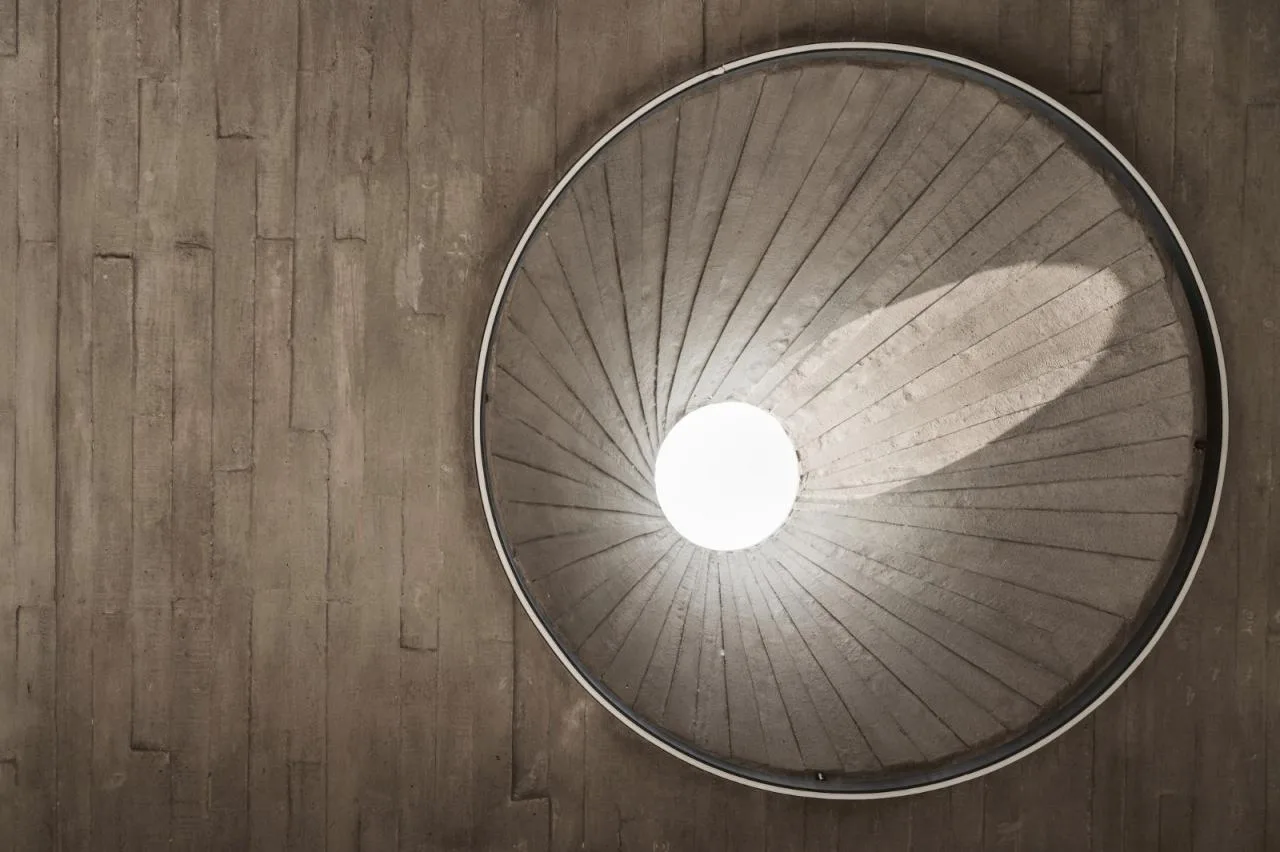
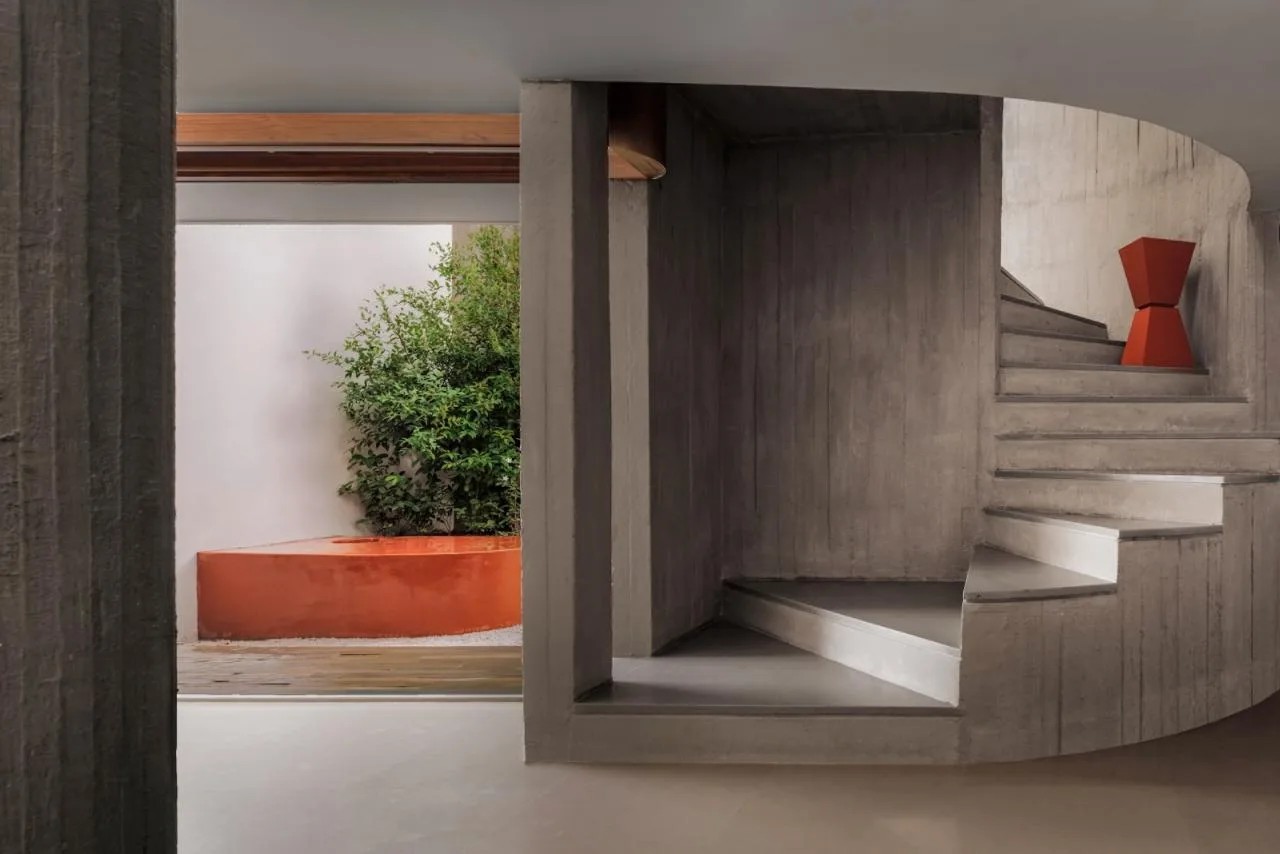
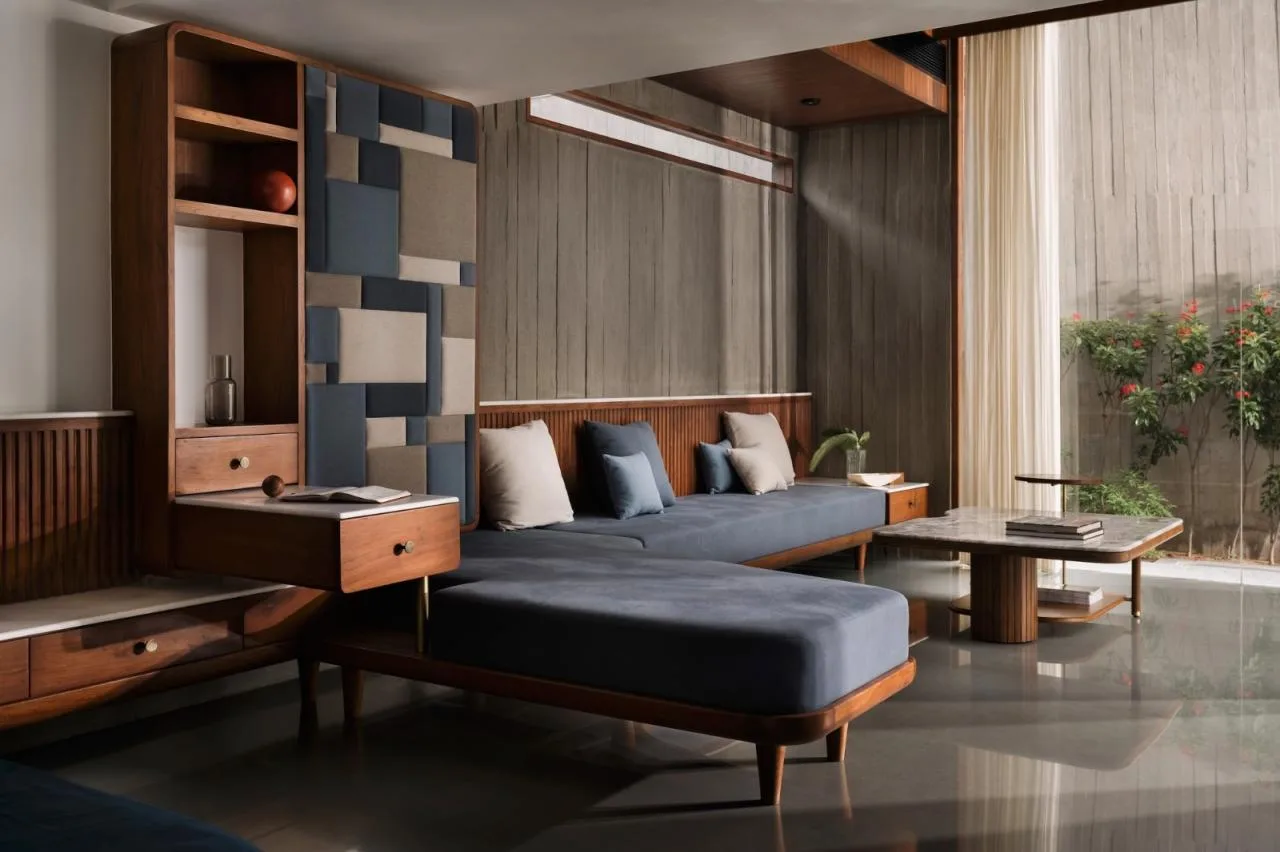
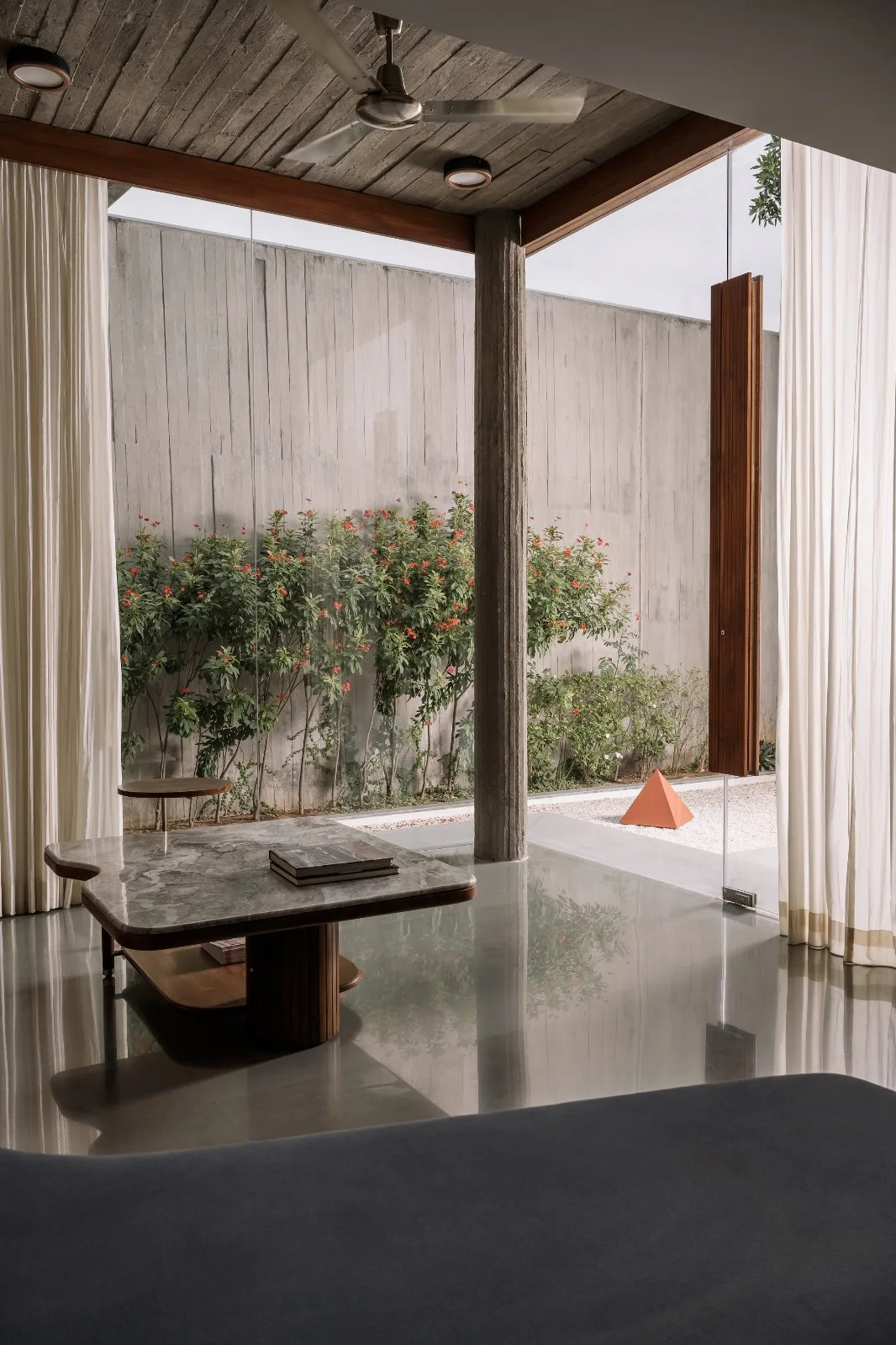
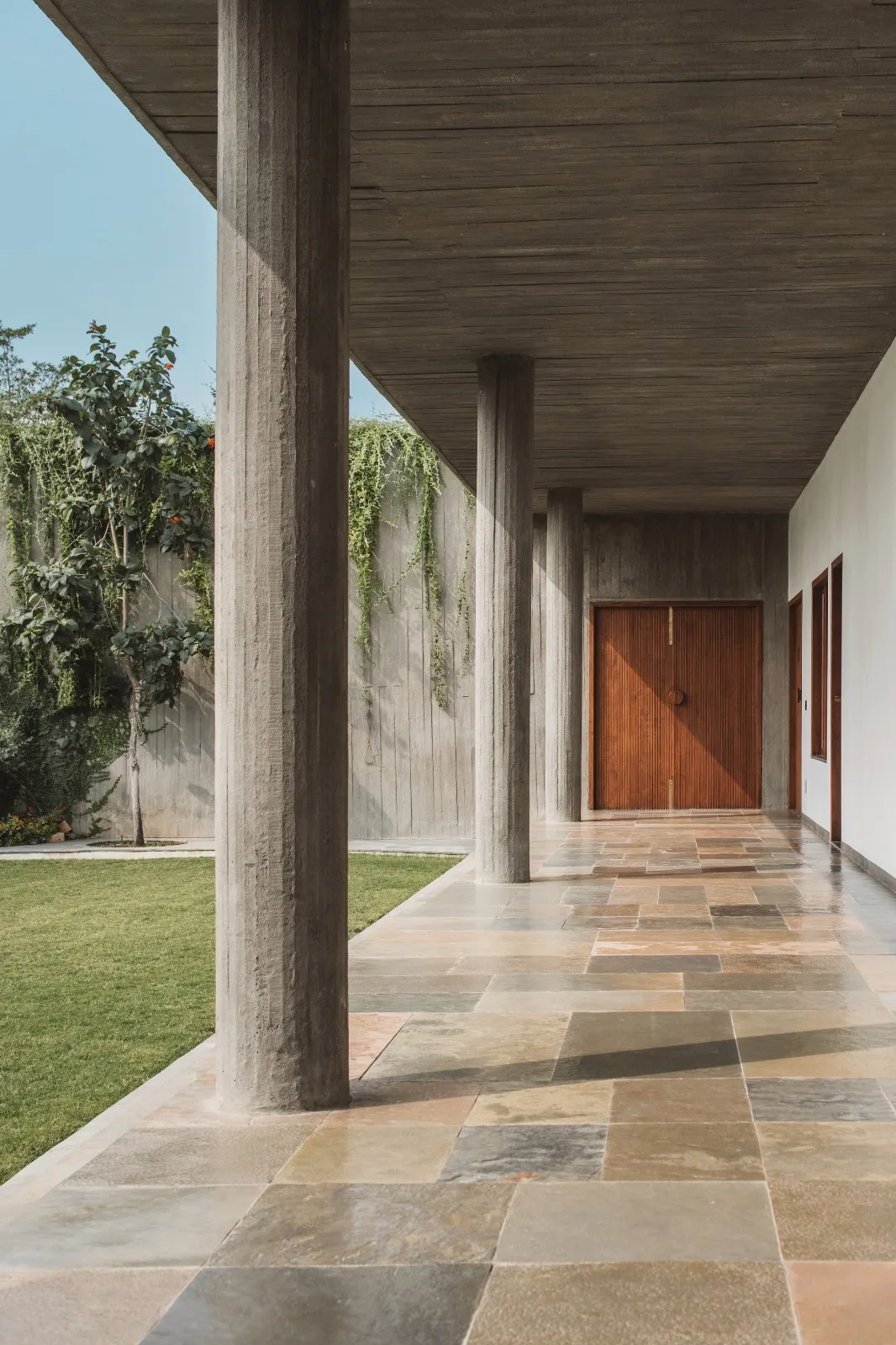
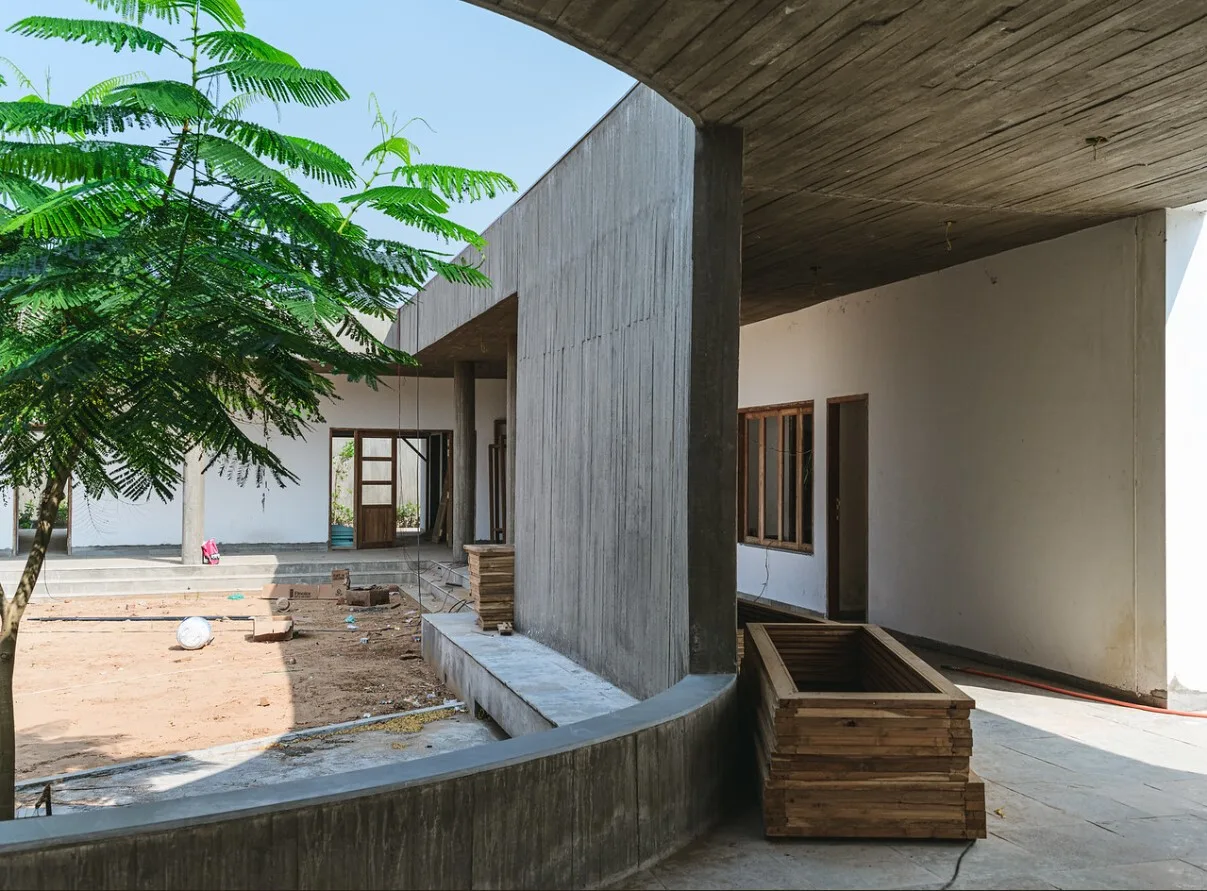
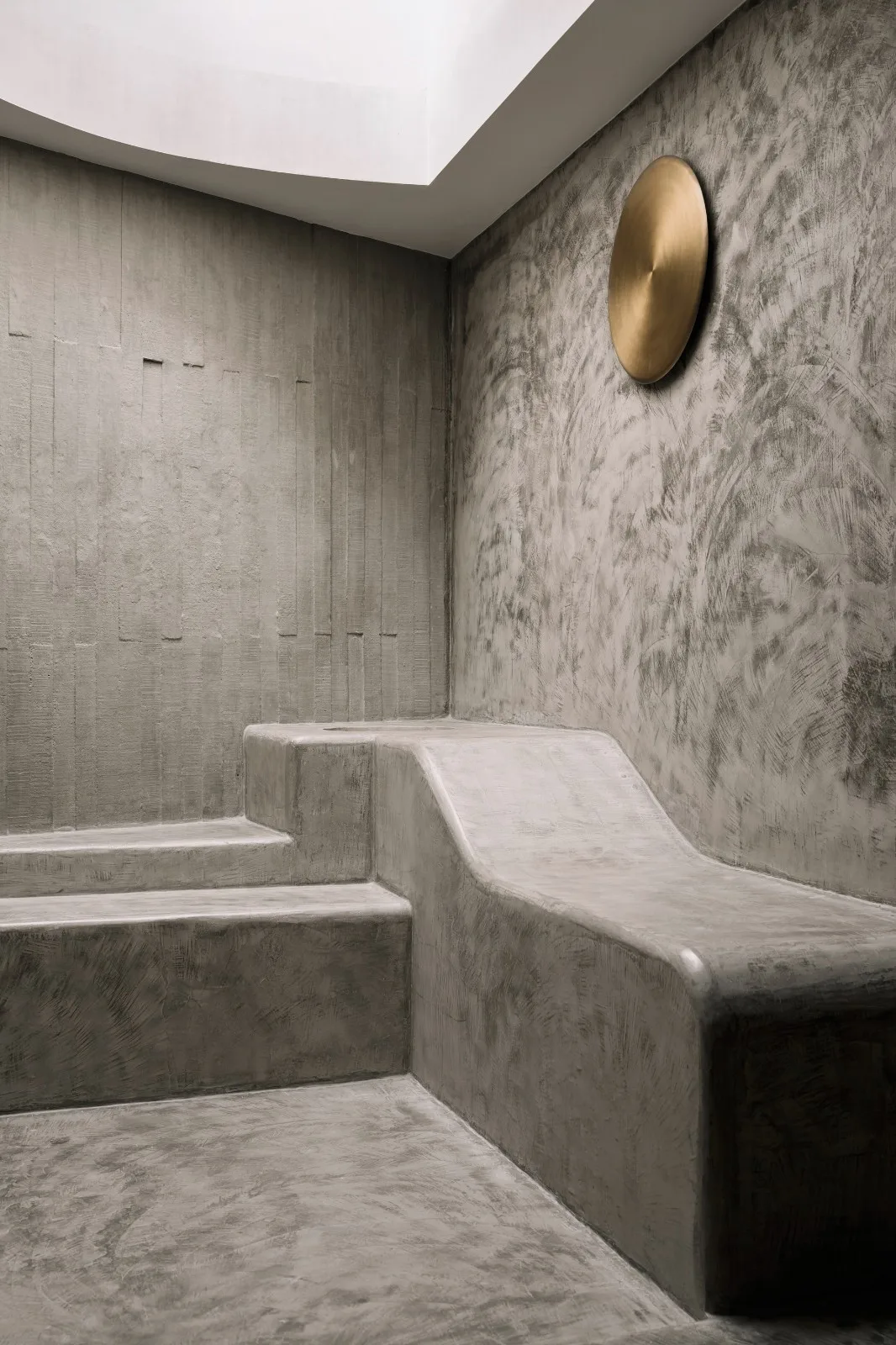
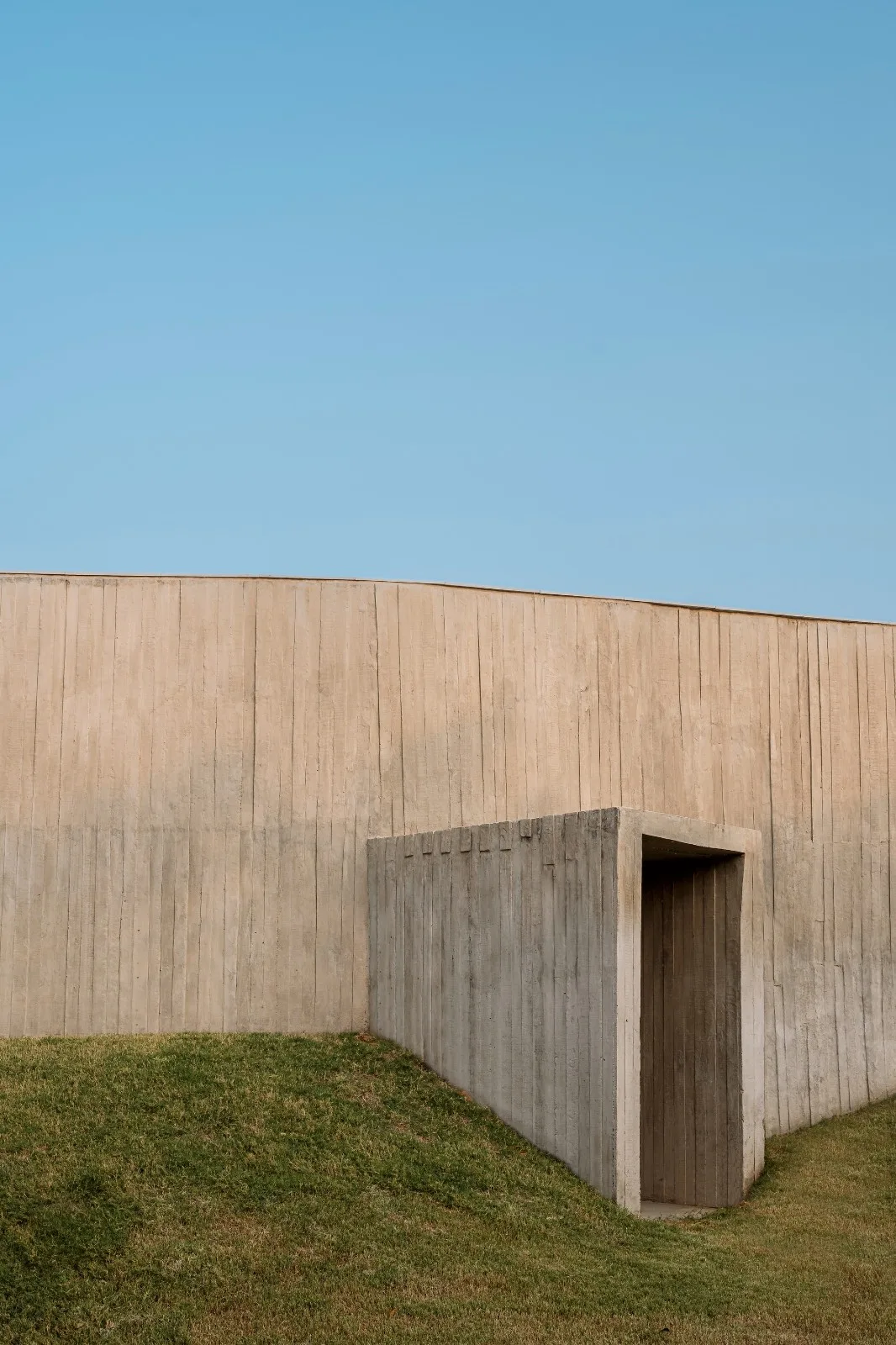
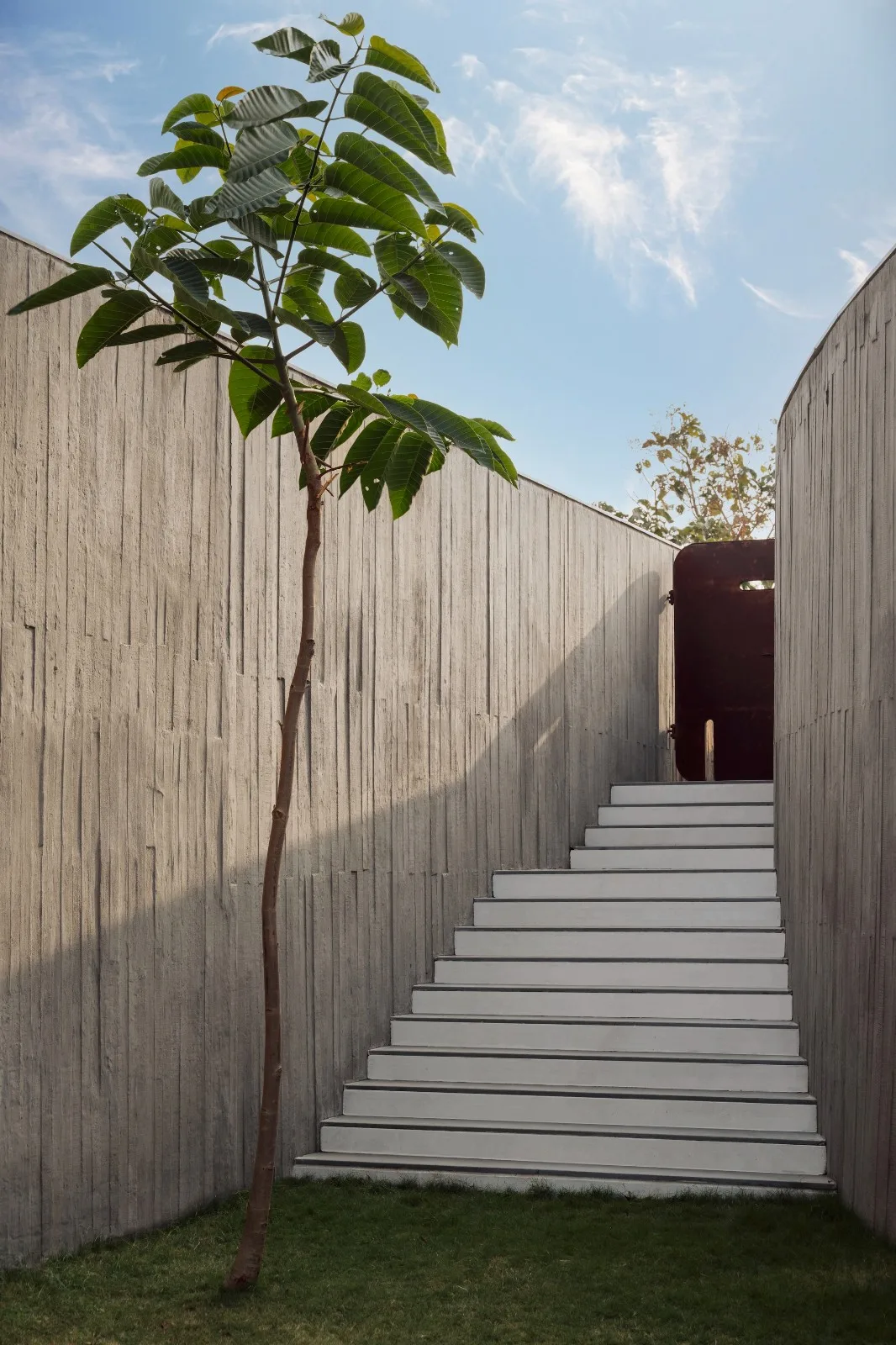
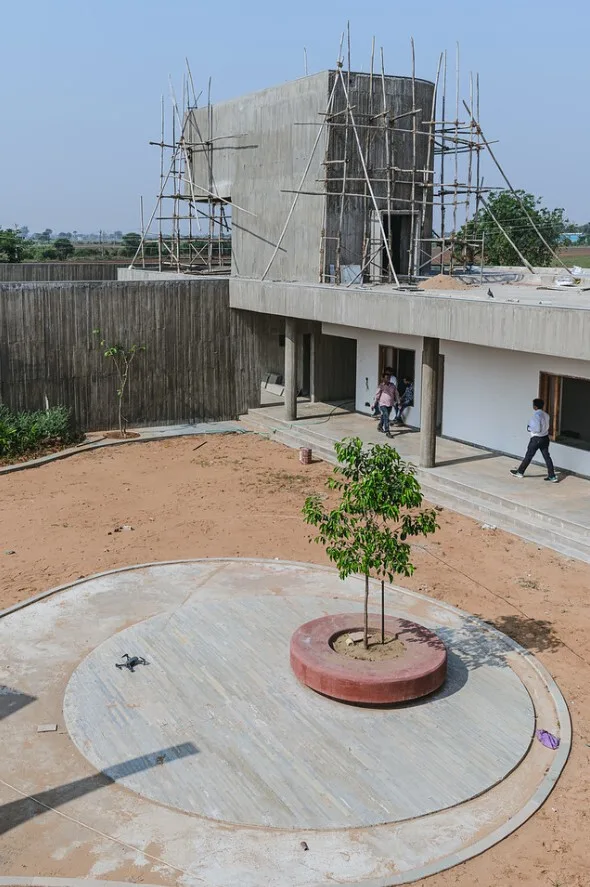
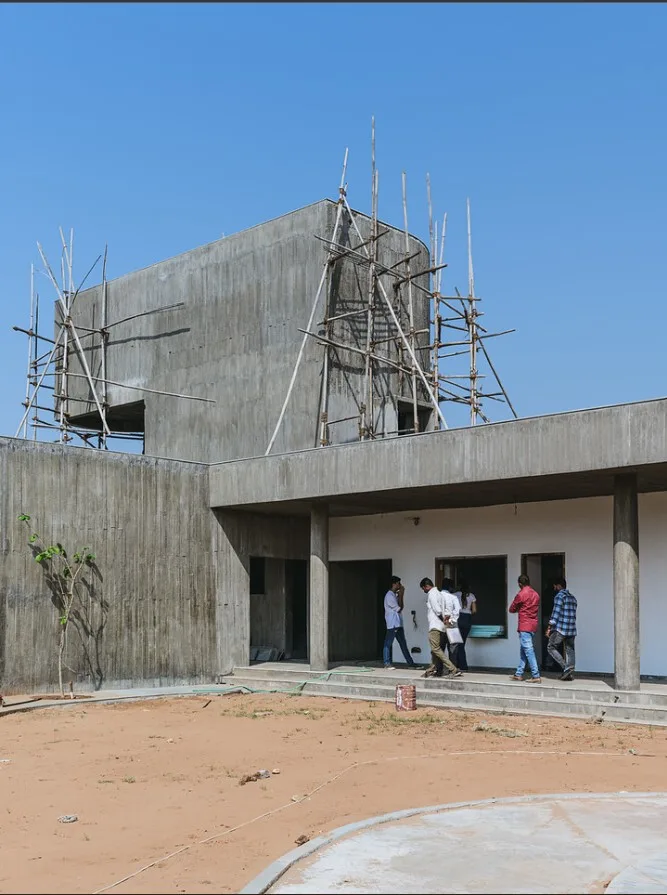
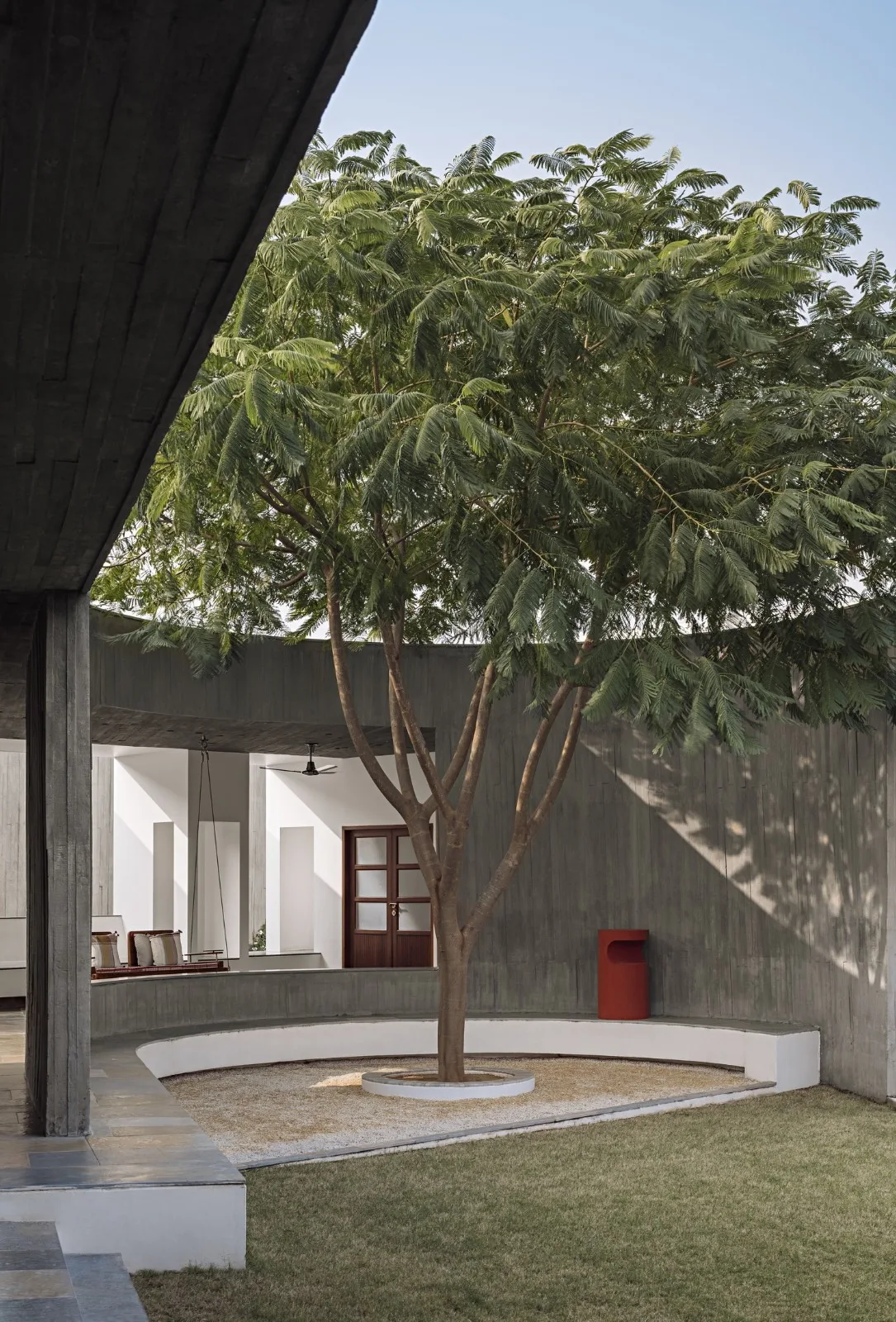
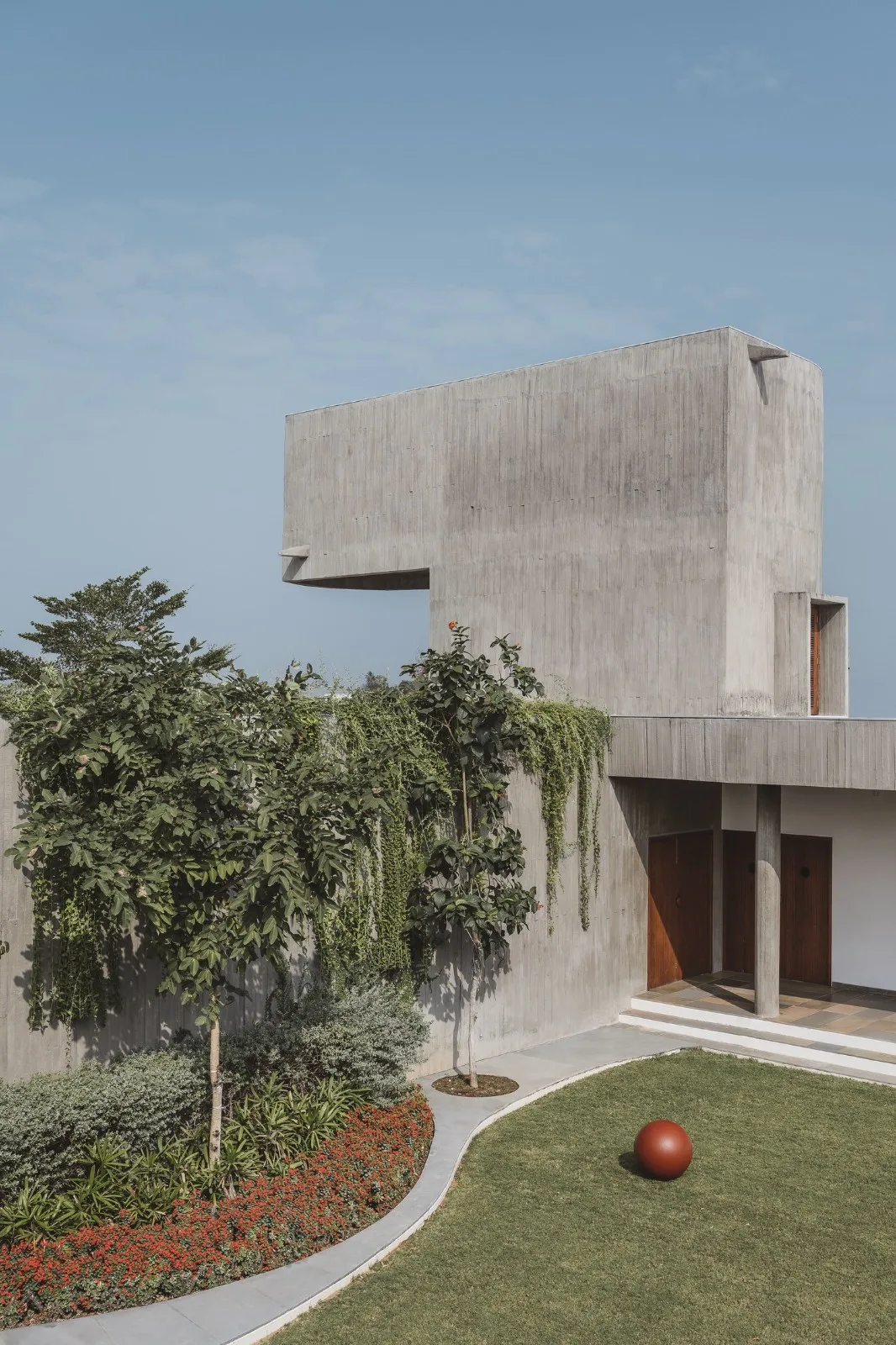
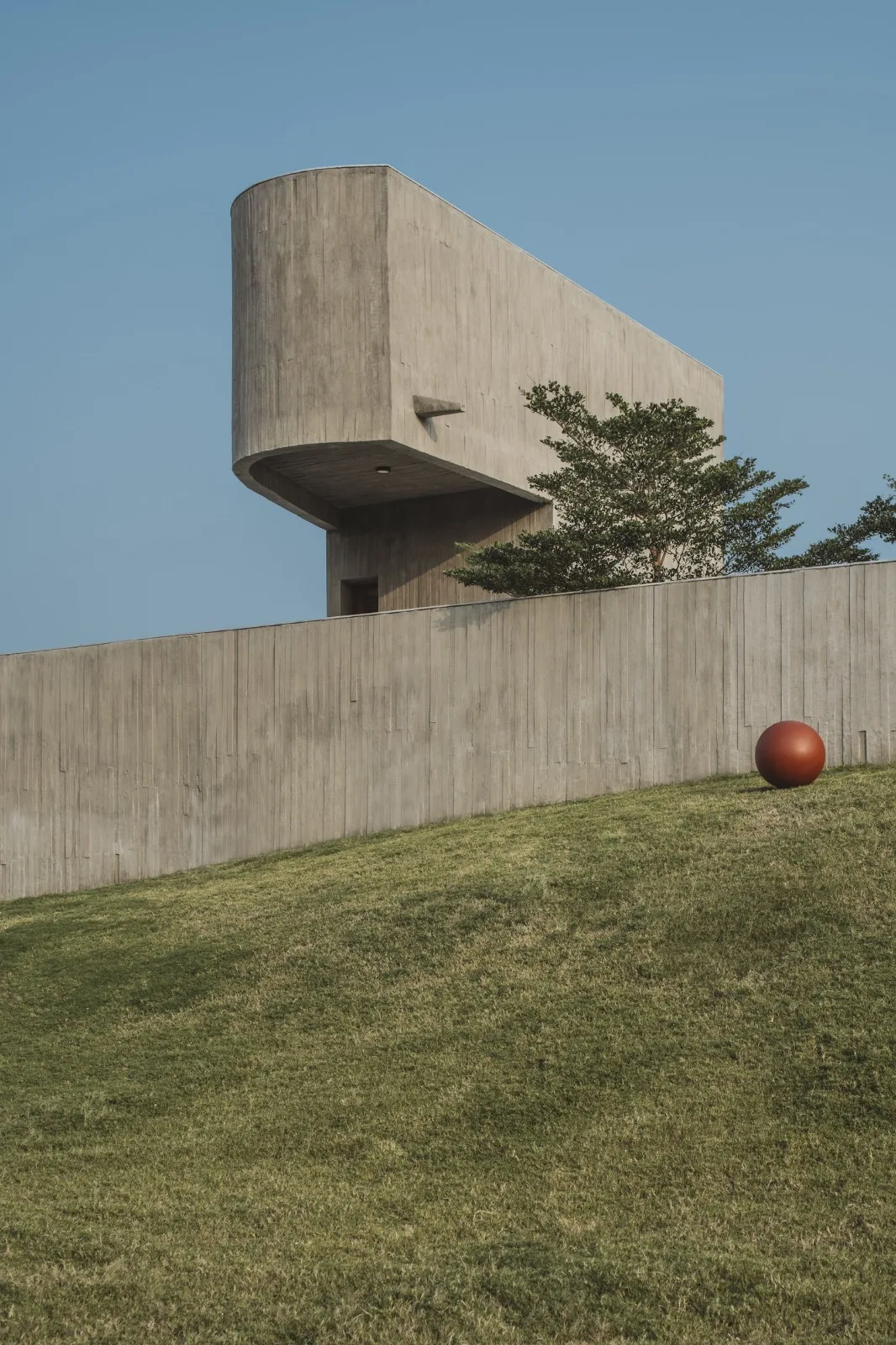
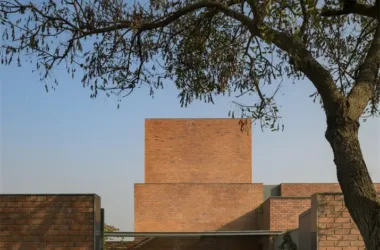
The enclosure’s materiality reflects a parallel investigation into rural construction techniques. The client, a prosperous businessman who originally built his wealth through farming, sought to reconnect with his roots and requested the use of local labor for this rural experiment. Contractors were tasked with building a sample concrete wall using local wooden formwork without bolts, which created unpredictable, beautiful textures caused by displacement and warping. This “intended imperfection” became an integral part of the construction process and influenced the selection of other materials throughout the project.
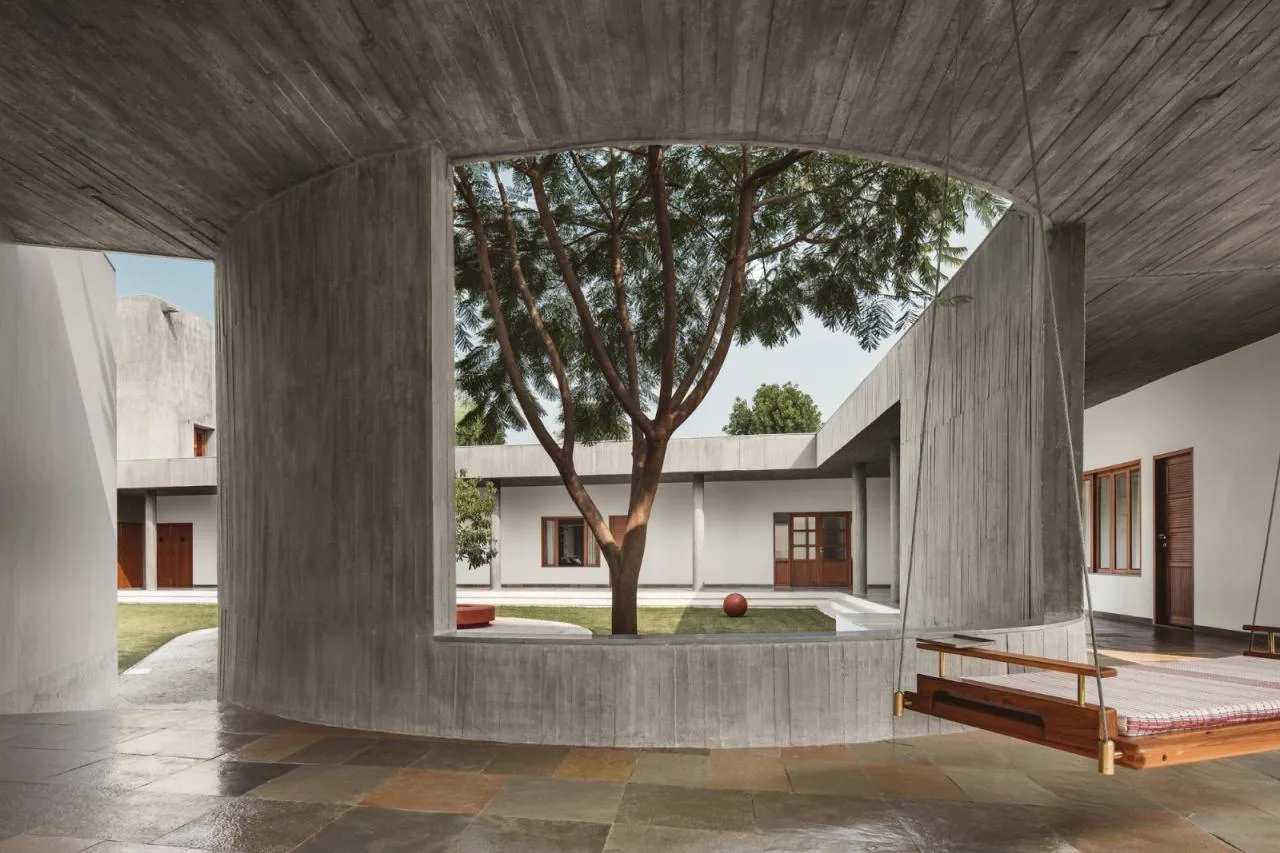
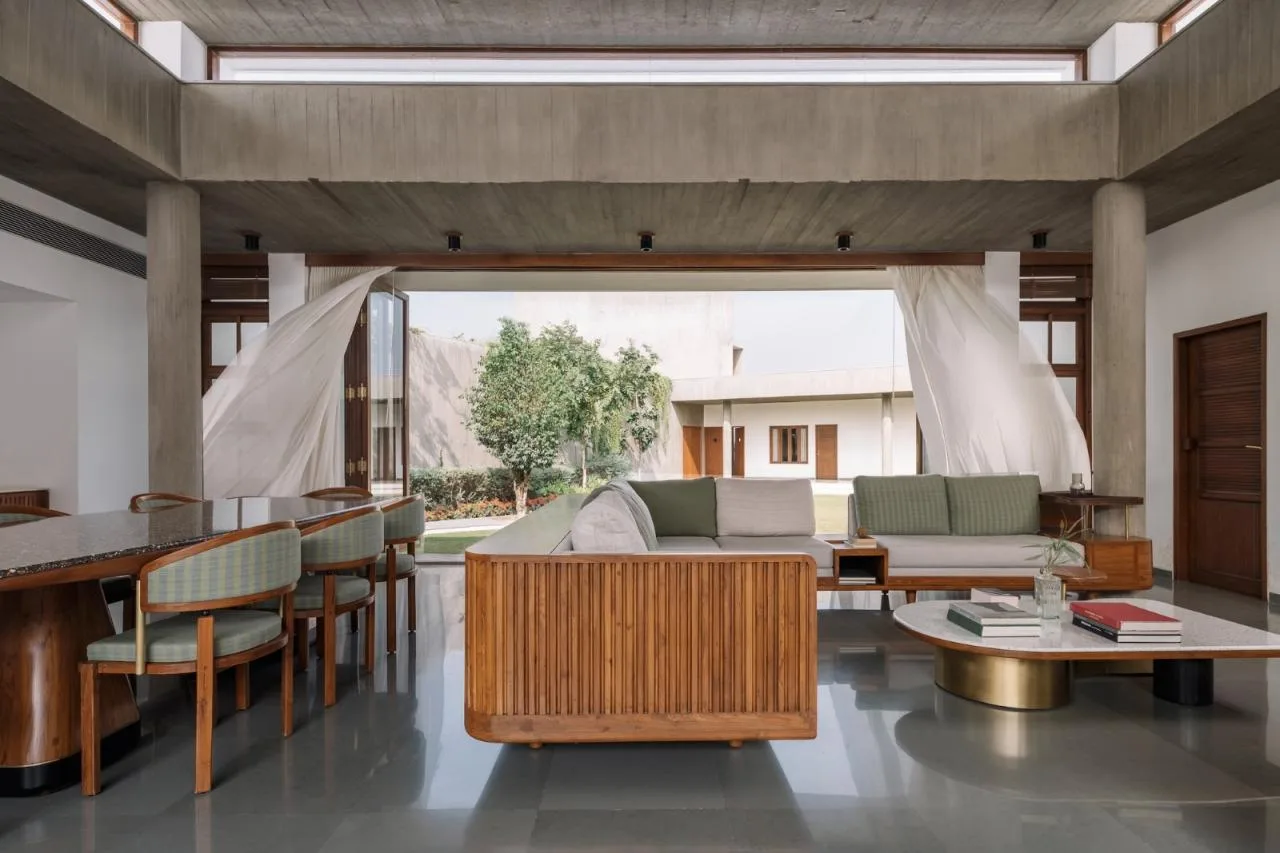
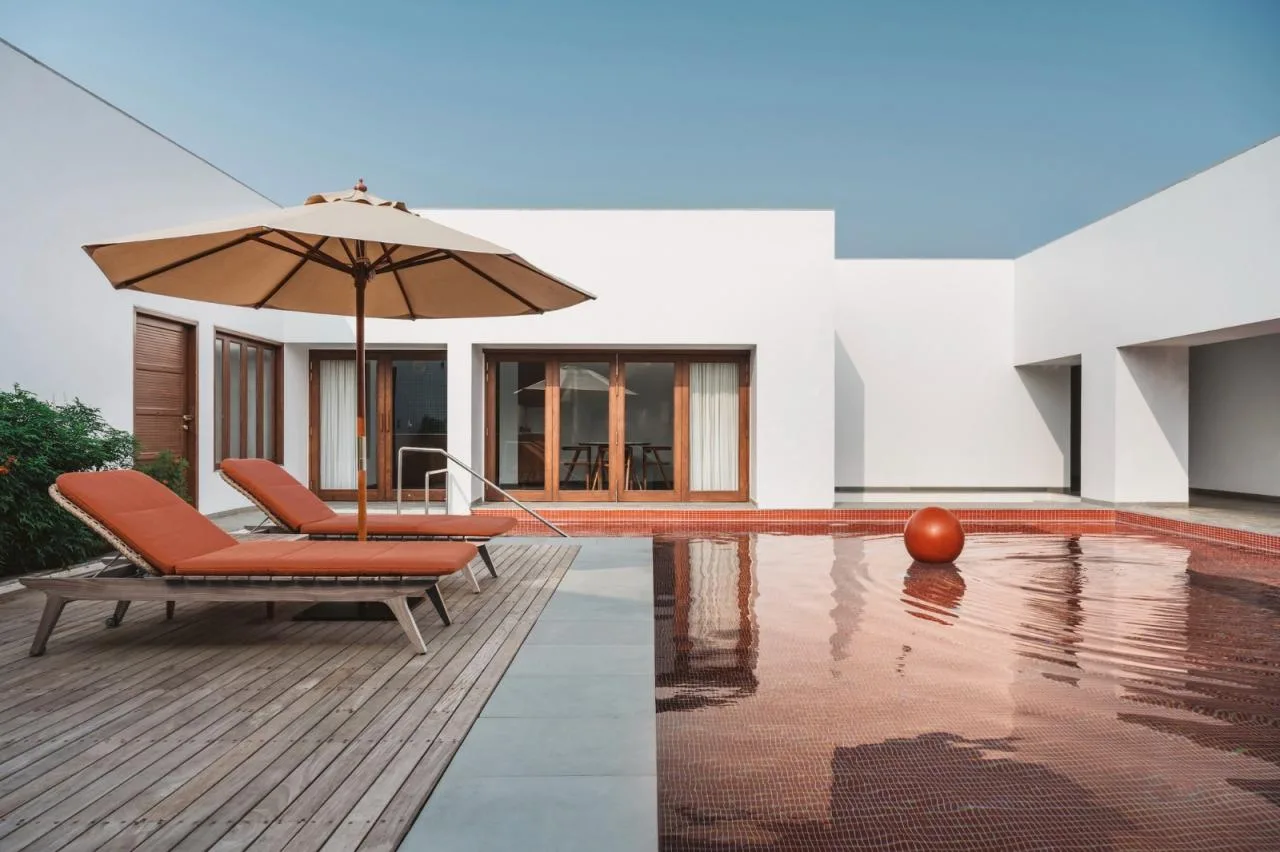
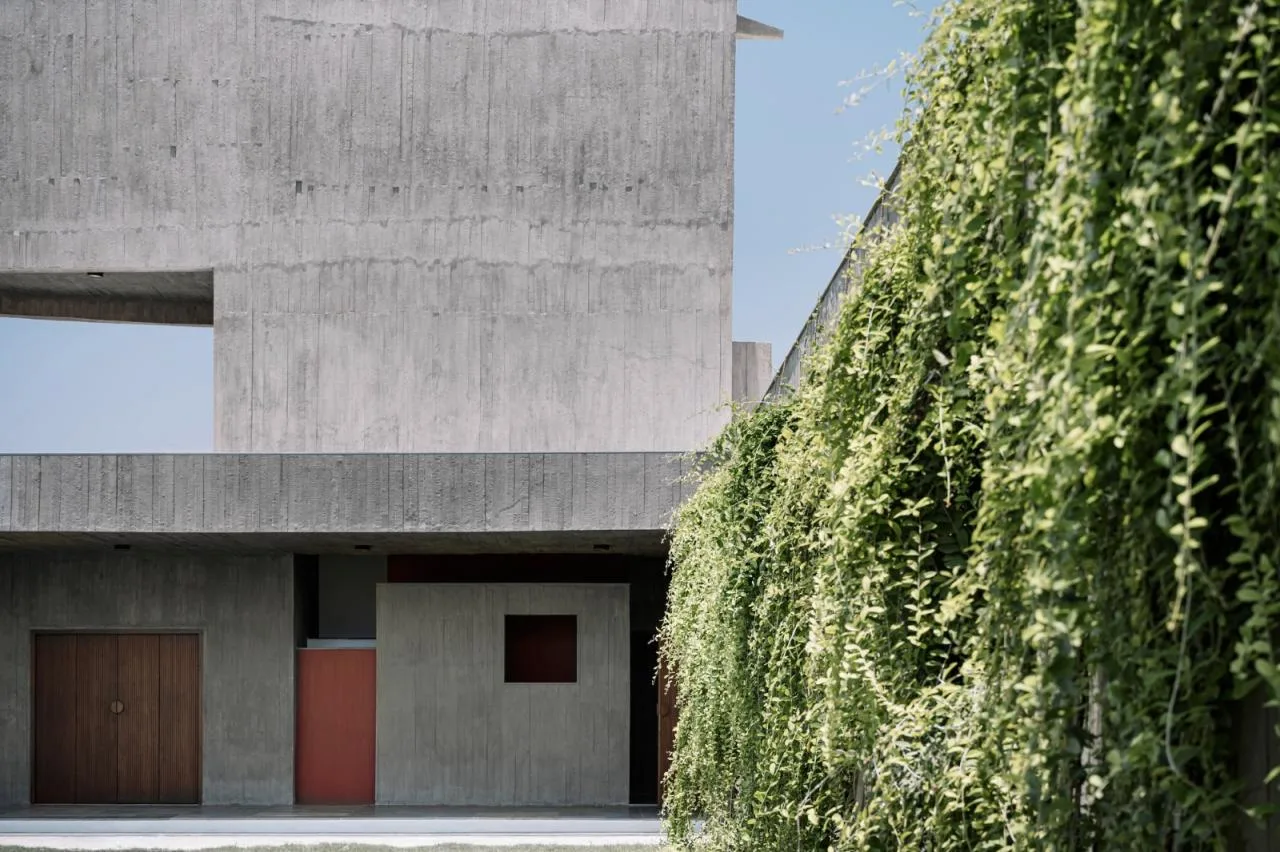
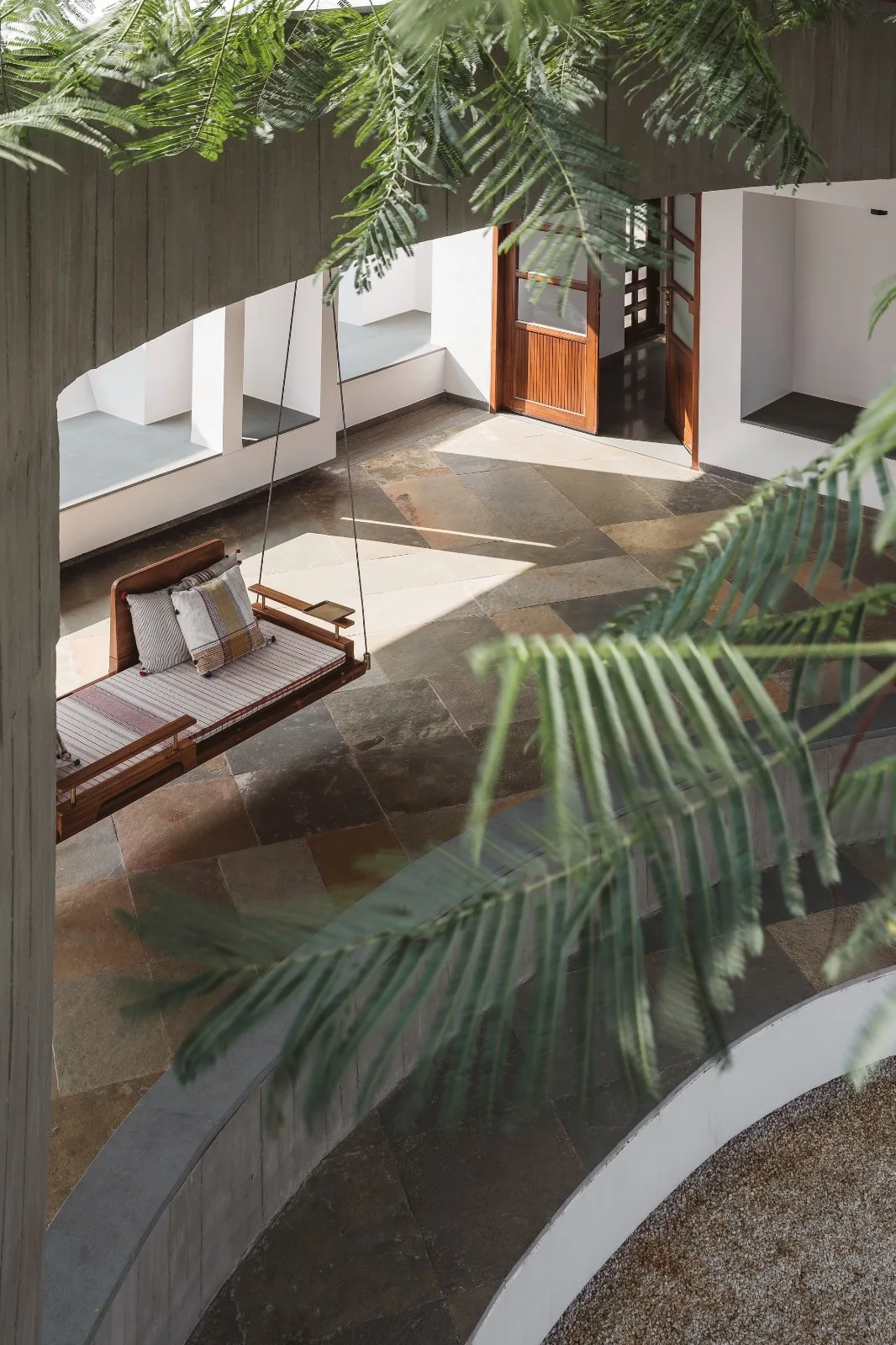
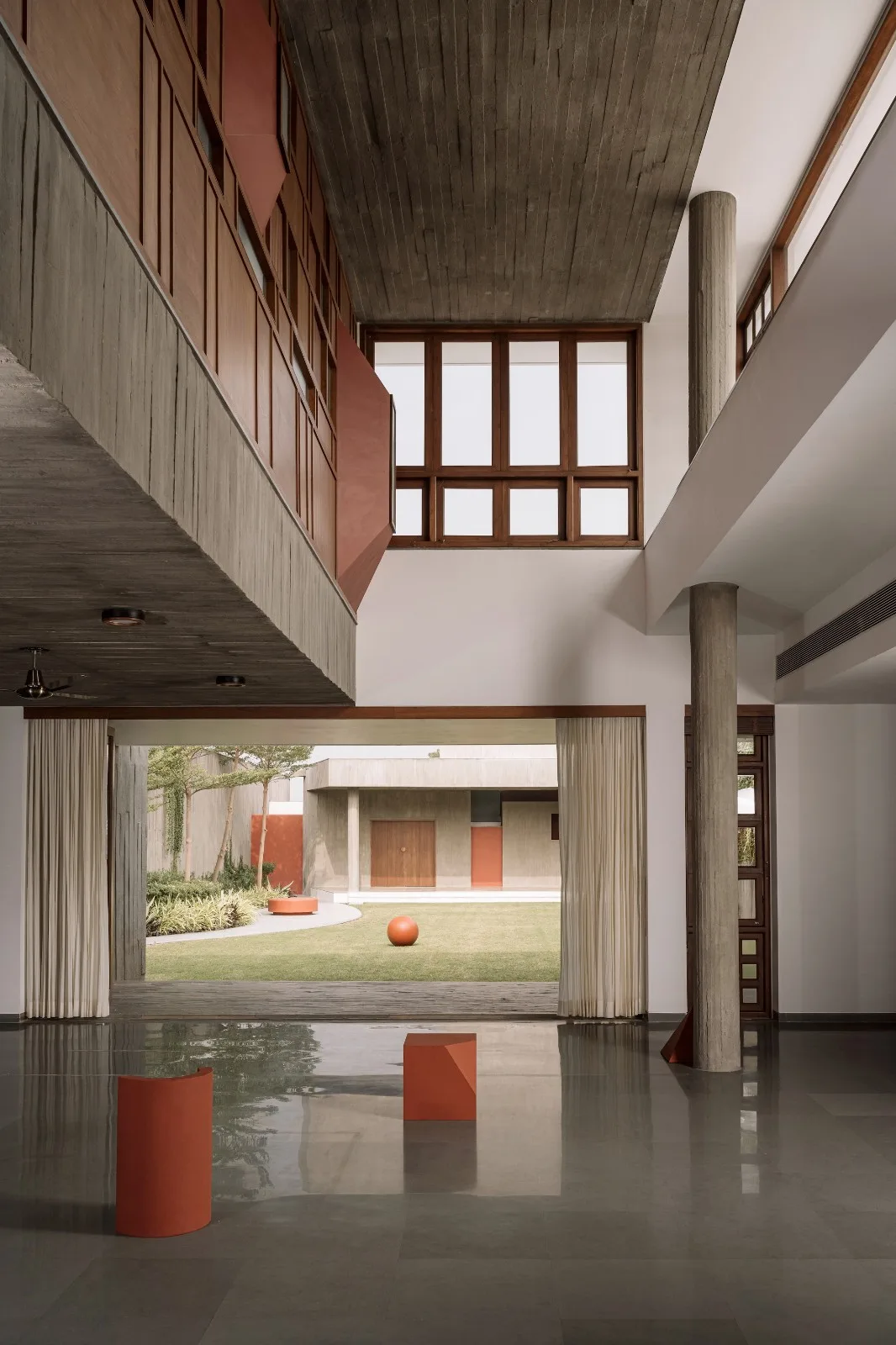
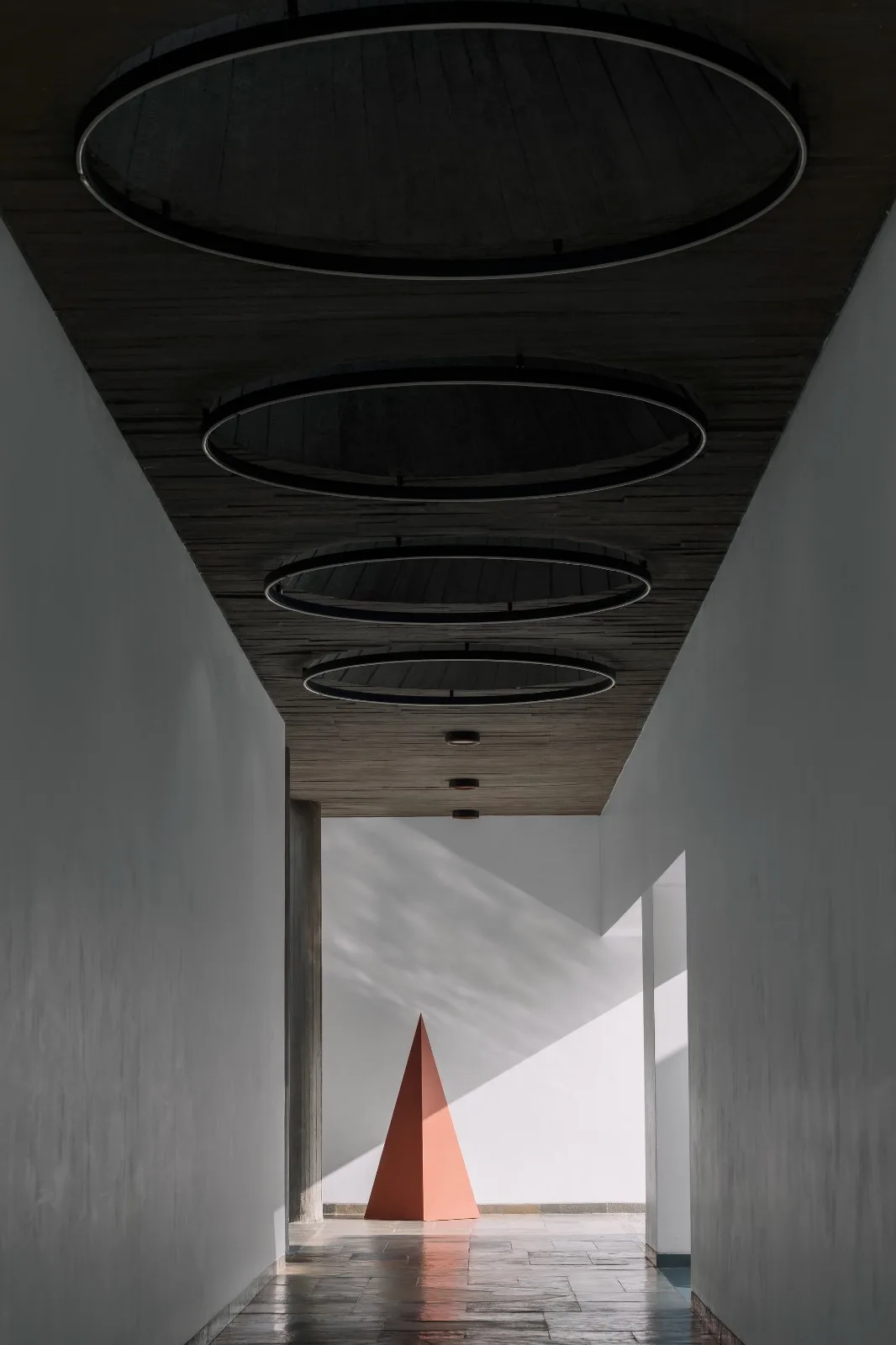
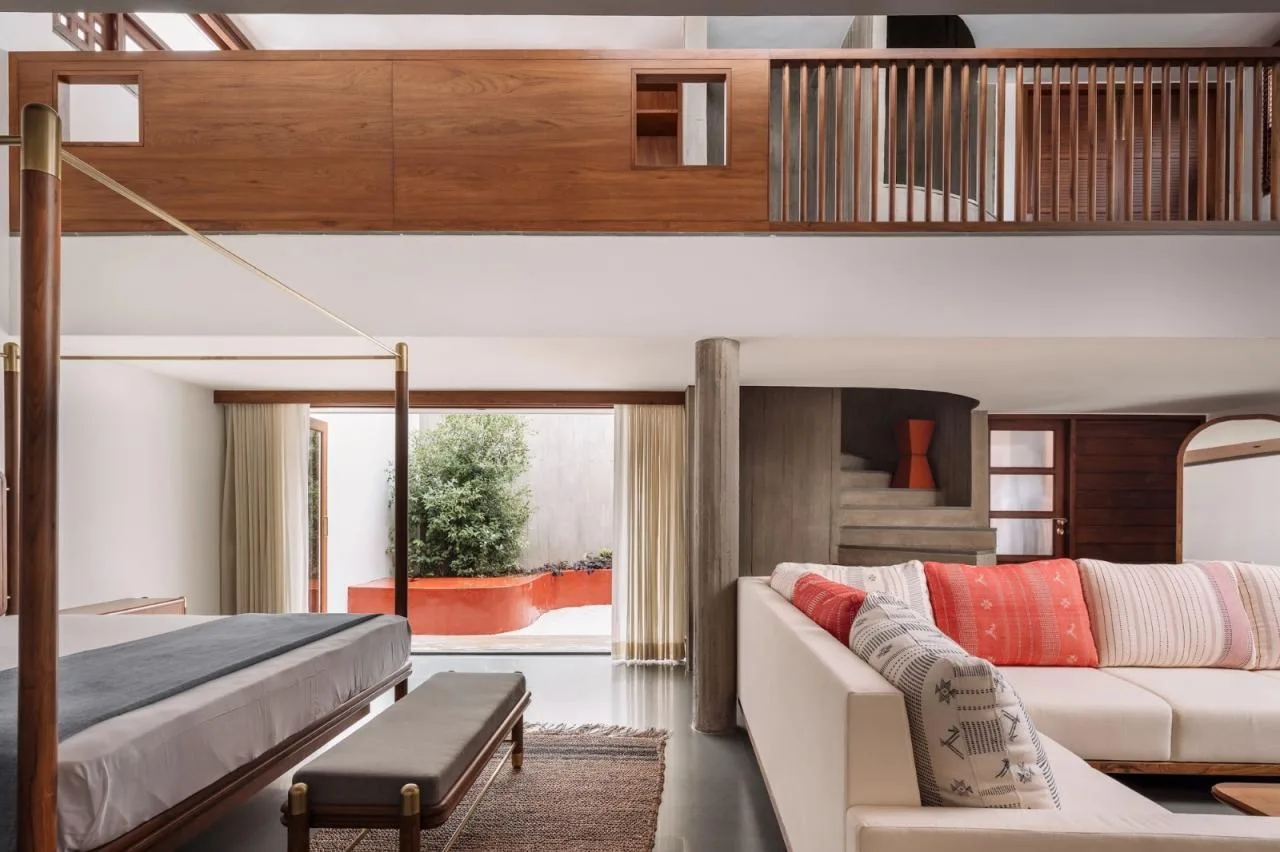
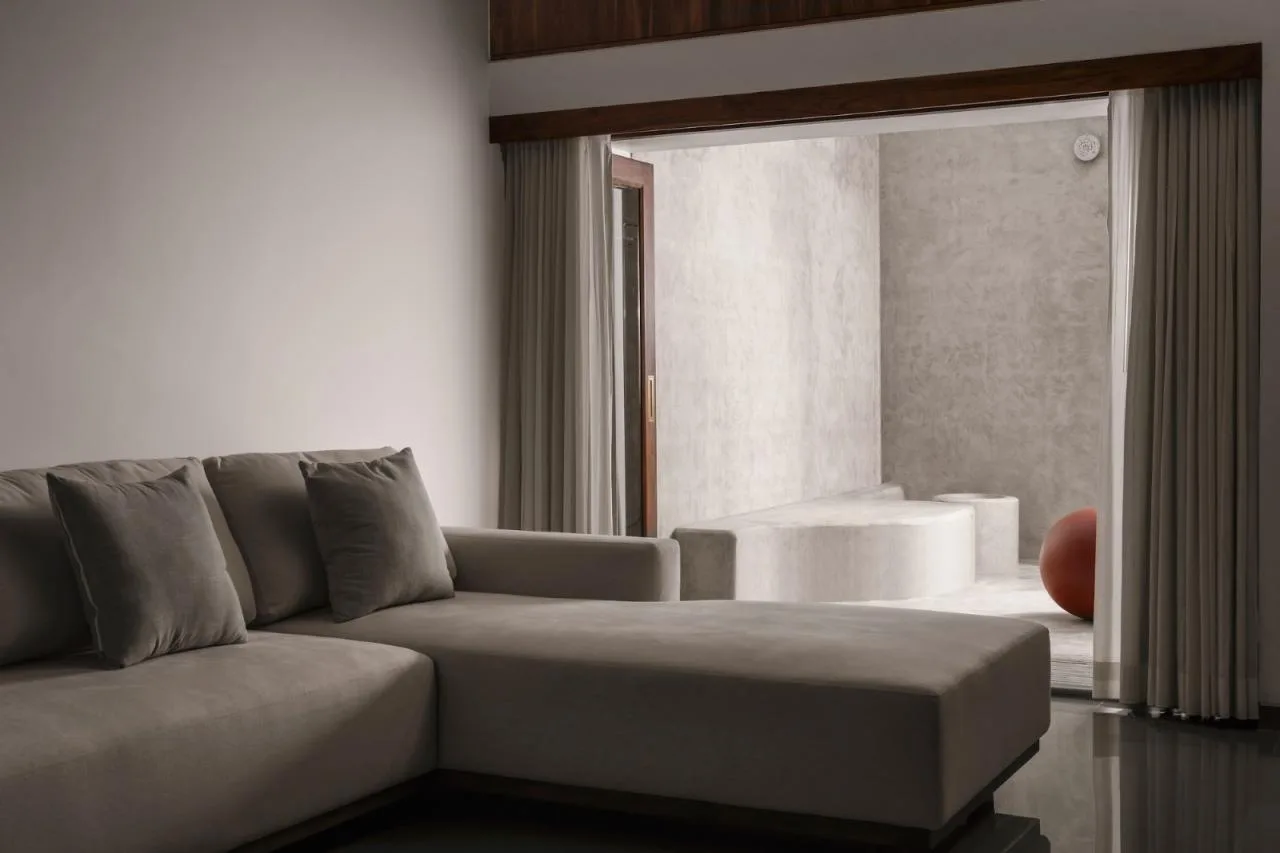
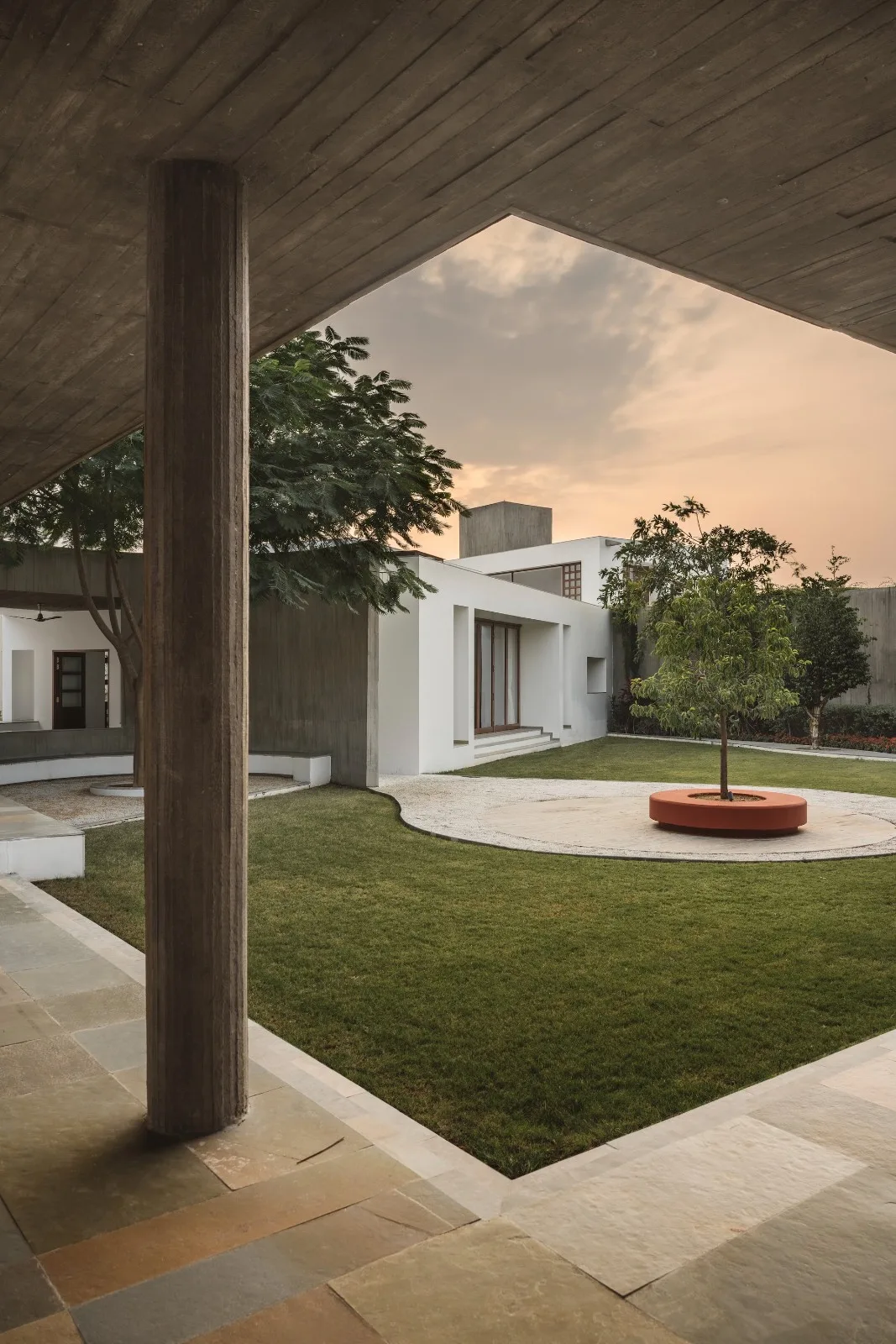
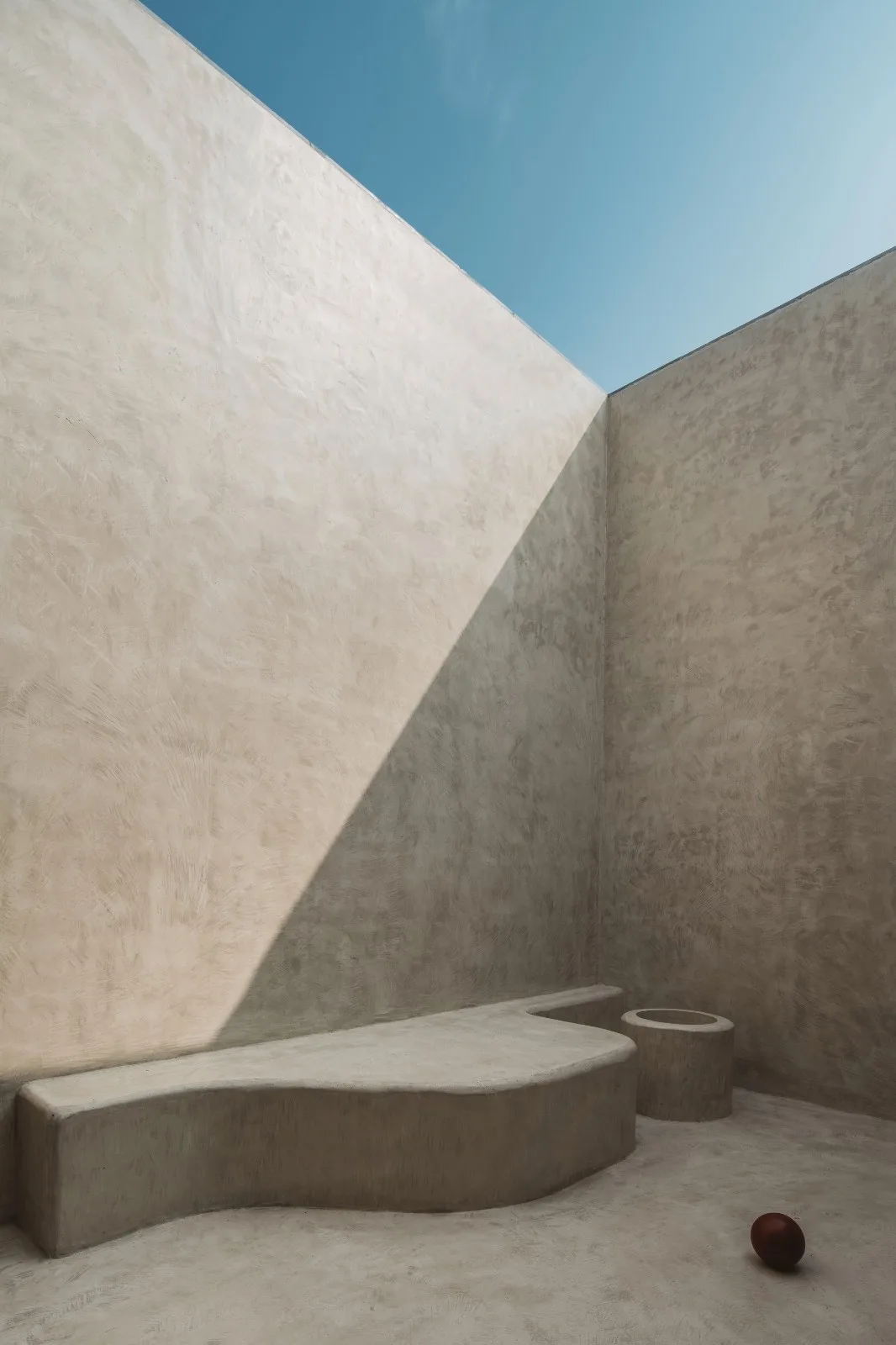
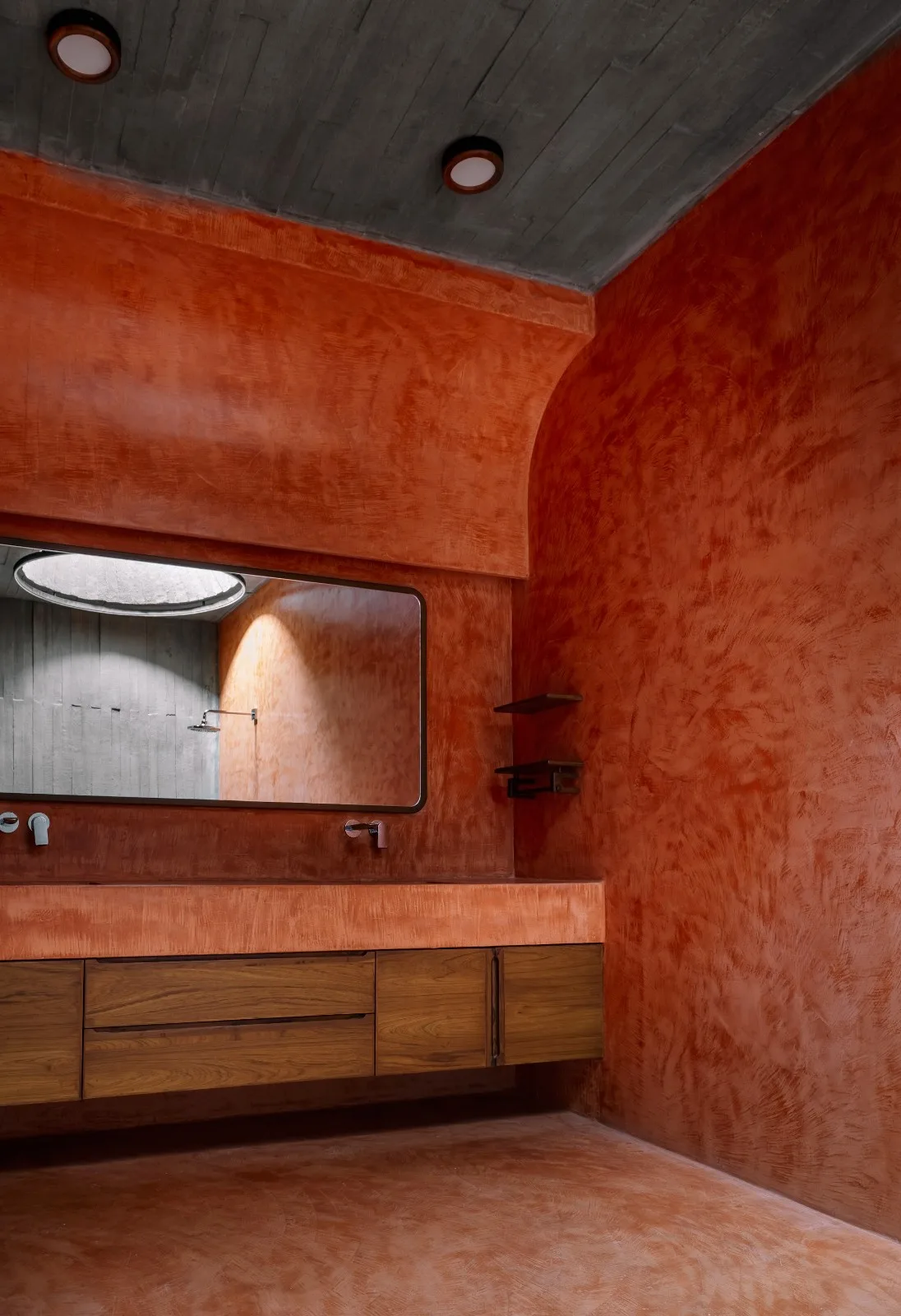
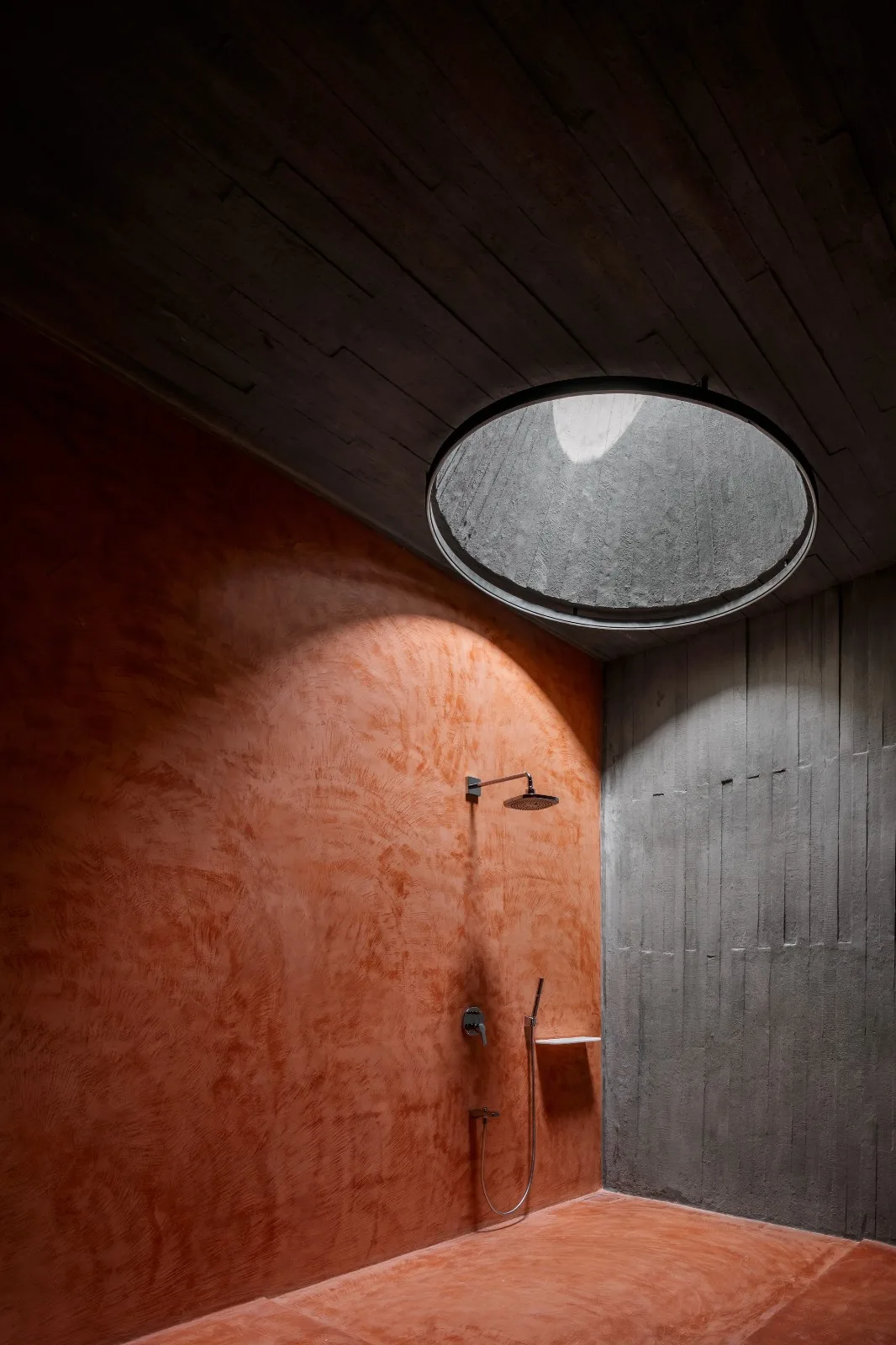
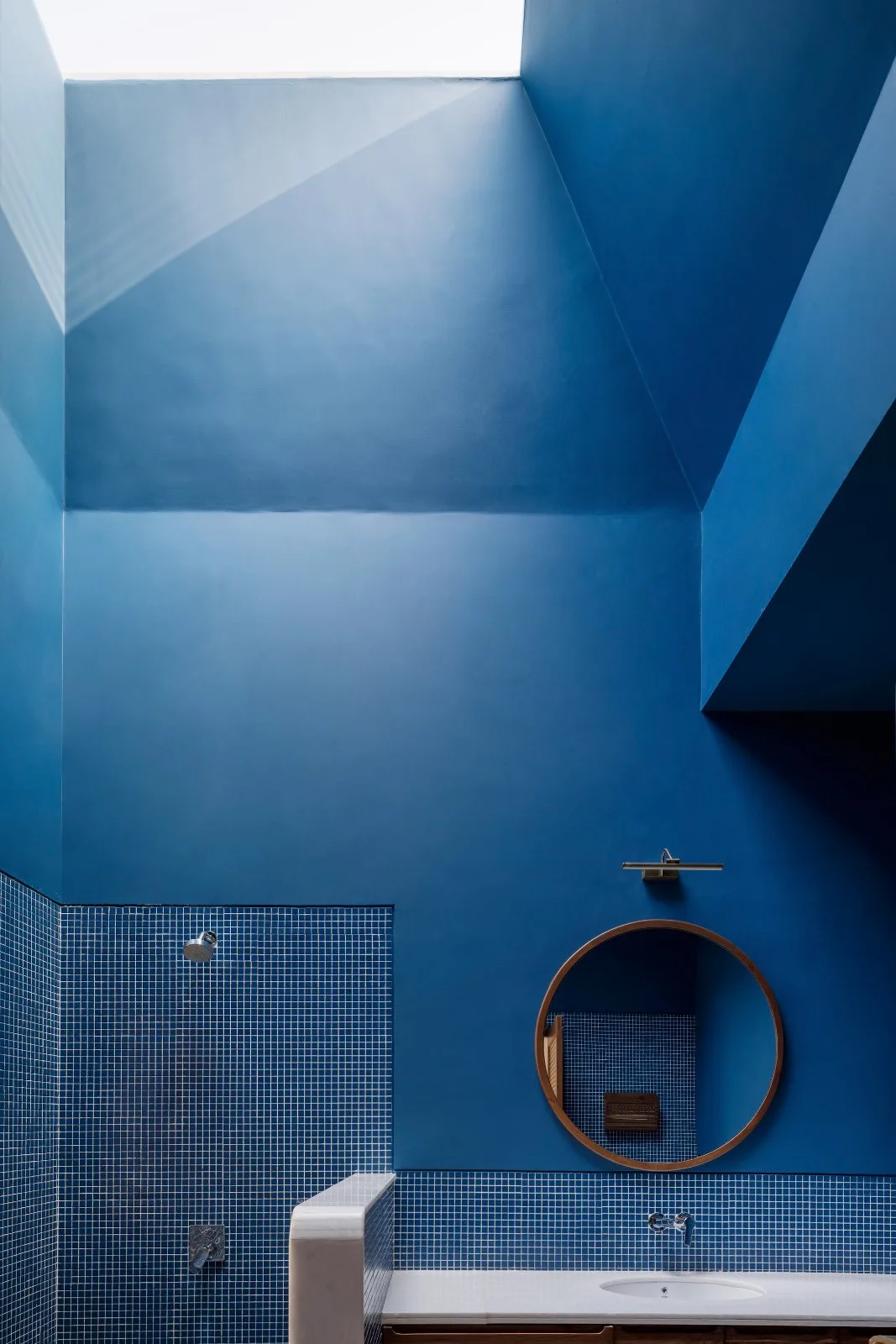
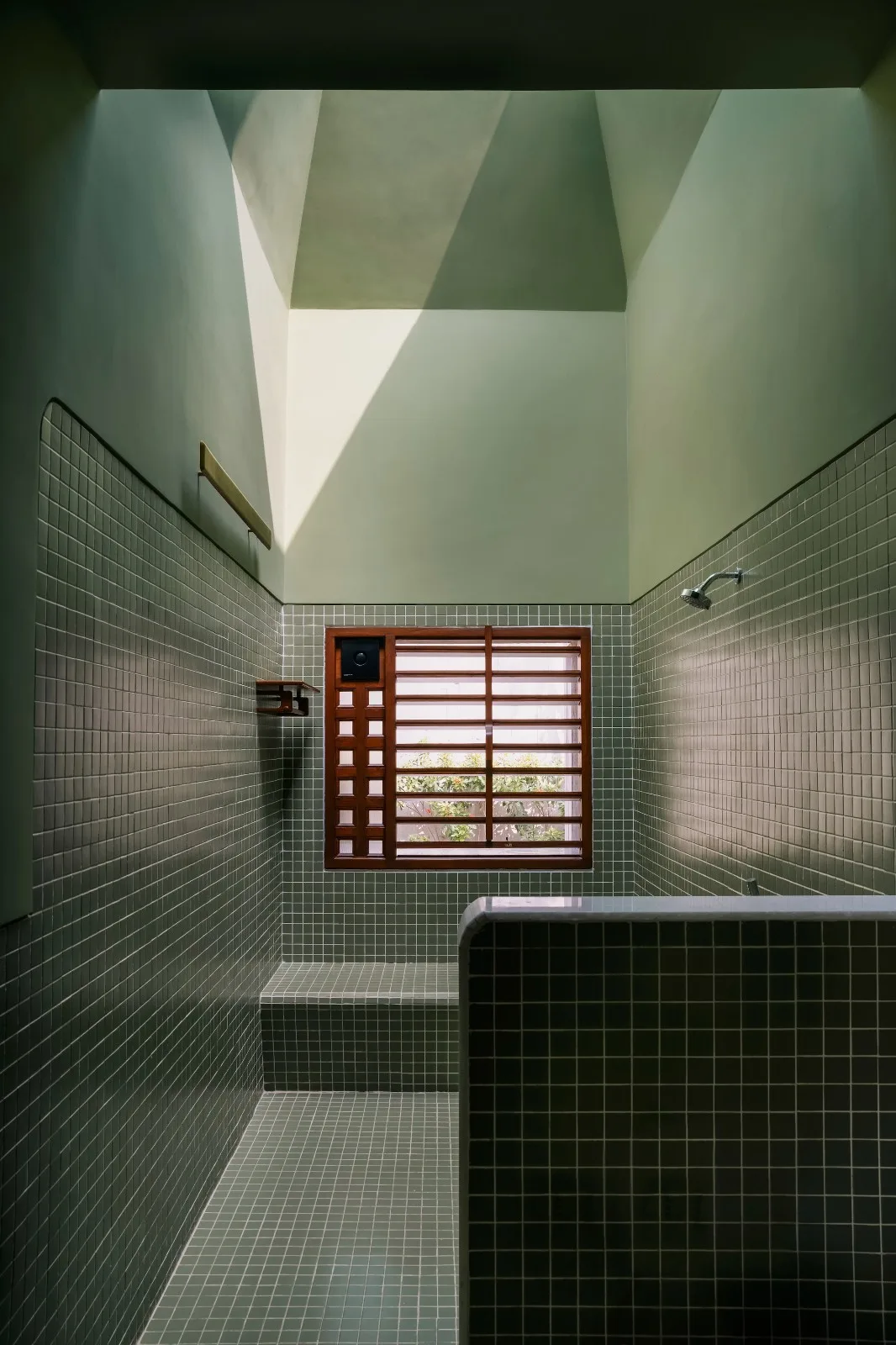
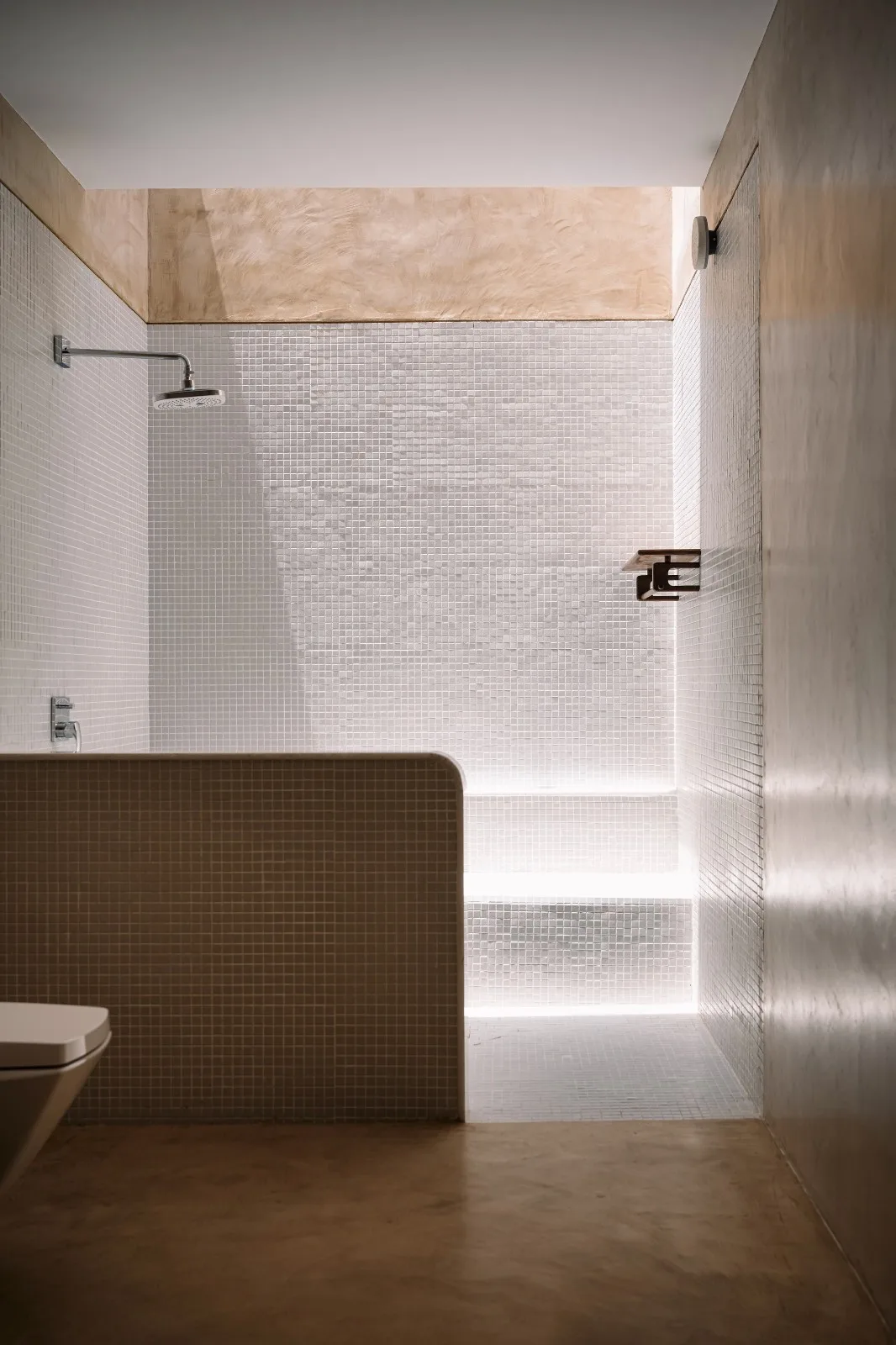
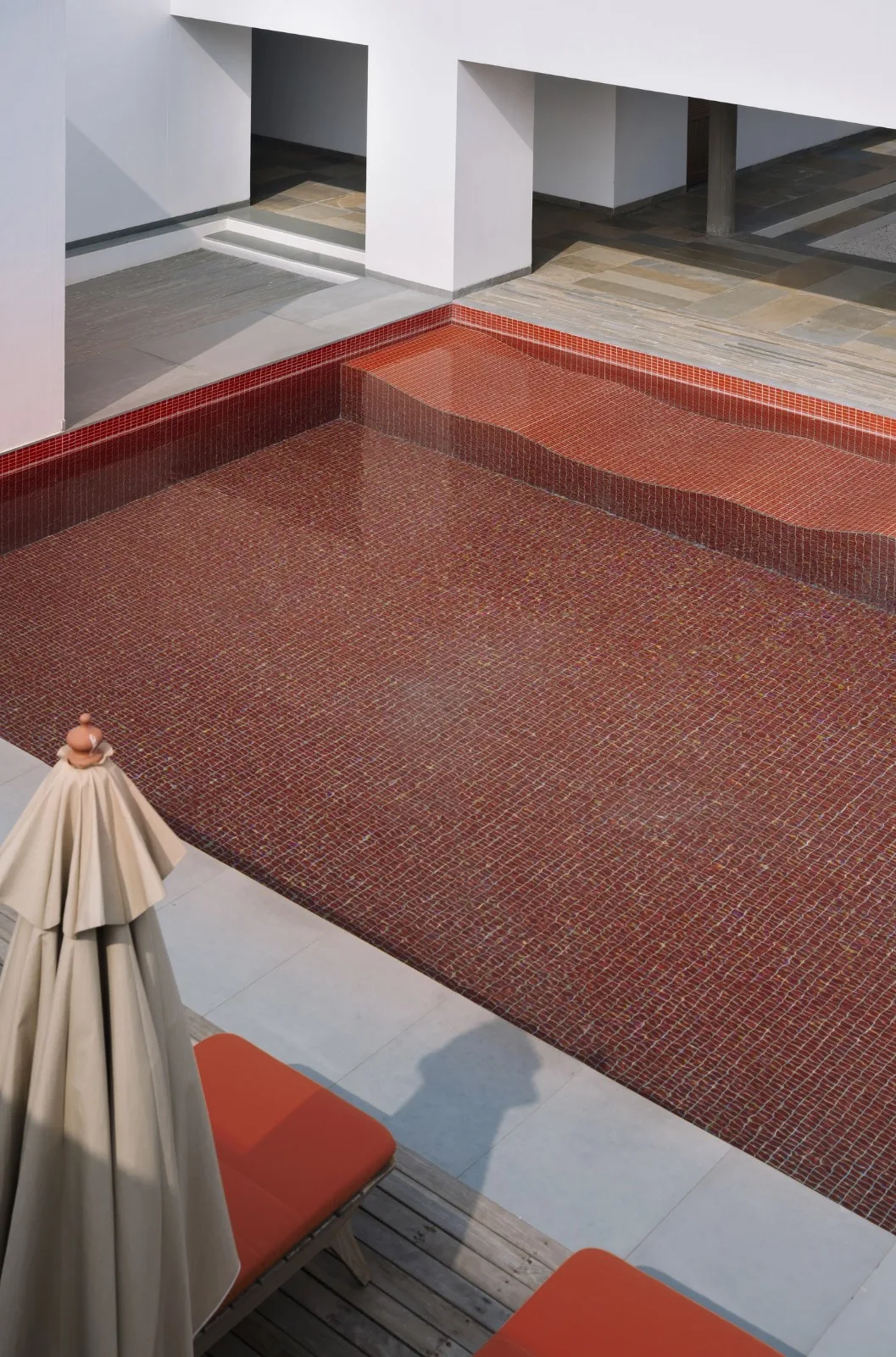
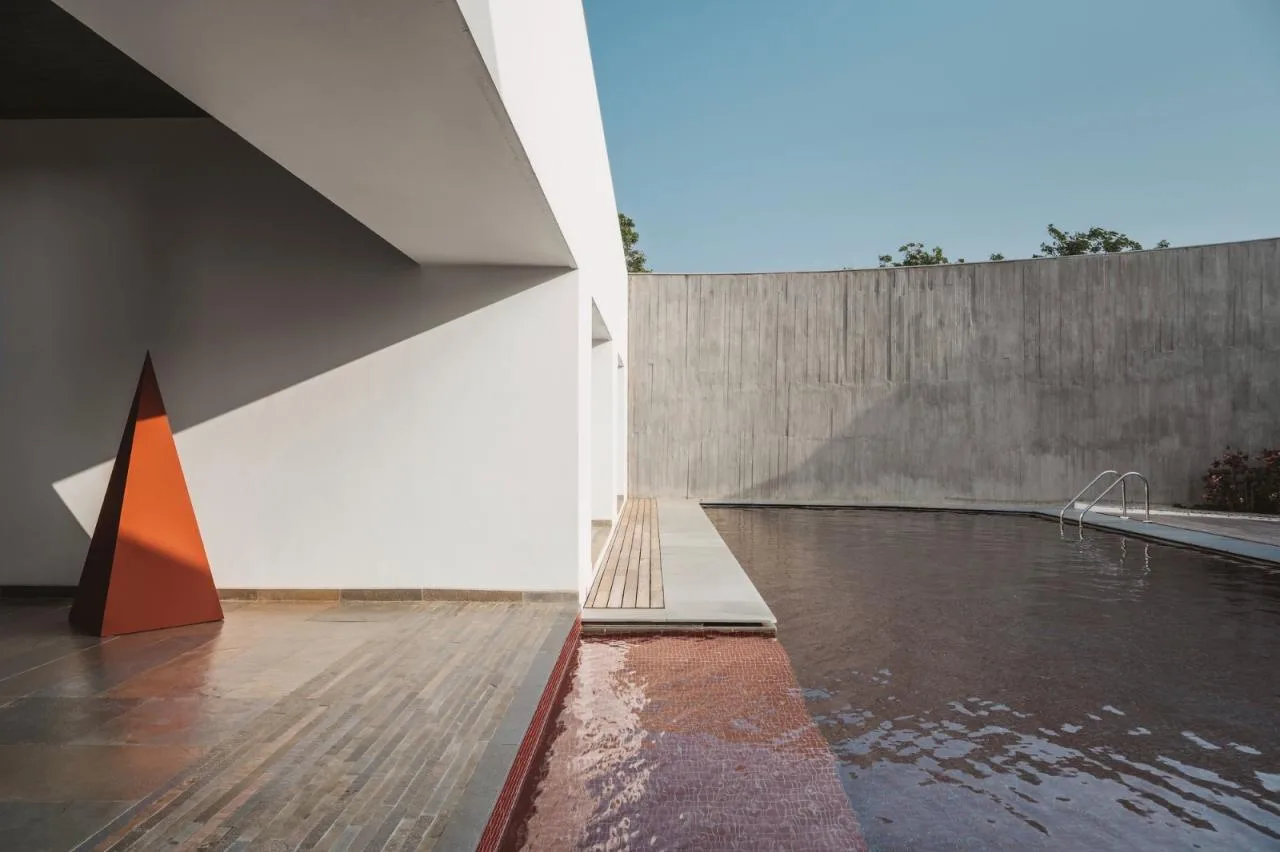
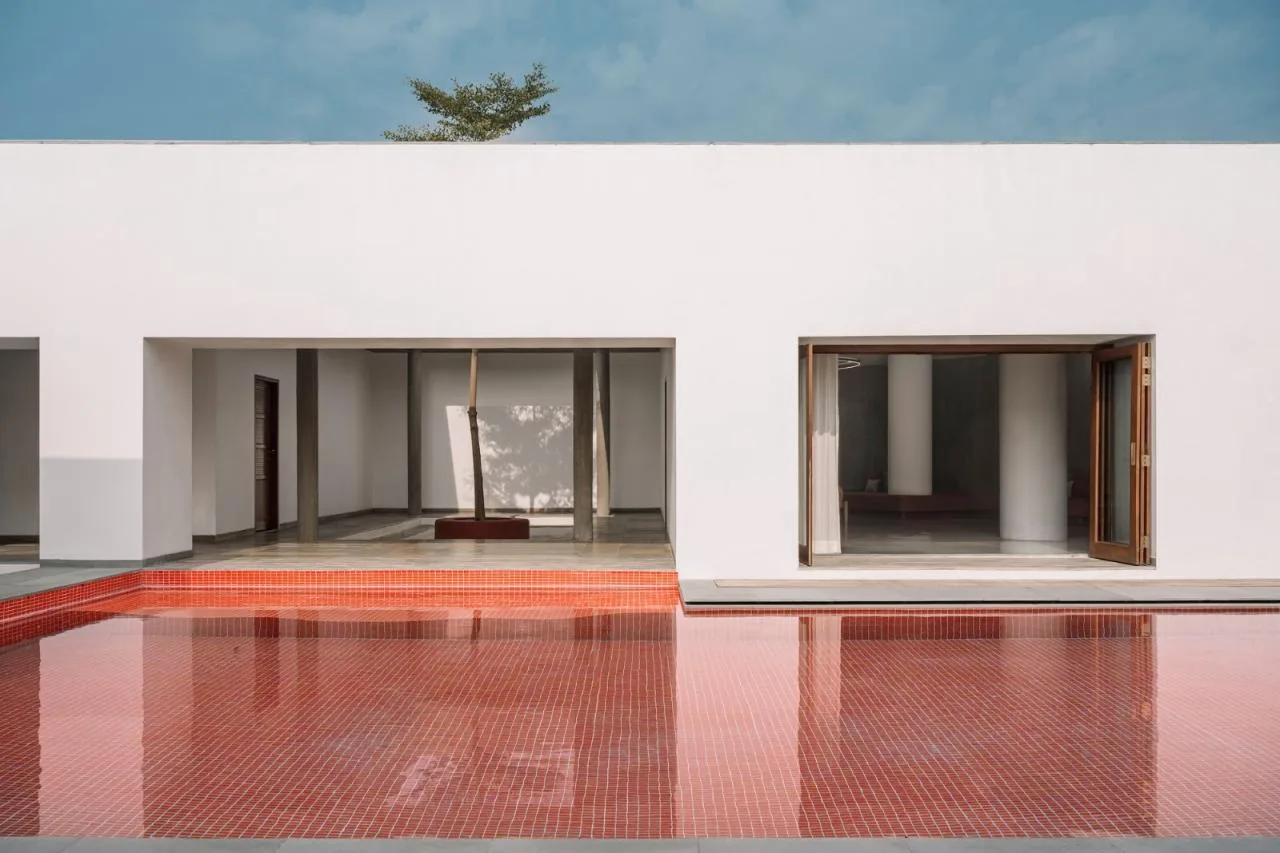
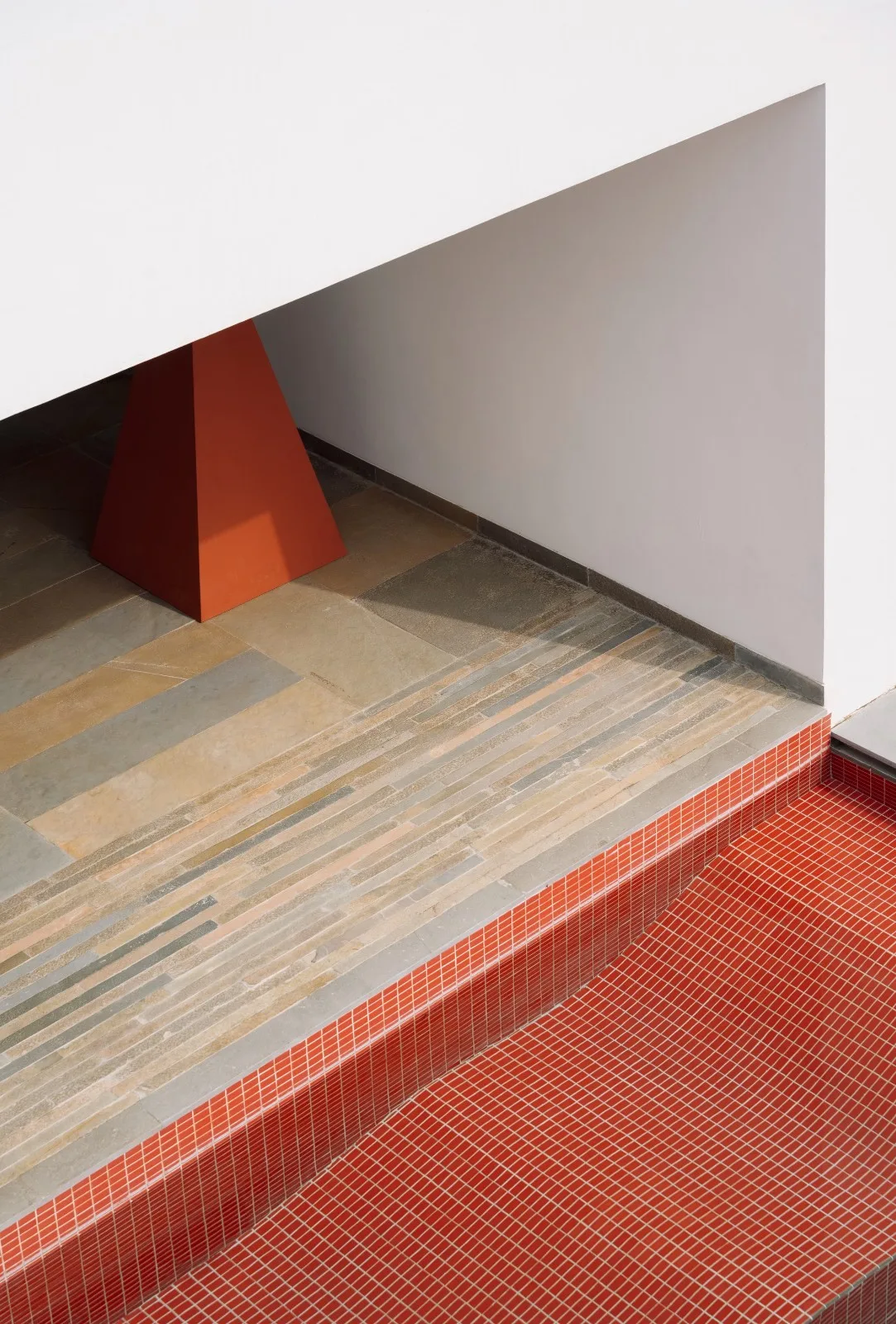
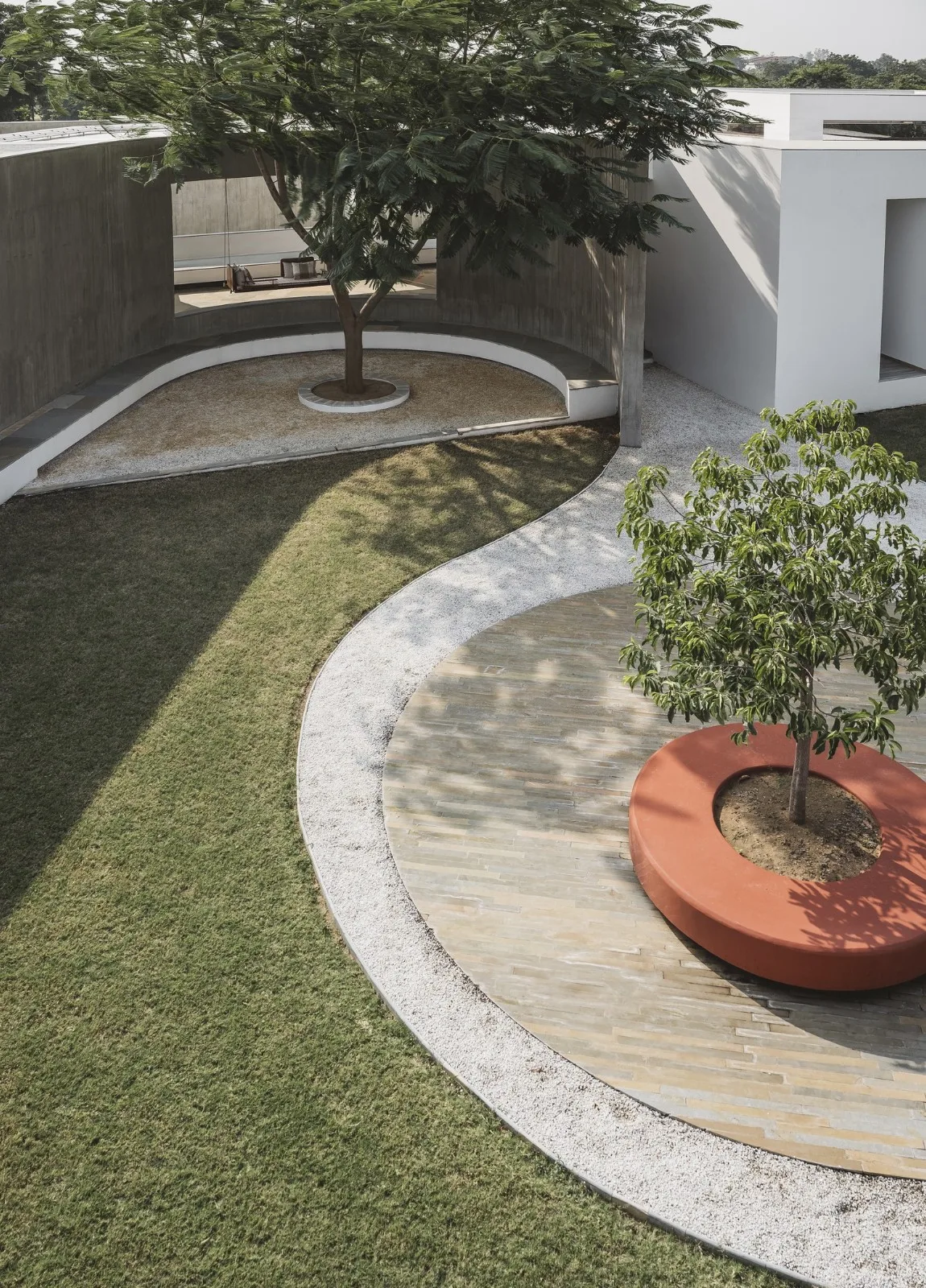
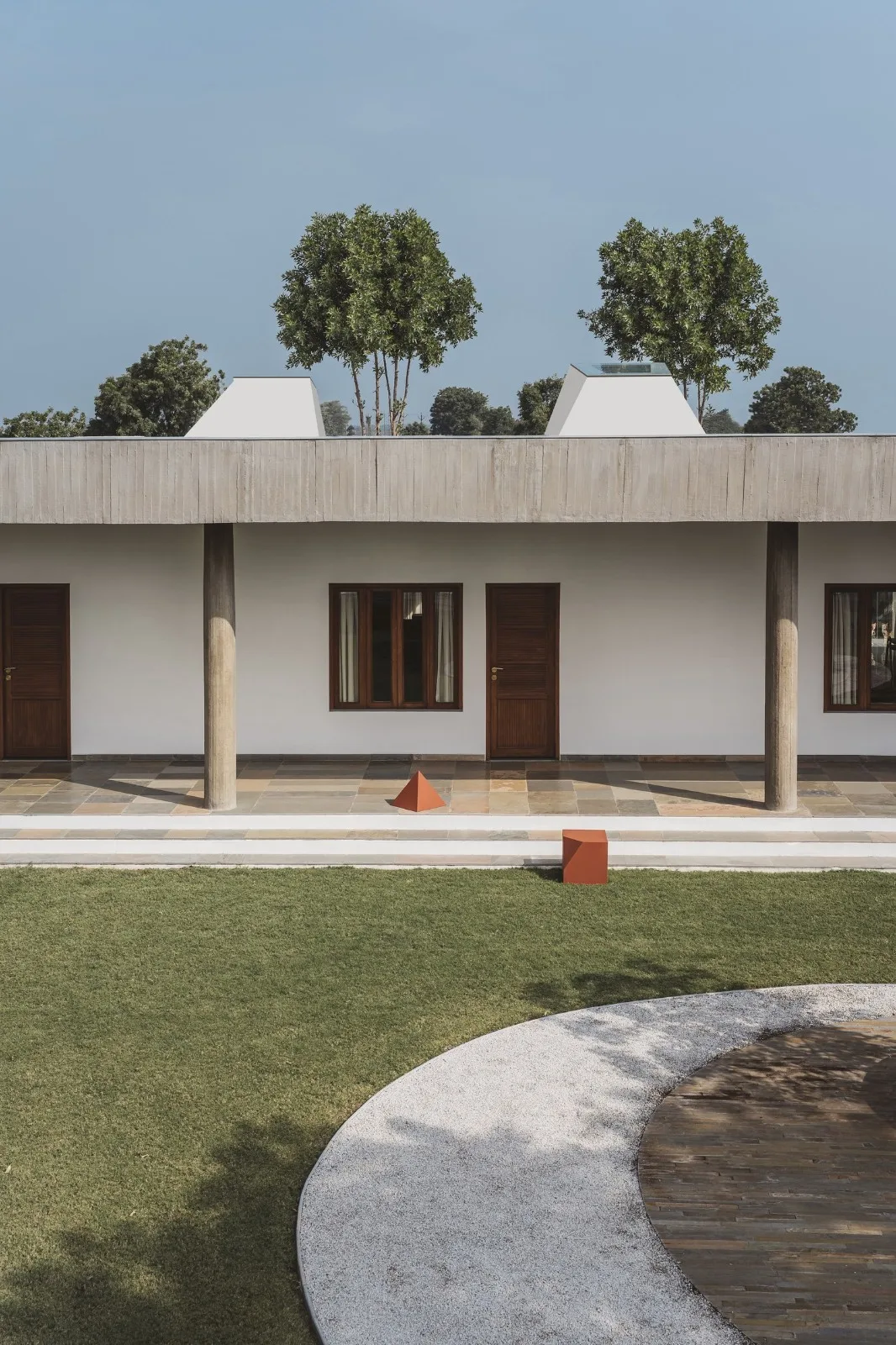
The soft material palette features Kota color-changing concrete stone and white wood, punctuated by warm terracotta accents. These appear at key points such as the main entrance — where a brass Bindu symbol represents origin — the swimming pool, seating areas around seasonally blooming trees, and sculptures scattered throughout the residence and garden. The only other vivid colors are found in the bathrooms, the most private rooms in the house, where each space features a unique soft tone dramatically illuminated by turret-like skylights.
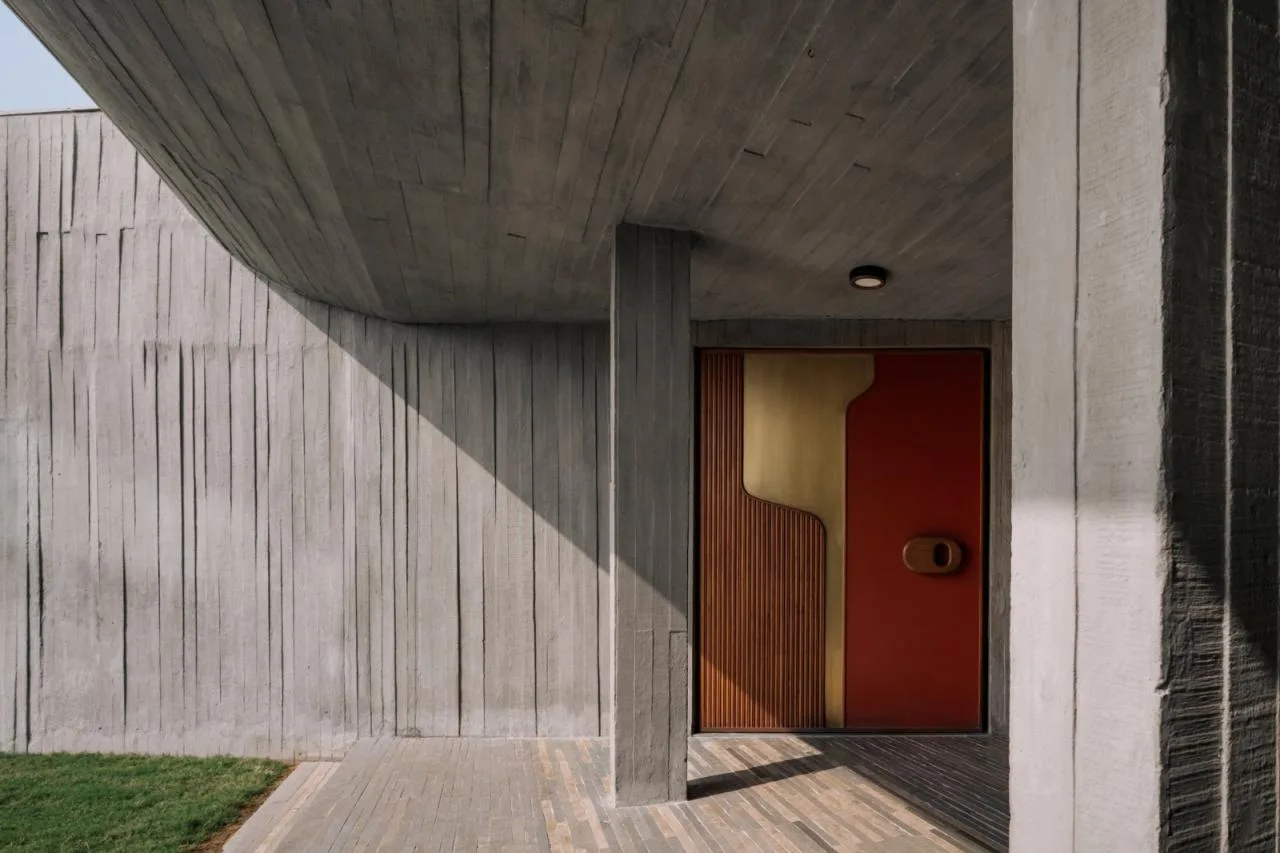
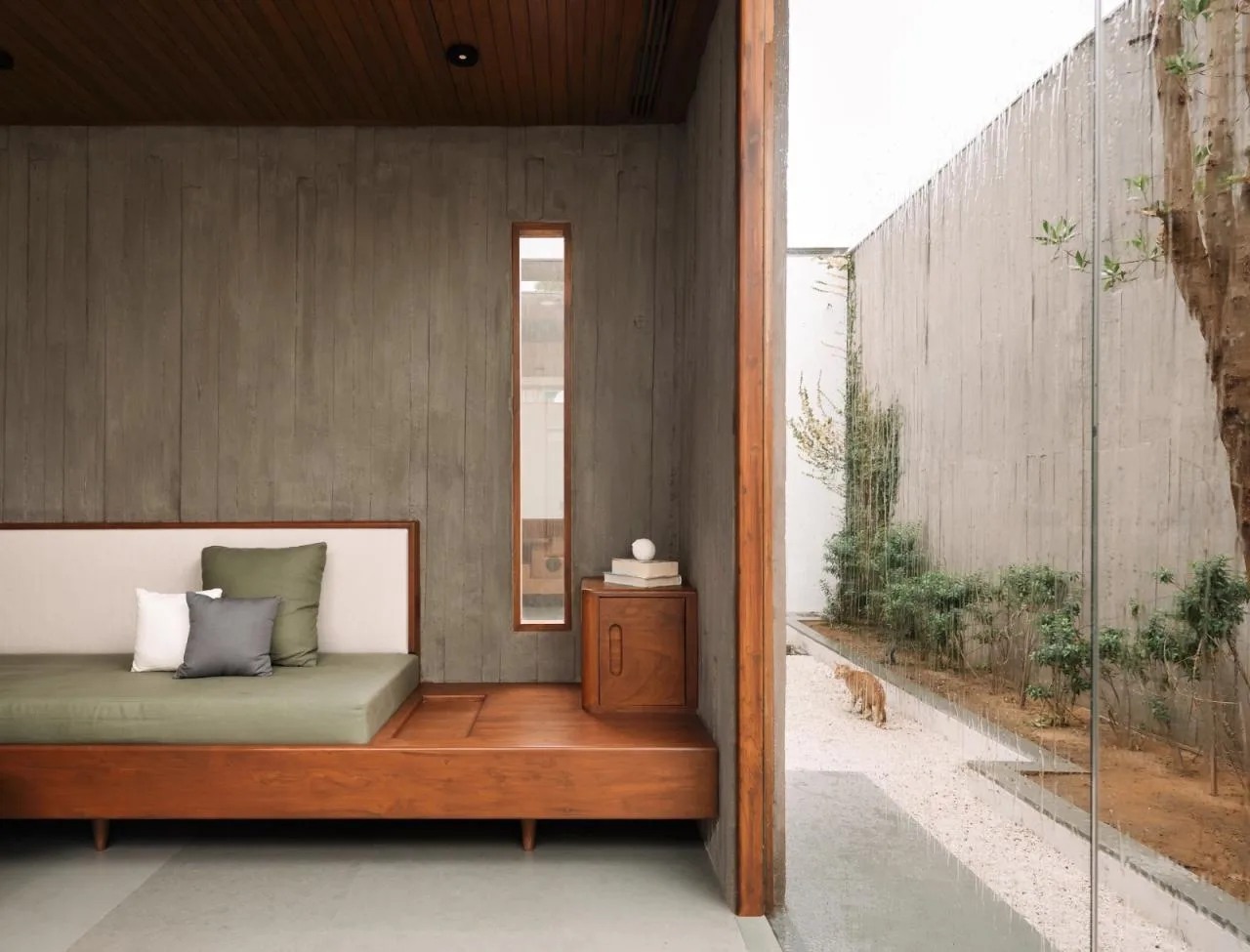
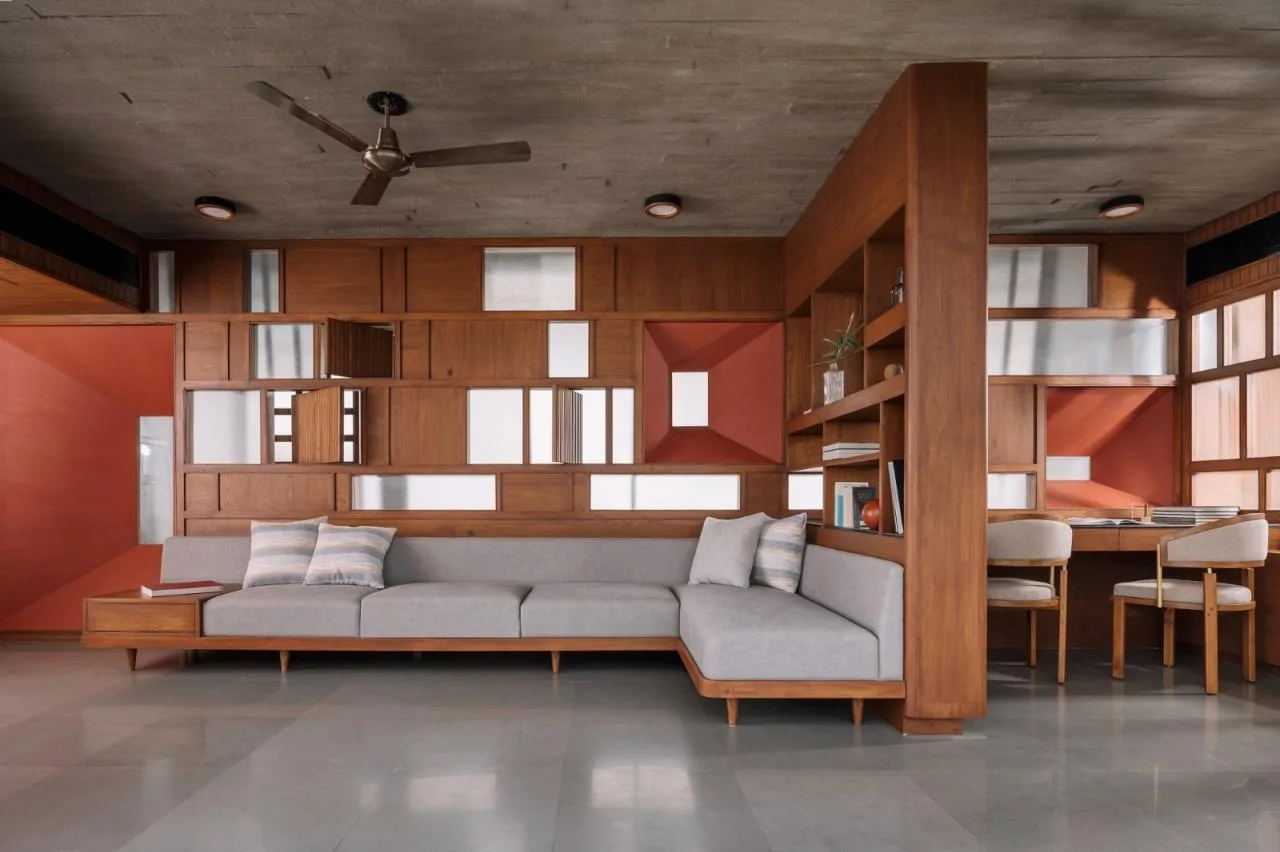
The overall design plan separates public, semi-private, and private zones while maintaining a continuous flow around a central open courtyard. All private areas open onto this courtyard via covered corridors and smaller private courtyards, ensuring ample natural light and ventilation while offering protection from tropical sun and hot winds.
This project has significantly influenced the developmental trajectory of Design Ni Dukaan during its formative years. Due to multiple delays caused by the pandemic, the project took nearly nine years to complete. This extended timeline allowed the architects to continuously re-evaluate and deeply explore their conceptual understanding of architecture and design practices. They were also able to detach from or discard concepts as needed.
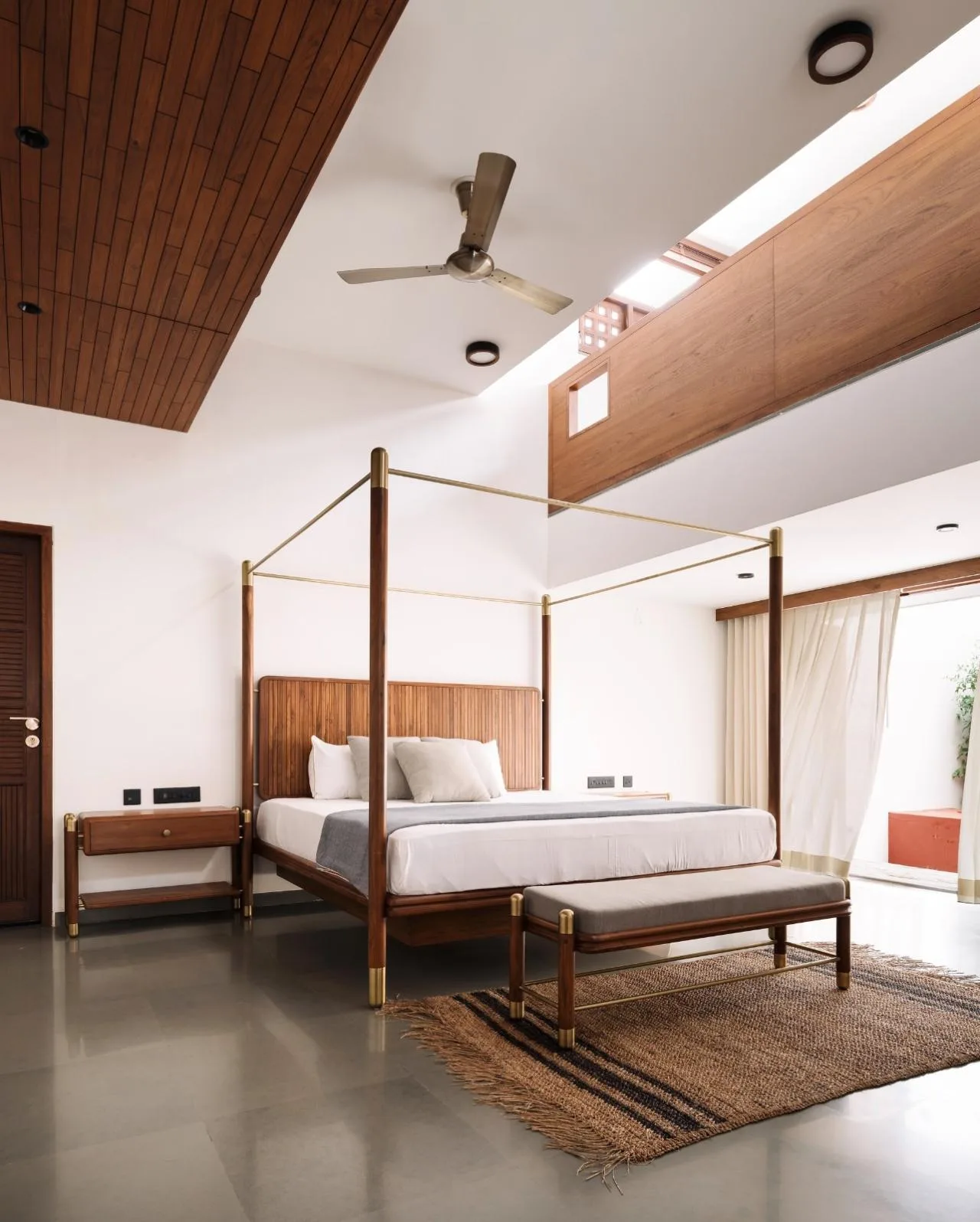
Throughout the project, every aspect — from architecture to interiors to landscaping — was meticulously addressed. The architects developed a comprehensive design language, where every element, including furniture, hardware, and lighting, was carefully refined and customized by skilled craftsmen. Ultimately, this project stands as a true celebration of creative exploration, embodying the essence of the studio’s design philosophy.
Project Drawings
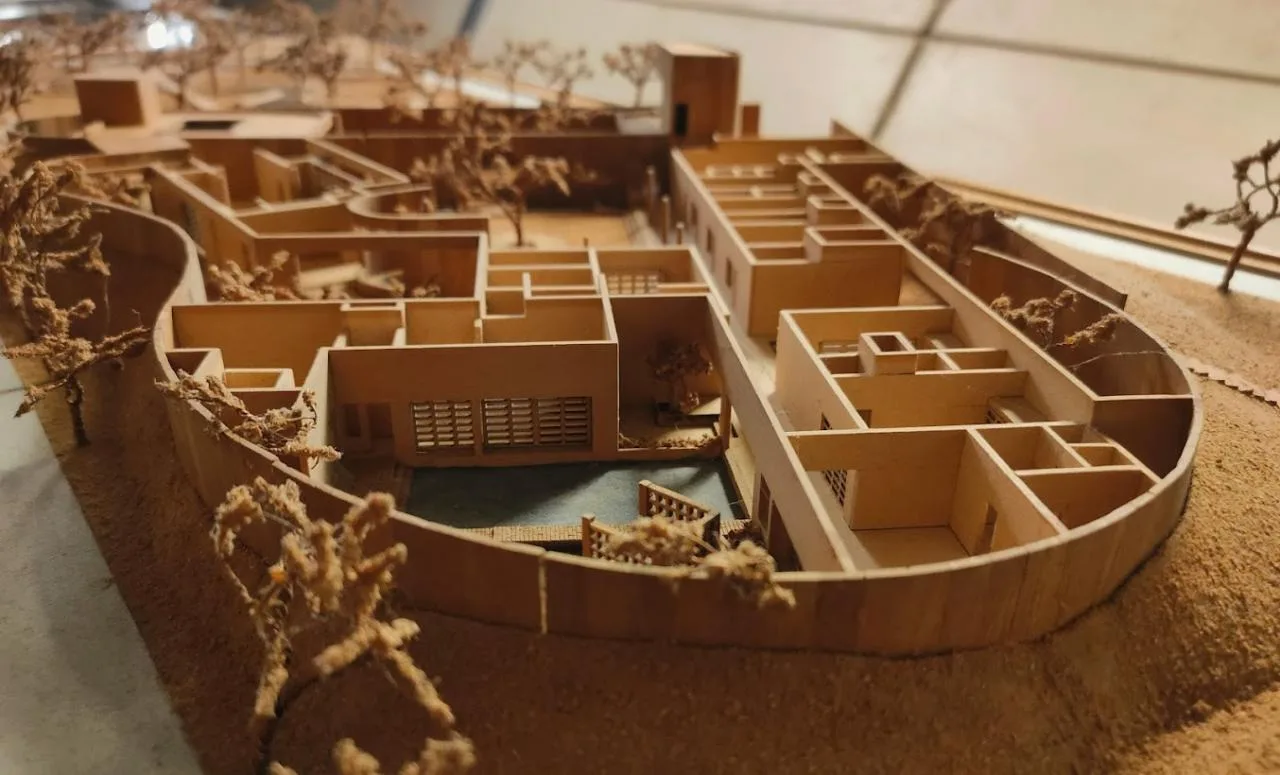
△ Model diagram
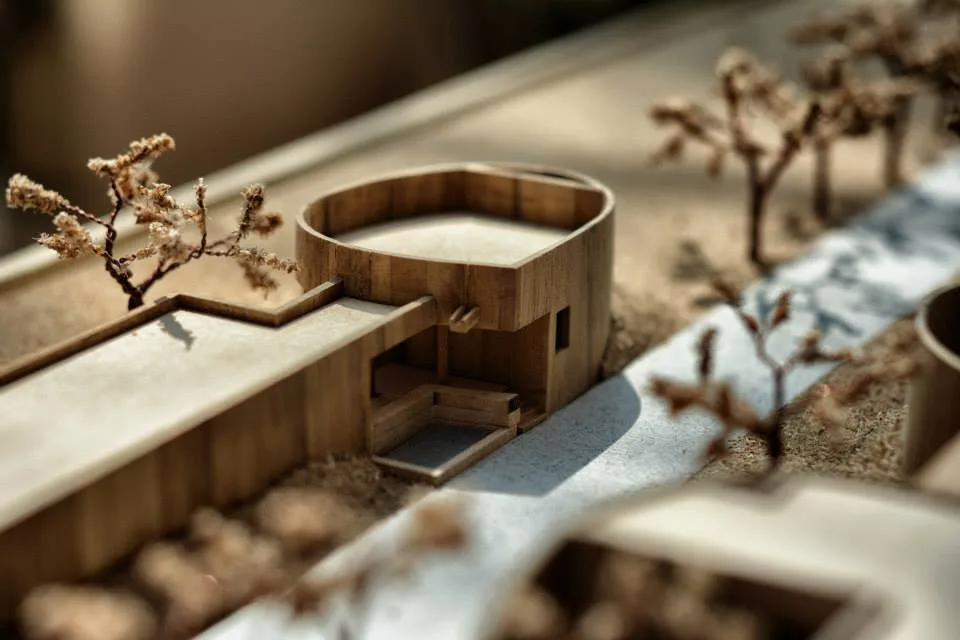
△ Model diagram
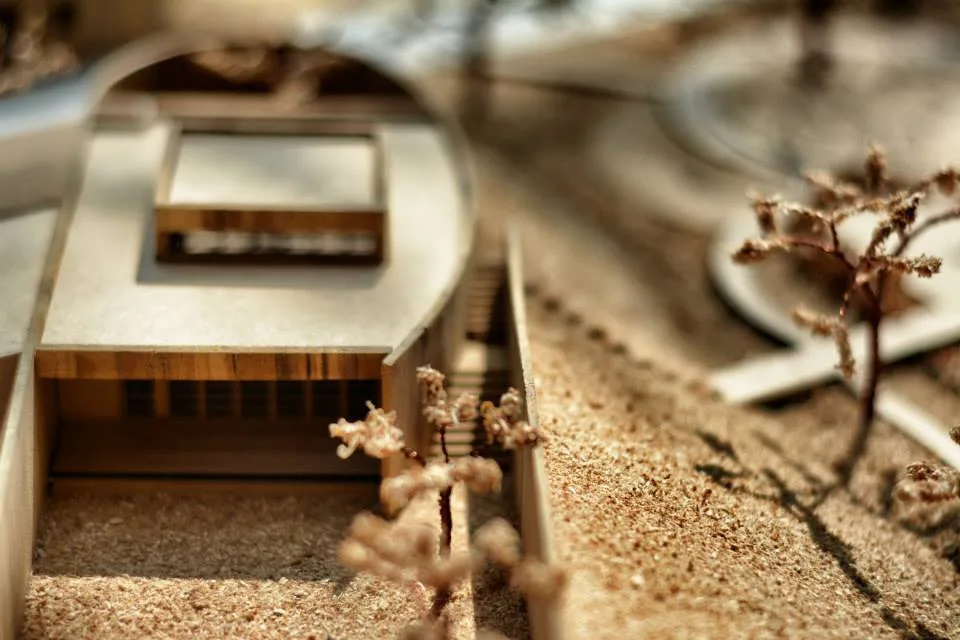
△ Model diagram
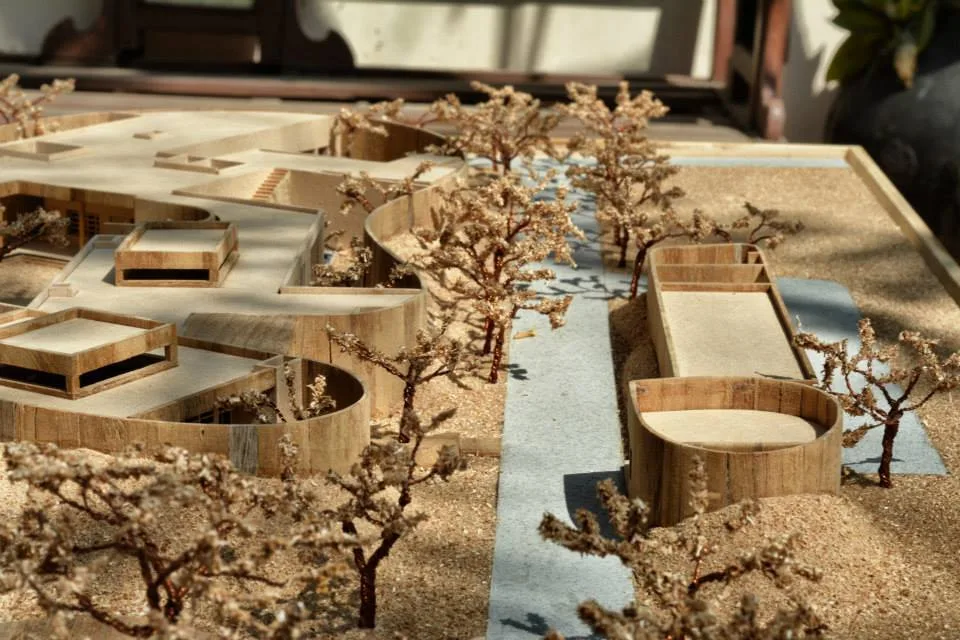
△ Model diagram
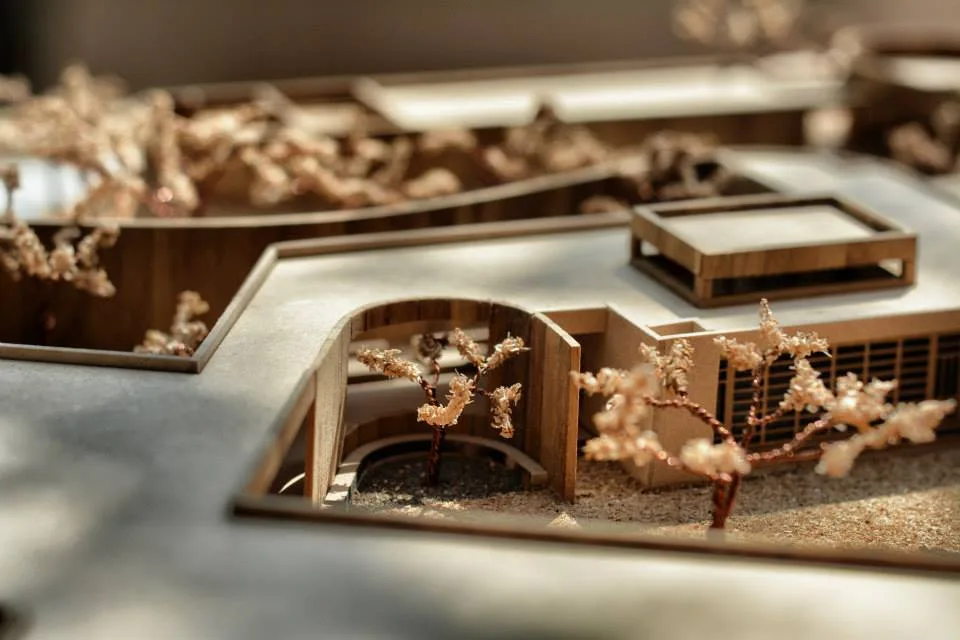
△ Model diagram
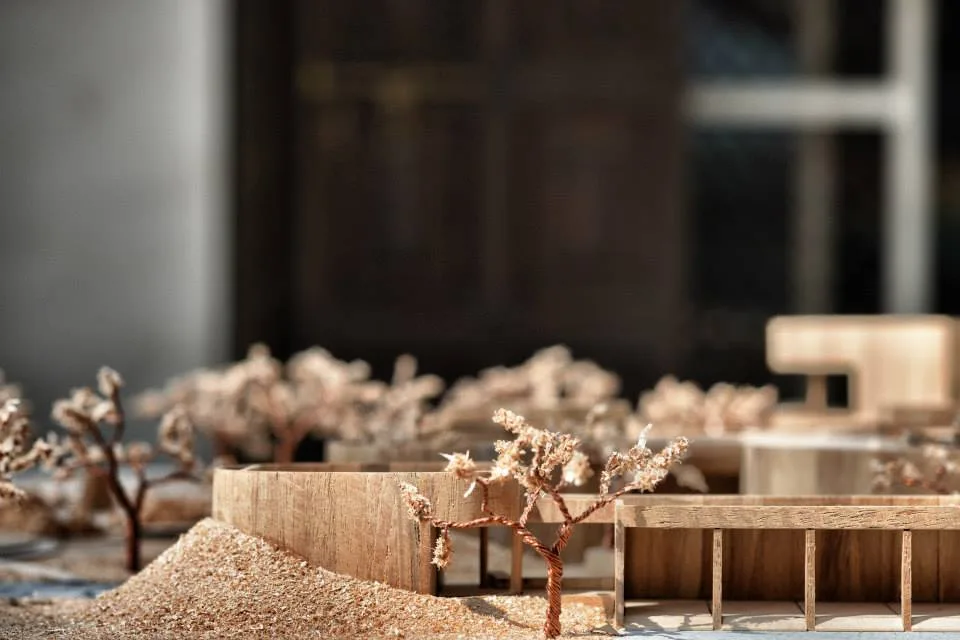
△ Model diagram
Project Information
Architect: Design Ni Dukaan
Area: 2,137 m²
Year of Completion: 2021
Photographer: The Fishy Project
Lead Architect: Veeram Shah
Location: Himatnagar, India













Must log in before commenting!
Sign Up