
In BIM technology, collaboration refers to the process or capability of coordinating two or more resources or individuals to work together towards a common goal. Given the complexity of construction projects, multiple disciplines are involved in project management. The final outcome results from the combined efforts of these various disciplines and participants. Therefore, effective cooperation and collaboration among all parties are essential throughout the construction process.
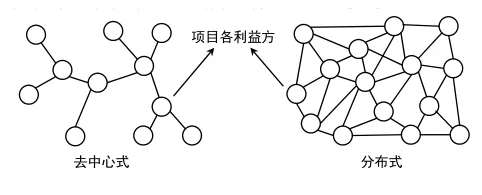
Figure 1: Traditional Project Collaboration Mode in Construction Engineering
1. Collaborative Methods in Traditional Construction Projects
In traditional projects, CAD technology is commonly used to describe and transfer architectural information. The typical design workflow involves each discipline passing its data to another, usually in the form of electronic or paper files. Upon receiving these files, the next discipline incorporates the information into their own design drawings and then returns the updated data to the original party for review.
During construction, the contractor builds based on the design drawings provided, while suppliers deliver equipment and materials according to the project schedule. At project completion, the owner verifies the status based on the final drawings. This process is largely unidirectional and sequential, with each participant working independently. Consequently, collaboration is limited, and information exchange between disciplines is often delayed or ineffective. This traditional collaboration model is illustrated in Figure 1.
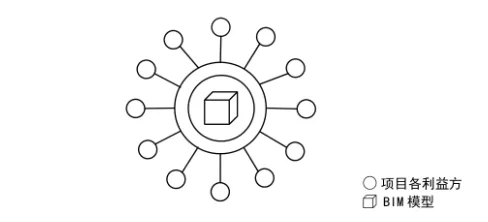
Figure 2: Collaborative Mode of Construction Projects Driven by BIM Technology
2. Collaborative Approach in BIM-Driven Construction Projects
With the advancement of BIM technology, all project stakeholders can collaboratively build 3D visual simulation models. Each discipline’s design content is integrated into the BIM model using 3D digital technology. Participants input data for every project stage into this centralized model.
Based on the information within the BIM model, tasks can be executed in alignment with the overall project requirements. The visual nature of BIM greatly enhances communication and coordination among participants and facilitates technical handoffs across disciplines. This reduces delays caused by untimely information exchange, such as schedule slippages or engineering changes, ultimately improving project management efficiency.
Moreover, BIM collaboration platforms strengthen the integration of information and personnel, significantly increasing the level of cooperation compared to traditional projects. This dynamic, parametric, and visual collaboration method is depicted in Figure 2.
In summary, this article compares collaborative methods between BIM-driven construction projects and traditional projects. I hope it provides valuable insights!
















Must log in before commenting!
Sign Up