
BIM technology has significantly transformed the workflow of traditional construction projects. By leveraging 3D information models, project stakeholders can better communicate, access, and manage information through both graphical representations and data tables, ultimately enhancing project quality.
1. Workflow of Traditional Construction Projects
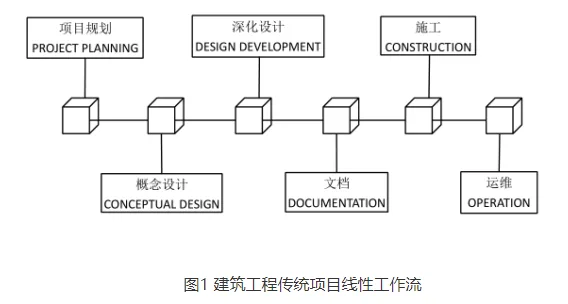
The lifecycle of traditional construction projects follows a linear process, as illustrated in Figure 2-1. This process typically includes five main stages: project planning, conceptual design, detailed design, construction, and operation. However, linear workflows present several challenges, such as isolated information silos, frequent data loss, and major decisions often based on incomplete information until late in the process.
Moreover, this linear approach tends to delay the involvement of all project stakeholders, limiting coordinated management across different phases. As a result, it becomes difficult to prevent unexpected interruptions during the project.
2. Workflow of Construction Projects Driven by BIM Technology
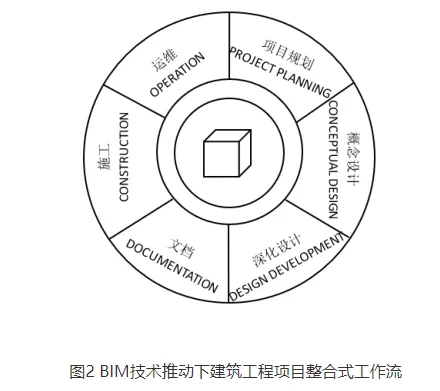
With BIM technology, all members of the construction project team collaborate continuously throughout the entire project lifecycle. BIM offers an information-sharing platform that minimizes data loss and ensures seamless communication. This enables stakeholders to engage in critical decision-making early on, facilitating smoother coordination and progress at every stage.
Figure 2 illustrates the enhanced workflow enabled by BIM technology, highlighting the collaborative and integrated nature of modern construction projects.
In summary, this comparison between BIM-driven and traditional project workflows demonstrates the advantages of adopting BIM technology. We hope this overview provides valuable insights for everyone involved in construction projects.
















Must log in before commenting!
Sign Up