
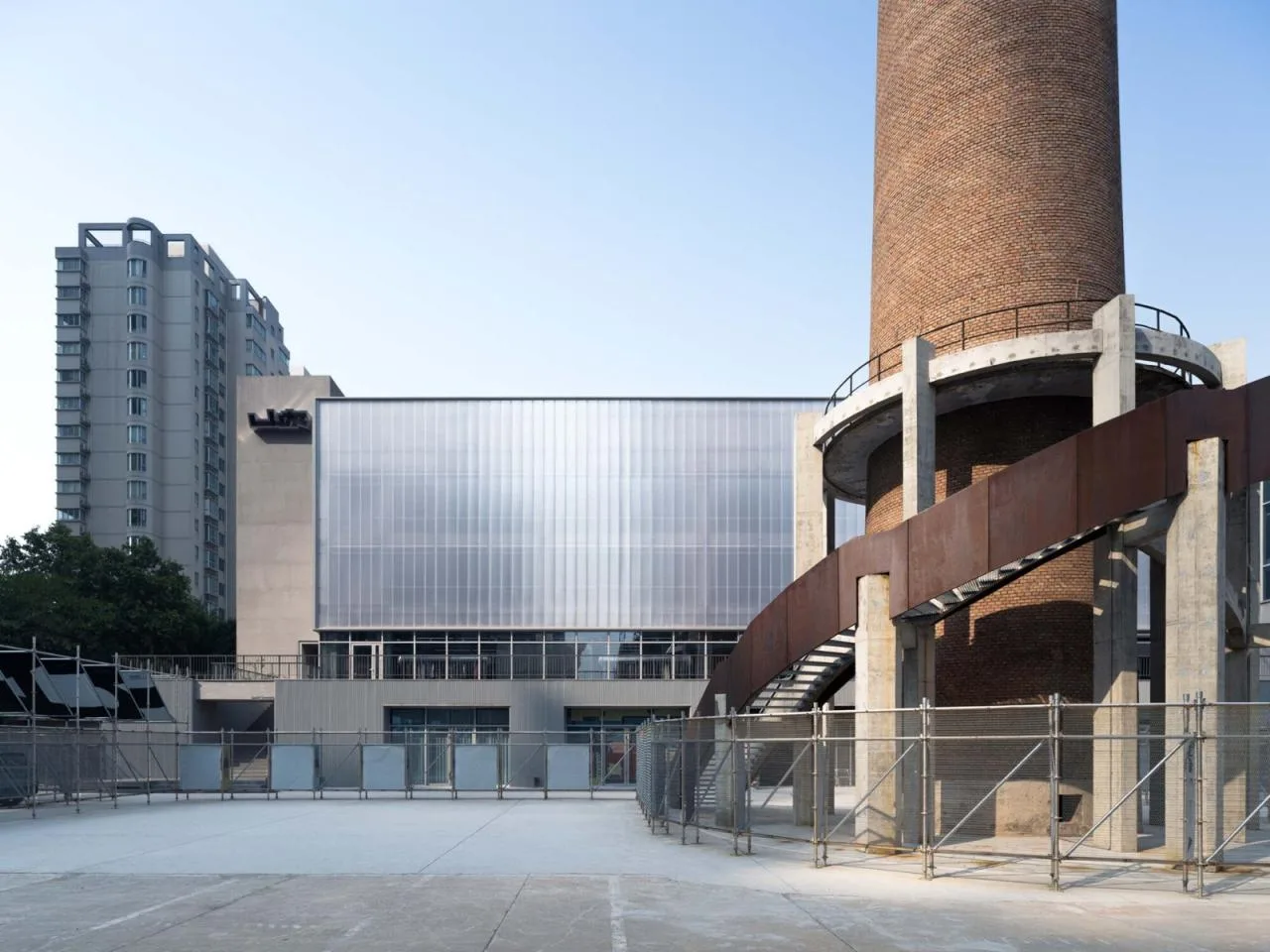
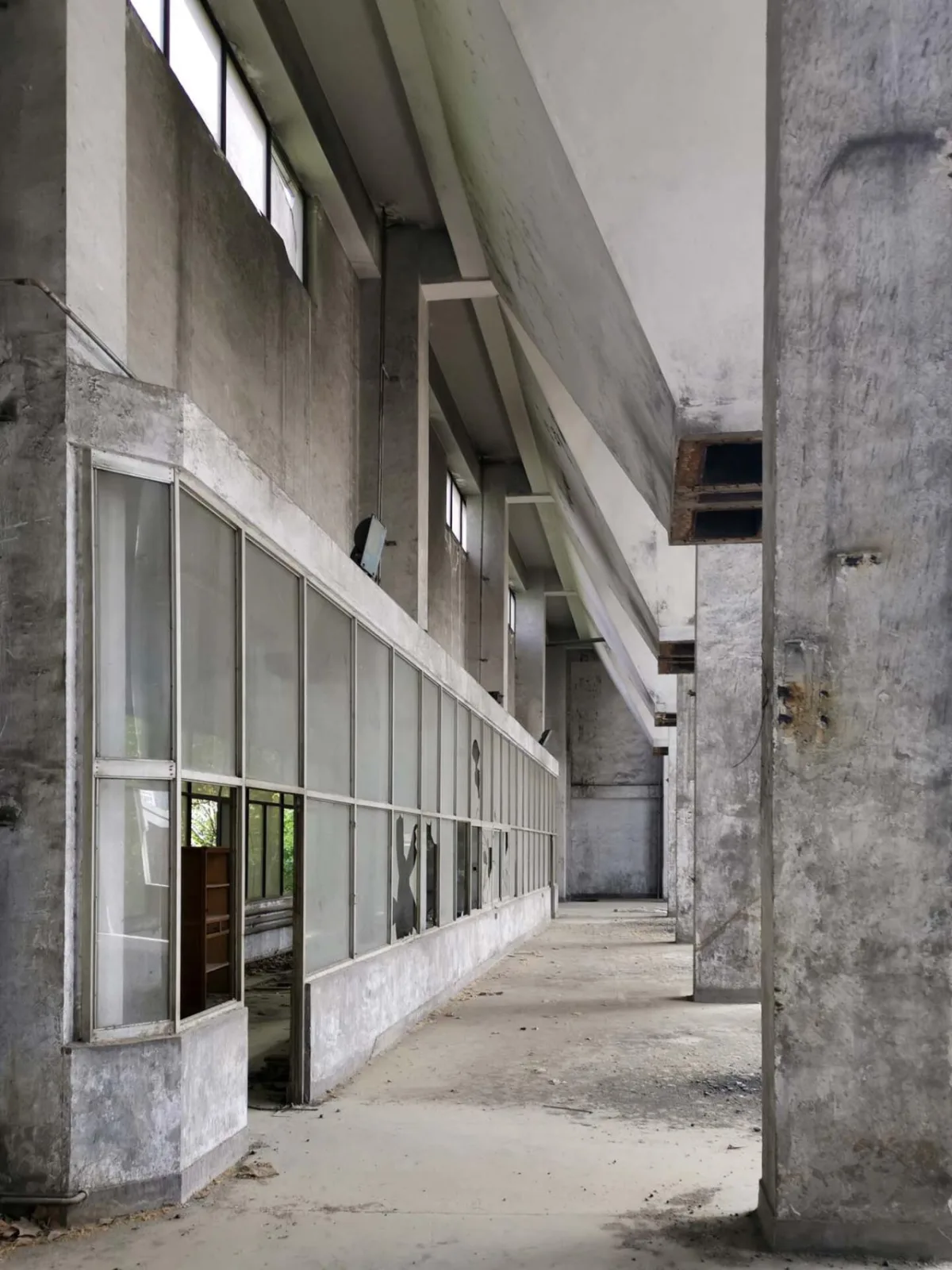
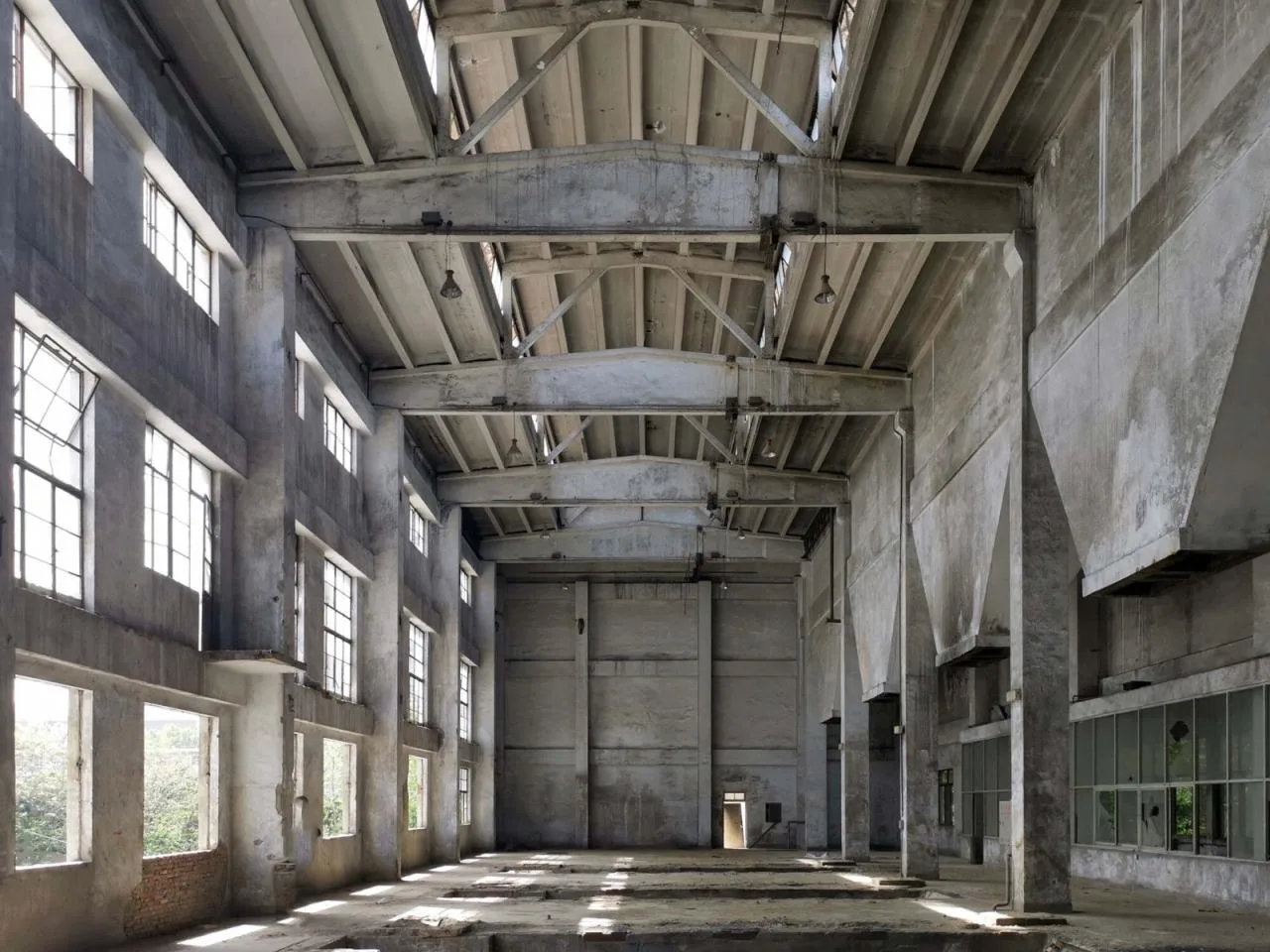
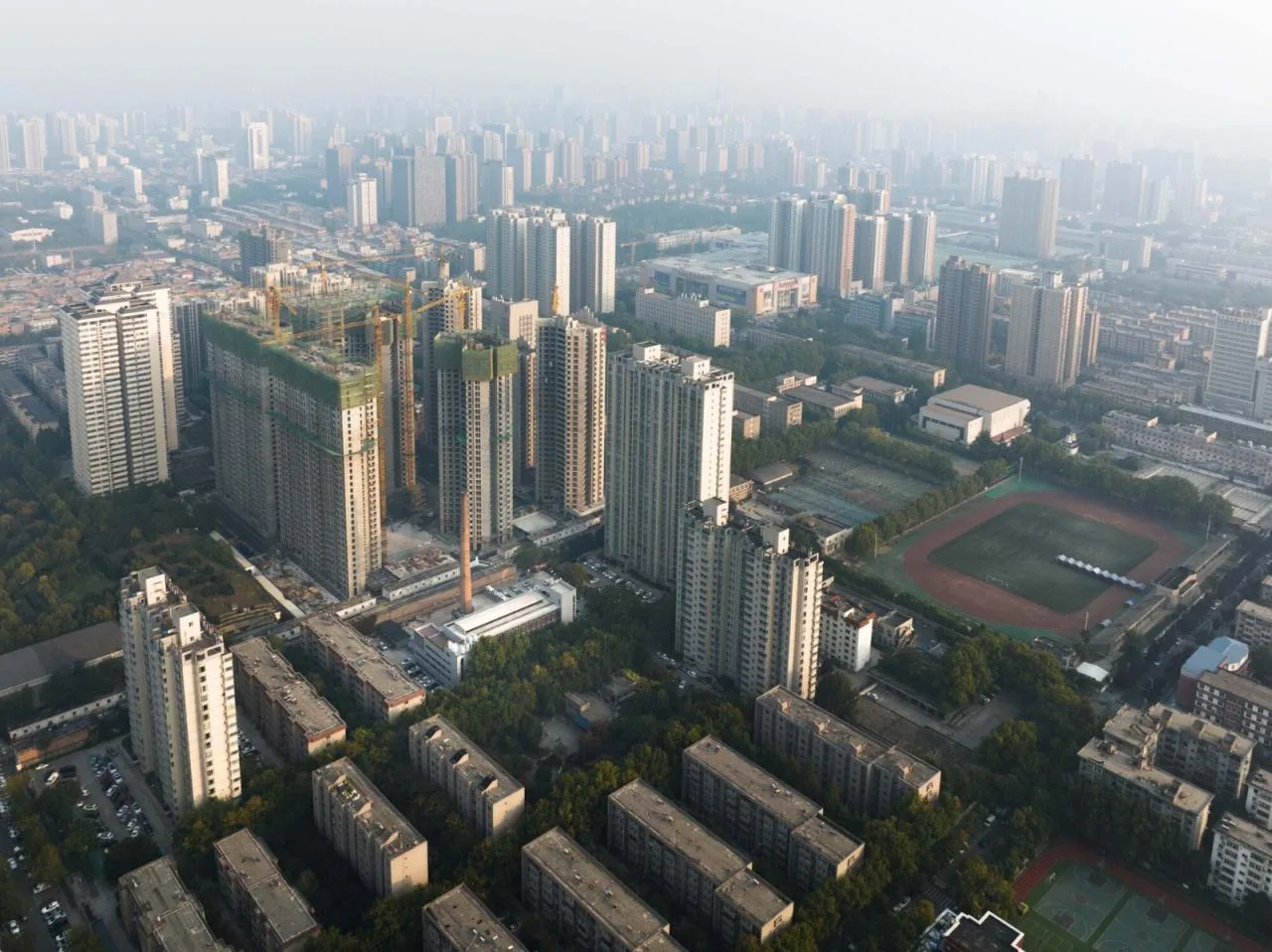
The boiler room located in the living area of Xi’an Petroleum University was initially planned in 1994 and completed by 1997. Following the urban heating system’s transition from coal to gas in 2014, this boiler room ceased its production functions. When revisited in 2019, the building, although less than thirty years old, had been quietly abandoned in a campus corner for six years.
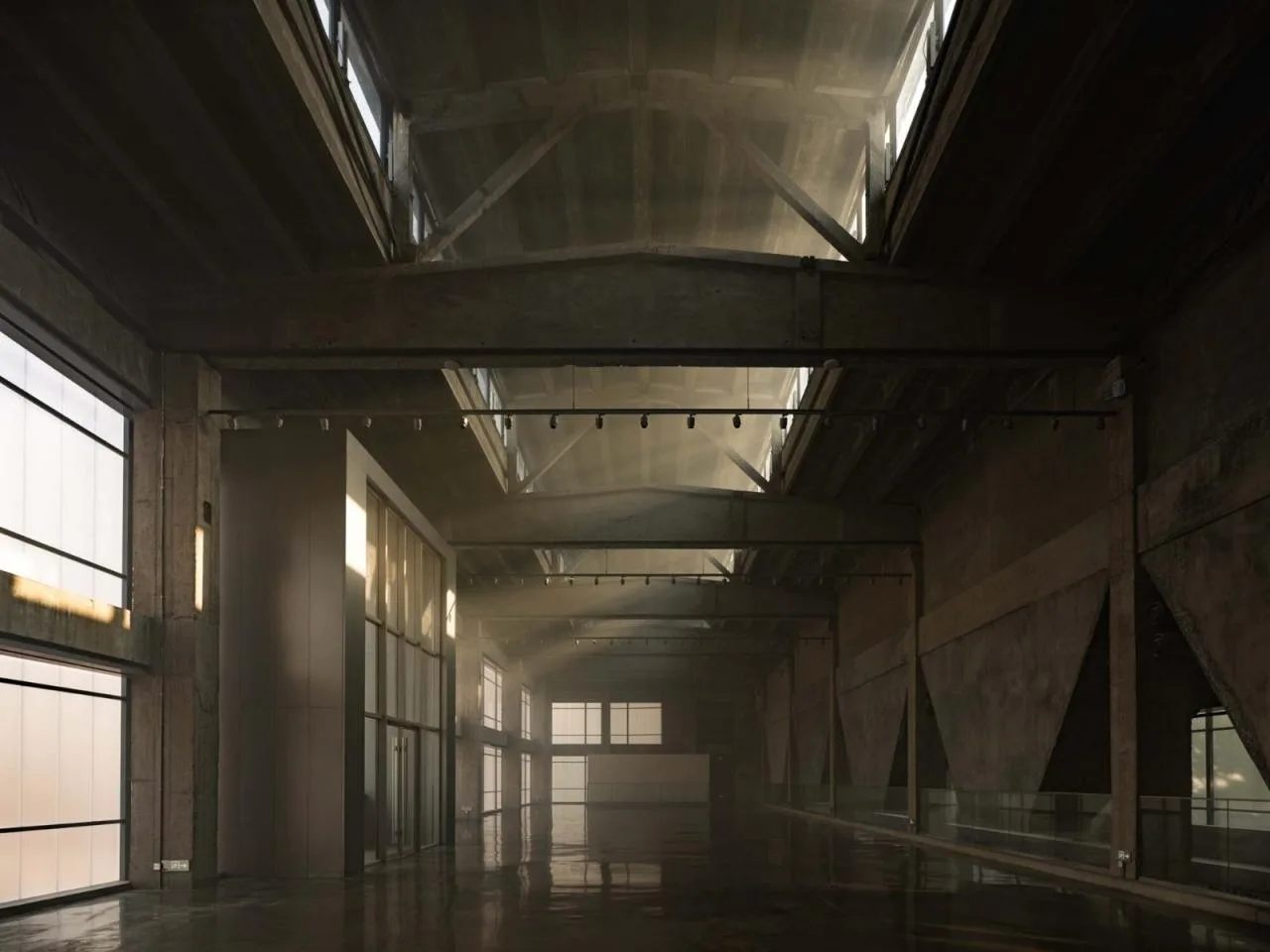
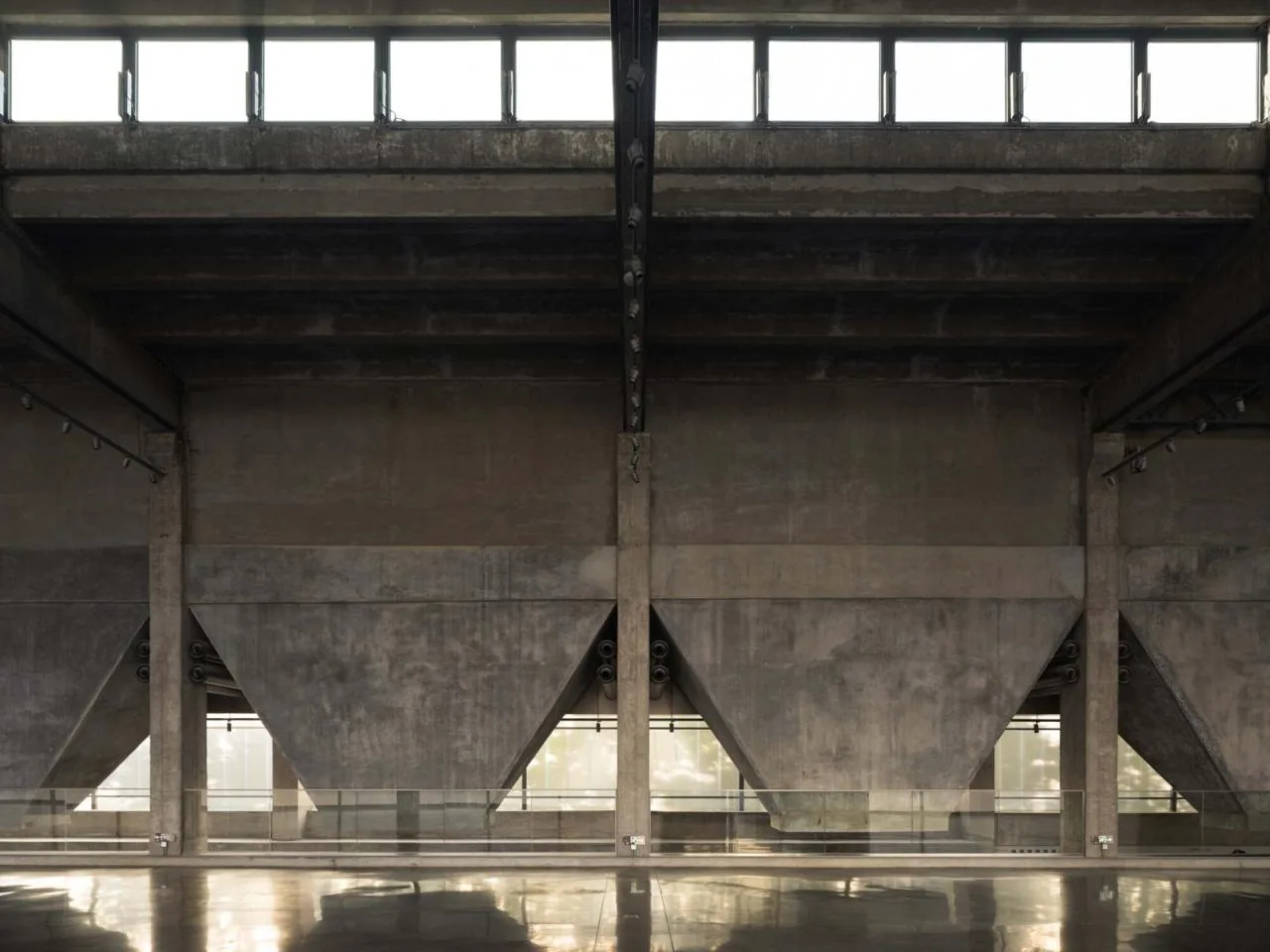
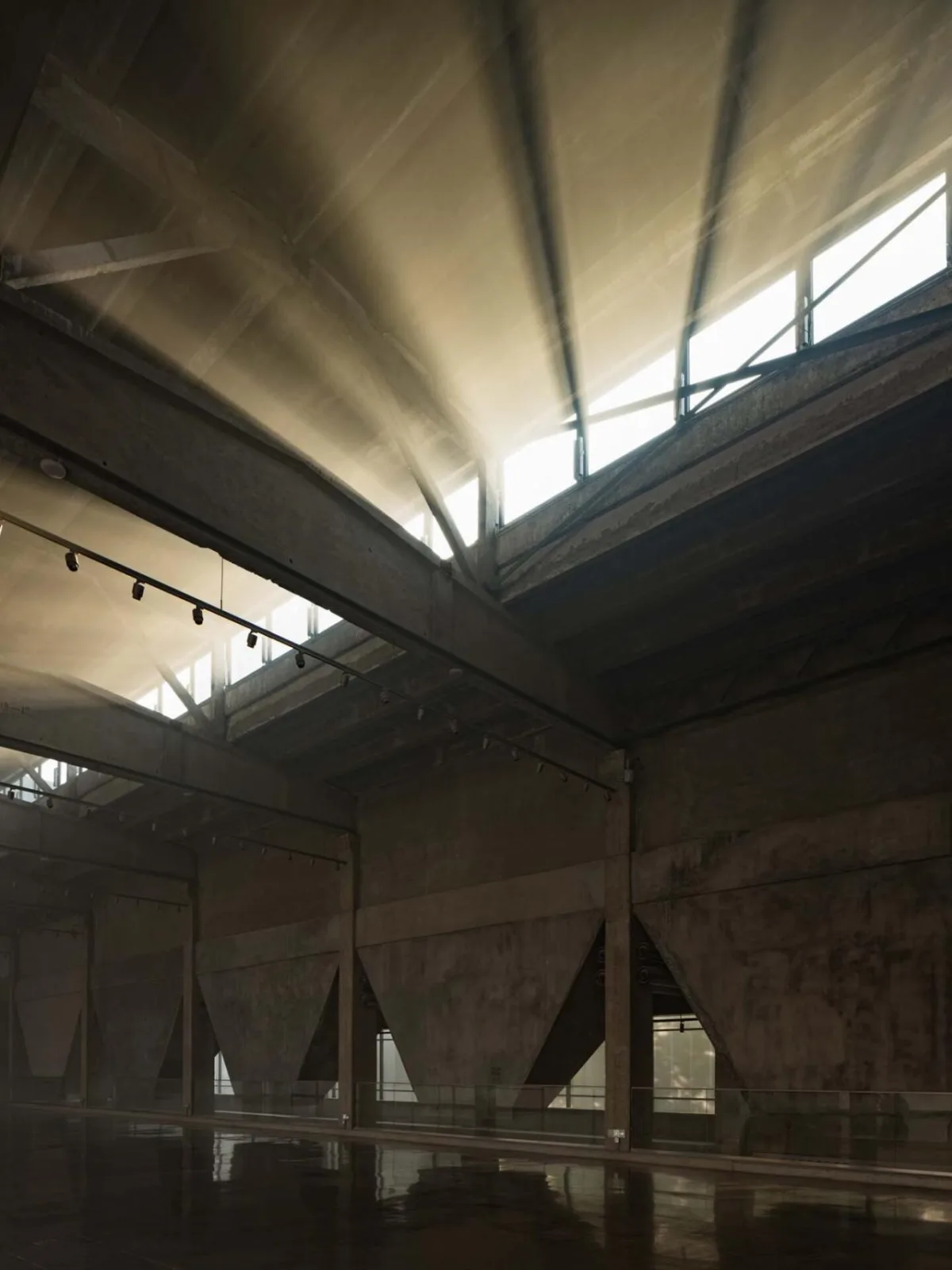
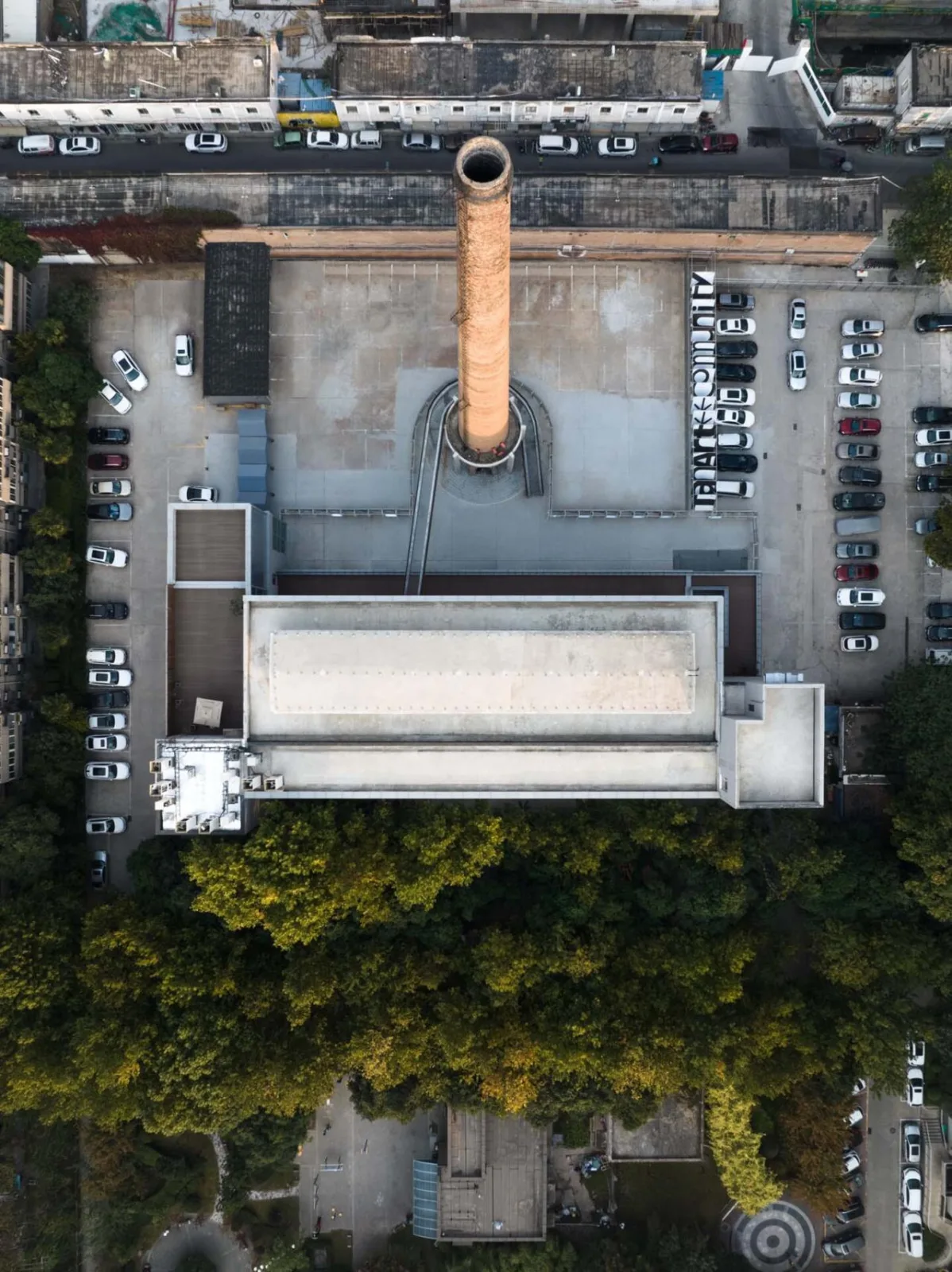
Now surrounded by residential buildings, it stands like a silent ruin—quiet yet captivating. This type of coal-fired heating boiler room was once common throughout northern cities. However, with shifts in energy sources, such facilities will no longer be constructed in the future. The towering chimneys and massive coal hoppers, originally designed for functional purposes, have become obsolete structures due to the halt of production activities.
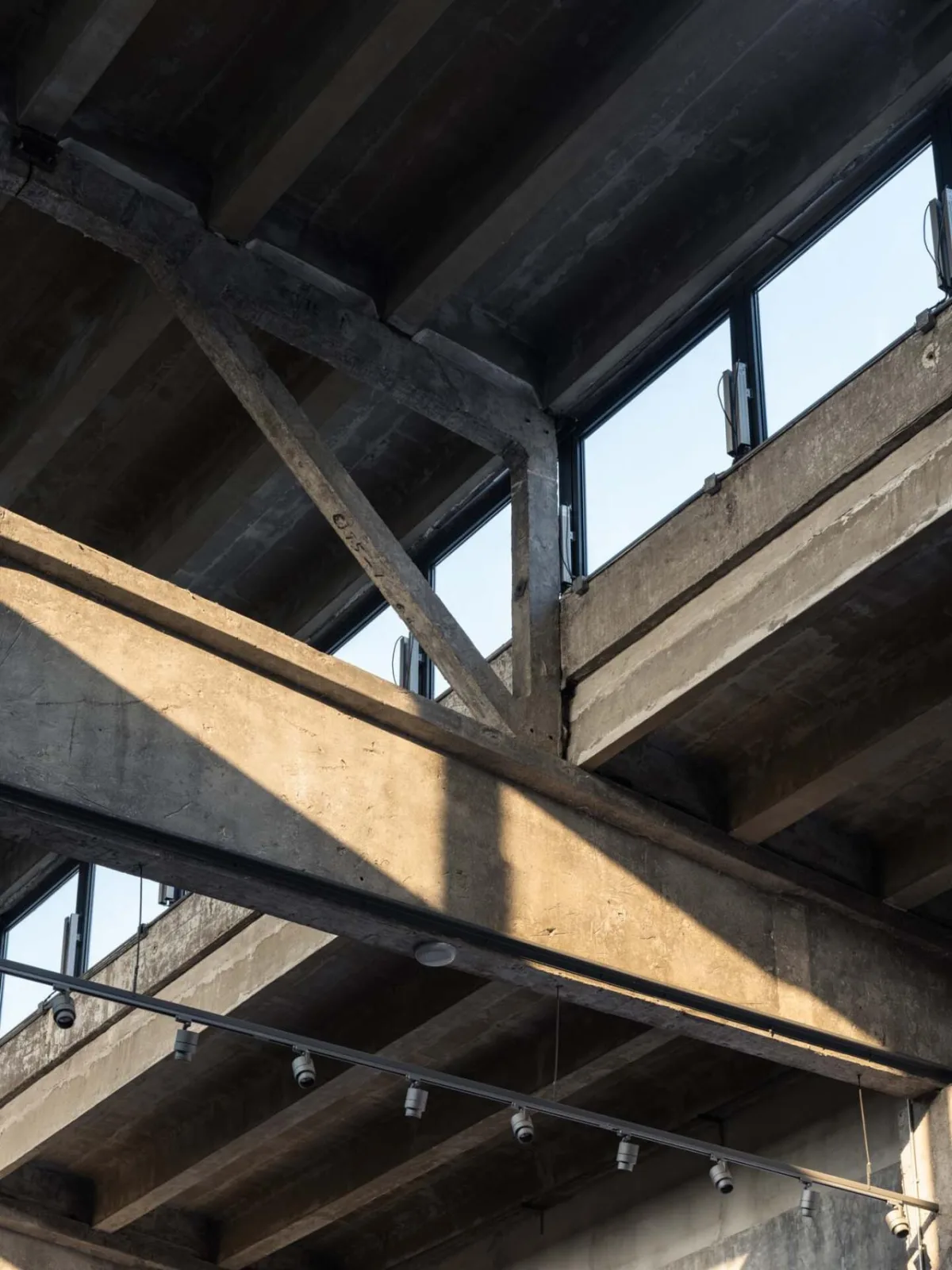
Despite this, these untouched, unpolished industrial relics still reveal a roughness and honesty characteristic of that era. They quietly span the city’s texture and linger in our collective memory, serving as monuments to the ups and downs of those years. Thus, even with a history shorter than three decades, these buildings stand as historical heritage of the dynamic period since the 1990s.
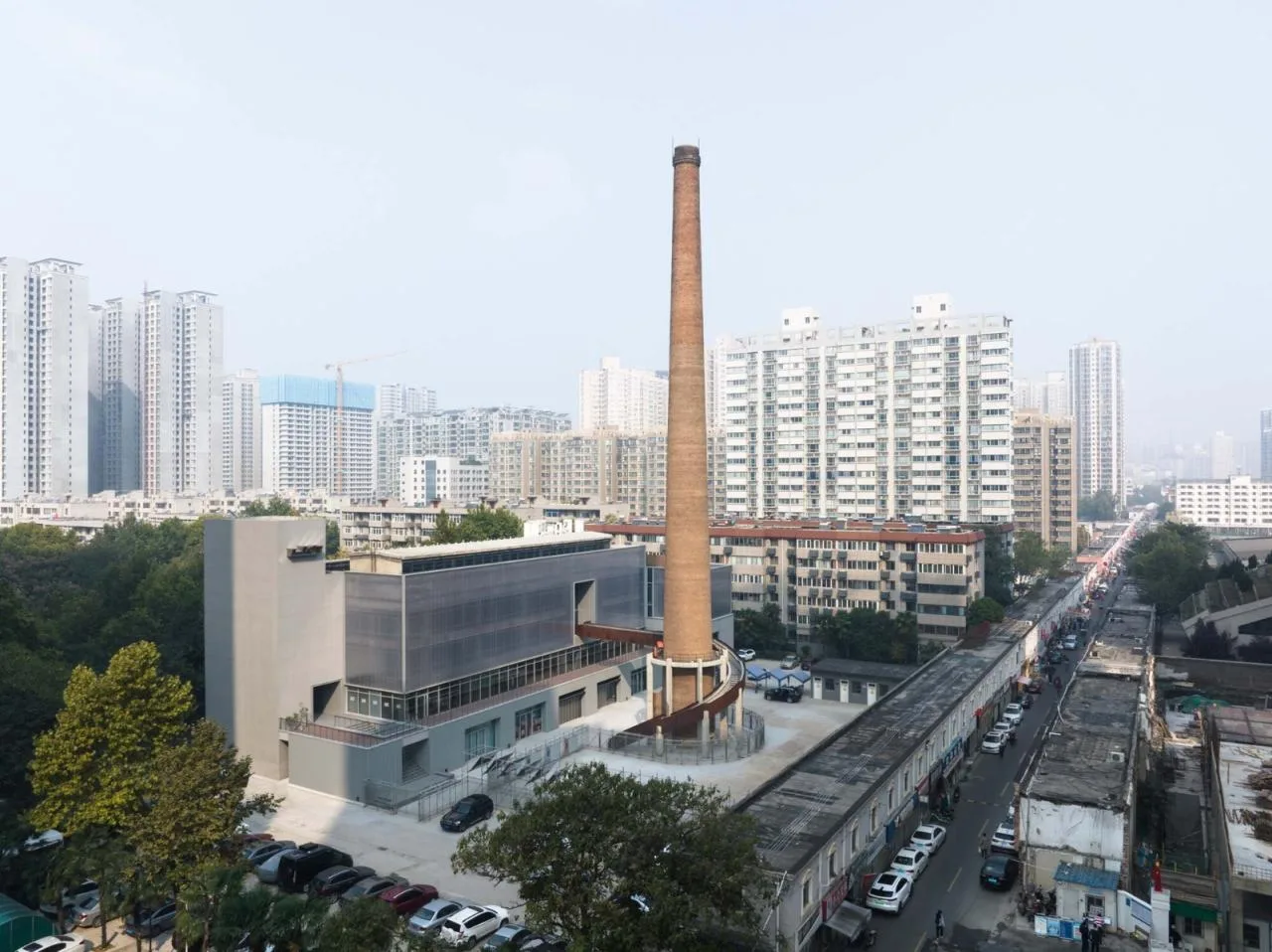
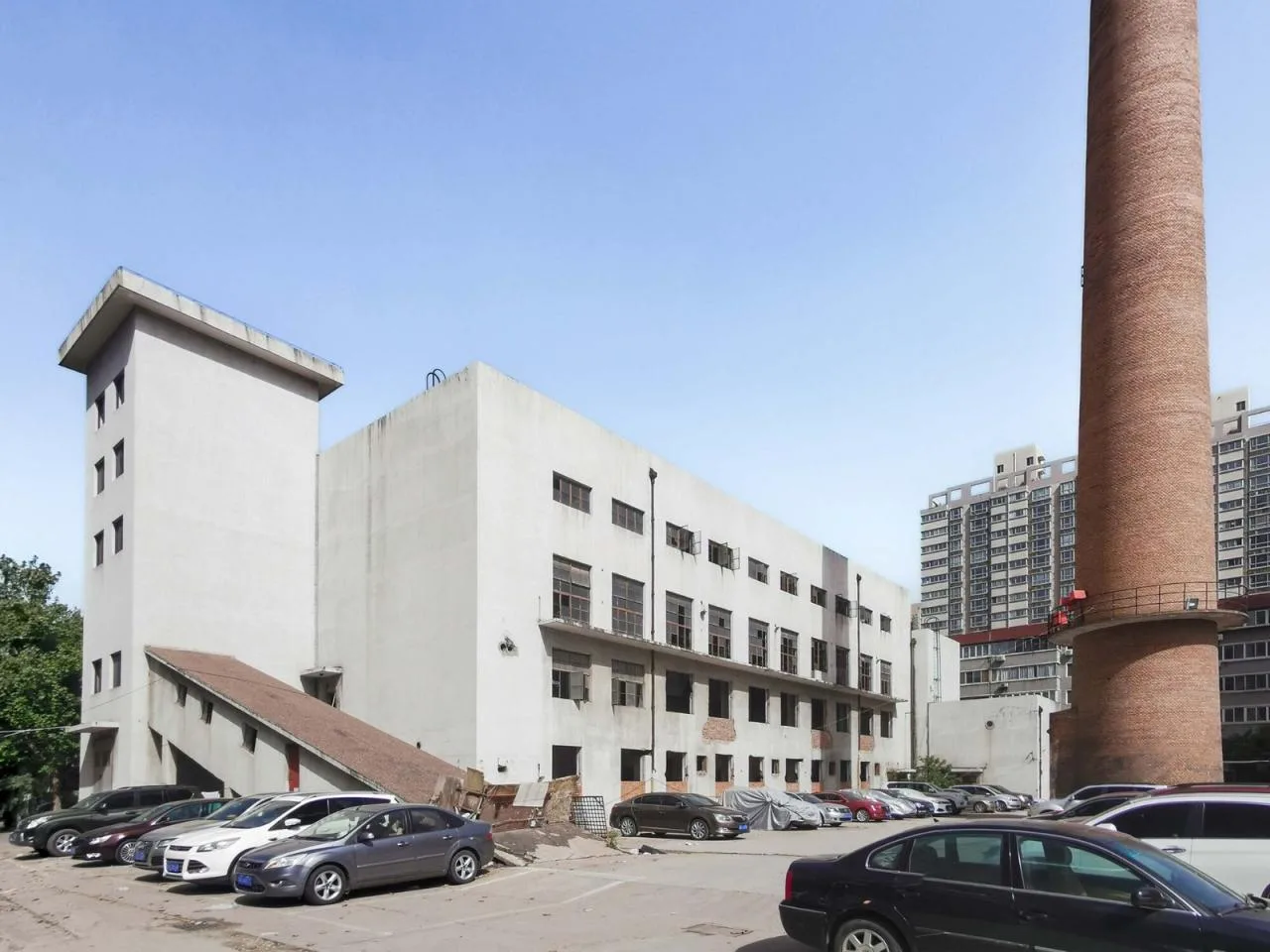
△ Original appearance
Given the industrial heritage value of this site and the limitations regarding land scale and property rights that prevent redevelopment, transformation and adaptive reuse became the preferred approach. In a dense urban core where land is precious, identifying functions compatible with modern life and delivering reasonable investment returns is essential for the site’s survival.
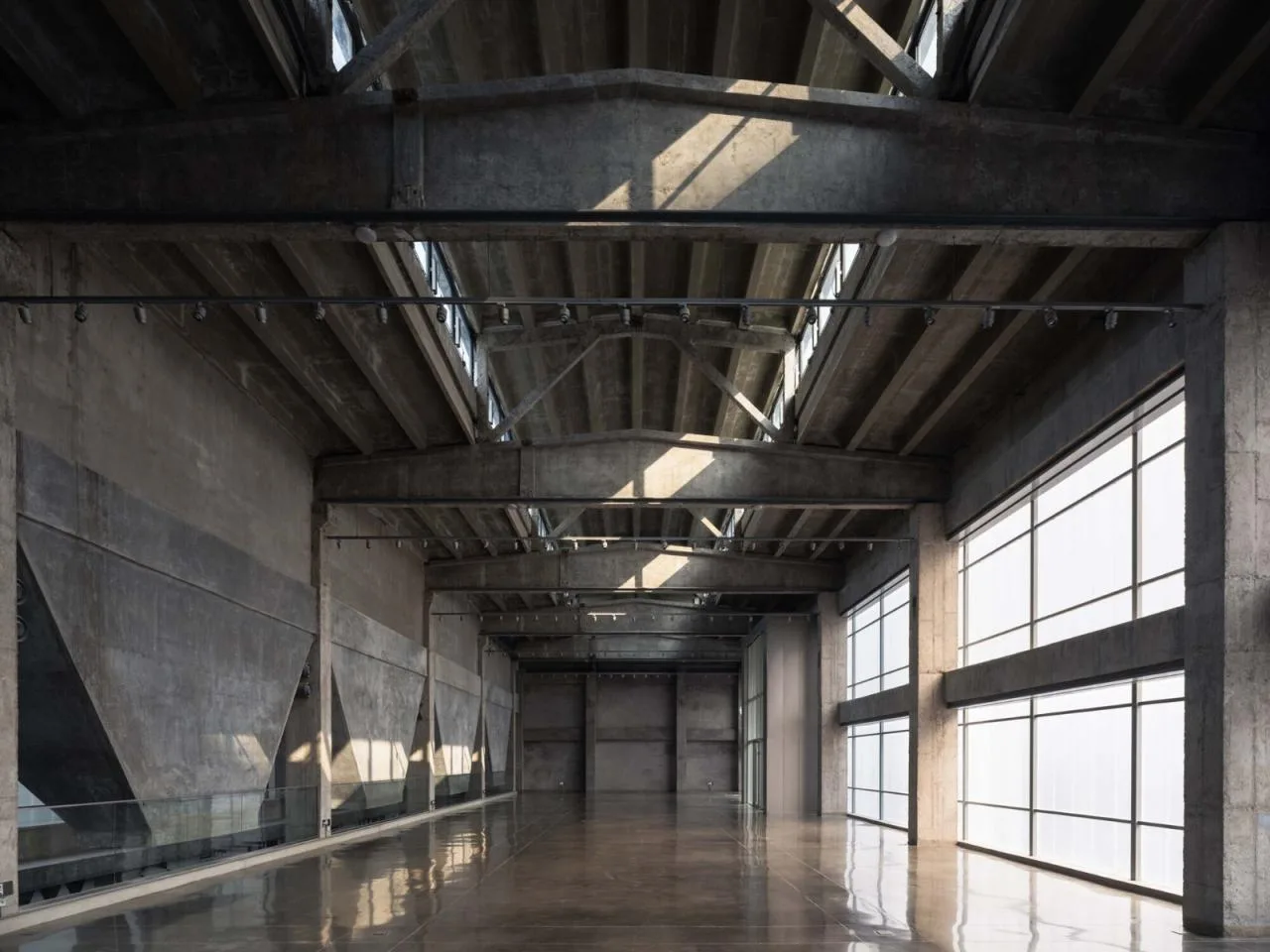
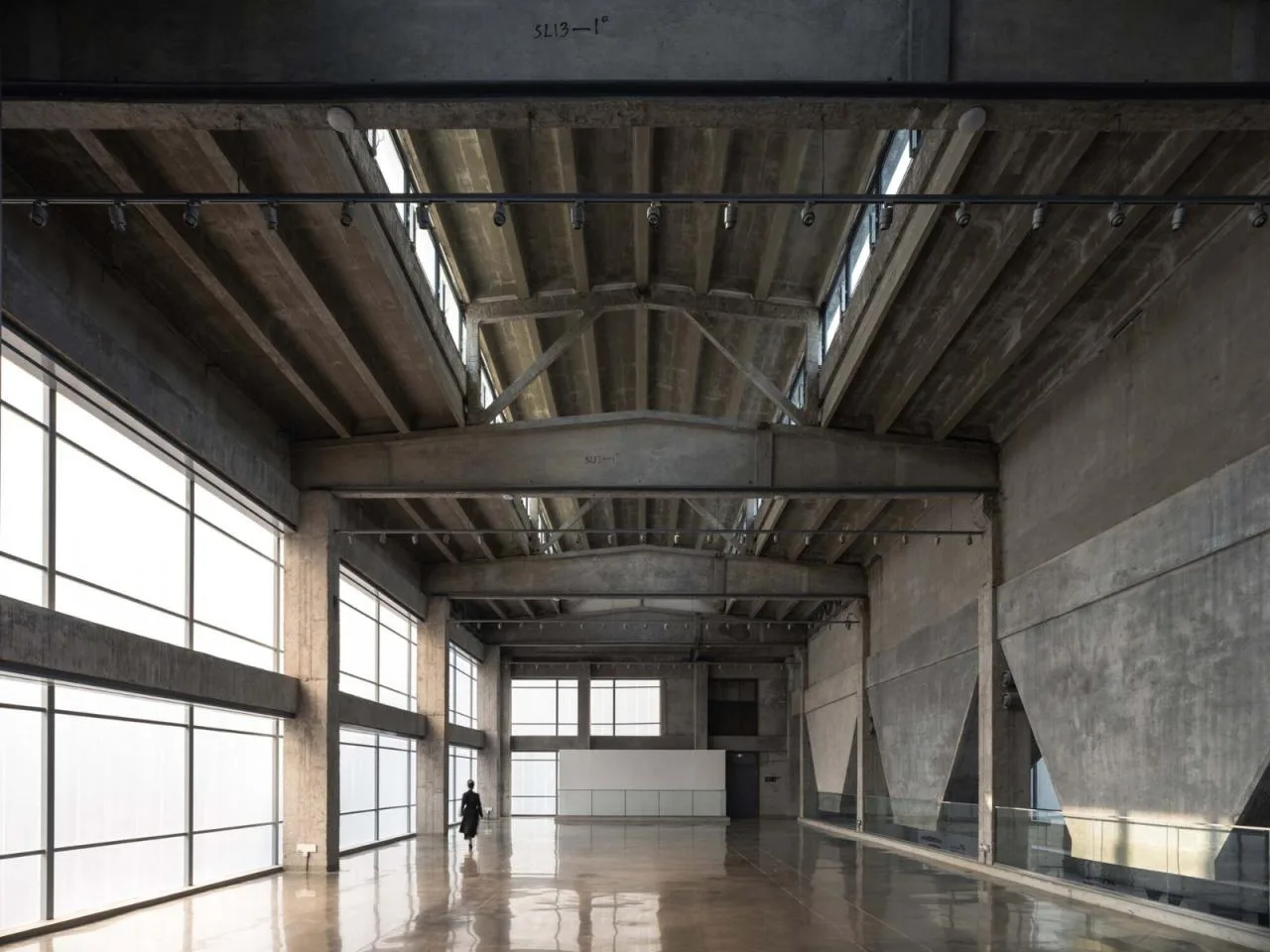
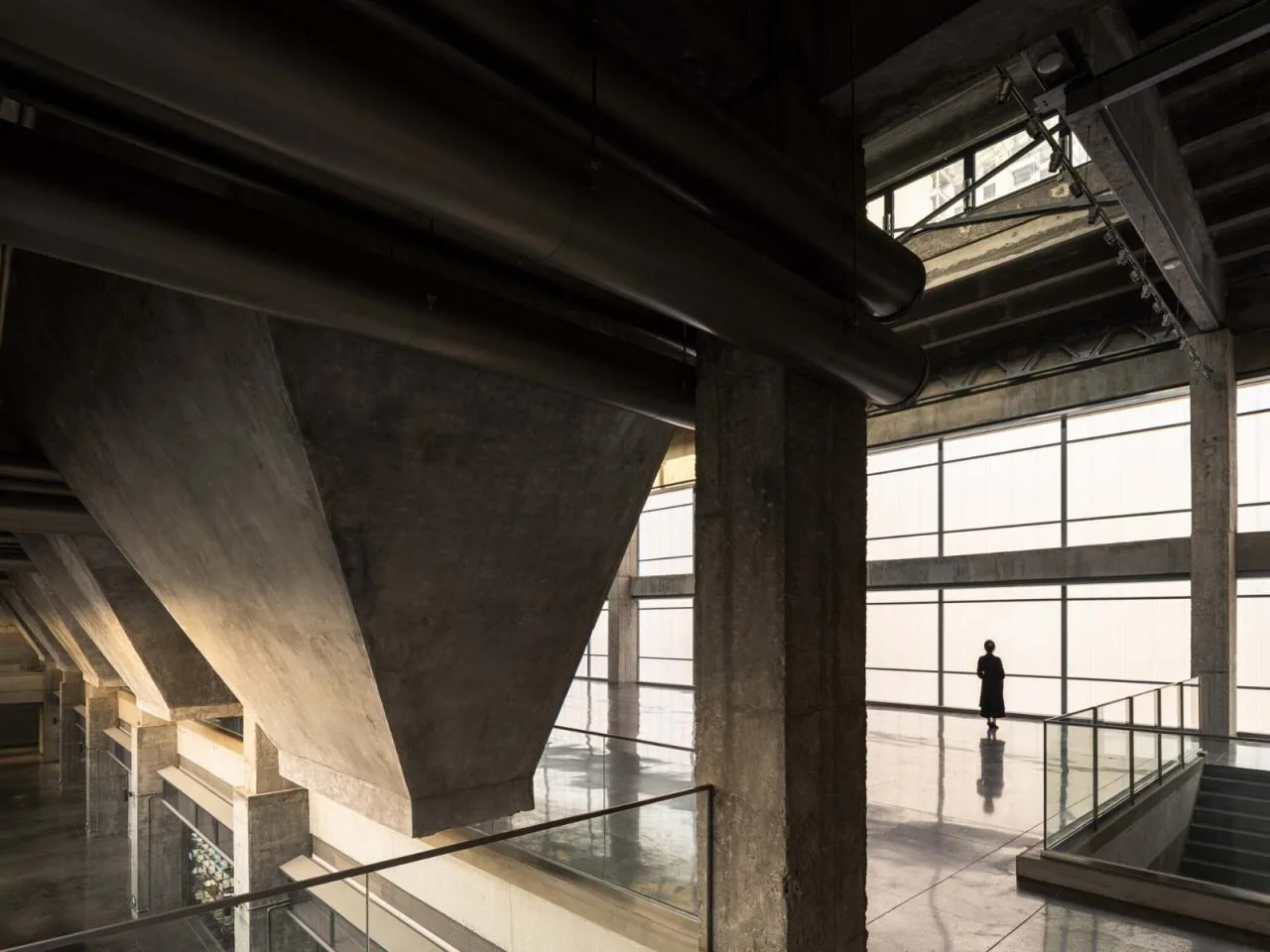
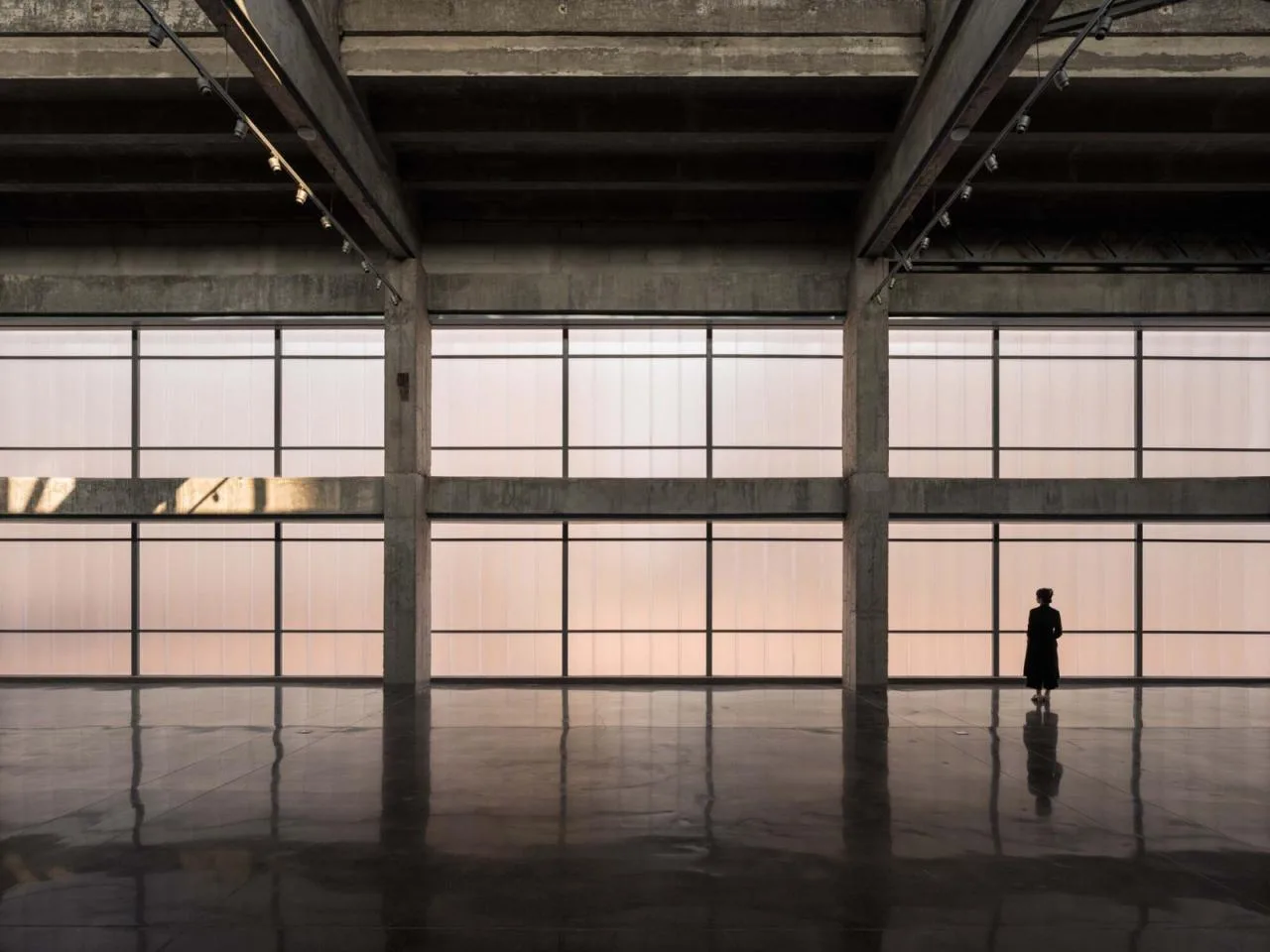
Fortunately, the original boiler operating room offered a spacious and tall interior, ideal for hosting art exhibitions. The smaller auxiliary rooms were repurposed as supporting commercial spaces, providing complementary services to the exhibitions. This strategy fostered a mutually beneficial coexistence and a mixed-use ecosystem within the art community.
Such functional design choices preserved the building’s core spatial structure, avoiding its fragmentation into low-cost shared office spaces.
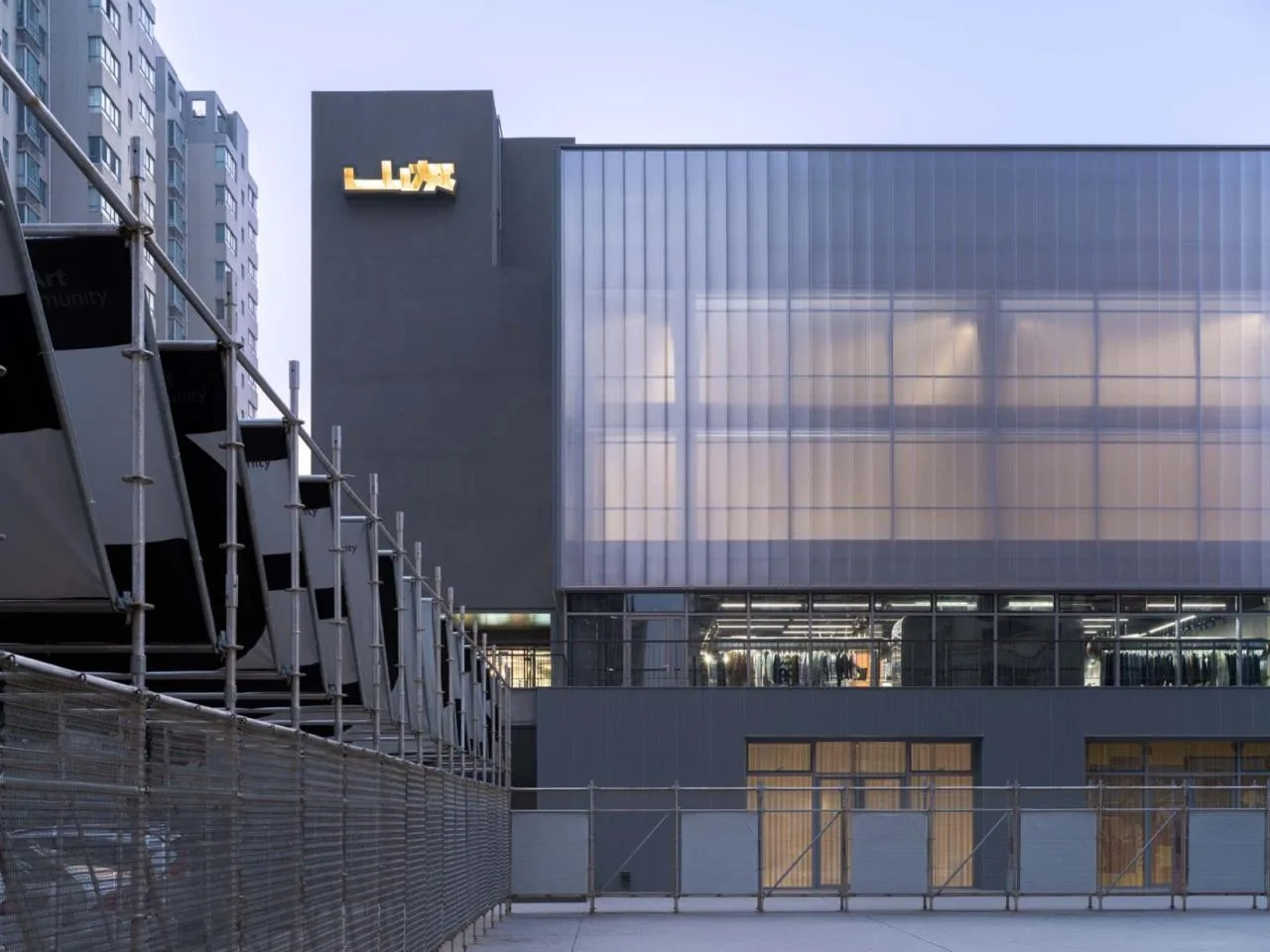
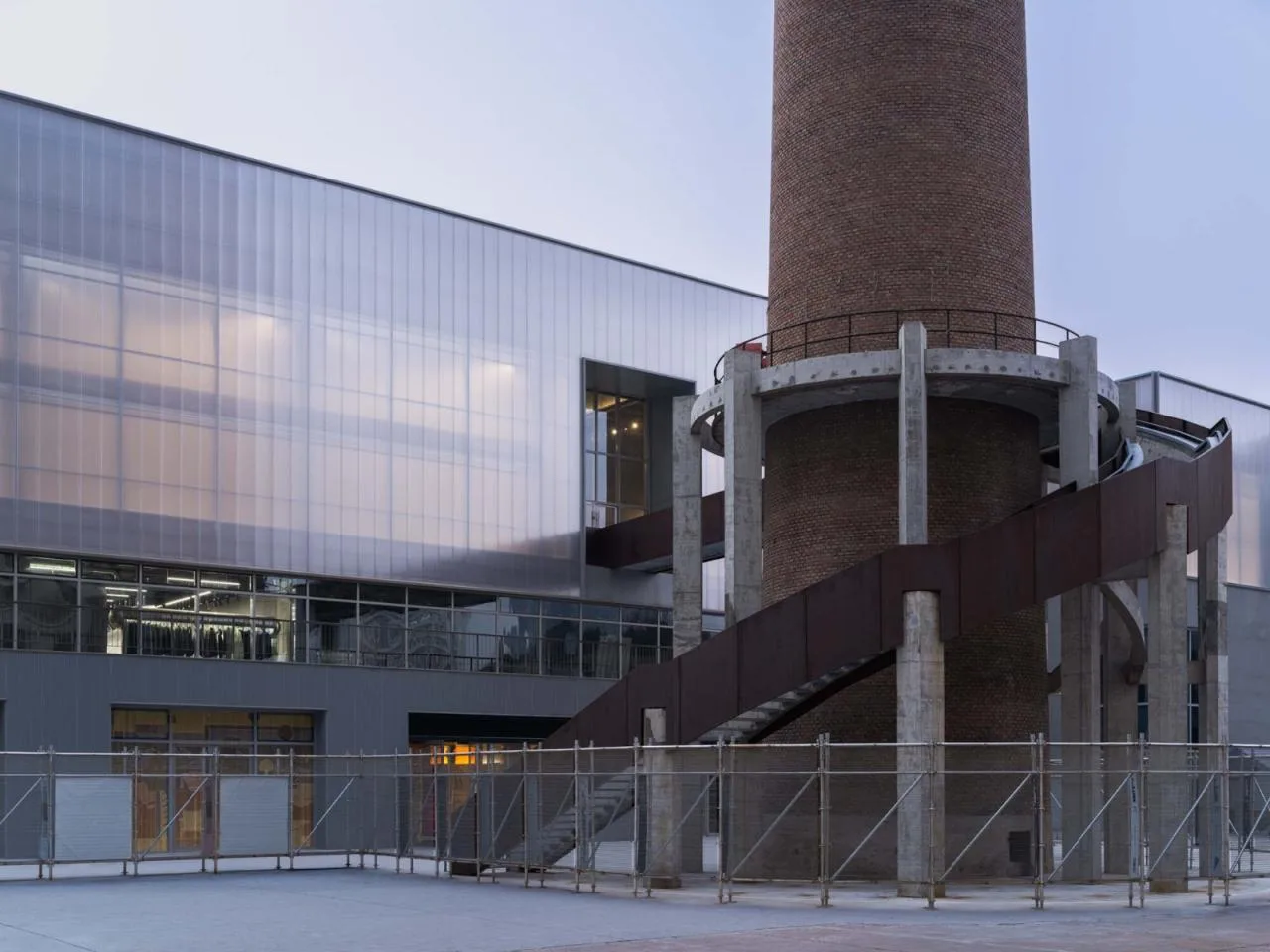
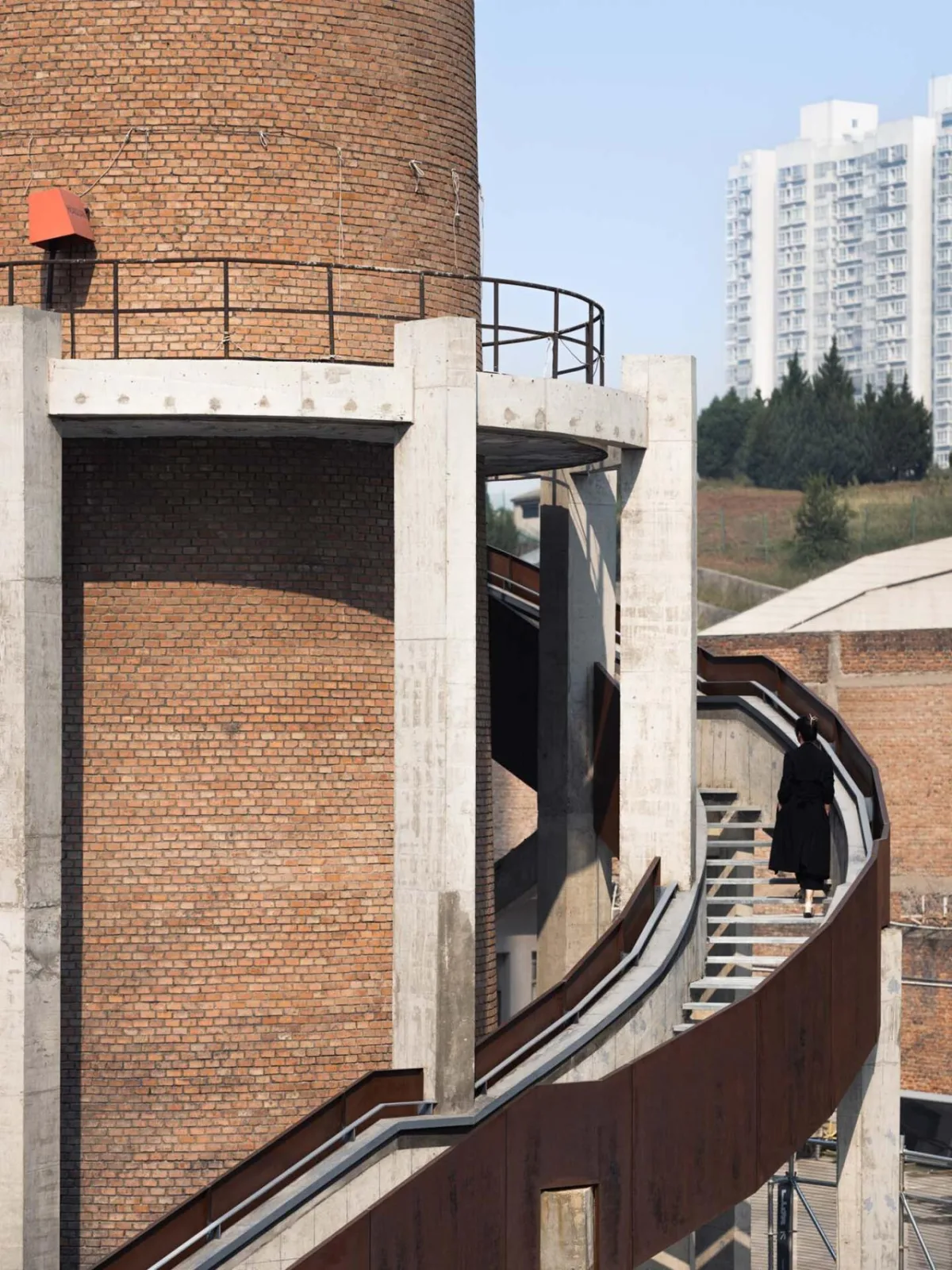
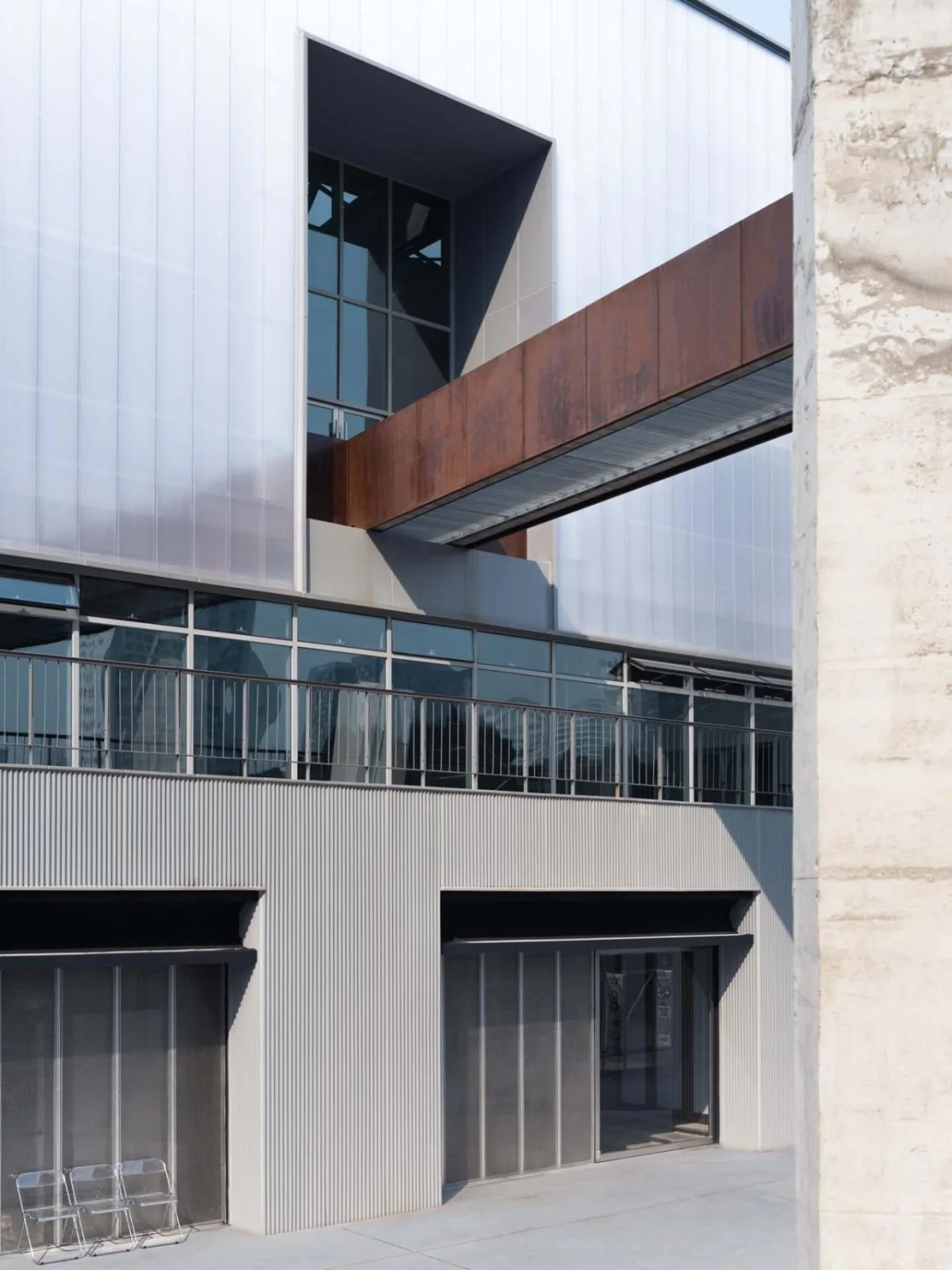
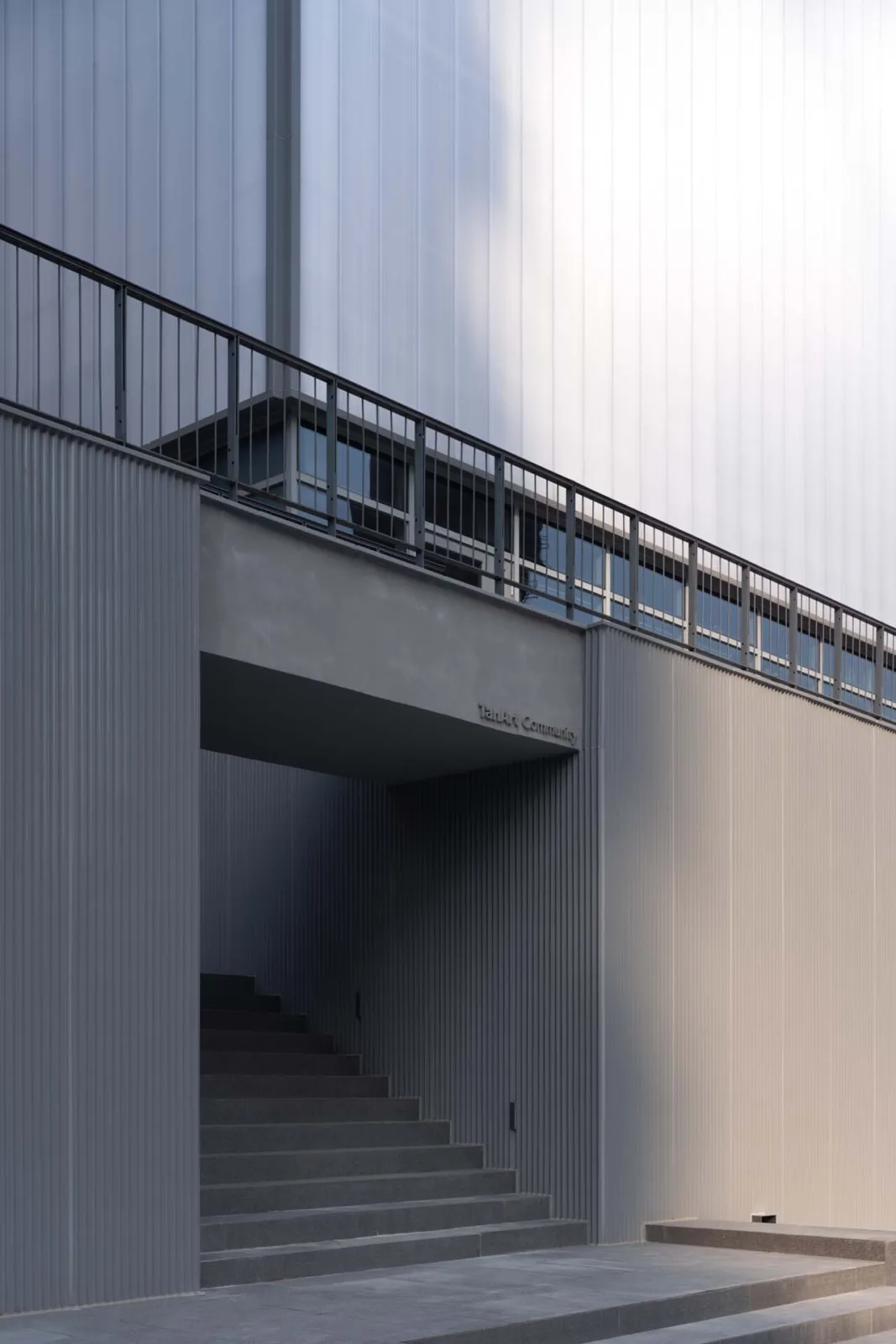
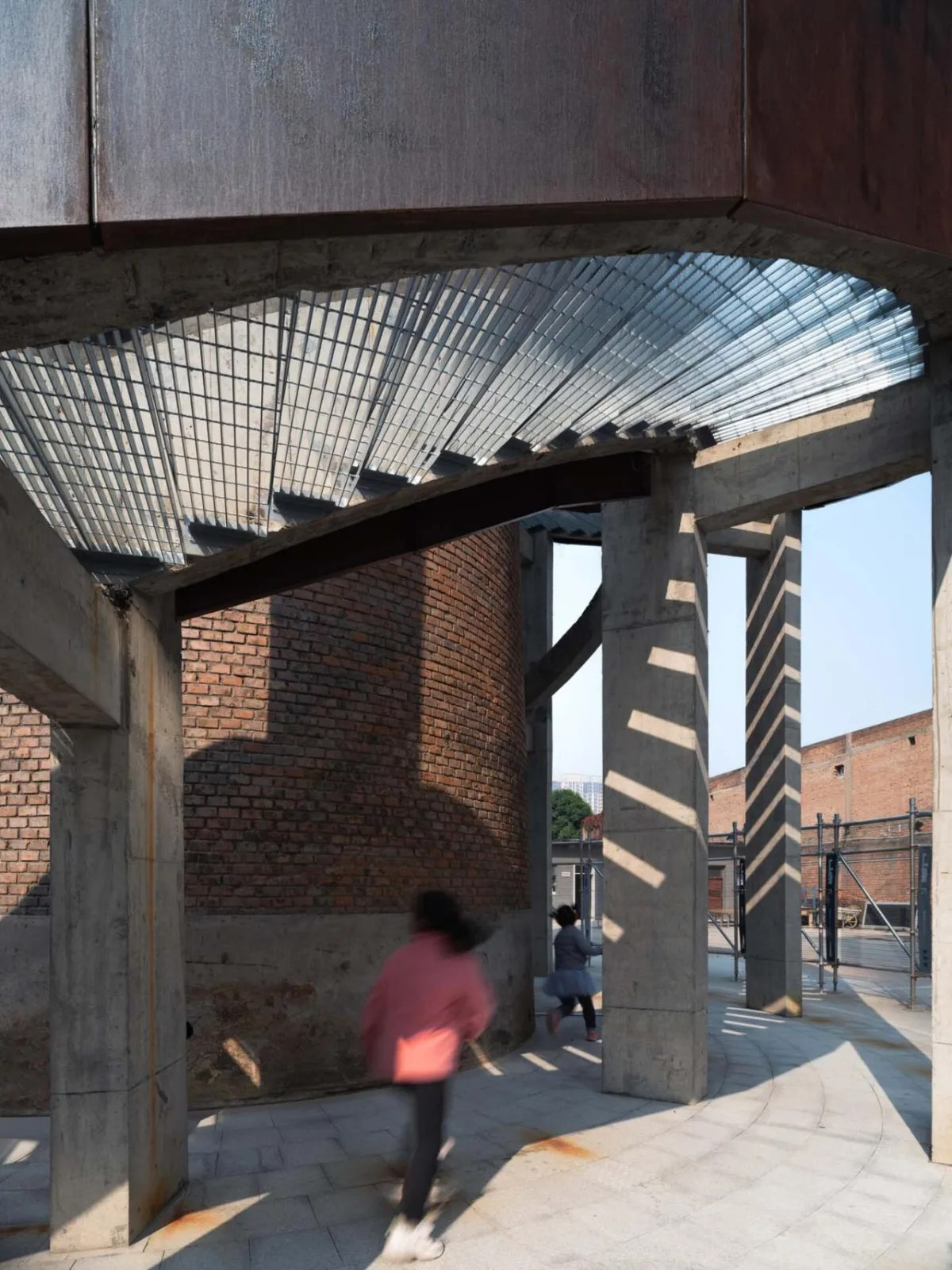
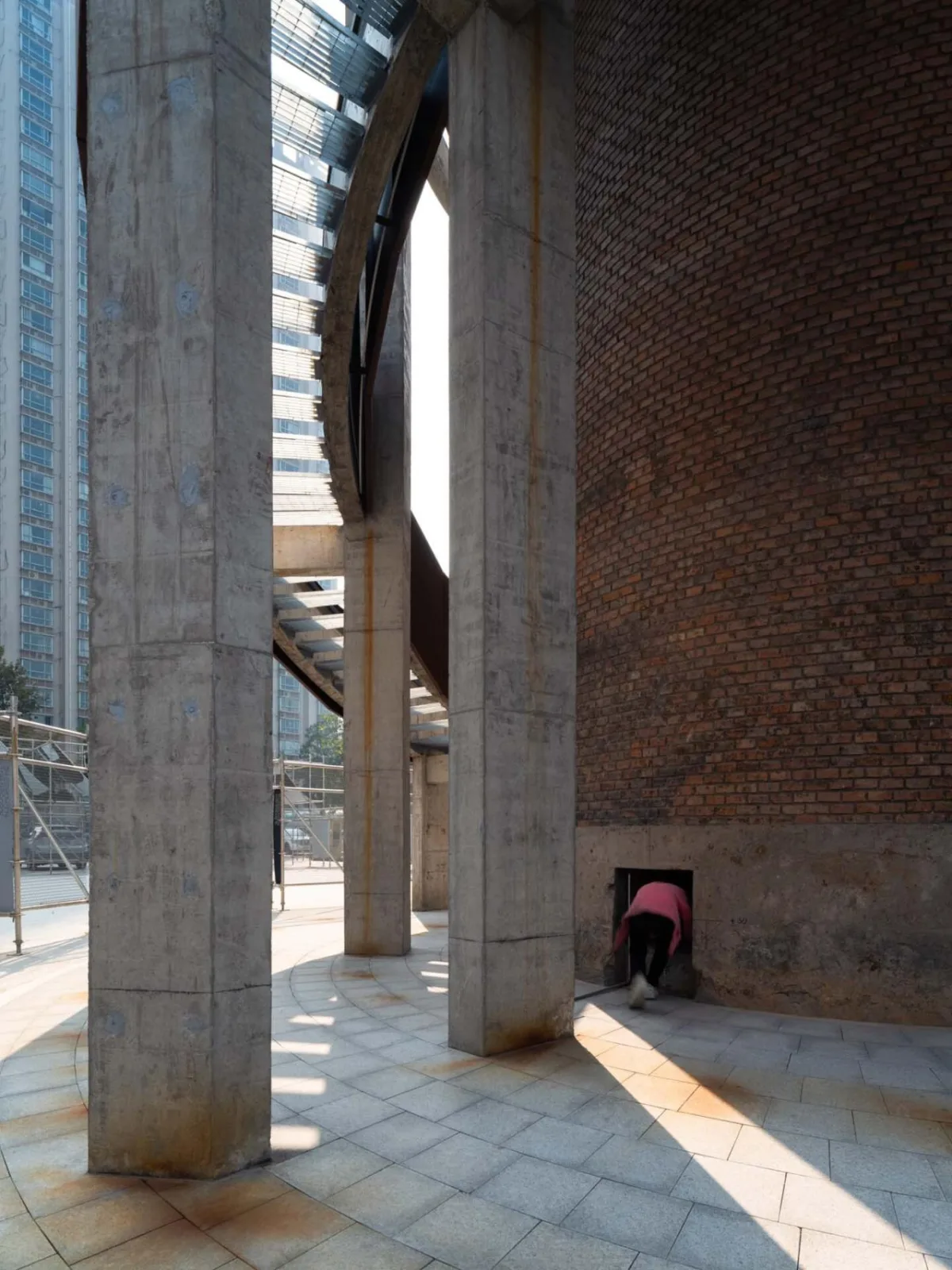
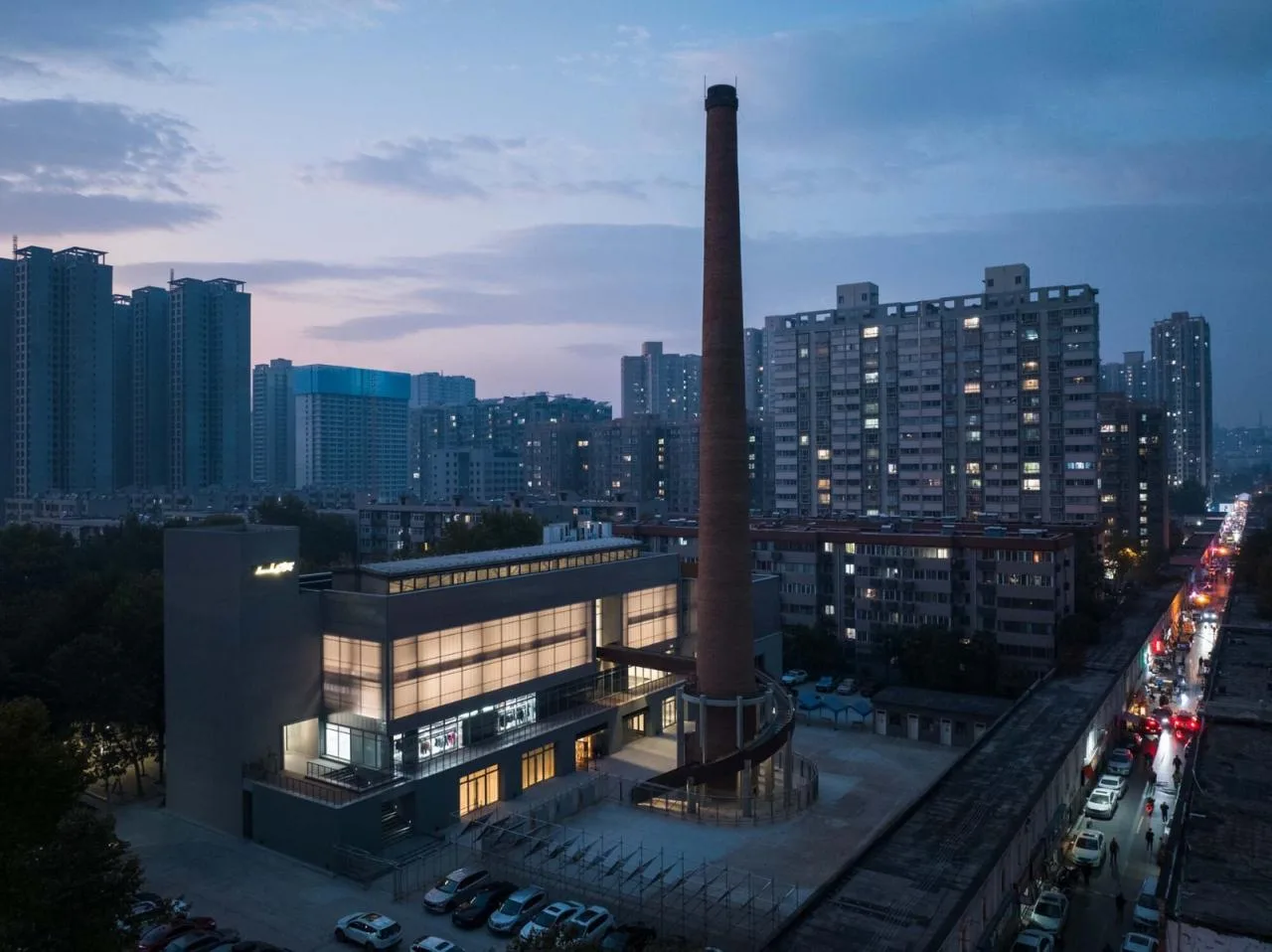
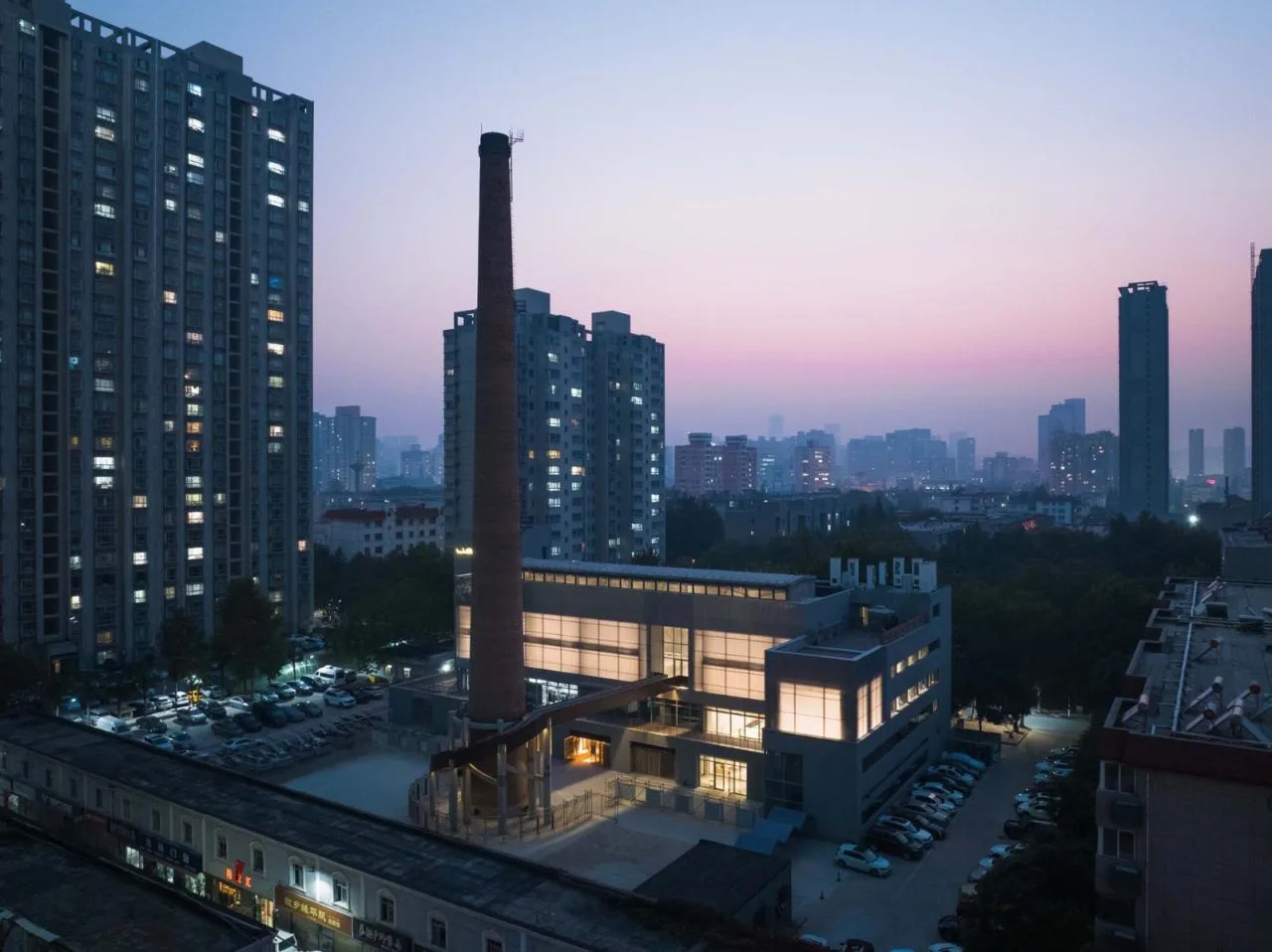
The shift from logistics to pedestrian traffic introduced new demands for exhibition circulation and wider fire evacuation routes. To address this, a pedestrian bridge was added, connecting the front square directly to the main exhibition hall on the third floor.
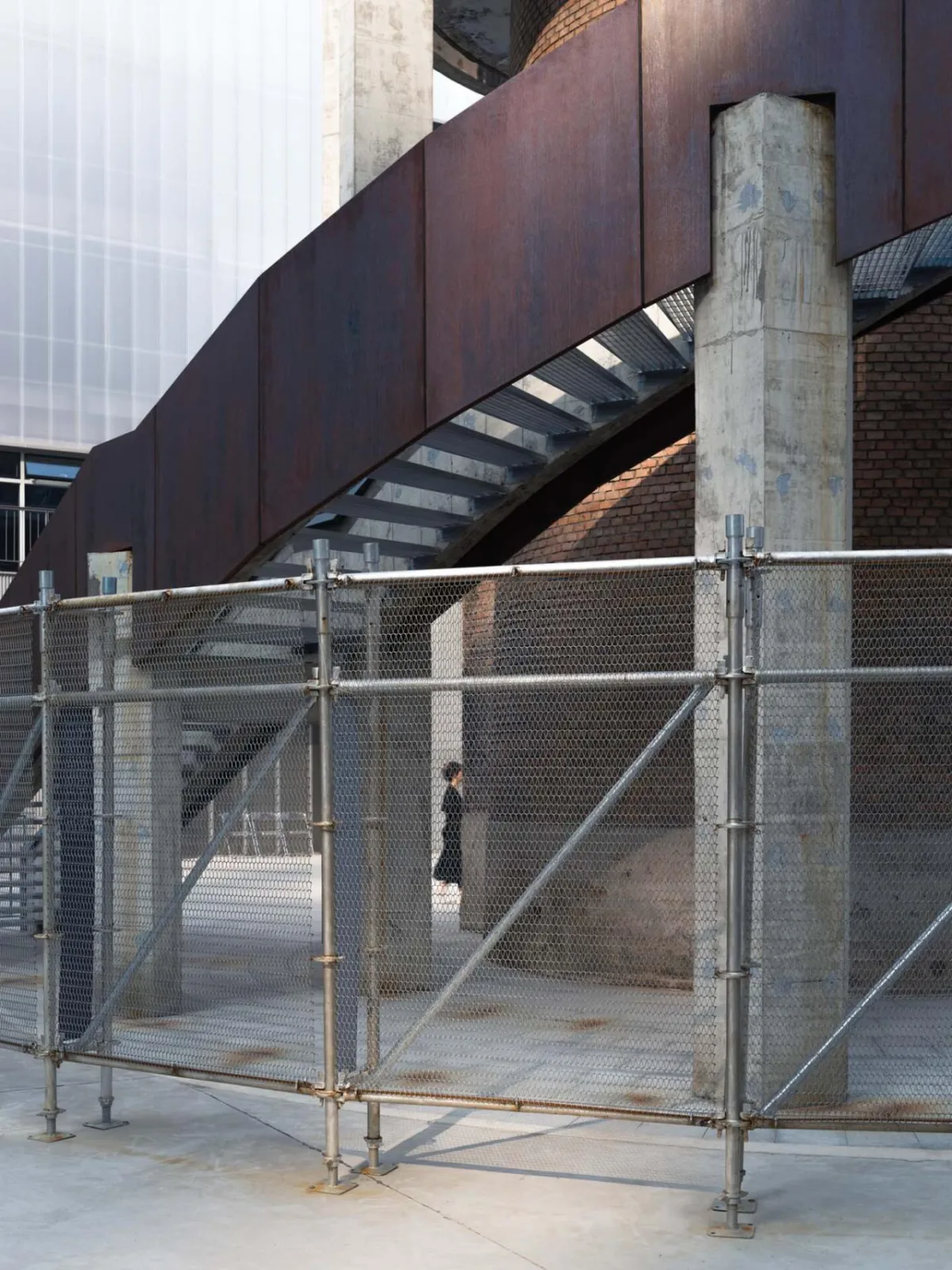
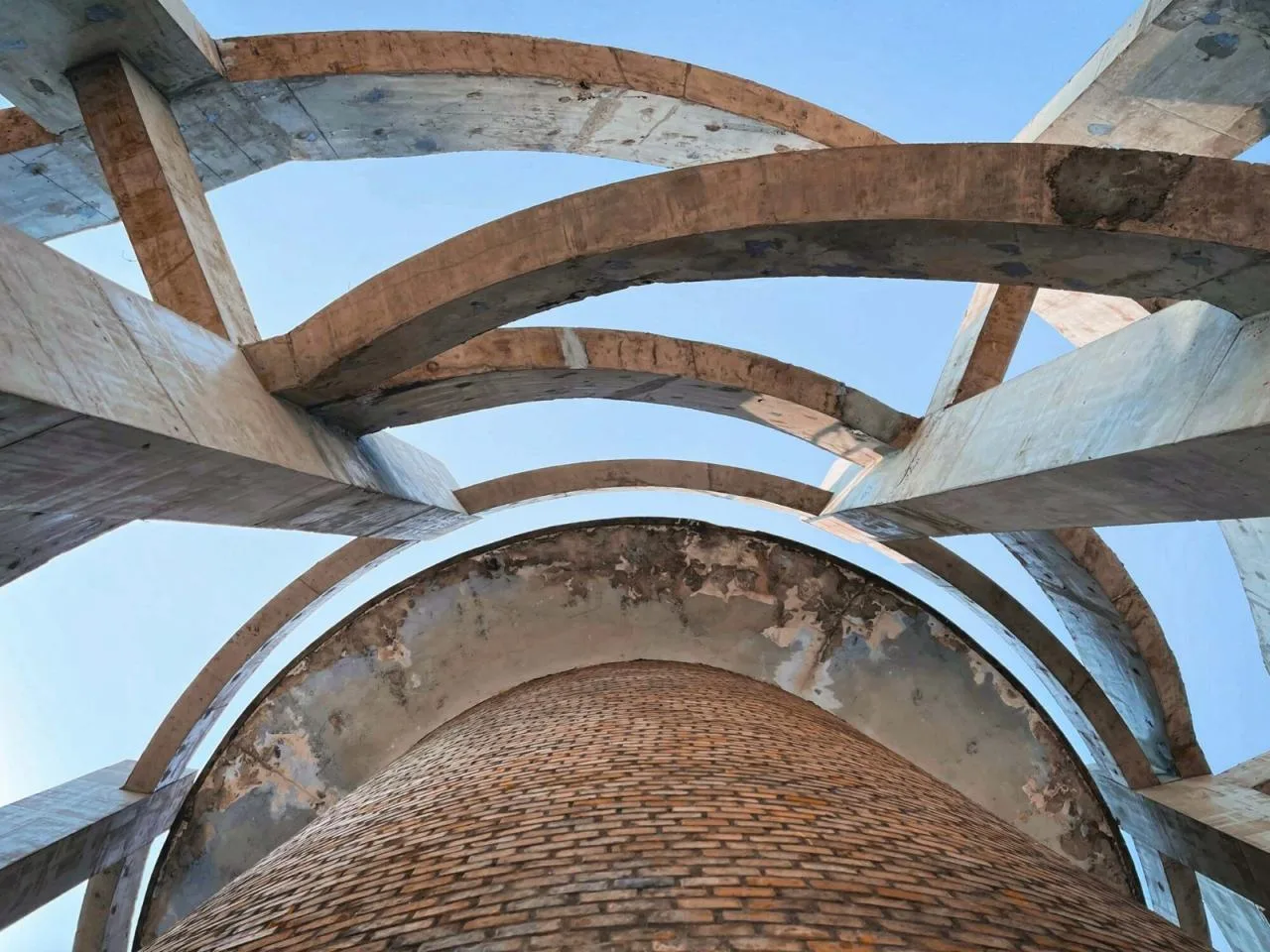
This bridge ascends, winding around the large chimney by the entrance, symbolizing the passage of time. It not only meets functional needs but also intertwines new temporal layers with the old, blending history with modernity.
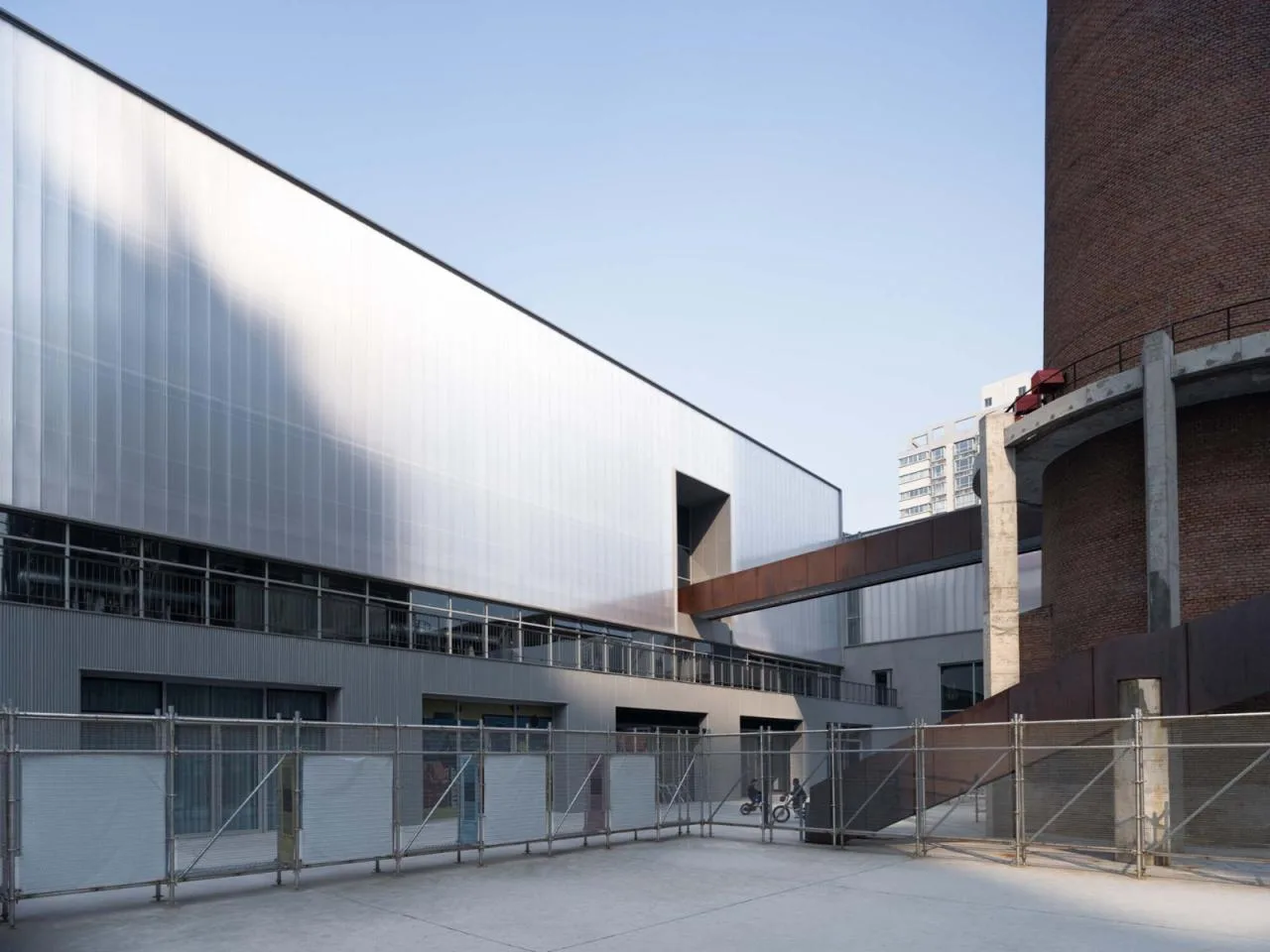
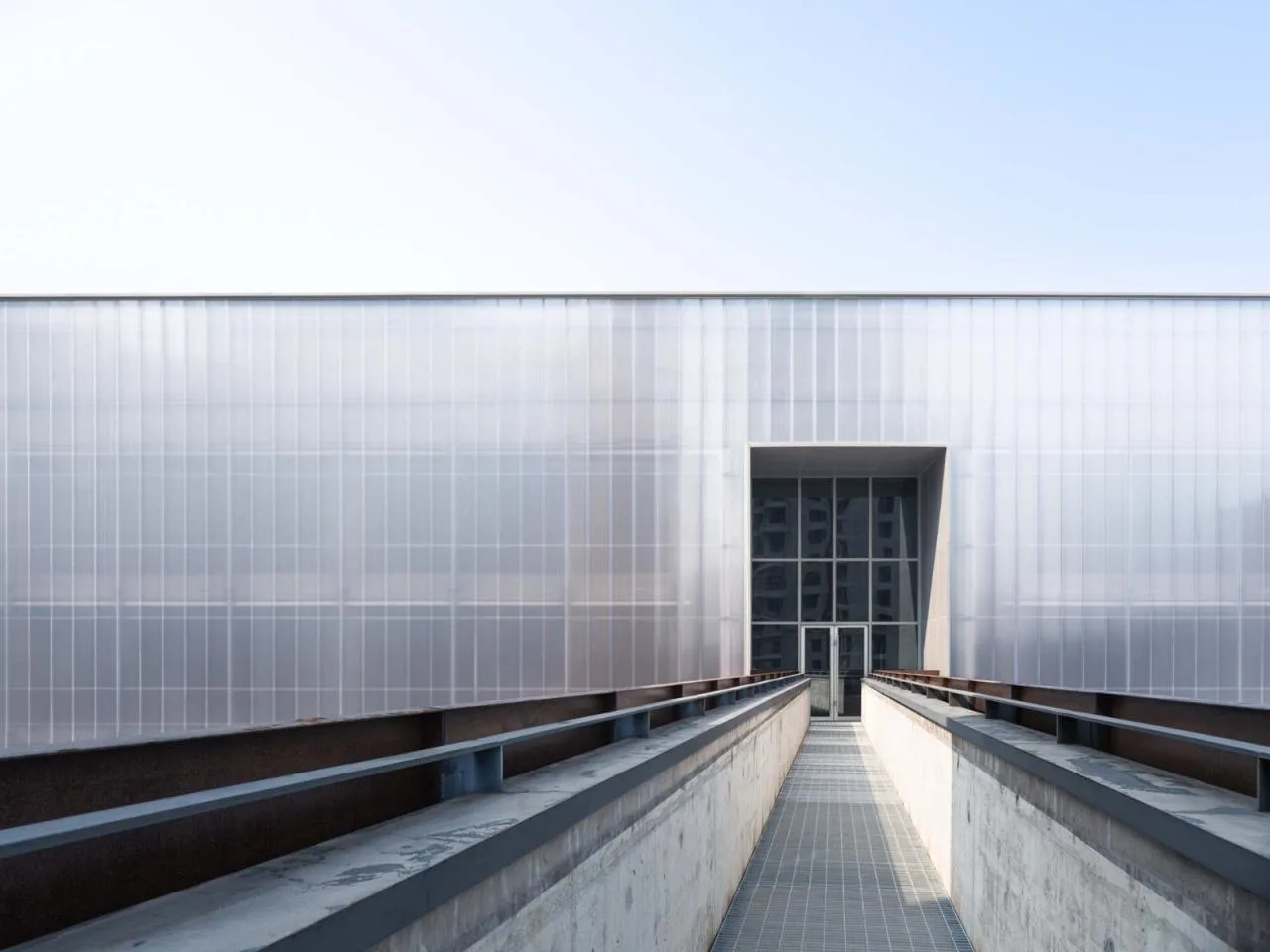
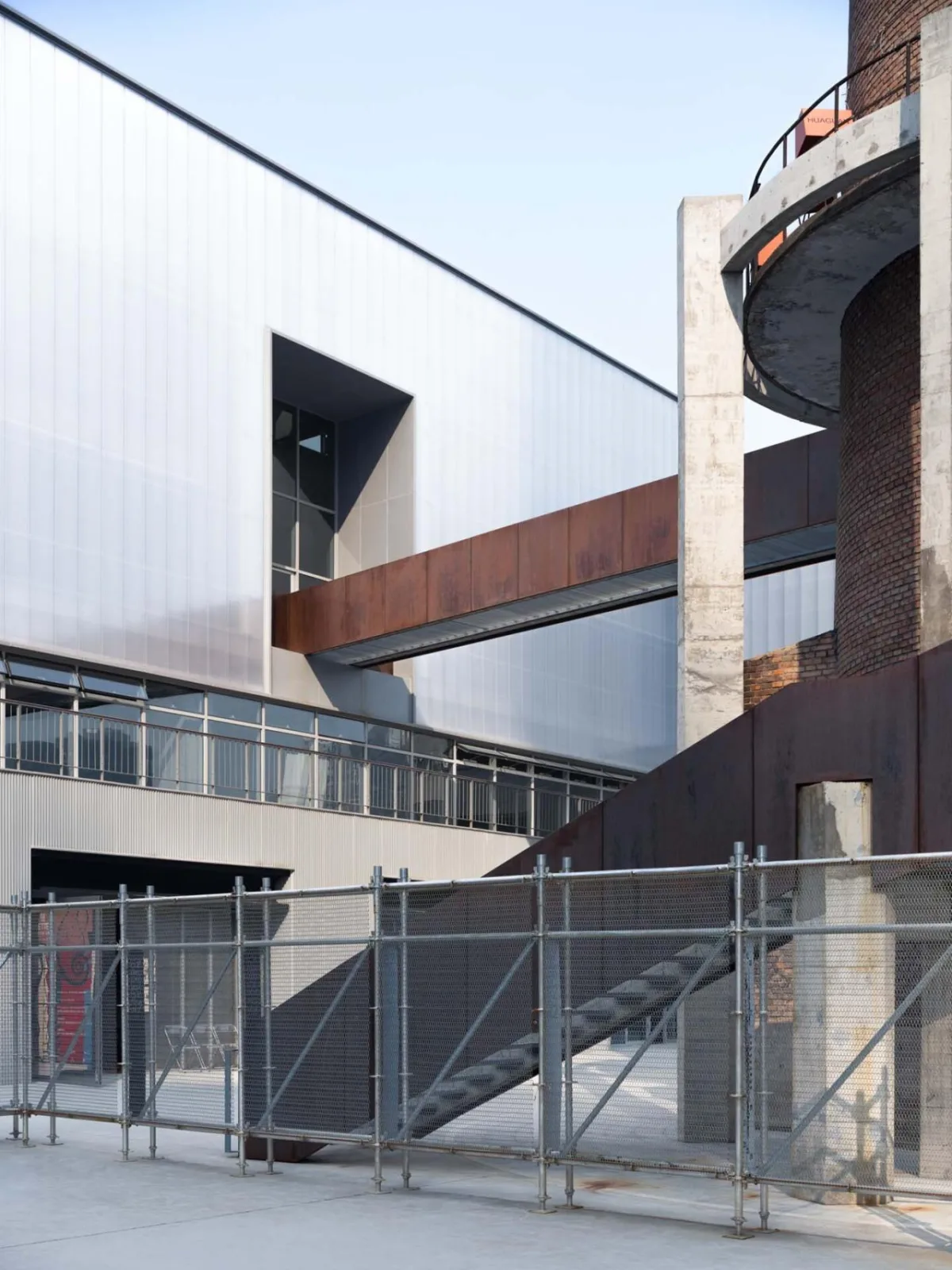
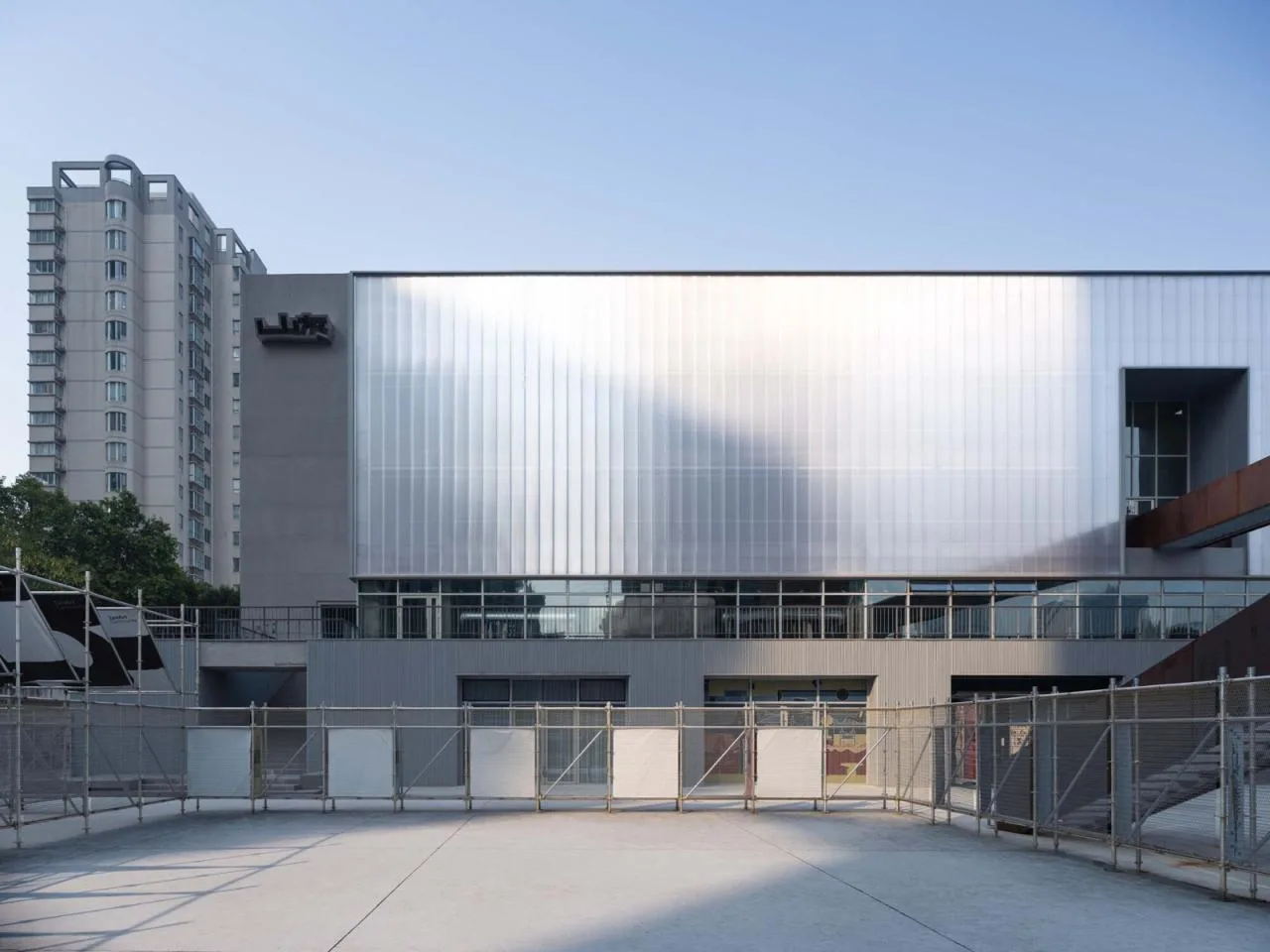
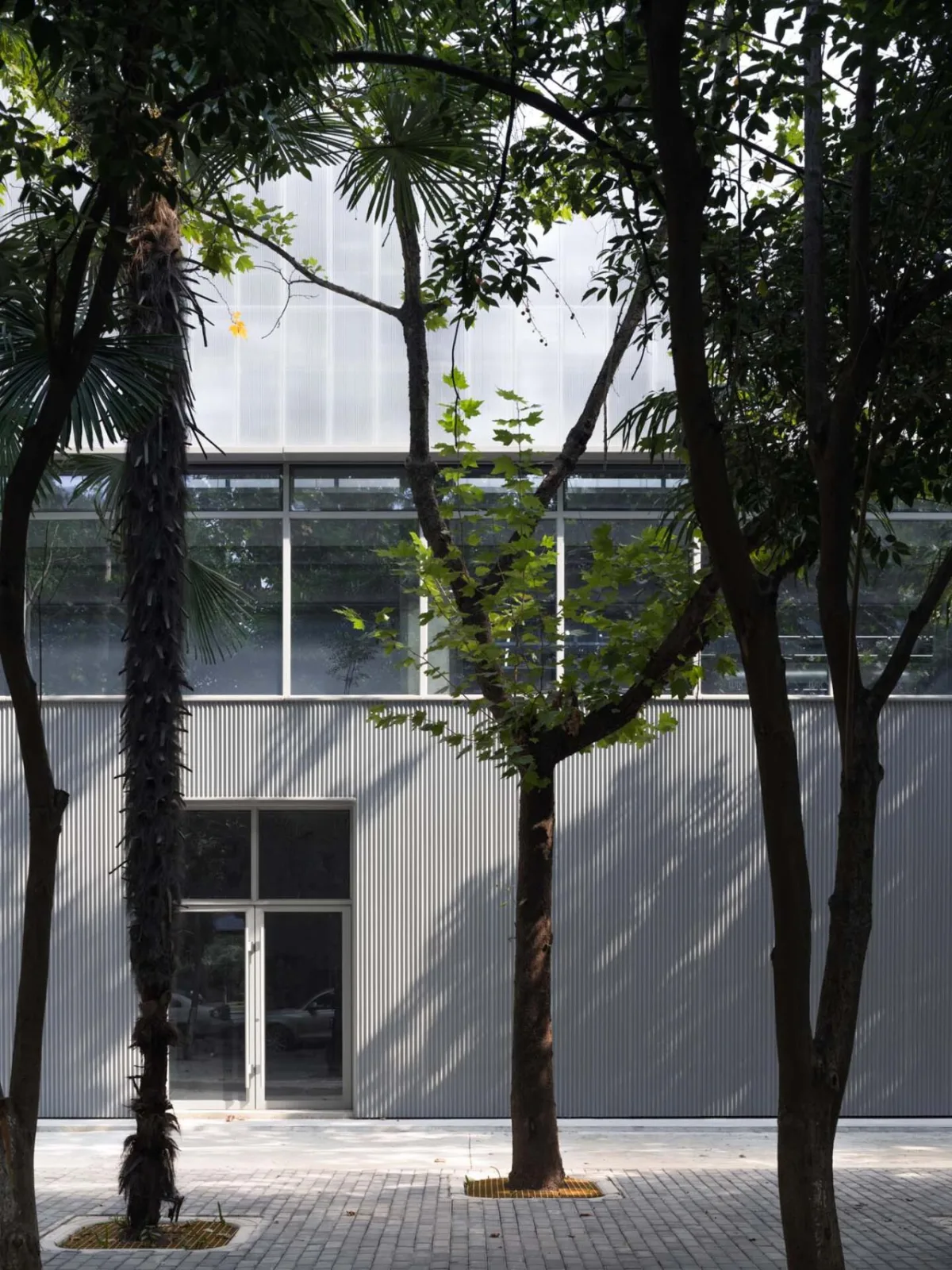
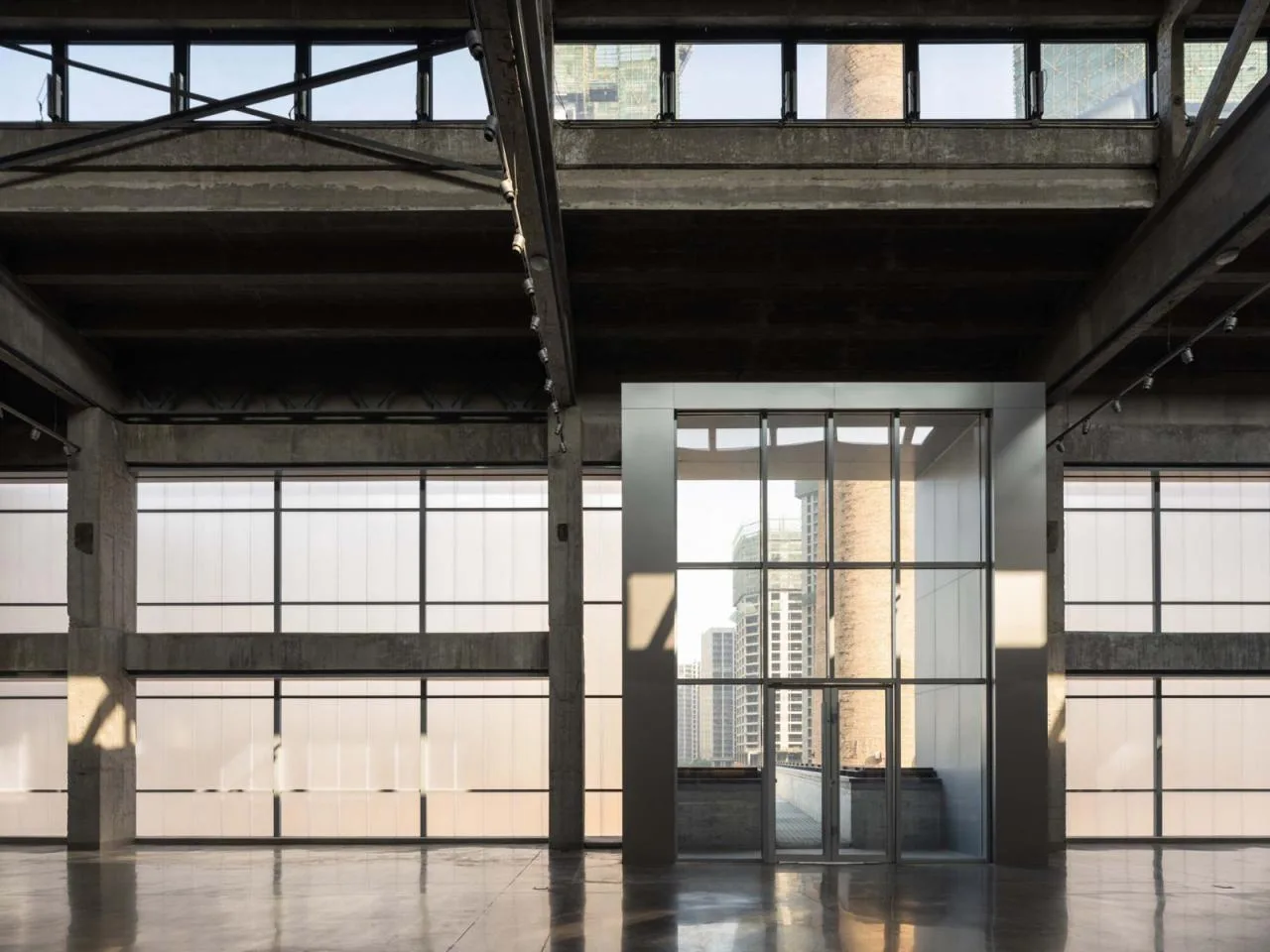
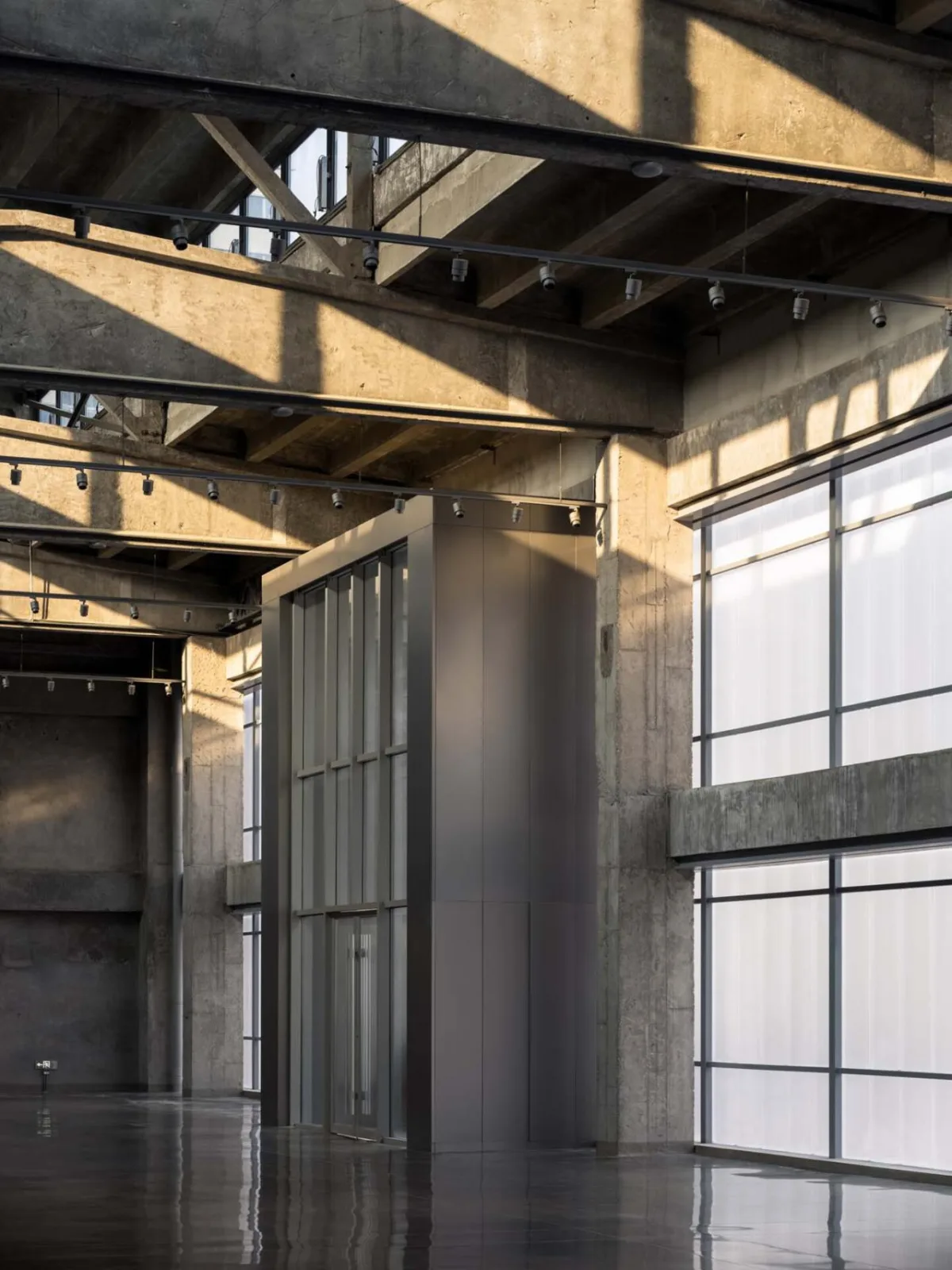
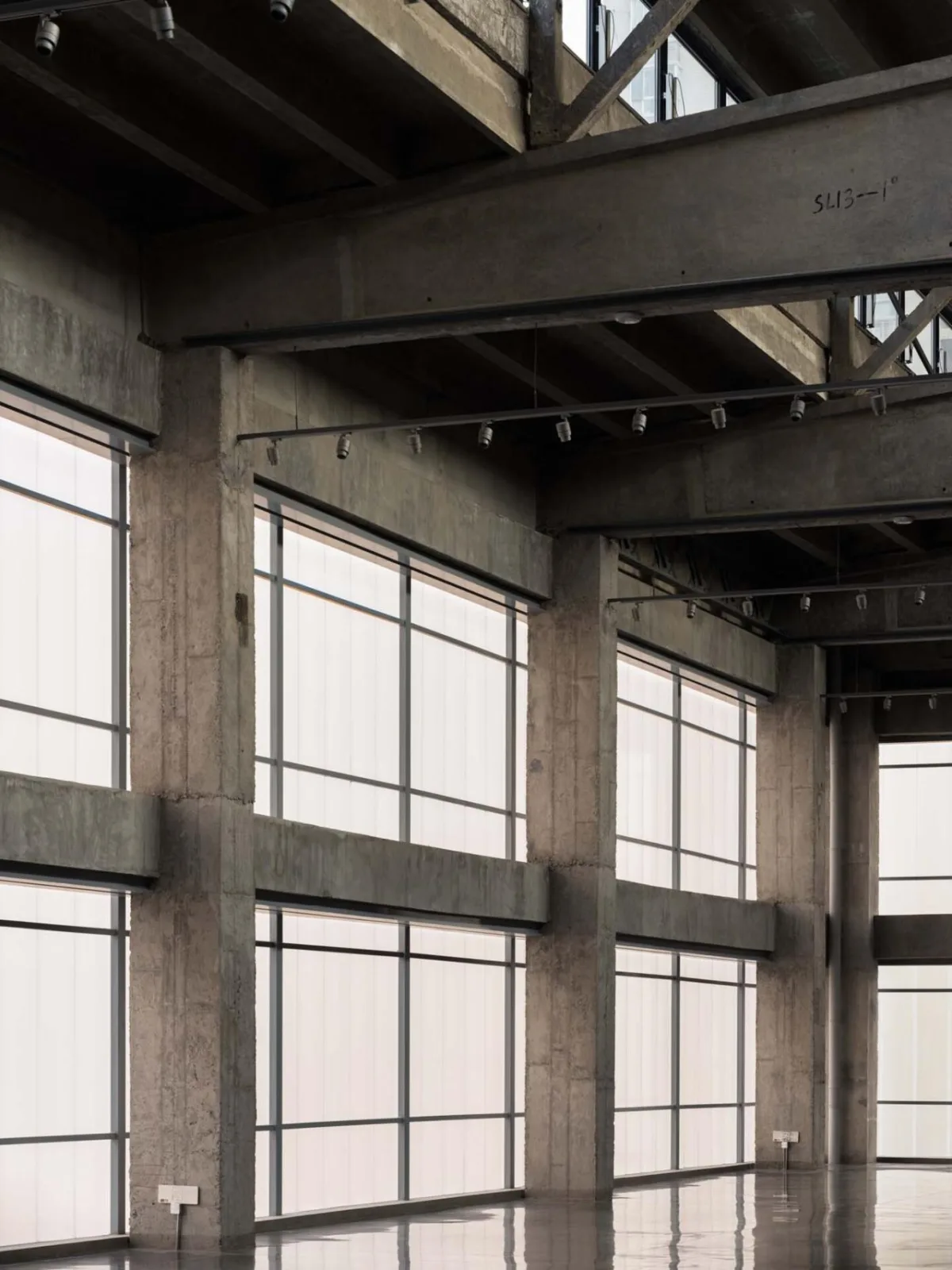
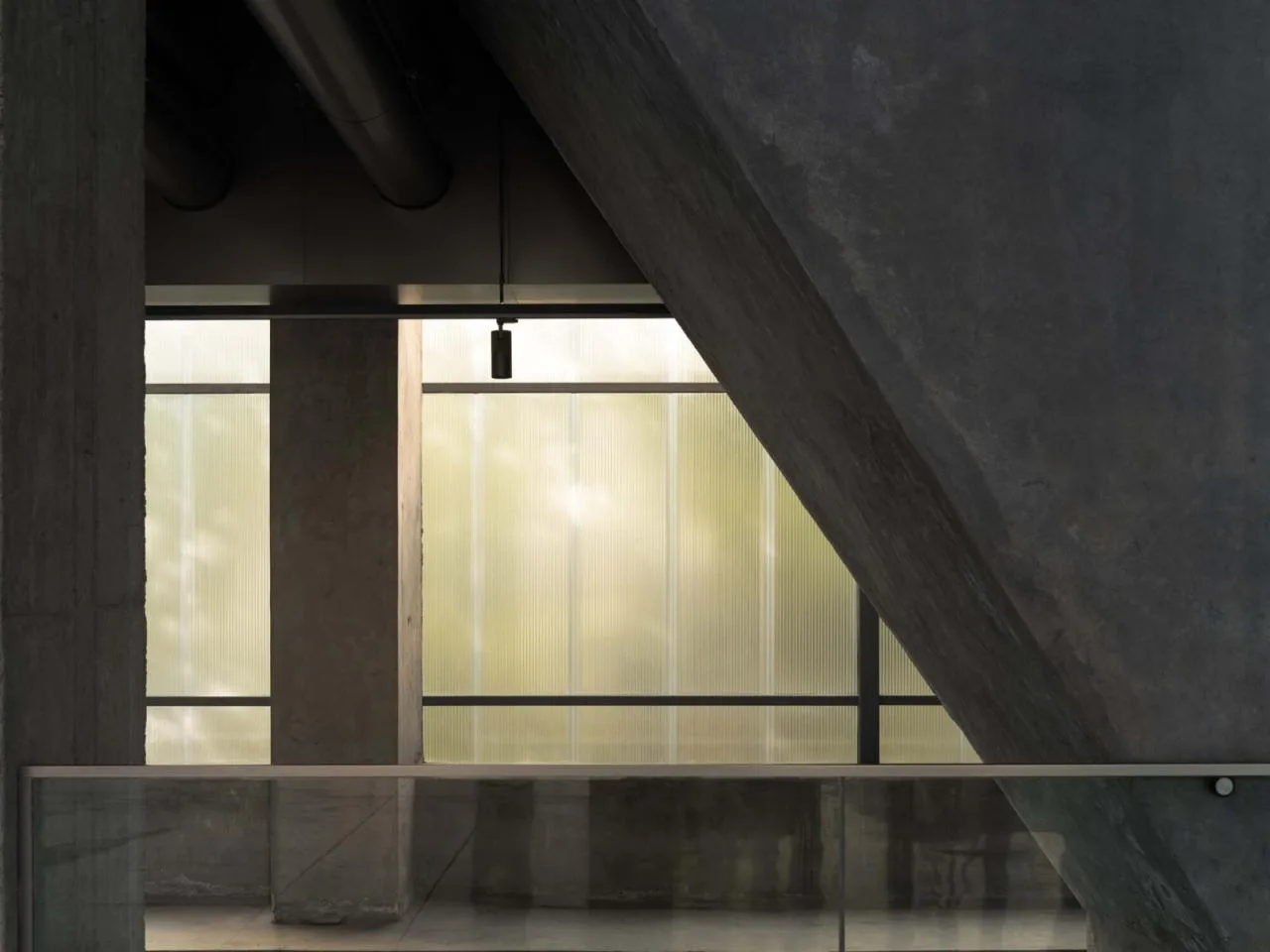
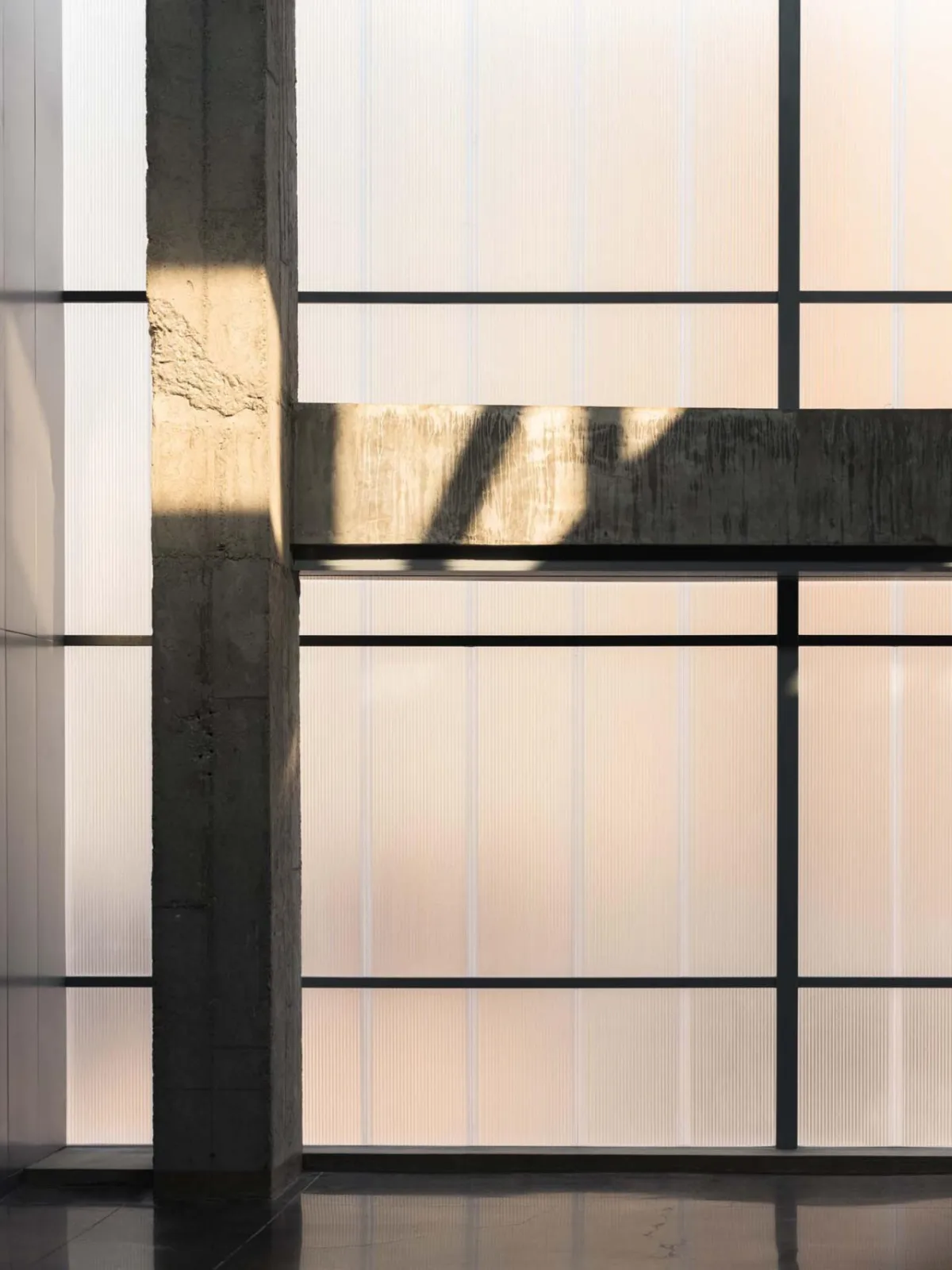
Simultaneously, the building transformed from a power-generating facility into an energy-consuming space. To provide soft, natural lighting and excellent thermal performance for exhibitions, the renovated exterior primarily features imported polycarbonate panels.
This new material introduces a different scale compared to the surrounding residential buildings, highlighting the boiler room as a piece of industrial heritage. It also enhances the public nature of the new art community, connecting it more directly to the urban environment it faces today.
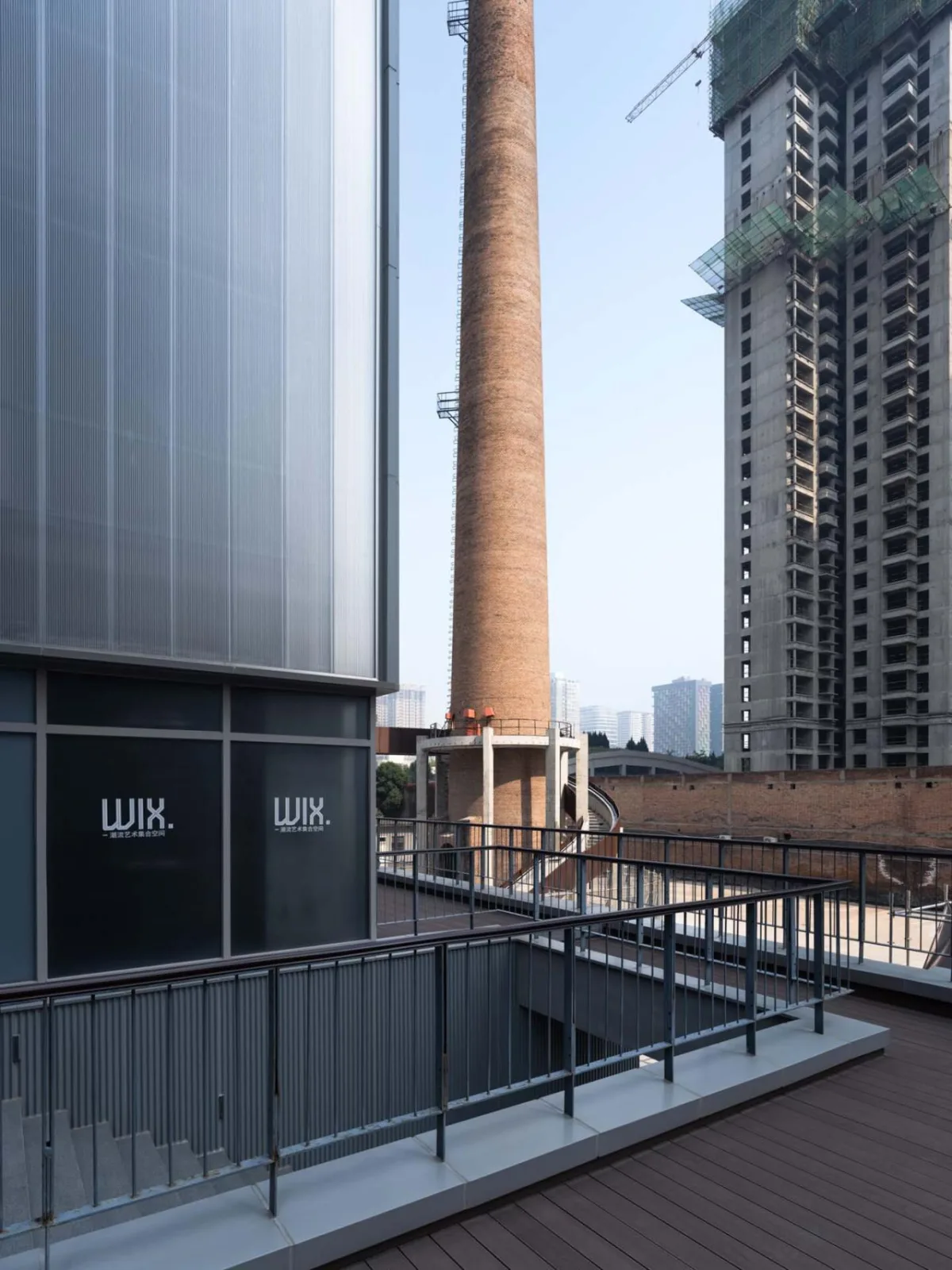
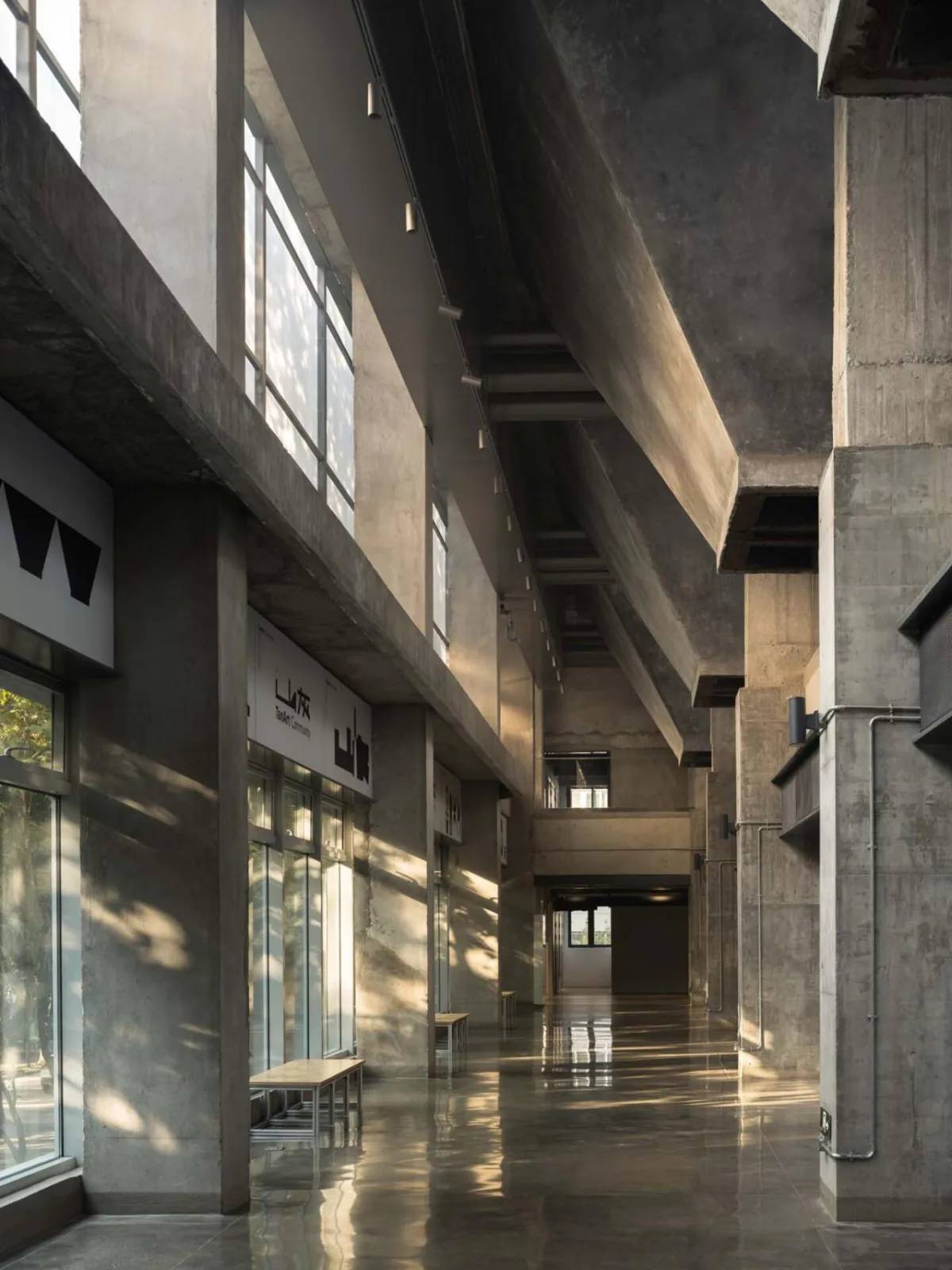
The functional change also required removing old production equipment and installing new building systems. While some mechanical and electrical equipment was optimized and concealed to minimize disruption of the original space, other expressive pipelines remain exposed.
For example, the air conditioning system in the main exhibition hall cleverly uses the triangular space between the hopper and column to route ducts, complemented by 24 spherical nozzles for air distribution. The sleek stainless steel ducts contrast with the rough concrete surfaces, creating a dialogue between different eras.
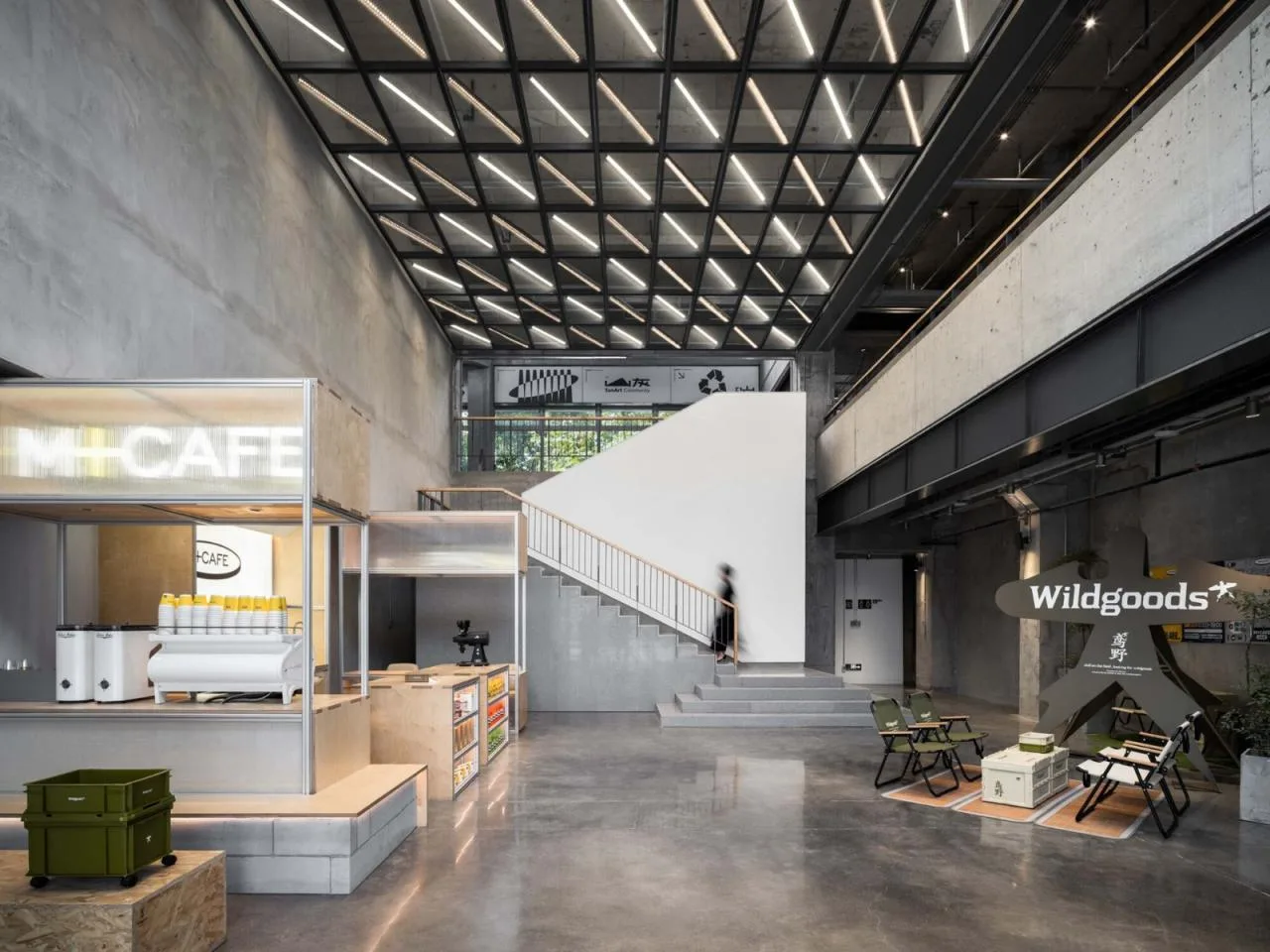
Considering campus epidemic prevention and control, scaffolding was used to build a temporary fence around the site. This quickly assembled structure not only divides the area but also acts as a basic framework, allowing exhibition posters, seating areas, market booths, and other elements to be periodically added or removed to adapt to changing needs.
Statistics show that due to shifting environments and demands, the average lifespan of buildings in China is often only 30 years. This boiler room has fulfilled its original mission within that span, but now it embarks on a brand-new chapter.
Project Information
Architect: Daily Construction
Area: 3988 m²
Project Year: 2022
Photographers: Ten Photography Studio, Tan Xiao, Shanhui Art Community
Manufacturer: RODECA GMBH
Location: Xi’an















Must log in before commenting!
Sign Up