
BIM technology is more than just a tool; it is set to transform delivery methods and processes by changing the final delivered product. As projects become digitized, BIM has revolutionized the way engineering information is managed and shared.
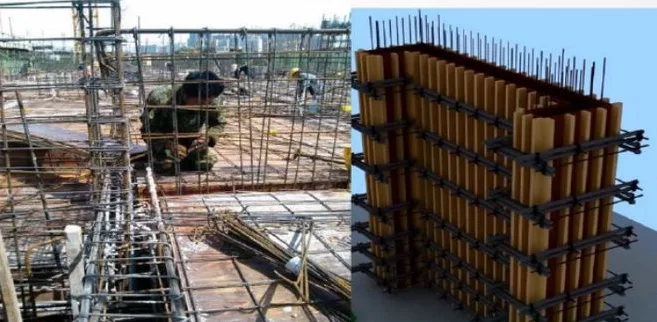
While BIM facilitates integrated collaboration across design, construction, and operations, it fundamentally shifts traditional roles and mindsets among stakeholders such as owners, designers, and contractors. By breaking down barriers, BIM enables collaborative management throughout construction projects. As BIM gradually gains traction in China, it will inevitably impact the construction industry in new ways. The main challenges facing the development of BIM in China include:
1. Mindset and Methodology Transformation: Implementing BIM requires moving from two-dimensional to three-dimensional project management, which demands a shift in traditional knowledge structures and ways of thinking from all participants. This transformation challenges established conventions.
2. Software and Technical Limitations: While BIM software research abroad is well-developed, China’s domestic software industry remains relatively weak and often lacks the functionality needed for practical applications. This gap hinders BIM localization efforts.
3. Lack of Comprehensive Management and Collaboration: BIM spans multiple project phases and specialties, necessitating seamless horizontal information exchange across the construction sector. Currently, China’s construction projects lack coordinated management across different stages, disciplines, and stakeholders throughout the project lifecycle.
4. Immature Application Environment: The construction industry system in China still requires improvement. A comprehensive BIM standards system—including standardized contracts—is yet to be fully established. Additionally, relevant laws and regulations are lacking, and responsibilities related to BIM remain unclear, creating an environment that is not yet mature for widespread BIM adoption.
5. Economic Barriers: Stakeholders have yet to fully recognize the added value BIM brings to projects. This has led to reluctance in accepting the upfront costs associated with BIM implementation, including hardware investments and personnel training, thereby creating economic resistance to BIM development.
These obstacles summarize the key challenges affecting BIM technology’s growth in China. We hope this article provides useful insights to everyone interested in this field!
















Must log in before commenting!
Sign Up