
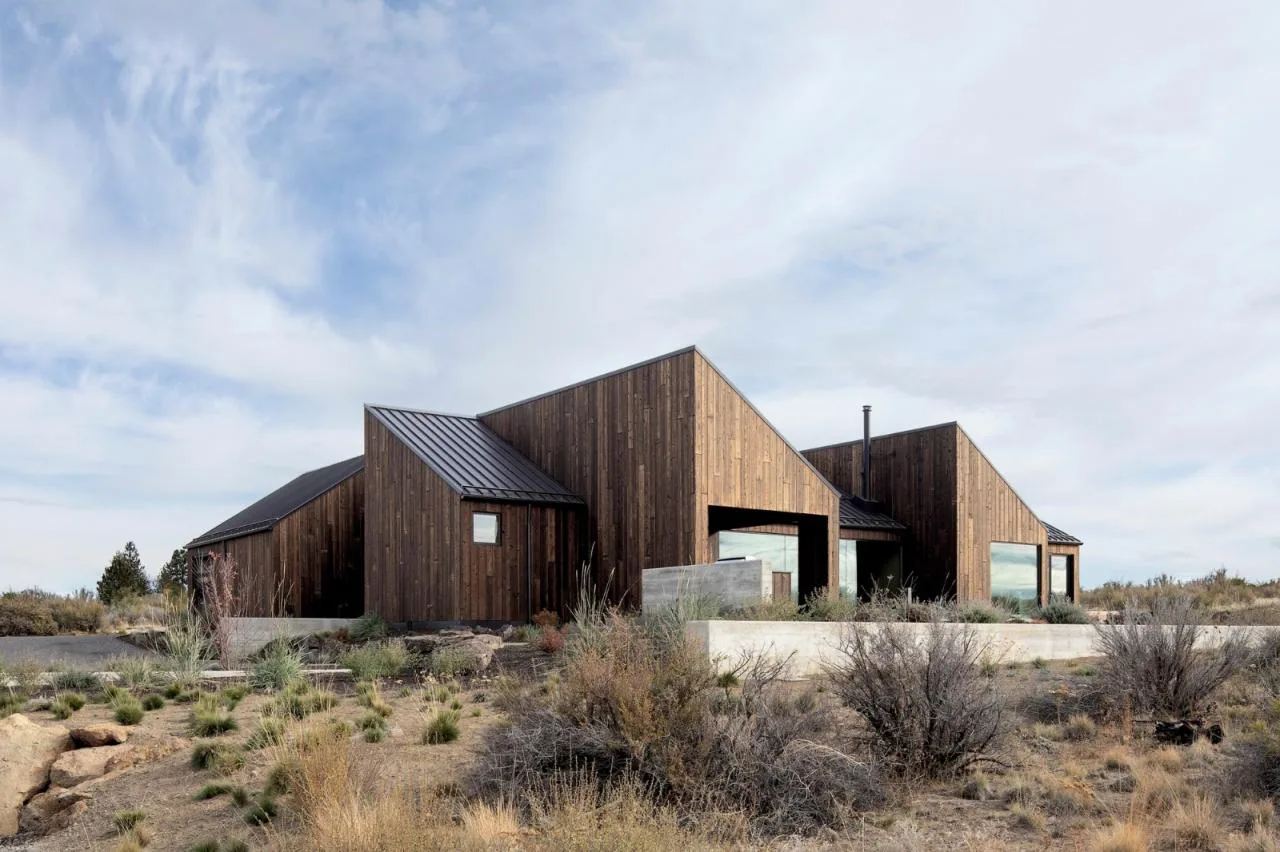
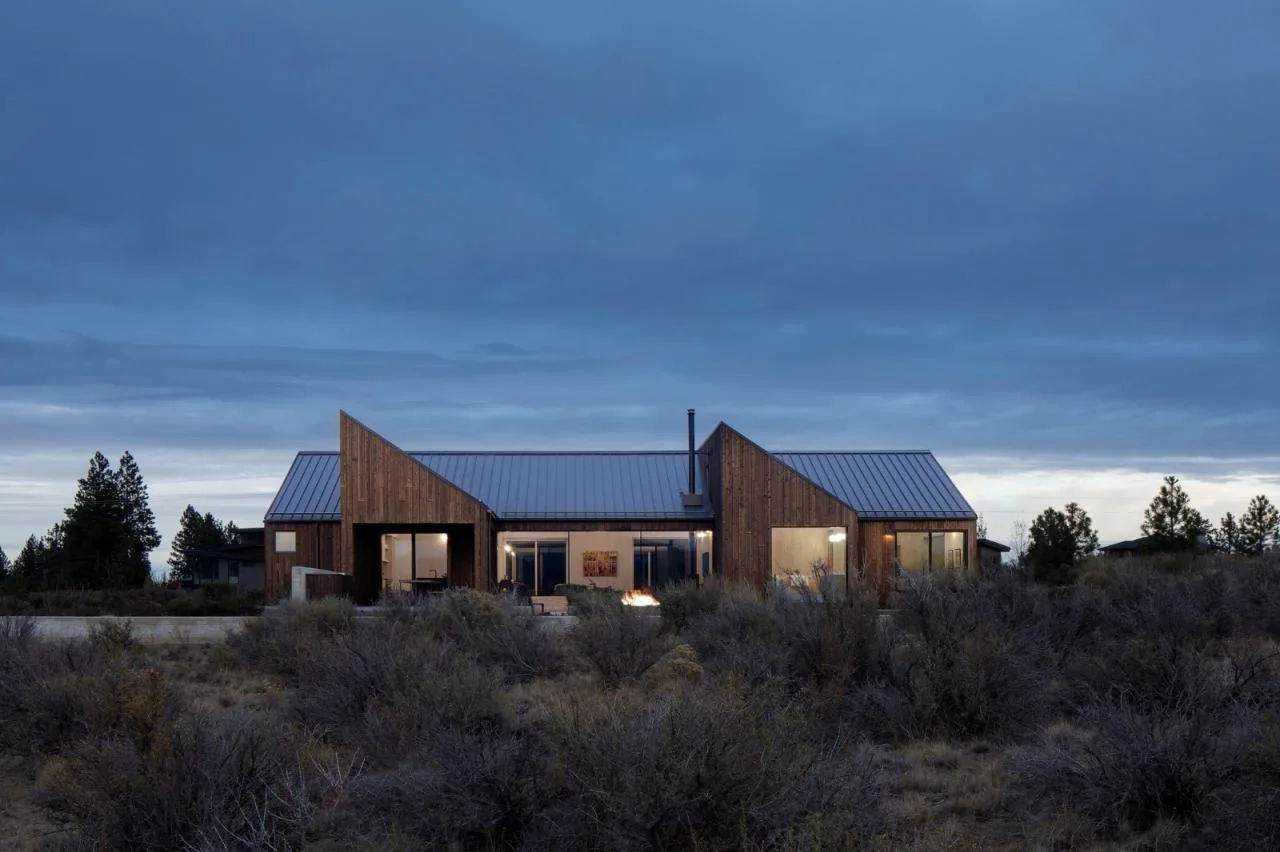
The Well Shaped House is situated on a land covered with shrubs, wormwood, bitter grass, and juniper. Twenty years ago, wildfires wiped out the forest that once thrived here. As the arid highland desert gradually transforms into lush vegetation, distant yellow pine forests come into view. Located in Bend, Oregon—a small city 257 kilometers southeast of Portland—this area is a haven for outdoor enthusiasts. It offers proximity to hiking trails, the Deschutes River, Mirror Lake, nearby Lake Cascades, Bachler Mountain Ski Resort, and the ski slopes of the Cascade Mountains. From here, you can enjoy panoramic views of the snow-capped peaks of the Three Sisters Mountains and the Deschutes National Forest.
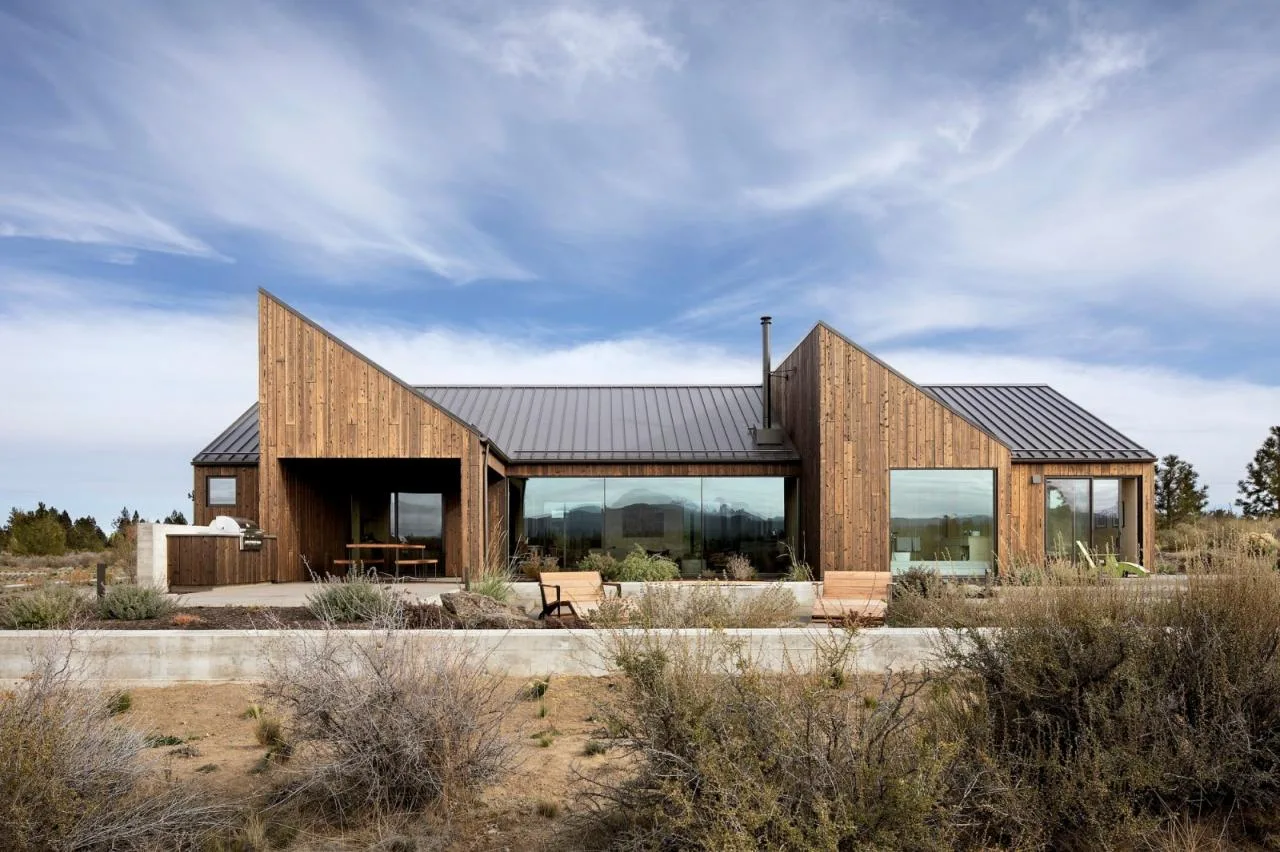
For many years, clients Mike and Katherine had considered relocating from their San Francisco home—also designed by Mork Ulnes in 2011—to provide their young children with a more outdoor-focused lifestyle. This family’s decision reflects a broader trend of people moving out of San Francisco and other major US cities, a migration that began before the COVID-19 pandemic and has since accelerated. Originally from the UK and Texas, the couple is technologically savvy and, around 2016, purchased land in Bend, Oregon, drawn by the local climate characterized by dry summers, snowy winters, cool nights, and clear days. They were also attracted to the diverse terrain offering lakes, mountain ranges, trails, and deserts, all supporting abundant outdoor activities.
The clients had specific requirements for their new home. They aimed for environmental sustainability and high flexibility while incorporating the desert landscape. The house needed two bedrooms for the family and two guest rooms for frequent visitors and relatives from abroad. To optimize space within a tight budget, flexible areas were necessary—serving as guest rooms or offices, outdoor courtyards or activity rooms, and garages or indoor recreational spaces.
The house features an orthogonal laminated timber structure, a low-waste and highly efficient building method. All materials are pre-cut off-site, allowing responsible recycling of construction waste at the factory. The plywood used throughout the Well Shaped House comes from sustainably managed forests certified by the Sustainable Forestry Initiative/Chain of Custody. These boards are glued and laminated with low volatile organic compound adhesives at a Montana factory. Thanks to this timber structure, the walls store approximately 25 tons of hidden carbon and are expected to reduce greenhouse gas emissions by 15 tons.
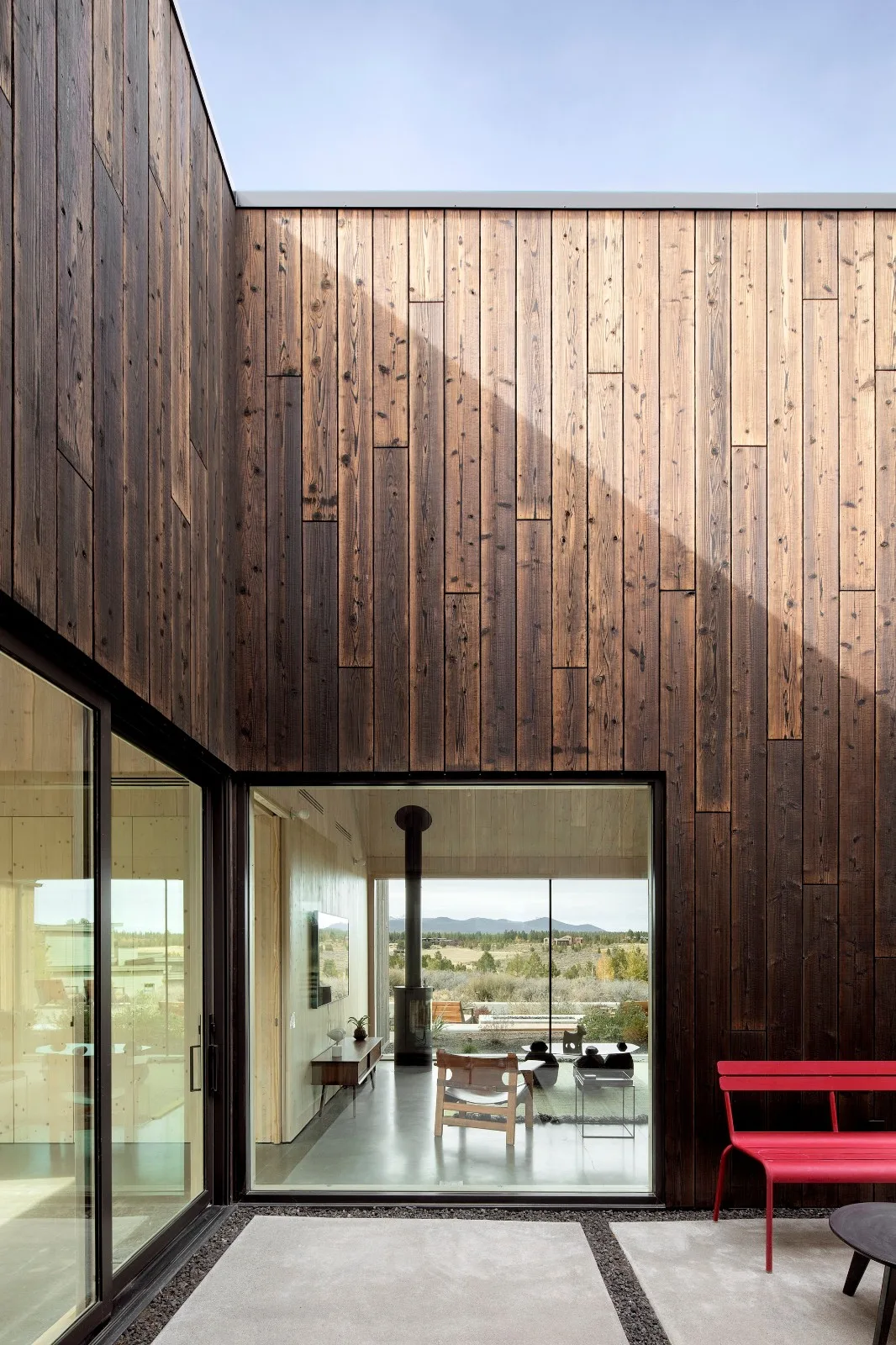
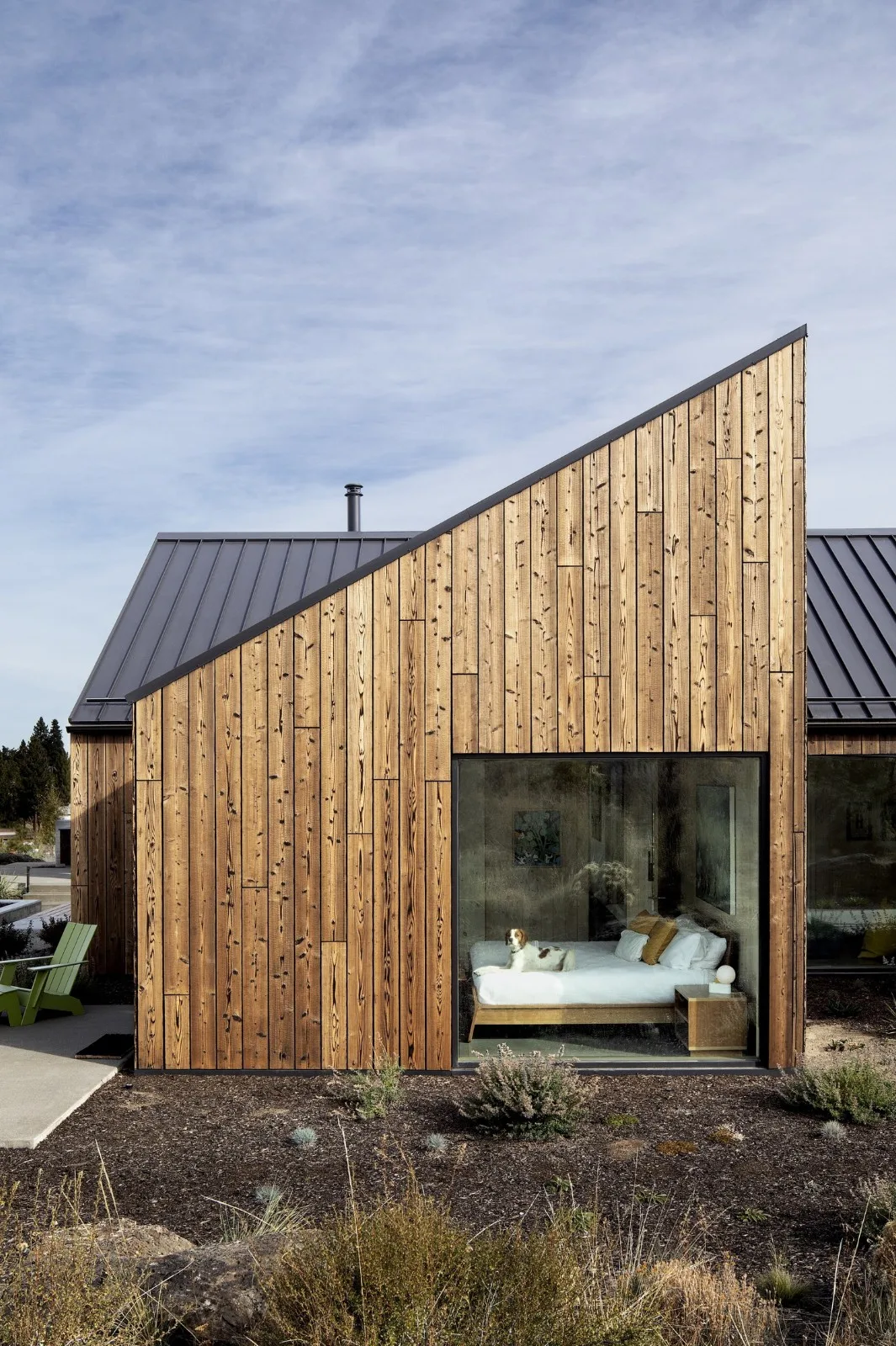
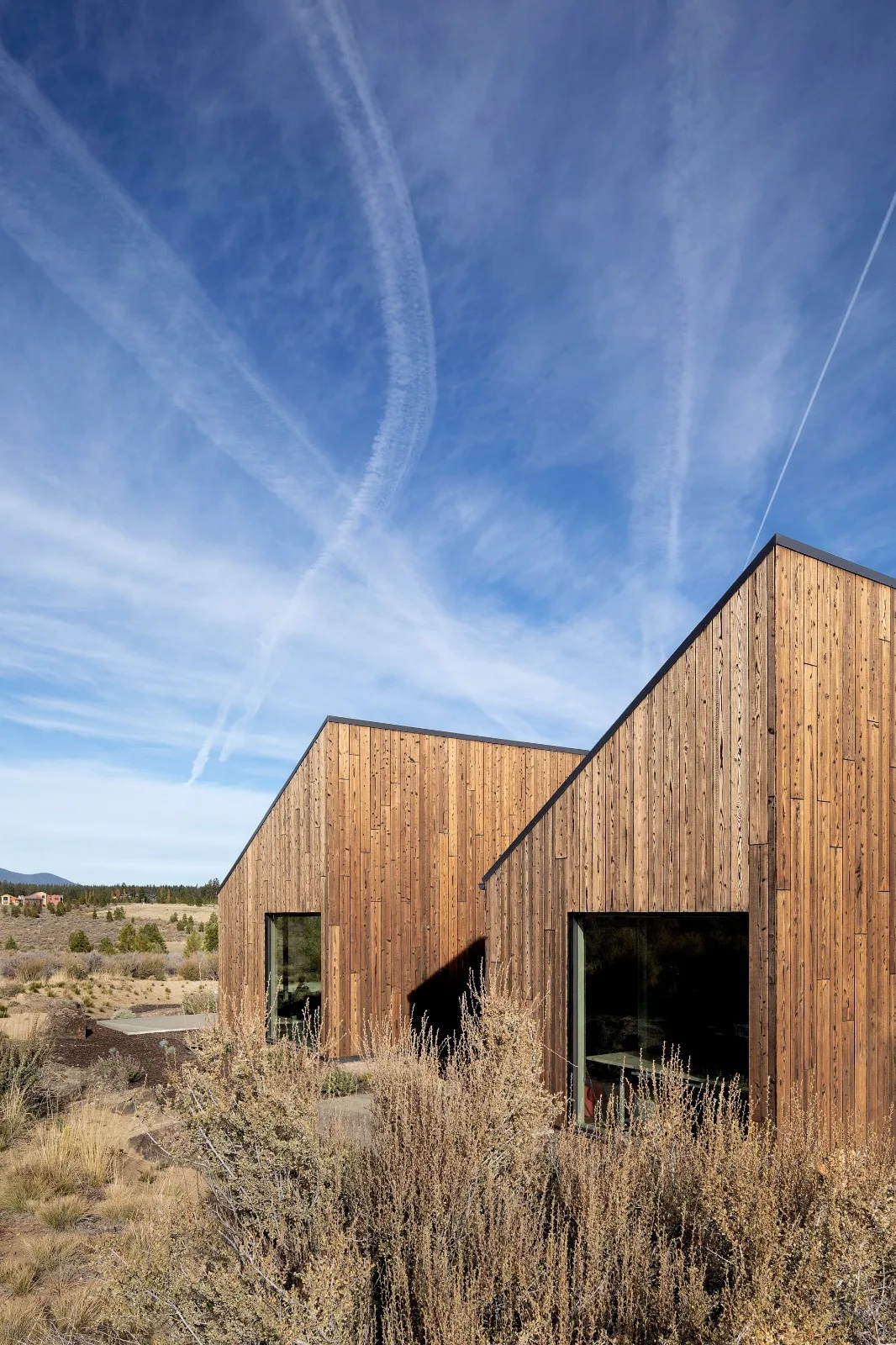
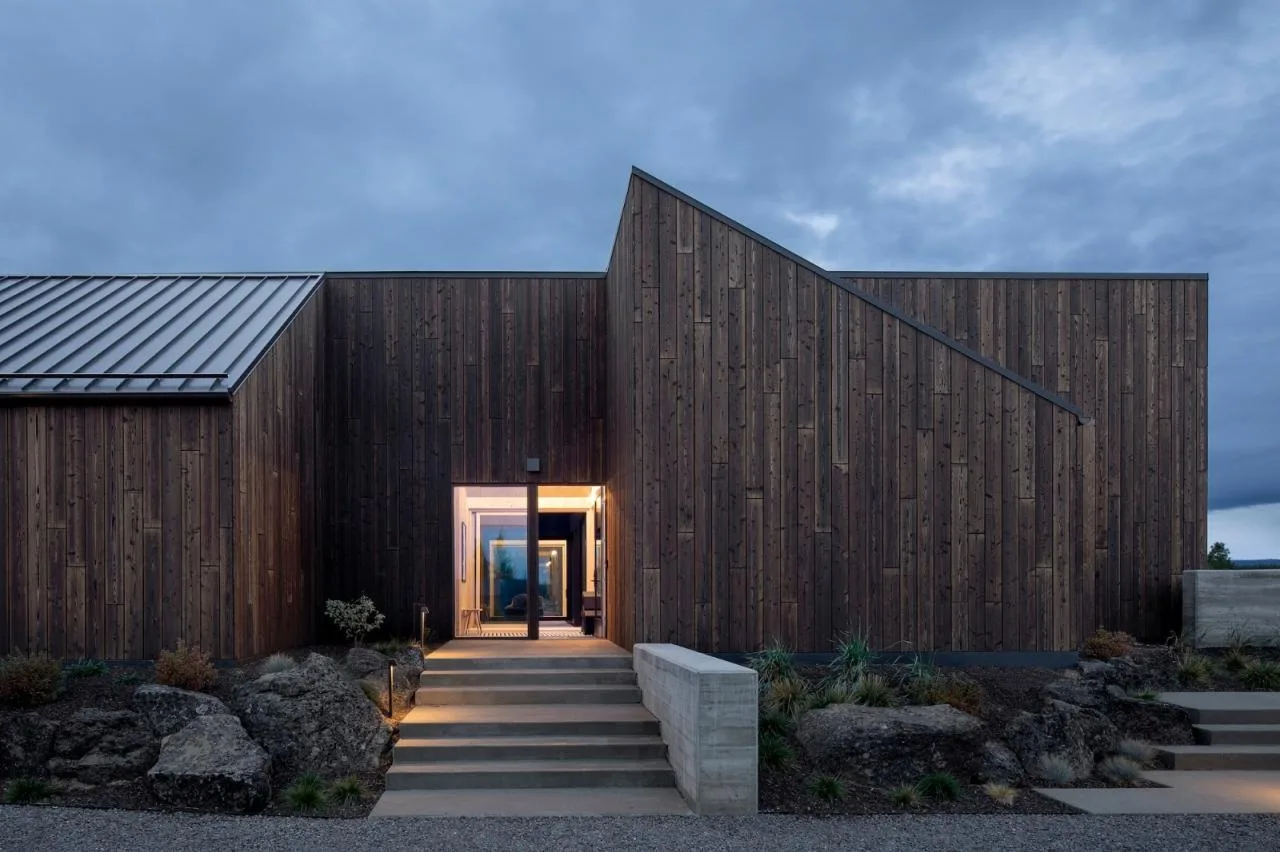
Inside, nearly all walls are made from orthogonal laminated pine, spruce, and fir wood, treated with natural oils (except for tiled bathroom wet areas), enhancing air quality and acoustics. The exterior walls are clad in burnt cedar boards—a type of wood that is waterproof, corrosion-resistant, insect-repellent, and fire-resistant—requiring minimal maintenance over time.
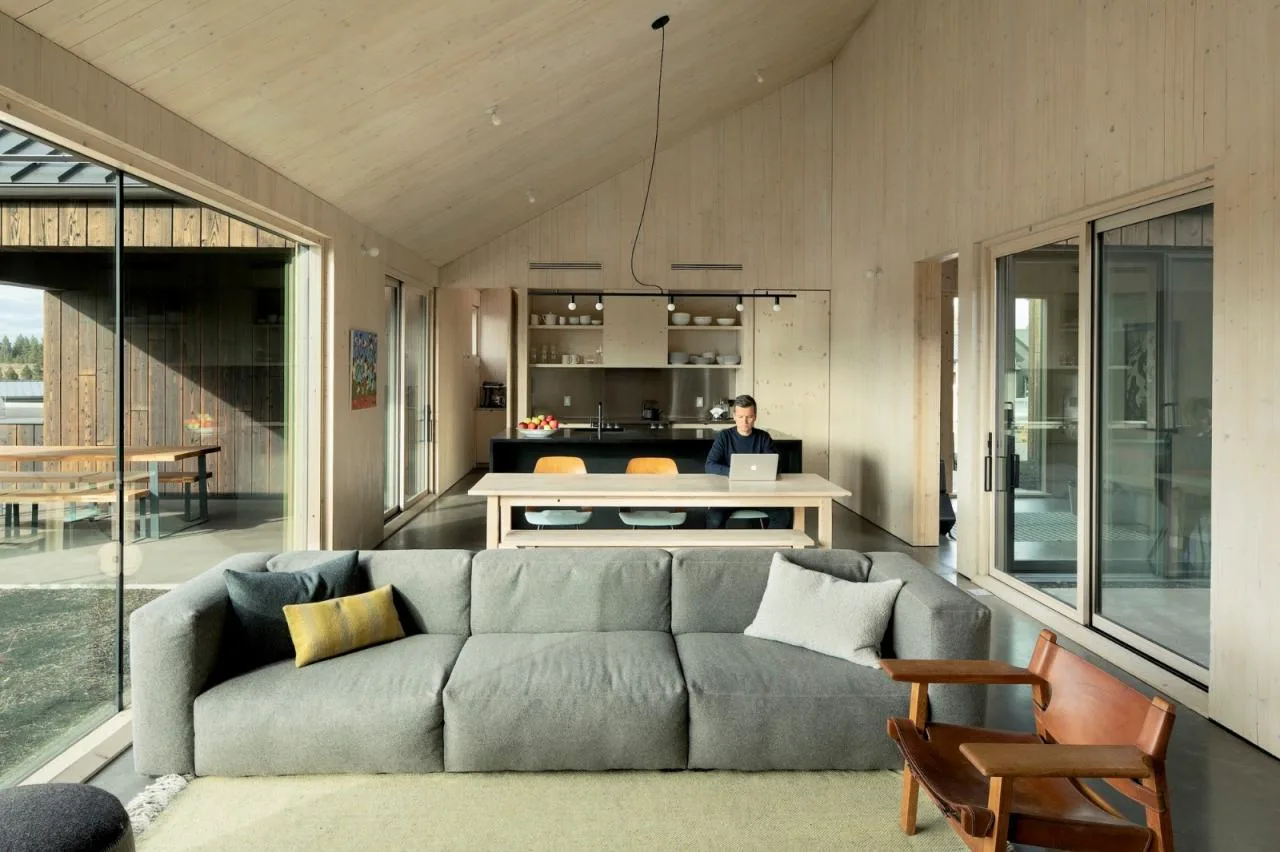
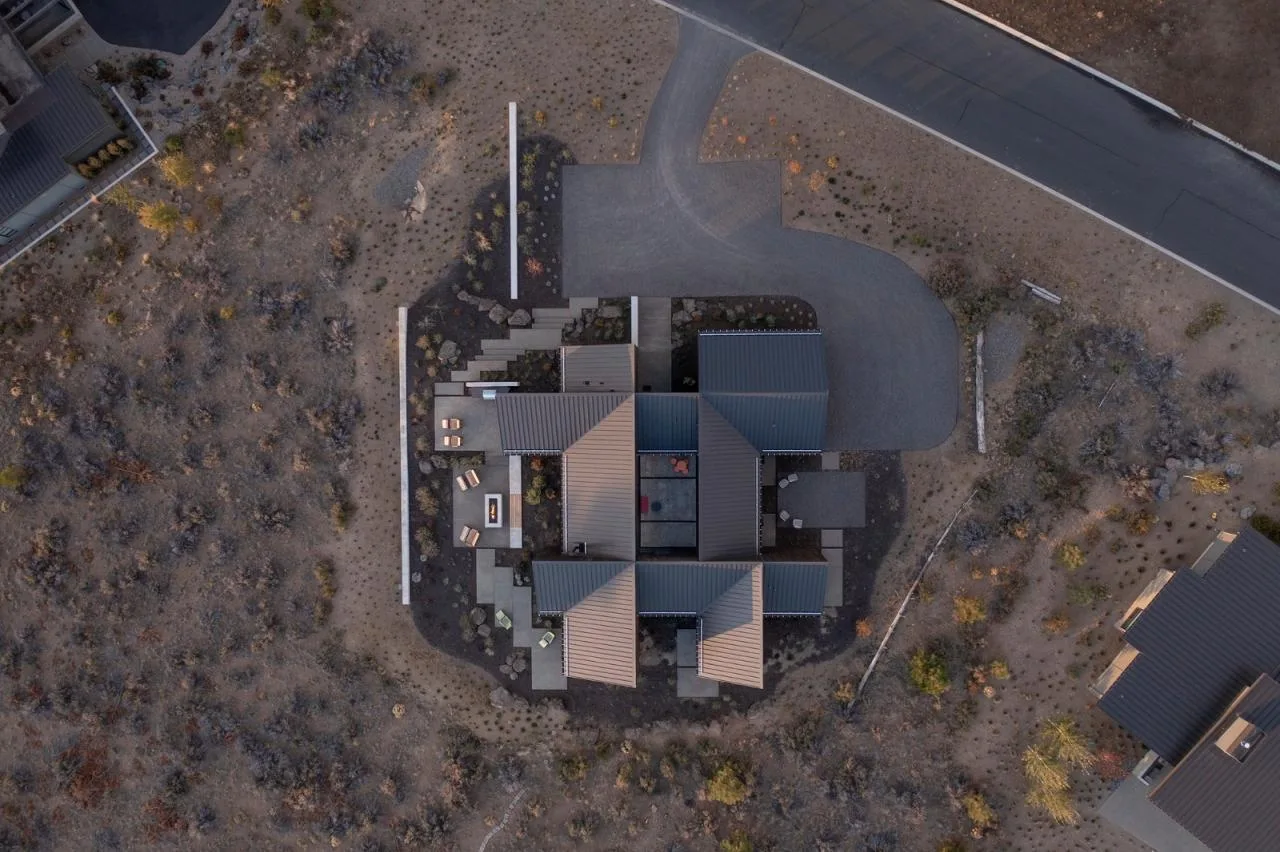
The single-story residence spans 3,340 square feet (310 square meters) and features a clever floor plan. Four intersecting roof beams divide the space into public and private zones, with a fully enclosed central courtyard and seven semi-enclosed courtyards surrounding it, bringing natural light and fresh air into every room.
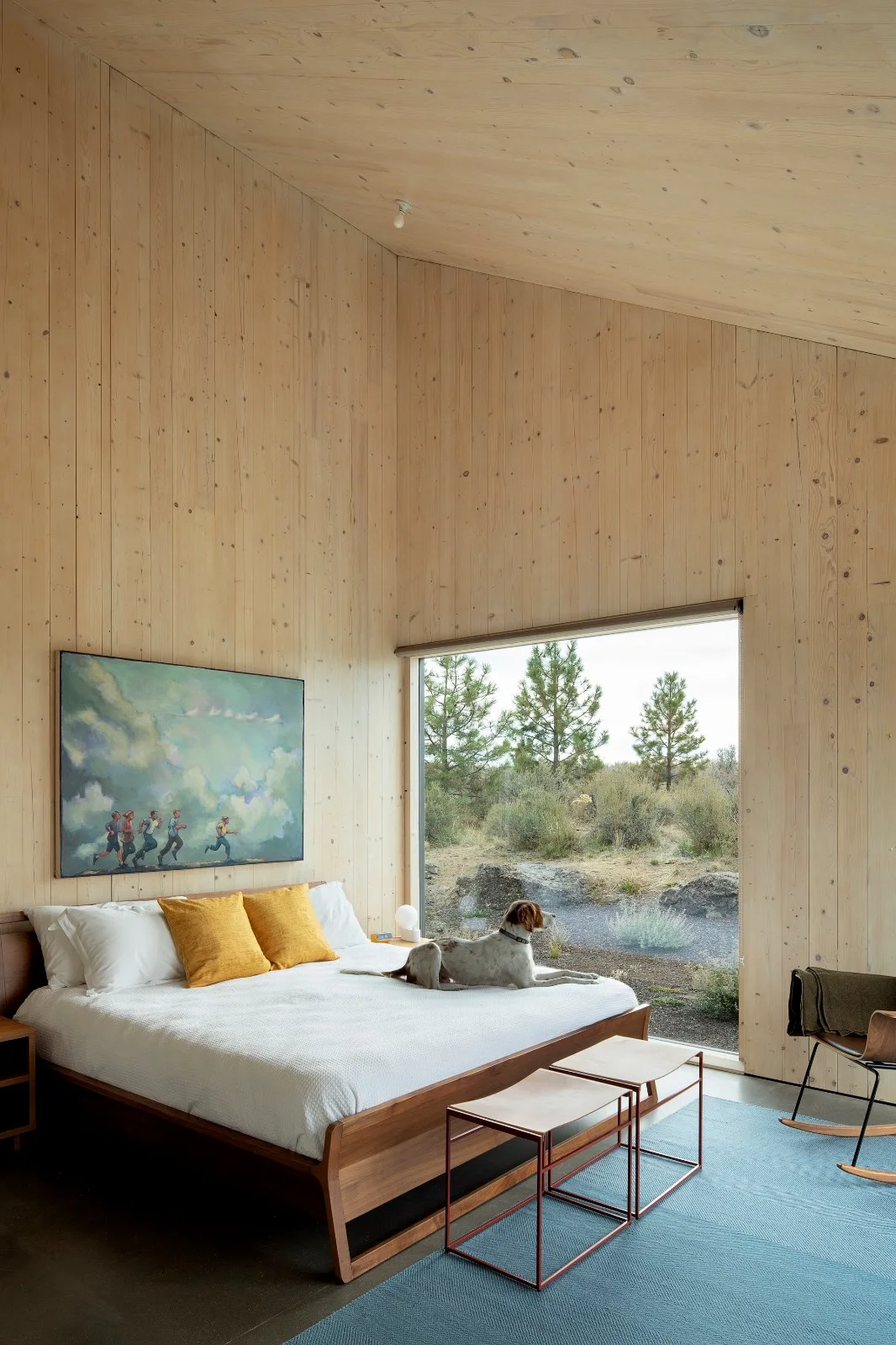
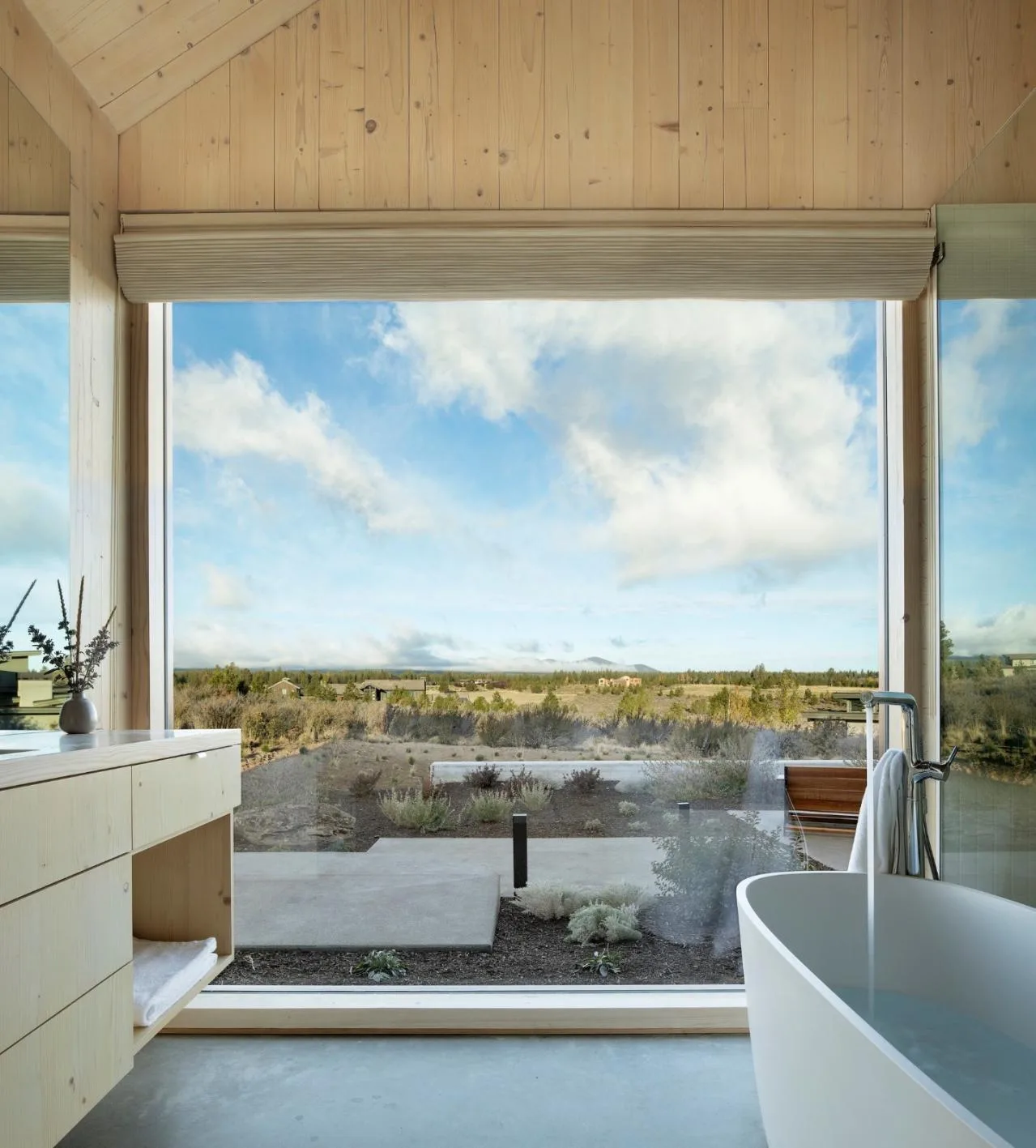
From a top-down perspective, the house is organized on a simple rectangular grid that defines room and courtyard sizes. It features no corridors but a series of interconnected rooms that allow residents to walk around the central courtyard or pass through it when the doors are open.
The intersecting design also promotes cross ventilation to cool the house during summer. Additionally, operable concealed sunshades protect the south-facing rooms from the intense sunlight typical of the Oregon Highland Desert.
The interior design draws inspiration from Donald Judd’s Chinati Foundation in Marfa, Texas, blending earthy grays with sculptural forms to create a space that reflects the natural desert landscape. The color palette incorporates simple geometric shapes in wool and felt furniture, complemented by natural leather and wood accents.
Mork Ulnes collaborated with wooden furniture artist Yvonne Mouser to create a distinctive coffee table for the main living room. Inspired by the “Three Sisters” volcanic peaks visible from the sofa, this table features three sections of sawn Douglas fir trees, charred with a blowtorch, and three wooden beams piercing a gray glass tabletop, evoking geological faults.
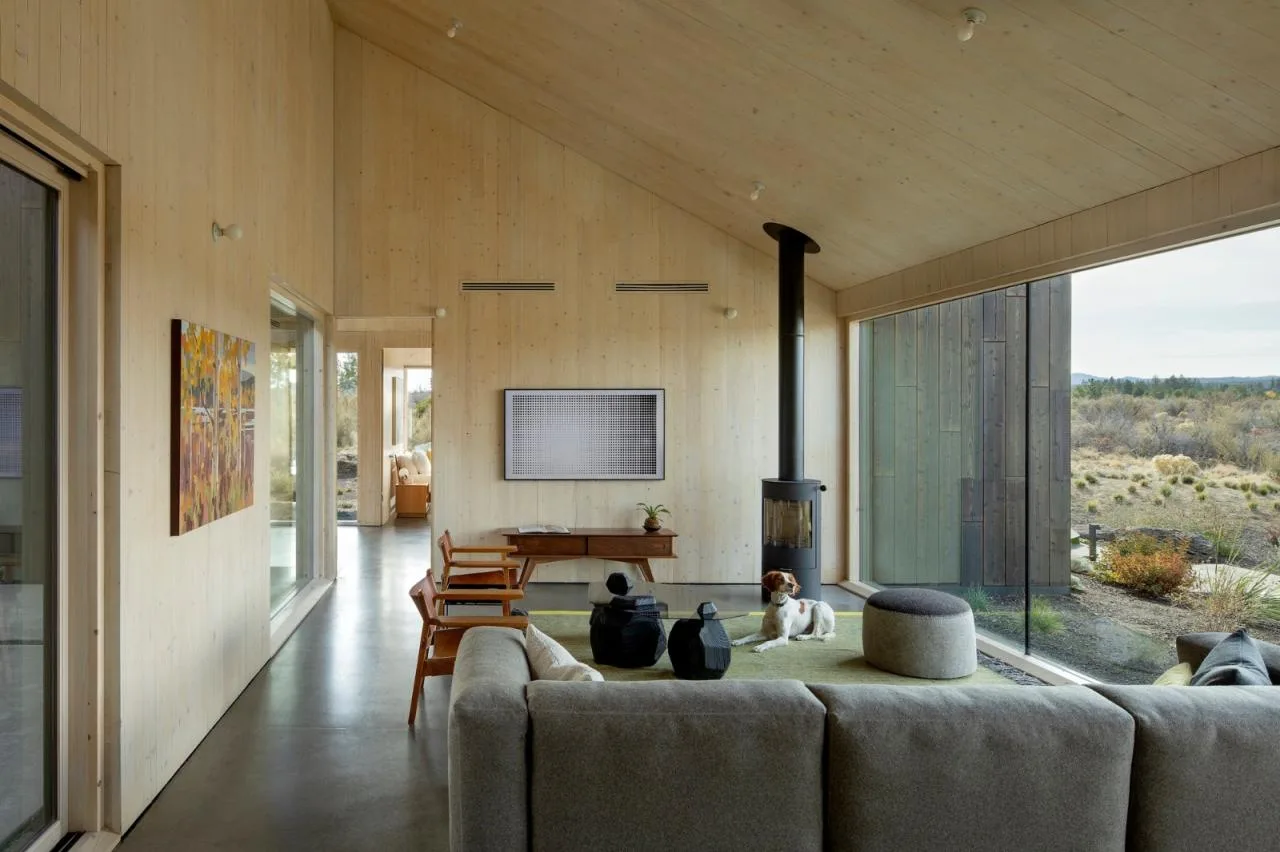
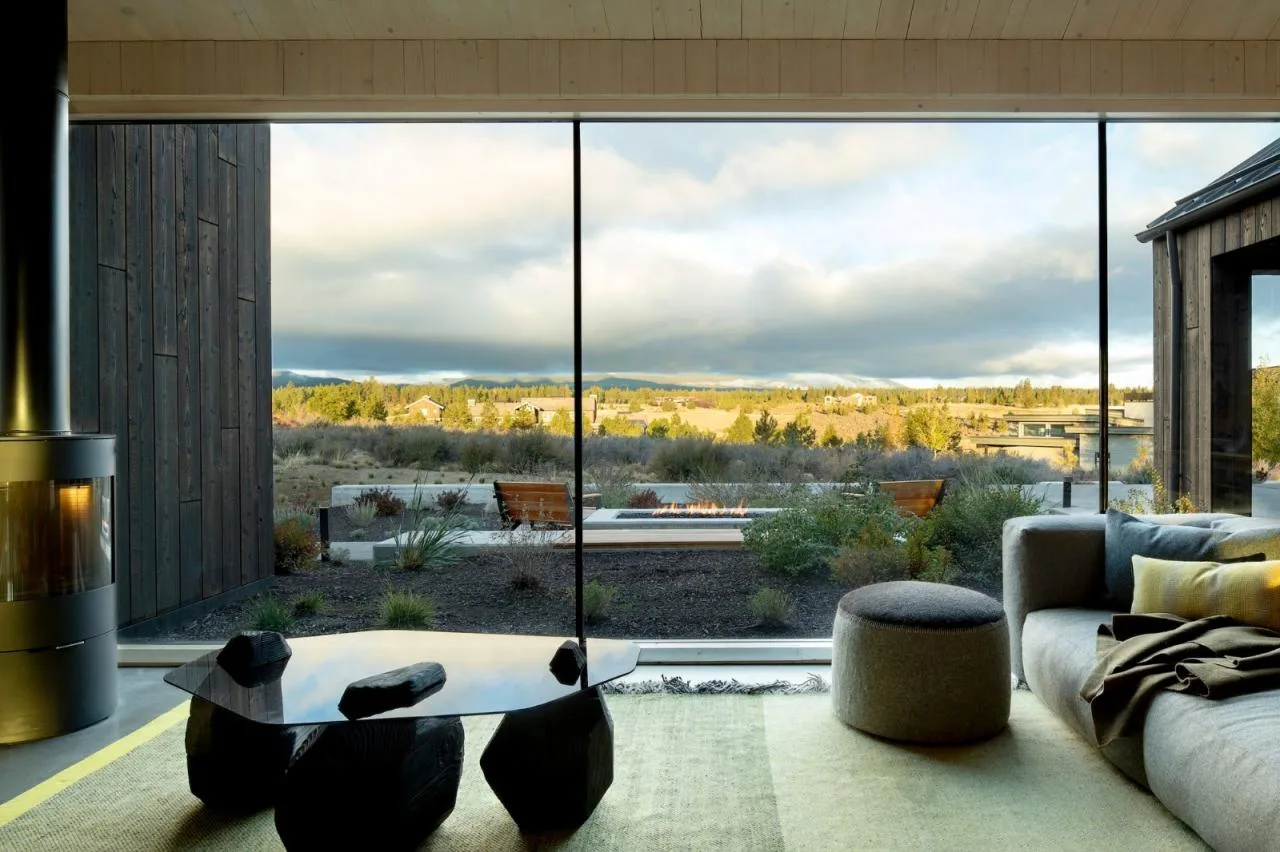
The spatial layout comprises a series of well-lit areas including the entrance, kitchen and living room, bedrooms, and leisure zones. These spaces are thoughtfully arranged to offer views of the central courtyard and ample sky, while framing the surrounding desert landscape. In winter, the desert is blanketed in snow, creating a striking contrast. The unconventional layout fosters a harmonious connection between the interior and its rugged environment, further enhanced by the use of local stone and native shrubs around the residence.
Inspired by the colors and textures of the surrounding landscape, the house blends seamlessly into the highland desert’s soft tones. The exterior burnt cedar panels present a gentle gray-white hue, while the interior is dominated by smooth, uniform orthogonal laminated wood panels made from pine, spruce, and fir, evoking warmth and intimacy. The most remarkable, yet intangible, quality of this home is its profound sense of freedom.
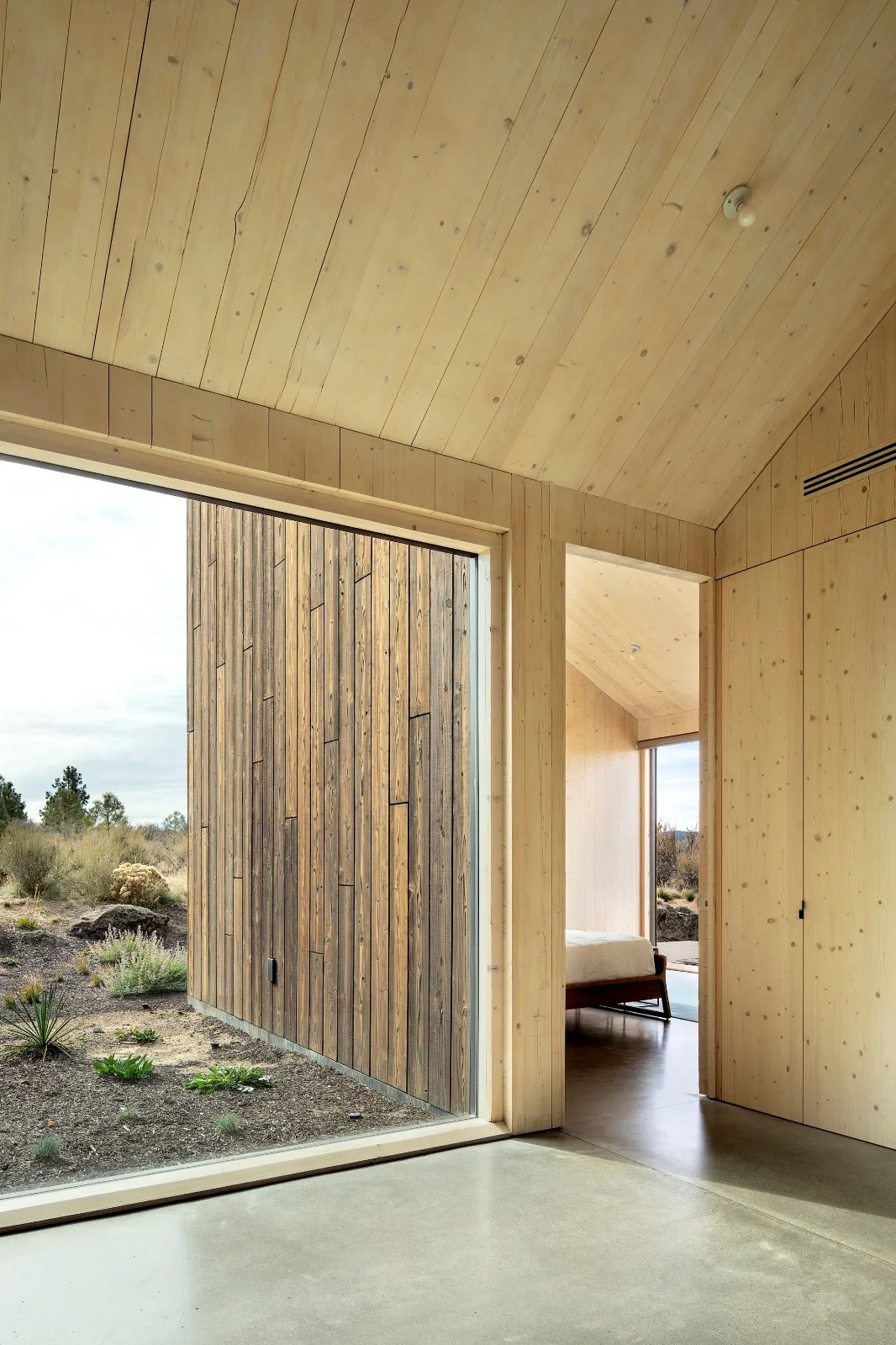
The central and surrounding courtyards frame the sky while flooding the interior with natural light and excellent ventilation. During spring, summer, and fall, the living room opens fully to the courtyard. When the sliding doors are open, the house becomes entirely transparent, filled with the continuous scents and sounds of the outdoors. In winter, passive solar heating penetrates through French windows, maintaining warmth. Although the house is distinct from its environment, it nurtures a strong connection between indoor and outdoor living.
Project Drawings
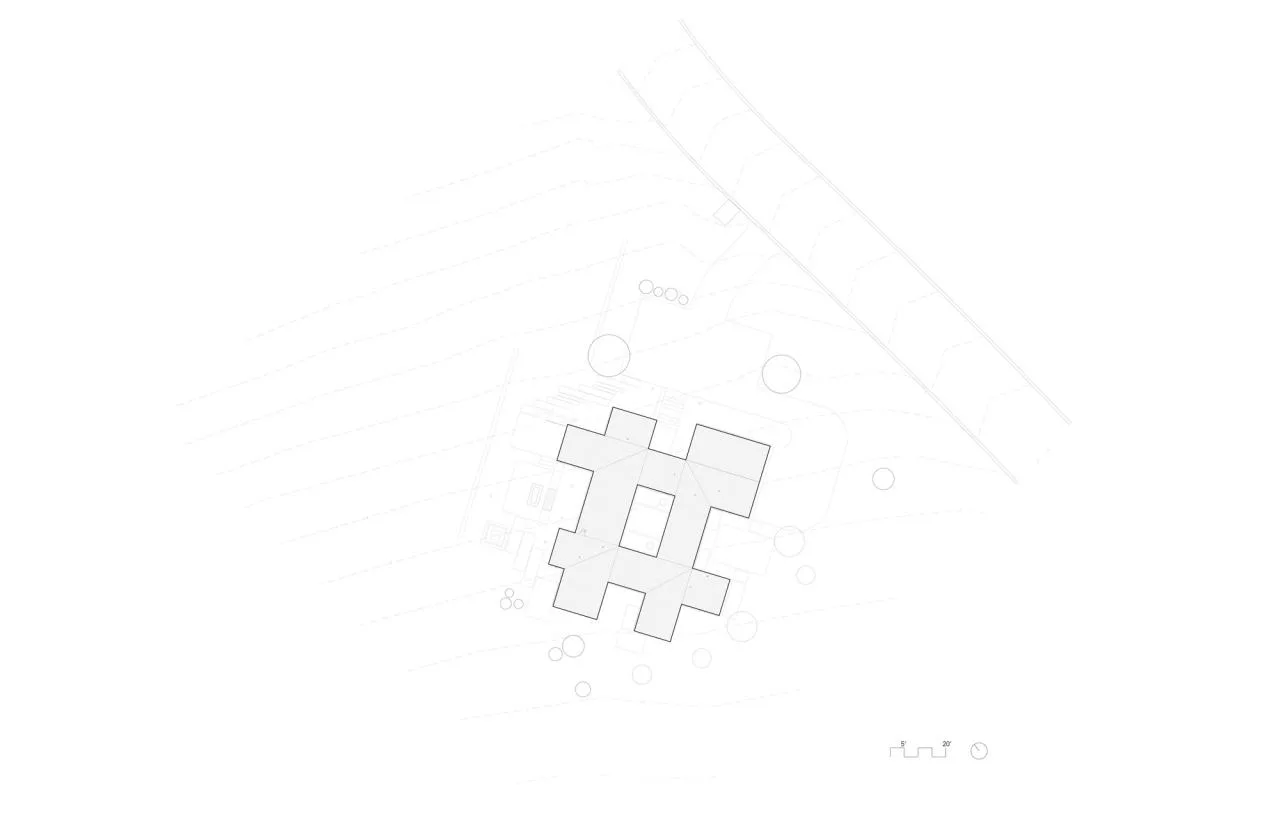
△ General Layout Plan
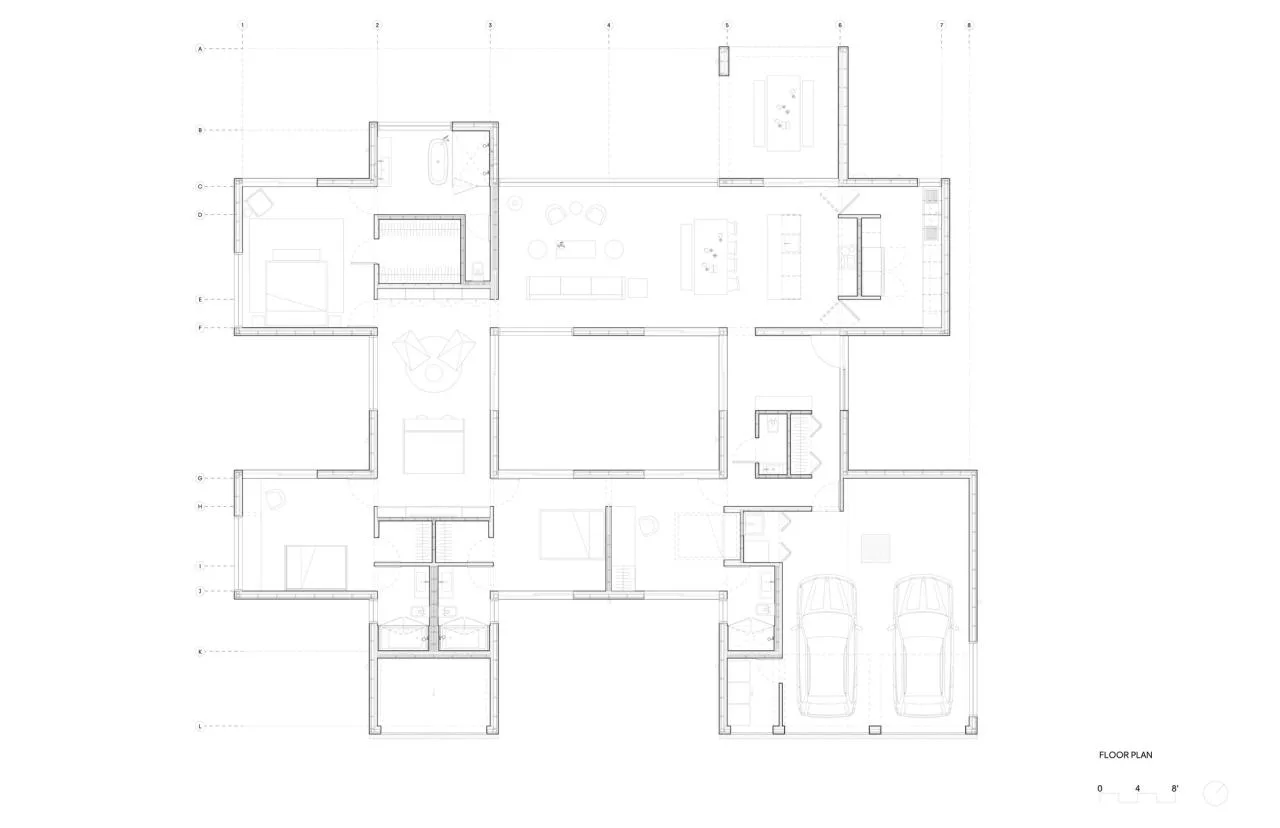
△ First Floor Plan
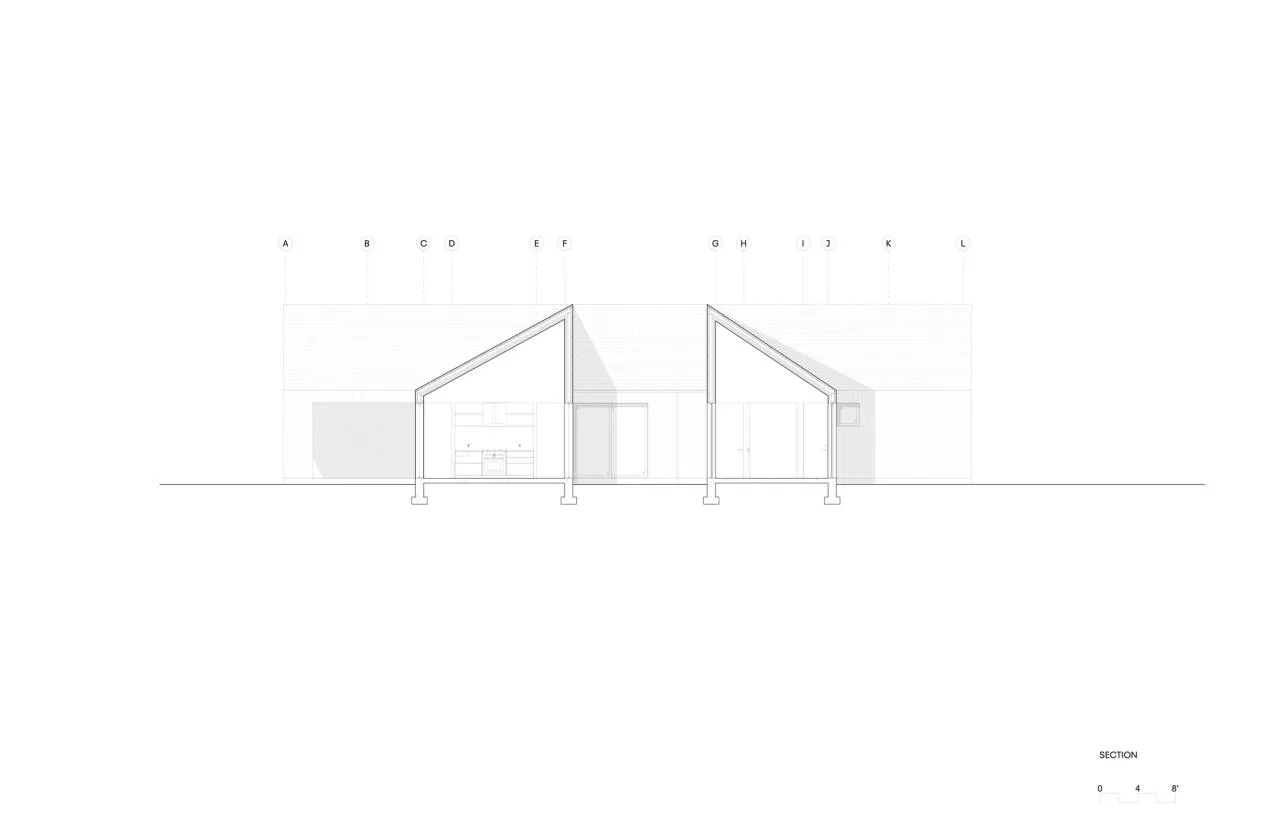
△ Section Diagram
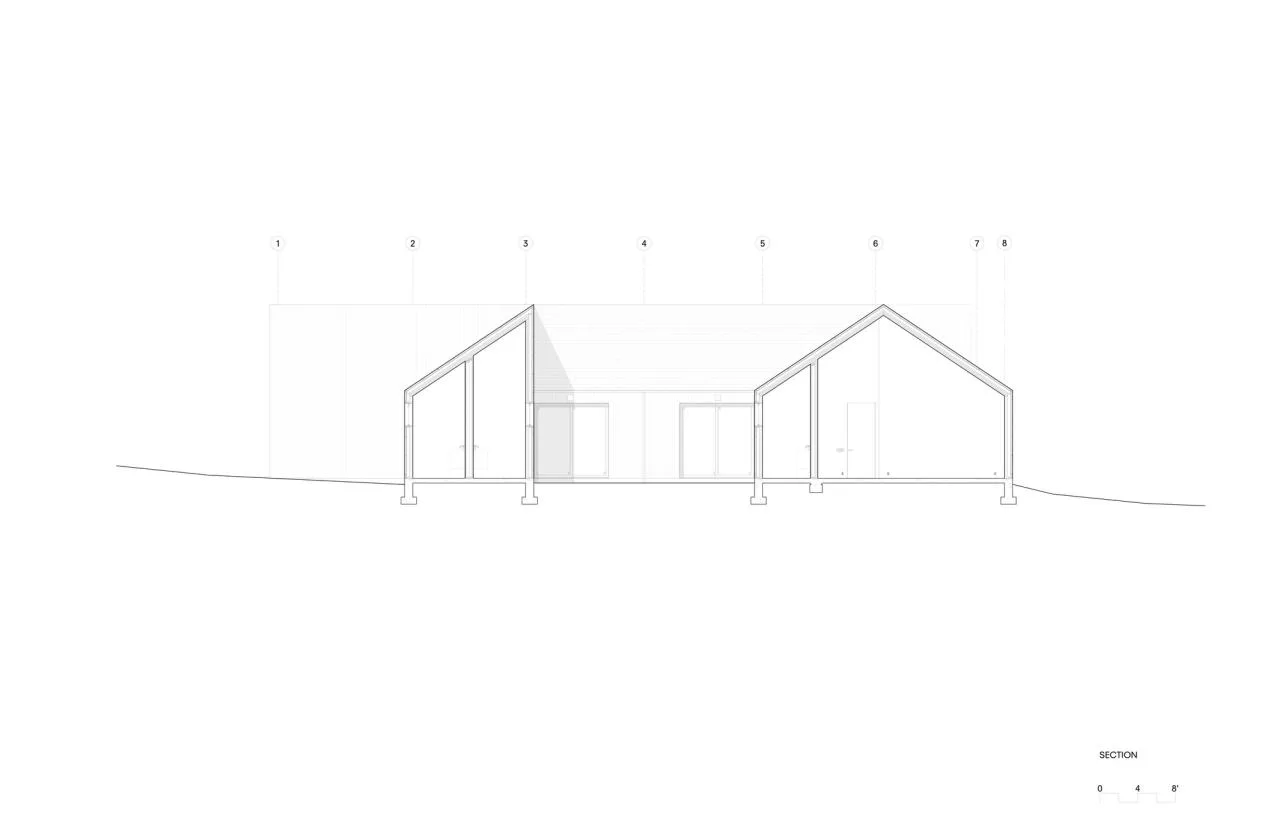
△ Section Diagram
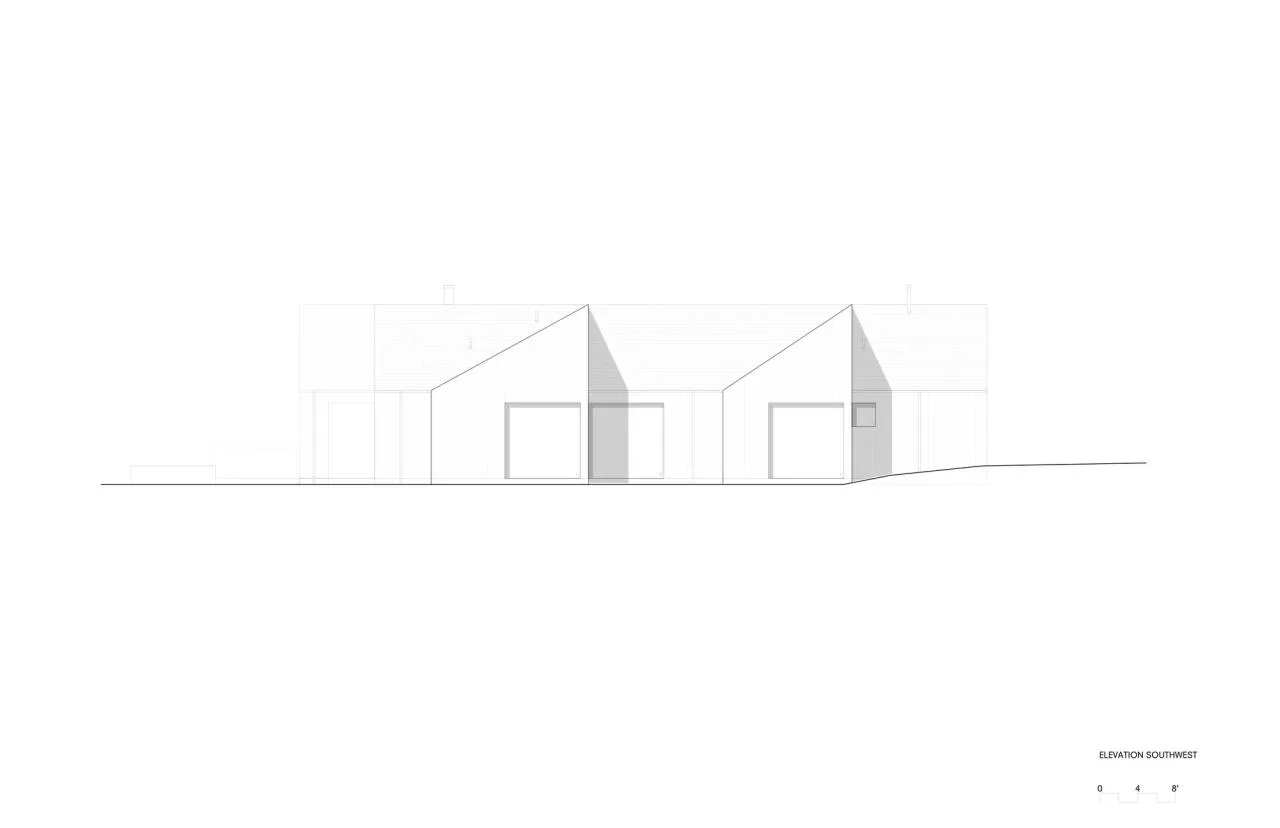
△ Elevation Drawing
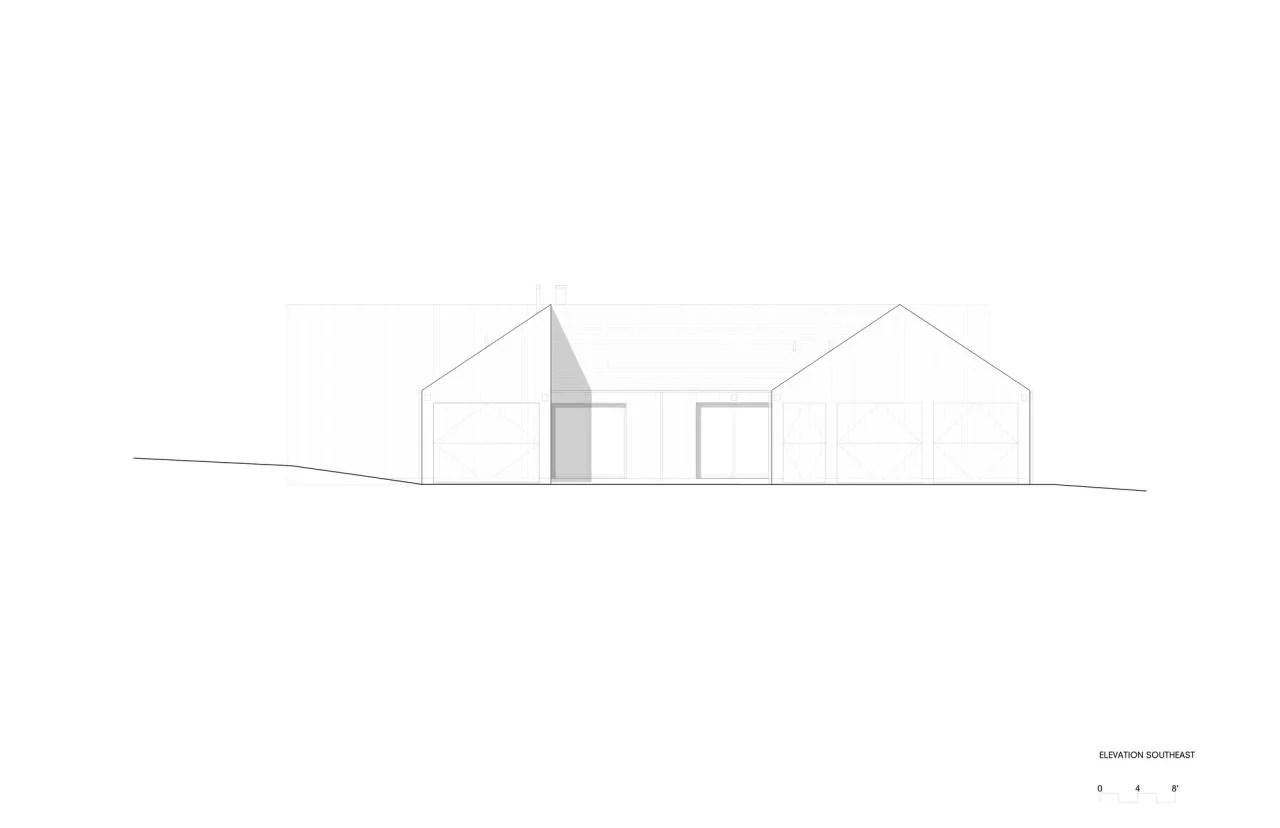
△ Elevation Drawing
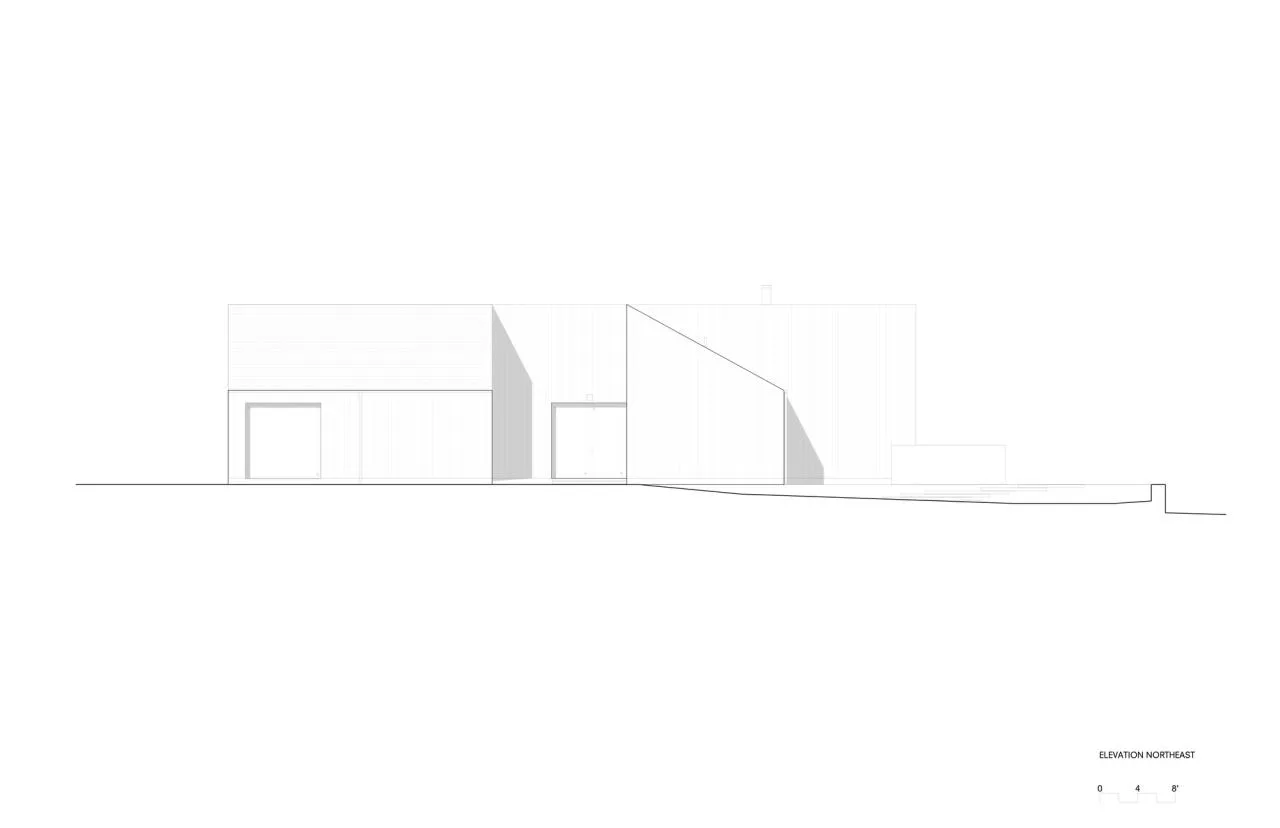
△ Elevation Drawing
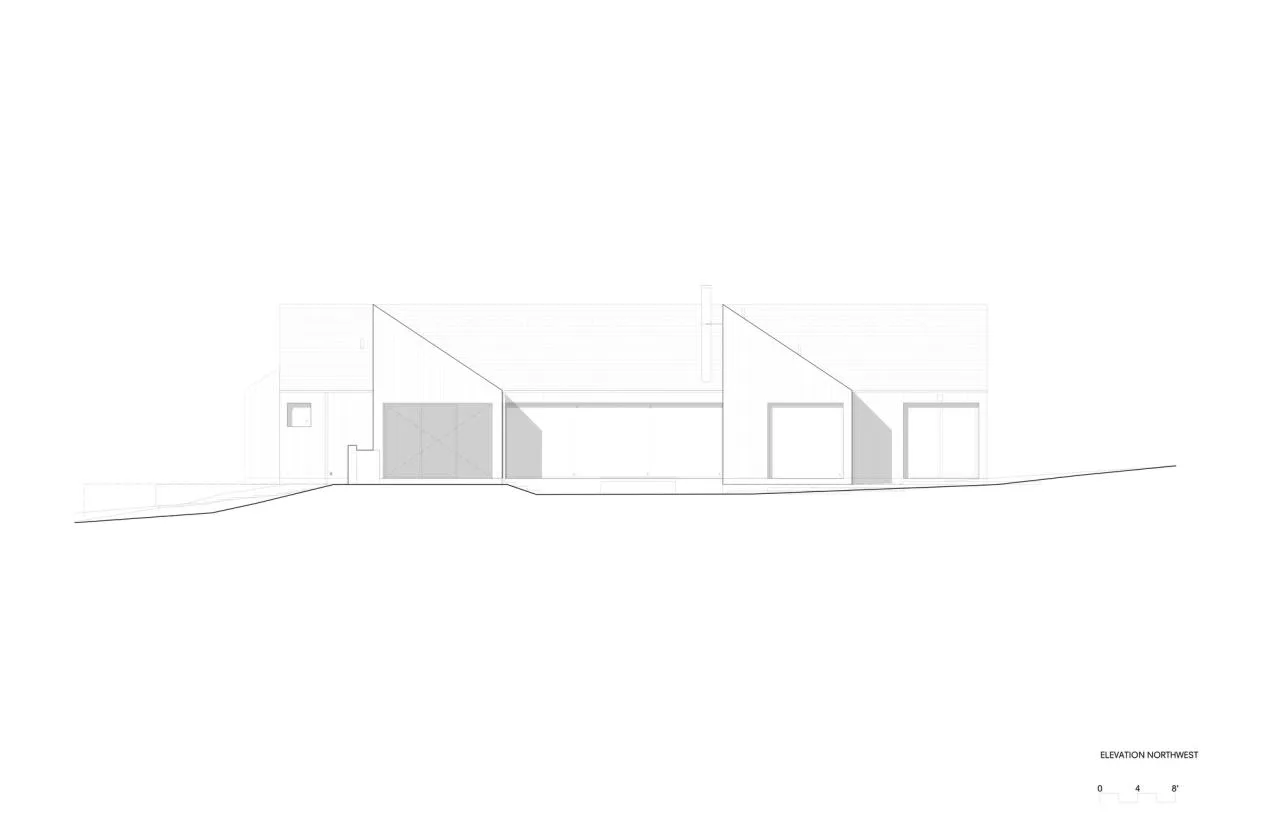
△ Elevation Drawing
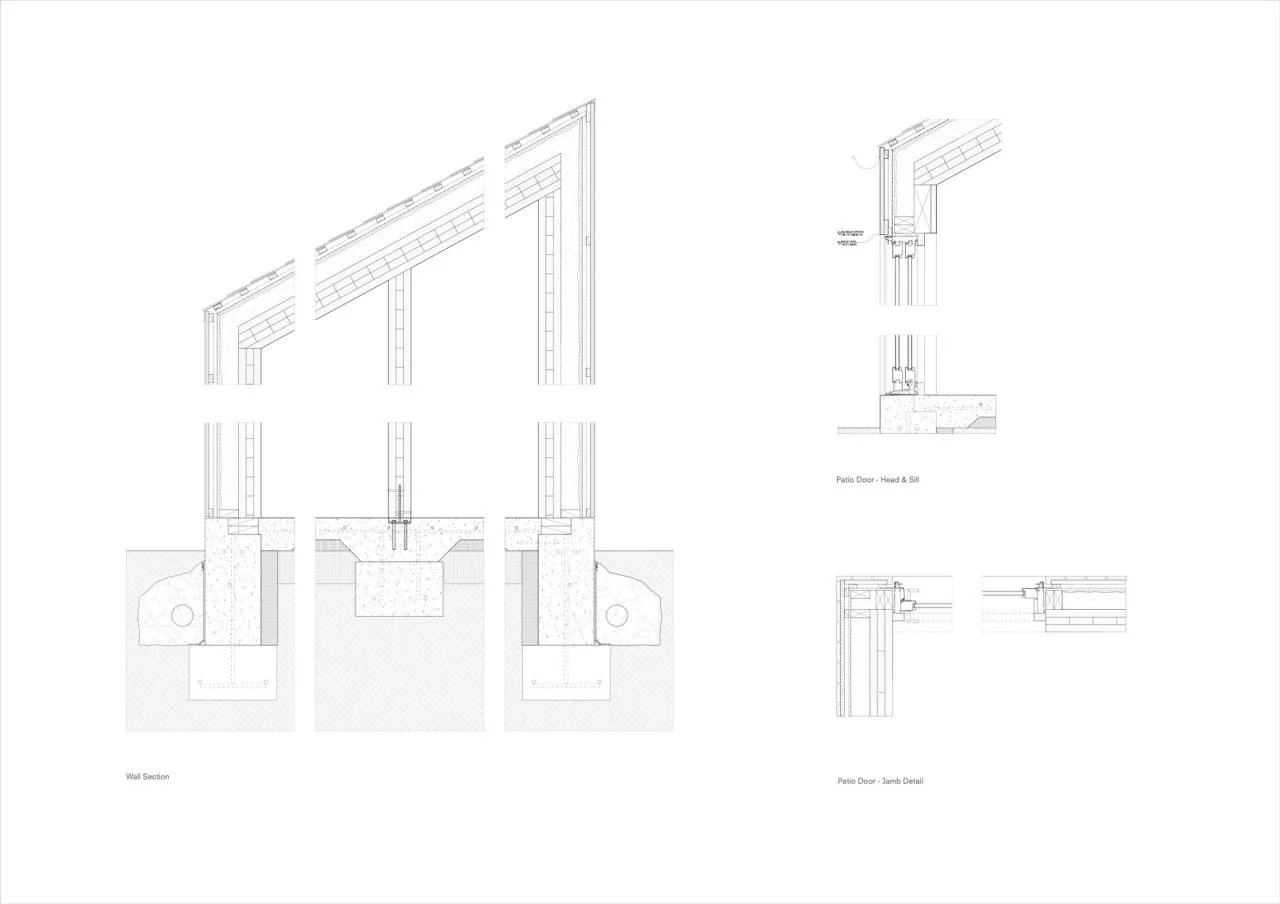
△ Detailed Drawing
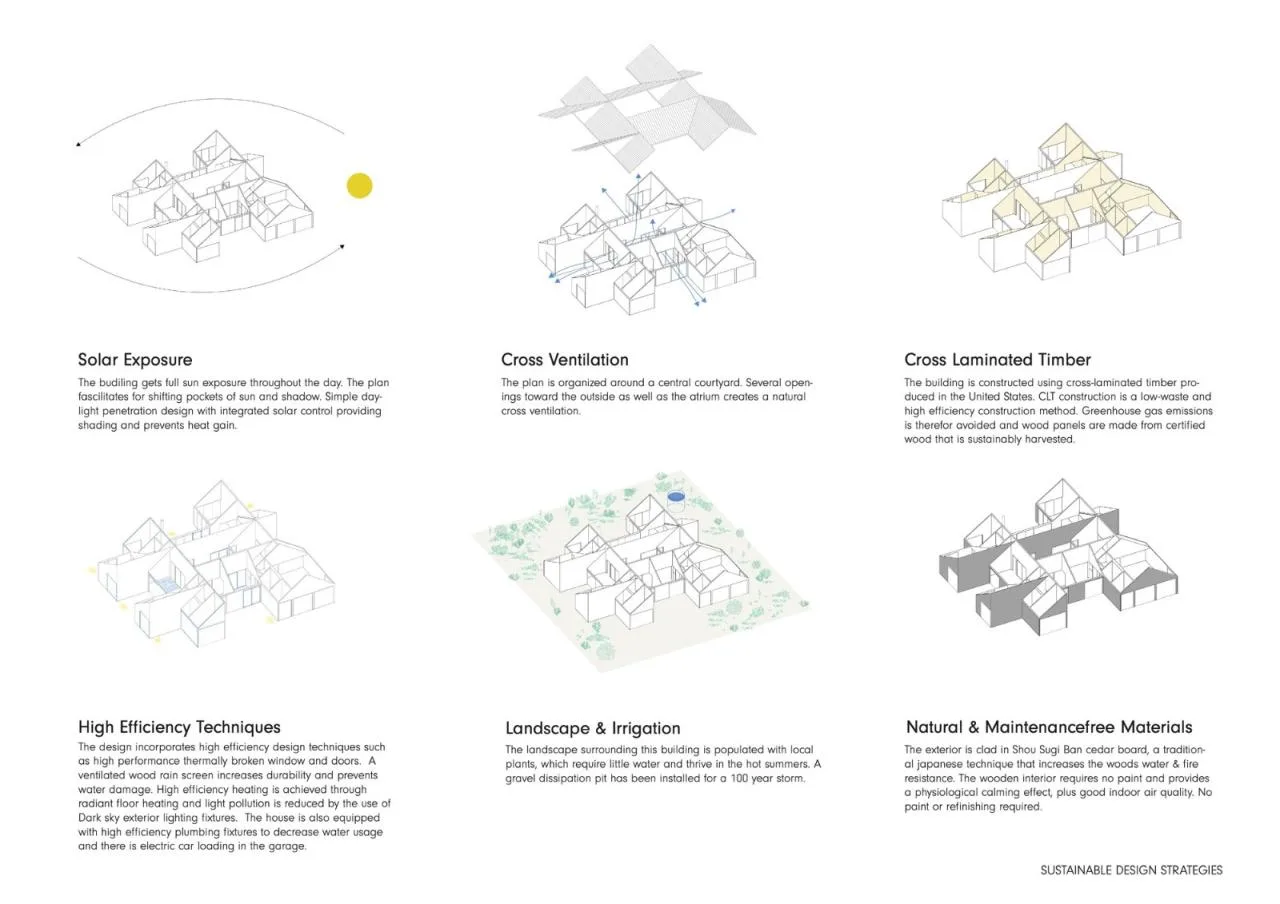
△ Analysis Chart
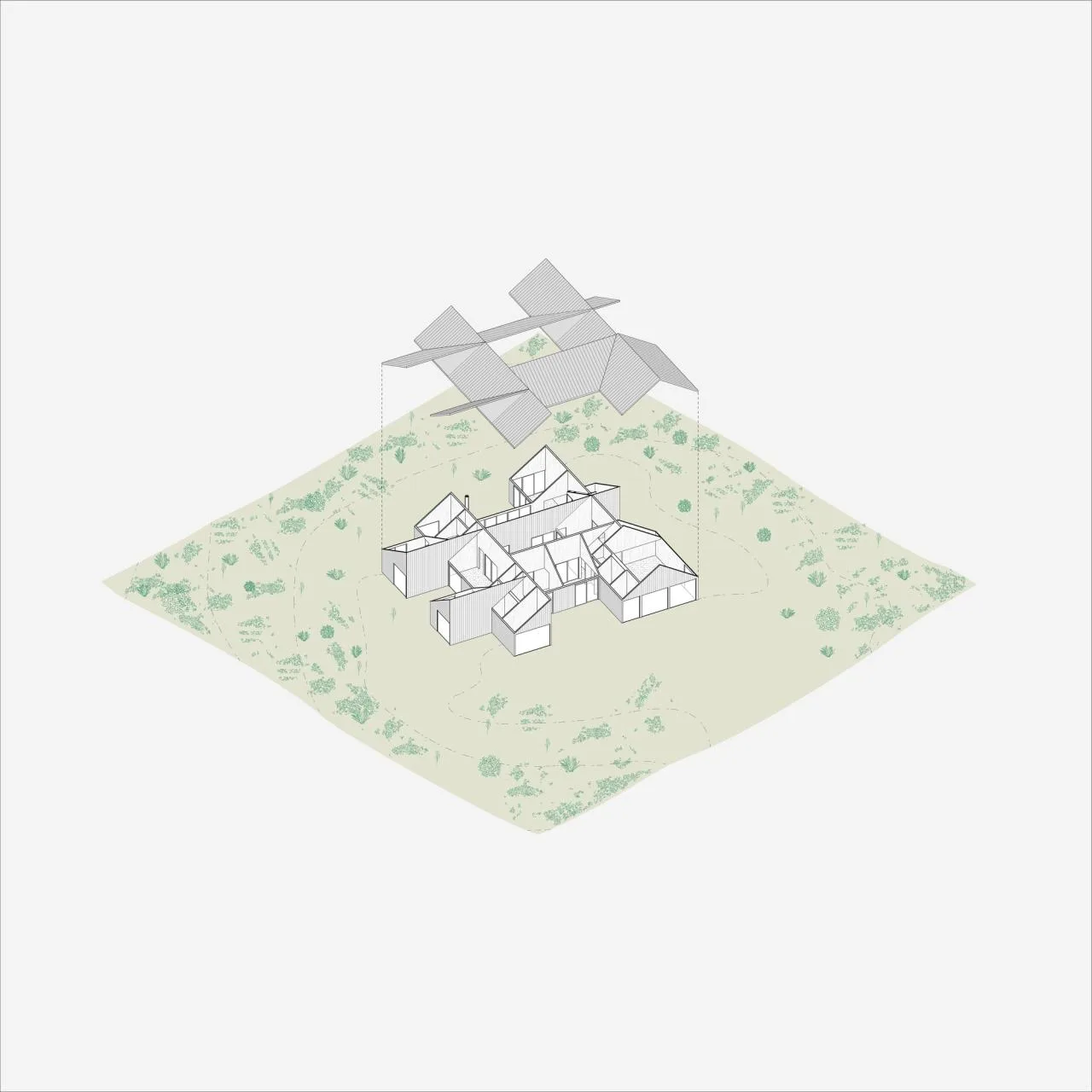
△ Analysis Chart
Project Information
Architect: Mork Ulnes Architects
Area: 310 m²
Year: 2022
Photographer: Jeremy Bittermann
Manufacturers: Duravit, Hansgrohe, Harvest Moon Woodworks, Jeld Wen, Rais, SmartLam
Project Team: Casper Mork Ulnes, Lexie Mork Ulnes, Greg Ladigin, Phi Van Phan
Interior Design: Lexie Mork Ulnes
Main Contractor: Forest City Made
Landscape Architect: Strata Landscape Architecture
Structural Engineer: Eclipse Engineering
Location: Bend, United States














Must log in before commenting!
Sign Up