
BIM technology, short for Building Information Modeling, has been in use since the 1970s. Broadly speaking, BIM combines technology, processes, and policies to enable effective project data management. More specifically, it integrates project-related information using 3D technology to build data models that represent the digital functional characteristics and physical attributes of facilities. BIM offers many advantages, including enhanced visualization, coordination, simulation, optimization, graphing, and increased efficiency.
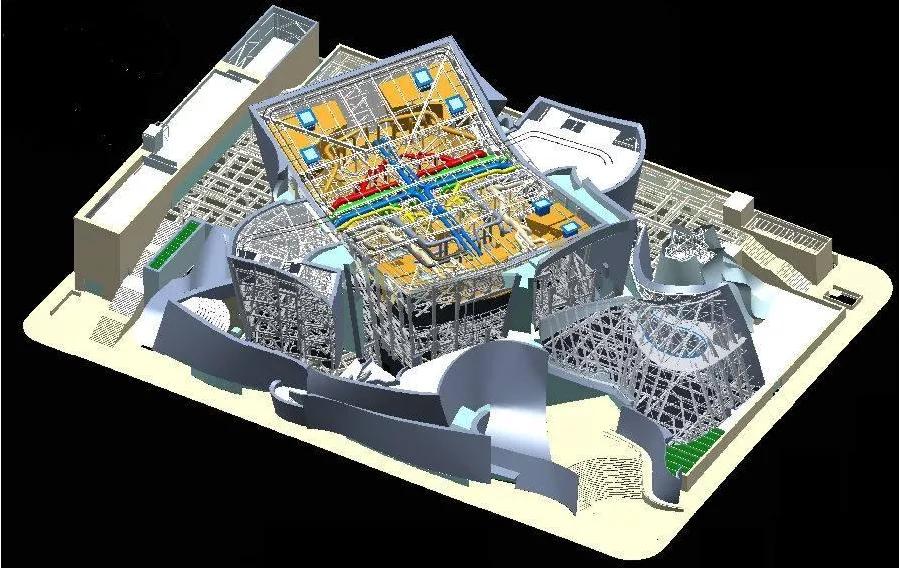
1. Operation Process Considerations: Beyond evaluating the full life cycle cost and timeline of a building, it is crucial to consider the role of BIM as a carrier in operation and maintenance management. Traditional building operation and maintenance, especially during project execution, often requires adjustments to management plans and objectives based on real-time conditions. During project acceptance, the design phase should clearly define strategies and goals for operation and maintenance activities.
2. Sustainable Development in Green Building Management: Implementing sustainable development principles is essential in the operation, management, and maintenance of green buildings. The focus varies depending on the building’s function:
Firstly, green residential building management prioritizes environmental health and safety services. BIM’s value here lies in managing energy consumption, equipment, assets, space, and public safety efficiently.
Secondly, for green public buildings, the objective is to achieve “four savings and one environmental protection.” Effective property management depends heavily on BIM integration, accuracy, and informatization, which drive the operation and maintenance of these buildings. BIM platforms enable resource savings by precisely controlling irrigation and sprinkler systems to conserve water, and by unifying regulation of elevators, lighting, fresh air, and air conditioning systems to reduce energy consumption. These controls help lower environmental pollution and energy production.
Thirdly, BIM platforms simplify property management processes and help control operational costs. When combined with monitoring systems, BIM enhances the capabilities of property management staff, minimizing errors, preventing safety hazards, and significantly reducing economic losses.
In summary, the current use of BIM technology in green building operation and maintenance management is both comprehensive and impactful. I hope this overview proves useful to everyone!
















Must log in before commenting!
Sign Up