
With the promotion and adoption of BIM technology across various construction sectors, its immense potential and value have been increasingly recognized by industry professionals. In complex foundation pit engineering, BIM technology is primarily utilized for the following purposes:
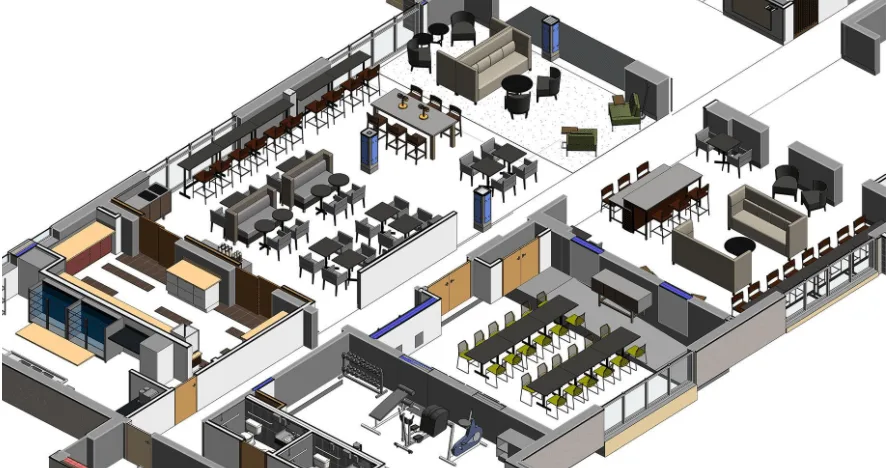
1. Engineering Bidding
During the preparation of bidding documents, the bidding team can leverage BIM technology to integrate processes such as comprehensive pipeline layout and structural hole reservation during design. It also enables 3D visualization of excavation conditions and support structure plans during construction, significantly improving the accuracy and efficiency of renderings. Additionally, 4D simulation technology (adding the time dimension) can be used to deliver more intuitive and effective presentations to owners and clients. This approach enhances the understanding and approval of bidding proposals, thereby increasing the chances of winning the contract.
2. Construction Phase
Firstly, BIM technology facilitates various simulation presentations—such as energy saving, sunlight exposure, and heat conduction—for complex foundation pits. It supports construction organizational design that closely simulates real-world conditions, effectively preventing process conflicts on-site, reducing the complexity and error rate of calculations, and significantly improving work efficiency and quality.
Secondly, BIM enables site layout planning and management for complex foundation pit projects. Construction progress simulations help avoid delays, assist in the orderly allocation of materials, equipment, and personnel, and further ensure the overall quality and efficiency of the construction team.
3. In-Depth Application Value Analysis
Currently, BIM technology is still in its early stages of adoption in China. However, with the rapid advancement of BIM software and technology, the number of users continues to grow year over year. It is foreseeable that the construction industry’s working methods will undergo significant transformation soon. The impact on construction projects will mainly be seen in two areas:
1. Changes in the Construction Process: The widespread use and rapid popularization of BIM technology allow for pre-construction planning and configuration of most foundation pit work. For example, early-stage clash detection helps reduce losses and rework during construction. Optimized layout plans facilitate construction coordination and scheduling, promoting more standardized and efficient workflows such as schedule control, material allocation, cost accounting, and process organization.
2. Changes in Control Methods: BIM’s widespread adoption also drives more intelligent and user-friendly control over the entire construction process. The vast data support provided by BIM platforms enables project managers to analyze spatiotemporal dimensions and component summaries, allowing for quick and informed decisions in project cost management, group management, and progress payment management. This unified BIM collaborative platform ensures efficient teamwork among all project participants and smooth project execution.
This concludes the detailed overview of how BIM technology reflects its value and the aspects in which it is applied. I hope this article proves helpful to everyone!
















Must log in before commenting!
Sign Up