
BIM technology plays a crucial role in construction quality control, encompassing quality monitoring, technical briefings, collision detection, hole reservation, on-site quality data collection, and real-time dynamic tracking.
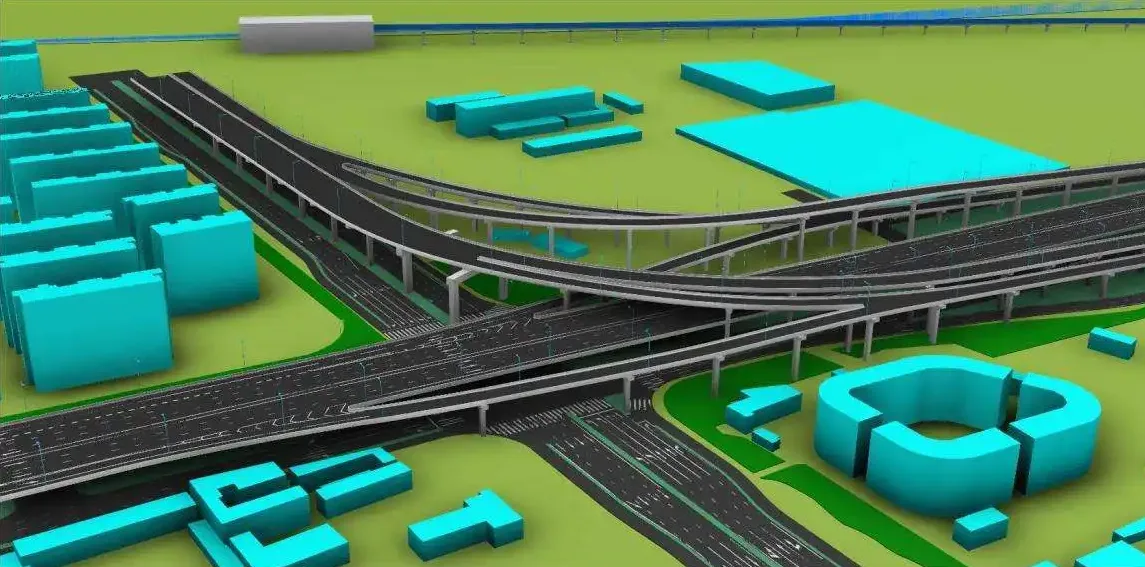
1. Quality Monitoring
Quality monitoring begins with capturing on-site photos for actual measurements to gather quality data. This information is then entered into the client system and linked to the BIM model. By comparing and analyzing the actual construction quality against the design model, any defects or deviations are quickly identified. Construction personnel on-site are promptly alerted to make necessary corrections. After rectification, the results are rechecked and documented for future reference.
2. Technical Briefing
Traditional quality control relies on two-dimensional CAD drawings, requiring workers to visualize construction challenges based on spatial imagination, which varies between individuals. BIM technology revolutionizes this process by using 3D models to visualize and simulate construction functions, especially for complex or critical tasks such as concealed works, waterproofing, and embedded parts. This immersive approach allows construction technicians to better understand intricate details, enhances coordination and communication among teams, and helps prevent hidden risks from the outset.
3. Collision Detection and Hole Reservation
By integrating established BIM models for civil engineering and electromechanical systems, collision detection tools perform comprehensive checks across all disciplines. This quickly identifies any clashes within the BIM models and generates detailed reports for collisions and hole reservations. BIM technology helps detect discrepancies such as incorrect net heights, inaccurate component dimensions, and improperly reserved holes before construction begins. Early issue detection reduces rework and prevents quality problems.
4. On-Site Quality Data Collection
The BIM model stores extensive project information, and data forms the foundation of quality management. Real-time collection of on-site data is essential for effective quality control. This data is categorized, organized, and analyzed to monitor construction quality. When issues arise, they are promptly reported to the client via the iBan mobile app, which integrates directly with the BIM model. Minor problems are addressed through discussions and corrective orders, while significant issues prompt on-site team reviews, error corrections, and targeted technical briefings. BIM software not only creates 3D models but also links quality data and rectification status to ensure that the final project quality aligns with the original BIM design. This integration supports efficient collection and management of construction quality information.
5. Dynamic Tracking Implementation
Accurate and timely input of on-site quality data into BIM models is key to successful quality management. Using the iBan client from Luban Company, users can easily enter, edit, and correct quality information on-site.
Quality Information Verification and Input: The iBan client can be installed on mobile devices, allowing team leaders, supervisors, and workers to access design quality information without paper drawings. When quality issues are identified, photos and relevant details such as time, weather, and location are entered into the BIM model.
Quality Deviation Rectification: When problems are found, they must be promptly rectified. After corrections, updated photos, timestamps, and results are recorded in the BIM model to maintain accurate records.
In summary, BIM technology provides powerful tools to control construction quality throughout the project lifecycle. We hope this overview helps you understand how BIM enhances quality management in construction.
















Must log in before commenting!
Sign Up