
BIM technology has revolutionized construction projects by ensuring smooth progress throughout every stage of the building process. Compared to traditional CAD drawings, BIM offers greater accuracy and efficiency. This article explores the application of BIM in the design of educational buildings, detailing its use across various design phases and sharing valuable insights for industry professionals.
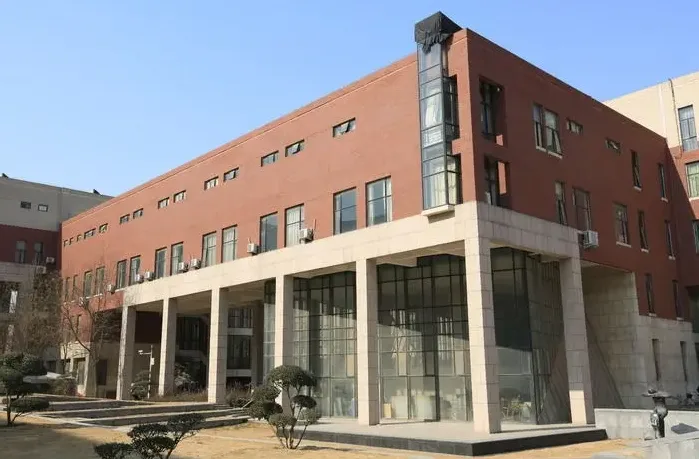
Effectively leveraging BIM technology involves a thorough understanding of its concepts and capabilities. BIM marks a significant advancement from traditional two-dimensional methods to fully integrated three-dimensional modeling, which represents the future direction of the construction industry. To maximize BIM’s benefits, it must be adapted to the current conditions of China’s construction sector, ensuring its full potential is realized.
1. Application During the Design Phase
Traditional CAD drawings limit designers to a two-dimensional view, restricting their ability to analyze the building comprehensively from a 3D perspective. This can fall short of the precision and thoroughness required in the design process. BIM technology, on the other hand, enables the complete structure of a teaching building to be visualized in three dimensions from the outset. It also allows for the export of various datasets related to the building, enhancing the scientific rigor and practicality of preliminary design schemes through detailed model analysis.
2. Application in the Initial Design Stage
Using conventional CAD often makes it difficult to fully coordinate between departments during construction, leading to errors that consume additional resources and delay progress. These issues can jeopardize the quality of the teaching building and pose safety risks to staff and students. BIM technology addresses this by utilizing its collision detection functionality to identify and report design conflicts early on. This facilitates timely communication among designers, significantly reduces clashes during construction, boosts design efficiency, and helps safeguard the project’s overall safety.
3. Application in the Drawing Design Stage
Creating construction drawings is a critical and time-intensive task. With BIM, the teaching building model is developed first, incorporating structural elements, landscaping, and other details. Once the design is complete, collision checks are performed to refine and optimize the results. BIM also enables dynamic updates—modifying data in one area automatically regenerates all related information and relationships, streamlining the revision process.
In summary, BIM technology offers transformative advantages throughout the design of teaching buildings, from initial concepts to detailed drawings. We hope this overview provides useful guidance for professionals engaged in educational building design projects.
















Must log in before commenting!
Sign Up