
BIM technology represents a practical advancement in information management within the construction industry. By creating three-dimensional models, it integrates various types of data generated throughout the lifecycle of construction projects. This approach enables comprehensive process control over critical stages such as design planning, labor production, project construction, finishing, and supervision.
As each project phase progresses, the model is continuously updated to reflect the current status, ultimately resulting in a multidimensional representation that accurately depicts the entire operational cycle of the engineering project. This model serves as a collaborative platform, collecting and consolidating data from different project stages to facilitate seamless teamwork among professionals.
By replacing traditional two-dimensional design drawings with BIM’s 3D design methods, the overall state of the construction project becomes clearer and more intuitive. The relationships between various components, detailed construction methods, and pipeline layouts are visually accessible, allowing designers to better manage design schedules and ensure the quality of their work.
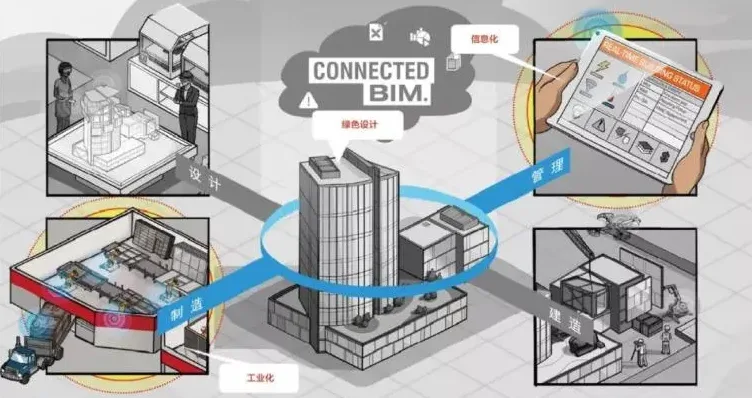
1. BIM significantly enhances the overall efficiency of equipment design and manufacturing. It supports reasonable adjustments, operation, and maintenance of construction equipment, extends lifecycle, reduces costs across the equipment project, improves project quality, and raises the overall standard of construction equipment projects.
2. The application of BIM technology in modern building equipment primarily focuses on analyzing pipe collision designs, increasing the accuracy and scientific basis of engineering designs, minimizing potential errors during construction, preventing unnecessary losses, and optimizing detailing.
3. BIM enables collaborative management across the entire building, boosting the intelligence level of the facility, improving communication efficiency, and overcoming spatial limitations between buildings. It helps prevent conflicts among building units, operators, and owners, fostering a mutual understanding of the construction cycle and maximizing BIM’s value throughout the project’s lifecycle.
The above outlines the key benefits of BIM technology in building equipment. Opinions may vary, but I hope this article provides valuable insights for everyone!
















Must log in before commenting!
Sign Up