
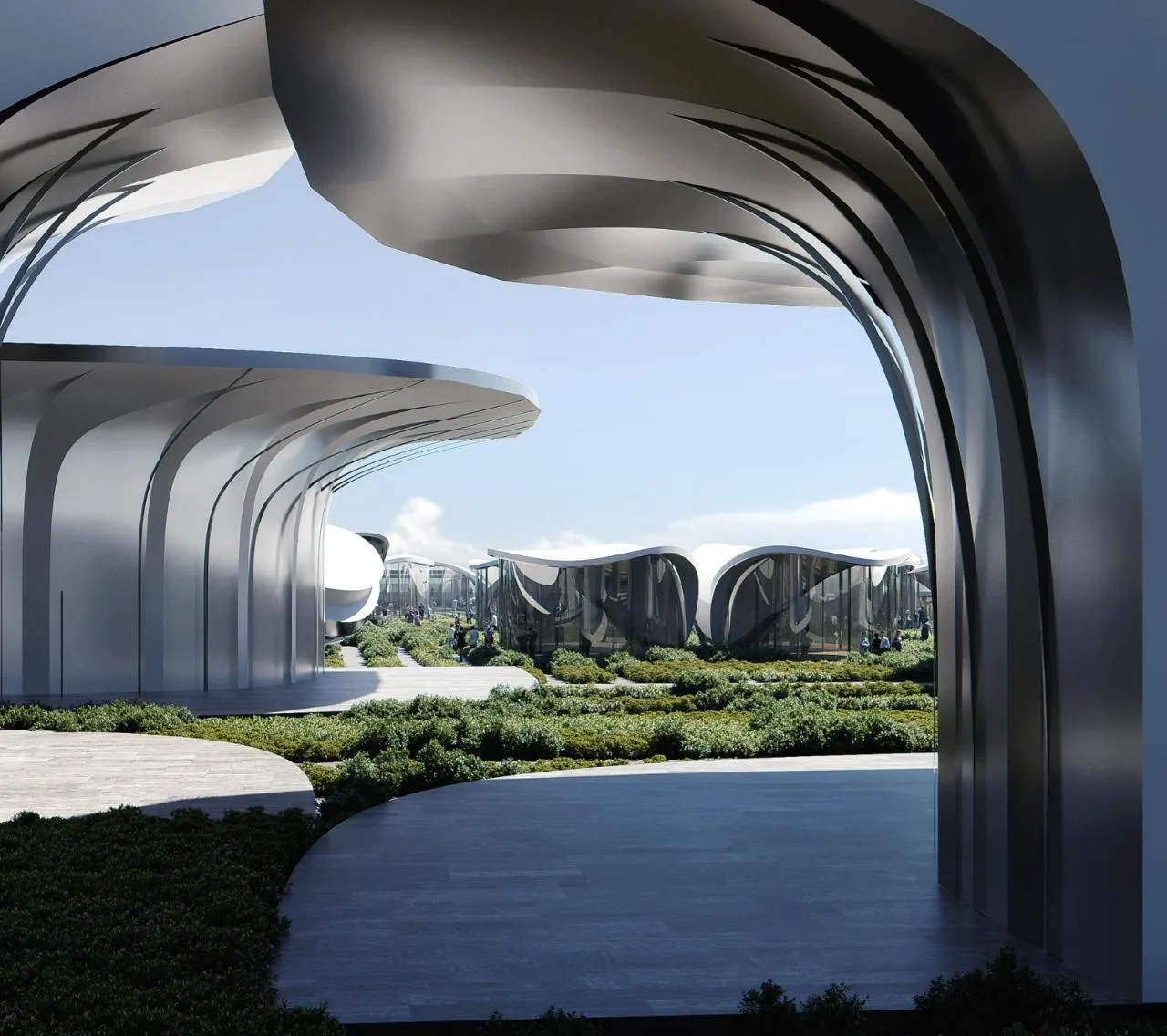
At the 171st Bureau International des Expositions (BIE) conference in Paris, Zaha Hadid Architects partnered with the Odessa delegation from Ukraine to submit a bid for the 2030 Odessa World Expo. This event marks a pivotal moment for Ukraine, signaling a shift in the nation’s economy toward energy efficiency and low-carbon technologies.
The design by Zaha Hadid Architects for the 2030 Odessa World Expo focuses on sustainability by ensuring that all facilities can be effectively recycled post-exhibition. This approach addresses a common challenge faced by World Expos and major public events worldwide: creating a waste-free experience.
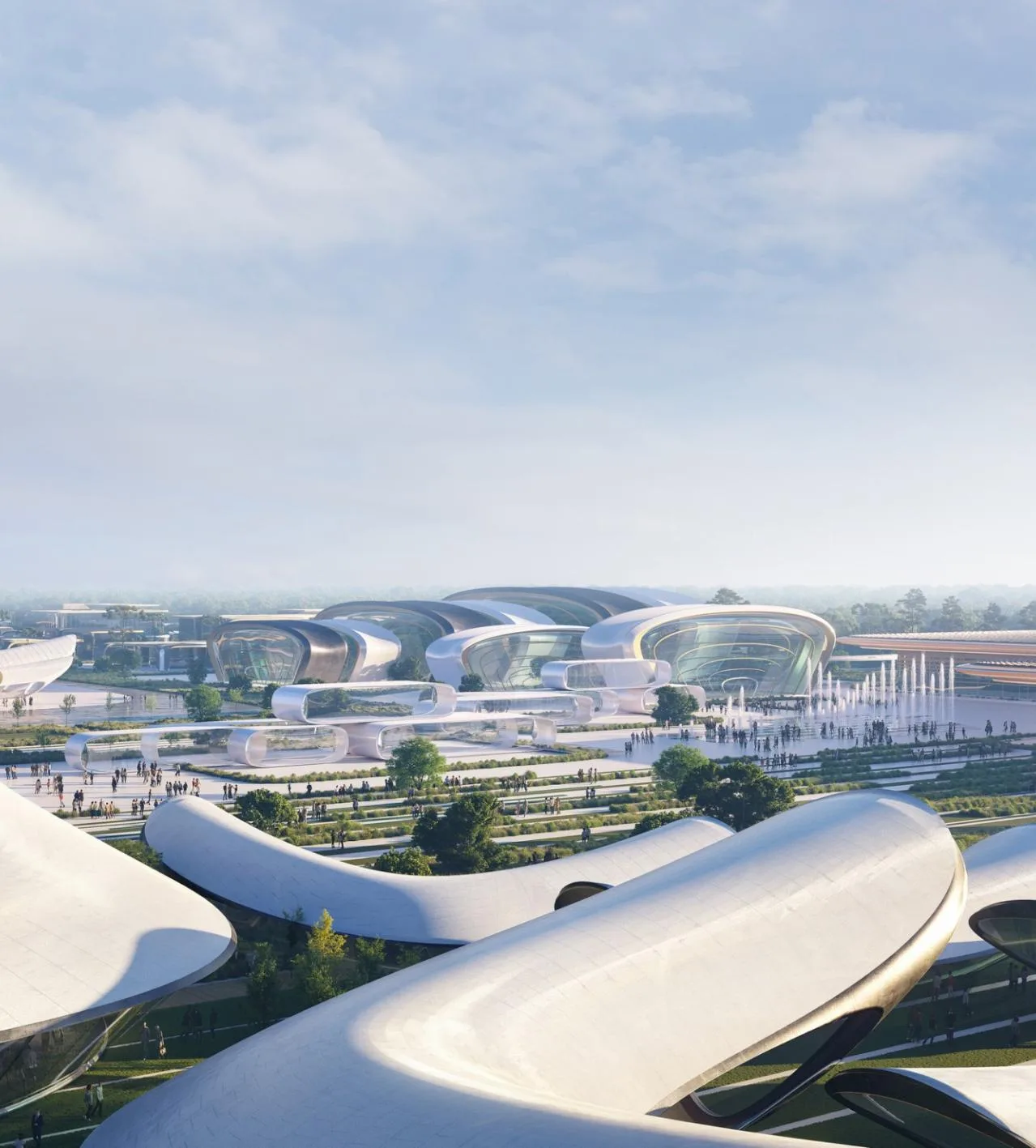
The 2030 Odessa World Expo will be the first World Expo hosted in Eastern Europe. It aligns with the United Nations’ “2030 Agenda for Sustainable Development,” emphasizing economic and social sustainability. The Expo promotes strategies for energy efficiency, resource reduction, educational advancement, and regional economic growth.
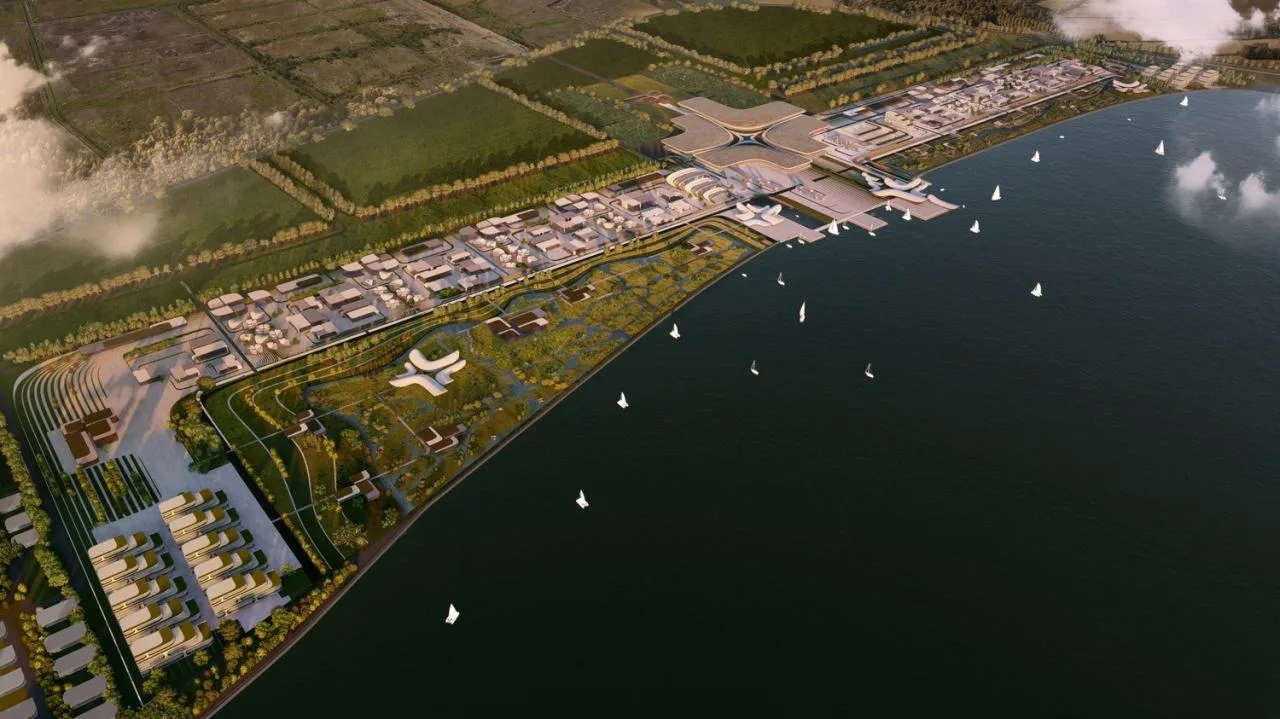
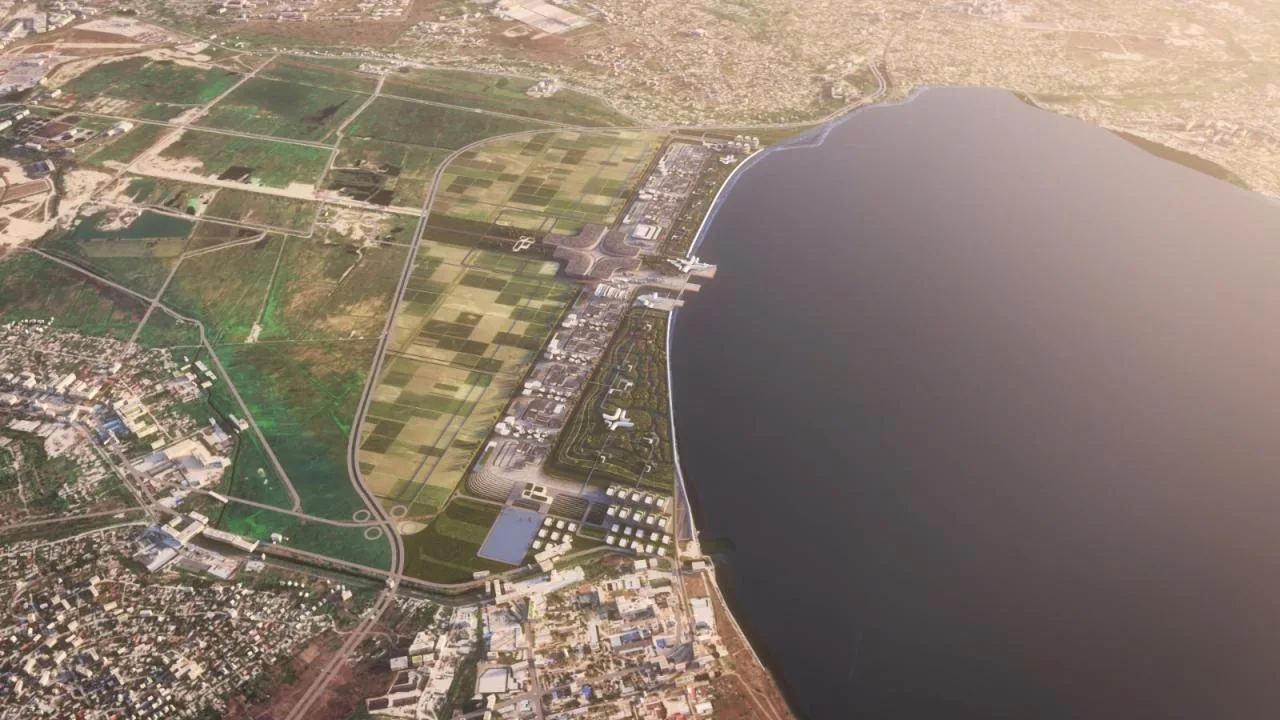
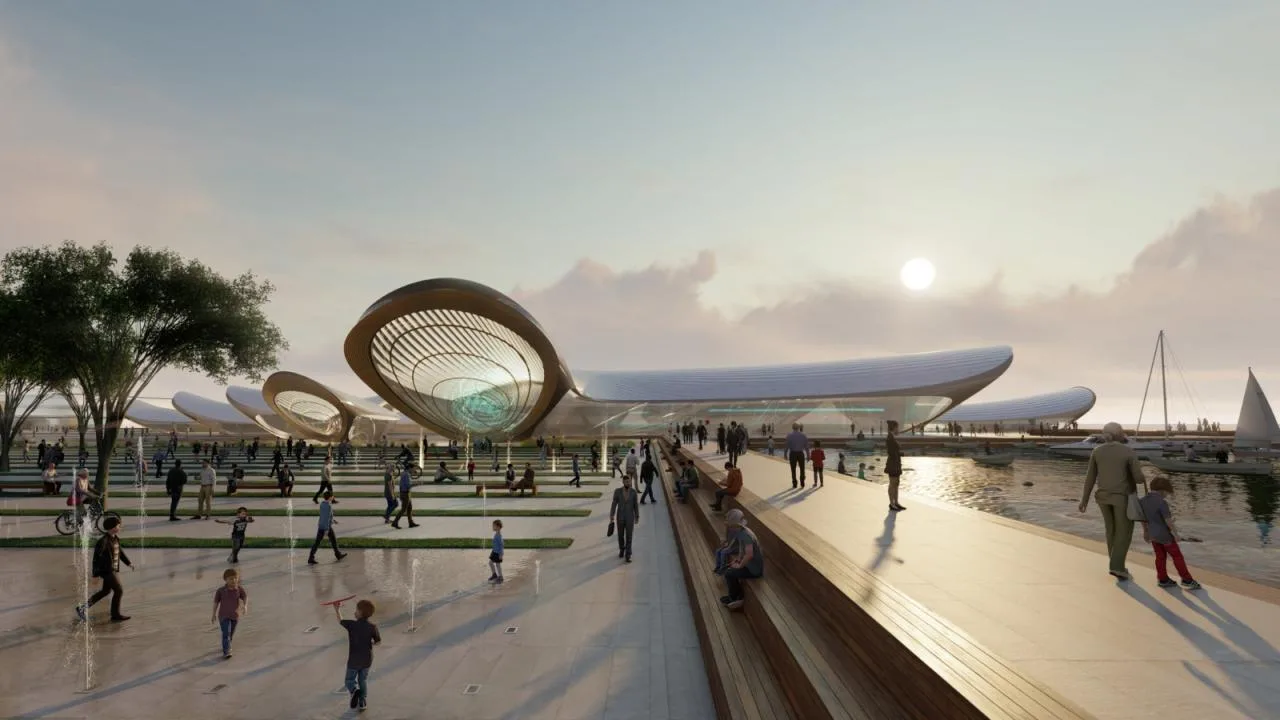
The Expo site, formerly used for intensive agriculture, lacked biodiversity typical of the Khadzhibey River mouth. Conveniently located near Odessa’s city center, the venue integrates seamlessly with the local transportation network and community life. Visitors arriving by airport or train can reach the Expo within 25 minutes, ferry travelers in 15 minutes, and the historic old town and museums are just 20 minutes away. Additionally, Odessa’s beaches are accessible within 15 to 30 minutes from the Expo Hotel.
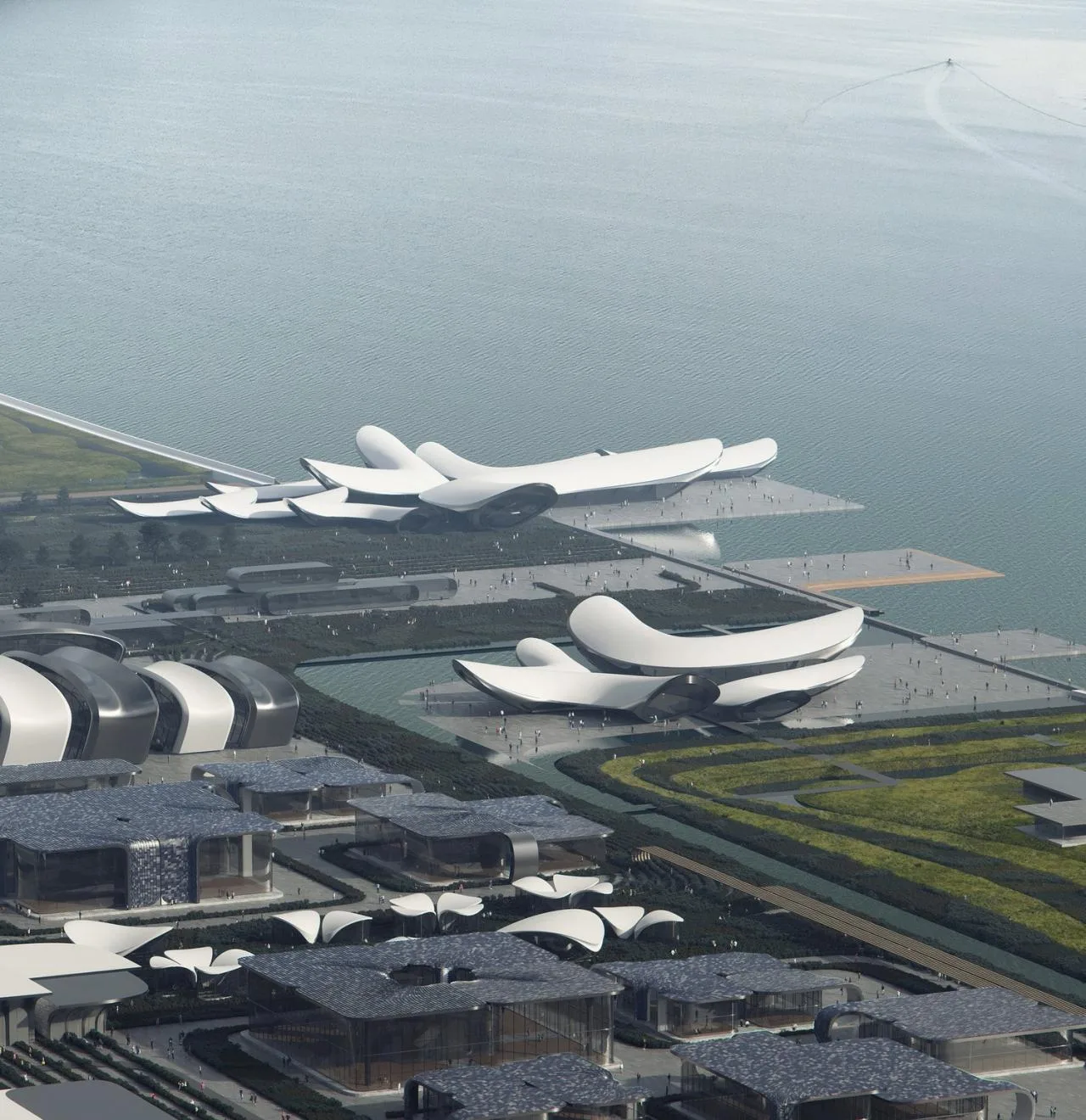
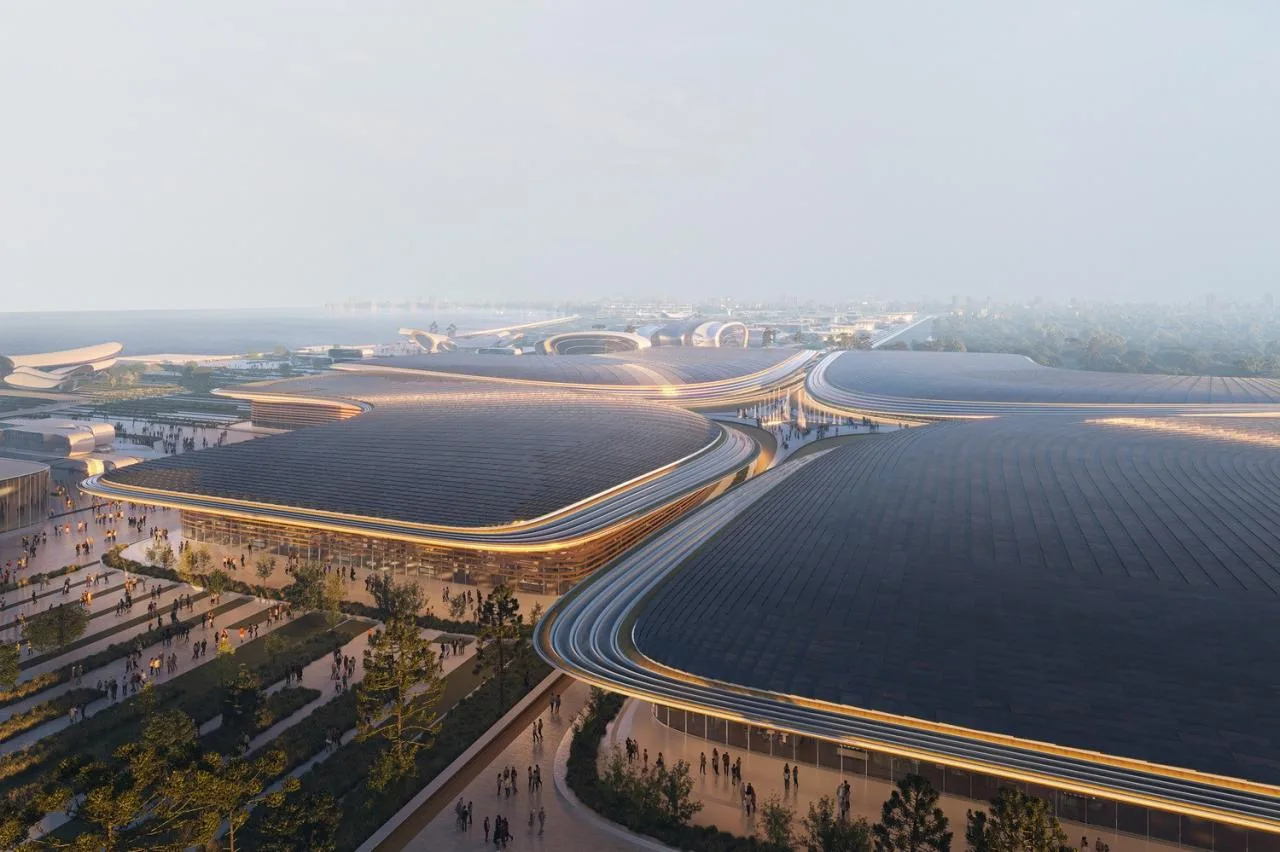
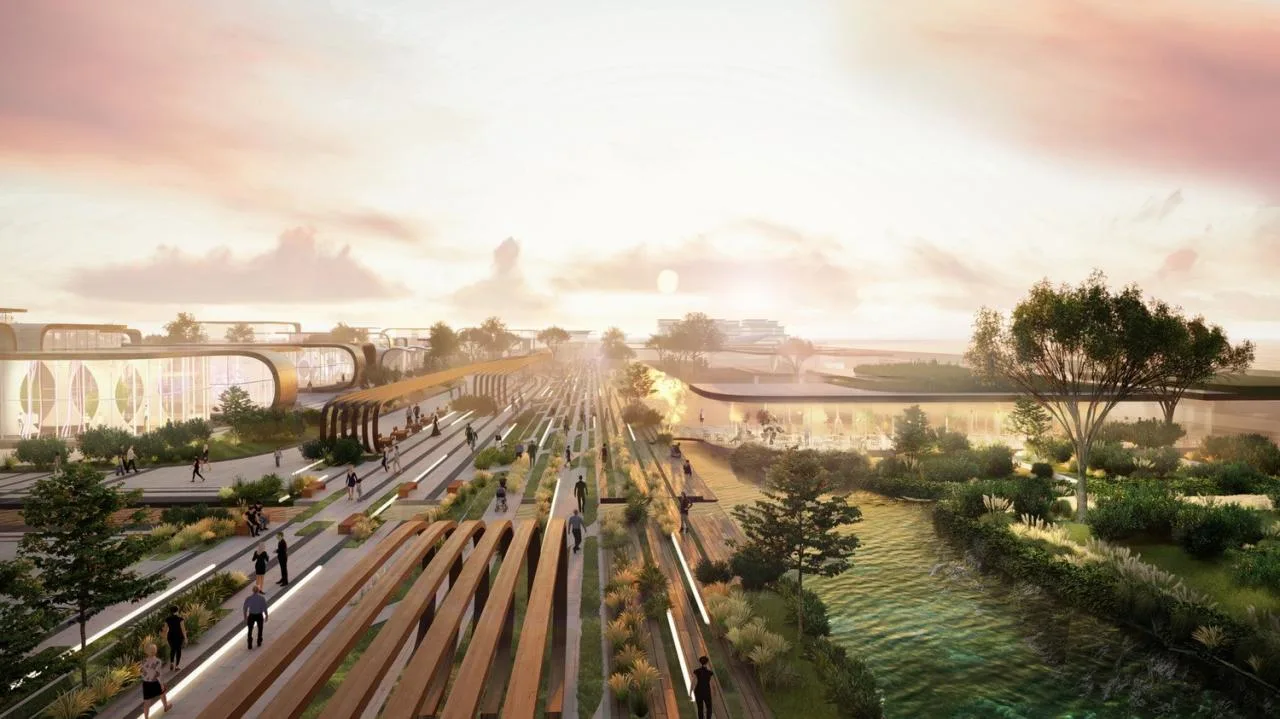
The Expo venue is organized around five key elements. A main avenue connects all zones, with national pavilions and a series of squares to the south, and a new waterfront ecological park along the Khadzhibey River to the north. Service, logistics, and accommodation areas for visitors and staff are located at both ends of the avenue.
The overall plan centers on four main venues, embracing a “traditional” Expo layout. After the event, the largest exhibition hall will be transformed into a flexible 80,000 square meter space for trade fairs and events. The conference center and Expo hotel will become southern Ukraine’s first exhibition center.
Other countries’ pavilions will be dismantled and repurposed as civic buildings across Ukraine. Meanwhile, the Expo site will return to nature, restoring wetlands and integrating with the new waterfront ecological park near the city center.
Traditionally, World Expo pavilions involve custom designs, increasing construction costs, carbon footprint, and limiting future adaptability. To counter this, the Odessa 2030 Expo offers participating countries a modular system of components to build their pavilions.
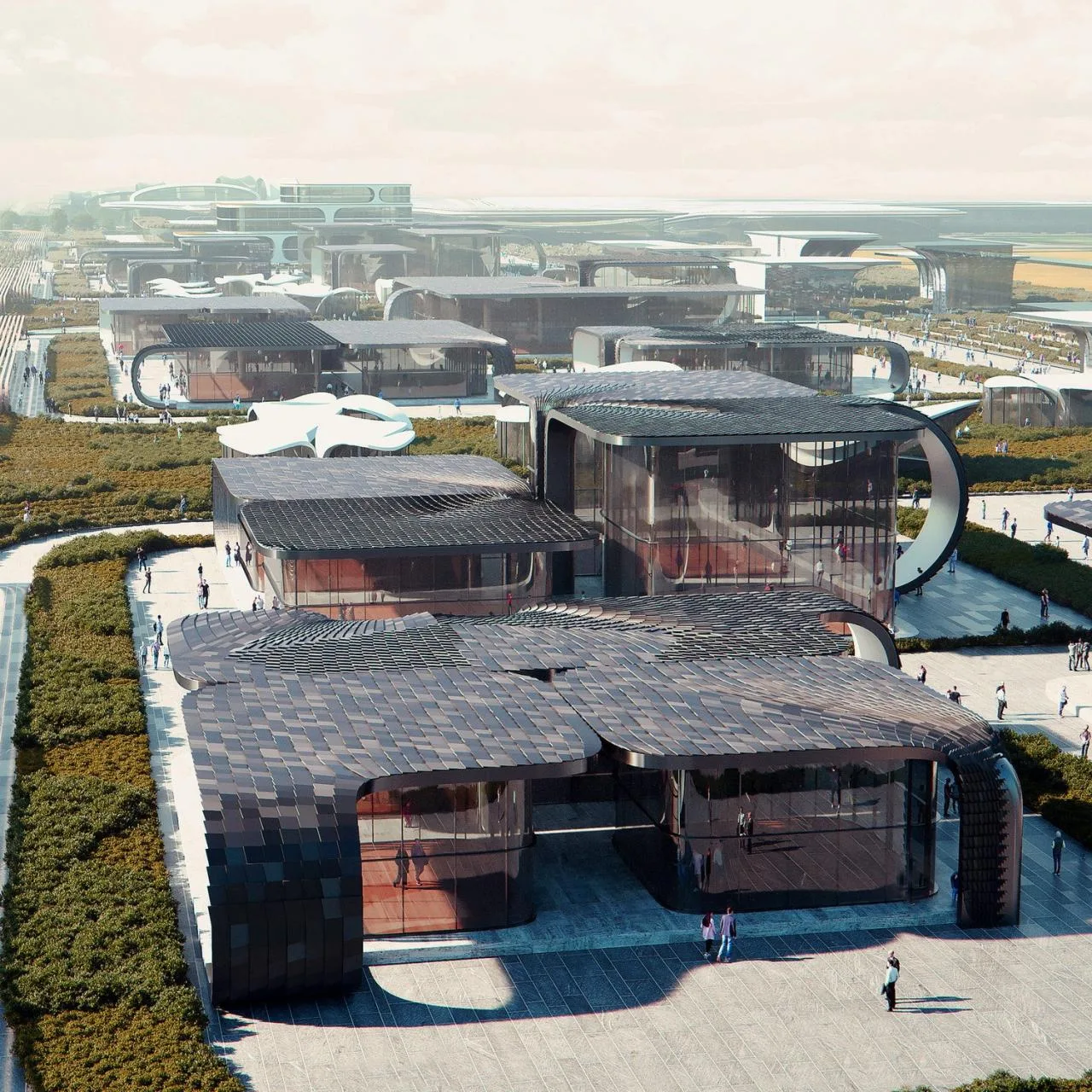
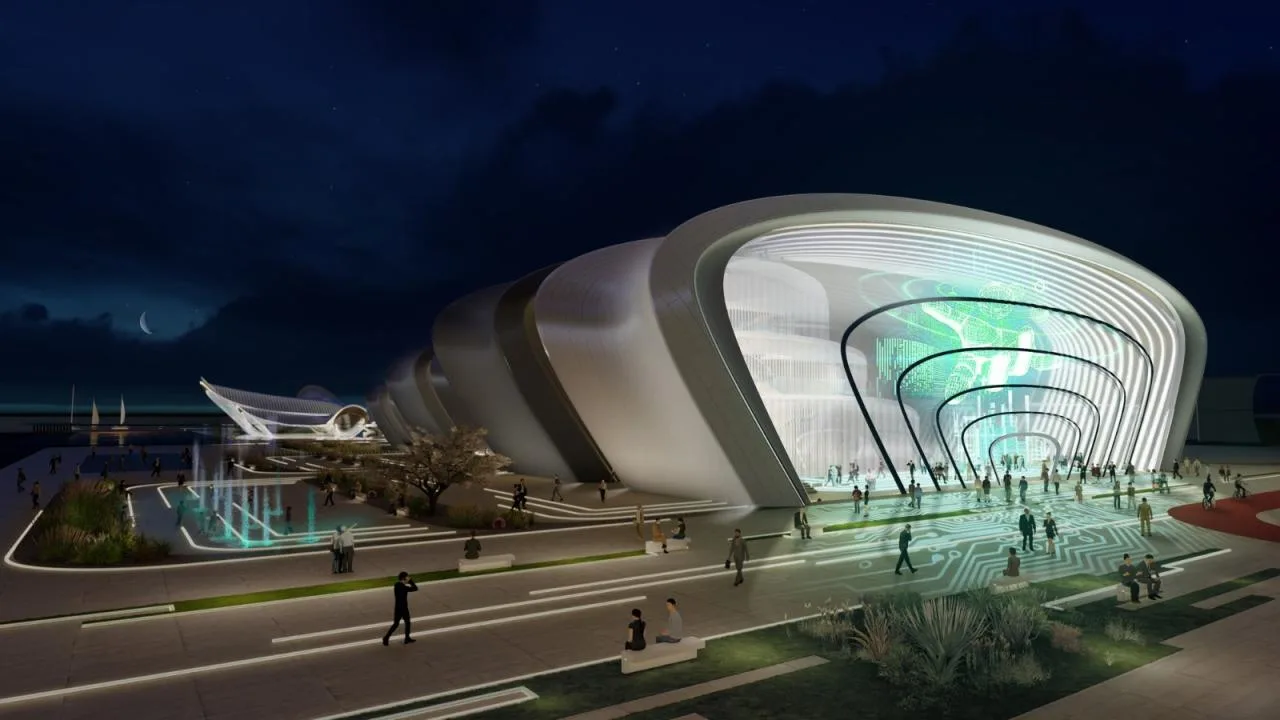
This flexible modular system offers diverse options, enabling countries to design exhibition halls that balance practicality, creativity, and visitor engagement. Each module represents 25% of a standard 1,600 square meter exhibition hall and can be combined to meet varying needs.
Participants will use digital configuration tools to select and assemble components, customize facade materials with low carbon footprints, and express their unique cultural identities while reflecting the Expo’s overarching theme.
After the Expo, countries may transport their modules home or donate pavilion components to be shipped via barge to different parts of Ukraine. These modules can be reassembled as kindergartens, schools, clinics, or creative and digital studios, aiding in rebuilding civic infrastructure across the country.
The modules are designed for easy installation on barges navigating the Black Sea, Azov Sea, and Dnipro River, facilitating efficient transport to Ukraine’s major cities and communities.
By adopting modular digital design and off-site manufacturing, the 2030 World Expo pavilions can be produced quickly and cost-effectively by local Ukrainian supply chains. This system allows for rapid installation, dismantling, transport, and reinstallation of exhibition halls.
The modular approach supports Ukraine’s existing production and digital expertise and establishes a forward-looking local construction industry. The Expo will minimize concrete use and extensively utilize recyclable materials sourced from damaged or demolished structures in southern Ukraine.
Renewable materials are incorporated throughout the design, including rooftop photovoltaic panels. Additionally, a wind turbine system connected to the Expo’s microgrid will create a self-sufficient energy site, fulfilling the Expo’s power needs and supplying renewable energy to the surrounding community.
“This city is known for its multi-ethnic and multicultural heritage, representing a rich diversity with ancient ties to the world. When people visit Ukraine and Odessa in 2030, they will experience the power and culture that extend beyond any single country or city—they will feel the potential of all humanity.” — Vladimir Zelensky, President of Ukraine
Despite ongoing conflict in Ukraine, several initiatives aim to pave the way for post-war reconstruction. WZMH Architects developed a prefabricated modular system to rescue thousands of buildings damaged by war.
Similarly, NOVA Architects designed a new Mariupol City Hall to help restore a symbol of democracy, while Drozdov & Partners, in collaboration with Replis Bureau and Ponomarenko Bureau, have begun renovating shelters for internally displaced persons in western Ukraine.













Must log in before commenting!
Sign Up