
BIM technology is a groundbreaking innovation widely adopted by design institutes in today’s evolving environment. It frees personnel from tedious and complex design tasks by enabling visual design, drawing, and output. This enhances project drawing efficiency, improves overall management and operations within design institutes, significantly boosts work quality and productivity, mitigates project risks, and reduces error rates.
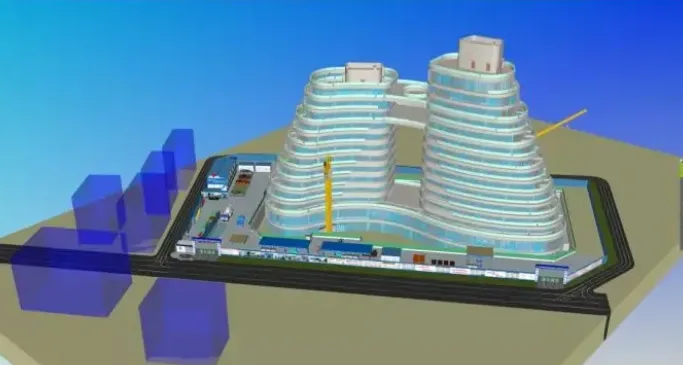
Originating in the United States, BIM technology has seen continuous practical application. Through accumulated experience and notable achievements, it has enhanced the economic and social benefits of engineering projects, served as a valuable reference for related engineering designs, and laid a strong foundation for early-stage planning in architectural design institutes. This has significantly facilitated the smooth progress of engineering projects. As the industry embraces BIM, its development has gradually shifted from a conceptual framework to practical implementation, based on solid theoretical models. This shift has ignited widespread enthusiasm within the construction sector. Design institutes actively promote BIM, while building associations have published research reports on its application, reflecting the current status of BIM technology in China’s construction industry and offering technical support to consulting firms such as design institutes.
BIM has delivered remarkable results across various phases of engineering projects—especially during design, construction, operation and maintenance, as well as sales and investment. With ongoing advancements in information technology, BIM continues to evolve and holds vast potential for future applications. Leveraging internet platforms, BIM can now access information via mobile devices, facilitate information sharing, and realize on-site design objectives. Moving forward, as wireless sensor networks become more widespread, monitoring indoor conditions like temperature and humidity will become standard practice. This data will provide designers with critical insights to create scientifically sound designs and minimize discrepancies between design and actual construction.
Additionally, future BIM developments will incorporate cloud computing and digital technologies to further refine designs, offer immersive experiences to designers, and enhance project product development. Within the broader context of digital and smart cities, BIM’s trajectory is aligned with the rise of smart buildings, which will drive more efficient construction processes and maximize economic returns for construction enterprises.
In summary, this overview explores the future development of BIM technology. Opinions may vary, but I hope this article provides valuable insights for everyone!
















Must log in before commenting!
Sign Up