
After analyzing the case of directly importing design BIM models into the German RIB software, we discovered that exporting engineering quantities directly from design models can lead to calculation errors of up to 20%. For instance, at the intersections of BIM model components, the default geometric deduction methods do not comply with the GB50500 engineering quantity calculation rules specified in the national standard list.
Take the example of intersections between structural columns and structural slabs: Revit typically assumes that structural columns are cut off by the slabs. However, according to GB50500 standards, load-bearing frame columns should be calculated up to the top of the slab. If there is no beam slab, or if the concrete strength of the slab exceeds that of the column, then the column should be calculated up to the bottom of the slab. This illustrates the necessity of clearly defining intersection principles between components and accurately calculating engineering quantities based on the RIB calculation formulas.
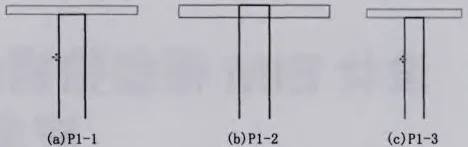
The deduction relationships between design BIM models and cost BIM models differ significantly.
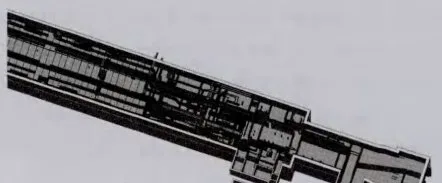
The success of BIM hinges on data compatibility, interoperability, and longevity. Poor data interoperability, lack of standardized data interfaces, and the formation of isolated data silos render BIM ineffective. Due to differing objectives, the requirements and standards for cost BIM models vary greatly from those of design BIM models. Below are some issues encountered with model data during the application process at Pusan Road Station on Shentong Metro Line 11.
That concludes the discussion on the challenges of directly estimating costs from BIM models. We hope this article proves helpful to everyone!
















Must log in before commenting!
Sign Up