
Accurate, detailed, and timely information forms the foundation of all design work. At the heart of BIM (Building Information Modeling) technology lies the structuring and visualization of engineering project data. Structuring enhances the management and utilization of information, while visualization improves understanding and communication. Together, these elements empower designers to boost both design quality and efficiency.
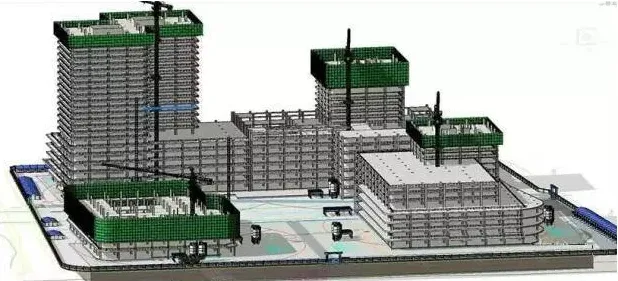
1. The widespread adoption of BIM technology means that the importance of models—referring to information models, or simply “models,” as opposed to graphics—in the design process will continue to grow. An increasing number of designers will rely on models to complete their tasks, leading to a future where both models and graphics are used together to accomplish design objectives.
2. Currently, most design firms face three main situations regarding BIM implementation: first, some completely dismiss BIM despite government mandates, client demands, and market competition; second, many believe it is not yet cost-effective to apply BIM to every project; third, using BIM solely for drawing purposes is often inefficient on a project-by-project basis.
3. In response, design companies generally adopt three strategies for BIM: first, they seek to understand how BIM can help them satisfy government, client, and market requirements; second, they identify which projects are most likely to yield positive returns from BIM use; third, they assess the overall efficiency gains achieved through BIM applications.
4. The real risks associated with BIM adoption in design firms stem from two key issues: one, investing excessive resources upfront by mandating BIM use across all personnel and projects; and two, confusing BIM’s potential benefits with the actual gains realized through its application on specific projects.
That concludes our overview of BIM technology in the design industry. I hope this article proves helpful to everyone!
















Must log in before commenting!
Sign Up