
BIM technology serves as a digital information platform that spans the entire lifecycle of buildings. It relies on three-dimensional digital technology to simulate real building information and represent detailed data related to engineering projects. BIM is characterized by five key features: visualization, coordination, simulation, optimization, and graphing.
The design process for mechanical and electrical installations has evolved from two-dimensional drawings to three-dimensional models, transitioning from simple computer graphics to collaborative design. Construction now proceeds based on BIM-generated drawings. Replacing traditional design methods with BIM technology is an inevitable trend, demonstrated in the following ways:
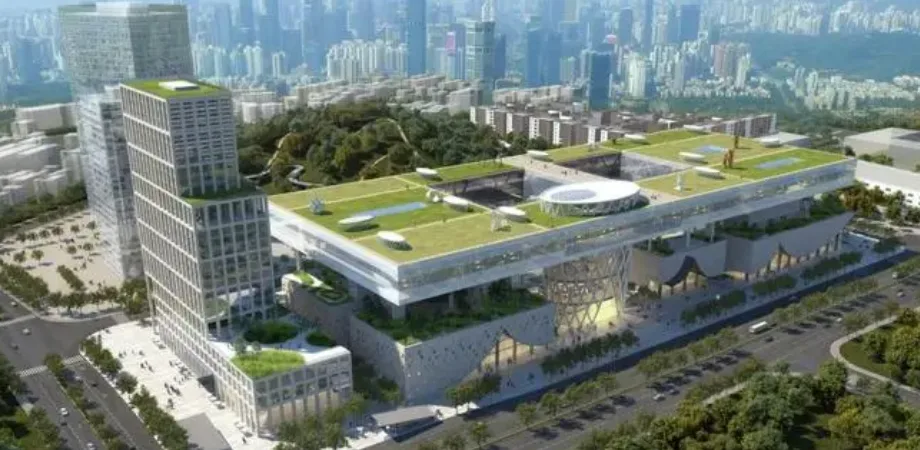
1. Improved design coordination effectively resolves clashes between disciplines such as architecture, structural engineering, and electromechanical systems. Early detection and resolution of conflicts through visual collaborative design lead to a more comprehensive understanding of spatial information. This facilitates detailed design across disciplines, simplifies construction workflows, supports onsite management, and reduces overall construction timelines.
2. Construction process simulation allows teams to replicate real-world scenarios within a BIM model. This helps identify potential issues during installation before they occur, enabling corrective actions and preventive measures. Additionally, simulations assist in the prefabrication of components and optimize material storage by providing precise information, allowing for better planning and guidance during construction.
3. Building performance optimization is achieved not only through energy-saving, sunlight, and emergency evacuation simulations but also via 4D (time-based) and 5D (cost-based) simulations. These tools enable effective management of construction schedules and budgets. By combining project optimization with investment return analysis, stakeholders can assess the real-time impact of design changes on costs, minimizing financial risks.
In summary, BIM technology replaces traditional design methods by enhancing coordination, enabling detailed simulations, and optimizing building performance. We hope this overview proves useful to everyone interested in advancing their design and construction processes.
















Must log in before commenting!
Sign Up