
BIM technology is a data modeling tool used in engineering design and construction management. By leveraging computers to create three-dimensional architectural models, it enables accurate prediction of potential issues during construction and helps achieve optimal project outcomes. BIM has a significant impact on the construction industry, particularly in the following two key areas.
1. Reducing Project Management Costs and Increasing Engineering Efficiency
During the construction phase, BIM influences the development of construction enterprises in several ways:
- It provides visualization capabilities for design effects;
- It verifies the effectiveness of the models created;
- It enables four-dimensional simulation and monitoring of the construction process.
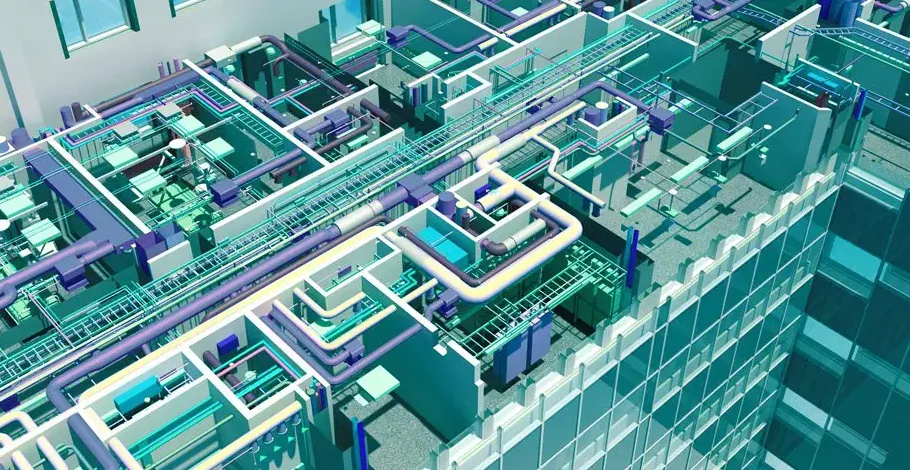
Using professional BIM software, a three-dimensional information model is created that offers visual and cognitive insights beyond what traditional two-dimensional drawings can provide. Two-dimensional designs often fail to fully capture potential conflicts between different trades, systems, or components due to their inherent limitations. Despite efforts to create comprehensive two-dimensional plans, technical oversights—such as clashes between specialties and systems—can still occur, negatively impacting both design and cost.
With BIM’s visualization tools, designers can detect pipeline collisions early on, preventing overlooked conflicts before construction begins. This helps reduce onsite rework and improves overall construction efficiency. Additionally, integrating BIM models with building information allows for four-dimensional simulations, which clearly illustrate coordination between general contractors and subcontractors. This technology enables optimal scheduling of equipment deliveries, labor allocation, and machinery placement, ensuring the project runs smoothly and economically.
BIM also enhances control over construction progress and quality monitoring. Using digital devices, BIM facilitates a digital monitoring approach that quantifies data, greatly reducing manual labor. It supports remote control and management of project implementation, allowing real-time data transmission so personnel can promptly and accurately assess site conditions, detect quality issues early, and take preventive measures.
2. Enabling Data Sharing to Improve Coordination, Management, and Time Savings
The building models developed through BIM software are generated by closely fitting the physical structure and compiling comprehensive data, resulting in highly accurate building information. This accuracy improves construction budgeting and supports prefabrication processes. Furthermore, it enhances equipment parameter precision and raises the level of construction coordination and management.
By fully utilizing BIM’s data-sharing platforms, stakeholders can facilitate information exchange, streamline management, and increase overall efficiency.
BIM technology is now widely adopted across the construction industry. This overview summarizes its key impacts, aiming to provide helpful insights for everyone involved.
















Must log in before commenting!
Sign Up