
BIM technology effectively integrates information and data throughout a project’s entire lifecycle, enabling resource sharing and fostering collaboration among all parties involved. In engineering project management, challenges such as increased construction difficulty due to paper-based design drawings and poor coordination caused by ineffective information transmission have long been issues. If these problems remain unresolved, they inevitably impact the quality and economic benefits of the project. Introducing BIM technology into project management offers a practical solution to these challenges.
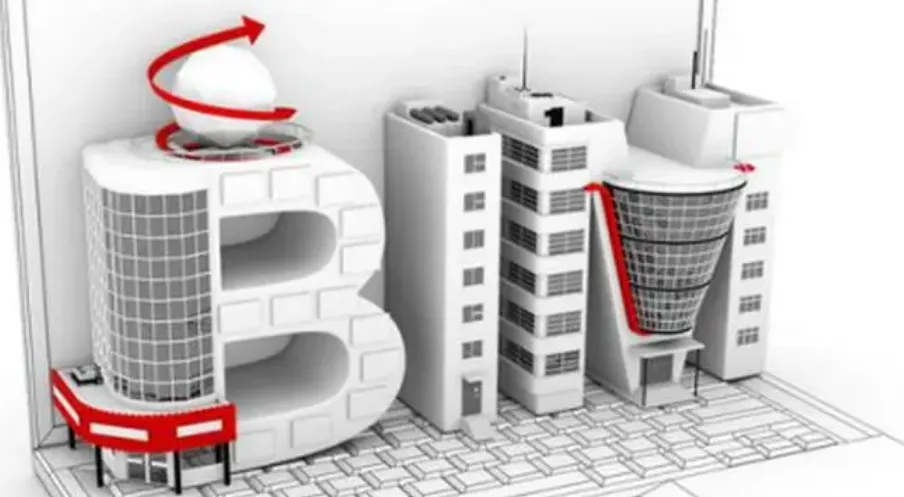
The integration of BIM technology within project management systems brings numerous advantages. It enables three-dimensional simulation and visualization of buildings, creating animations tailored to actual work requirements. This allows project teams to gain a deeper understanding of the construction process. The system also includes multiple dynamic databases, allowing construction designers to build project-specific data models, more accurately estimate quantities of work, and enhance budget management to better control costs. This supports the development of scientific, efficient resource management plans and improves resource utilization.
Specifically, the role of BIM technology in engineering project management includes:
1. Facilitating information sharing and collaboration. Powered by the BIM database, complex project information is presented as data that updates continuously throughout the project. All stakeholders can access this data promptly, enabling active participation in the construction process. This eliminates the inconvenience of relying on paper drawings, improves cost accuracy, and enhances overall cost control. Moreover, the information-sharing platform promotes effective communication among all parties, ensuring timely access to necessary data for better collaboration.
2. Enabling dynamic project control. BIM-based project management not only improves coordination during the design phase but also supports simulated management during construction, covering quality, scheduling, and cost control. This dynamic approach facilitates real-time oversight of the entire project, boosting efficiency in design, construction, and management phases.
3. Supporting continuous improvement of project management. As construction progresses, project information accumulates, and outdated data from completed stages becomes obsolete. To prevent information overload, the system promptly removes invalid data. BIM-driven project information management is dynamic and constantly updated, managing data across all stages, which significantly enhances the quality and effectiveness of project management.
In summary, the above highlights the key roles of BIM technology in engineering project management. We hope this overview provides valuable insights and benefits to everyone interested in this field!
















Must log in before commenting!
Sign Up