
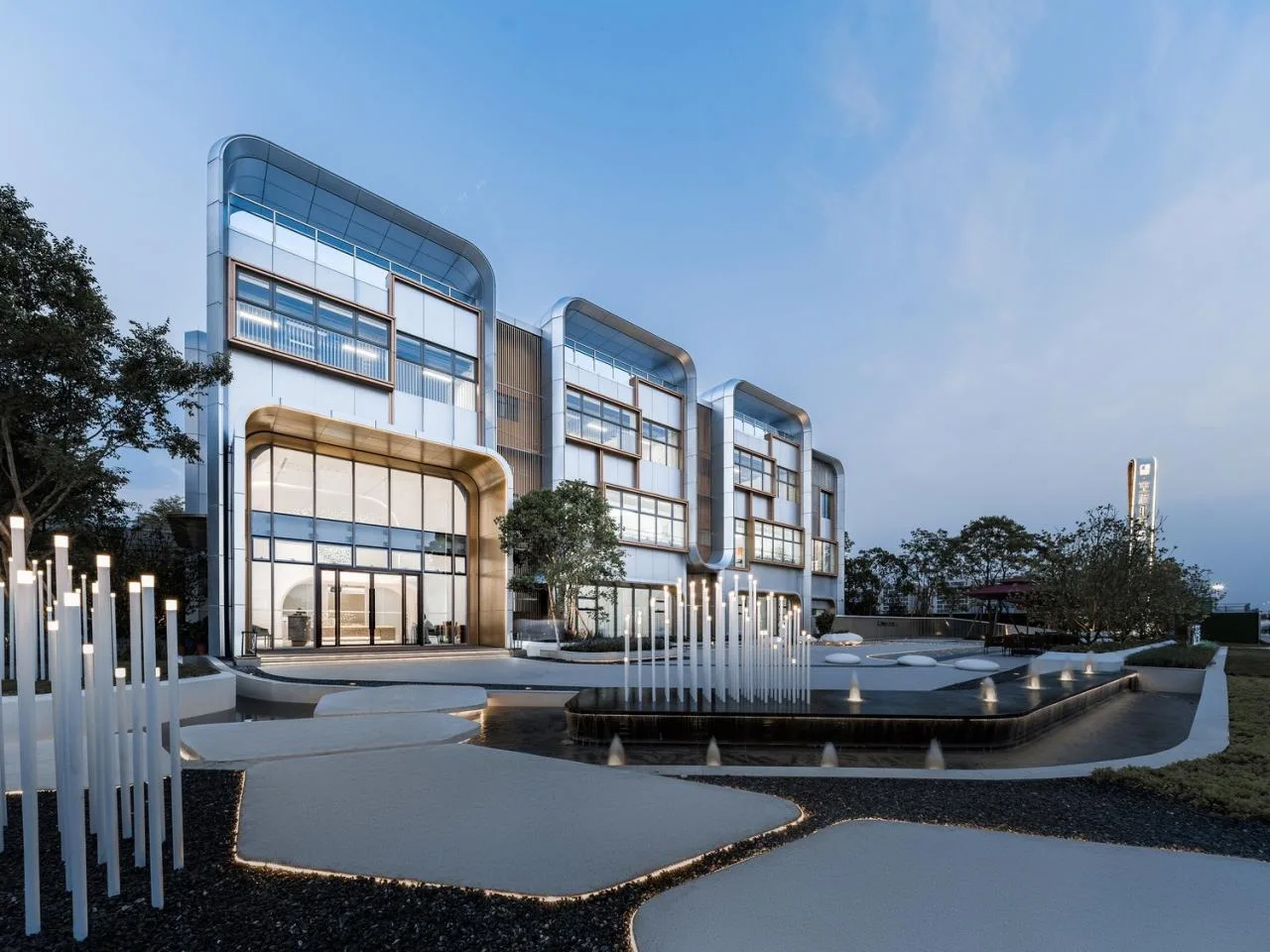
△ Kindergarten of Mechanical Aesthetics
I recall a video where a child leaps from a height and then gracefully floats in the air, as if flying, with others around him doing the same. The moment I saw this, it instantly brought back the feeling of my own childhood dreams.
Almost all of us have experienced similar dreams in our youth—dreams of soaring smoothly through the air.
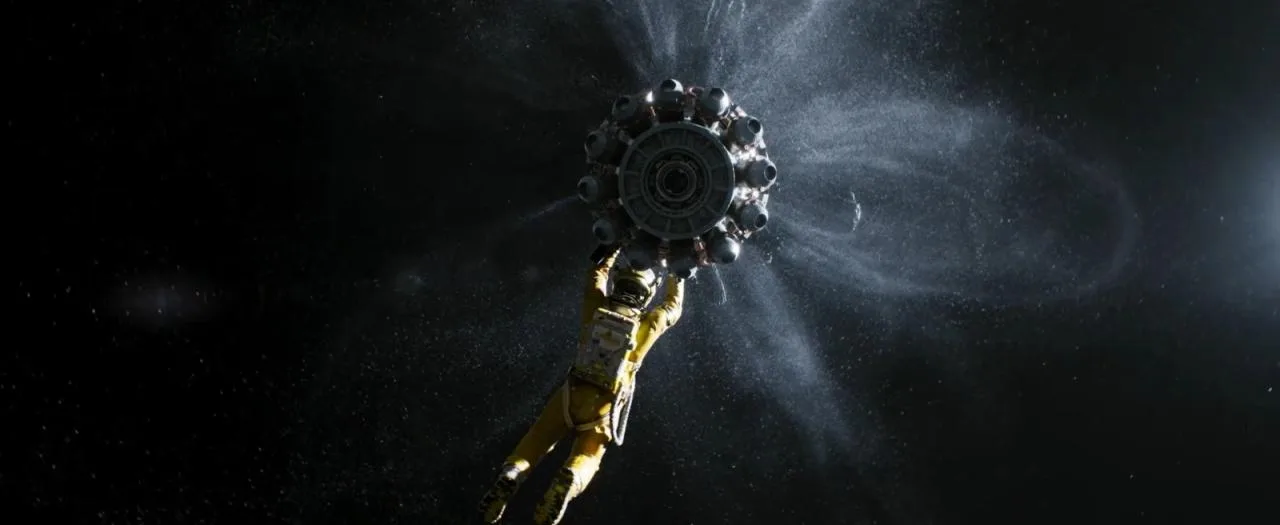
△ Still from the movie “Walking Alone on the Moon” (Image sourced from the internet)
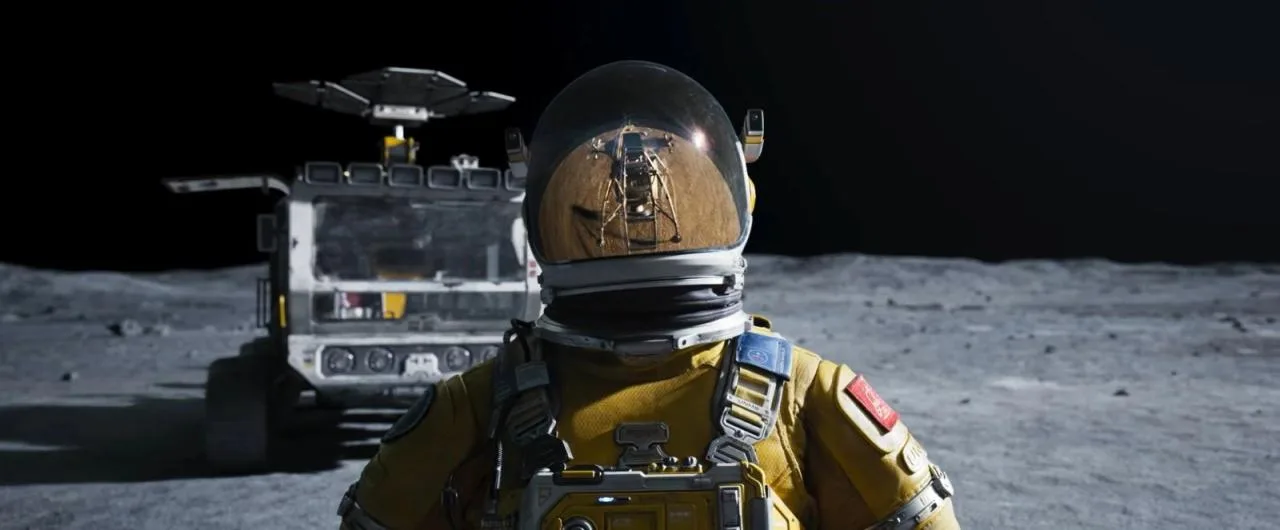
△ Still from the movie “Walking Alone on the Moon” (Image sourced from the internet)
Dream of Flying
The aspiration to fly like birds has long been a human dream—one that resurfaces often in our imaginations.
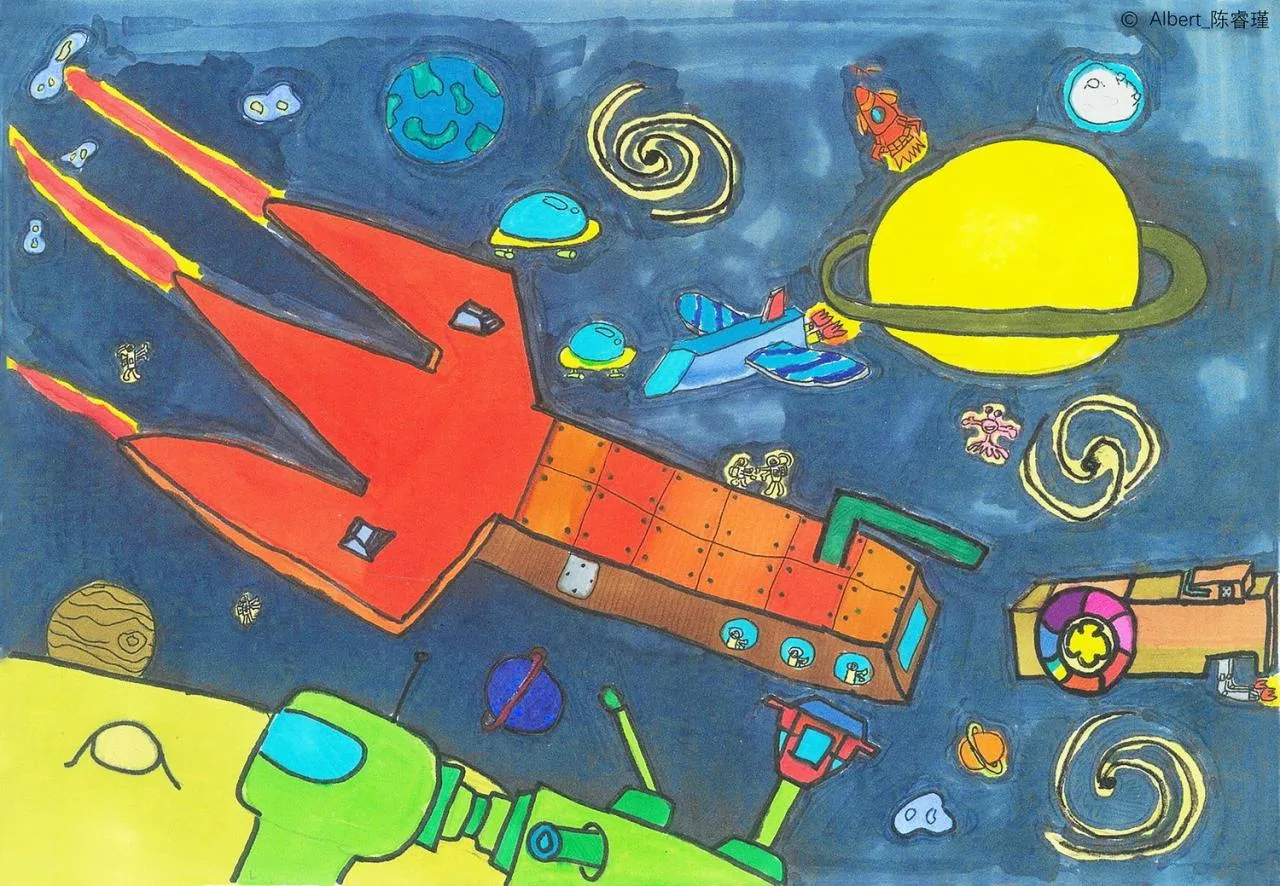
Children’s imaginative concepts of flying machines
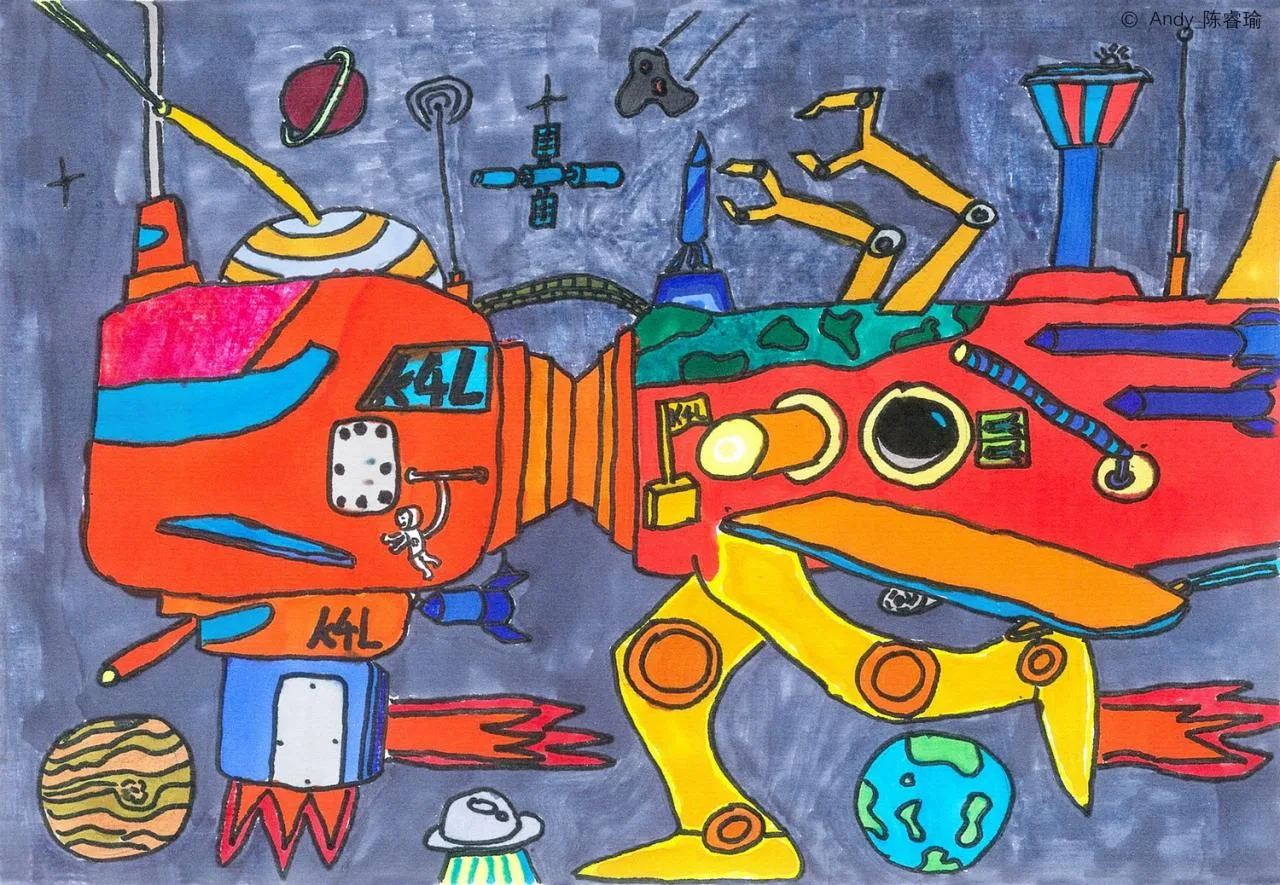
Children’s imaginative concepts of flying machines
From ancient Chinese kites to the mechanical pigeons crafted by the ancient Greeks, these inventions reflect humanity’s enduring dream. The Renaissance master Leonardo da Vinci was one of the first to study bird flight in detail. His treatise, “On the Flight of Birds,” is considered a foundational work in aviation science.
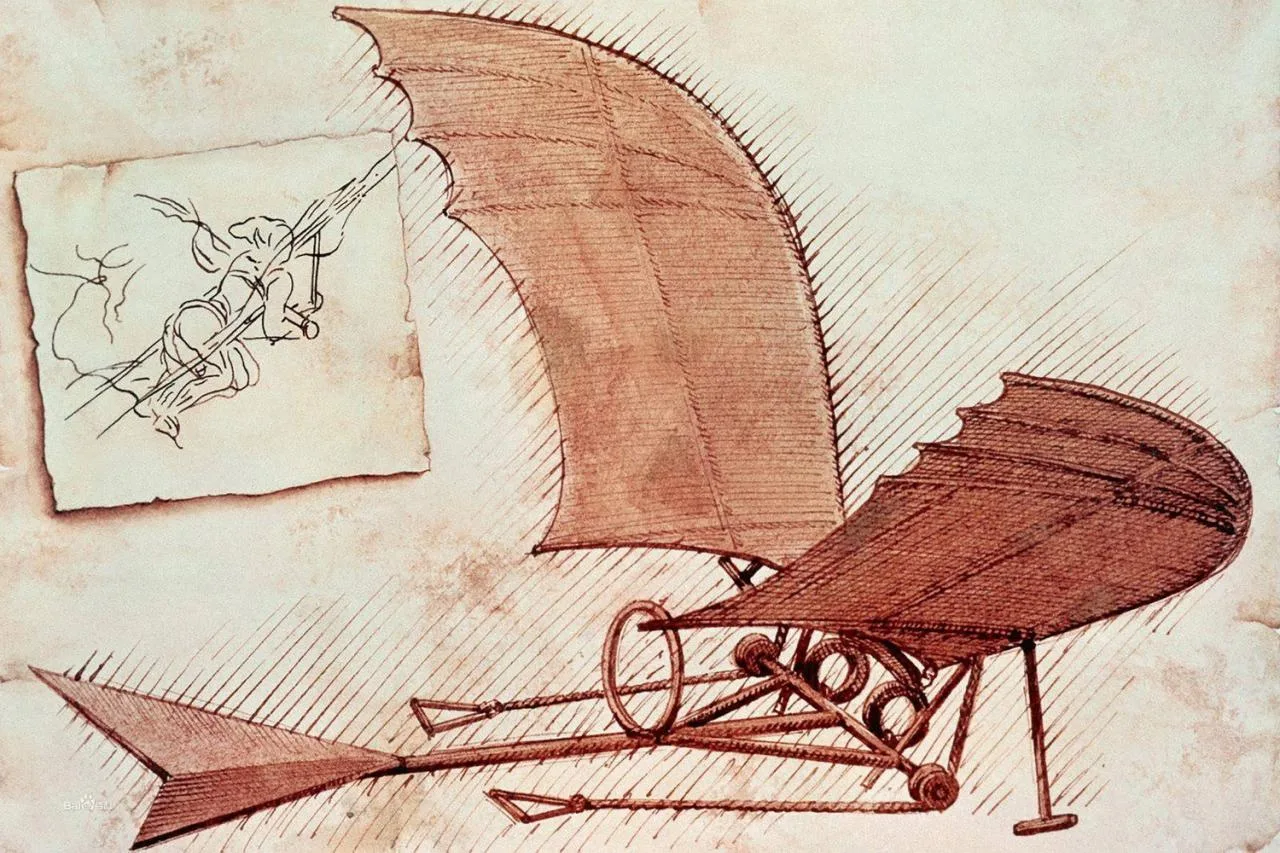
Da Vinci Manuscript (Image sourced from the internet)
What if we had the opportunity to design a building inspired by the dream of flying? What if this building was designed especially for children? This presents an intriguing challenge.
That’s exactly what we set out to do: design a kindergarten inspired by the dream of flight.
Children’s Imagination
This building serves two purposes. It was initially conceived as an art exhibition hall focused on flight and space, but its true role is as a kindergarten located in an airport residential area. Situated in Huadu Airport, Guangzhou, near Baiyun Airport, this new residential neighborhood primarily houses young pilots, flight attendants, and their families. This kindergarten will be the main activity hub for their children.
The complex is positioned at a street corner in the city, designed with an aerodynamic aircraft form that seems ready for takeoff.
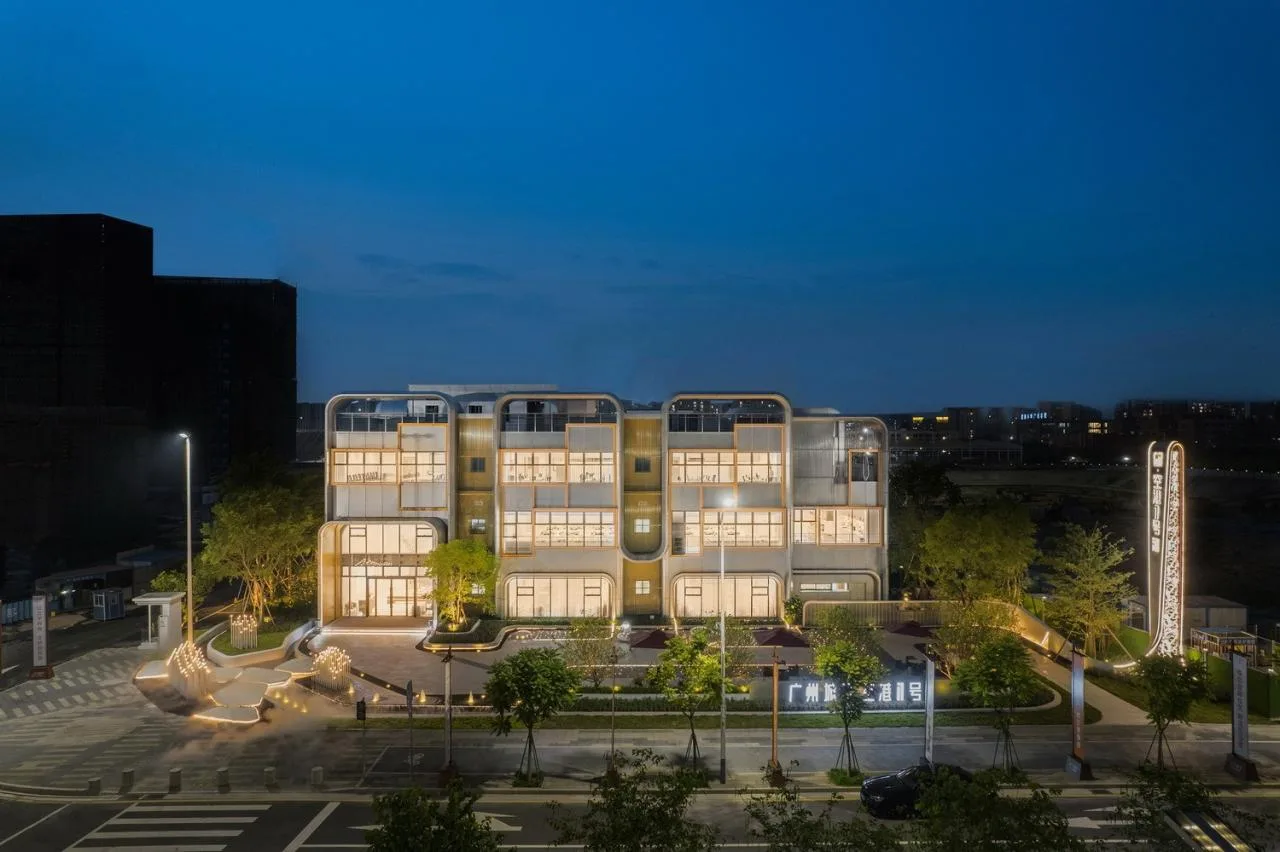
The ‘Flying Machine’ positioned on the street corner
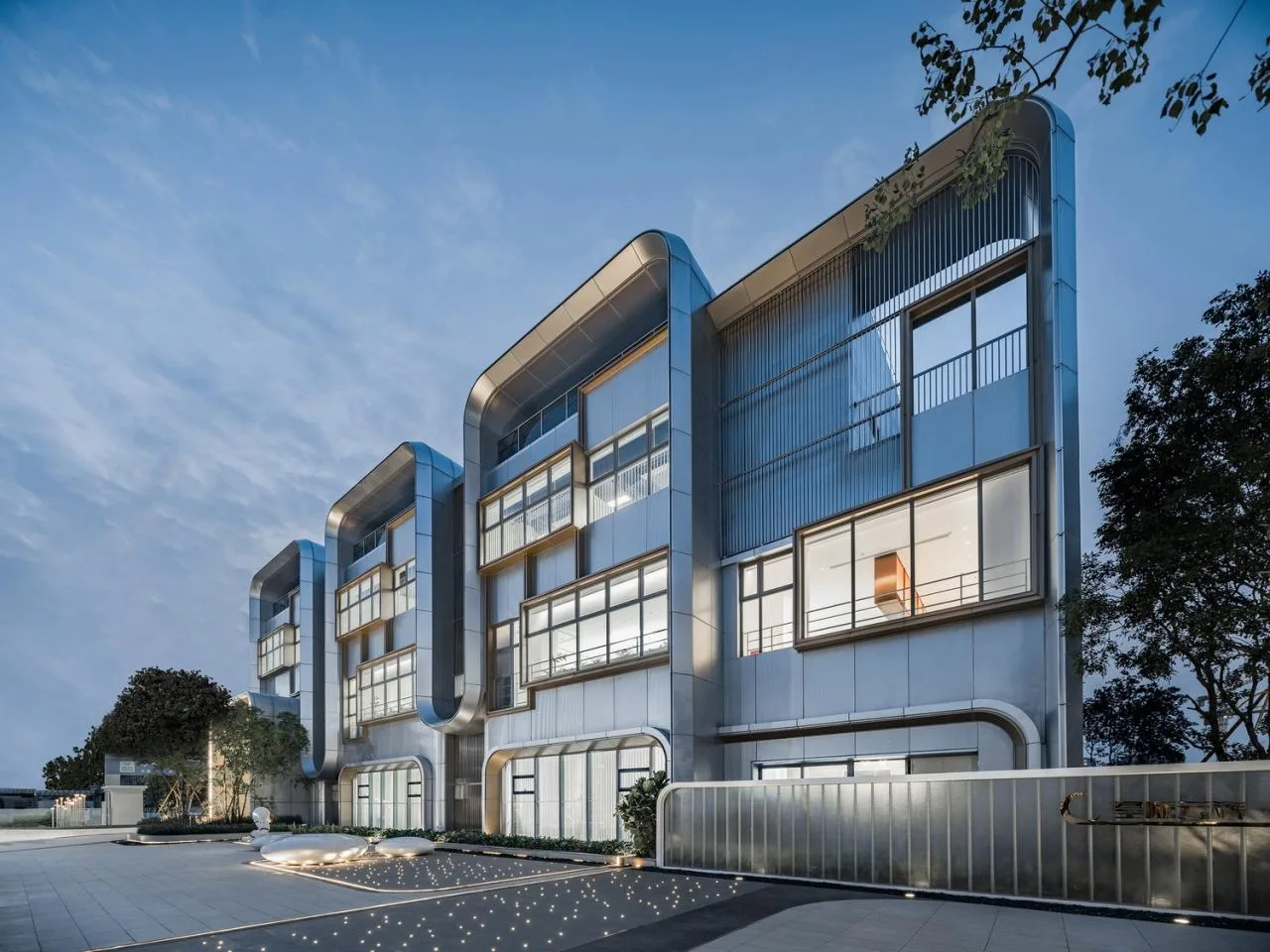
Mechanical device with metallic texture
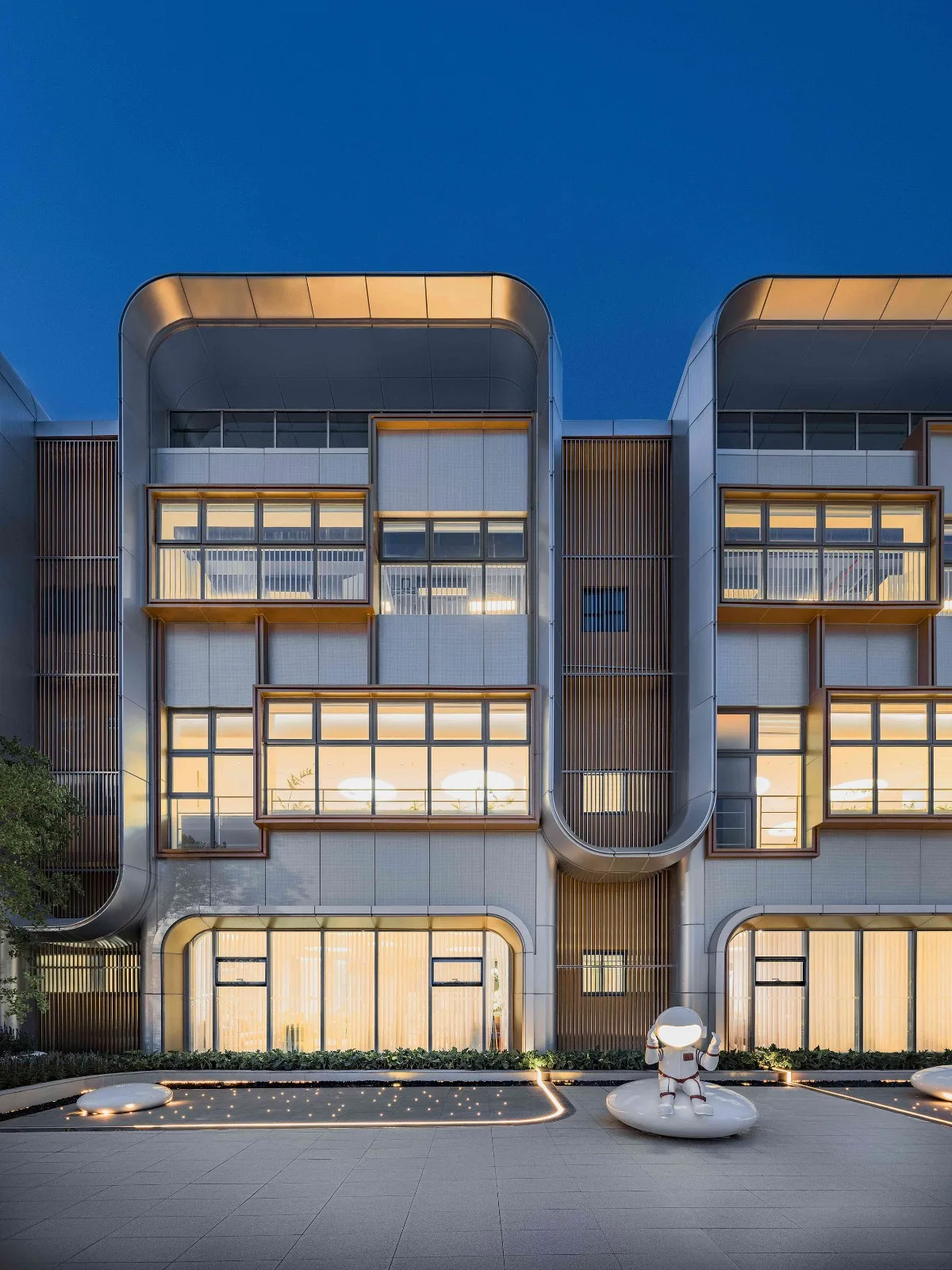
Sleek aluminum panel with fluid surface design
Children are fascinated by spacecraft, Mars landers, space stations, and more. Living in an era filled with curiosity about the unknown universe, our design reflects their yearning for boundless space and their imagination of space flight technology.
We envisioned the entire kindergarten as a spacecraft comprised of several ‘Mars Landers’—each representing a cluster of classrooms, dormitories, and bathrooms. The children, or ‘astronauts,’ move horizontally through open corridors and spiral staircases to reach two floating activity zones, resembling workspaces in the starry sky.
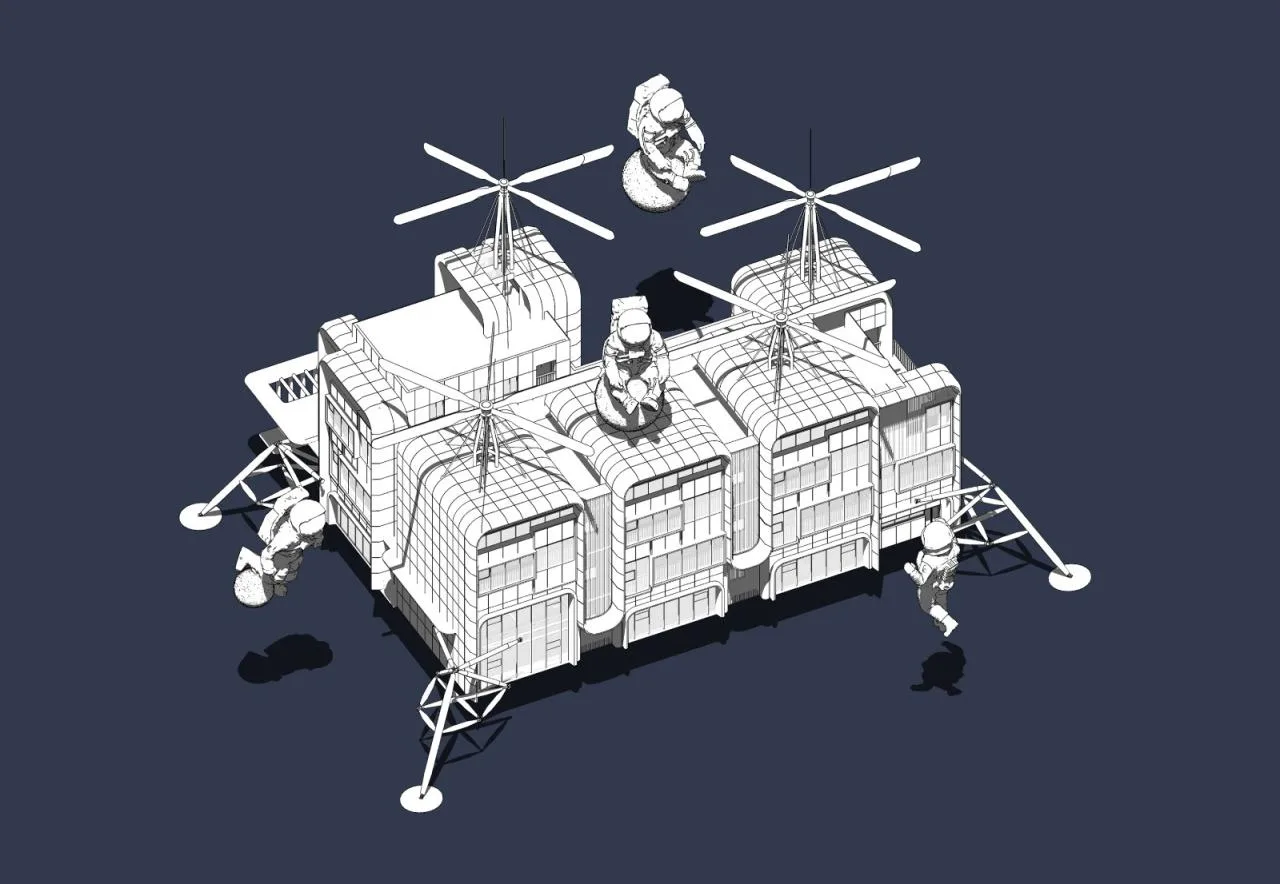
△ A unique spatial experience inspired by dreams
We incorporated design elements from space technology into the architecture, exploring spatial possibilities through stretching, rotating, and folding blocks.
Using sections, plans, and elevations, we aimed to present an architectural interpretation of space exploration.
Dreams Becoming Reality
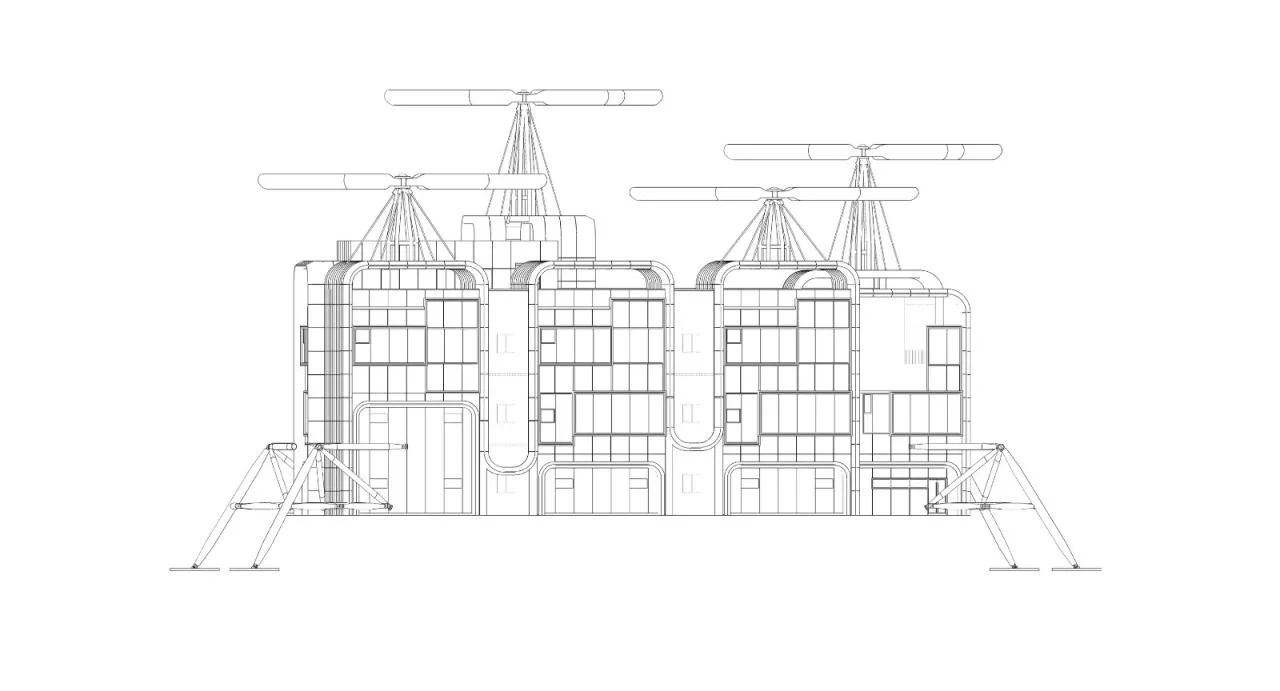
Kindergarten designed as a spacecraft
The warehouse space functions as an extension of humanity and acts as an autonomous environmental sensor. Our goal was to simulate human exploration of the unknown universe. The building encourages children to collaborate, learn, and communicate.
Its fully open floor plan integrates service areas such as changing rooms, corridors, and stairs with learning and play spaces.
An open activity area connects to classrooms via a spiral staircase, providing nearly 700 square meters of expansive play space.
This design fosters interaction among children of different ages, helping young and older students connect while facilitating communication among teachers.
The facade mimics the surface of real spacecraft and aircraft, immersing children in the experience. Constructed from smooth aluminum panels, it features a rounded, sleek surface.
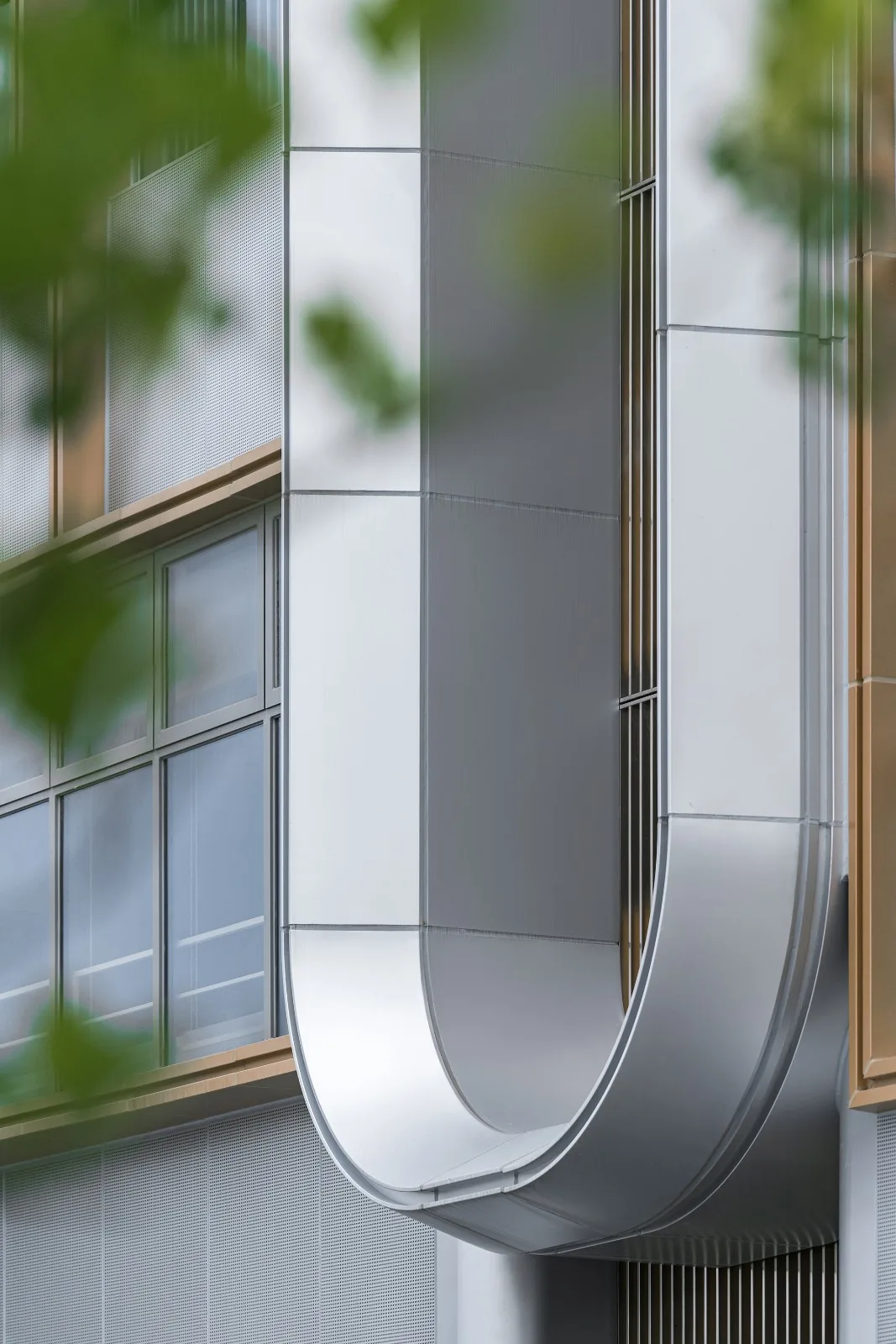
Design possibilities through rotation, bending, and folding of sheet metal
We introduced rounded and curved sections to create observation points or globes at the building’s edges, offering children an unprecedented spatial experience.
This approach pays tribute to the scientific principles underlying flight—specifically aerodynamics, which applies fluid mechanics to air.
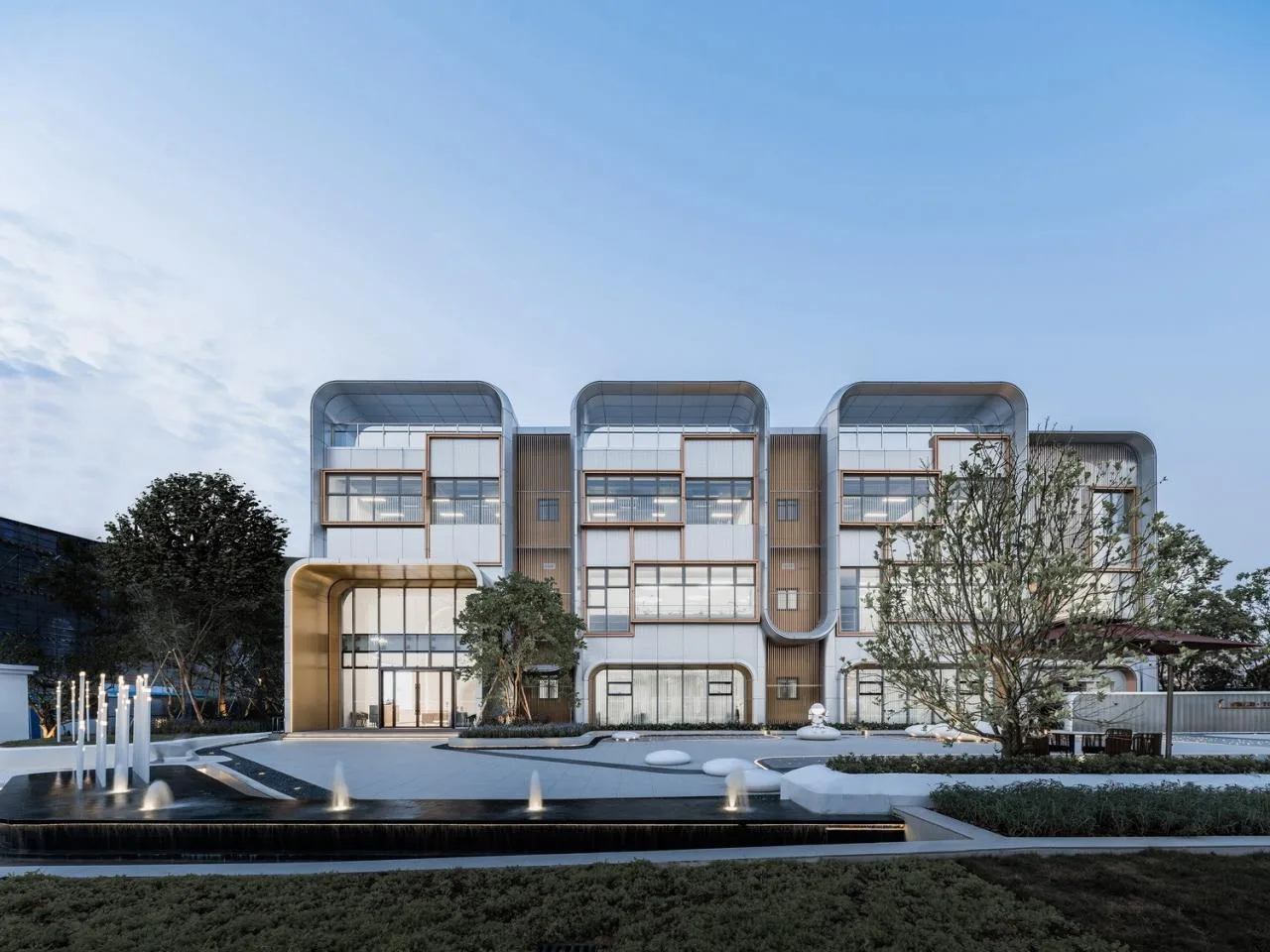
△ Realistic photos showing three sets of “Mars Landers”
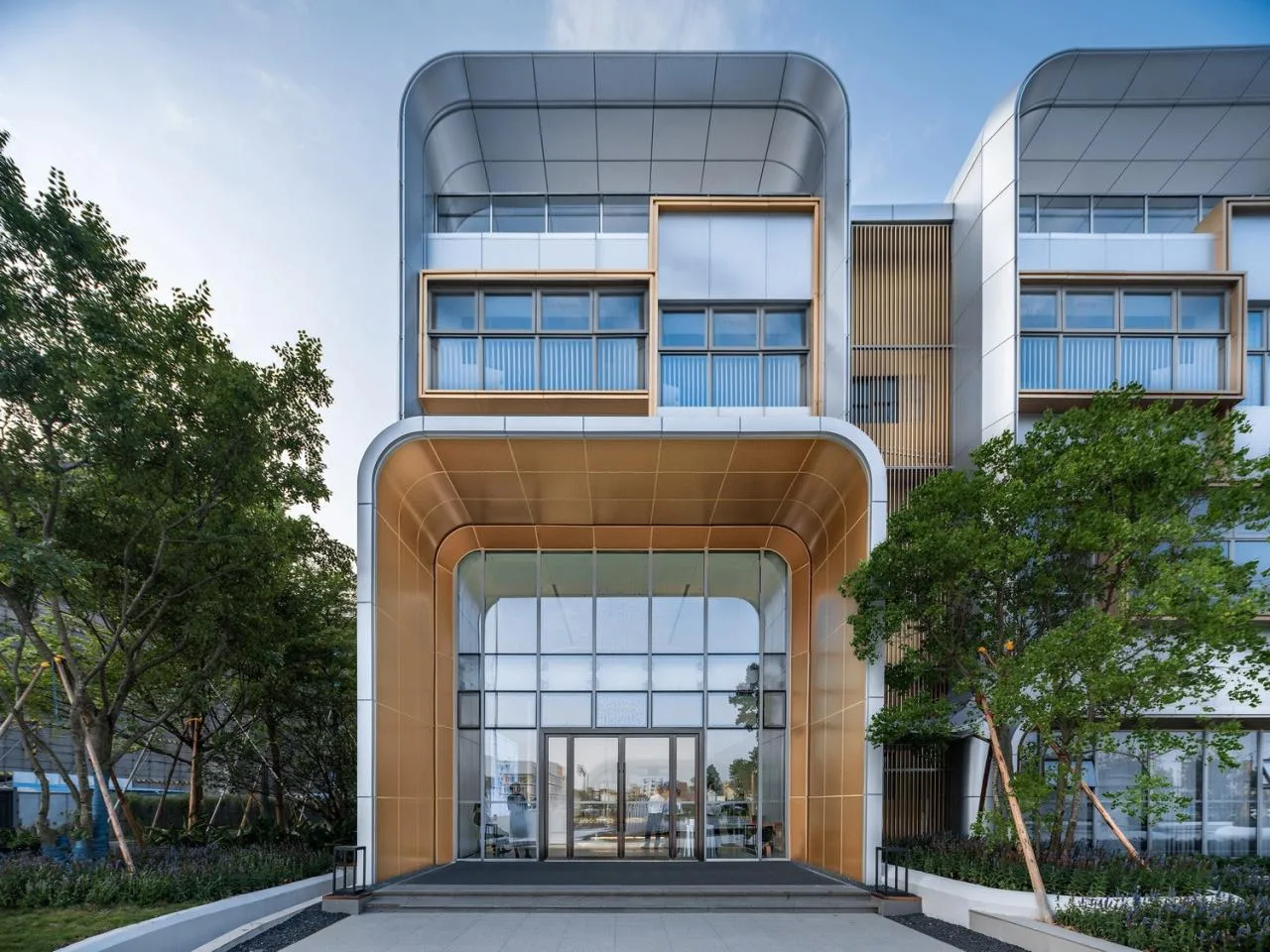
△ Realistic photo of the Space Station entrance
Our architectural exploration of flying machines, space, and spacecraft examines how mechanical aesthetics can influence urban lifestyles.
By connecting architectural form with pilots’ daily activities, we infused the design with the spirit of flight, reflecting the professional lives of the children’s parents.
The fusion of classroom units and aircraft design offers a fresh interpretation of children’s architecture.
This project marks our first attempt to transform children’s fascination with space technology into a practical architectural reality.
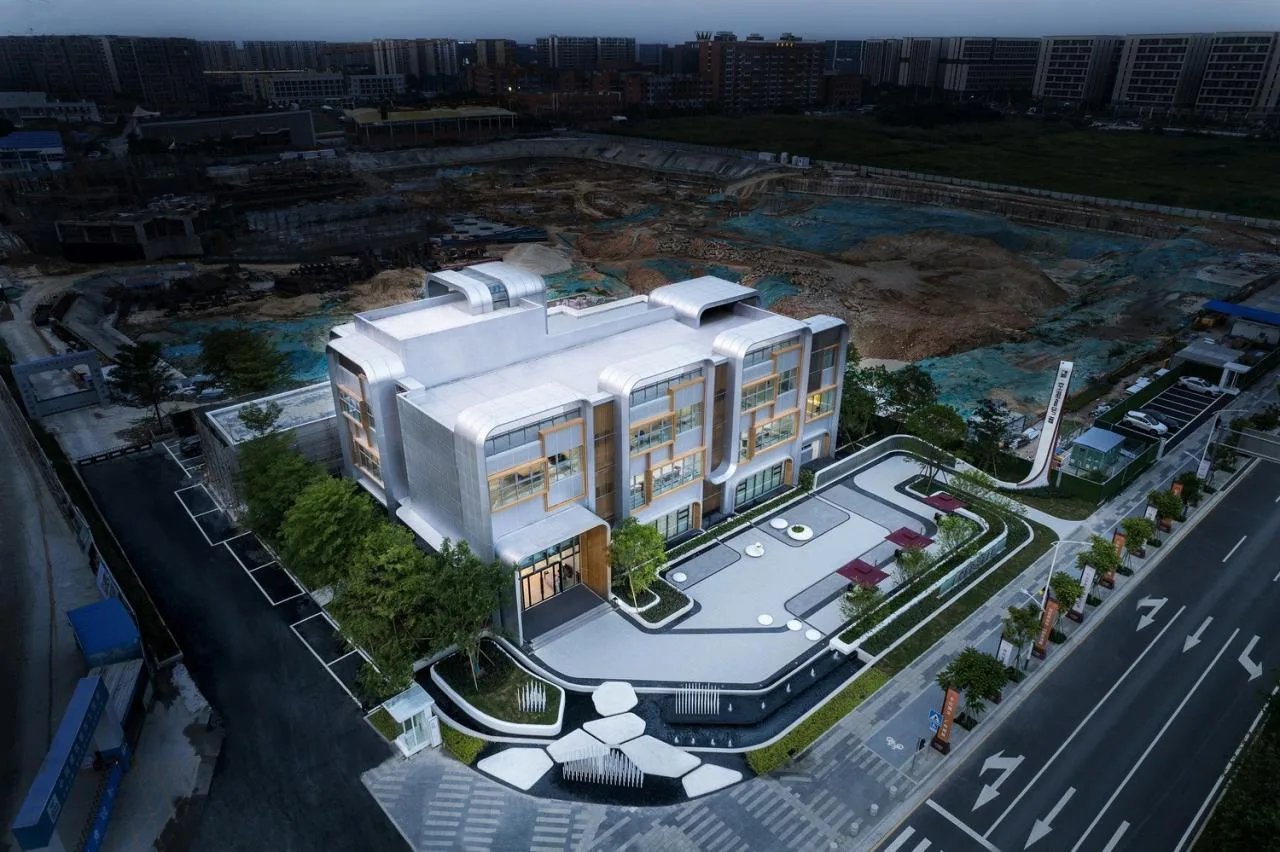
△ Aerial photo of the project
Project Drawings
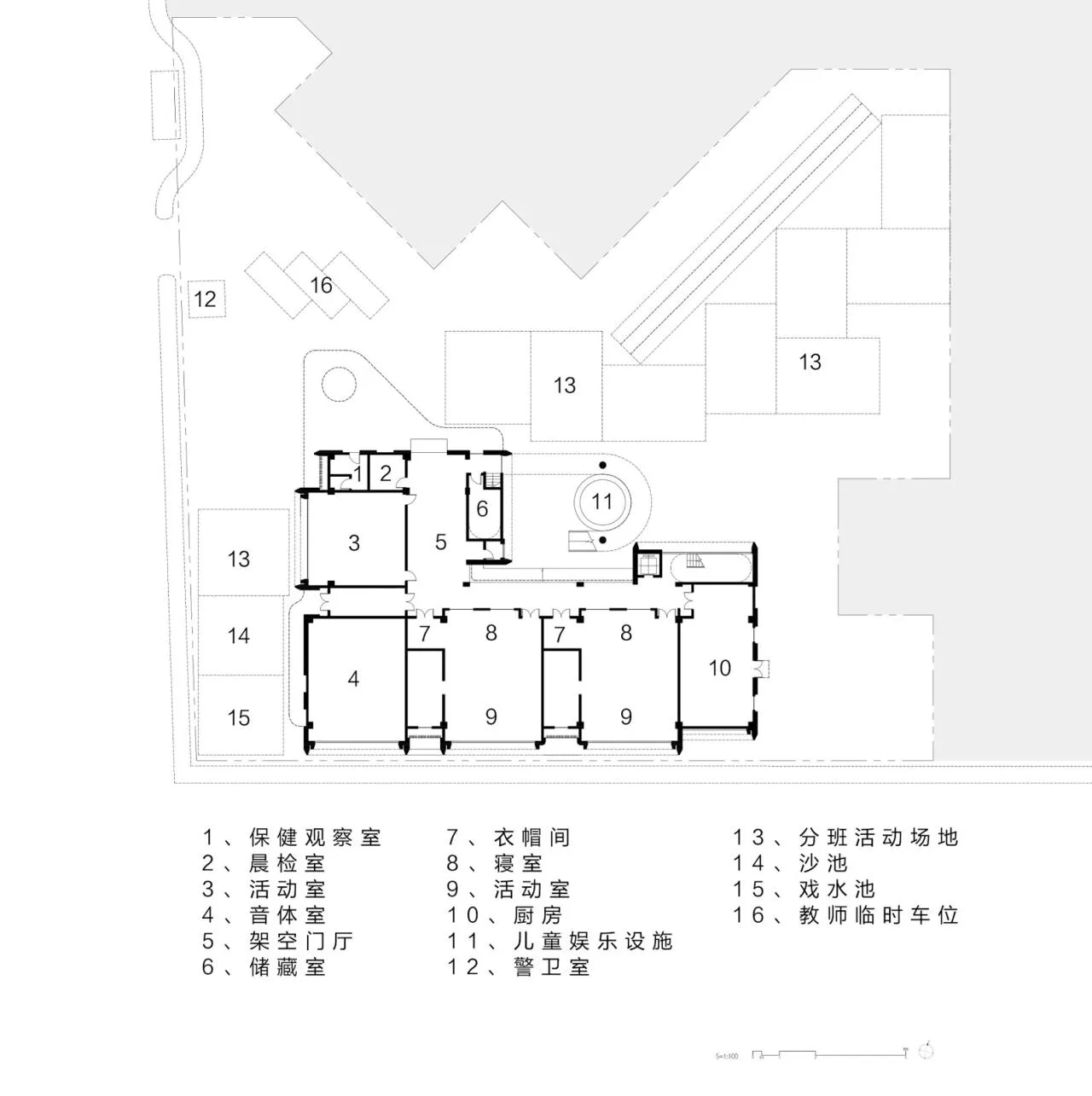
△ First floor plan
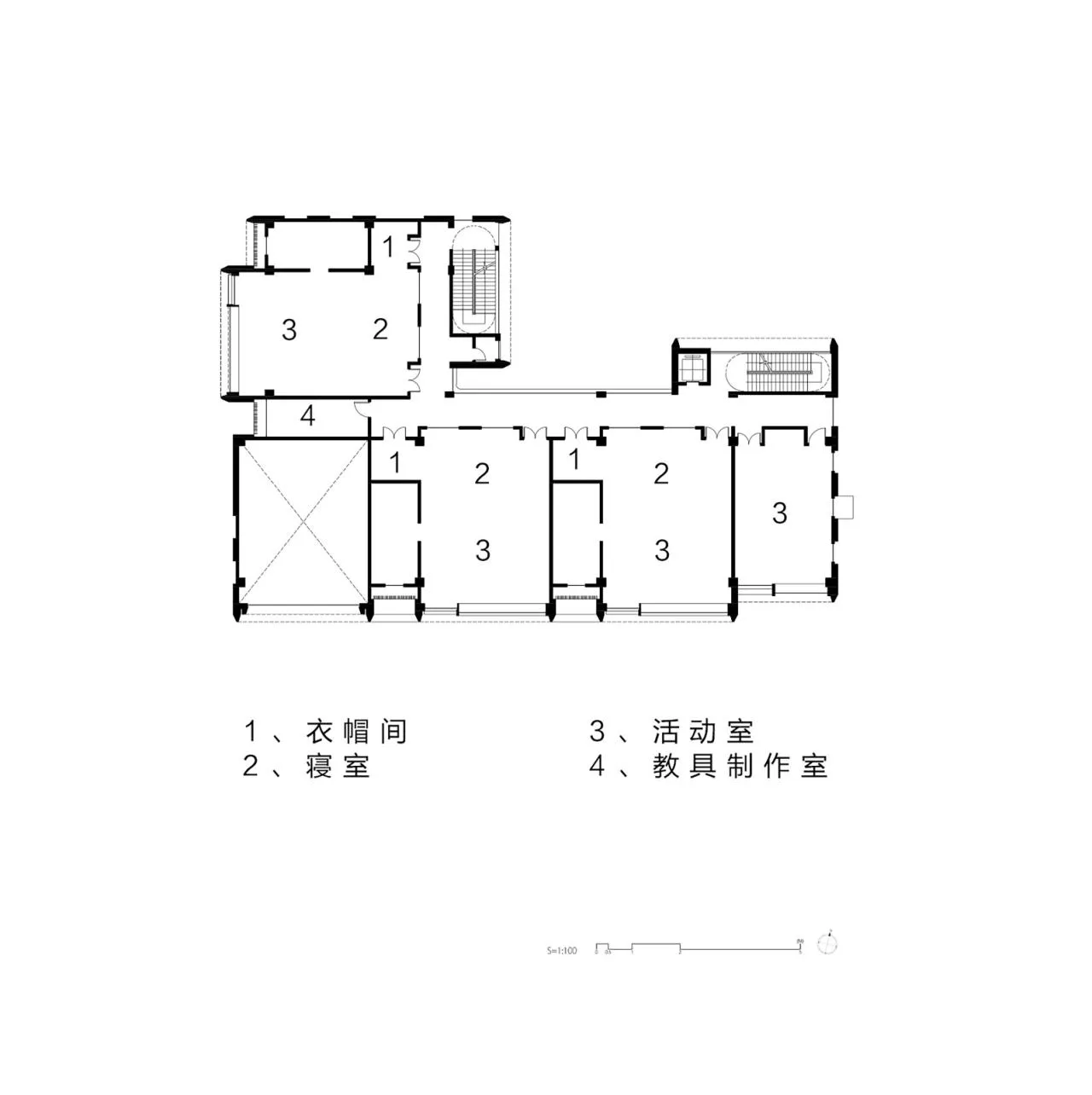
△ Second floor plan
Project Information
Project Name: Guangzhou Chengtou Airport No.1 Kindergarten
Project Type: Architecture
Location: 320 meters east of the intersection of Yaxin Avenue and Jinghu Avenue North, Huadu District, Guangzhou City, Guangdong Province
Floor Area: 3510 square meters
Building Area: 2160 square meters
Design Date: April 2021
Completion Date: May 2022
Designer: PTA Shanghai Botao Guangzhou Business Unit
Lead Architects: Chen Xi, Chen Shaotao
Design Team: Li Run, Zhan Sulin
Owner: Guangzhou Chengtou Development Holdings Co., Ltd
Construction Drawing: Guangdong Provincial Architectural Design Institute Co., Ltd
Landscape Design: Guangzhou Yijing Landscape Ecological Construction Co., Ltd
Interior Design: Shenzhen Zhongyi Construction (Group) Co., Ltd
Photography: Shenzhen Yutu Culture Co., Ltd
Main Material: Aluminum panel















Must log in before commenting!
Sign Up