
As urban subway station construction accelerates, integrating BIM technology into the construction phase has become essential. Considering the unique characteristics of subway station projects and urban development needs, BIM is scientifically incorporated to enhance overall project efficiency. The following figure illustrates the key BIM application points during the construction stage of urban subway stations.
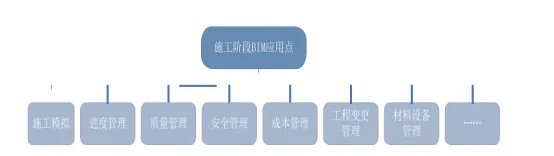
Construction Simulation: Using visual simulations, the entire construction process and key milestones are clearly displayed, allowing for better planning and understanding.
Progress Management: On-site progress is continuously tracked to identify discrepancies between planned and actual timelines, enabling timely optimization and adjustments to the construction schedule.
Quality Management: BIM models are compared with on-site construction to assess quality. Quality data is linked to specific components to facilitate future analysis and review.
Safety Management: Safety information is gathered through inspections and monitoring systems. Potential hazards are predicted in advance to implement preventive measures.
Cost Management: Quantities of materials and work are analyzed statistically by linking BIM models with engineering quantity lists. This helps allocate resources efficiently, minimize waste, and control construction costs.
Engineering Change Management: BIM data is updated in response to engineering changes, reducing communication delays among project participants, and enabling dynamic and efficient change control.
Material and Equipment Management: A BIM database is created to store details such as performance, specifications, and dimensions of materials and equipment. This supports planning, tracking, and ensures that quality, quantity, and delivery schedules meet project requirements.
Source: “Research on Collaborative Management of Urban Subway Station Construction Stage Based on BIM Technology” by Zeng Yuqian
















Must log in before commenting!
Sign Up