
Although ArchiCAD entered the Chinese market before Revit, the current market share clearly shows that Revit outperforms ArchiCAD. Both Revit and ArchiCAD are widely used in architectural design, but they offer different functional modules. Overall, Revit provides a more comprehensive and powerful set of features compared to ArchiCAD.
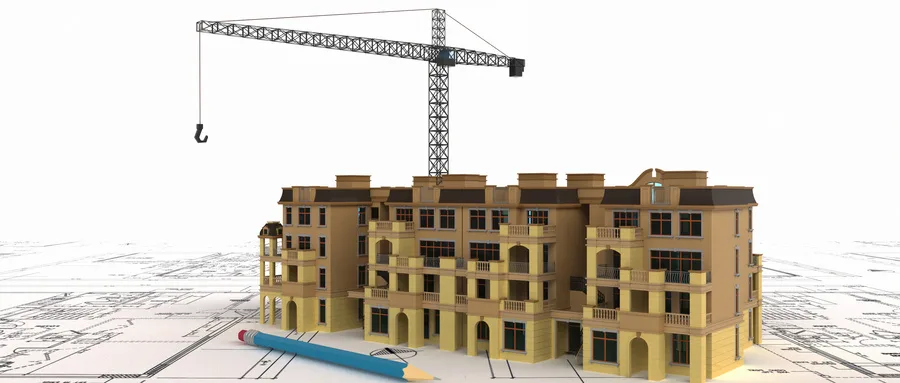
Revit is designed to leverage BIM technology to support the design of various disciplines throughout the entire building project lifecycle. It includes comprehensive modules that cater to multiple specialties such as architectural design, structural engineering, plumbing, and HVAC systems. The latest versions of Revit have also introduced modules focused on steel structure and prefabricated modular buildings.
In contrast, ArchiCAD primarily targets architects and focuses more narrowly on architectural design. Its core modules cover building components like beams, columns, walls, floors, doors, and windows essential for architectural modeling. Additional functions often require plugins or integration with other software. For instance, ArchiCAD’s built-in MEPModeler plugin offers mechanical, electrical, and plumbing design capabilities, but it lags behind Revit’s more robust MEP module in terms of functionality.
That said, choosing Revit over ArchiCAD is not always the only option. In fact, some design firms have successfully adopted ArchiCAD as their BIM platform in recent years. A notable example is the Deyang Railway Station project, which achieved full professional BIM collaboration based on ArchiCAD.













Must log in before commenting!
Sign Up