
The BIM 3D construction modeling for the underground comprehensive pipe gallery project on Gongbei Road in Qingdao is divided into three key components: the geological model, the main structural model, and the pipeline model. Geological modeling is created using drone aerial photography, which generates GIS models through Pix4Centerris software. Meanwhile, the main structural and pipeline equipment models are developed separately within the Architecture and MEP modules of Revit software. The geological model is then integrated with the main structural model in Revit, exported in PDS format via LubanBIM, and imported into the LubanBIM construction management platform.
(1) Model Building Process
Building a 3D model begins with a detailed analysis of construction plans, including the division of construction sections across various engineering disciplines and the layout of the construction site. It is essential to consider modeling characteristics and data integration requirements for the Luban BIM construction management platform. The component segmentation of the BIM 3D construction model aims to improve the correlation between the pipe gallery model and project progress and cost tracking.
All model components within the integrated pipe gallery project must adhere to unified standards, with detailed attribute information displayed clearly in the menu bar. For example, Figures 1 and 2 showcase the attribute menus for the side wall and roof at a specific node, and a reclaimed water pipeline within the pipe gallery project, respectively.
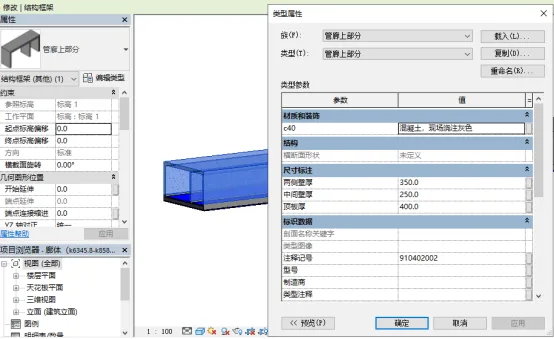
Figure 1: Attribute menu details for the side wall and roof at a node in the pipe gallery
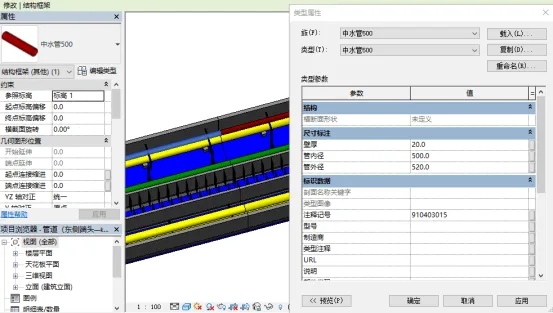
Figure 2: Attribute menu for a reclaimed water pipeline in the pipe gallery model
The construction model for the Gongbei Road underground pipe gallery complies with accuracy standards and collaborative modeling methods. A sample of the model is shown in Figures 3 and 4. This 3D information model fulfills practical application requirements, including:
- Consistent graphic element coding aligned with actual conditions;
- Comprehensive visual model displays to support project participants and technical decision-making during construction;
- Compatibility with the Luban BIM construction management platform for progress and cost management support;
- Utilization in multidisciplinary optimization design such as clash detection;
- Ability to query basic attribute information and support reading/exporting geometric and attribute data in common BIM software.
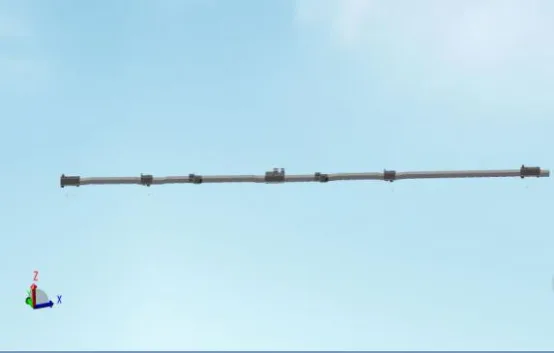
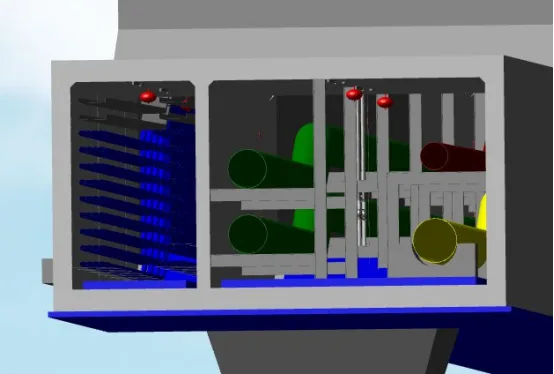
Figure 3: BIM 3D Construction Model of Gongbei Road Comprehensive Pipe Gallery Project
(2) Model Collision Detection
Collision detection is a critical pre-construction analysis process that identifies spatial conflicts among disciplines such as structural elements, exhaust systems, branch pipelines, HVAC systems, plumbing, and electrical conduits. The 3D information model serves as a foundation for BIM 5D platform simulation, requiring high levels of accuracy, completeness, and consistency.
In engineering, a collision occurs when two entities intersect or when the distance between them falls below a predefined tolerance. Collisions are categorized into two types:
- Hard collisions: Actual intersections of solid objects, commonly between pipe supports, HVAC ducts, and plumbing pipes.
- Soft collisions: Also called gap collisions, occur when objects do not intersect but are closer than the minimum required distance, failing to meet safety or configuration standards. Examples include minimum spacing requirements and equipment clearance for sockets and switches.
During the 3D modeling phase for the Gongbei Road underground pipe gallery, an initial BIM 3D model review was conducted, followed by collision detection to refine the design. This process effectively aligns equipment and pipeline layouts with the building structure, preventing unnecessary design changes and construction incidents. It significantly reduces secondary adjustments and repeated modifications, shortening the overall construction timeline.
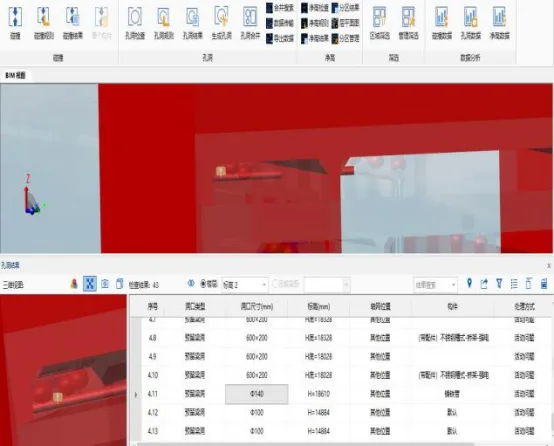
Figure 4: Collision detection across multiple disciplines
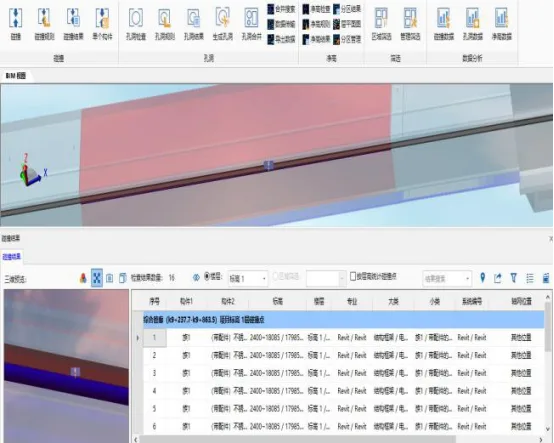
Figure 5: Reserved hole inspection
The Gongbei Road project utilizes Autodesk Revit to develop 3D information models for various disciplines. For future model integration, collision detection is performed using LubanWorks software. LubanWorks enables rule-based collision detection, data input for the platform, adherence to specific detection standards, and exporting detailed reports.
Effective collision control depends on data matching between specific pipeline configurations such as outlets and intersections and other facilities or pipes. The system also supports setting types of hard collision detection. Through collision checks among various professional models and reserved hole inspections in the main structure, a total of 59 issues were identified. Figures 4 and 5 illustrate the detailed collision and hole detection results for the Gongbei Road underground comprehensive pipe gallery project.
Source: Research on Construction Progress and Cost Optimization Management of Comprehensive Pipe Gallery Engineering Based on BIM 5D, edited by Zhou Da
















Must log in before commenting!
Sign Up