
It is incorrect to claim that BIM technology fails to attract construction companies. Rather, the current conditions and environment for BIM adoption in China remain immature. The true value of BIM technology during the construction phase can be seen in the following areas:
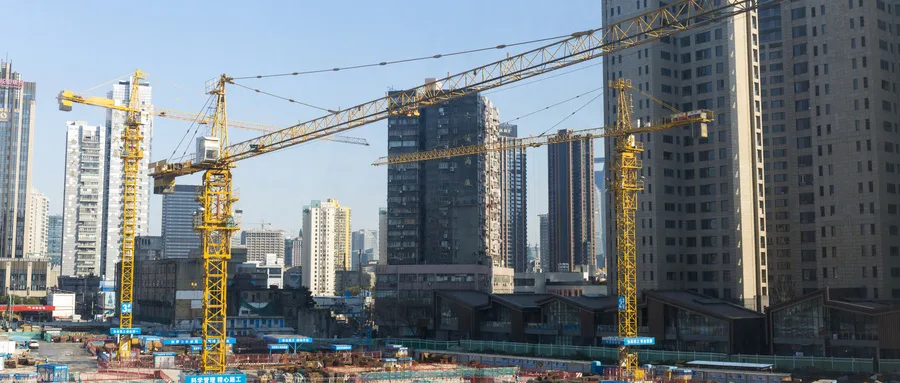
1) 3D Visualization and Promotional Displays: BIM offers realistic, direct visual impact through 3D renderings. It allows clear visualization of site layouts, large equipment placement, complex construction nodes, and construction sequencing. 4D simulations enable comparison and selection of different construction plans. The BIM model serves as a foundation for advanced rendering developments, significantly increasing accuracy and efficiency. This provides intuitive presentations to clients, enhancing the chances of winning bids. Successful applications include reverse construction in the Zhejiang Commercial Bank headquarters, Zhejiang Daily Building, and subway projects by Zhejiang Construction Engineering Group.
2) Rapid and Accurate Calculations: By building a 6D-linked BIM database, project quantities can be calculated quickly and precisely. The granularity of component-level data improves the accuracy and speed of construction budgeting. BIM also supports management across various project disciplines by providing essential data for material extraction, equipment statistics, and cost control. This offers a solid basis for bidding and ongoing cost management during construction.
3) Precise Planning to Minimize Waste: The main obstacle to refined construction management is the inability to obtain large volumes of engineering data quickly and accurately, often leading to reliance on experience rather than data. BIM enables managers to access fundamental project data faster and more reliably, supporting accurate workforce planning and significantly reducing waste in resources, logistics, and storage. This also facilitates strict control over material requisition and consumption.
4) Virtual Construction and Enhanced Collaboration: Combining 3D visualization with time dimension allows for virtual construction simulations. This enables real-time, intuitive comparisons between planned and actual progress, promoting effective collaboration among construction teams, supervisors, and even non-technical stakeholders. Integrating BIM with construction plans, simulations, and on-site video monitoring helps to reduce quality and safety issues, minimizing rework and corrections.
5) Clash Detection to Prevent Rework: One of BIM’s most valuable features is its 3D visualization, which facilitates early-stage clash detection. This optimizes engineering designs by identifying conflicts that could cause errors, losses, or rework during construction. It also improves clearance and pipeline layouts. Construction teams can use these clash-free 3D pipeline models for effective coordination and simulation, enhancing build quality and communication with project owners.
















Must log in before commenting!
Sign Up