
The value of BIM technology for property owners can be summarized in the following key areas:
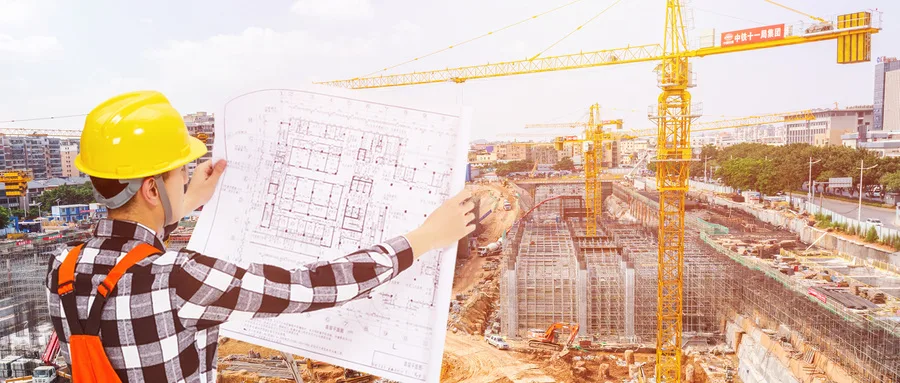
1) Pre-Project Planning: Owners can use BIM to conduct market research and gather essential market data, which enables systematic analysis to determine the feasibility and smooth progression of a project. In the early planning stages, BIM supports site analysis and architectural planning. All stakeholders can simulate various scenarios using 3D models. BIM also helps estimate actual construction quantities, project costs, and return on investment periods. This real-time insight into how design changes impact project returns allows owners to make informed decisions and improve project feasibility.
2) Design Phase: Traditional design processes often suffer from poor communication among participants, leading to issues like piping clashes. BIM’s 3D visualization capabilities make it easier to detect conflicts that are not visible in 2D plans, reducing changes and lowering costs during construction. This supports more efficient coordination among architects, engineers, and other designers. During this phase, BIM facilitates model editing, solution demonstrations, design visualization, collaborative information sharing, performance analysis, and quantity takeoffs.
3) Bidding Stage: Owners can review design proposals through BIM models, analyzing technical and economic factors such as construction costs upfront. This helps ensure that bidding documents are accurate and reduces the likelihood of later modifications. Simultaneously, construction firms benefit from BIM’s visualization tools to present their construction plans in 3D, enhancing their chances of winning bids.
4) Construction Phase: The construction phase is complex, involving owners, designers, contractors, and supervisors who must communicate effectively to complete the project on schedule. Traditional management methods are often cumbersome and prone to technical changes. BIM addresses these challenges by enabling construction personnel to simulate building processes, create visible and statistical resource databases, improve resource control, and identify issues early. Additionally, BIM helps preserve critical information such as drawings and materials, ensuring that the constructed model remains accurate and that project execution is more efficient.
5) Operation Phase: BIM models store comprehensive information required for equipment operation, maintenance, troubleshooting, and training. Traditionally, finding detailed data about a specific device involved searching through extensive, unconnected documents, making the process time-consuming. BIM centralizes this information, making it easy to access details such as usage history, maintenance records, location, and manufacturer data. Automated alerts notify operators when equipment lifespan is nearing its end, enabling timely replacements and more efficient facility management.
















Must log in before commenting!
Sign Up