
BIM technology has significantly advanced project management, delivering notable improvements in schedule control, construction quality, cost savings, and more.
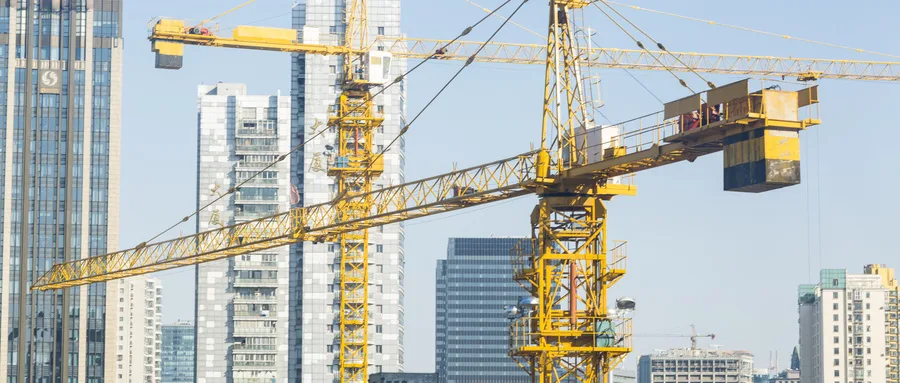
1. Construction Schedule Management: The adoption of BIM technology has refined construction progress management. It enables detailed engineering breakdowns, schedule planning, real-time progress tracking, analysis, and adjustments. By simulating the project timeline, potential issues can be identified and addressed before they arise. This optimization leads to a more efficient construction schedule, better guidance throughout the building process, and ensures the project is completed on time and to high standards. Apart from unforeseen circumstances, progress control remains on target, with reduced rework saving several days of construction time.
2. Clash Detection: Before construction begins, BIM’s clash detection feature identifies conflicts within the project. Based on site conditions, the design and construction teams collaborate to develop practical solutions. For example, multiple clashes were detected among civil structures, unreasonable reserved openings, and pipelines conflicting with main structures. These issues were resolved by pre-planning openings before concrete pouring and precisely positioning them within the 3D model. This approach maintains the integrity and safety of the main structure while facilitating smooth pipeline installation.
3. Materials and Supplies Management: BIM models are parameterized and computable, allowing for automated quantity calculations. Material usage can be quickly and accurately determined by selecting components within the model, with the software generating detailed tables of required materials. This process is efficient and reduces inaccuracies and unsupported estimates that were common in traditional material tracking methods.
Overall, BIM technology represents a significant technological advancement in engineering construction. Its application in project management enhances productivity, quality control, scheduling, and cost management—ultimately delivering better economic outcomes for construction projects.
















Must log in before commenting!
Sign Up