
BIM, or Building Information Modeling, is a technology widely used in China and beyond. It goes beyond being just a tool for building installation; it is a comprehensive 3D model enriched with various types of information. BIM technology spans the entire lifecycle of construction projects—from design and drawing phases to construction management and operational maintenance—facilitating effective project information management at every stage. Each letter in the acronym BIM carries a distinct and important meaning.
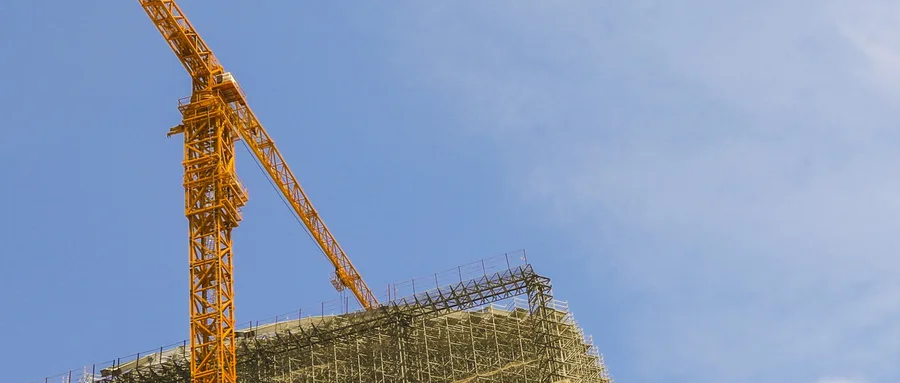
First, the letter B stands for Building, but it is not limited to traditional buildings. It broadly represents the entire construction field. This includes conventional buildings as well as related industries such as residential power distribution, low-voltage fire protection systems, building intercoms, ventilation, rainwater and sewage systems, urban pipe galleries, mechanical and electrical installations, and much more. The scope can range from sub-projects and individual units to entire parks within the construction domain.
Next, the letter I represents Information, encompassing both geometric and non-geometric data. One key function of BIM is collision detection, which relies on the geometric (dimensional) information of components. Apart from the size and shape details, all other data—such as materials, scheduling, and costs—are considered non-geometric information. The depth to which non-geometric data is integrated often determines how extensively BIM technology is applied within a project.
Finally, the letter M stands for Modeling, emphasizing an active process. In many Chinese engineering projects, BIM is mistakenly treated as merely a static 3D model created from traditional 2D drawings. In such cases, management practices remain traditional, and the BIM model is only updated after project completion to reflect changes. This approach limits BIM to a three-dimensional display tool, preventing it from realizing its full potential.
However, if we interpret M as simulation, it reflects the dynamic process involving multiple stakeholders collaborating throughout construction. Before construction begins, the project owner coordinates with other participants—including supervisors, designers, construction teams, and suppliers—to simulate each phase of the project according to the planned schedule using BIM software. This collaborative simulation enables all parties to gain comprehensive control over the project’s progress, truly leveraging BIM to manage the entire project lifecycle effectively.
















Must log in before commenting!
Sign Up