
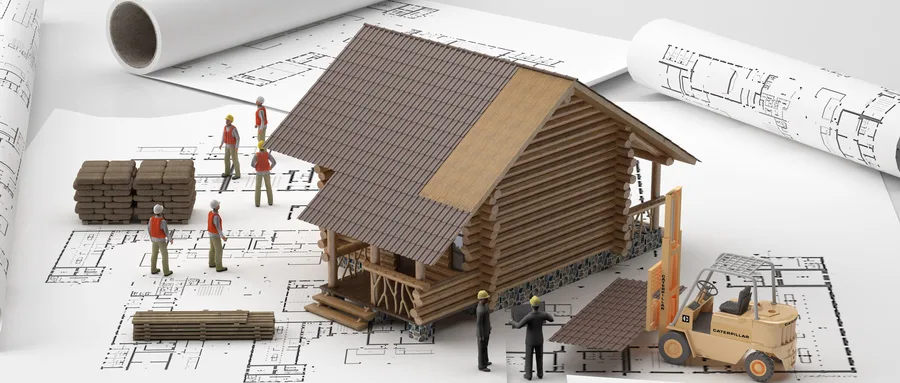
In the past, site layout plans were typically created using CAD, which had a major limitation: it was difficult to identify inefficient or unreasonable areas within the construction site layout. The advent of BIM technology promises to overcome this challenge. Thanks to BIM’s visual capabilities, we can simulate the interactions between construction zones, material storage areas, transportation routes, and tower cranes at every stage. This helps prevent collisions between different zones, facilitates smoother material turnover and personnel flow on site, and ultimately enhances construction efficiency.
1. Mechanical Equipment Layout
Layout between towers: A critical factor on prefabricated construction sites is the placement of lifting machinery, particularly tower cranes. Poor positioning of tower cranes can lead to unnecessary secondary material handling, increased costs, and project delays. When selecting tower cranes, it is essential to consider both mechanical costs and construction safety. The machinery must be capable of meeting the lifting demands of the project. Given the large number of lifting machines on prefabricated sites, the crane’s rotation radius must be planned carefully to avoid collisions. Additionally, tower cranes should be positioned to avoid any interference with the crane tower itself, ensuring safe lifts and preventing safety hazards.
Layout between construction machinery and buildings: As construction progresses, vertical lifting equipment like tower cranes must be adjusted in height to keep pace with the main structure. BIM technology can simulate tower crane operations in advance, predicting any potential collisions of the crane boom during rotation. This allows planners to proactively set the crane’s lifting height, ensuring construction progress while maintaining site safety.
2. Planning Material Transportation Routes
Before transporting prefabricated components from the factory to the construction site, it is crucial to plan the internal transportation routes efficiently. Existing roads should be utilized whenever possible. For larger sites, establishing double-lane routes is advisable, while smaller sites can use single-lane circular routes. BIM’s visualization capabilities allow dynamic display of site layouts, helping to determine optimal locations for material storage and tower crane placement. This minimizes secondary transportation, optimizes vehicle routes, and reduces onsite freight costs.
















Must log in before commenting!
Sign Up