
Currently, there are three primary modes of collaborative design in Revit:
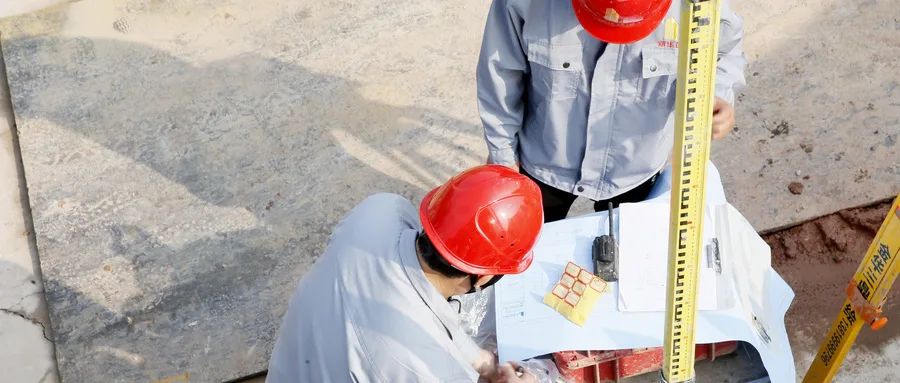
(1) Collaboration Within the Same Discipline
When multiple professionals from the same field work together on large projects, it’s essential to coordinate tasks efficiently. This involves dividing work and managing a shared model among team members. The central file approach is commonly used, with careful attention to workset allocation.
Each designer completes their assigned tasks but also needs to review the progress and outcomes of others. Therefore, worksets are allocated accordingly, and permissions are managed through this method to facilitate smooth collaboration.
(2) Collaboration Across Different Disciplines
Projects often split into three main areas: architecture, structure, and MEP (Mechanical, Electrical, and Plumbing), each maintaining its own central file. Collaboration happens in two ways: within the same discipline through central files, and across disciplines by linking each other’s central files.
This approach optimizes the project by preventing central files from becoming too large and ensures clear visibility of progress and requirements between different teams.
(3) Using a Single Central File for Multiple Disciplines
For very small projects, it’s possible to use a single central file for all disciplines. However, this method can cause performance issues if the central file grows too large. Additionally, managing workset allocation and permission borrowing becomes cumbersome when many disciplines are involved.













Must log in before commenting!
Sign Up