
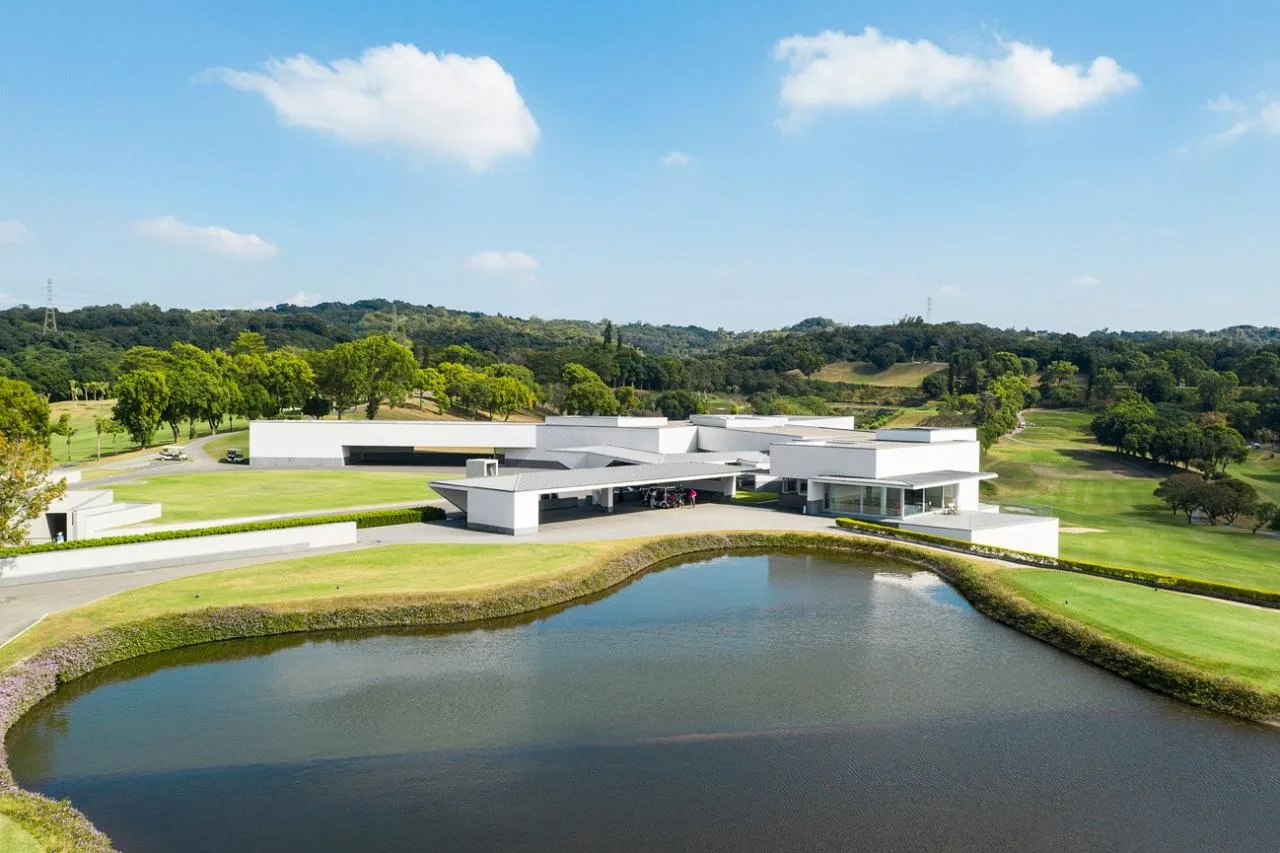
Golf is a sport that perfectly balances strength and elegance. Capturing this harmony in architecture—from design through construction—poses a common challenge. Beyond addressing straightforward construction techniques and meeting design requirements, architects must navigate complex factors that influence the project. While the initial phase of a project lays the foundation for design decisions, it alone cannot define the full value of a building.
A structure must harness immense energy and embody elegance without resorting to ostentation or superficial embellishments. Achieving this demands meticulous architectural design. The “posterior” analysis approach highlights the significance of the initial design phase, allowing a deeper understanding of nuanced design attitudes and concepts.
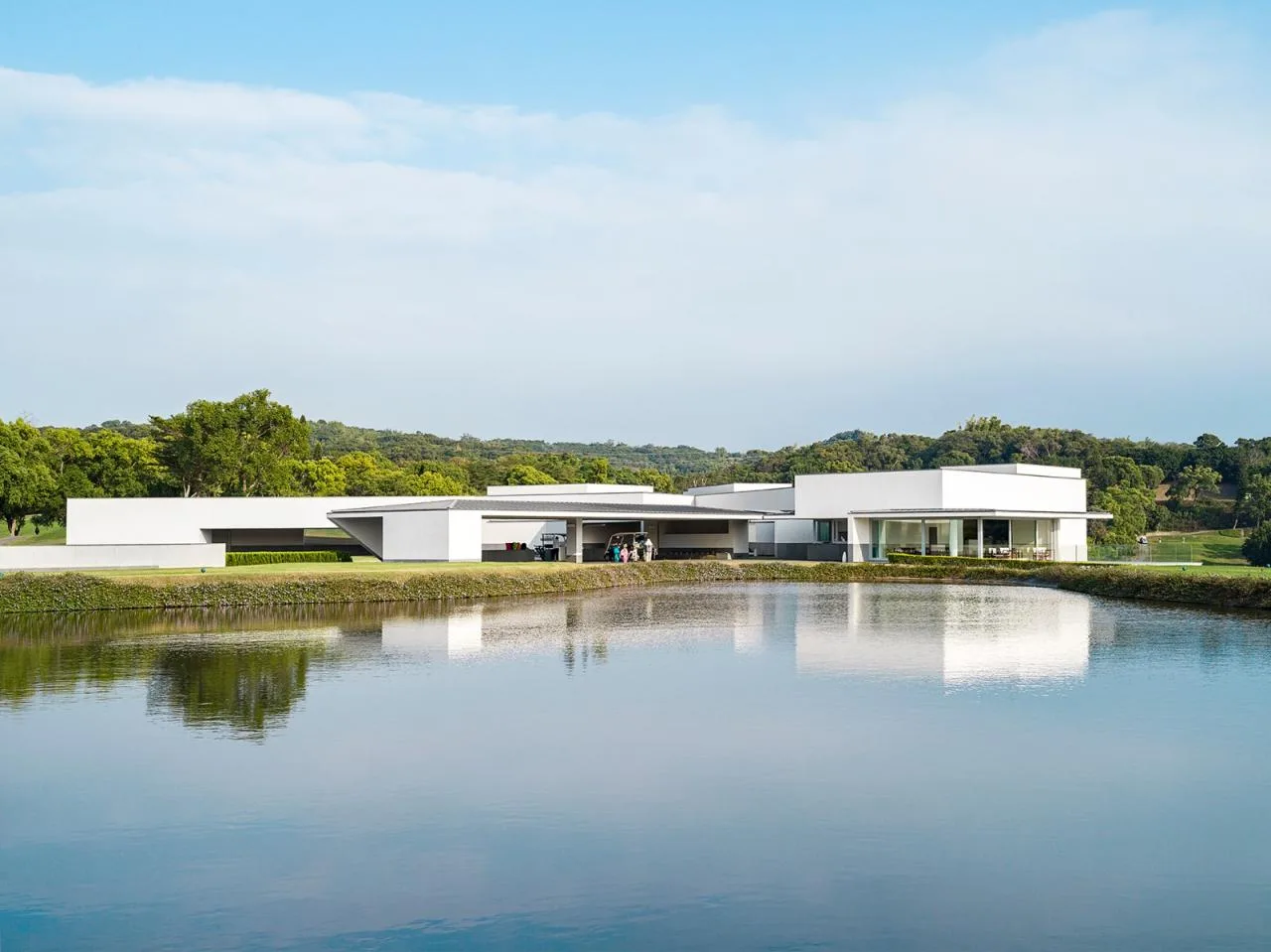
The Jiaqing Guild Hall is part of the redevelopment project for Taifeng Golf Club in Changhua County, Taiwan. Initially conceived solely as a new clubhouse, the project evolved when the architect introduced “the Siza House”—a smaller building serving as a temporary clubhouse during construction of the main facility.
Over time, the architects expanded their vision to include tea houses and gatehouses, shaping a comprehensive club plan designed to welcome golfers and visitors from around the world. Through designing the Siza House, the architects gained insights that informed the development of the Jiaqing Guild Hall.
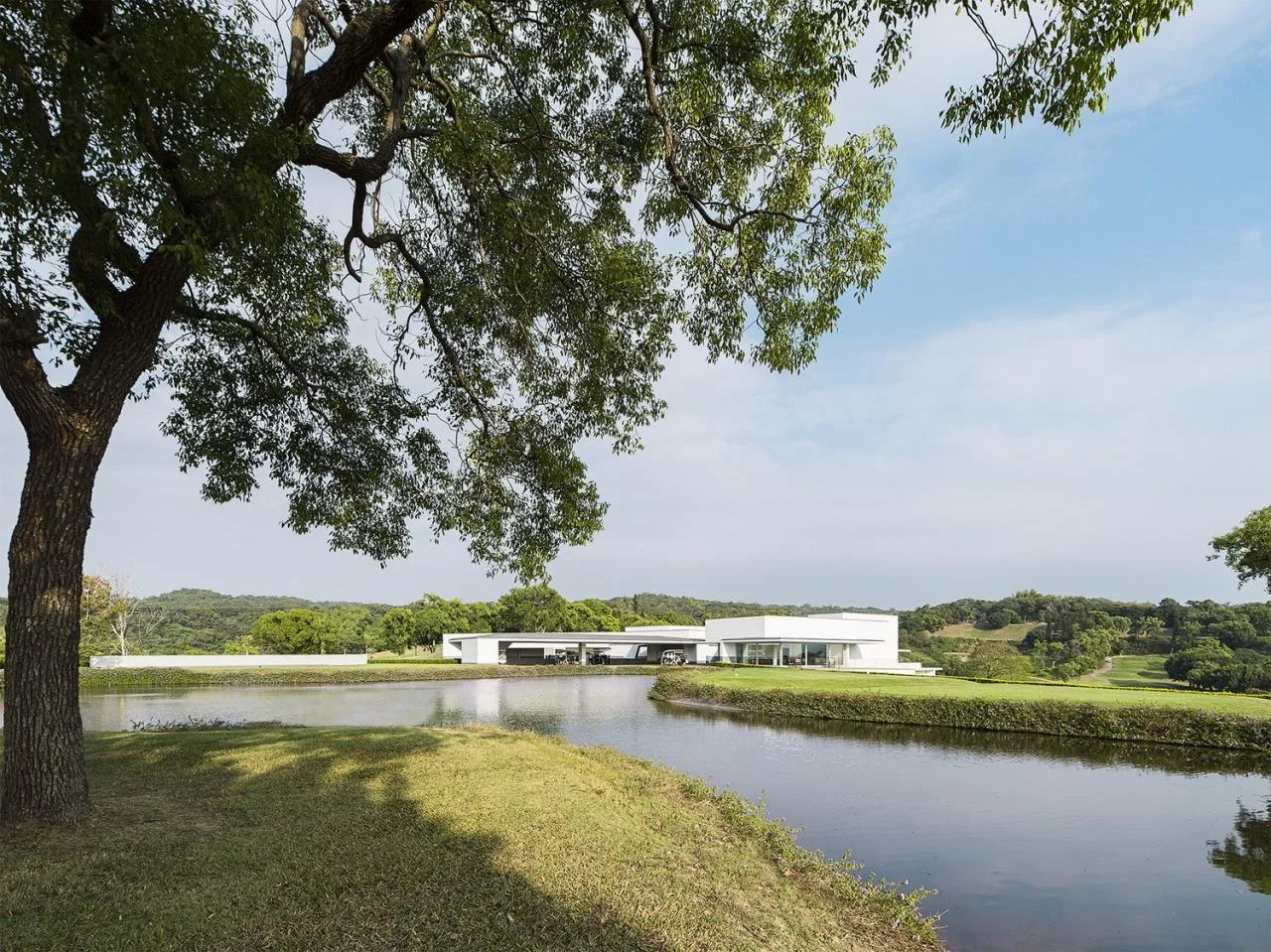
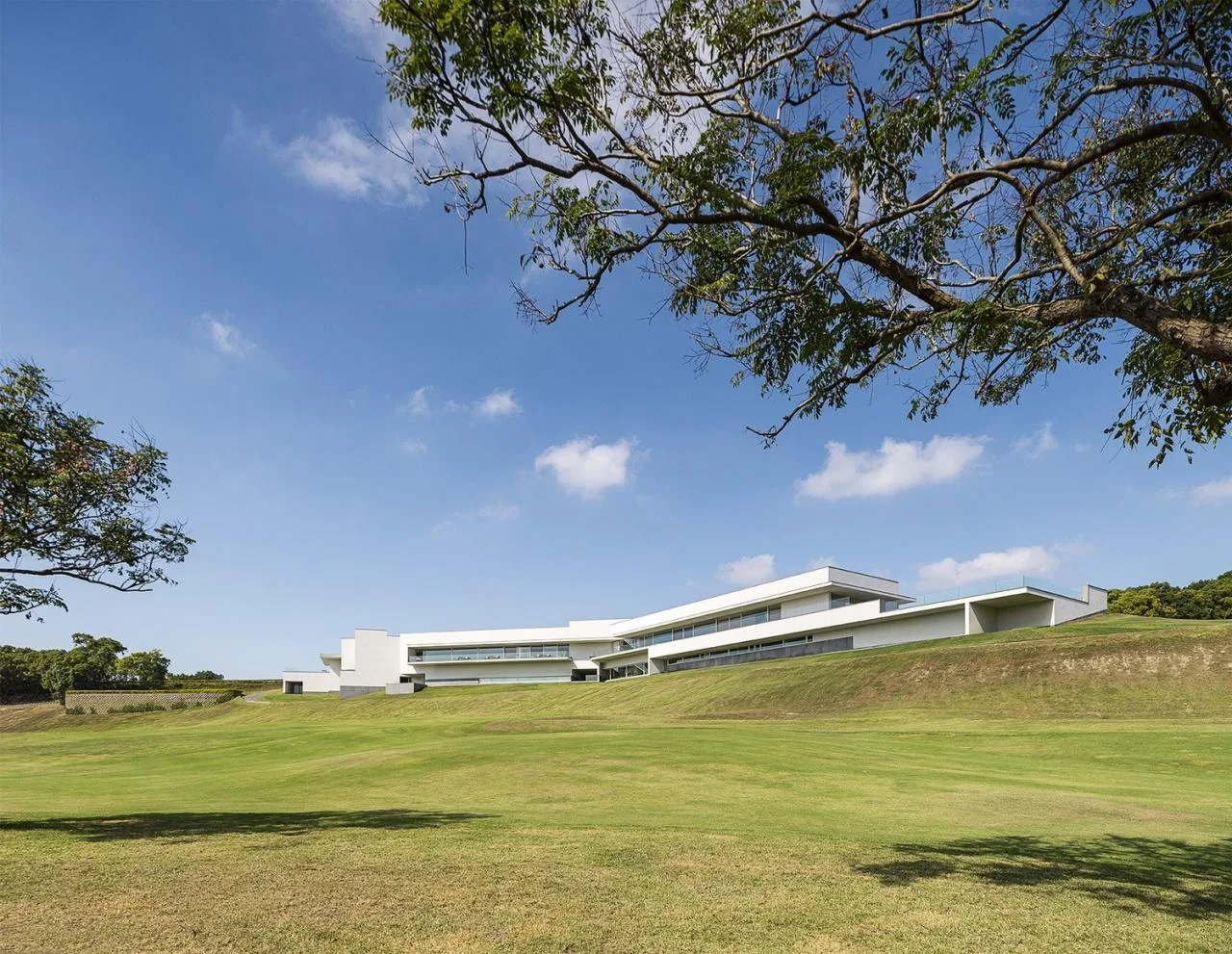
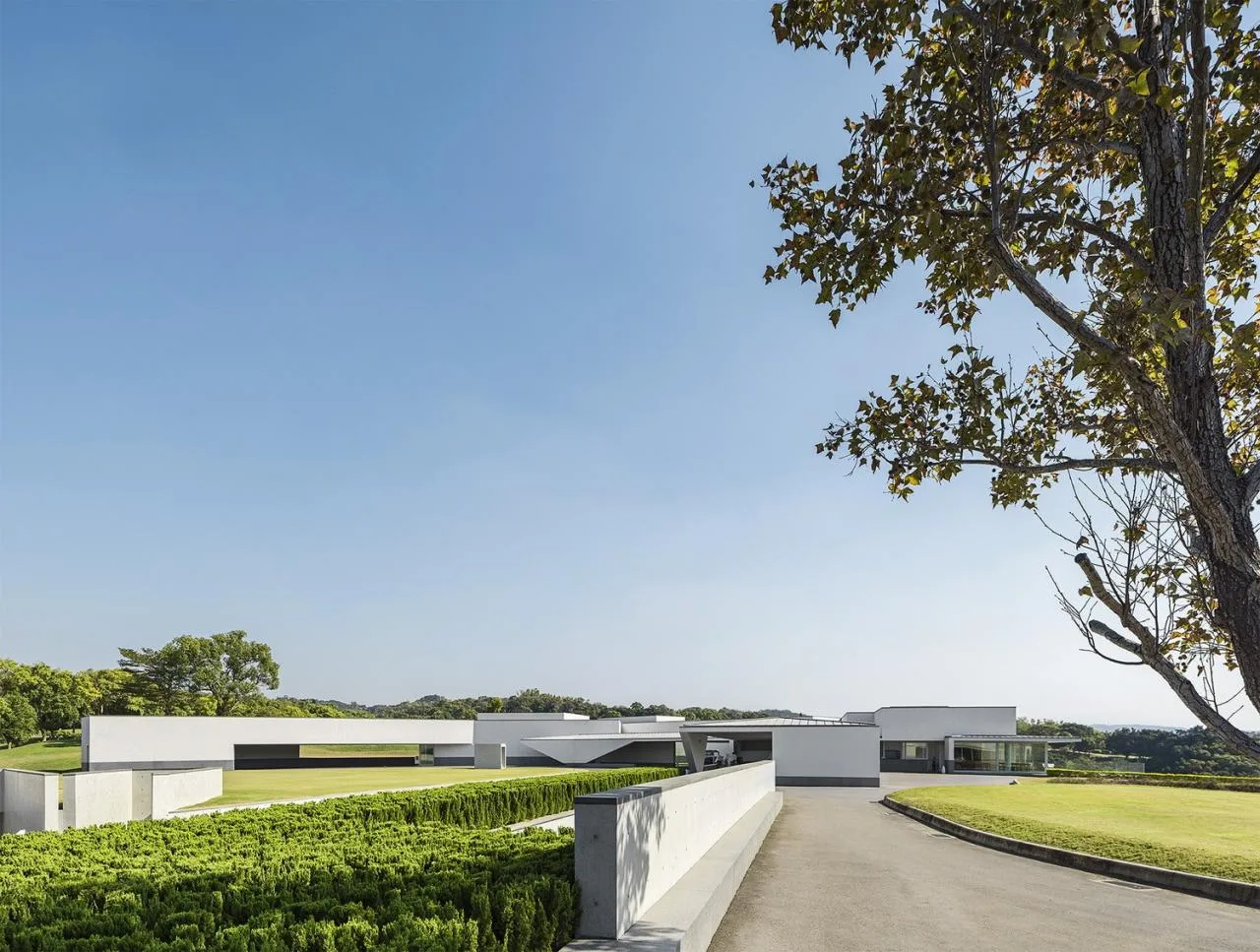
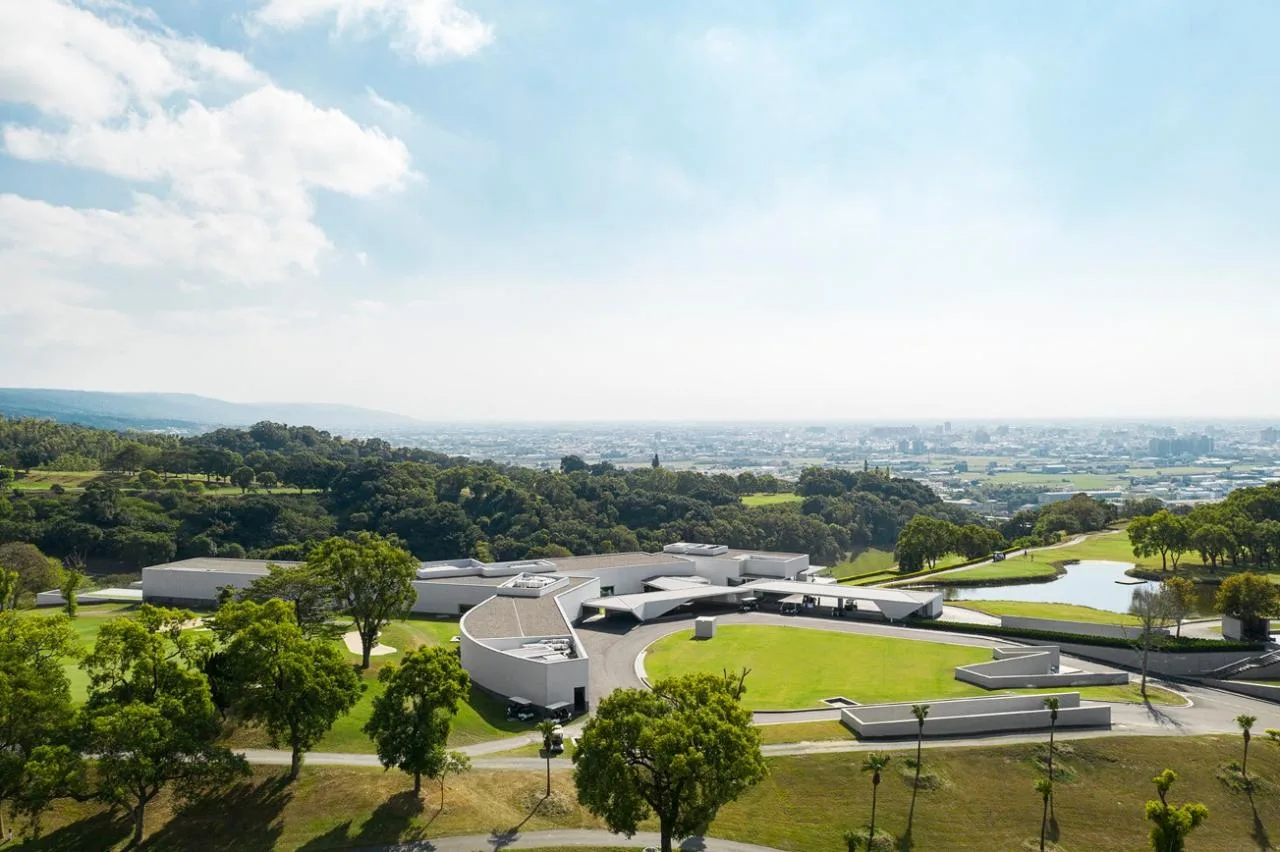
Compared to smaller projects, Jiaqing Guild Hall presents greater complexity in scale and function. It integrates seamlessly into the overall club plan while preserving its unique identity and image. Although the golf course was already established, the architects adjusted the site layout and building plans to ensure continuous operation, creating a comfortable, harmonious, and safe environment for every guest.
The design of Jiaqing Guild Hall was approached with careful deliberation. Its interior features multiple functional areas interconnected with a rich hierarchy, resulting in a complex layout. The project’s progress involved extensive coordination and communication among owners, club management, and designers.
While architectural practice may begin with individual creativity, it inherently requires teamwork involving architects, engineers, builders, and others. For architects, a project is a long yet rewarding journey from concept to completion, allowing them to realize their ideals. For Álvaro Siza and Carlos Castanheira, the Taifeng Golf Club clubhouse projects presented new design challenges that demanded a deep understanding of the owner’s needs and functional zoning. The architectural process relies on collaboration among both professional and non-professional creative contributors.
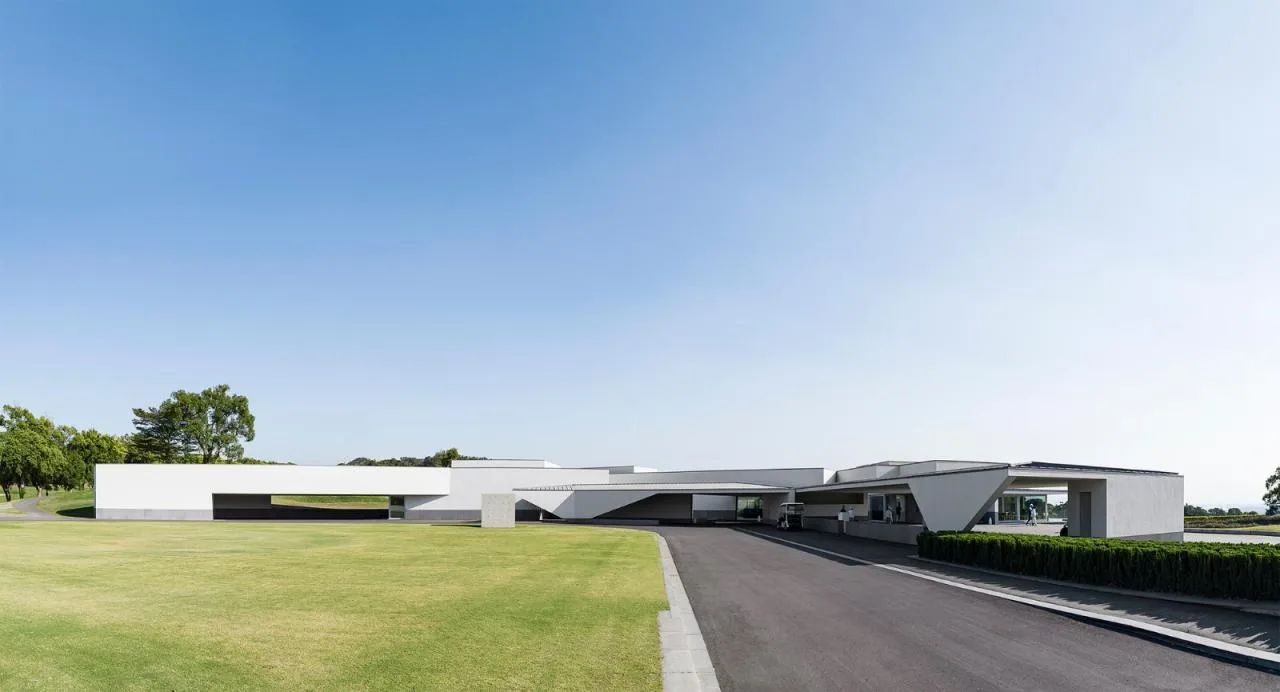
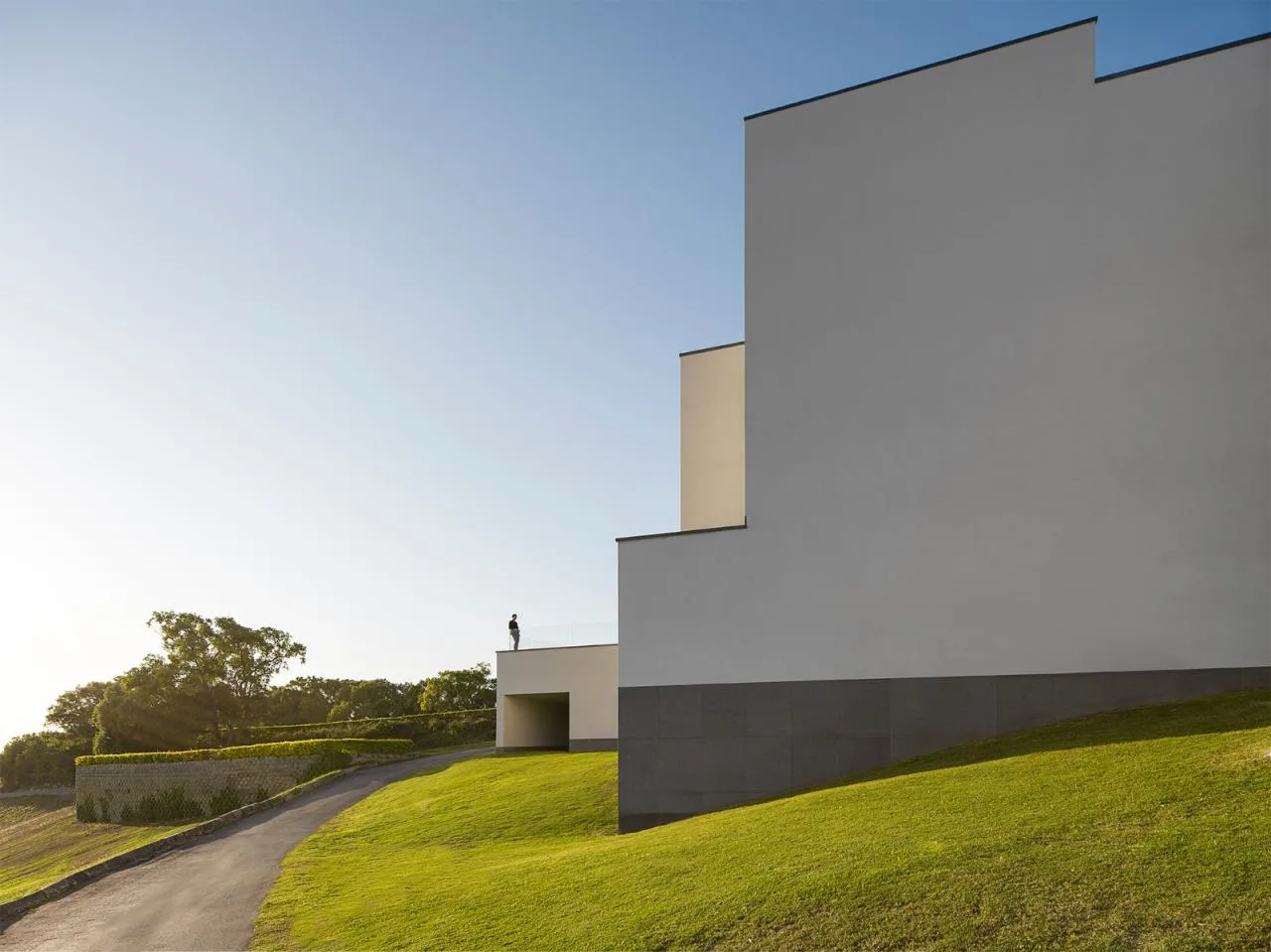
Openness is a vital quality for the Jiaqing Guild Hall—not only in terms of transparent design but also in the architects’ understanding of their clients and appreciation of local architecture, traditions, and cultural characteristics. Throughout the design process, architects maintain critical and objective perspectives alongside steadfast convictions, which serve as the project’s foundation.
New design inspirations or requirements often arise from both internal and external construction factors, necessitating flexibility and adaptability. These qualities are fundamental to responding effectively to change and integral to the design journey.
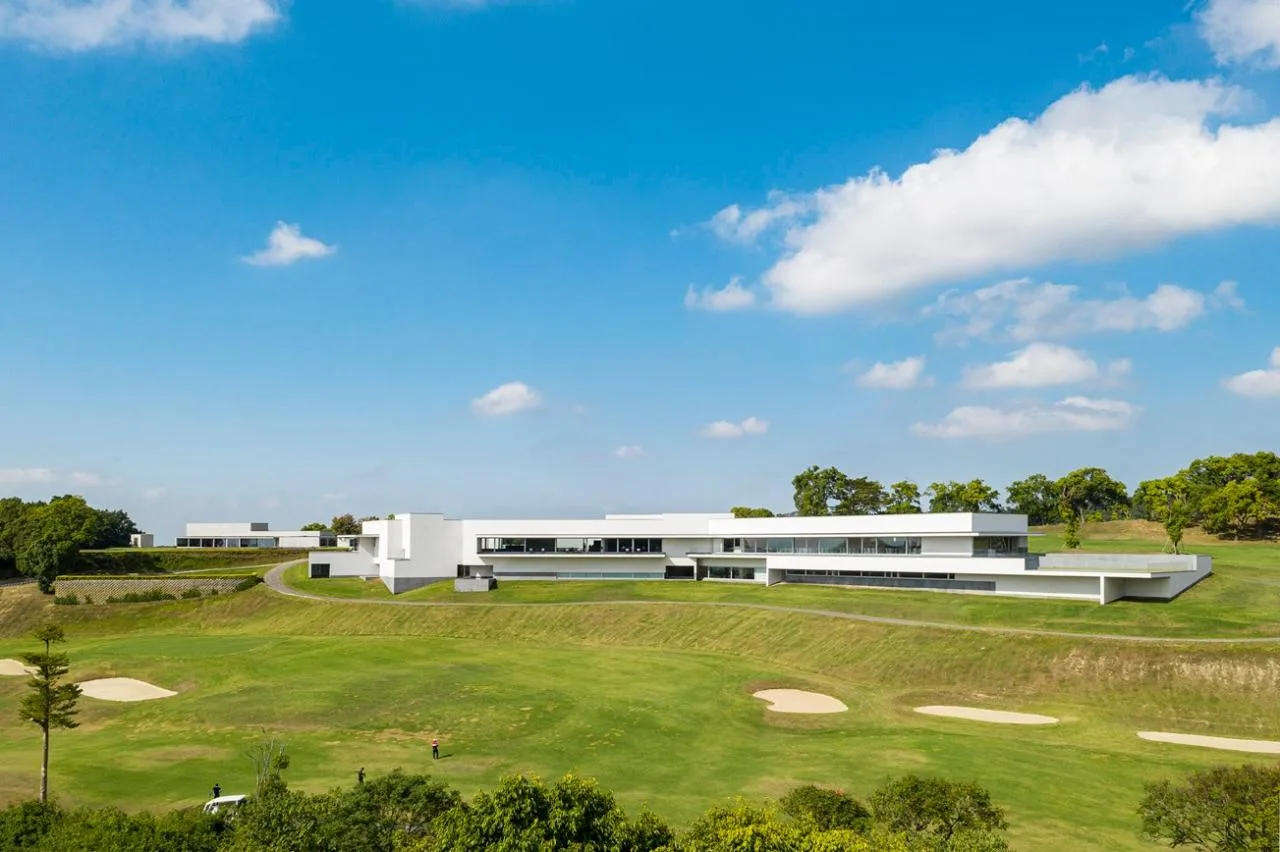
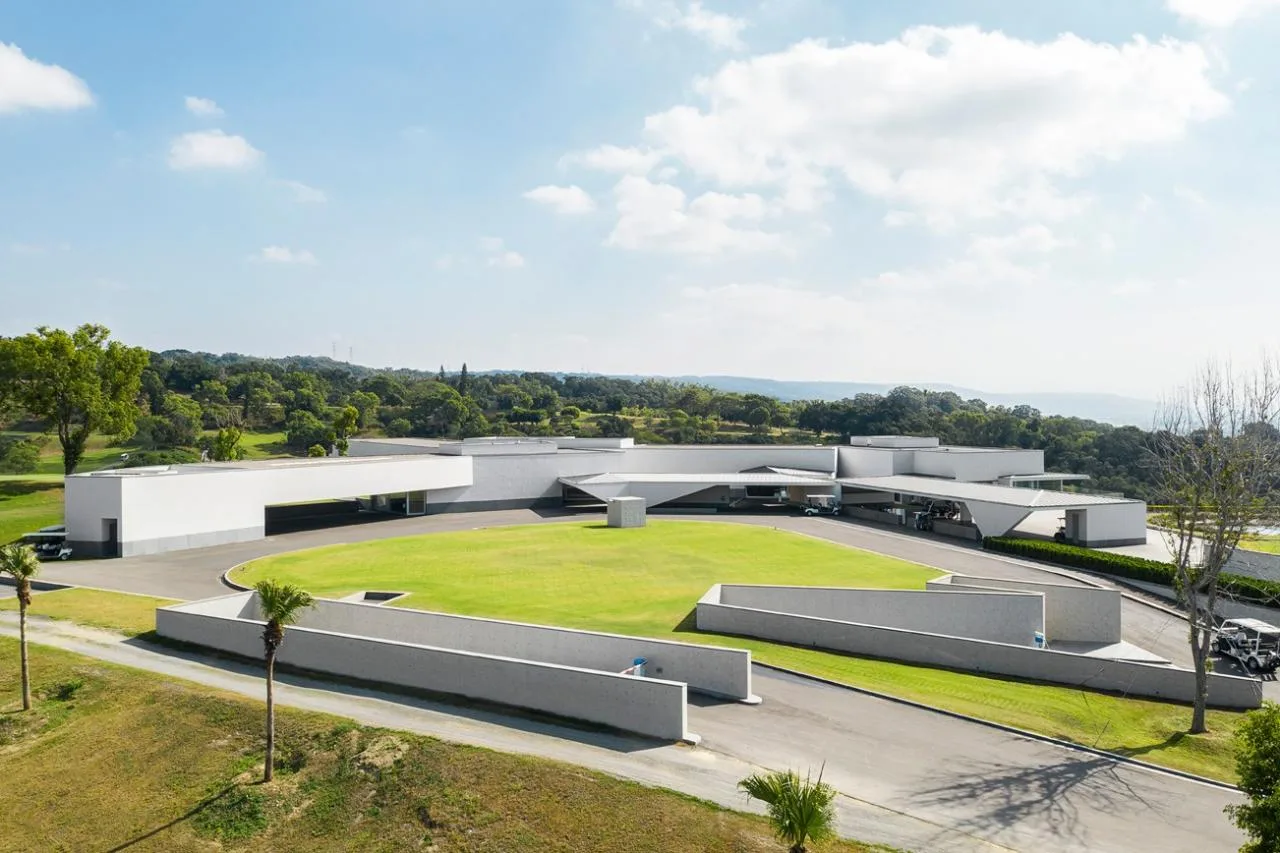
Designed to welcome all guests warmly, Jiaqing Hall offers an open and inviting entrance experience for members, guests, and tourists alike. Its elongated form is divided into various geometric volumes that harmonize in size, scale, and function, accommodating a range of activities.
While golf remains the club’s primary focus, the hall also supports diverse cultural and social events, enriching the members’ lifestyle. Internally, the interplay of various functions creates a dynamic and multifaceted environment.
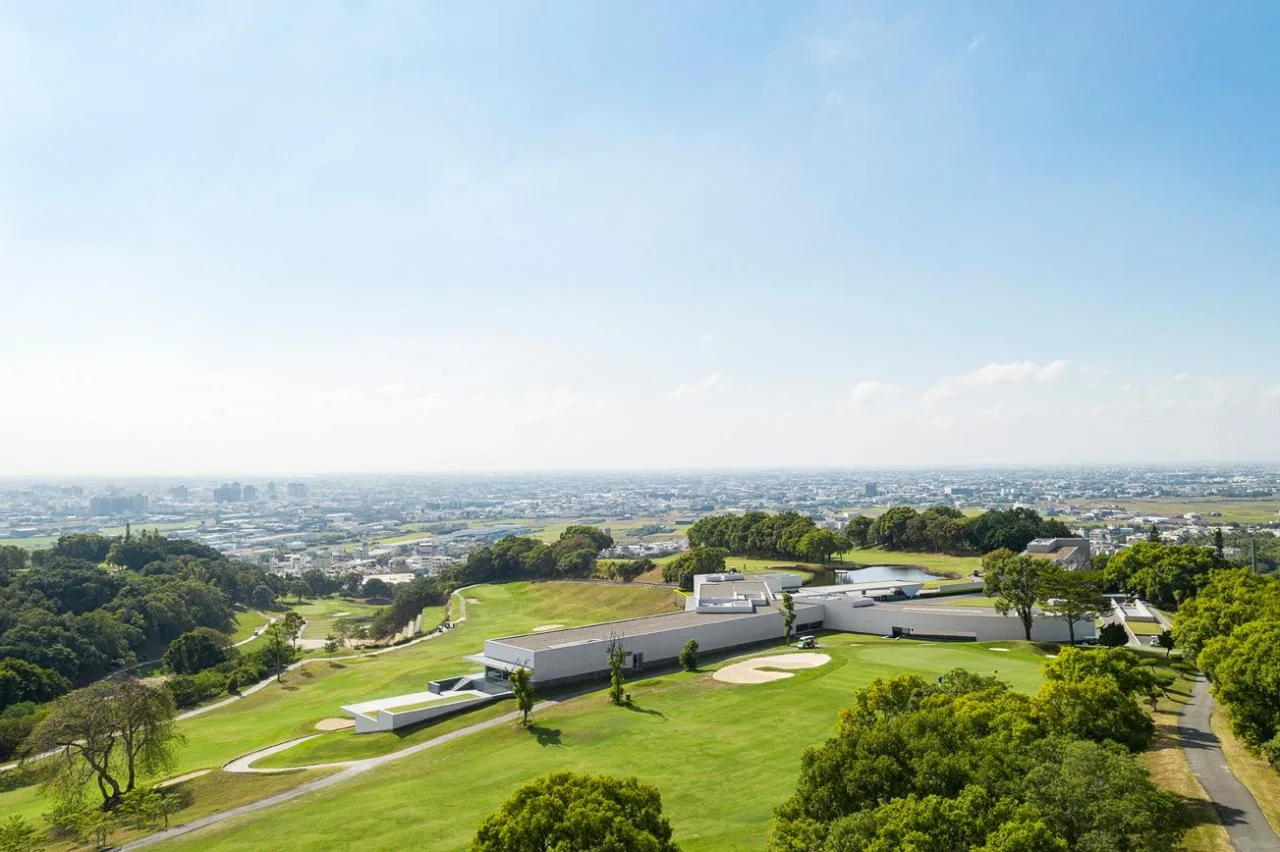
In some buildings, functions strictly dictate spatial allocation, but this can result in incomplete or uncomfortable areas, diminishing the building’s quality. The multifunctionality of Jiaqing Guild Hall compelled the architects to conduct extensive spatial studies to harmonize different areas and address seemingly conflicting requirements.
Balancing these functional tensions proved to be a significant design challenge. The architects aimed to overcome such challenges by creating rich spatial experiences through careful consideration of lighting and comfort.
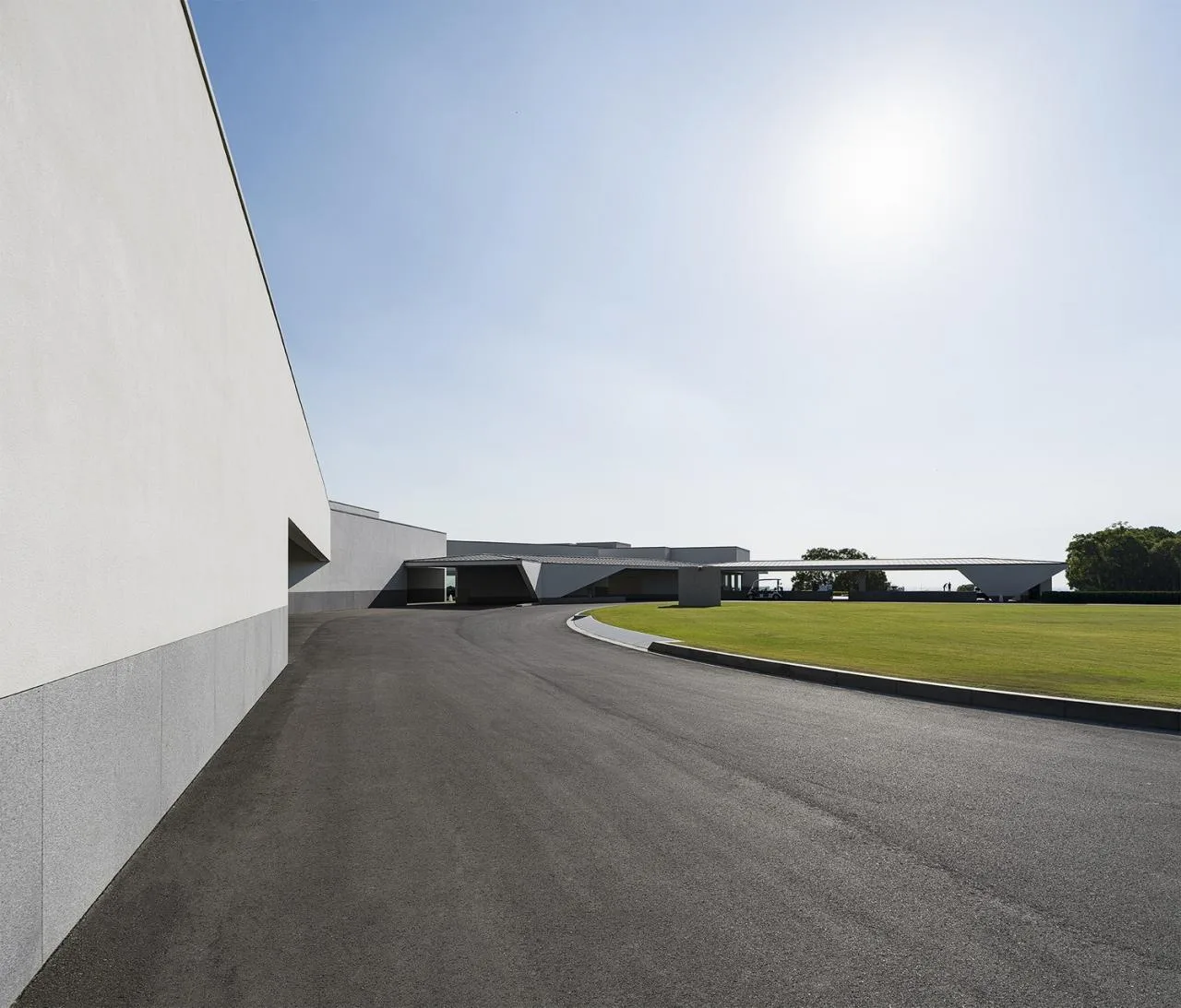
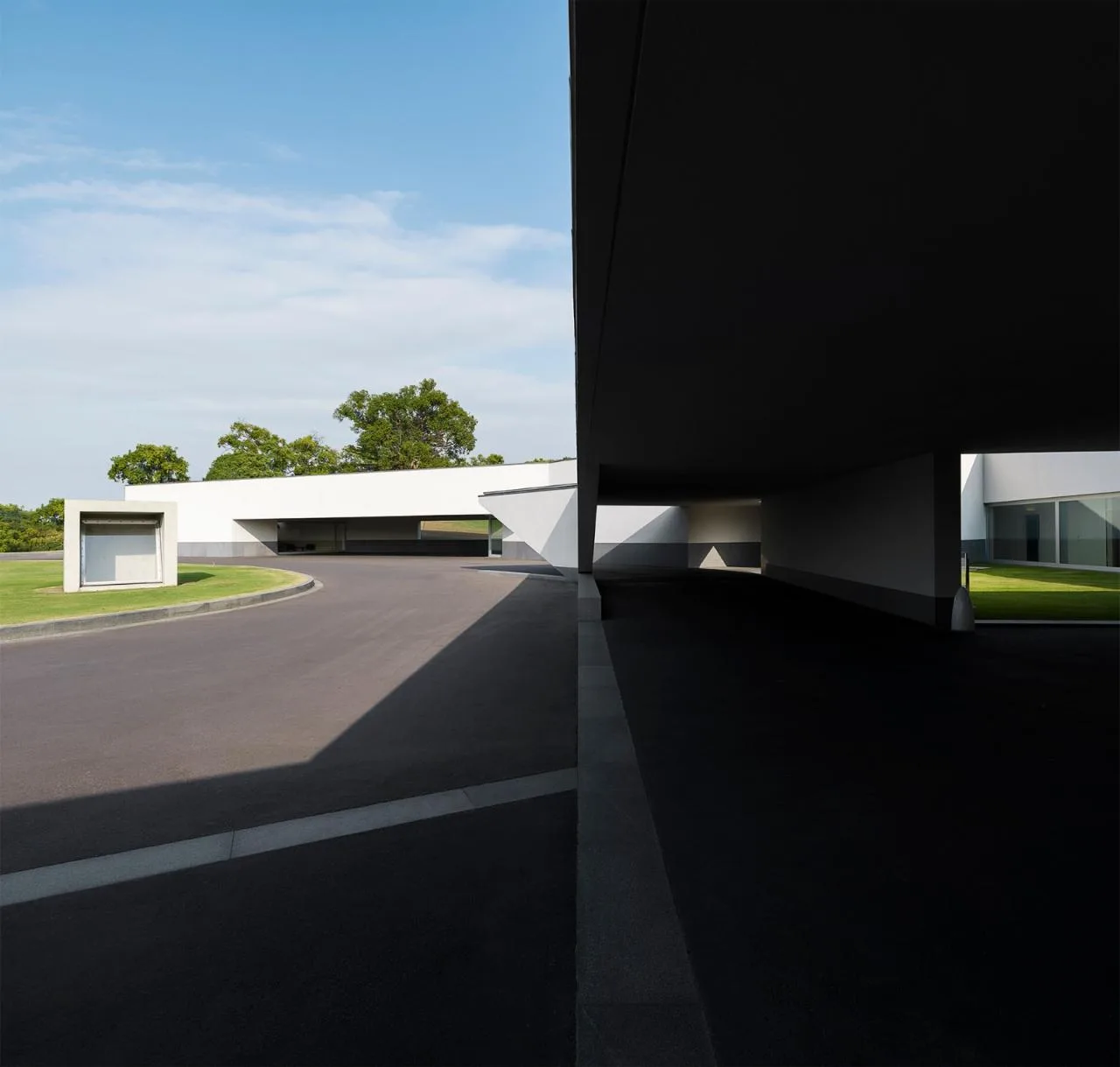
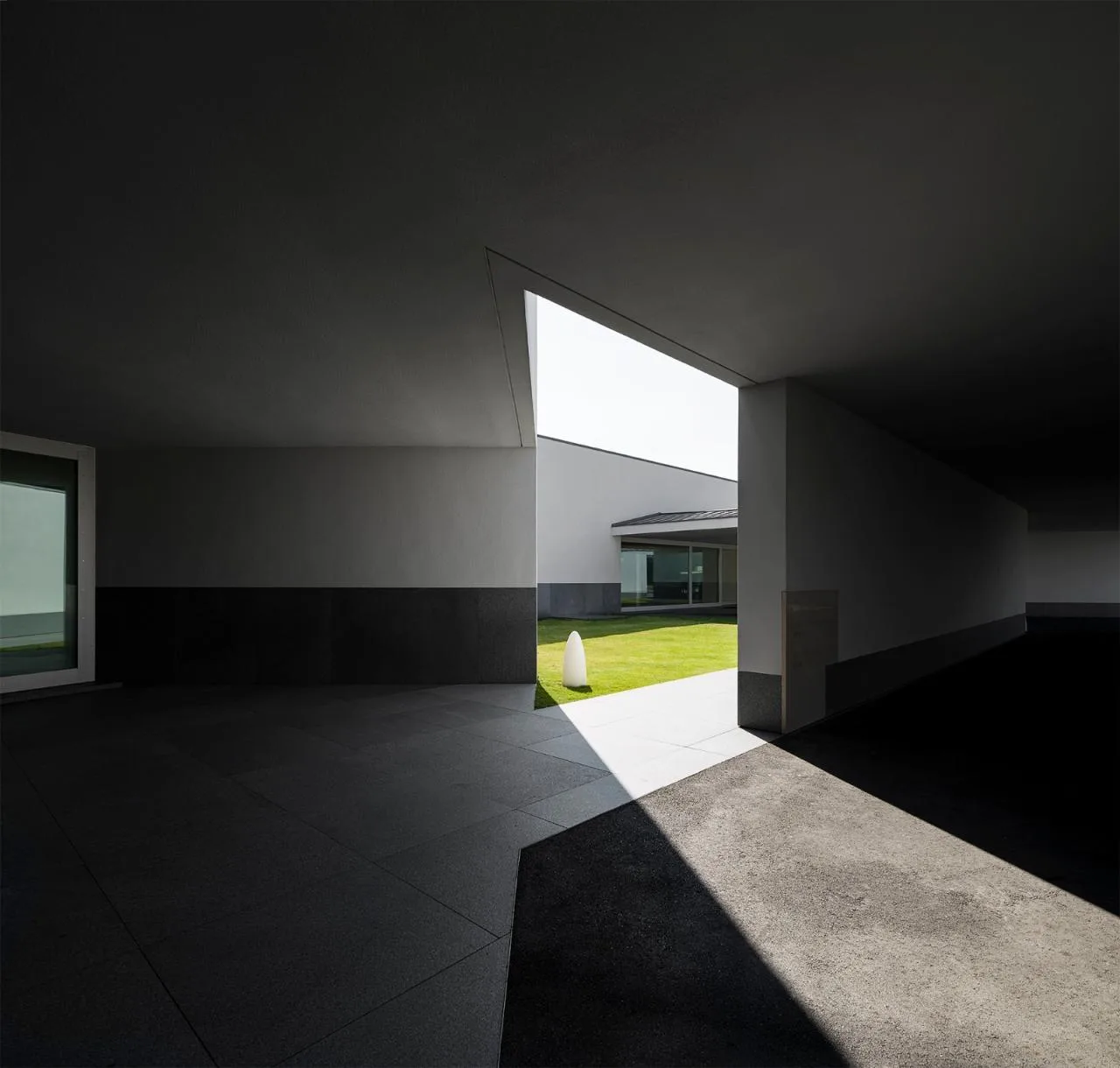
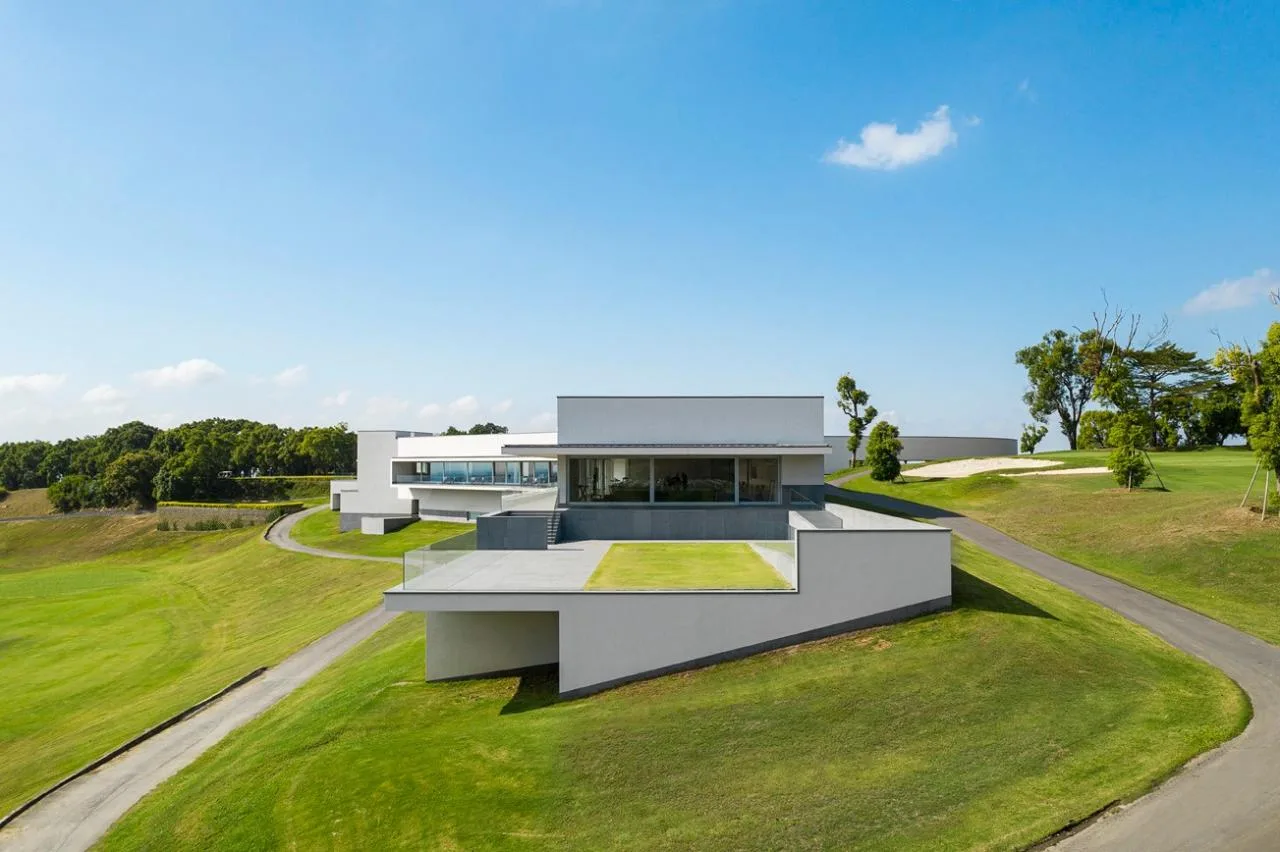
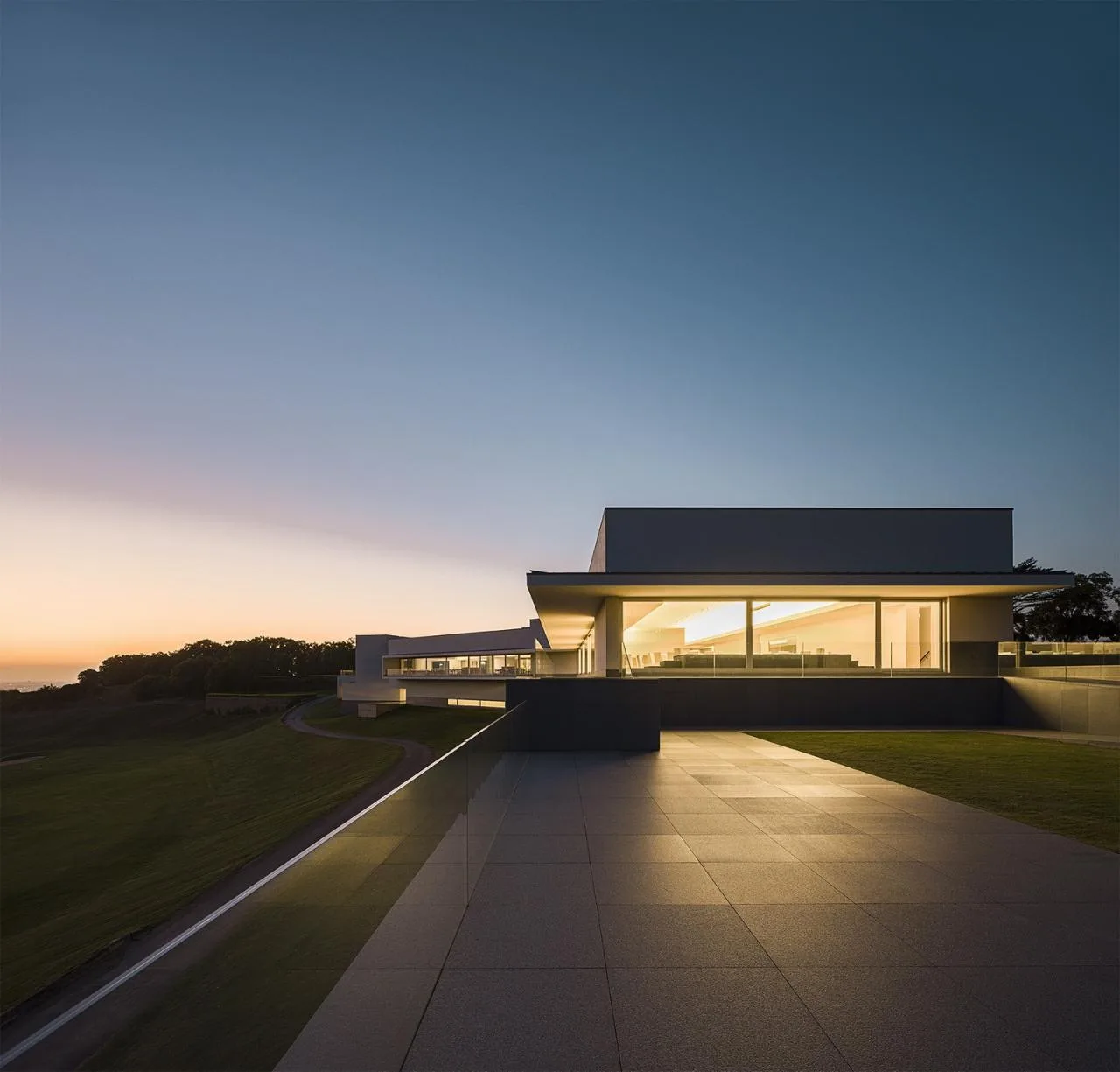
Despite its large scale, Jiaqing Guild Hall sits on a segmented plot overlooking the golf course’s riverbank, which conceals its true size. Visitors do not feel overwhelmed by its vastness. The building’s mass appears to crawl across the grassland, inviting visitors to move and discover its full form.
This dynamic presence evokes a sense of reverence, sometimes calm, sometimes vibrant, guiding visitors through a fluctuating spatial experience. As visitors explore the interior, the segmented functional layout gradually softens the impression of grandeur.
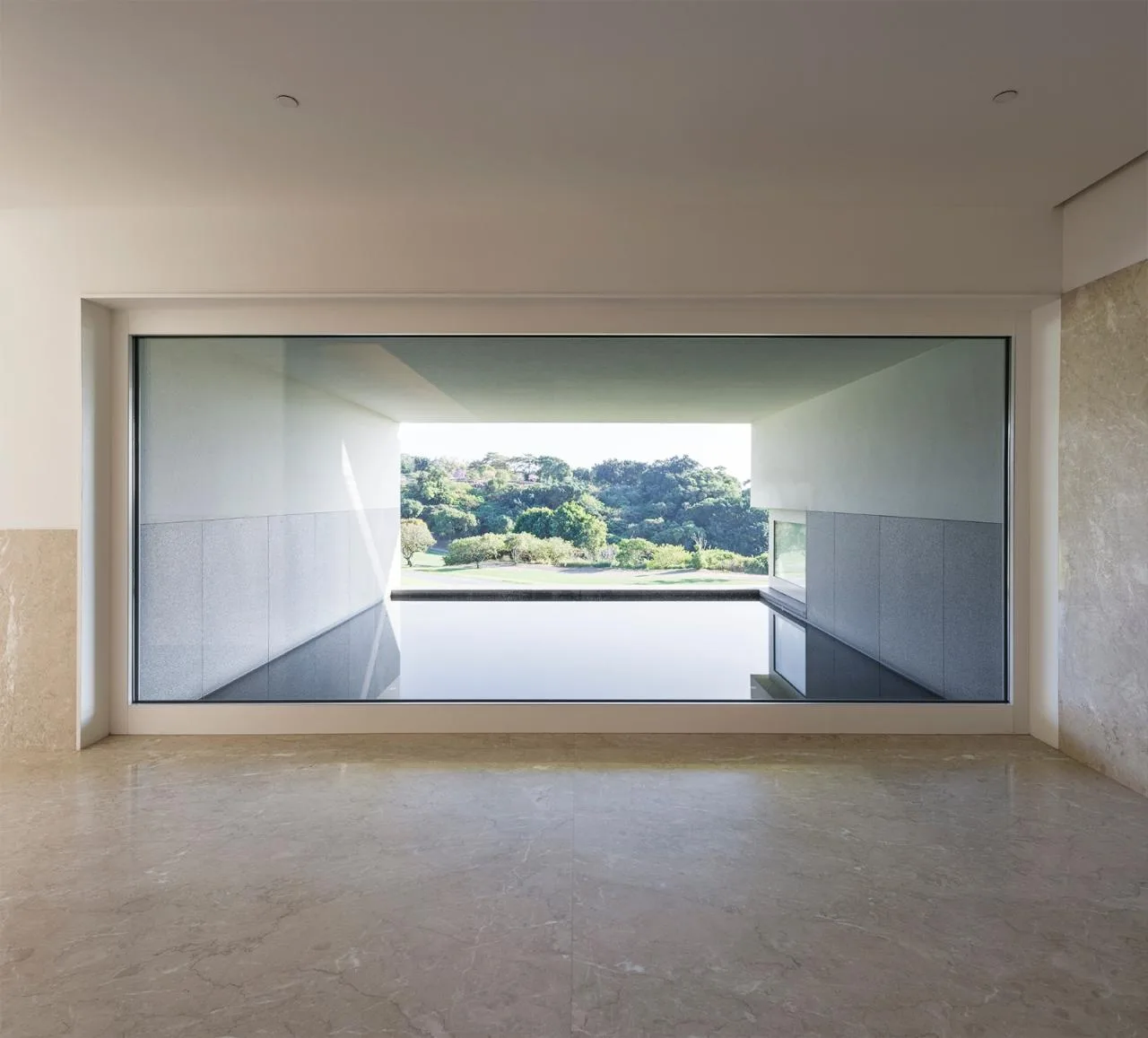
Inside, varied materials and lighting craft distinct atmospheres, allowing visitors to engage visually with the lush landscape outside. The architect’s careful design ensures soft, natural sunlight filters into the interior, creating a subtle and inviting light environment.
From this perspective, architectural design can be seen as an art of controlling volume, space, light, and shadow.
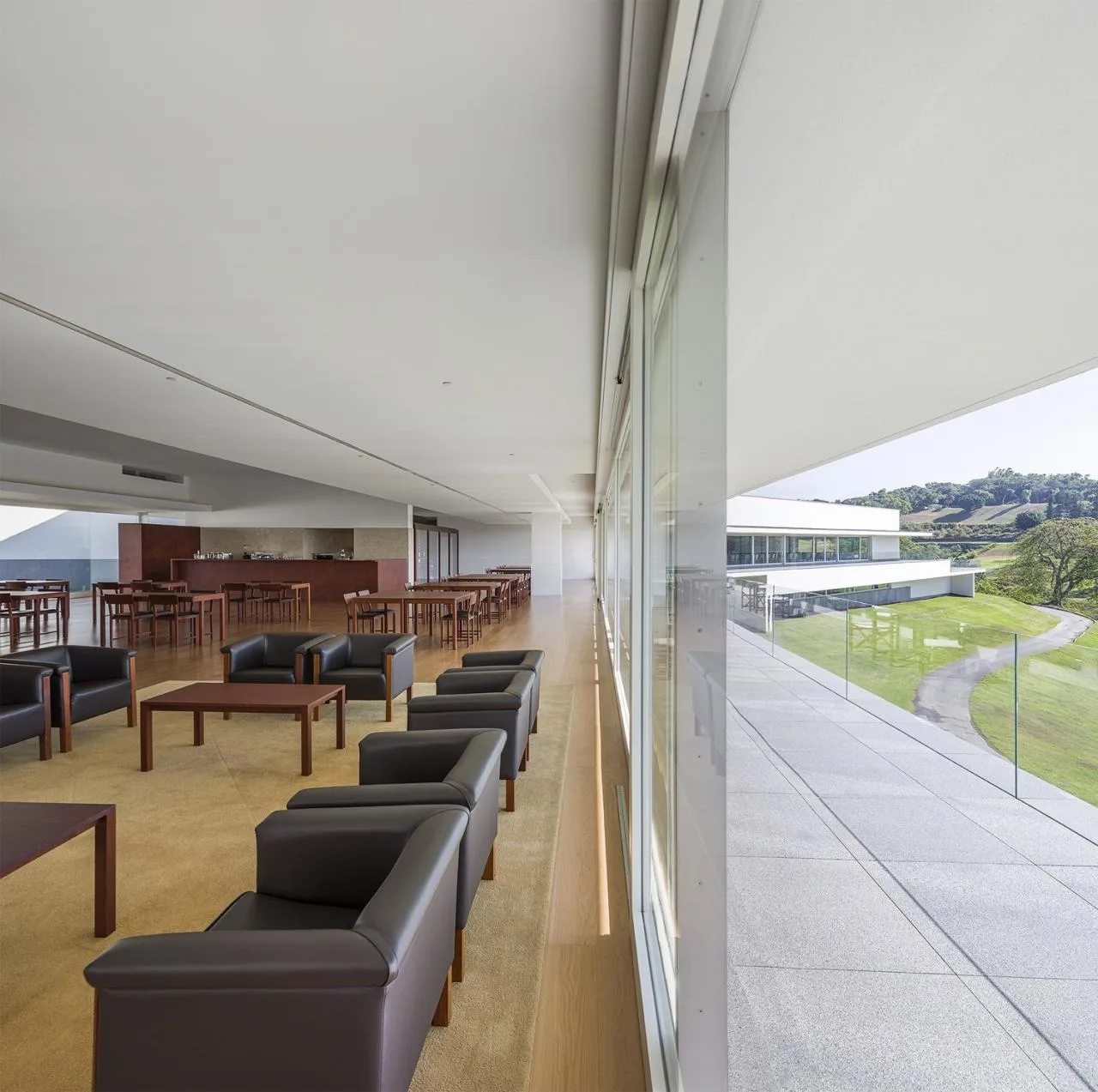
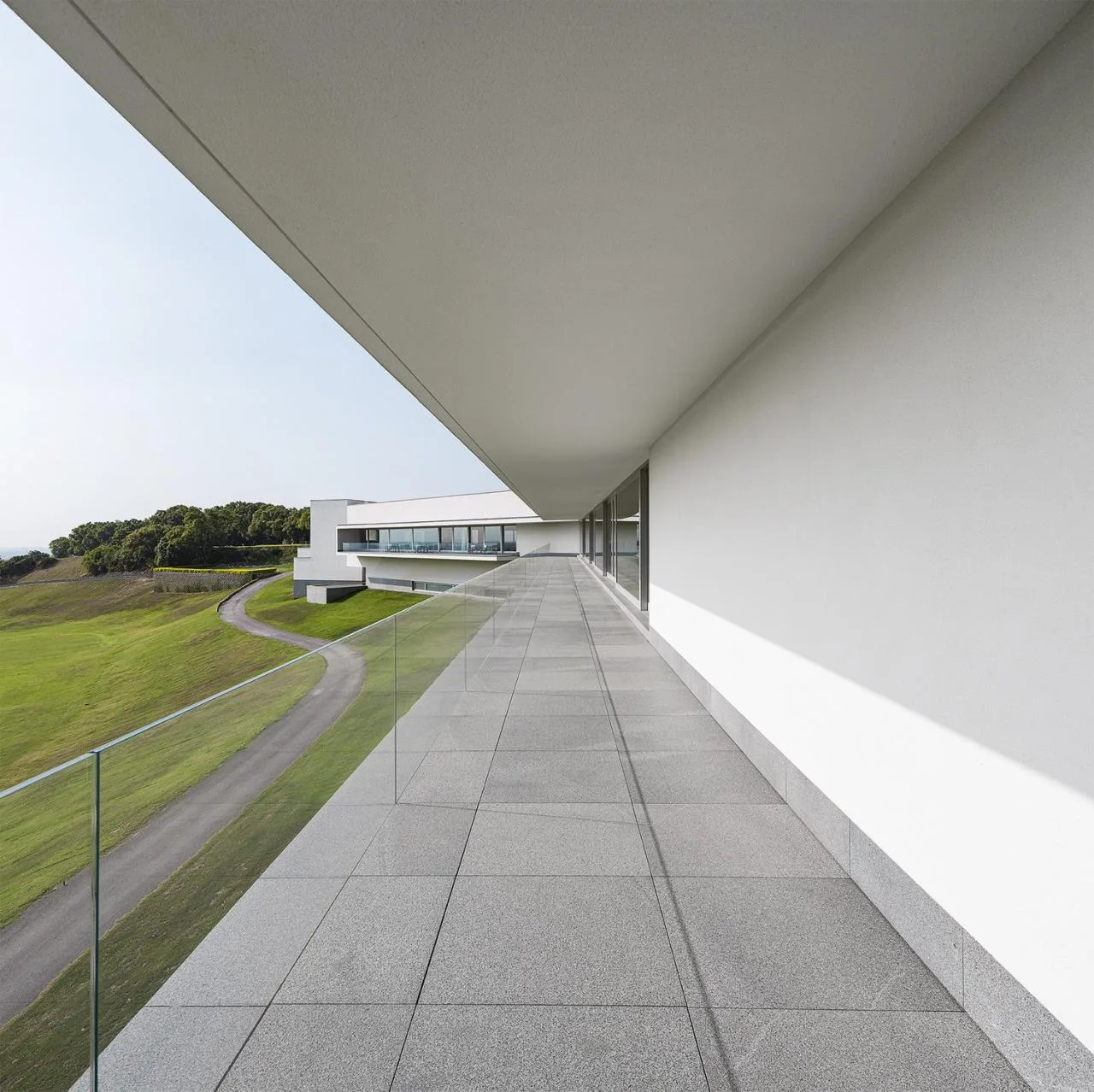
Jiaqing Guild Hall also incorporates elements that promote a healthy and comfortable environment. The architect carefully curated furniture and decor to avoid overcrowding. While many fear emptiness and tend to fill spaces excessively, a cluttered environment can cause discomfort and diminish aesthetic appeal.
Similarly, unnecessary suspended ceilings and excessive lighting fixtures were avoided. Instead, the design features balanced floodlighting and thoughtful spatial planning to foster an elegant and comfortable atmosphere.
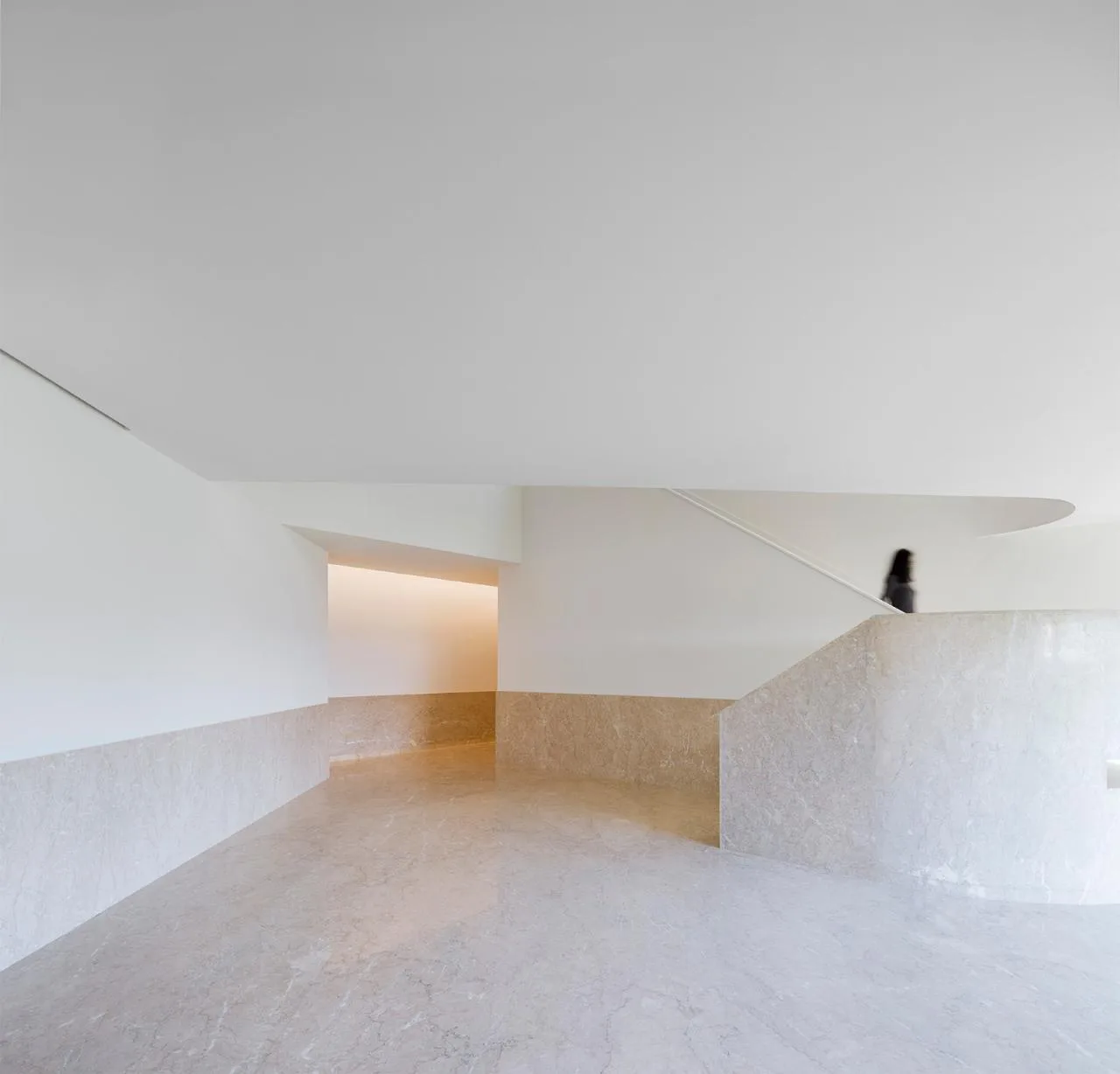
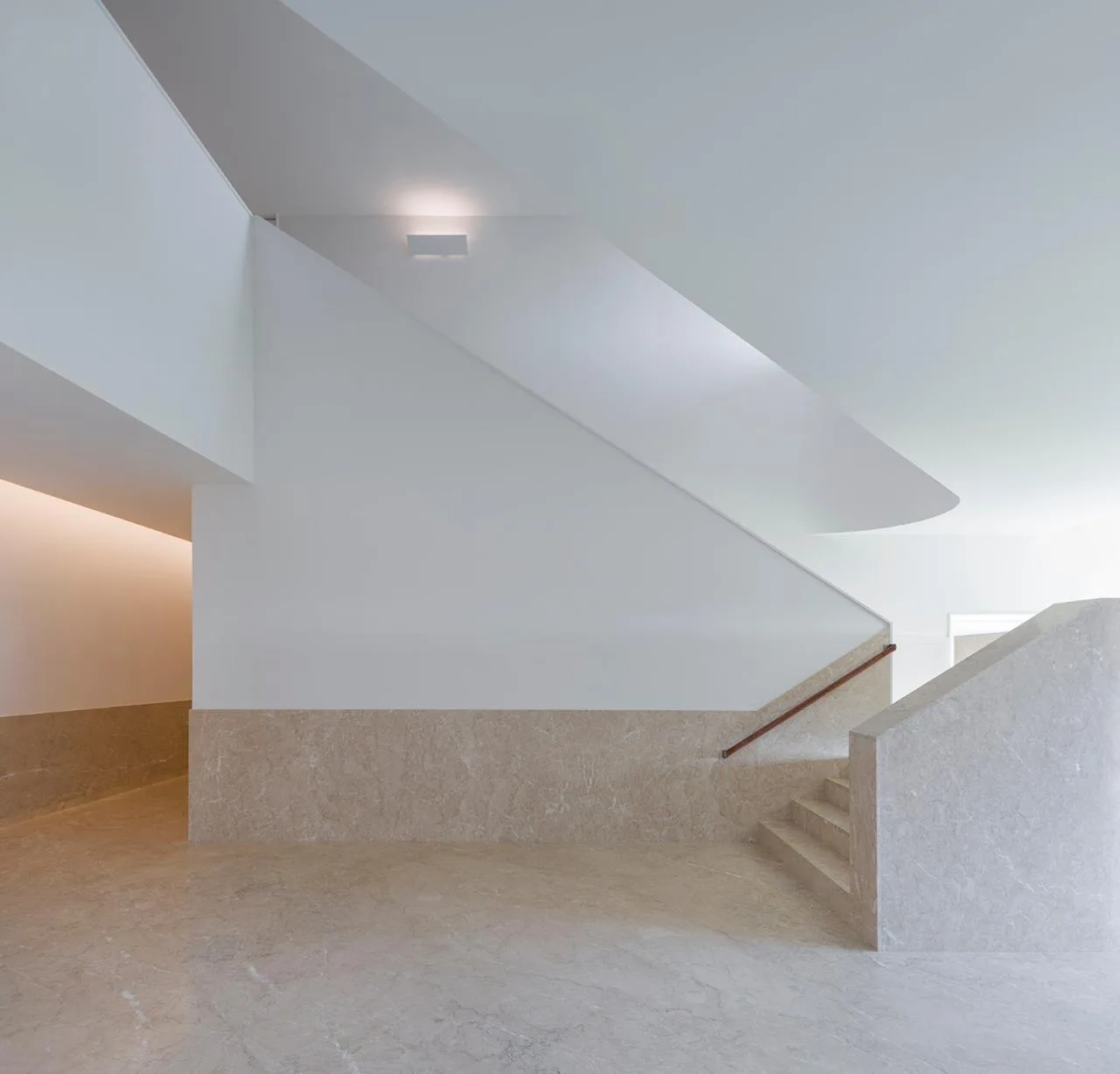
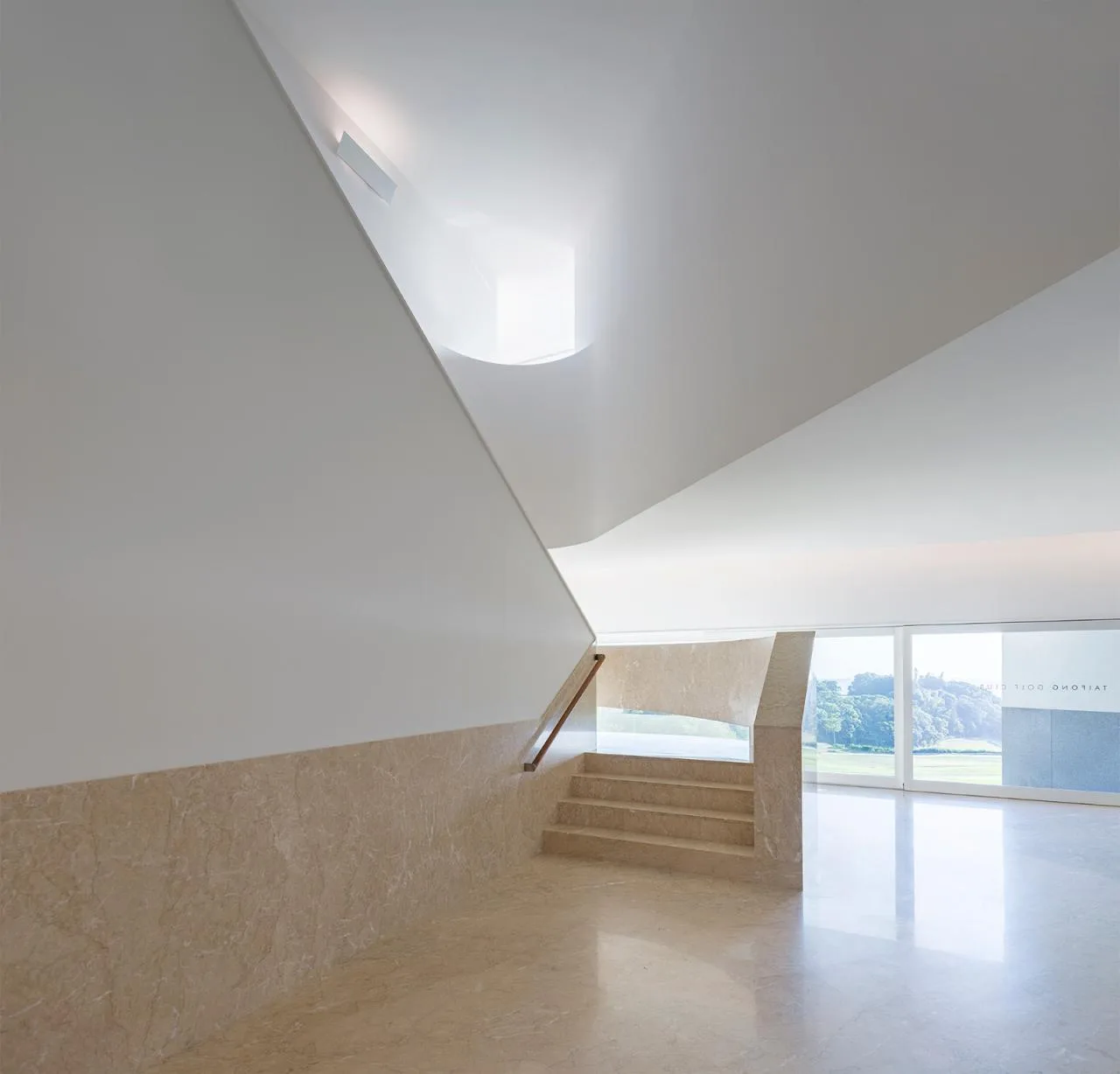
The success of Jiaqing Guild Hall’s design owes much to the strong support from its owners. The building masterfully balances volume, space, material textures, and lighting, overcoming prevailing architectural trends and challenges.
The design team, led by Álvaro Siza and Carlos Castanheira, embraces a functionalist philosophy, viewing function as the foundation and driving force of design. Though this approach has faced criticism, it holistically considers life, environment, and time within design decisions.
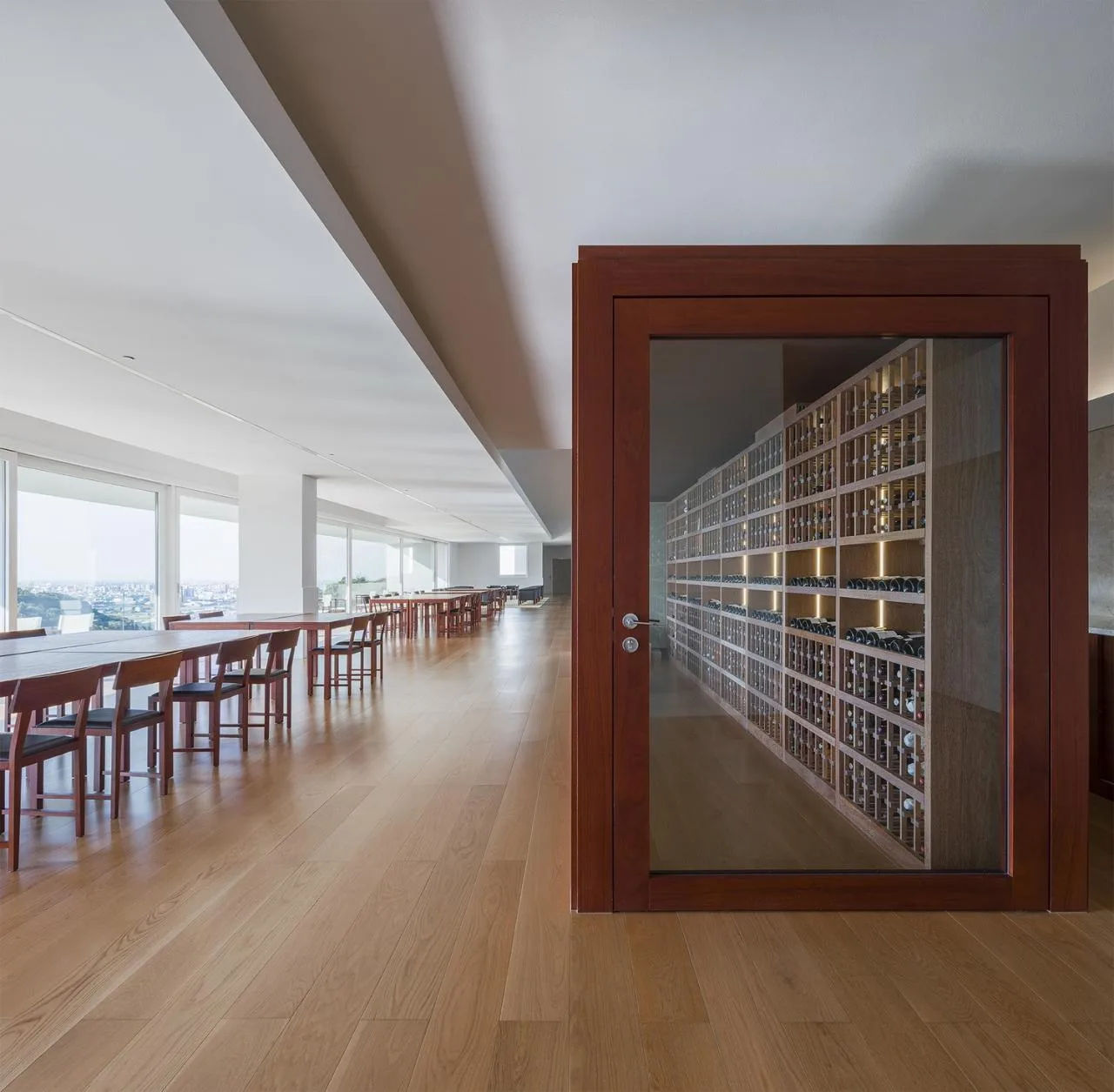
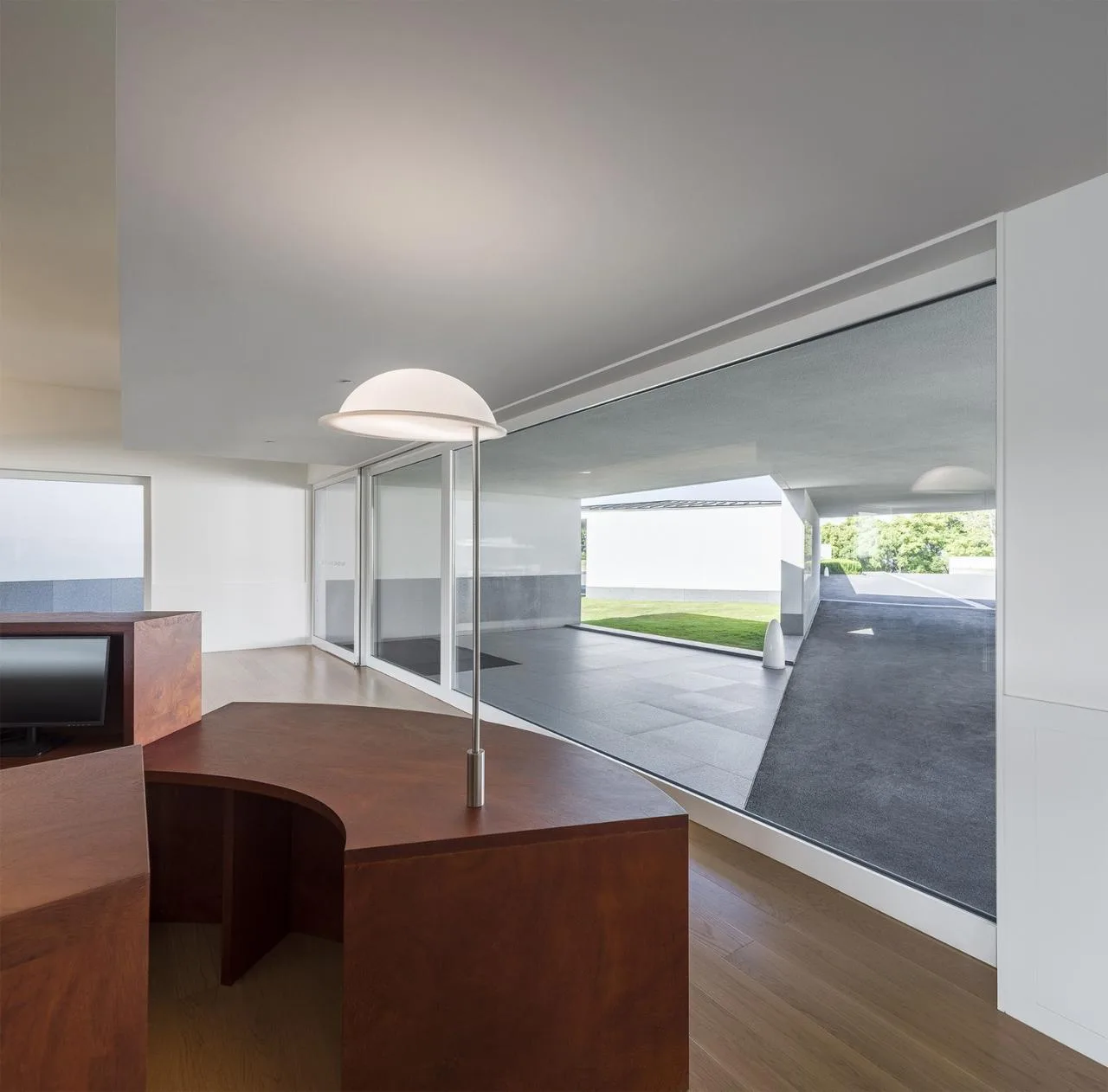
Form follows function. Function allows form to self-organize, generating depth and value. By carefully defining internal functions and their requirements for light, shadow, ventilation, and safety, the architects enriched the spatial texture.
Within this design system, architects work diligently to meet diverse needs, ultimately preserving only the most essential elements in the final space.
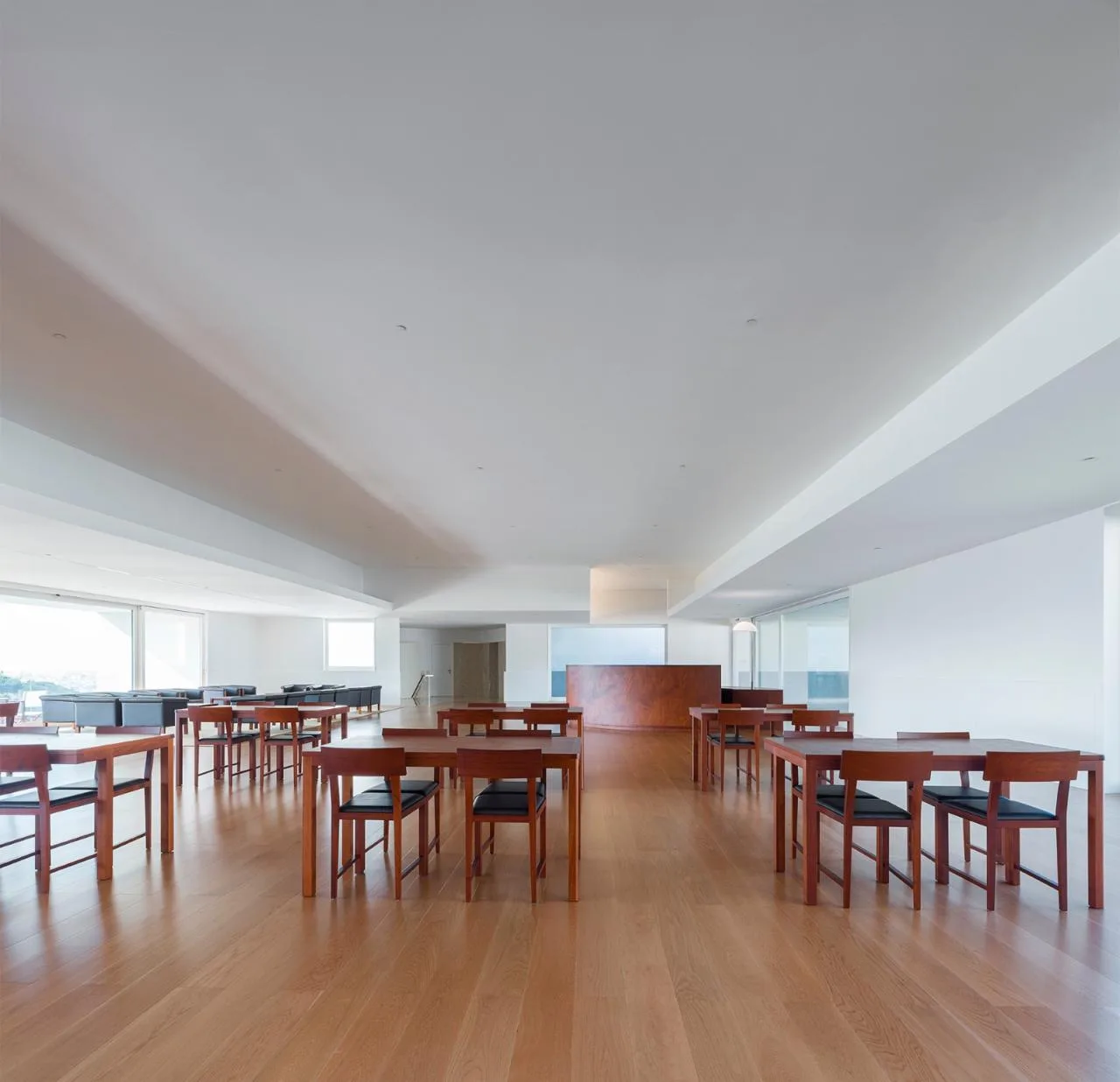
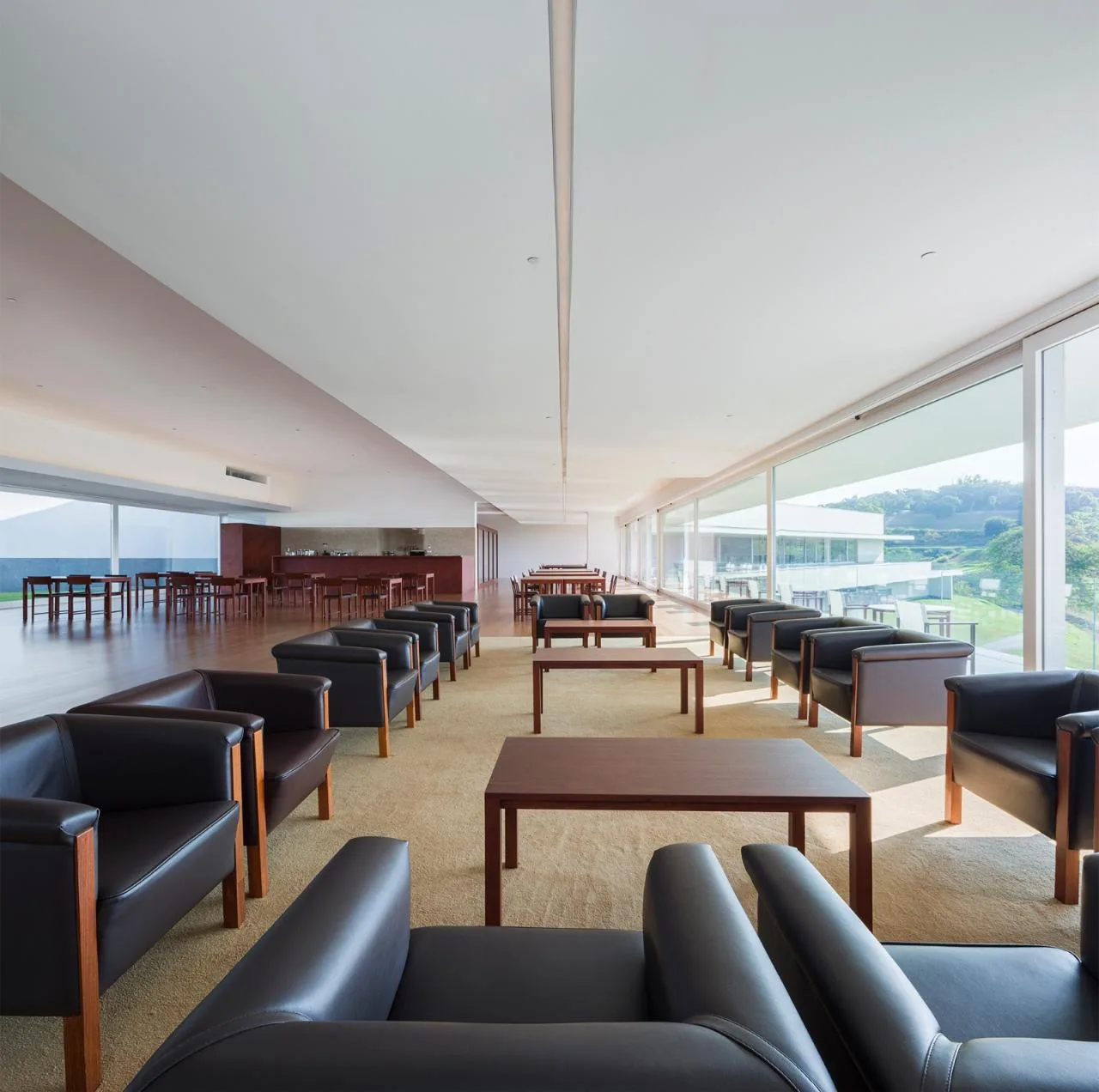
As visitors move through the guild hall, they encounter the architect’s thoughtful spatial diversity and seamless experiential flow. Material choices reflect both functional needs and the spatial hierarchy. Sometimes material selection emerges naturally from the design, as the space itself “chooses” what it requires.
Architects often find it challenging to explain this phenomenon of space-driven material choice. At a certain stage, a building gains autonomy and begins to “make demands.” Conflicting spatial demands can disrupt coherence, so architects strive to reconcile these tensions carefully.
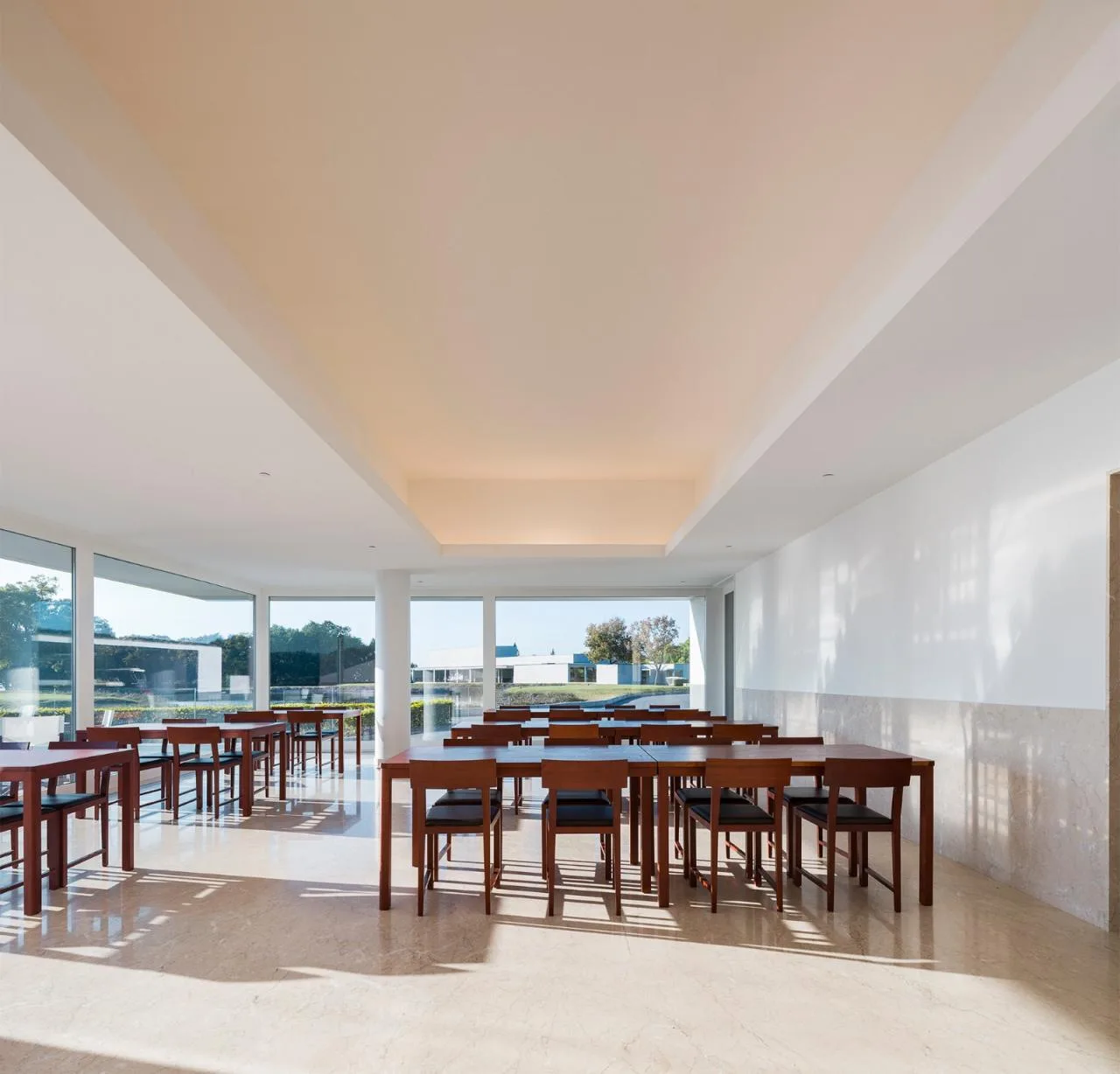
One of an architect’s roles is to design furniture and other components, contributing to a high-quality work. The long journey of designing for Taifeng Golf Club has been fueled by passion and a vision for excellence. The concept of “yu” subtly conceals any imperfections within the project.
As the architects near completion, work continues on the tea houses and gatehouses. Reflecting on their experiences traveling, attending conferences, and conducting on-site inspections in Changhua, they appreciate the dedication of those who enjoy golf despite the hot, humid climate.
Ultimately, the purpose of being an architect is to create meaningful spaces that bring joy to those who live in and interact with the architecture.
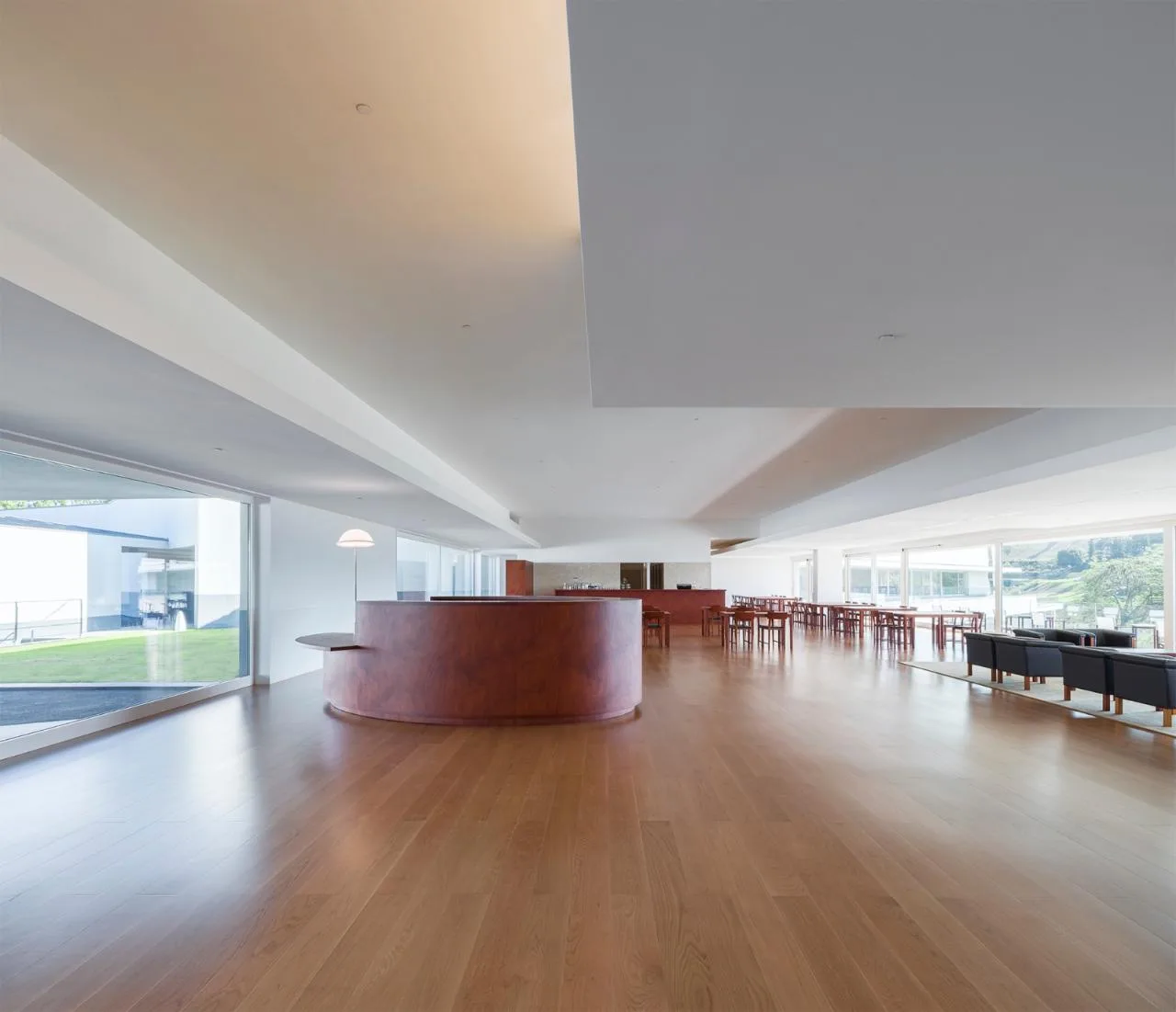
Jiaqing Guild Hall is now fully operational. Unfortunately, one of the main architects, Carlos Castanheira, has not yet visited since its opening. The project has inspired reflection on the importance of coordination and negotiation, strengthening the architects’ resolve to uphold their ideals.
Becoming an architect means becoming a professional, honored by owners, visitors, and all who inhabit and perceive the building. These individuals often participate silently in essential concepts and construction processes.
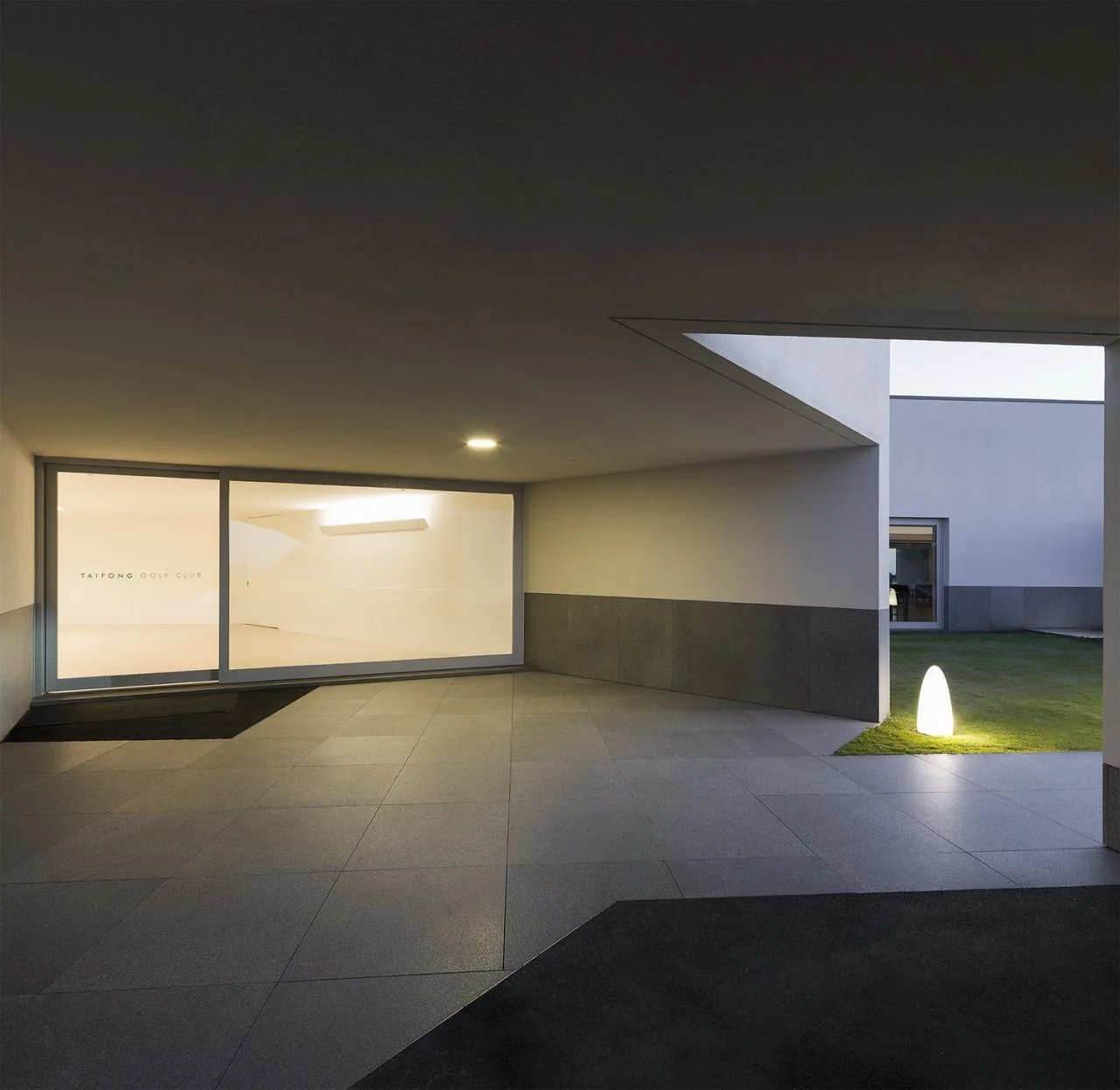
Becoming an architect means creating lasting architecture. To everyone involved in this project, heartfelt thanks are extended. Architecture is never a solo performance.
– Carlos Castanheira, Cucuja È es, March 6, 2021
Project Information
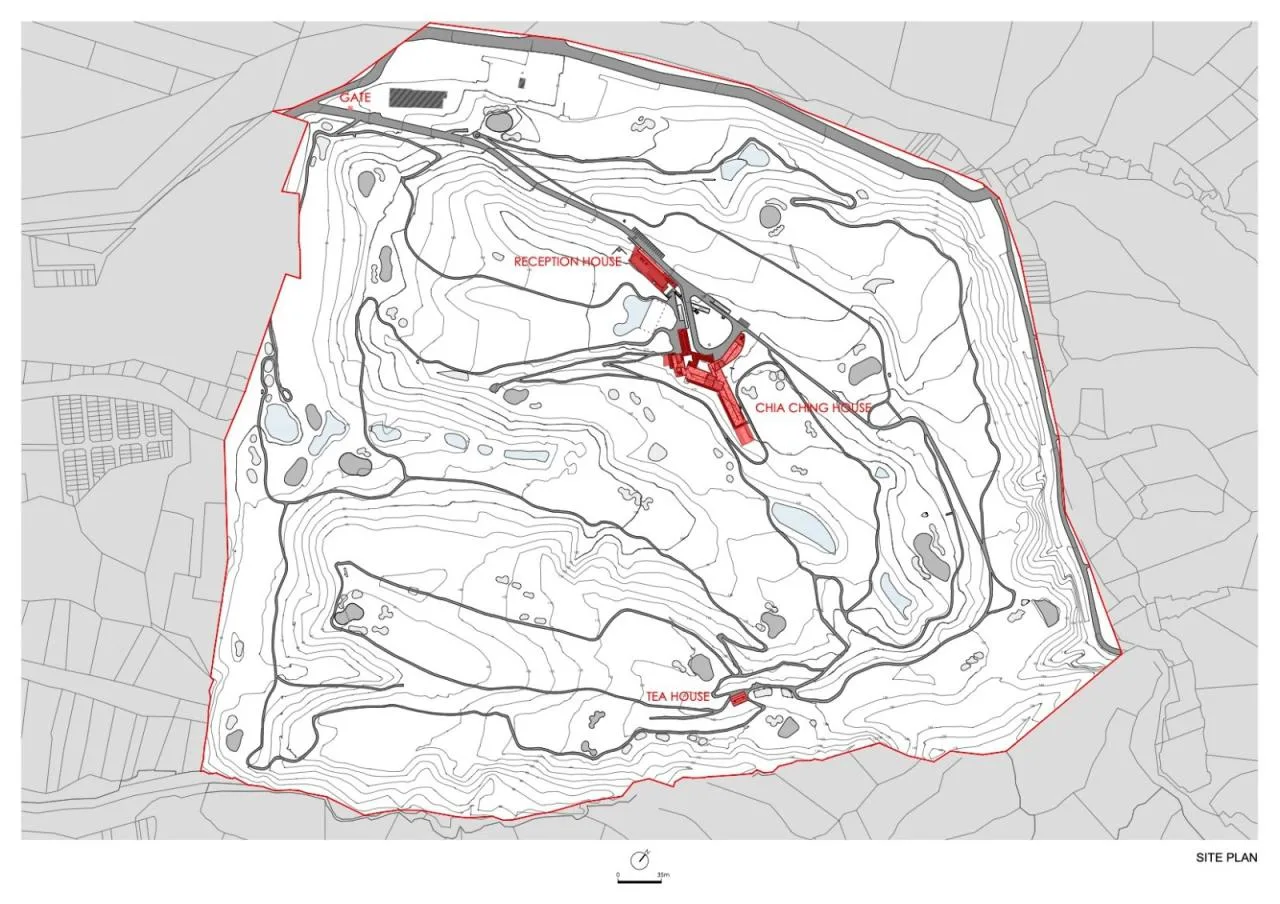
△ Topographic Map
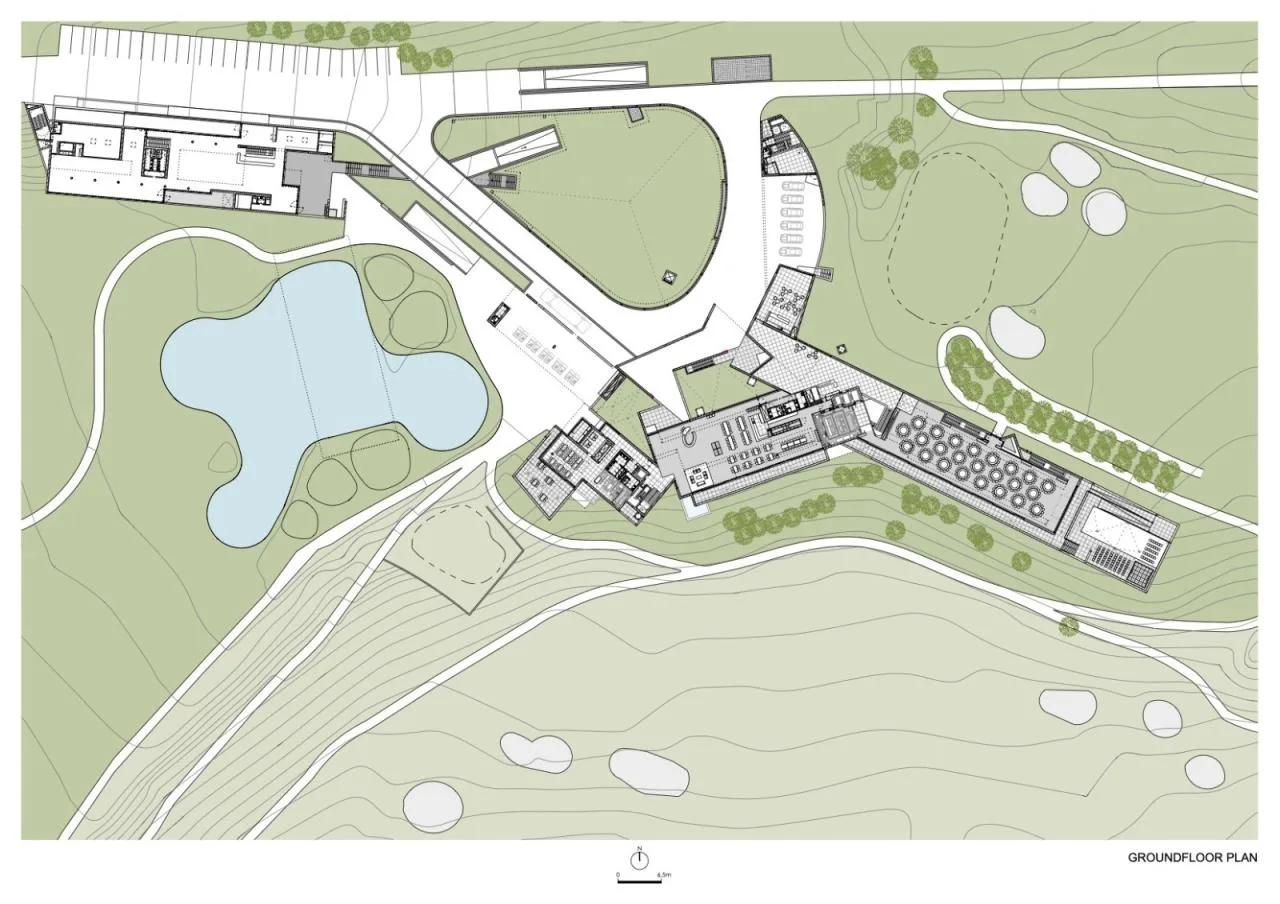
△ First Floor Plan
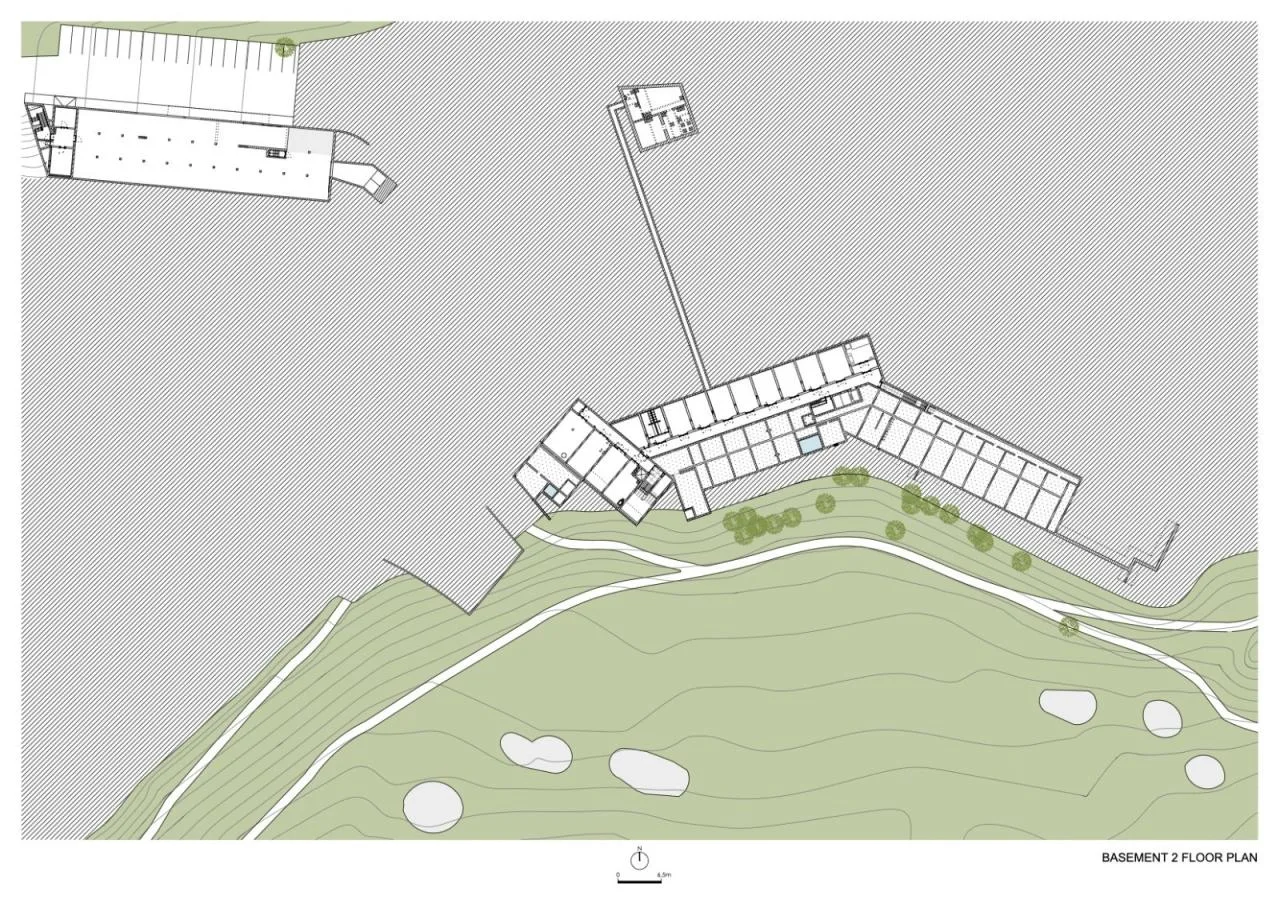
△ Underground Second Floor Plan
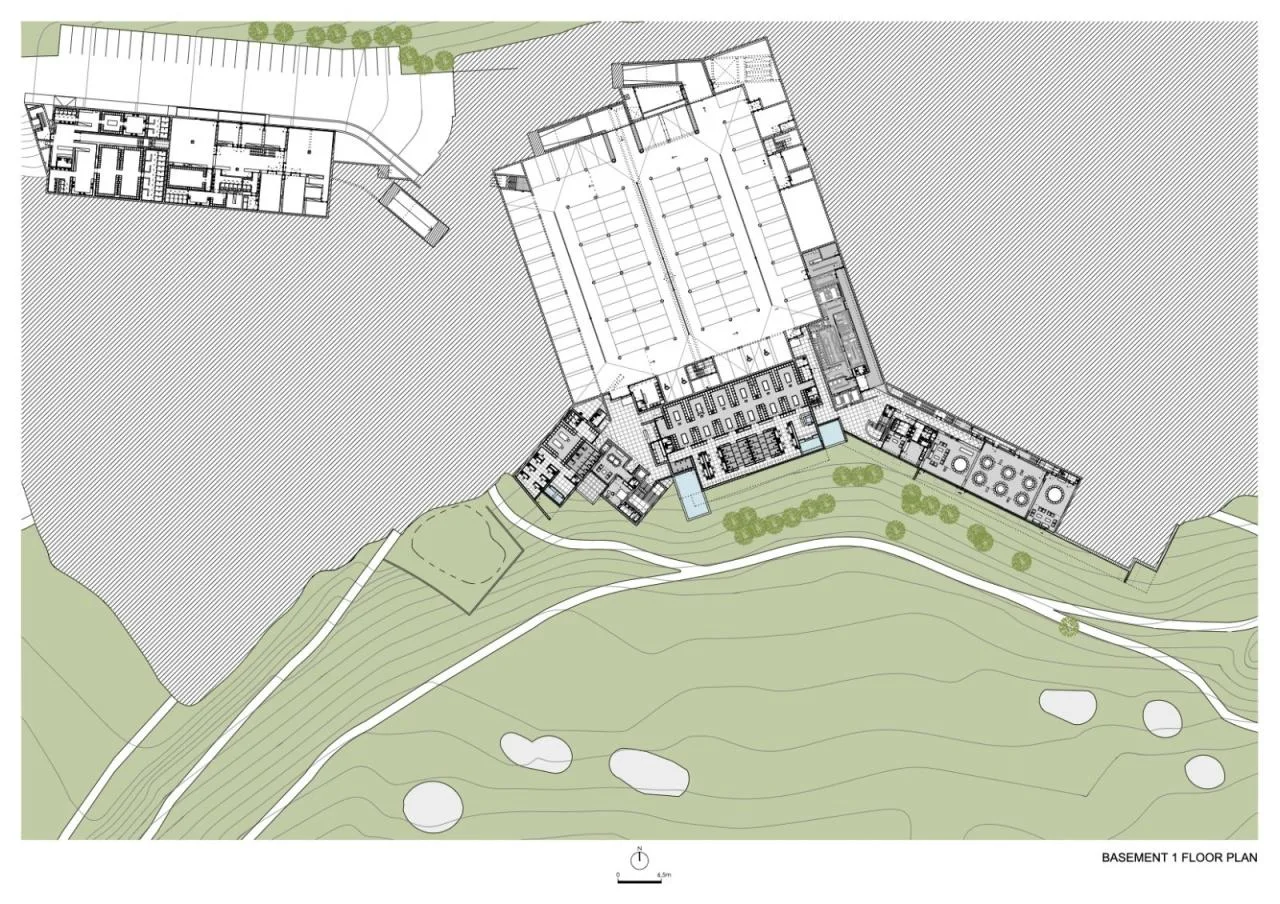
△ Underground Floor Plan
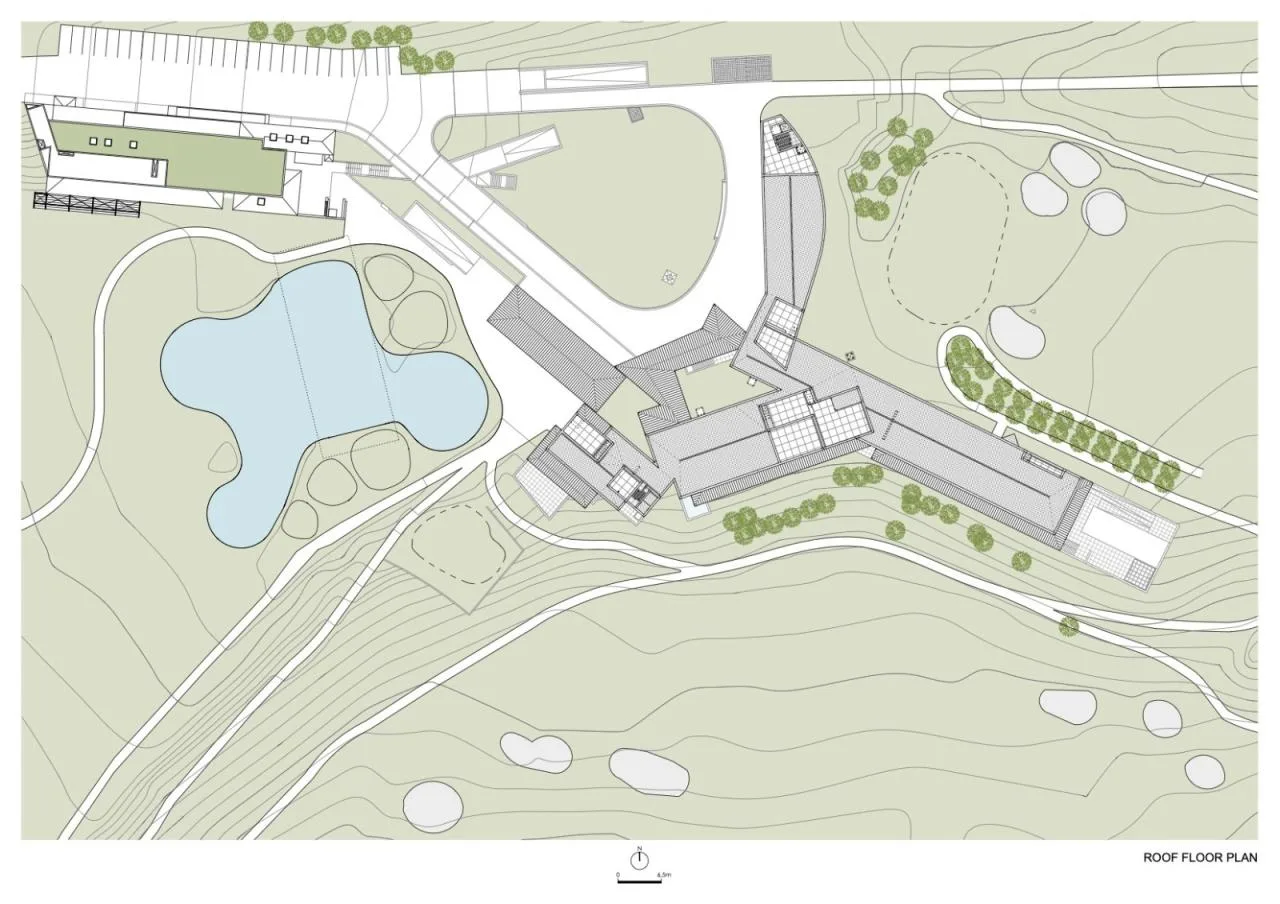
△ Roof Plan
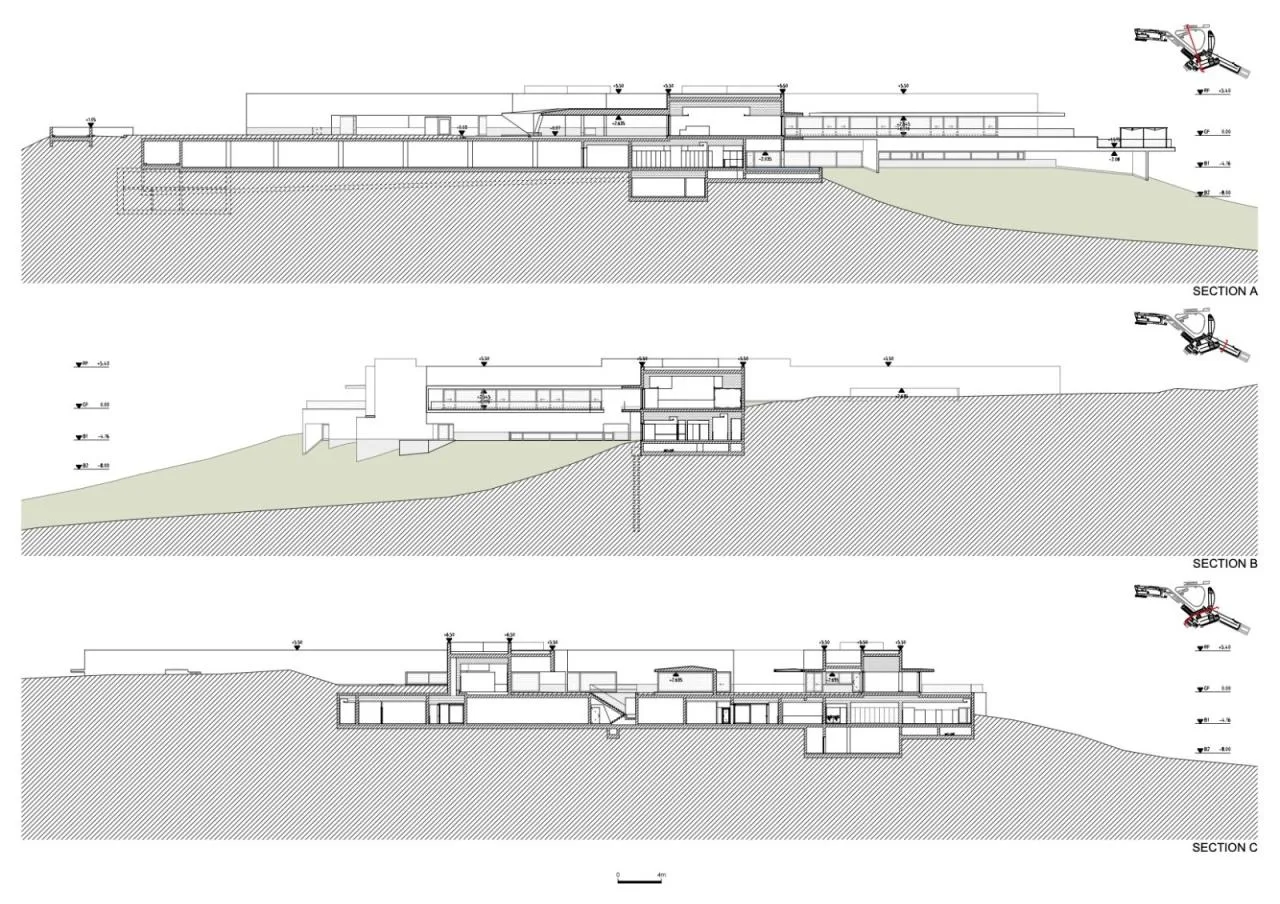
△ Section Diagram
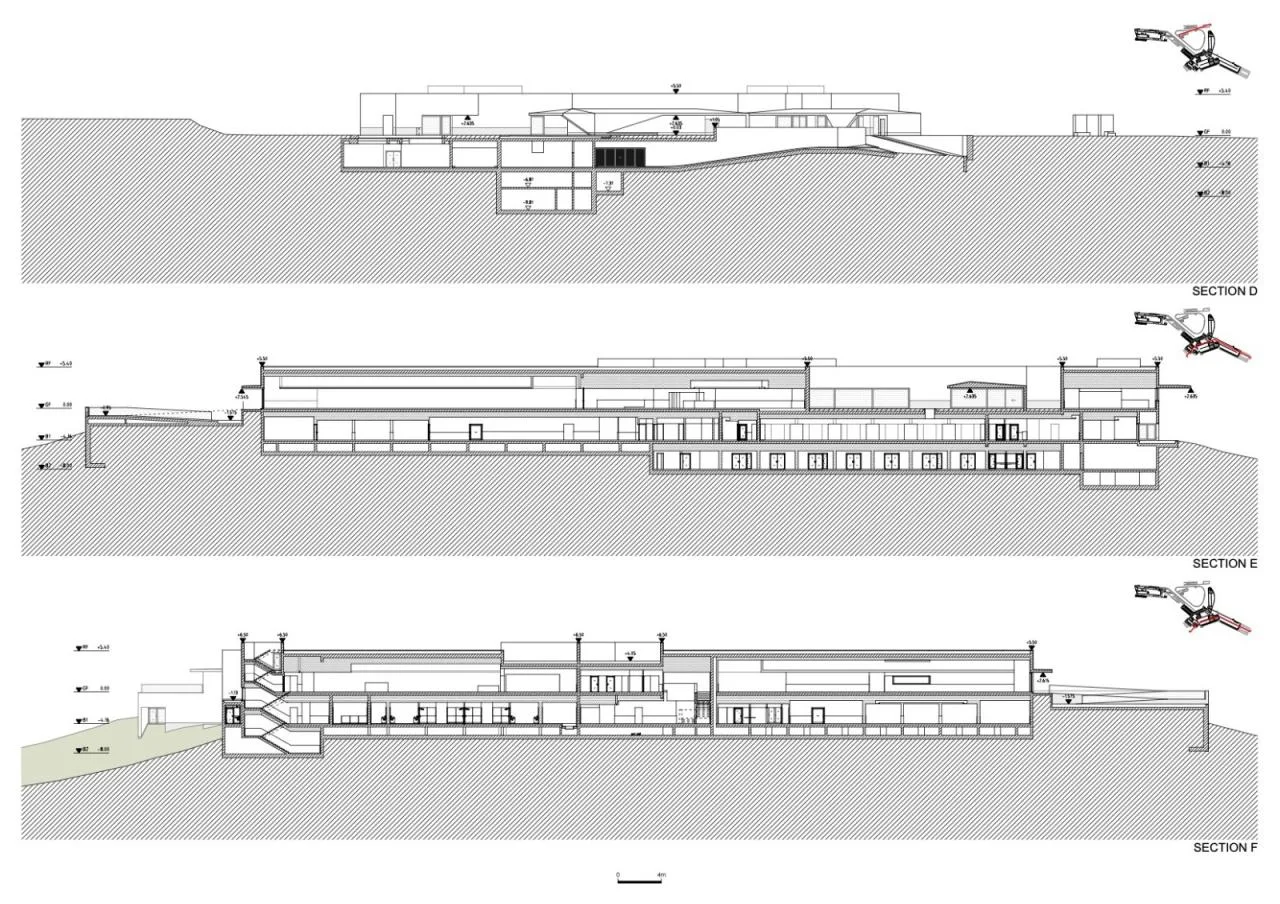
△ Section Diagram
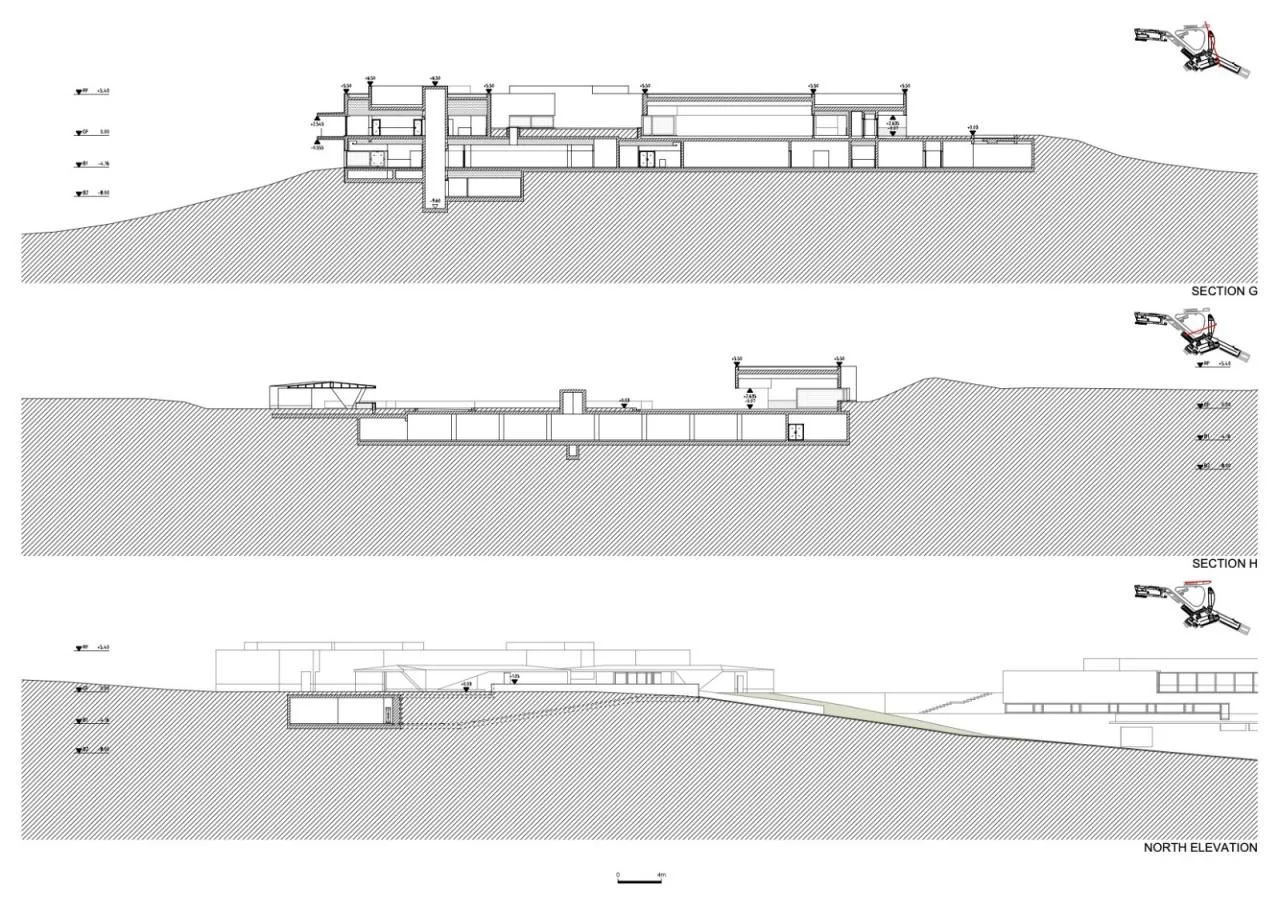
△ Section Diagram
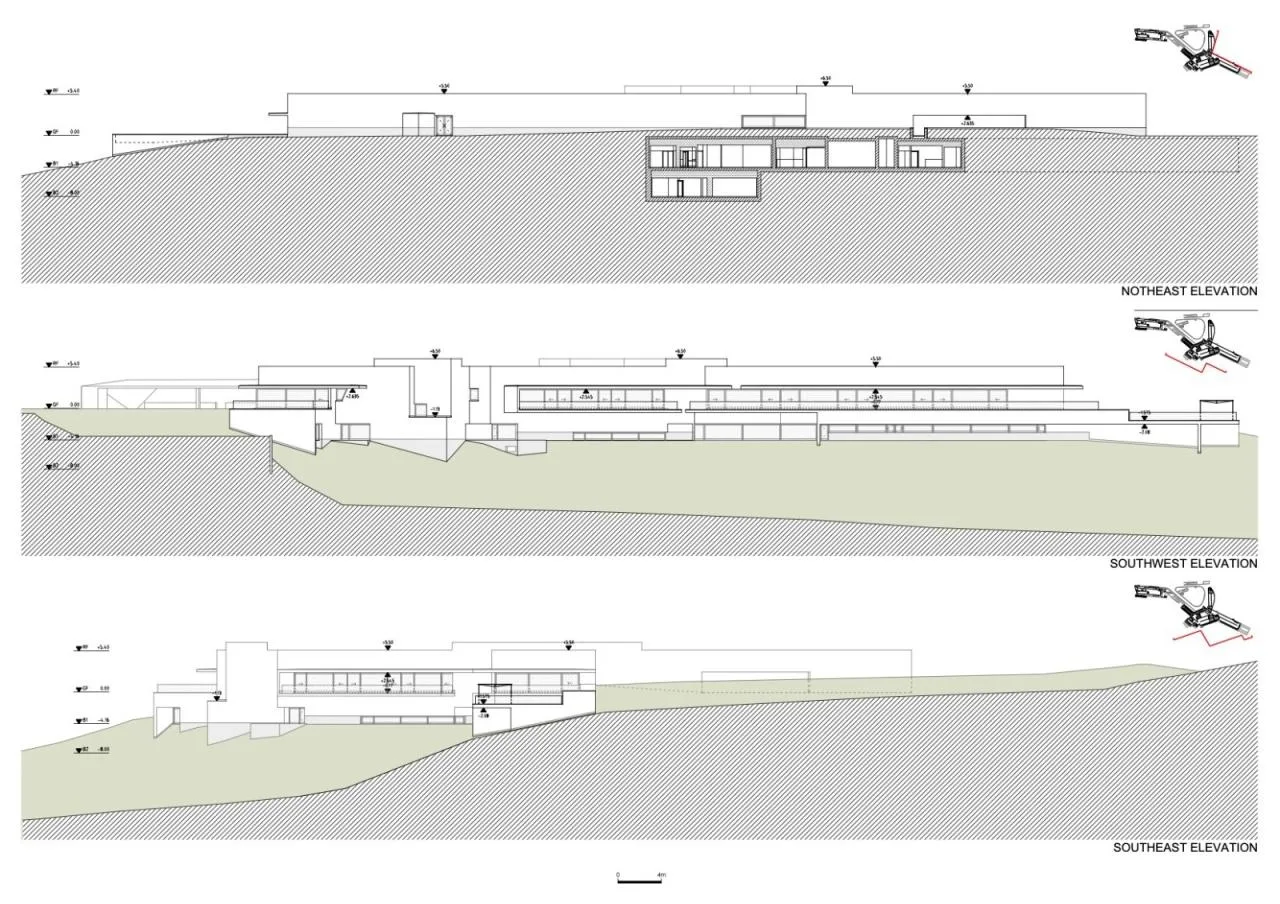
△ Elevation Drawing
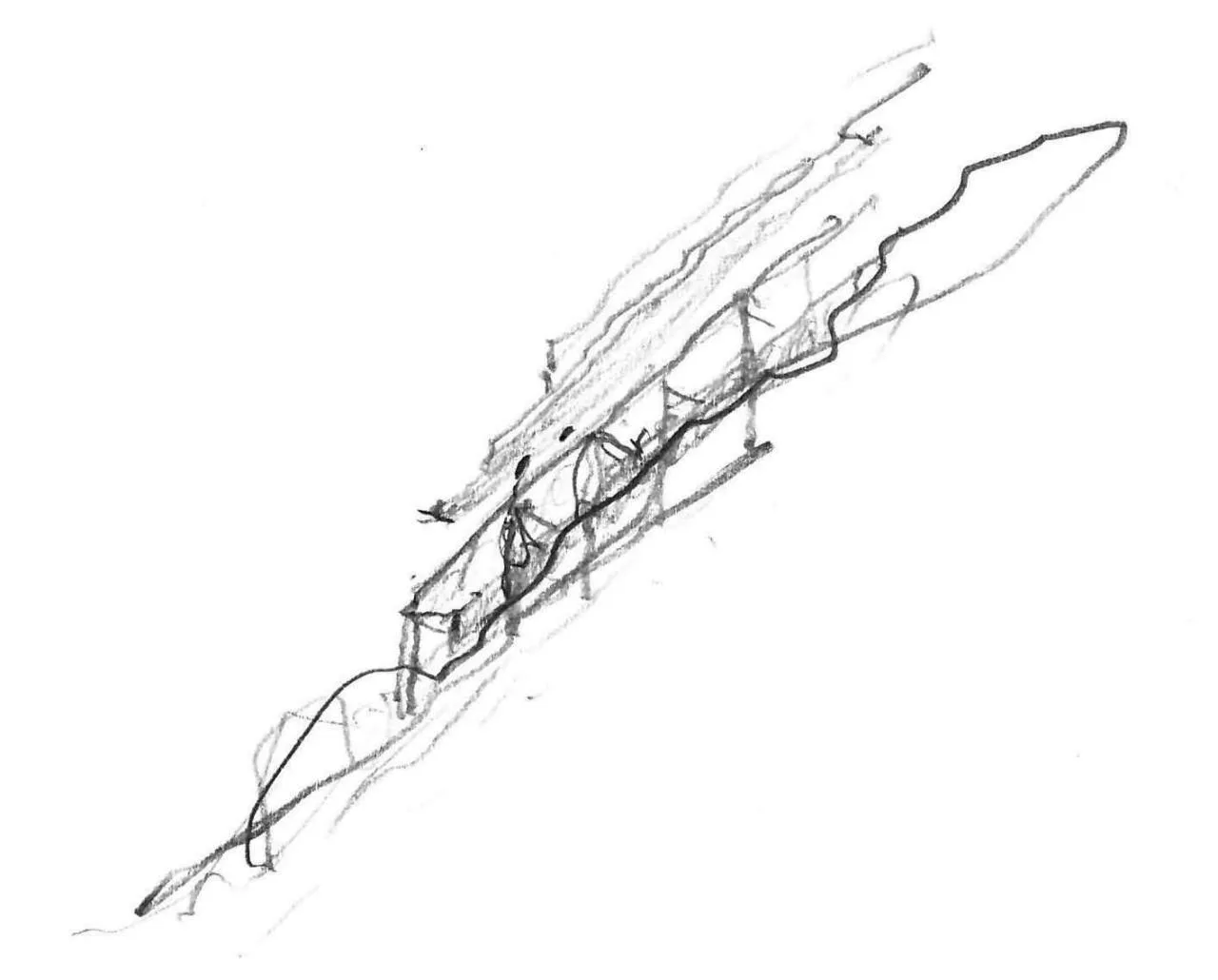
△ Hand-Drawn Sketch
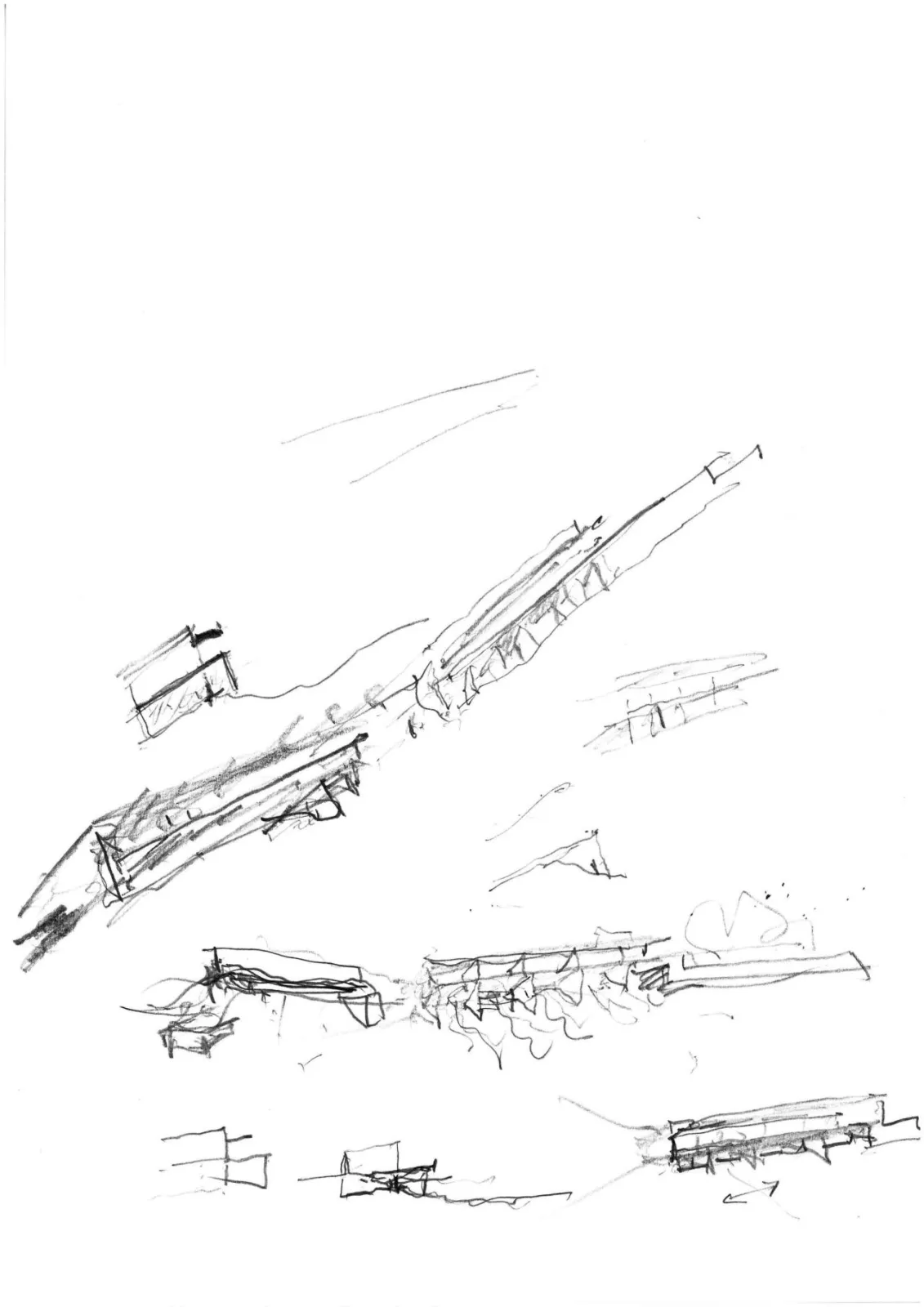
△ Hand-Drawn Sketch
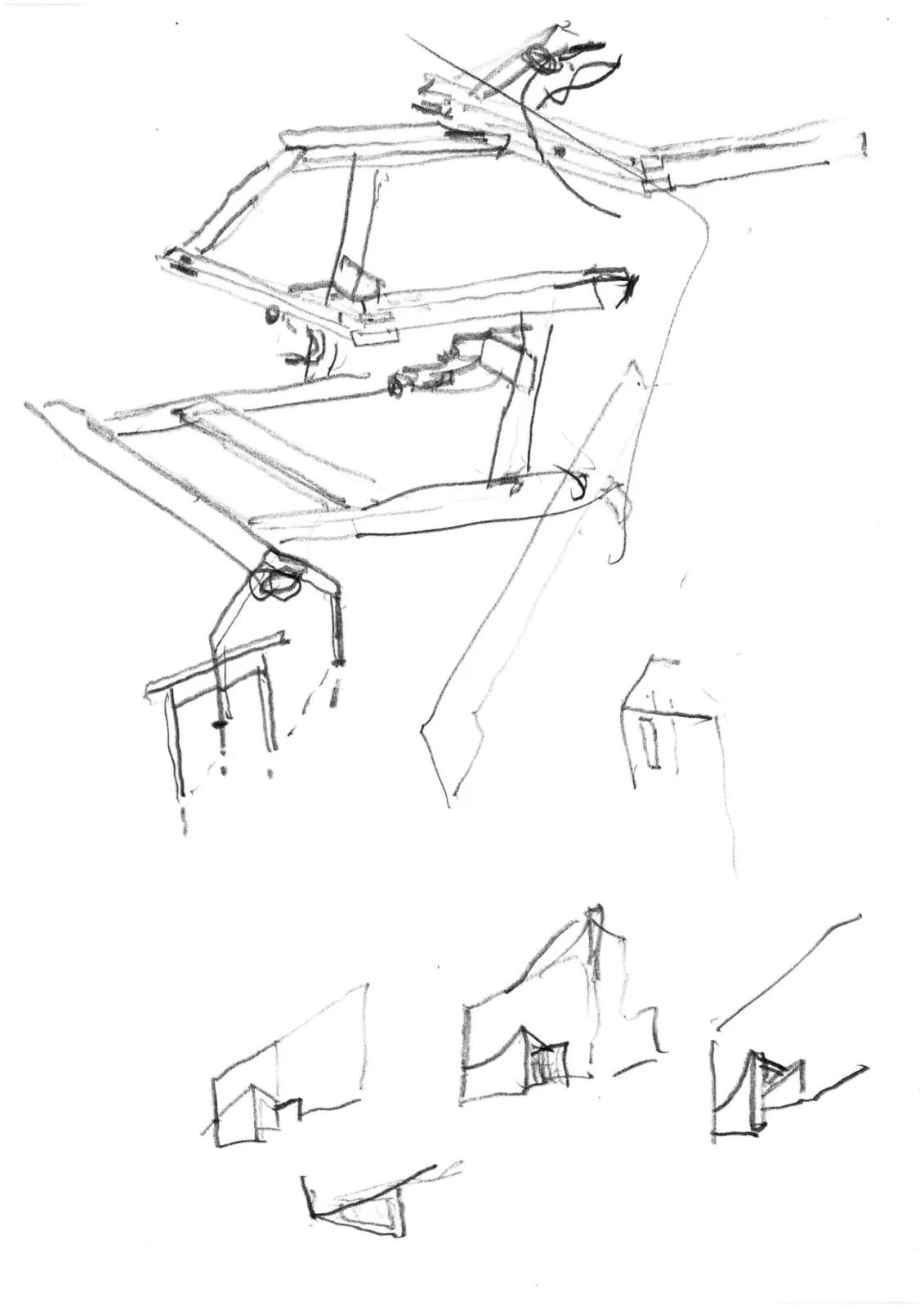
△ Hand-Drawn Sketch
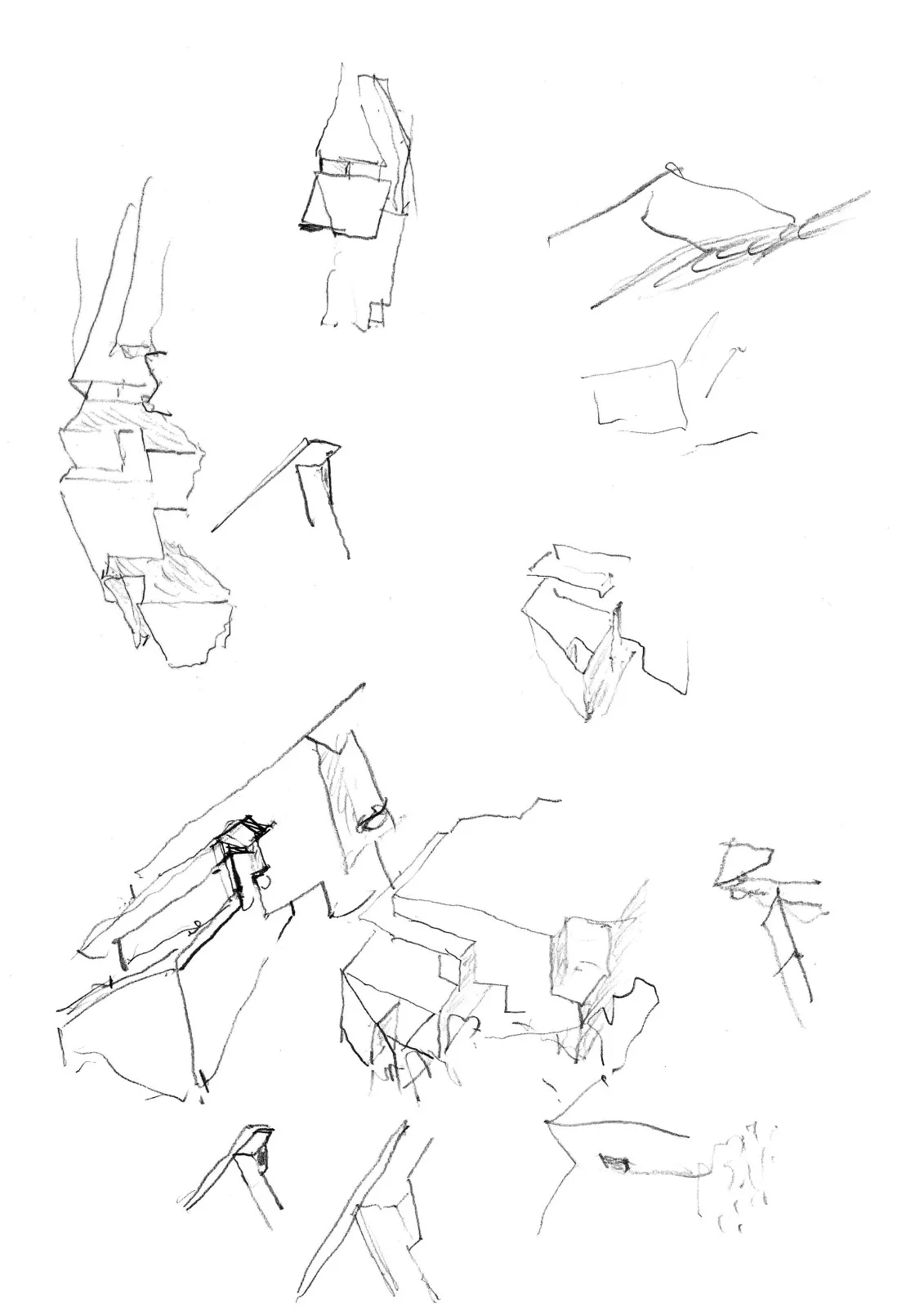
△ Hand-Drawn Sketch
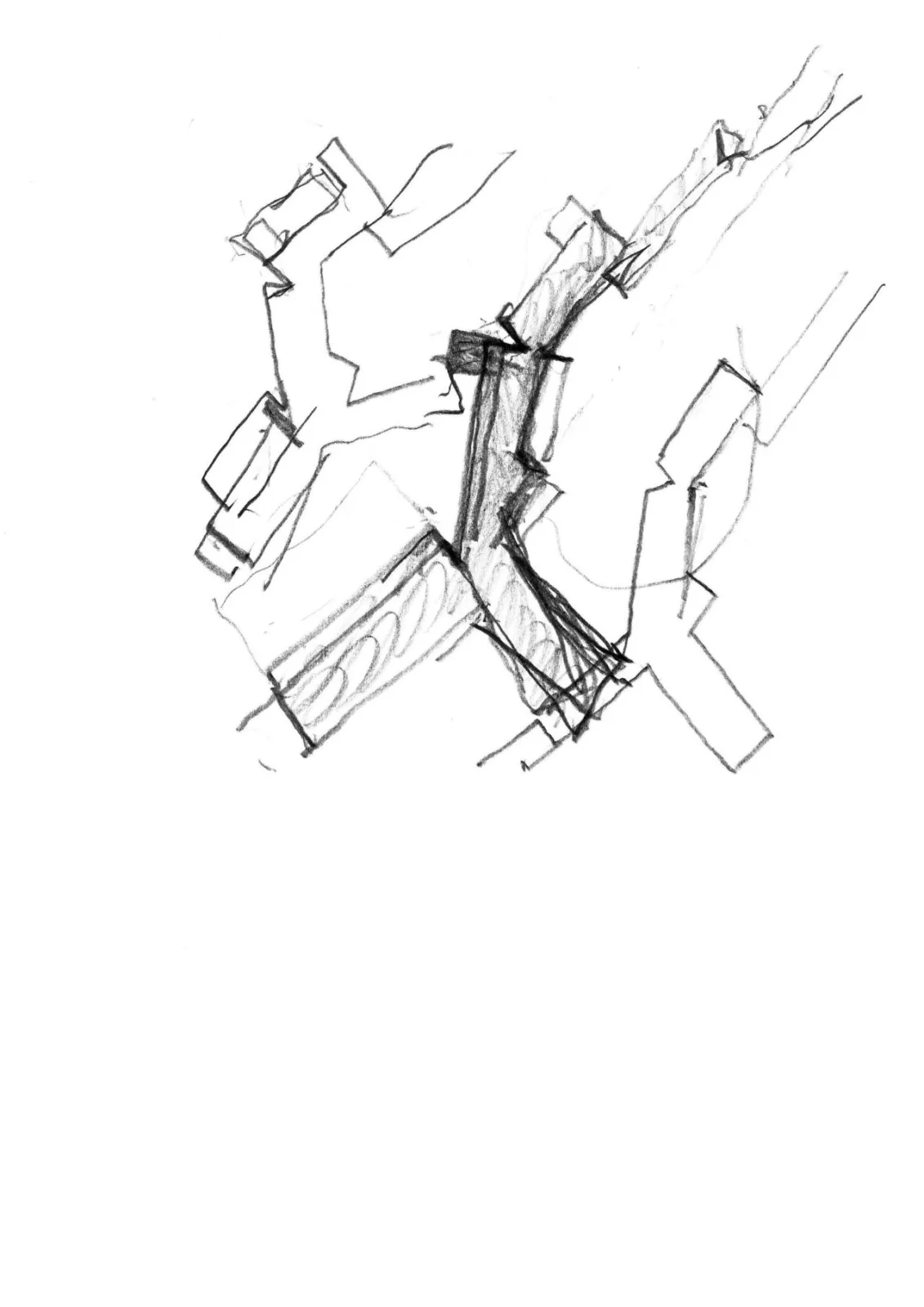
△ Hand-Drawn Sketch
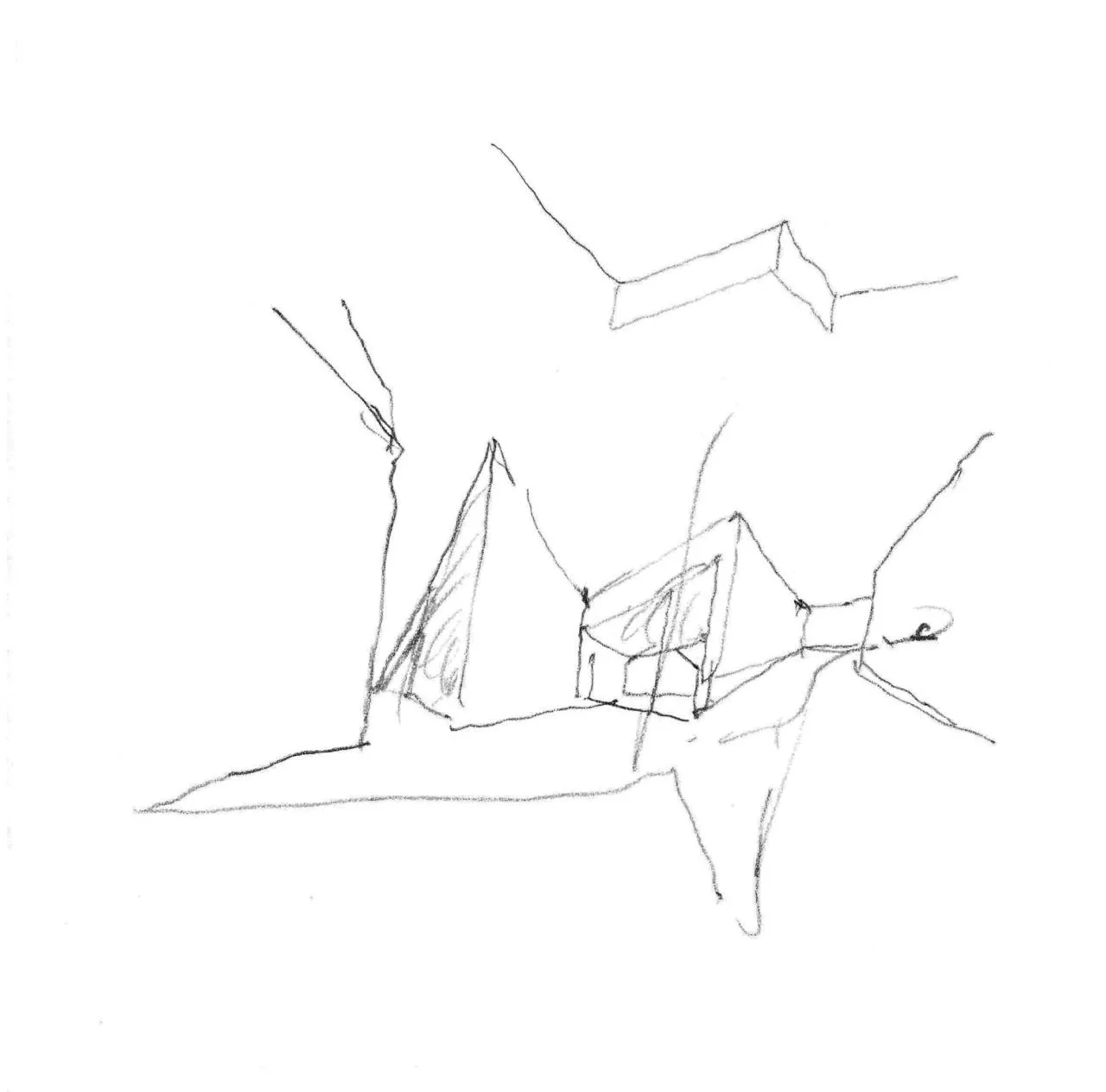
△ Hand-Drawn Sketch
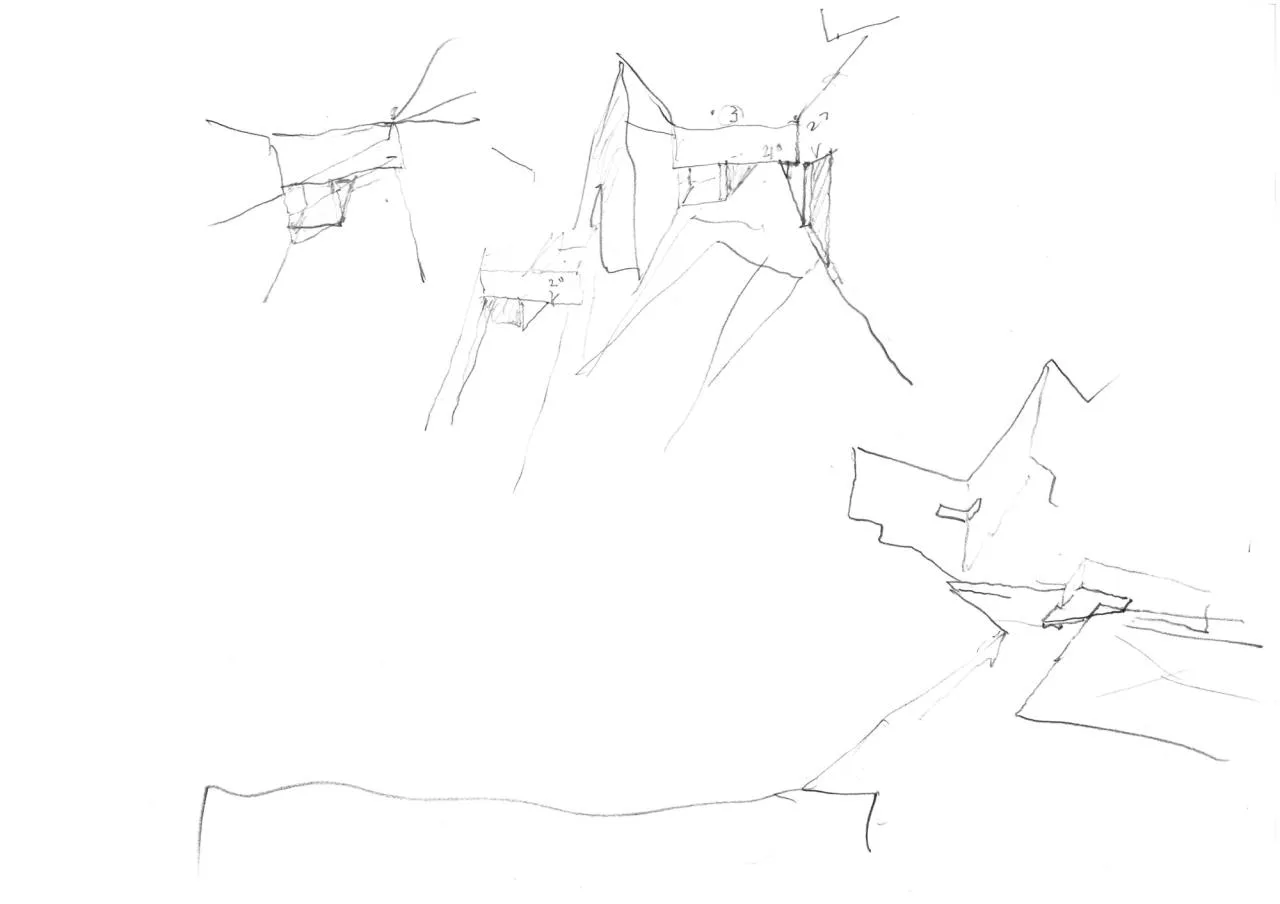
△ Hand-Drawn Sketch
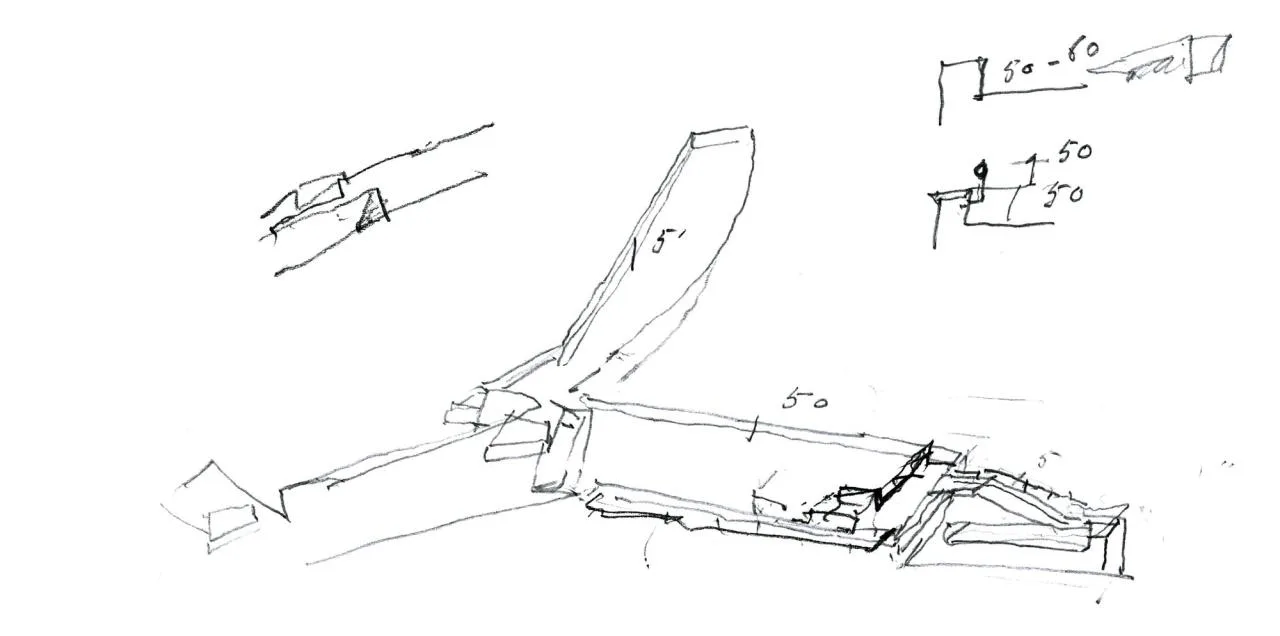
△ Hand-Drawn Sketch
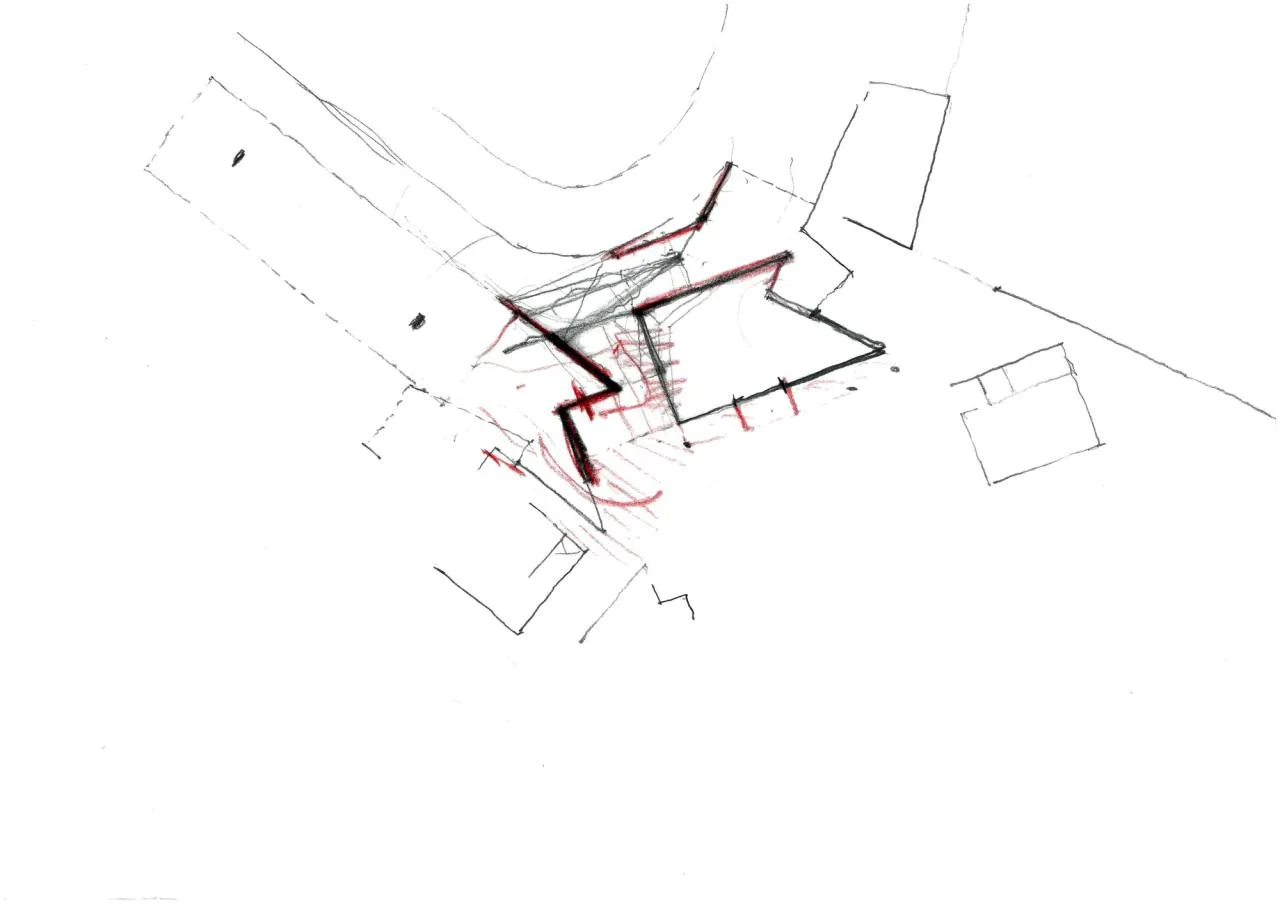
△ Hand-Drawn Sketch
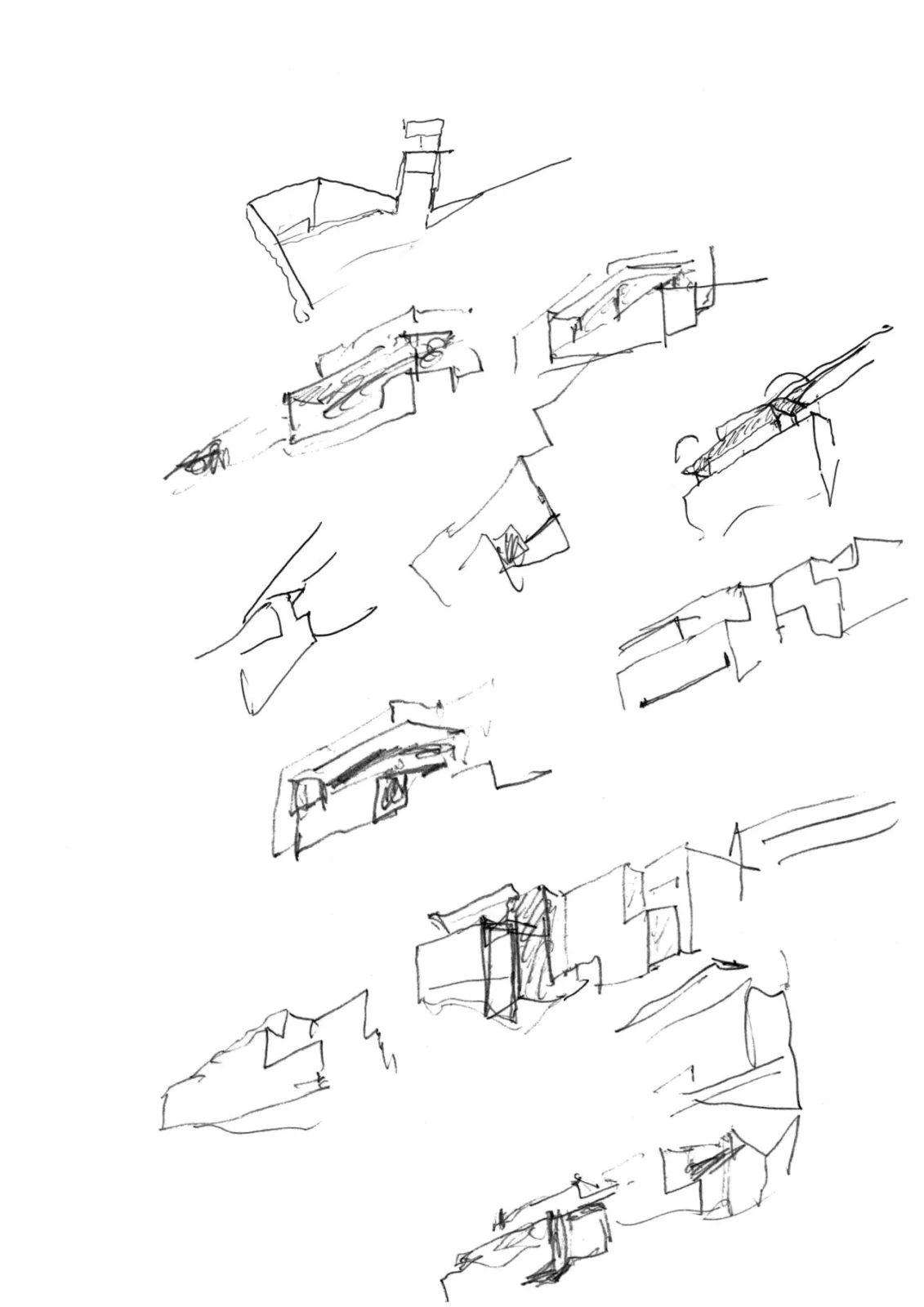
△ Hand-Drawn Sketch
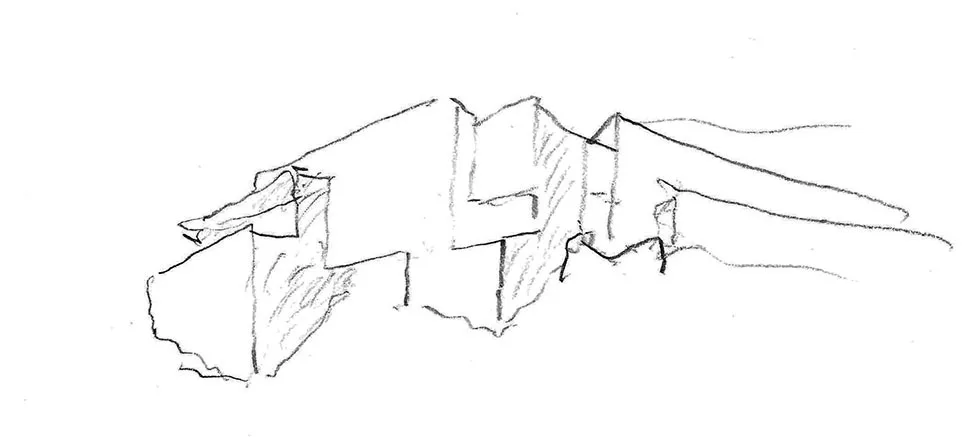
△ Hand-Drawn Sketch
Project Information
Architects: Carlos Castanheira, Álvaro Siza Vieira
Area: 11,886 m²
Project Year: 2020
Portuguese Regional Office: CC&CB – Architects
Project Coordination: Ivan Chiashun Liao
Collaborators: Catarina Araújo, Erika Musci, Filipe Mota, Joana Soeiro, João Alves, Jorge Pinheiro, Mariana Mendes, Nuno Campos, Nuno Rodrigues, Pedro Afonso, Rita Saturnino, Sara Pinto, Sofia Conceição
3D Rendering: Germano Vieira
Consultant: Xue Xue Institute, Xue Xue Foundation
Taiwan-based Firms: Studio Base Architects, Fielddirektor
Architect in Charge: Edward Yoshin Yeh
Project Management: Studio Base Architects, Fielddirektor
Flood Consultant: Unolai Design & Associates
Electrical Consultant: Majestic Engineer Consultants, Inc.
Set Design: Teresa Grácio
Acoustic Consultant: LogAcústica – António Meireles
Structural Consultant: Envision Engineering Consultant
Builders: JuGang Construction Co. / Skyhawk Enterprise Co., Ltd.
Location: Changhua City, Taiwan















Must log in before commenting!
Sign Up