
BIM technology, or Building Information Modeling, leverages advanced information and computer technologies to create a visual 3D model based on data from construction projects. It can even simulate real project scenarios. BIM technology supports various tasks such as project cost estimation and progress supervision. It is characterized by three key features: collaboration, visualization, and correlation. Collaboration enables multiple professional designs to work together seamlessly through BIM. Visualization allows BIM to display data from civil engineering sites using three-dimensional graphics. Correlation ensures that when one piece of information in the engineering design is adjusted, other related data are synchronized and reasonably updated.
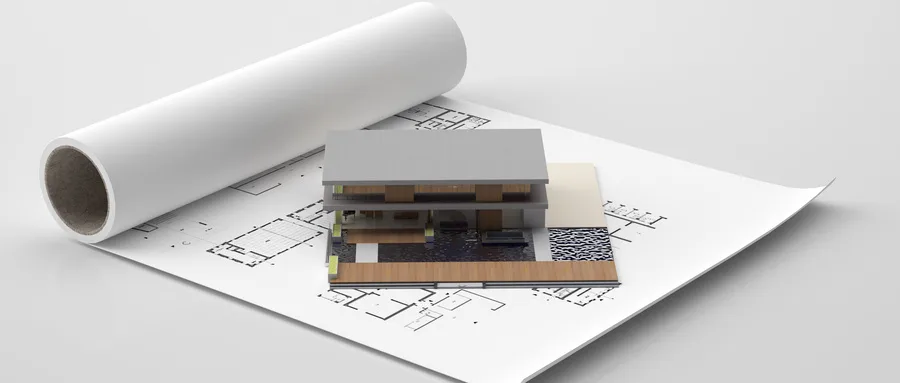
The BIM flipping application mode involves creating a 3D model based on completed two-dimensional design drawings. This model is then used for collision detection, quantity calculation, and simulating construction plans according to project requirements. It can also extend to construction management and maintenance systems. In this approach, BIM deliverables serve as auxiliary tools to optimize design and related processes rather than as final deliverables, effectively acting as supplements to traditional design drawings.
Typically, this work is performed by additional BIM specialists who coordinate with designers to carry out tasks such as model flipping, optimization, auxiliary modifications, and simulations. With national policies promoting its adoption, this mode has become widely used in China. It leverages the strong visualization and information transmission capabilities of BIM technology, simplifying design scheme optimization.
However, since this process is considered an accessory to design work, it requires significant investment in both time and manpower. Despite this, the impact on improving design efficiency is often limited. Except for straightforward tasks like rendering, most BIM applications demand high model accuracy. Creating a detailed 3D model from 2D drawings is time-consuming and labor-intensive, which can sometimes reduce the overall efficiency of the design process.
















Must log in before commenting!
Sign Up