
When multiple types of families are stored, organizing the Revit family library becomes essential. Common classification methods include sorting by project stage, source, and frequency of use.
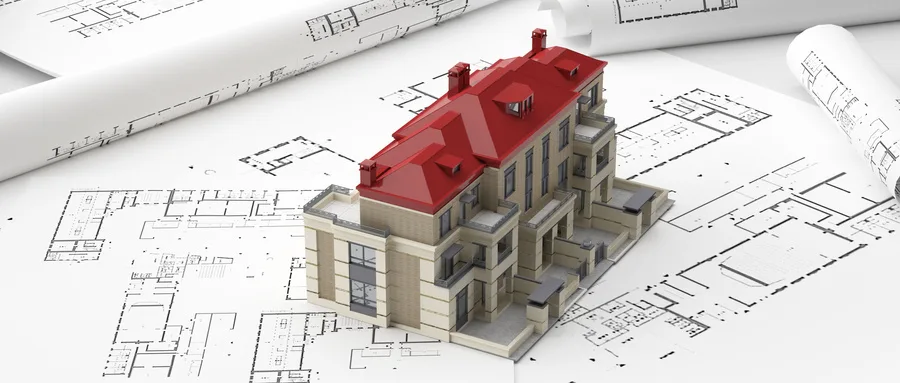
1) Classification by Profession
Classifying families by profession is the most fundamental approach. In Revit, major disciplines such as plumbing, electrical, and HVAC are grouped under system functions. This is followed by architecture and structural disciplines. Revit further distinguishes between building walls, columns, structural walls, and structural columns, providing a detailed breakdown for both architecture and structure.
2) Classification by Project Phase
The entire project lifecycle is generally divided into three main phases: design, construction, and operation & maintenance. Based on these, the family library can be segmented into design families, construction families, and operation & maintenance families.
- Design families are the most commonly used collections during the design phase, organized by profession.
- Construction families build upon the design phase families with more detailed information, including materials, manufacturers, designers, production dates, and construction methods. These families can even be used to produce manufacturing molds.
- Operation & maintenance families are primarily used during the post-construction stage for managing and maintaining both individual components and overall system designs.
3) Classification by Source
Family libraries generally come from three sources:
- Software built-in libraries, which are similar to Revit’s system families.
- Enterprise self-built libraries, created by companies based on their specific design preferences and standards, often featuring company logos and used internally.
- Online shared libraries, which are open-access collections uploaded by enthusiasts or designers to public platforms. While these can vary in quality and software compatibility, they play a crucial role in fostering knowledge exchange and community-driven development.
4) Classification by Frequency of Use
Based on how often families are used, libraries can be categorized into standard libraries, specialized libraries, and project libraries:
- Standard libraries contain families widely recognized and accepted by users or national standards, making them applicable across multiple projects. These libraries grow over time as families are added and refined, featuring high repetition and limited variation.
- Specialized libraries consist of families created to meet the unique design needs of specific projects. These require ongoing review and adjustment to comply with standards before being applied.
- Project libraries include all families from both standard and specialized libraries. They are maintained by dedicated personnel based on actual usage within a project and managed according to project timelines. Utilizing project libraries significantly reduces family retrieval time.













Must log in before commenting!
Sign Up