
Before the advent of two-dimensional plan drawings in the construction industry, architectural representations were often conveyed through three-dimensional methods such as axonometric or perspective drawings. Although these methods lacked precision and required extensive explanations and annotations, they effectively showcased the architectural design itself. This approach allowed viewers to instantly grasp the essence of the building, providing a clear and direct understanding.
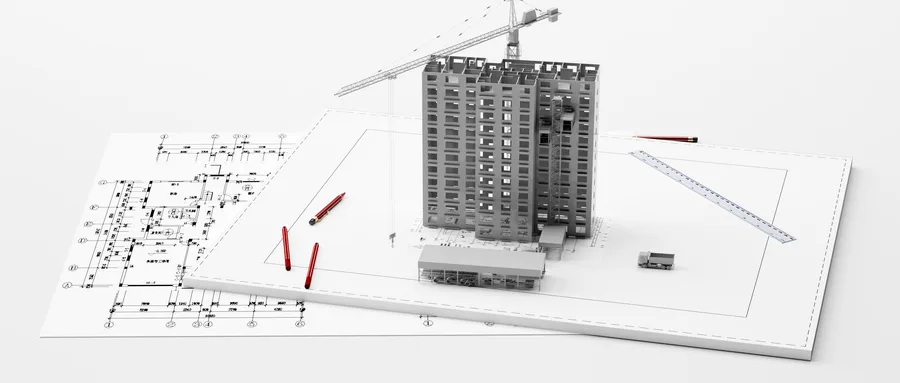
The rise and widespread adoption of BIM technology represent a significant advancement in architectural design and expression—not a regression, but a transformative leap forward. One key improvement is the breakdown of professional silos that were established by traditional two-dimensional drawing methods. BIM’s visualization capabilities intuitively communicate the various disciplines involved in architecture through clear three-dimensional representations.
Unlike obscure and complex 2D drawings that require specialized knowledge and strong spatial imagination to interpret 3D forms, BIM makes design results much more accessible. Previously, stakeholders such as clients or project leaders often struggled to understand design intentions from 2D plans, leading to dissatisfaction only after construction was completed. This frequently resulted in costly revisions and extended project timelines.
This communication gap is not only present between designers and clients but also among teams during the design and construction phases. Ambiguous drawings, misinterpretations, and lack of engineering experience can cause errors. The challenge is amplified by the increasing complexity of architectural forms and advancements in construction technology. Unconventional building shapes often demand a vast number of drawings, which still may fail to clearly convey the design, increasing workload and confusion for engineers.
BIM’s visualization feature addresses these challenges by providing quick and easy three-dimensional solid models of design outcomes, greatly enhancing clarity. Beyond simple geometric visualization, BIM delivers realistic effects and accurate dimensions of both interior and exterior spaces—details that traditional renderings cannot fully capture. Fundamentally, BIM serves as a three-dimensional database that integrates information across a building’s entire lifecycle, enabling seamless visual communication, modeling, and analysis throughout design, construction, and operation stages.
















Must log in before commenting!
Sign Up