
BIM optimization is a multifaceted concept. In essence, optimization serves as both the foundation and the greatest value proposition of BIM. While BIM technology does not completely replace traditional design methods, it offers undeniable advantages from an optimization standpoint.
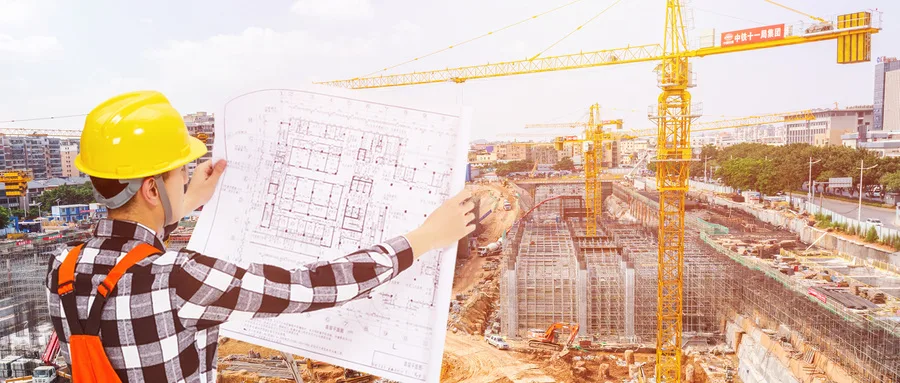
Using BIM for purposes such as conveying design intent, facilitating communication, integrating information, and coordinating tasks can significantly reduce the workload and technical expertise required compared to traditional 2D platforms. For instance, managing moderately complex pipeline integration traditionally demands an experienced and highly skilled mechanical and electrical engineer. In contrast, BIM allows engineers with only basic knowledge of pipeline integration principles and techniques to complete these tasks efficiently. This results in manpower and cost savings that traditional methods cannot match.
Several factors influence optimization, including complexity, information availability, and time constraints. As design methods diversify and construction technologies advance, buildings have become increasingly complex—especially irregular and super-tall structures. These projects involve numerous disciplines and greater demands on each specialty. The complexity often exceeds the capabilities of individual participants, making it difficult to grasp all project information without relying on advanced tools and external support.
BIM technology and its optimization tools offer solutions to these challenges in complex engineering projects. Achieving effective optimization requires accurate and comprehensive information. BIM models, represented in 3D within an open database, provide both geometric and non-geometric data throughout a building’s entire lifecycle. This rich dataset supports BIM-based project optimization at every stage.
















Must log in before commenting!
Sign Up