
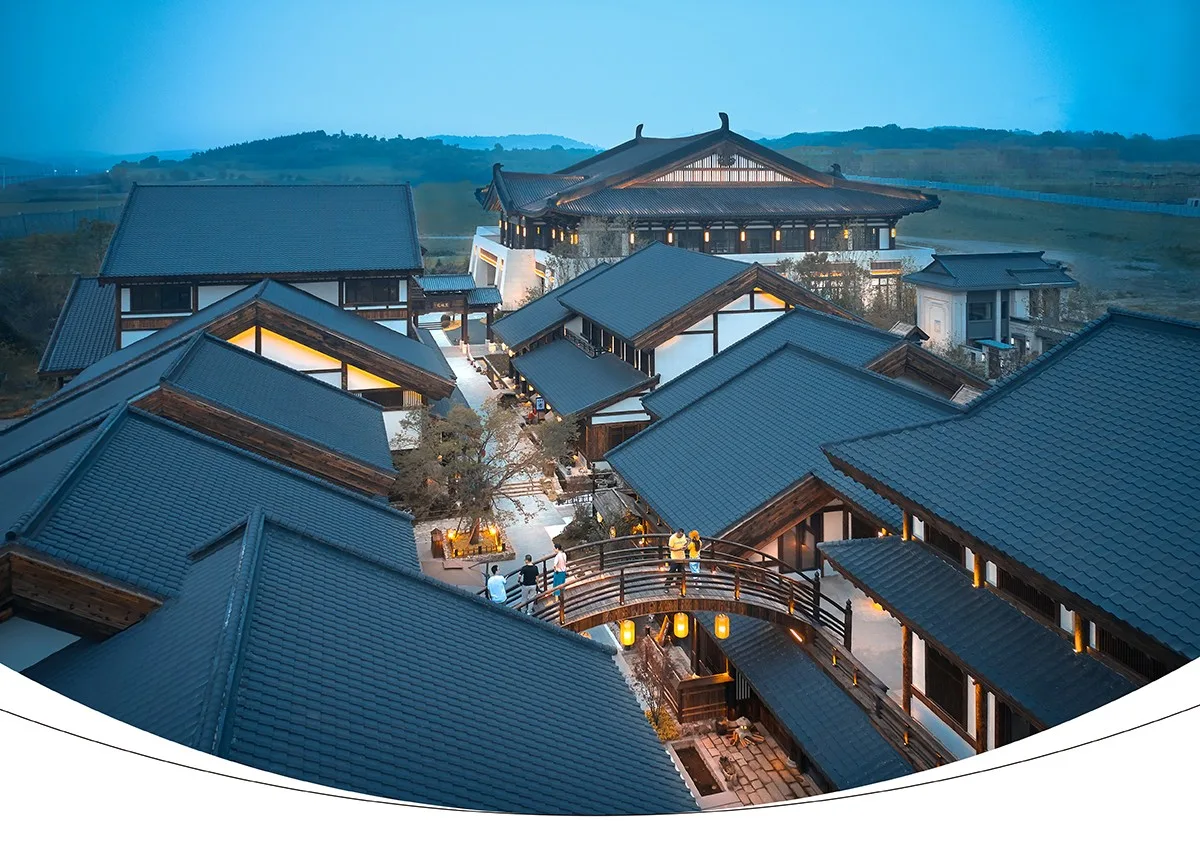
New Tang Style: A Modern Interpretation
How do we express Tang style architecture? Is it through faithful restoration of antiques or through innovative redesign?
The recently concluded Chinese drama Chang’an Twelve Hours captivated audiences for over a month. Beyond its gripping storyline, industry professionals appreciated the exquisitely recreated Tang Dynasty scenery and set designs.
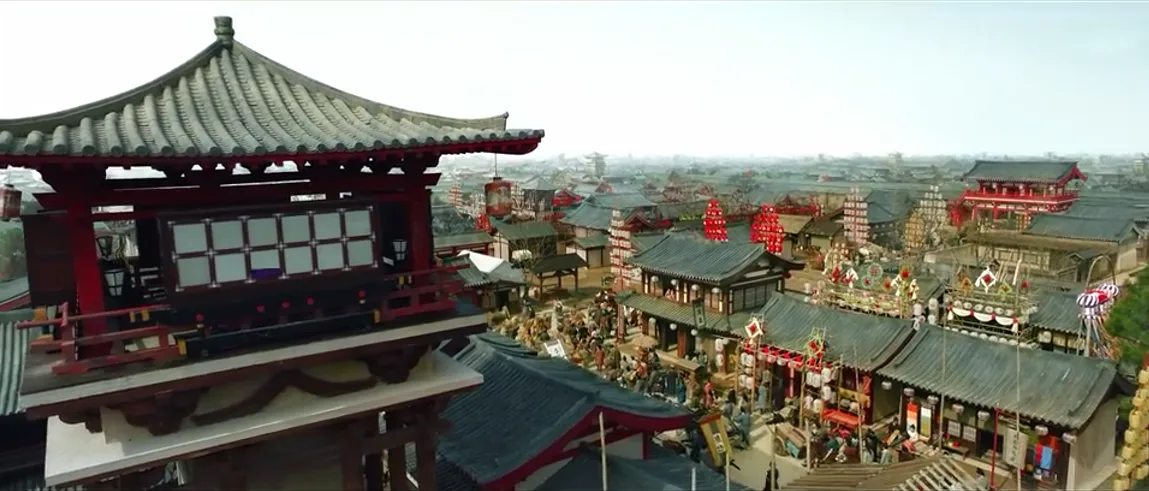
△ Still image from Chang’an Twelve Hours © Image sourced from the internet
But how can Tang style be authentically expressed in real-world architectural projects? Should it be antique restoration or creative reinterpretation? Different projects call for tailored approaches. This challenge inspired the design of the Changchun Shimao Lianhua Mountain Cultural and Tourism Town.
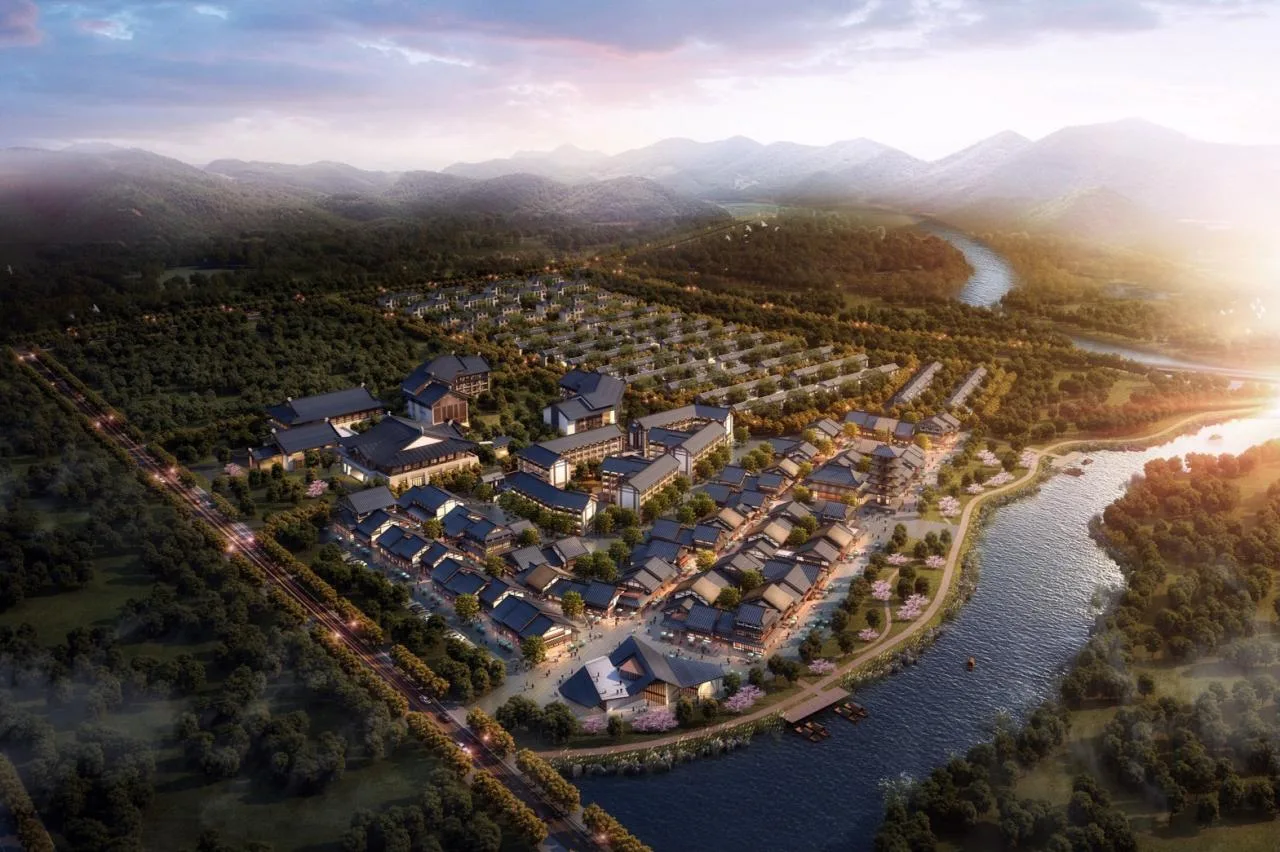
△ Bird’s-eye view rendering
Located in the Lianhua Mountain Ecotourism Resort on the outskirts of Changchun City, this Tang-style resort town blends culture, creativity, art, hot springs, homestays, and dining. In the early design phase, the team extensively researched historical records and surveyed existing Tang-style buildings and film sets. They discovered that no direct restoration prototype existed for the commercial street project. The question arose: how could inspiration be drawn from these references?
Planning Questions:
- How to create the texture and rhythm of the commercial district?
- How to establish a Tang style atmosphere in architectural styling?
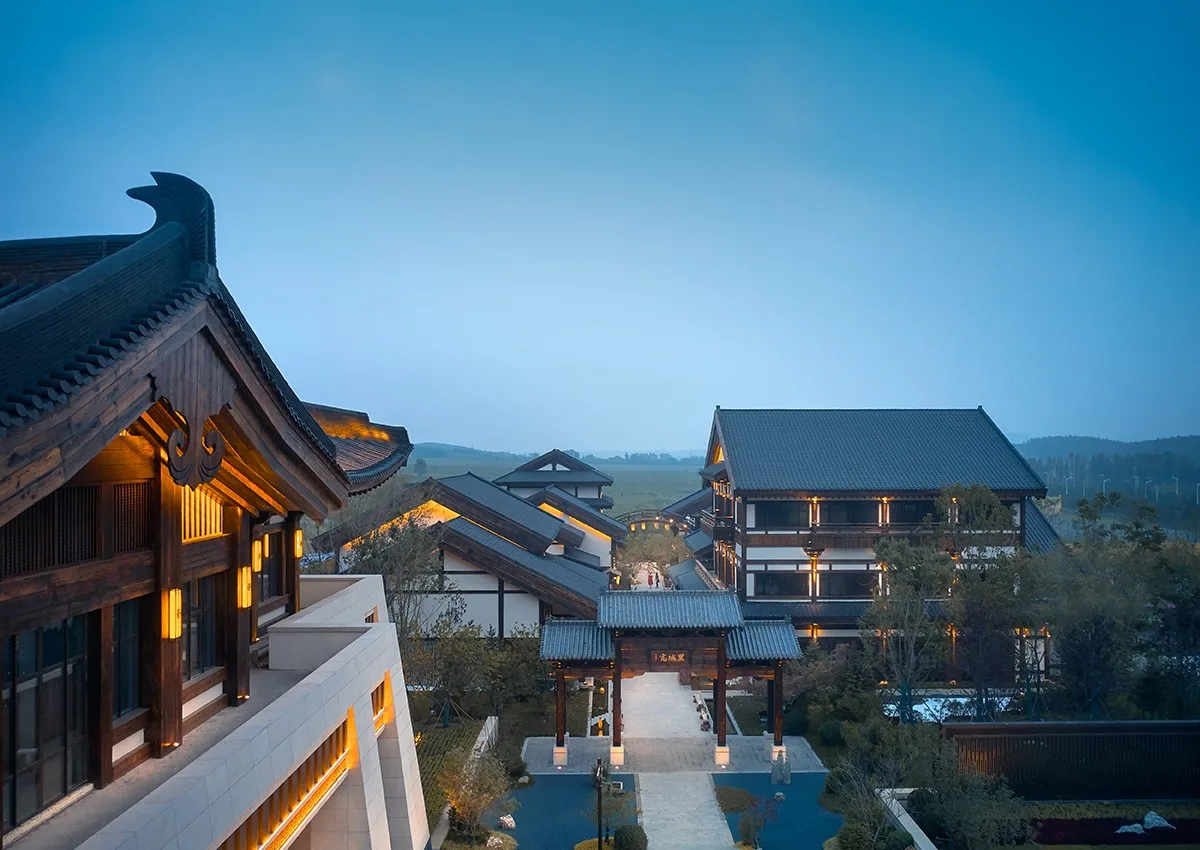
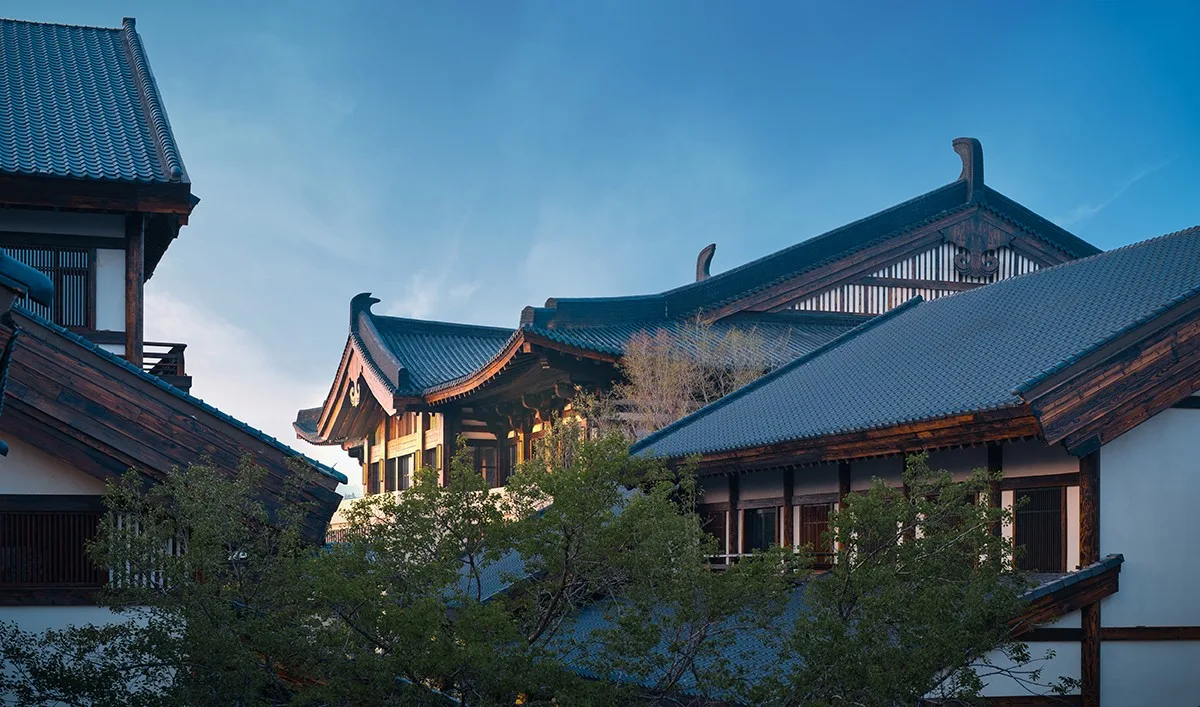
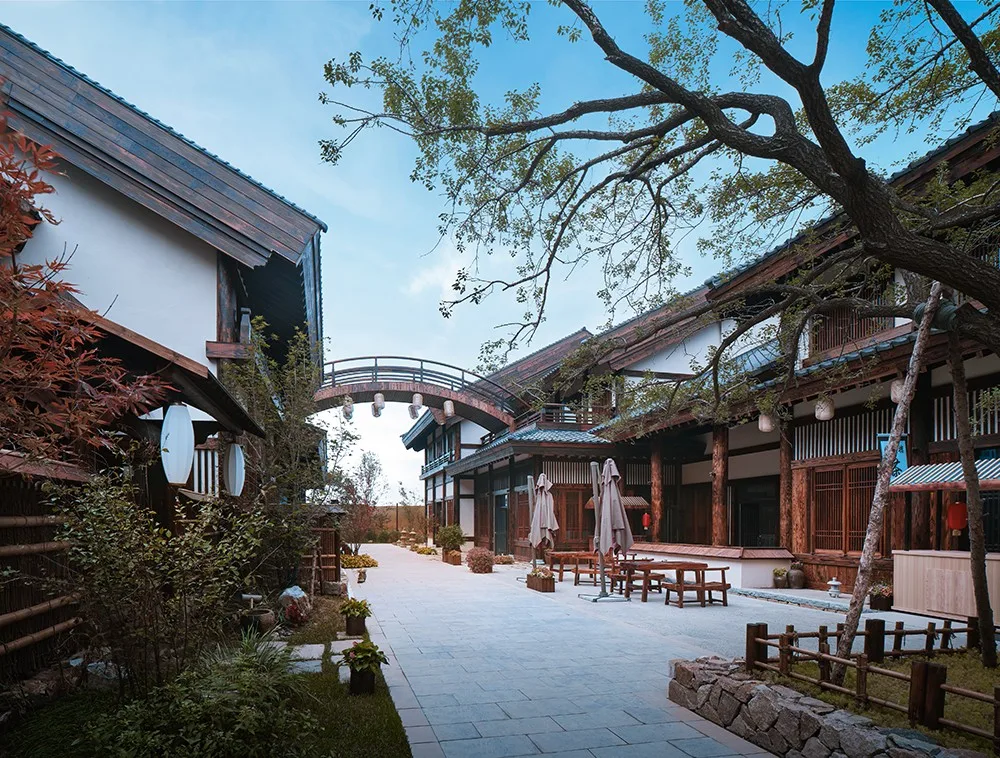
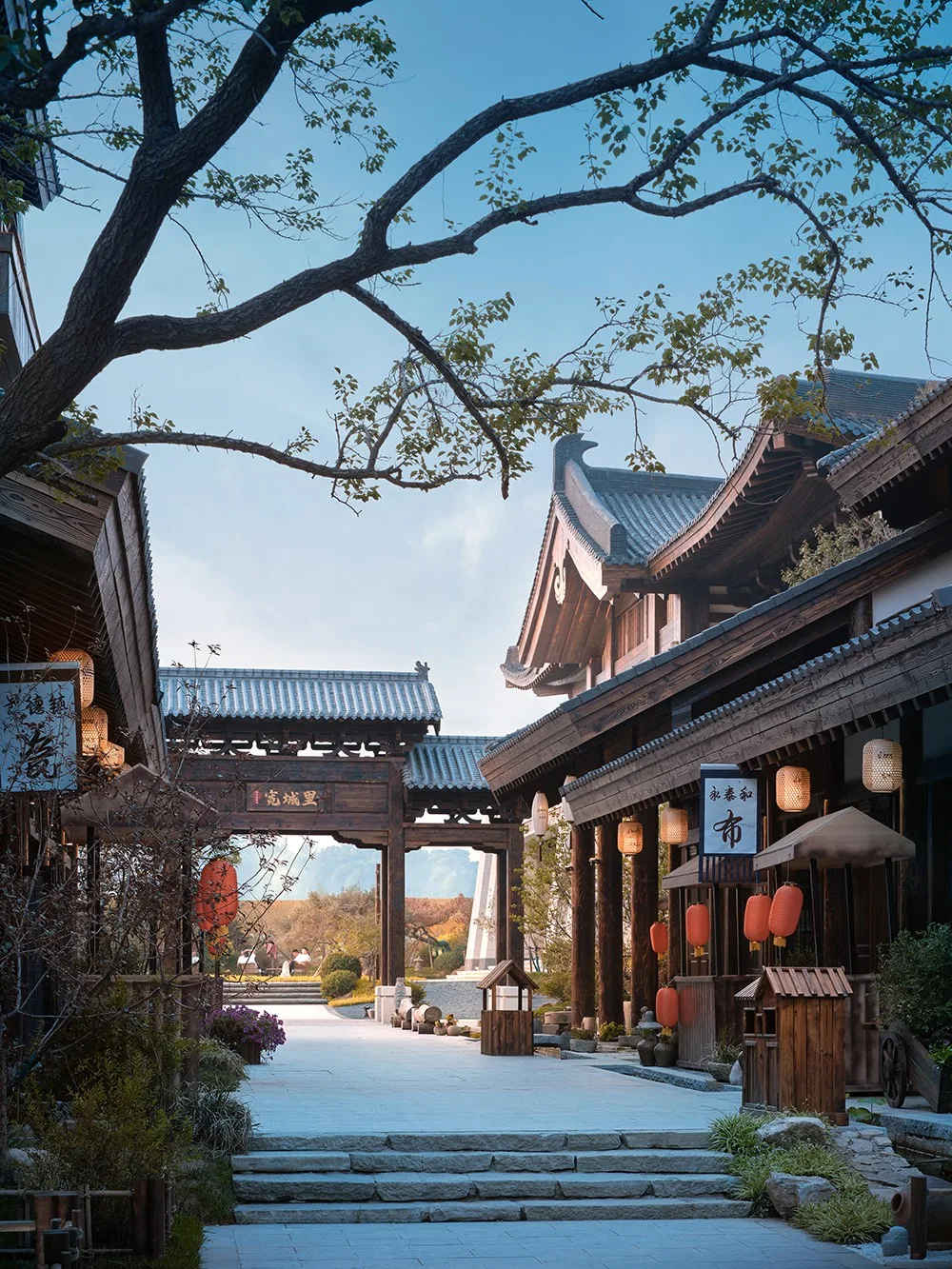
△ Realistic photo of the commercial street © Octopus Photography
Exploring Block Texture Applicability
The Tang Dynasty’s street block layouts were not ideal for modern commercial development. To address this, the design team studied several small towns, focusing on the Kiyomizu Temple district in Kyoto, which features pedestrian flow rhythms similar to modern commercial areas. This served as a benchmark for planning block texture in terms of layout and street scale.
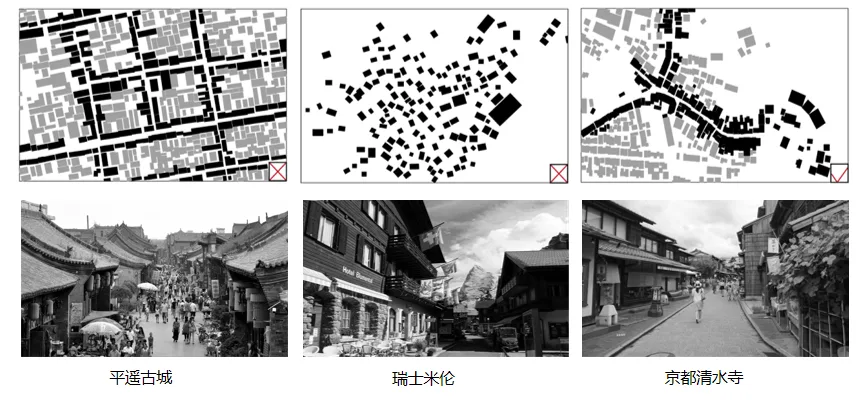
Block scale case study △
Cluster Layout Form
Kiyomizu Temple in Kyoto, built in the Tang architectural style, features a main entrance slope forming block spaces through architectural clusters. Enlarging the block plan revealed rhythmic intervals of about every 60 meters.
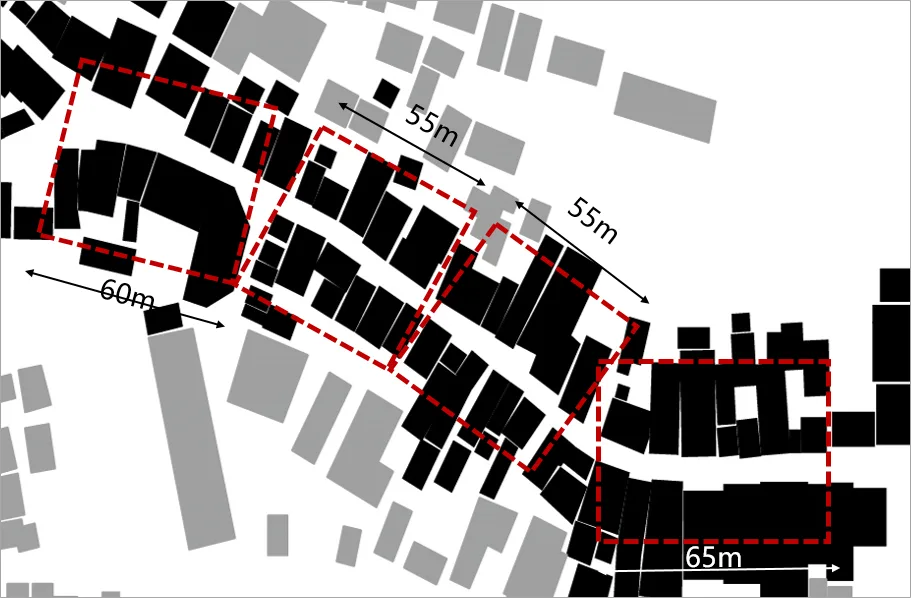
Scale analysis of Kiyomizu Saka (Kyoto, Japan) block
Using the current land use for the commercial street, the design defines a block length of about 400 meters, creating building clusters every 50 to 60 meters. Squares are placed as block nodes to regulate pedestrian flow rhythm, while a single continuous path optimizes connectivity and commercial potential.
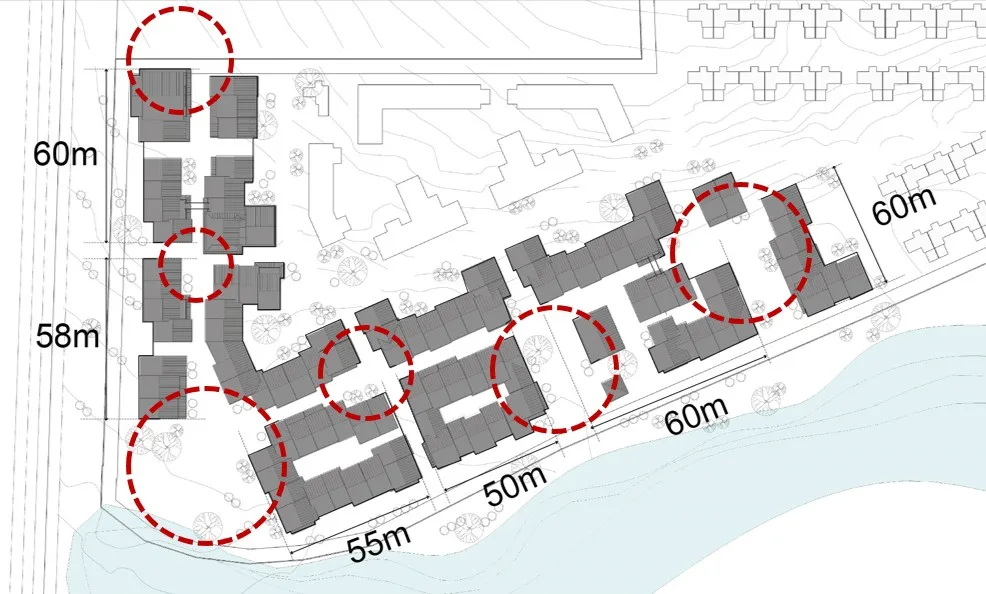
Commercial street scale and rhythm
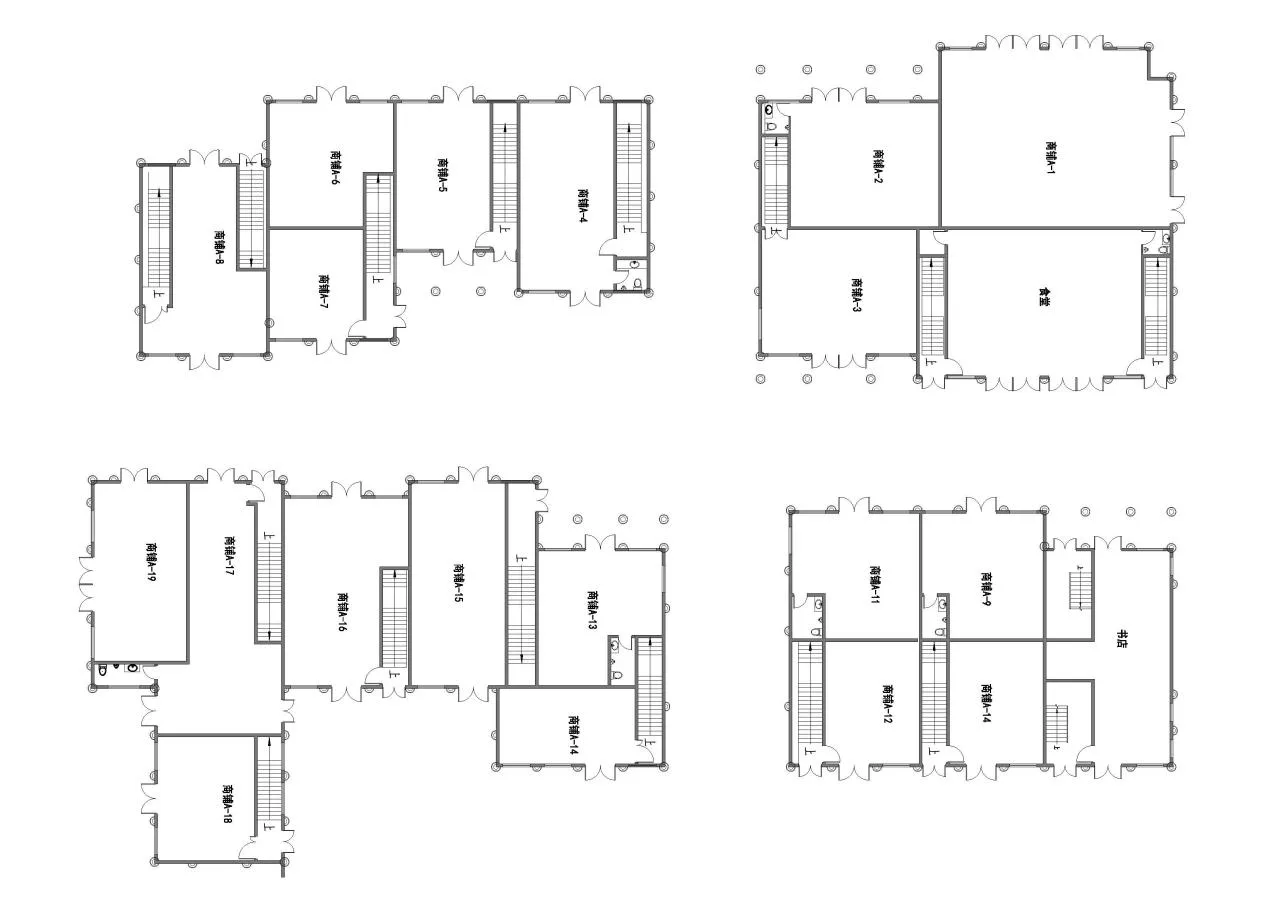
△ First floor plan of Shoukai District commercial street
Street Scale and Enclosure
Prioritizing human visual comfort, the design sets the street width between 7 to 9 meters and shop heights from 4.5 to 10 meters on both sides, creating a well-enclosed street environment.
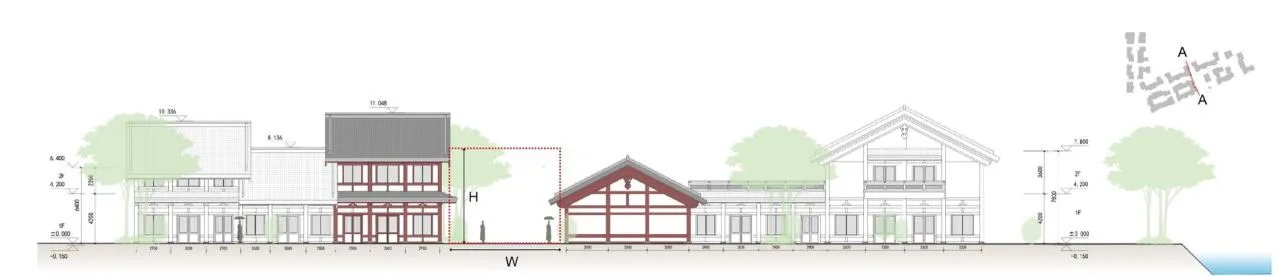
△ Proportional schematic of commercial street
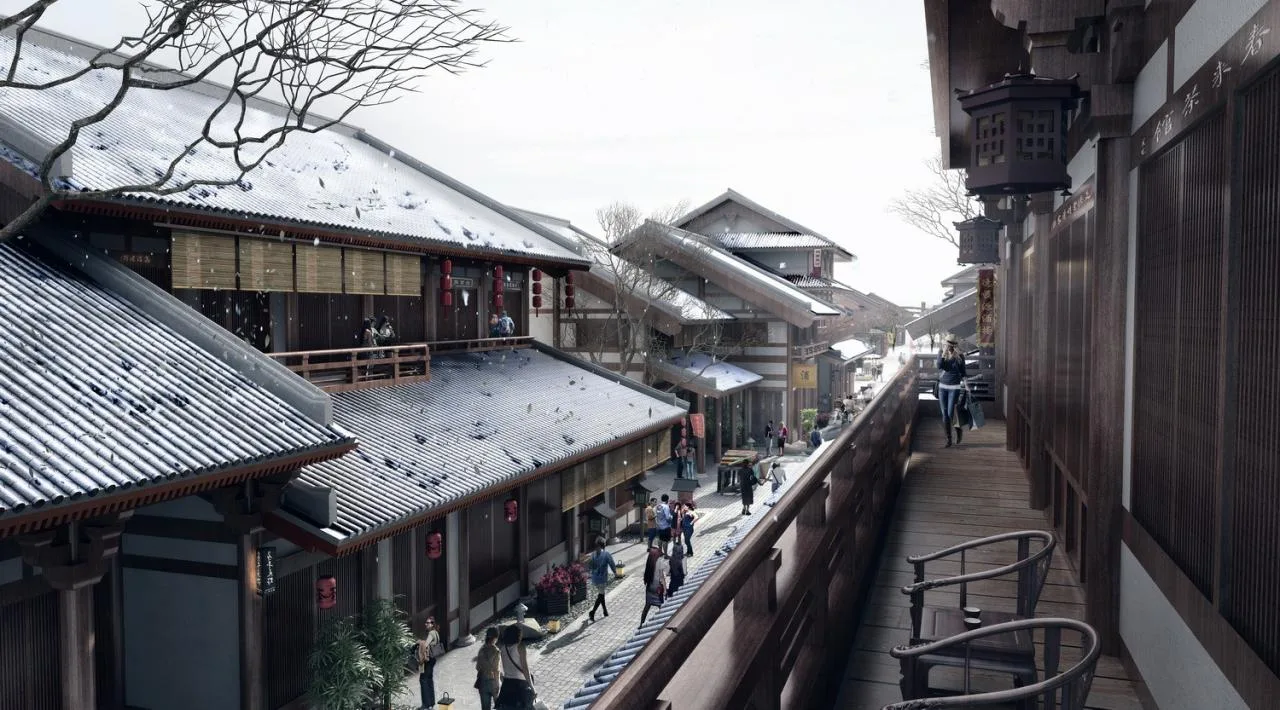
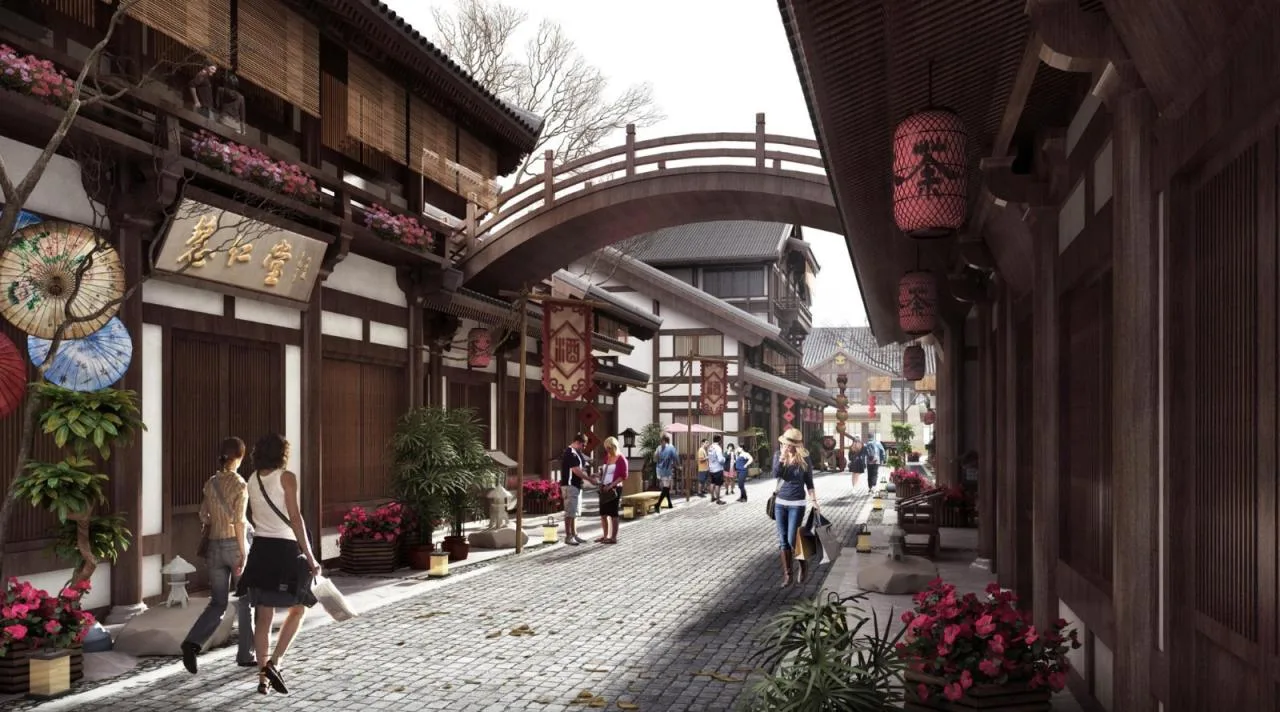
△ Commercial street rendering
Popularizing Tang Style Architecture
Initially, the design team attempted to assemble Tang palace-style buildings directly to form the commercial street. However, the architectural volume and spatial atmosphere felt incompatible with the open, interactive nature of a commercial district.
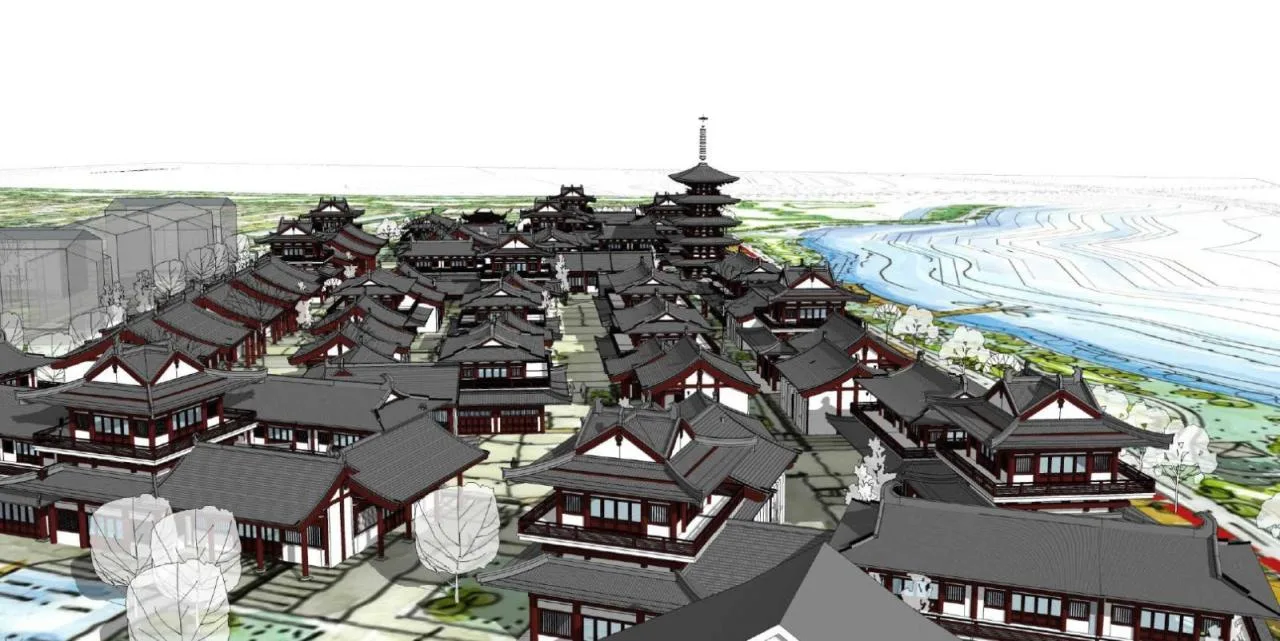
△ Rendering of palace-style architectural cluster commercial street
After thorough study of unearthed relics and surviving Tang structures, the team selected the lowest-grade palace as a design benchmark. Focusing on bay proportions and roof slope, they defined basic architectural modules suitable for the commercial street’s cultural context, enabling smooth placement of building clusters.
Choosing Appropriate Bay Ratios
Research shows that the ratio of eave height (H) to room width (L) in Tang architecture varies with the number of bays. Smaller rooms correspond to smaller H/L ratios.
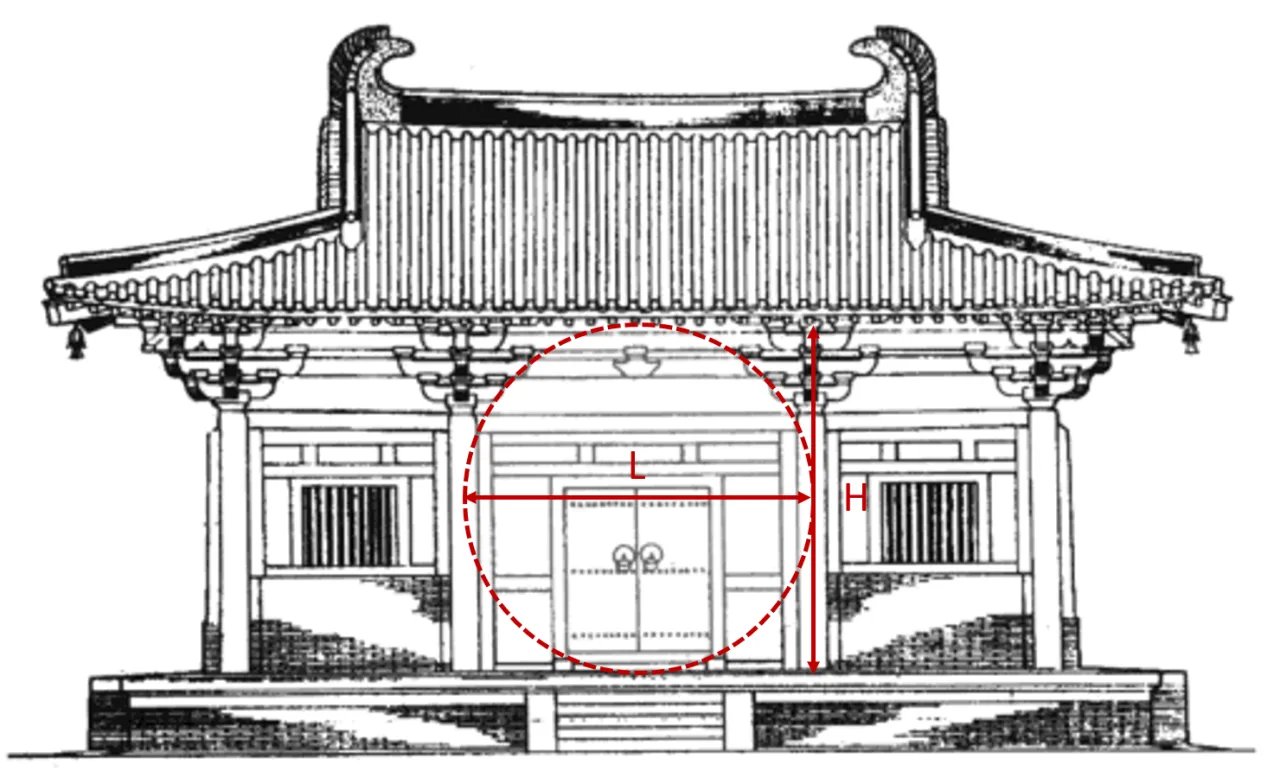
△ Bay opening ratio schematic of South Zen Temple, Mount Wutai, Shanxi © Tang Style Architecture Creation
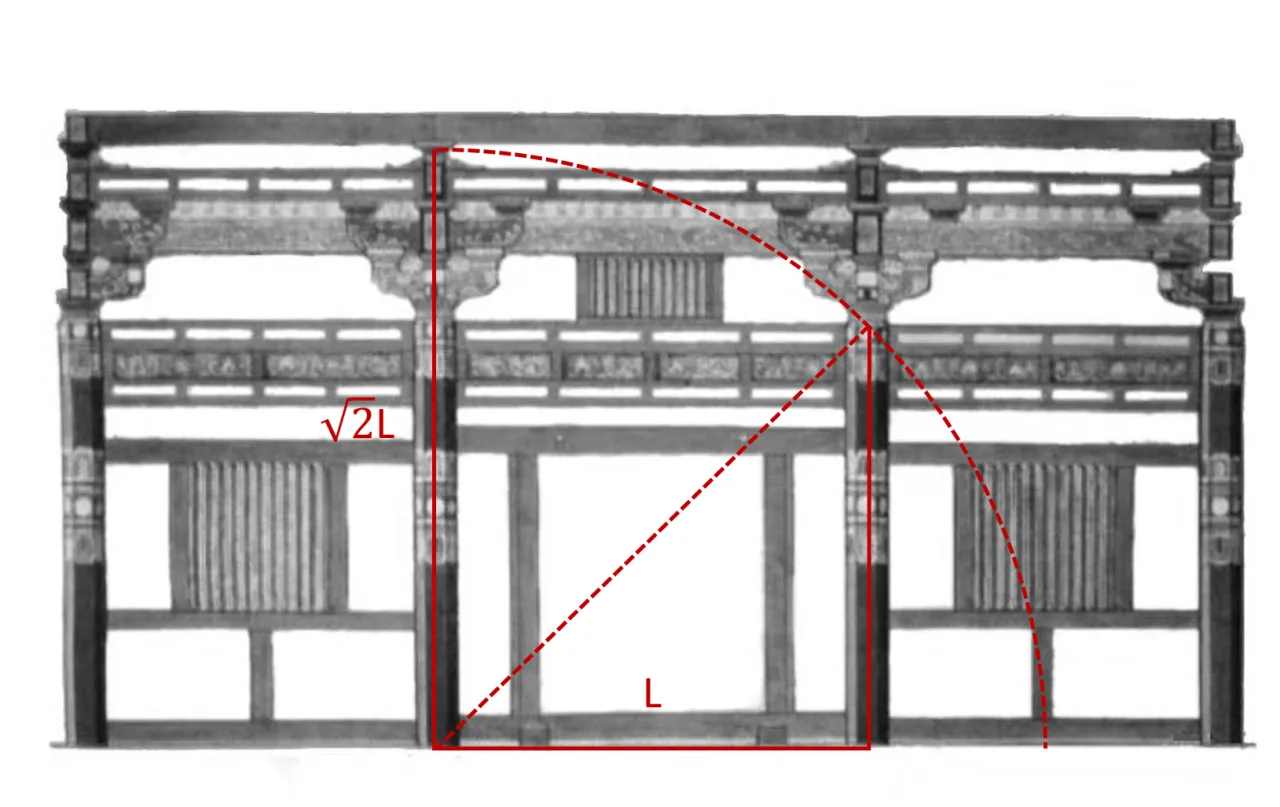
△ Colored eaves painting bay ratio schematic from Cave 427, Mogao Grottoes, Dunhuang © Tang Style Architecture Creation
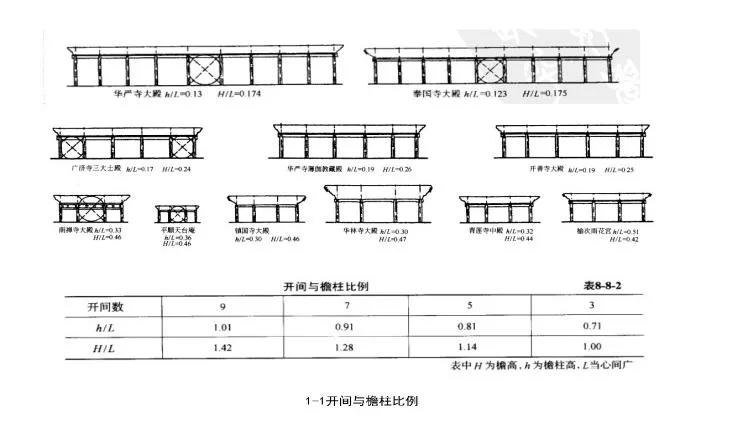
Ratio variations of eave pillars to width based on bay number © Tang Style Architecture Creation
Considering the multi-bay nature of the commercial street, three-bay units were chosen as the basic span, with clusters formed by combining multiple units. This resulted in an eave height (H) to bay width (L) ratio close to √2, ensuring the height-to-width ratio of each unit stayed within this range.
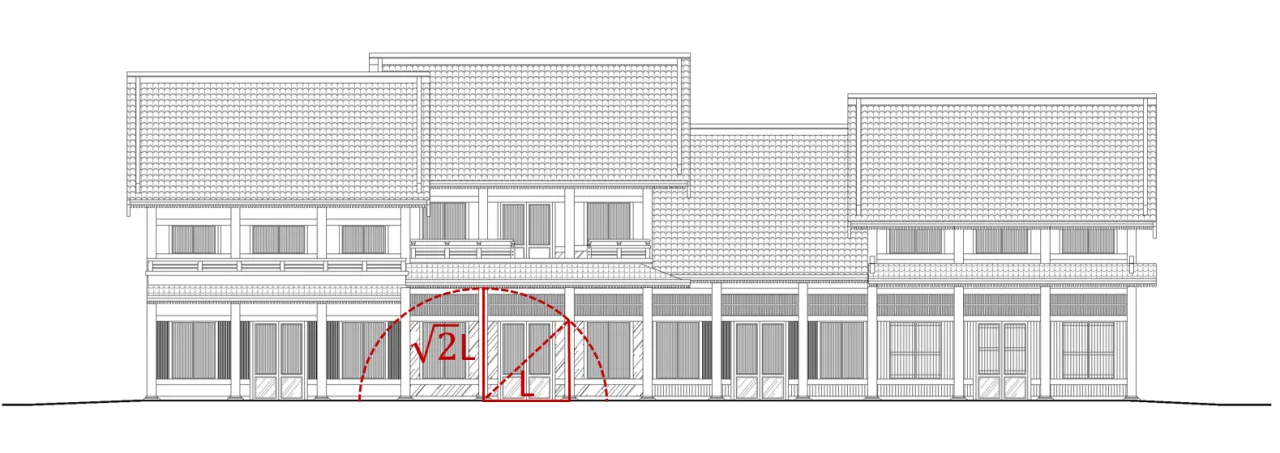
△ Ratio schematic between commercial street façade and eave columns
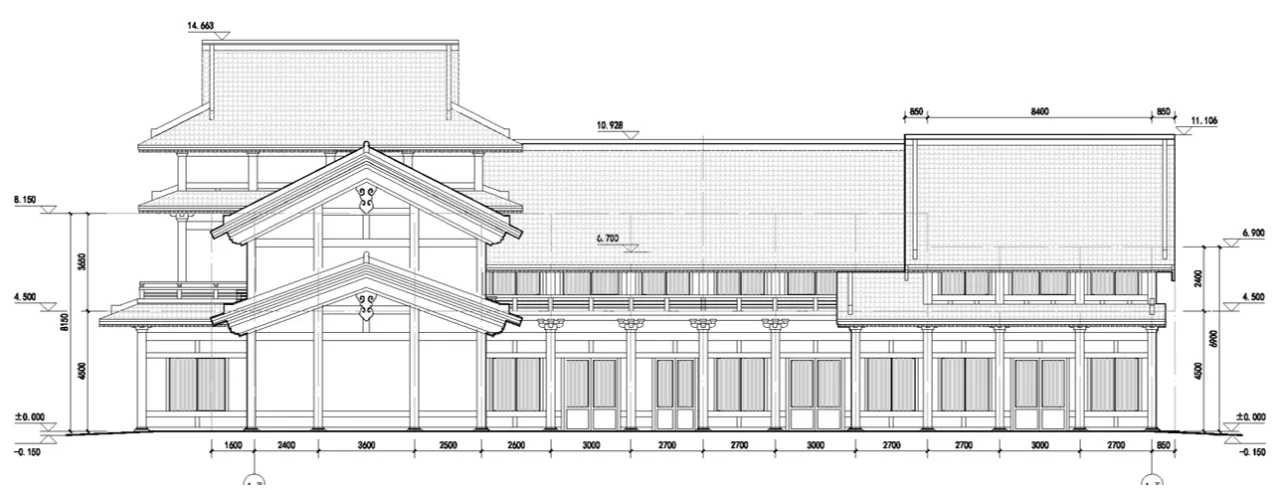
East elevation of main individual buildings in the commercial street
Determining Roof Slope and Folding
The commercial street’s scale resembles residential buildings, so maintaining a consistent roof slope enhances the grounded, approachable feel. Referring to the “Suggestions for Modern Antique Architecture Roofs” from the book Tang Style Architecture Creation, a 27° roof slope was selected for the commercial street.
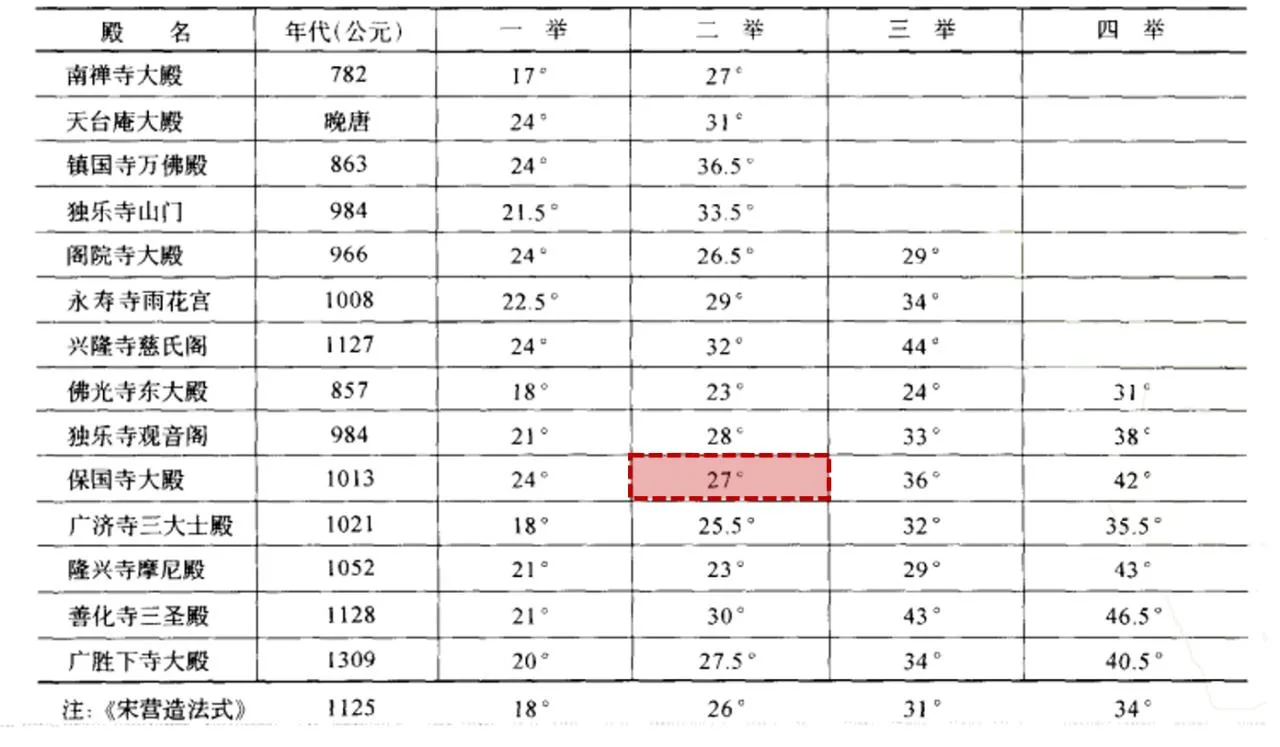
Table of roof angles for Tang style architectural heritage © Tang Style Architecture Creation
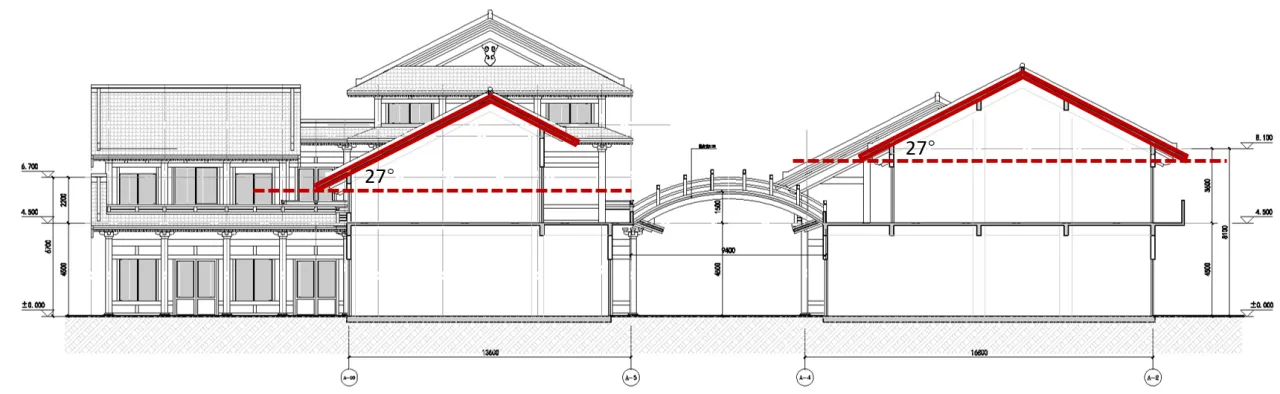
Roof slope schematic of main individual buildings in the commercial street
Modular Building Combinations
After establishing basic modules, five distinct modeling types were developed to accommodate the commercial street’s scale and rhythm. These modules were combined in various configurations to create a dynamic building complex along the street.
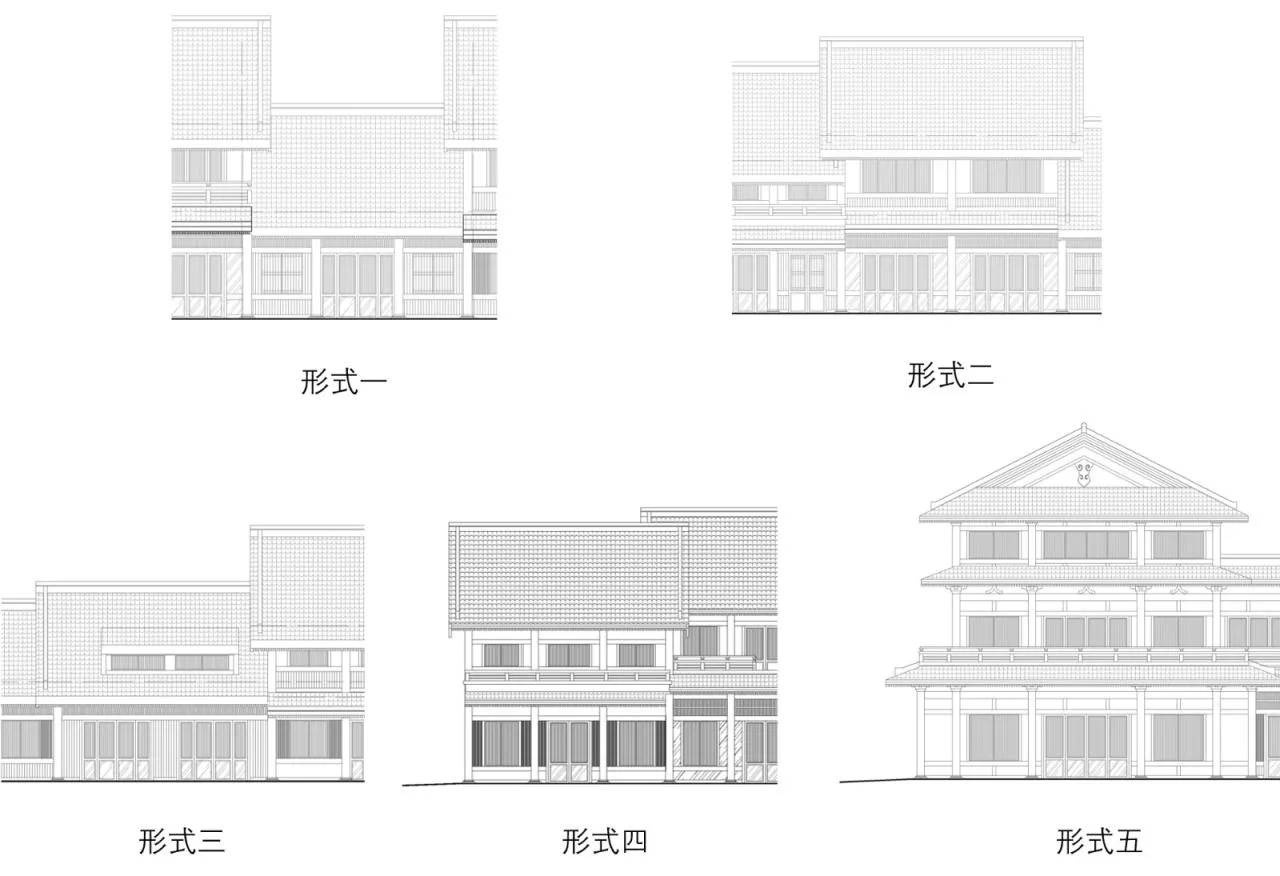
△ Five types of modeling module forms
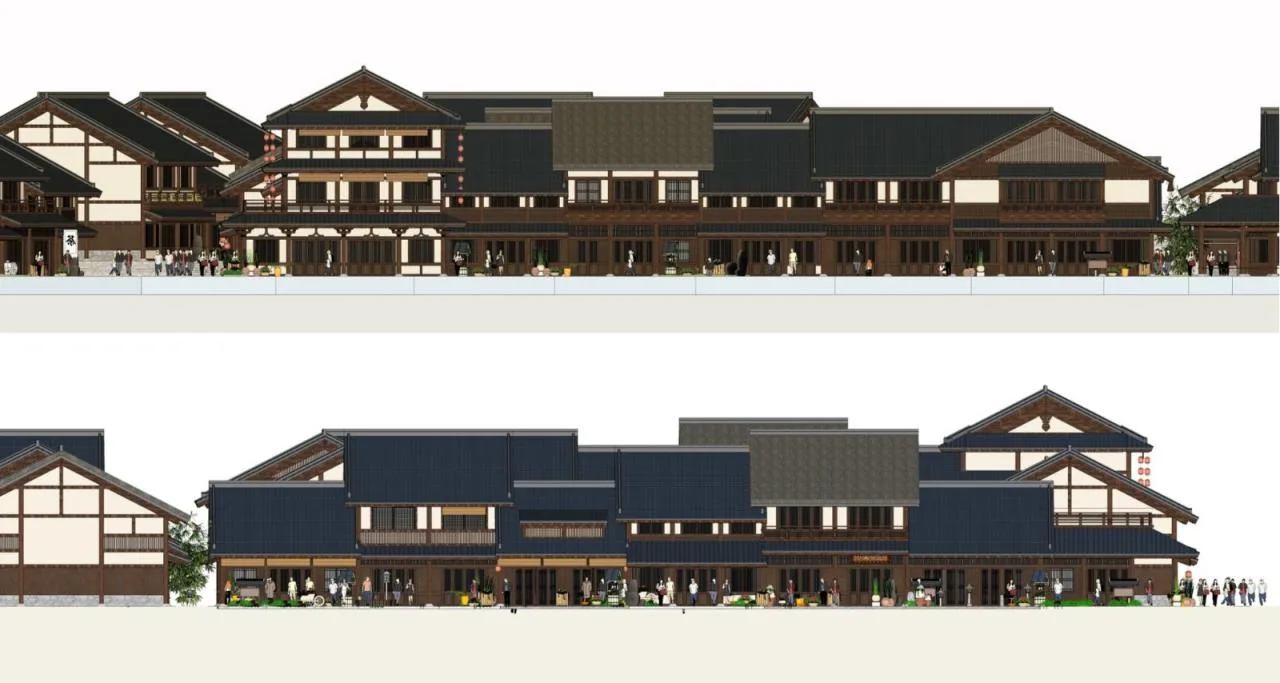
△ Elevation diagram of architectural module combinations
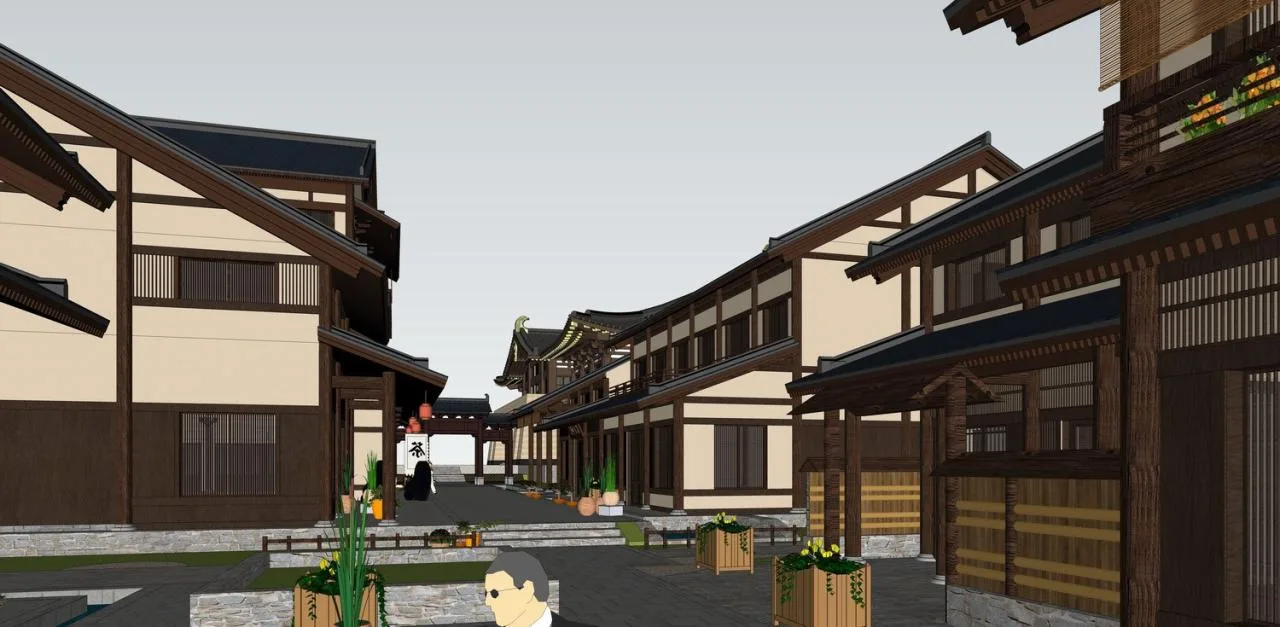
△ Rendering of architectural module combinations
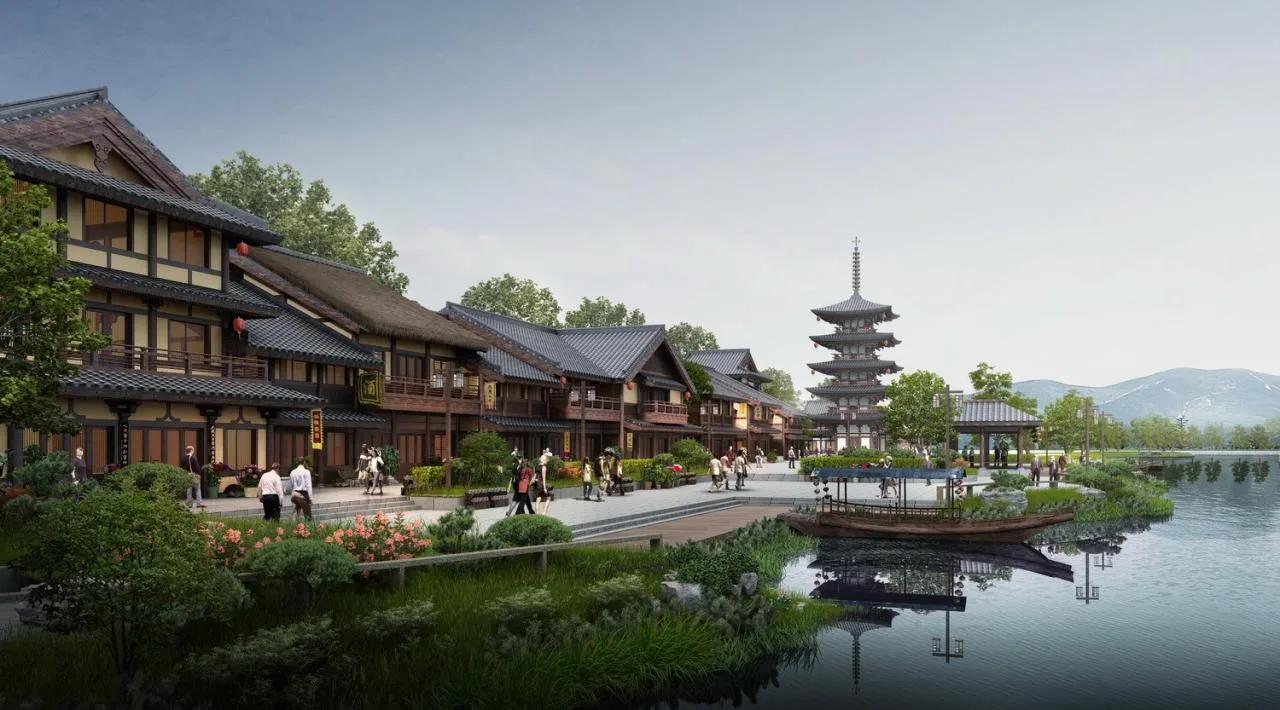
Perspective renderings of key commercial street nodes
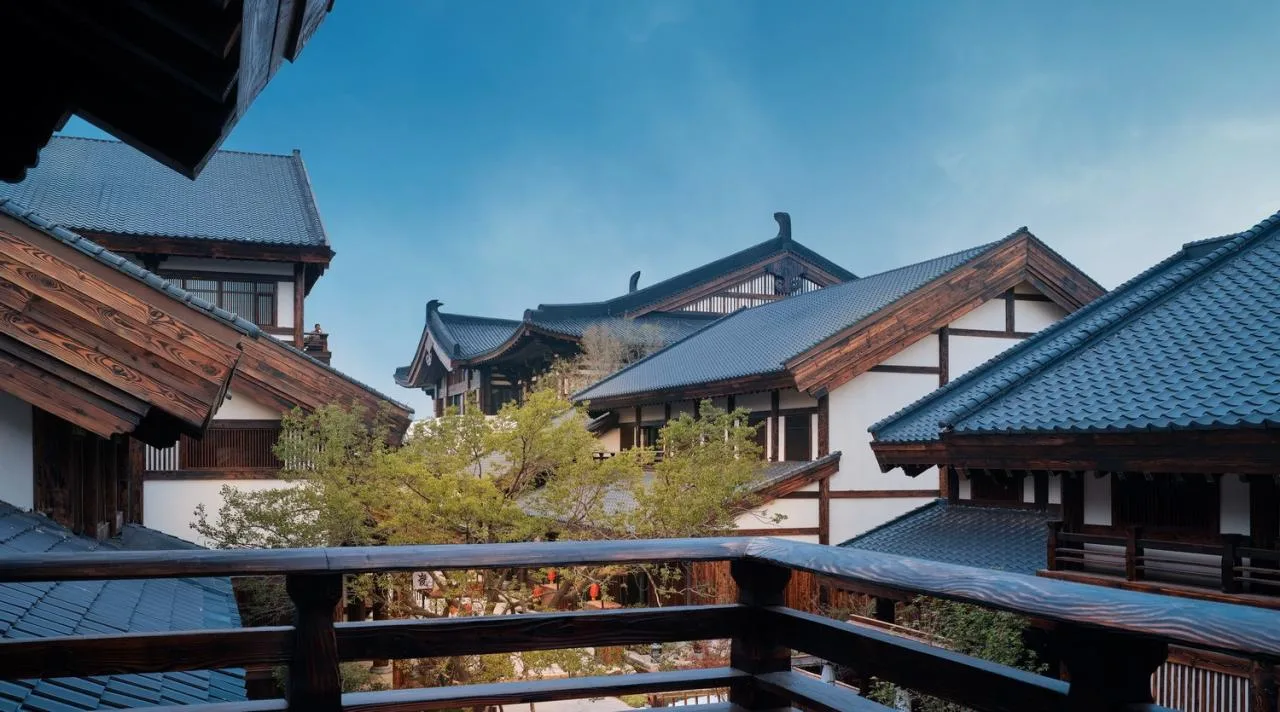
Half bird’s-eye view of the commercial street © Octopus Photography
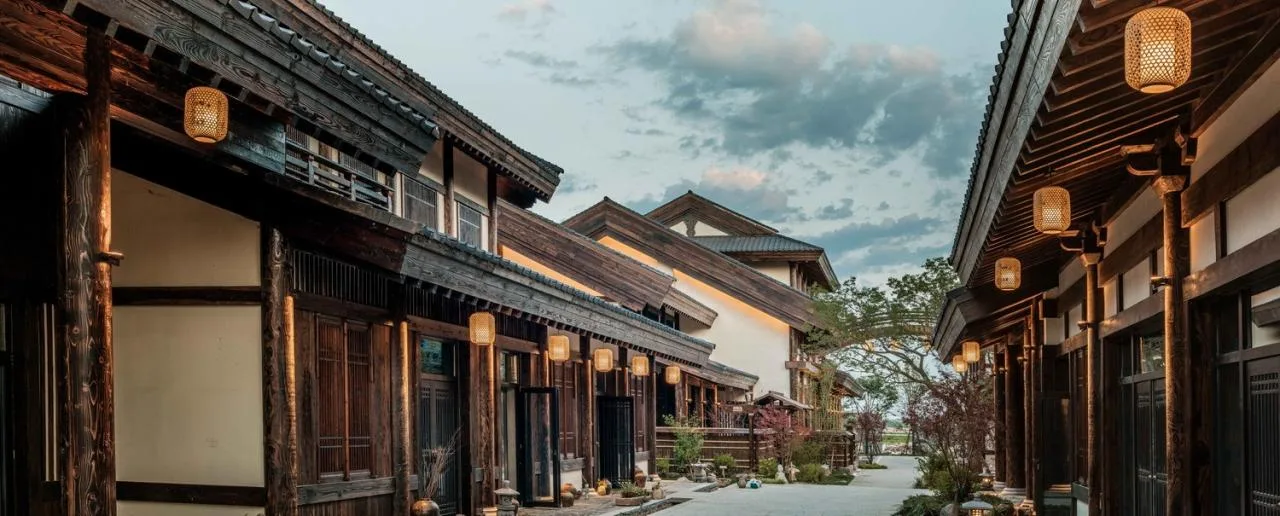
△ Realistic photo of the commercial street © Shimao Group
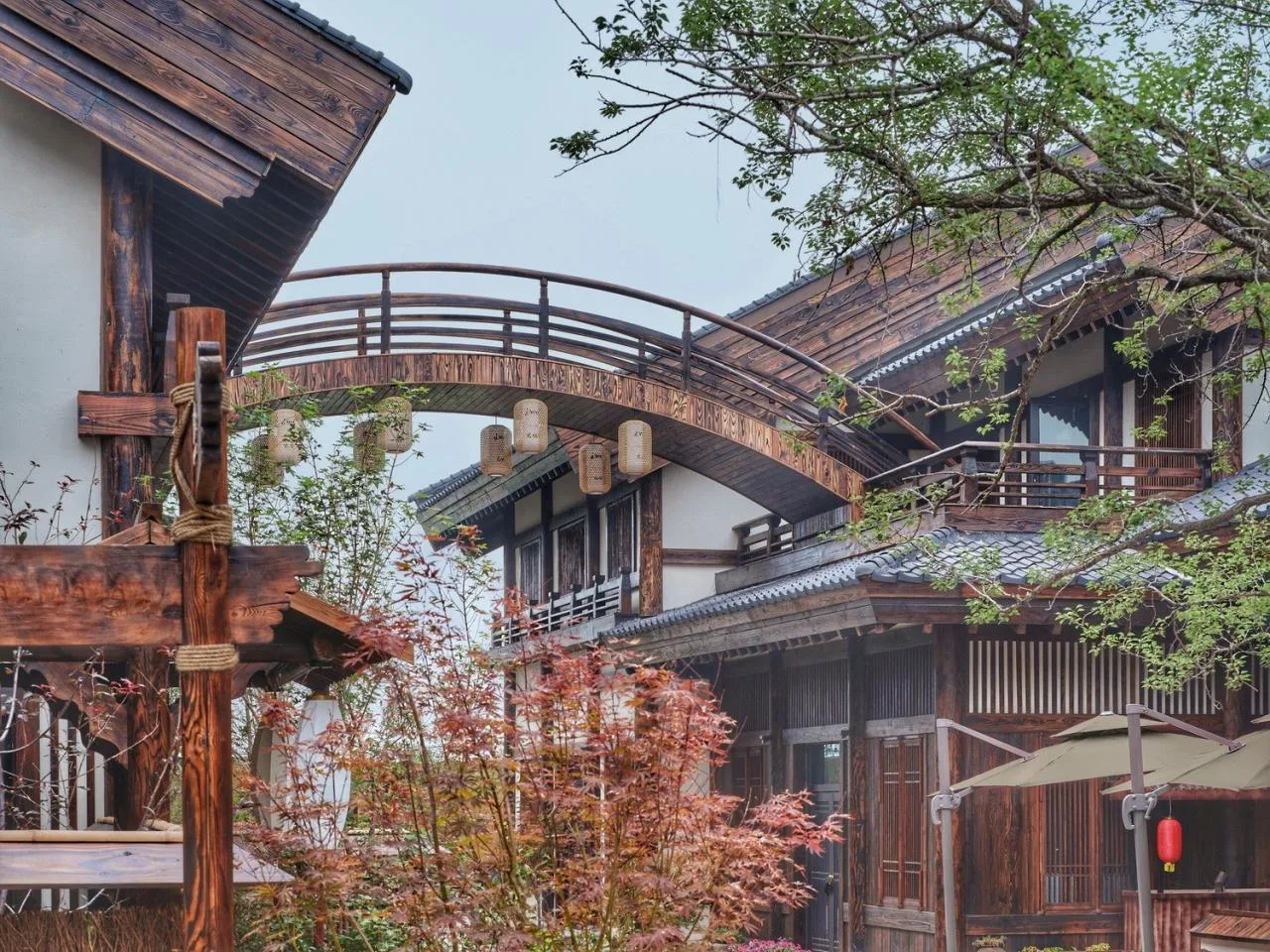
△ Local scene of the commercial street © Octopus Photography
Dedicated Research and Expertise
When designing antique-style buildings, we remain committed to respecting history and culture. Our process involves thorough research and collaboration, from data collection to ideation. Prioritizing human comfort and commercial value, we craft rhythmic, legible commercial spaces that blend modern craftsmanship with classical elements, reviving a millennia-old style vibrantly.
Project Information
Building Types: Hotel, Commercial, Residential
Building Area: 124,889 square meters
Developer: Shimao Group
Architectural Design: UA You’an Design
Construction Start: July 2019














Must log in before commenting!
Sign Up