
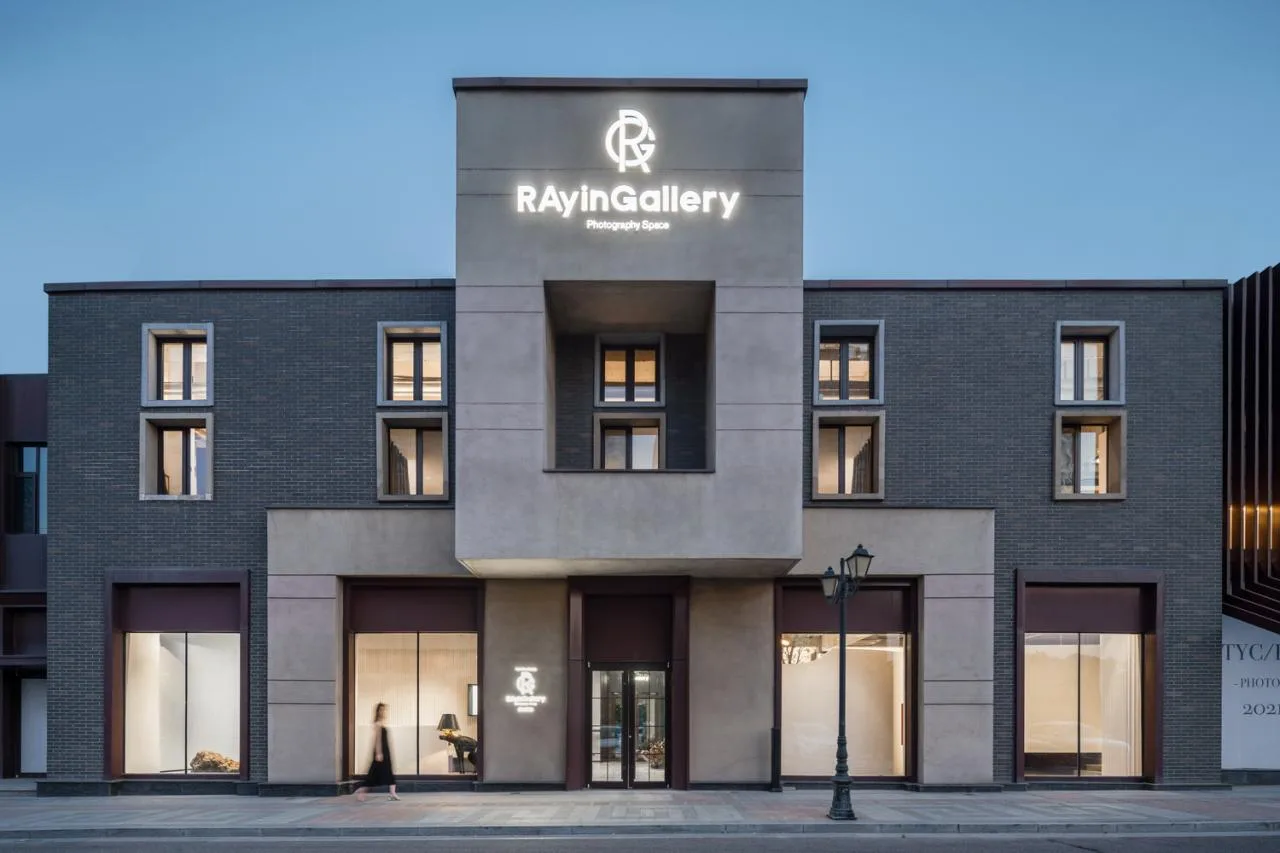
Light breathes life into space, seamlessly blending the physical world with visual imagery.
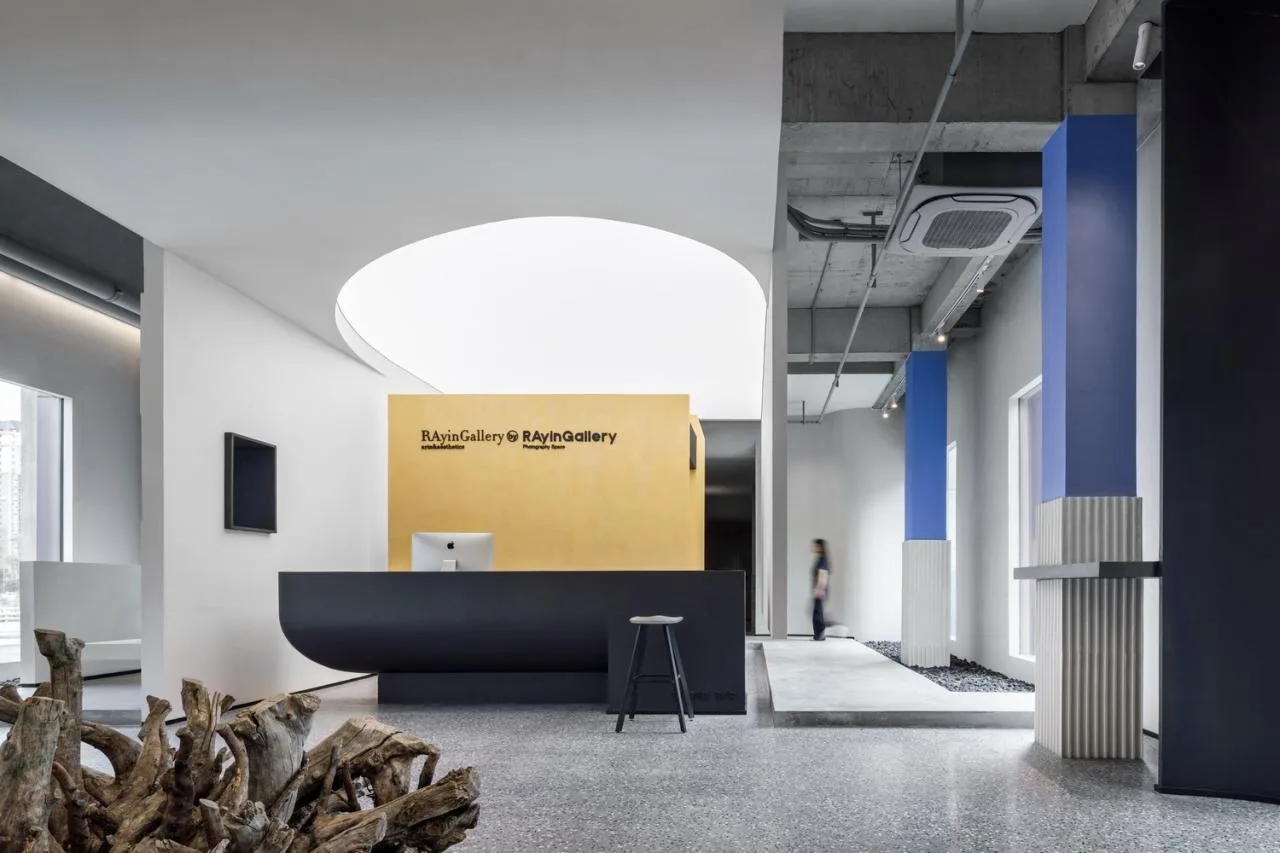
“We are born into light. We feel the seasons through light.” – Louis Koon
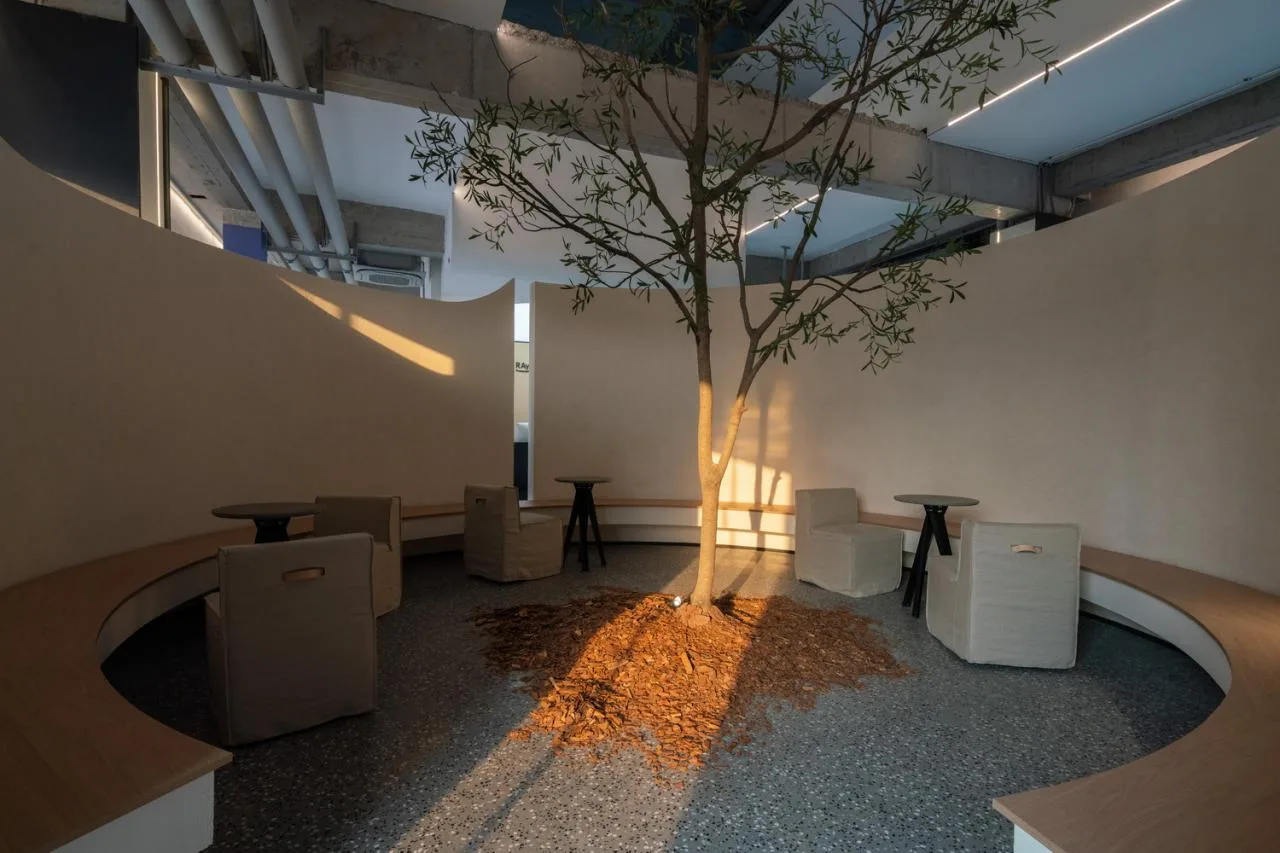
Louis Koon was a pioneer in architectural design, emphasizing the interplay of light and shadow. He believed that a space should evoke pure spiritual emotions. Some spaces can feel ‘infinite,’ while others are intentionally ‘limited.’ Different lighting conditions create distinct rhythms, enriching indoor environments with dynamic expressions.
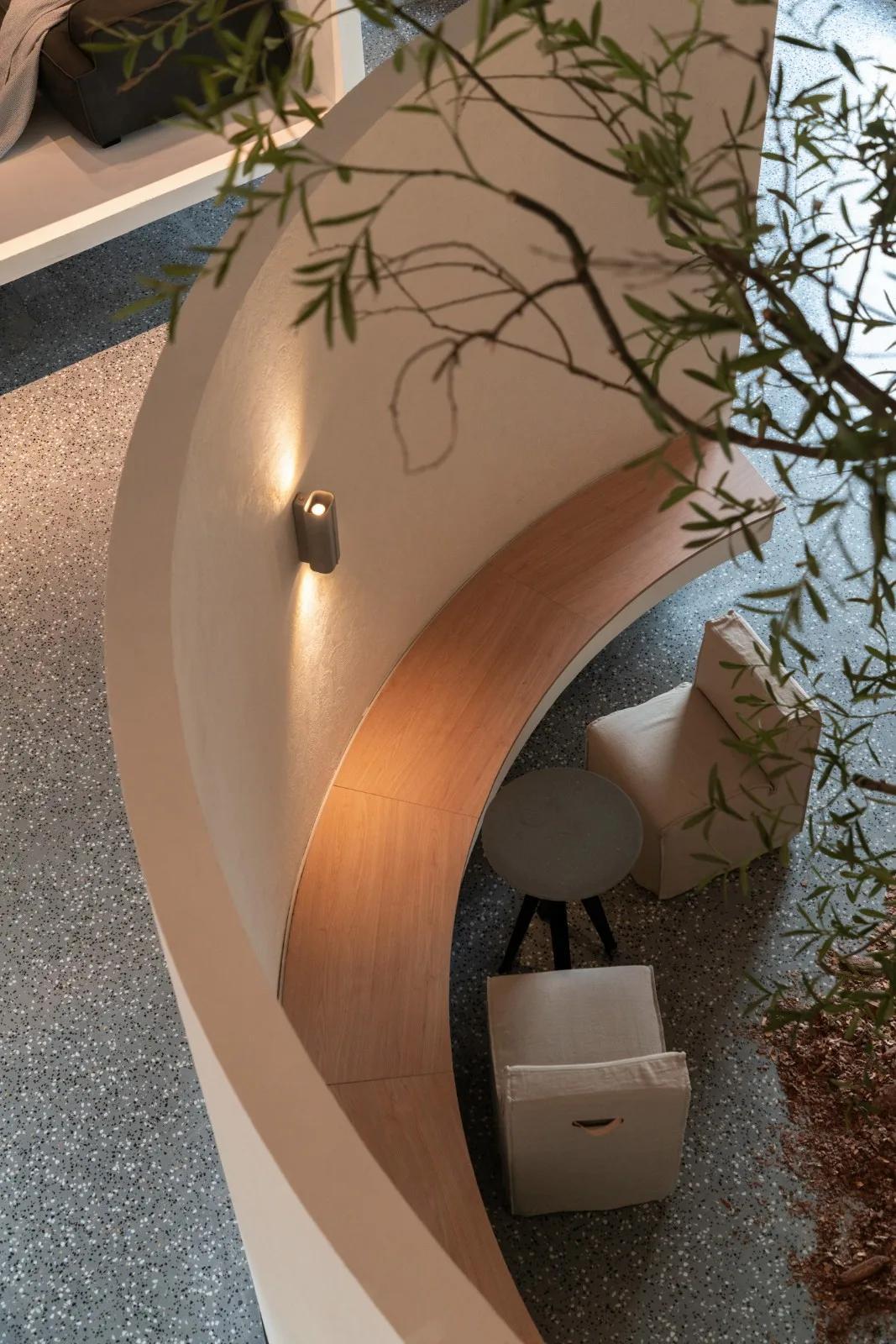
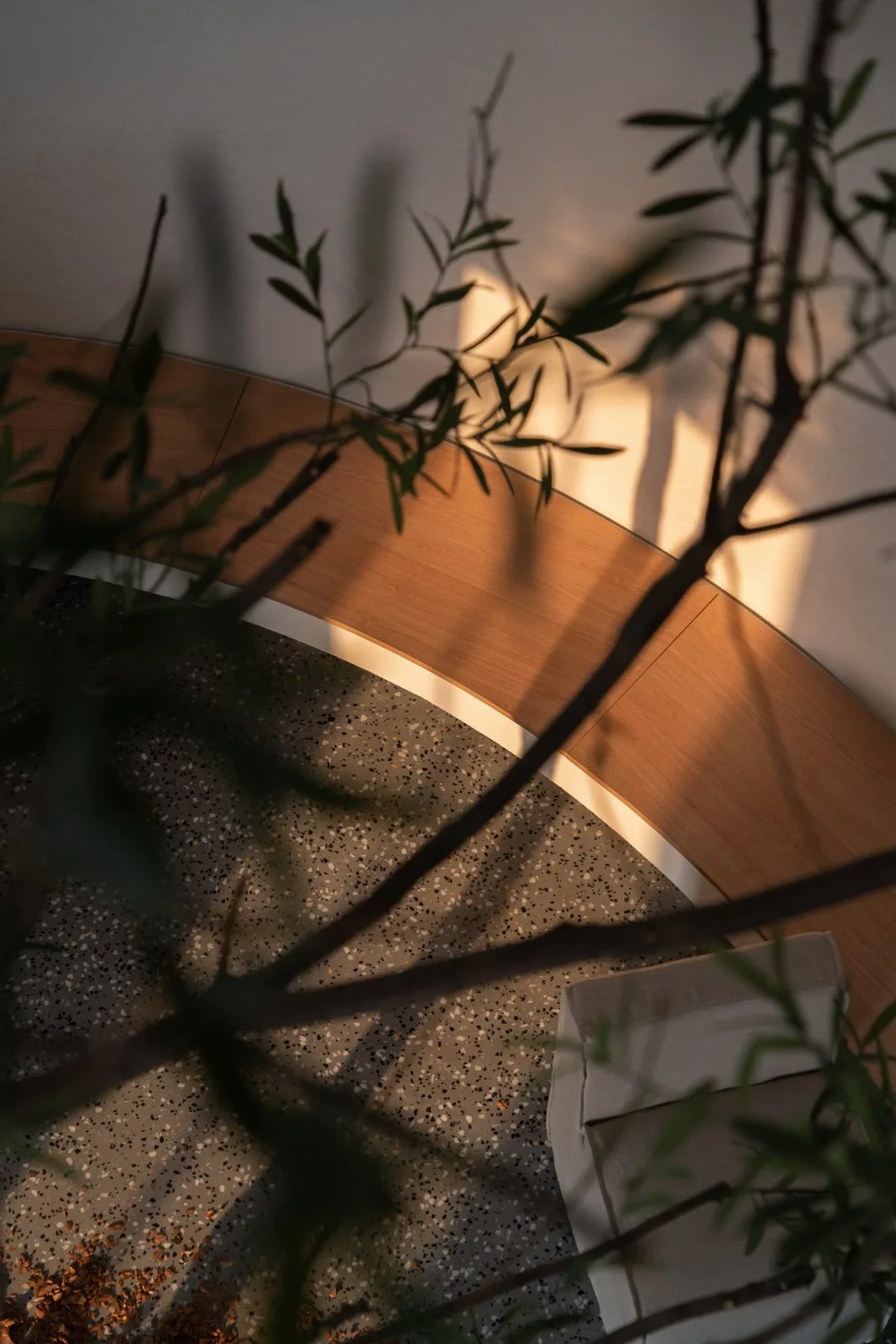
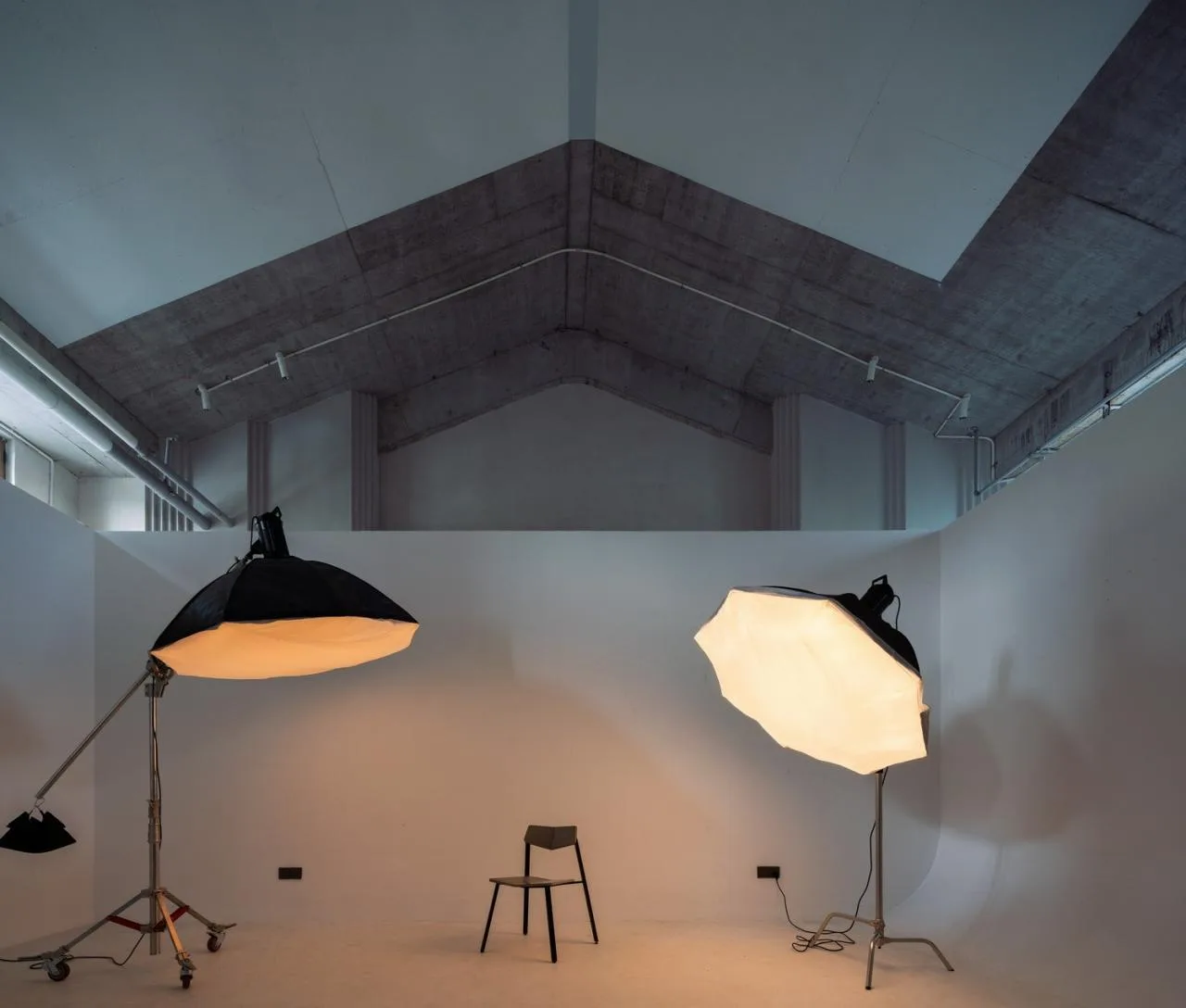
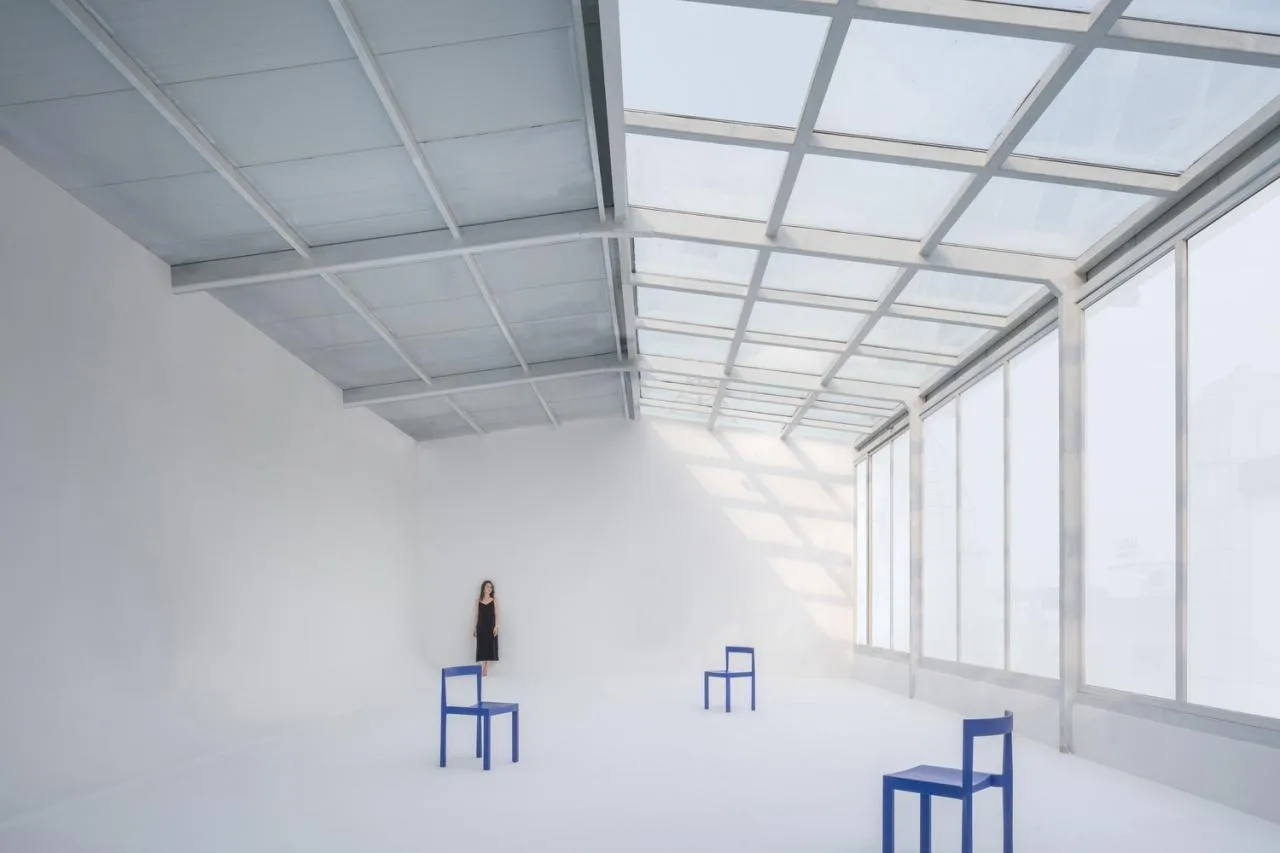
The core focus in designing the RAyinGallery photography space was to make light both free and controllable.
Space and light are inseparable; every architectural experience depends on light. Even in complete darkness, our spatial awareness—gained through listening, touch, or smell—is ultimately shaped by our understanding of space via vision and light.
Business Mindset
Located in Wanbailin District, Taiyuan City, adjacent to Wanbailin Ecological Park, this project aims to create a photography space that captures contemporary life through storytelling. The brand’s mission of “capturing the moment” is central. Light serves as the crucial link connecting photography and spatial design—both distinct art forms. Photography is essentially the art of light, and light is equally vital for enhancing spatial experience.
Light is fundamental to photography; without it, there are no shadows. Photography utilizes light to craft art, employing the interaction of light and shadow to create images, tones, and moods.
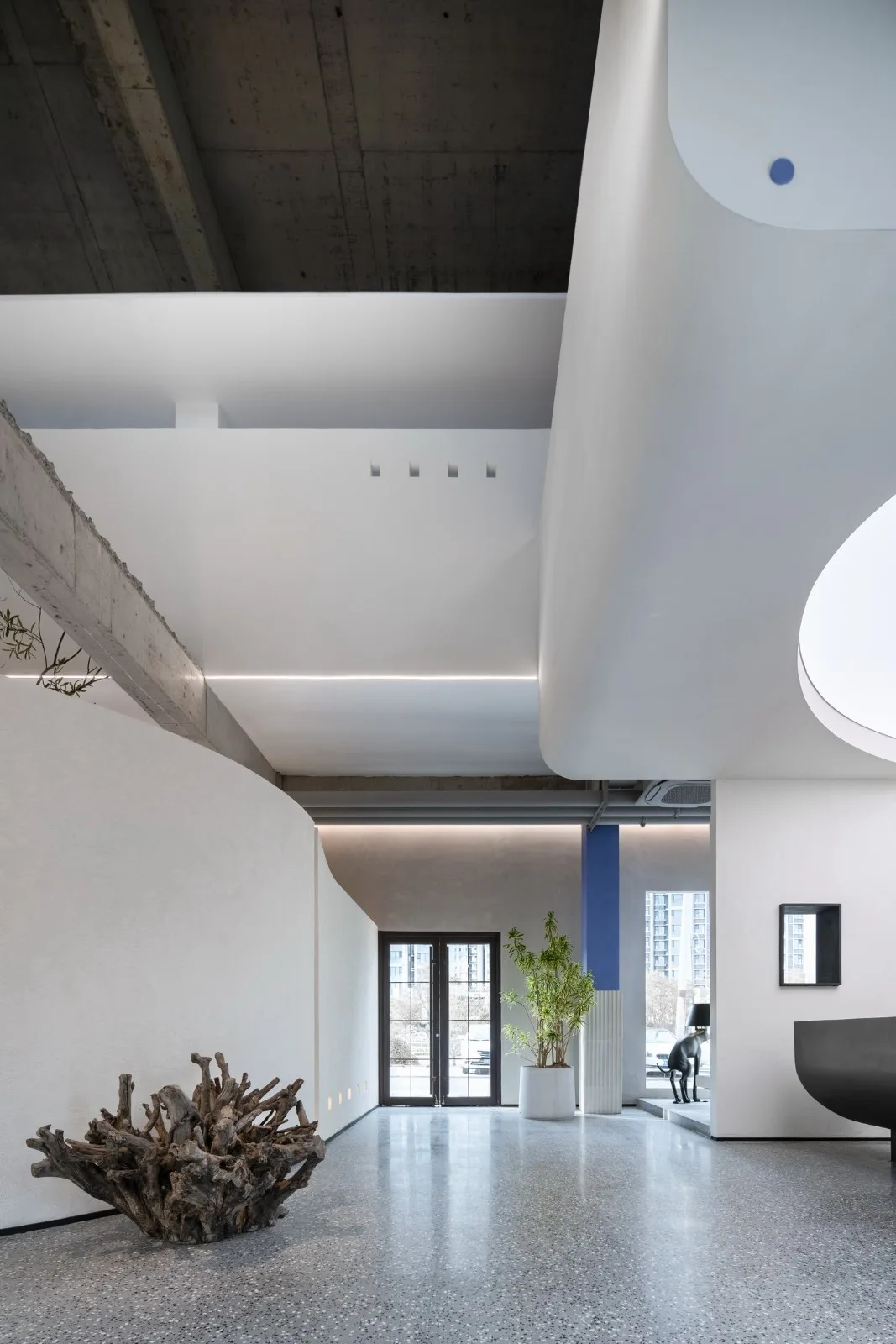
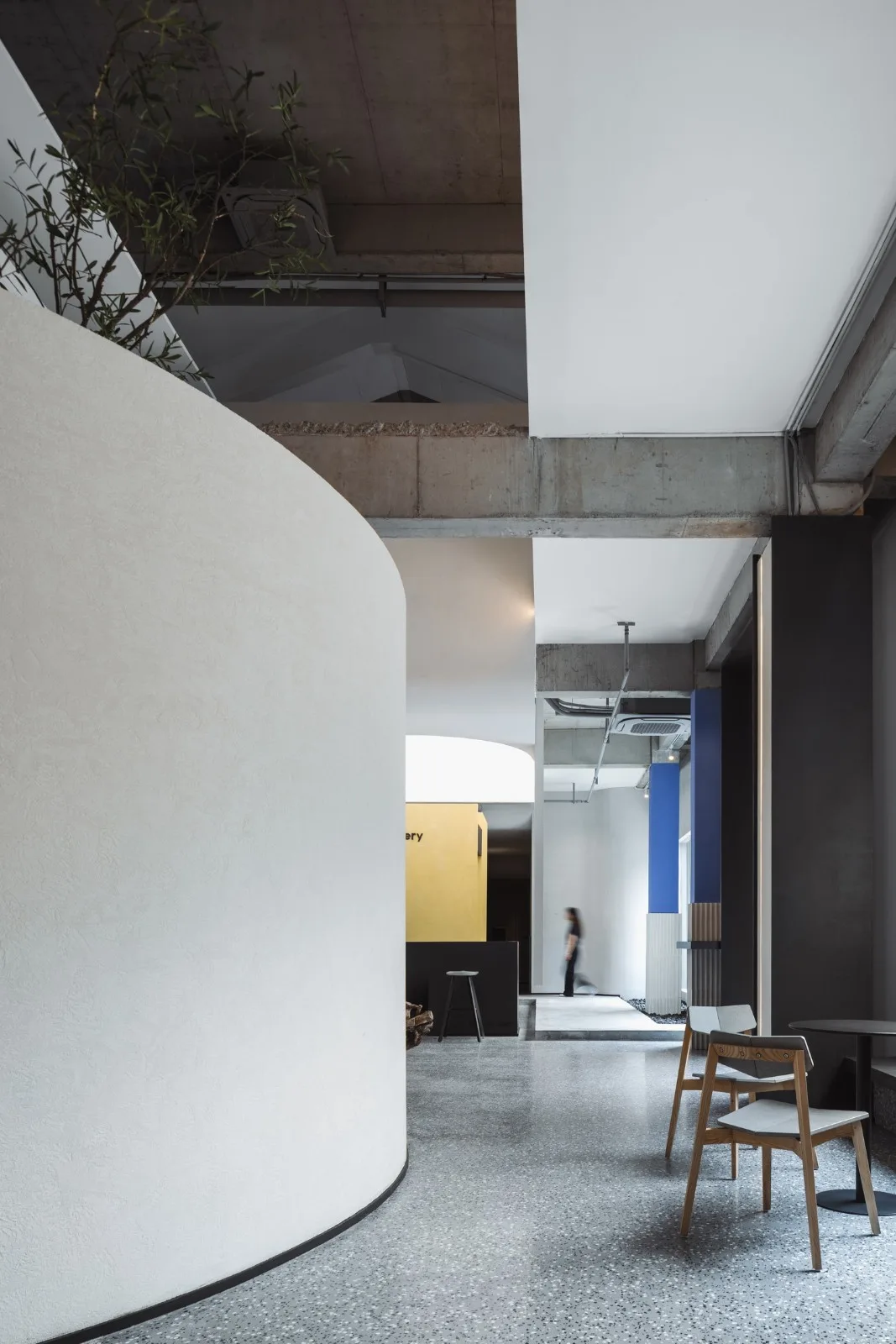
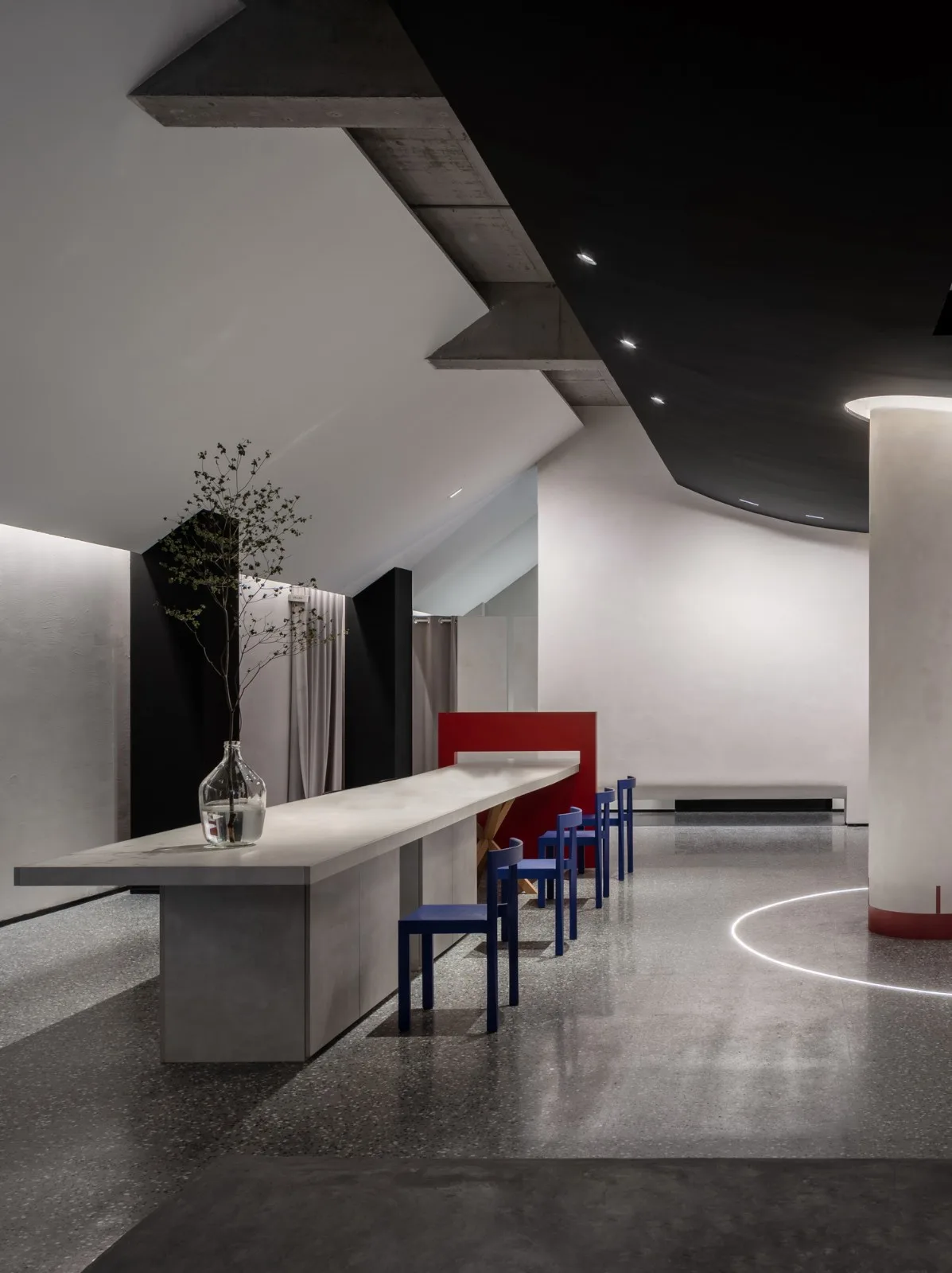
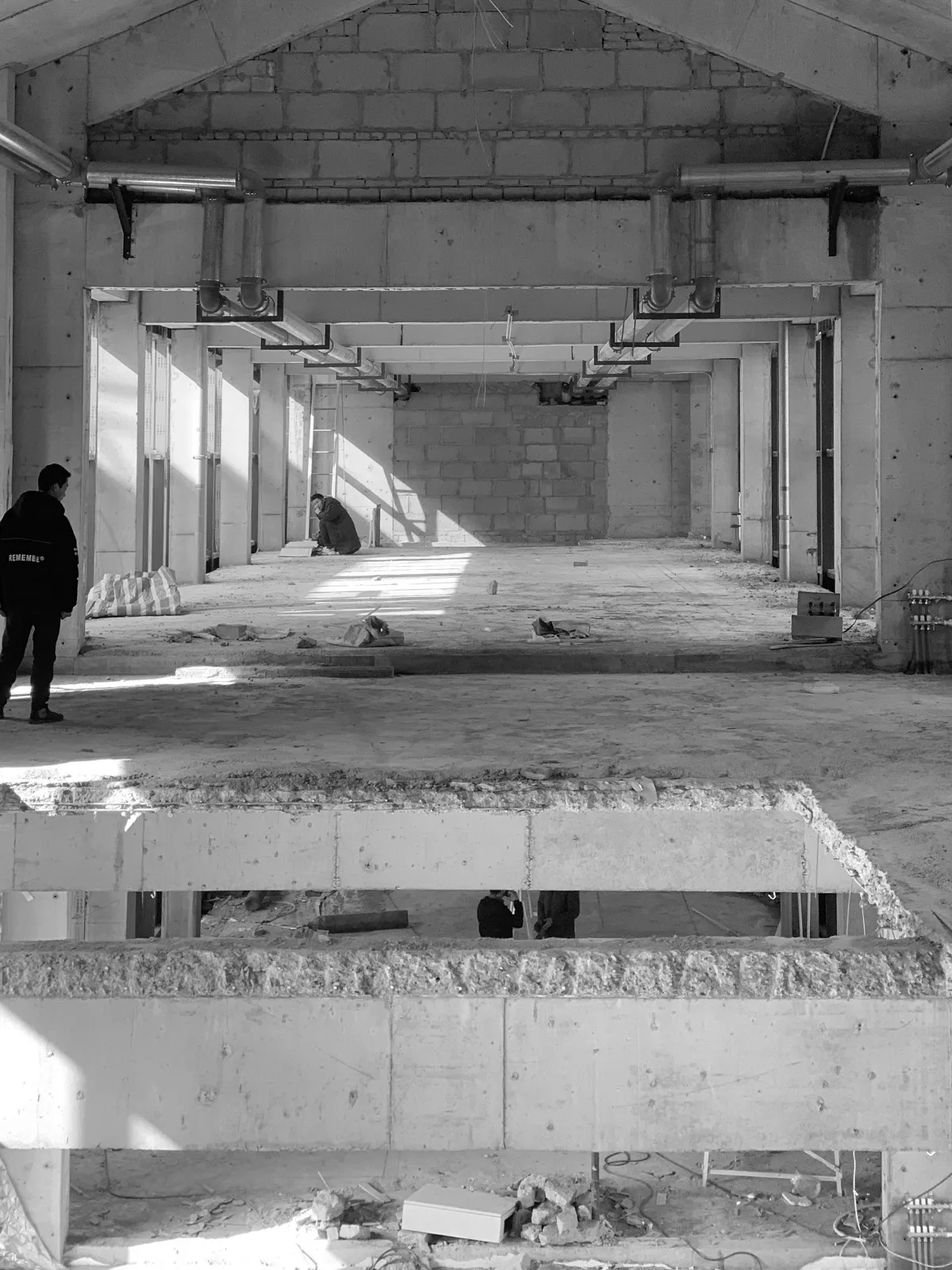
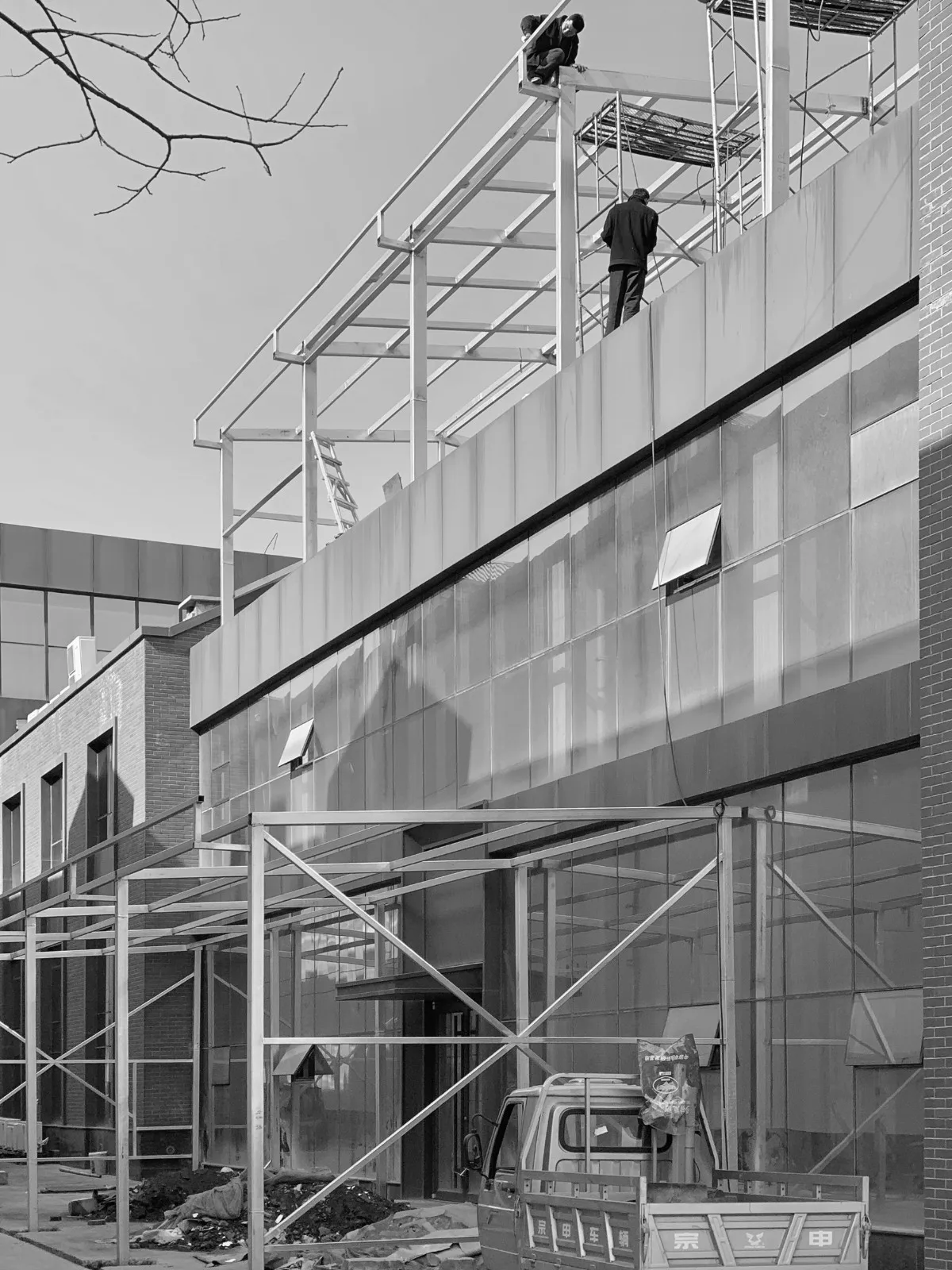
The original building is an 8-meter-tall steel structure. The design draws inspiration from the three primary colors of light—blue, red, and green. These fundamental colors, indivisible in themselves, combine to form countless others. Using them as thematic colors for different areas hints at future possibilities and transformations.
Authentic spatial experiences engage physical senses on multiple levels. Every impactful space is defined by its unique light, which directly influences mood and atmosphere.
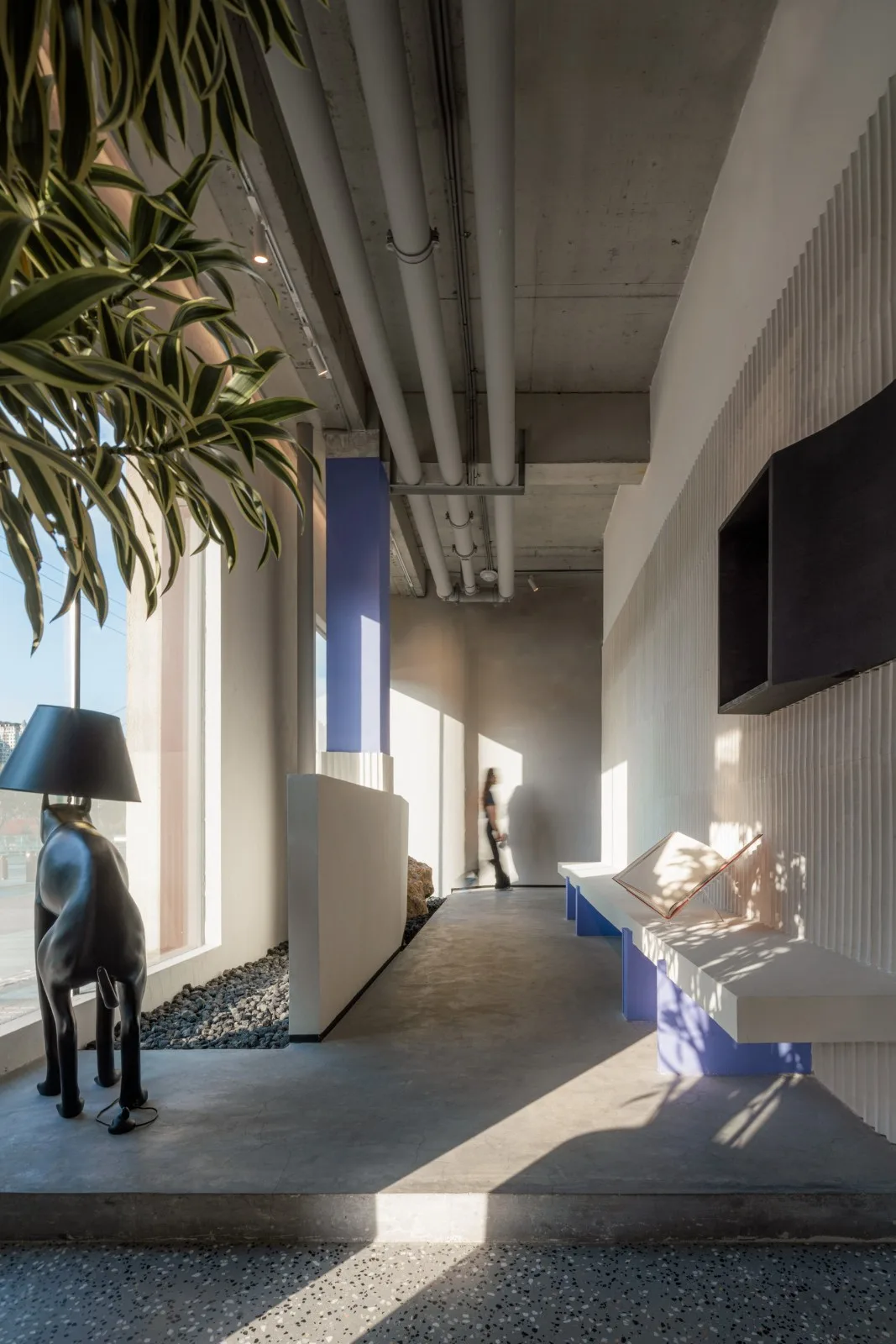
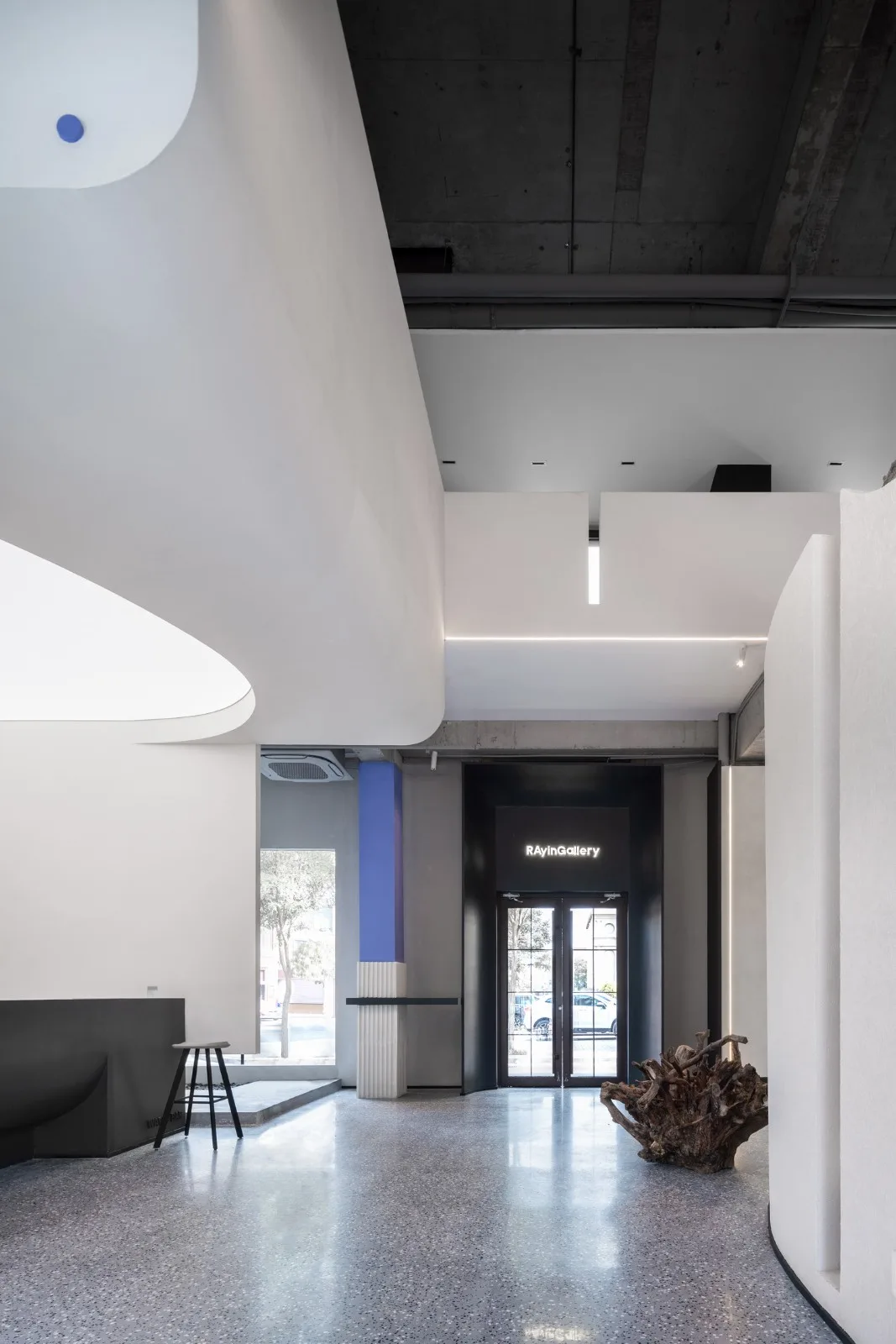
The design concept centers around “a beam of light from the art museum,” lending the building’s form, space, and surfaces a distinctive character and expressiveness through light. It reveals the shape, weight, texture, temperature, smoothness, and other material qualities. During photography sessions, this light-themed space also serves as a source of ongoing creative inspiration.
Light governs biological rhythms and even certain human hormonal activities. It profoundly influences our emotions, energy levels, and physical health.
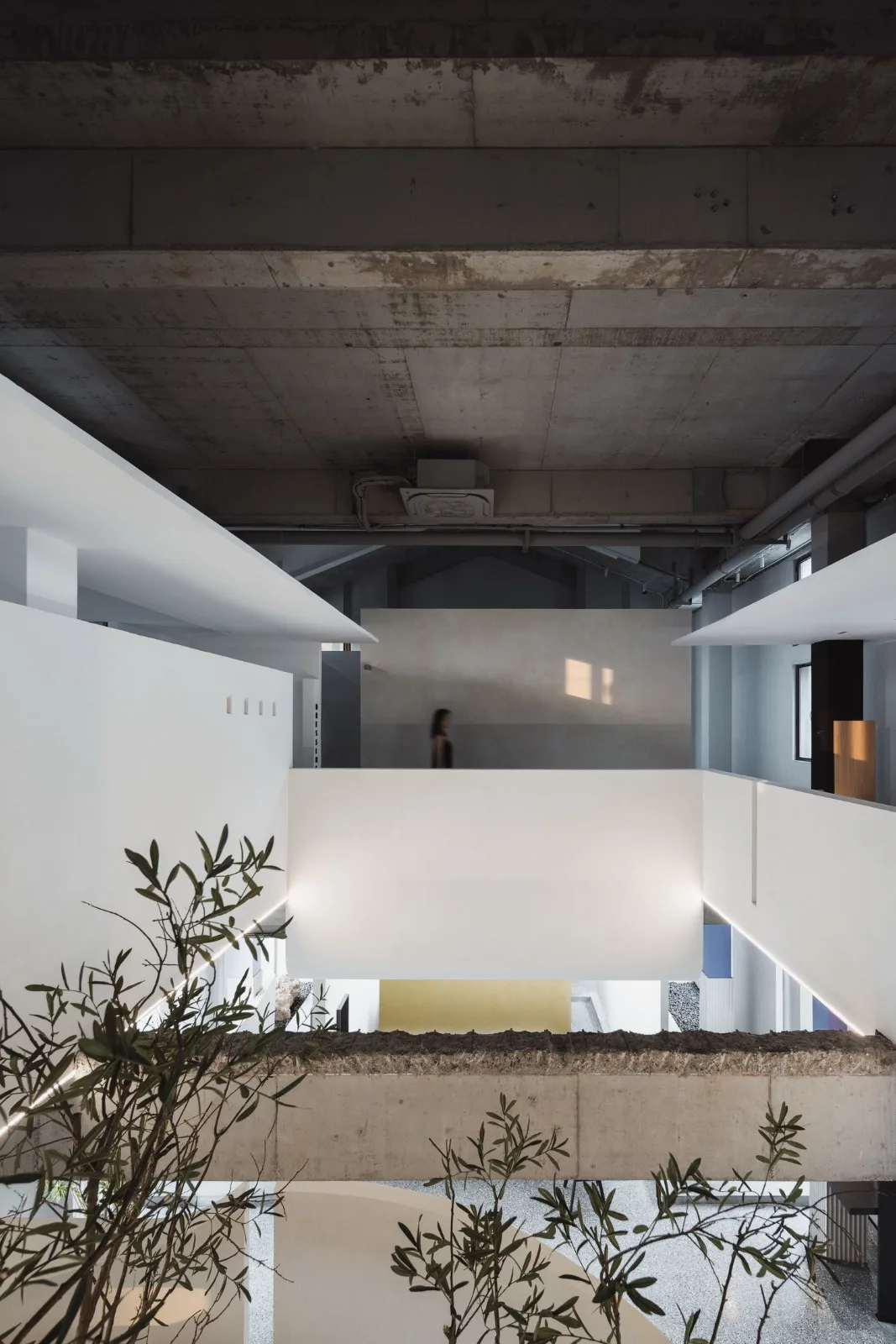
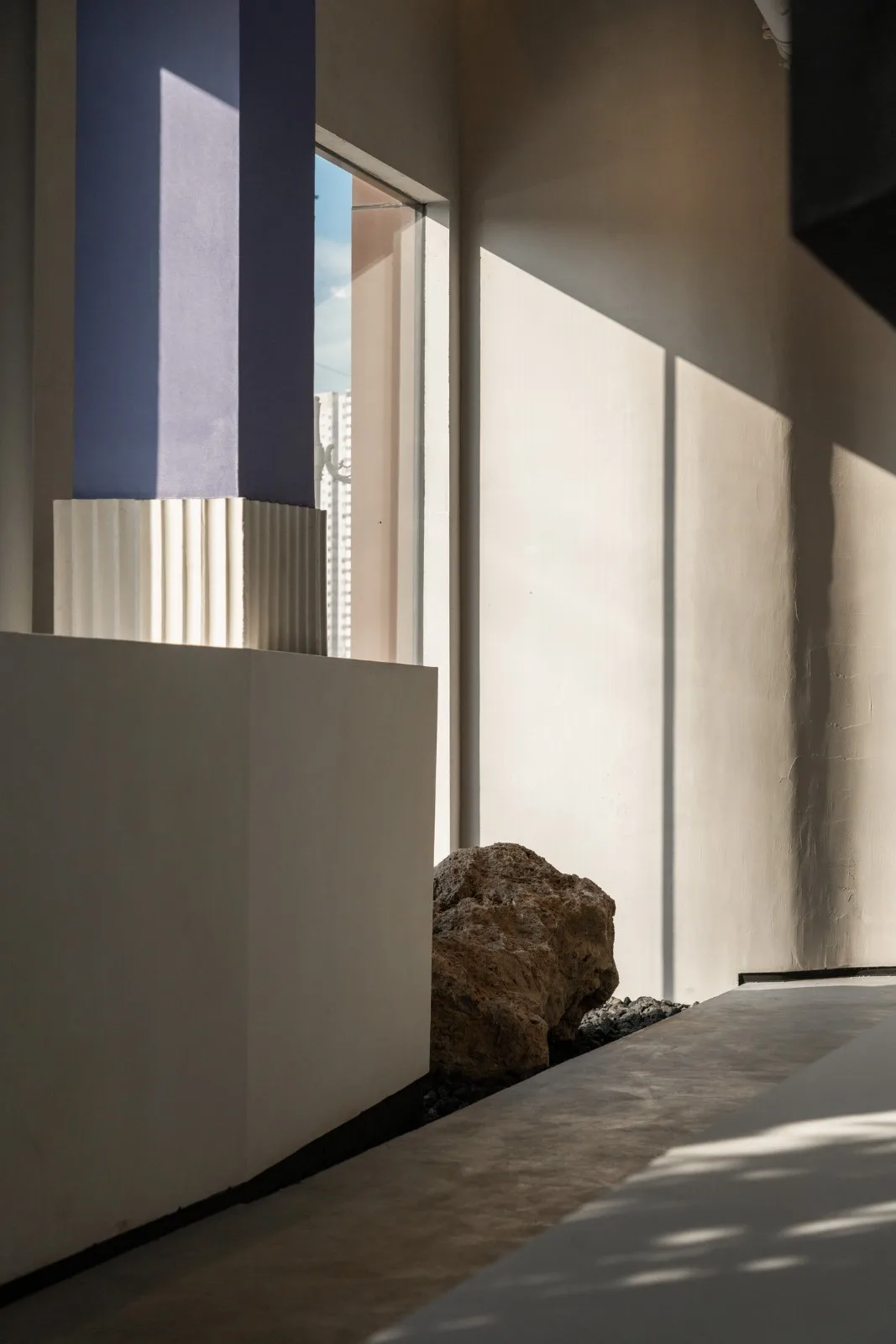
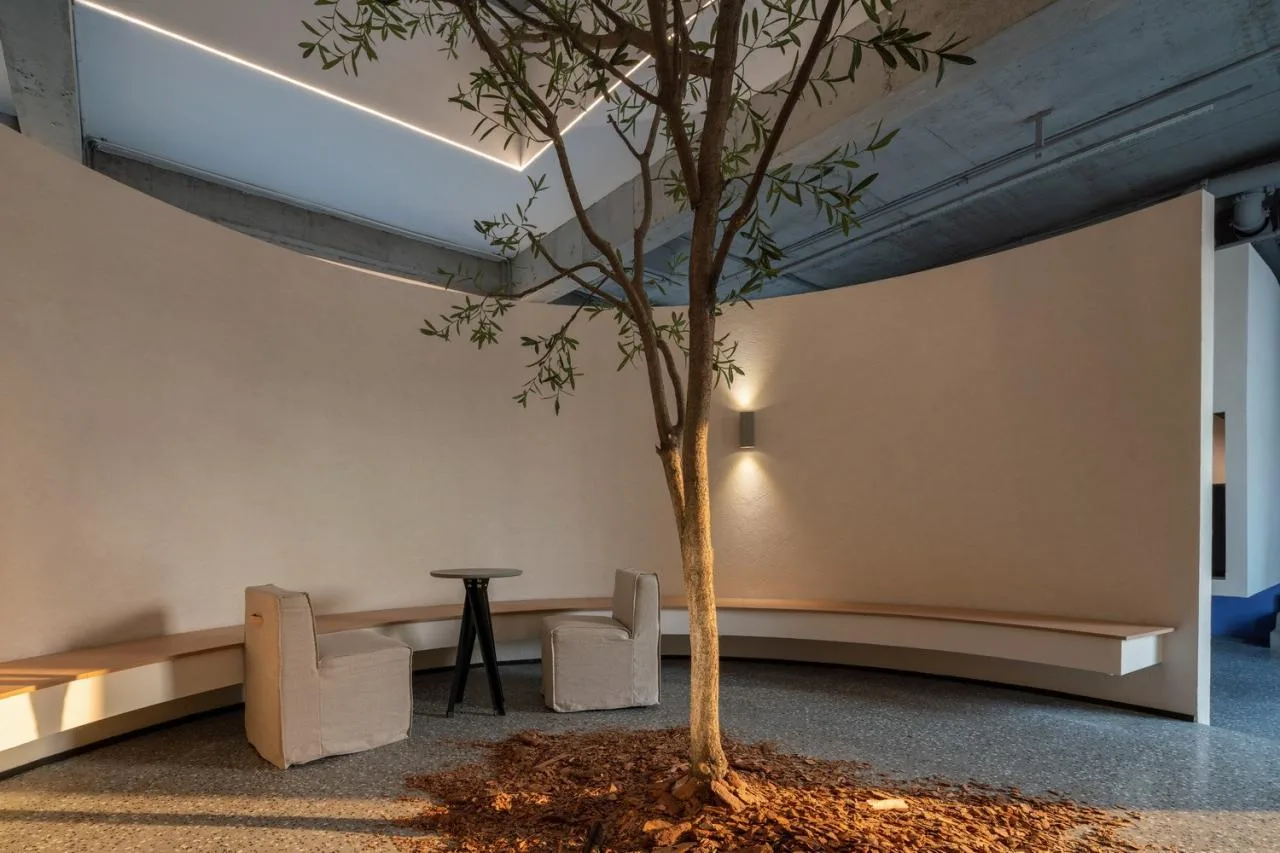
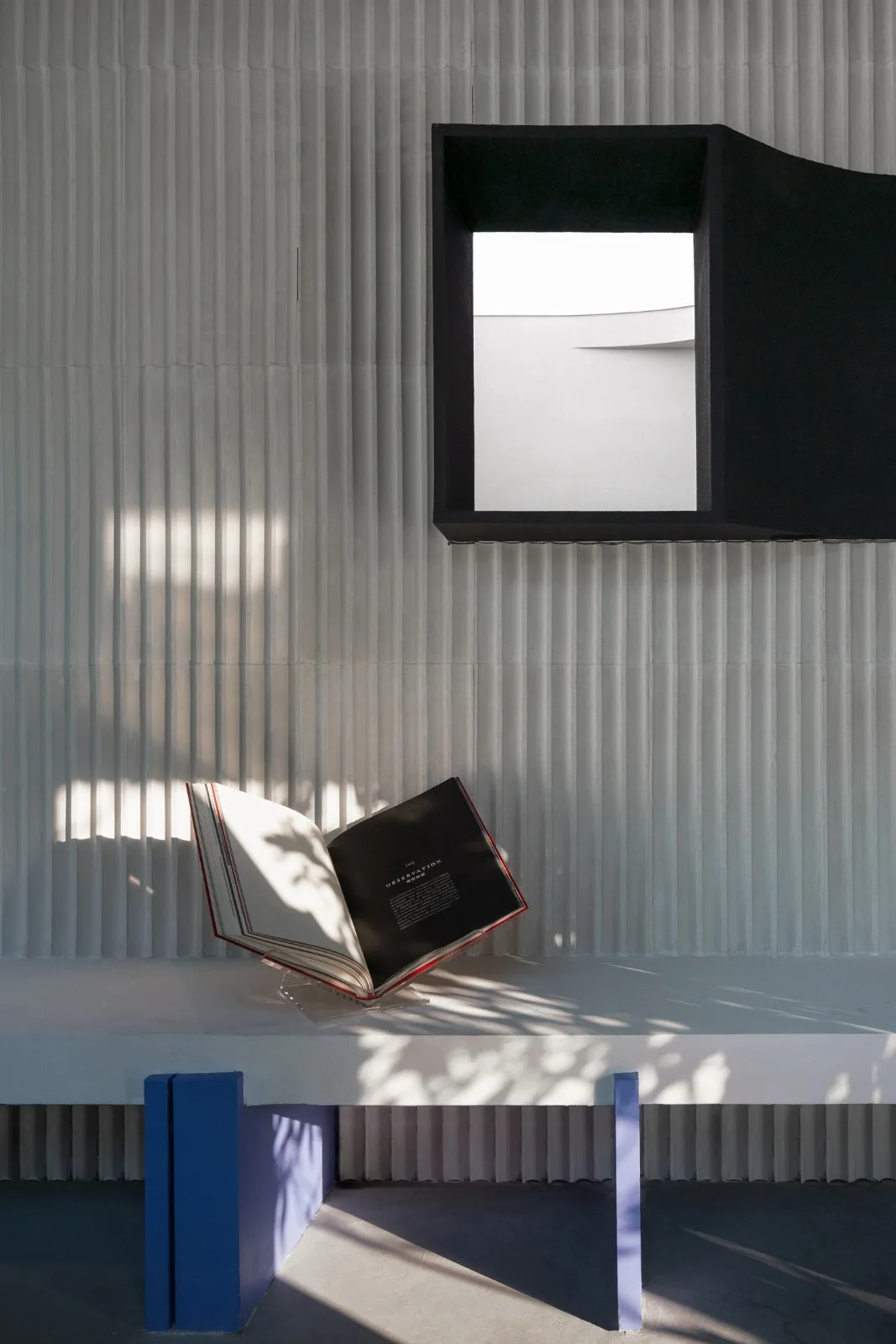
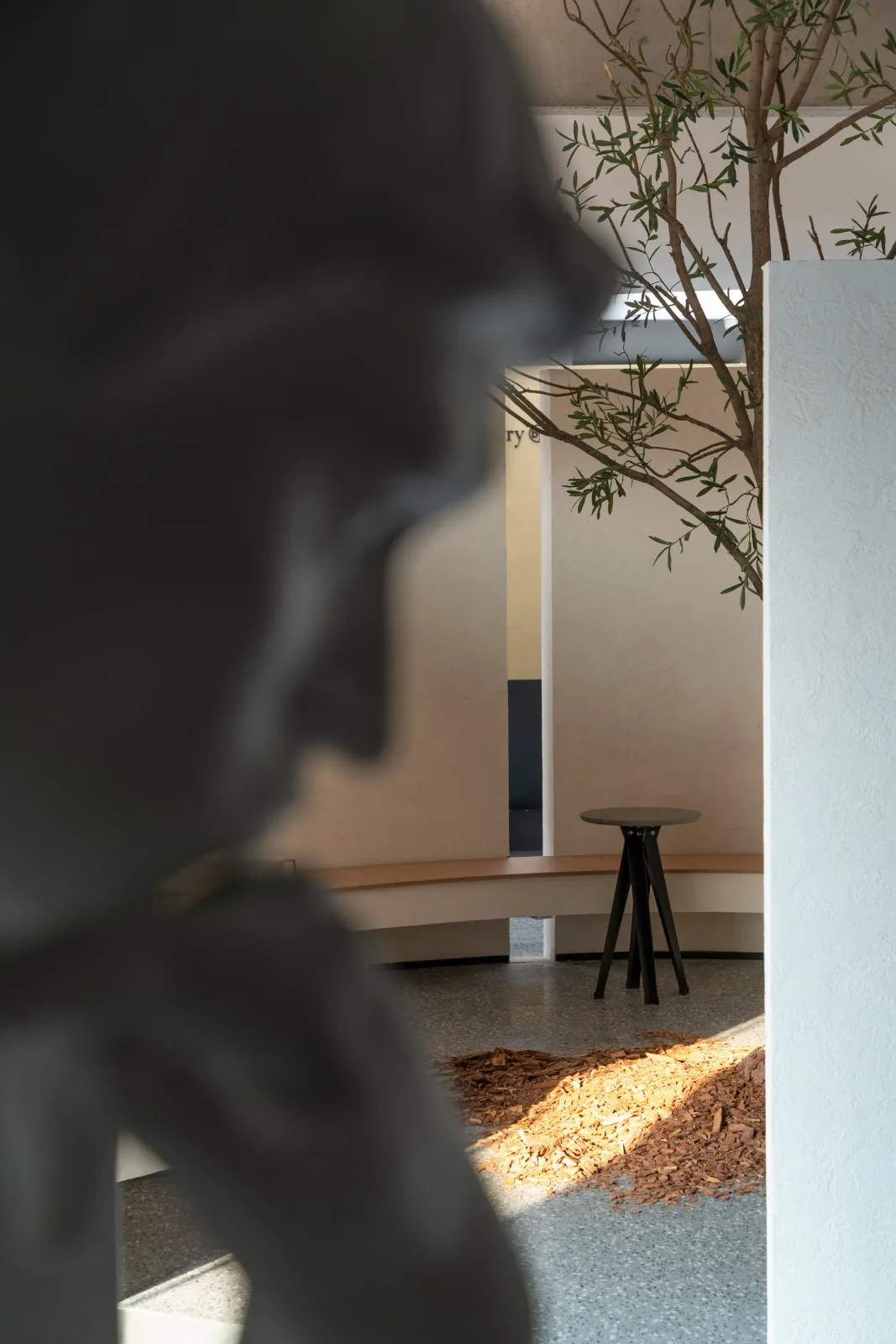
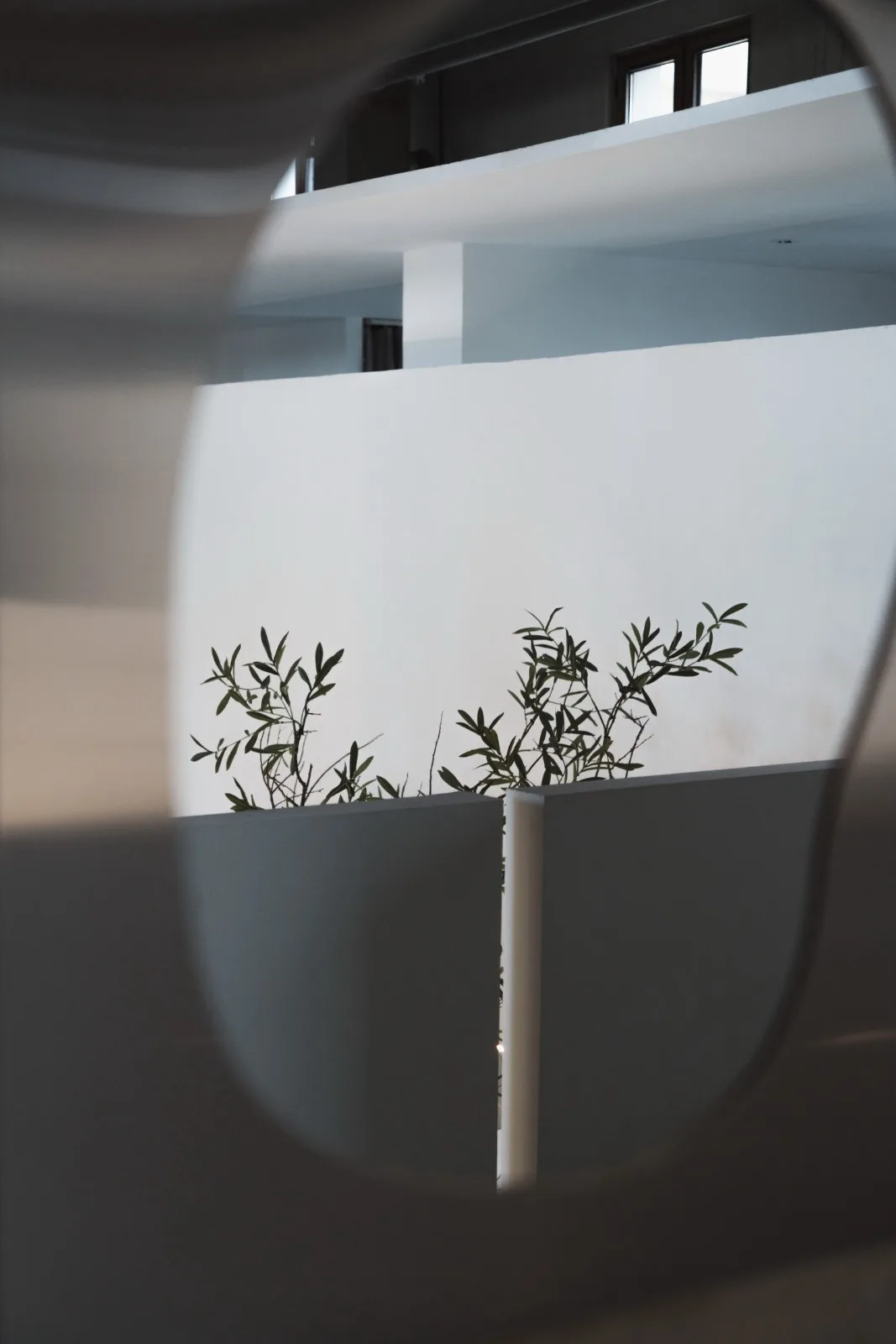
While light is often seen as a purely visual phenomenon, it also relates to tactile perception. Designing spaces that capture and retain light allows visitors to physically feel it—embodying the concepts of “eyes touch” and “eyes feel.” When you open your eyes to this sensation, touch emerges from vision, letting you experience light with your hands.
Architectural Language
The design places display at the heart of all spaces, crafting the entire spatial form around the concept of a “Gallery of Light.” This theme is woven into the interior through architectural language, creating a visually striking effect and memorable spatial experience.
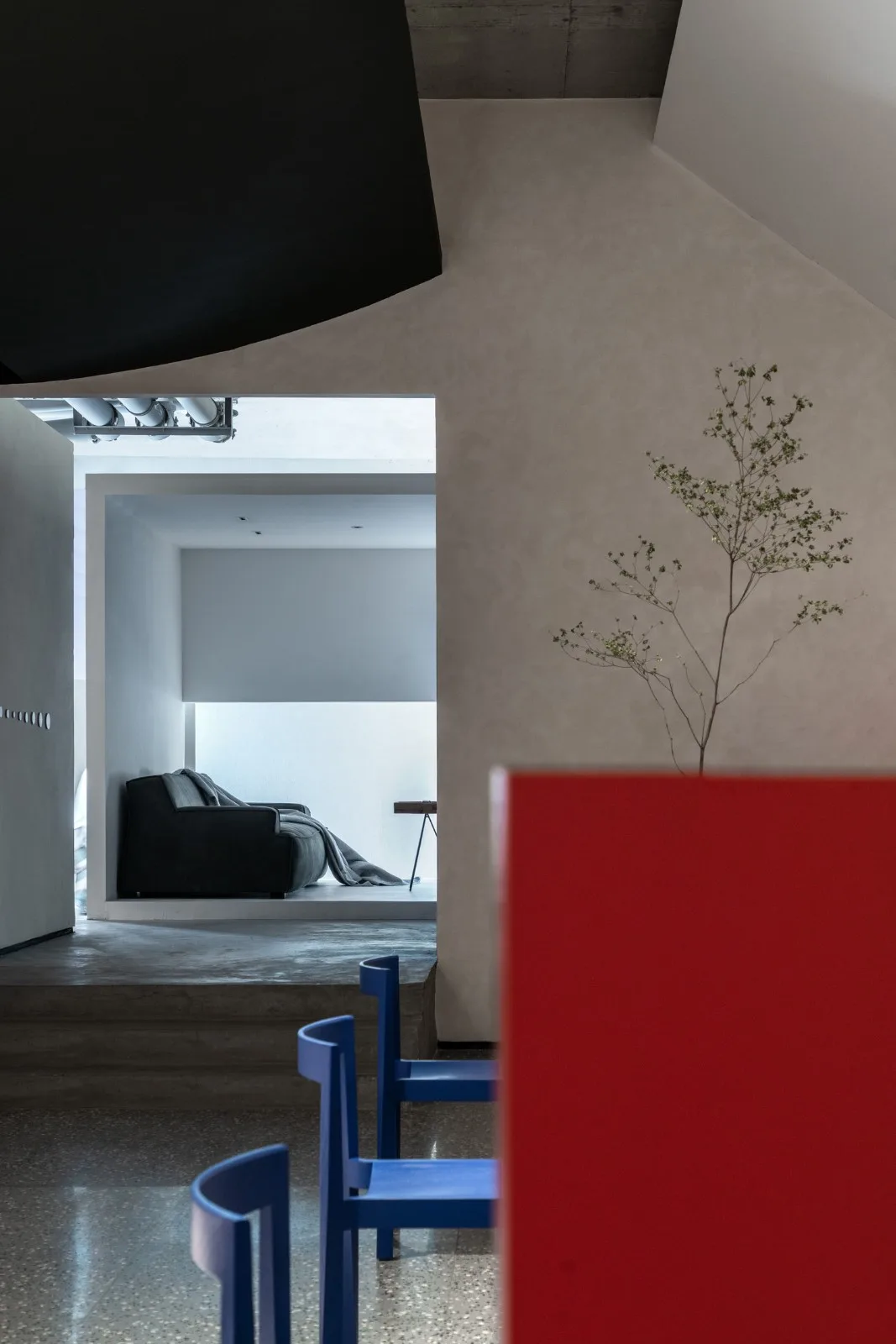
Moving away from the traditional “one room, one function” model, the design embraces “one room, multiple uses,” endowing each space with versatility. This approach maximizes interaction between people and space, strengthening brand identity through spatial memory.
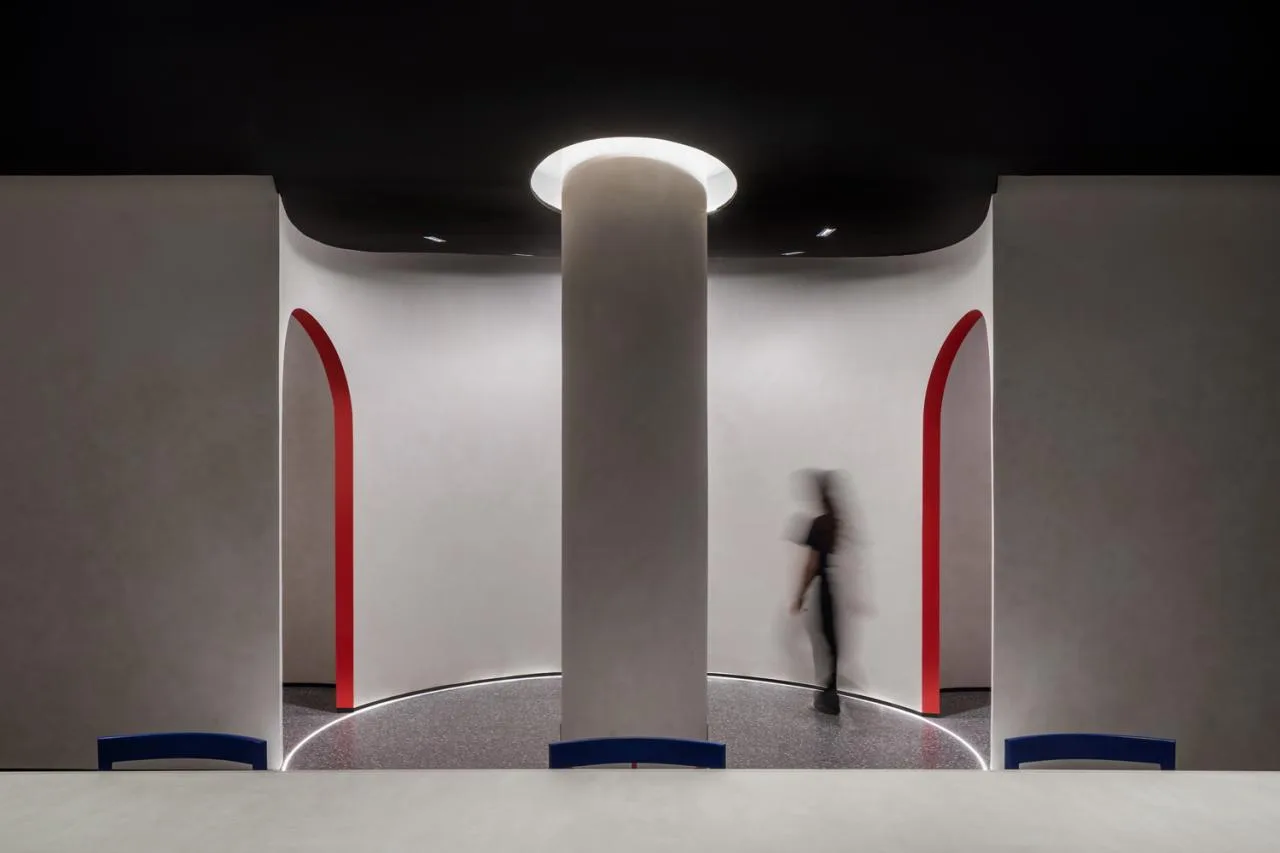
Opposite the front desk bar counter is a circular public area with hanging space boxes that are both independent and offer privacy. Descending the steps immerses visitors in a more complex environment bathed in red light. Each space features openings that ensure functionality while preserving an engaging experience.
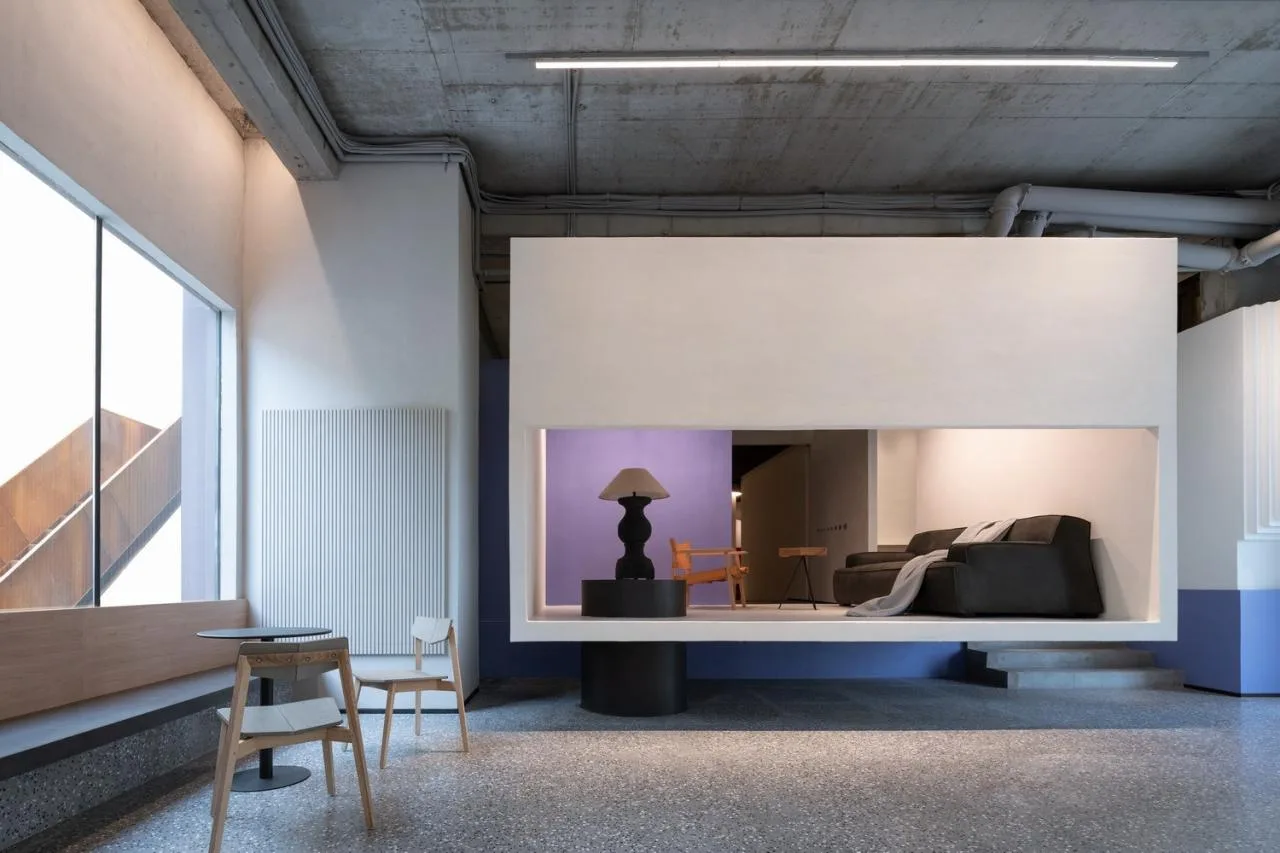
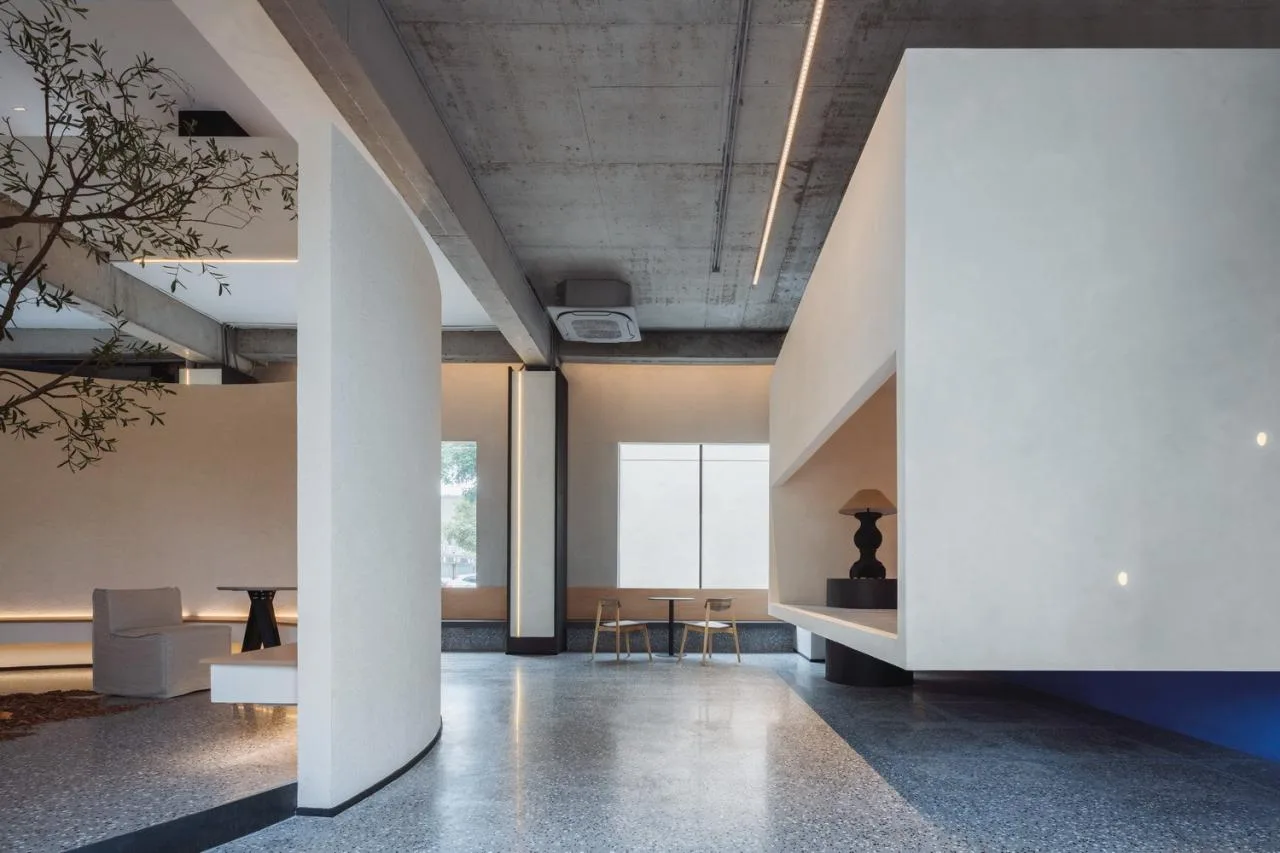
On the first-floor public space, light filters through structural openings, diffusing throughout the area. The design integrates and intersperses building blocks, promoting diverse activities. It brings outdoor social behaviors—such as walking, resting, sitting, watching, listening, and conversing—indoors, enabling natural progression to more complex interactions.
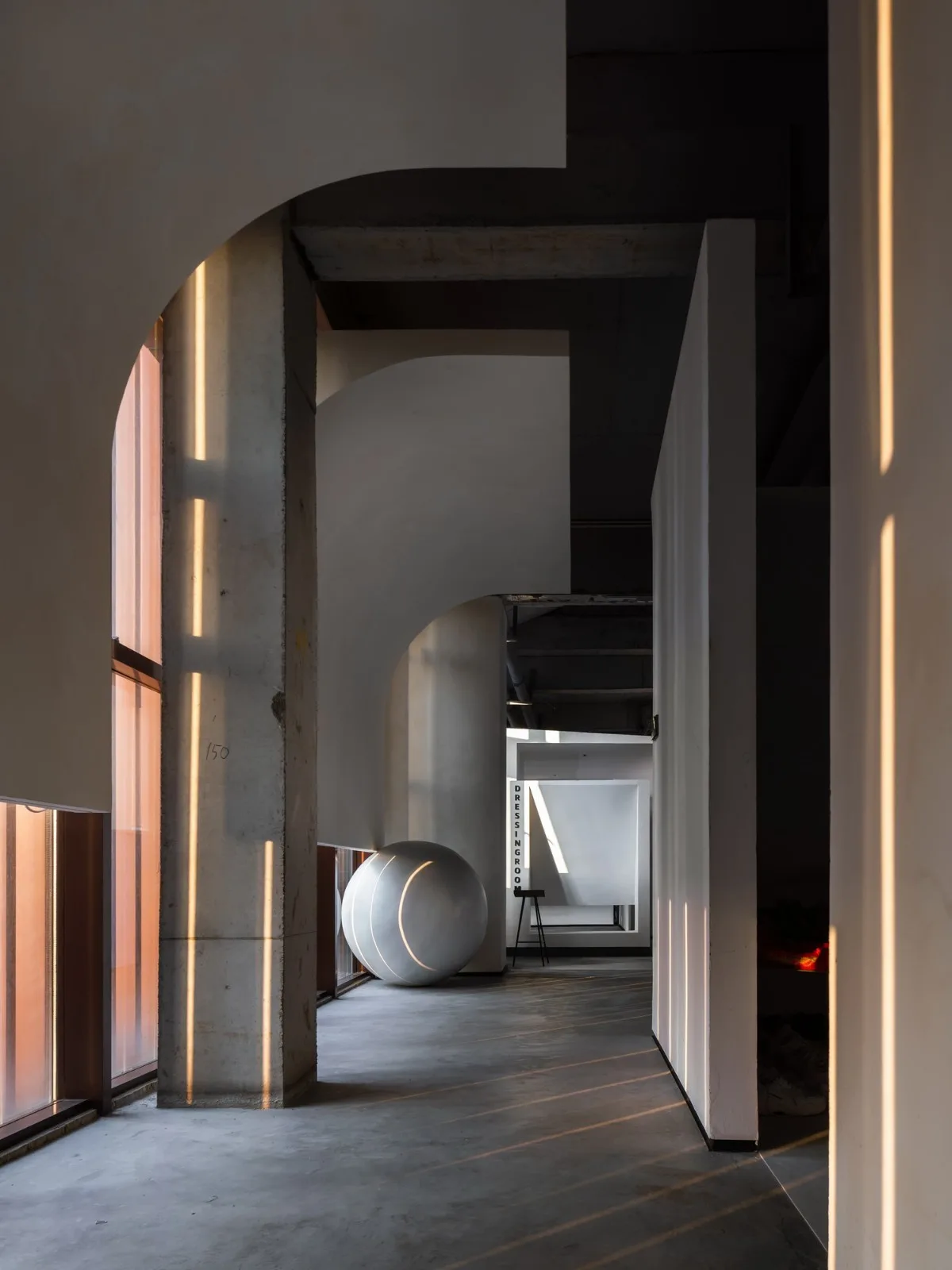
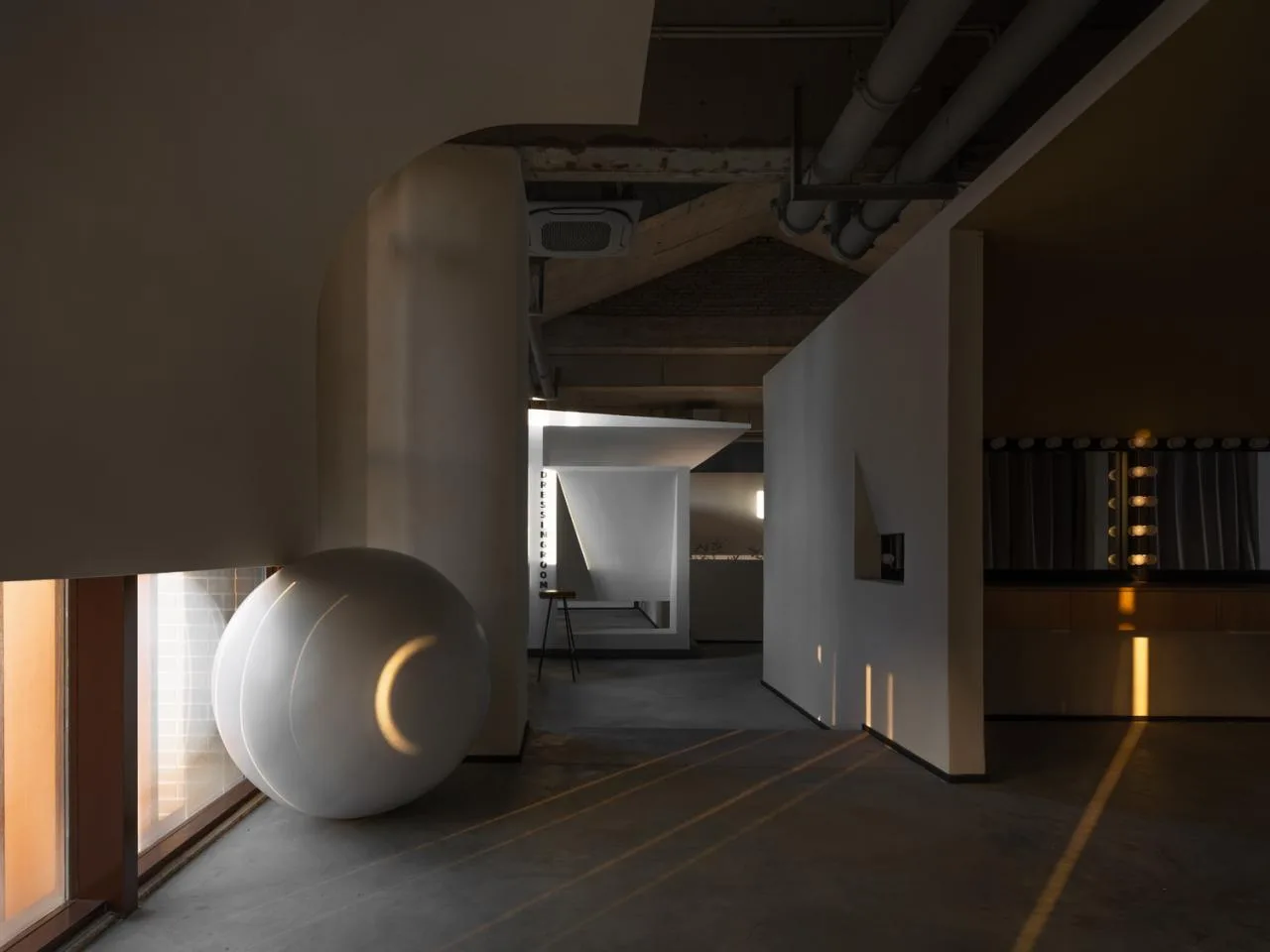
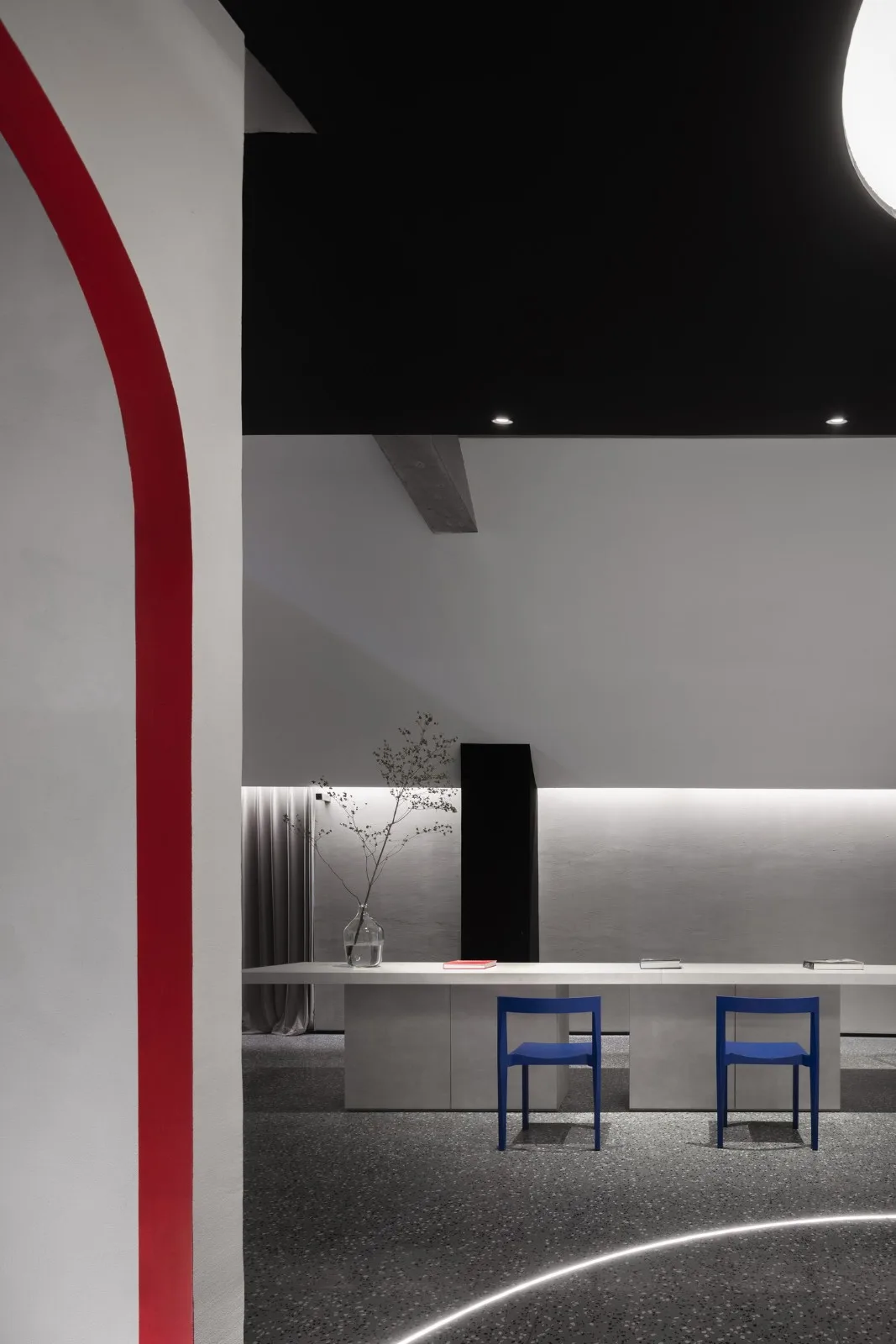
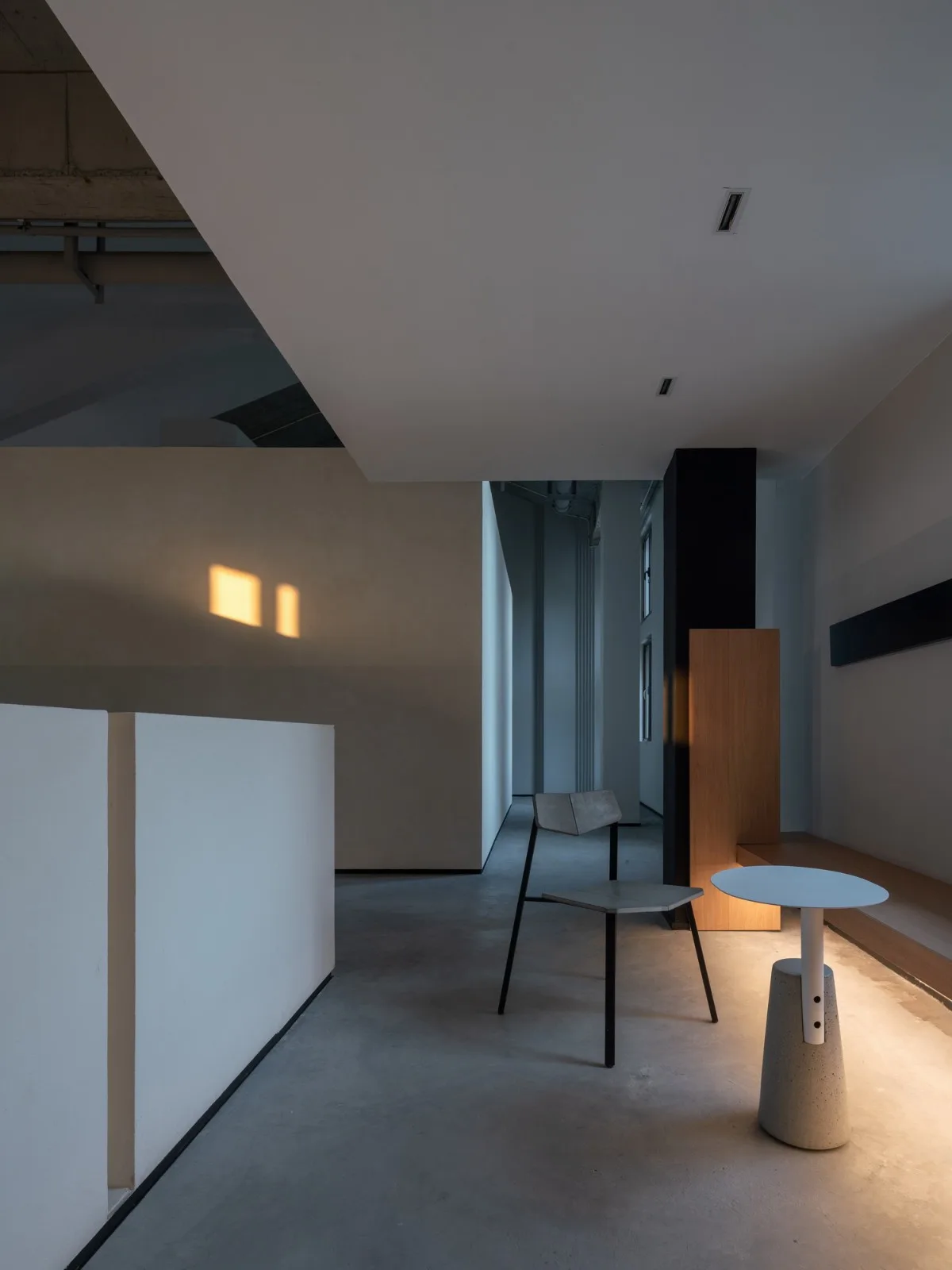
Light is distributed unevenly to enhance the sense of place and privacy, creating a calming environment for photography. Sunlight and artificial light dance playfully across curved walls, slowed by the surfaces they touch. Narrow slits in the walls compress light into thin, directional beams, slicing through darkness to create an intangible layer of luminous blades.
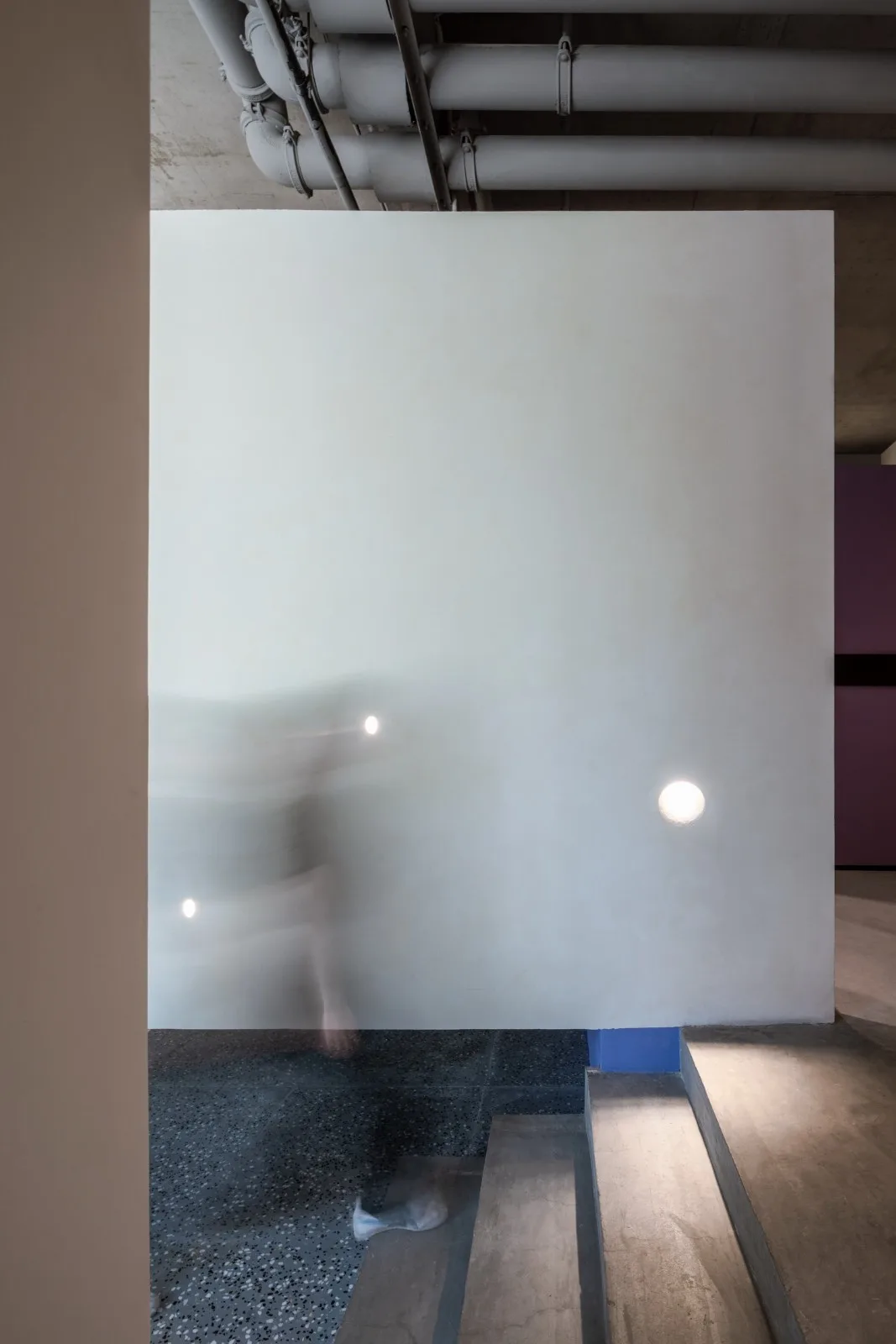
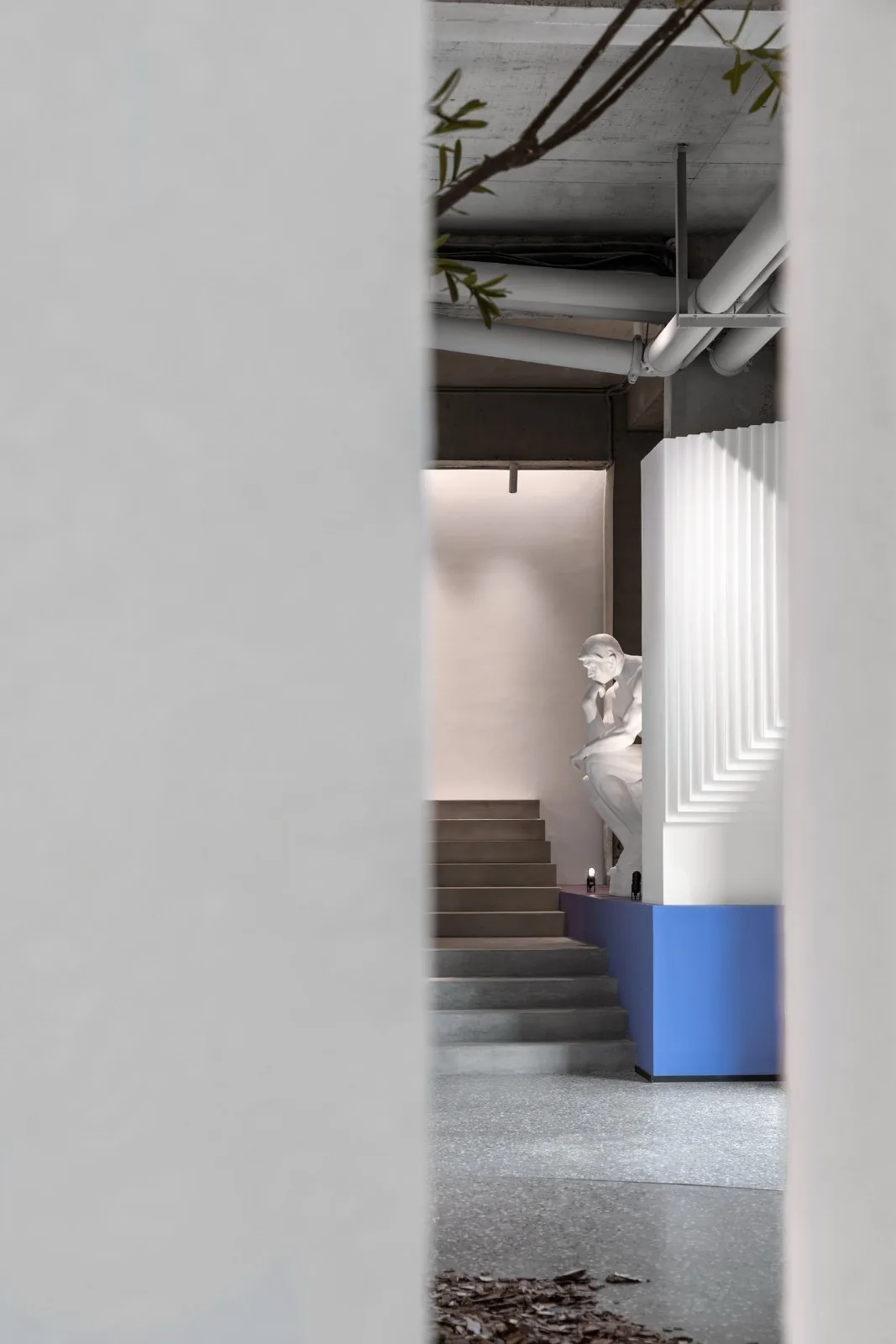
The spherical “balls” scattered throughout the space use curved white surfaces to emit light. The contrast between illuminated and shadowed circular surfaces gives light tangible form and material presence, making it feel more physical through these “balls.”
Spatial Experience
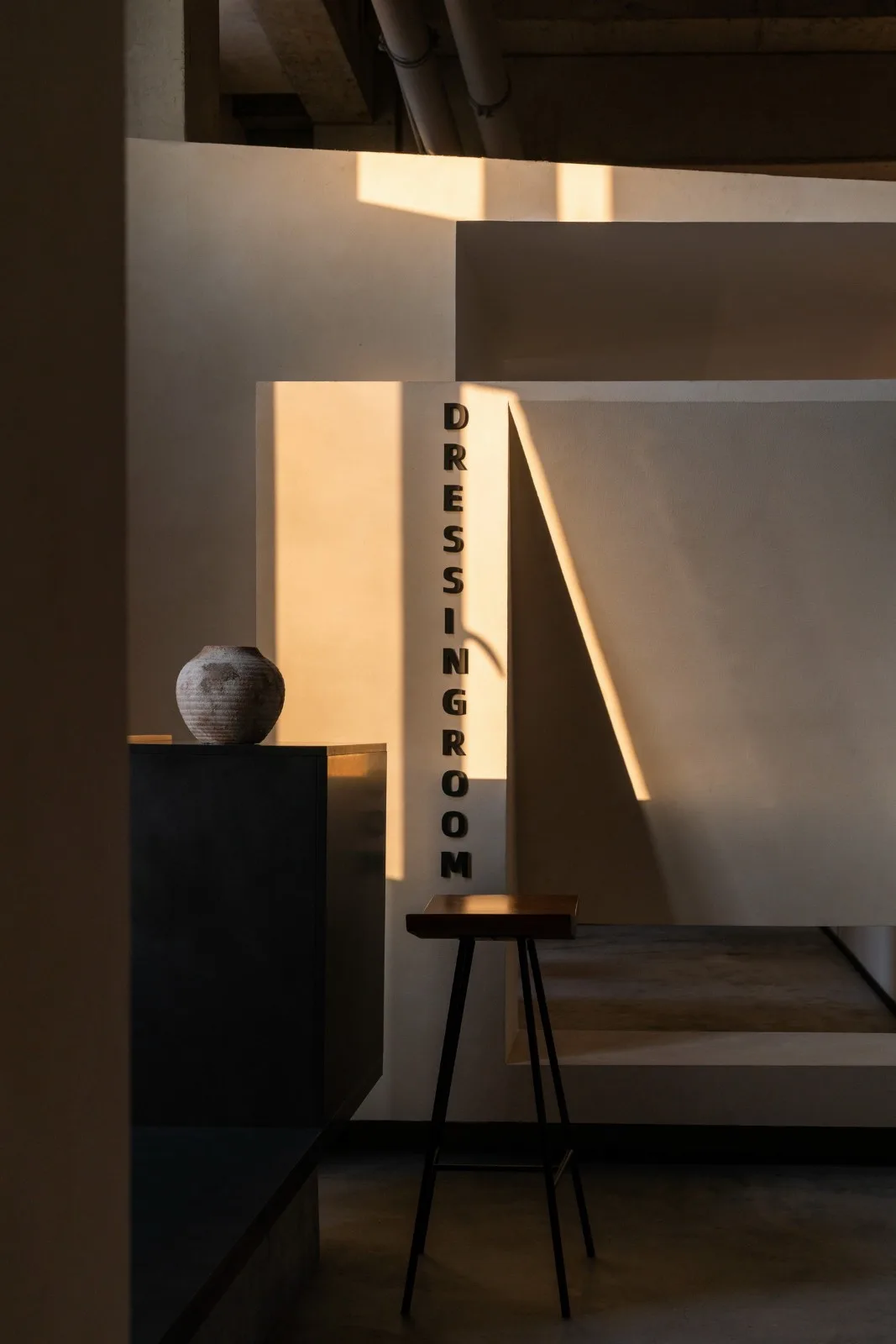
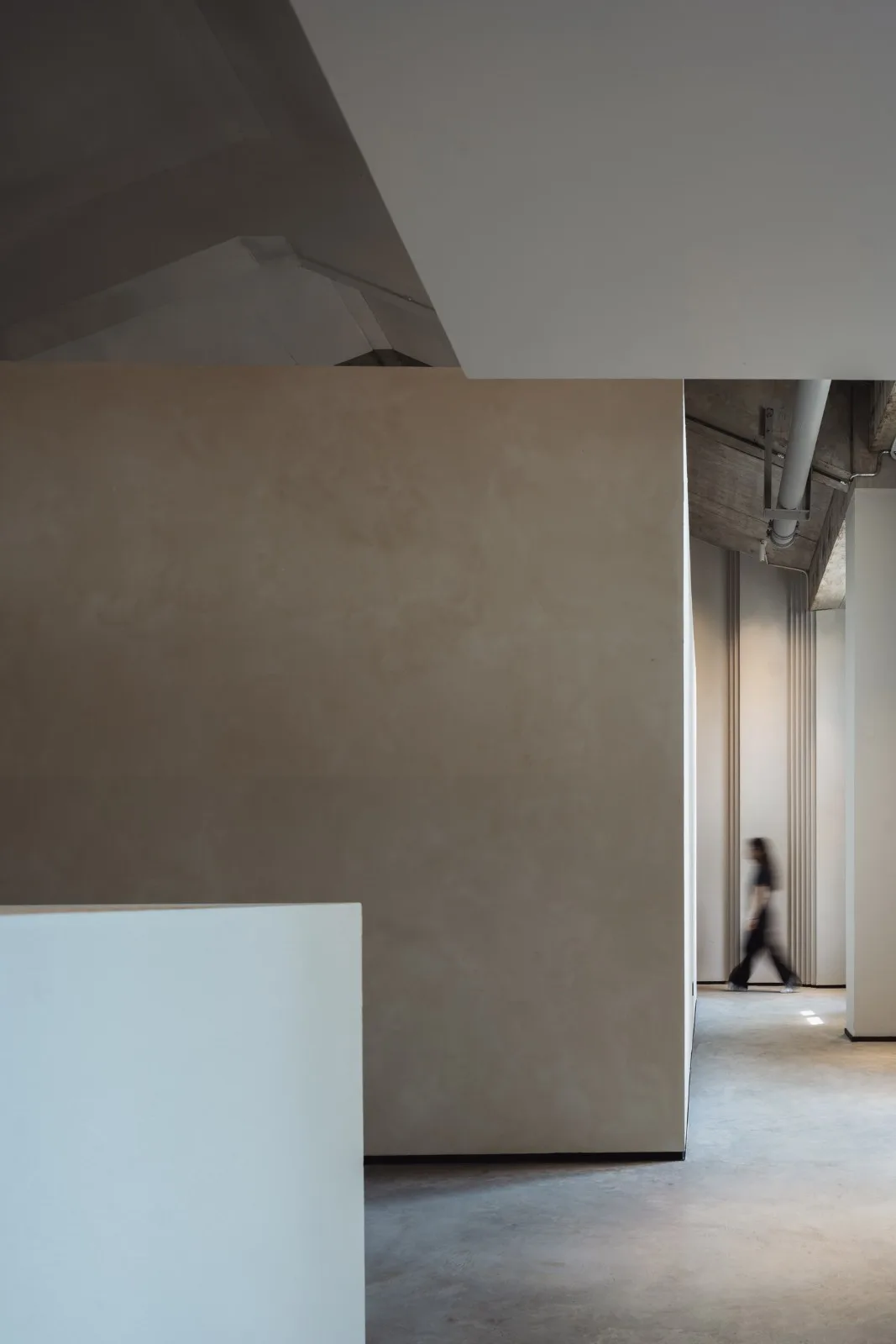
Light’s presence is felt emotionally only when it is contained within space or revealed on the surfaces it illuminates. The second-floor hallway captures natural light streaming in, creating a heavenly gift that transforms the corridor into a living, atmospheric painting against a dim backdrop.
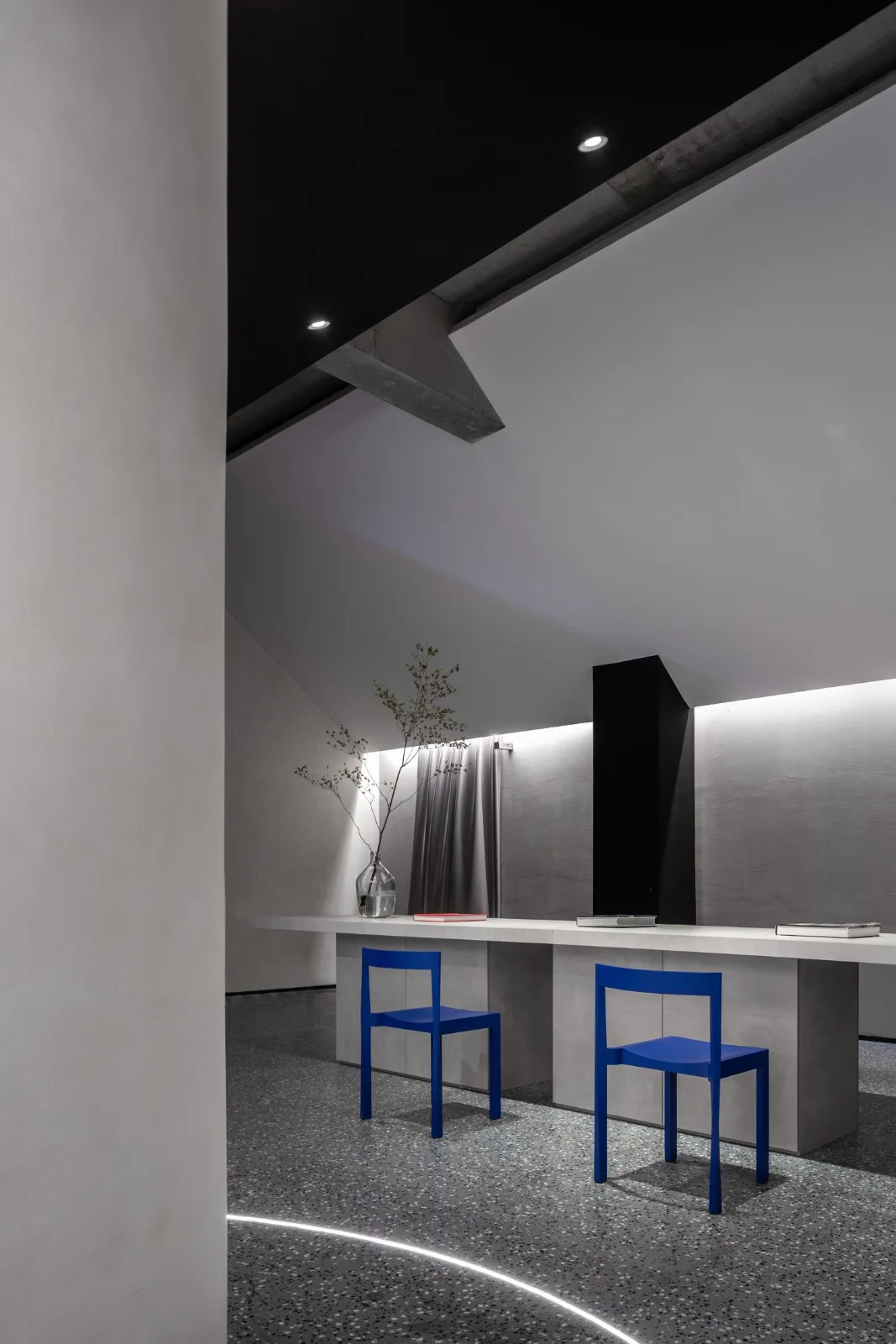
During design, light is carefully introduced inside the building, using window openings’ cross-sectional shapes to craft a sacred lighting experience while maintaining visual comfort. The combination of wall thickness, window depth, and cross-sectional form generates a rich interplay of light and shadow.
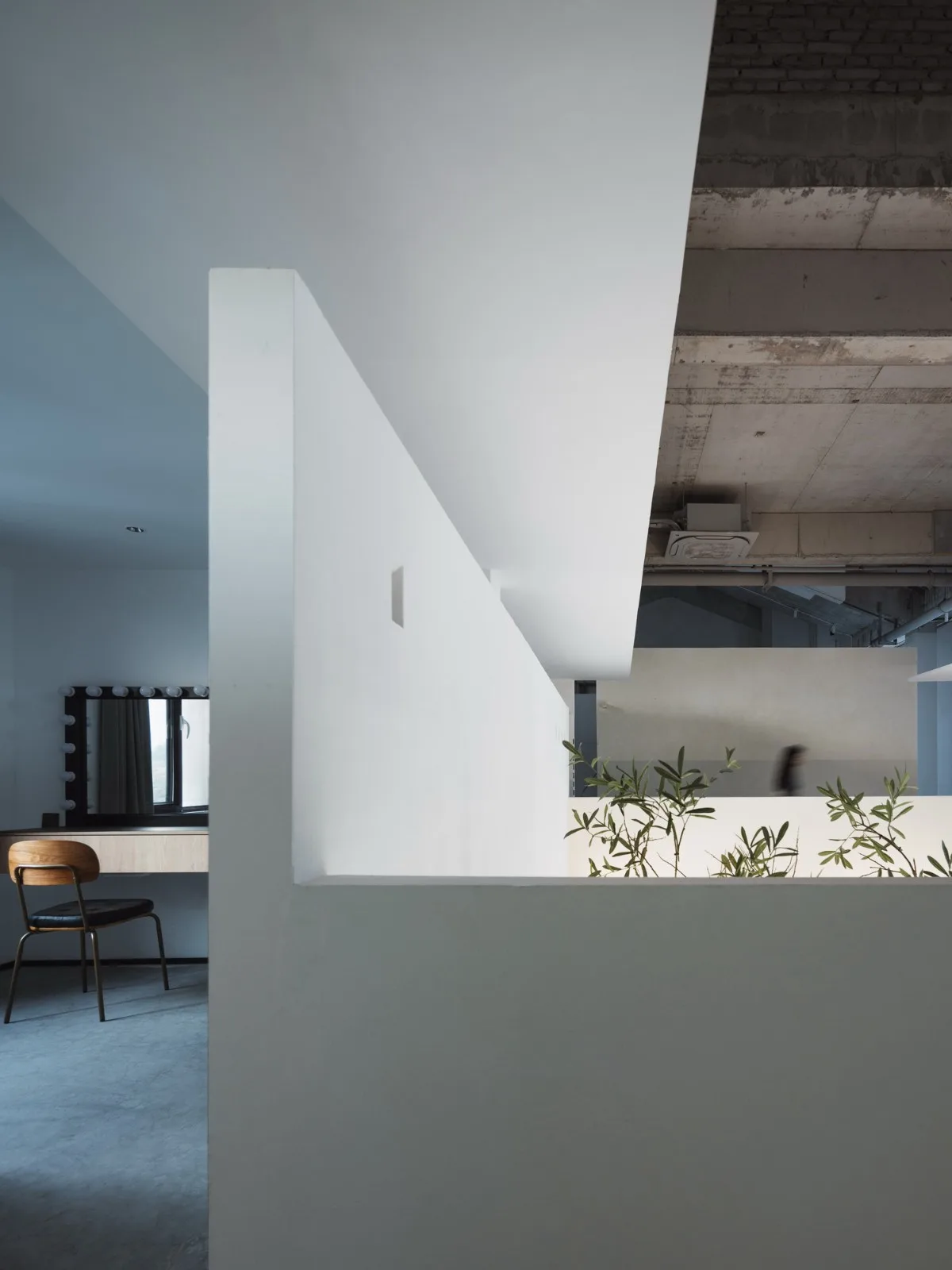
The second floor serves as the main shooting area, featuring two blocks—a large and a small one—that enhance vertical space and provide greater freedom for photography. Semi-private spatial arrangements showcase shooting activities while allowing waiting guests to preview the process.
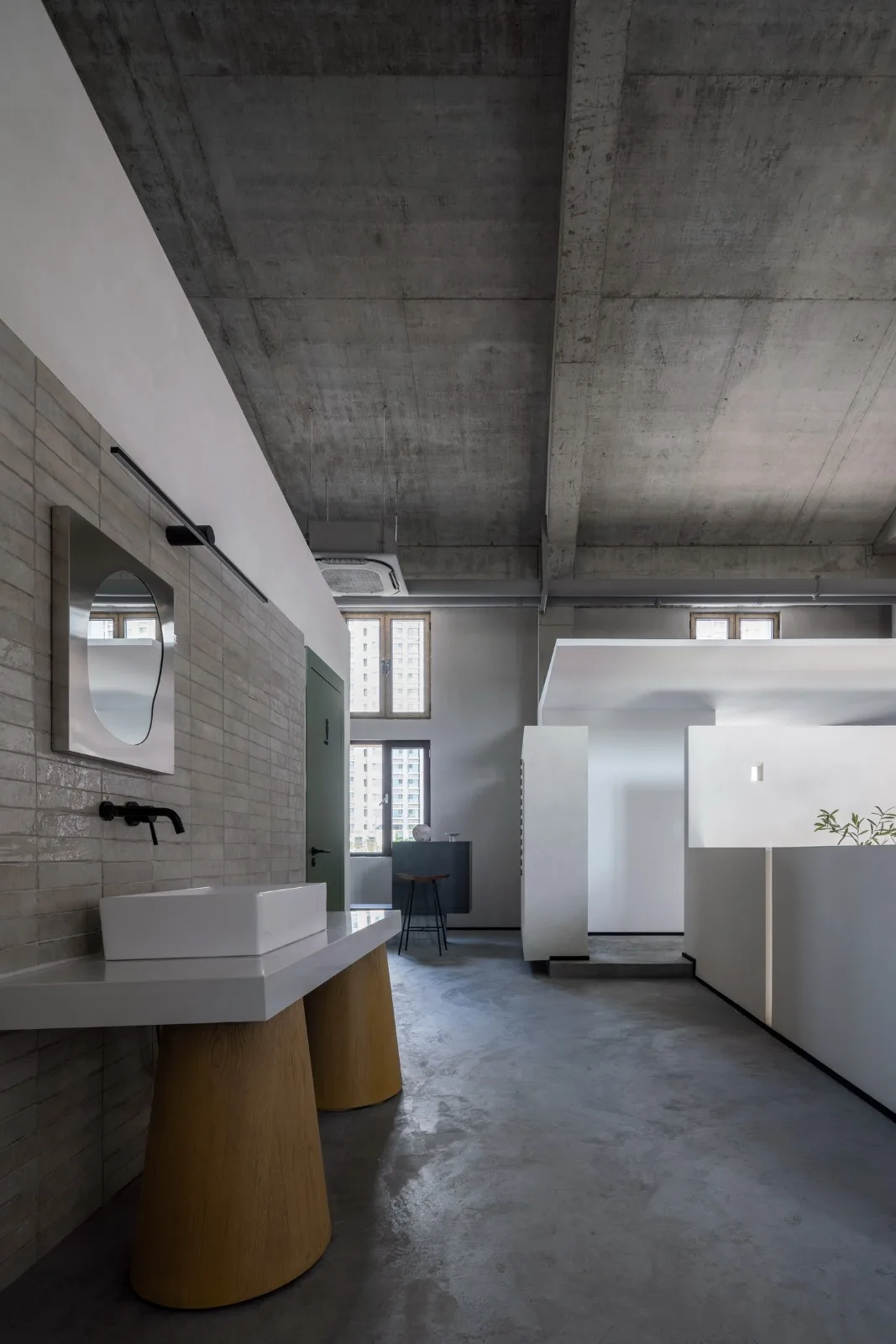
Emphasizing light via a light gray cement ceiling, the second-floor public courtyard features blending, intertwining, separating, and stacking blocks that make the space flexible and dynamic. The interaction of shadows and darkness elevates the emotional value and significance of light.
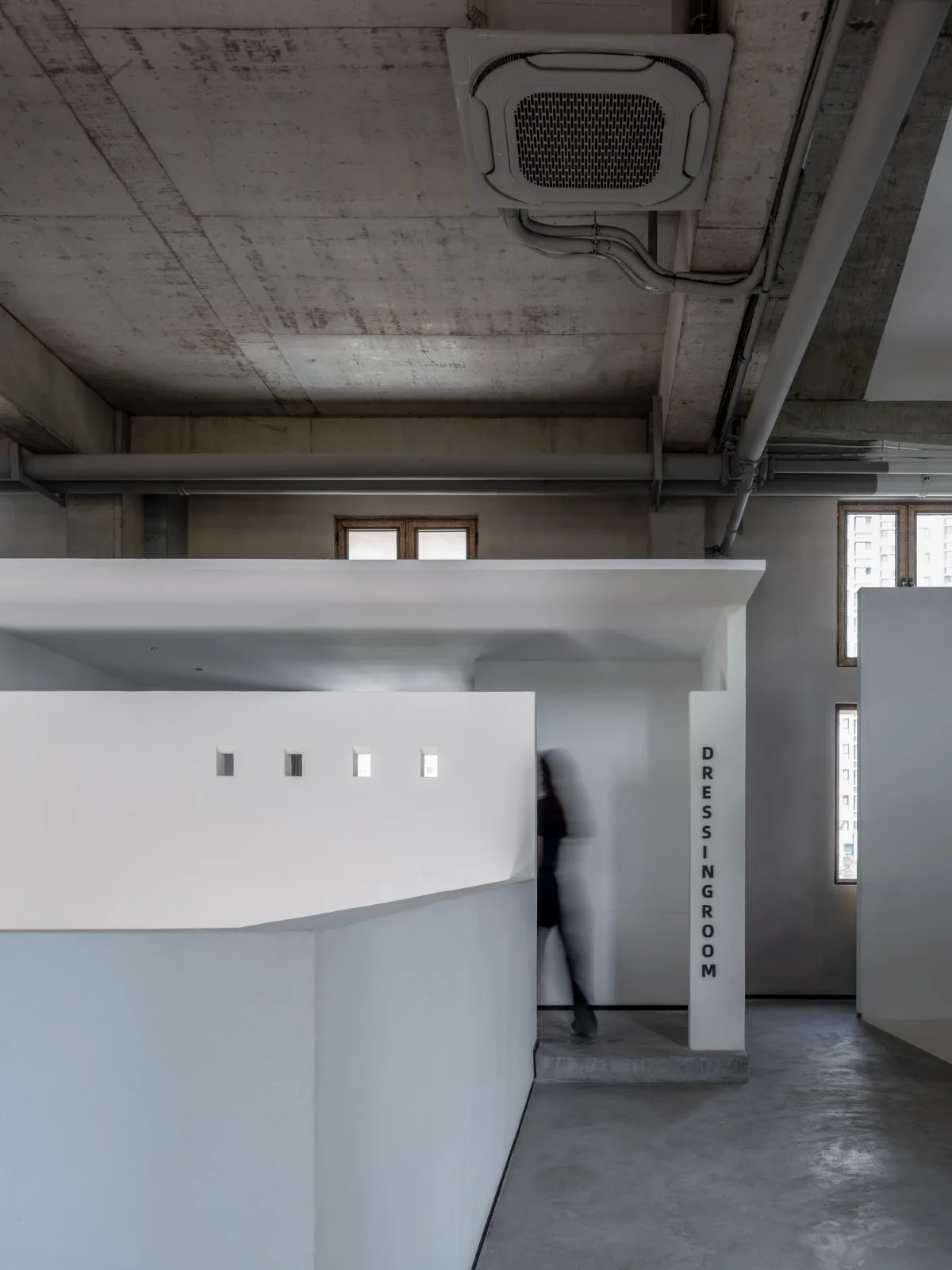
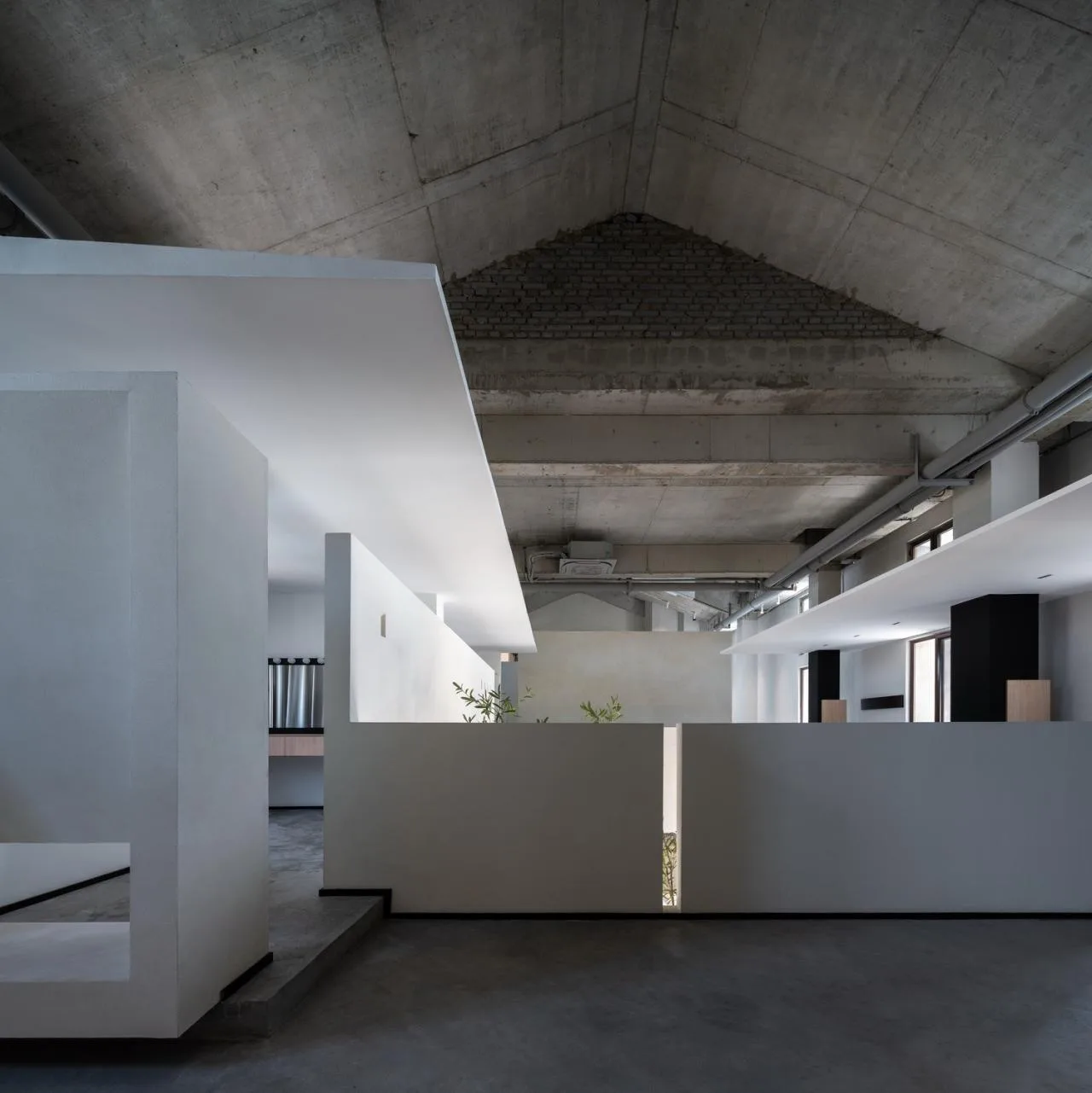
To maintain spatial continuity, the design avoids long, straight corridors. Instead, winding and varied paths add richness and fun. Transitional spaces blend different forms and atmospheres, creating an intangible order between areas. Traditional Chinese craftsmanship techniques are employed to evoke a desire to “swim” through the space, allowing visitors to appreciate its depth and complexity.
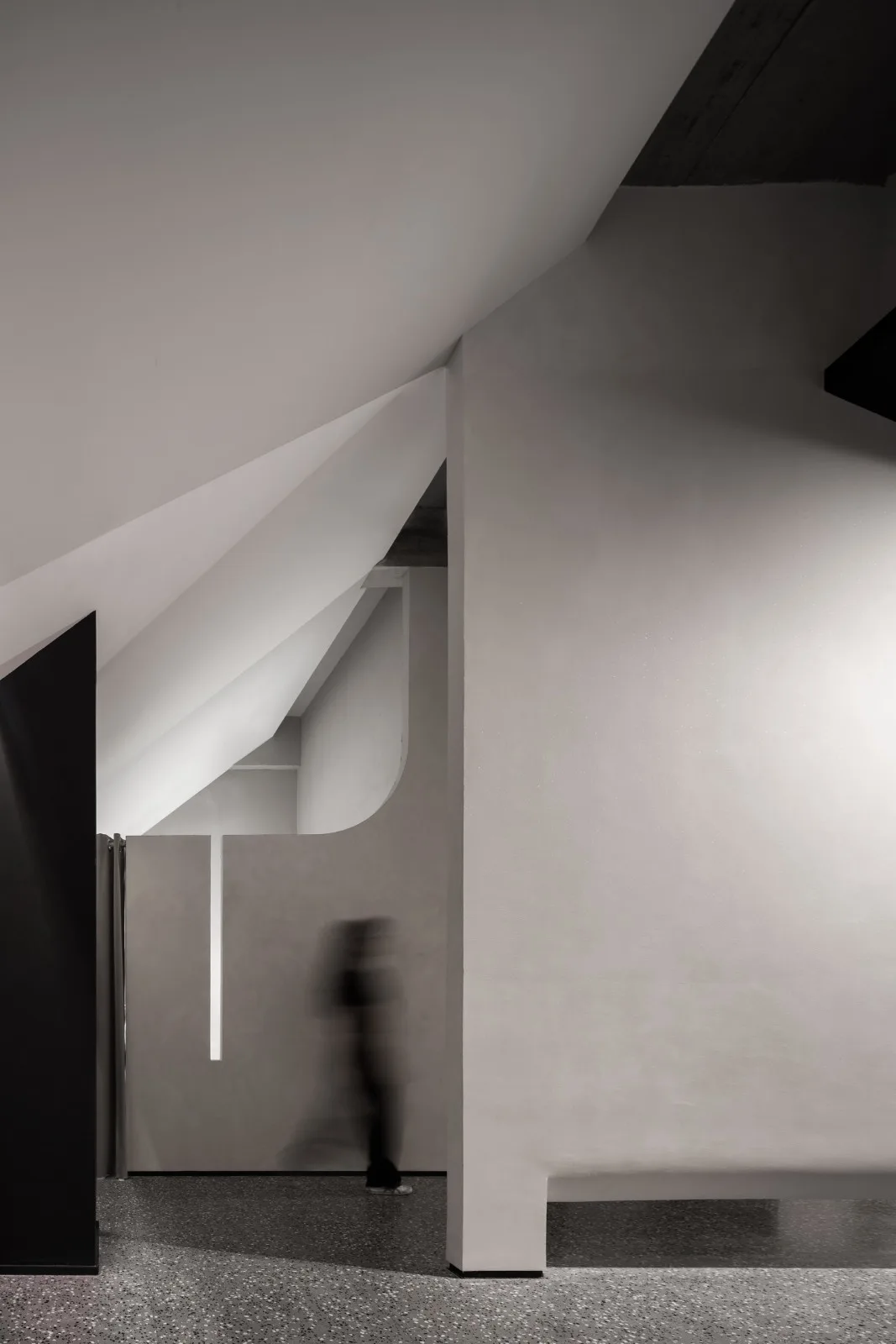
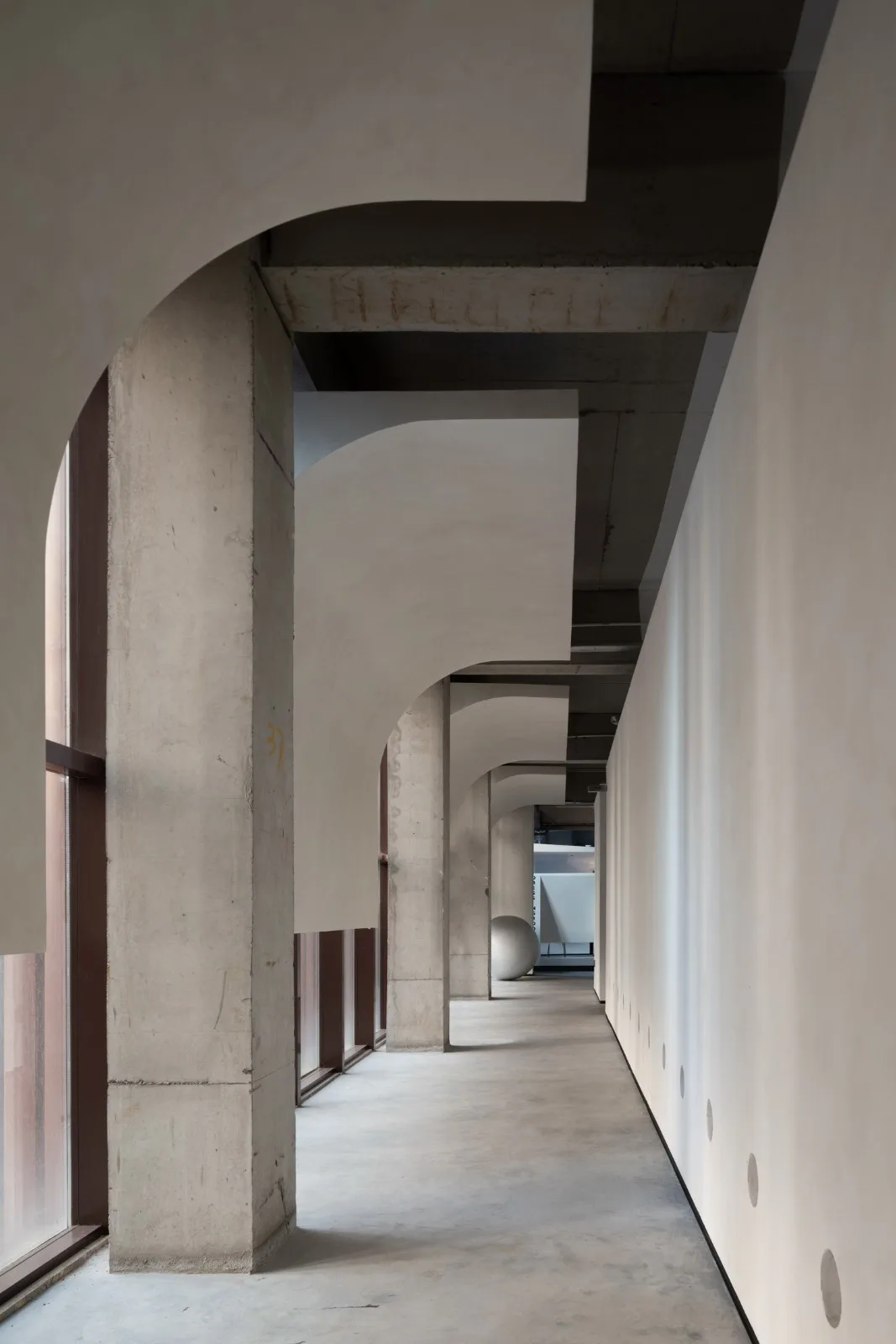
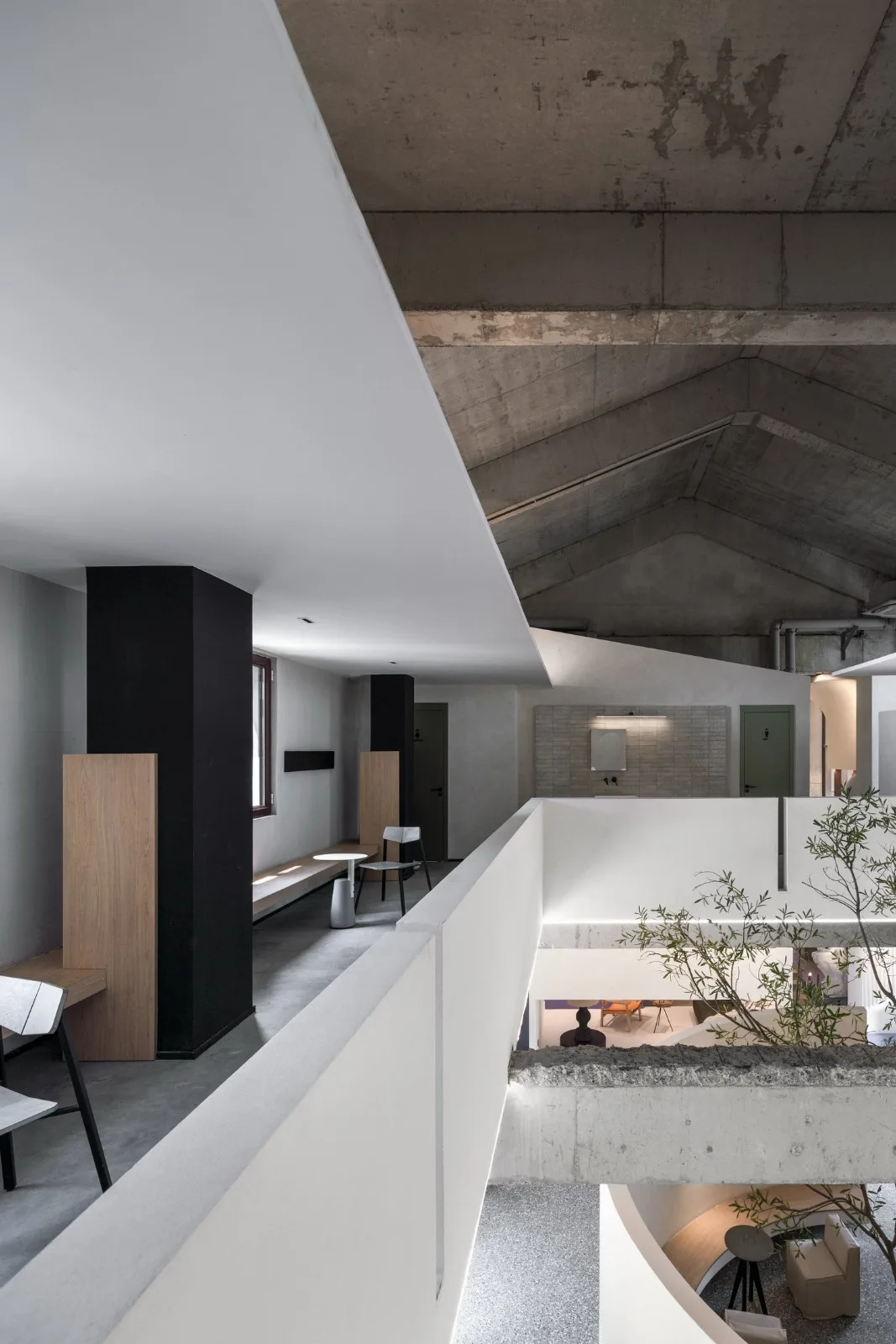
Spatial planning gradually intensifies interpersonal interactions. The design maintains privacy for activities like exploring shops, consultations, and photography by zoning spaces appropriately. It also blurs traditional boundaries by removing doors and employing semi-private treatments based on visual differences in building blocks, allowing the space to flow naturally. This encourages relaxed and comfortable communication.
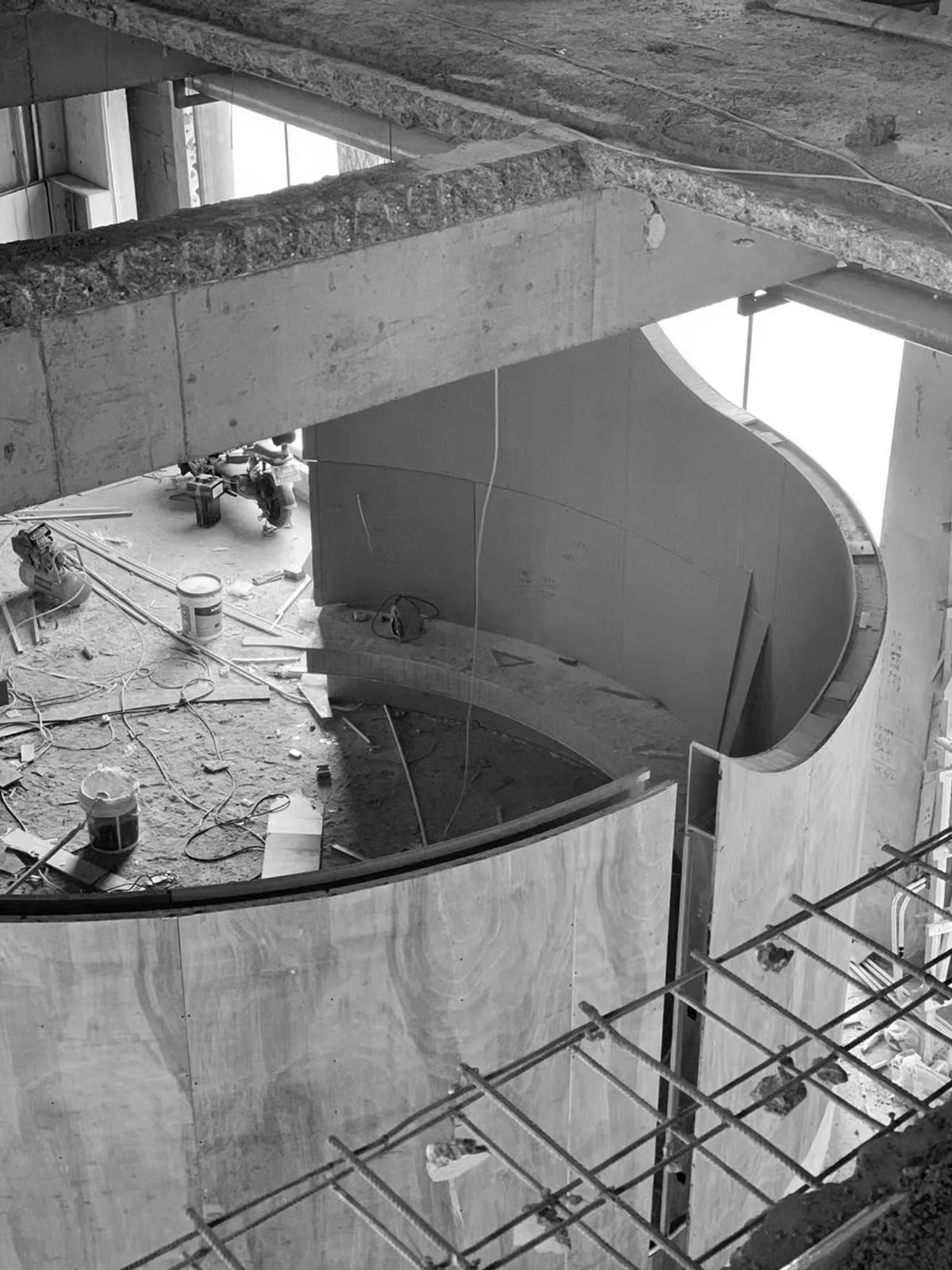
Project Drawings
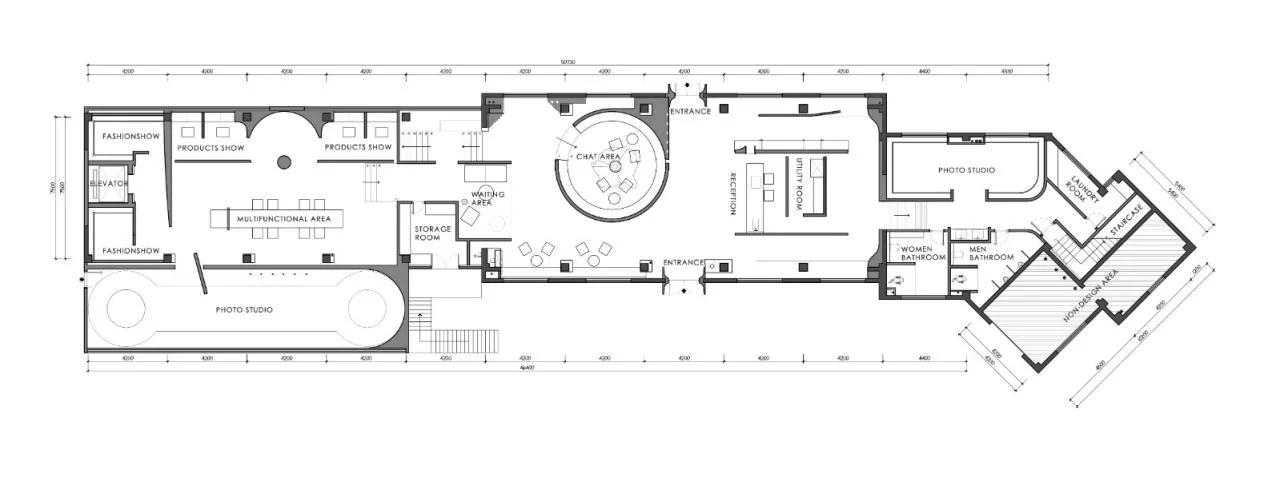
△ First Floor Plan
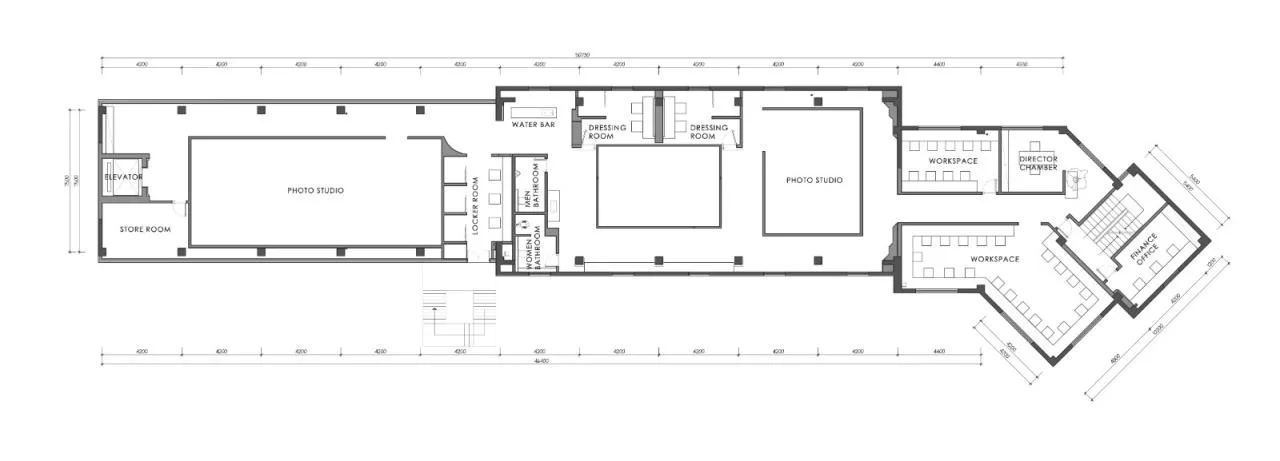
△ Second Floor Plan
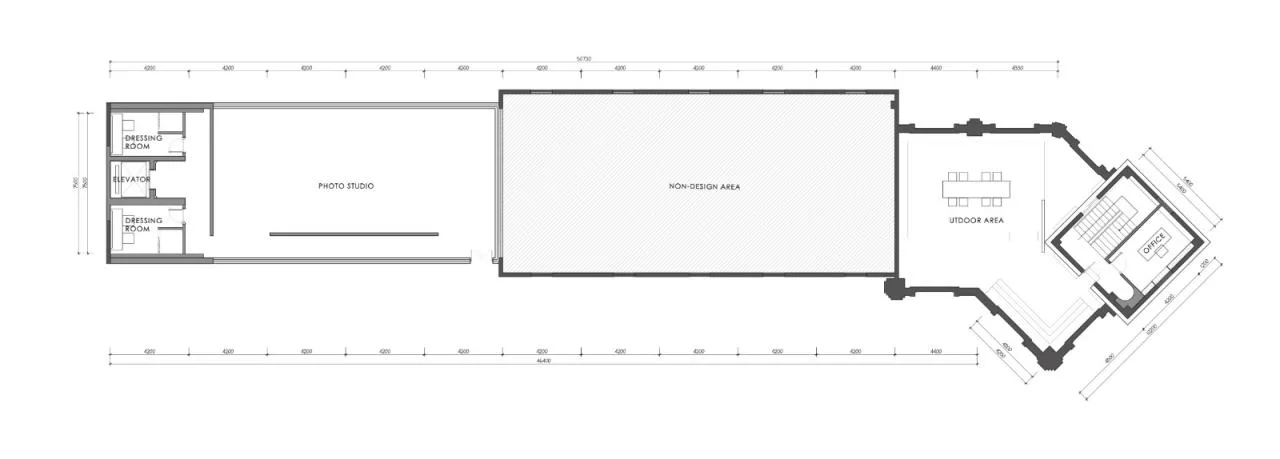
△ Third Floor Plan
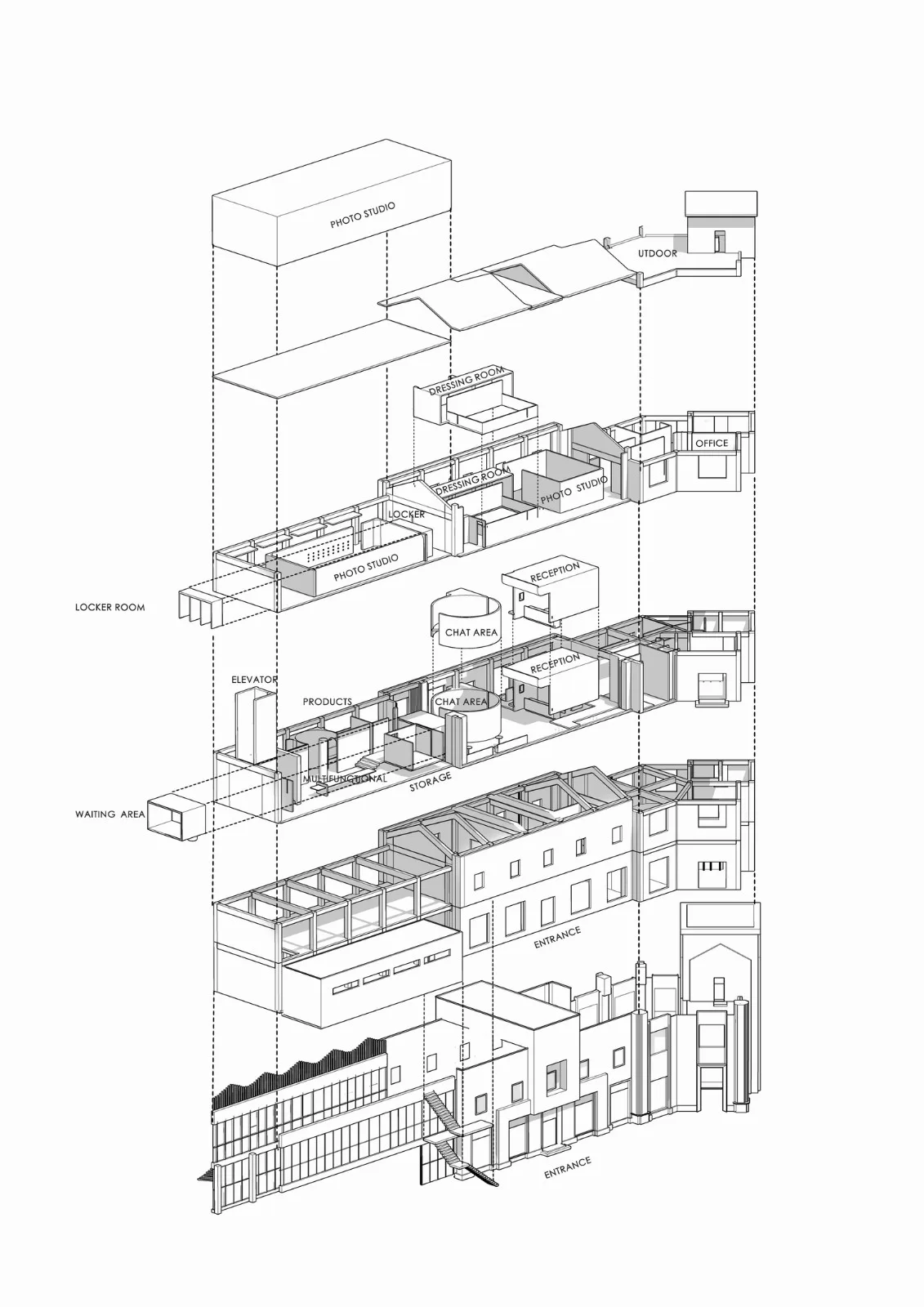
△ Exploded Diagram
Project Information
Project Name: RAyinGallery
Location: Taiyuan, Shanxi
Design Firm: HOOOLDESIGN
Lead Designer: Han Lei
Design Team: Jing Chao, Huang Debin, Li Jingyi, Zhi Pengfei
Lighting: LST Commercial Lighting Design
Art Wall Material: JCC Creative Color Design Center
Product Design: Aino Yizhai · System Furniture
Area: 1,400 square meters
Type: Photography Space
Completion Year: 2021
Photography: Wu Jianquan















Must log in before commenting!
Sign Up